Picture a world before any of the animals you know today existed. No birds overhead, no fish in the sea, no towering creatures roaming the land. The Earth was alive, but in ways so alien it almost defies imagination. Fossils are our one direct window into that incomprehensible past, and some of them have shattered everything we thought we knew about how life on this planet began and evolved.
What is particularly wild is that many of these breakthroughs didn’t come from massive, well-funded expeditions. They came from someone’s horse slipping on a trail, a curious daughter wandering sea cliffs, or a graduate student spotting a bone fragment sticking out of a slope. Life’s most profound secrets have a way of announcing themselves in the most casual, unexpected moments.
You’re about to discover eleven fossil finds that genuinely rewrote the textbooks. Some will challenge your instincts, some will flat-out astonish you, and a few might make you quietly question your own place in the great story of life. Let’s dive in.
1. The Burgess Shale: A Snapshot of Life’s Greatest Experiment
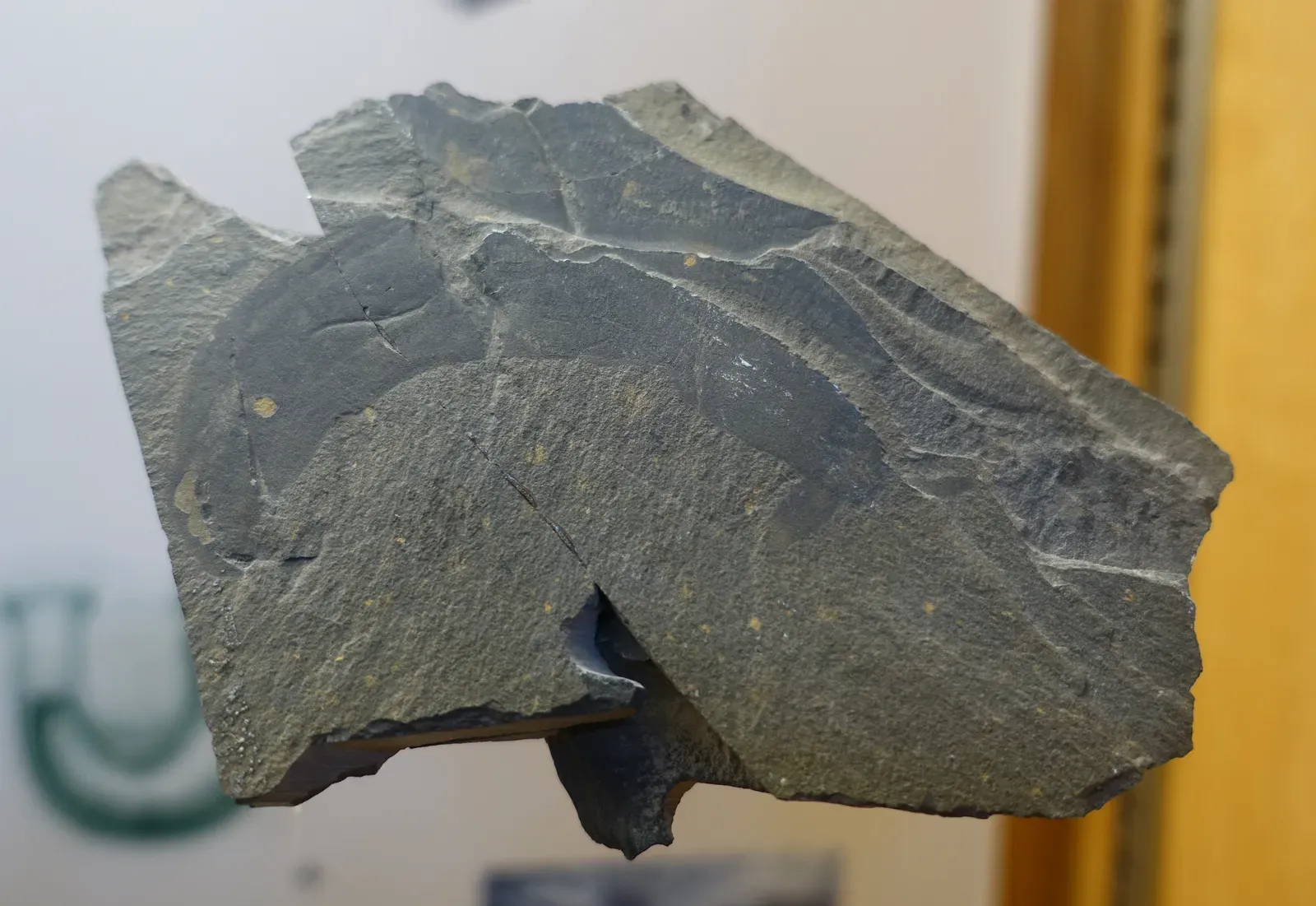
If you’ve never heard of the Burgess Shale, honestly, that’s a shame, because it may be the single most important fossil site ever found. It is a fossil-bearing deposit exposed in the Canadian Rockies of British Columbia, and it is famous for the exceptional preservation of the soft parts of its fossils, dating back approximately 508 million years. Think about that for a moment. Half a billion years ago, creatures with no bones, no shells, no hard parts whatsoever were somehow frozen in stone with their soft tissues completely intact.
The Burgess Shale was discovered by palaeontologist Charles Walcott on 30 August 1909, near the end of the season’s fieldwork. He returned in 1910 with his sons, daughter, and wife, establishing a quarry on the flanks of Fossil Ridge, and the significance of the soft-bodied preservation led him to return to the quarry almost every year until 1924. The Burgess fossils tell nothing less than the story of the Cambrian Explosion, evolution’s Big Bang, when relatively simple organisms rapidly diversified into the sorts of animals that live today. Before this find, scientists had almost no idea what those ancient creatures even looked like beneath their shells.
2. Tiktaalik: The Fish That Learned to Walk
Uploaded by FunkMonk, CC BY-SA 2.0)
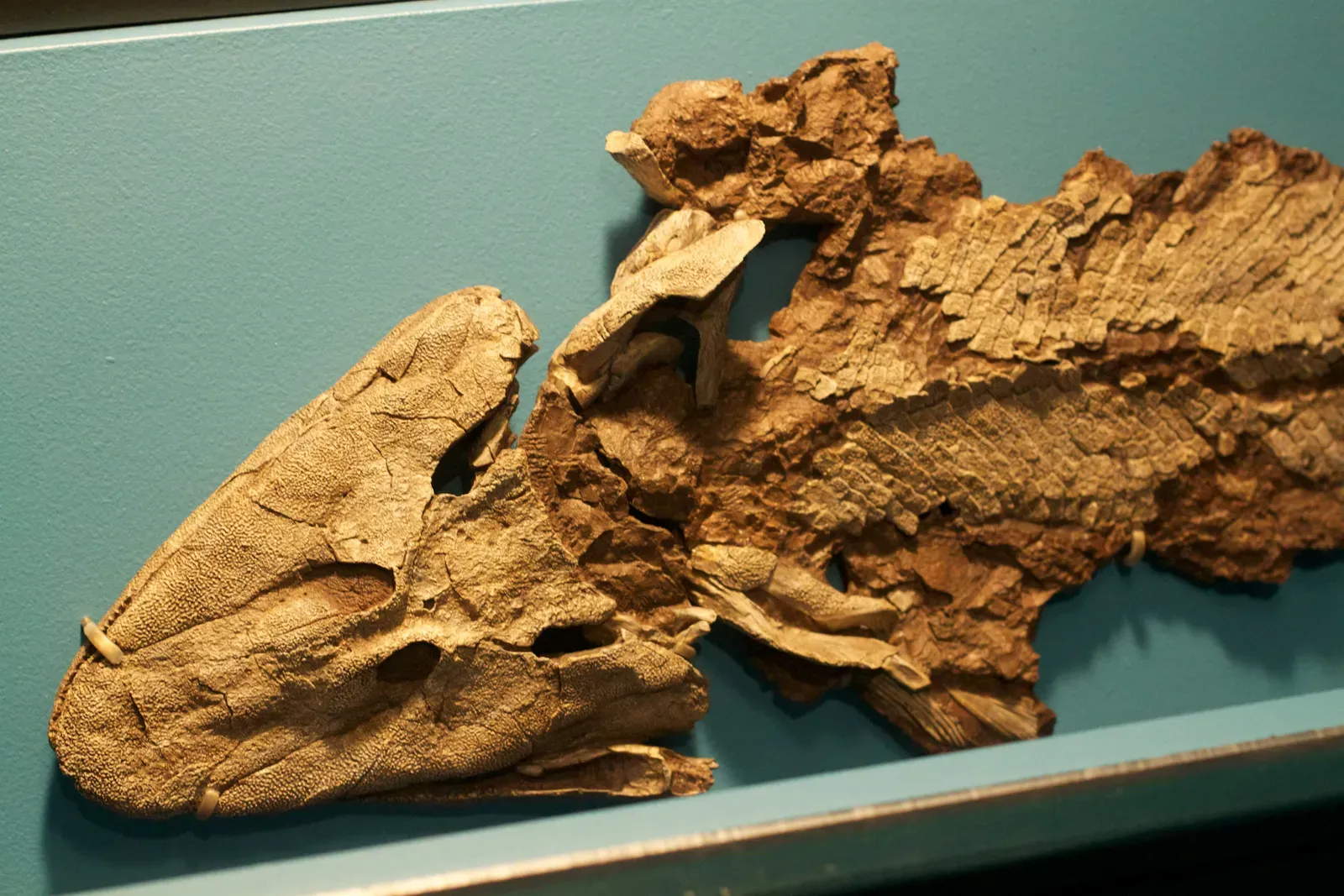
Tiktaalik, discovered in 2004 on Canada’s Ellesmere Island, is a fascinating fossil bridging the evolutionary gap between fish and early tetrapods. Dating back 375 million years, this “fishapod” possessed features like robust fins with wrist-like bones, gills, and lungs, and its adaptations suggest it was capable of both swimming in water and supporting itself on land. It’s like finding nature’s rough draft, the moment vertebrate life was still figuring out whether it wanted to live in the water or brave the unknown shores.
The discovery of Tiktaalik was significant because it provided strong evidence to support the idea that tetrapods evolved from fish that began to venture onto land in search of food or to escape predators. It also provided insights into the evolutionary changes required for fish to make the transition to life on land, such as the development of lungs and changes in the structure and function of fins. The discovery of Tiktaalik also validated predictions made by paleontologists about where such transitional fossils might be found, which is an extraordinary vindication of the power of evolutionary theory as a predictive tool.
3. Lucy: The Ancestor Who Walked Before She Thought
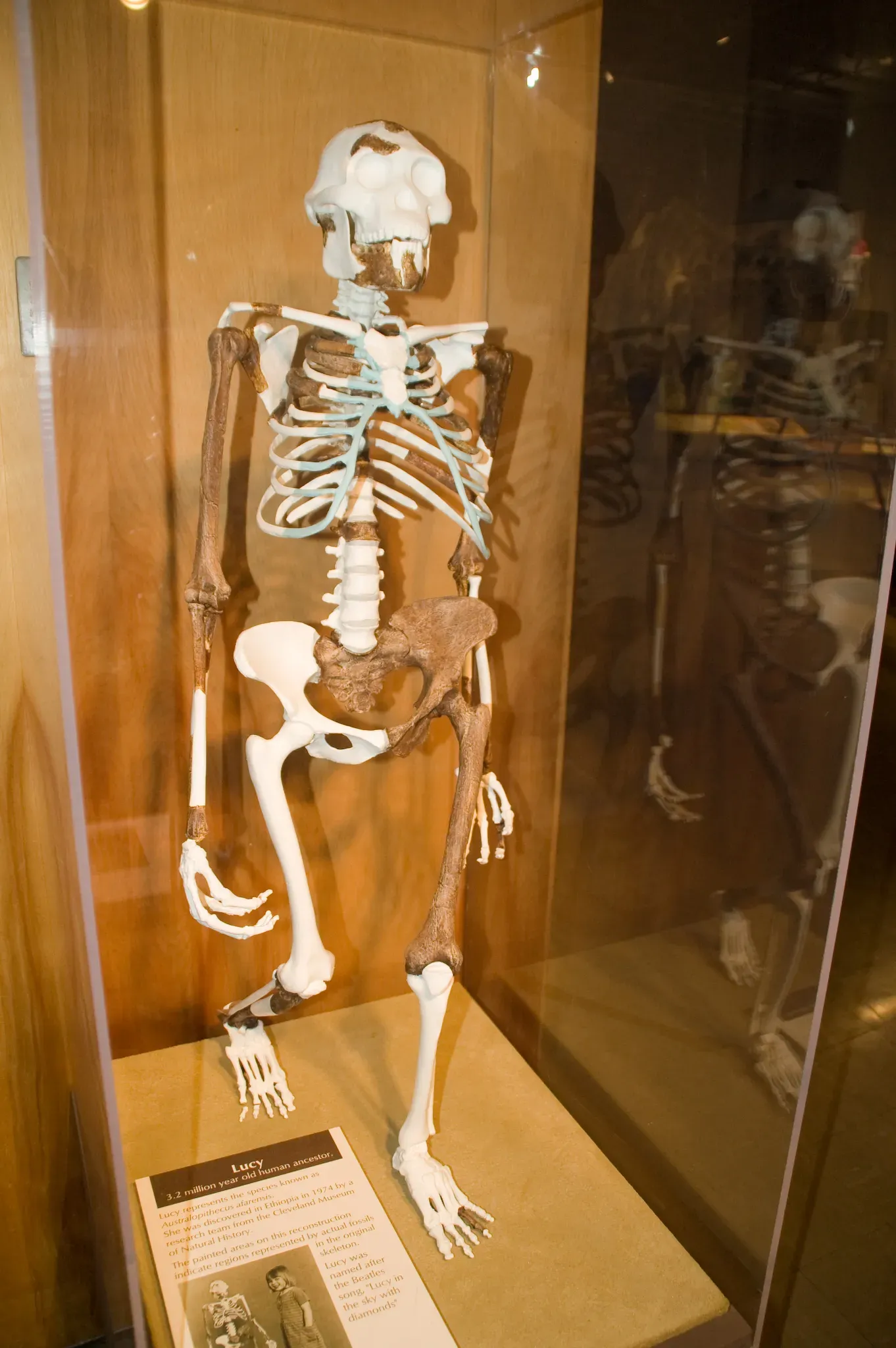
On 24 November 1974, palaeoanthropologist Donald Johanson was exploring the ravines and valleys of the Hadar river in the Afar region of northeastern Ethiopia when he spotted an arm bone fragment poking out of a slope. He later recounted that his pulse quickened as he realised it belonged not to a monkey but a hominin, and as the team found more and more fragments they began to appreciate they were uncovering an extraordinary skeleton. The full excavation took three weeks. That night, back at camp, the discovery team played the Beatles’ song “Lucy in the Sky with Diamonds” on repeat, and a name was born.
Johanson and his team found about 40 percent of Lucy’s skeleton and later determined her fossils to be approximately 3.2 million years old. At the time, this made Lucy both the oldest and most complete early human ancestor or relative ever found. Perhaps more importantly, Lucy’s fossils confirmed that hominins became bipedal, meaning they could walk on two legs, before the development of large brains. That completely flipped the prevailing assumption of the era, which held that human intelligence came first and upright walking followed. It turns out, the legs led the way.
4. Archaeopteryx: The Missing Link Between Dinosaurs and Birds
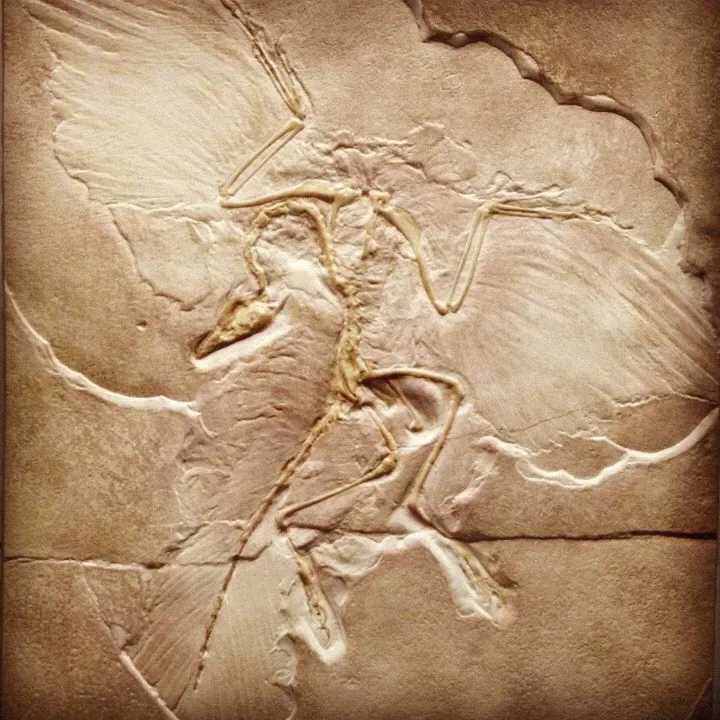
Archaeopteryx is one of the world’s most famous fossils, and it is widely regarded as the missing link between dinosaurs and birds, displaying a perfect blend of avian and reptilian features. The first Archaeopteryx skeleton was uncovered in Germany in 1861, and this extraordinary find had clear impressions of feathers around its skeleton. Birds weren’t known from this long ago, so it was described as one of the first birds. The timing of its discovery could not have been more dramatic.
Just two years earlier, Charles Darwin had published his revolutionary book On the Origin of Species. Thomas Huxley, who was a great disciple of Darwin, was one of the first people to realise the significance of Archaeopteryx, and he noticed there were similarities between it and some meat-eating dinosaur skeletons. I think it’s worth pausing to appreciate how seismic that moment was. The scientific world was already reeling from Darwin’s ideas, and here was a creature literally caught mid-transformation, feathered like a bird but toothed and clawed like a reptile. It was argument made in stone.
5. Trilobites: Witnesses to 270 Million Years of Ocean Life
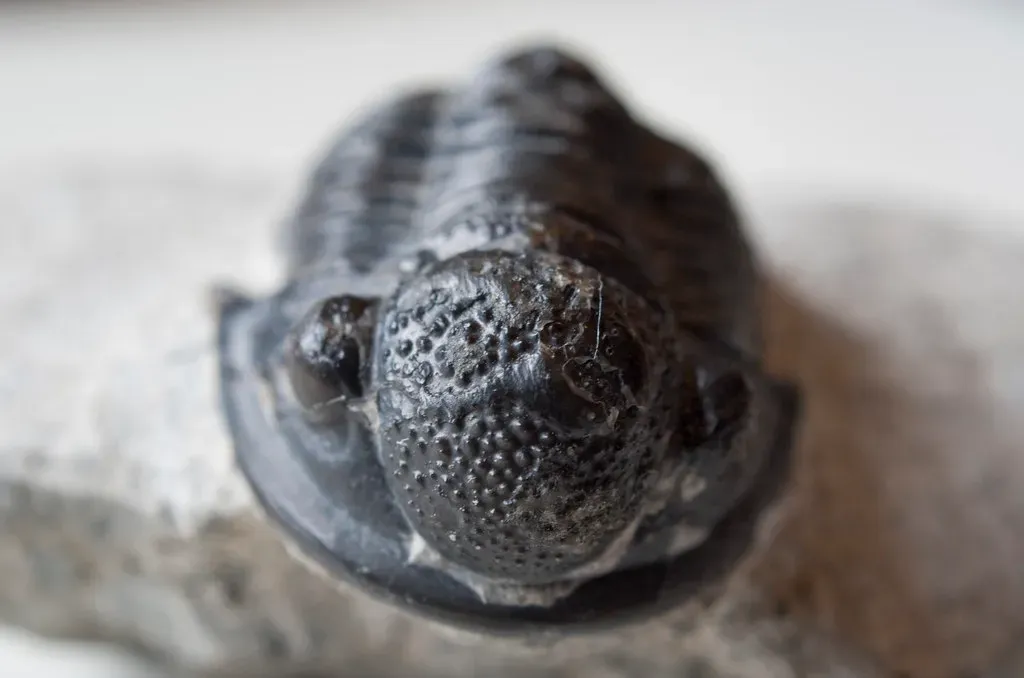
Trilobites, ancient marine arthropods, dominated Earth’s oceans for over 270 million years before going extinct 252 million years ago. Their segmented exoskeletons and compound eyes are iconic features, and their fossils have been found worldwide. Trilobites are crucial for understanding the Cambrian Explosion, a period of rapid evolutionary diversification. You could think of them as the cockroaches of the ancient seas, impossibly adaptable, surviving for a stretch of time that makes human civilization look like a blink.
One of the most fascinating aspects of trilobites is their adaptability; they evolved into thousands of species and occupied diverse ecological niches. Their fossilized tracks and burrows provide insights into their behavior. Niles Eldredge’s study of the Phacops trilobite genus supported the hypothesis that modifications to the arrangement of the trilobite’s eye lenses proceeded by fits and starts over millions of years during the Devonian. His interpretation of the Phacops fossil record was that the aftermath of the lens changes, but not the rapidly occurring evolutionary process, was fossilized, and this data led Stephen Jay Gould and Niles Eldredge to publish their seminal paper on punctuated equilibrium in 1971. A tiny eye lens reshaped how we think about the pace of evolution itself.
6. Precambrian Microfossils: Life Was Here Billions of Years Earlier Than We Thought
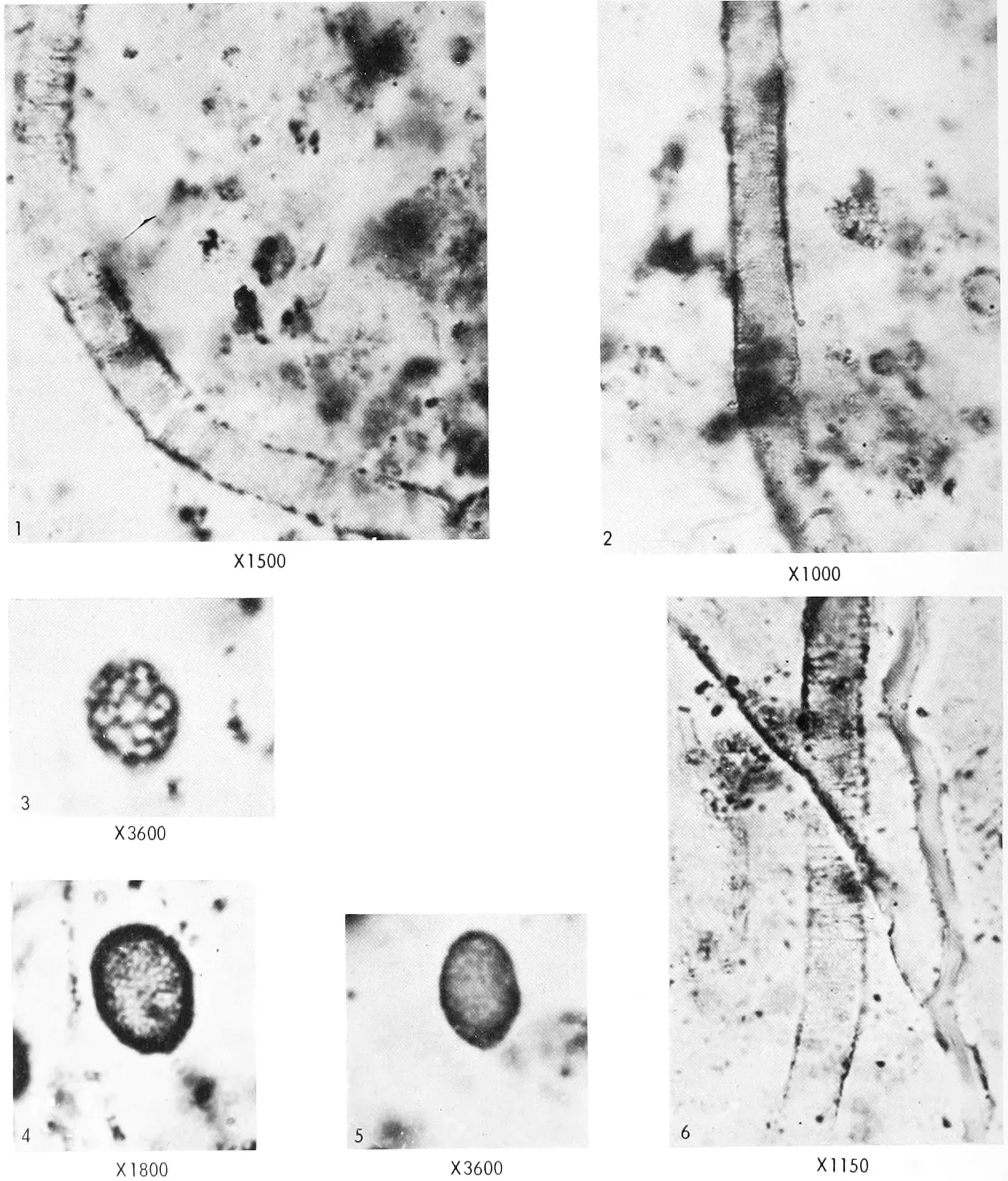
Here’s where things get genuinely mind-bending. Before these discoveries, many scientists assumed complex life was the entire story. Precambrian microfossils showed us that life on Earth started much earlier than we thought. While complex animals emerged only 500 to 600 million years ago, these microscopic organisms were living billions of years before that. These fossils are so tiny you cannot see them with the naked eye, yet their impact on science has been enormous.
The oldest traces of life on Earth are fossils of this type, including carbon isotope anomalies found in zircons that imply the existence of life as early as 4.1 billion years ago. They revealed the origin of the oxygen atmosphere. Because the story of oxygen, the story of complex life, the story of everything we see around us starts with these invisible beings. It’s hard not to feel a little humbled knowing that the entire stage for all visible life on Earth was set by creatures so small they could drift through the eye of a needle.
7. Sue the T. Rex: Rewriting the Biology of Earth’s Most Famous Predator
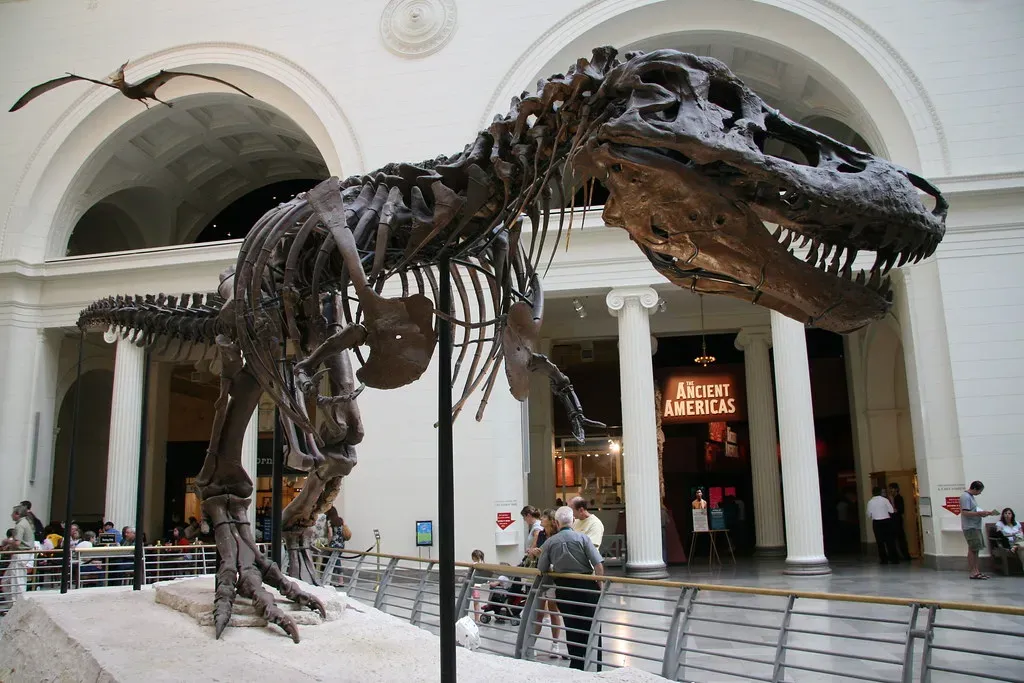
Sue, the most complete and well-preserved Tyrannosaurus rex skeleton ever discovered, was unearthed in 1990 by fossil hunter Sue Hendrickson near Faith, South Dakota. This colossal predator, dating back 67 million years, boasts over 90 percent of its skeleton intact, including a 5-foot-long skull brimming with sharp teeth. For context, most T. rex specimens before Sue were collections of fragments, giving scientists only rough guesses about anatomy and behavior. Sue changed all of that.
The discovery of T. rex fossils has provided valuable insights into the biology, behavior, and evolution of dinosaurs. Studies of T. rex bones and teeth have helped scientists better understand its diet and hunting behavior, and have shed light on the physiology and biomechanics of large predatory dinosaurs. T. rex fossils also helped to establish the timeline of dinosaur evolution, and provided evidence of the asteroid impact believed to have contributed to the extinction of the dinosaurs at the end of the Cretaceous period. Let’s be real: Sue didn’t just change paleontology. She changed popular culture, putting the raw terror and biological reality of the Cretaceous squarely in front of the public’s eyes.
8. Maiasaura Nests: Discovering That Dinosaurs Were Caring Parents
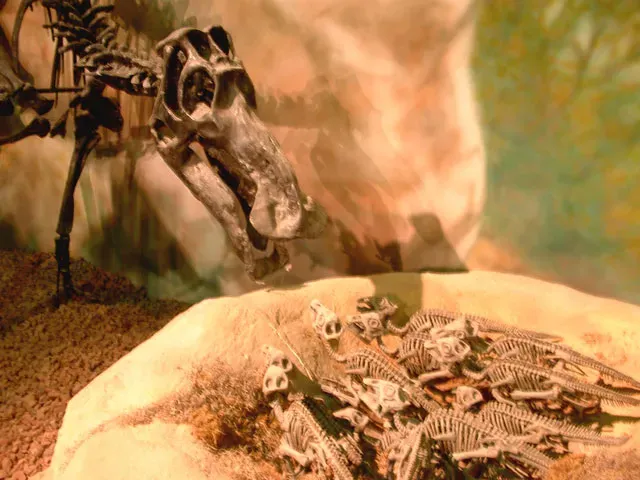
For decades, the image of dinosaurs was cold, reptilian, and entirely solitary. Then came a discovery that flipped the script entirely. The Maiasaura fossils were found in a large nesting colony in Montana in 1978, with eggs, embryos, and young animals all discovered inside nests. This provided evidence for the first time that some giant dinosaurs raised and fed their young in the nest, which informed their name Maiasaura, meaning “Good Mother,” and the area in which they were found became known as “Egg Mountain.”
The idea of dinosaurs building nests and feeding their young emerged with these fossils, showing that dinosaurs were creatures that displayed complex social behaviors. This wasn’t just a biological revelation. It was an emotional one. Suddenly these prehistoric giants weren’t monsters, they were parents. The discovery opened an entire new field of research into dinosaur behavior and fundamentally changed how scientists interpreted their relationship to modern birds, whose parental care habits bear striking similarities to what was found at Egg Mountain.
9. The Coelacanth: A “Living Fossil” That Rewrote Extinction Timelines
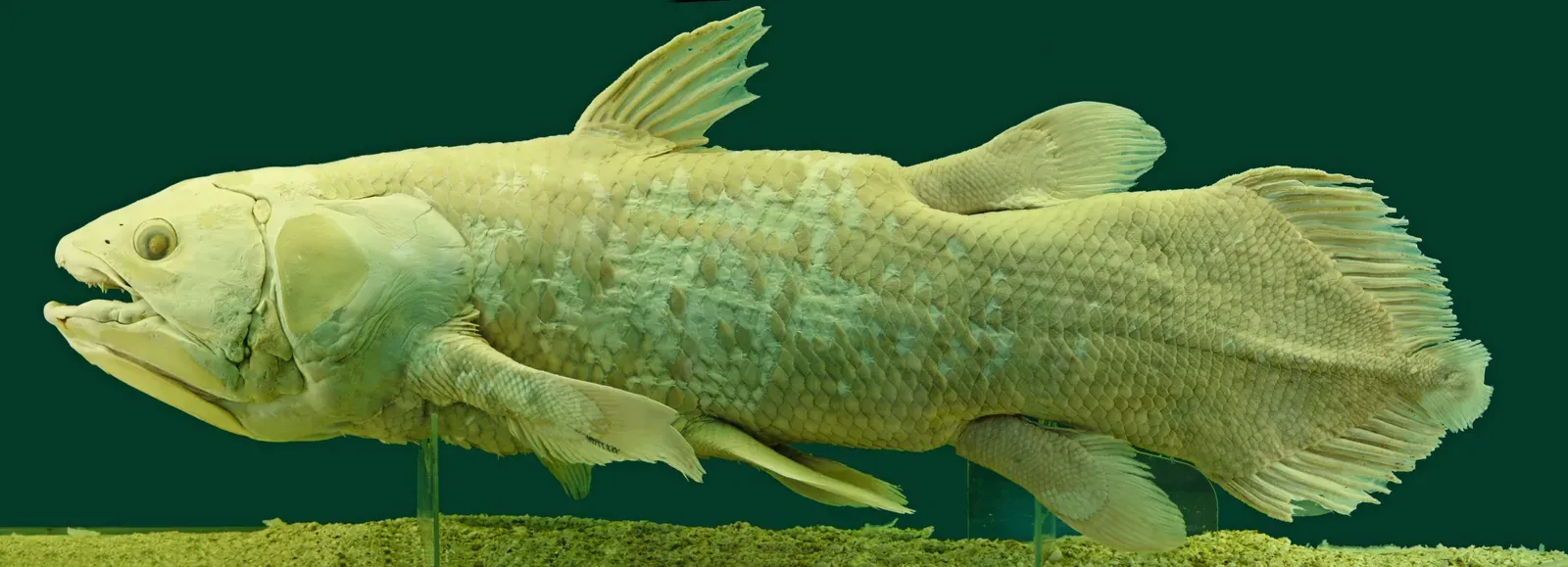
Imagine scientists declaring a species extinct for tens of millions of years, and then someone pulls one up from the deep ocean in a fishing net. Once believed to have gone extinct 66 million years ago, the coelacanth was rediscovered alive in 1938 off the coast of South Africa. This is the sort of discovery that makes even the most seasoned scientist do a double-take. It was as if someone found a live mammoth wandering through a supermarket parking lot.
The coelacanth belongs to a lineage of lobe-finned fishes considered critical to understanding the evolutionary transition from ocean to land. Scientists have uncovered new clues about some of Earth’s earliest fish, shedding light on the ancient origins of vertebrates that eventually moved onto land. By reanalyzing fossils from Australia’s famed Gogo Formation and studying a newly reconstructed 410-million-year-old lungfish skull from China, researchers have been revealing how these primitive creatures evolved. The coelacanth’s survival forces science to stay humble: the fossil record has enormous gaps, and what we classify as extinct may simply be hiding.
10. The “Fighting Dinosaurs” of the Gobi Desert: Evolution Frozen in a Single Moment
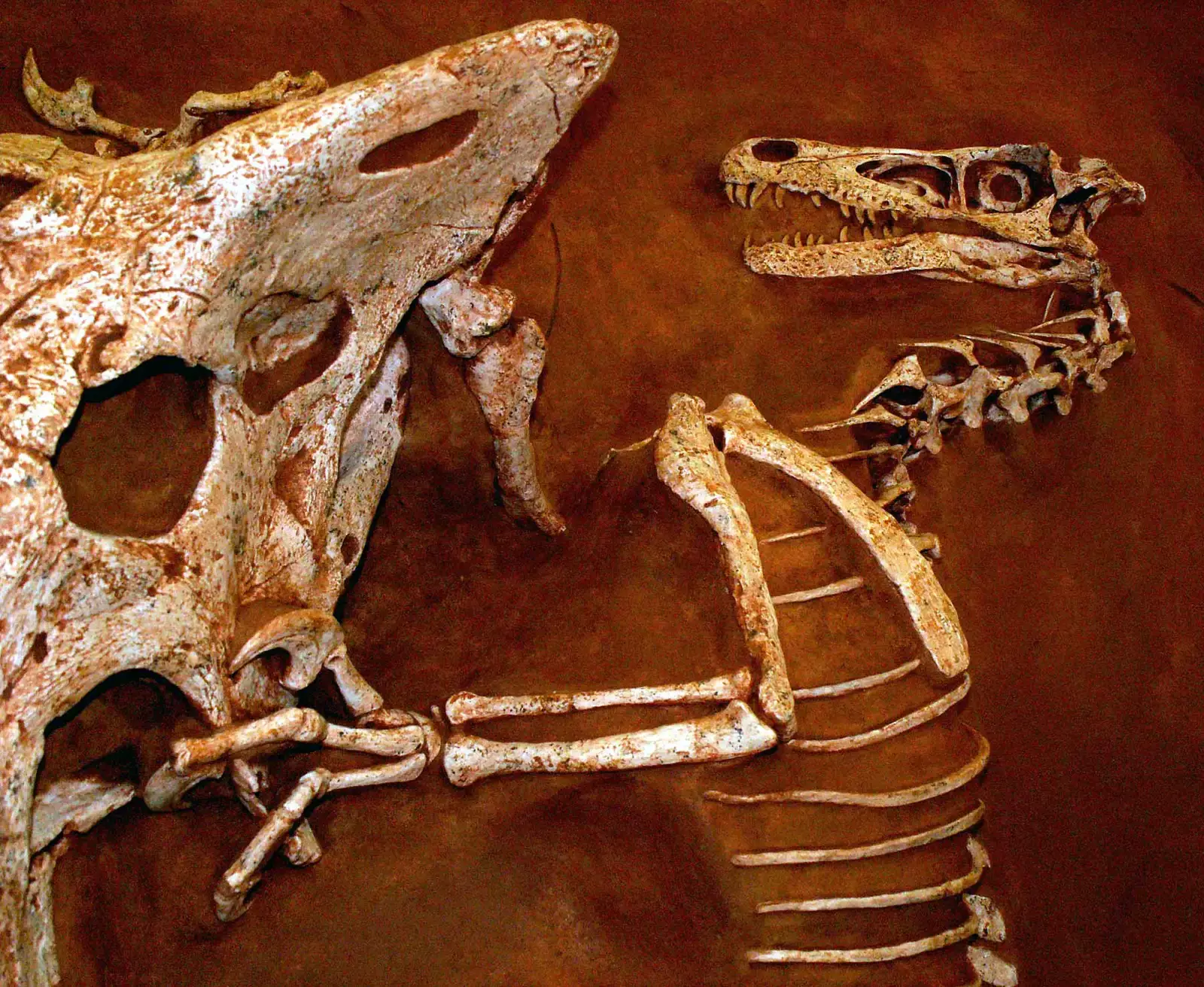
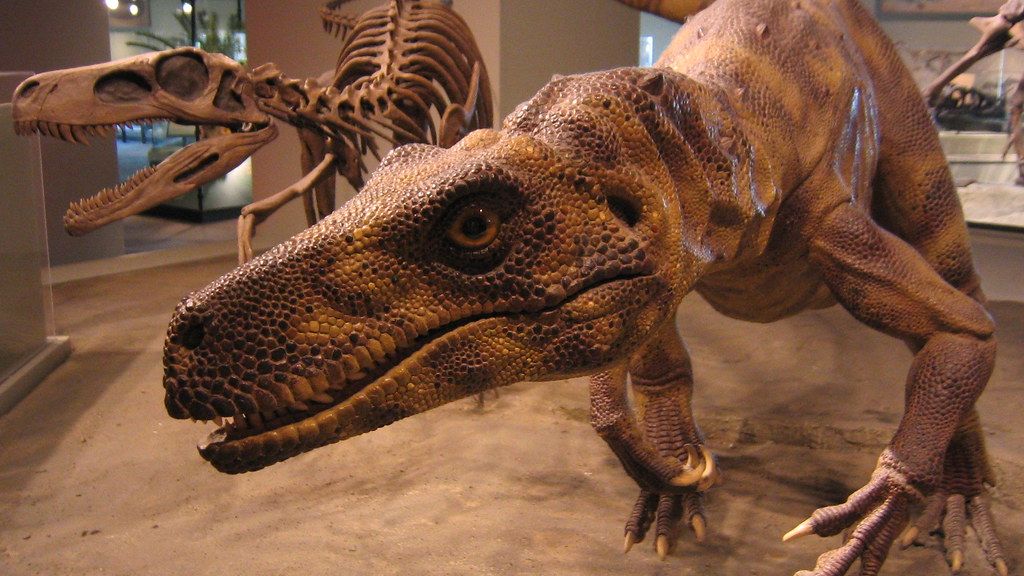
Most fossils show us anatomy. This one showed us action. In 1971, out in the isolated wilderness of the Gobi Desert, two fossils were found locked together in an endless brawl. A velociraptor was going toe-to-toe with a protoceratops, and it seems like the protoceratops was winning, before they both died simultaneously. The leading hypothesis is that a sand dune fell on top of them and they were crushed, frozen in time. It’s one of the most viscerally stunning fossils ever unearthed anywhere on Earth.
The significance goes far beyond the drama. This discovery confirmed that velociraptor actively attacked prey much larger than itself, which had been theorized but never directly evidenced before. It also told us something profound about predator-prey dynamics in the Cretaceous ecosystems of Central Asia. The study of fossils, known as paleontology, has revealed a wealth of information about the evolution of plants, animals, and other organisms over millions of years. From the discovery of ancient human ancestors to the identification of long-extinct species, fossils have helped scientists piece together the story of our planet’s past. But nowhere does that story feel more immediate than when two ancient rivals are still locked together, millions of years later.
11. Mary Anning’s Ichthyosaur: The Discovery That Launched Modern Paleontology
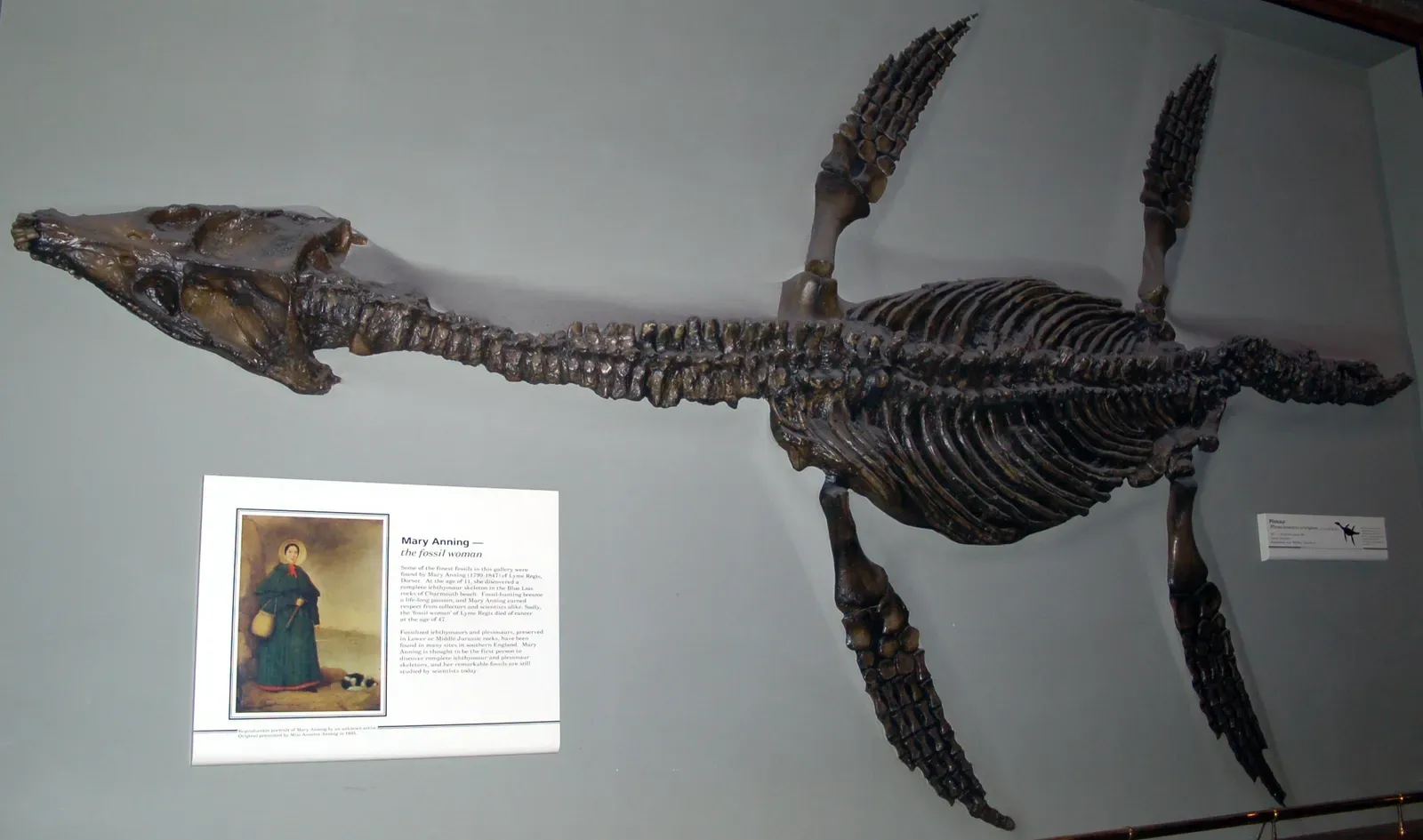
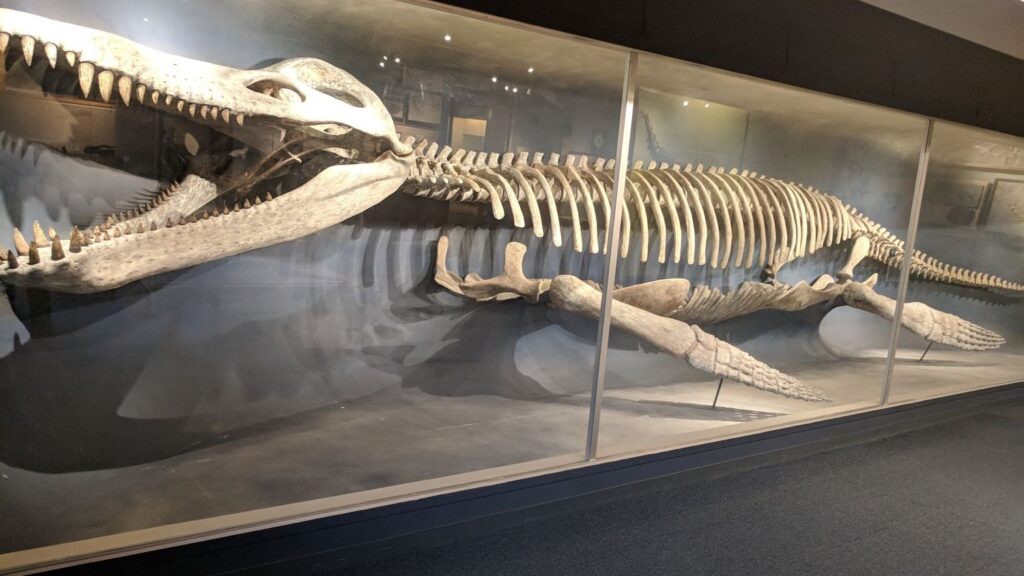
In 1811, Lyme Regis was already a popular holiday spot, known for the ammonites buried along its shoreline, when Mary’s brother found a fossilised skull. Mary carefully revealed the skull’s 5.2-metre-long skeleton, and the discovery was eventually named Ichthyosaurus, a marine reptile that lived 201 to 194 million years ago. Mary Anning was just twelve years old at the time. Twelve. It’s hard to imagine a more extraordinary start to any scientific career in history.
In 1823, Anning discovered the first complete skeleton of a Plesiosaurus. Five years later, she uncovered what turned out to be the first remains of the first pterosaur discovered outside Germany. Although the male scientists who studied Anning’s extraordinary scientific discoveries refused to credit her, a woman, Anning’s work continues to captivate people today. The Dorset coast she called home is now part of the Jurassic Coast UNESCO World Heritage site, renowned for its spectacular coastal scenery, rock formations, fossils, and geological landforms. It is one of the few parts of the world where you can glimpse 185 million years of Earth’s history in one place. Her story is a reminder that the greatest discoveries often come from the most overlooked people.
Conclusion: The Ground Beneath You Is Telling a Story
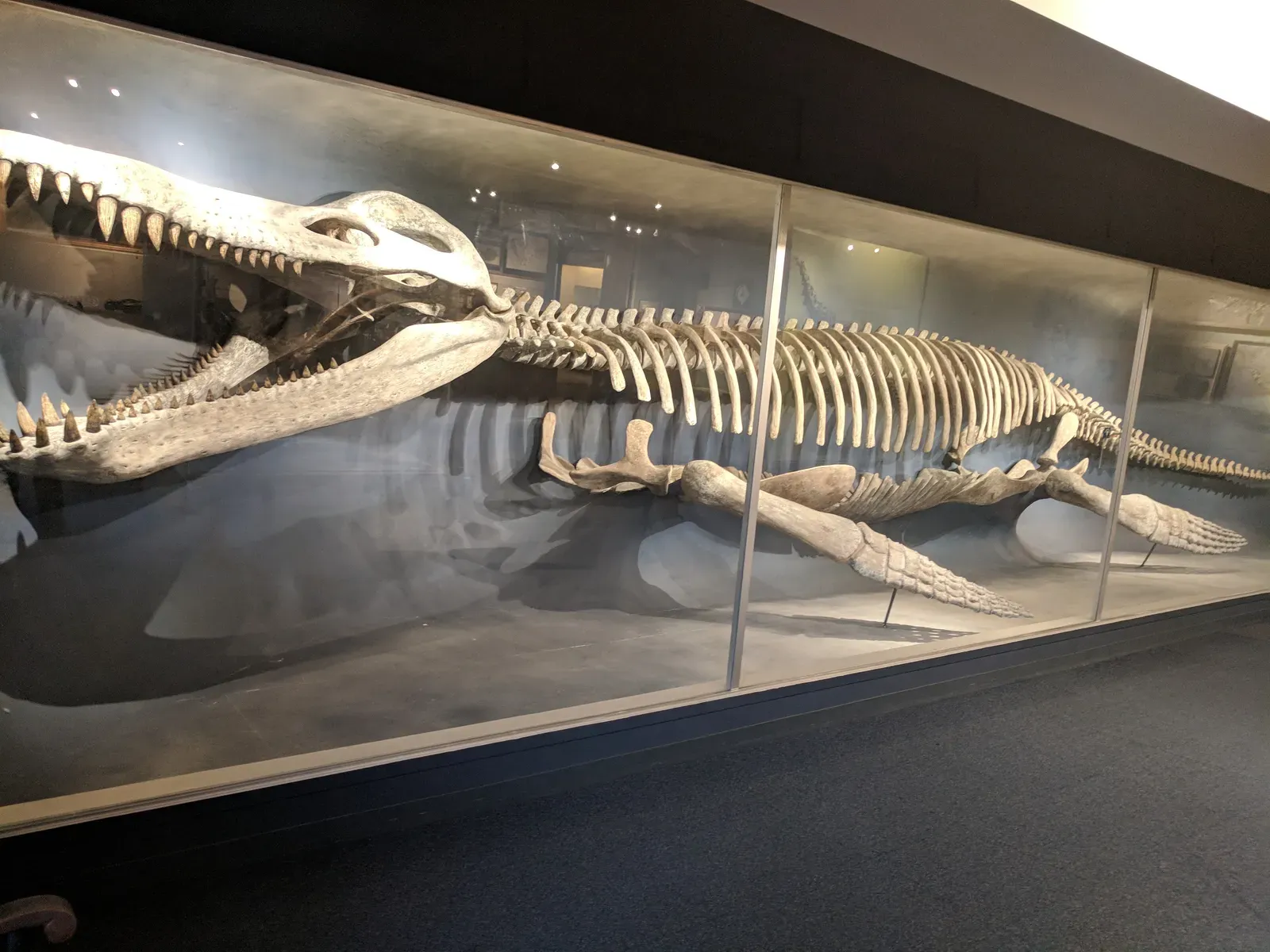
Every single one of these discoveries reshaped what you and I understand about the origins of life on this planet. From microscopic bacteria billions of years old to a 3.2-million-year-old ancestor who walked upright through the Ethiopian dust, the fossil record is relentlessly, endlessly surprising. Fossils serve as a bridge to our planet’s deep past, preserving traces of ancient life and offering profound insights into evolution, extinction, and the development of life on Earth. Over the years, certain discoveries have reshaped scientific understanding, sparked debates, and captured public imagination.
What strikes me most about all of these finds is how accidental many of them were. A bone fragment in a slope. A horse stopping on a mountain trail. A fishing net in the deep ocean. Science has this extraordinary ability to turn a lucky stumble into a window on four billion years of life. Fossils don’t belong to the past. They are the only concrete evidence enabling us to understand today. Each new fossil clarifies humanity’s place in the universe a little more. So next time you pick up an unusual rock, take a second look. You never quite know what might be staring back at you from across the ages. What discovery surprised you the most? Tell us in the comments below.