
Have you ever felt something was off during a conversation, even though the words sounded perfectly reasonable? Maybe a colleague assured you they supported your project while their body seemed to tell a different story. That nagging sensation in your gut might be picking up on nonverbal signals that don’t quite match what’s being said.
Understanding body language isn’t about becoming a human lie detector. It’s hard to say for sure, but science shows there’s no single foolproof signal that exposes deception. However, certain clusters of physical cues can hint that someone might be holding back their true intentions. Let’s be real, knowing what to watch for can give you valuable insights into what people are really thinking.
The Baseline Shift

Before you can spot when someone’s acting suspiciously, you need to know how they normally behave. Think of it like this: if your usually animated friend suddenly becomes stiff and formal, that change itself is more revealing than any single gesture.
Establishing what experts call a baseline means observing how someone acts when they’re relaxed and comfortable. Watch how they gesture during casual conversation, notice their typical speaking pace, and see where their eyes naturally wander. When their behavior dramatically shifts from this norm during certain topics, that’s your first clue that something deeper might be happening beneath the surface.
Frozen or Rigid Posture

When people have something to hide, their bodies often betray them through unusual stillness. You might notice someone who’s typically expressive suddenly sitting unnaturally rigid, almost as if they’re trying to disappear into the furniture. This rigidity happens because the brain is working overtime to suppress genuine reactions.
The person might hold their arms tight against their body or maintain an awkwardly static position for an uncomfortable length of time. It’s like watching someone hold their breath, except they’re holding their entire physical presence. This freezing response is rooted in our evolutionary wiring, where staying perfectly still once helped our ancestors avoid detection by predators.
Protective Blocking Behaviors

Notice when someone suddenly creates barriers between you and them. They might cross their arms over their chest, place a laptop or bag in front of their body, or even hold a coffee cup at chest level like a shield. These aren’t just comfortable positions; they’re subconscious attempts to create protection.
Your autonomic nervous system kicks in when you feel threatened or uncomfortable, triggering these defensive gestures without conscious thought. Someone covering their neck, mouth, or torso is instinctively guarding vulnerable areas. Pay special attention when these blocking behaviors appear suddenly during specific parts of a conversation, especially when discussing sensitive topics.
Incongruent Facial Expressions

The face can be a goldmine of information, though honestly, it’s trickier to read than most people think. When someone says they’re excited about your proposal but their smile doesn’t reach their eyes, that mismatch speaks volumes. Genuine happiness creates what’s called a Duchenne smile, where the muscles around the eyes crinkle naturally.
Watch for timing issues too. Does someone’s expression of surprise appear a split second too late, as if they’re remembering to look shocked rather than actually feeling it? These delayed or exaggerated reactions often signal that emotions are being performed rather than genuinely experienced. The disconnect between what you’re hearing and what you’re seeing creates that unsettling feeling that something isn’t quite right.
Strategic Leaning Patterns

Leaning forward often indicates persistence and an attempt to persuade someone, like a salesperson trying to push their agenda. When someone inches closer during certain parts of the conversation, they might be trying to convince you of something they know is questionable. The physical proximity becomes a tool of influence.
Conversely, leaning back can signal withdrawal or discomfort with the current topic. Leaning back can indicate confusion or guilt, as defendants in courtrooms often lean back when facing uncomfortable questions. If someone pulls away physically right when you ask a direct question, their body might be expressing what their words won’t admit.
Excessive Self-Soothing Gestures
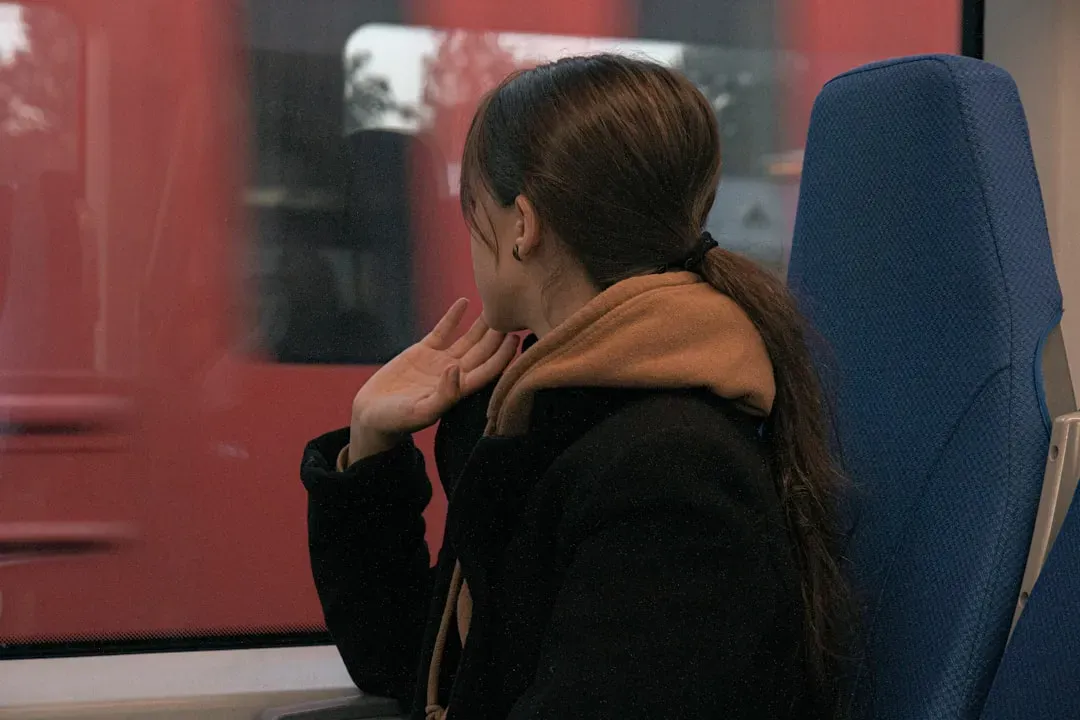
When stress levels rise, people unconsciously try to calm themselves through repetitive touching behaviors. You might see someone repeatedly touching their face, rubbing their neck, playing with their hair, or fidgeting with jewelry. These self-soothing actions are like a pressure release valve for internal tension.
Here’s the thing: while fidgeting alone doesn’t mean someone is lying, a sudden increase in these pacifying behaviors during specific questions or topics deserves your attention. The key is noticing when the fidgeting spikes. Someone who normally sits still but suddenly can’t stop touching their face when discussing last quarter’s numbers might be experiencing discomfort with that particular subject.
Eye Contact Extremes

Contrary to popular belief, avoiding eye contact isn’t a reliable sign of dishonesty. Many truthful people look away when thinking or feeling uncomfortable. What’s more telling is when someone’s eye contact pattern suddenly changes from their normal behavior.
Some people overcompensate by maintaining intense, unwavering eye contact that feels almost aggressive or unnatural. They might have learned that “liars avoid eye contact” and deliberately stare to appear more credible. This overly controlled gaze can feel more unsettling than natural conversation should. Trust that uncomfortable feeling when someone’s eye contact feels forced or theatrical rather than genuine.
Manipulator Gestures Gone Wild
These are movements where one part of your body interacts with another, like scratching, rubbing, or picking at your skin. An increase in manipulator activity is not a reliable sign of deceit, but many people think it is. The myth persists despite scientific evidence showing these gestures aren’t trustworthy indicators of lying.
What matters more is the context and clustering of behaviors. If someone is scratching their arm while also leaning back, avoiding certain topics, and showing other signs of discomfort, that combination paints a more revealing picture. Manipulator gestures become meaningful when they’re part of a larger pattern, not when they appear in isolation.
Ill-Timed Shoulder Shrugs

Shoulder shrugs naturally accompany uncertainty or indifference. When someone says “I don’t know” with a shrug, that alignment makes sense. The problem arises when shrugs appear at odd moments, like when someone makes a definitive statement but their shoulders subtly rise as if questioning their own words.
These mismatched gestures create what researchers call incongruence between verbal and nonverbal channels. Imagine someone declaring “I’m absolutely certain this will work” while their shoulders perform a tiny shrug. That physical contradiction might reveal hidden doubts they’re unwilling to voice directly. Your brain picks up on these inconsistencies even when you can’t consciously articulate why something feels off.
Speech Pattern Disruptions

Listen for sudden changes in how someone speaks, not just what they say. When cognitive load increases because someone is constructing a false narrative, their speech often becomes peppered with more pauses, um’s, and ah’s. They might speak faster than usual, trying to rush through uncomfortable territory, or unnaturally slow as they carefully construct each sentence.
Repetition and contradiction are also red flags worth noting. When someone repeats your question before answering, they might be buying time to formulate their response. If their story changes slightly with each telling or contradicts something they said earlier, those inconsistencies deserve closer examination. The mental effort of maintaining deception often leaks through these verbal stumbles.
Cluster Over Single Cues

This is crucial to understand: no single gesture definitively reveals hidden agendas. Clusters of signs such as excessive blinking, irregular eye contact, or defensive tones can indicate deception. You’re looking for multiple signals occurring together, creating a pattern that deviates from someone’s normal behavior.
Think of body language cues like symptoms of illness. A headache alone might mean nothing, but a headache combined with fever, fatigue, and body aches points toward something more significant. Similarly, when you notice rigid posture combined with blocking behaviors, speech disruptions, and incongruent facial expressions all happening during the same conversation, that constellation of signals becomes much more meaningful than any single element would be on its own.
Conclusion: Trust the Pattern, Not the Myth

Reading body language isn’t about catching people in lies or exposing their every secret. It’s about developing awareness of the complex ways humans communicate beyond words. The most important thing to remember is that context matters tremendously, and cultural differences, personality types, and individual circumstances all influence how people express themselves physically.
Use these insights to become more observant and thoughtful in your interactions rather than jumping to conclusions. When multiple cues align to suggest someone isn’t being entirely forthcoming, consider that a signal to ask better questions and gather more information rather than an absolute verdict. What patterns have you noticed in the people around you? The more you practice mindful observation, the more naturally these insights will come to you.