
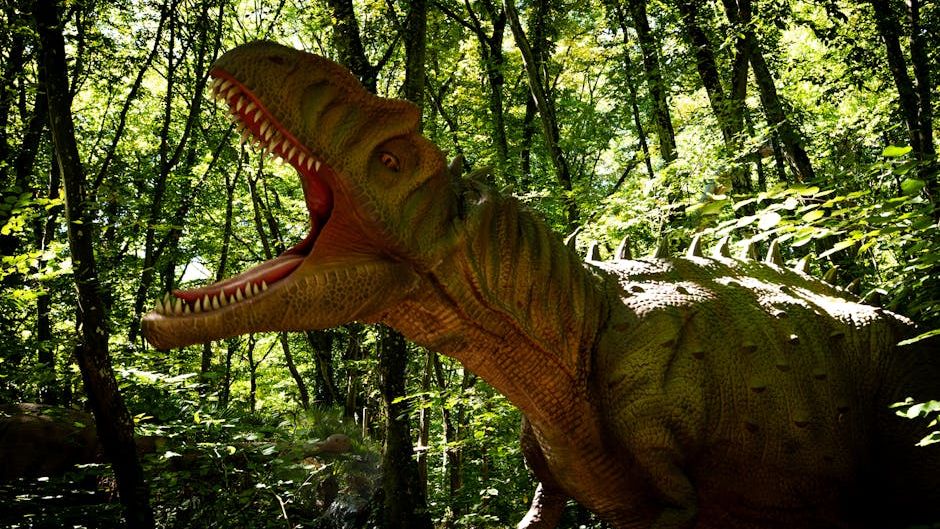
If you picture the age of dinosaurs as a world ruled only by towering reptiles, you’re missing most of the story. While Tyrannosaurus and Triceratops were stomping around on land, the oceans, skies, and even the shadows between the trees were packed with other bizarre creatures that look like they crawled out of science fiction. Some were armored tanks, others were living scissors, and a few were so strange that even paleontologists still argue about what they really were.
What fascinates me most is that these animals are rarely in kids’ dinosaur books, yet they were just as real as any famous dino. They hunted, hid, migrated, raised young, and eventually disappeared, leaving only scattered fossils and a lot of questions. Let’s dive into some of the most incredible non-dinosaur creatures that shared the Mesozoic world and see how weird, terrifying, and surprisingly familiar ancient life could be.
1. Mosasaurus – The Sea Monster That Made Sharks Look Small
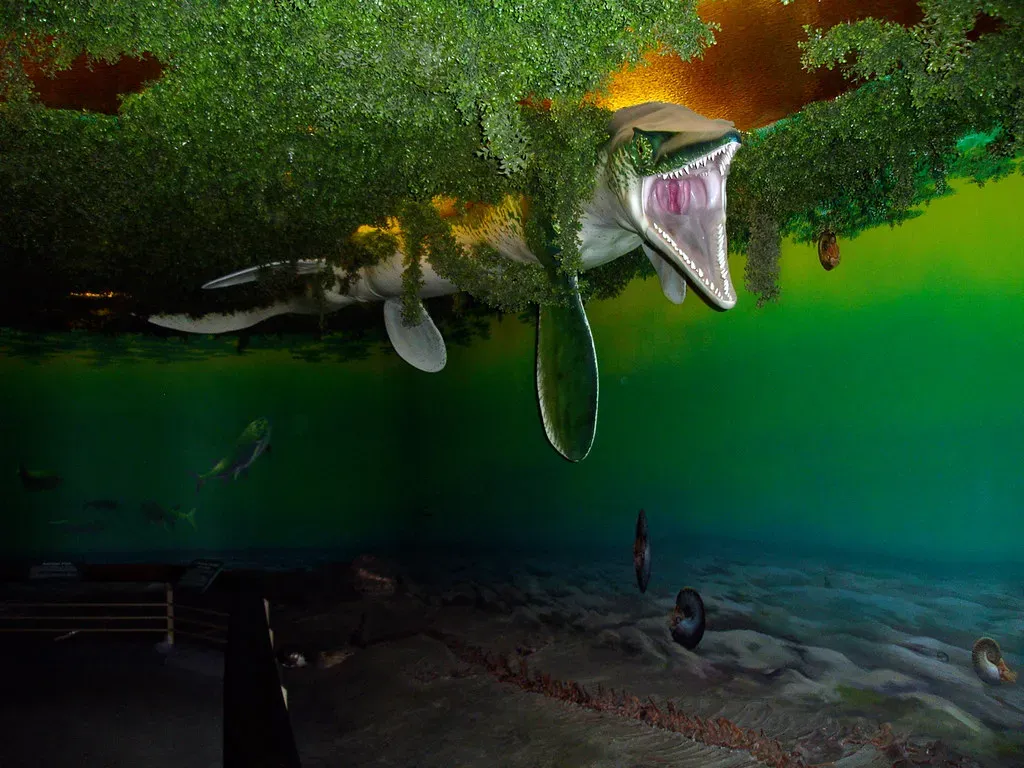
Mosasaurus was not a dinosaur, but a gigantic marine reptile that turned the Late Cretaceous seas into a feeding ground. Imagine a monitor lizard crossed with a crocodile and supercharged to lengths longer than a city bus, with a skull full of conical, gripping teeth. These animals were powerful swimmers, using their long, paddle-like limbs and muscular tails to rocket through warm epicontinental seas that covered much of what is now Europe and North America.
Fossils of Mosasaurus and its relatives show stomach contents that include fish, turtles, and even other marine reptiles, suggesting they were apex predators with few natural enemies. Their jaws were jointed and flexible, allowing them to swallow large prey in big chunks, a bit like modern snakes. When you realize that animals like Mosasaurus were cruising above while dinosaurs roamed the coasts, it becomes clear that the Mesozoic was just as terrifying below the waves as it was on land.
2. Plesiosaurus – The Long-Necked Enigma of Ancient Seas
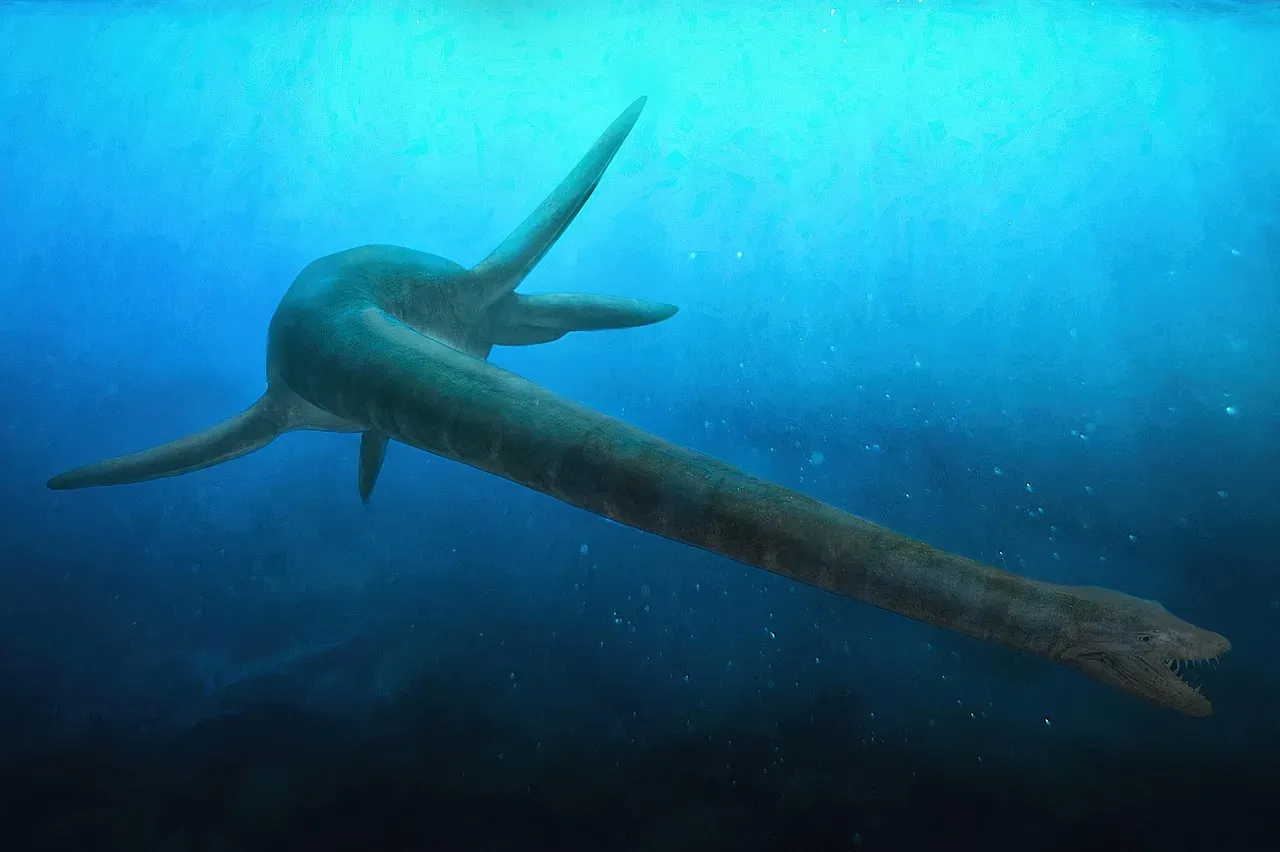
Plesiosaurus is one of those creatures everyone recognizes from childhood illustrations: a rotund body, four flippers, and a ridiculously long neck ending in a small head. It lived in the early Jurassic, long before the last dinosaurs, gliding through coastal seas while huge land reptiles stalked the shorelines. Its anatomy suggests it used its four flippers in a kind of underwater “flight,” similar to how sea turtles or penguins move today, but with more control and maneuverability.
For years, people imagined Plesiosaurus using its neck like a snake, darting in every direction, but modern biomechanical studies suggest the neck was probably held straighter, used more for stealth than whipping around. It may have slowly cruised through the water, sneaking up on shoals of fish or squid and snapping them up with quick bites. The fact that such a strange, almost dragon-like animal existed at the same time as early Jurassic dinosaurs shows just how experimental evolution was willing to get in the oceans.
3. Quetzalcoatlus – The Giant Pterosaur Taller Than a Giraffe
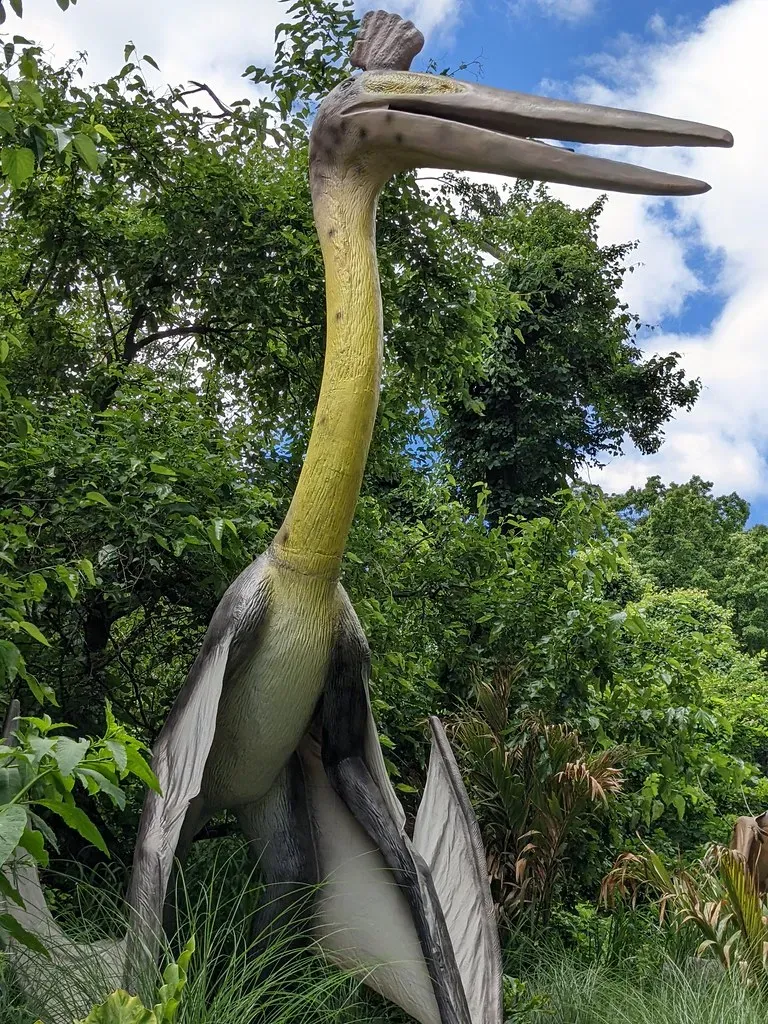
Quetzalcoatlus was a pterosaur, a flying reptile, not a dinosaur, but it absolutely dominated the skies of the Late Cretaceous. Standing roughly as tall as a giraffe when on the ground, with wings that may have stretched across a small house, it pushes the limits of what we think vertebrate flight can do. Its long, toothless beak and stiff neck make it look like a nightmarish combination of a heron and a crane designed by a horror illustrator.
There is lively scientific debate about exactly how Quetzalcoatlus lived, but one widely discussed idea is that it behaved somewhat like a giant stork, stalking around floodplains and coastlines to snatch up small dinosaurs, reptiles, or carrion. Launching into the air probably took a powerful four-limbed jump assisted by enormous flight muscles anchored to its robust shoulders. When you remember that animals like this were soaring overhead while T. rex patrolled below, the Cretaceous landscape starts to feel almost unreal in its scale.
4. Dimetrodon – The Sail-Backed Predator That Was Not a Dinosaur
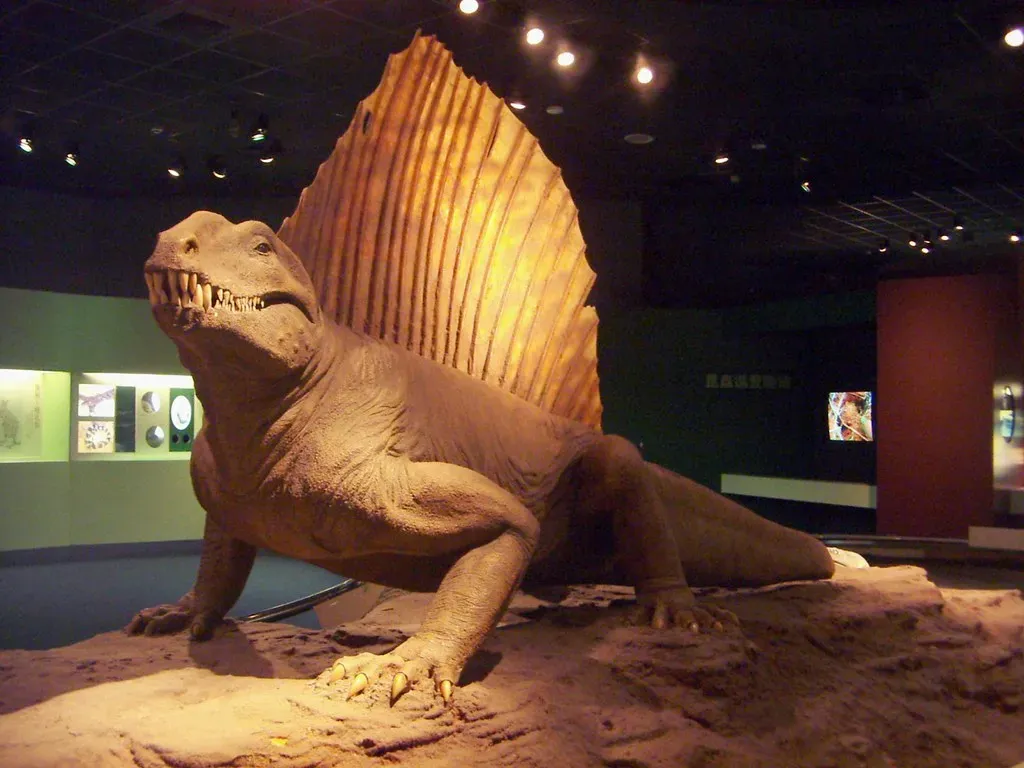
Dimetrodon is one of the most commonly misidentified ancient animals, often lumped in with dinosaurs in pop culture, but it actually lived tens of millions of years before the first true dinosaurs evolved. It prowled the Permian landscapes, long before the Mesozoic, yet its image still sits next to T. rex on lunchboxes. Scientifically, Dimetrodon was a synapsid, more closely related to mammals than to any dinosaur, which means it’s part of our own broader evolutionary family tree.
Its most striking feature was that towering sail on its back, formed by elongated vertebral spines, possibly covered in skin rich with blood vessels. Researchers have suggested it may have helped with temperature regulation, display to mates or rivals, or even species recognition, though the exact function is still debated. Thinking about Dimetrodon as an early branch on the road to mammals changes the emotional tone: it’s not just a monster, it is one of our strange, distant cousins that happened to share ancient landscapes later also inhabited by early dinosaur relatives.
5. Ichthyosaurus – The Dolphin-Shaped Reptile of the Jurassic Oceans
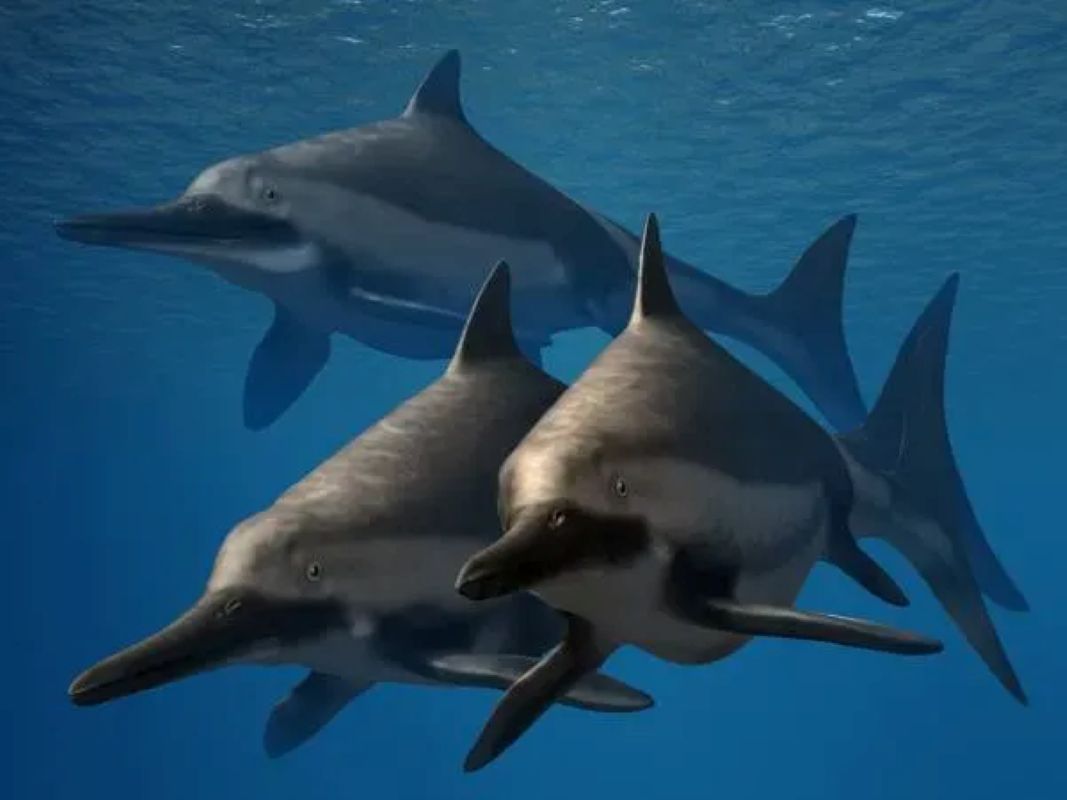
Ichthyosaurus and its relatives are a perfect example of convergent evolution: reptiles that ended up shaped like fish or dolphins because the ocean demanded that streamlined design. These animals had large eyes, likely giving them excellent vision in dim underwater light, and they probably hunted fish, squid, and other small marine animals. Some species gave birth to live young, rather than laying eggs, which is a big shift for a reptile and hints at a fully oceanic lifestyle.
Fossil skeletons of ichthyosaurs are often so beautifully preserved that you can see outlines of their bodies and even traces of skin and internal organs in exceptional cases. Scientists have found evidence of tail fins and dorsal fins, features that made them even more efficient swimmers, almost like reptilian torpedoes. While huge land dinosaurs like Allosaurus roamed the Jurassic continents, these sleek marine reptiles were the true rulers of the open water, slicing through ancient seas with effortless grace.
6. Sarcosuchus – The “Super Croc” That Terrorized River Systems
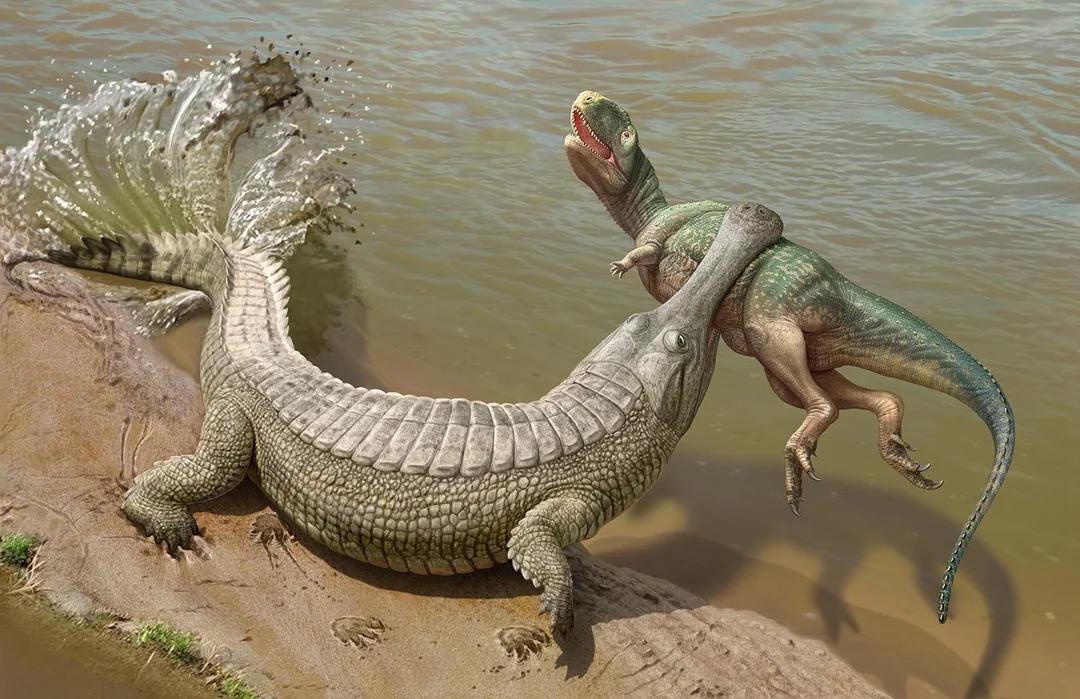
Sarcosuchus, often nicknamed the “super croc,” was an enormous crocodile-like reptile that lived during the Early Cretaceous period. It could grow much longer than any living crocodilian, with a broad, heavy skull capable of delivering bone-crunching bites. Picture a modern Nile crocodile scaled up to an almost absurd degree, lurking in slow-moving rivers where dinosaurs came to drink.
Its snout had a bulbous expansion near the tip, and its teeth were well suited for grabbing large, struggling prey rather than just small fish. Paleontologists have uncovered fossils in what is now Africa and South America, suggesting these giants patrolled extensive river systems that cut through dinosaur-dominated floodplains. It is not hard to imagine an unwary young dinosaur stepping too close to the water and simply vanishing beneath the surface in an instant of thrashing chaos.
7. Meganeura – The Giant Dragonfly of Ancient Skies
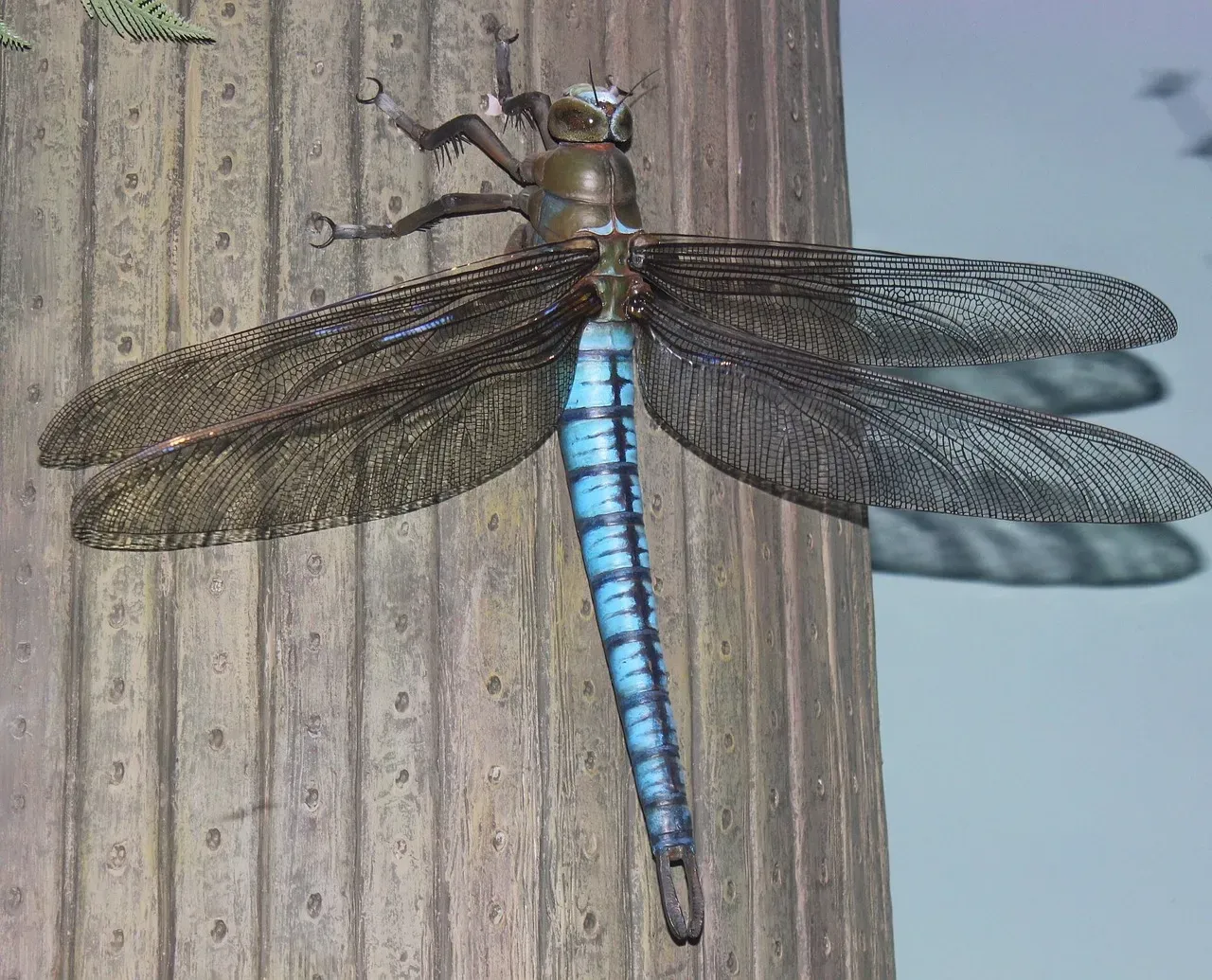
Meganeura looks like a regular dragonfly that someone resized in a video game and forgot to scale back down. With wingspans that could rival a modern crow, these insects dominated the skies during the late Carboniferous period, long before dinosaurs but in a deep part of the evolutionary story that eventually led to the Mesozoic world. They hunted other insects in lush, oxygen-rich forests filled with towering clubmosses and strange amphibians.
The reason such giant insects could exist is tied to atmospheric conditions: higher oxygen levels made it easier for their relatively simple breathing systems to supply their bodies. By the time dinosaurs appeared, oxygen levels and ecosystems had shifted, so we no longer see insects quite that large, but they remain emblematic of pre-dinosaur gigantism. When I think about Meganeura, I picture walking through a swampy forest and hearing the low, leathery buzz of enormous wings overhead, something both mesmerizing and deeply unsettling.
8. Ankylosaurus – The Armored Tank That Was Technically Not a Typical Dinosaur Predator
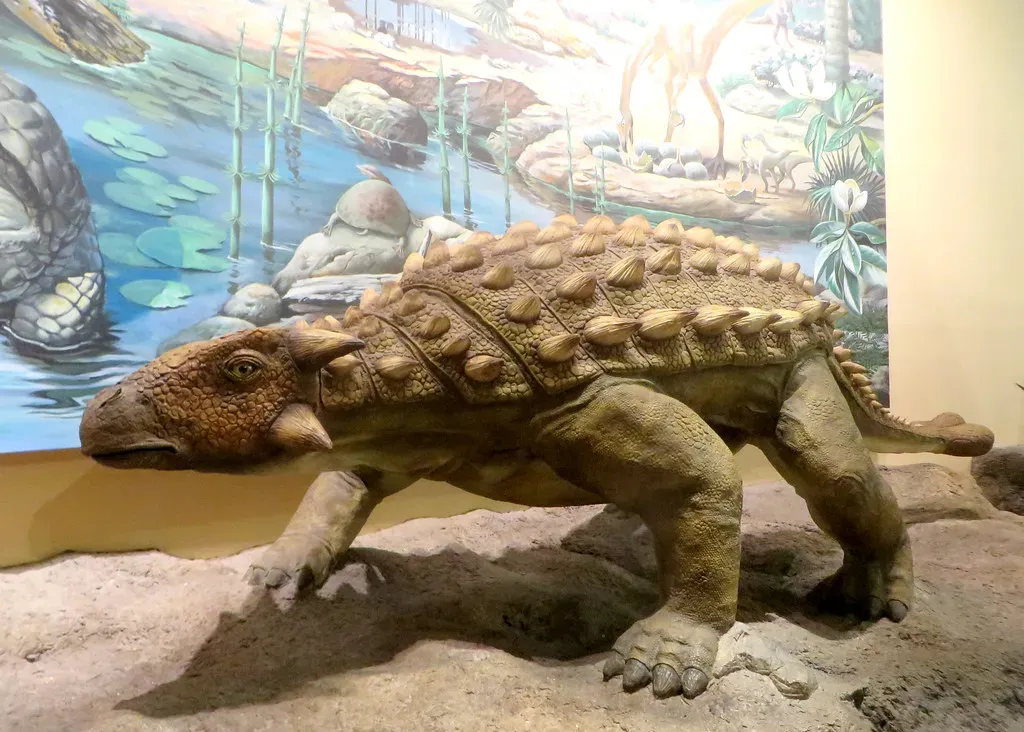
Ankylosaurus did live alongside late Cretaceous dinosaurs and was itself a dinosaur, but it was so different from the usual predators that it almost feels like a walking contradiction. This animal was built like a living tank, its body covered in heavy bony plates and spikes, with a massive tail club that could probably break bones with a single swing. While theropod dinosaurs focused on speed and sharp teeth, Ankylosaurus put its evolutionary investment into armor and blunt force.
It was a plant eater, snuffling along low vegetation and shrubs, but clearly lived under constant threat from large carnivores like tyrannosaurids. I find it oddly relatable: it survived not by being the fastest or the fiercest hunter, but by being so outrageously tough that attacking it was a terrible idea. In a landscape full of razor-toothed predators, this heavily armored herbivore was one of the few creatures that could meet a charging attacker with a literal bone-breaking counterpunch.
9. Elasmosaurus – The Extreme Long-Necked Marine Reptile
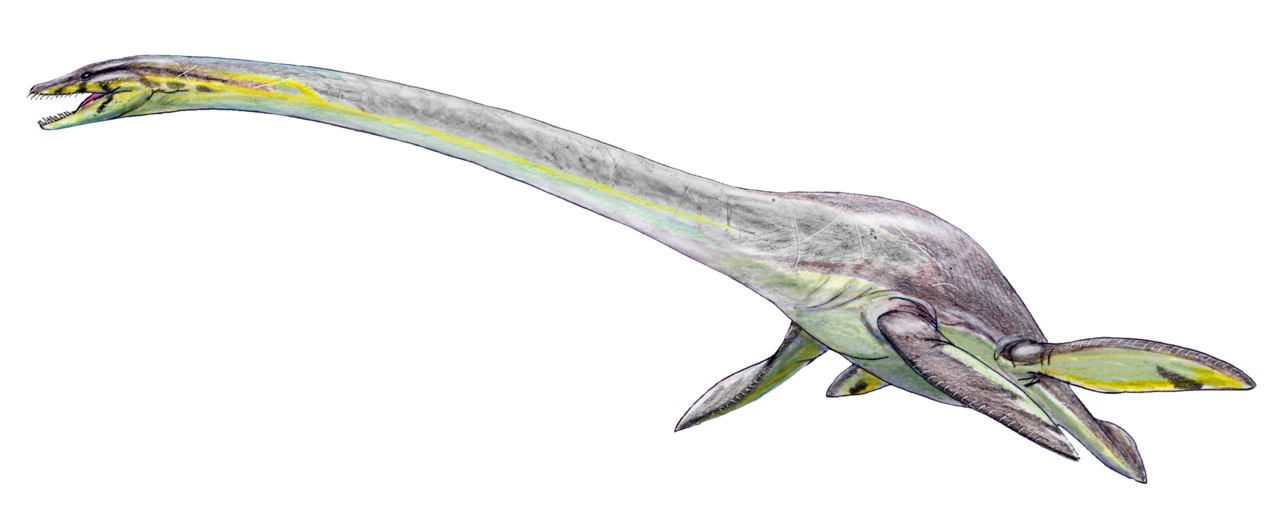
Elasmosaurus took the long-necked plesiosaur body plan and pushed it almost to parody, with a neck that made up much of its total body length. It lived in the Late Cretaceous, cruising the shallow seas that covered central North America, while hadrosaurs and tyrannosaurs roamed nearby landmasses. Its head was relatively small compared to that massive neck, armed with sharp teeth ideal for catching slippery prey like fish or small cephalopods.
For a long time, popular art even placed its head on the wrong end of its body, a reminder that our understanding of these creatures is always evolving as new finds and better analysis come in. More recent studies suggest its neck was not whip-like but more gently curved, allowing it to sneak through schools of fish with minimal disturbance. There is something haunting about such a creature: a long, ghostly neck gliding under the water’s surface while dinosaurs grazed on shore, unaware of the silent hunter just offshore.
10. Liopleurodon – The Heavy-Jawed Marine Powerhouse
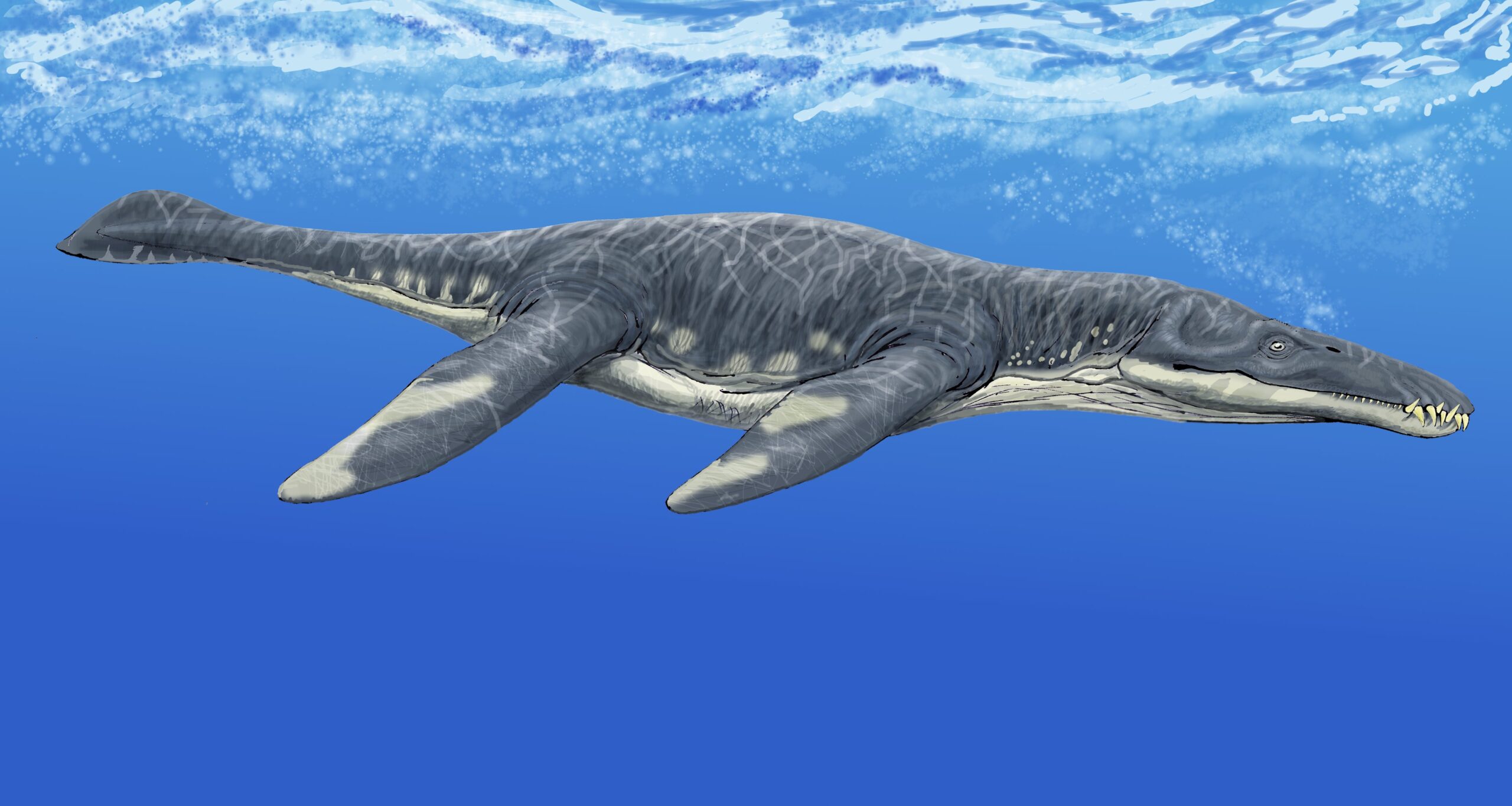
Liopleurodon was a pliosaur, a group of short-necked, big-headed marine reptiles that were built for raw power rather than grace. Its skull was heavily built, with strong jaws and large teeth that could tear into sizable prey, possibly including other marine reptiles. While some early popular portrayals exaggerated its size, even more conservative scientific estimates still place it among the more formidable predators of the Jurassic seas.
Its body was driven by four strong flippers, giving it bursts of speed that could have helped it ambush unwary animals in relatively shallow waters. Imagining a Jurassic coastline means picturing not only the sauropods and theropods on land, but also these massive pliosaurs just offshore, ready to erupt from below. In my view, if dinosaurs are the headline act of the Mesozoic, Liopleurodon and its cousins are the heavy metal backing band roaring just out of sight.
11. Archaeopteryx – The Feathered Bridge Between Worlds
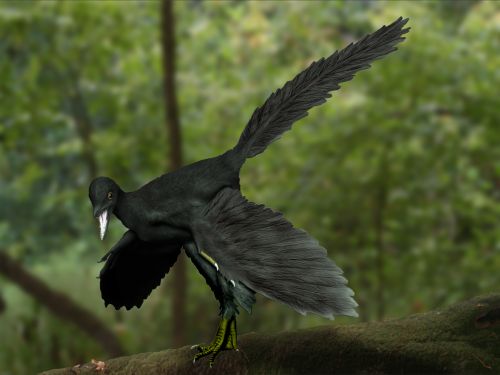
Archaeopteryx is one of the most famous transitional fossils in the history of science, and for good reason. Found in finely layered limestone from what is now Germany, it combines features of small theropod dinosaurs with unmistakable feathers and wings. It lived in the Late Jurassic, gliding or flapping between trees and over lagoons while larger dinosaurs stomped around the islands and coasts nearby.
Its teeth, long bony tail, and clawed wings show that early birds were far from the streamlined, specialized fliers we see today, yet the presence of well-developed feathers reveals that the shift from ground-running dinosaur to full bird was already underway. Whenever I look at modern birds, especially ones that seem a bit fierce like crows or hawks, I cannot help but see them as living echoes of Archaeopteryx and its kin. It is a reminder that some lineages from the dinosaur age did not just vanish; they adapted, shrank, and took to the skies in a new form that still shares our planet.
Conclusion – The Dinosaur Age Was Never Just About Dinosaurs
When you step back and look at Mosasaurus in the seas, Quetzalcoatlus in the skies, Sarcosuchus in the rivers, and creatures like Archaeopteryx perched in the trees, you realize the age of dinosaurs was really a global experiment in extreme life. Dinosaurs were the headline, sure, but the supporting cast was just as wild, from giant insects gliding through ancient forests to armored herbivores turning their backs into fortresses. I think we do the past a disservice when we reduce it to a few famous carnivores and forget the strange, delicate, and sometimes downright bizarre animals that made those ecosystems feel truly alive.
My opinion is that the more we learn about these non-dinosaur creatures, the more the Mesozoic stops feeling like a distant alien world and starts looking like a chaotic, interconnected planet not so different from ours, just turned up several notches. Predators, prey, scavengers, opportunists, experiment after experiment in body design and survival strategy, all sharing the same sun and storms. Next time you see a seagull, a crocodile, or even a dragonfly, it is worth remembering that their ancestors once flew, swam, and crawled alongside monsters we can barely imagine. Which of these ancient neighbors of the dinosaurs surprised you the most?