Think you know dinosaurs? Those lumbering, scaly beasts that stomped around millions of years ago before vanishing in a puff of extinction? Let’s be real, everything we thought we knew has been turned completely upside down in recent decades. Scientists have uncovered evidence so startling, so unexpected, that the dinosaurs of our childhood books now look like fantasy creatures compared to what these animals actually were.
The discoveries you’re about to encounter didn’t just add footnotes to dusty textbooks. They obliterated decades of assumptions and rewrote the entire story of these magnificent creatures. From shocking revelations about their appearance to mind-bending finds that challenge everything about how they lived and died, prepare to have your perception of the prehistoric world completely transformed.
Dinosaurs Were Covered in Feathers, Not Scales
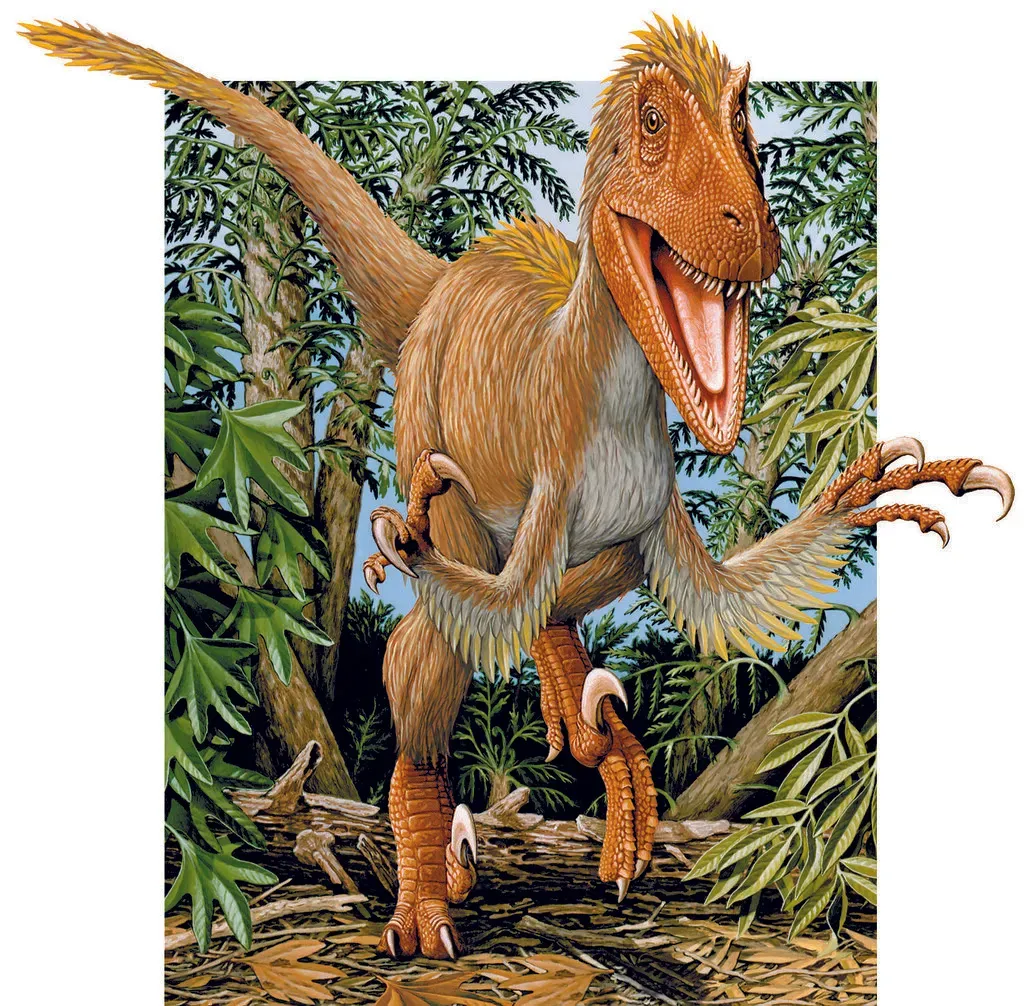
Here’s the thing: when you picture a dinosaur, you probably see something reptilian and scaly. That image is wrong. Discoveries of dinosaurs with feathers have changed our understanding of these reptiles, and honestly, it’s kind of crazy how widespread feathers actually were. A fossil of a baby Sciurumimus discovered in Germany suggests that all predatory dinosaurs might have had feathers, which would mean Tyrannosaurus rex itself probably sported a fuzzy coat at some point in its life.
The revelation came primarily from excavations by Museum scientists in northern China that uncovered an “animal Pompeii” of exquisitely preserved specimens. These weren’t just simple filaments either. Scientists found everything from downy fuzz to fully formed flight feathers on dinosaurs that never even flew. The implications are staggering: dinosaurs weren’t giant lizards at all but something far more birdlike than anyone imagined.
Scientists Discovered Dinosaur Colors Through Microscopic Pigments
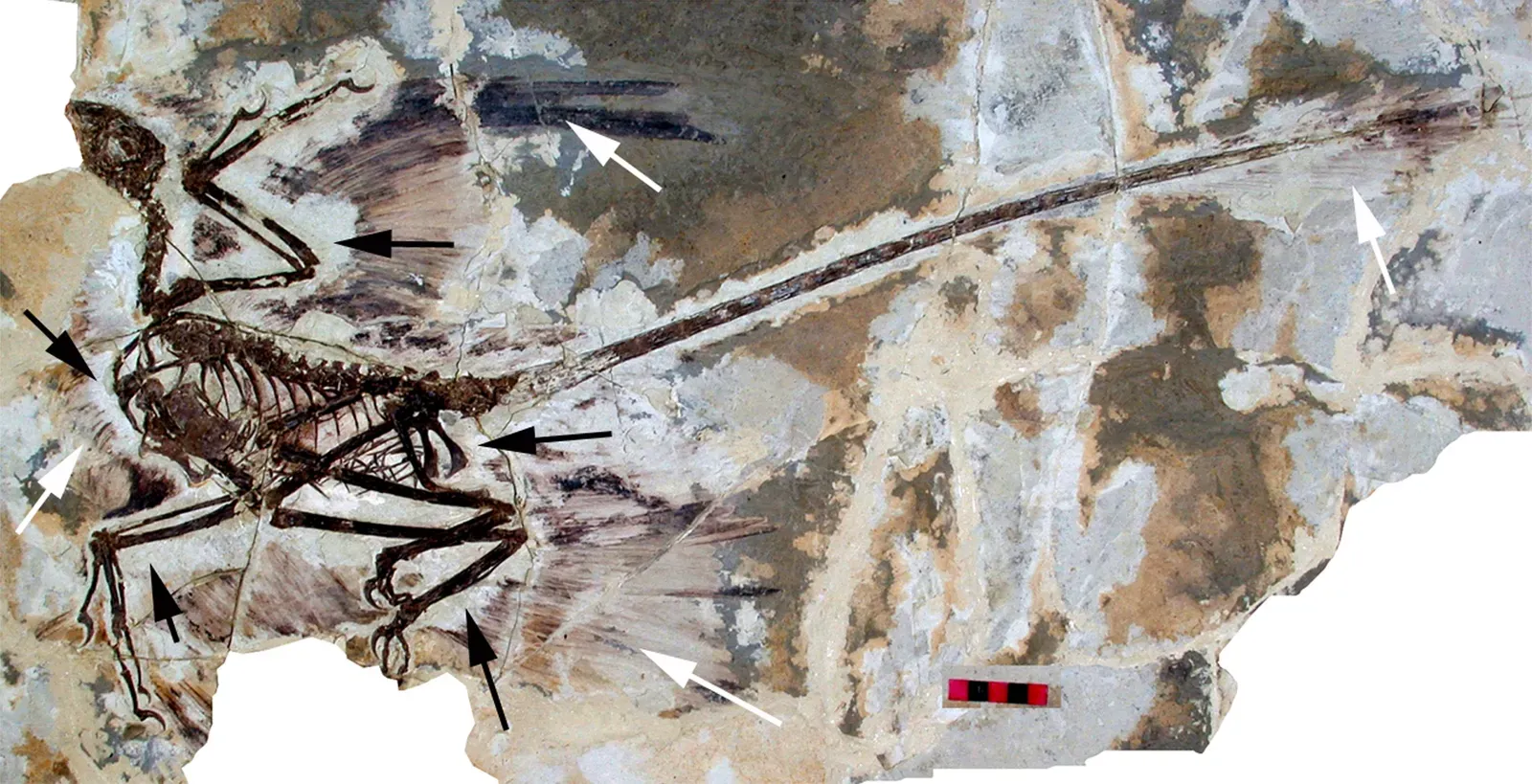
Scientists have uncovered the vibrant colors that adorned a feathered dinosaur extinct for 150 million years by analyzing tiny structures called melanosomes preserved in fossils. For the first time in history, paleontologists could tell you exactly what color a specific dinosaur was. This dinosaur sported a generally gray body, a reddish-brown, Mohawk-like crest and facial speckles, and white feathers on its wings and legs, with bold black-spangled tips.
The technique revolutionized the field because fossilized melanosomes in prehistoric feathers were compared to those in living birds to reverse-engineer at least some of the colors dinosaurs wore. Suddenly, the Mesozoic world burst into color. When paleontologists researched what color the feathers might be, they found that Sinosauropteryx was rust red with a red and white-striped tail, not unlike today’s red pandas. It completely shattered the dull, monochromatic vision of prehistory we’d held for over a century.
Soft Tissue and Blood Vessels Were Found Inside Dinosaur Bones
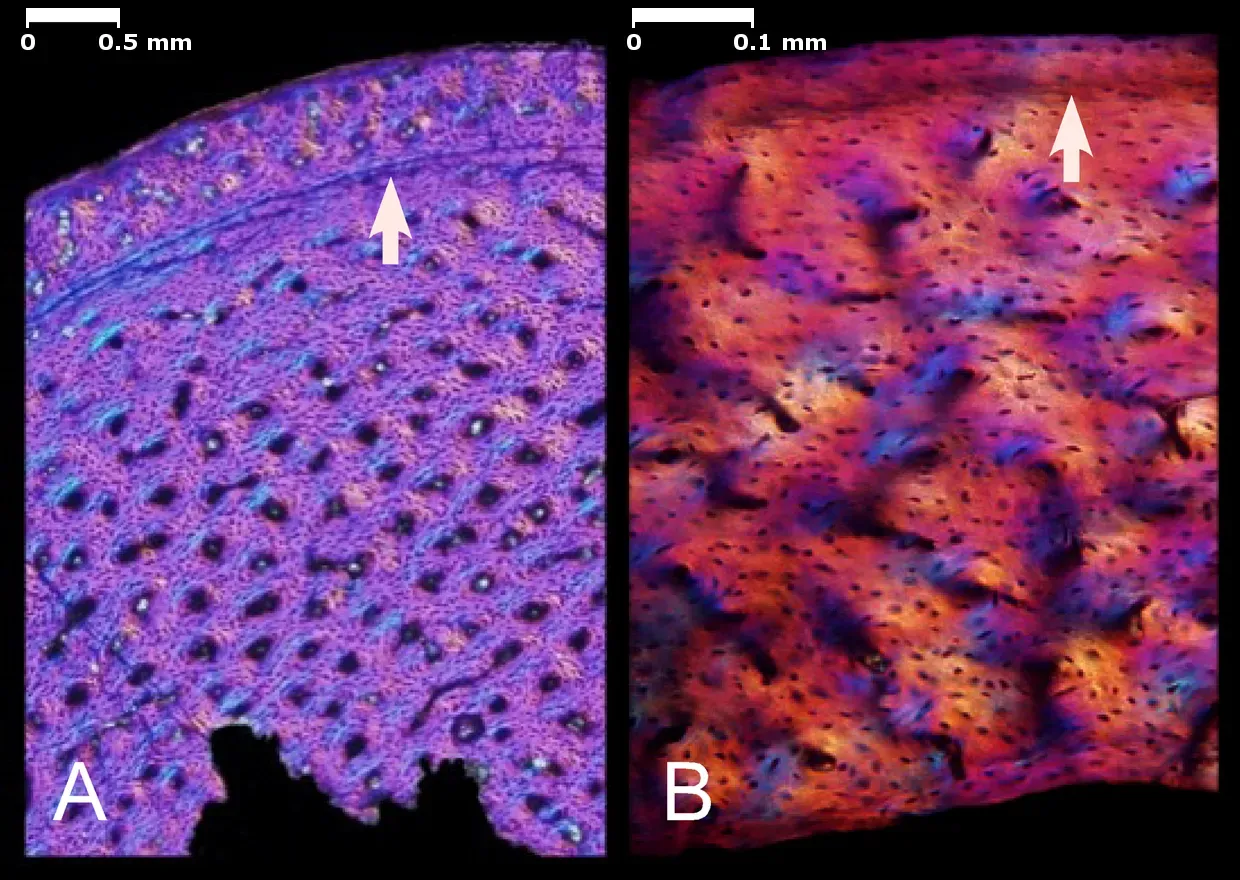
This one sounds impossible, doesn’t it? Schweitzer announced she had discovered blood vessels and structures that looked like whole cells inside that T. rex bone – the first observation of its kind. The finding amazed colleagues, who had never imagined that even a trace of still-soft dinosaur tissue could survive. Conventional wisdom said soft tissue couldn’t possibly last for millions of years, yet here it was.
Soft tissue preservation does not seem to depend upon the species, age or burial environment of the fossils in question. It seems as though the preservation of vessels through deep time may not be that uncommon. Researchers found that iron from the dinosaurs’ own blood acted as a natural preservative, protecting delicate structures from decay. The discovery opened entirely new avenues for understanding dinosaur biology, from their growth rates to their metabolism.
A new study reported the discovery of remnants of blood vessels inside a rib from Scotty’s skeleton. The vessels were not the original soft tissues. Rather, minerals made natural casts of the blood vessels, allowing them to be preserved and later visualized by paleontologists. This means museums worldwide might be sitting on treasure troves of biological information they didn’t even know existed.
An Asteroid Impact Definitively Killed the Dinosaurs
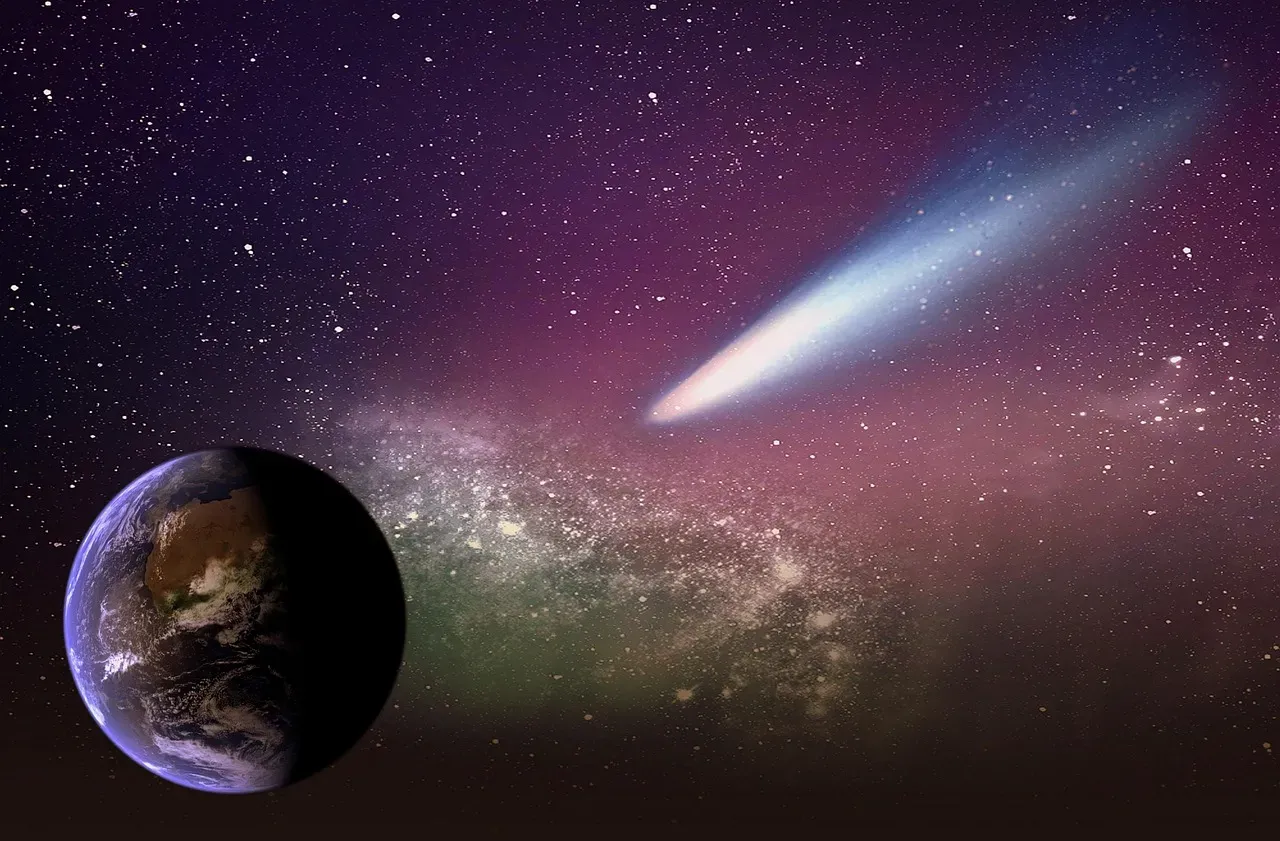
In 1980, a team of researchers led by Nobel prize-winning physicist Luis Alvarez, his son geologist Walter Alvarez, and chemists Frank Asaro and Helen Vaughn Michel, discovered that sedimentary layers found all over the world at the Cretaceous–Paleogene boundary contain a concentration of iridium hundreds of times greater than normal. This single finding transformed our understanding of mass extinction.
The discovery of the 125-mile-wide Chicxulub impact crater beneath the Gulf of Mexico that is the same age as the rock layer sealed the deal by finding asteroid dust with a matching chemical fingerprint within that crater at the precise geological location that marks the time of the extinction. Before this, theories about dinosaur extinction ranged from climate change to disease to gradual decline.
The dust is all that remains of the 7-mile-wide asteroid that slammed into the planet millions of years ago, triggering the extinction of 75% of life on Earth, including all nonavian dinosaurs. Researchers estimate that the dust kicked up by the impact circulated in the atmosphere for no more than a couple of decades. The extinction wasn’t slow or gradual – it was catastrophically swift.
Birds Are Actually Living Dinosaurs
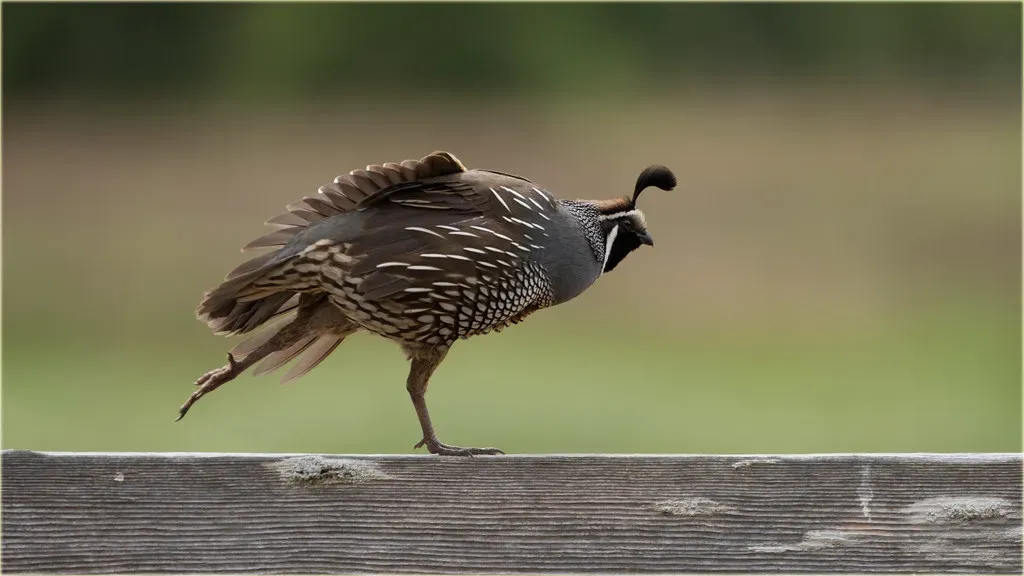
Stop calling birds “descendants” of dinosaurs. The present scientific consensus is that birds are a group of maniraptoran theropod dinosaurs that originated during the Mesozoic era. They didn’t just evolve from dinosaurs; they literally are dinosaurs. That pigeon outside your window? It’s as much a dinosaur as Velociraptor was.
Birds and extinct non-avian dinosaurs share many unique skeletal traits. Moreover, fossils of more than thirty species of non-avian dinosaur with preserved feathers have been collected. There are even very small dinosaurs, such as Microraptor and Anchiornis, which have long, vaned arm and leg feathers forming wings. The connection isn’t just speculative – it’s written in bones, feathers, and DNA.
The gradual evolutionary change – from fast-running, ground-dwelling, bipedal theropods to small, winged, flying birds – probably started about 160 million years ago. This means birds survived the apocalypse that wiped out their relatives, making them the only dinosaur lineage still walking – well, flying – the Earth today.
Nanotyrannus Confirmed as a Distinct Species, Not a Baby T. Rex
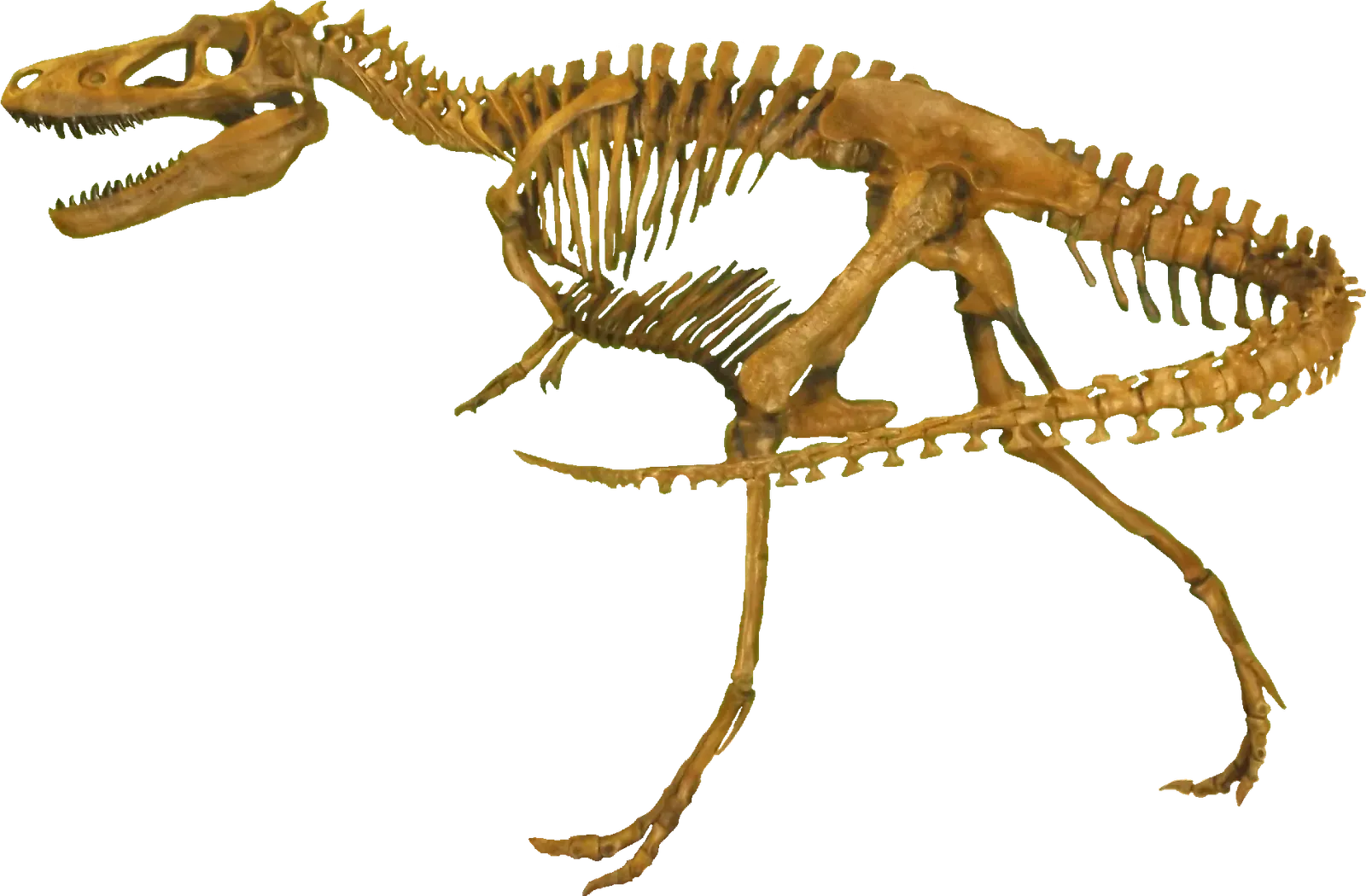
For decades, paleontologists argued over mysterious small tyrannosaur fossils. Were they juvenile T. rex or something else entirely? An analysis in Nature of a specimen nicknamed “Bloody Mary” found enough anatomical evidence to support the case that Nanotyrannus is different from T. rex, including fewer tail vertebrae and more teeth than T. rex, as well as longer and stronger forearms.
That tyrannosaur is now confirmed to be a fully grown Nanotyrannus lancensis – not a teenage T. rex, as many scientists once believed. Using growth rings, spinal fusion data and developmental anatomy, the researchers demonstrated that the specimen was around 20 years old and physically mature when it died. This discovery means the last days of the dinosaurs were far more diverse and competitive than previously thought, with multiple predatory species vying for survival.
Dinosaurs Were Thriving Right Until the Asteroid Struck
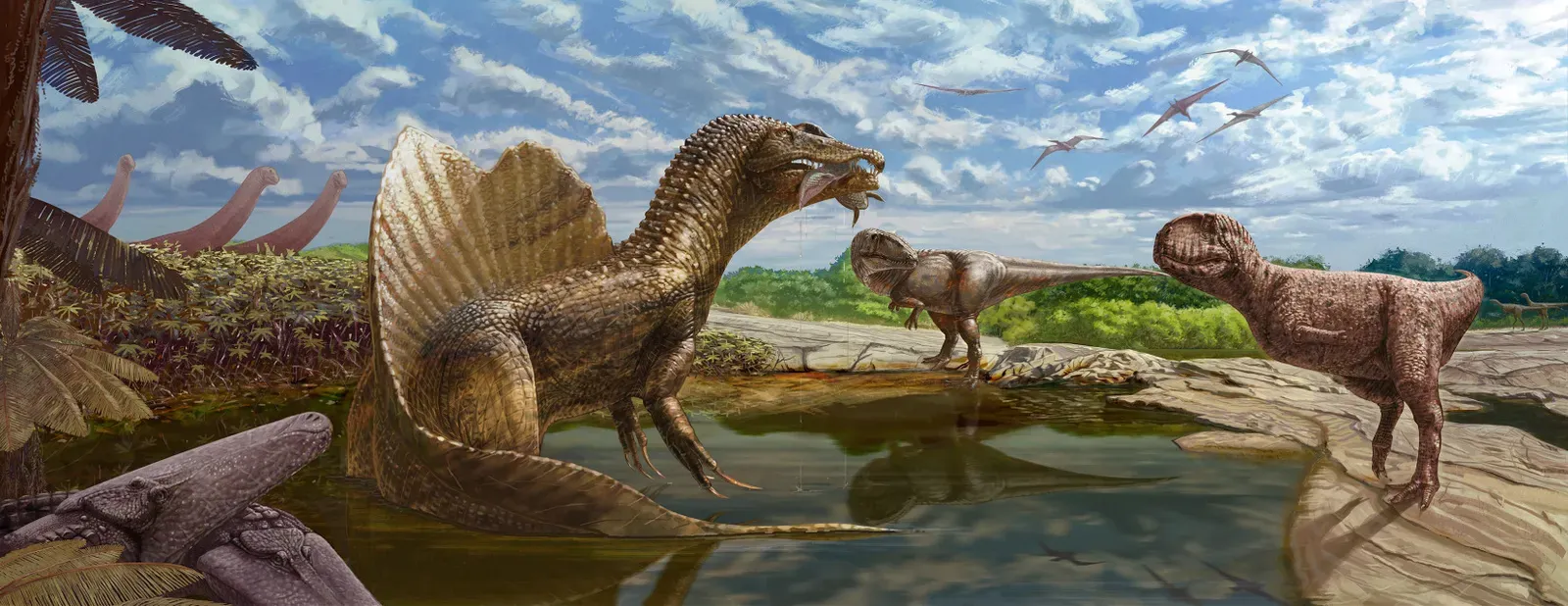
One persistent myth suggested dinosaurs were already in decline before the asteroid hit. Wrong. Fossils from New Mexico that date to within about 340,000 years before the asteroid struck paint a vivid picture: the dinosaurs were thriving right until the moment of impact, a new study suggests. They weren’t fading away; they were flourishing.
Dinosaurs weren’t dying out before the asteroid hit – they were thriving in vibrant, diverse habitats across North America. Fossil evidence from New Mexico shows that distinct “bioprovinces” of dinosaurs existed until the very end. Different species adapted to different environments, creating rich ecosystems that were abruptly annihilated in an instant. The extinction wasn’t the end of a long decline but a sudden catastrophe that cut short a golden age.
Bizarre Armored Dinosaurs Redefine Evolution
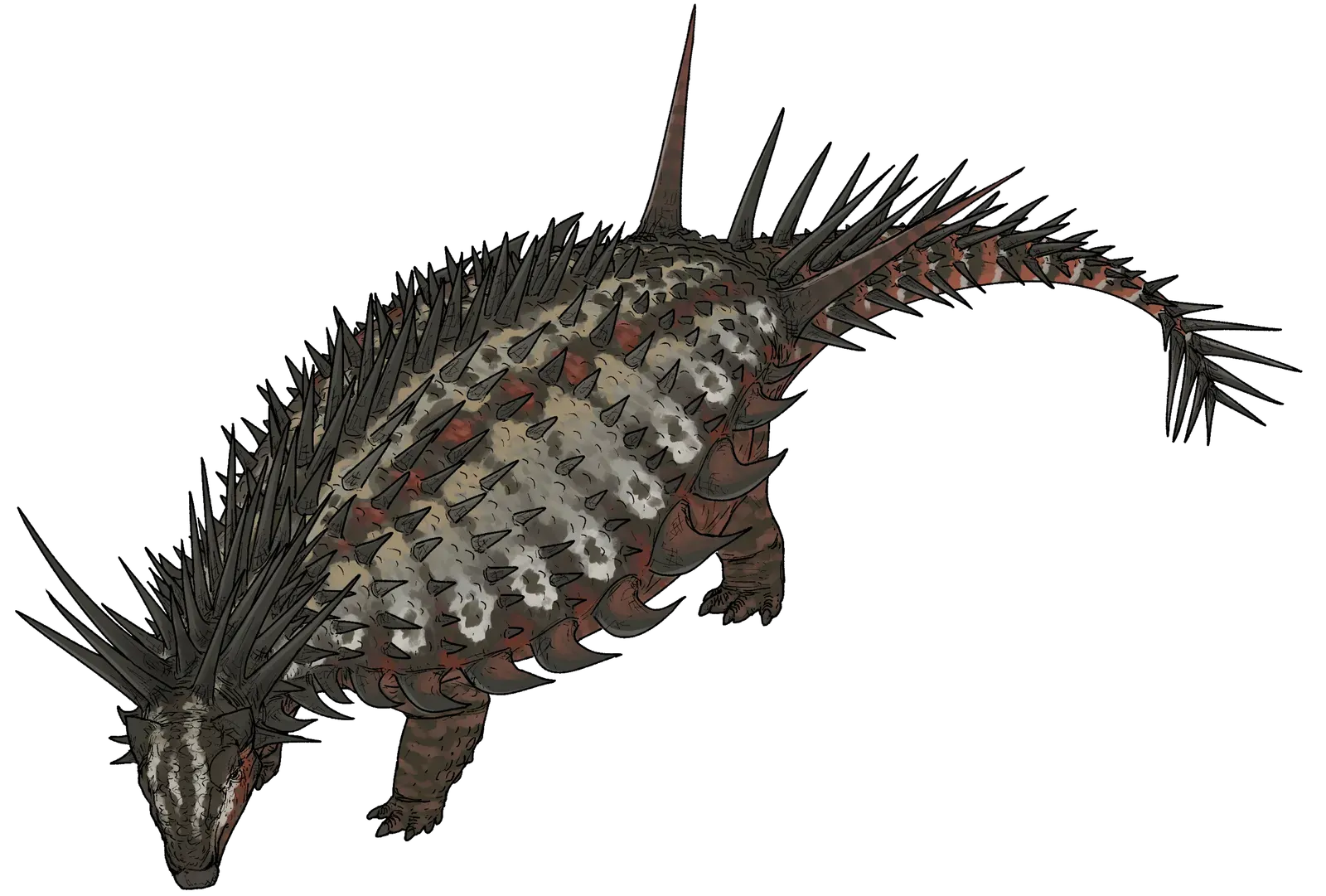
Dubbed the “punk rock dinosaur” by the BBC, Spicomellus is changing our understanding of ankylosaur evolution. Spicomellus is characterised by its bizarre armour, bristling with long spines all over the body, including a bony collar around the neck with spines the length of golf clubs sticking out of it. This Jurassic creature from Morocco looks like something from a fantasy novel, yet it really walked the Earth.
The discovery challenges everything paleontologists thought they knew about ankylosaur evolution because nothing else like it has ever been found. It suggests that armored dinosaurs experimented with far more radical body plans than previously imagined, and it highlights just how much diversity existed in prehistoric ecosystems that we’re only beginning to uncover.
Dinosaur Nesting and Parental Care Behaviors Were Discovered
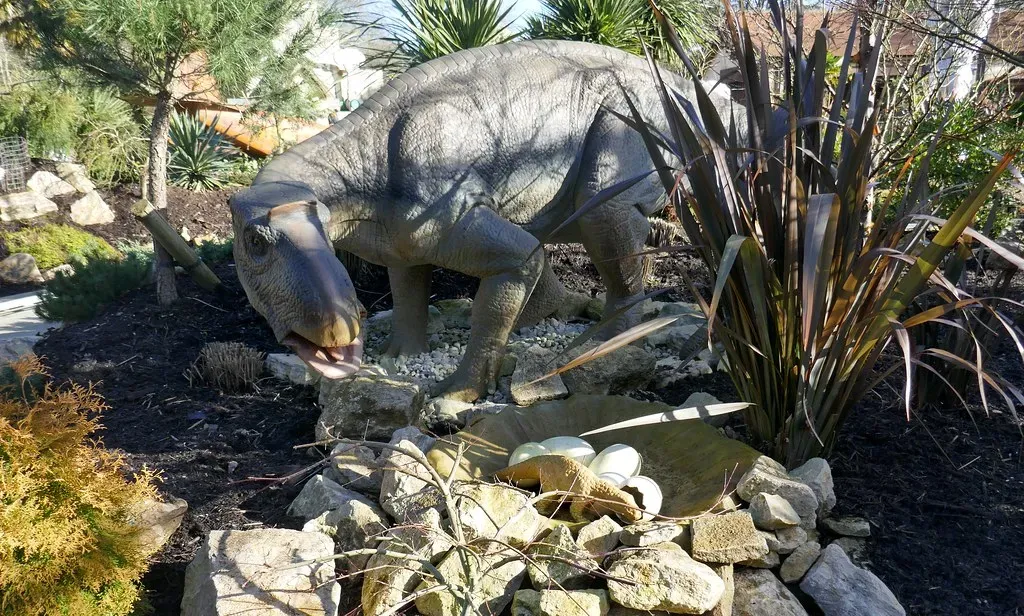
Exceptionally well-preserved fossils were the first strong evidence of how dinosaurs fed and cared for their offspring. As many as 14 nests were found in a single area of the site, known as Egg Mountain. So, some scientists believe that Maiasaura may have nested in colonies. This fundamentally changed how we view dinosaur behavior.
The fossils revealed that dinosaurs weren’t solitary creatures mindlessly laying eggs and abandoning them. They were social animals that cared for their young, built nests, and potentially lived in complex communities. This insight transformed dinosaurs from primitive reptiles into sophisticated creatures with behaviors we typically associate with mammals and birds.
Early Dinosaur Relatives Were Far Smaller Than Expected
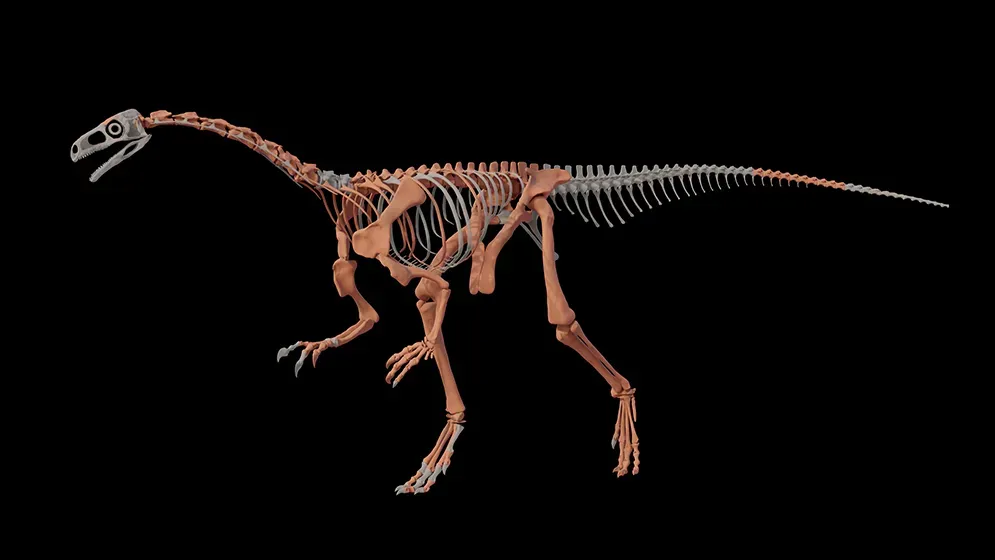
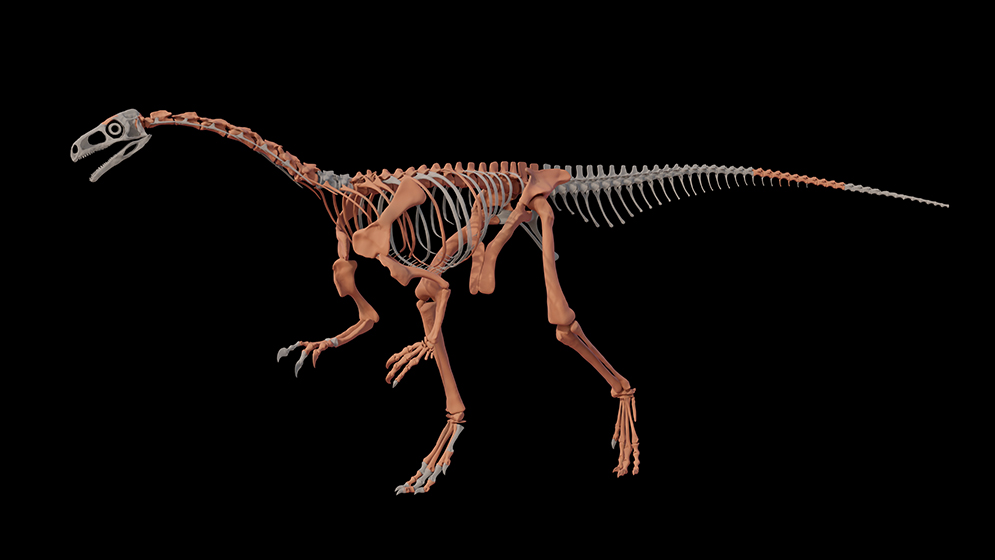
The earliest dinosaur ancestors looked nothing like the giants we imagine. The 2m long Huayracursor was described from 228-million-year-old rocks in the Andes, making it one of the oldest known sauropod ancestors. It has a much longer neck than other species from the dawn of dinosaur evolution, revealing the earliest stages in the evolution of the extreme neck elongation seen in later sauropods.
The oldest evidence of dinosaurs ever found – fossilized tracks from an animal smaller than a house cat – has been uncovered in Poland. These tiny creatures eventually gave rise to the largest land animals ever to exist. The transformation from cat-sized proto-dinosaurs to towering sauropods spanning generations demonstrates evolution’s incredible capacity for change over deep time.
Paleontologists Found Evidence of Dinosaur Disease and Injury Recovery
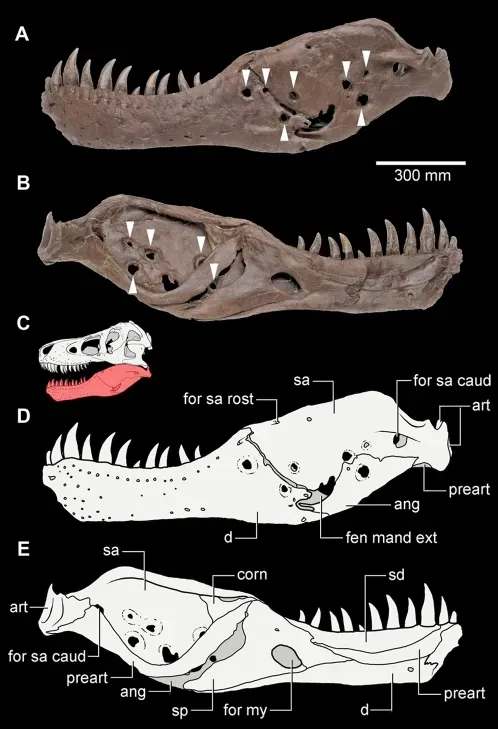
Dinosaurs got sick, injured, and healed just like modern animals. The vessels came from an area of Scotty’s rib that had been fractured, and future studies of such preserved structures may help paleontologists better understand how dinosaurs healed. Fossilized bones show evidence of infections, tumors, arthritis, and broken bones that mended over time.
These discoveries humanize dinosaurs in unexpected ways. They weren’t invincible monsters but living, breathing animals that suffered injuries, battled diseases, and sometimes recovered. Some fossils even show evidence of severe injuries that healed, suggesting these creatures survived attacks from predators or accidents, living for years afterward. It’s a reminder that behind every fossil is a real animal that experienced life, pain, and survival.
Conclusion
The dinosaurs we thought we knew are gone forever, replaced by creatures far stranger, more colorful, and more complex than we ever imagined. From feathered tyrannosaurs to parenting behaviors to soft tissue that defied fossilization, each discovery chips away at old assumptions and reveals something wonderfully unexpected. The prehistoric world wasn’t the dull, gray landscape of old documentaries but a vibrant tapestry of life as diverse and remarkable as anything alive today.
What’s truly exciting is that paleontologists keep finding new species at an unprecedented rate. We’re living through a golden age of dinosaur discovery, with roughly one new species named every week. Each fossil has the potential to rewrite what we think we know, and somewhere out there, buried in rock, is the next revelation that will blow our minds all over again. What other secrets are waiting to be unearthed? What do you think is the most shocking discovery about dinosaurs?