When you think about the most dangerous creatures to ever roam our planet, your mind probably jumps straight to dinosaurs. Tyrannosaurus rex with its bone-crushing bite, velociraptors hunting in packs, those massive long-necked behemoths that shook the earth with every step. Honestly, dinosaurs have had their moment in the spotlight for long enough. Here’s the thing, though: after the dinosaurs went extinct around 66 million years ago, mammals stepped up to fill those terrifying ecological niches, and some of them made T. rex look almost… cuddly.
The age of mammals produced creatures that would fuel your worst nightmares. We’re talking about predators with teeth longer than kitchen knives, bears that stood taller than basketball hoops, and whales that hunted other whales. These animals didn’t just survive in a post-dinosaur world; they absolutely dominated it. Their reign of terror lasted tens of millions of years, and some of them were still around when early humans took their first steps out of Africa. So let’s dive in and meet the mammals that prove evolution has a truly twisted sense of creativity.
Smilodon: The Iconic Saber-Toothed Nightmare
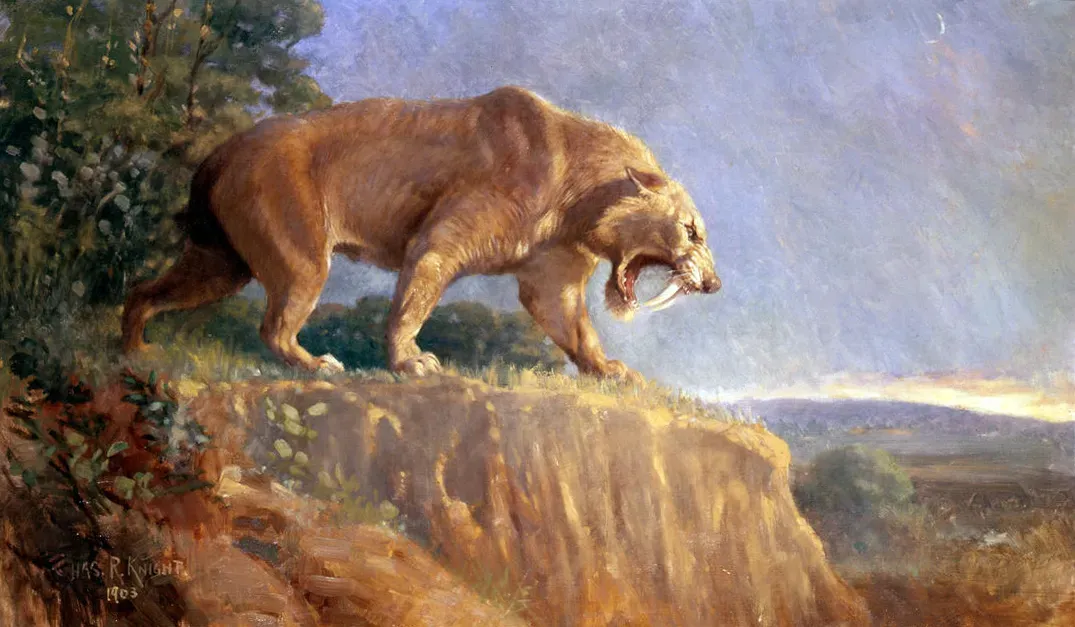
Smilodon prowled the Americas during the Pleistocene to early Holocene epoch, surviving until roughly 8,200 years ago, which means your ancient ancestors might have actually encountered these beasts. These stocky hunters were about twice as heavy as present-day lions and wielded seven or eight-inch-long canine teeth that could puncture through thick hide and muscle. Picture a predator built like a linebacker, armed with daggers jutting from its mouth, and you’re getting close to understanding why Smilodon remains one of the most famous prehistoric mammals.
Evidence from excavation sites indicates that they hunted in packs, making them even more formidable than previously imagined. These weren’t solitary ambush predators; they coordinated their attacks like wolves. They used ambush tactics to take down slower-moving mammals such as bison, sloths, juvenile mammoths, mastodons, and perhaps even unsuspecting humans. Let’s be real, if you were a Stone Age human wandering the grasslands and stumbled upon a pack of these things, your chances of survival were pretty slim.
Arctodus Simus: The Giant Short-Faced Bear
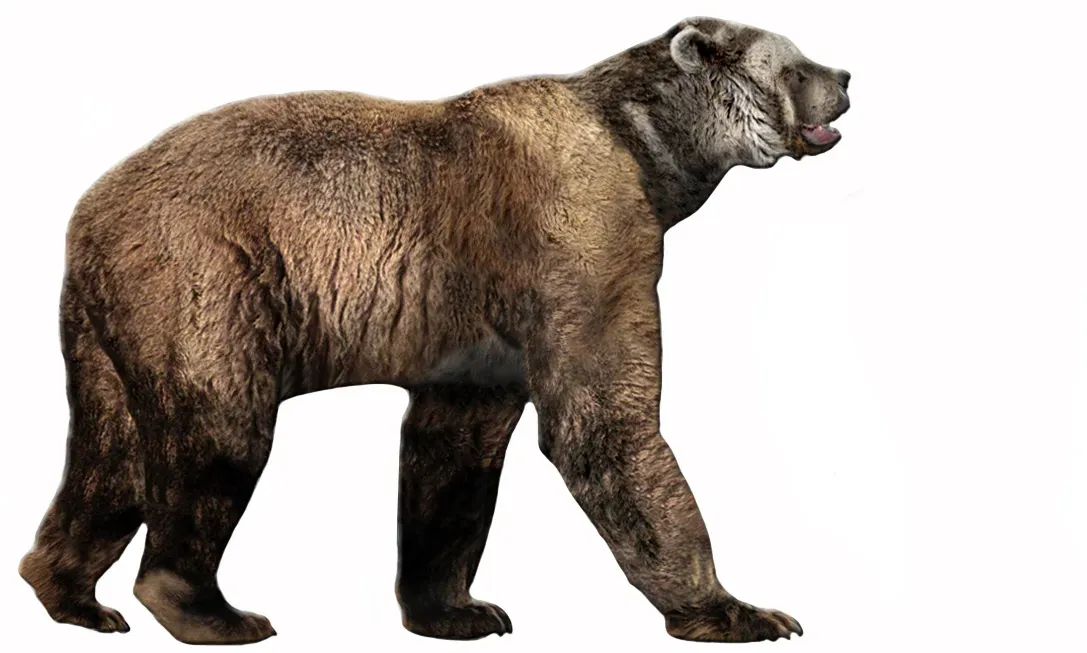
The giant short-faced bear was the largest carnivorous mammal to ever roam North America, standing on its hind legs with a vertical reach of more than 14 feet. Imagine looking up and seeing a predator that could easily peer into a second-story window. This species was the most powerful meat-eater in the Western hemisphere between about 500,000 to two million years ago, with the South American subspecies reaching up to 12 feet in height when standing and weighing around 3,500 pounds.
Here’s what made this bear especially terrifying: speed. Despite its unprecedented mass, because of its long legs and straight toes, it is believed to also be the fastest bear to ever grace the planet. Modern bears can already run faster than humans, so imagine one that’s twice as large with proportionally longer legs chasing you down. Chemical analysis of its bones suggested that it ate meat almost exclusively, and it probably would have needed to eat 35 pounds of flesh every day. That’s a lot of hunting, which means it was constantly on the prowl.
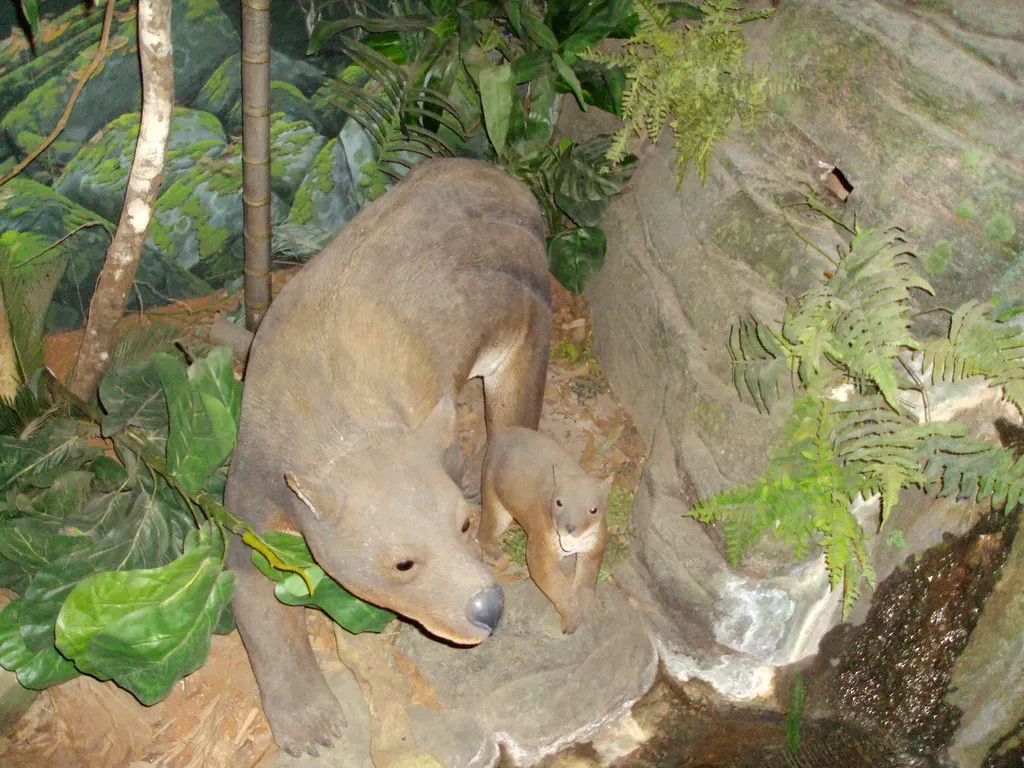
Andrewsarchus: The Mysterious Wolf-Pig Monster
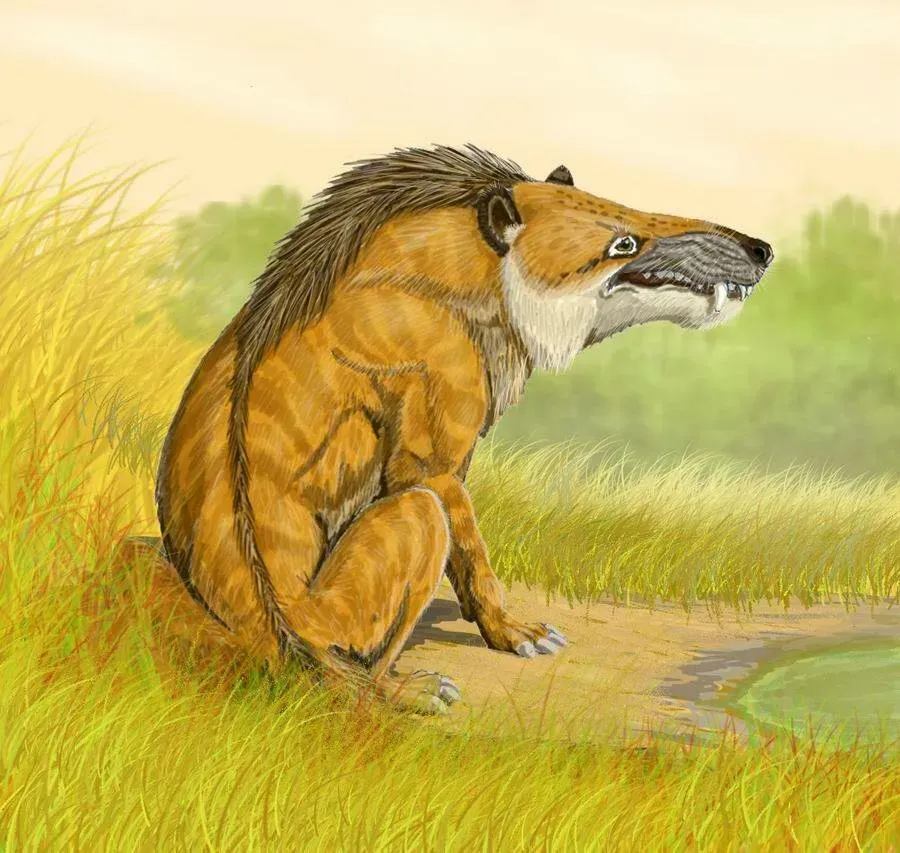
Andrewsarchus is estimated to have been the largest land-based mammalian carnivore ever to live on the planet, roughly 6 feet tall at the shoulder and over 12 feet long, though the animal is only known from one single skull specimen. The fact that we’ve only found one skull makes this creature even more mysterious and somehow more frightening. What we do know is absolutely chilling.
The Andrewsarchus could bite with a force of over 2000 pounds, which is comparable to 1 ton, over twice that of a modern day tiger. Despite having an appearance resembling a wolf, the Andrewsarchus is more strongly related to whales, hippopotamuses, sheep, and goats. Evolution took a bunch of peaceful herbivore DNA and somehow created the largest terrestrial mammalian predator ever. I know it sounds crazy, but that’s exactly what happened. This thing was basically nature’s experiment in making the ultimate killing machine from unlikely ingredients.
Entelodon: The Hell Pig That Ate Dinosaurs for Breakfast (Metaphorically)
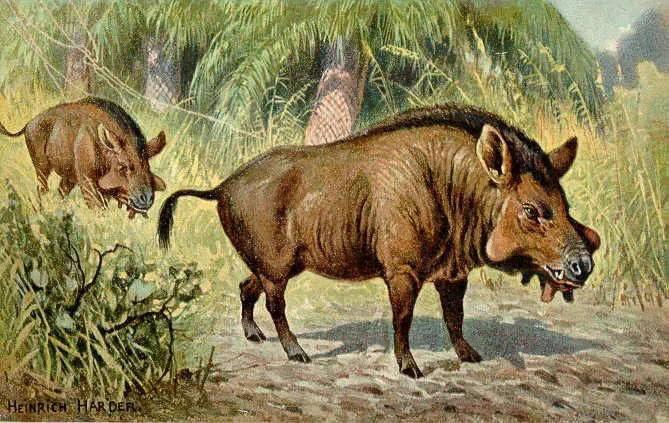
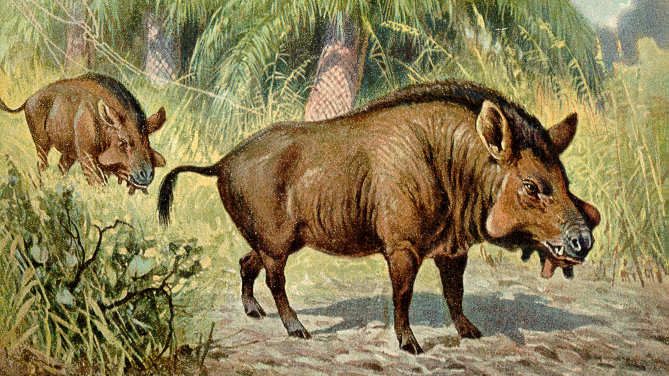
The Entelodon was a full time carnivore and possibly one of the most monstrous-looking mammals ever, standing on all fours as tall as a man, with an immense head armed with powerful jaws and sharp teeth. Sometimes referred to as hell pigs, they’re more closely related to hippos and whales than actual pigs, and this cow-sized predatory omnivore used its huge jaws to hunt animals including prehistoric rhinos.
Think about that for a second. This creature hunted rhinos. Modern rhinos weigh multiple tons and can impale predators with their horns, yet Entelodon considered them prey. Fossil evidence shows their jaw muscles attached to prominent bony flanges on their skulls, giving them bite forces estimated at over 1,000 pounds per square inch. Its bite marks also suggest that it fought viciously with its own kind, and it is even possible that Entelodonts were cannibalistic. A creature that looks like a nightmare pig, hunts rhinos, and eats its own relatives when hungry? Yeah, that’s the stuff of legends.
Livyatan Melvillei: The Whale That Hunted Whales
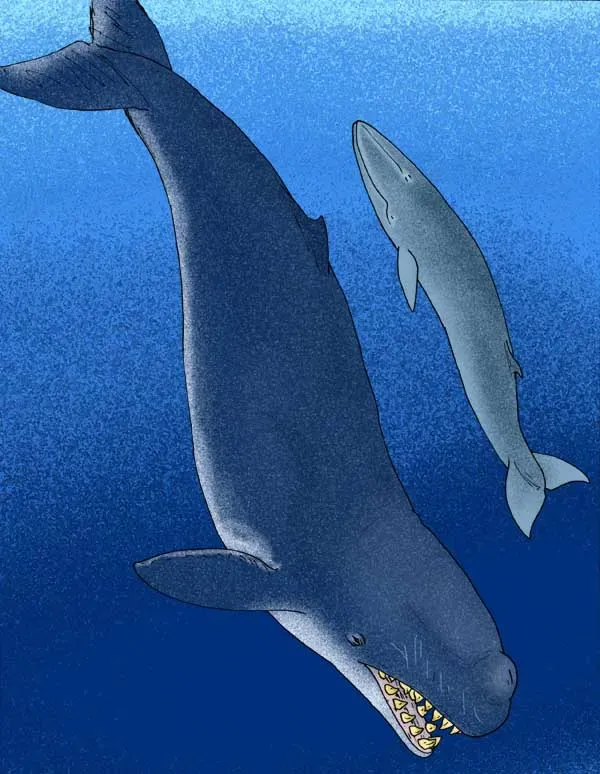
Livyatan melvillei is related to modern sperm whales and lived during the Miocene epoch, reaching 44-57 feet long and possessing a 10 foot long skull that housed forty 14.5-inch long teeth. These are the longest teeth used for feeding known from any animal, extinct or alive, and they fed on large prey at the surface of the water including other whales. Let that sink in for a moment. This predator ate other whales the way sharks eat seals.
Recent studies have suggested that Basilosaurus, another ancient whale, had a bite force to rival that of T. rex, which it put to good use cracking open the skulls of other, smaller whales. The oceans during the age of mammals were absolute war zones, with apex predators hunting prey that was itself massive. This whale likely became so large because it was competing directly with megalodon for food. Imagine being caught between a giant predatory whale and a megalodon shark in ancient waters. There was literally nowhere safe to swim.
Titanoboa: The Snake That Redefined Massive
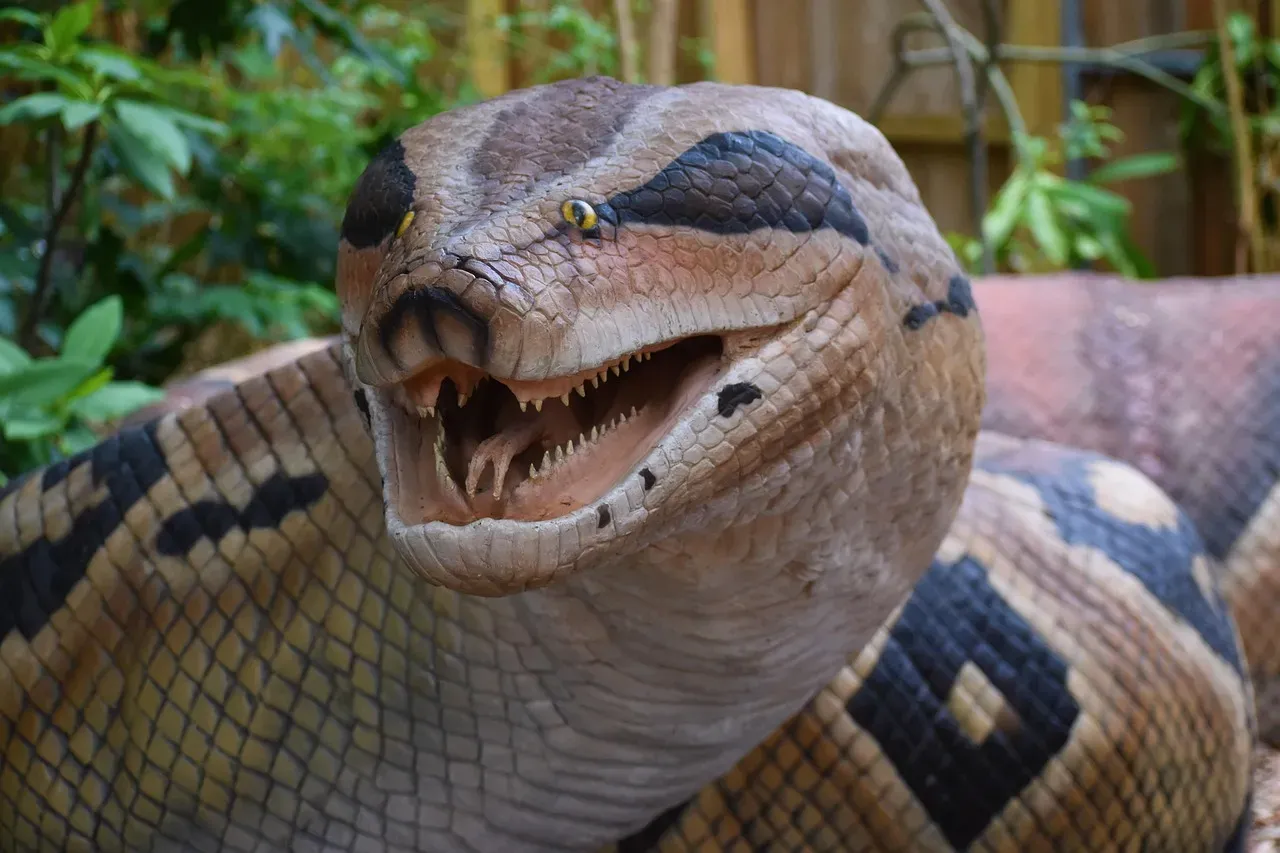
Titanoboa was a prehistoric snake appearing shortly after the Dinosaurs died out, growing to just over 50 feet long and weighing over 1 ton, preying on giant fish and Crocodiles. For comparison, the largest anacondas today max out at around 29 feet and weigh about 550 pounds. Titanoboa was nearly twice as long and roughly four times as heavy. This wasn’t a snake; it was a living, breathing nightmare tube.
Researchers have had a hard time figuring out just how big Titanoboa was because they haven’t ever found all the vertebrae of a single animal in one place, but using what they’ve got, they estimate that the snake would have weighed about a ton. Just picture trying to escape from a one-ton constrictor in the swamps of prehistoric South America. There’s no running from something like that; it would simply coil around you and squeeze until your bones snapped. Honestly, the fact that early mammals survived in the same environment as Titanoboa is remarkable.
Gigantopithecus: The Real-Life King Kong
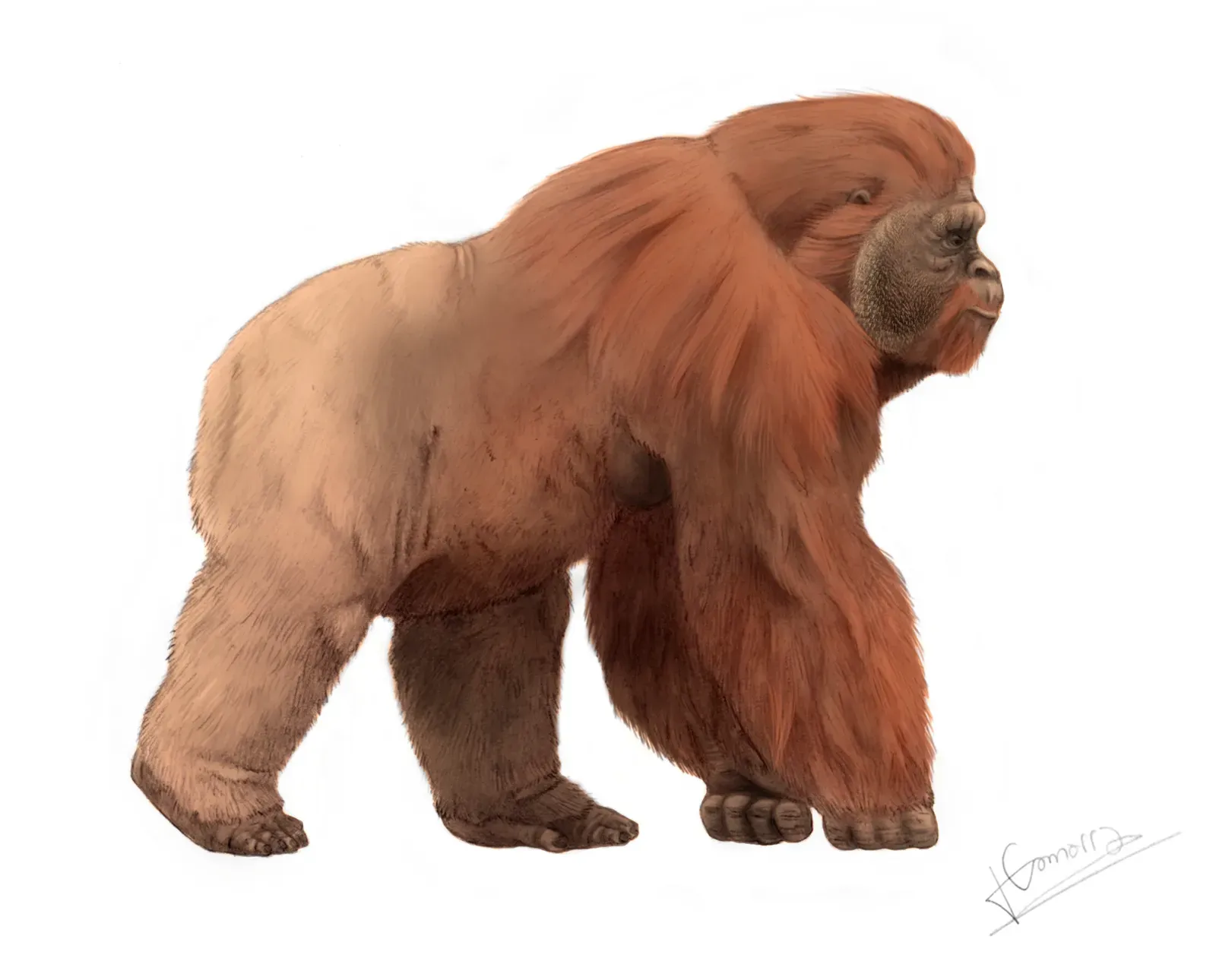
Gigantopithecus was the largest ape to have ever lived, standing as tall as 10 feet and weighing upwards of 1,100 pounds, with its startling girth serving as an advantage during its six to nine-million-year reign throughout what is now South China. While Gigantopithecus, like other apes, is believed to have subsisted primarily on fruit, hominids would have surely sought to keep their distance from such an intimidating and potentially-threatening primate.
When you consider that modern day gorilla’s are as strong as 20 men combined, and then scale up to Gigantopithicus, then it’s no wonder that this ape was able to live among some of the most dangerous carnivores of its age. Sure, it probably wasn’t going around eating other animals, but imagine stumbling into its territory and making it angry. A creature with the strength of potentially 40 or 50 men could tear you limb from limb without breaking a sweat. The cryptozoologists still searching for Bigfoot might want to be careful what they wish for.
Haast’s Eagle: Terror From Above
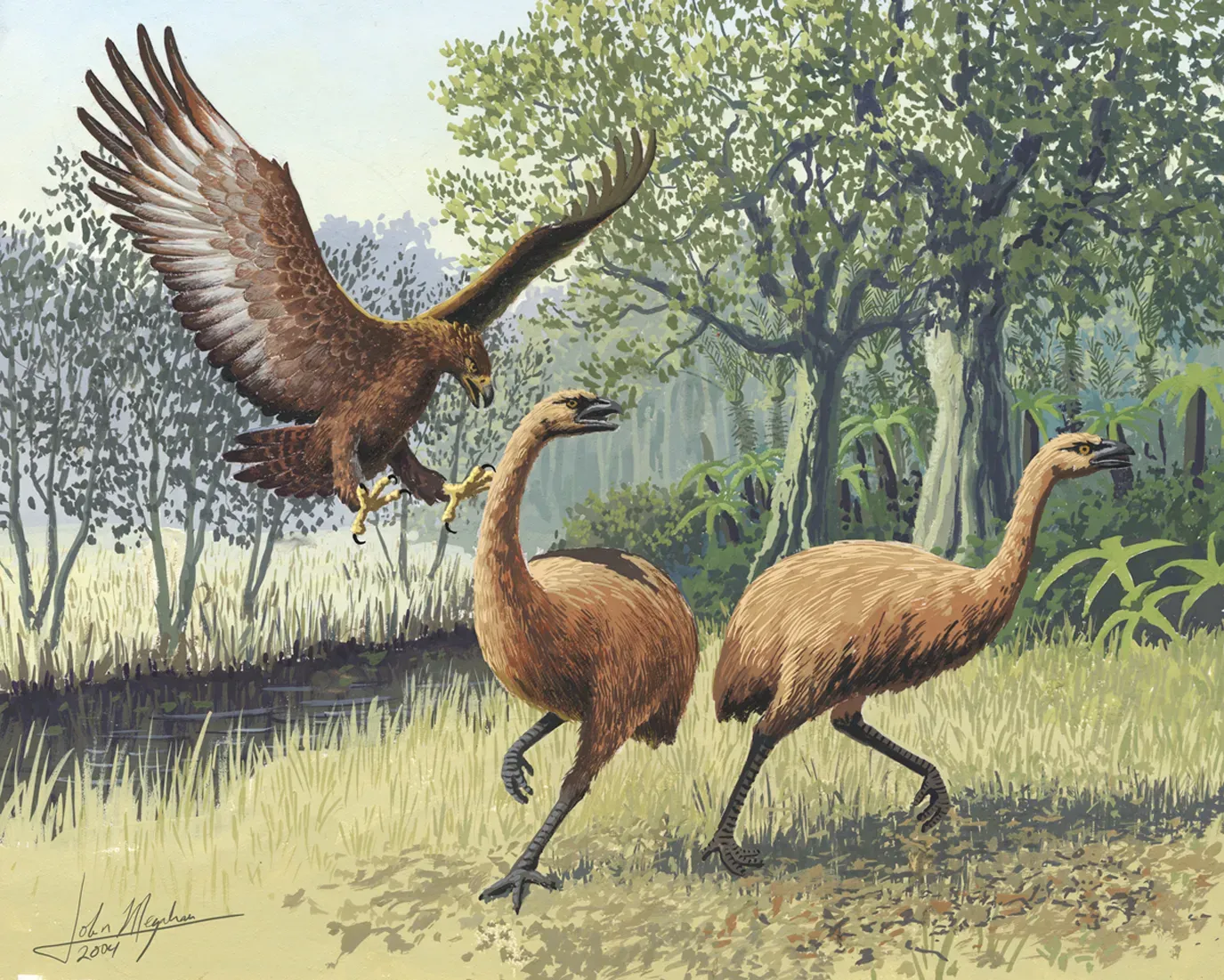
The Haast Eagle came to occupy the role of the top predator in New Zealand in the absence of any large mammalian carnivores and grew to massive sizes in response to the Moa who were its main source of prey, with a wingspan of almost ten feet and weighing up to 10 to 15 kilograms. This was the most formidable flying predator to evolve during the age of mammals, and it absolutely dominated its ecosystem.
The best evidence of crowned eagles preying on humans comes from prehistory, specifically South Africa 2.8 million years ago, where the famous Taung Child fossil displays damage consistent with an eagle attack. Some speculate they may have hunted Homo floresiensis, particularly juveniles who were probably small enough for these giant storks to swallow whole. Flying predators that could snatch early humans or their children from the ground? That’s the kind of threat that would keep entire tribes awake at night, constantly scanning the skies.
Basilosaurus: The Whale That Wasn’t Really a Whale
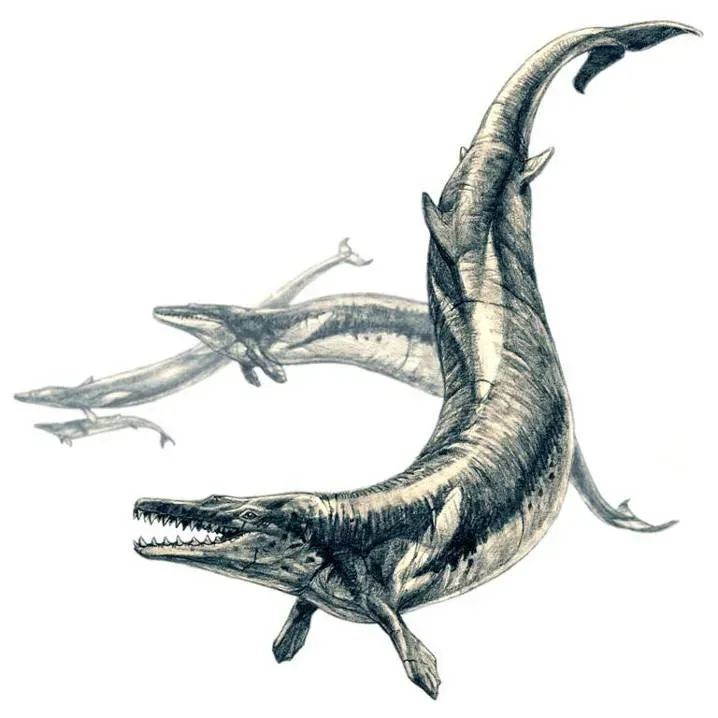
Whales haven’t always been ocean-dwellers, with their ancestors living on land and moving to the water about 50 million years ago, going through some awkward in-between years before becoming the whales we know and love today. Basilosaurus represents one of those “in-between” phases, and it was absolutely horrifying. This 60-foot leviathan had a bite force to rival that of T. rex, which it put to good use cracking open the skulls of other, smaller whales.
Think about the evolutionary journey here. Land mammals decided the ocean looked promising, gradually adapted to aquatic life, and somewhere along the way became apex predators with bite forces comparable to the most famous dinosaur predator. The oceans during this period were far more dangerous than anything we see today. Modern great white sharks seem almost friendly in comparison to the genuine sea monsters that ruled the waves during the age of mammals.
Megatherium: The Giant Ground Sloth
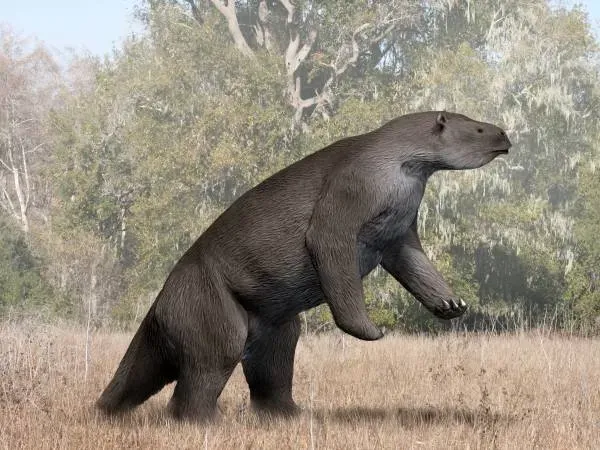
This giant ground sloth lived in South America until about 10,000 years ago and reached heights of up to 20 feet when standing, looking like a much larger version of a normal sloth. The giant ground sloths of the late Pleistocene were bear-sized herbivores that stood 12 feet on their hind legs and weighed up to 3,000 pounds. Now you might be thinking, “Wait, a sloth? How is that terrifying?”
Let me explain. Modern sloths are slow and cuddly, but scale one up to the size of an elephant and give it massive claws, and suddenly you’re dealing with a very different animal. Sure, it probably ate plants, but those enormous claws could easily disembowel any predator foolish enough to attack it. The sheer size alone would make it dangerous; if a three-ton sloth decided to swat at you, you’d be paste on the ground. Early humans hunting these creatures must have approached with extreme caution and serious backup.
American Lion: Bigger, Badder, More Terrifying
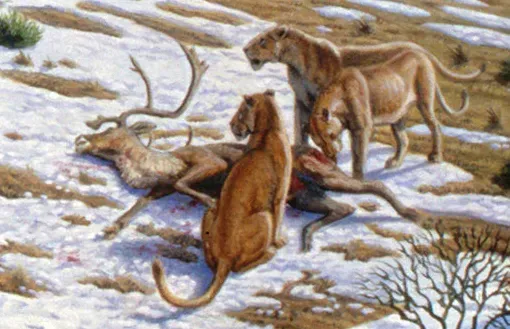
American lions were about 20 percent bigger than modern lions and went extinct about 13,000 years ago, around the same time as the mammoths and other large animals they would have preyed upon. That means they were hunting in packs across North America while early humans were settling the continent. They competed with one of the largest big cats to ever live, Panthera atrox, at 7 feet and 800 pounds, closely related to the African Lion.
Researchers imagine that the American lions, short-faced bears, and saber-toothed cats that ended up stuck in the asphalt at La Brea were attracted there by struggling prey animals, and about 90 percent of all the mammal fossils found there belong to carnivores. The ecosystem of Ice Age North America was absolutely packed with apex predators, all competing for the same prey. It was basically a prehistoric arms race of teeth, claws, and muscle. Early humans survived in this environment, which honestly makes our ancestors seem even more impressive.
Dire Wolf: The Wolf on Steroids
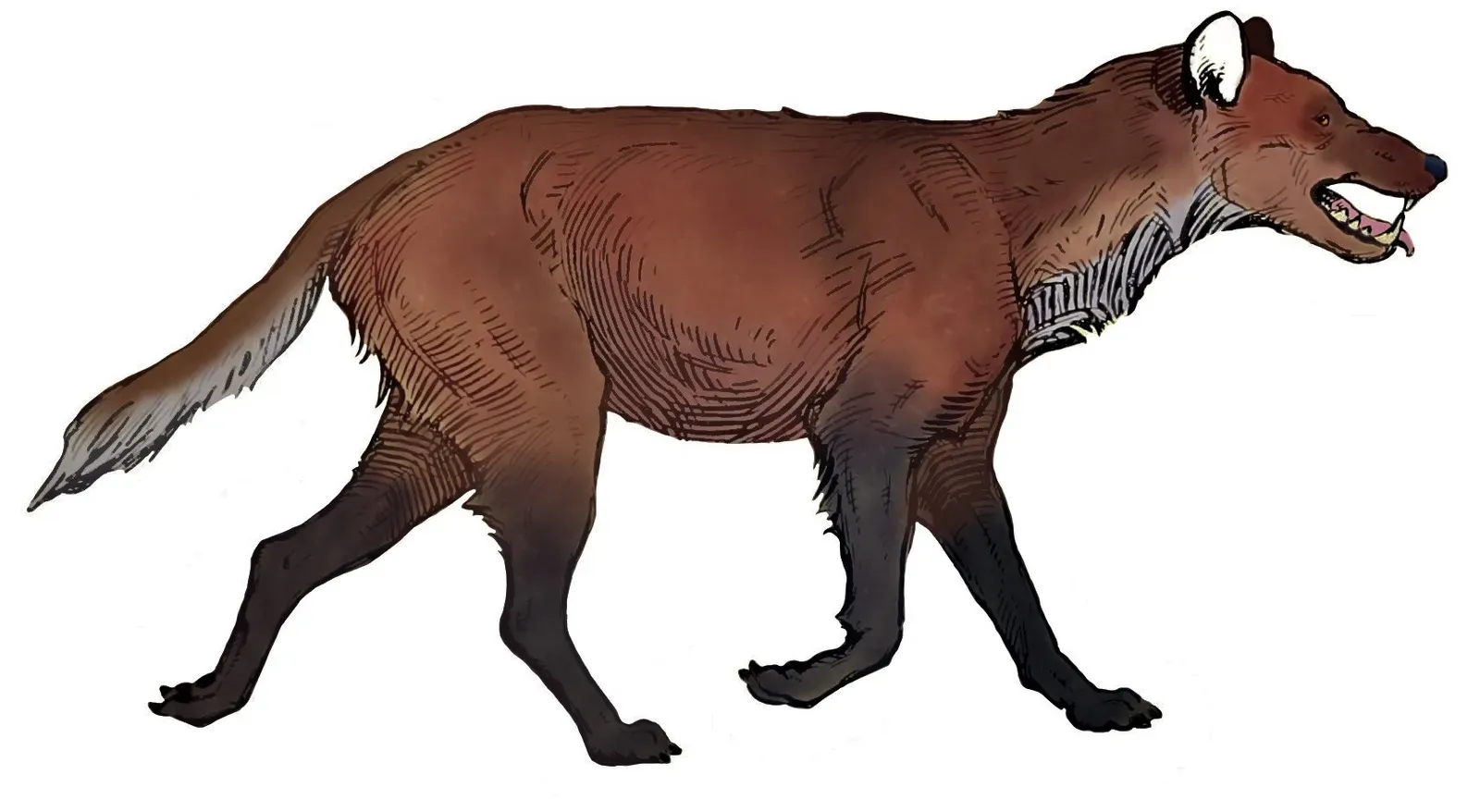
Though we only have limited information from the search results about dire wolves specifically, these creatures deserve their spot on this list based on what paleontologists have uncovered. They were larger and more robust than modern wolves, with more powerful jaws built for crushing bone. They hunted in packs across North America during the Pleistocene, often competing with saber-toothed cats and American lions for prey.
What made dire wolves particularly dangerous was their combination of intelligence, pack hunting strategies, and raw physical power. They weren’t the biggest predators of their time, but they were persistent and coordinated. A pack of dire wolves could potentially take down prey much larger than themselves through teamwork and endurance hunting. For early humans sharing the landscape with these predators, dire wolves represented a constant threat, especially at night when packs would be most active.
So What Does This All Mean?
The age of mammals produced creatures every bit as terrifying as anything from the dinosaur era, and in some cases, even more so. These animals had millions of years to evolve and refine their hunting strategies, developing bite forces, sizes, and adaptations that would make even the fiercest dinosaurs take notice. The fact that many of these creatures survived until relatively recently in geological terms means early humans actually lived alongside genuine monsters.
What’s perhaps most fascinating is that nearly all of these magnificent beasts vanished relatively quickly, with most going extinct within the last 50,000 years. Climate change, shifting ecosystems, and likely human hunting pressure all played roles in their demise. We’ll never know what it truly felt like to share the planet with predators like Smilodon or Arctodus simus, but their fossilized remains tell stories of a world far more dangerous and wild than anything we experience today.
Did you expect mammals to be this terrifying? What would you do if you could travel back in time and observe these creatures from a safe distance? Tell us in the comments.