
Have you ever walked into a room and instantly noticed someone who just seems to radiate self-assurance? They don’t shout for attention or dominate the conversation, yet somehow everyone seems drawn to them. What is it about these individuals that makes them stand out? Here’s the thing: confidence isn’t some mystical quality you’re either born with or without. It’s actually a collection of specific psychological cues and behaviors that anyone can observe, understand, and even adopt.
The fascinating part is that many of these signals operate below our conscious awareness. Your brain picks up on tiny details about how someone holds themselves, speaks, and interacts with others long before you’ve consciously processed what makes them seem so self-assured. Let’s be real, we’re all a bit like detectives when it comes to reading people. The good news? Once you understand these cues, you can start recognizing them in yourself and strengthening your own presence.
So let’s dive into the psychological signals that truly confident people display. Be surprised by what you might already be doing right, and what small shifts could transform how others perceive you.
They Maintain Steady Eye Contact Without Staring

Direct eye contact signifies interest, honesty, and confidence. When you’re in conversation with someone who’s genuinely confident, you’ll notice they look at you without darting their eyes away nervously or avoiding your gaze altogether. It’s a delicate balance, honestly. Too intense and it feels aggressive, too fleeting and it suggests timidity.
Eye contact is an important part of confident nonverbal communication with a recommended rule of thumb being to maintain eye contact roughly sixty to seventy percent of the time. Confident individuals understand this instinctively. They connect with your eyes long enough to create genuine rapport, then naturally look away before it becomes uncomfortable. This rhythm creates trust and shows they’re fully present in the moment with you.
Their Posture Speaks Before They Do

Think about the last time you saw someone slumped over, shoulders rolled forward, head down. What did you assume about their mood or confidence level? Slumped shoulders and a hunched back are signs of low self-esteem, while standing straight with shoulders back and head held high makes you appear more confident. Your body really doesn’t lie.
How we position our body has profound effects on our emotional state, self-assurance, and even how others perceive us. The beautiful part about posture is that it works both ways. You’re not just appearing more confident to others when you stand tall, you’re actually triggering physiological changes in your own body that make you feel more self-assured. It’s like your body is sending a message to your brain saying, “Hey, we’ve got this.”
They Use Open and Purposeful Hand Gestures
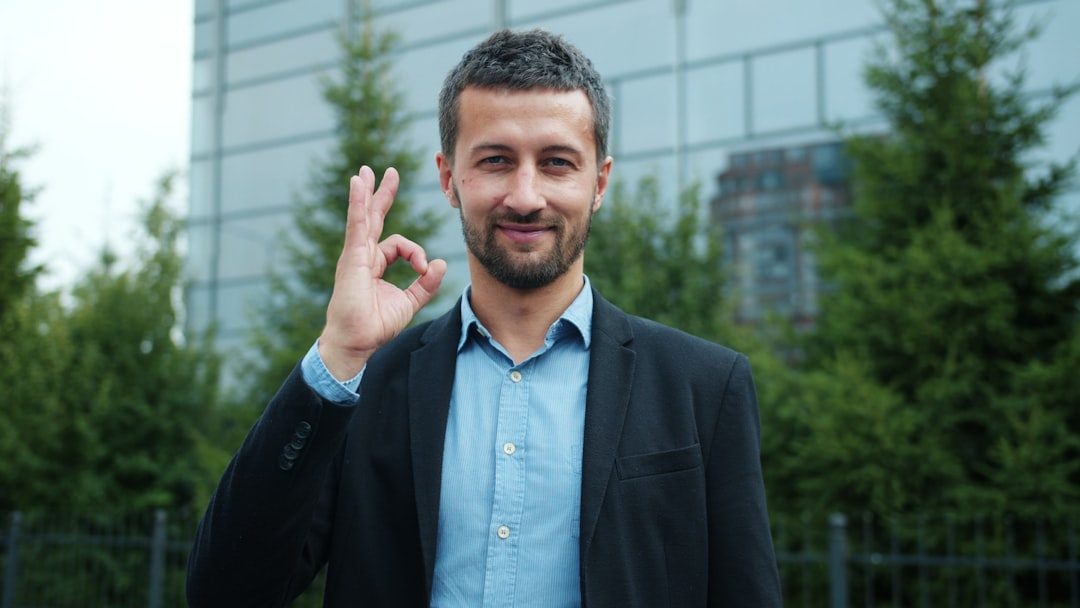
Watch how confident people use their hands when they speak. Hand gestures are one of the most clear non-verbal ways we communicate confident body language or nervous body language. You won’t catch them fidgeting with their jewelry, touching their face repeatedly, or hiding their hands in their pockets. Instead, their gestures are deliberate and support what they’re saying.
Talking with your hands with palms facing up can suggest you’re speaking honestly and are confident in your message. There’s something psychologically powerful about open palms. It’s an ancient signal of having nothing to hide, no weapons concealed. When someone gestures with purpose rather than nervous energy, it reinforces their message and draws you in.
They Listen More Than They Speak

Here’s something that surprises most people: truly confident individuals don’t feel the need to dominate every conversation. Confident people realize they know a lot, but they wish they knew more, and they know the only way to learn more is to listen more. They’re secure enough in themselves that they don’t need to constantly prove their intelligence or worth through non-stop talking.
Confident people are better communicators because they know that to really have a good connection, they need to listen, and they don’t feel the need to prove themselves. When you’re speaking with someone who actively listens, nodding at appropriate moments and asking thoughtful questions, you’re likely dealing with someone who’s comfortable in their own skin. They give you their full attention because they’re not anxiously rehearsing what they’ll say next.
They Speak With a Calm, Steady Voice

Voice tone and pace reveal mountains about confidence levels. Firmness in voice from the very first seconds of any conversation has been shown to be critical for perceiving authority. Confident people don’t rush through their words or speak so quietly that you have to strain to hear them. Their vocal delivery is measured and clear.
When someone communicates openly and without unnecessary embellishment, it signals confidence in their own thoughts and beliefs. You’ll also notice they don’t pepper their speech with excessive filler words like “um,” “like,” or “you know.” They’re comfortable with brief pauses while gathering their thoughts. That silence doesn’t scare them because they trust that what they have to say is worth the wait.
They Admit Mistakes Without Defensiveness

Confident people admit their mistakes and dine out on their screw-ups. This might seem counterintuitive, but owning up to errors is actually a massive display of self-assurance. Why? Because it takes real confidence to acknowledge imperfection without feeling like your entire worth is threatened.
People who are confident have no problem taking responsibility for their mistakes, and when confident you don’t internalize mistakes as defining characteristics but see them as learning opportunities. They understand that everyone messes up sometimes, and pretending otherwise just makes you look insecure. There’s something refreshing about someone who can laugh at themselves and move forward without dwelling in shame or making excuses.
They Ask for Help When They Need It

Many people think asking for help signals weakness, but the opposite is actually true. Confident people are secure enough to admit a weakness, and when they seek help they pay the person they ask a huge compliment, showing tremendous respect for that individual’s expertise. It takes genuine self-assurance to recognize your limitations.
Because confident people understand they are not an expert on every subject, they know there is no shame in asking for help and believe asking for help is a sign of strength. They view collaboration as a smart strategy rather than an admission of inadequacy. This mindset actually accelerates their growth because they’re constantly learning from others instead of stubbornly trying to figure everything out alone.
They Make Decisions Without Overthinking

Overthinking is a tell-tale sign of insecurity, and after evaluating the risks and opportunities, self-confident people make the decision rather than overthinking. Confident individuals trust their judgment enough to commit to a choice even when the outcome isn’t guaranteed. They understand that perfect certainty rarely exists.
This doesn’t mean they’re reckless or impulsive. They do their due diligence, weigh the options, and then they act. Once the decision is made, they don’t waste energy second-guessing themselves endlessly. If it turns out they chose wrong, they’ll course-correct without beating themselves up about it. Their identity isn’t wrapped up in being right every single time.
They Don’t Seek External Validation

Self-confident people don’t seek approval from others because they receive that approval internally, knowing exactly who they are and when they’ve done a good job, and therefore don’t require validation from others. This is probably one of the most liberating aspects of true confidence. You’re not constantly scanning others’ faces for approval or fishing for compliments.
Truly happy people know external gratification is fleeting, and happiness is an internal experience where confident people draw pleasure and satisfaction from their accomplishments without worrying about what others think. They have their own internal compass for measuring success and self-worth. This doesn’t mean they’re oblivious to feedback, they just don’t need constant reassurance to feel good about themselves.
They Remain Calm Under Pressure

Composure is emotional control, which is why confident people are usually the last to panic or the only ones not to, and although they feel pain like anybody else, they approach it by taking action. When chaos erupts around them, confident people don’t lose their cool. They take a breath, assess the situation, and respond rather than react emotionally.
A confident person demonstrates adaptability by remaining calm and focused, devising solutions swiftly without losing momentum. There’s something almost magnetic about someone who can maintain their composure when everyone else is freaking out. It makes others naturally look to them for guidance and reassurance. Their steadiness in turbulent times comes from an underlying belief that they can handle whatever comes their way.
They Celebrate Others’ Success Without Jealousy

Confident people are happy when their peers become successful and are not threatened or feel the need to pass judgment because they are walking their own path, achieving goals they set for themselves at their own pace. This is such a powerful indicator of genuine confidence. When you’re secure in yourself, someone else’s win doesn’t diminish you.
Because confident people know their place in life, they are not frightened by the light in others and rather nurture it, lift others up and encourage them to stay there. They genuinely cheer for others because they understand that success isn’t a finite resource. Your colleague’s promotion doesn’t mean you won’t get yours. In fact, being supportive often creates positive energy that comes back around.
They Set Boundaries and Say No

Confident people are not yes men and know when to agree to a course and when to say no, and won’t break the bank to suit your desires most of the time. This ability to decline requests that don’t align with their values or priorities is crucial. People-pleasers exhaust themselves trying to make everyone happy, but confident individuals understand that’s impossible.
Confident people don’t say yes to something unless it aligns with their values and beliefs, and they understand that it is healthy to say no when something isn’t right for them. When someone respectfully but firmly establishes boundaries, it actually earns them more respect, not less. People know where they stand with you, and there’s comfort in that clarity. It shows you value your own time and energy enough to protect it.
Conclusion

Confidence isn’t about being the loudest voice in the room or never experiencing doubt. It’s revealed through dozens of small psychological cues that communicate self-assurance, emotional stability, and genuine respect for both yourself and others. The beautiful truth is that these behaviors can be practiced and developed over time. You don’t have to wait for some magical transformation where you suddenly wake up confident.
Start with just one or two of these cues. Maybe you focus on improving your posture this week, or practice maintaining better eye contact during conversations. As you strengthen these behaviors, you’ll likely notice something interesting: acting confident actually helps you feel more confident. Your mind follows your body’s lead. Before long, these cues become natural expressions of the self-assured person you’re becoming. What cues surprised you most? Which ones do you already have down, and which could use some work? The journey to genuine confidence starts with honest self-awareness and the willingness to grow.