Have you ever picked up a strange rock and felt an inexplicable pull toward it, turning it over in your hands like it was trying to tell you something? Maybe museums feel more like home than they should. Maybe the idea of spending weeks in a scorching desert digging up ancient bones sounds less like torture and more like an absolute dream vacation.
There’s something deeply odd – and honestly kind of wonderful – about people who are magnetically drawn to deep time, extinct creatures, and the slow, patient science of reading the Earth’s biography through stone. Some of us might just be wired differently. So if you’ve ever wondered whether you missed your calling, or perhaps already lived it, keep reading. What you find might surprise you. Let’s dive in.
1. You Were Obsessed With Dinosaurs as a Kid – and Never Really Stopped

Most children go through a dinosaur phase. They memorize a few names, slap some stickers on their bedroom wall, and move on. You were not most children. By the time most kids begin kindergarten, they’ve mastered the scientific names and vital statistics of the most popular dinosaurs – but for you, that knowledge never faded. It just kept growing.
You didn’t outgrow Triceratops. You graduated to reading about them. Environments and organisms from the deep past are some of the most familiar concepts drawn from modern science, such as the dinosaurs Tyrannosaurus, Triceratops and Brontosaurus, early humans like the Neanderthal, extinct megafauna like mammoths and sabre-toothed cats, and invertebrates like trilobites and ammonites – and honestly, you could talk about all of them. Still. At dinner parties. Whether people asked you to or not.
2. You Find Extreme Patience to Be One of Your Greatest Strengths

Most people go restless waiting twenty minutes for a table at a restaurant. You, on the other hand, have always had a deep, almost eerie comfort with slow processes. The process of excavating fossils, analyzing specimens, and piecing together ancient ecosystems can span years or decades. Traits like patience and perseverance are essential, aligning with the concept of “grit” as defined by psychologist Angela Duckworth, which predicts success in challenging endeavors.
Think about what that really means. A paleontologist might spend years working on a single specimen, brushing away rock millimeter by millimeter, only to discover it answers half a question and raises ten more. That kind of sustained, unhurried focus is genuinely rare. If you’ve always had a high tolerance for long, painstaking work without immediate reward, your soul might remember what it was built for.
3. You Are Naturally Curious – Like, Abnormally So

Paleontologists tend to be predominantly investigative individuals, which means that they are quite inquisitive and curious people that often like to spend time alone with their thoughts. Sound familiar? If your brain has always fired question after question at the world around you, if you genuinely cannot let a mystery go without poking at it, that is a deeply paleontological trait.
Paleontologists are typically driven by a deep-seated curiosity about life’s history. According to Self-Determination Theory, intrinsic motivation – doing something because it is inherently interesting or enjoyable – is crucial for sustained engagement in complex, long-term scientific pursuits. In other words, the best paleontologists don’t dig for fame or fortune. They dig because they simply have to know. If that sounds exactly like you, pay attention.
4. You Are Drawn to Remote, Wild Landscapes in a Way You Can’t Explain

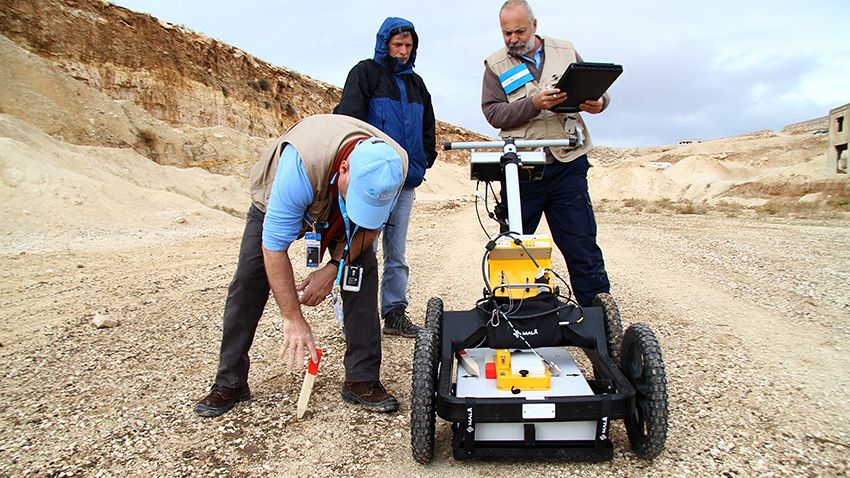
You pass a barren desert landscape or a dramatic rocky cliff face, and something in you just lights up. Not because it’s pretty, but because it feels like it’s hiding something. Like most people drawn to this kind of work, the original pull comes from the adventure and the opportunity to travel to very remote and exotic locations. There’s a reason paleontologists consistently end up in places like the Gobi Desert, the badlands of Montana, or the cliffs of Lyme Regis.
It’s a visual game, requiring patience and focus. Spotting recognizable shapes and textures in the wild is akin to meditating over a broken puzzle scattered in the sediment. If you’ve ever found yourself scanning a hillside, a riverbank, or a rocky beach looking for anything that seems slightly out of place, your eyes might just be doing what they were trained to do over a lifetime – or two.
5. You Have an Almost Obsessive Love for Detail and Classification

You’re the person who organizes their book collection by both genre and era. You’re the one who notices when something is slightly off in a photograph that everyone else missed entirely. Paleontologists are curious, methodical, rational, analytical, and logical. That meticulous, almost compulsive attention to how things are ordered, labeled, and related to each other is baked into the profession at every level.
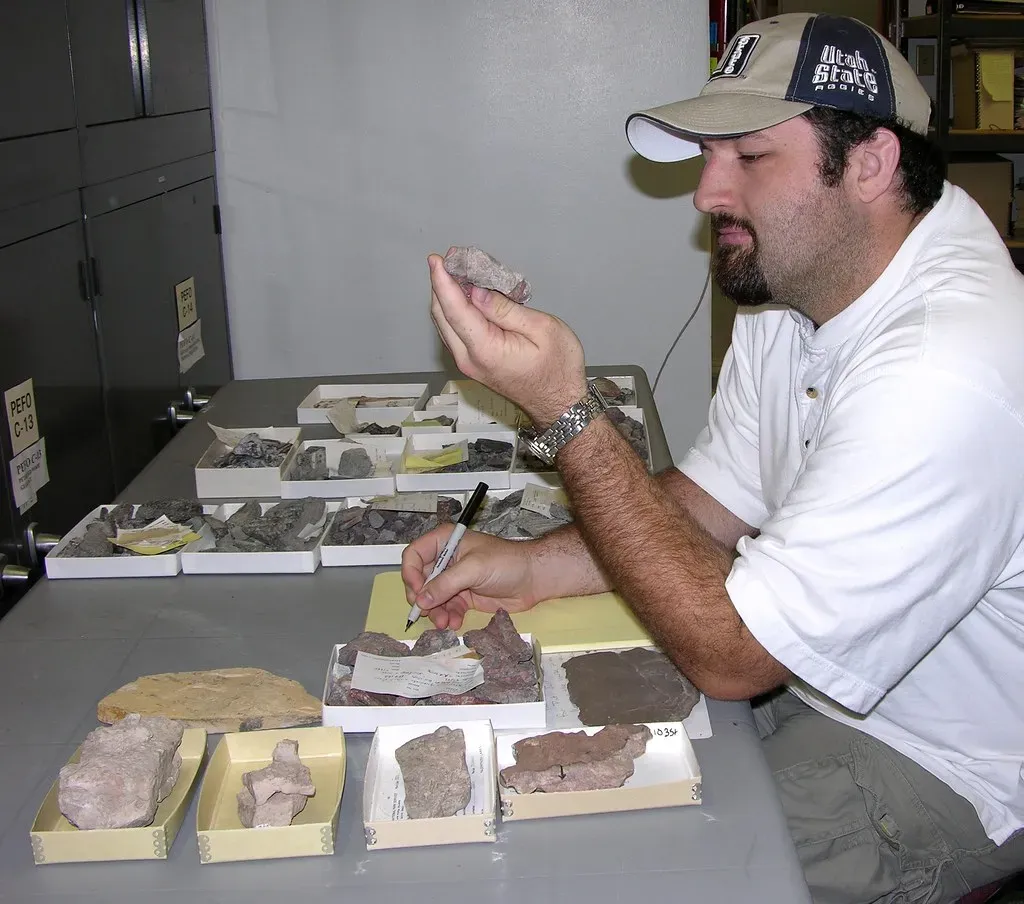
Paleontologists spend a lot of time classifying specimens, looking at their characteristics and how they are related to each other. It’s basically the science version of obsessively sorting and cataloguing – not the most glamorous part of the job, but arguably the most important. If you feel genuinely satisfied by a perfectly organized system, welcome back to what you probably spent whole lifetimes doing.
6. You Think in Deep Time – Millions of Years Feel Strangely Relatable

Here’s the thing – most people genuinely struggle to imagine what a thousand years feels like, let alone a hundred million. The concept just slips through their mental grasp. But you? You sit with geological timescales and feel oddly at home. The influence of paleontology in public consciousness may be due to a number of causes such as the mystery, the immense scale of time, the size of some organisms, or the similarities between myths of dragons and giants and their representation in extinct faunas.
Paleontology is the study of the history of life on Earth as based on fossils. That sounds simple, but “the history of life on Earth” spans roughly three and a half billion years of biological drama. If your mind naturally zooms out to those scales – if thinking about what the planet looked like three hundred million years ago is genuinely exciting rather than overwhelming – you might be exactly the kind of thinker that paleontology was made for.
7. You Have a Natural Talent for Reading Stories in Physical Objects
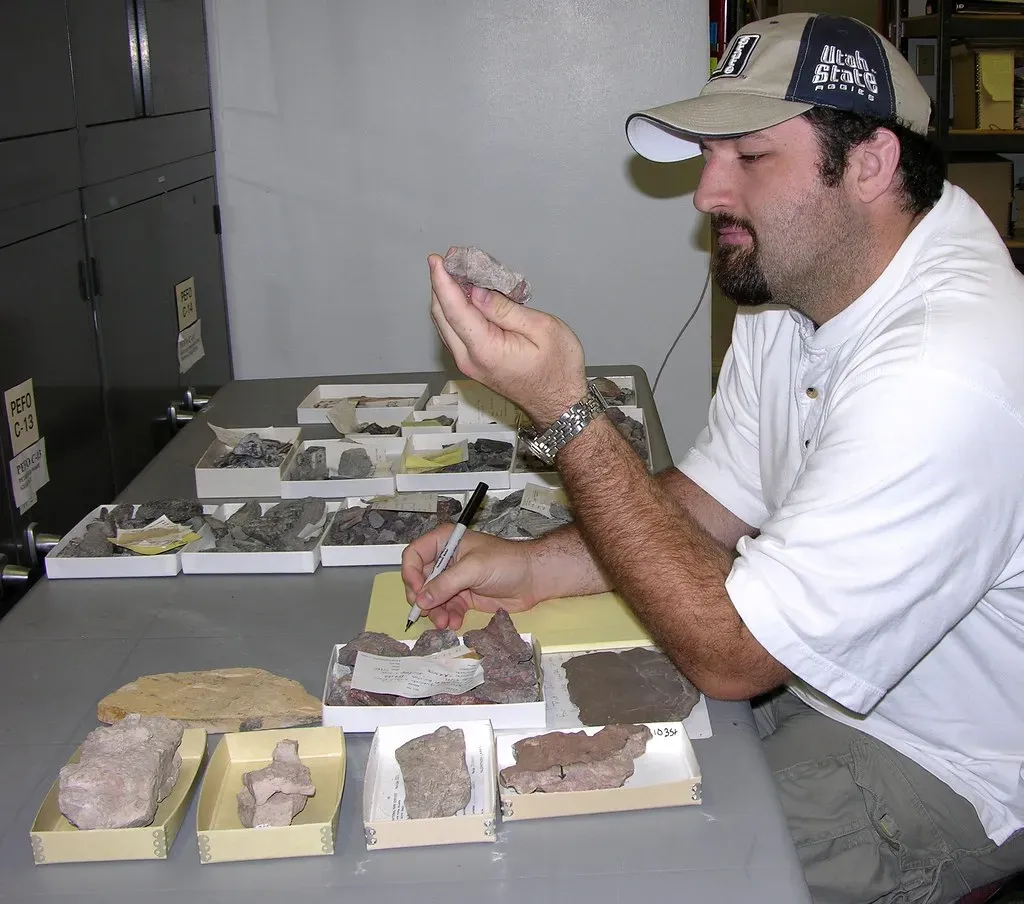
Paleontologists use fossil remains to understand different aspects of extinct and living organisms. Individual fossils may contain information about an organism’s life and environment. That is essentially the skill of reading an entire biography from what most people would mistake for a lump of rock. If you’ve always had a strange talent for looking at an object and sensing its history, you understand this instinctively.
Think of it like being a detective, except your crime scene is fifty million years old and your evidence is calcified bone. Paleontologists are inquisitive by nature, and they gather evidence of all kinds to test their hypotheses. Evidence about the lifestyle of an ancient plant or animal may come from the enclosing rocks, associated fossil remains, associated trace fossils, and particular features of the body fossils themselves. If you naturally piece together narratives from fragments and clues, that instinct is no accident.
8. You Feel a Deep Emotional Connection to Extinct Creatures
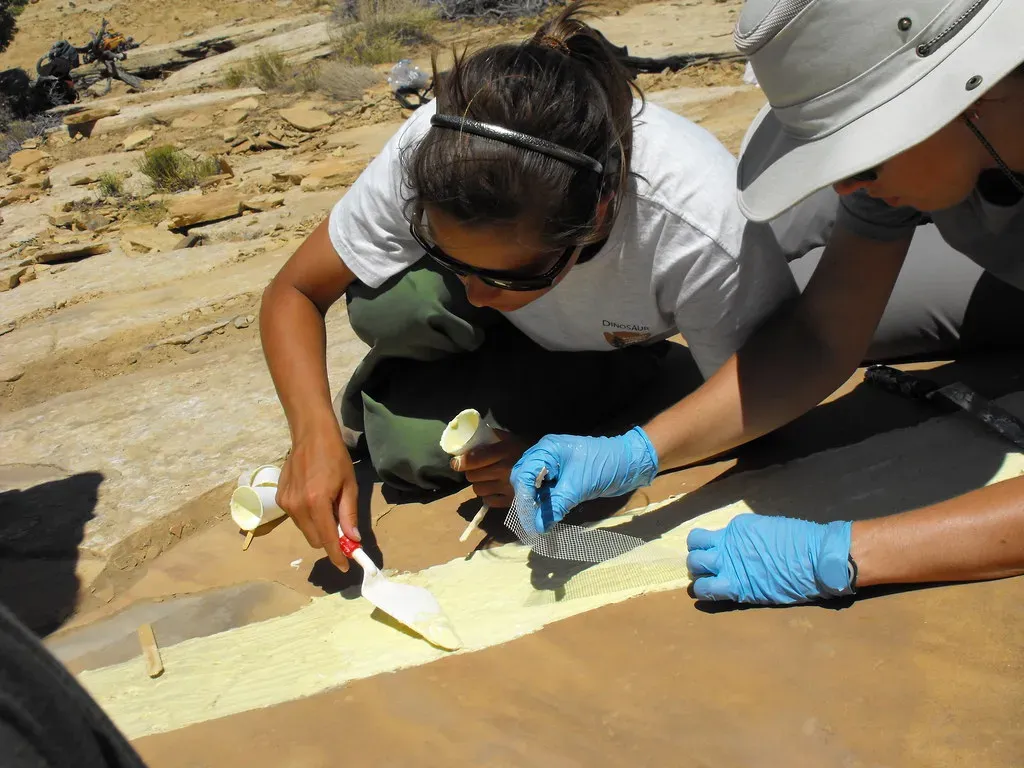
Most people see a fossil as a cool artifact. You see something that was once alive, that breathed and moved and existed in a world utterly unlike our own. It’s more than academic curiosity – it’s something closer to grief, or awe, or both. Extinction can be seen as the final step of evolutionary change for any species. Knowing that takes on a different weight when you actually feel it emotionally, not just intellectually.
At least five mass extinction events are recognized to have occurred during the history of Earth, and it is also possible that the Earth is currently undergoing a sixth extinction as a result of human activity. When facts like that land in your chest like something personal rather than something academic, you’re not just processing information. You’re mourning. And honestly, that depth of feeling is one of the most quietly remarkable things about people drawn to this field.
9. You Are Comfortable With Uncertainty and Incomplete Information
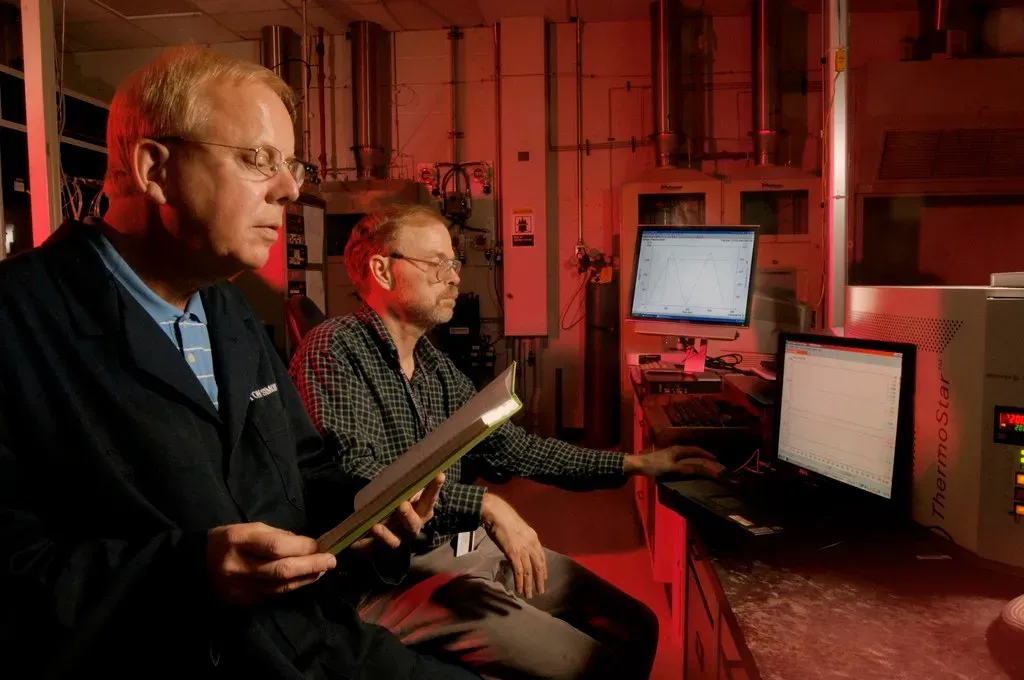
Here’s something most people overlook about paleontology: it is a science built almost entirely on incomplete evidence. Paleontologists are limited in their understanding of extinction by the inherent rarity of fossils and the incompleteness of the fossil record. These difficulties make it more challenging to infer what extinction rates were in the past, and can make it difficult to differentiate between a true extinction and a “pseudoextinction.”
That means every conclusion is provisional. Every reconstruction is your best interpretation of fragmentary evidence. The psychological profile of a paleontologist is characterized by a blend of curiosity, perseverance, analytical thinking, resilience, and creativity. These traits enable them to navigate the uncertainties and challenges inherent in uncovering Earth’s ancient past. If you’ve always been someone who can sit comfortably with “I don’t know yet” instead of needing an immediate answer, you already have one of this field’s most essential psychological tools.
10. You Are Drawn to Crossroads Between Science and Art
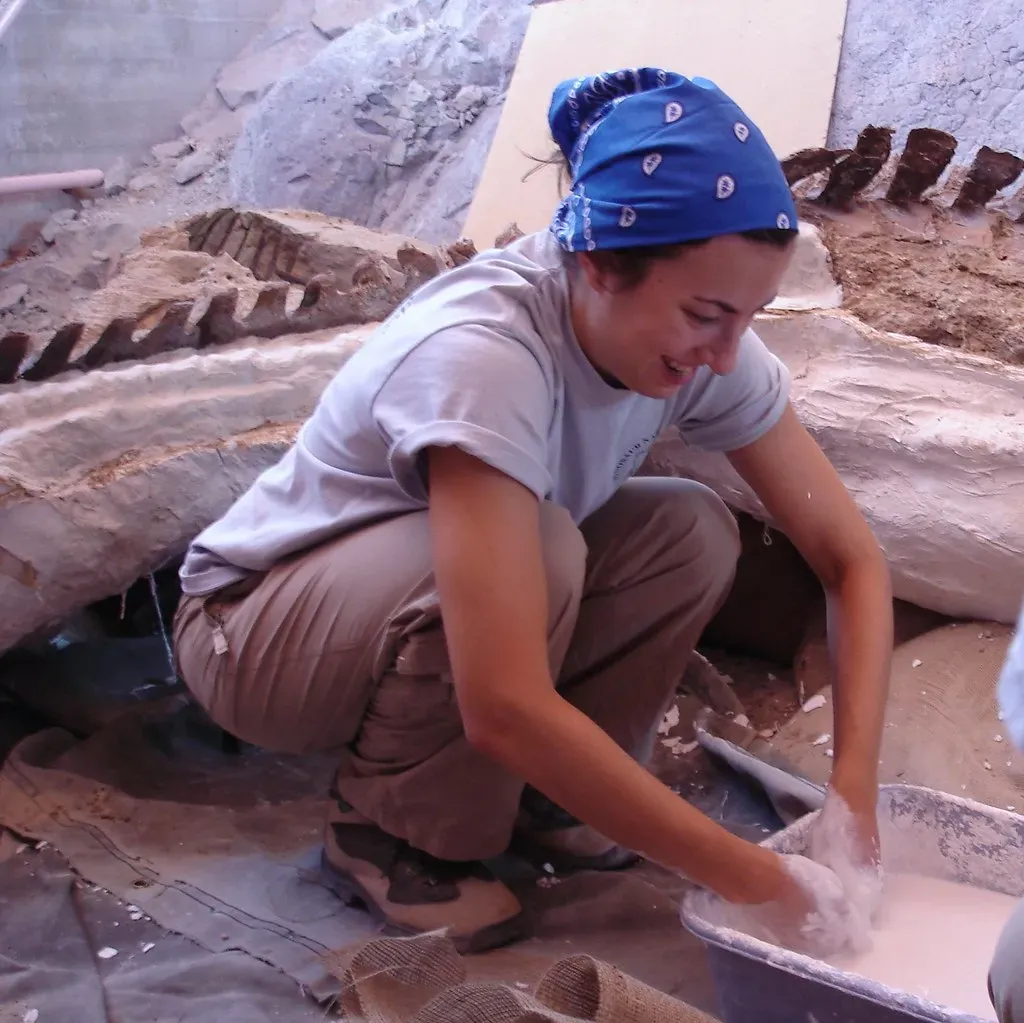
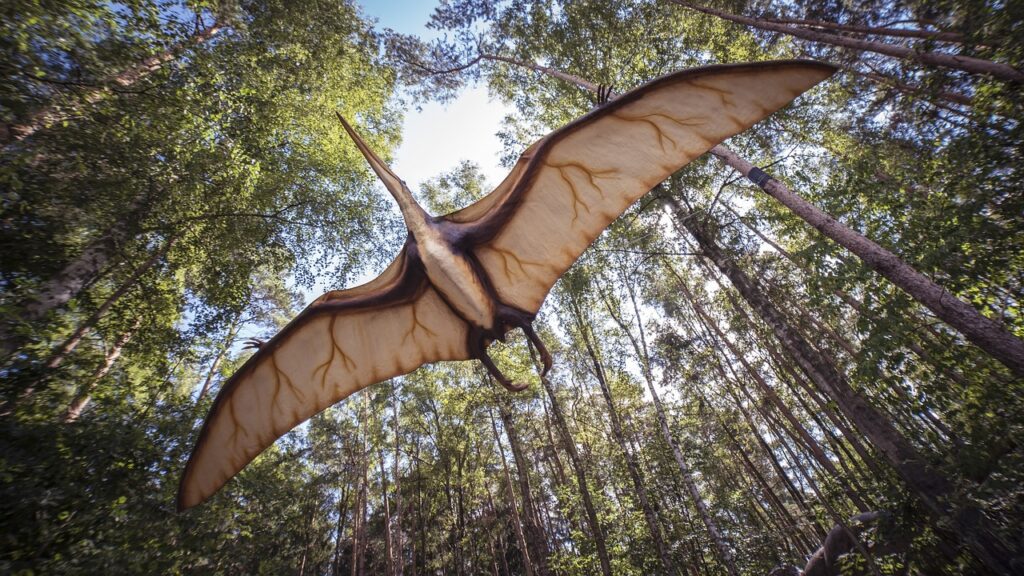
Paleontology is not a purely technical science. It demands creativity in ways that many people don’t expect. In the process of recreating the look and historical context of a fossil, paleontologists must possess some measure of creative vision. You’re not just measuring bones. You’re imagining an entire living animal – how it moved, what it sounded like, what color it might have been – based on incomplete physical remains. That is a deeply artistic act wrapped inside a scientific framework.
Paleoartists combine science and art to better communicate and interpret paleontological findings. Science communication improves the impact of research. Many people are visual learners, so effective paleoart comes in handy. If you’ve always felt pulled toward both the precise and the imaginative – if you love both data and storytelling – paleontology is one of the rare fields where those impulses don’t compete. They work together. Every single day.
11. You Feel Most Alive When You’re Searching for Something Hidden
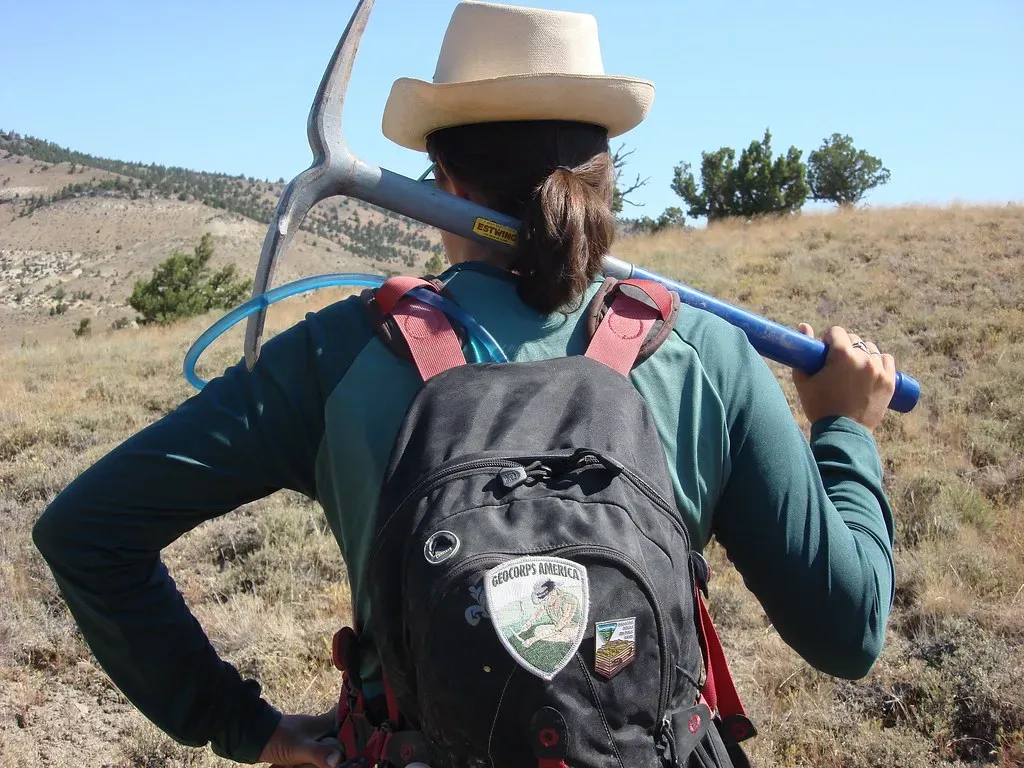
There is a very specific kind of joy that comes from searching. Not finding – searching. The slow scan across a landscape. The quiet focus. The sudden electric thrill when something catches your eye. Some days, maybe following a recent storm, you can’t stop seeing them – tooth, shell, tooth, bone – and you fall into a steady, flow state. That sensation of being completely absorbed in the hunt is something fossil seekers describe almost universally.
Paleontological work may seem limited by the fossil specimens available, but truly the main limitation is imagination. Creativity keeps paleontology moving forward. Paleontology always needs more passionate people with fresh ideas and fresh perspectives. If you are someone who finds deep peace and purpose in searching for hidden things – whether in the ground, in old texts, in overlooked corners of the world – that searching instinct might be the oldest thing about you.
Conclusion: The Bones Don’t Lie
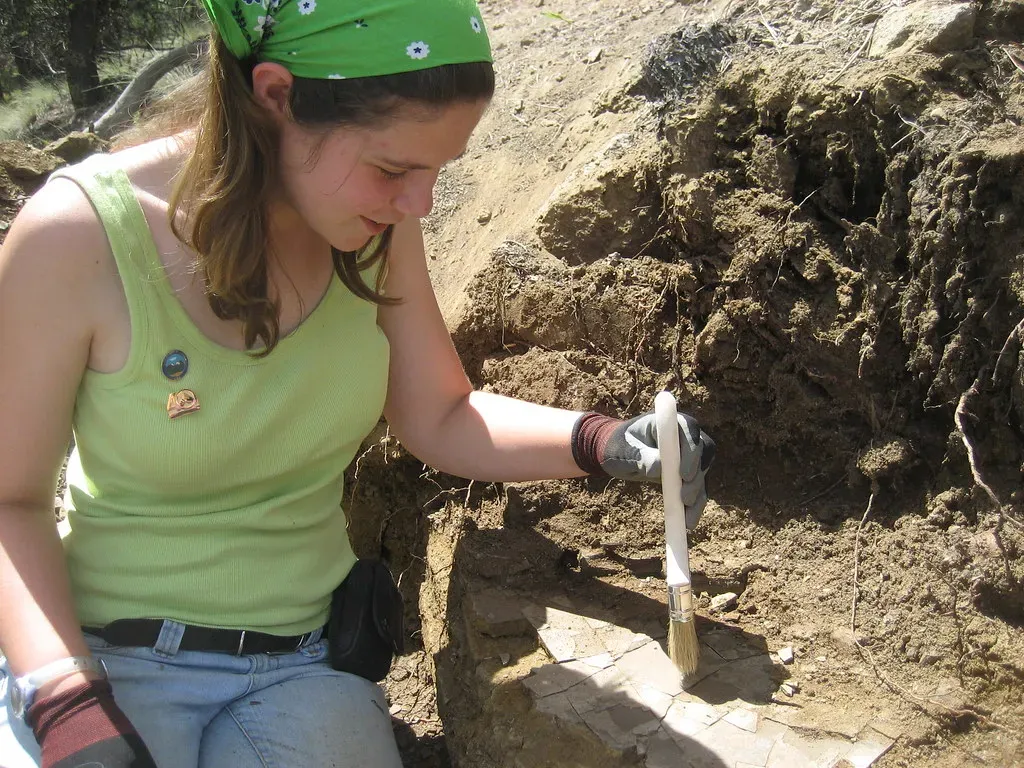
I think there’s something genuinely beautiful about the idea that some people are just built for certain kinds of wonder. Paleontology isn’t just a career – it’s a specific way of seeing the world. It asks you to love slowness, embrace mystery, and find meaning in fragments. Not everyone can do that. Not everyone wants to.
If you recognized yourself in more than a few of these signs, maybe it’s worth paying attention to that. There are many ways for people to research fossils, which are typically based on their own personal passions. Being a paleontologist is about finding your passion and sharing it with others. Whether that means picking up a geology book, visiting a natural history museum, or simply spending an afternoon at a rocky beach scanning the ground with fresh eyes – the ancient world is still out there, waiting.
After all, the fossils have been patient for millions of years. They can wait a little longer for you to find your way back. How many of these signs did you recognize in yourself? Tell us in the comments.