Most of us grew up with a clear mental image: dinosaurs here, humans there, separated by a vast, unbridgeable gulf of time. Neat, tidy, uncomplicated. Turns out, reality is far messier – and way more fascinating – than that. The more scientists dig into the fossil record, the more the line between the Age of Dinosaurs and the dawn of our own lineage starts to blur in ways that are genuinely jaw-dropping.
You might think you know the story. An asteroid hits, the dinosaurs die, and then, after a long silence, mammals inherit the Earth. But what if your distant ancestors were already there, watching the whole catastrophe unfold from the underbrush? What if the story of you starts earlier – and gets stranger – than any textbook ever told you? Let’s dive in.
1. Your Ancestors Literally Shared the Planet With Dinosaurs
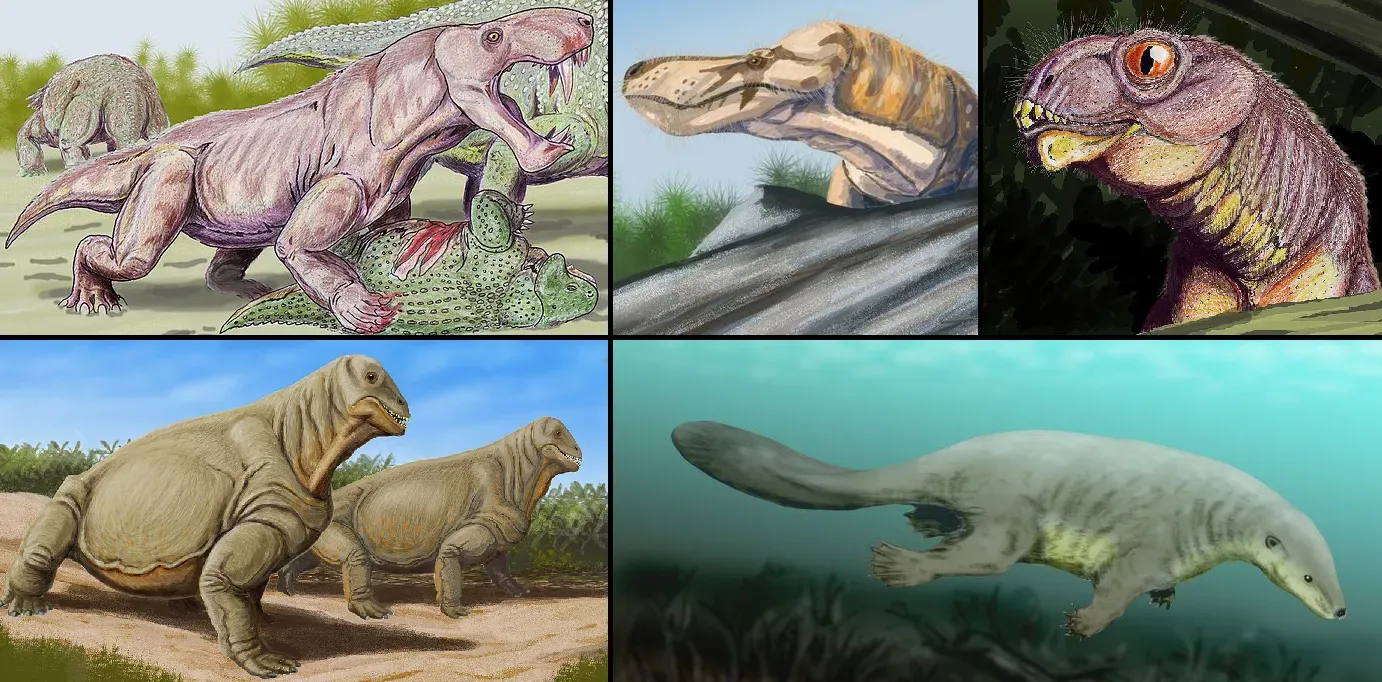
Here’s the thing that genuinely stopped me cold when I first read it: researchers discovered that placental mammals, a group that includes humans, dogs, and even bats, originated in the Cretaceous period, suggesting that these mammals shared the planet with dinosaurs for a brief period before the mass extinction event. This isn’t science fiction. This is the fossil record talking.
Even more intriguing is the finding that primates, the group that includes the human lineage, as well as Lagomorpha (rabbits and hares) and Carnivora (dogs and cats), evolved just before the K-Pg mass extinction, implying that our very own ancestors once rubbed shoulders with dinosaurs. Think about that the next time you watch a nature documentary about T. rex.
2. The Tiniest Teeth in Montana Changed Everything We Thought We Knew
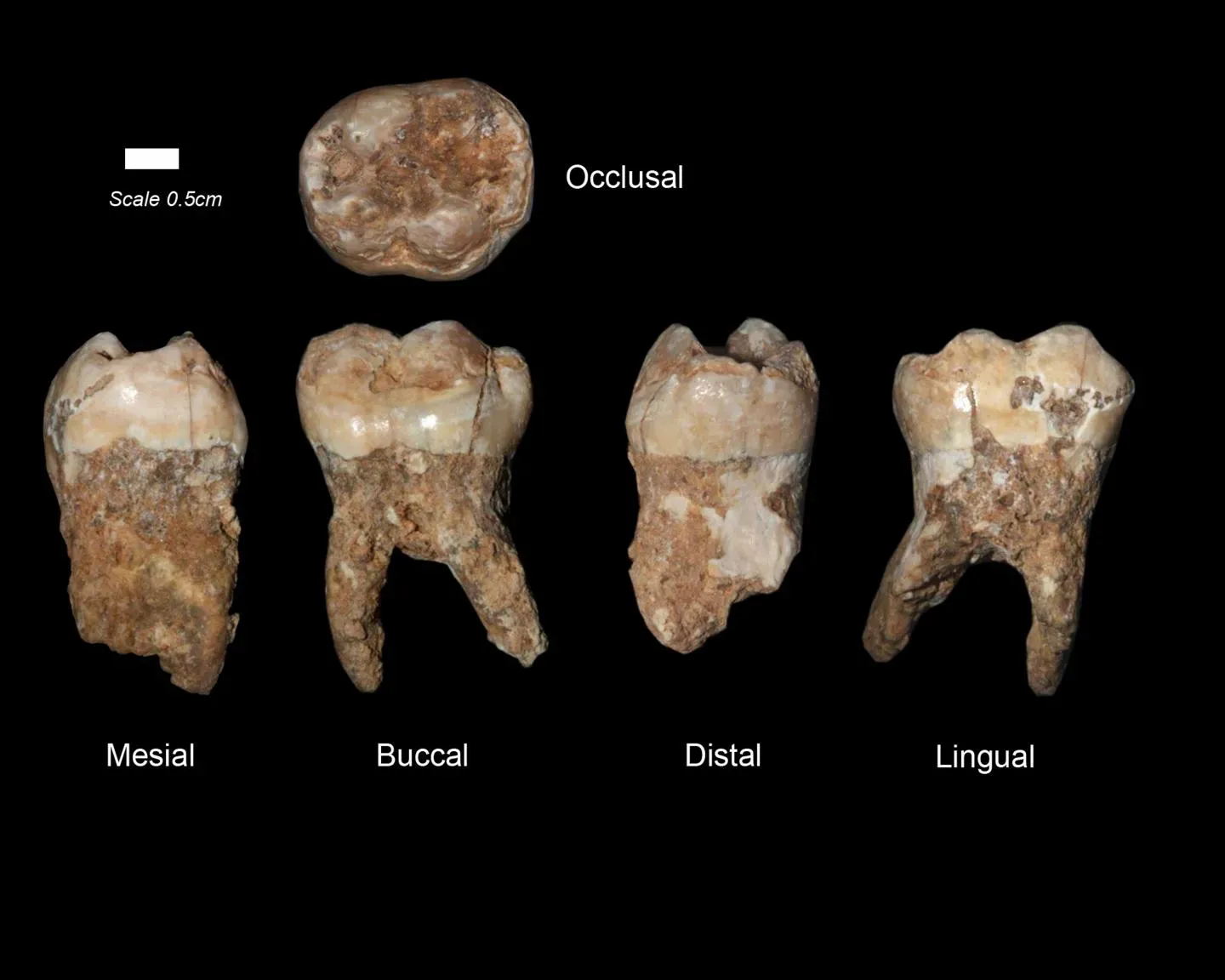
Scientists identified the earliest primates from tiny fossilized teeth, revealing that our ancient ancestors likely lived alongside the dinosaurs in North America. We are not talking about some massive, dramatic discovery here. We are talking about teeth so small they could sit on your fingernail.
The teeth are only 0.08 inches, or about 2 millimeters, long and are from the oldest group of primates, known as plesiadapiforms. They were found in the Fort Union Formation in northeastern Montana in the 1980s but have since been formally identified in a landmark study. Honestly, it’s humbling to think that the evidence for your own deepest ancestry fits on the tip of a toothpick.
3. The Ancestor of All Primates Was Probably Mouse-Sized
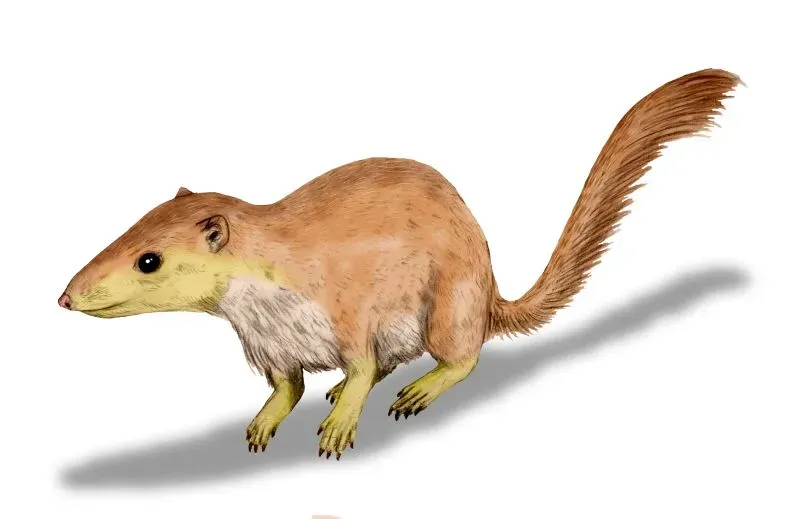
Based on the age of the fossils, researchers estimate that the ancestor of all primates, a group that also includes today’s lemurs and monkeys, likely emerged by the Late Cretaceous and lived alongside large dinosaurs. If you could travel back 66 million years and spot your own primate ancestor, you would almost certainly step over it without noticing.
The small, furry ancestors of all primates were already taking to the trees a mere 100,000 years after the mass extinction that wiped out the dinosaurs and most other terrestrial animals. In the grand sweep of geological time, 100,000 years is practically the blink of an eye. Your lineage wasted absolutely no time seizing its moment.
4. Purgatorius: The Creature That Links You to the Dinosaur Age
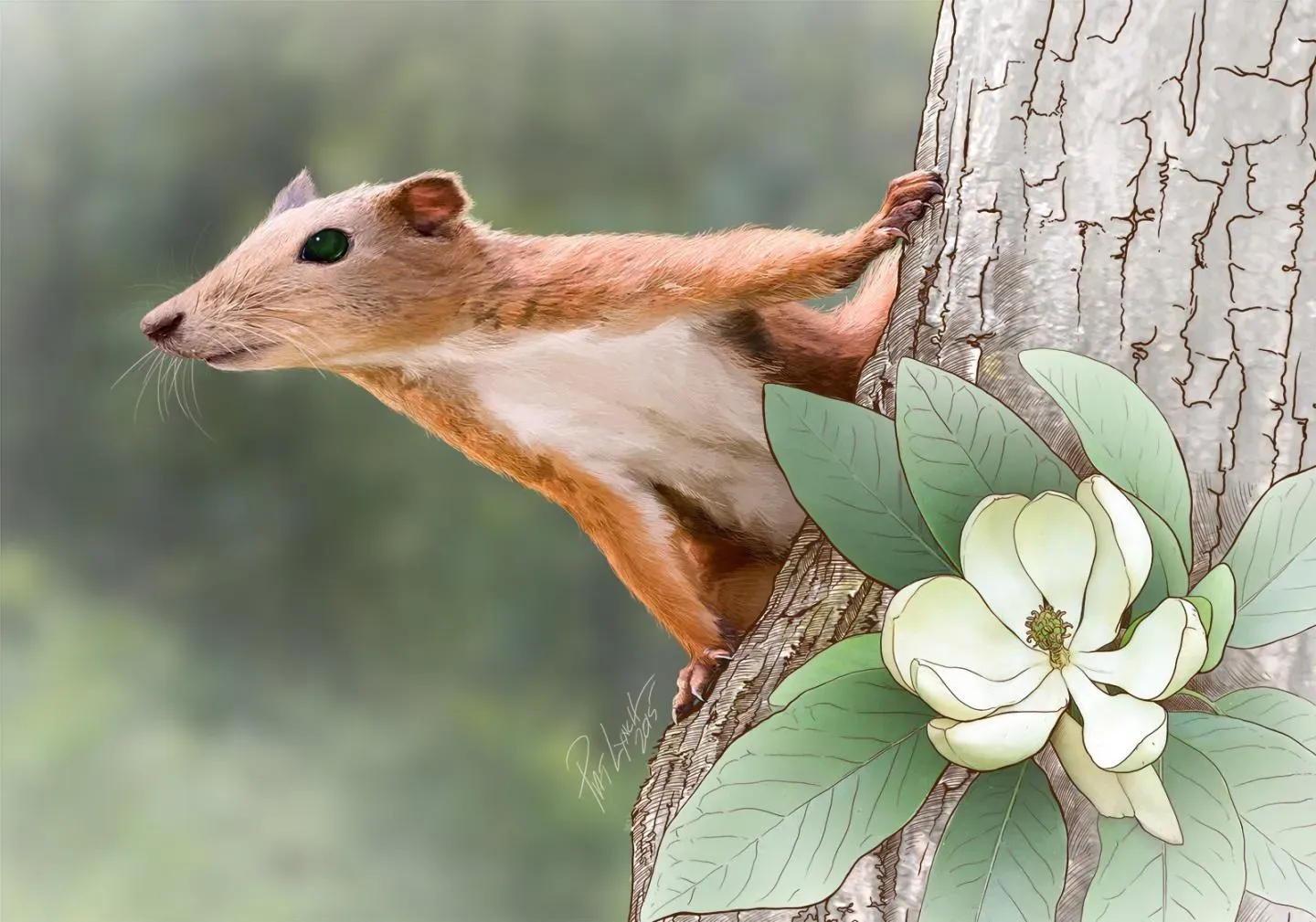
Purgatorius lived from the Late Cretaceous, around 66 million years ago, to the Early Palaeocene, about 63 million years ago. This was a tumultuous period of Earth’s history, made infamous by the asteroid impact that wiped out not only the non-avian dinosaurs but roughly three-quarters of all life on Earth. Purgatorius lived in the shadows of these last surviving dinosaurs and alongside a plethora of other, rodent-like mammals.
Roughly 300,000 years ago, anatomically modern humans emerged in Africa, the latest chapter in the evolutionary story that started 66 million years ago with Purgatorius. That is a breathtaking chain of life, stretching from a tiny fruit-eater cowering under a fern while the last dinosaurs thundered past, all the way to you reading this article right now.
5. Dinosaurs Dominated Earth for a Staggeringly Long Time
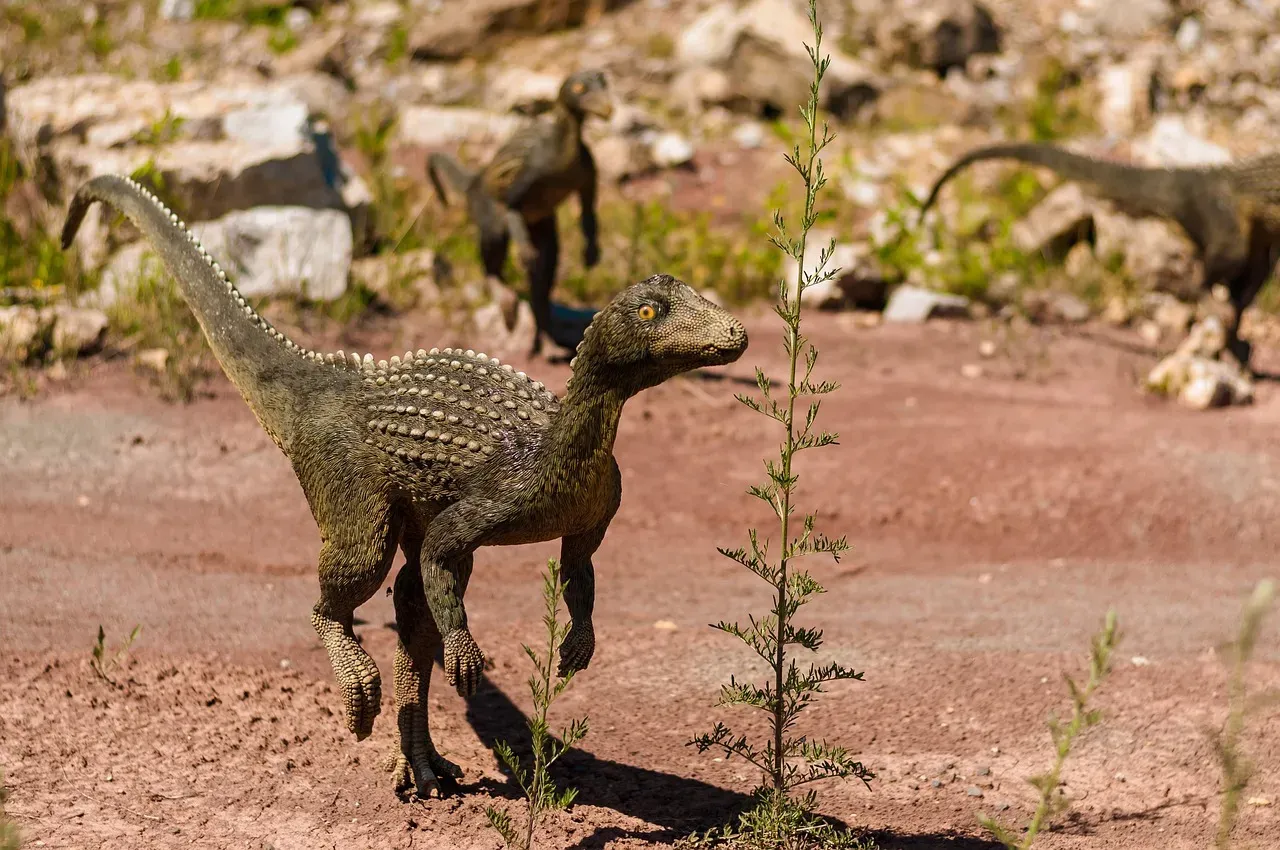
Dinosaurs were the dominant species for nearly 165 million years, during a period known as the Mesozoic Era. To put that in perspective, our own species, Homo sapiens, has only been around for roughly 315,000 years. We are absolute newcomers by comparison. Dinosaurs had kingdoms, ecological empires, and evolutionary dynasties that would make everything humans have ever built look like a rough draft.
Growing evidence suggests that many dinosaurs were warm-blooded, bore colorful feathers, and engaged in behaviors similar to those of contemporary birds. Their reign concluded at the end of the Cretaceous Period, when an asteroid the size of a mountain slammed into Mexico’s Yucatán Peninsula. The image of the cold, slow, lumbering reptile you grew up with? Science has been quietly dismantling it for decades.
6. Some Early Mammals Actually Ate Dinosaurs
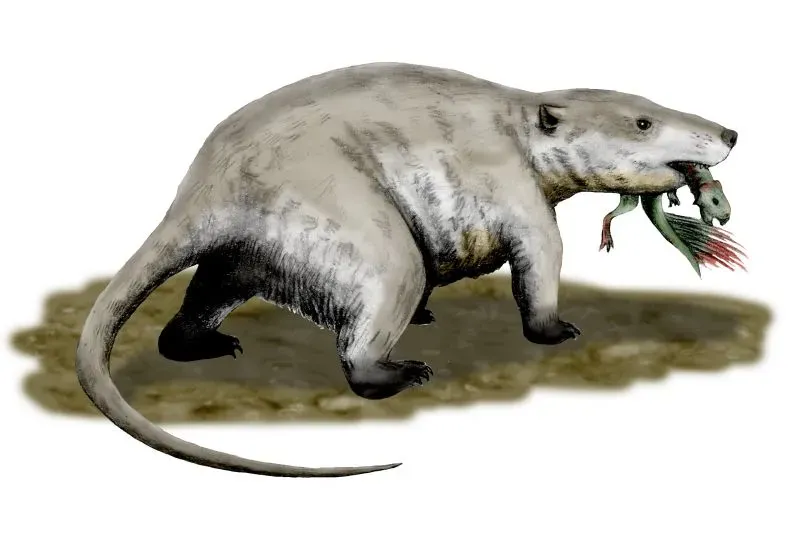
Let’s be real, this one sounds like a fever dream. Repenomamus is a genus of opossum-to-badger-sized gouvernmentid mammal containing two species, both known from fossils found in China that date to the early Cretaceous period, about 125 to 123 million years ago. One species is among several Mesozoic mammals for which there is good evidence that it fed on vertebrates, including dinosaurs. Yes, you read that correctly.
Features of the teeth and jaw suggest that Repenomamus were carnivorous, and a specimen discovered with the fragmentary skeleton of a juvenile Psittacosaurus preserved in its stomach represents direct evidence that at least some Mesozoic mammals were carnivorous and fed on other vertebrates, including dinosaurs. The predator-prey relationship between dinosaurs and early mammals was apparently a two-way street. Sometimes, mammals won.
7. Early Mammals Were Not the Timid Creatures We Imagined
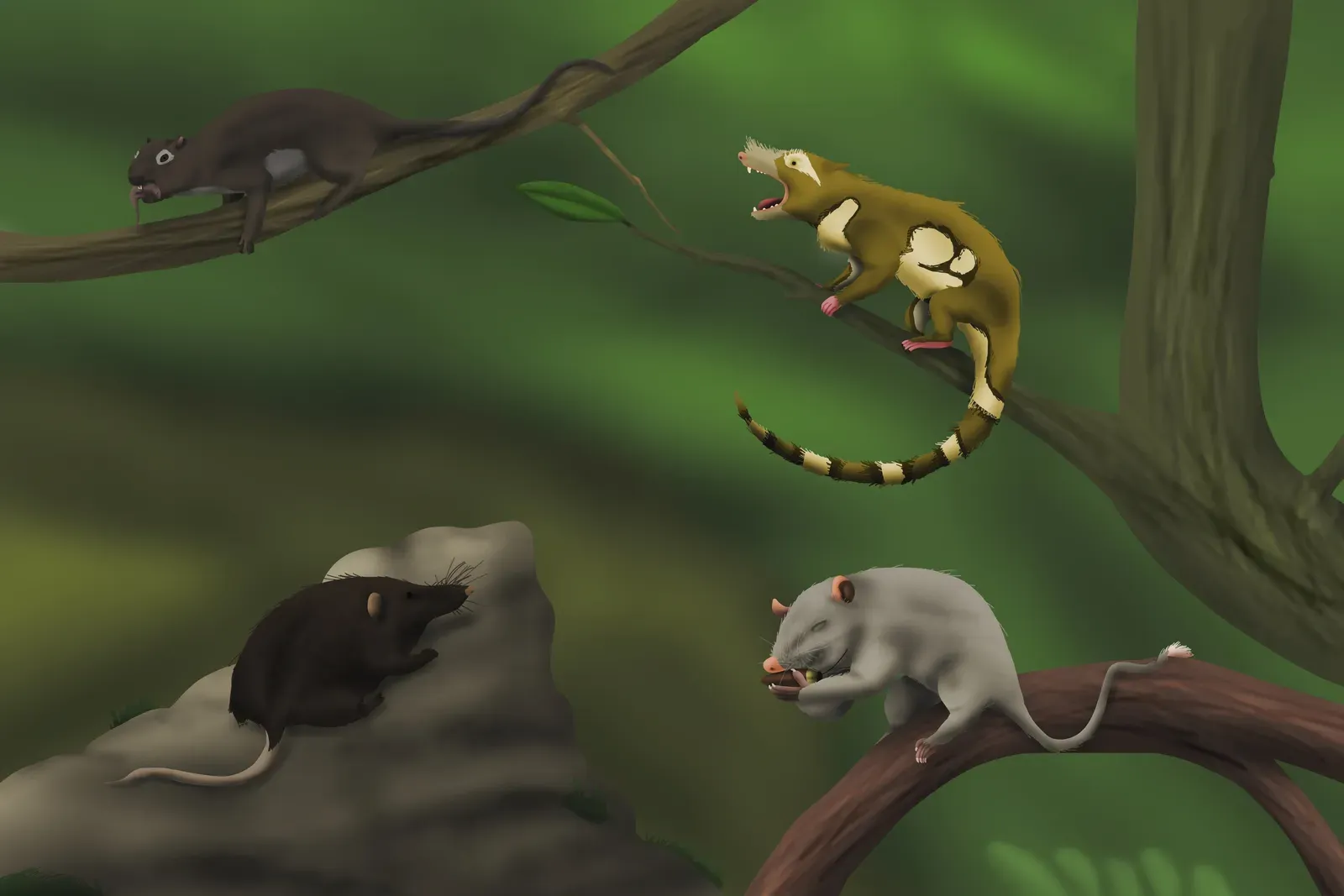
For a long time, the reigning story was simple: mammals during the dinosaur age were tiny, terrified, and stuck in the shadows. That story, it turns out, needs serious revision. In each of the radiations during the dinosaur age, mammaliaforms diversified from insect-chomping, rodent-like ancestors and adapted to a variety of ecological niches, with new species arising that could climb, glide, or burrow, and that ate more specialized diets of meat, leaves, or shellfish.
Two of the three ecological radiations of mammaliaforms occurred during the Jurassic and Cretaceous periods when dinosaurs were thriving. A second ecological radiation of mammals began 90 million years ago in the Late Cretaceous Period, shortly after flowering plants evolved. Life finds a way, and early mammals were endlessly creative about it – gliding through ancient forests, burrowing under dinosaur footprints, and snapping up anything they could find.
8. The Asteroid That Killed the Dinosaurs Was the Best Thing That Ever Happened to Your Lineage
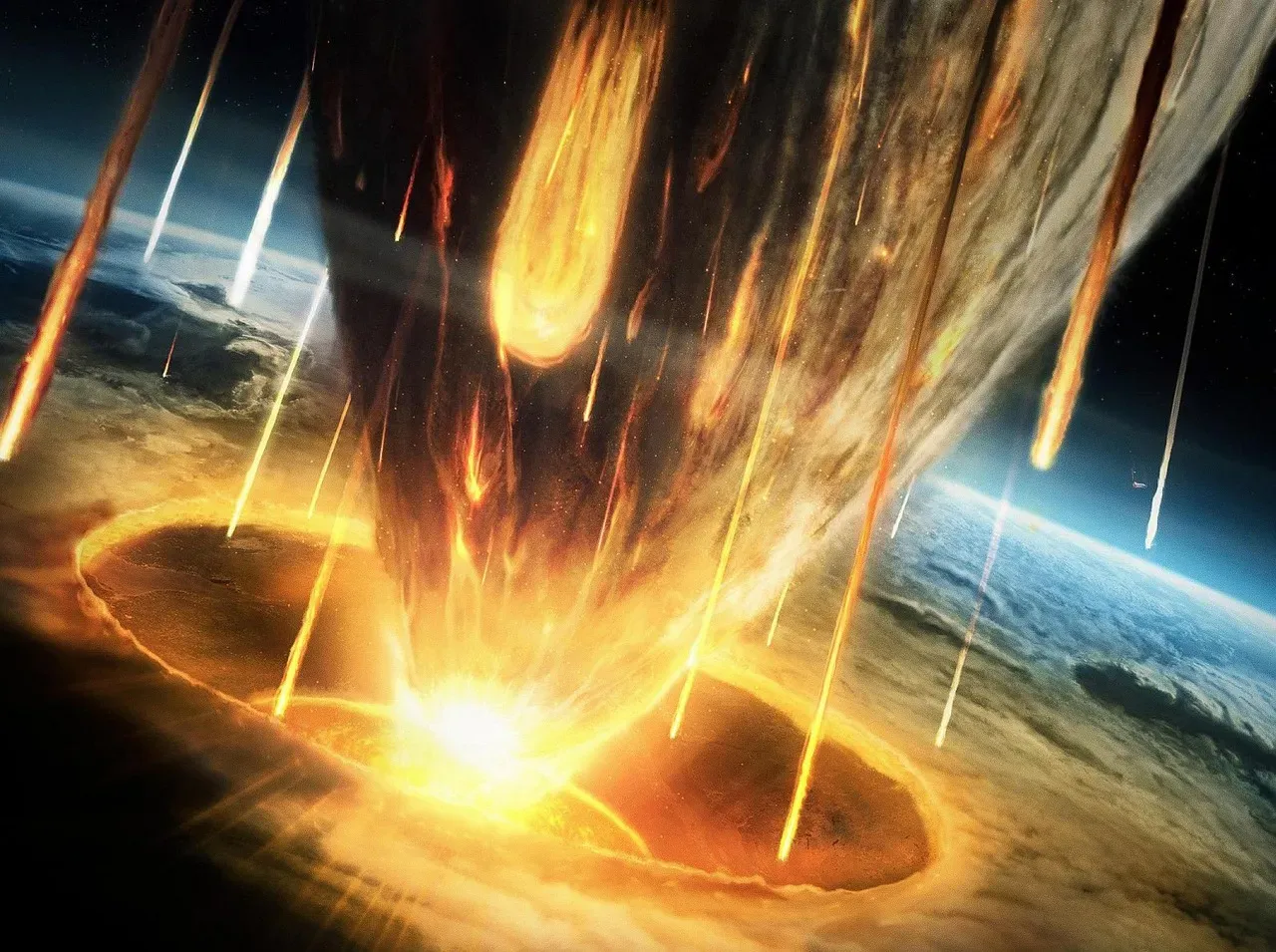
Research shows that placental mammals began to flourish only after the asteroid impact wiped out the dinosaurs. This suggests that the removal of dinosaurs as competition allowed these mammals to diversify and thrive. It is a strange thing to contemplate, but your very existence may hinge on one of the worst days in the history of life on Earth.
The extinction of the dinosaurs, along with other large reptiles, fundamentally altered the ecological landscape. Suddenly, niches that were previously occupied by these dominant creatures were now vacant, up for grabs by surviving organisms. Mammals, which had been relatively small and inconspicuous during the age of dinosaurs, found themselves in a position to diversify and expand into these newly available roles. Tragedy for one group. Extraordinary opportunity for another.
9. The “Dinosaurs Suppressed Mammals” Theory Got a Surprising Twist
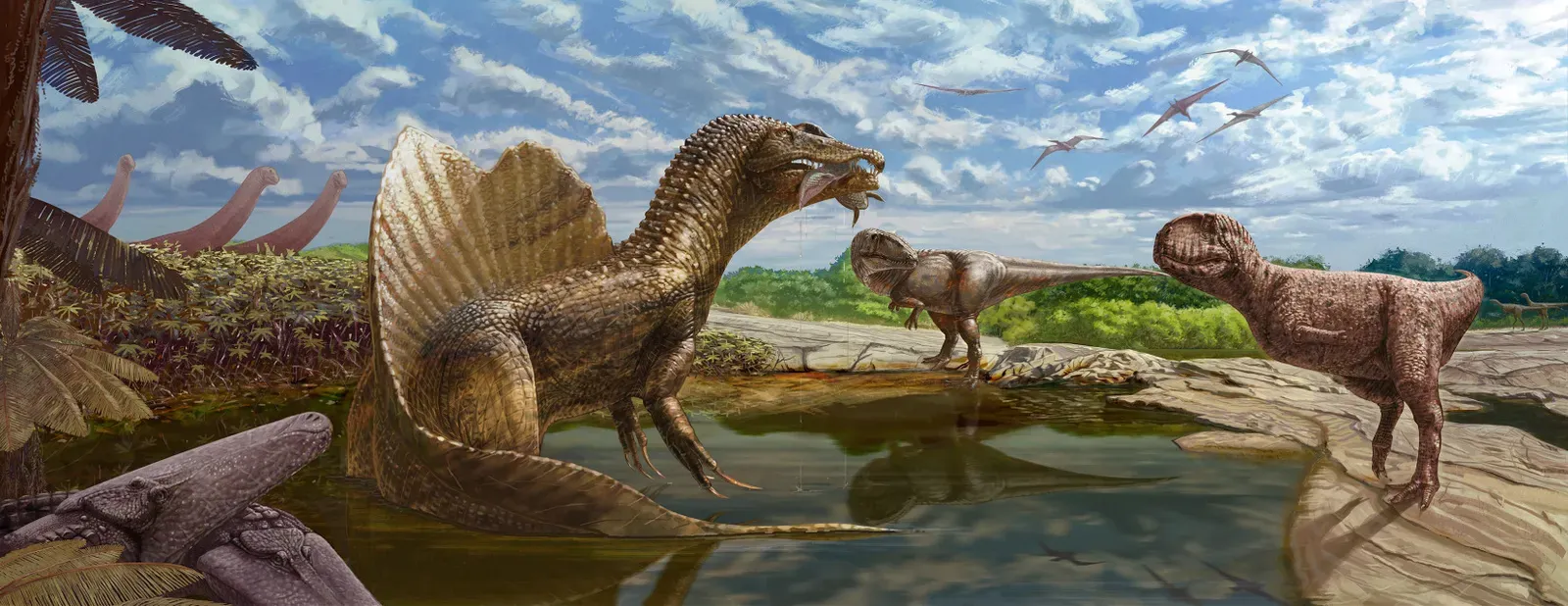
For decades, scientists assumed it was dinosaurs that kept early mammals small and stuck in evolutionary low gear. Then a wrinkle appeared. Thanks to decades of new fossil discoveries, paleontologists realized an important twist in the story: it wasn’t dinosaurs that suppressed the evolution of our ancient mammalian ancestors, but other forms of ancient mammal. It was essentially an ancient mammal civil war playing out in the undergrowth.
Because the ancient mammaliaforms diversified and spread into so many forms first, our own mammalian ancestors and relatives didn’t have a chance to truly dig their claws into the world’s ecosystems until after the asteroid strike that sparked a mass extinction 66 million years ago. Sometimes the biggest obstacle isn’t the giant predator stomping overhead. Sometimes it’s your own weird relatives crowding out your ecological space.
10. Modern Birds Are Technically Dinosaurs, So You Already Live With Them
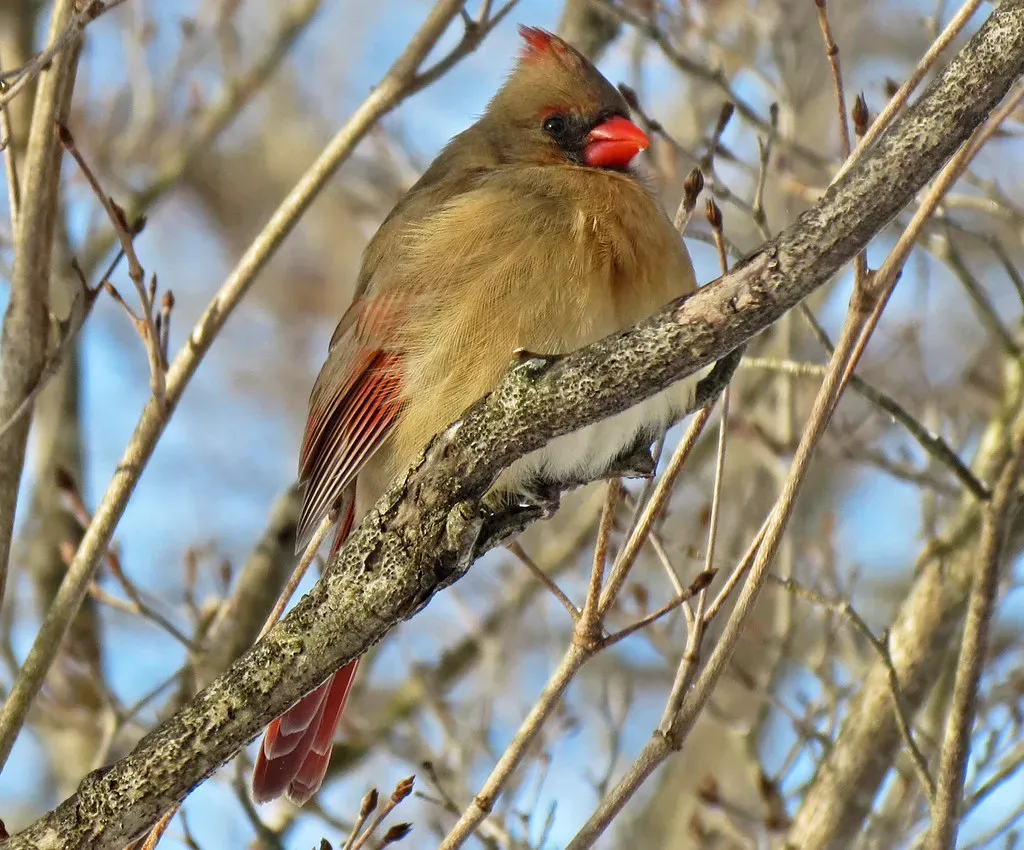
I know it sounds crazy, but the pigeon pecking at your sandwich in the park? That is a dinosaur. Birds evolved from a group of theropod dinosaurs during the Jurassic period. Modern birds are cladistically and phylogenetically dinosaurs, and humanity has thus coexisted with avian dinosaurs since the first humans appeared on Earth. The dinosaurs never fully vanished. They just got smaller, feathered, and started singing outside your window every morning.
Chickens and parakeets, classified as modern birds, are the living descendants of the dinosaurs that once roamed the Earth. So in a very real, scientifically defensible sense, every time you eat chicken, you are eating a dinosaur. Sit with that for a moment. It changes the whole dinner table conversation.
11. The Primate Family Tree Exploded in Diversity Almost Immediately After the Extinction
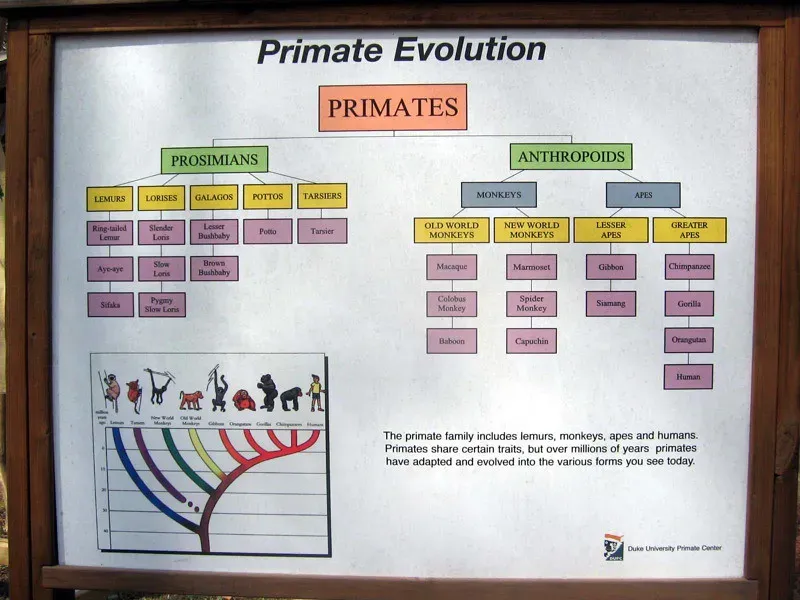
Within one million years of their arrival in northeastern Montana, plesiadapiforms outstripped archaic ungulates, the ancestors of hoofed animals like deer, in abundance, and dominated a key ecological niche: tree-dwelling mammals with an omnivorous and fruit-eating diet. One million years sounds like a long time, but in evolutionary terms, that is breakneck speed.
Fleshy fruits appear in the fossil record shortly after the K-Pg boundary, and at about that same time there was a diversification of primate ancestors called plesiadapiforms that likely lived in trees and ate those fleshy fruits. Recent fossil discoveries of limb bones have helped confirm that these primate ancestors were able to climb in trees. Fruit, climbing, opportunism, and raw survival instinct – the recipe for your entire primate lineage was being written in the wreckage of the dinosaur world.
Conclusion
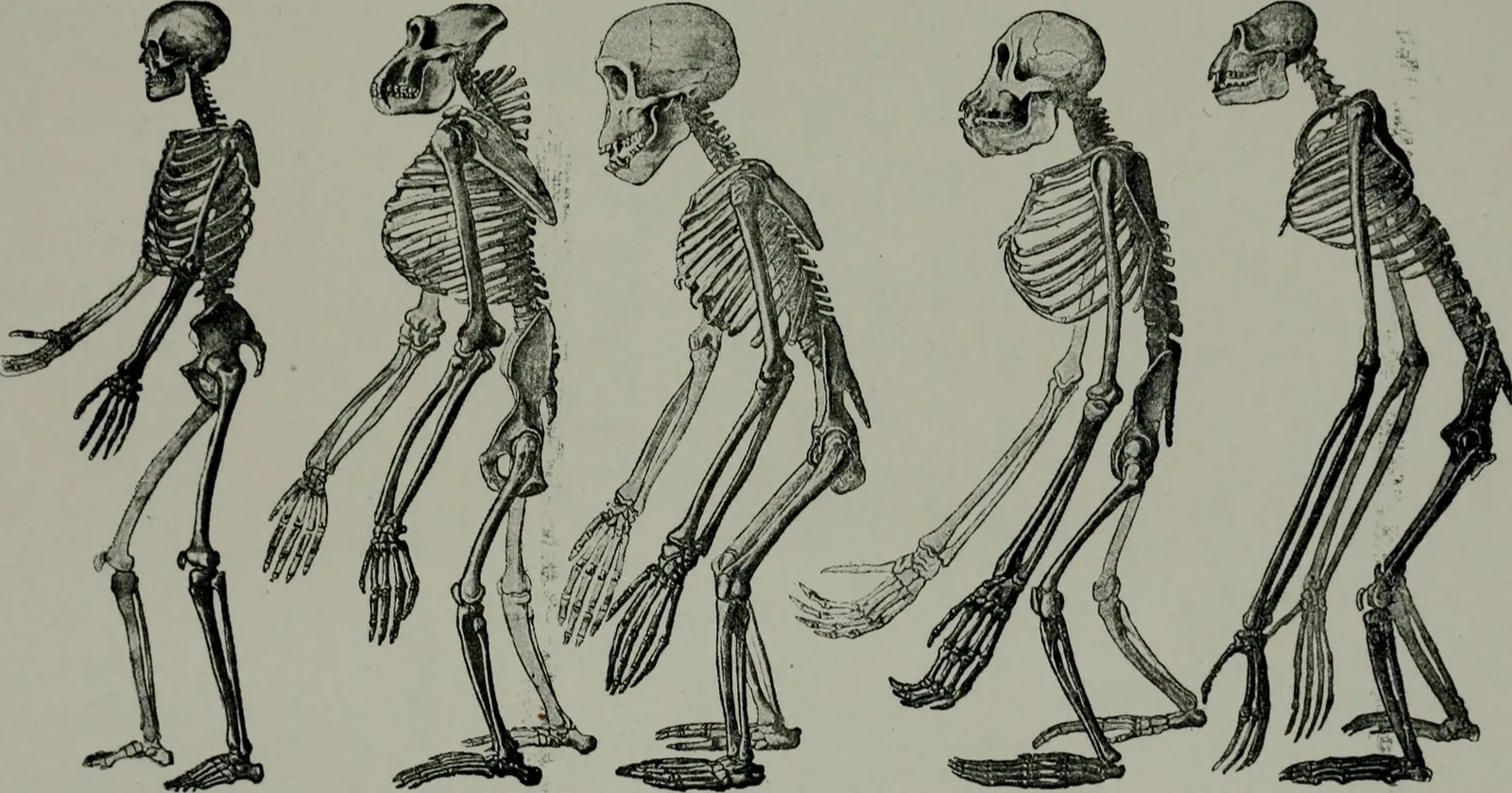
The story of where you come from is far older, stranger, and more dramatic than most people ever imagine. You descend from survivors. Creatures that cowered in the dark while colossal beasts ruled the Earth, and then leapt at their moment when catastrophe reshaped the world. The gap between you and the dinosaur age is not as clean or as empty as the history books once suggested.
Your lineage was there at the end of the Cretaceous. It watched, waited, and ultimately won. Every bit of that story is written in your bones, your teeth, and your DNA. The next time you watch a bird land on a branch outside your window, remember: you are looking at the last dinosaur, and somewhere deep in your evolutionary past, a tiny, furry ancestor once watched its towering neighbors disappear forever and thought, “Now it’s our turn.”
What part of this ancient story surprised you the most? Drop your thoughts in the comments – we’d love to know.