You might think you know how life evolved on Earth, but the fossil record keeps surprising us with discoveries that shake everything we thought we understood. Each new find adds another piece to the puzzle, sometimes forcing scientists to redraw entire branches of the family tree. Some of these fossils were predicted before they were found, while others completely blindsided researchers with their bizarre combinations of features.
What makes a fossil truly groundbreaking? It’s not just about being old or complete. The most revolutionary discoveries bridge gaps that scientists didn’t even know how to explain. They show us creatures caught in the act of transformation, with body parts that seem to belong to entirely different animals.
Let’s dive into some of the most remarkable fossil discoveries that fundamentally changed our understanding of evolution and the relationships between ancient species.
Tiktaalik: The Fish That Walked
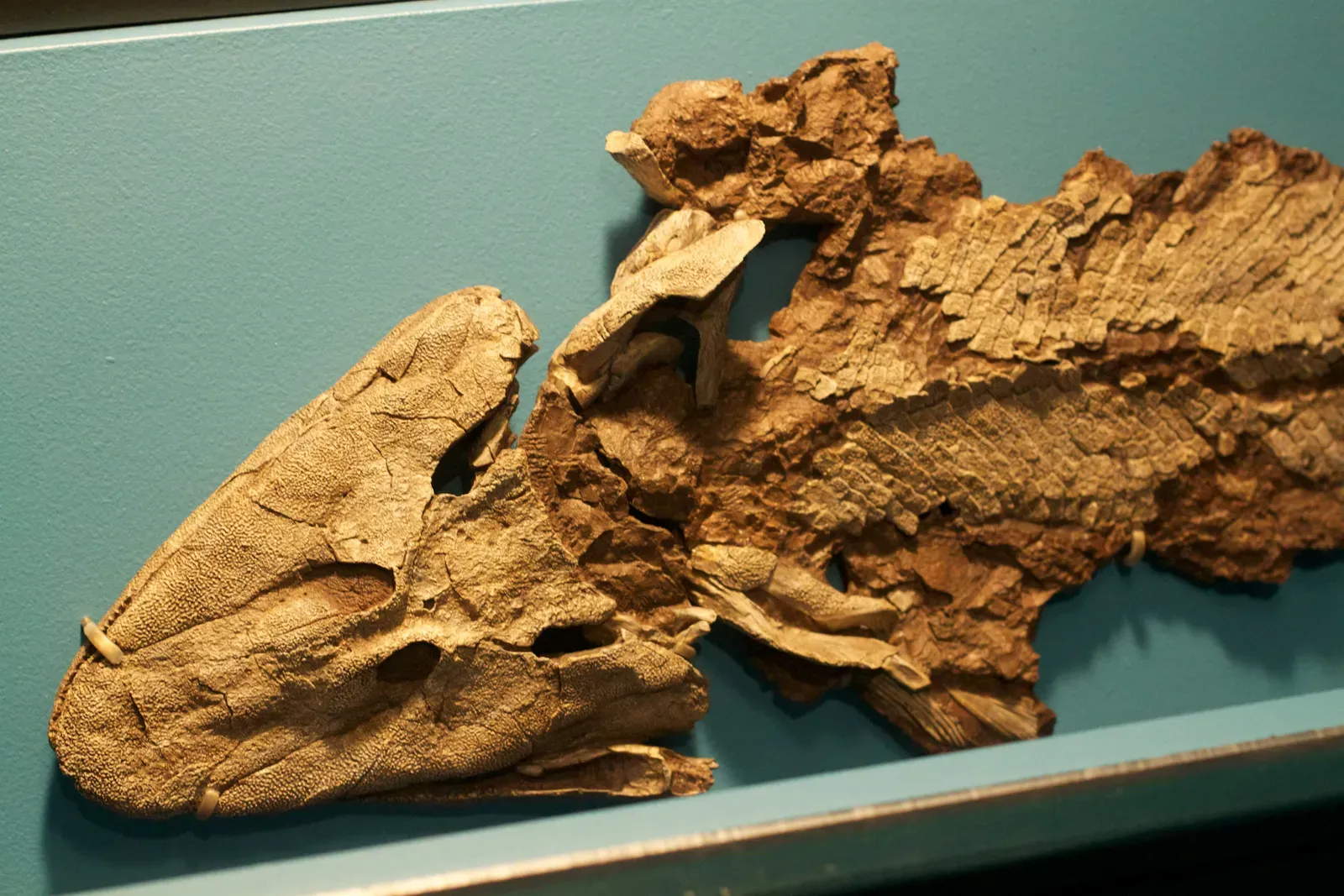
In 2004, Neil Shubin and his team traveled to the Arctic and discovered a fossil fish that had both fins and the beginnings of feet, allowing it to move in shallow water and perhaps on land. Tiktaalik lived approximately 375 million years ago, and honestly, it’s hard to overstate how perfectly this creature filled a gap in our knowledge. Here’s the thing: scientists actually predicted where to find this fossil based on the age of rocks and ancient environments.
Its fins had bones resembling a shoulder, elbow, and wrist, strong enough to bear Tiktaalik’s weight out of water. The discovery wasn’t just lucky. Researchers selected a fossil bed from the right time with the right environment from 375 million years ago, knew what fossils to look for, and found exactly the transitional form they sought. That’s evolution’s predictive power in action.
Archaeopteryx: The Original Dinosaur Bird
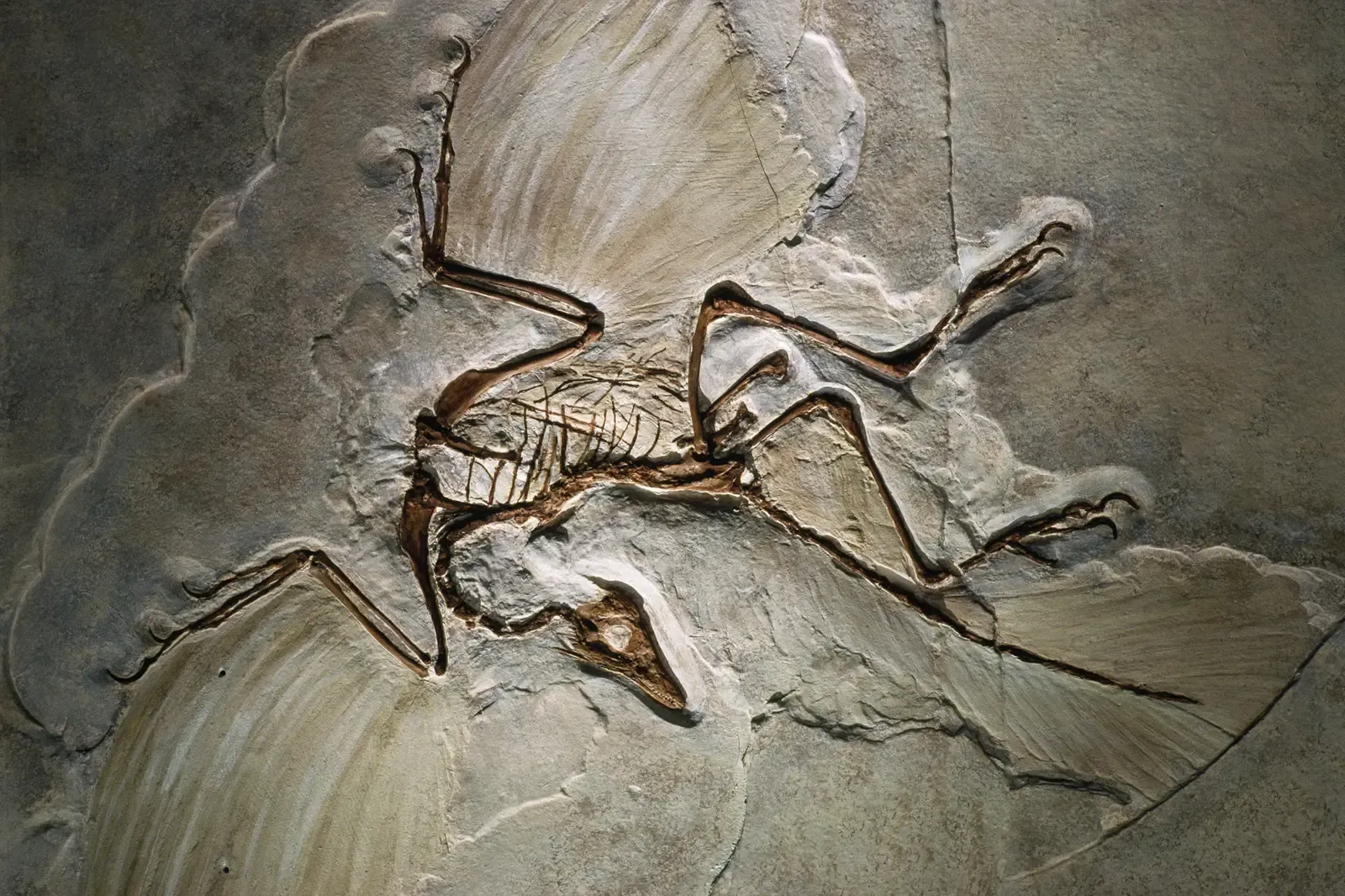
Discovered in 1861, Archaeopteryx represents a classic transitional form between earlier, non-avian dinosaurs and birds. This beautiful fossil unmistakably combined features of birds and reptiles, with feathered wings bearing unbirdlike claws, an avian brain but sharp reptilian teeth instead of a beak, and a feathered tail underlain by a long bony tail typical of small dinosaurs. Imagine the shock when paleontologists first laid eyes on this creature.
The timing was remarkable too. It was found just two years after Darwin published his theory, providing early evidence for evolution when it was needed most. Let’s be real, though: decades later, Archaeopteryx was trumped by an extraordinary plethora of feathered dinosaurs, some nonflying, that tell different stories about the evolution of avian features. Still, it remains one of the most iconic transitional fossils ever unearthed.
Burgess Shale: A Cambrian Treasure Trove
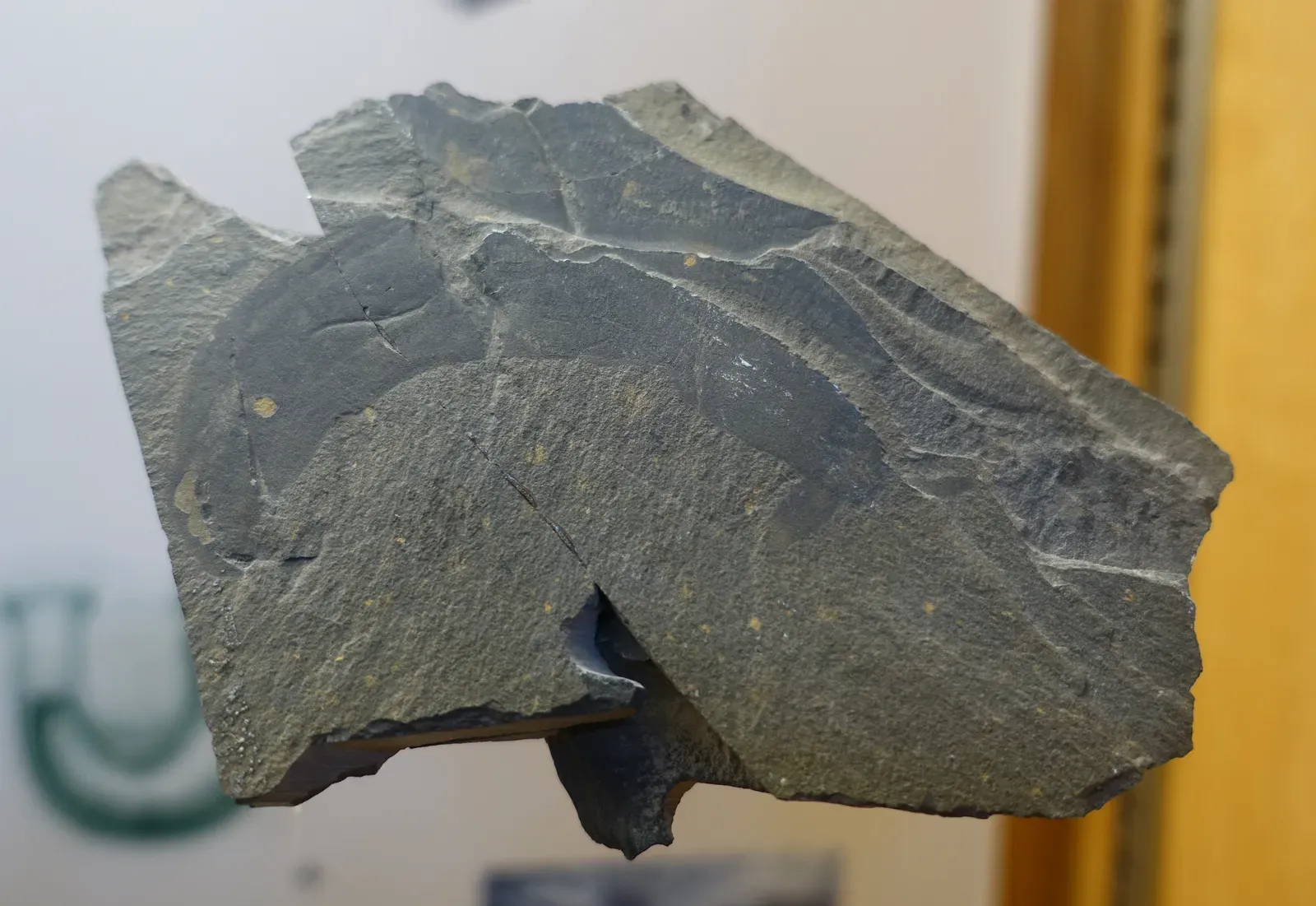
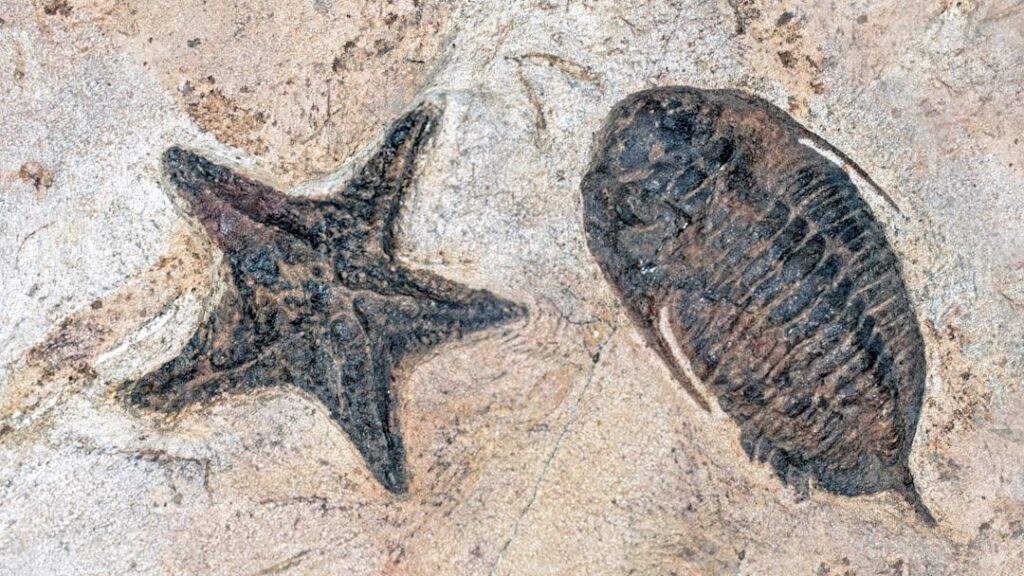
The Burgess Shale contains the best record of Cambrian animal fossils, revealing creatures from the Cambrian explosion, an evolutionary burst dating 545 to 525 million years ago. What makes this location absolutely extraordinary is the preservation. It’s famous for the exceptional preservation of the soft parts of its fossils, which normally decay long before fossilization happens.
Water currents periodically caused mudslides that quickly buried living organisms in moving sediment, and fossils are found in random orientation, indicative of violent mudslides engulfing many Cambrian organisms, with evidence that these organisms died instantly. The Burgess Shale documents the Cambrian explosion, a huge radiation of marine animal life including sponges, soft bodied arthropods, the first chordates, worms, trilobites, and strange spiked creatures like Wiwaxia and the large predator Anomalocaris. These weird creatures looked like something out of science fiction.
Australopithecus afarensis: Lucy’s Legacy
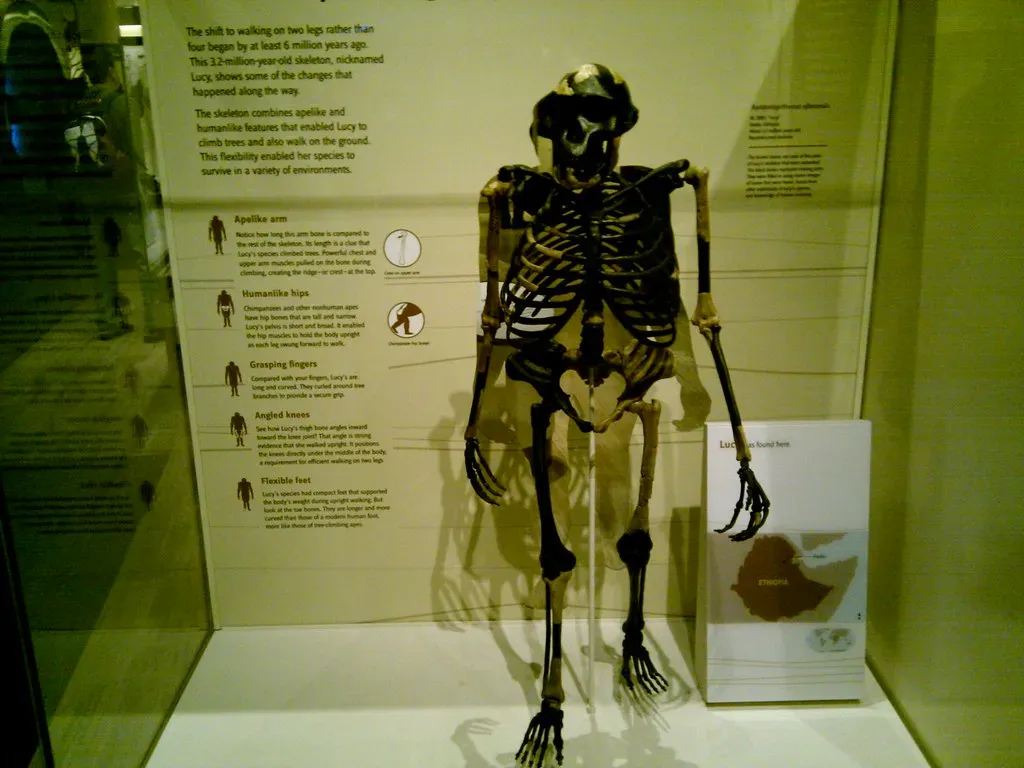
A child nicknamed Selam, meaning peace in many Ethiopian languages, represents the earliest and most complete child skeleton in paleoanthropology, more complete than Lucy with over 60 percent preserved. The famous Lucy herself revolutionized our understanding of human evolution. These fossils bridge a crucial gap between our apelike ancestors and modern humans.
Lucy’s leg bones and pelvis were structured almost identically to modern humans, meaning she was an upright walker, yet her size and brain cavity resembled ancient primates, making Australopithecus afarensis a classic example of a transitional pathway. Walking upright while retaining primitive features? That combination forced scientists to rethink the sequence of human evolution. Did you expect that brain size wasn’t the first thing to change?
Ambulocetus: The Walking Whale
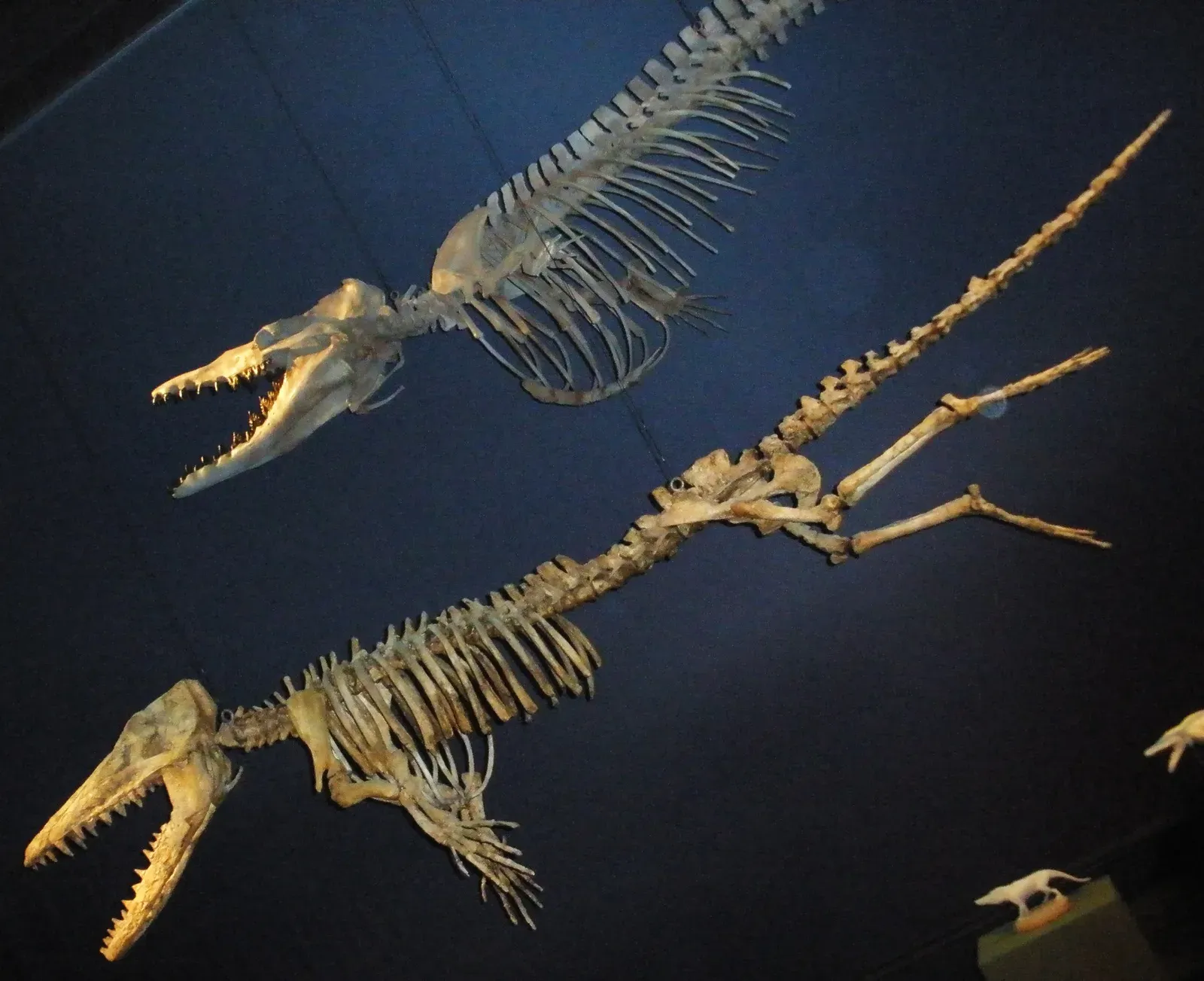
The transition from land to sea is documented by fossils such as Pakicetus, Ambulocetus, Rhodocetus and Basilosaurus, with Pakicetus being clearly adapted for swimming but still quite doglike in looks, while Basilosaurus looked pretty much like a whale with a bit of a doglike head and was 18 meters long. Ambulocetids’ oxygen isotope values indicate they consumed water with varying salinity, tolerating a wide range of salt concentrations, with their diet probably including land animals approaching water or freshwater aquatic organisms, representing the transition phase of cetacean ancestors between freshwater and marine habitat.
Let’s be honest: the idea that whales evolved from doglike land animals sounds crazy. These transitional fossils show evolution doesn’t follow a straight path. Sometimes species go backwards, returning to the water after millions of years on land.
Homo naledi: The Mysterious Cave Dweller
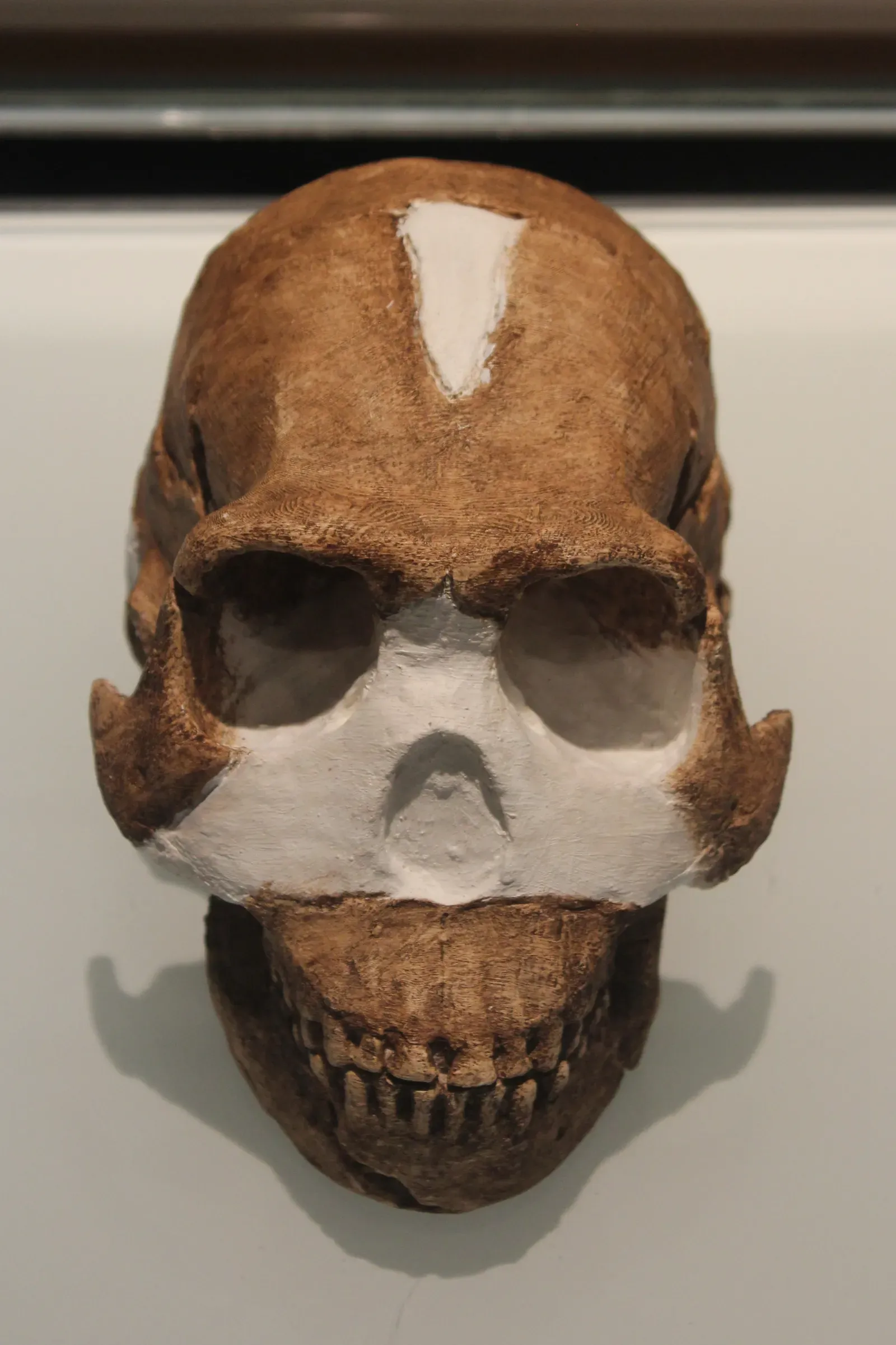
Homo naledi is an extinct species of archaic human discovered in 2013 in the Rising Star Cave system in South Africa, dating back to the Middle Pleistocene 335,000 to 236,000 years ago. Fossil hominins were first discovered in the Dinaledi Chamber during an expedition led by Lee Berger beginning October 2013, with over 1550 specimens from at least 15 individuals recovered. That’s an absolutely staggering number for a single site.
Previously, fossils were thought to have dated to one to two million years ago because no similarly small brained hominins had been known from such a recent date in Africa, and the ability of such a small brained hominin to survive for so long in the midst of bigger brained Homo greatly revised conceptions of human evolution. Their tiny brains coexisted with modern humans. They had a small cranial capacity of 465 to 610 cubic centimeters, compared with 1270 to 1330 in modern humans. Brain size clearly wasn’t everything.
Selam: The Child That Revealed Development
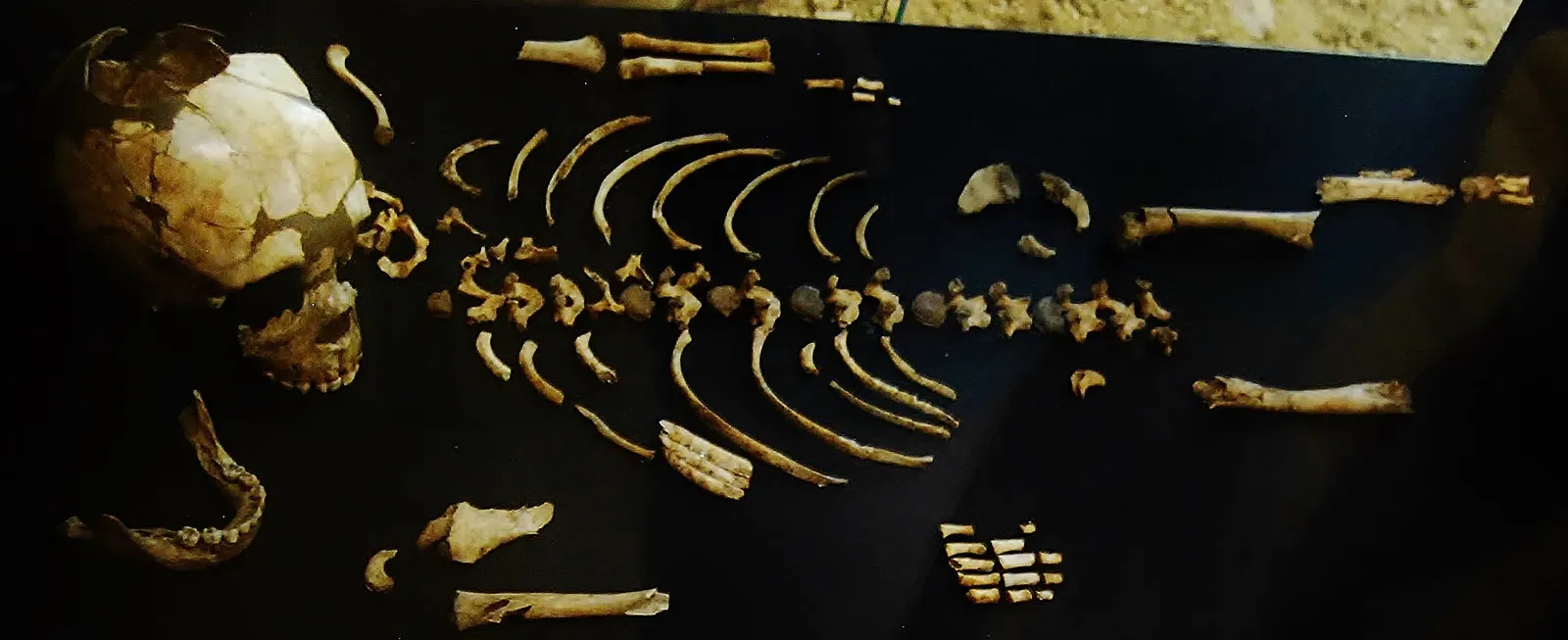
Selam represents the earliest and most complete child skeleton in paleoanthropology, more complete than Lucy, with over 60 percent of her skeleton preserved. Finding juvenile fossils is incredibly rare. Selam allowed researchers to address major evolutionary questions related to childhood, brain development, upright walking and climbing in her species, giving a unique window to study the youth of her time.
What sets this discovery apart is how much it taught us about growth patterns in ancient humans. Adult fossils tell one story, but children reveal how development itself evolved over time. We learned that young Australopithecus individuals grew differently than modern human children, with implications for how quickly they matured and how their societies might have been structured.
Laetoli Footprints: Proof of Bipedalism
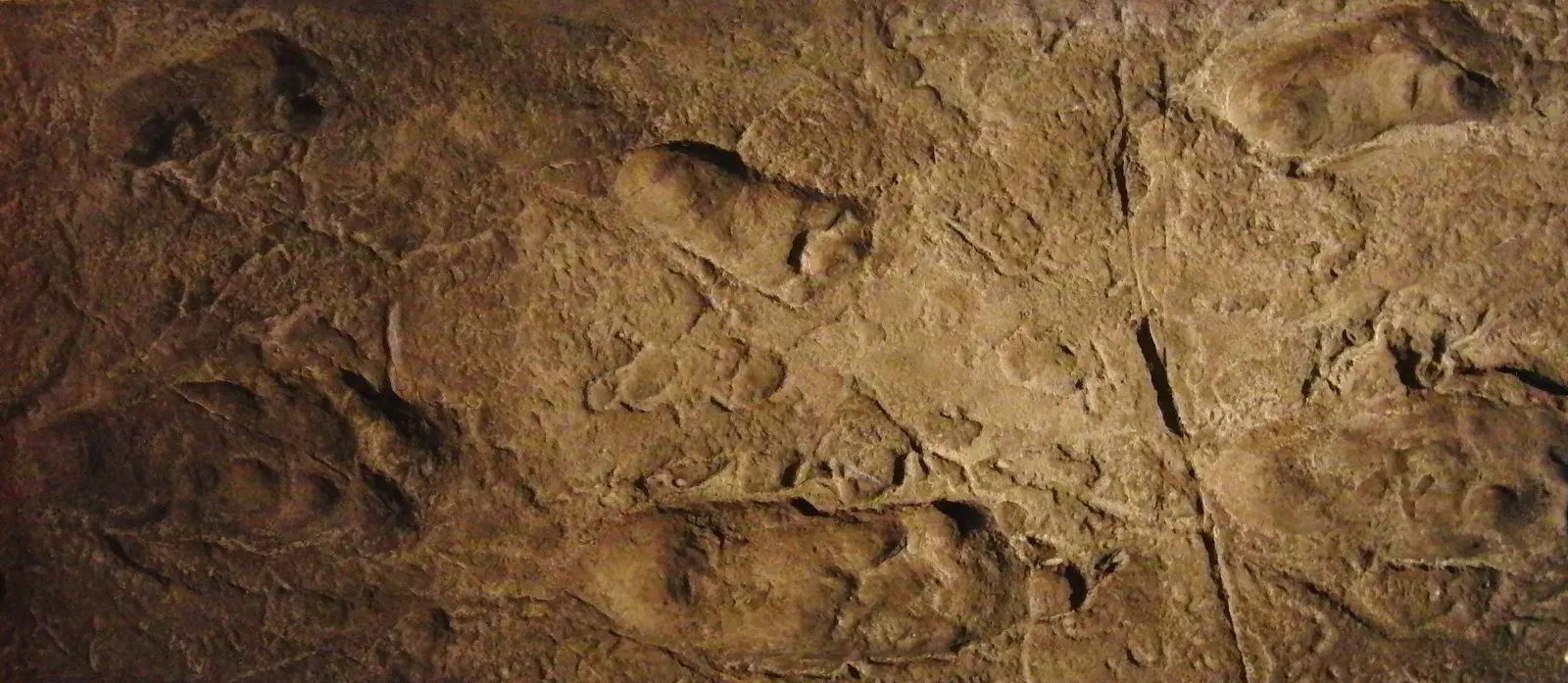
A striking find was a set of fossil footprints of hominids walking on two legs from around 3.6 million years ago, which British paleoanthropologist Mary Leakey discovered. These weren’t bones at all, but trace fossils showing actual behavior frozen in time. The footprints proved that our ancestors walked upright much earlier than many scientists had believed possible.
What makes footprints particularly powerful as evidence is that they can’t be misinterpreted. These hominids were definitely walking on two legs, not knuckle walking like apes. The prints show a heel strike and toe push off pattern remarkably similar to modern humans, preserved in volcanic ash for millions of years.
Pikaia: Our Chordate Ancestor
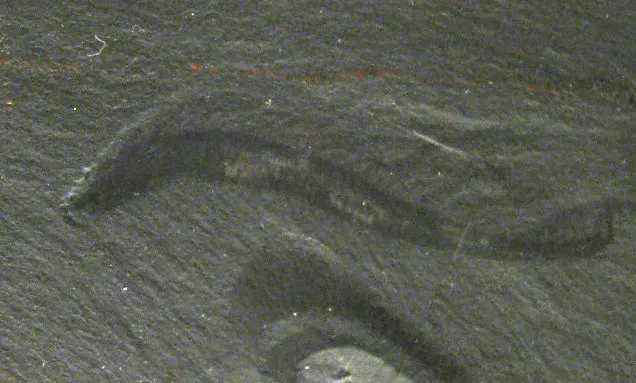
Quarries of the Burgess Shale contain evidence of the existence of our chordate ancestors, with fossils so finely preserved that they display traces of a notochord. Pikaia resembles a lancelet, little creatures still alive and about as unnoticeable as their extinct relative, but they are relatives of the progenitor of all vertebrates, and Pikaia and its Cambrian cousins prove just how ancient this family is.
It’s hard to say for sure, but without creatures like Pikaia, we might not exist. This small, wormlike animal doesn’t look like much, yet it represents the lineage that eventually led to fish, amphibians, reptiles, mammals, and ultimately humans. Sometimes the most important ancestors are the least impressive looking.
Opabinia: The FiveEyed Wonder
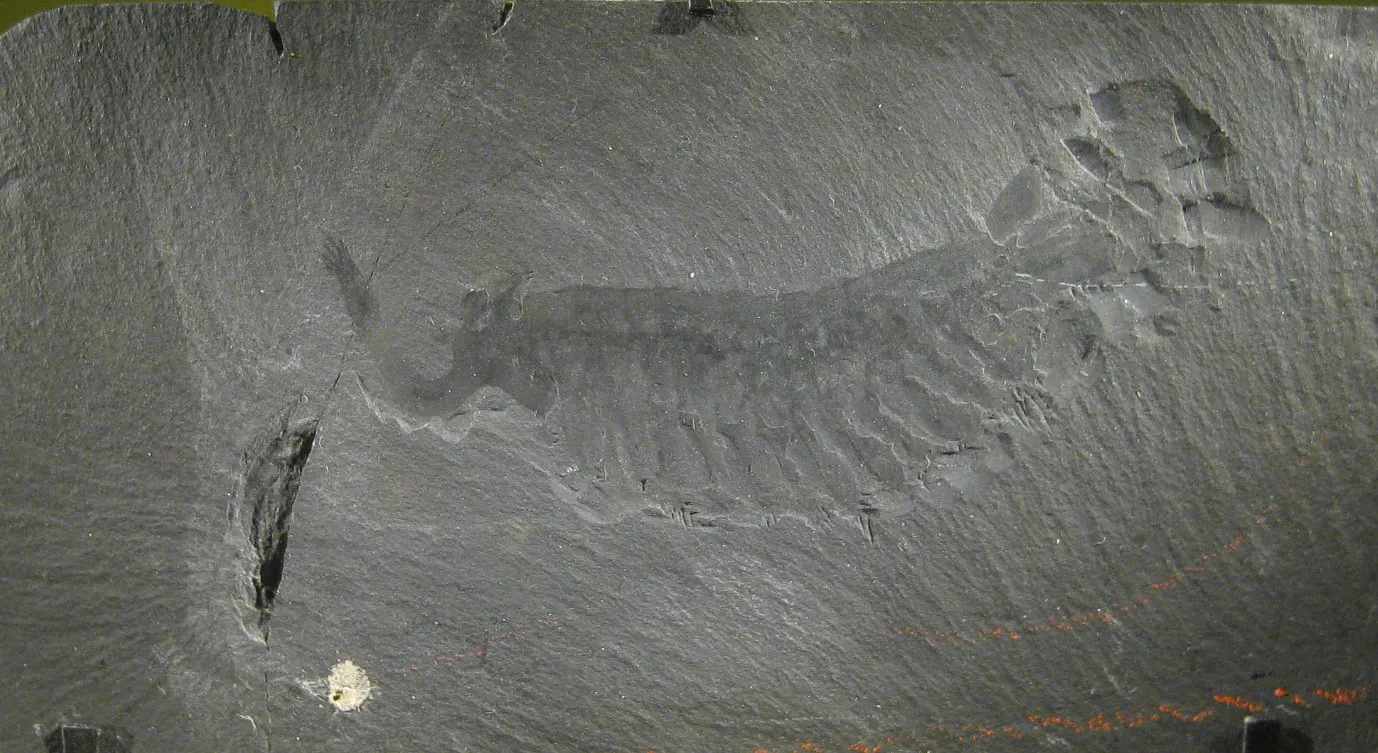
Whittington’s presentation about Opabinia made the audience laugh, as the reconstruction showed a soft bodied animal with a slim segmented body, a pair of flaplike appendages on each segment, five stalked eyes, a backward facing mouth under the head, and a long flexible hoselike proboscis ending in a claw fringed with spines, with Whittington concluding it didn’t fit into any phylum known in the mid 1970s.
The scientists literally laughed because it seemed too bizarre to be real. Five eyes? A vacuum cleaner nozzle for a mouth? Opabinia was one of the main reasons Stephen Jay Gould in Wonderful Life considered that Early Cambrian life was much more diverse and experimental than any later set of animals. Evolution tried out body plans during the Cambrian that would never appear again.
Anomalocaris: The Cambrian Apex Predator
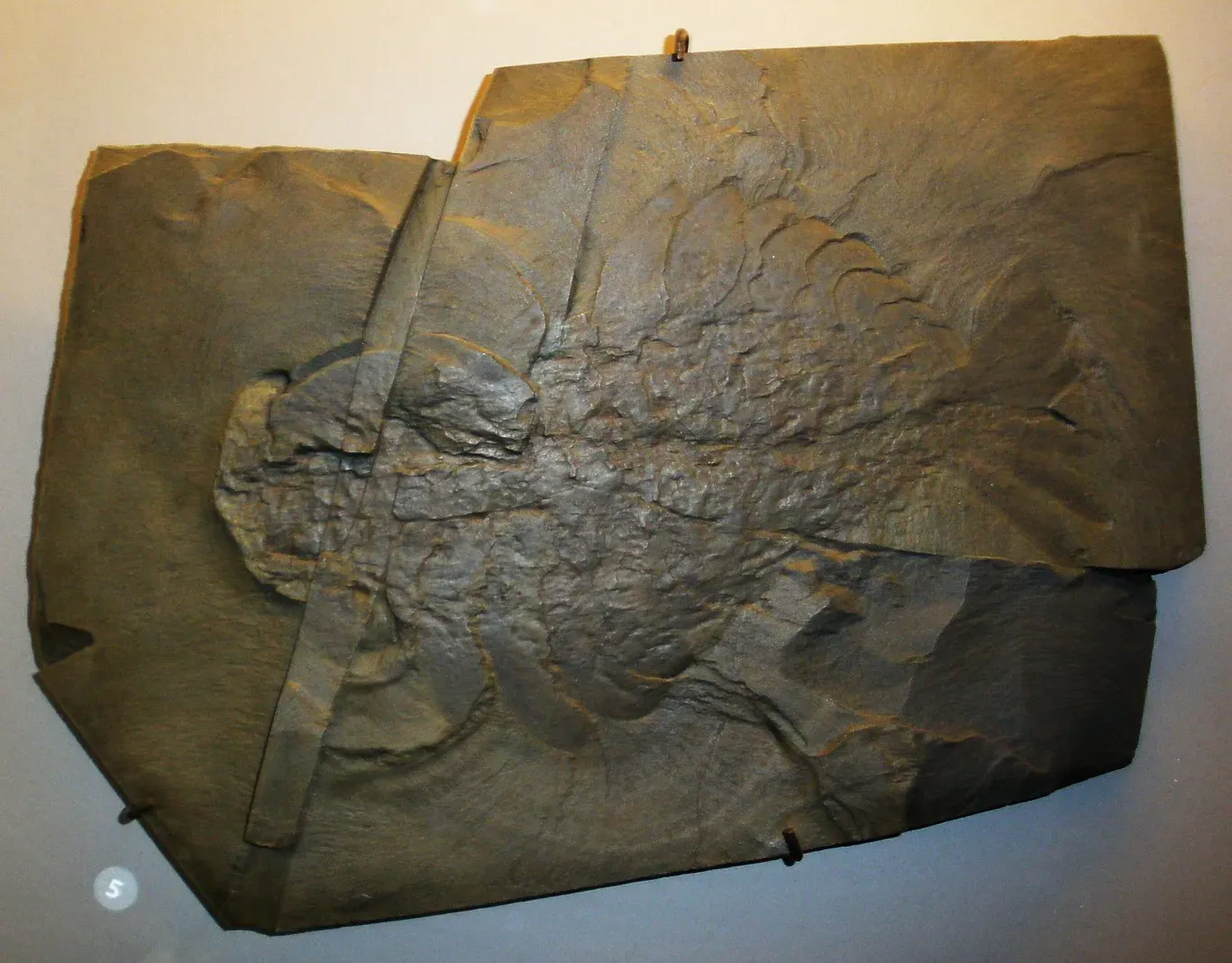
The biggest animal and top predator of the Burgess Shale is Anomalocaris, an arthropod whose name means odd shrimp, which is a complete misnomer as Anomalocaris was anything but shrimplike. With a maximum length of 100 centimeters, Anomalocaris canadensis was the largest predator during the Cambrian period. For its time, this creature was a monster.
Its strange body design caused errors during classification, with its rounded mouthparts thought to be fossilized jellyfish while its graspers were assumed to be tails of lobsters and similar crustaceans, but eventually the creature began to take on its current form. Scientists had to reassemble this predator from fragments they initially thought belonged to three different animals. That’s how alien Cambrian life was compared to anything alive today.
Conclusion
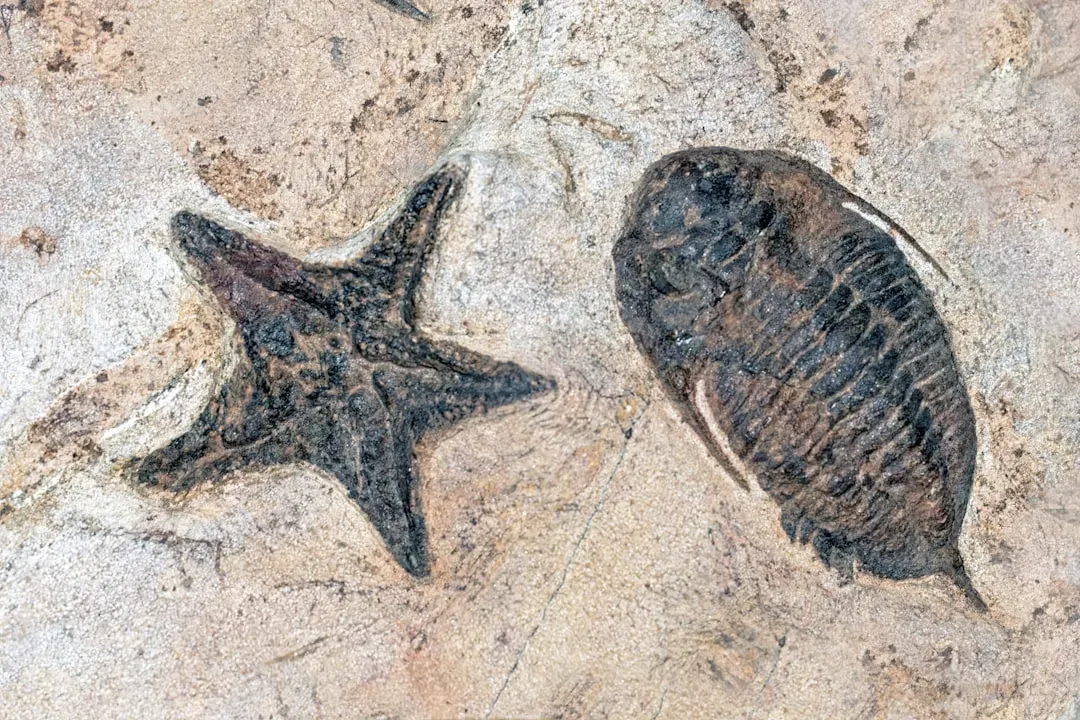
These eleven fossil discoveries represent just a fraction of the evidence reshaping our understanding of evolution. Each one challenged prevailing theories and forced scientists to reconsider how life developed on Earth. Fossil discoveries show that the human family tree has many more branches and deeper roots than we knew about even a couple of decades ago, with the number of branches and length of time nearly doubling since Lucy was discovered in 1974.
The fossil record continues to surprise us with new finds every year. What makes these particular discoveries so significant isn’t just their age or completeness, but how they bridge gaps we didn’t know how to explain. From fish learning to walk on land to whales returning to the sea, from tiny brained humans living alongside our ancestors to bizarre Cambrian creatures with body plans unlike anything alive today, these fossils prove that evolution is far stranger and more wonderful than we ever imagined. What will the next groundbreaking discovery reveal?