
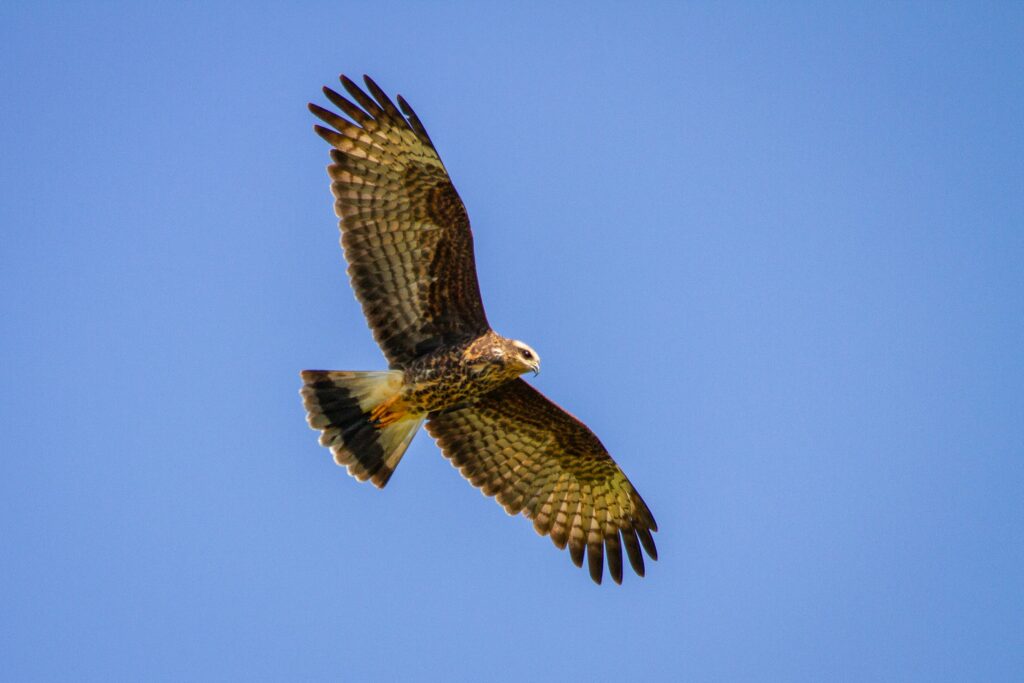
Imagine standing on the roof of a skyscraper and suddenly being able to zoom in on an ant on the pavement, feel the shift of a distant breeze, and read the body language of a rabbit a mile away. That’s the world of a hawk. While we stumble around at ground level, staring at screens, a hawk is quietly running a full sensory surveillance system over entire landscapes.
I’ve watched red-tailed hawks circling over highways and fields, and every time I’m struck by the same thought: they are seeing a completely different planet than we are. Not just the view, but the detail, the patterns, the invisible stories written into light, shadow, and motion. What looks like “just sky” to us is, for them, a dense map of information.
From up there, a hawk isn’t just high; it is plugged into a level of perception we literally can’t reach with our naked eyes. Here are eleven very real, science-backed ways a hawk’s view from above is richer, sharper, and stranger than anything a human can naturally experience.
#1 Ultra-Fine Ground Detail From Hundreds of Feet Up
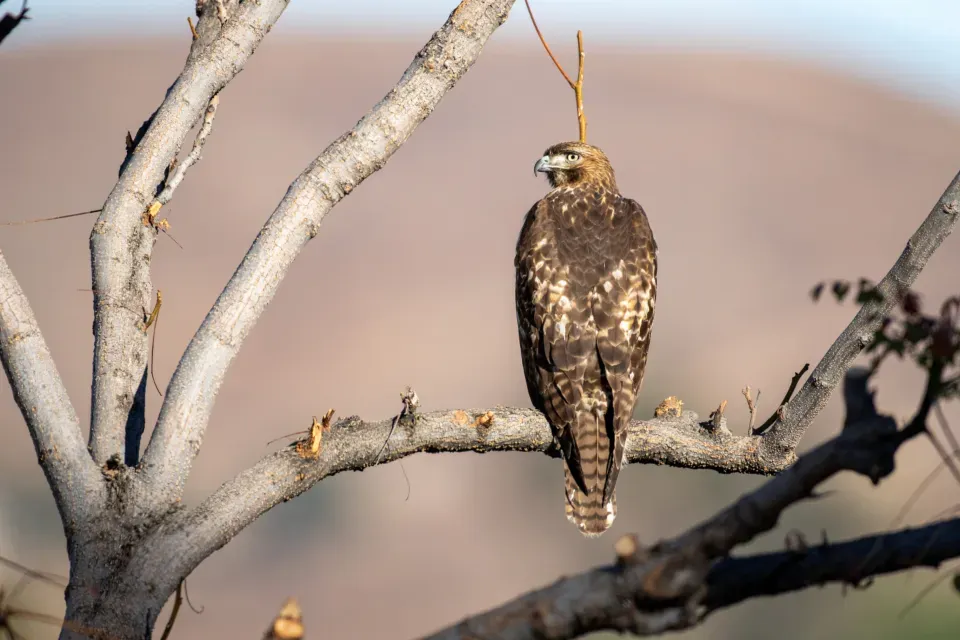
One of the most shocking things about hawks is how absurdly sharp their vision is. Many species have visual acuity around two to four times better than a typical human. Put simply, where we see a beige patch of field, a hawk can pick out a mouse’s ear or the twitch of a tail. From a height where we’d barely recognize shapes, they’re resolving almost microscopic details.
This is possible because hawks pack an enormous number of photoreceptors (light-detecting cells) into their retinas. Their “pixels per degree” blow ours out of the water. They also have a deeper fovea (the part of the eye where vision is sharpest), which acts almost like a built-in telephoto lens. So while we might think they’re just gliding lazily, they’re actually running a live, high-definition scan of the ground.
- Hawks can spot small mammals from heights where humans would see only texture or color.
- Their eyes are engineered for distance and detail, not for close-up tasks like reading.
- This “zoomed-in” clarity lets them hunt efficiently without wasting energy diving at random.
Watch a hawk on a power line or circling an open field. That still, patient posture is not boredom; it’s intense processing. It’s the equivalent of a photographer patiently refining focus, except the hawk is doing it in real time with no hardware, just biology.
#2 Subtle Movements We Completely Miss
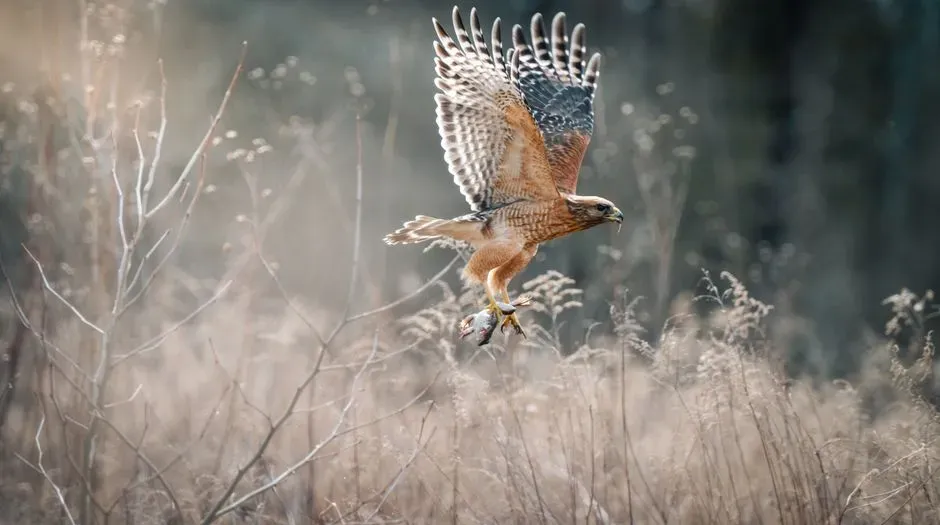
From their aerial vantage point, hawks can detect movements we’re practically blind to. A small rodent shifting under loose grass, a lizard sliding between rocks, or a bird flicking its wing in a hedge – tiny, almost invisible actions jump out like neon signs when you combine a hawk’s sharp vision with its height advantage. The hawk is not looking at one spot; it is monitoring a whole patchwork of micro-motions.
Humans are actually pretty good at noticing motion, but only at certain distances and angles, and our attention gets scattered easily. Hawks, on the other hand, are specialists. Their brains are wired to lock onto the slightest irregular movement that hints at prey. From above, they get a clean contrast: a calm background of stillness with little bursts of activity. What blends into “background noise” for us becomes a clear signal for them.
There’s also the speed factor. Many birds of prey process visual information faster than we do, which is like having a higher “frame rate” on reality. Movements that feel like a blur to us break down into distinct, trackable steps for them. That extra temporal resolution means a mouse that sprints from cover to cover isn’t just a flash – they can follow the path, calculate the angle, and decide whether it’s worth a dive.
#3 Color Ranges and Light Patterns Beyond Human Vision
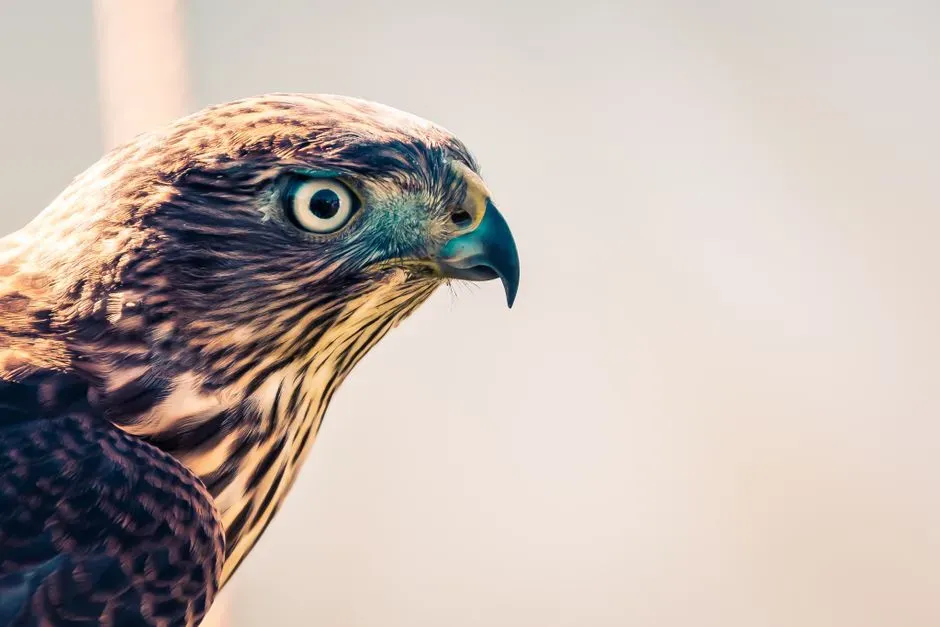
Here’s where it gets really wild: hawks are likely seeing colors we don’t even have names for. Many diurnal birds, including raptors, have tetrachromatic vision, meaning they have four types of color receptors in their eyes. Humans have three. That extra receptor extends their visible spectrum into the ultraviolet range, opening up a whole hidden layer of patterns and contrasts.
From height, this matters more than you’d think. Ultraviolet reflections can highlight differences between vegetation types, show subtle body markings on other birds, and create sharp contrast between surfaces that look almost identical to us. A plowed field that appears uniformly brown to human eyes might be a mosaic of color cues for a hawk, each section practically labeled with its own light signature.
- Many birds see ultraviolet light; humans do not.
- UV reflections can help differentiate fresh tracks, disturbed ground, or certain plants.
- From above, these invisible colors act like a coded map over the landscape.
We sometimes assume hawks see “better” as just sharper vision, but it’s really that they are operating in a different visual universe. When they glide over a meadow, the scene is not just more detailed – it is painted in a richer palette of colors, some of which we physically cannot imagine. That extra information helps them read the environment in ways that seem almost supernatural from our perspective.
#4 Heat and Air Currents Written in the Sky
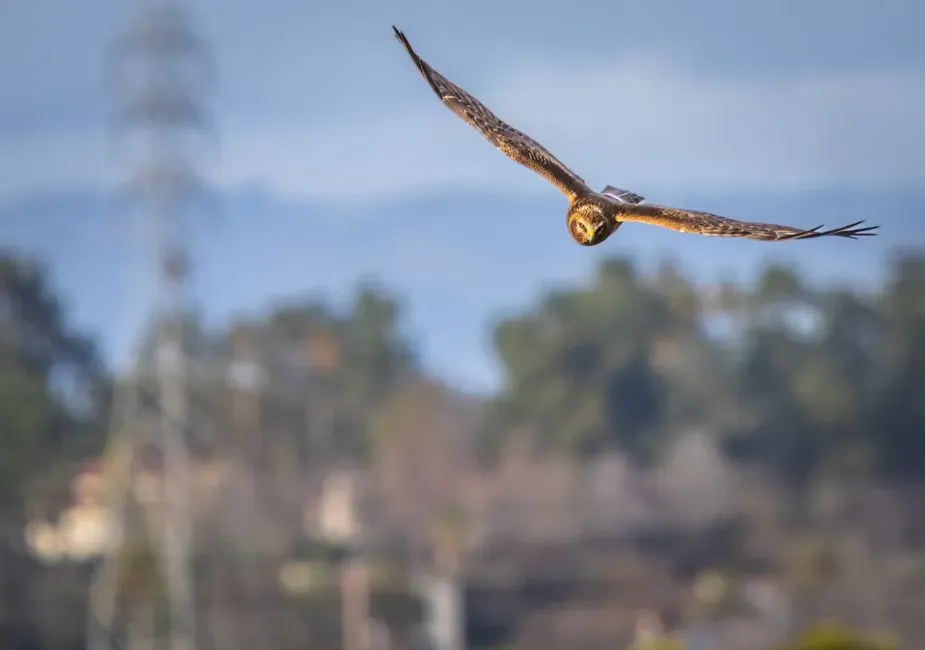
Most hawks do not “see” heat the way some snakes do, but from height, they read the air itself in a way we never learn to. Watch them spiraling up on a sunny day: they’re riding rising columns of warm air called thermals. These are invisible to us, but hawks sense them with their bodies, wings, and experience, almost like surfers reading waves they cannot see but can feel.
From above, a hawk is constantly detecting tiny shifts in lift, turbulence, and temperature. Different surfaces on the ground – forests, fields, asphalt, water – heat up at different rates and create distinct patterns of air movement. We literally just feel “it’s a bit breezy” while a hawk can map out highways of rising air that help it soar for miles with barely a flap of its wings.
This gives them a sort of extra layer of “vision” that is mechanical, not optical. They might not see the heat, but their entire body is tuned to it. The way the wing feathers flutter, the angle of their glide, even how they tilt their tail – every tiny movement is information. From a distance, it looks like grace; in reality, it’s a precise reading of the invisible structure of the atmosphere over the land.
#5 The Big-Picture Layout of Territory and Pathways
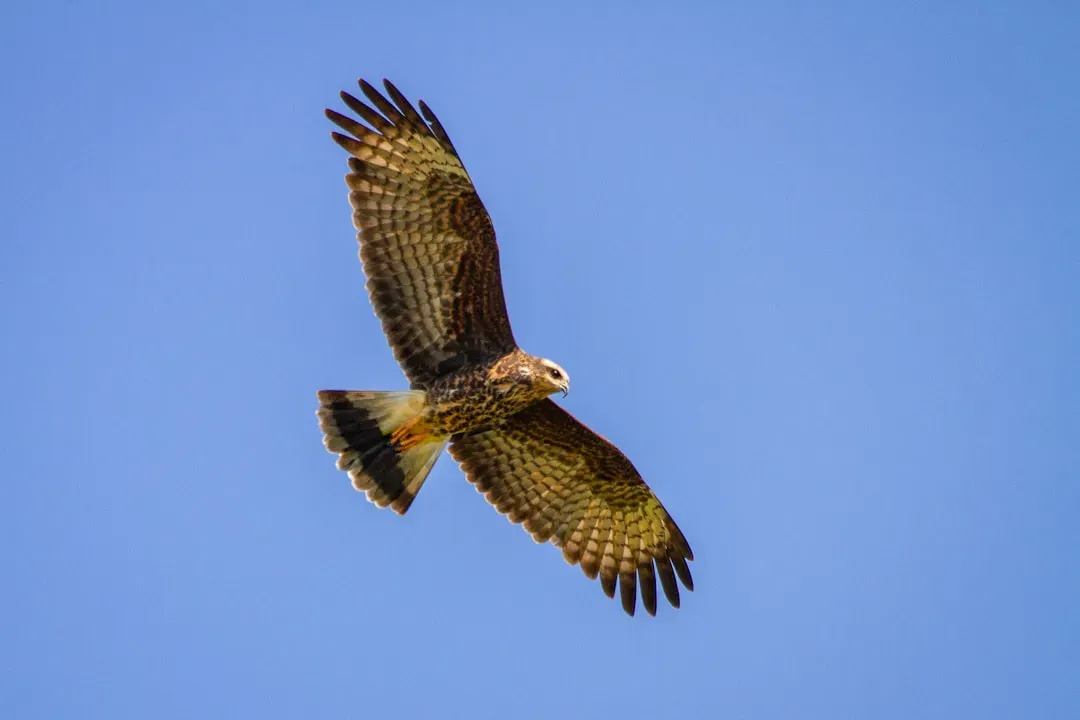
There’s something humbling about how clearly a hawk understands a landscape from above compared with us. We might need a map app to navigate a few miles; the hawk gets the full spatial layout from experience and instinct. From height, it sees how forests connect to fields, where water sources lie, how roads carve through habitat, and where cliffs or buildings create updrafts or obstacles.
A hawk’s world isn’t a flat map but a three-dimensional grid of routes and zones. Feeding areas, safe perches, nesting sites, and risky open spaces all form part of a mental atlas. Over time, the bird learns the usual flight paths of prey, the timing of human activity, and even the safest altitudes over certain areas. It notices patterns like we might notice rush-hour traffic but with far better memory for subtle seasonal shifts.
- Hawks build a spatial memory of their home range that extends far beyond what they see in one flight.
- From height, they track how habitats connect, not just isolated spots of food or shelter.
- They can adapt quickly if a field is plowed, a road is built, or a patch of forest is cut.
This big-picture view is something we only get when we intentionally step back – looking at satellite images or flying over an area. For hawks, it is daily life. Their perception of “home” is layered with aerial knowledge in a way that makes our neighborhood understanding feel almost two-dimensional.
#6 Hidden Prey Trails and Disturbed Ground
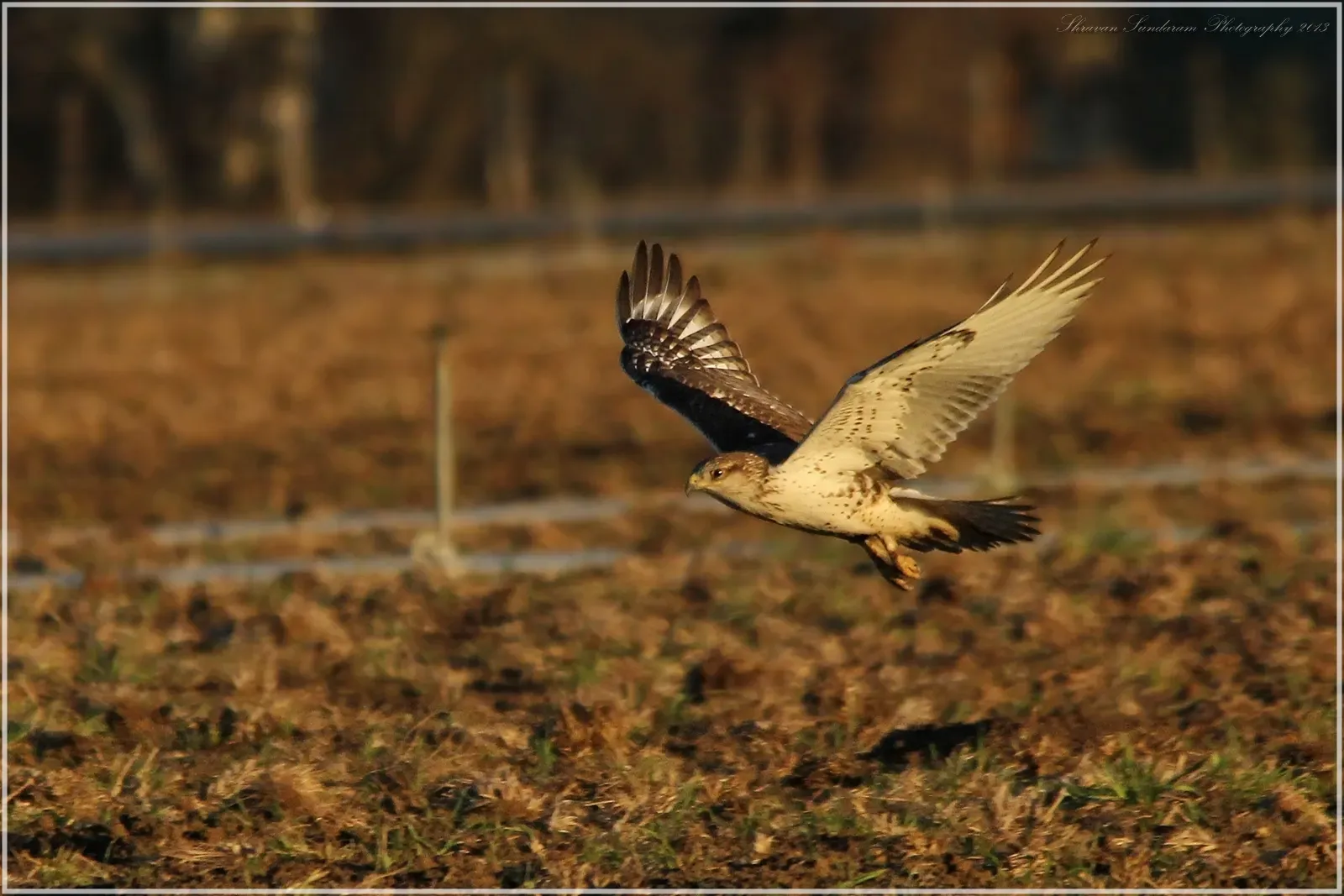
From our level, a field can look beautifully smooth and untouched. From a hawk’s height, that same field might be crisscrossed with subtle trails, patches of disturbed soil, or slightly flattened grass that tells a story of what has passed through. Many prey animals repeatedly use the same paths, and those paths leave tiny traces that stand out when viewed from above at just the right angle.
Hawks are experts at spotting these faint signatures. A slightly lighter strip through darker vegetation, a worn line between bushes, or a small cluster of holes around a burrow entrance becomes a clear highway of opportunity. They do not just look for the prey itself; they look for the evidence that prey has been here and will likely come again.
Combine that with their sharp ability to detect motion, and you get a lethal combo: they can identify the probable routes and then wait for the smallest flash of movement along them. It’s like understanding a city not by seeing each car, but by recognizing where the main roads and shortcuts are and watching those points carefully. We might kneel down and still miss these trails; a hawk notices and uses them from hundreds of feet up.
#7 Micro-Changes in Light, Shadow, and Camouflage
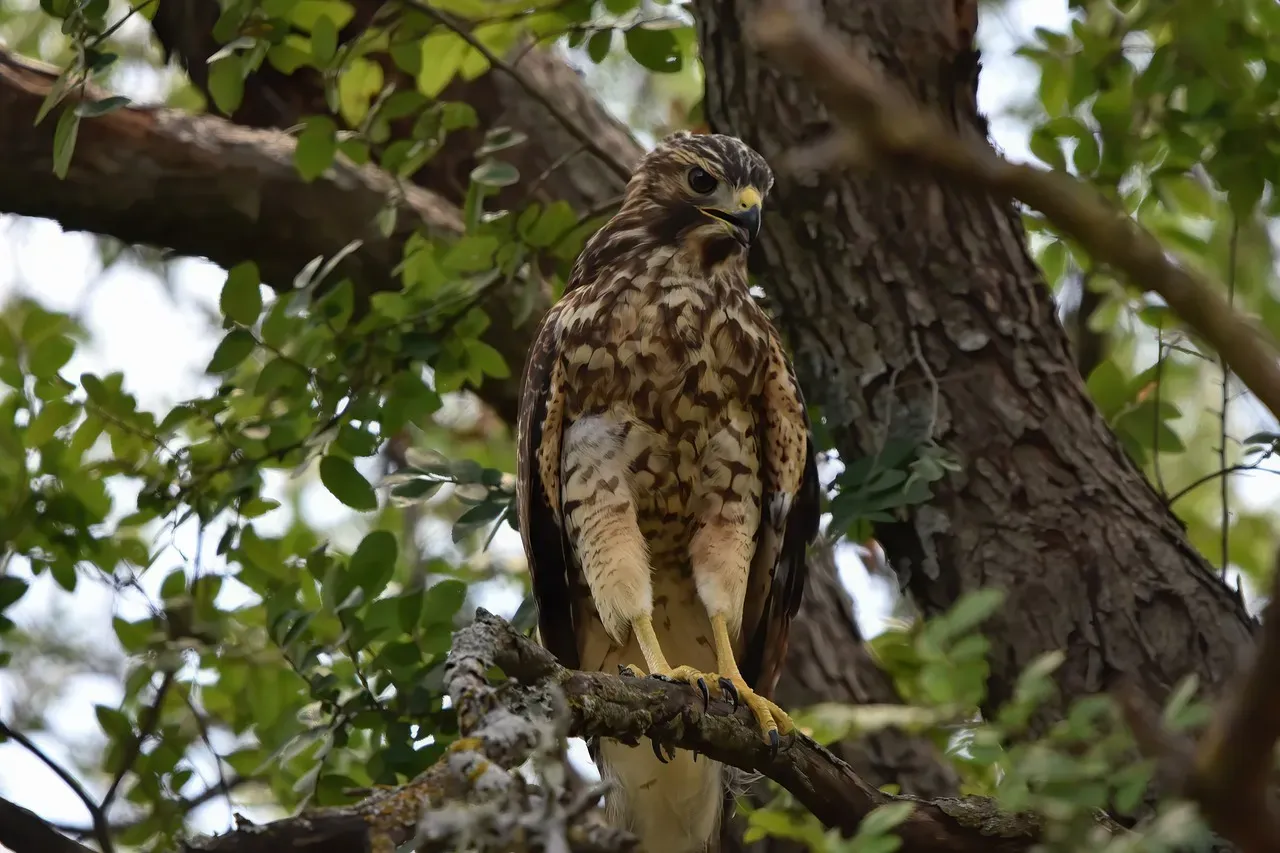
Many prey animals rely on camouflage, blending into their surroundings through color and pattern. It works impressively well against human eyes – especially from a distance. But hawks attack camouflage from two directions: their superior color vision and their elevated angle. From above, patterns that hide an animal horizontally suddenly look less convincing vertically.
Imagine a mouse that matches the color of dry grass. From the side, it disappears. From slightly above, the body shape casts a tiny, irregular shadow that breaks the uniformity. Hawks are exquisitely tuned to these inconsistencies: a shadow that is just slightly off, a texture that does not line up with the background, a color edge that looks too sharp or too blurry.
- Camouflage is often designed by evolution to work against typical predator viewpoints.
- Hawks add a vertical dimension, exposing weaknesses in that camouflage.
- They notice not just color, but the interplay of light and shadow across moving bodies.
They also exploit changing light. As the sun shifts, so do the angles of shadows and glare. Humans tend to see this as a general change in brightness; hawks use it as a new way to reveal hidden shapes. From height, as the light sweeps over a landscape, previously invisible prey can suddenly “pop” into view like a hidden image in a puzzle when you tilt the page.
#8 The Behavior of Other Birds as Live “Information Beacons”
One of the most underrated advantages hawks have is their ability to read the behavior of other birds and animals from high up. Flocks of small birds, crows, pigeons, even starlings all react to threats and food sources in predictable ways. From above, changes in flock shape, direction, or speed become signals: something is happening there.
A sudden burst of birds from a hedge might indicate a predator on the ground. A cluster of corvids circling and calling over one spot often means there’s a carcass or a disturbance. To us, it may seem like random bird chaos. To a hawk, it’s a dynamic, living interface full of useful notifications. They can decide in seconds whether to investigate, avoid, or exploit what they see.
This is not just about prey. Other raptors, like eagles or larger hawks, also serve as cues. A smaller hawk can watch where a bigger bird is circling to gauge where thermals are best or where game is concentrated. It’s similar to how we might look at where cars are parked or where people are lining up to guess where something interesting is going on – except their version happens at several hundred feet, in constant motion, and at high speed.
#9 The Flow of Human Activity From a Detached Distance
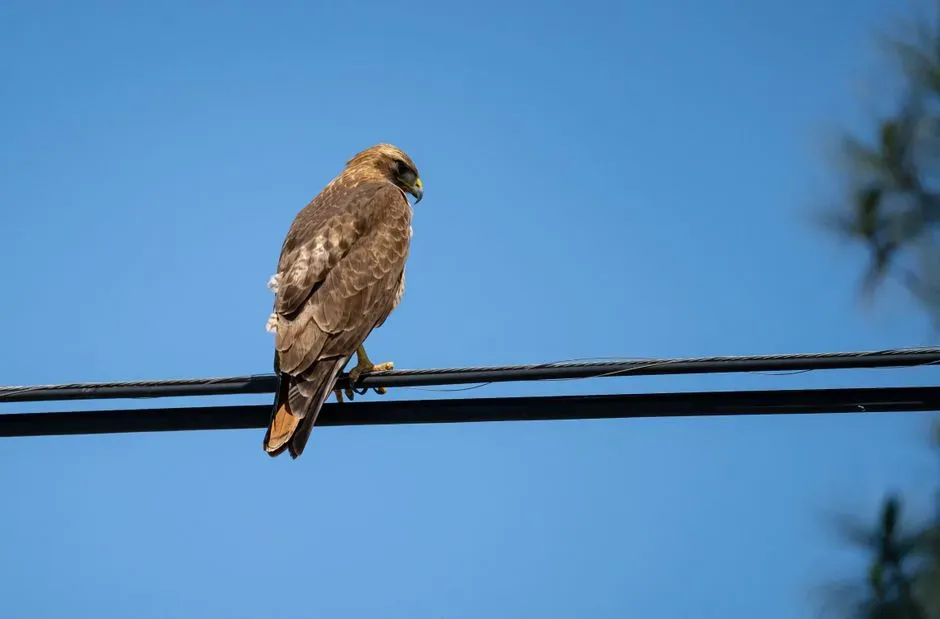
From height, hawks also get a strangely detached, almost godlike view of human activity. Roads become pulsing veins of metal, parking lots turn into shifting grids of movement, and tiny clusters of people show up as predictable patterns of noise and risk. Studies and observations of urban and suburban hawks show that they respond differently to busy roads, quiet neighborhoods, and open industrial zones.
They notice where traffic is loud and constant, where it dies down at certain times, and where there are pauses that might allow safe crossings. They can also learn that particular fields or road edges regularly produce roadkill, which in turn attracts scavengers and creates feeding opportunities. From above, we are not individuals; we are patterns, and hawks capitalize on those patterns if they can do so safely.
- Human pathways and schedules become part of a hawk’s mental model of the landscape.
- They may avoid some areas at peak activity and exploit them during quieter times.
- Urban hawks, in particular, seem surprisingly good at threading themselves around our routines.
There’s a slightly humbling thought here: as we bustle beneath, oblivious, a bird overhead might be casually reading our rhythms and using them as cues in its own survival playbook. We think we’re running the show; to the hawk, we’re more like moving scenery that sometimes drops food.
#10 The Vertical Dimension: Layers of Height and Safety
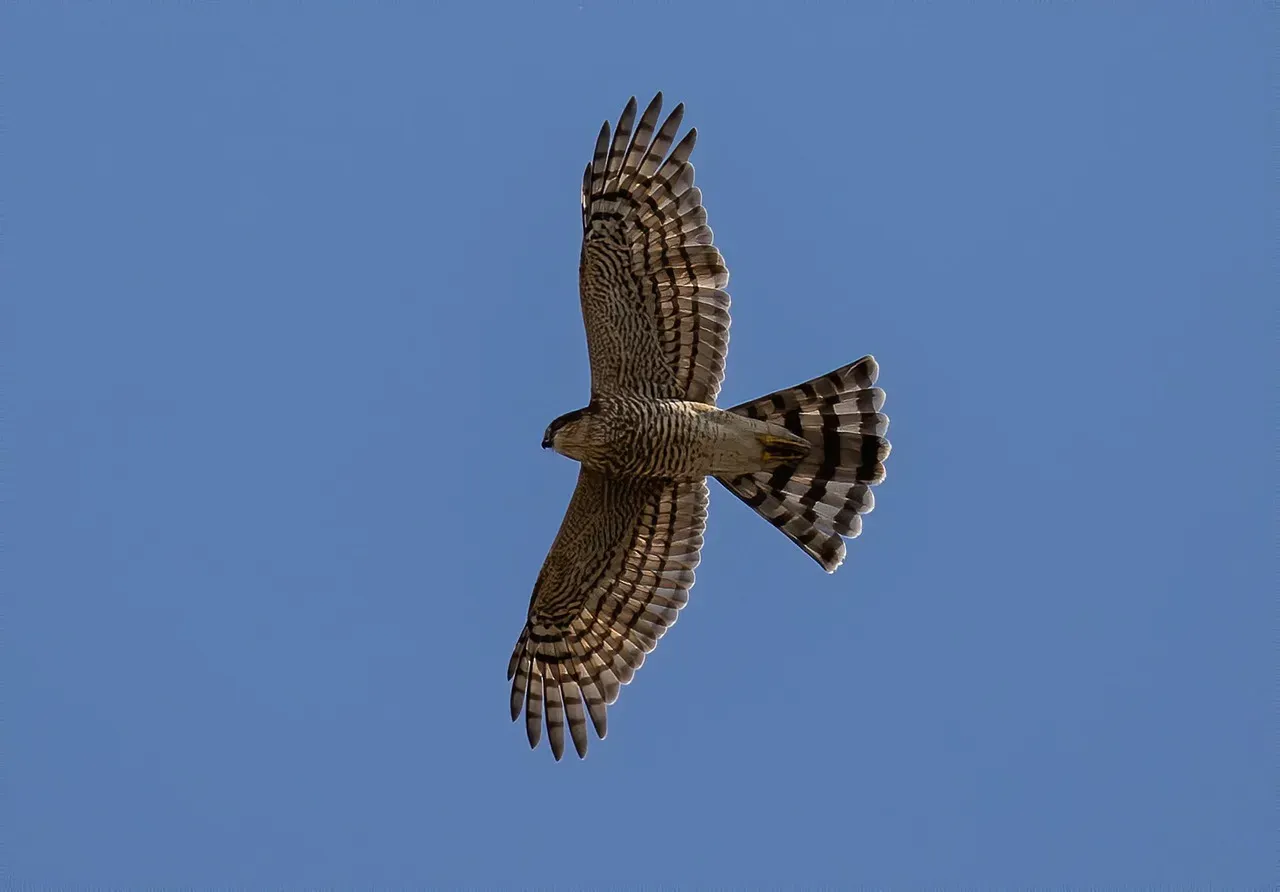
Humans, unless we’re pilots or climbers, live mostly on a flat sense of space. We talk about distance in two dimensions – how far something is “over there.” Hawks live in true 3D. They are constantly evaluating height: not just how far, but how high, and what that means for risk, energy cost, and opportunity. To them, a forest canopy, a power line, and a skyscraper ledge are different “floors” in a vertical city.
From their perspective, a rabbit in an open field is not just some distance away; it’s located in relation to wind, cover, and escape routes that exist in both horizontal and vertical space. Diving from above, they convert height into speed, trading potential energy for kinetic in a way humans mostly experience in roller coasters, not daily life. They notice where they can gain altitude easily, where they can perch with a good view, and where tall structures create risky blind spots or turbulence.
This vertical awareness extends to safety. A hawk being mobbed by crows may shoot upward, using height as a shield, then peel off to safer air. It knows from experience which altitudes are busiest with other birds or human structures and which altitudes give smoother, quieter flight. To us, the sky is just “up”; to a hawk, it is layered like an invisible building, each floor with its own rules.
#11 The Constant, Subtle Signs of a Changing World
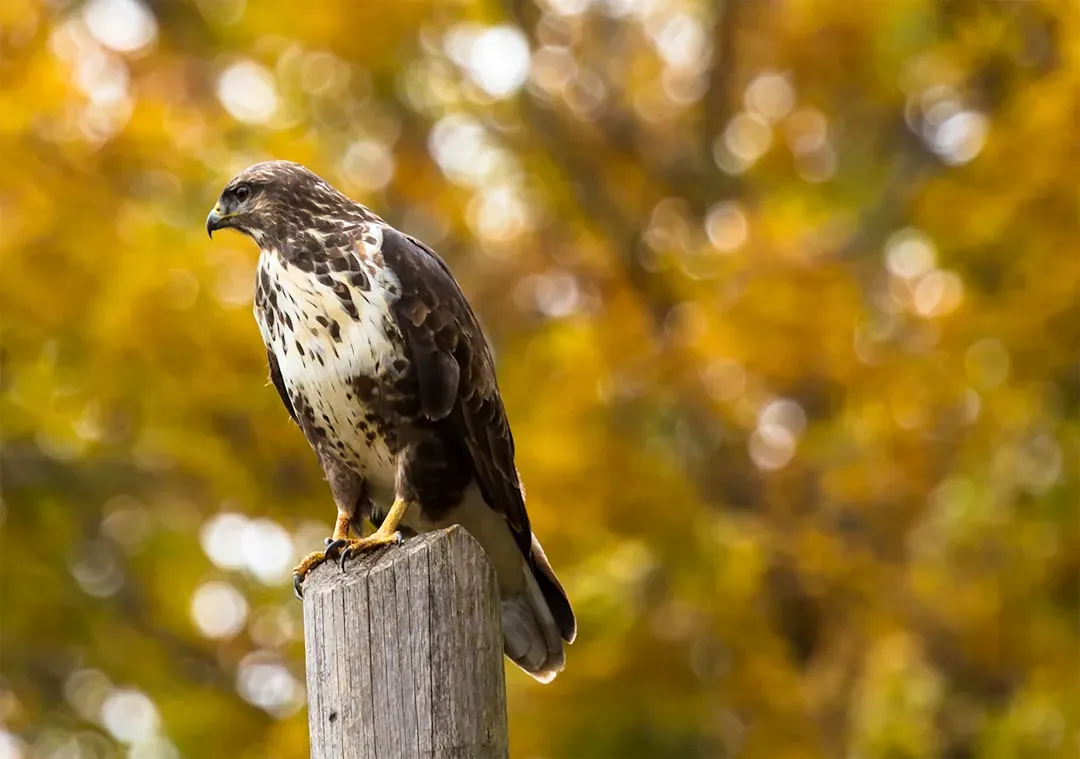
Perhaps the most poignant thing a hawk notices from height that we usually do not is the slow but relentless change in the landscape. Because they repeatedly fly over the same areas, sometimes for years, hawks get a “time-lapse” perspective. Fields turn from wild to cultivated, forests are thinned or cut, suburbs creep outward, and new roads slice through old hunting grounds.
We often perceive these as separate events: a new development here, a cleared lot there. For a hawk, the cumulative effect is inescapable. Favorite perches disappear, quiet corners fill with noise, and dark, reflective surfaces like solar farms or big parking lots alter air currents and heat patterns. Their survival depends on adjusting to these shifts – finding new routes, new hunting sites, and sometimes entirely new territories.
- Repeated flights let hawks “compare” the same landscape over time.
- Small changes in habitat can mean big changes in prey availability.
- They are forced to adapt quickly or move on when the ground rules change.
When you zoom out far enough, what we call “growth” or “development” becomes a kind of permanent disturbance. Hawks literally see that disturbance from above. They track it not in words or policies, but in empty fields that used to be full of mice, in ponds that have vanished, in wires that were not there last season. Their perspective is a living reminder that every alteration we make has ripples far beyond our line of sight.
Conclusion: A Different Planet, Just a Few Hundred Feet Up
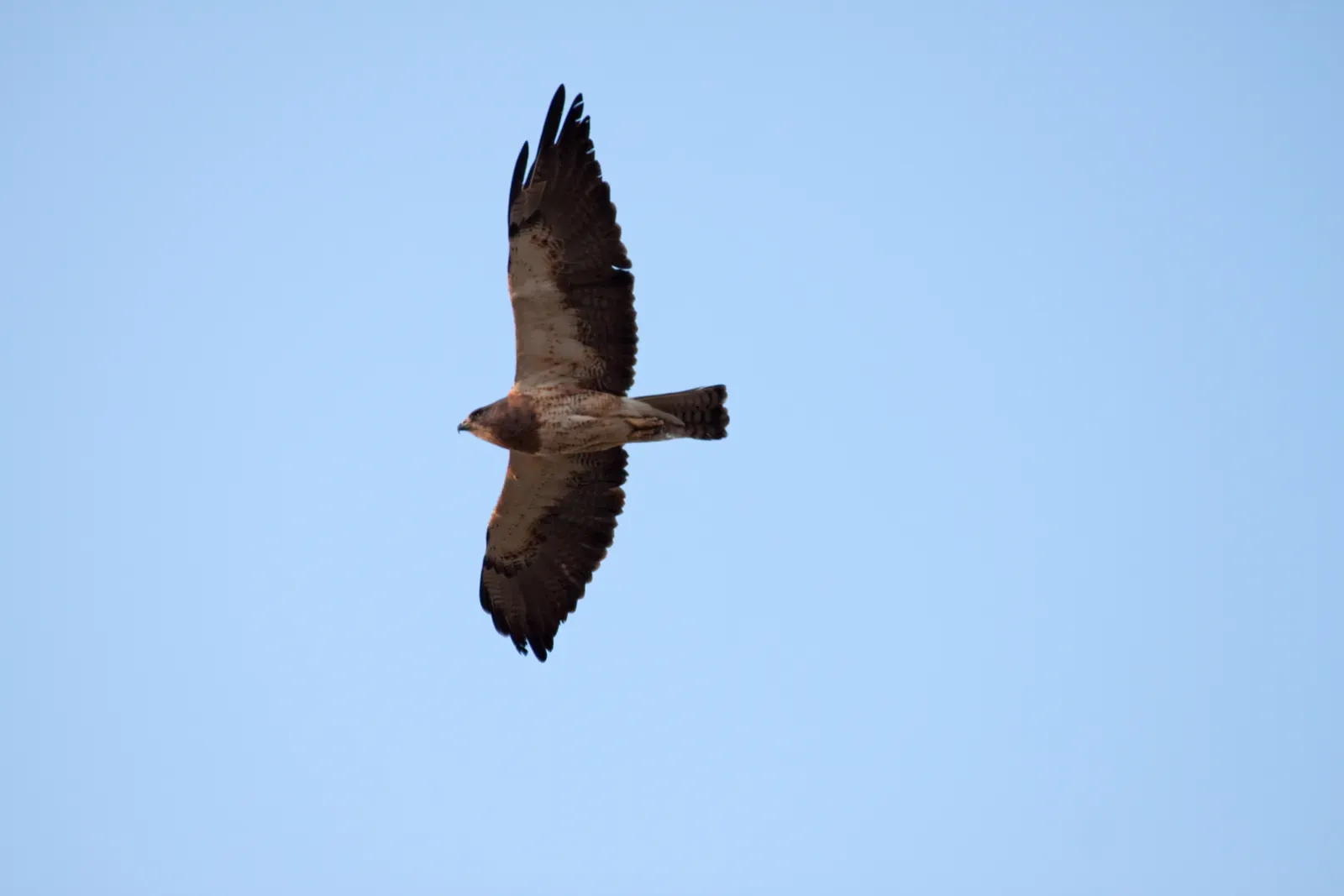
Standing on the ground, it is easy to assume we experience the world in a rich, complete way. But follow a hawk with your eyes for a while and you realize we are missing an enormous amount. From height, a hawk reads tiny movements, ultraviolet colors, air currents, prey trails, social signals from other birds, and the creeping expansion of human activity – things we barely register or never see at all. It lives in a layered, data-dense version of the same landscape we casually stroll through.
I find that weirdly grounding. It reminds me that our human perspective is not the default; it is just one way of being an animal in a shared world. Hawks are not magical, but they do have a sensory toolkit and vantage point that make their reality feel almost alien. Their height is not just distance; it is insight, stitched together from better eyes, sharper instincts, and hard-earned experience in the air.
Next time you spot a hawk circling high above, it might be worth pausing and imagining what it’s actually seeing. Not just “a nice view,” but a constantly updating map of opportunity, danger, and change. The same town, the same field, the same highway – yet to that bird, practically a different planet. If you could trade eyesight with a hawk for just one day, what do you think would surprise you most?