
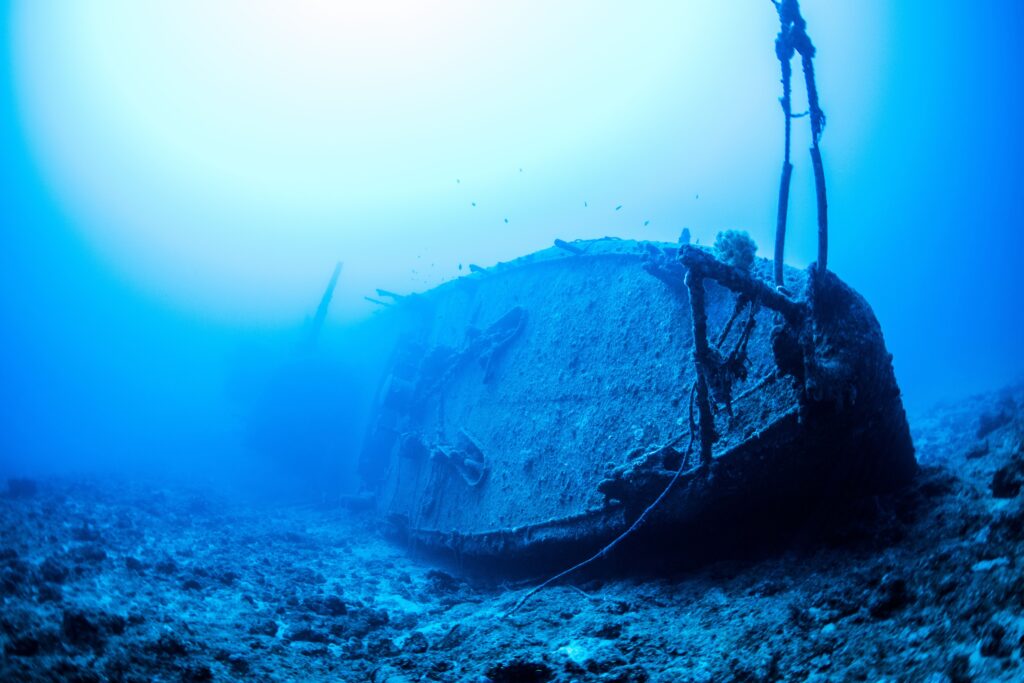
Somewhere in the dark, cold quiet of the seafloor, time slows down. A wooden hull lies on its side like a sleeping animal, cargo still stacked, dishes still on tables, shoes still by bunks. It is an eerie thought: a moment from another century, sealed away in saltwater, waiting for someone to stumble across it.
Shipwrecks are not just tragedies frozen in place. They are time capsules, preserving things that would have vanished in a heartbeat on land. Fires, scavengers, builders, farmers, even simple weather would have erased them. But under the right conditions at sea, they endure for decades, centuries, sometimes even millennia.
That tension is what makes shipwrecks so compelling. They are scenes of sudden loss, yet also incredible survival. From fragile fabrics to human fingerprints, from meals left half-eaten to entire cities of marine life that grow over twisted metal, wrecks protect stories that dry ground almost never lets us read.
Let’s dive through twelve of those stories: the strange, surprising things a shipwreck can preserve that land almost never does.
#1 Whole Wooden Hulls That Should Have Rotted Away
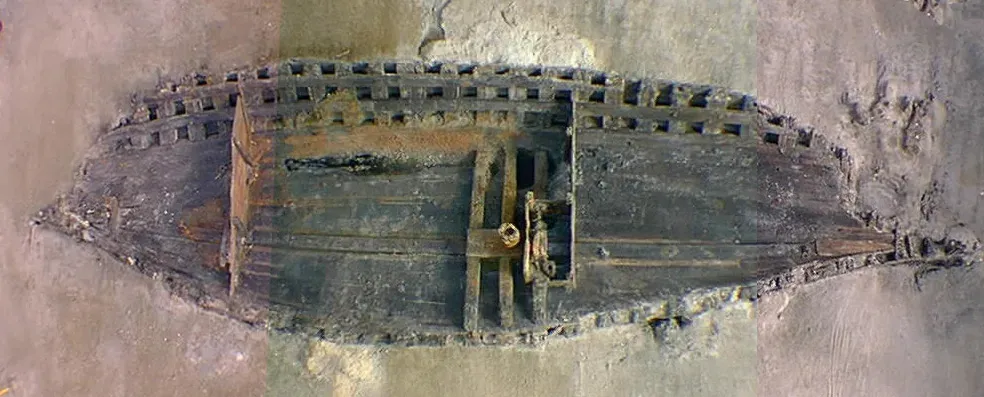
On land, wood is doomed. Sun, rain, fungi, beetles, and termites work together like a demolition crew, reducing timbers to dust in years or decades. Even a well-built wooden barn collapses within a human lifetime unless it is constantly maintained. Ship hulls, with their curves and joints, would be among the first to weaken and disappear.
Underwater, especially in cold, dark, low-oxygen depths, that script flips. Decomposition slows dramatically when wood-boring organisms, fungi, and bacteria are starved of oxygen and warmth. That is why archaeologists can find centuries-old wrecks where planks still line up cleanly and frames are recognizable, even though the ship has been gone from the surface for generations.
Land sites also suffer from human reuse. Old beams get torn out, burned, repurposed into fences, or built into new houses. A ship that sinks offshore is removed from this endless recycling. Once it drops beyond easy diving depth, it is essentially forgotten, which ironically gives its wooden bones a better shot at long-term survival than most buildings ever get.
So in a strange way, the ocean, which seems so destructive in storms, can become the gentlest possible archive for wood – provided the wreck ends up in the right quiet, cold, and oxygen-poor place.
#2 Everyday Personal Items Left Exactly Where They Fell
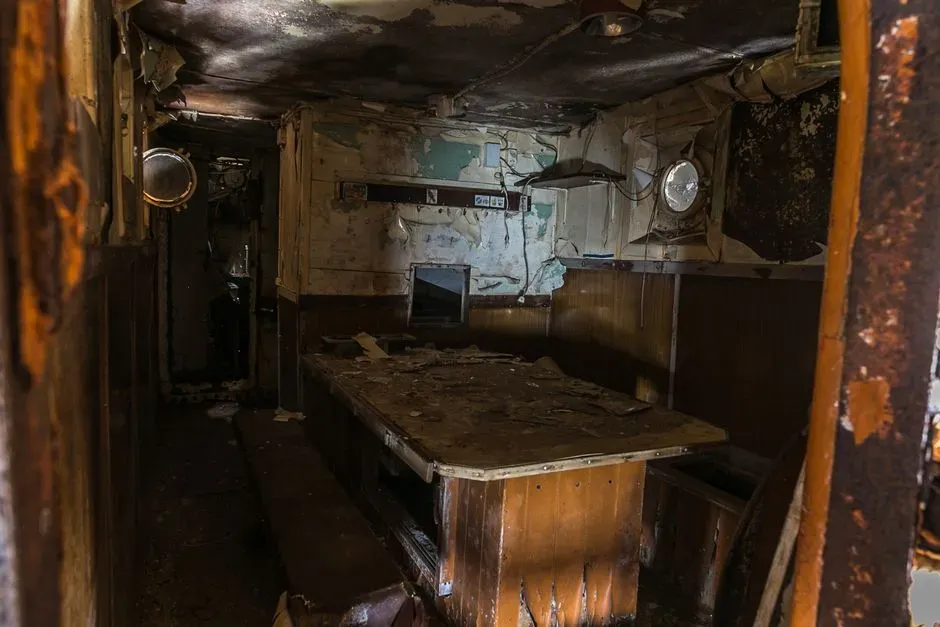
Think about how often you move things around at home. Keys migrate from the table to your pocket. Mugs go from cupboard to sink to dishwasher. Shoes get kicked under chairs. On land, even if no disaster happens, constant human activity scatters and erases the organization of daily life.
On a shipwreck, once the hull floods and settles, the movement stops. A comb on a shelf, a pair of spectacles on a bunk, a pipe on a desk might be shifted by the sinking, but after that, they tend to stay put. Divers and archaeologists often find cabins where personal items seem almost staged: shaving kits, sewing needles, ink bottles, even children’s toys lying close to where their owners last used them.
These small objects are made of fragile materials that usually do not last above water. Leather cracks and flakes, paper burns or molds, cheap metal corrodes quickly, and glass breaks underfoot or in rubbish heaps. Underwater, especially if buried in silt, the same items can survive far longer, sometimes only lightly encrusted with marine growth.
In a handful of famous wrecks, explorers have opened drawers to find coins, jewelry, and everyday trinkets still packed together as they were on the day of the sinking. That kind of frozen moment – entire lifetimes reduced to objects left in a locked drawer – is incredibly rare in land archaeology, where time, people, and pests have far more chances to interfere.
#3 Organic Textiles and Clothing That Should Have Disintegrated
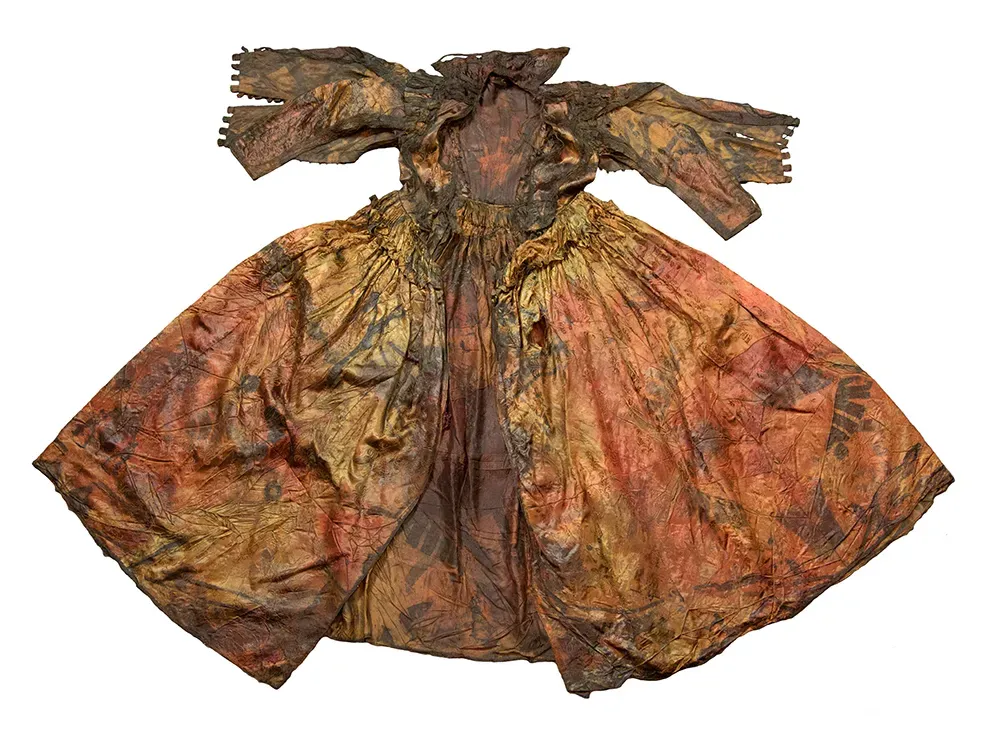
Clothing is usually the first thing to disappear in the archaeological record. Cotton, wool, linen, and silk are all organic materials that bacteria and fungi love to consume. On land, unless textiles are deliberately preserved in extremely dry, frozen, or waterlogged conditions, they rot away in a surprisingly short time.
Yet in some shipwrecks, divers have recovered garments that still hold stitching, seams, and recognizable shapes. Wool coats, leather shoes, felt hats, and even delicate lace have survived because of low temperatures, darkness, and burial under soft sediments. Once sealed in fine silt or clay on the seafloor, oxygen is so limited that decay slows to a crawl.
These preserved textiles tell us things that written records rarely mention. How coarse or fine the fabrics were, where the cloth was woven, which dyes were used, how clothing was patched and repaired, and how different layers were worn together – these details bring human bodies and social status into sharp focus. A sturdy pair of work trousers says something very different from an embroidered waistcoat, and underwater we can sometimes see both side by side.
On land, most of what we know about past fashion comes from paintings, descriptions, or a lucky handful of surviving outfits from elite households. Shipwrecks, by contrast, often preserve what ordinary sailors, migrants, and merchants actually wore on their backs, down to the last frayed cuff.
#4 Half-Eaten Meals and Fragile Food Remains
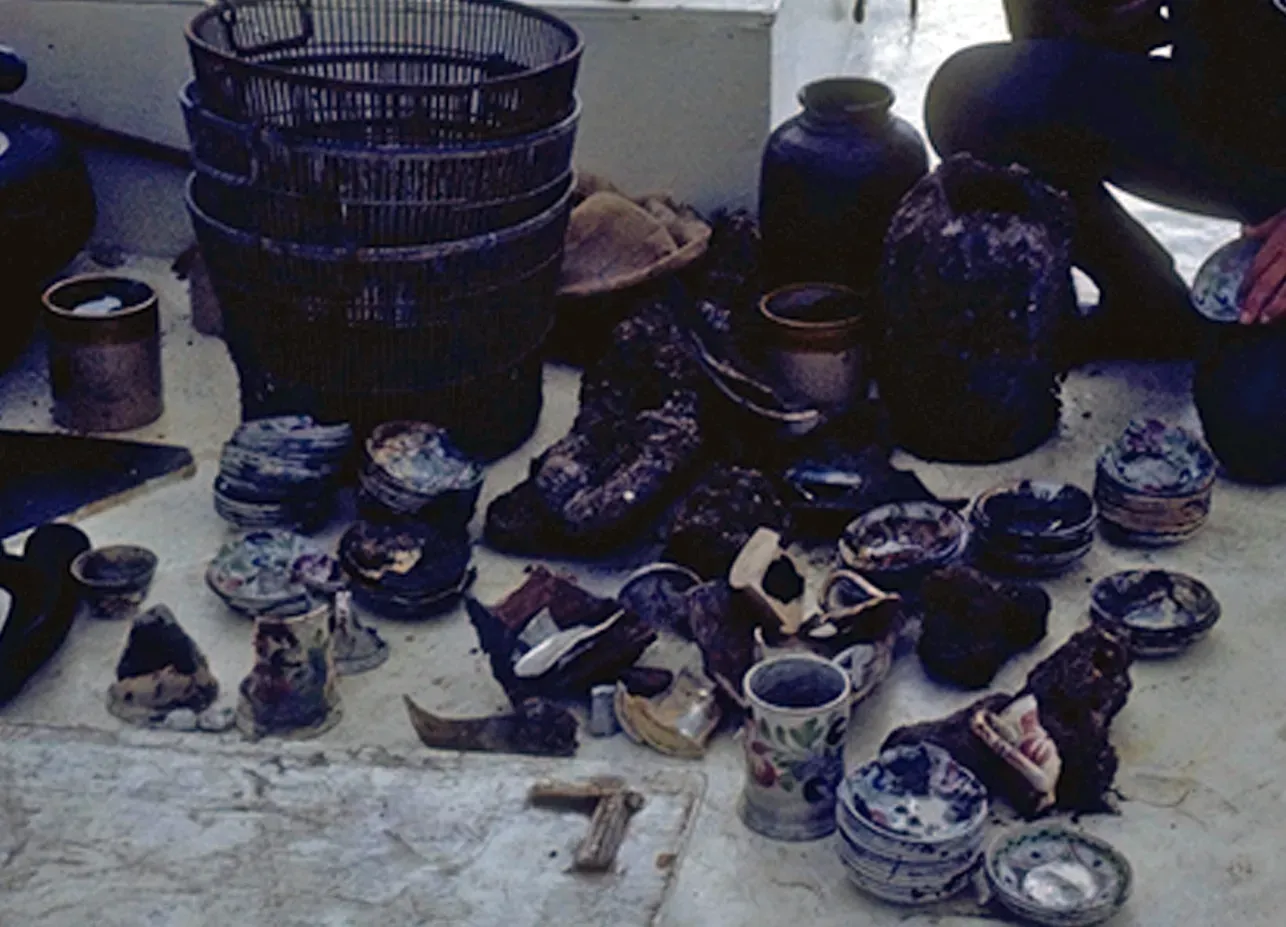
It is hard to imagine a dinner plate surviving for centuries with food traces still clinging to it, but that is precisely the kind of scene a shipwreck can lock in place. On land, unattended food is demolished by insects, rodents, molds, and weather in a matter of hours or days. Human cleanup usually takes care of the rest.
On the seafloor, if a ship goes down suddenly, galley tables may be set, pots still on stoves, barrels cracked open in mid-use. Once the water floods in and the ship settles, organic remains can get covered quickly by silt and stay in cold, relatively stable conditions. Fish bones in a stew pan, seeds from spices, fragments of dried fruit, even remnants of bread have all turned up in wreck excavations.
Scientists analyze these traces to reconstruct not just what people ate but how they cooked and stored it. Microscopic examination can reveal plant species, grinding methods, and even traces of imported ingredients that hint at trade networks. Chemical analysis of residues stuck to ceramic pots can show whether they held oil, wine, beer, or preserved foods.
In an ordinary house on land, someone would wash that pot, scrap that plate, feed leftovers to animals, or toss scraps into trash pits that get disturbed over and over. The sudden, catastrophic nature of a sinking, combined with the burial environment, can preserve a meal in mid-bite – a level of everyday detail that is almost impossible to catch on land.
#5 Locked Cargo Holds Packed Like a Time Capsule
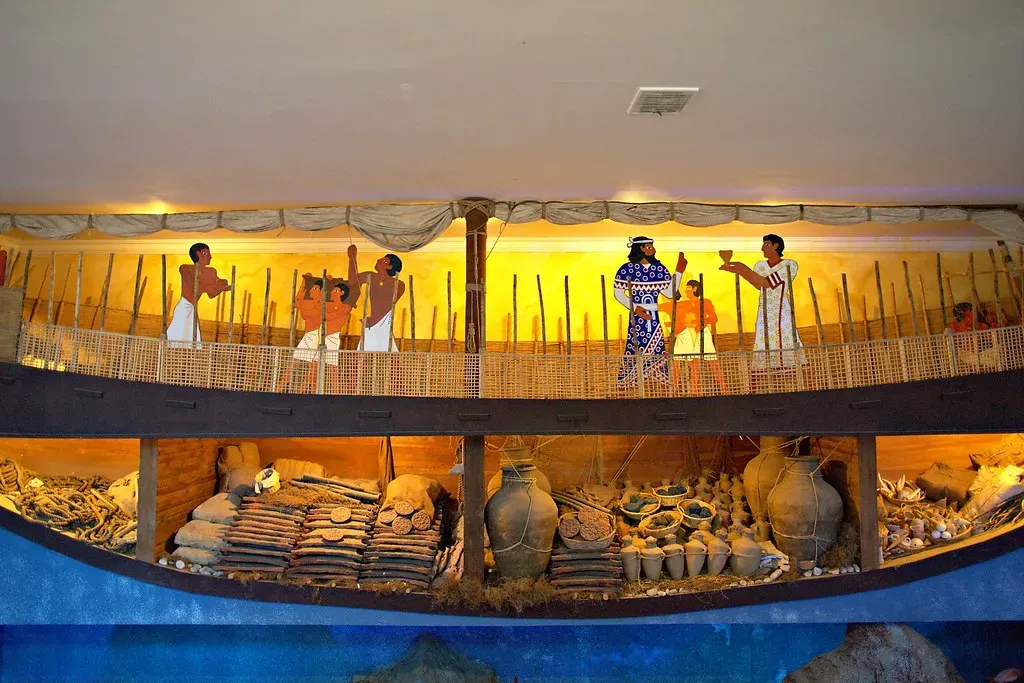
Shipwreck cargo is a dream for historians and economists, because it is often still grouped and organized. Crates are stacked by destination, barrels tied down by type, bundles labeled and lashed together. On land, goods pass through warehouses, markets, carts, homes, and fires. They get split up, repurposed, and lost. The original structure of trade is quickly blurred.
A sunk cargo hold is different. Once the hull floods and settles, there is no more reshuffling or resale. Whole palettes of ceramics, glassware, metal bars, lumber, or textiles can be found almost as they were loaded. Even if the ship breaks up, the local scattering is far less chaotic than centuries of land-side reuse would be.
This kind of preserved pattern tells us which markets were supplied together, how much of each good was being shipped, and what priorities merchants had. For instance, archaeologists can trace how standardized certain products were, how often cheap mass-produced items traveled with elite luxuries, and how global trade routes shifted over time.
- Cargo on a wreck is usually found in bulk, not as isolated pieces.
- Labels, stencils, and markings sometimes survive on crates and barrels.
- Patterns of packing reveal what was considered fragile or high value.
On land, we tend to find a few scattered survivors: a broken plate here, a single bottle there, a record in a ledger. Only at a shipwreck do we see the full commercial picture frozen at a specific moment, still roughly in the order someone in a port city designed it.
#6 Intact Navigation Gear and Instruments of the Age
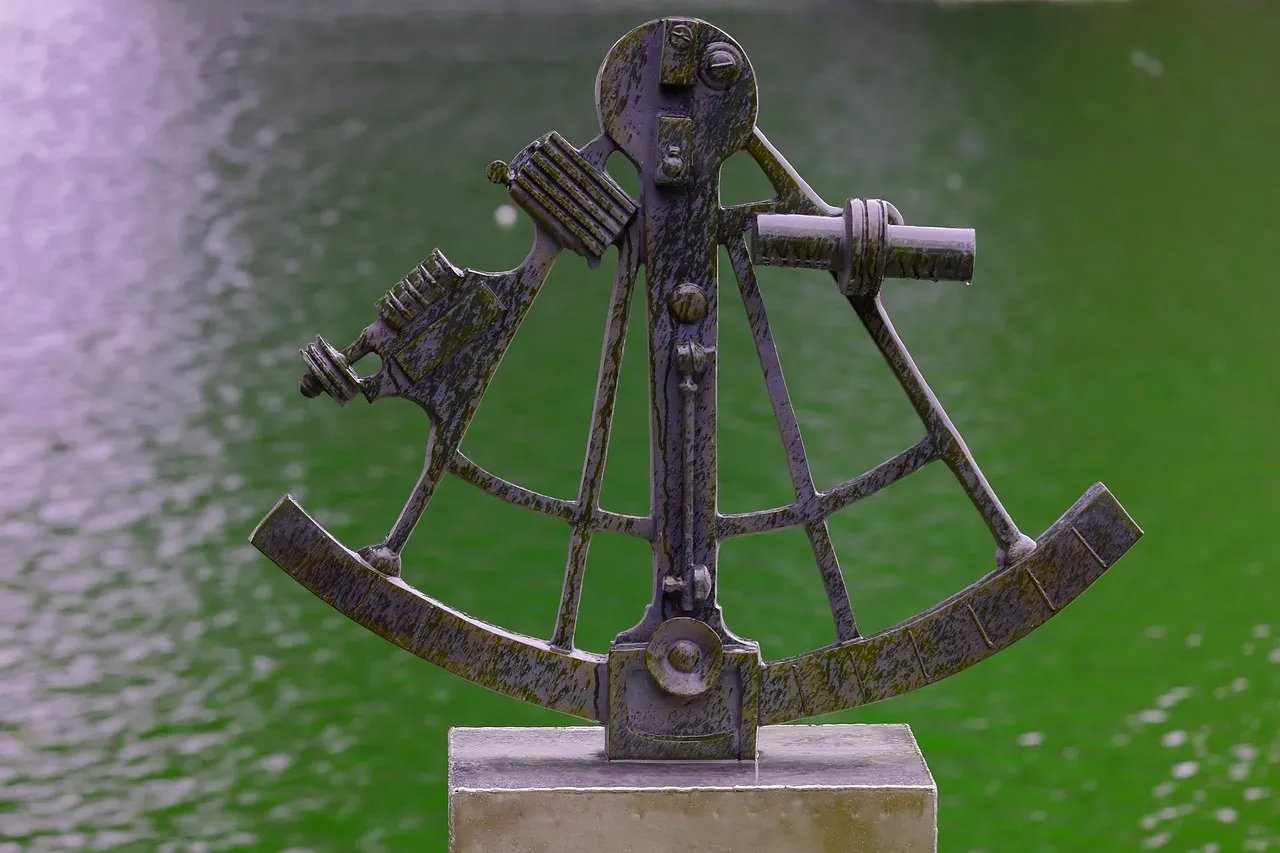
Navigation instruments are delicate and coveted. On land, old devices like compasses, sextants, and chronometers are usually reused, repaired, looted, or stored as heirlooms. Very few remain exactly as they were when a particular voyage took place, with all the wear, adjustments, and improvisations of real use.
On a shipwreck, these tools often go down with the ship and stay with it. The chart table in the cabin, the box for a marine chronometer, the rack for sextants and spare compasses – these areas sometimes survive with instruments either still in place or close by. Metal corrodes, wood warps, glass breaks, but the basic form can often be reconstructed, and in some conditions brass and glass remain surprisingly clear.
This preservation gives a rare, direct view of what navigation looked like at a particular time. Were there backup compasses? Was the equipment domestic or imported? Were crude, homemade tools mixed with refined factory-made pieces? Such small differences are incredibly important for understanding how confident or experimental a crew might have been at sea.
On land, instruments pass through many hands and locations. They are cleaned, polished, and sometimes altered for display, stripping away traces of everyday use. Wreck sites, by contrast, tend to keep even damaged or obsolete gear together, unedited by later generations trying to tidy or idealize the past.
#7 Shipboard Documents in Places Paper Should Not Survive
Paper and parchment are arguably the most vulnerable materials in archaeology. Sunlight fades ink, moisture causes swelling and decay, insects chew edges, and human owners weed out what they see as unimportant. On land, entire archives vanish through fires, wars, or simple neglect. Most documents never had a chance.
It seems counterintuitive, but waterlogged conditions can sometimes preserve paper better than erratic dampness on land. When paper is quickly soaked and then sealed under cold, oxygen-poor sediments, the process that would normally turn it to sludge can stall. Conservators have recovered logbooks, letters, charts, and even printed books from wrecks, in varying conditions but often still legible after careful laboratory treatment.
These documents are precious because they capture shipboard life in real time. Logs record weather, positions, decisions, minor emergencies, and sometimes personal notes from officers. Cargo lists, insurance papers, and letters home can also turn up, revealing networks of family, finance, and obligation that followed the ship.
- Papers on wrecks are often found in protected spaces like desks and chests.
- Ink types and handwriting styles provide extra clues about training and origin.
- Sometimes, scribbled marginal notes reveal private opinions rarely seen in public records.
On land, older papers are constantly sorted into “important” and “worthless,” with the latter burned or pulped. The ocean, in its own brutal way, removes that filter. Everything goes down together, creating an unedited cross-section of information that historians rarely get elsewhere.
#8 Human Bodies and Personal Identities Frozen in Place
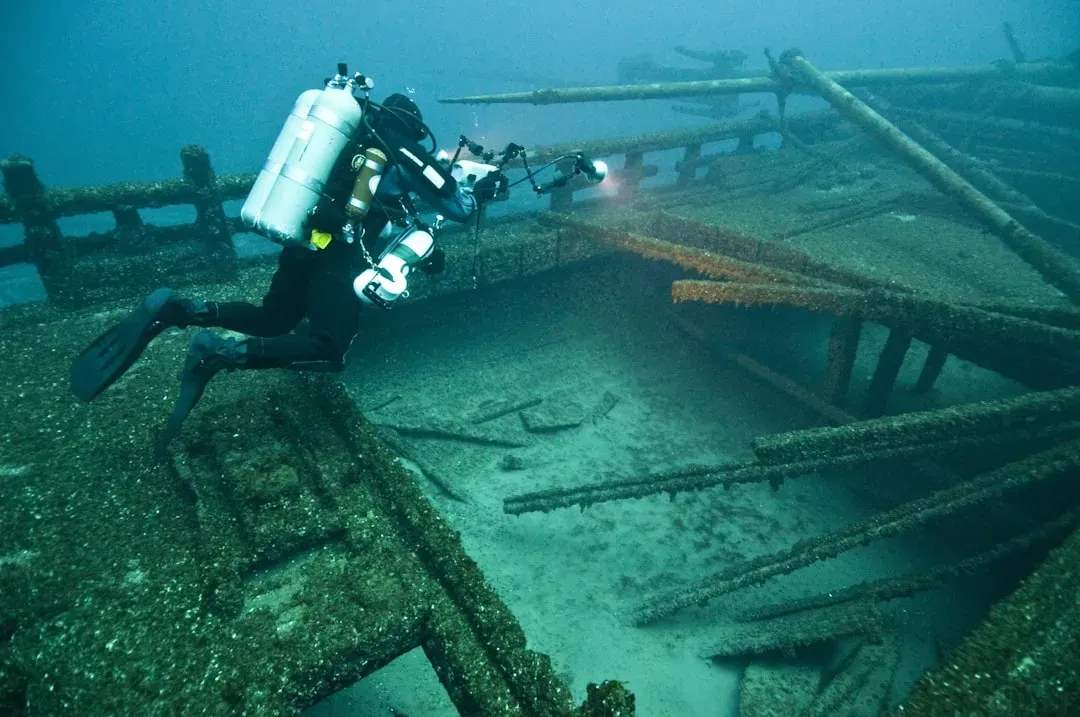
Talking about human remains can feel uncomfortable, but it is one of the clearest examples of how different underwater preservation can be from the world above. On land, human bodies are subject to rapid decay, animal scavengers, plant roots, and, often, later human disturbances – new graves, construction, agriculture. Over time, the context around a burial site tends to erode or mix.
In some underwater environments, bodies and associated items remain astonishingly intact. Cold temperatures, low oxygen, and quiet sediments can preserve bones, teeth, and sometimes soft tissue for extended periods. Clothing, jewelry, tools, and personal tokens found with remains can stay exactly where they were at the moment of death, painting a hauntingly detailed portrait of a person’s role on board.
This preservation gives modern researchers a chance to study health, diet, origin, and family links through skeletal analysis and, where appropriate and ethically managed, genetic work. It can reveal who was doing the heavy labor, who was better nourished, and how diverse the crew really was. Sometimes, individuals whose names were never recorded in surviving papers gain back a sense of identity and story through the objects held or worn at the time of the sinking.
On land, graves are usually carefully planned, and the story is shaped by cultural rituals. Wreck victims did not get that kind of editing. As difficult as it is, their remains and belongings show a raw, uncurated snapshot of life, class, and vulnerability that normal cemeteries almost never reveal.
#9 Original Paint, Decoration, and Even Maker’s Marks
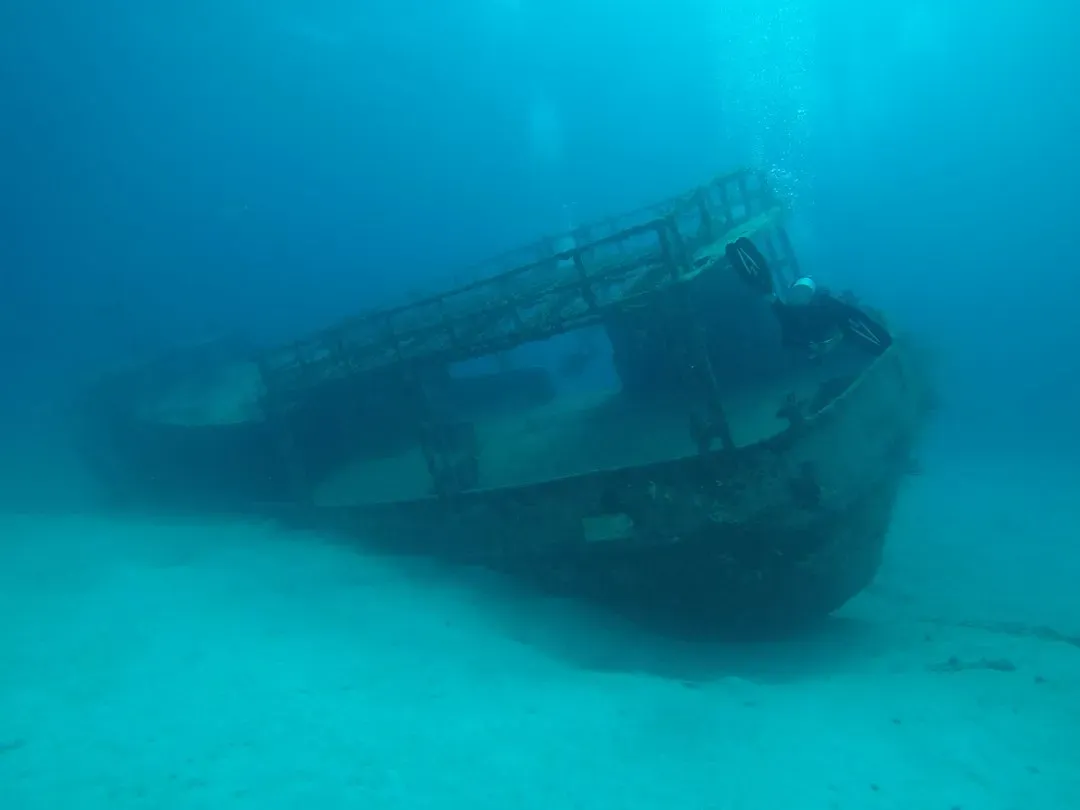
When we visit old buildings on land, their colors are often gone or heavily restored. Paint fades in sunlight, peels from walls, and gets overpainted in new styles again and again. Carvings are worn smooth by weather and by people touching them. We rarely see the original palette or the subtle, everyday markings left by builders and craftsmen.
Shipwrecks, especially wooden ones, sometimes surprise divers with bright flashes of color preserved in sheltered areas. Shields, figureheads, decorative trim, and interior panels can retain traces of pigments that would have vanished above water. In some cases, the exact hues can be matched to known pigments of the time, revealing aesthetic choices and trade connections.
Maker’s marks – those small symbols, stamps, or signatures left by shipwrights, carpenters, cooperages, or metalworkers – also tend to survive well underwater, etched or burned into surfaces protected from direct abrasion. On land, repeated handling, sanding, and repainting often obscure such marks or detach them from their original context.
- Underwater, paint is protected from UV light, a major factor in fading.
- Sheltered nooks below decks act like sealed display cases for decorations.
- Marks on beams and planks can show how pieces were prefabricated and assembled.
Seeing these features in place, rather than as isolated museum fragments, helps historians reconstruct not just how a ship worked but how it was meant to impress. Color choices, carved motifs, and subtle branding all carried messages that land-based ruins very rarely preserve in their early, unaltered form.
#10 Entire Technological Systems Frozen Mid-Transition
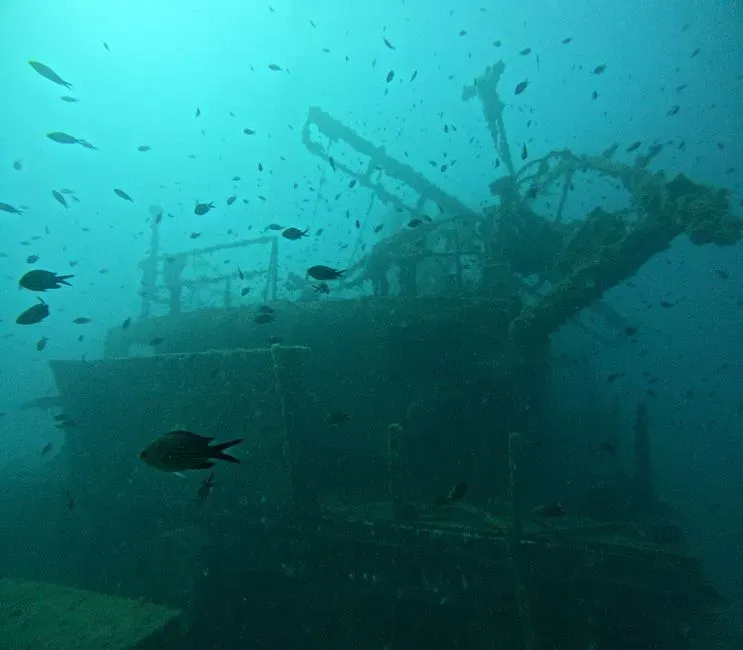
Technology rarely changes in a clean break. On land, we usually see the results: newer machines in factories, old ones scrapped or recycled, pieces scattered in junkyards. The transition phases, where old and new tools coexist in the same workspace, tend to be messy and short-lived, and therefore tough to capture archaeologically.
A shipwreck, however, preserves a vessel from a specific year and usually a specific stage in its upgrade cycle. That means machinery and fittings can show an odd, revealing mix: perhaps an older sailing rig combined with experimental steam engines, or traditional wooden construction with early iron reinforcement. Because everything goes down together, the mid-transition configuration is locked in place.
This is especially powerful for understanding how people adopted new technologies in the real world. We see where crews trusted innovation and where they held onto familiar methods. Did they bolt new devices onto old structures? Did they overbuild some parts out of caution? Did they carry extra spare parts because they did not trust new components to last?
On land, most evidence of these awkward in-between stages gets scrapped, sold, or remodeled away. A wreck can carry the full, contradictory logic of a particular moment in technological history, right down to mismatched bolts and jury-rigged modifications – details that are priceless for engineers and historians trying to understand why some inventions took hold while others faded.
#11 Unique Marine Ecosystems That Grow Over the Wreck
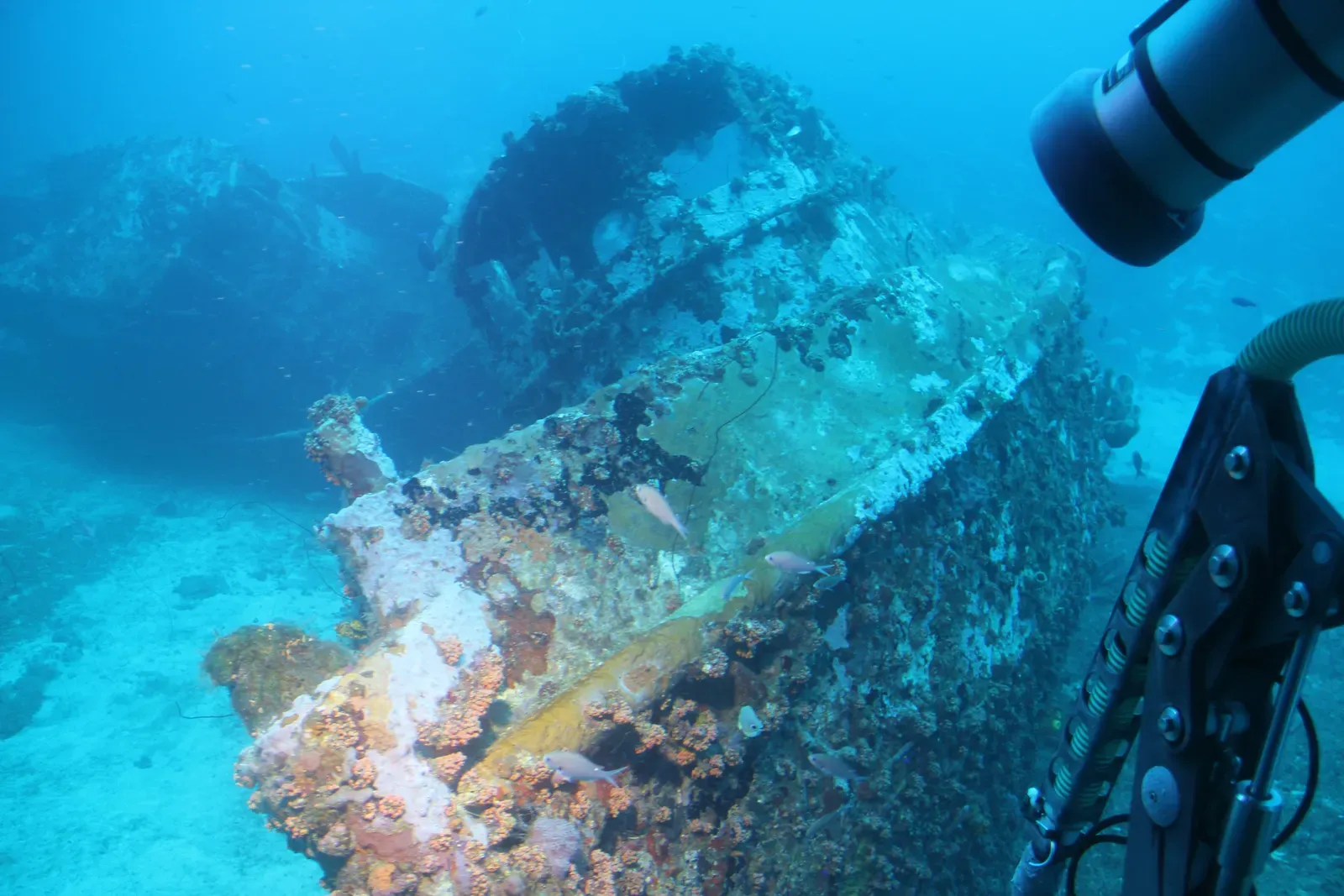
This is where shipwrecks do something land sites simply cannot: they do not just preserve the past, they create new worlds. The bare hull and tangled spars of a wreck quickly become artificial reefs, offering surfaces and shelter where there used to be only open water or bare sediment. Corals, sponges, seaweeds, barnacles, and shellfish colonize the structure; fish and crustaceans move in to feed and hide.
On land, a ruined building might gradually be reclaimed by plants and animals, but that process is usually entangled with human disturbance, pollution, and development. Underwater, especially in deeper or protected areas, a wreck can foster a relatively stable ecological community that grows around and through the decaying metal or wood, turning sharp angles into living, flowing shapes.
Marine biologists study wreck sites to understand how species colonize new habitats, how communities change over time, and how artificial structures might help restore damaged reefs. Some wrecks have been intentionally sunk for this reason alone, to support biodiversity and even boost local fisheries by providing shelter and feeding grounds.
- Wrecks often host higher species diversity than surrounding bare seafloor.
- Over time, the original ship becomes barely recognizable beneath living growth.
- These ecosystems document how marine life responds to large man-made structures.
Land can host ruins, of course, but the transformation is never quite as absolute. Only underwater do wrecks so fully vanish under new life that the line between human artifact and wild habitat becomes hard to draw.
#12 Soundscapes, Stories, and Emotions Tied to a Single Place
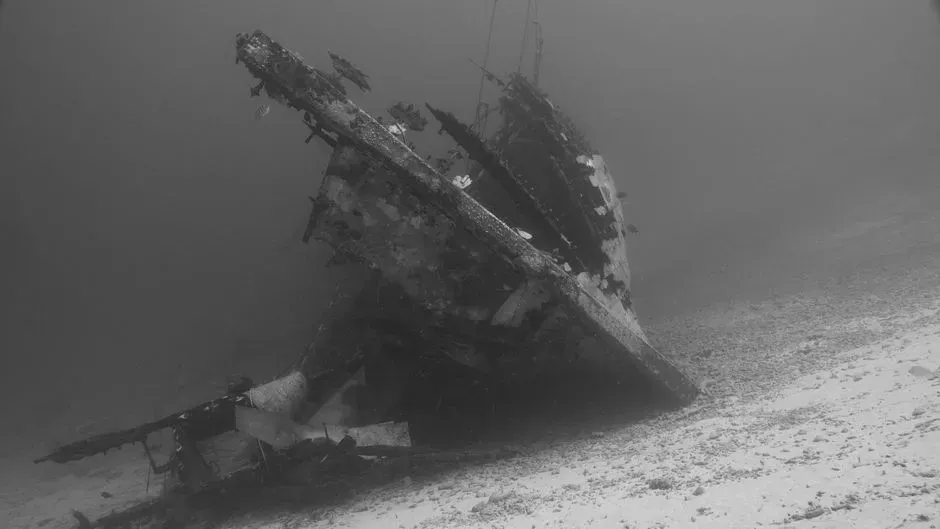
This last one is not something you can hold in your hand, but it is something shipwrecks preserve more powerfully than almost any land site: the emotional weight of a specific moment. When divers descend onto a wreck, they often describe a kind of acoustic and psychological quiet. The hull blocks currents, muffles outside noises, and creates eerie, echoing spaces that feel like entering a submerged memory.
On land, the sites of disasters get rebuilt, renamed, or repurposed. Roads cut through battlefields, shopping centers rise over old neighborhoods, and new histories overwrite old traumas. At sea, a wreck stays where it fell, usually out of sight, unmarked by billboards or traffic. That isolation lets the story of the sinking remain attached very tightly to that one physical location.
For families, communities, and nations, certain wrecks become underwater memorials. Divers who visit them train carefully, follow strict rules, and speak of the experience in personal, sometimes shaken tones. Even if you never dive, knowing that a ship lies intact on the seabed somewhere, cabins still furnished and machinery still in place, can make a historical event feel uncomfortably close and real.
Land certainly holds its share of haunted places, but they are constantly negotiated, debated, and reused in public view. Shipwrecks are different: quiet, unchanging markers in the dark, where a journey that never finished is still paused halfway between departure and destination. That strange permanence gives their stories a sharpness that dry ruins rarely maintain for long.
Conclusion: When the Ocean Becomes the Archivist
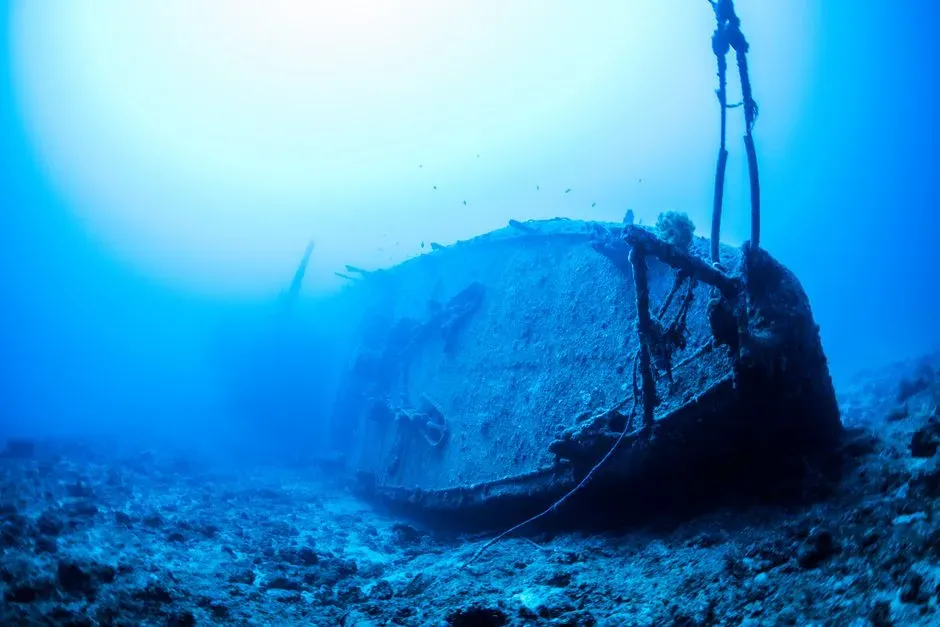
The paradox of shipwrecks is hard to shake. The same ocean that shatters hulls and takes lives also acts as an archivist more patient than any museum. Beneath the waves, wood that should have rotted, fabrics that should have fallen apart, meals that should have been forgotten, and tools that should have been scrapped are all held in an improbable, uneasy suspension.
Compared to land sites, where every season, every new owner, and every construction project adds another layer of disturbance, shipwrecks are often brutally simple: one moment of catastrophe, then long, slow silence. That is why they preserve things that almost never survive elsewhere – not because the sea is gentle, but because after its violence, it often leaves the scene alone. In a way, the most respectful act humans perform for these sites is sometimes to do nothing but document and learn.
Personally, if I had to choose between a ruined port warehouse and the wreck of a ship that once docked there, I would pick the wreck almost every time. It is rawer, more complete, and less edited by later generations trying to clean up the past. Shipwrecks remind us that history is not just what we choose to remember, but also what the world accidentally, inexplicably keeps. The real question is: when we finally dive down to look, are we ready to see what the ocean decided to save for us?