
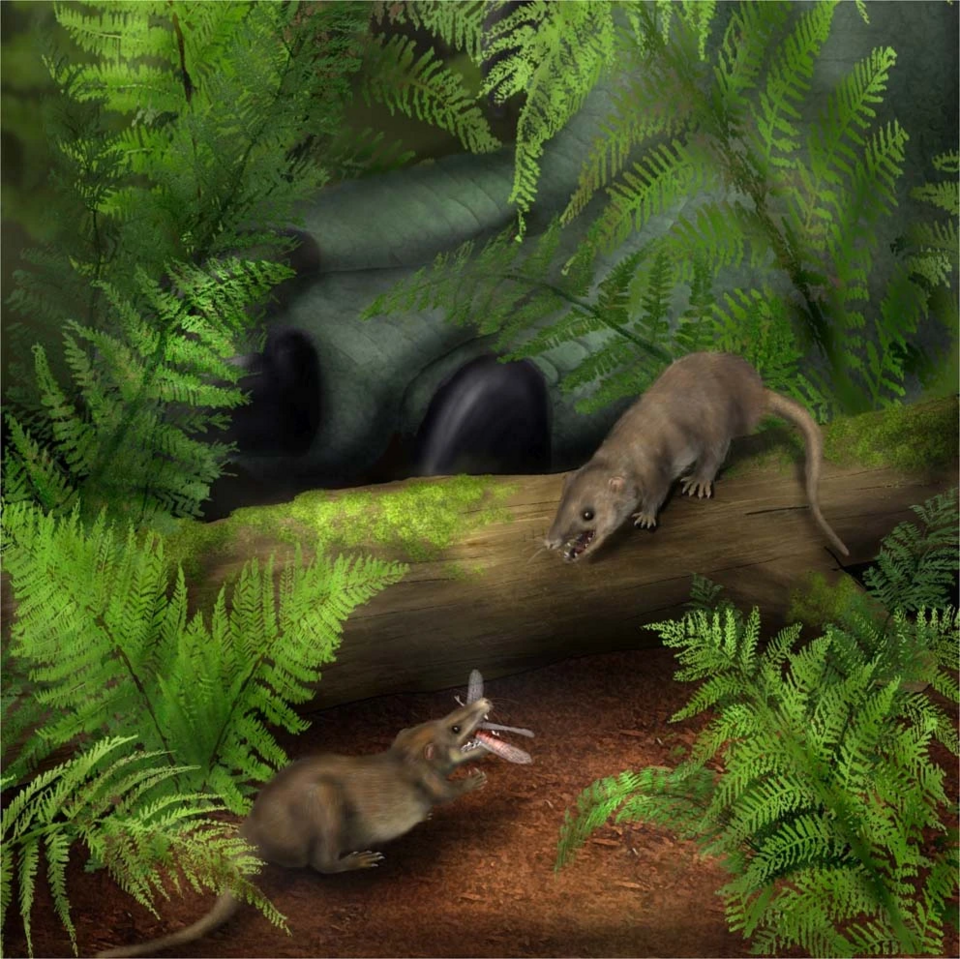
Picture the scene every nature documentary loves to replay: a trembling, rat-sized creature freezes in the underbrush while a Tyrannosaurus thunders past, and a soothing narrator explains that mammals made it through the Age of Dinosaurs by staying small, staying quiet, and staying terrified for 150 million years. It’s a tidy story. It’s also, according to two decades of fossil digs and genetic sleuthing, almost cartoonishly wrong.
Some of what paleontologists have actually pulled out of the ground is stranger and considerably bloodier than the textbook version ever let on. There were mammals that hunted baby dinosaurs. There were mammals gliding, swimming, and digging in wildly different directions long before any asteroid was on the calendar. And the creatures that ultimately survived may owe less to brains or toughness than to sheer, chaotic luck. Here are twelve “settled” facts about mammalian survival that the fossil record has quietly thrown out the window.
#1 – Mammals Were Just Tiny, Helpless Dinosaur Snacks
For decades, popular science books painted every Mesozoic mammal as a trembling, shrew-sized morsel scurrying between the feet of giants. That picture doesn’t survive contact with the fossil record anymore.
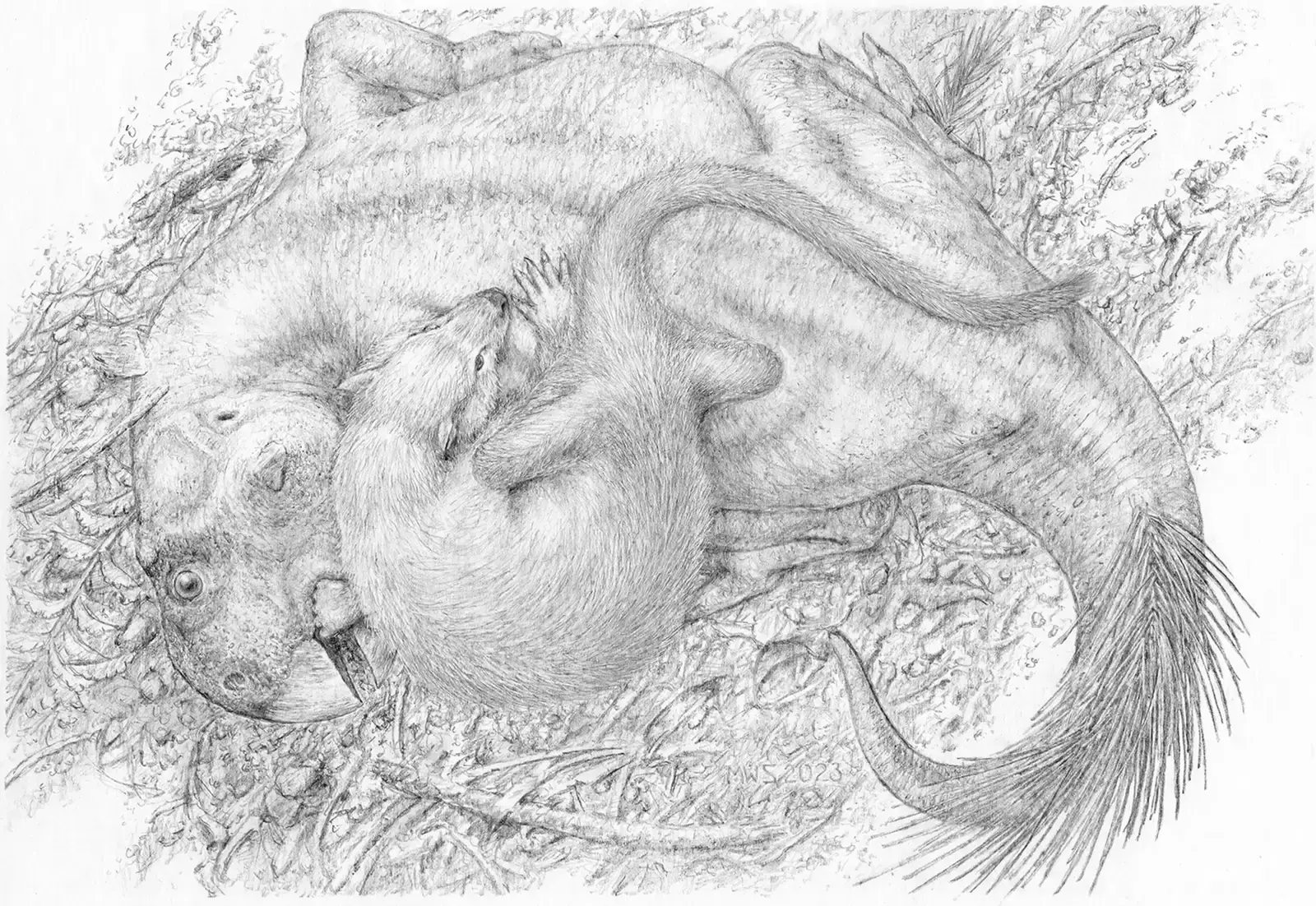
The genus Repenomamus single-handedly wrecked this assumption. One species, Repenomamus robustus, turned out to be roughly the size of a Virginia opossum, and a second species discovered later was half again as large – closer to a badger or a jackal. That’s not a snack-sized rodent. That’s a mid-sized predator with an attitude problem.
And it wasn’t just big for show. In one Cretaceous fossil dated to roughly 125 million years ago, a Repenomamus was caught mid-attack on a Psittacosaurus, a plant-eating dinosaur more than three times its size. The two animals died locked together – one of the mammal’s hind legs pinned beneath the dinosaur, its front paw still clamped around the dino’s beak.
Fast Facts
- Repenomamus robustus was roughly the size of a Virginia opossum
- A larger relative reached badger- or jackal-sized proportions
- Fossilized mid-attack on a Psittacosaurus around 125 million years ago
- The dinosaur prey was more than three times the mammal’s own size
This mammal was actively hunting dinosaurs three times its own size. It wasn’t hiding from them – it was eating them. The “mammals were just dino food” story only tells half the tale, and the next myth pulls that thread even further.
#2 – Mammals Just Sat Around Waiting for the Dinosaurs to Die
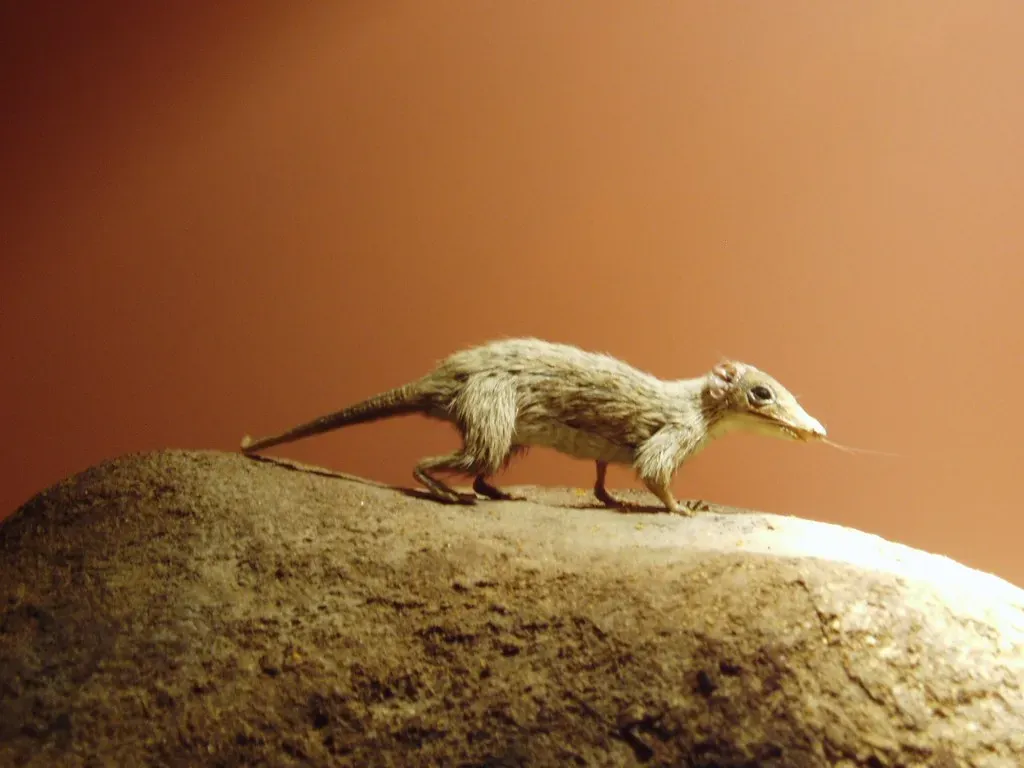
The classic assumption goes like this: mammals stayed evolutionarily frozen for 150 million years, then exploded in diversity the instant the asteroid hit. New fossil work says that timeline is backwards.
Research out of the University of Southampton found something that upends the entire “waiting game” narrative. Mammals began their major diversification 10 to 20 million years before the extinction of the dinosaurs. That’s not a footnote – that’s a decade or two of active evolutionary experimentation happening while Tyrannosaurus rex was still very much alive.
Even more striking, the study challenges the familiar picture of dinosaurs dominating the planet while mammals politely waited backstage for their cue. Mammals weren’t idling in the wings. They were already rehearsing new diets, body shapes, and ways of moving through the world well before the curtain fell.
Mammals were secretly on the move long before the asteroid ever showed up. But if you think dinosaurs were the obstacle holding them back, the next fact will surprise you.
#3 – Dinosaurs Were Mammals’ Biggest Obstacle
If you assumed dinosaurs were the reason mammals stayed small and boring for so long, a 2024 study out of Oxford and Birmingham wants a word with you.
Researchers ran new statistical analyses on mammal fossil variability and found something nobody expected: it wasn’t dinosaurs holding early mammals back at all. The real competition, before and after the mass extinction, was other mammals. The rivals weren’t giant reptiles – they were roommates.
This flips the entire “held back by dinosaurs” narrative on its head. The old assumption was that mammals only grew larger, diversified their diets, and explored new lifestyles once the non-bird dinosaurs vanished. This study suggests mammal-on-mammal competition may have been the real bottleneck all along, not the presence of giant reptiles overhead.
Most people assume dinosaurs were the villain of this story. Turns out the villain was already living in the same burrow.
#4 – Every Early Mammal Was a Nocturnal Burrower
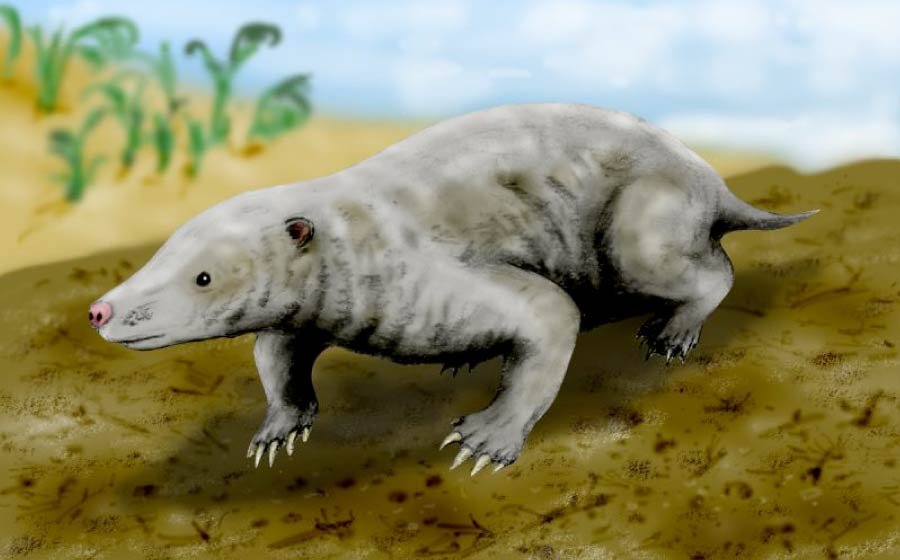
Ask most people to picture a Mesozoic mammal, and they’ll describe a mole-like creature tunneling in the dark. That image only captures a fraction of the truth.
Chinese fossil beds have produced mammal relatives with wildly different lifestyles that existed side by side. Agilodocodon and Docofossor – two shrew-sized members of the mammaliaform order Docodonta – show that tree-climbing and tunnel-digging lifestyles evolved early and simultaneously. One climbed trees. One dug tunnels. Neither fits the “generic burrower” mold.
There’s also a swimmer in the family that rarely gets mentioned. Castorocauda was a fish-eating, semi-aquatic mammaliaform living alongside its tree-dwelling and digging cousins at the very same time. Early mammals weren’t a single template – they were already a diverse toolkit of gliders, diggers, climbers, and swimmers long before dinosaurs disappeared.
Quick Compare
- Agilodocodon – shrew-sized, tree-climbing docodont
- Docofossor – shrew-sized, tunnel-digging docodont
- Castorocauda – semi-aquatic, fish-eating swimmer
- All three lived side by side, long before the asteroid
The “one-size-fits-all burrower” myth simply doesn’t survive contact with the fossil record.
#5 – Nocturnal Life Was Just an Accident of Biology
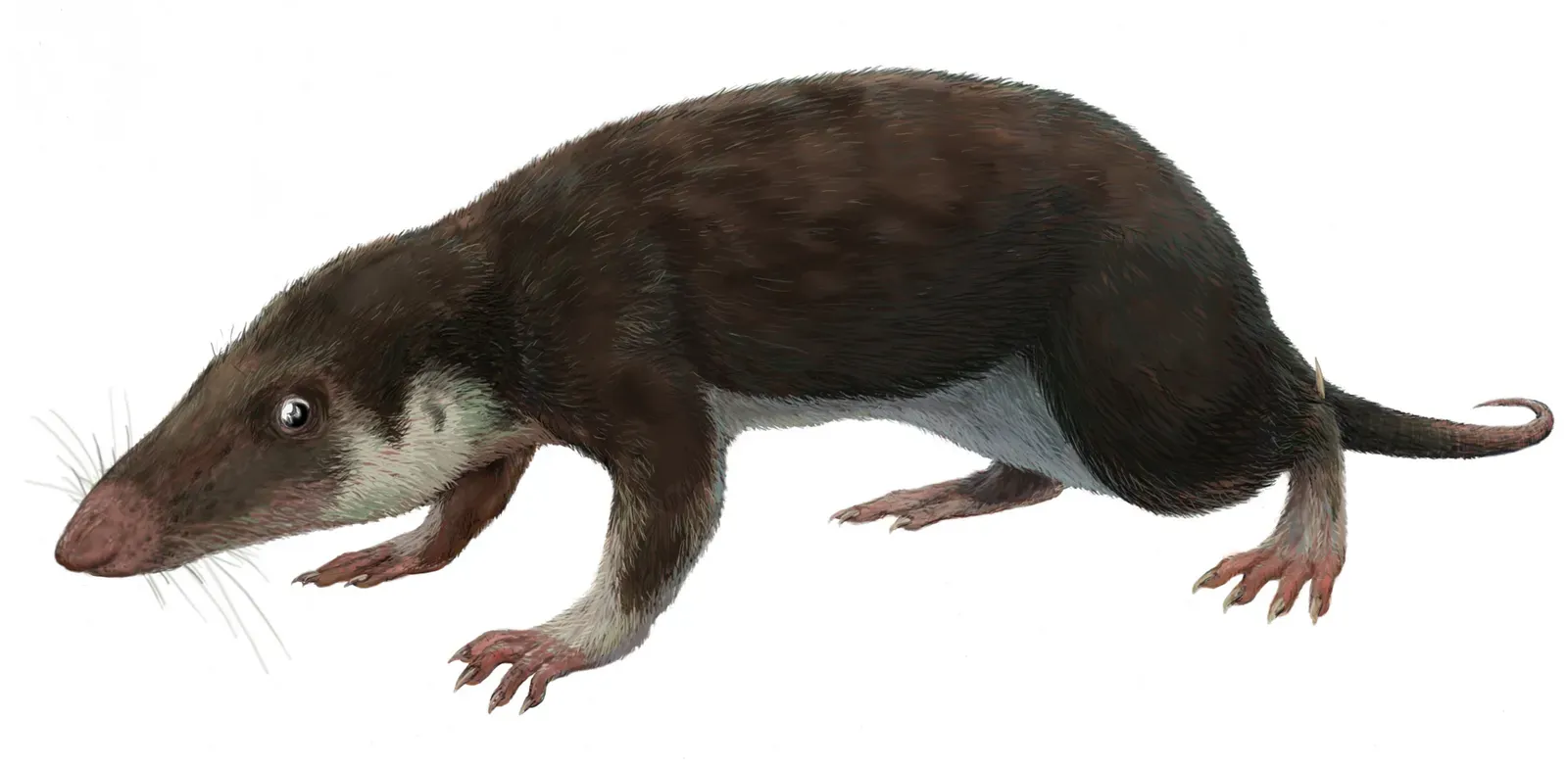
It’s tempting to think mammals ended up nocturnal by chance, some random genetic quirk that happened to stick around. Fossil evidence suggests it was closer to a deliberate survival strategy.
A 2023 study in Science found something visually striking about early mammal fur: it was dark and drab from snout to tail. That monochrome look likely helped ancient mammals melt into their nighttime surroundings and dodge predators. This wasn’t a fashion accident – it was camouflage engineering.
The researchers didn’t mince words about why. “They were basically dinosaur food,” said researcher Matthew Shawkey. “They’re going to be hiding in the shadows. So it makes sense that they were dark.” Genetic studies back this up from a completely different angle, suggesting nocturnality helped mammals avoid direct run-ins with daylight-loving dinosaurs throughout the Mesozoic.
Going nocturnal wasn’t luck. It was a calculated escape route from predators that ruled the daylight hours – and an arms race that was already running 150 million years ago.
#6 – Being Small Is What Saved Mammals From the Asteroid
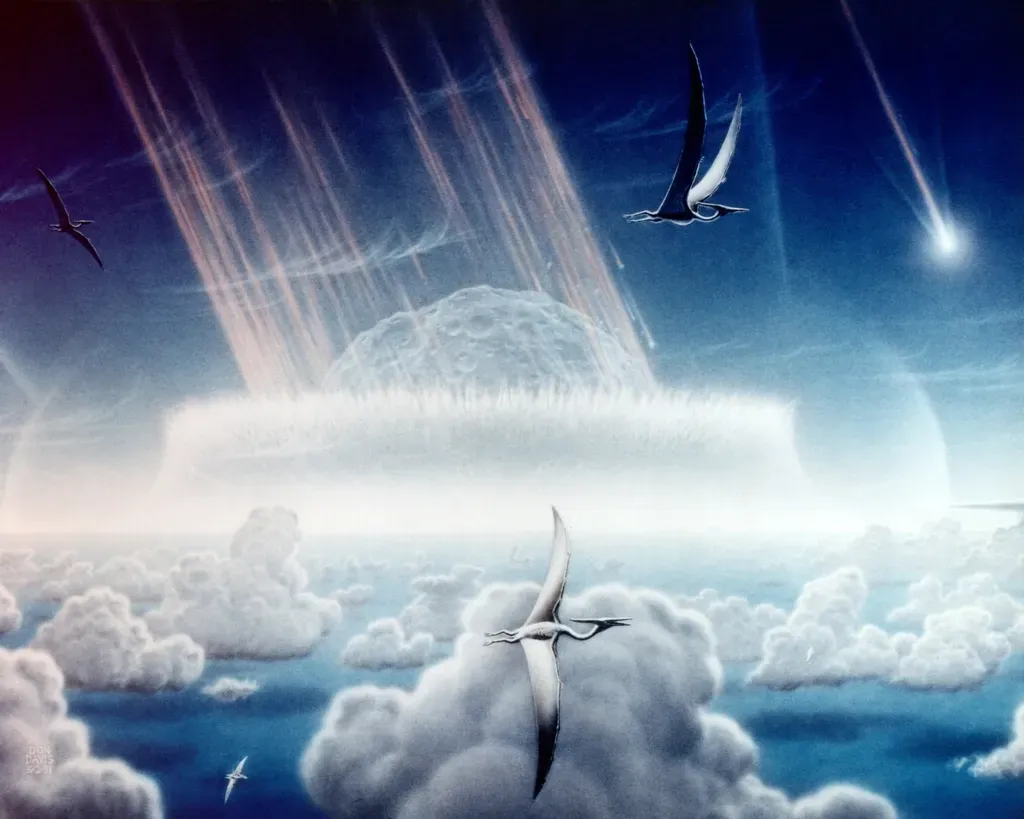
Size gets all the credit in the extinction survival story, but new research says your home address mattered just as much as your waistline.
A University of Michigan team dug into what actually separated survivors from casualties after the Chicxulub impact. Large-scale destruction of forested environments likely shaped the fates of multiple animal groups, and the findings line up with a striking hypothesis: mammals that weren’t living in trees were far more likely to survive. Living in the canopy was suddenly a death sentence once the forests themselves went up in flame.
Statistical modeling backed this up decisively. The mammals that survived the end-Cretaceous mass extinction were mostly ground-dwelling or, at most, semi-arboreal. Plenty of small tree-dwellers still perished right alongside larger ones. Where you lived, not just how big you were, decided whether you saw the other side of the extinction event.
Many researchers now argue habitat mattered more than body size – a genuinely controversial reframe of extinction biology that turns the old “just be small” advice on its head.
#7 – Generalists Always Win During Mass Extinctions
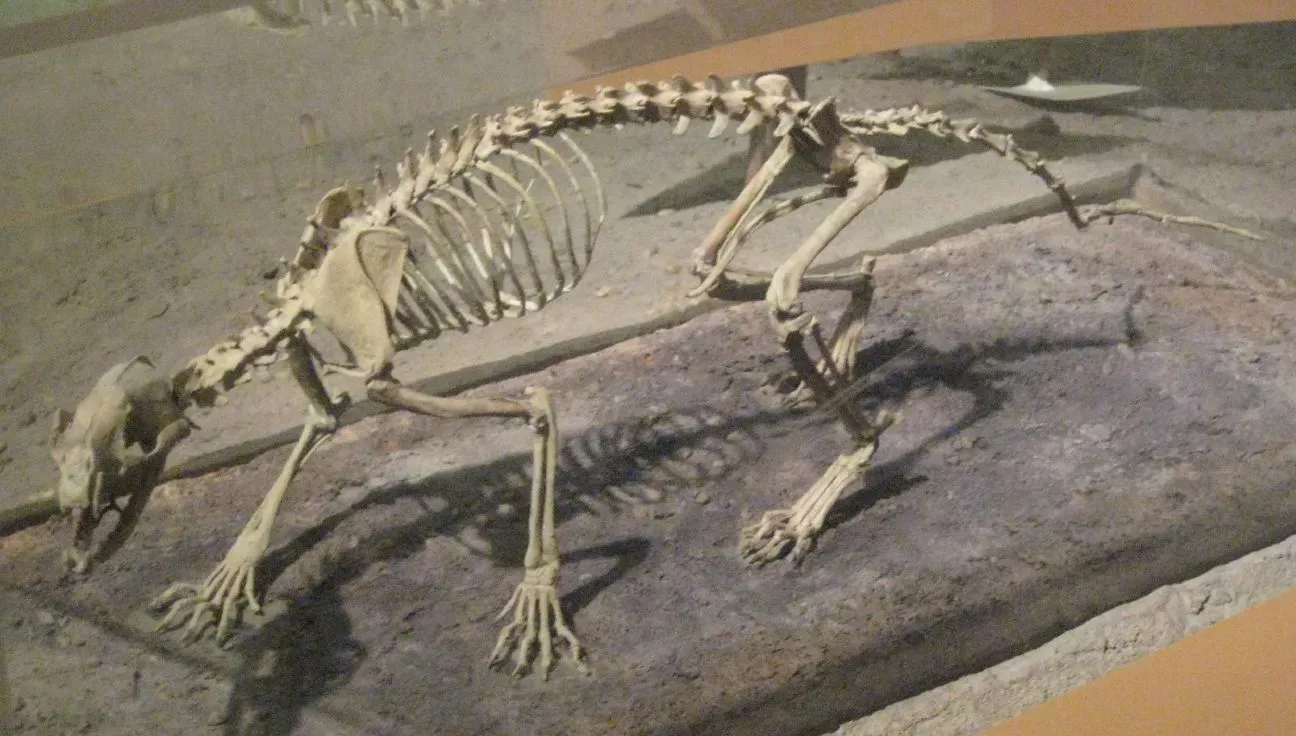
“Jack of all trades” survival logic has been taught since the 1800s. A 2023 Field Museum study says that story is largely a trick of hindsight.
Researchers combing through the mammal family tree across multiple extinction events found the generalist label doesn’t hold up under scrutiny. The idea of the “survival of the unspecialized” is old, but many of the animals that survived only look generalized when we compare them to their far more specialized descendants. They looked boring only because we were comparing them to animals that hadn’t been invented yet.
In reality, plenty of survivors carried cutting-edge traits for their era – sharper jaws, new tooth shapes, genuine evolutionary innovation. It wasn’t dumb luck and a flexible diet that got them through. It was that their specialties simply hadn’t been outclassed yet.
Turns out “boring” was never the survival superpower we thought it was.
#8 – Big Brains Are Why Mammals Made It Through
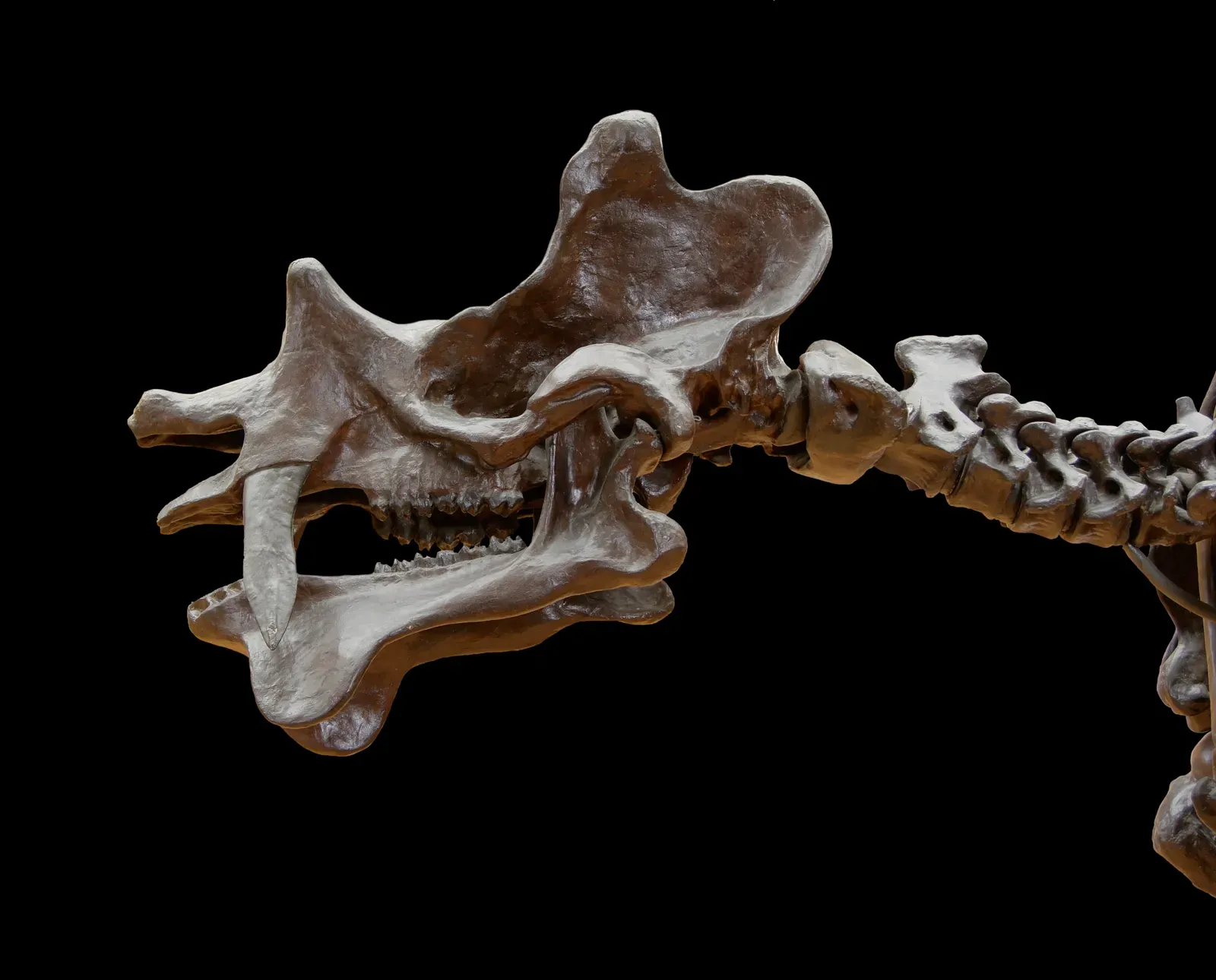
It’s flattering to assume our ancestors survived the extinction because they were smart. A landmark Science study, co-authored by researchers at the University of Edinburgh and the American Museum of Natural History, says otherwise.
CT-scan data told a very different story than expected. In the ten million years following the mass extinction, mammals bulked up their bodies rather than their brains to cope with a dramatically reshuffled world. Brawn, not brainpower, was the immediate priority.
This directly contradicts what scientists assumed for years. The old thinking held that mammal brains grew steadily larger, relative to body size, in the wake of the extinction. The new findings show the opposite: relative brain size actually shrank at first. Smaller relative brains, bigger bodies – the exact reverse of the “brains saved us” narrative. Intelligence only became a priority millions of years later, once basic survival and resource competition were sorted out.
At a Glance
- Old theory: relative brain size grew steadily after the extinction
- New CT-scan evidence: relative brain size actually shrank at first
- Body size increased instead, prioritizing survival over intellect
- Brain growth only resumed millions of years later
It’s a humbling twist: brute size, not intellect, got early mammals through the roughest stretch of recovery.
#9 – Placental Mammals Only Appeared After the Dinosaurs Died
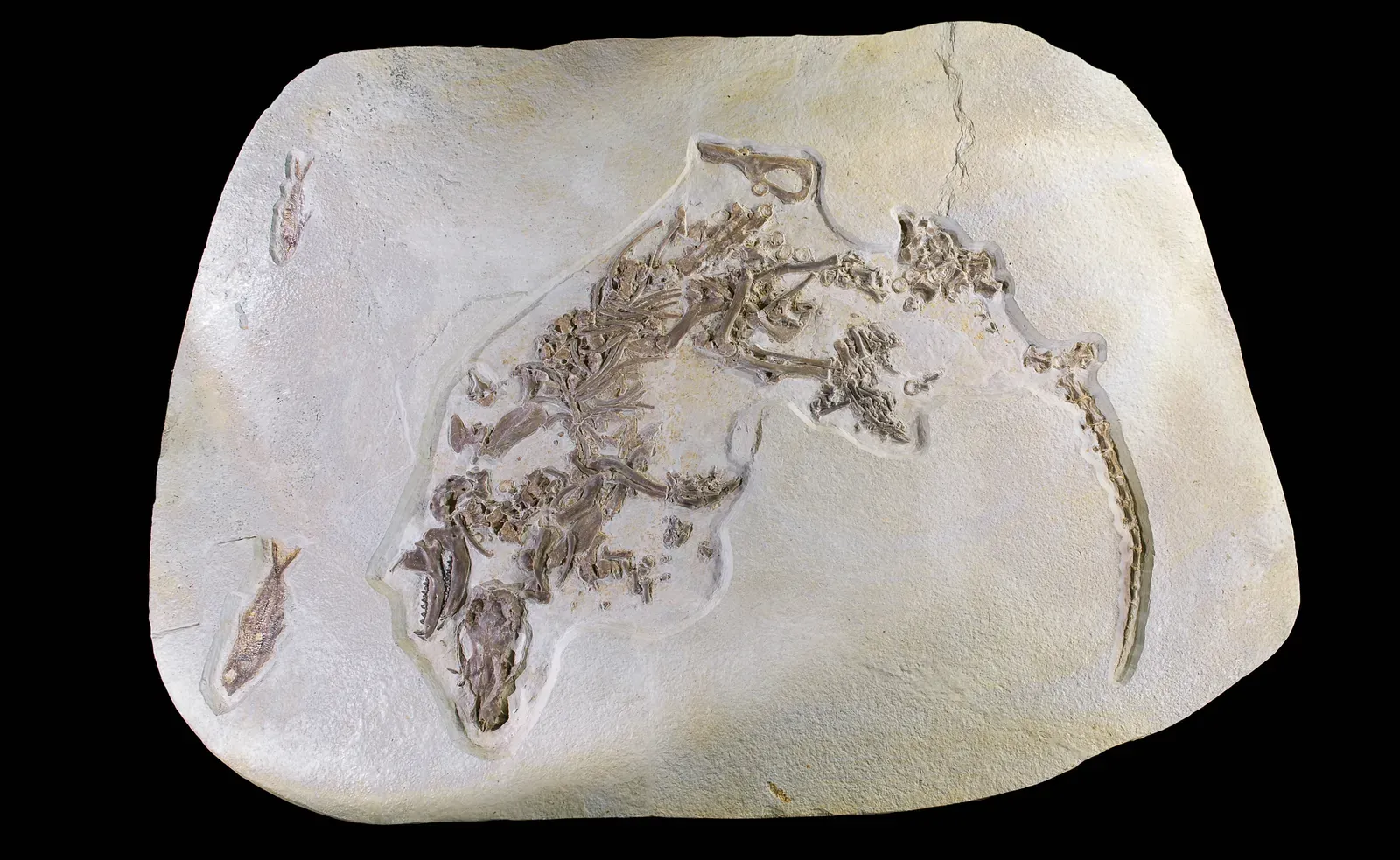
If you assumed placental mammals – the group that includes humans, dogs, and elephants – are a purely post-dinosaur invention, the fossil-versus-molecular-clock debate says it’s more complicated than that.
University of Bristol paleobiologist Emily Carlisle led research that split the difference between two competing camps. Fossils of placental mammals only turn up in rocks younger than 66 million years, suggesting the group evolved after the mass extinction. But molecular data has long pointed to a much older origin. Two datasets, two completely different stories.
The resolution is genuinely startling. Using statistical modeling of the fossil record, Carlisle’s team determined that placental mammals actually originated before the mass extinction, meaning they briefly coexisted with dinosaurs. Specific familiar lineages were already there – primates (the group that includes humans), Lagomorpha (rabbits and hares), and Carnivora (dogs and cats) all appear to have evolved just before the end-Cretaceous extinction.
Worth Knowing
- Primates – the group that includes humans
- Lagomorpha – rabbits and hares
- Carnivora – dogs and cats
- All three lineages appear to have evolved just before the mass extinction
Your evolutionary lineage briefly shared a planet with the animals it eventually outlived. That’s a genuinely wild fact to sit with.
#10 – Mammal Diversity Exploded Instantly and Evenly After the Extinction
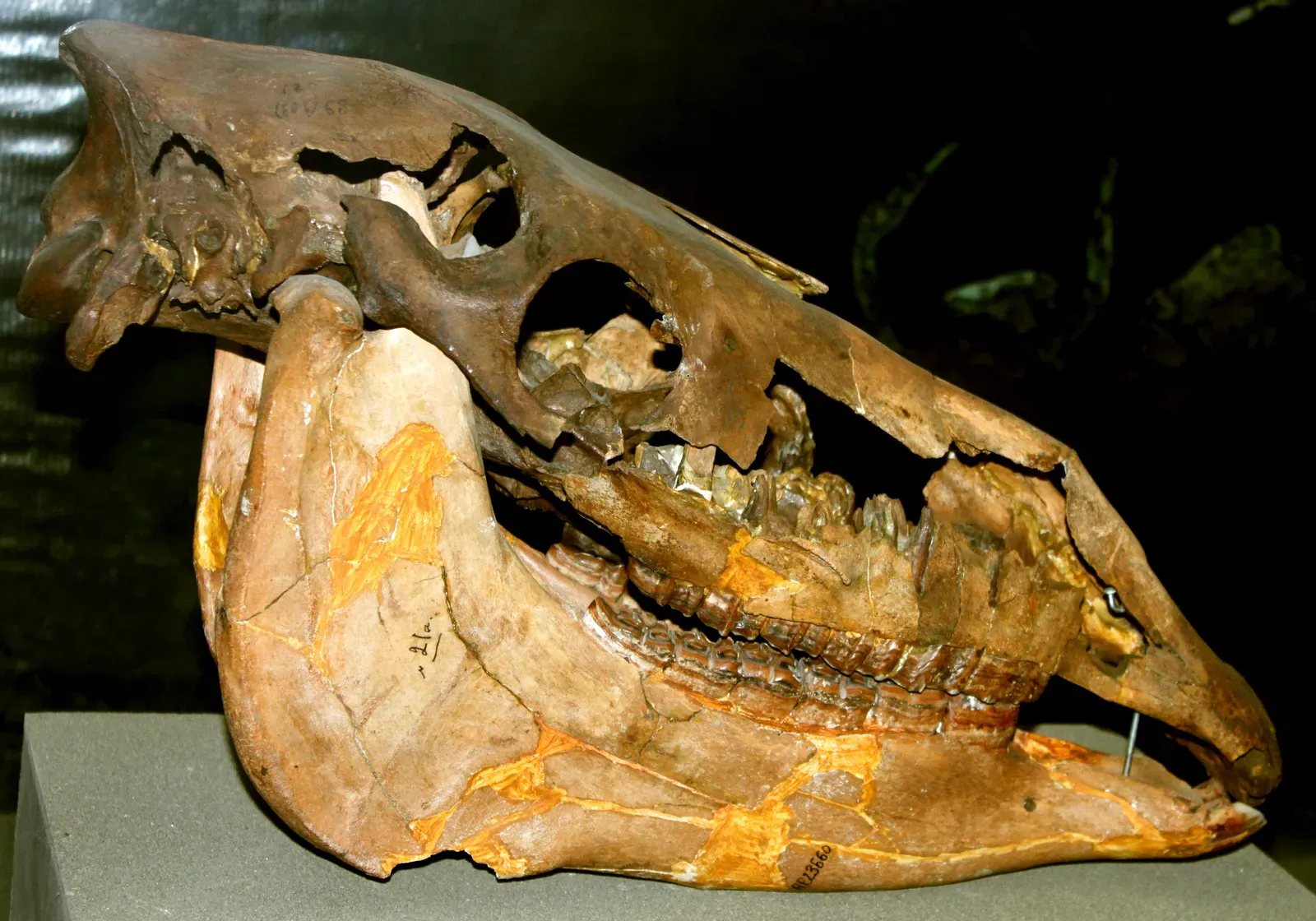
The popular version of this story treats the post-extinction world like a starting gun went off, with every mammal lineage sprinting forward at the same pace. Reality was messier and far more random.
Fossil hunting in New Mexico revealed that specific, identifiable groups got head starts – not the entire mammalian family tree at once. Paleontologist Stephen Brusatte has pointed out that the ancestors of today’s horses and bats got moving soon after the extinction, probably as a direct result of it. Other lineages lagged far behind, or vanished entirely and left no descendants at all.
Brusatte’s own explanation for why some groups thrived and others didn’t is refreshingly honest about how little control was involved. Smaller mammals could hide more easily, and animals with flexible diets adapted faster to a wrecked food chain. There was no even, orderly rollout of mammalian success. Some lineages got lucky breaks. Others didn’t. The survivors’ descendants simply rewrote history in their own favor.
The “instant and uniform explosion” story sounds tidy. The fossil record says it was anything but.
#11 – Every Mammal Lineage Either Died With the Dinosaurs or Thrived Immediately
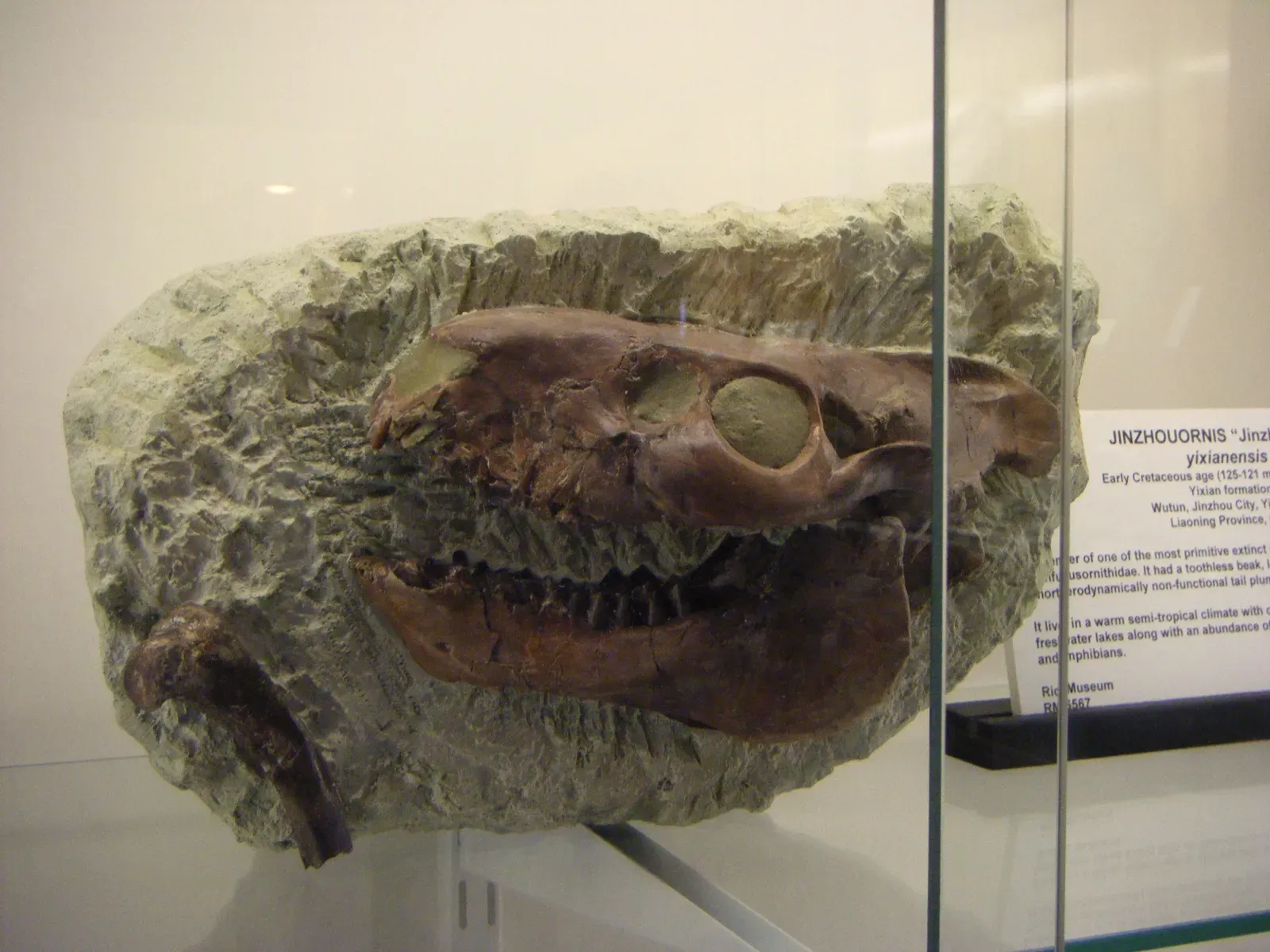
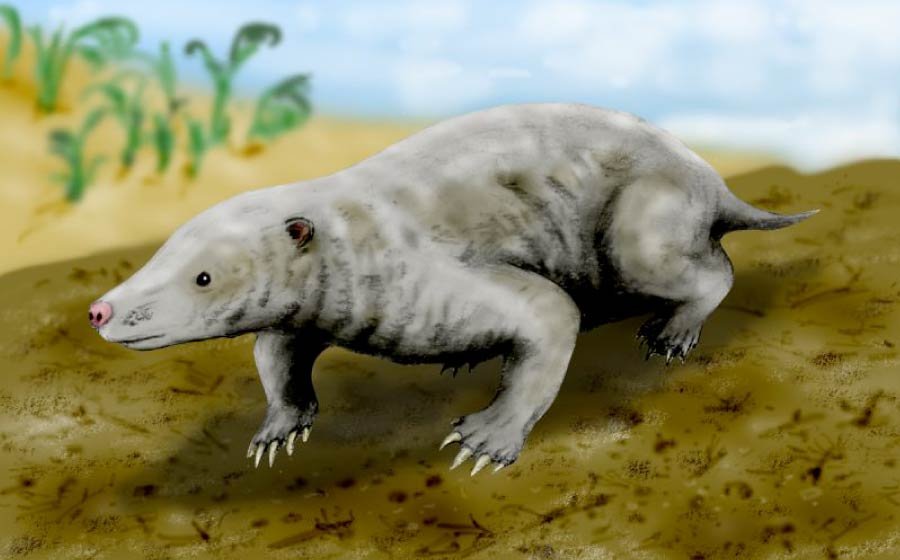
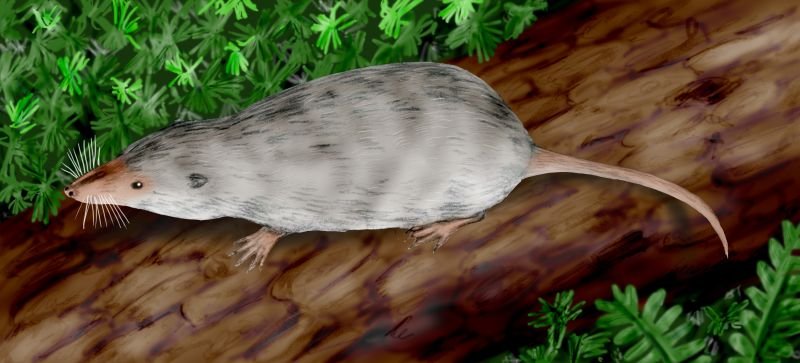
The binary “died out or took over” framing sounds intuitive, but one bizarre mole-like creature named Necrolestes proves reality is far weirder than a simple pass/fail extinction test.
This “grave robber” mammal was assumed extinct for tens of millions of years longer than it actually was. Once thought to have died alongside its relatives during the Cretaceous extinction, Necrolestes is now known to have quietly persisted for another 45 million years after the rest of its lineage vanished. That’s not a rounding error – that’s an entire branch of the family tree hiding in the fossil record’s blind spot.
Paleontologists have a name for this kind of reappearance: the Lazarus effect, after the Biblical figure who came back from the dead. Its survival secret wasn’t dramatic evolutionary innovation – it was staying out of the way. “It must have been on the edges, in an ecological niche that allowed it to survive,” said researcher John Wible.
Sometimes the winning move wasn’t adapting fast. It was disappearing into obscurity for millions of years and simply not showing up on anyone’s radar.
#12 – Survival Was a Clean Story of the Fittest Winning Out
This is the myth that ties every other myth together: the comforting idea that survival followed a clear, rational rulebook – smart enough, big enough, adaptable enough, and you made it. Paleontologist Stephen Brusatte, who has spent years excavating the immediate aftermath of the extinction in New Mexico, flatly rejects this framing.
There isn’t one magic reason why some of them lived and others died. There was probably chance and randomness involved because things changed so quickly after the asteroid hit.
Stephen Brusatte
No single trait – not size, not diet, not intelligence, not habitat – fully explains who lived and who died. This is genuinely uncomfortable for anyone who wants evolution to feel like a meritocracy. It wasn’t.
Some remarkably capable, well-adapted lineages vanished simply because they were standing in the wrong forest when it burned, or living in the wrong soil type when the climate flipped. Meanwhile, mediocre survivors with nothing particularly special going for them occasionally caught the lucky break and became the ancestors of entire modern orders. Survival of the fittest makes a nice slogan. The actual fossil record reads more like survival of the luckiest.
The Bottom Line
The “mammals hid in dinosaur shadows until luck saved them” story is a comforting oversimplification, and the fossil record keeps proving it wrong, one dig at a time. Some mammals ate baby dinosaurs for breakfast. Some were already diversifying tens of millions of years before the asteroid ever hit. Brains shrank while bodies bulked up, and one mole-like survivor secretly persisted for 45 million years longer than anyone thought possible.
If there’s one uncomfortable truth running through all twelve of these corrections, it’s that survival was never as orderly, deserved, or predictable as the textbooks made it sound. Chance mattered just as much as adaptation – maybe more. I’ll say the quiet part out loud: the science keeps rewarding curiosity over certainty here, and that’s exactly why paleontology remains one of the most thrilling fields left in biology. Which of these flipped the script for you the hardest? Drop it in the comments.