
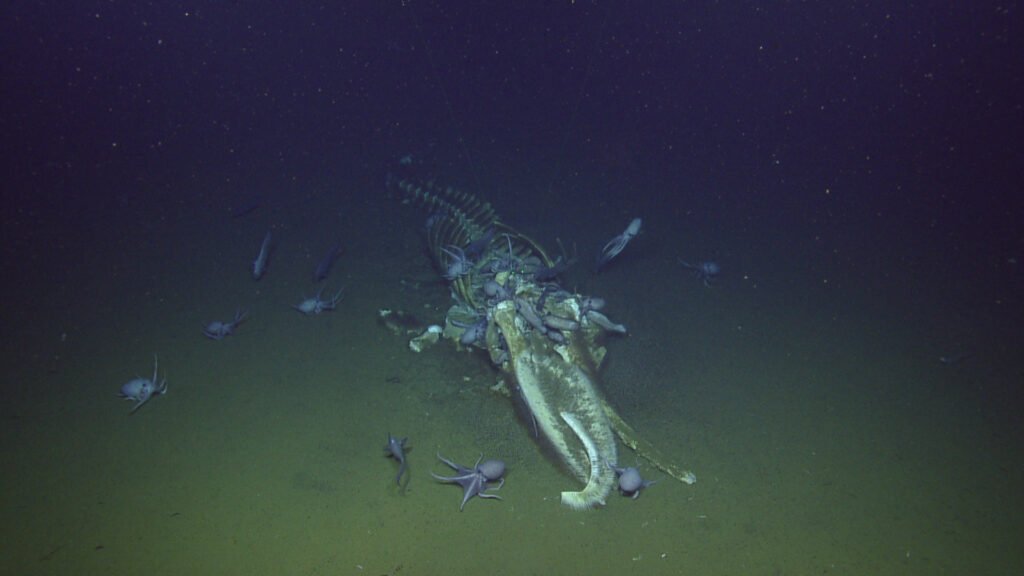
Most people picture the ocean floor as a flat, sandy nothing – a boring basement beneath all the fish we actually care about. That assumption is wrong, and it’s wrong in a way that should genuinely unsettle you.
Scientists have photographed less of the seafloor than the surface of Mars, and every expedition down there seems to return with more questions than answers: mysterious holes with no known maker, rocks that apparently produce oxygen without sunlight, and sounds nobody can fully explain even decades later. Here’s what deep-sea researchers actually say about the parts of our own planet we understand the least.
#1 – We’ve Mapped Less of the Seafloor Than You Think
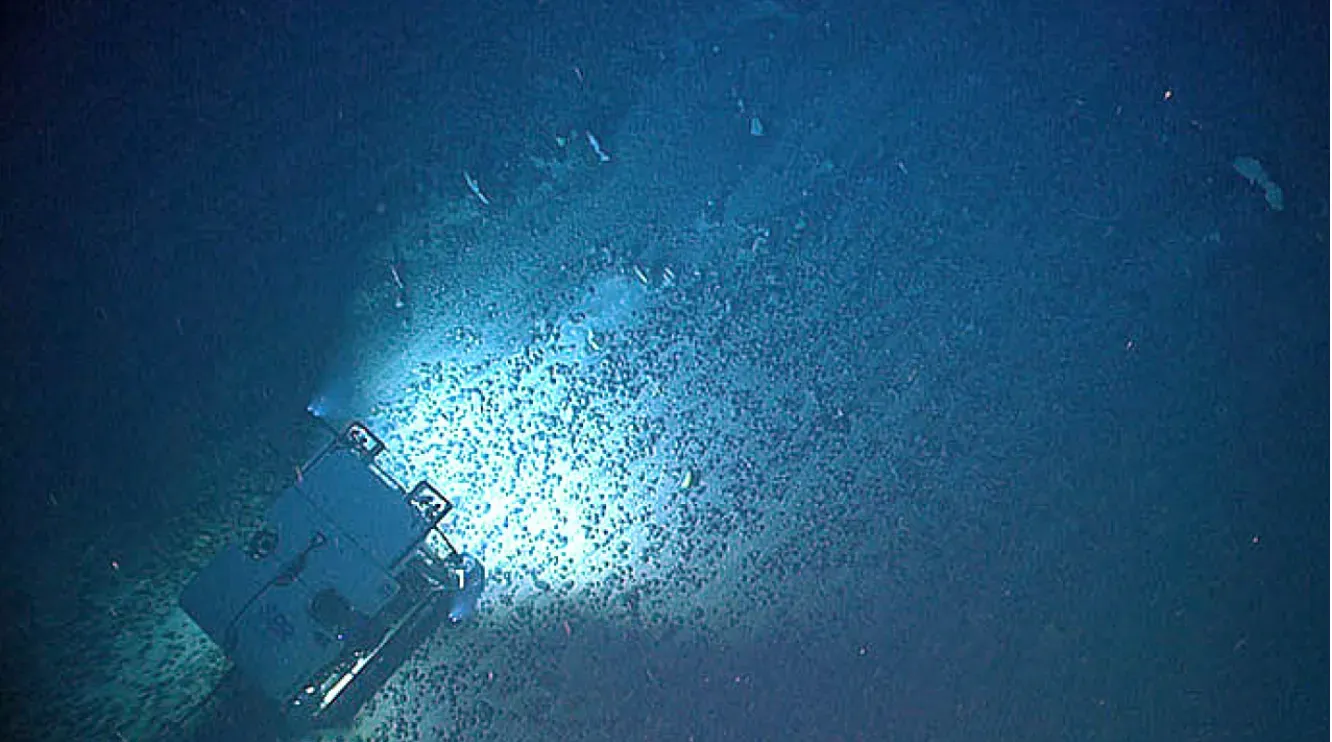
Here’s the uncomfortable truth: humanity has a better map of the Moon than it does of its own ocean floor.
For decades, the “95% unexplored” ocean statistic got thrown around loosely, but the real numbers are almost as staggering. As of mid-2025, 27.3% of the world’s ocean floor has been mapped to modern standards, representing more than four million square kilometres of newly mapped seafloor. That leaves roughly three-quarters of the seabed essentially blank on modern charts.
But “mapped” and “explored” are two very different things, and this is where it gets wild. Explorers have physically seen less than 0.001% of the deep ocean seafloor – that’s roughly the size of Rhode Island. Even the coarse sonar maps we do have are low-resolution compared to what we’ve achieved on land or other planets. Only about five percent of the ocean floor has been mapped to the equivalent of a detailed topographic map, largely because radar doesn’t penetrate well through water.
Fast Facts
- 27.3% of the global seafloor mapped to modern standards as of mid-2025
- Over 4 million square kilometres newly mapped in recent years
- Less than 0.001% of the deep seafloor has been physically seen by humans
- Only about 5% mapped to detailed topographic resolution
Most people don’t realize that “mapped” often just means a blurry sonar outline, not an actual photograph or sample. Entire mountain ranges down there have never been named, let alone explored in detail. But wait until you hear the sound that still divides scientists next.
#2 – The Ocean’s Most Famous Sound Still Divides Scientists
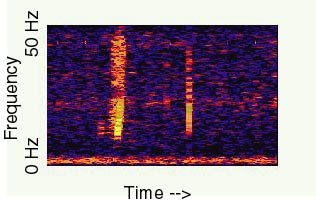
In 1997, something roared through the Pacific loud enough to be heard 3,000 miles away, and nobody could say what it was.
The deep belch that echoed through the ocean came out like a sliding “bloooop.” Researchers nicknamed it the Bloop, and the sound was detected by two separate arrays of hydrophones spaced at least 5,000 kilometers apart, meaning it had to be far too loud to come from any single underwater animal. For years, that ruled out both known whales and known geology.
NOAA eventually settled on an explanation. The mysterious rumble is now believed to have originated from an icequake, an iceberg cracking and breaking away from an Antarctic glacier. Case closed, right? Not quite – despite NOAA attributing the sound to an icequake, some researchers argue there’s no concrete evidence supporting that explanation, noting that historical records show no blue whale sounds audible from 3,000 miles away.
The single most surprising fact: even the “official” answer has skeptics inside the scientific community itself. The debate never fully died – it just got quieter. But what’s happening on the Mid-Atlantic Ridge is where things get genuinely creepy.
#3 – Nobody Knows What Dug These Perfectly Spaced Holes
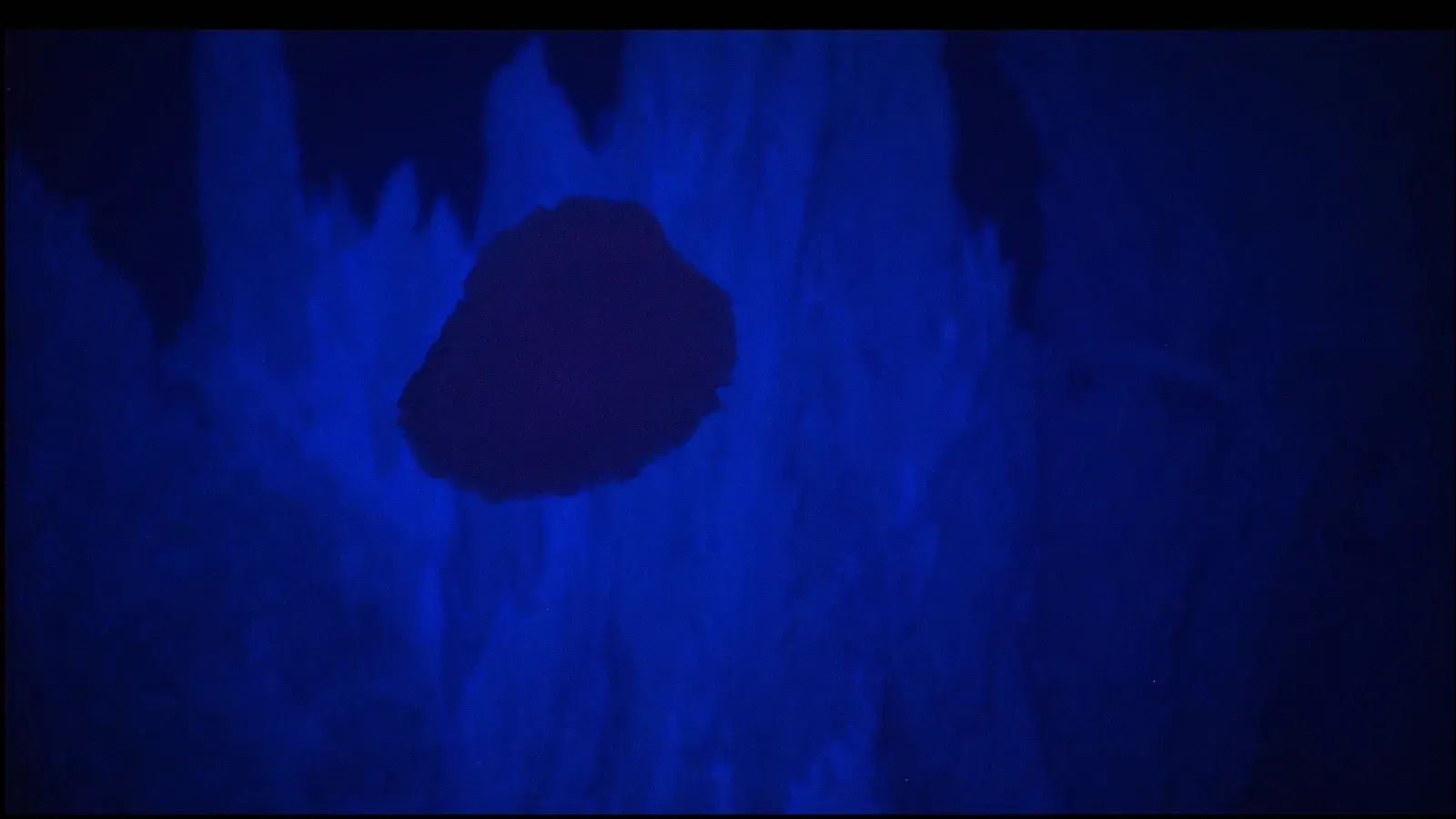
Somewhere along the Mid-Atlantic Ridge, something is punching identical holes into the seafloor in perfectly straight lines, and it has been doing this for at least twenty years.
Explorers found the holes forming a straight line at regularly repeating distances, each one surrounded by tiny mounds of sediment, on a stretch of the ridge that’s still largely unexplored. NOAA researchers were blunt about their confusion. A similar set of holes had been observed back in 2004 and was, likewise, unexplained.
Here’s the part that makes this genuinely spooky: the holes weren’t the result of the expedition’s own equipment, and it’s unclear what other human technology could be responsible. Each hole is surrounded by small piles of seafloor sediment, suggesting something dug them out from below rather than punching down from above.
Scientists have floated theories involving burrowing creatures. One researcher believes an animal is most likely burrowing in the sediment and periodically punching chimneys up to the surface, possibly to circulate clean water through its burrow. A separate expedition even caught a candidate: a crustacean near one of the holes that researchers determined “has probably not been recorded before,” belonging to the genus Maera, with front feet specially built for digging. Yet the mystery of the holes discovered twenty years ago remains unsolved. But the rocks in #4 might be breaking a much bigger rule than anyone expected.
#4 – Rocks on the Seafloor May Be Making Their Own Oxygen
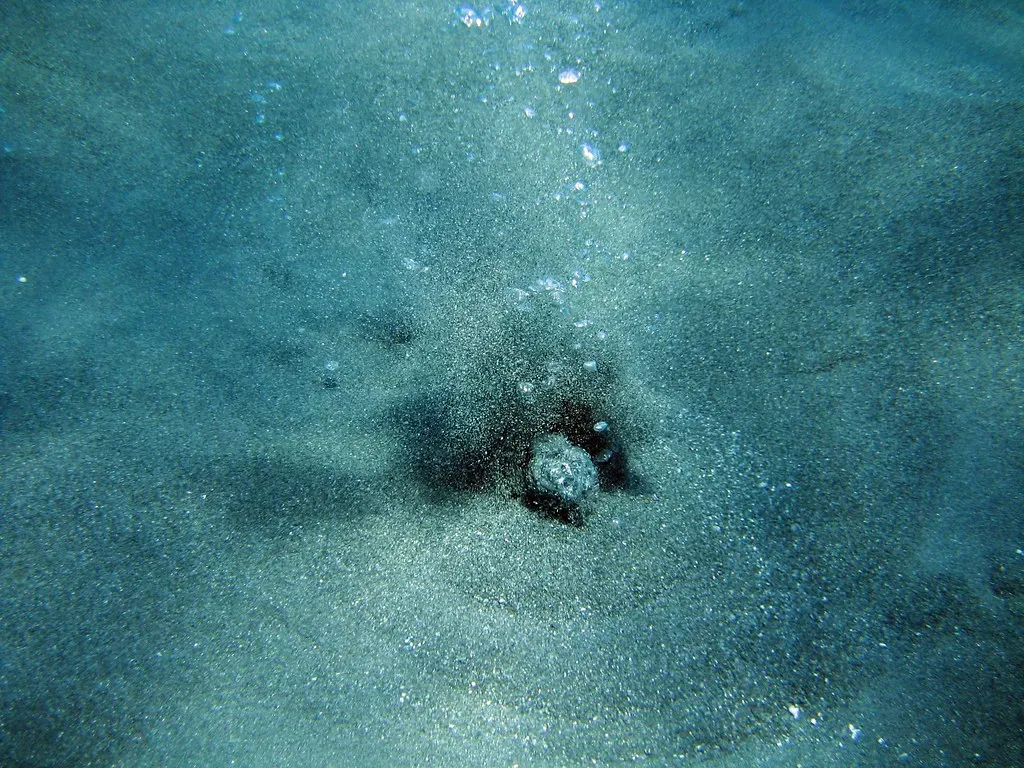
Forget everything you learned in school about oxygen requiring sunlight and plants – potato-sized rocks scattered across the Pacific floor might be breaking that rule entirely.
Potato-size metallic nodules strewn across the Pacific seafloor appear to produce oxygen in complete darkness, without any help from living organisms – a discovery that challenges what we know about the emergence of life on Earth. Scientists have dubbed it “dark oxygen.” These polymetallic nodules give off almost as much electricity as AA batteries, and by reacting with salt water, their electrical charge appears to drive a process called seawater electrolysis that splits water into oxygen and hydrogen.
The single most surprising fact here: the electrochemist testing the nodules recorded almost a full volt of electric charge on their surface – for comparison, an AA battery carries about 1.5 volts.
Not everyone is convinced. One geochemist has stated there’s a high possibility the paper is wrong, noting there’s no sign of elevated oxygen in the waters above the nodule region. Even the original researchers admit they’re still guessing about how this oxygen is produced, to what extent, and whether it’s ecologically significant. But #5 involves something on a completely different scale.
#5 – Millions of Underwater Mountains Have Never Been Charted
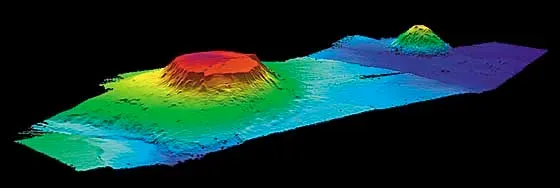
There are more mountains hiding under the ocean than there are on every continent combined, and most of them don’t even have names yet.
Seamounts – underwater volcanic peaks that can rise thousands of feet from the seafloor – are believed to number in the tens of thousands at minimum, with some estimates pushing past 100,000 once smaller formations are counted. Most people don’t realize that entire mountain ranges taller than the Alps sit completely undocumented beneath the waves, invisible to satellites and only detectable by ships dragging sonar equipment directly overhead.
These seamounts aren’t just geological curiosities – they act as biodiversity hotspots, creating upwellings that pull nutrients from the deep and support entire food webs found nowhere else. Because so few have been surveyed in detail, researchers frequently discover previously unknown coral gardens, sponge fields, and fish species clustered around a single peak that nobody had charted before.
The uncomfortable reality is that new seamounts get discovered constantly, sometimes by accident, when a ship’s sonar simply happens to pass overhead during an unrelated survey. Until full-ocean mapping catches up, we’re essentially guessing at how many mountains actually exist down there. But #6 isn’t about what’s on the seafloor – it’s about what’s living inside it.
#6 – There’s a Hidden Biosphere Living Beneath the Seafloor Itself
![#6 - There's a Hidden Biosphere Living Beneath the Seafloor Itself ([1]doi:10.3389/fmars.2019.00241, CC BY-SA 4.0)](https://nvmwebsites-budwg5g9avh3epea.z03.azurefd.net/dinoworld/00f33fe47bd187b198d1d2dd1cf44d37.webp)
Somewhere beneath the mud and rock of the ocean floor, an entire ecosystem of microbes is quietly surviving without sunlight, without oxygen, and without any contact with the world above.
Researchers drilling into seafloor sediment have found living microorganisms hundreds of meters below the ocean bottom, in sediment layers that are millions of years old. These microbes reproduce so slowly – some estimates suggest cell divisions happening only once every few thousand years – that they blur the line between “alive” and “barely alive.”
Turns out, the sheer scale of this deep biosphere may rival all the life on land and in the surface ocean combined, at least in terms of raw biomass. Yet almost nothing is known about how these organisms get their energy, how they’ve persisted through ice ages and tectonic shifts, or what role they play in the planet’s broader chemical cycles.
This isn’t a fringe theory – it’s an active field with more questions than answers. Every new drilling expedition tends to push the known depth limit of life further down, suggesting we still haven’t found the actual floor of the biosphere. But whale carcasses do something even stranger to the seafloor around them.
#7 – Whale Carcasses Create Entire Ecosystems We Barely Understand
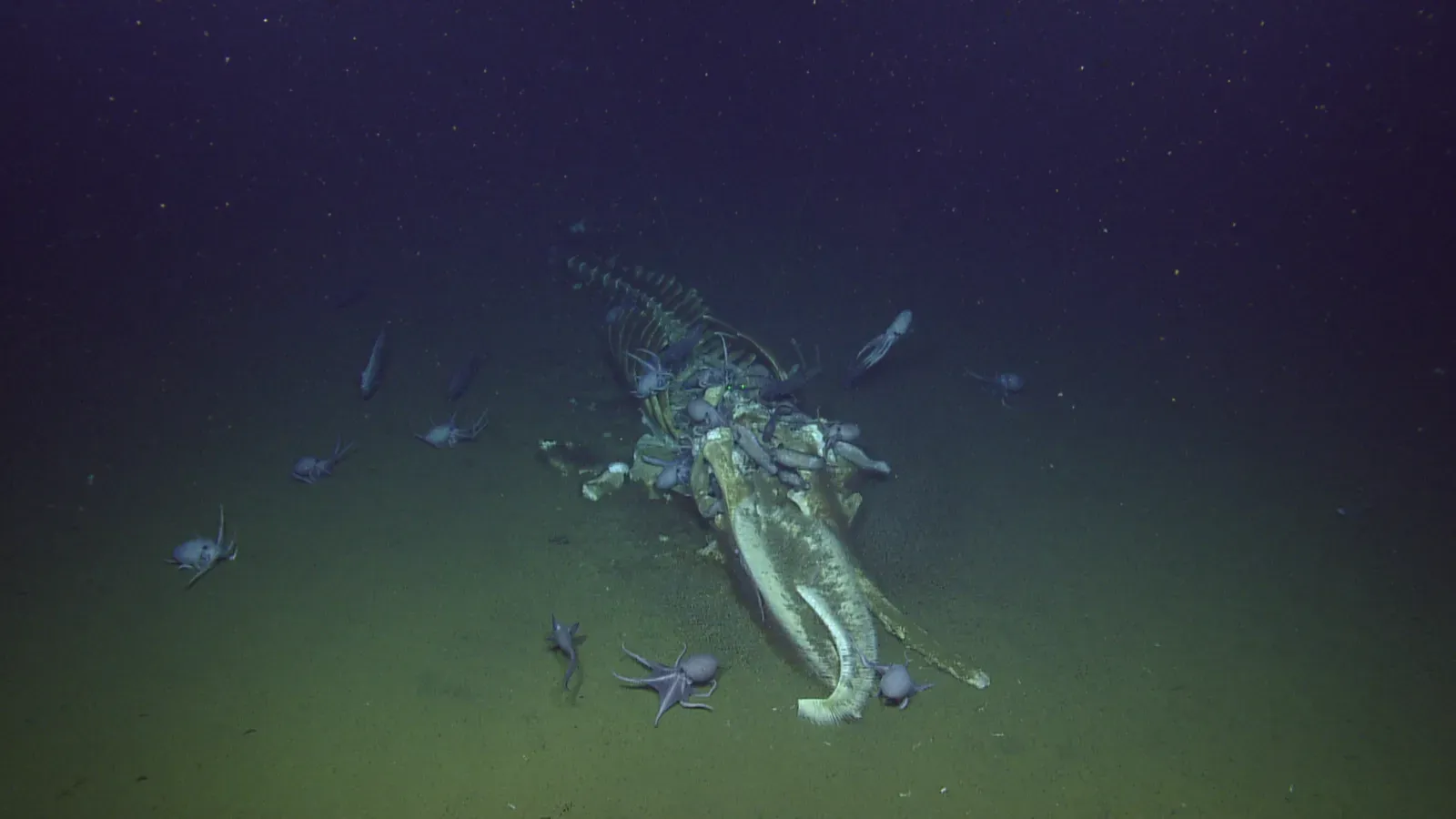
When a whale dies and sinks to the ocean floor, it doesn’t just decompose – it becomes a multi-decade food source supporting species that may exist nowhere else on Earth.
These events, known as “whale falls,” can sustain localized ecosystems for 50 years or longer as the carcass passes through stages: scavengers strip the soft tissue first, then bone-eating worms and bacteria break down the skeleton itself, releasing sulfur compounds that support entirely separate chemosynthetic communities.
The single most surprising fact: some species found at whale falls have never been observed anywhere else, leading researchers to suspect they may be specifically adapted to jump between decomposing carcasses scattered across the seafloor like stepping stones. Because whale falls are so rare and unpredictable to find, scientists have only ever studied a small number of them in detail.
Worth Knowing
- Whale falls can support localized ecosystems for 50+ years
- Decomposition unfolds in stages: scavenger stage, opportunist stage, then a sulfur-driven stage
- Some species found at whale falls have never been documented anywhere else
- Only a small number of whale falls have ever been studied in detail
This means our entire understanding of this ecosystem type is built on a tiny sample size. Nobody knows how many whale-fall-dependent species remain completely undiscovered, sitting on carcasses in parts of the ocean we haven’t surveyed. But #8 takes us somewhere even weirder – underwater lakes that shouldn’t exist.
#8 – There Are Lakes and Rivers at the Bottom of the Ocean
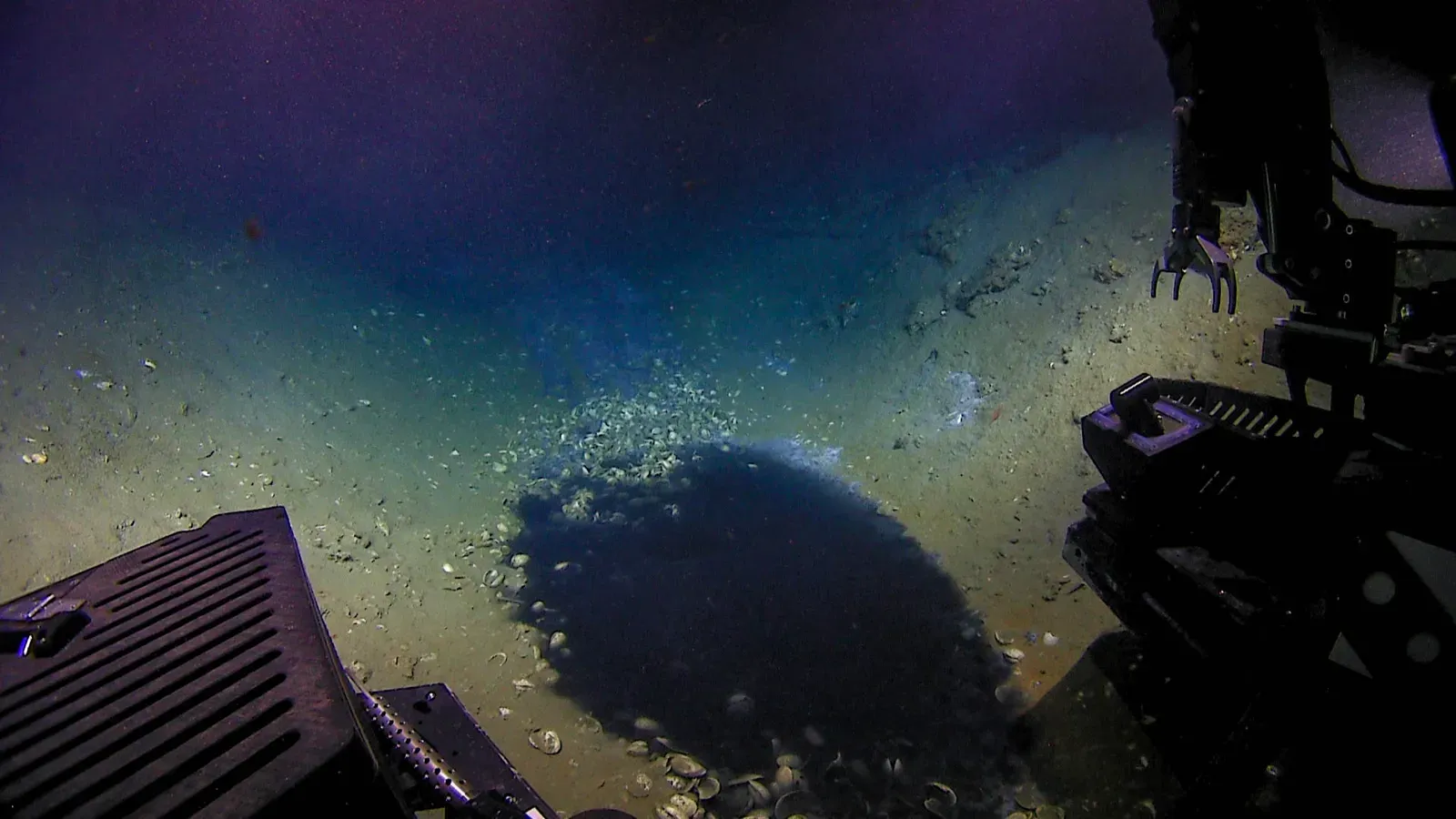
Deep beneath the surface, denser saltwater pools can form actual lakes on the seafloor, complete with shorelines, waves, and their own distinct chemistry – all while sitting inside an ocean of regular seawater.
These brine pools form when saltwater becomes so concentrated with minerals that it becomes denser than the ocean around it, causing it to pool in seafloor depressions rather than mixing upward. Some are so saline and oxygen-poor that they’re lethal to most marine life, creating visible “shorelines” where creatures that swim into the brine simply die and sink, sometimes preserved for years at the pool’s edge.
Most people don’t realize that some of these brine pools are also methane seeps, meaning gas bubbles up through the salty water and supports mussel beds and tube worms that ring the pool’s edge like plants around an oasis. Researchers still debate exactly how many of these pools exist worldwide, since most were found by accident during unrelated dives.
Their chemistry is so extreme and specific that each pool essentially functions as its own isolated experiment in evolution. But #9 pushes this idea even further, into vents that might explain where life on Earth actually began.
#9 – A Vent System May Hold Clues to How Life Began
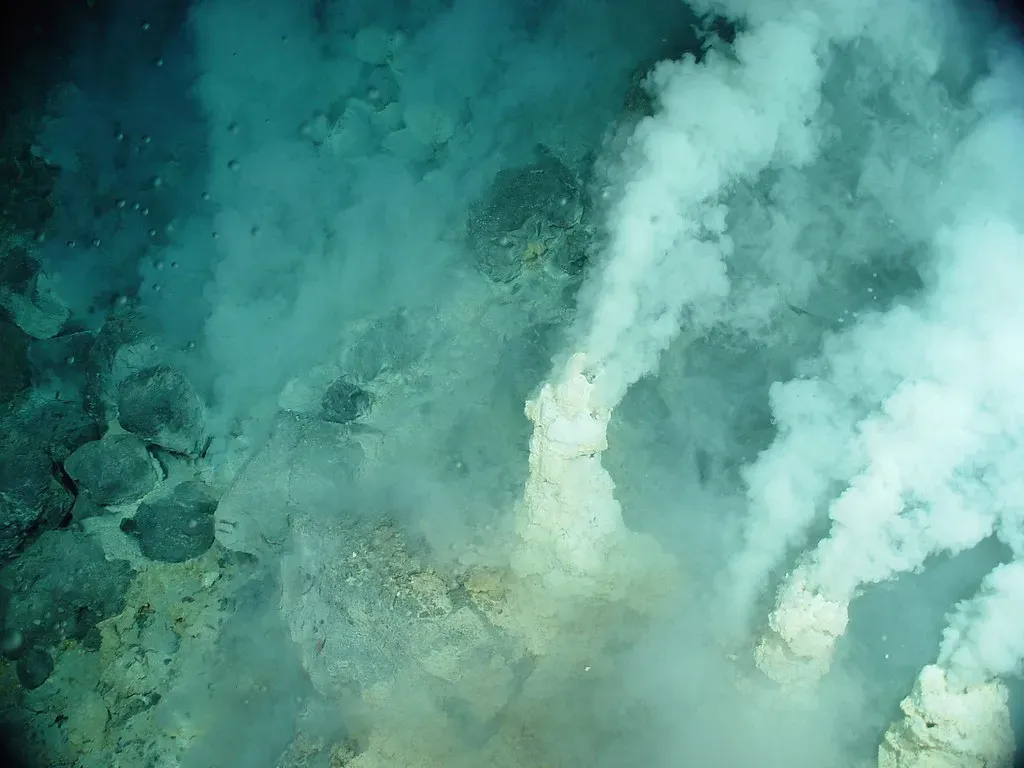
Somewhere in the middle of the Atlantic, a field of towering white mineral spires has been venting warm, alkaline fluid for possibly tens of thousands of years – and some scientists think it might resemble the exact conditions where life on Earth first sparked.
At a Glance
- Located near the Mid-Atlantic Ridge, far from typical volcanic hotspots
- Carbonate spires can tower dozens of meters above the seafloor
- Fluids are warm and alkaline rather than scalding and acidic like typical vents
- Believed to have remained continuously active for tens of thousands of years or more
Unlike typical hydrothermal vents that spew scorching, acidic fluid, this particular type of vent field produces warmer alkaline fluid driven by a chemical reaction between seawater and mantle rock, rather than volcanic heat. That distinction matters because alkaline hydrothermal conditions are one of the leading theoretical environments for the origin of life, offering the right chemical gradients without requiring extreme heat.
Turns out, researchers still can’t agree on exactly how long these systems can remain active, with some estimates suggesting continuous activity spanning tens of thousands of years – an almost unheard-of lifespan for a geological vent system. The microbial communities living on these structures survive entirely on chemical energy, with no sunlight and no photosynthesis anywhere in their food chain.
Whether this environment truly mirrors the conditions that produced the first living cells remains one of the biggest open debates in origin-of-life research. But nobody can even agree on where all the planet’s sinking carbon actually goes, which is where #10 comes in.
#10 – Nobody Can Fully Account for the Carbon Sinking to the Seafloor
![#10 - Nobody Can Fully Account for the Carbon Sinking to the Seafloor ([1]doi:10.5194/bg-17-3757-2020, CC BY-SA 4.0)](https://nvmwebsites-budwg5g9avh3epea.z03.azurefd.net/dinoworld/82a94f766bd1dde15bcc110269ad9751.webp)
Every day, a snowstorm of organic debris – dead plankton, fecal pellets, mucus, and detritus collectively called “marine snow” – drifts down from sunlit waters toward the ocean floor, and scientists still can’t accurately measure how much of it actually gets there.
This process, known as the biological carbon pump, is one of Earth’s most important climate regulators, quietly transporting carbon from the atmosphere into deep-sea storage for centuries or longer. The problem is that measuring this flux accurately across the entire global ocean is extraordinarily difficult, and estimates from different research methods can vary dramatically depending on depth, season, and location.
The single most surprising fact: some studies suggest a significant fraction of this sinking carbon gets consumed, recycled, or transformed before ever reaching the true seafloor, meaning the amount permanently locked away is far less predictable than climate models assume. Researchers are still refining sensor networks and sediment traps trying to close this gap.
This isn’t a minor accounting error – it directly affects how confidently scientists can predict future climate outcomes. Yet the actual math of “how much carbon reaches the bottom” remains stubbornly uncertain. But #11 is about something the deep sea does constantly that still baffles biologists.
#11 – Deep-Sea Creatures Glow, and We Still Don’t Know Why Most of Them Do It
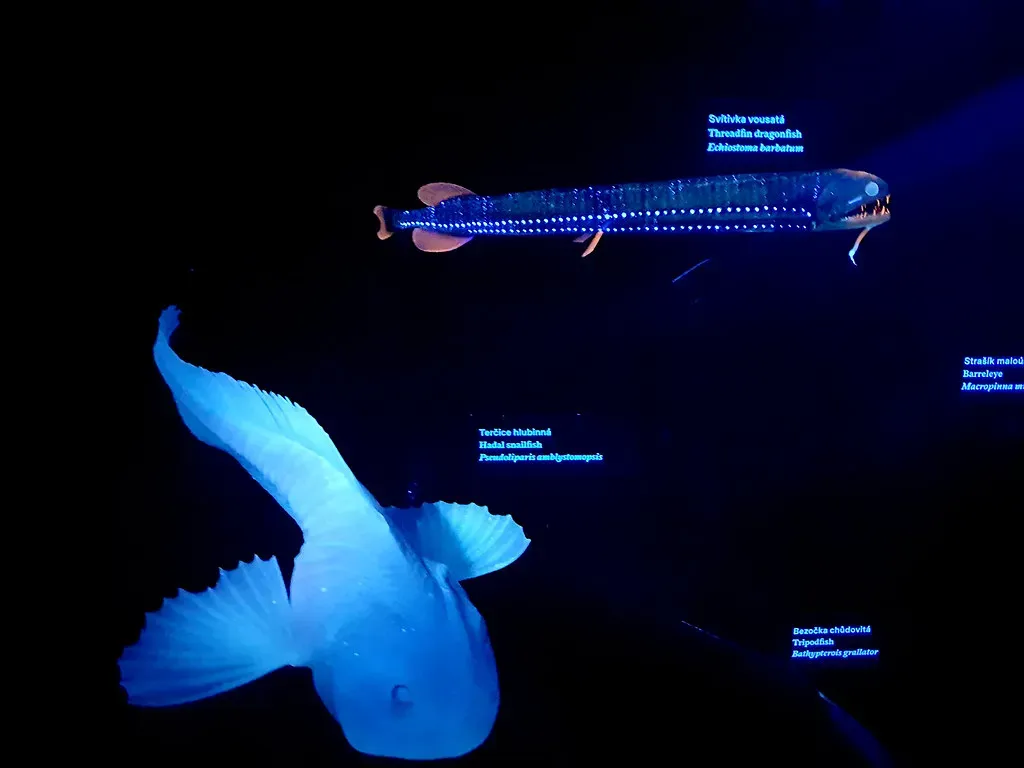
Down in the pitch-black depths, an estimated majority of deep-sea species produce their own light – and for a shocking number of them, scientists genuinely don’t know what purpose that light serves.
Bioluminescence in the deep ocean isn’t rare – it’s arguably the default state of life down there, used for everything from luring prey to startling predators to attracting mates. Anglerfish use glowing lures, certain squid squirt luminous ink instead of dark ink to blind attackers, and some shrimp release glowing chemical clouds as decoys while they escape.
While most people assume every glowing creature uses light for hunting, many experts now argue that’s actually a minority use case – plenty of species seem to glow for reasons that remain completely unclear, possibly involving communication systems we haven’t decoded yet. Because these creatures are so difficult to observe undisturbed in their natural habitat, most bioluminescent behavior has only ever been documented in fragments, never in complete context.
This makes bioluminescence one of biology’s strangest blind spots: a trait shared by the majority of deep-sea life, yet functionally mysterious in an enormous number of individual cases. But #12 asks an even bigger question about why deep-sea animals get so unnervingly large.
#12 – Nobody Fully Agrees on Why Deep-Sea Animals Grow So Enormous
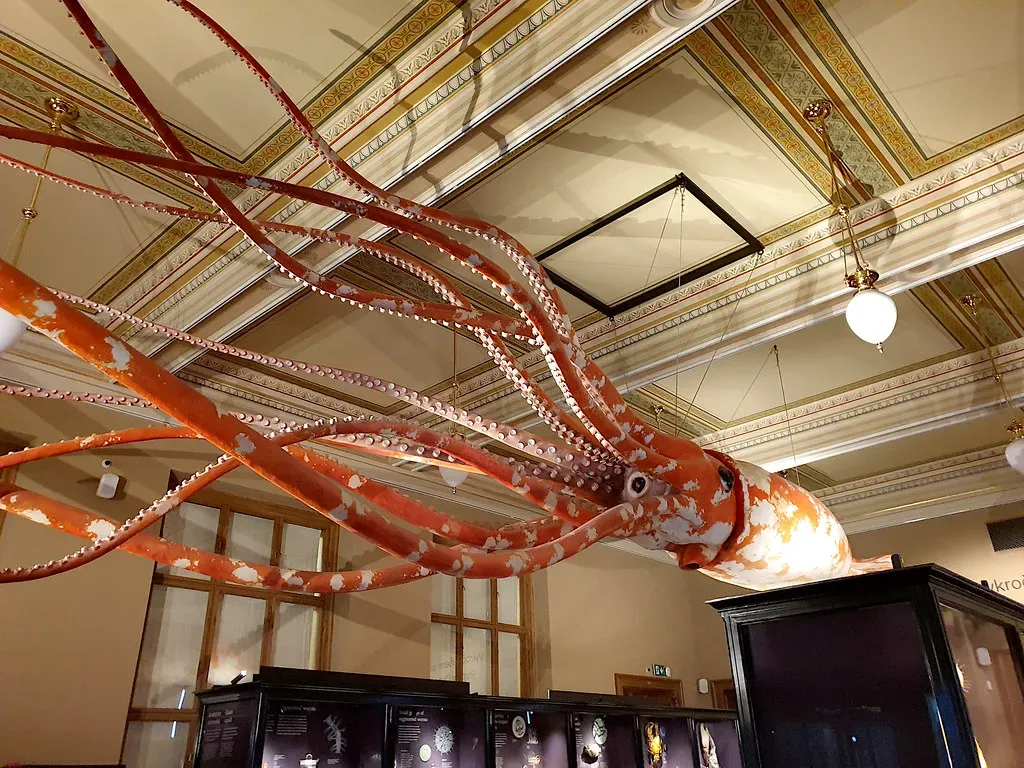
Giant isopods the size of house cats, squid with eyes as big as dinner plates, and spider crabs with leg spans stretching over twelve feet all share one trait: they live in the deep ocean, and scientists still argue about why depth seems to trigger gigantism.
The leading theories involve cold temperatures slowing metabolism enough to allow extended lifespans and continuous growth, combined with high pressure and low oxygen environments that may favor larger body sizes for efficiency reasons. But these theories don’t hold consistently across every species, and some deep-sea gigantism cases don’t fit the pattern predicted by any single explanation.
Quick Compare
- Cold-water theory: slower metabolism allows longer life and continuous growth
- Pressure/oxygen theory: extreme depth conditions may favor larger, more efficient bodies
- Multiple-causes theory: gigantism may be several unrelated processes mistaken for one rule
Turns out, some researchers argue the phenomenon might actually be several different unrelated processes that happen to produce a similar outward result, rather than one unified biological rule. That would mean scientists have been lumping together separate phenomena under one convenient label for decades.
Without more direct observation of these animals across their full lifespans, which is nearly impossible given the difficulty of studying live specimens at depth, the debate over deep-sea gigantism remains open. But #13 involves rocks that grow slower than almost anything else on the planet.
#13 – Some Seafloor Rocks Grow So Slowly It Breaks Human Intuition
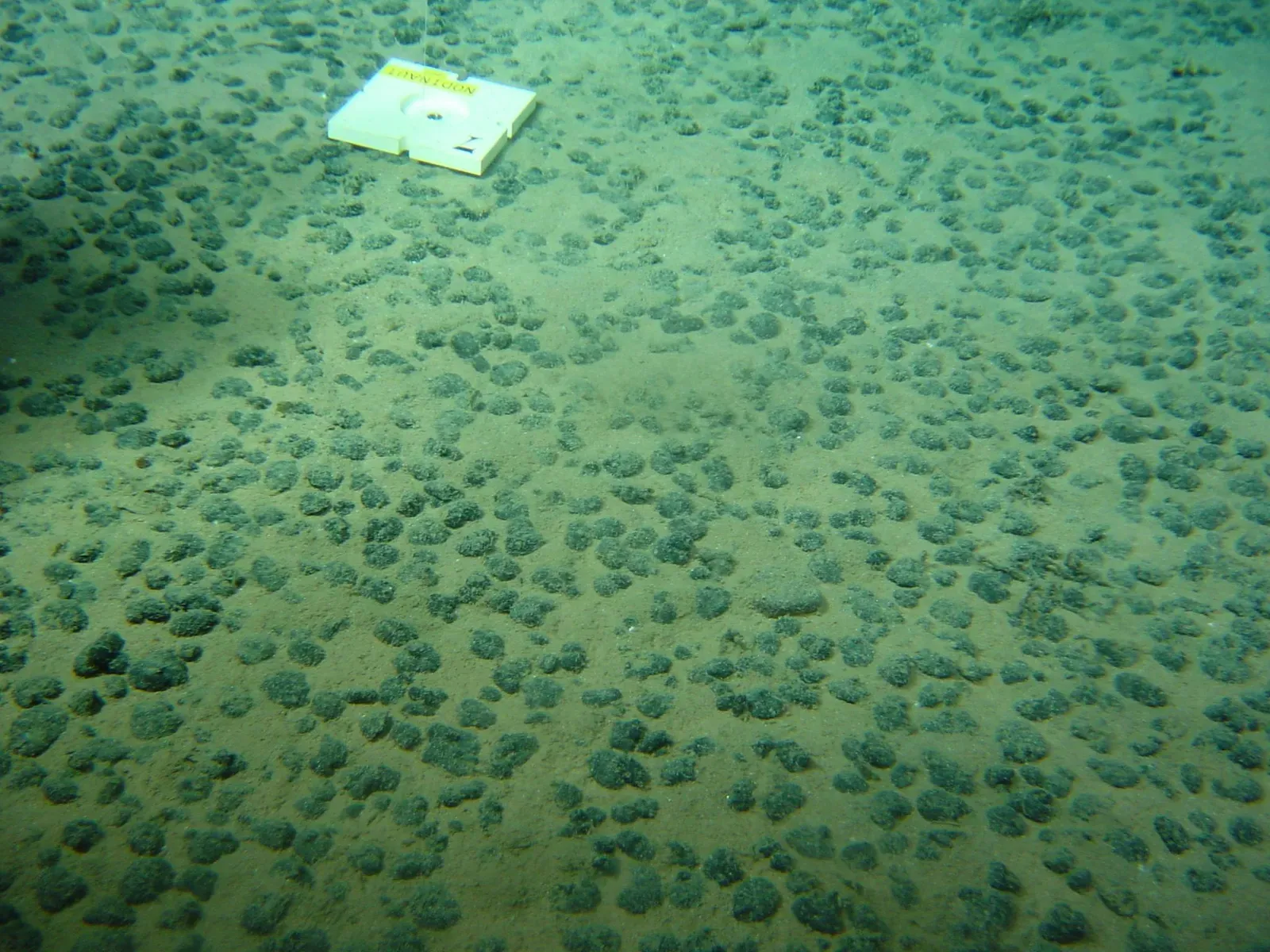
Certain mineral deposits scattered across the deep Pacific floor grow at a rate so slow that a single one might have started forming before humans existed as a species – and researchers still can’t fully explain the process.
One of the largest deposits of these manganese nodules occurs in the Clarion-Clipperton Zone in the deep ocean, found between depths of roughly 4,000 and 6,000 meters. These nodules accumulate metal layers one microscopic deposit at a time, building outward over unimaginable stretches of geological time.
The single most surprising fact: according to researchers studying their electrical properties, the nodules may become charged as they grow, since different metals are deposited irregularly over the course of millions of years, creating a gradient of charge between each layer. That means a nodule sitting in your hand could represent millions of years of near-imperceptible mineral accumulation, layer by layer, in total darkness.
Scientists still don’t have full consensus on exactly what environmental conditions accelerate or slow this growth, or why nodules cluster so densely in certain zones and not others. This extremely slow formation process is precisely why deep-sea mining companies are so interested in the region – and why environmentalists argue disturbing it could destroy something nearly impossible to replace. But #14 might be the most unsettling entry on this entire list.
#14 – Most of the Species Down There Have Never Been Named
Every time researchers haul up a sediment sample from the deep ocean floor and run genetic analysis on it, they find something that has never been formally identified – and this happens far more often than it should.
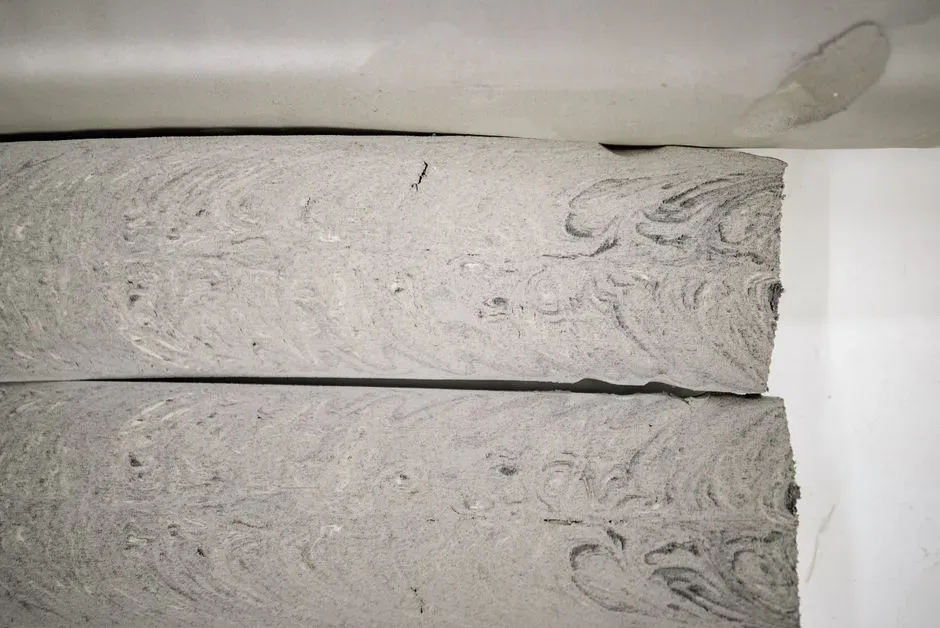
Marine biologists frequently describe deep-sea sampling as encountering enormous amounts of unidentified genetic material, sometimes called biological “dark matter,” where DNA sequences don’t match anything in existing scientific databases. Some of these sequences likely represent entirely new species, while others may represent life forms so different from known categories that scientists aren’t sure how to classify them at all.
Most people don’t realize just how routine this discovery process has become – expeditions into poorly studied trenches or seamount regions regularly return with specimens that turn out to be new to science, sometimes multiple species per single dive. Given how little of the seafloor has actually been surveyed, researchers widely suspect the vast majority of deep-sea species remain completely undocumented.
This isn’t a fringe possibility – it’s the expected outcome of exploring an environment we’ve barely scratched. Every unmapped trench, every unexplored seamount, and every un-surveyed brine pool likely holds species nobody has ever seen, let alone named or studied.
The Bottom Line
Here’s the uncomfortable truth this list keeps circling back to: the deep ocean floor isn’t some finished chapter of science – it’s mostly still blank pages.
We’ve mapped barely a quarter of it, mysterious holes keep appearing with no confirmed maker, rocks may be producing oxygen through a process scientists are still fighting about, and the majority of species living down there haven’t even been named yet.
Frankly, the amount of confident-sounding “explanations” floating around for deep-sea phenomena is wildly disproportionate to how little direct evidence actually backs them up – and that gap between certainty and reality is the real story here.
What’s the deep-sea mystery you think deserves more attention? Drop it in the comments.