There is something almost mythological about the word “dinosaur.” These creatures dominated every corner of the ancient Earth, from icy polar regions to scorching desert flats, for well over 160 million years. That is not a typo. While our entire recorded human history barely scratches 10,000 years, dinosaurs ruled this planet for a stretch of time that makes that number look embarrassingly small.
So how did they do it? How did creatures without the internet, without global supply chains, without even a basic pair of thumbs, manage to fill every single ecological niche on the planet? Honestly, the answer is more fascinating than most people realize. Their success wasn’t accidental. It was the result of some of the most remarkable biological innovations the natural world has ever produced. You might be surprised by how sophisticated some of these adaptations really were. Let’s dive in.
Hollow Bones That Were Stronger Than They Looked
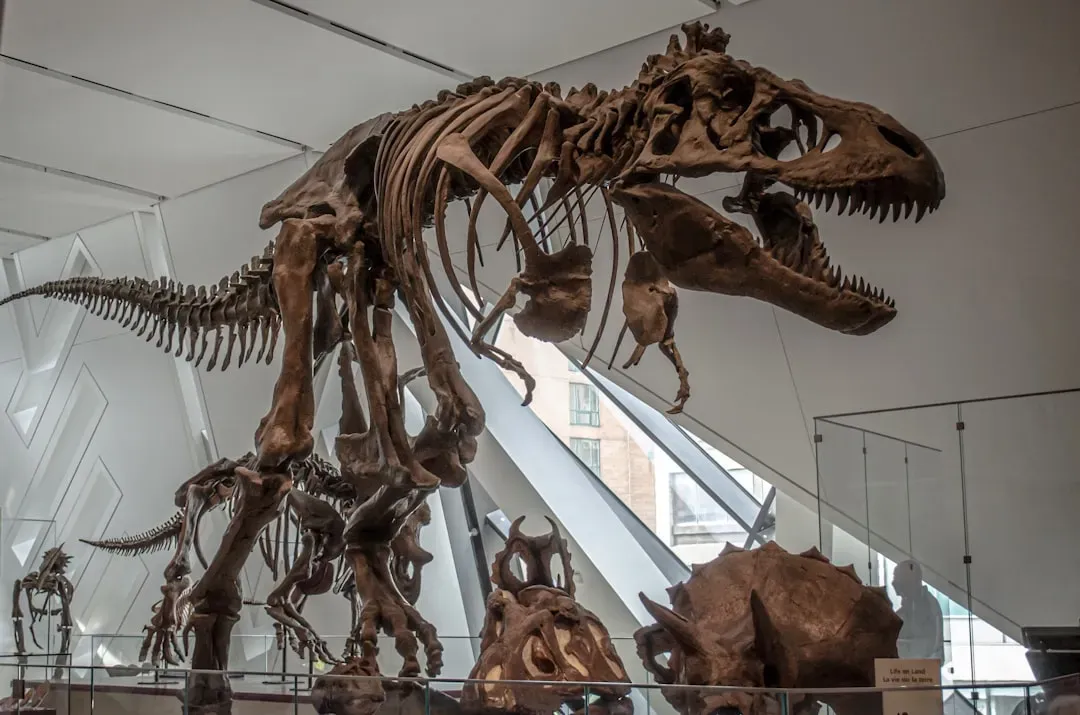
Hollow bones filled with little air sacs were so important to dinosaur survival that they evolved independently several times in different lineages, which tells you something profound. When evolution keeps arriving at the same solution over and over again, it means that solution really, really works. Think of it like the universe discovering corrugated cardboard, light and incredibly strong at the same time.
The air sacs buttressed and reinforced the internal structure of the dinosaurs’ bones while creating a greater surface area for the attachment of large, powerful muscles, which enabled the bones to grow to a far larger size without weighing the animal down. For you, this would be like carrying the structural framework of a ten-story building on your back, while still being able to sprint. It sounds impossible, yet dinosaurs pulled it off, every single day.
Feathers: Nature’s Most Versatile Invention
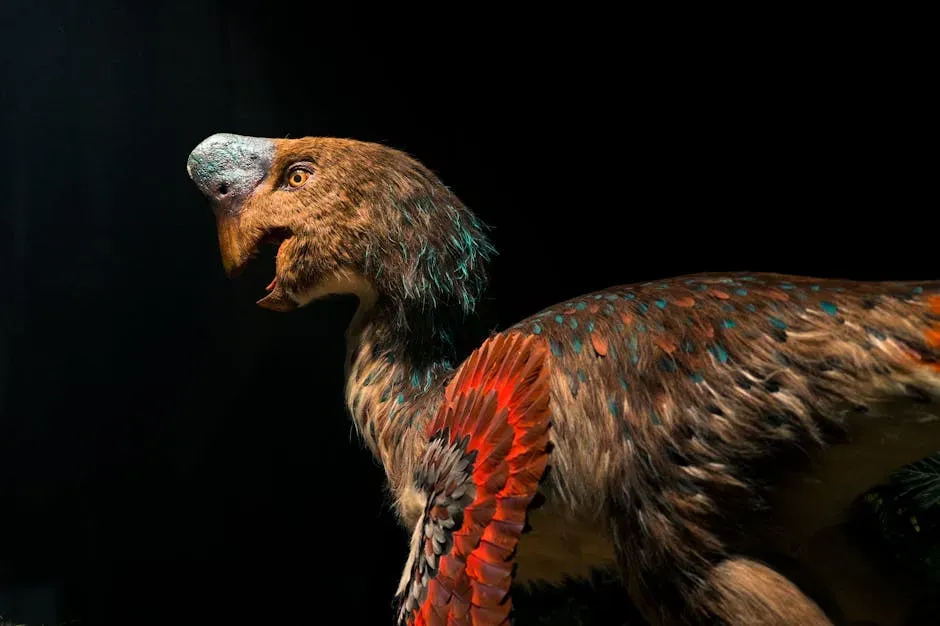
You might picture feathers and think of birds soaring above a wheat field. Here’s the thing though, feathers were a dinosaur invention long before any bird ever existed. Feathers didn’t start out as flight tools. They likely began as insulation or display features, and some dinosaurs had full coats of them, even if they were never airborne. Think of them as the original dino fashion statement that doubled as climate control.
Paleontologists have found feathers and related structures on many dinosaurs that never would have flapped into the air, like the 30-foot-long Yutyrannus. Among these flightless dinosaurs, plumage had a variety of other functions, from keeping warm to camouflage. So when you picture a feathered dinosaur, you’re not looking at a bird. You’re looking at the original blueprint that eventually became one.
An Advanced Respiratory System Built for Power
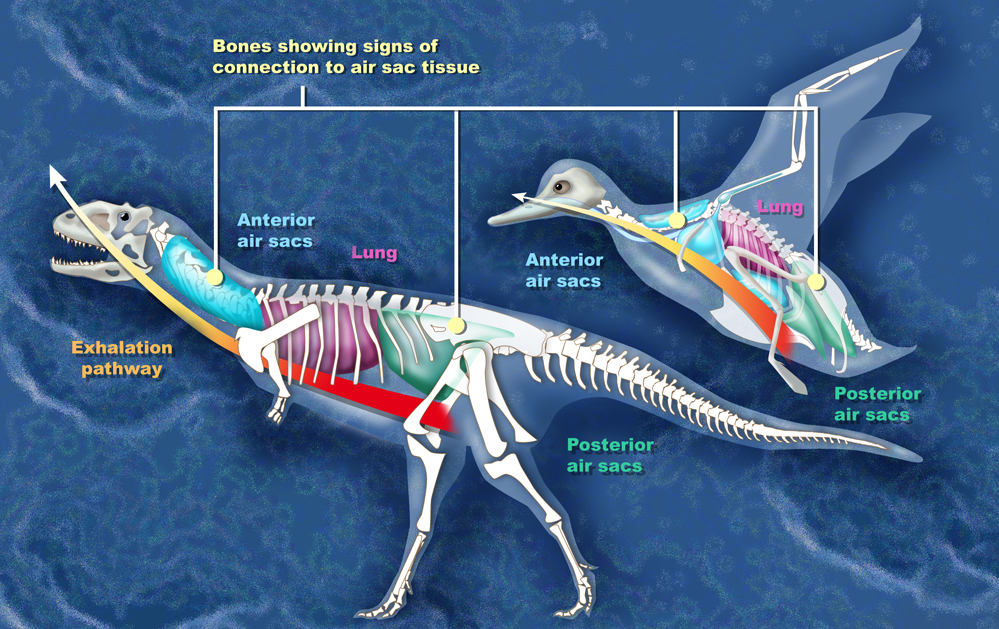
In saurischian dinosaurs, higher metabolisms were supported by the evolution of an avian-style respiratory system, characterized by an extensive system of air sacs that extended the lungs and invaded many of the bones in the skeleton, making them hollow. Such respiratory systems would have provided them with more oxygen compared to a mammal of similar size, while also allowing them to sustain higher activity levels. That’s a significant edge. More oxygen in the blood means more fuel for movement, more endurance, and more competitive muscle power.
The rapid airflow through this system would also have been an effective cooling mechanism, which, in conjunction with a lower metabolic rate, would have prevented large sauropods from overheating. These traits may have enabled sauropods to grow quickly to gigantic sizes. You’re looking at a biological air conditioning unit wrapped in scales. It’s genuinely brilliant engineering, and it happened entirely by accident, which, honestly, makes it even more impressive.
Specialized Teeth Designed for Every Diet Imaginable
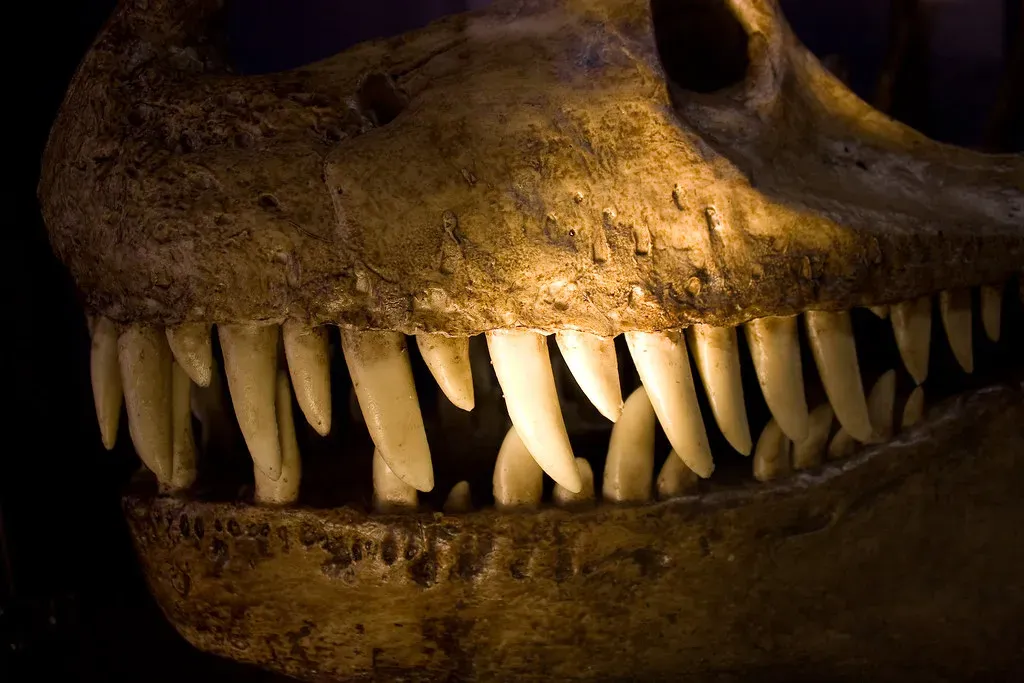
Among the adaptations that contributed significantly to dinosaur survival were dietary specializations, where herbivores and carnivores evolved specialized teeth that enabled them to process food efficiently. Herbivores had flat and broad teeth for grinding plants, while carnivores had sharp teeth for tearing flesh. This differentiation in dental architecture allowed them to exploit various food sources, minimizing competition. It’s like nature handed each species its own personalized cutlery set, and then placed them all at different tables at the same enormous buffet.
Herbivorous dinosaurs such as the iconic Brachiosaurus and Triceratops roamed Jurassic landscapes in search of vegetation to fuel their massive bodies. These herbivores possessed unique adaptations to efficiently consume plant matter, from specialized dentition for grinding plant material to elongated necks for reaching high foliage. The result was an ecosystem where nearly every plant resource, from ground-level ferns to towering treetops, had a dinosaur perfectly equipped to eat it.
The Engineering Marvel of the Long Neck
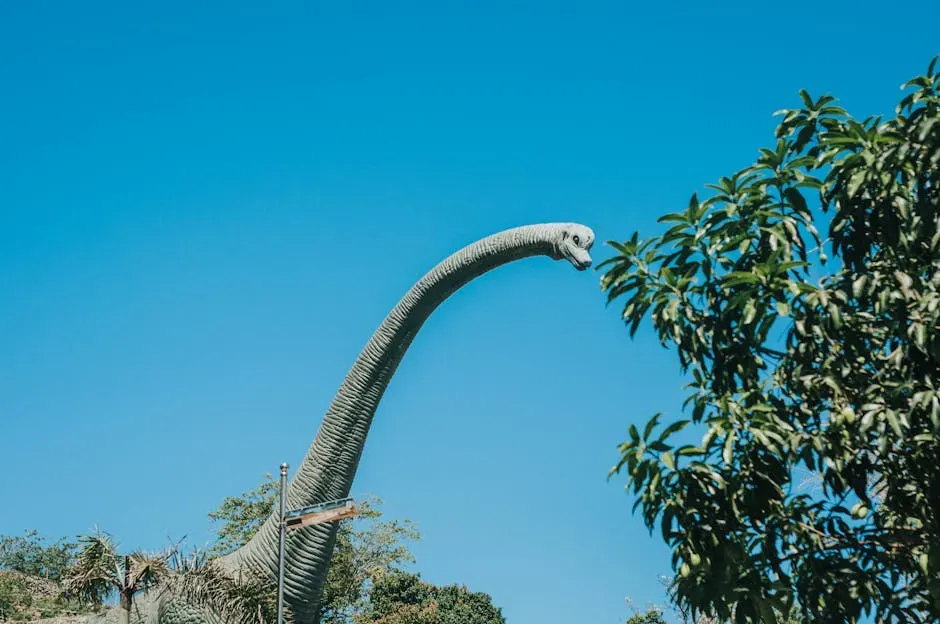
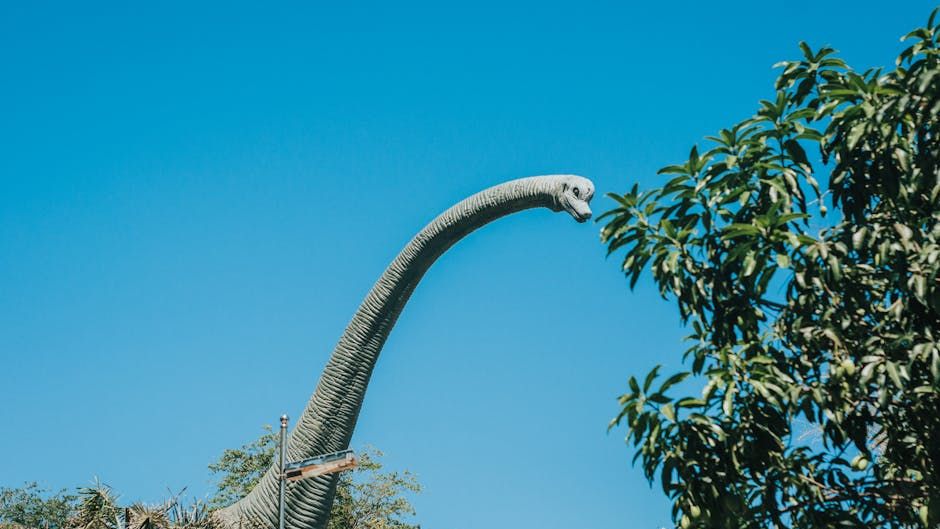
Let’s be real, sauropod necks are one of the most jaw-dropping features in all of natural history. Sauropods were among the most diverse lineages of dinosaurs, with an ample geographic distribution throughout the Mesozoic, and this evolutionary success is largely attributed to neck elongation and its impact on feeding efficiency. Picture a living crane, but one that eats trees and breathes. That’s essentially what you’re dealing with.
Their long necks were not only an adaptation for reaching high foliage; they also provided a greater surface area, helping them to regulate their body temperature. So the neck served double duty as both a feeding tool and a temperature management system. Nature hates wasting a good structural investment, and the sauropod neck is proof of that philosophy taken to its logical extreme. During times of drought and famine, an upright neck was crucial for these sauropods to survive, giving them access to resources no other land animal on Earth could reach.
Cold-Weather Survival Tricks That Rewrote History
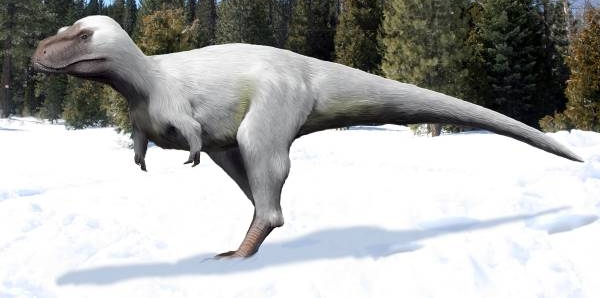
For decades, scientists assumed dinosaurs were strictly tropical creatures, lounging under warm prehistoric suns. That image has been completely shattered. In 2016, a research team went to the Junggar basin in northwest China and discovered something remarkable: dinosaurs were not originally adapted for warm, tropical environments as had been previously thought. Rather, in the beginning they were primarily adapted for the cold, being insulated like birds with feather-like structures called protofeathers.
Another fascinating adaptation was that dinosaurs could temporarily stop growing in harsh winters, enabling them to conserve energy while food was scarce. Fossilized bones found at the Junggar basin showed bone rings that indicate this growth pattern. You could think of it like a biological savings account, spending nothing during the lean months and drawing on reserves until conditions improved. It’s a surprisingly sophisticated survival strategy for animals that lived hundreds of millions of years before your bank was invented.
Upright Posture and Bipedalism: Speed, Agility, and Freedom
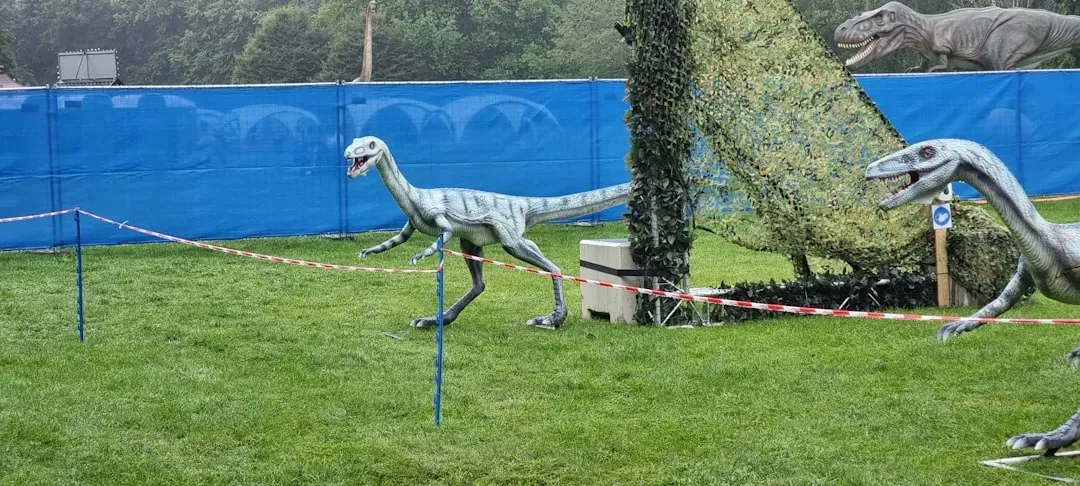
One of the quiet revolutions in dinosaur evolution was the shift to an upright, erect posture. This allowed dinosaurs to develop stronger leg muscles, which, along with their forward-hinging feet, helped them run faster than their competitors. They also developed an extra hole in their skulls, which let them cool off after vigorous activity. Every design element worked together, like a well-tuned machine where changing one part upgraded all the others simultaneously.
Raising themselves on hind legs would have granted sauropods access to foliage and leaves situated at extreme heights, resources unavailable to purely quadrupedal herbivores. For predatory theropods, bipedalism freed up their forelimbs for something other than walking, opening a door to grasping, attacking, and manipulating their environment in ways four-legged competitors simply could not manage. It was arguably the most consequential postural shift in the history of vertebrate life on land.
Armor, Clubs, and Spikes: The Art of Passive Defense
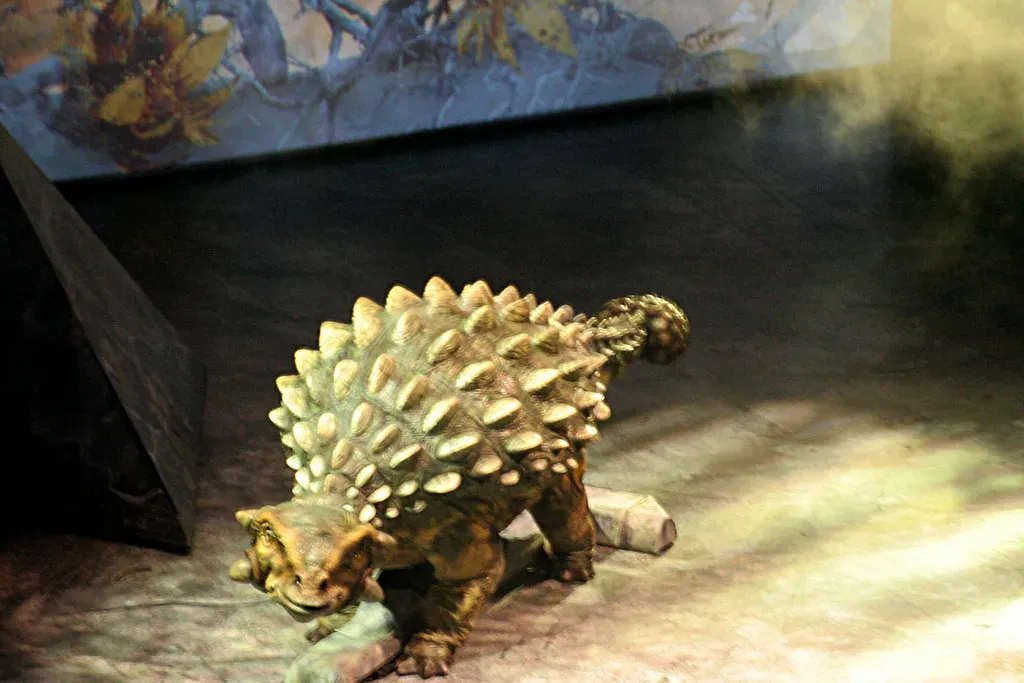
Not every dinosaur survived by running or hiding. Some species took a radically different approach and turned their bodies into living fortresses. Some dinosaurs evolved tails that were less about balance and more about full-on combat. Ankylosaurs had tail clubs that could shatter bone. Stegosaurs had massive spikes, like nature’s version of a spiked baseball bat. These weren’t just cool-looking accessories, they were functional, often devastating, and helped even the plant-eaters stand their ground against predators.
The armor plating on the bodies of dinosaurs like Stegosaurus and Ankylosaurus provided protection against predators. Honestly, think about what it would mean to walk up to an Ankylosaurus thinking it was just a slow, peaceful herbivore. One swing of that tail club and your plans for the afternoon change dramatically. Passive defense, when done right, becomes the most active deterrent possible.
Thermoregulation Through Body Structure
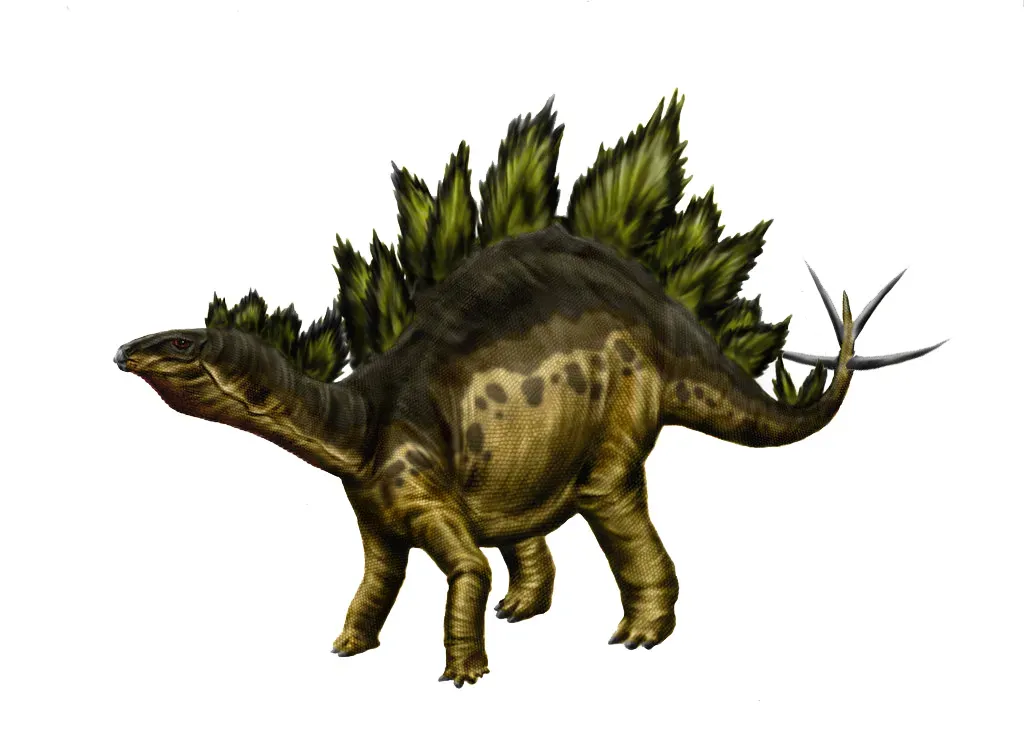
One of the most underappreciated adaptations in the dinosaur world involved how certain species managed their body heat using their own physical architecture. The bony plates of Stegosaurus served both defensive and thermoregulatory purposes. They provided protection against predators while also regulating the dinosaur’s body temperature. Two functions in one piece of bone. That’s remarkably efficient design, the kind of thing you’d expect from an experienced engineer, not from blind evolution.
The famous sail-backed Spinosaurus and Dimetrodon weren’t just showing off. Their spines likely helped regulate body temperature by absorbing or releasing heat, sort of like organic solar panels. In climates where temperatures fluctuated wildly, this gave them an edge. They could soak up heat early in the morning or cool down faster when things got scorching. Temperature management sounds boring until you realize that without it, you simply stop functioning. These dinosaurs had solved a problem that kills plenty of modern animals today.
Parental Care and Nest-Building That Ensured Survival
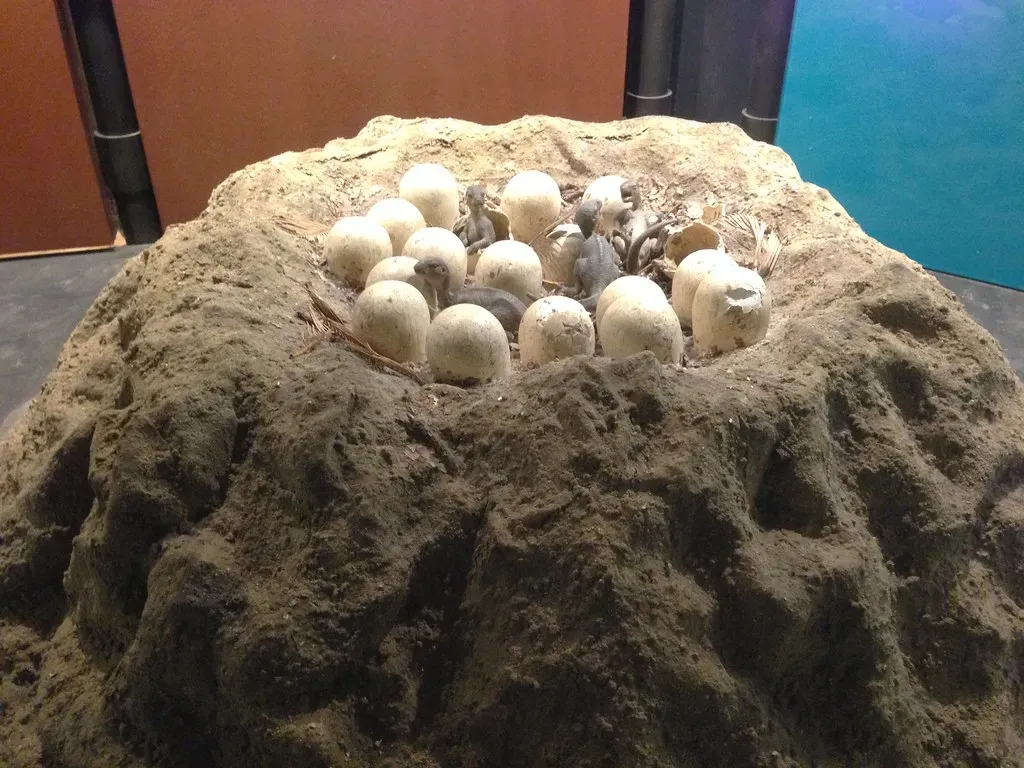
Here is a fact that genuinely surprises people: some dinosaurs were attentive, protective parents. Jack Horner’s 1978 discovery of a Maiasaura nesting ground in Montana demonstrated that parental care continued long after birth among ornithopods. That discovery was a turning point, because it forced the world to stop thinking of dinosaurs as mindless reptiles and start seeing them as complex social animals with real family behaviors.
A specimen of the oviraptorid Citipati osmolskae was discovered in a chicken-like brooding position, which may indicate that they had begun using an insulating layer of feathers to keep the eggs warm. An embryo of the basal sauropodomorph Massospondylus was found without teeth, indicating that some parental care was required to feed the young dinosaurs. Raising offspring carefully, rather than simply abandoning eggs and moving on, dramatically increases the survival rate of the next generation. It’s a strategy that mammals use today, and dinosaurs appear to have figured it out long before mammals dominated the planet.
Social Behavior, Herding, and the Power of the Group
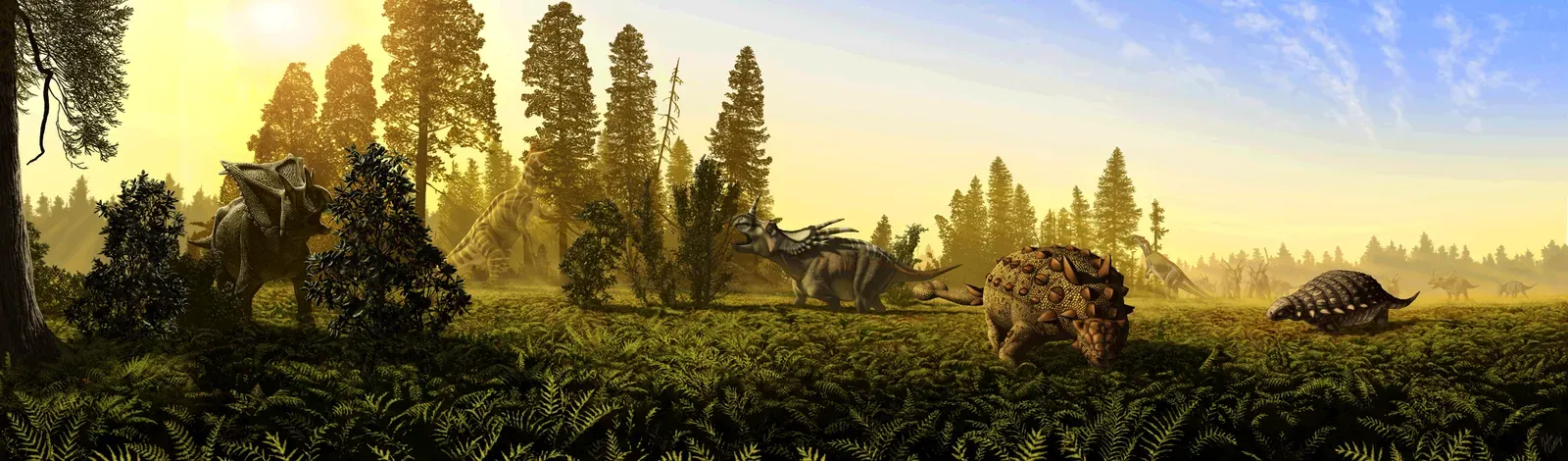
Dinosaurs, it turns out, weren’t always solitary hunters or isolated wanderers. Many of them were deeply social animals, and that sociality was itself a powerful adaptation. Gregarious behavior was common in many dinosaur species. Dinosaurs may have congregated in herds for defense, for migratory purposes, or to provide protection for their young. There is evidence that many types of dinosaurs, including various theropods, sauropods, ankylosaurians, ornithopods, and ceratopsians, formed aggregations of immature individuals.
Research conducted since the 1970s has indicated that dinosaurs were active animals with elevated metabolisms and numerous adaptations for social interaction. Moving in groups meant better predator detection, shared knowledge of migration routes, and collective protection of eggs and young. Think of it like the difference between a single security guard and an entire coordinated team. The math almost always favors the group, and dinosaurs seemed to understand that instinctively.
Rapid Growth Rates That Outpaced the Competition
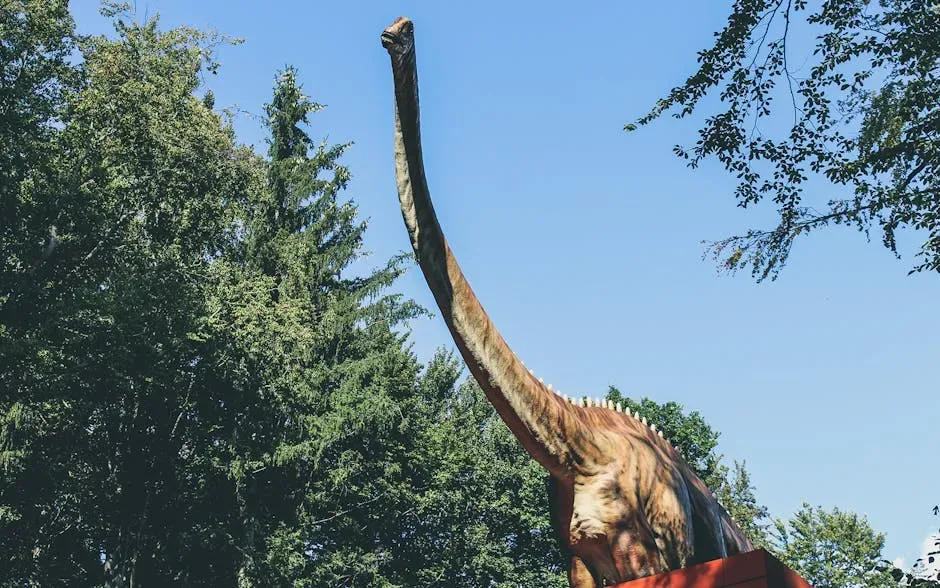
One of the most clinically interesting dinosaur adaptations is one you can’t see without a microscope. The long bones of most dinosaurs are composed almost exclusively of a well-vascularized type of bone matrix also found in most mammals and large birds. This type of bone tissue always indicates rapid growth, and it is very different from the more compact, poorly vascularized bone found in crocodiles and other reptiles. It is generally thought that well-vascularized, rapidly growing bone can be sustained only by high metabolic rates that bring a continual source of nutrients to the growing tissues.
As the Earth warmed during the Jurassic period, sauropods got larger. This was due to a combination of a high availability of food, their efficient feeding strategies, and their high basal metabolic rate, which supported rapid growth. Growing fast in the prehistoric world meant reaching a size where most predators no longer considered you an easy meal. It’s the biological equivalent of leveling up at record speed, and it gave many species a survival window that slower-growing competitors simply never had.
Conclusion: A Blueprint for Conquest
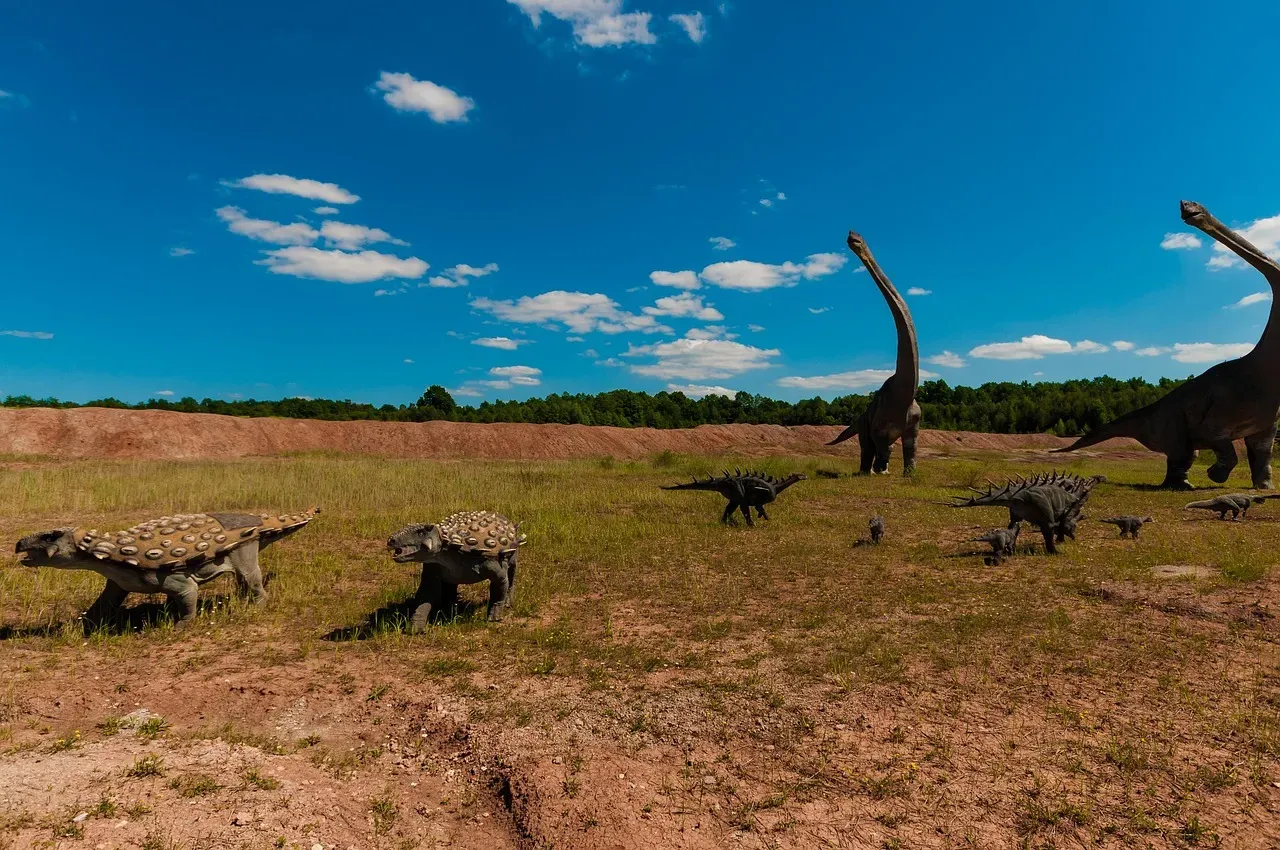
When you step back and look at all twelve of these adaptations together, you stop seeing individual biological quirks and start seeing something much bigger. You see a complete and remarkably flexible survival system, one that could be fine-tuned for deserts, polar regions, dense forests, open plains, and even semi-aquatic environments. By combining behavioral and physical adaptations, dinosaurs were able to navigate a changing world, survive in different environments, and establish themselves as some of the most dominant creatures to have ever existed.
Dinosaurs lived on Earth for over 160 million years, sporting an incredibly diverse range of adaptations that helped them acquire and maintain the conditions within which to survive and reproduce. They thrived in lush forests, arid deserts, and in cold polar lands, from tropical swamps to dry riverbeds. The truth is, there has never been another group of land animals quite like them. Their story is not just one of brute strength or terrifying size. It’s a story of ingenuity, resilience, and evolutionary creativity on a scale that still leaves scientists stunned today.
The next time you spot a sparrow on a fence post, remember this: you’re looking at the living heir to one of Earth’s greatest dynasties. What do you think is the most surprising adaptation on this list? Tell us in the comments below.