
Close your eyes and try to imagine a color you’ve never seen. Or a sound that arrives through the soles of your feet instead of your ears. Or a smell that tells you exactly how many hours ago a stranger walked past this exact spot. You can’t do it. Neither, it turns out, can the scientists studying these exact abilities in real animals, right now, using MRI scanners and gene sequencers that cost more than most houses.
That’s the uncomfortable secret sitting at the center of animal sensory research: we can measure these senses with incredible precision, chart the neurons, graph the voltages, run the experiments a hundred times over, and still hit a wall the moment we try to explain what it actually feels like from the inside. The 12 animals below don’t just have “better” versions of human senses. They’re running on entirely different sensory operating systems, and the deeper researchers dig, the less confident anyone sounds about translating them into plain English.
#12 – The Magnet Sense of Sea Turtles
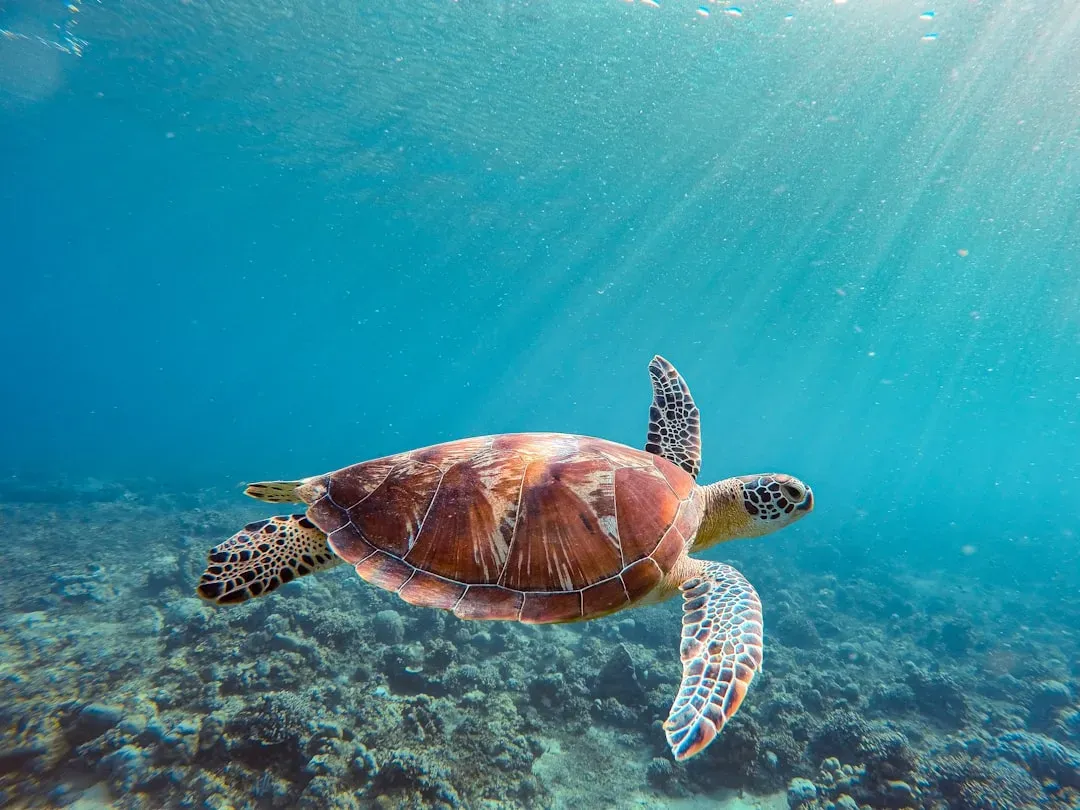
Sea turtles don’t just “know” where the beach is. They behave as if the entire planet is a massive, invisible map that only they can see.
Researchers have shown that hatchling turtles placed in tanks with controlled magnetic fields will change their swimming direction to match the coastlines of oceans they’ve never visited. This suggests they’re reading Earth’s magnetic field like a built-in GPS, sensing both intensity and angle at the same time.
Fast Facts
- Loggerhead hatchlings set out on roughly an 8,000-mile solo journey around the North Atlantic the moment they leave the nest.
- Despite years or decades away, adults often return to nest within about 40 to 50 miles of their own birthplace.
- Turtles appear to sense both the strength and the angle of the magnetic field, not just a simple direction.
- A 2025 study found hatchlings rely on a touch-based magnetic sense to judge location, rather than their eyes.
Yet no one can clearly explain what that “feels” like to the turtle, or where exactly in the body the conscious perception, if there even is one, actually lives. Some studies point to iron-rich cells or magnetite crystals in tissue. Others point to light-sensitive molecules in the eyes that may respond to magnetic fields. Both explanations have serious holes, and that gap drives sensory biologists a little crazy.
- Are turtles “seeing” magnetic lines as patterns?
- Or is it more like a pressure or “pull” in a certain direction?
Nobody knows for sure. That mystery is nothing compared to what pigeons are hiding in plain sight.
#11 – Pigeon “Sixth Sense” Navigation
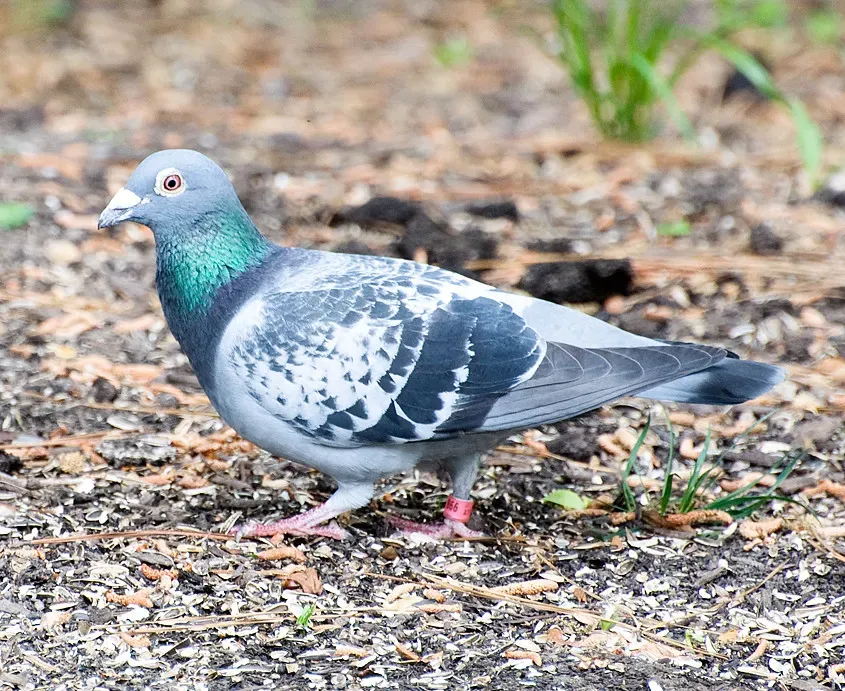
Urban legends say pigeons are “stupid birds,” yet these same birds can beat GPS devices at large-scale navigation. Homing pigeons routinely return to lofts from hundreds of miles away, across landscapes they’ve never flown before in their lives.
They don’t just use vision. In experiments where scientists release pigeons in heavy fog or with frosted goggles taped over their eyes, the birds still find home far too accurately to be relying on sight alone. Something else is guiding them, and it isn’t a single, simple sense we already understand.
There’s evidence they use a tangled mix of cues: magnetic fields, low-frequency infrasound, odors carried on the wind, even subtle shifts in air pressure. But the sensory “priority system” behind all of this is a black box. When researchers temporarily disrupt one input, say, by strapping magnets to a pigeon’s beak, the bird simply compensates with something else.
Most people imagine a pigeon with a tiny internal compass. Many experts now argue that’s far too simple. It may be more accurate to say pigeons experience geography itself, direction, distance, and landmarks, as one merged, hard-to-describe sense. Compared to what sharks are doing under the water, though, this is just a warm-up.
#10 – Shark Electroreception (The “Electric Vision” We Can’t Imagine)
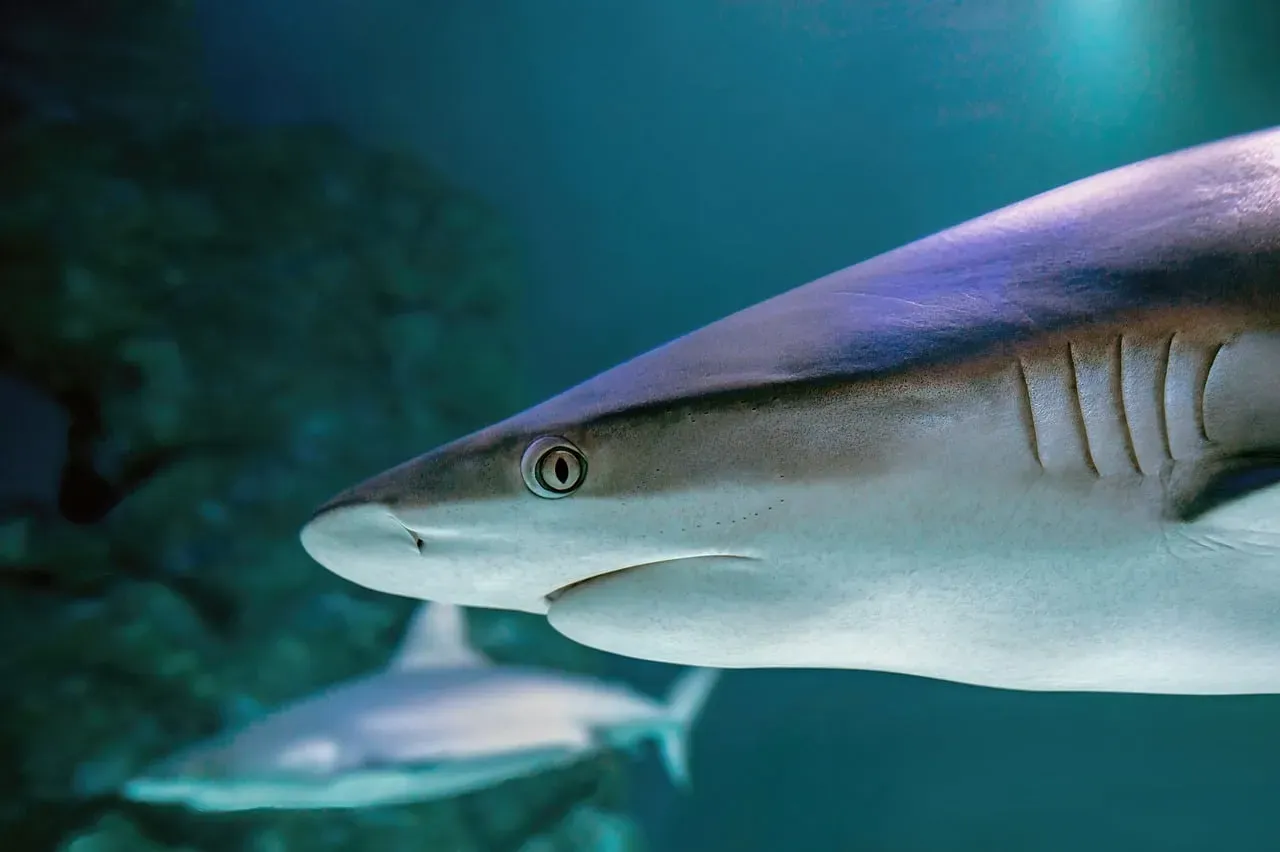
Sharks can detect the tiny electrical fields produced by the muscles and nerves of living animals. On paper, that sounds like a neat trick. In reality, it’s so extreme that we honestly don’t know what the world “looks like” to a shark.
Special pores on their snouts, called the ampullae of Lorenzini, are filled with a conductive jelly that picks up minute electrical differences in the water. A resting shark can detect voltage changes as small as a billionth of a volt. That’s roughly like noticing the difference between two batteries on opposite sides of a football field that differ by a single electron.
In murky water, this sense arguably matters more than eyesight. A shark can locate prey buried under sand or hidden in total darkness just by following this invisible electric outline. But here’s the hard part: is this a distinct “electric image,” like a ghost version of vision, or is it closer to touch stretched across distance?
Some neuroscientists think the brain overlays electrical cues on top of other senses, creating a composite map where a flounder buried under sand “glows” as a region of electrical contrast. Others suspect it’s more primitive, a directional pull simply telling the shark where to strike. We can record the signals and chart the anatomy, but the inner experience stays out of reach. Even that pales next to what bats are doing with pure sound.
#9 – Bat Echolocation: More Than Just “Sound”
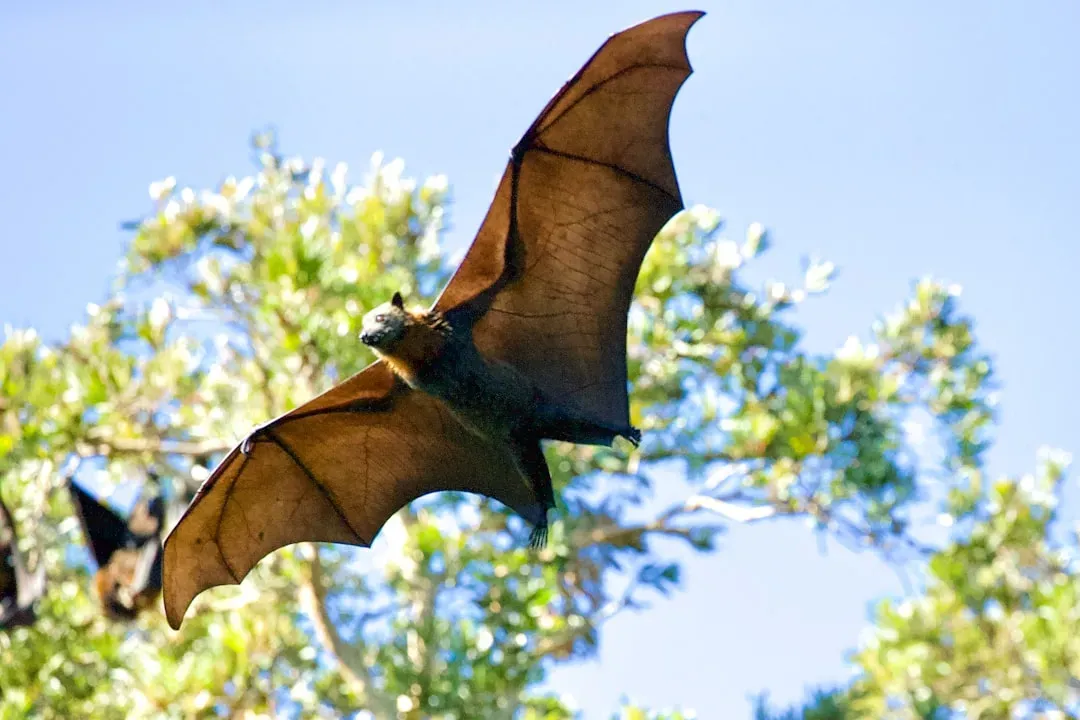
Everyone learns that bats “see with sound,” but reducing echolocation to fancy hearing is like calling the internet “a fast library.” It’s technically true, and it completely misses the point.
Bats emit high-frequency calls and read the returning echoes to build a mental 3D map in real time. They can detect insects the size of a mosquito, track moving targets between leaves, and dodge wires thinner than a pencil, all while flying at speed. Some species resolve details down to less than a millimeter using nothing but sound reflections, which is beyond anything human-built sonar can do in such a small package.
Here’s where scientists get stuck: is this mental “image” truly like vision, or an entirely different sensory mode with no human equivalent? Brain imaging shows echolocation activates visual regions as well as auditory ones, which implies a bat’s perception blends modalities in ways we simply don’t. To a bat, the sound of a moth might not register as noise at all. It might just “appear” as a solid, shaped object in space.
Bat sonar, though clearly a form of perception, is not similar in its operation to any sense that we possess, and there is no reason to suppose that it is subjectively like anything we can experience or imagine.
Thomas Nagel
Trained blind humans who learn basic echolocation report a vague, spatial “presence” of objects rather than a sound per se, hinting that our brains can partially repurpose hearing this way. If that’s what amateurs can manage, imagine what 50 million years of bat evolution has built. Bees take this same idea somewhere even weirder.
#8 – The Polarized Light Vision of Bees

Most people know bees can see ultraviolet patterns on flowers. Far fewer realize bees also detect something humans can barely perceive at all: the polarization pattern of skylight.
Sunlight scattered by the atmosphere arranges into invisible polarization patterns across the sky that shift depending on the sun’s position, even when it’s hidden behind clouds. Bees have specialized photoreceptors in their compound eyes tuned to exactly this. In lab tests, scientists can rotate a polarizing filter over a bee and watch it adjust its navigation dance as if the entire sky had turned.
So do bees see crisp lines crisscrossing the sky, or is it more like a shifting gradient laid over their normal color vision? No one can say for certain. What we do know is that the bee’s tiny brain uses this information to calculate exact direction and distance to food, then encodes it into the famous waggle dance for its hive-mates.
- Our best cameras can only visualize polarization with special filters attached.
- Bees do it in real time, with a brain smaller than a grain of rice.
Some researchers suspect bees experience the sky as an “oriented texture” they instinctively read, similar to how humans sense uphill and downhill without consciously thinking about it. Snakes push the concept of “seeing” into territory that has nothing to do with light at all.
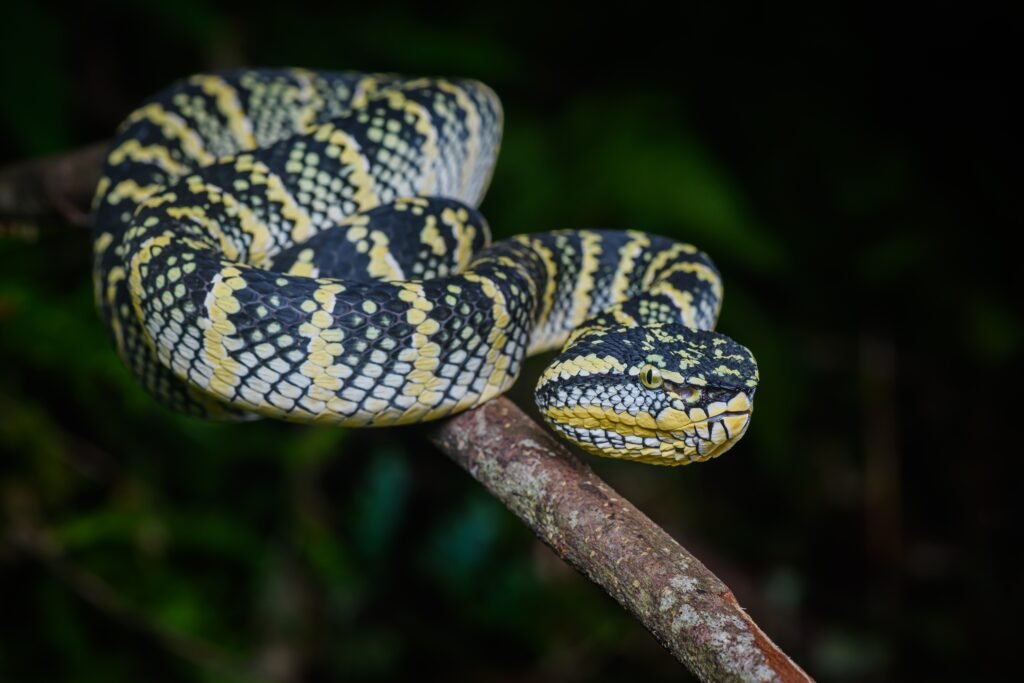
#7 – Snake Infrared Vision: A “Heat Image” Without Eyes
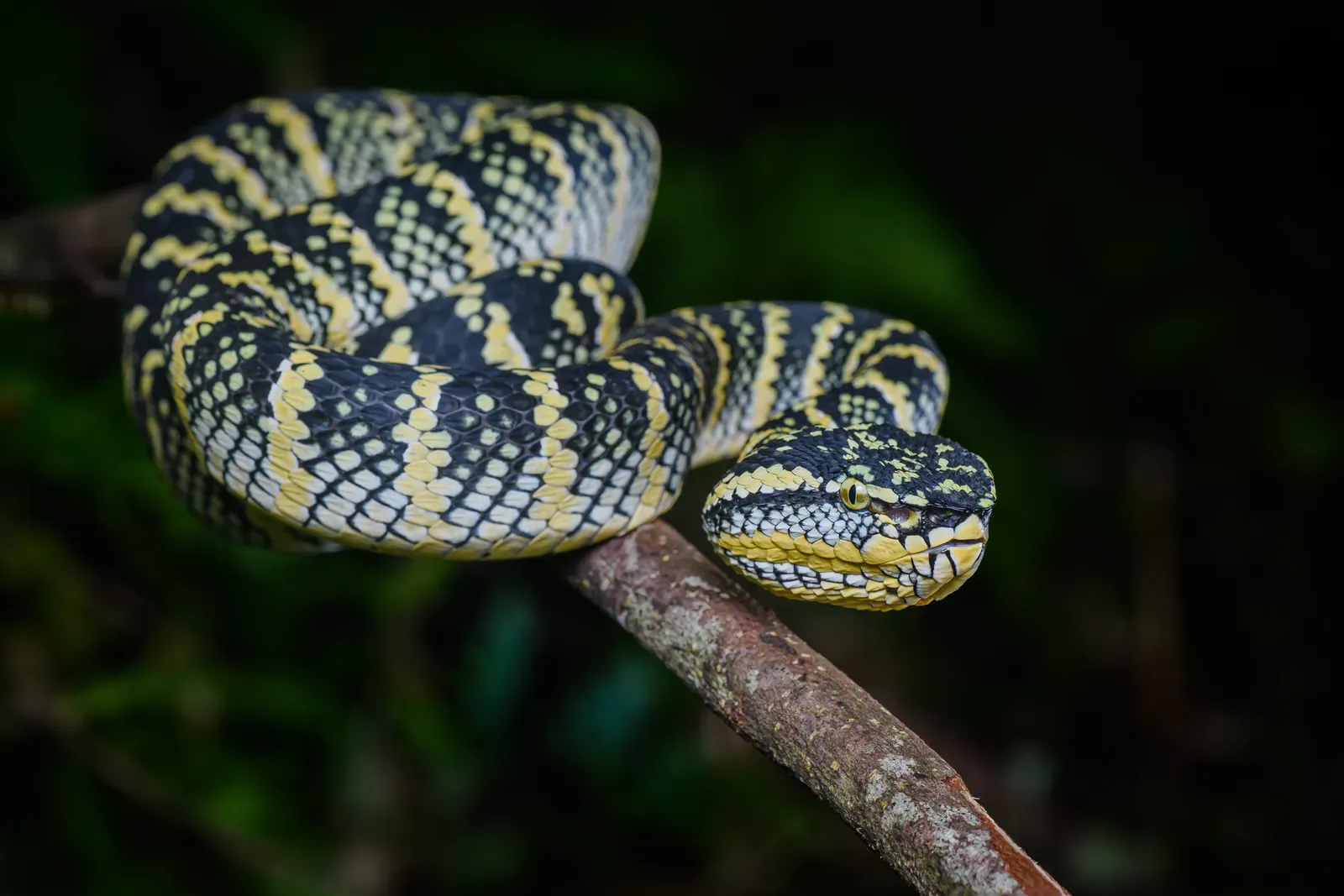
Pit vipers, some boas, and pythons carry heat-sensing pits on their faces that give them an eerie ability: they can “see” the body heat of prey, even in total darkness, without any light at all.
These pits detect infrared radiation, essentially raw warmth, radiating off nearby animals. The sensitivity is ridiculous. Snakes can sense temperature differences as small as 0.001°C from a distance, meaning a resting mouse effectively glows like a streetlamp in a heat-based landscape the human brain simply cannot fathom.
The anatomy behind this is oddly crude compared to eyes, more like simple pinhole cameras fitted with a thermal sensor. But the neuroscience gets stranger from there. Signals from the pits don’t route to some separate “thermo-vision” center; they converge in parts of the brain also used for regular vision.
That suggests the snake may literally experience a fused visual scene where heat and light merge into a single perception, a world where a warm shape is as “visible” as a bright one, just on a different channel. Is that like laying a thermal camera over a normal image, or a brand-new category of sight entirely? No human analogy quite fits, because we only ever see light, never heat directly. None of that prepares you for what’s happening inside an ant colony.
#6 – The Chemical Language of Ants (Smell, But Not as You Know It)
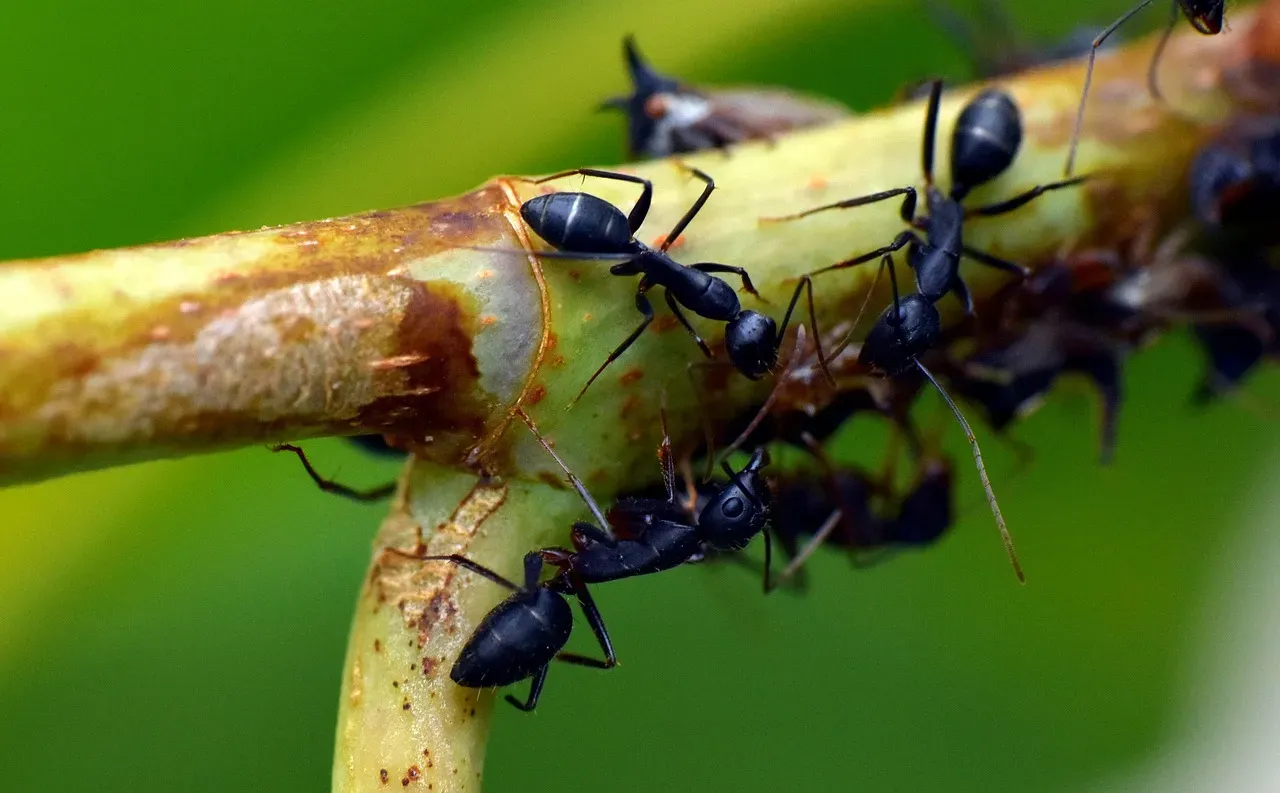
If you think of smell as “a nice perfume” or “something stinks,” you’re still thinking like a mammal. Ants live in a universe where most of their reality is written in chemicals instead of light or sound.
Ants trade information through pheromones, tiny chemical signals that mark trails, define roles, warn of danger, or trigger entire cascades of behavior. A single ant following a trail isn’t just smelling “food this way.” It’s reading a layered, constantly updating chemical script about who has walked here, how recently, and what they were doing at the time.
Worth Knowing
- Ant colonies coordinate foraging, defense, and brood care almost entirely through pheromone trails.
- A single ant can lay down more than one type of pheromone at once, layering separate messages onto the same path.
- Because pheromones evaporate quickly, trails need constant refreshing, making an ant’s chemical map a living, ever-updating document.
- Colony-wide behavior can shift within minutes when the chemical blend of a single pheromone is altered even slightly.
In the lab, a tiny tweak to a pheromone blend can turn cooperation into chaos almost instantly. Change one component, and workers suddenly attack each other. Slightly alter a queen’s scent, and her authority collapses within the colony.
That means ants aren’t just detecting chemicals, they’re parsing meaning-dense mixtures the way we parse sentences. Scientists can list the molecules and measure the responses, but describing this sense in human terms still fails. For an ant, every surface is a message board. Fish take this invisible language and turn it into something closer to a full-body radar system.
#5 – Fish Lateral Line: Touching Water Without Moving
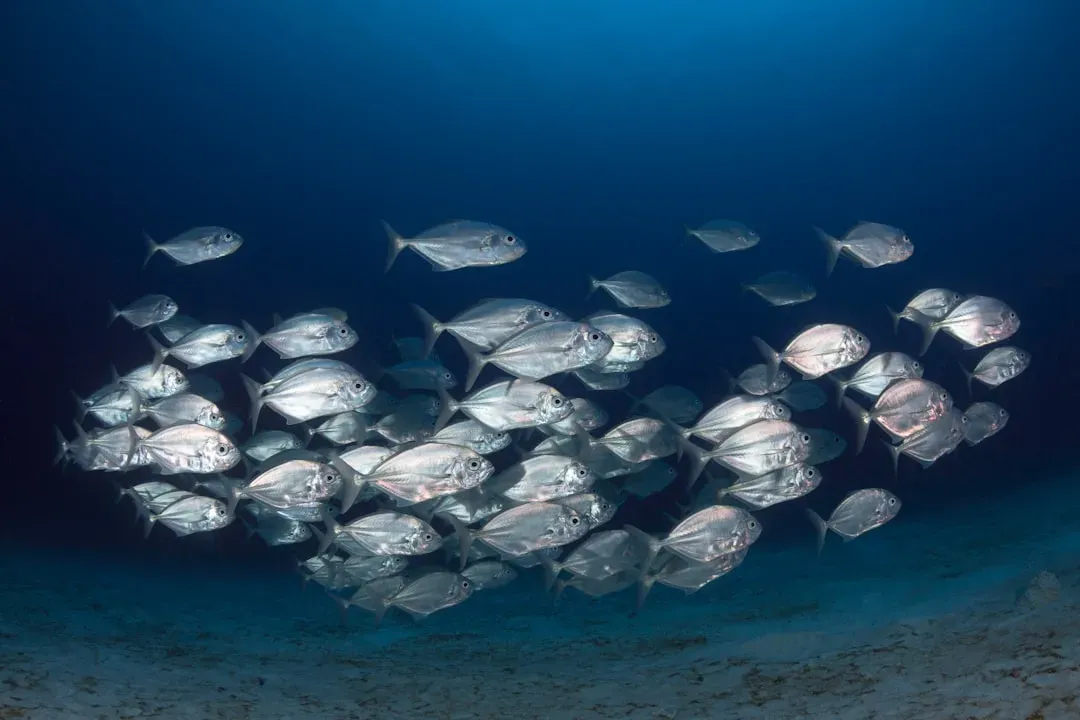
Imagine being able to “feel” the motion of water around you, currents, eddies, the wake of a nearby swimmer, without ever actually touching anything. That’s the everyday reality for most fish.
The lateral line is a series of fluid-filled canals and pores running along the sides of a fish’s body. Inside are hair cells similar to those found in our own inner ears. These cells respond to tiny water movements and pressure changes, essentially letting fish sense the hydrodynamic footprint of objects around them.
This allows them to school tightly, avoid obstacles at high speed, and hunt effectively in darkness or murky rivers. We often describe this as a mix of hearing and touch, but that description undersells how alien it really is. To a fish, a predator doesn’t just appear visually, it has a distinct signature wave pattern moving through the water ahead of it.
There’s evidence some species use the lateral line to build an internal, constantly updating map of their surroundings, like a radar sweep that never stops running. We have nothing comparable. Our skin simply can’t feel the shape of air currents several body lengths away with that kind of precision. Elephants go one step further, turning the ground itself into a hearing organ.
#4 – Elephant Infrasound: Hearing That Travels Through the Ground
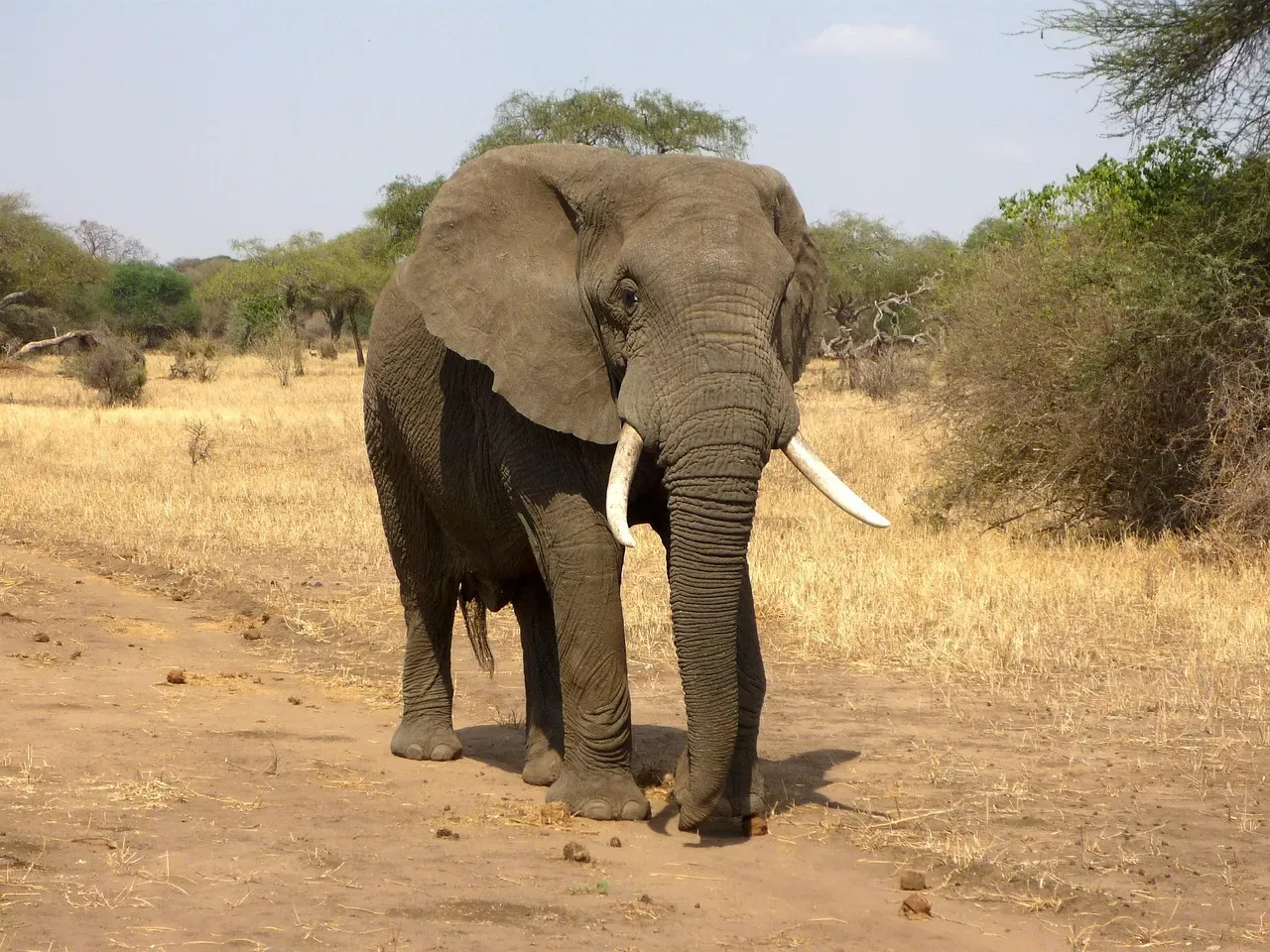
Elephants are famous for trumpet calls you can hear from a distance. But the more mysterious part of their communication happens in a register humans don’t naturally hear at all.
Elephants produce infrasound, very low-frequency rumbles that can travel for kilometers through both the air and the ground. These calls sit below our normal hearing range, but other elephants pick them up two ways at once: with their ears, and through sensitive receptors in their feet and trunks. Part of their “hearing” system is literally in contact with the earth.
At a Glance
- Elephant rumbles typically fall between roughly 14 and 35 Hz, well below the 20 Hz floor of human hearing.
- Under good conditions, calls can carry up to 10 km through the air, and the ground-borne component travels even farther.
- Elephants are believed to pick up part of this signal through mechanoreceptors and bone conduction in their feet and trunk.
- The phenomenon was first documented by bioacoustician Katy Payne, who noticed the throbbing sensation around captive elephants in 1984.
This raises a strange question. When an elephant senses a distant herd calling through the ground, is that “sound,” “touch,” or some hybrid we don’t have a word for? Researchers know elephants can respond to infrasound messages about mating, danger, or reunion from astonishing distances, but we don’t know what receiving that message actually feels like from the inside.
Some field biologists argue elephants may perceive landscapes as resonant, vibrating spaces where distant events are never truly “silent.” Their sense of presence and social connection could be shaped by a continuous, low-rumbling network running beneath everything else they experience. While nature documentaries love those big visible ears, the real sensory magic might be happening in the bones and pads under their feet. Mantis shrimp make all of this look almost simple.
#3 – The “Extra” Color Vision of Mantis Shrimp
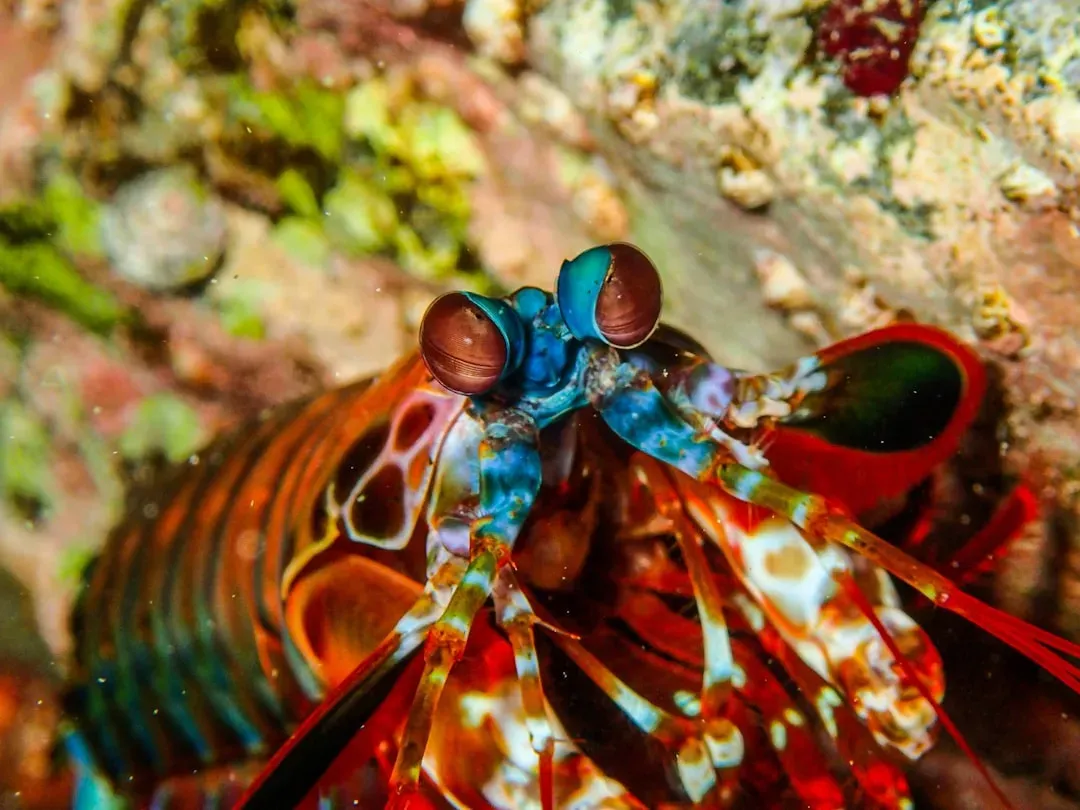
If there’s one animal that embarrasses our eyes, it’s the mantis shrimp. Internet legend calls them “the creatures that see more colors than we can even imagine,” which is only half true and somehow still an understatement.
Humans have three types of color receptors: red, green, and blue. Mantis shrimp have up to 12 or more different color receptor types, plus dedicated channels for polarized light. At first, scientists assumed that meant they experience a mind-bendingly rich rainbow far beyond ours.
Quick Compare
- Human eyes: 3 color receptor types, blended by the brain into millions of perceived shades.
- Mantis shrimp eyes: up to 12 or more color receptor types, plus dedicated polarized-light channels.
- Human vision: rich blending and mixing of wavelengths into a smooth spectrum.
- Mantis shrimp vision: light appears to be tagged into narrow, pre-set channels with minimal blending.
When we actually tested them, the picture got weirder. Mantis shrimp don’t distinguish fine color differences as well as we do. Instead, their system behaves more like a high-speed, multi-channel detector, where each receptor responds to a narrow band of wavelengths and the brain does minimal blending or post-processing afterward.
That suggests mantis shrimp don’t “mix” colors the way humans do. They might simply tag incoming light with a category, like flagging it “channel 5” or “channel 9,” and react accordingly. So their subjective world might not be a smoother, richer rainbow at all, but a barcode-style code of very specific colors and polarizations tuned for communication and prey detection. Dogs, somehow, might be operating on an even stranger sensory dimension.
#2 – Dog Scent Worlds and “Time Smell”
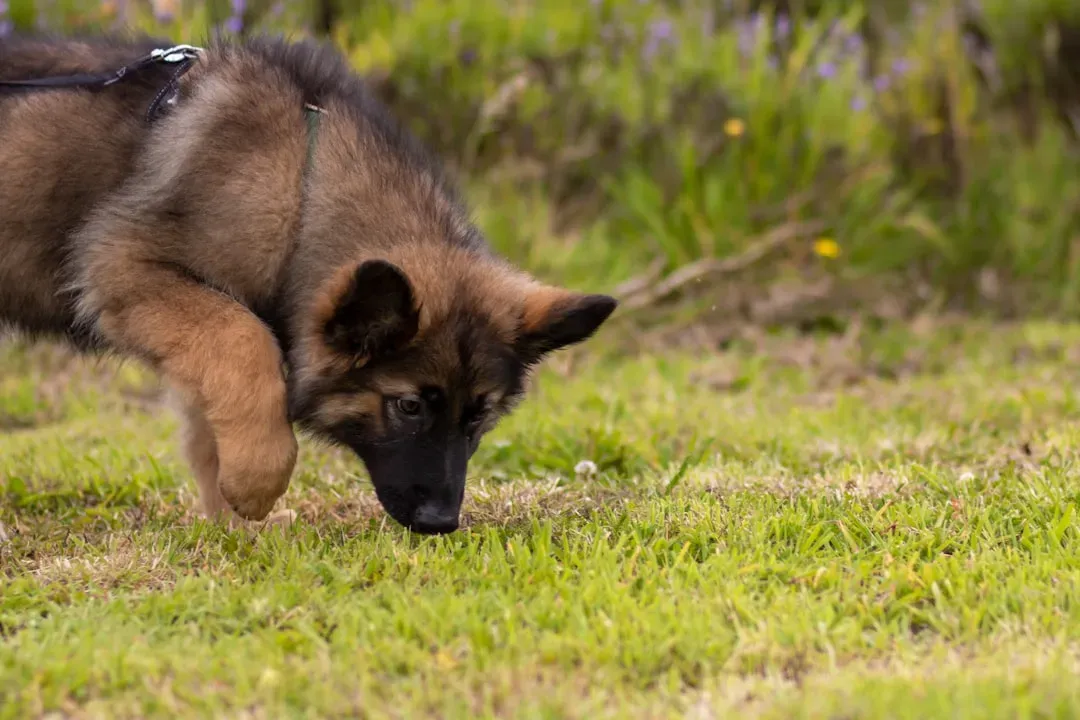
We all know dogs have great noses, but that phrase is almost offensively simple once you dive into the science. Dogs don’t just smell better than we do. They live inside a completely different kind of reality, one built almost entirely around scent.
Their olfactory epithelium, the tissue that detects odors, is up to 40 times larger than ours, packed with hundreds of millions more receptors. The part of the brain dedicated to processing smell is similarly overbuilt. A trained dog can detect certain substances at concentrations of parts per trillion, roughly like reading a teaspoon of sugar dissolved into an Olympic-size swimming pool and still knowing it’s there.
Here’s the eerie part: dogs can often tell how long ago something happened purely by smell. A person who walked by five minutes ago doesn’t smell the same as one who walked by two hours ago. As air currents shift and molecules disperse, the odor “signature” changes in ways dogs can read like a timestamp. Handlers report that tracking dogs sometimes follow not just who went where, but the order in which events actually occurred.
So does scent form a kind of four-dimensional sense for dogs, with time built directly into it? Are they perceiving layers of past, present, and maybe even near-future, based on wind direction, around every tree and street corner? We genuinely can’t model that experience. It isn’t just smell, it’s history, identity, and navigation collapsed into a single channel. But nothing on this list beats what happens inside an octopus’s arms.
#1 – The Distributed Self of Octopus Arms
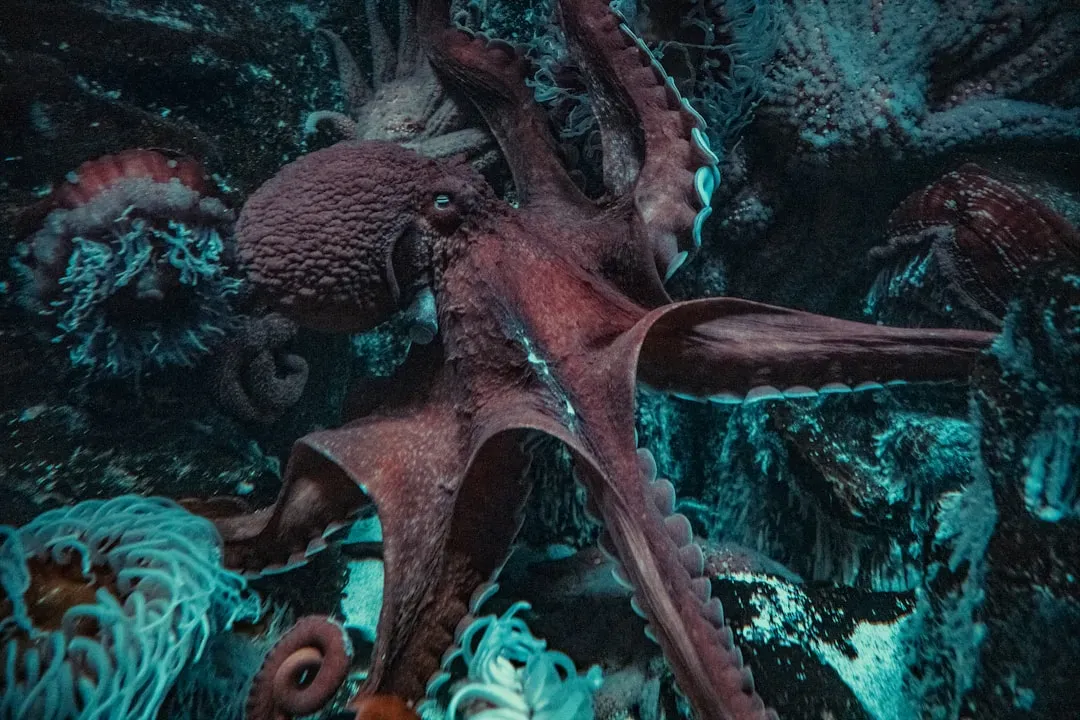
If there’s one animal sense that genuinely breaks our categories, it belongs to the octopus. Not just its eyes, not just its color-changing skin, but the unsettling way each arm seems to “think” for itself.
An octopus has about two-thirds of its neurons located in its arms, not its central brain. Those arms can taste and feel with their suckers, make decisions about how to move, and even perform semi-independent problem-solving when detached from the main body. In experiments, individual arms explore, grasp, and manipulate objects in ways that look eerily intentional and purposeful.
So what is the octopus’s actual sense of its own body? Does it experience each arm as “me,” the way we experience our limbs, or as semi-autonomous helpers it can influence but never fully command? Some neuroscientists now suggest an octopus may not have a single, unified sense of self at all. Instead, its perception might be more like an ongoing negotiation between partially independent arm-brains and one central controller trying to keep the peace.
Each sucker samples texture, chemicals, and pressure simultaneously, sending a flood of data back up the arm in real time. This creates a distributed sense system where perception and action blend together at the limb level. Try imagining your own hand deciding how to open a door while you just set the general goal, that’s the closest human comparison we have, and it still falls badly short. We can map the nerves and run the behavioral tests, but there is no human feeling remotely like being an octopus.
The Bottom Line

The more closely we study animals, the more one uncomfortable truth keeps surfacing: our five-sense worldview is provincial at best, and flat-out wrong at worst. Bats fuse sound into 3D maps, turtles read the planet’s magnetic fingerprint, and snakes and mantis shrimp stitch together inputs we don’t even have names for yet. Meanwhile, ants, dogs, and elephants quietly experience layered dimensions of smell and vibration that make our own daily reality look almost grayscale by comparison.
What’s most unsettling isn’t that animals have better versions of our senses. It’s that many of them have senses we simply cannot translate into human experience, no matter how good our instruments get. We can draw the graphs, measure the voltages, and publish the papers, yet we still can’t say what it’s like to feel a magnetic field or taste the world with your entire arm.
That gap between hard data and inner life might be the biggest unsolved mystery left in biology, bigger, honestly, than most of what makes headlines. Which of these animal senses do you think we’ve underestimated the most?