

If every mammal vanished tomorrow, the planet would still be full of very familiar ideas: warm-blooded bodies, caring parents, social calls, even complex brains. The twist is that birds were doing many of these things long before the first true mammals ever showed up. Under the feathers and flight, birds carry a deep, ancient toolkit of traits that reach back into the age of dinosaurs and even earlier.
We tend to think of birds as light, fragile, almost modern-feeling animals. But in evolutionary terms, they are walking (and flying) fossils. Many of the features we see in today’s sparrows, owls and penguins are not new inventions; they are upgrades of blueprints that predate every living mammal on Earth. Once you see that, even a pigeon on a sidewalk starts to look like a tiny, surviving branch of something unimaginably old.
This article digs into twelve of those traits, from dinosaur-style skeletons to the way birds breathe. Some of them are obvious, like feathers. Others are hidden in the way a bird embryo develops or how a bird’s heart keeps beating at insane speeds without burning out. Together, they tell a surprising story: birds are not just modern animals with wings; they are some of the oldest successful experiments in being complex, warm-blooded life on land.
#1 Feathered Bodies Built On Dinosaur Skin
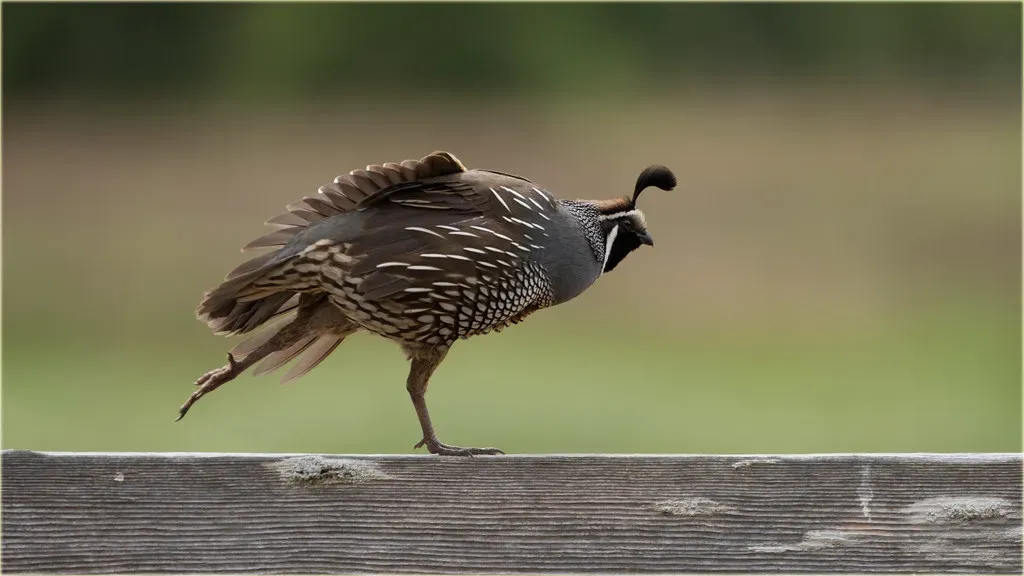
The most iconic bird trait, feathers, is also one of the oldest on this list. Feathers did not appear with modern birds; they first show up in non‑avian theropod dinosaurs tens of millions of years before the earliest true birds. Long before mammals became anything more than shrew-sized side characters, some dinosaurs were already wrapped in fuzzy coats and elaborate plumes used for insulation, signaling, and maybe early gliding.
Fossils from places like northeastern China reveal entire ecosystems of feathered dinosaurs, from small, crow-sized hunters to larger predators with complex, branching feathers. These fossils bridge the gap between simple, hair-like filaments and the fully formed flight feathers we see in birds today. In other words, the basic feather toolkit was up and running deep in dinosaur time, while early mammal relatives were still experimenting with fur and nocturnal lifestyles in the shadows.
Modern birds still grow their feathers in patterns that echo their dinosaur family tree. The way feathers are rooted in the skin, arranged in tracts, and replaced in molting cycles reflects a design that is genuinely ancient. When you watch a hawk preen or a duck shake off water, you are seeing the polished version of a technology that predates every living mammal by a very long way.
- Feathers started in non‑bird dinosaurs, not in modern birds.
- They likely began as insulation and display structures.
- Flight feathers are a later refinement of an already ancient trait.
#2 Hollow, Air-Filled Bones That Go Back To Theropods
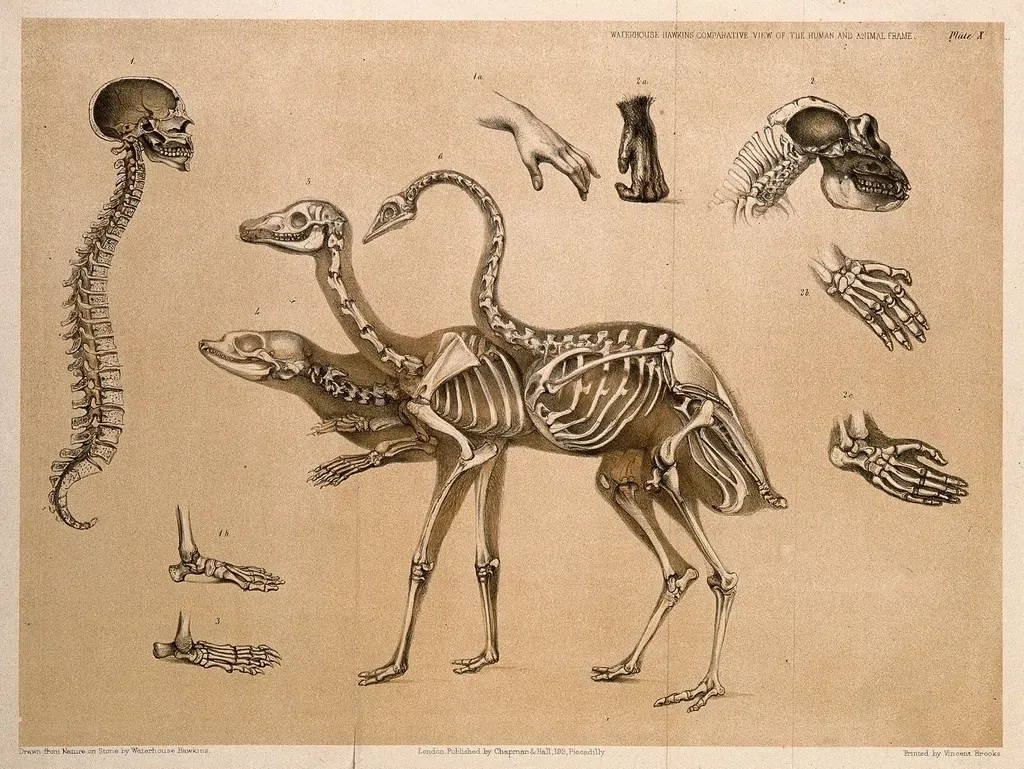
Birds are famous for having hollow bones, but the story starts long before sparrows took to the air. Many theropod dinosaurs had lightweight, air‑filled bones called pneumatized bones, where air sacs invaded the bone interior. This system did not evolve for modern jet‑style flying; it seems to have begun as a way to lighten the skeleton and possibly improve breathing in large, active predators.
Today’s birds still build their bodies around this air‑filled architecture. Their long bones, vertebrae and even parts of the skull are often riddled with air spaces connected to their respiratory system. That is why a bird skeleton feels surprisingly light in the hand, even when it looks robust. The underlying principle is the same one dinosaurs used: keep the structure strong on the outside but carve out weight inside.
Mammals never took that path. Our bones are solid and heavy by comparison, even in bats that have evolved for flight. That contrast alone tells you how ancient the bird lineage’s engineering choices really are. Birds simply inherited and refined a dinosaur strategy that was already established before any living mammal’s ancestors emerged in their modern form.
- Air‑filled bones appeared in theropod dinosaurs before true birds.
- They reduce weight without sacrificing strength.
- Mammals rely on solid bones, even in flying species like bats.
#3 A One-Way, Supercharged Respiratory System
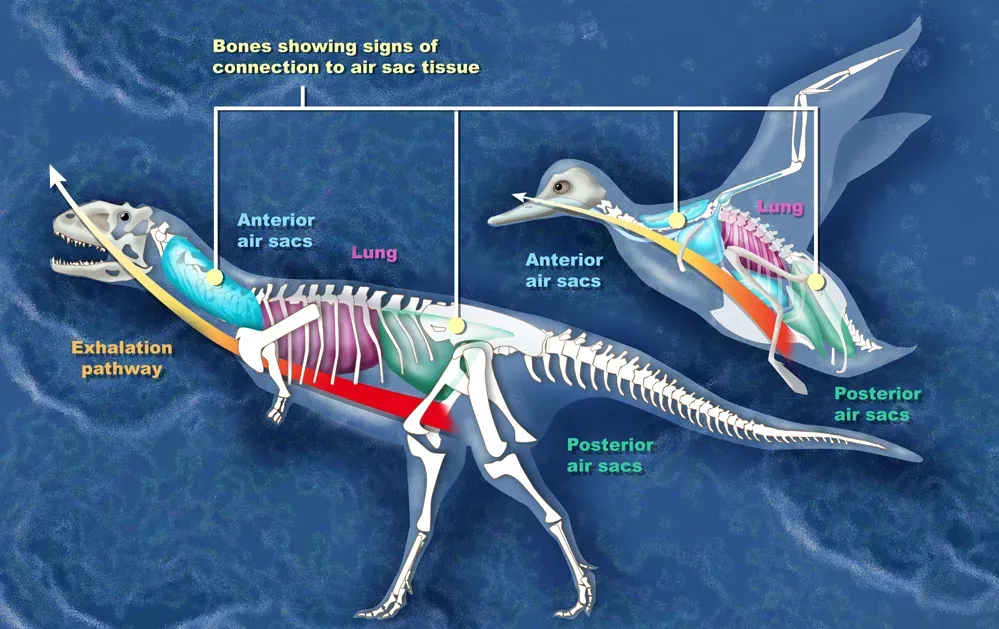
If you could swap lungs with a bird for a day, you would feel like you had been upgraded to a high-performance engine. Bird lungs are rigid, and air flows through them in one direction, helped by a network of air sacs that sit throughout the body cavity and even into the bones. This unidirectional airflow extracts oxygen far more efficiently than the in-and-out, tidal system used by mammals.
Hints of this kind of respiratory setup show up in non‑avian theropods as well, based on the patterns of air sacs and pneumatized bones. That suggests the core idea was present in dinosaur ancestors of birds long before mammals evolved their modern lung layout. It is a strange thought: while early mammals were likely creeping around with fairly simple lungs, some dinosaurs had already evolved a system closer to a living jet engine.
Modern birds push this system to the extreme. A small songbird can sustain wingbeats and metabolism that would exhaust most mammals many times its size. High-altitude species like bar‑headed geese can fly over the Himalayas where air is incredibly thin, riding the advantages of their ancient, efficient lungs. Mammals do well at breathing, but birds are playing the same game on older, more optimized hardware.
- Bird lungs have one-way airflow and rigid lung tissue.
- Air sacs extend into the body and bones, lightening the skeleton.
- Theropod fossils show early versions of this system before modern mammals existed.
#4 Warm-Blooded Metabolism From Deep Time
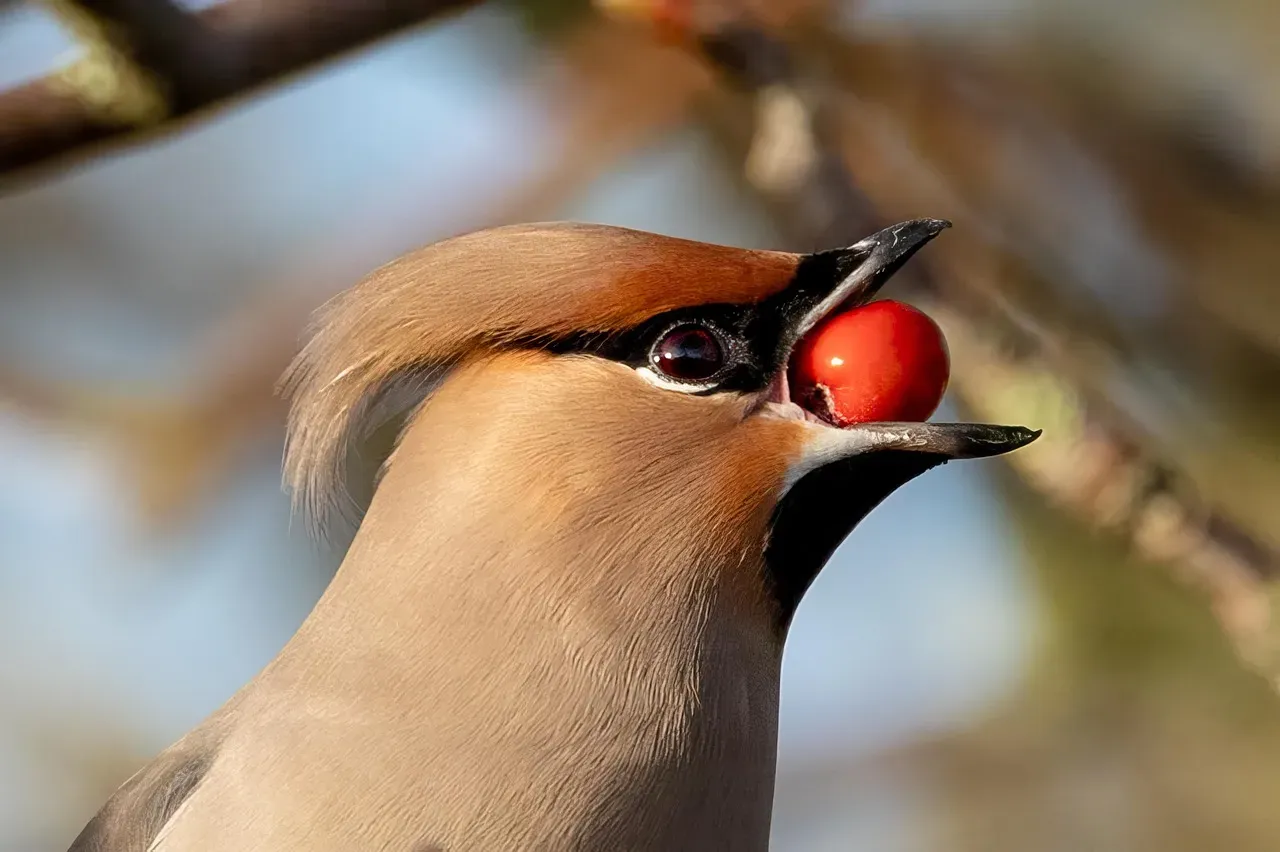
Being warm‑blooded feels like a very mammal thing, but birds got there down a different road, and their version may reach just as far back or even deeper into the reptile side of the tree. Evidence from bone growth rates, body posture, and isotopes in fossils suggests that many dinosaur ancestors of birds had high, stable body temperatures and fast metabolisms. They were not sluggish, cold sunbathers; they were active, constantly burning fuel.
Modern birds are metabolic overachievers. A hummingbird’s heart and muscles run at a pace that makes most mammalian athletes look relaxed, and even moderate-sized birds maintain high body temperatures and intense activity levels. This metabolic intensity is backed by traits we have already mentioned: feather insulation, air‑filled bones, and efficient lungs, all reinforcing the warm‑blooded lifestyle.
Early mammal ancestors also evolved warm‑bloodedness, but their path seems to have been separate. The mammal version likely ramped up gradually in small, nocturnal insect‑eaters, while the bird side appears to have high metabolism wrapped into agile, often predatory dinosaurs. The ancient bird lineage was effectively running hot while the direct ancestors of today’s mammals were still finding their footing in a dangerous, dinosaur‑dominated world.
#5 Egg Laying With Hard, Calcified Shells
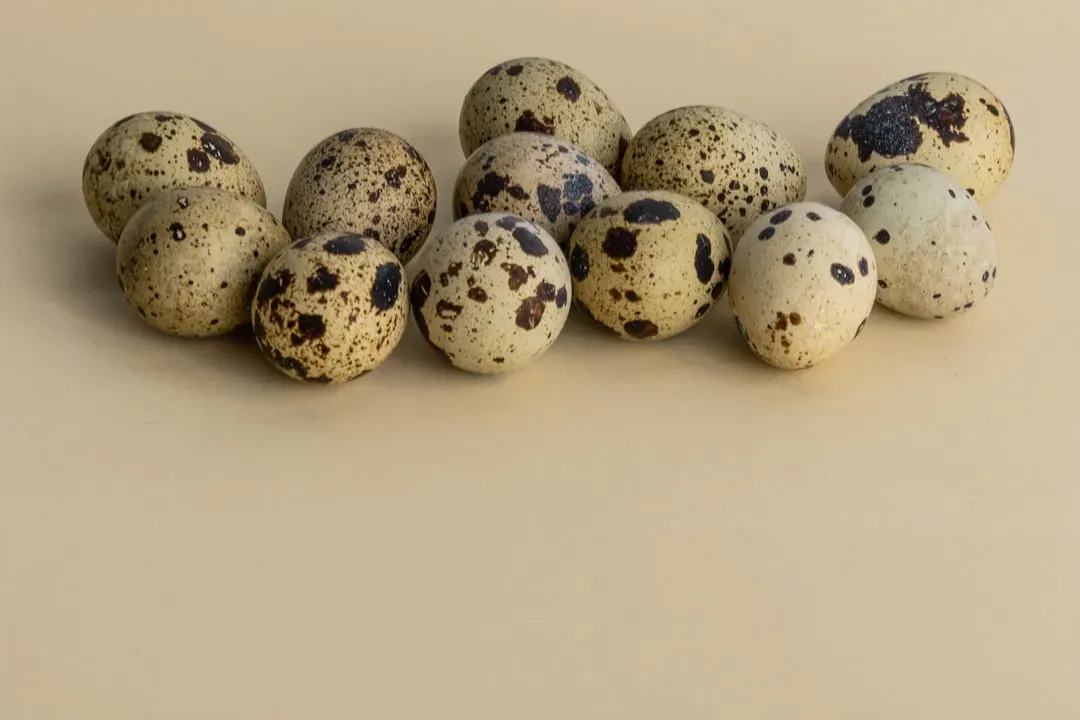
Every bird you know hatches from an egg, and that habit ties them to an incredibly deep history. Laying eggs is older than dinosaurs themselves, but birds specifically use hard, calcified shells that protect the embryo while still letting gases pass through. Fossil eggs from non‑avian theropods and early birds show similar structure and micro‑architecture, meaning this style of egg was already in play long before modern mammals appeared.
Most mammals, by contrast, moved away from egg laying entirely. Only monotremes like the platypus still lay eggs, and even those eggs are soft-shelled and quite different from bird eggs. Placental mammals and marsupials shifted to internal development and live birth, changing not only reproduction but also how parental care and early development work. Birds kept refining the egg strategy instead of abandoning it.
What makes bird eggs especially ancient is not just the shell, but the combination of features: a strong outer layer of calcium carbonate, internal membranes, and careful control over size and gas exchange. Nesting behaviors built around these eggs – turning them, shading them, arranging them in specific patterns – sit on top of a reproductive package that was already well established before any living mammal species’ lineage took its modern form.
- Hard-shelled eggs appear in dinosaur relatives of birds.
- Birds refined, rather than replaced, this reproductive strategy.
- Most mammals evolved away from eggs toward live birth.
#6 Nest Building And Active Parental Care
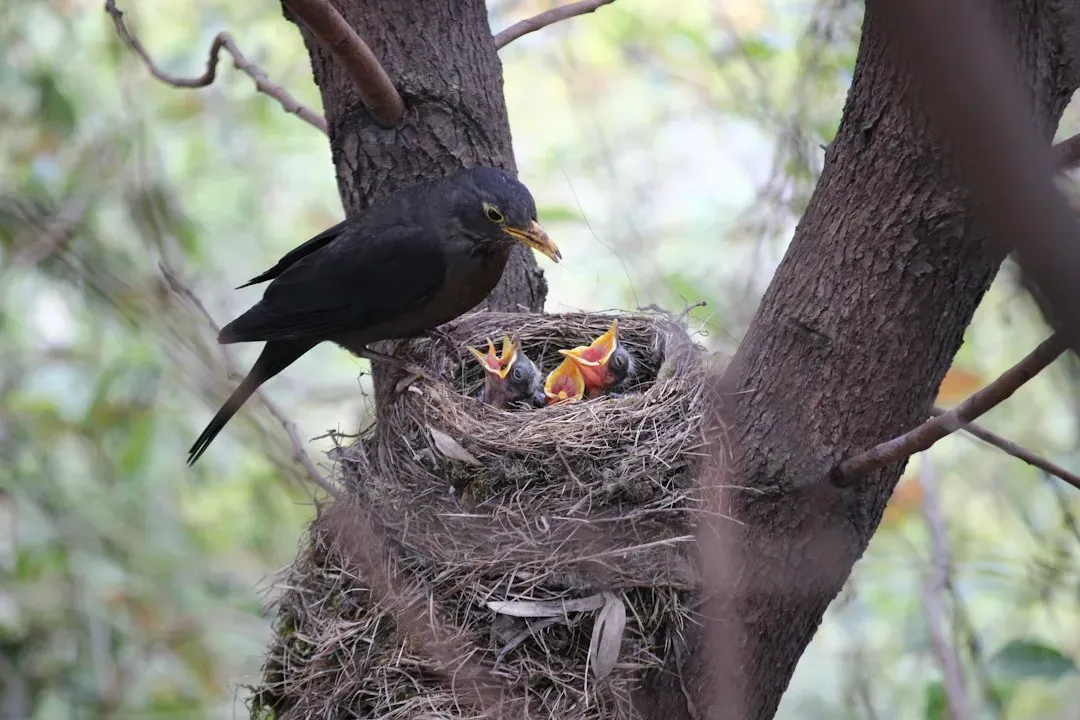
We often praise mammals for maternal care and bonding, but birds have been serious parents for a very long time. Fossil nests, brooding postures, and egg arrangements from non‑avian theropod dinosaurs show that caring for eggs did not begin with modern birds. Some dinosaurs clearly arranged eggs in circles, sat over them, and likely guarded them from predators, just as many birds do today.
Modern birds layer complex behaviors onto this ancient foundation. They weave grass nests, carve cavities in trees, use mud, feathers, or even stolen garbage to shape safe spaces for their eggs and chicks. Many species invest enormous time and energy into incubation, feeding, and teaching their young, sharing duties between parents in ways that feel surprisingly familiar to human eyes.
While mammals also evolved rich parental care, particularly in primates and carnivores, the bird lineage has been refining this behavior for tens of millions of years along its own path. Nest building, egg guarding, and chick feeding are not cute add‑ons; they are ancient survival strategies that predate every single living mammal species and trace back into the dinosaur era. In evolutionary terms, birds were already running family households when our distant ancestors were still obscure, small-bodied night creatures.
#7 A Reptile-Like But Hyper-Efficient Four-Chambered Heart
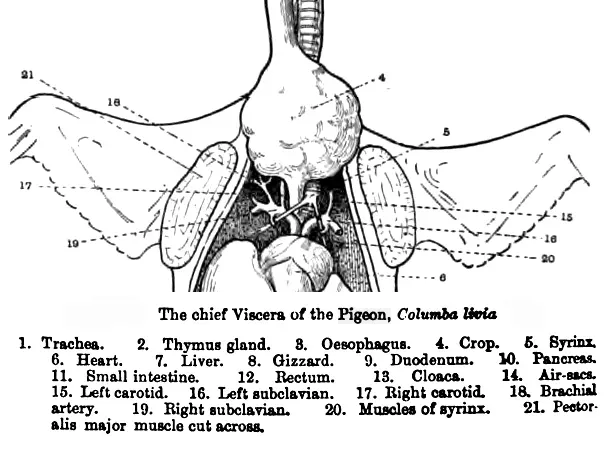
Birds and mammals both have four-chambered hearts, but the bird version is built on a very different evolutionary base. Birds came from reptile-like ancestors that originally had a simpler three-chambered system or partial separation. Over deep time, the archosaur line leading to dinosaurs and birds refined this into a fully separated, four-chambered heart that can maintain high blood pressure and stable body temperature even under extreme activity.
Fossil and anatomical evidence suggests that highly active dinosaurs needed this kind of high-performance circulation long before mammal lineages radiated into their modern diversity. Many of the same adaptations that support warm‑bloodedness – such as rapid growth and sustained locomotion – depend on this upgraded heart. That means the basic architecture of the bird heart is a legacy of ancient archosaurs, not a copy of mammal design.
Today’s birds push their hearts hard. A small bird in flight might clock heart rates that would be lethal in most mammals, yet they handle it thanks to thick, strong walls, efficient valves, and extremely fine-tuned control over blood flow. It is easy to look at a bird heart and see similarity to mammals, but under the hood it is a separate, older solution to the same problem: how do you keep a hot, active body running without failing?
- Bird hearts evolved from reptile‑like ancestors into four-chambered pumps.
- High activity dinosaurs likely already used advanced circulation.
- Modern birds maintain intense heart rates safely and continuously.
#8 Highly Modified Forelimbs Turned Into Wings
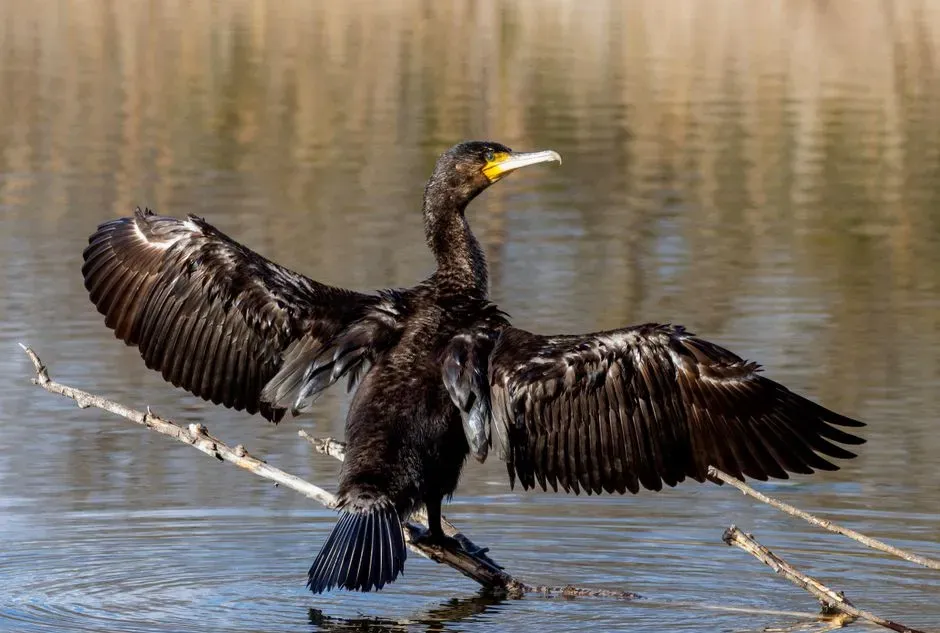
Turning arms into wings sounds like a dramatic step, and it is, but the groundwork was laid in dinosaur time. Non‑avian theropods had long, grasping forelimbs with specific arrangements of bones, tendons and claws. Over time, in the lineage leading to birds, those forelimbs became more and more specialized for flapping and gliding, with elongated arm and hand bones and feathers acting as aerodynamic surfaces.
What makes this trait is the continuity. The basic plan of the forelimb – the number of digits, the shapes of the wrist and elbow, the muscle attachments – comes straight through from dinosaur ancestors. By the time true birds appear in the fossil record, you can already see a near-modern wing outline, while mammalian forelimbs are still mostly terrestrial tools that will later diverge into hooves, flippers and bat wings.
Modern bird wings are essentially ancient dinosaur arms with a different job. When a crow folds its wing or an eagle locks its elbow in a glide, those movements map right back to older joints and levers. Mammals later developed their own flying limbs in bats, but those are entirely separate experiments. Bird wings are the long-running version, not a late arrival.
#9 Beaks And Toothless Jaws With Deep Roots
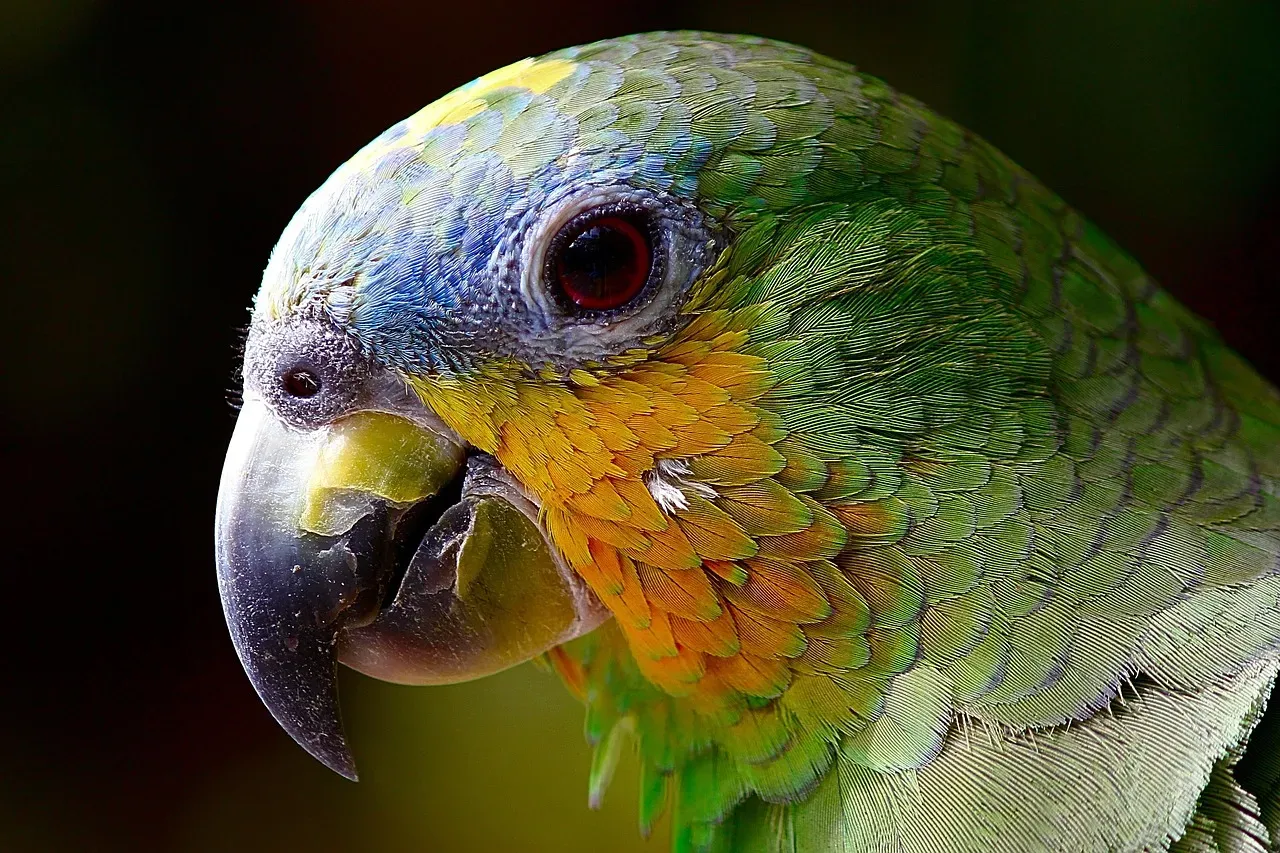
Many people assume beaks are a purely bird thing, but the deeper story is more nuanced and more ancient. Early bird relatives and some non‑avian dinosaurs already show evidence of partial beaks, keratin-covered snouts and reductions in teeth. The trend toward lighter, toothless jaws with a hard covering appears over and over along the dinosaur‑to‑bird line, setting the stage for the complete beaks we see in modern species.
Today’s birds have turned beaks into multi‑tools: spears for herons, nutcrackers for parrots, sieves for flamingos, and chisels for woodpeckers. Behind that variety lies the same basic idea – a lightweight jaw core covered in keratin, with no heavy tooth roots. That architecture allowed the skull to stay light for flight and freed up birds to rapidly evolve new feeding strategies without waiting for slow tooth changes.
Mammals, in contrast, doubled down on teeth. Our line developed complex molars, incisors, and canine combinations, using enamel-covered structures embedded deeply into the jaw. That approach works brilliantly for chewing, but it ties mammal faces to a heavy, tooth-centric design. The bird approach – an ancient, ever‑adapting beak – was already in motion before any living mammal lineage had settled into its modern dental patterns.
- Partial beaks and reduced teeth appear in some dinosaur ancestors of birds.
- Modern birds use feather‑light, keratin beaks for many different diets.
- Mammal skulls stayed tooth‑heavy, following a different path.
#10 Advanced Visual Systems And Color Vision
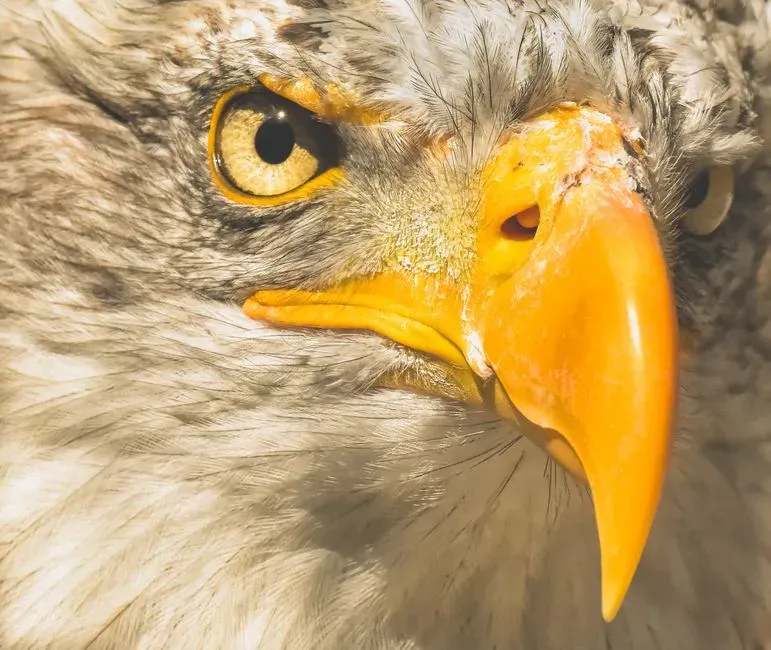
Birds live in a visual world that is almost alien to mammals. Many species see into the ultraviolet, detect subtle color differences, and rely on extremely sharp spatial resolution. Fossil skulls and brain cavity shapes suggest that their dinosaur ancestors already invested heavily in vision, with large eye sockets and expanded regions of the brain dedicated to processing sight. That emphasis on seeing well seems ancient in the bird line.
Modern birds carry that legacy to wild extremes. Raptors can spot tiny movements from high above, hummingbirds can distinguish nectar-rich flowers by color signals invisible to us, and many songbirds use UV patterns on feathers to choose mates. The retina structure and the number and types of color-sensitive cells hint at an old, continuously refined system, not a sudden, recent upgrade.
Mammals, strangely, took a different road. Early mammalian ancestors were likely nocturnal, and they sacrificed some color vision to optimize seeing in low light. Only later did some mammals, including primates, regain richer color perception. So while humans now see color fairly well, birds have been operating in a vividly colored, detail-rich visual universe since long before any modern mammal species existed. When you watch a bird react to motion or flash its plumage, you are seeing an ancient visual toolkit at work.
#11 Complex Vocal Communication And Learned Songs
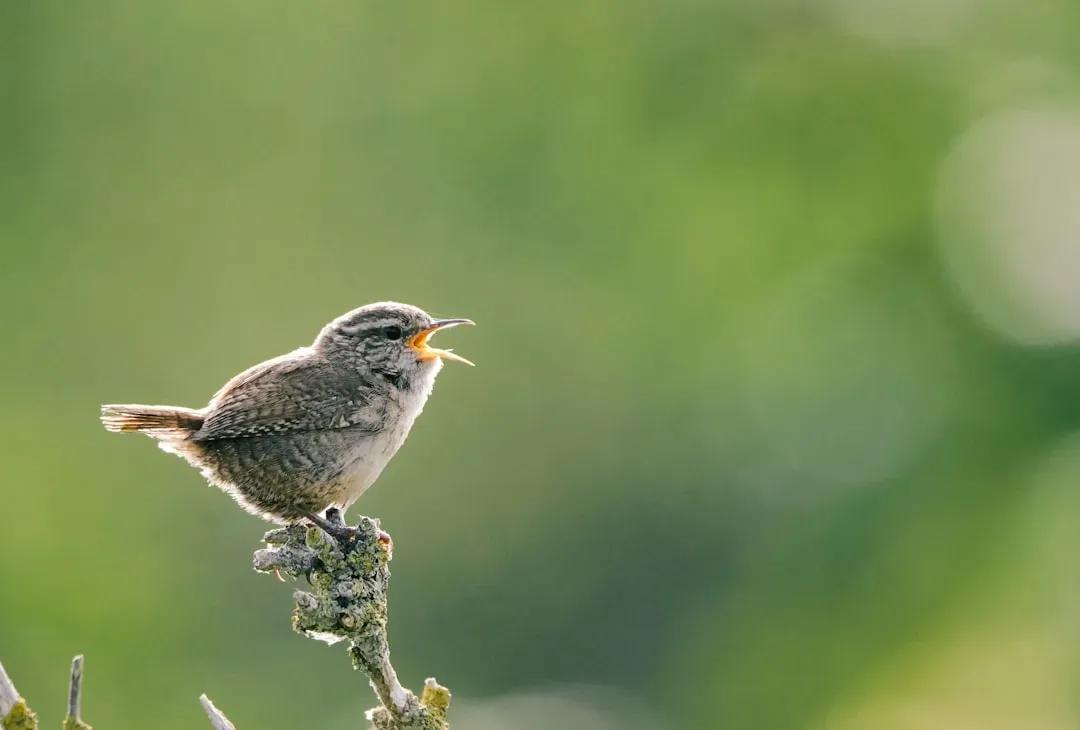
Birdsong feels delicate and poetic, but under the surface it is the product of an old, sophisticated communication system. Some form of vocalization likely existed in bird ancestors, and there are hints that certain dinosaurs could produce calls through resonant structures in their airways. As birds emerged, the syrinx – an organ unique to birds at the base of the windpipe – evolved into a precise sound generator capable of multiple tones at once.
Modern songbirds, parrots and others can learn their calls, copy new sounds, and vary songs based on social context. This ability to learn vocal patterns is not universal in birds, but where it appears, it rests on brain circuits that have been refined over tens of millions of years. These circuits connect hearing, memory and motor control in ways that parallel, but do not copy, mammalian speech centers.
Most mammals vocalize, but true vocal learning is relatively rare, found in groups like humans, whales and some bats. Birds reached that level of complexity early in their own history, building on ancient respiratory and neural traits. When a mockingbird mimics other species or a parrot picks up human words, you are hearing a deep-time communication strategy that predates the origin of every mammal species alive today.
- Birds use a unique sound organ (the syrinx) rather than mammalian vocal cords.
- Some bird groups can learn and modify their vocalizations.
- The roots of complex bird communication stretch back into early bird evolution.
#12 Brain Architecture Built For Flight, Maps And Memory
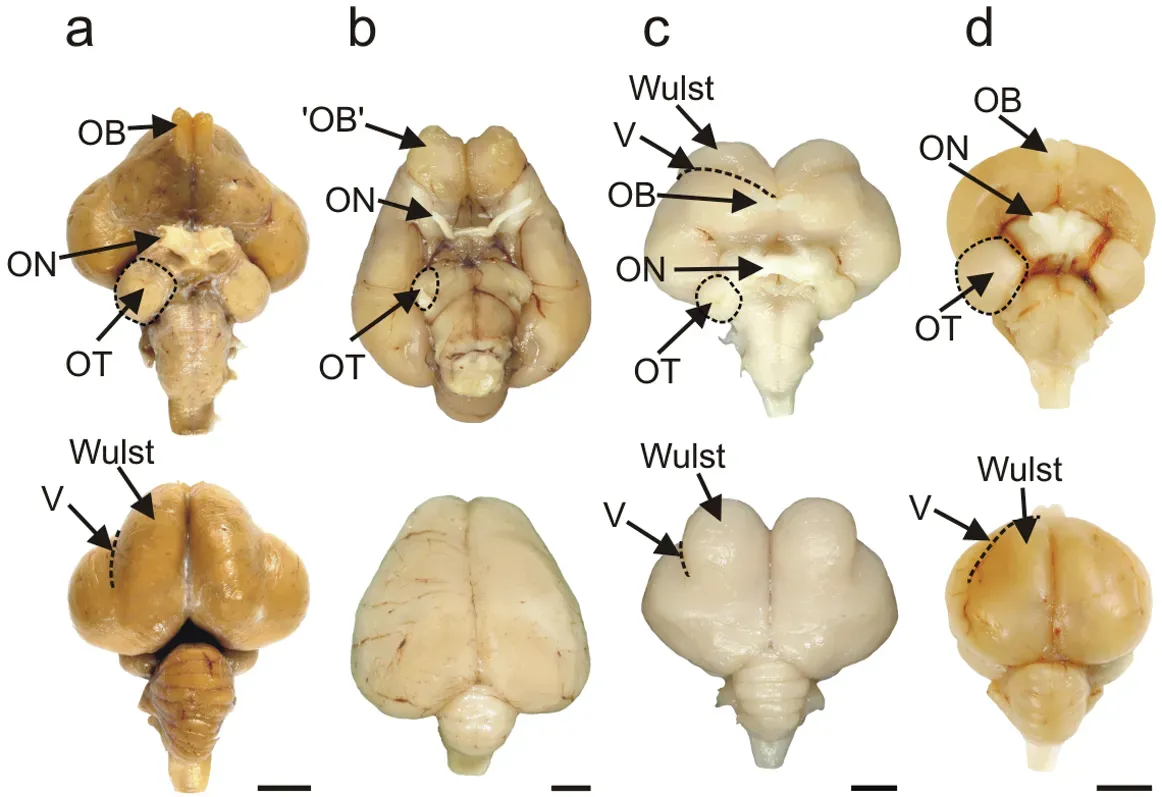
Bird brains used to be dismissed as tiny and simple, but that view has fallen apart. Birds pack a huge number of neurons into a small volume, especially in regions that coordinate movement, decision-making and spatial memory. Fossil evidence shows that the braincases of early bird relatives were already shifting toward this compact, high‑powered setup, with enlarged areas for balance, vision and motor control – perfect for agile movement and, eventually, powered flight.
Today, crows solve multi‑step puzzles, scrub jays cache food and remember its location for months, and homing pigeons navigate over landscapes they have never seen before. These skills rely on brain structures that, while different in layout from mammalian cortices, play similar roles. The point is not that bird brains copy mammal brains; it is that birds evolved their own ancient route to high intelligence and complex behavior.
Mammals also developed large, complex brains, but their architecture stems from a different branch of the vertebrate tree. The mammalian cortex is layered and expansive; bird brains are more compact and nucleated. Both paths lead to flexible behavior, problem-solving and social lives, yet the bird version traces back through dinosaurs into earlier archosaurs. Every clever act by a crow or parrot rests on brain designs that were already diverging and specializing before any living mammal’s direct ancestors looked anything like they do today.
Conclusion: Birds As Living Dinosaurs, Mammals As The Newcomers

When you line up these traits – feathers, air‑filled bones, unidirectional lungs, ancient eggs, beaks, and all the rest – a clear pattern appears. Birds are not just modern animals that happened to invent flight. They are the latest expression of a very old tradition, one that began in reptile‑like ancestors, surged through the age of dinosaurs, and kept going right through the mass extinction that wiped out most of their relatives. In that timeline, mammals look much more like the recent experiment.
I still remember the first time I really processed that a city pigeon is, in a very real sense, a tiny surviving dinosaur. It changed how I walked down the street. Suddenly the birds around me were not background noise; they were living relics with body plans and behaviors older than every cat, dog, cow, and human alive. The ordinary turned into something quietly astonishing, the way an old family heirloom suddenly feels different once you know it passed through many generations.
If there is an opinion to take away here, it is this: we seriously underestimate birds. We treat them as decorations on power lines and background soundtracks in parks, while scientifically and evolutionarily they are grand masters. Mammals, including us, are late to the party, brilliant in our own ways but still building on solutions that birds and their ancestors had already explored. Next time you watch a gull ride the wind or a robin fuss over its nest, maybe ask yourself a different question: who really owns the title of “advanced” animal on this planet, and are we as modern as we like to think?