
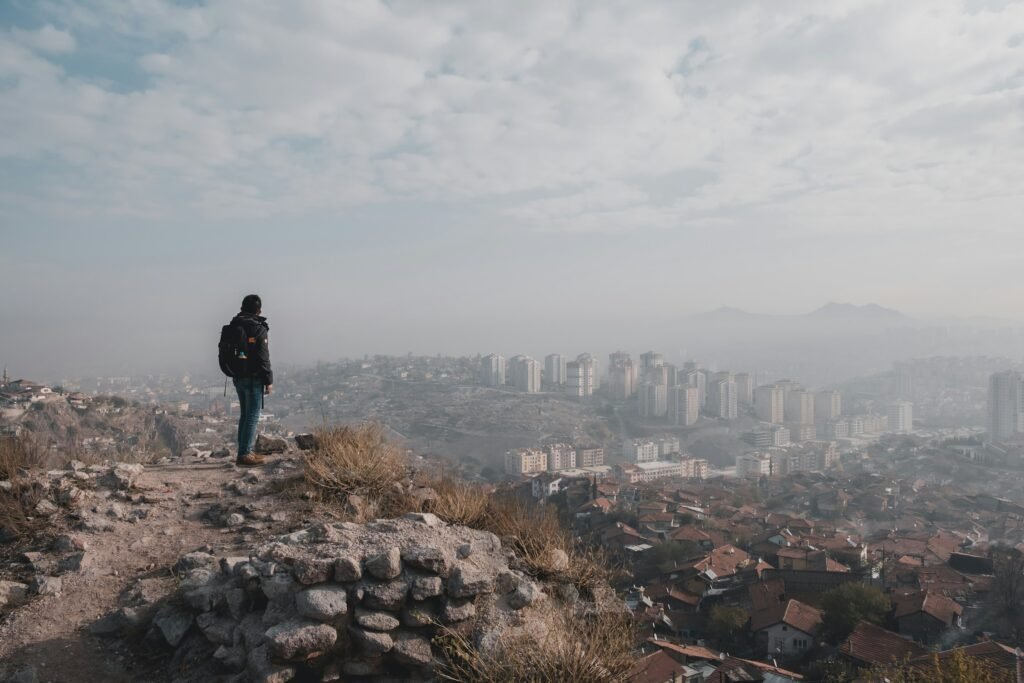
Imagine being dropped into a wild place with no phone, no map, no signal, and being told to find your way out. For most of us, that sounds like a nightmare. For our ancestors, it was Tuesday. Long before GPS and satellite imagery, humans survived by reading subtle clues in the land, sky, and living world around them. Those skills did not disappear; they just went quiet under the noise of modern life.
Once you start looking, you notice something surprising: many of the instincts you use when choosing a safe neighborhood, picking a picnic spot, or deciding whether a road trip route “feels right” are the same ancient survival skills, just wearing modern clothes. We still scan for edges, avoid certain shadows, trust certain sounds, and feel uneasy in particular kinds of spaces – often without knowing why. Let’s pull those instincts into the light and see how seven deep, old-school human skills still shape how we read landscapes today.
1. Water Sense: How The Hunt For Fresh Water Still Guides Our Eyes
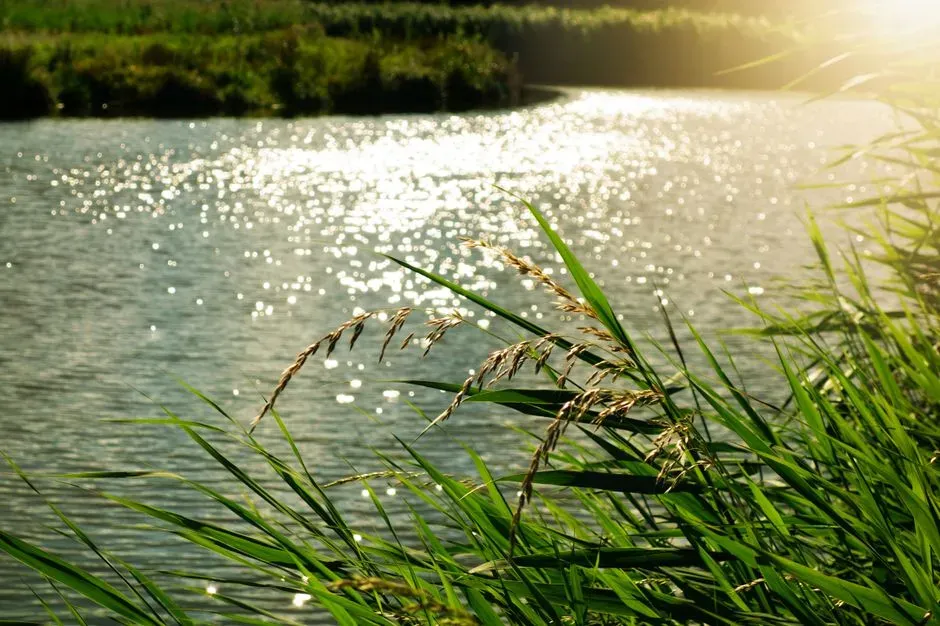
For early humans, finding water was the difference between life and death, and our brains learned to obsess over it. Even today, people tend to feel more relaxed and drawn to places near rivers, lakes, or coastlines, and real estate near water is often considered more desirable. When you scan a new landscape, your eyes almost automatically seek out low points, green belts, and glints of reflected light, all of which can signal water.
Ancient foragers also learned to notice indirect clues: animal tracks converging in one direction, thick clusters of vegetation in otherwise dry areas, or the sounds of frogs and birds that tend to gather near water. Many hikers and outdoorsy folks still rely on those same cues when traveling off trail. Even in cities, we subconsciously track water by gravitating toward tree-lined streams, canals, waterfront parks, and shaded, cooler streets that mimic the feel of riparian zones where our ancestors would have rehydrated and rested.
2. Edge Detection: Why We Love Boundaries, Ecotones, And “In-Between” Places
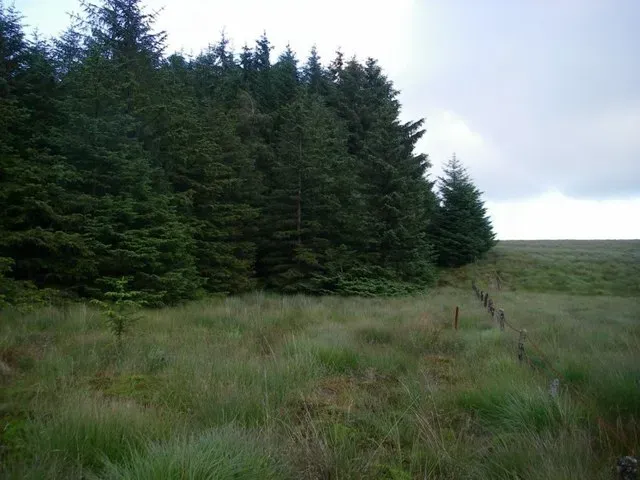
Ancient humans quickly figured out that life and opportunity exploded at edges – where forest meets grassland, river meets plain, or coast meets land. These transition zones, often called ecotones, offered variety: more species to hunt, more plants to gather, and better visibility for spotting predators. Our nervous systems got used to reading edges as rich, strategic places where risk and reward were both high.
Fast forward to now, and we still instinctively value edges. People are drawn to city waterfronts, hilltop overlooks, and tree lines along open fields because they feel both safe and stimulating. When you walk along a forest edge instead of deep in the brush, you’re doing what your ancestors did: keeping one foot in shelter and one in open sightlines. Even urban planners talk about activated edges – where parks touch streets or plazas meet buildings – because humans read those borders as energetic, alive spaces worth lingering in.
3. Elevation And Viewpoints: The Ancient Obsession With The High Ground
Climbing just a little higher has always been a powerful survival move. From a ridge or hilltop, early humans could spot prey, enemies, weather fronts, and safe routes long before they became an immediate problem. High ground also meant a defensive advantage; it is harder to sneak up on someone who can see the whole valley laid out below them. Our ancestors learned to constantly seek vantage points that widened their view of the landscape.
Today, we still pay a premium for views. People love penthouse apartments, hilltop houses, rooftop bars, and scenic overlooks on road trips. Even in a forest, most hikers feel a sense of relief when they break out onto a ridge with a clear panorama, because it instantly orients them. That pleasant rush you feel on a viewpoint is not just beauty; it is your brain saying, finally, I know where I am, I can see danger coming, I can plan my route from here.
4. Path Reading: Desire Lines, Game Trails, And Why Some Routes “Feel Right”
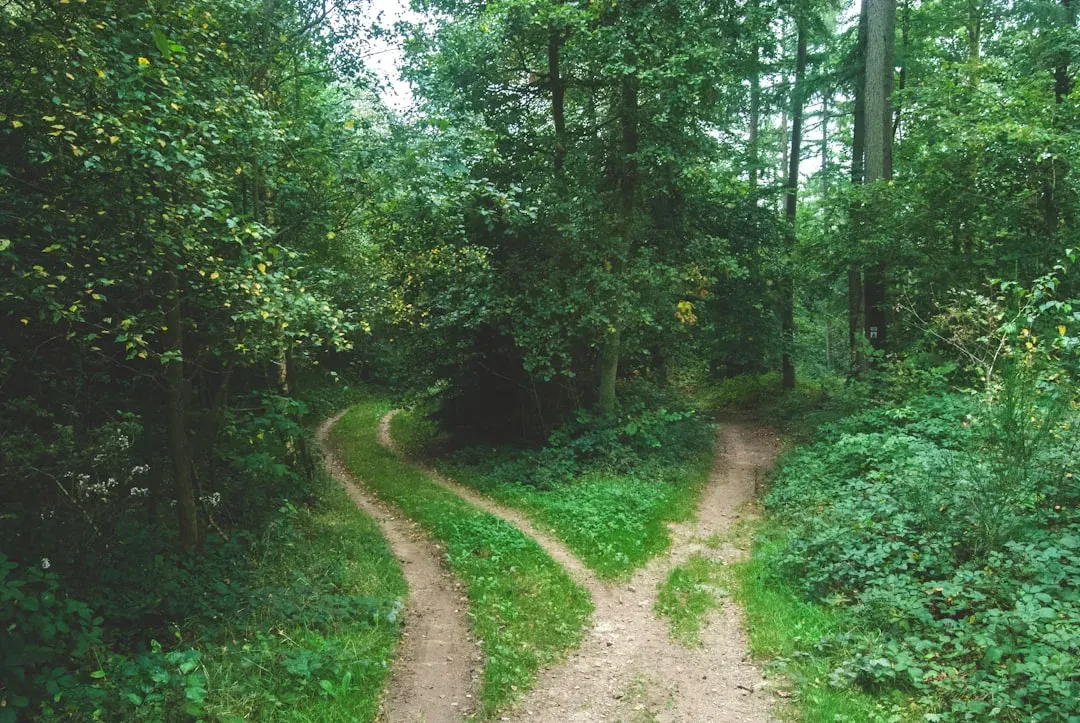
Long before paved roads, humans moved by following the paths of least resistance – animal trails, riverbanks, open ridges. Learning to read subtle depressions in the ground, bent grass, scuffed soil, and repeated track patterns was a core survival skill for travel and hunting. If you could recognize a reliable path, you saved energy and avoided wandering into dangerous terrain. A good path was like free information from the animals and people who walked it before you.
We still follow that instinct today. Look around parks, campuses, or city greens and you’ll see “desire paths” – informal dirt trails where people have ignored the official sidewalks and walked the most direct or comfortable line instead. We intuitively choose routes that are slightly higher and drier, with better visibility and fewer sharp blind turns. When you reject a dark underpass for a more open, winding route, or prefer a trail that follows a ridge instead of a swampy valley, you are relying on a very old ability to read paths for safety, efficiency, and ease.
5. Shelter Instincts: How We Still Judge Safety By Shape, Cover, And Exposure

In harsh environments, picking the wrong shelter spot could be fatal. People learned to seek places that balanced protection and escape: caves with visible exits, overhangs that blocked prevailing winds, clusters of trees that broke the weather but did not trap you. They noticed which slopes stayed dry after rain, which hollows turned into cold sinks at night, and which ridges got roasted by sun or blasted by storms. Shelter was never just a roof; it was a landscape decision.
Those instincts still fire in modern contexts. When you choose a campsite with a bit of natural windbreak but not at the very bottom of a valley, you are using the same logic. In cities, people often feel safer in doorways that face open streets rather than hidden alleys, or in apartments with a clear line of escape rather than windowless interior spaces. Even when picking a café table, many of us subconsciously sit where we can see the entrance and avoid having our backs exposed, echoing the ancient drive to be sheltered but not trapped.
6. Reading The Sky: Clouds, Light, And That Subtle Sense A Storm Is Coming
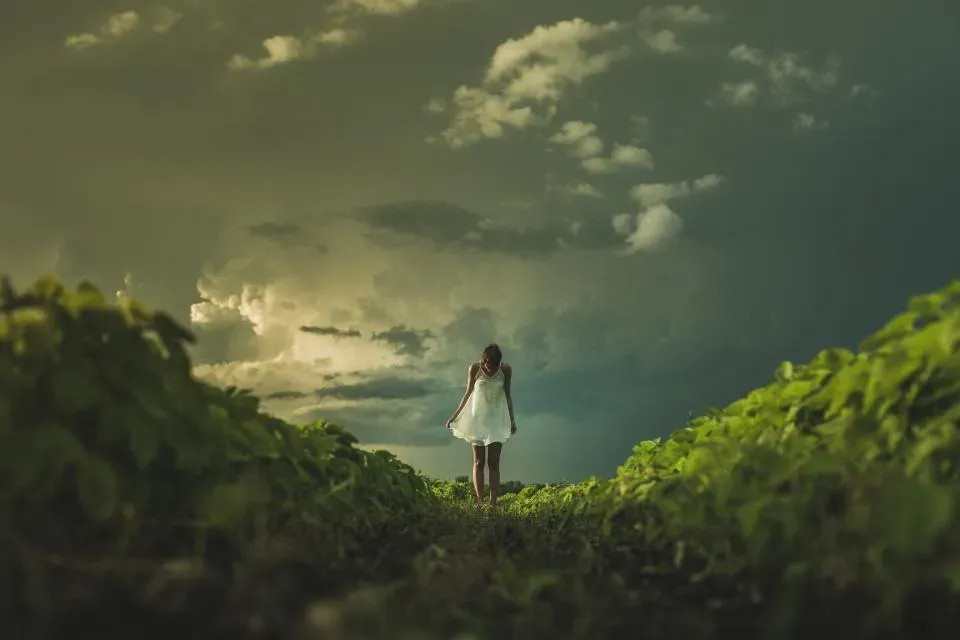
For hunter-gatherers, the sky was a daily forecast screen you could not afford to ignore. Recognizing the build-up of towering storm clouds, shifting winds, or a sudden change in light and smell could mean the difference between being caught in a flash flood and reaching high ground in time. People learned to associate particular cloud shapes, wind patterns, and even bird behavior with coming weather changes and seasonal shifts.
Even if you have never studied meteorology, you probably still feel some of this in your bones. Many people notice when the light turns oddly yellow, the air feels heavy, and the wind goes unsettlingly quiet before a storm; we intuitively speed up our errands or head indoors. Sunrise and sunset colors cue us about air clarity and humidity, and we unconsciously track longer-term patterns: when the first real chill hits, when trees start to turn, when migrating birds appear overhead. Reading the sky is no longer life-or-death for most of us, but that flicker of alertness when the horizon looks wrong is an ancient warning system still doing its job.
7. Soundscapes And Gut Feelings: Listening To The Land Beyond What We See

Before dense human noise, the natural soundscape carried crucial information: the alarm calls of birds, the sudden silence of frogs, the direction of running hooves, or the crack of branches under a predator’s weight. Early humans paid intense attention to shifts in background noise, especially broken patterns. A forest that went too quiet or too chaotic could signal threat. Over time, our brains became specialists in turning subtle audio changes into gut feelings long before we could name the cause.
We still live by that sense, often without realizing it. When a neighborhood feels sketchy, it is rarely just the visuals; it is also the echo of footsteps, the lack of kids playing, the harshness or absence of everyday sounds. Many hikers notice that their nerves spike when bird chatter suddenly drops off, even if they cannot see any danger. That uneasy feeling on a deserted, echoing parking structure or under a highway overpass comes from the same place. Your ears are feeding your instincts, and your body is reading the overall landscape soundscape as either safe, alive, and predictable – or not.
Conclusion: Ancient Eyes In A Modern World

We like to think technology replaced our old survival skills, but most of them just slipped under the surface and kept working quietly. When you are drawn to water, seek a view, avoid tight blind corridors, or feel wary in certain spaces that you cannot logically explain, you are not being irrational; you are using a set of deeply tested instincts that helped people survive for countless generations. In my own life, I have learned to trust that body-level information a lot more, especially on trails and in unfamiliar cities, and it has almost never steered me wrong.
In a world overflowing with digital maps and recommendations, there is something grounding about remembering that you carry a living, ancient navigation system inside your nervous system. You do not have to go fully off-grid to use it; you just have to start noticing how you naturally read landscapes and give those signals a little more respect. The next time a place feels strangely safe, unsafe, inviting, or off, try asking yourself: is this just a mood, or is it my oldest survival software quietly lighting up in the background?