
Most people assume metal is metal – hard, dependable, basically indestructible. Engineers who study cold-weather failures know a darker truth: plenty of everyday metal objects turn dangerously fragile the instant the mercury crashes, and it has nothing to do with rust or corrosion.
The culprit is a hidden property called the ductile-to-brittle transition, and it explains why a wrench, a padlock, or even a ship’s hull can shatter like glass instead of bending under stress. Twelve ordinary metal objects secretly carry this risk – and the list ends with the failure that sank the Titanic.
#12 – Zinc Die-Cast “Pot Metal” Turns Powdery and Fragile
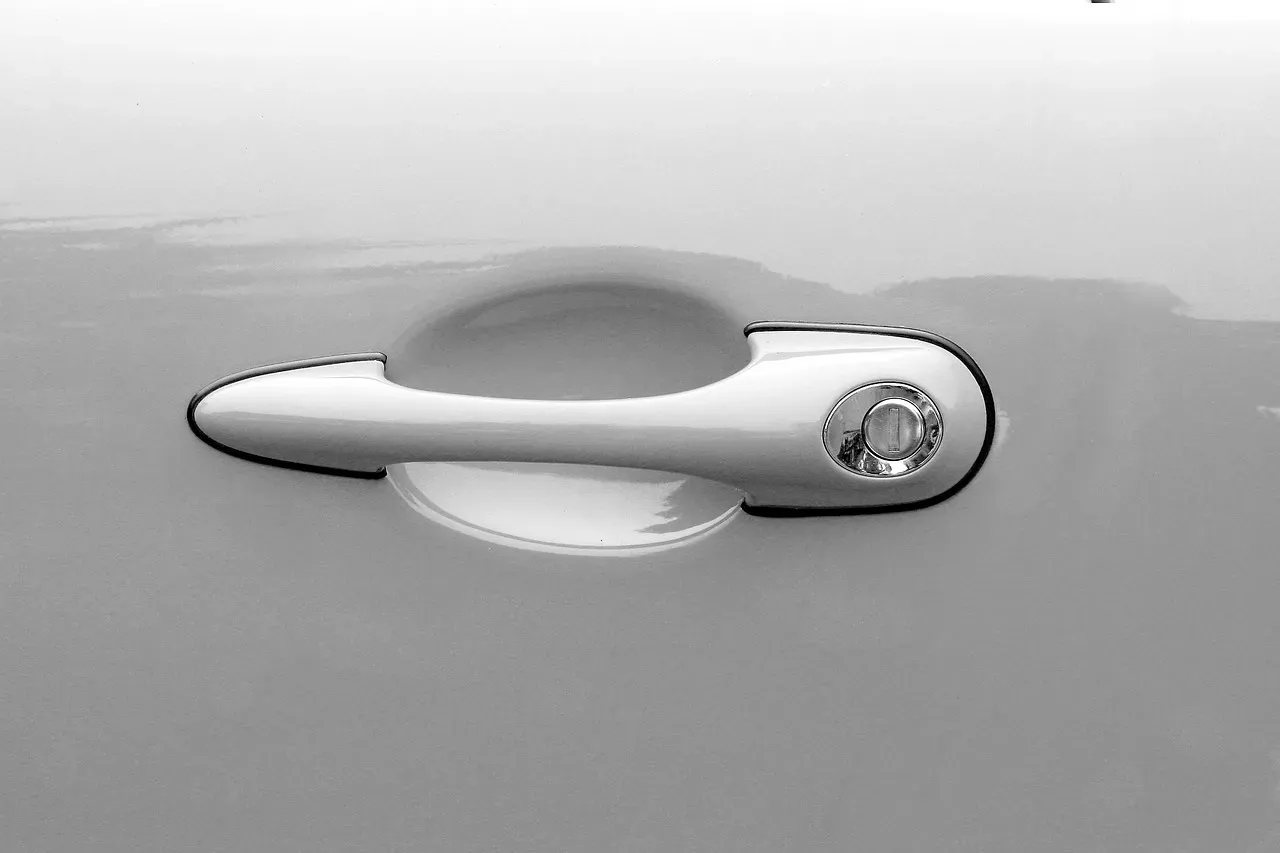
Almost every vintage car door handle, carburetor housing, and cheap toy model is made from a zinc alloy nicknamed “pot metal.” It looks like solid metal, but it’s secretly one of the weakest alloys sold to consumers.
Pot metal is a low-grade zinc-aluminum die casting, and it already has a reputation for cracking and pitting even at room temperature. Cracks or gouges in zinc die-cast pot metal are the number-two restoration problem, second only to pitting. That fragility only gets worse once the metal is chilled, because the internal grain structure has almost no reserve ductility left to spare.
Restorers who work on old fixtures and antique hardware know the drill: warm rooms are mandatory. Try to pry, bend, or even lightly tap a cold pot-metal handle and it can snap clean off rather than flex. That’s why swap-meet sellers store old carburetor parts and 1950s toy cars indoors, never in an unheated garage.
That’s disturbing enough. But the next one on this list doesn’t just weaken – it disappears from the inside out.
#11 – Pure Tin Secretly Disintegrates Into Powder

Tin sounds harmless – it’s in solder, old toys, and antique tableware. But pure tin hides one of the strangest failure modes of any common metal: it can turn into crumbling gray dust in the cold.
This is called “tin pest,” and it’s a genuine phase change, not a myth. Normal, “white” tin undergoes a crystal phase transition to brittle, alpha “gray” tin upon cooling below 13°C. That’s barely below room temperature, but the real danger zone is deeper cold – the transition rate peaks somewhere between -30° and -40°C.
Here’s the part that surprises people: the metal doesn’t just get brittle, it physically swells apart. For a given mass of tin, the volume can balloon by more than 26% during the transformation, and that internal pressure is what shreds the object from the inside. Museums have documented this destroying antique tin artifacts for over a century, and even modern lead-free electronics solder isn’t fully immune – engineers still worry about tin pest forming in solder joints on devices built for low-temperature use.
Fast Facts
- Phase change begins around 13°C (55°F) – not even deep winter cold
- Transformation rate peaks between -30°C and -40°C
- Volume can expand more than 26% as tin turns to gray powder
- Modern lead-free solder in cold-climate electronics can still be at risk
Strange as that is, the next failure hides in plain sight – built right into millions of backyard fences.
#10 – Galvanized Zinc Coatings Crack and Peel Off
Galvanized steel is supposed to be the tough, weatherproof option – the coating that protects fence posts, playground equipment, and outdoor railings from rust for decades. Most homeowners never realize that the protective zinc layer itself has a cold-weather vulnerability.
The zinc coating is a thin, somewhat rigid shell bonded to a flexible steel core. Under normal conditions, the two materials expand and contract together. In severe cold, that relationship breaks down, and industry analysts studying outdoor steel put it bluntly: standard protective coatings can become brittle and peel away exactly when you need them most, right as winter moisture, ice, and road salt show up to do their worst.
Once the coating flakes, the bare steel underneath is exposed to moisture and salt with zero protection left. It’s a two-stage failure – the cold cracks the shield, and the following thaw lets rust move in for good. Fence installers in northern climates increasingly steer customers toward powder-coated or aluminum alternatives for this exact reason, a mildly controversial opinion among old-school contractors who still swear by classic galvanizing.
That’s a slow, quiet failure. The next one is anything but quiet – it’s a snap you’ll actually hear.
#9 – Antique Wrought Iron Gates and Fences Snap Instead of Bend
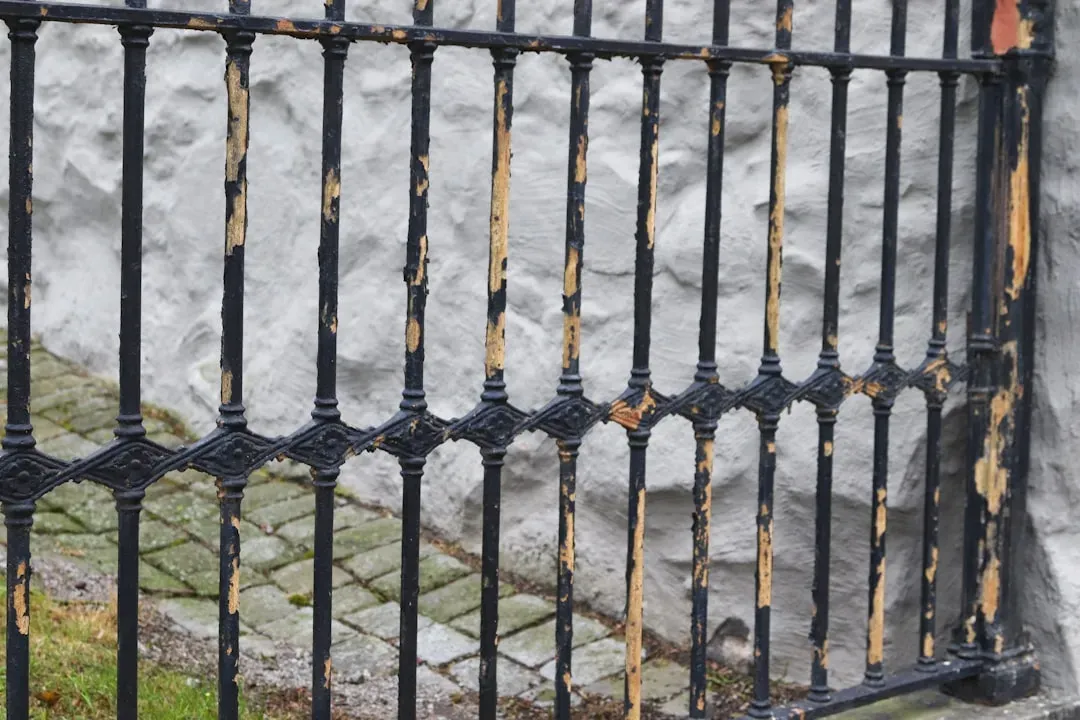
Wrought iron has a reputation as the toughest, most old-fashioned metal around – the stuff of century-old gates and hand-forged fences. That reputation is partly a myth once deep cold enters the picture.
Wrought iron is a low-carbon iron alloy with a fibrous, slag-streaked internal structure, built on a body-centered cubic lattice. That crystal structure is exactly the type materials scientists flag as trouble. BCC metals like mild steel become brittle at low temperatures, while FCC metals have a much lower energy barrier for plastic flow and rarely show any ductile-brittle transition at all. Wrought iron falls squarely on the wrong side of that line.
In practice, this means decorative iron fences and gates that flex slightly in summer heat can develop hairline stress points that turn into full fractures during a hard freeze, especially at welded joints or delicate scrollwork. A gentle nudge that would do nothing in July can crack a century-old gate hinge in January. Preservationists restoring historic ironwork now treat winter handling as a genuine risk factor, not just a comfort issue.
Century-old iron cracking is one thing. What happens next in your own kitchen is almost harder to believe.
#8 – Cast Iron Cookware and Wood Stoves Crack From Thermal Shock
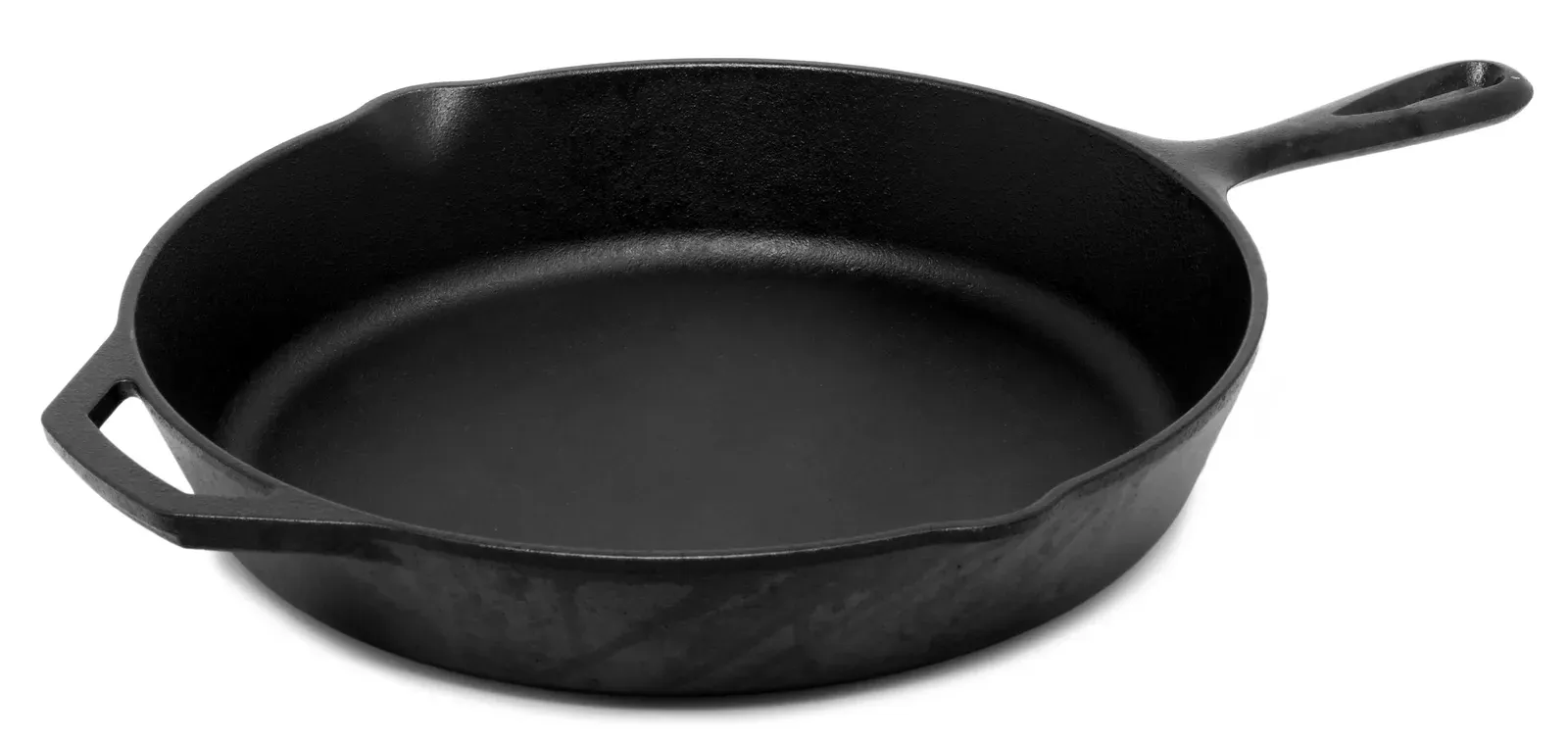
Cast iron skillets and wood-burning stoves are marketed as nearly indestructible, passed down for generations. Cold weather quietly undermines that reputation in a way most owners never expect.
The danger isn’t the cold air alone – it’s the collision between temperatures. Cast iron is genuinely brittle by nature, and sudden temperature swings expose that weakness instantly. It’s the same principle behind the crack you hear when ice cubes hit a glass of warm water – sudden thermal shock, just on a bigger and more expensive scale.
Cold weather makes this worse because objects sit at a lower baseline temperature before they’re ever heated. Taking a hot skillet outdoors on a winter night, or setting it onto a cold metal grill plate, can shock the metal instantly. The same logic applies to wood stoves lit cold-start in an unheated cabin. One uneven blast of heat against a chilled iron surface is often all it takes to send a fracture racing across the base.
A cracked skillet is a bad morning. A snapped chain, as the next entry shows, can be a lot more dangerous.
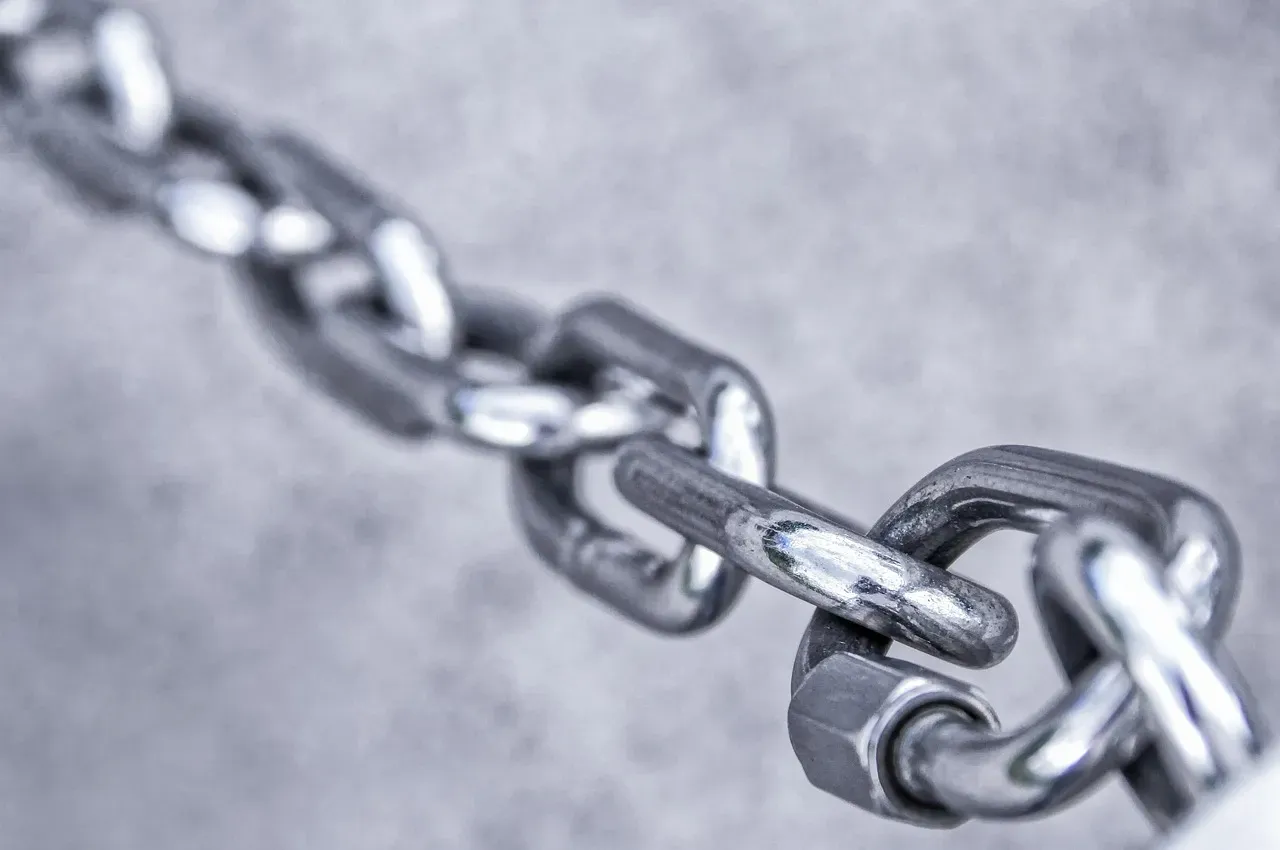
#7 – Standard Carbon Steel Chains Snap Instead of Stretching
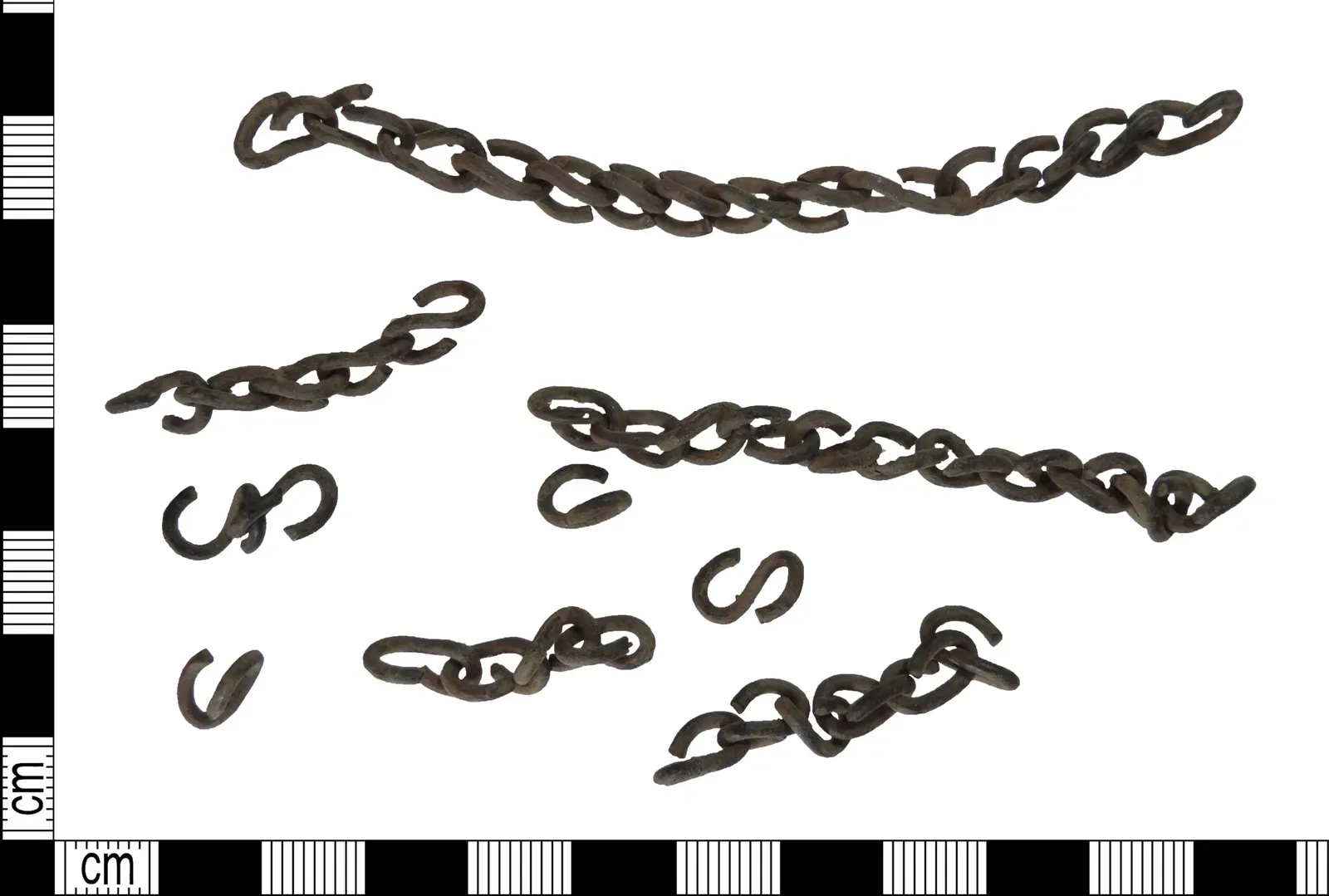
Tow chains, tire chains, and swing-set chains are everywhere, and almost all of them are made from ordinary carbon steel – the cheapest, most common metal option. Most people assume a chain either holds or it doesn’t; temperature rarely enters the conversation.
That assumption is wrong, and heavy equipment operators learn it the hard way. Cold doesn’t just make steel stiffer – it fundamentally changes how the metal fails. As temperatures plummet, steel loses its ability to deform under stress and becomes liable to fracture instead, and older carbon steel components are especially susceptible. A chain that would normally stretch and absorb a shock load instead snaps outright, with almost no warning bend beforehand.
This is a bigger deal than it sounds. A chain under sudden tension in warm weather might deform a little and hold. The same chain in severe cold can shear a link entirely, releasing whatever load it was securing – a stuck truck, a trailer, or a swinging playground seat. Winter maintenance crews now routinely swap in cold-rated alloy chain for exactly this reason, even though it costs more up front.
That kind of failure is scary on a job site. It gets personal, though, the moment it’s guarding your own shed.
#6 – Everyday Steel Padlocks Shatter Under a Hard Strike
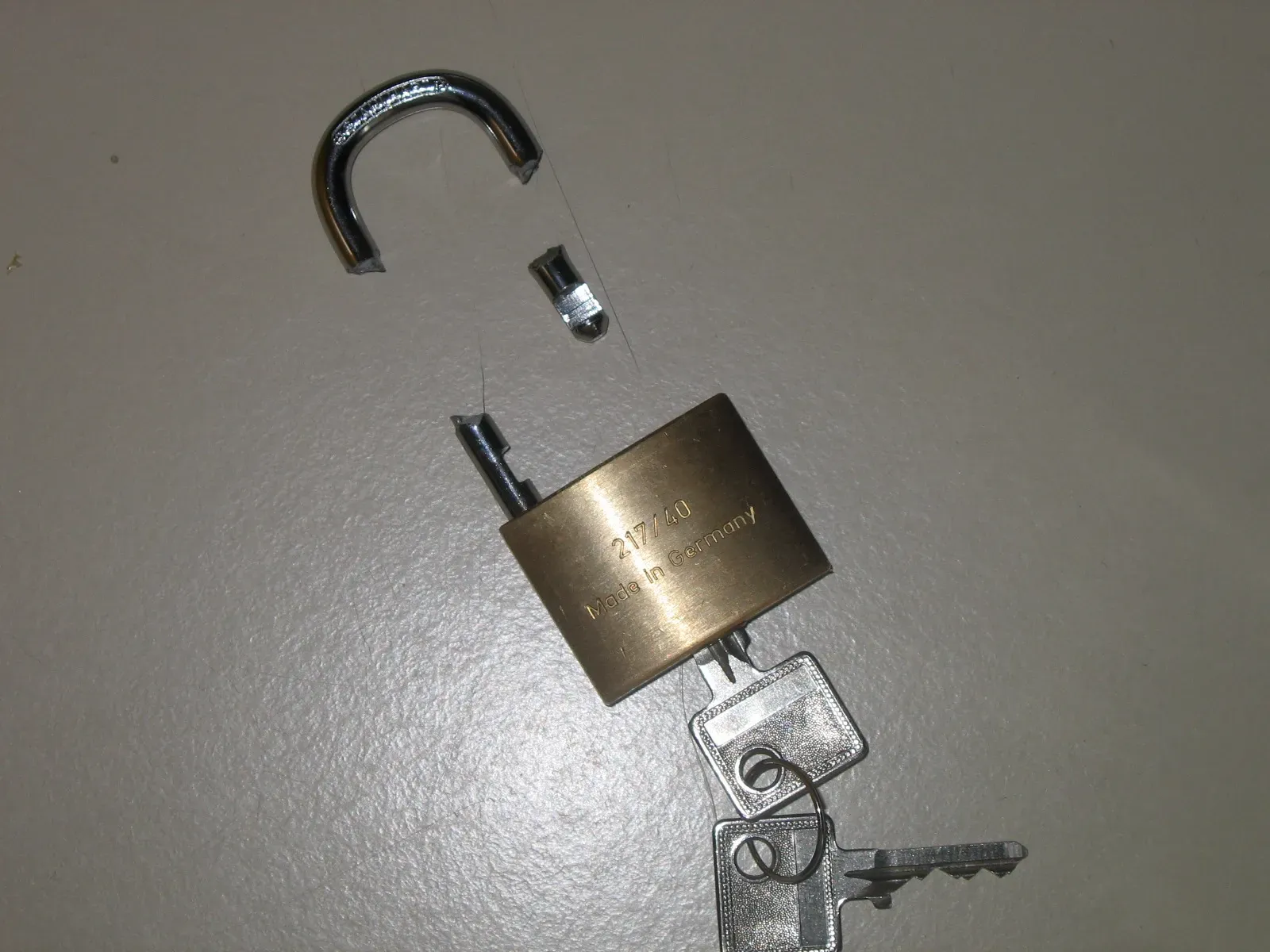
The padlock on a shed, storage unit, or gate is designed to resist bolt cutters and prying – but almost nobody engineers it to resist deep cold. That’s a genuine design blind spot in cheap hardware.
Most consumer padlocks use a hardened carbon-steel shackle, chosen specifically for its hardness at normal temperatures. Hardness and cold-brittleness, unfortunately, tend to travel together. The same body-centered cubic crystal structure that makes standard steel strong at room temperature is the exact structure responsible for catastrophic embrittlement once the temperature drops far enough, a pattern confirmed across dozens of documented industrial cold-fracture cases.
The practical result: a padlock that would normally require serious force to defeat can sometimes be shattered with a single sharp hammer strike after a hard freeze – the shackle behaves less like tempered steel and more like cast metal. Security specialists in cold-climate regions have quietly started recommending boron-alloy or hardened stainless shackles instead, precisely because standard carbon steel loses its forgiving, bendable nature exactly when winter break-in attempts spike.
A shattered padlock is unnerving. What’s hiding inside your hardware bin is arguably worse.
#5 – Off-the-Shelf Nuts and Bolts Aren’t Rated for the Cold You Think They Are
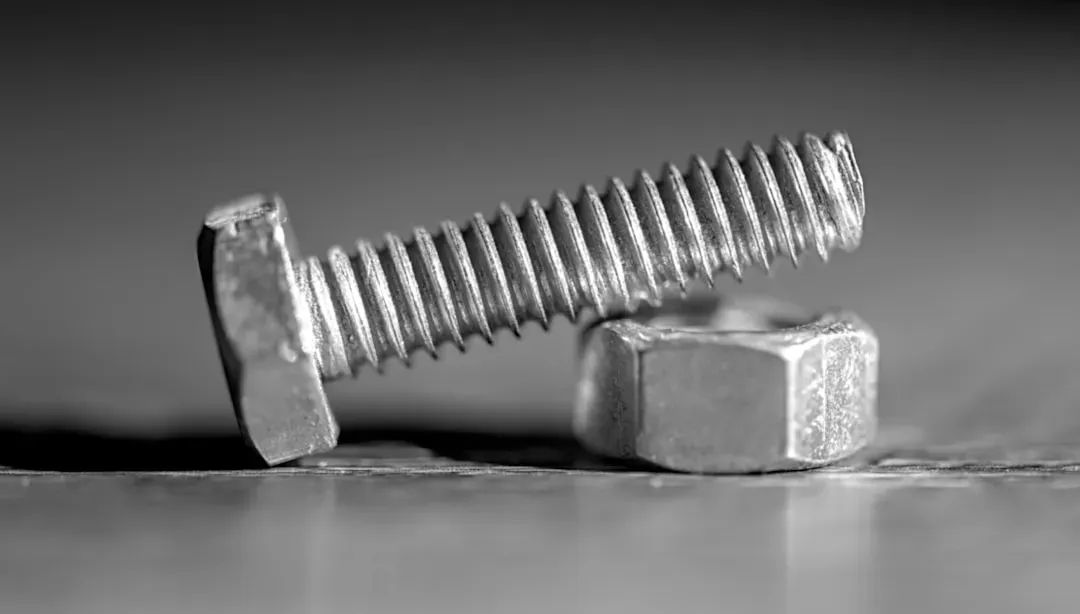
Bolts hold together everything from decks to machinery, and most consumers assume “steel is steel.” Structural engineers who specify cold-climate hardware know this is one of the most dangerous assumptions in construction.
Standard bolts are picked for tensile strength, not winter toughness, and that gap can be lethal in equipment. Most high-strength bolts are made from carbon or alloy steels prized for their strength at room temperature. But as the temperature falls, the internal structure of the steel changes, and ductility drops right along with it. A bolt that looks perfectly intact can snap like glass under a sudden shock load, according to fastener engineers who study exactly this failure mode.
There’s an actual government-referenced fix here, and it’s rarely followed on consumer projects. Guidance from the American Society of Testing Materials Committee on Low-Temperature Bolting recommends ASTM Specification A 320 bolting, preferably Grade L7, since that grade meets the impact requirement at -50°F with room to spare. Most hardware-store fasteners aren’t graded this way at all – a fact that should probably be printed on every box sold in a cold-climate state.
Quick Compare
- Standard hardware-store bolt: rated for room-temperature tensile strength, no cold-impact testing at all
- ASTM A320 Grade L7 bolt: certified to meet impact requirements at -50°F
- The gap: most consumer fasteners sold in cold states fall into the first category, not the second
Bolts hiding in walls and decks are bad enough. The next failure happens right in your hands, mid-swing.
#4 – Tool Steel Hand Tools Chip and Shatter Mid-Swing
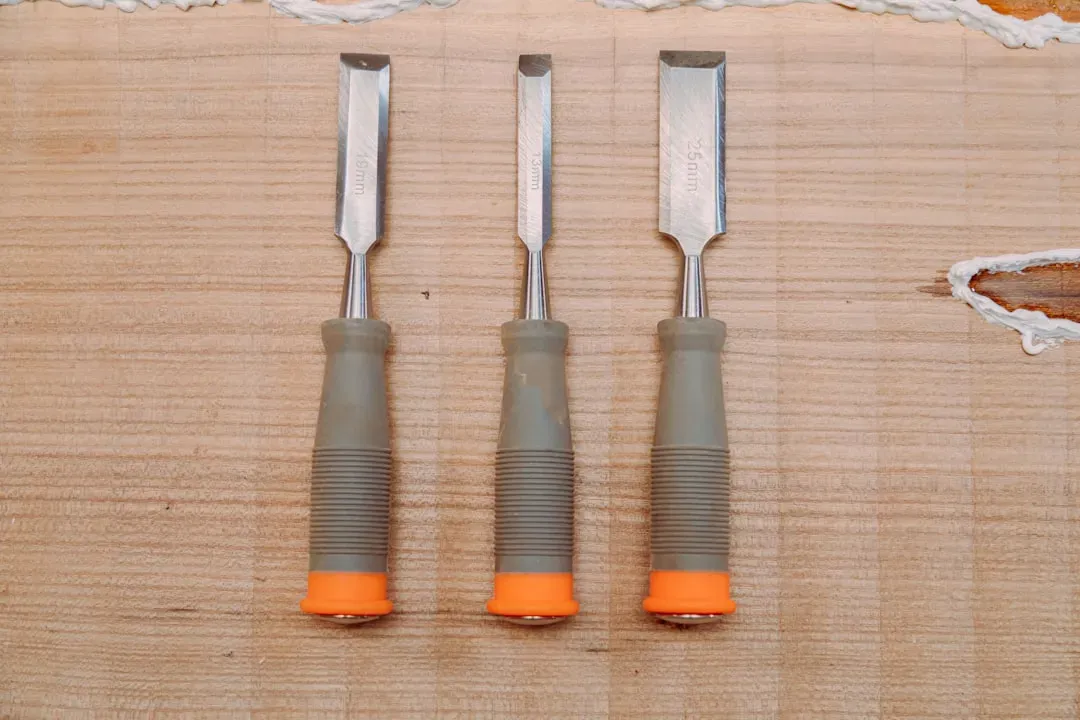
Axes, hammers, chisels, and pry bars are built from hardened tool steel, chosen specifically because it’s strong and holds an edge. Almost no manufacturer prints a cold-weather warning on the handle, yet the danger is real and well documented.
Tool steel is engineered to be hard, and hardness in steel almost always comes paired with a higher, more dangerous transition temperature. As temperatures plummet, steel loses its ability to deform under stress and becomes liable to fracture instead, and older or worn carbon steel components are hit hardest. A striking tool is essentially designed to absorb repeated shock – precisely the kind of load that reveals brittleness fastest.
This is why experienced loggers and ironworkers avoid swinging cold tools at full force first thing on a frigid morning; they warm the steel first, or start with lighter taps. A full-power swing on a subzero chisel or axe head can send shards flying instead of splitting the target cleanly. It’s a point many hobbyists ignore – most people simply don’t think metal tools need “warming up” the way engines do, but professionals increasingly disagree.
A chipped axe head is a workshop hazard. The next failure shows up in the structures we lean on without thinking.
#3 – Structural Angle Iron, Rebar, and Handrails Fail at the Joints
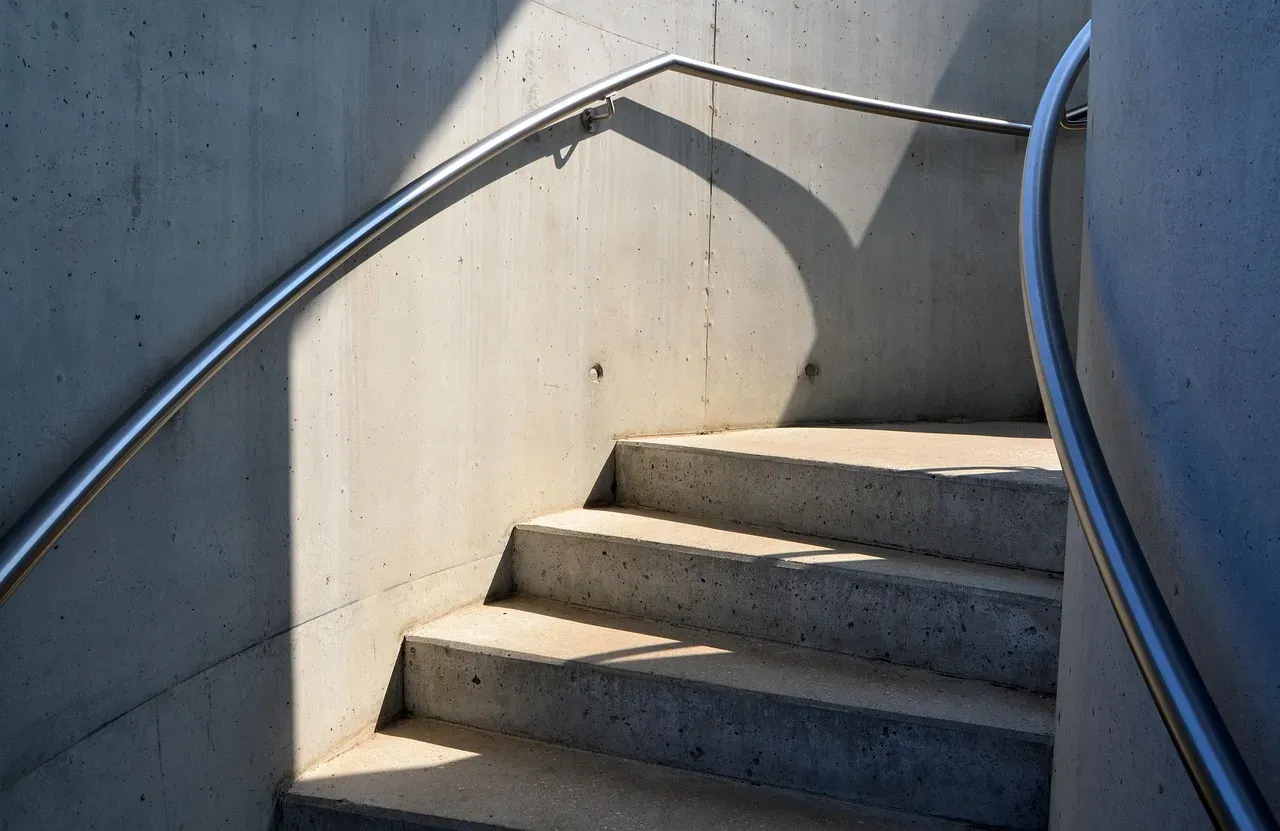
Rebar, angle iron, and outdoor handrails are the unglamorous backbone of decks, stairs, and small structures, and they’re almost always plain carbon steel because it’s cheap. That cost-saving choice becomes a liability the moment deep cold sets in.
The failure point is rarely the flat, straight section of metal – it’s the joints, welds, and cut edges. Safety analysts studying cold-climate railing failures point to this exact detail: geometric discontinuities are exactly what you find at railing post bases, welded corners, and bolted brackets, especially where the metal was cut or ground roughly. In winter, that stress concentration stacks with environmental effects as water finds its way into microgaps and freezes.
Over-tightened or low-quality carbon-steel fasteners may already be carrying hidden residual stresses from cold working. Once the steel around them goes brittle in deep cold, a hard shove on the rail can send a crack shooting from a bolt hole or weld. A handrail that feels perfectly sturdy in October can fail under normal leaning pressure in a January cold snap. Notably, aluminum doesn’t share this weakness nearly as badly – it retains toughness at subzero temperatures, giving it a real advantage for residential stairs and decks in cold, salty climates.
Worth Knowing
- Carbon steel: yield strength rises as temperatures fall, but fracture toughness collapses at the same time
- Aluminum: keeps its ductility even well below freezing, and rarely shows a brittle transition at all
- Practical upshot: aluminum railings and brackets are a safer long-term bet in cold, salty climates
Handrail failures are a local problem. The next one on this list is engineered around on a national scale.
#2 – Steel Bridges and Guardrails Are Engineered Around This Exact Failure
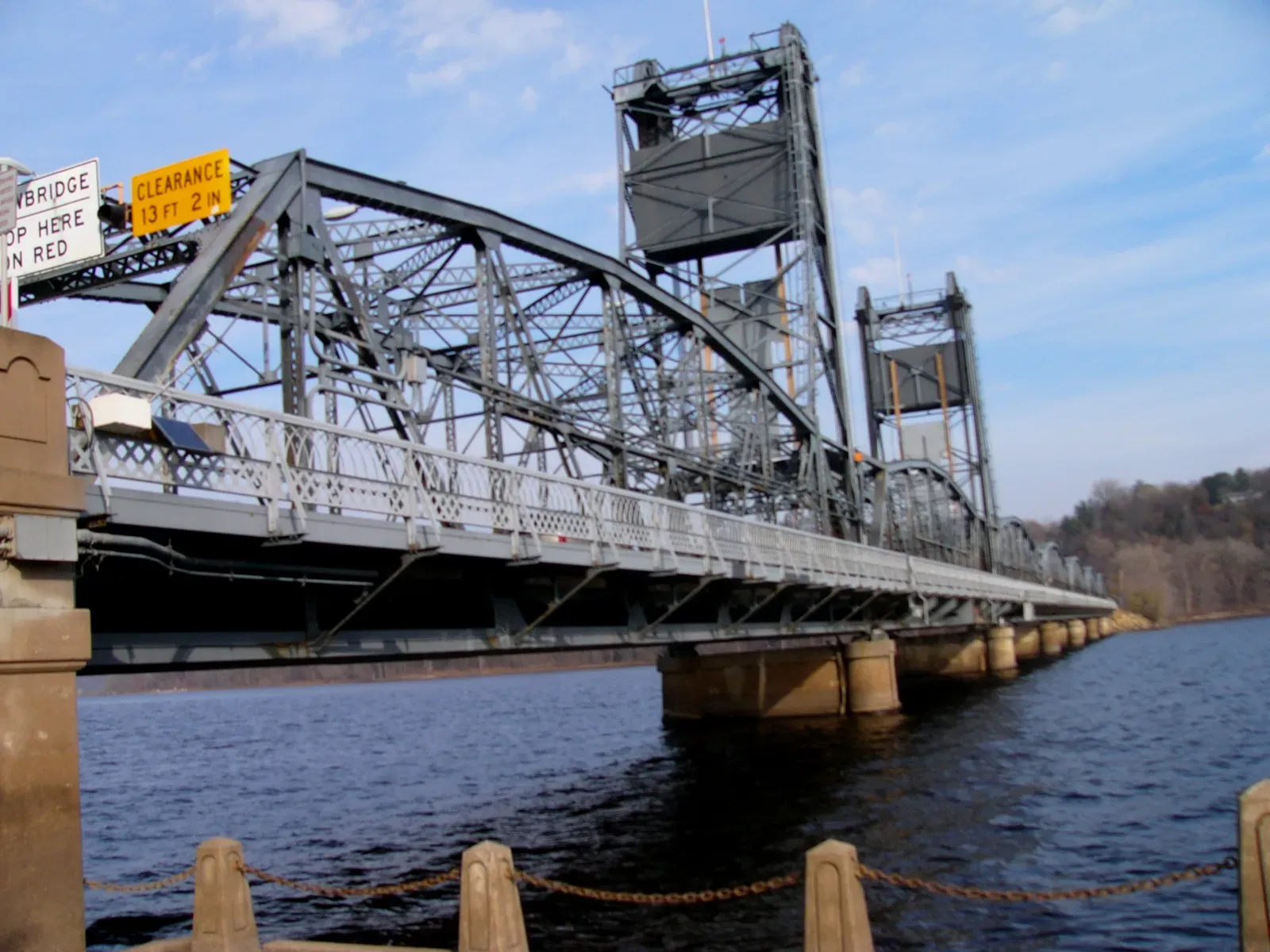
Bridges and highway guardrails look permanent, over-engineered, immovable. In truth, entire branches of civil engineering exist specifically because plain structural steel has a hidden cold-weather failure mode that can’t be ignored at scale.
The core problem is simple physics applied to enormous consequences. Steel’s yield strength rises as temperature falls, so the plastic zone at any crack it contains shrinks until the fracture mode switches entirely – and for some steels that transition temperature sits as high as 0°C. The result is that steel ships, bridges, and oil rigs are statistically more likely to fail in winter at high latitudes. That’s not a fringe concern; it’s baked into national engineering codes.
Modern regulations exist to prevent repeat disasters, and they’re stricter than most drivers realize. Process plants may be required to operate at temperatures well below 0°C, which is why material selection schedules are widely used in pressure vessel and piping fabrication, specifying carbon steel with controlled impact properties down to -50°F. Without that careful grade selection, a guardrail or bridge girder struck by a vehicle in extreme cold can fracture in a brittle, sudden way instead of bending to absorb the impact – exactly the behavior engineers spend decades trying to design out of the system.
Guardrails and bridges are one thing. The very last entry is the failure that literally sank into history.
#1 – Ship-Hull Grade Steel: The Failure That Sank the Titanic
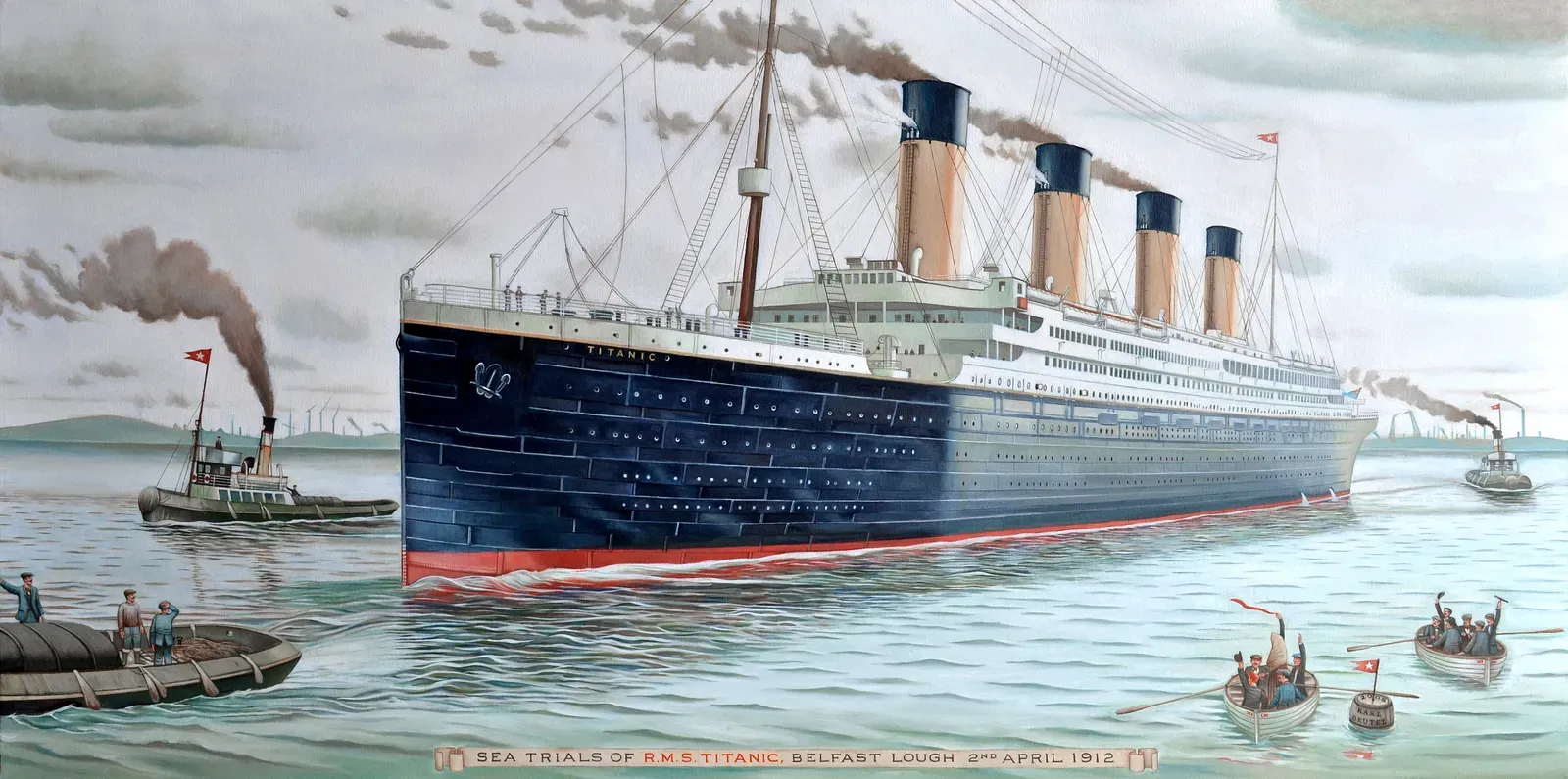
If one everyday metal deserves the top spot, it’s the plain structural steel used to build entire ships – because its cold-weather failure caused one of the most famous disasters in history, and it wasn’t a fluke.
The story is more mechanical than most people realize; it wasn’t a single design flaw, it was basic materials science working against the crew. The sinking of the Titanic was caused primarily by the brittleness of the steel used to construct the hull – in the icy water of the Atlantic, that steel had dropped below its ductile-to-brittle transition temperature, and in that state, even a small impact could cause enormous damage. The iceberg didn’t need to tear a massive gash; the already-brittle plates did the rest.
This wasn’t an isolated 1912 problem – it happened again, at scale, three decades later. The mechanism was first properly identified by Constance Tipper of Cambridge’s Engineering Department, while she was studying the failure of Liberty Ships during the Second World War. Entire welded hulls cracked apart on cold Atlantic and Arctic convoy routes because the steel’s transition temperature had been badly miscalculated during production – and when those ships sailed into cold seawater, the hulls suddenly turned from ductile to brittle underfoot. Two of the deadliest maritime disaster patterns of the 20th century, separated by thirty years, traced back to the exact same overlooked property in ordinary steel.
At a Glance
- 1912: Titanic’s hull steel drops below its ductile-to-brittle transition temperature in icy Atlantic water
- 1940s: Liberty Ship hulls crack apart on cold Atlantic and Arctic convoy routes during WWII
- Common thread: both disasters trace back to the same overlooked steel property, identified by Cambridge researcher Constance Tipper
The Bottom Line
The uncomfortable truth is that almost none of the metal in your garage, kitchen, or driveway was designed with true extreme cold in mind. From pot-metal door handles to ship hulls, the same hidden property – the ductile-to-brittle transition – quietly turns tough materials fragile the moment temperatures crash. Engineers have known this for over a century, yet most consumer-grade hardware still isn’t rated for it.
The real lesson isn’t to fear metal; it’s to stop assuming “solid” means “safe” in a hard freeze. A padlock, a bolt, a handrail – none of them announce their weakness until the exact moment you’re counting on them most. Which one on this list surprised you the most? Drop it in the comments.