
Most people assume extinction is a slow, rare tragedy – something that happens to a handful of unlucky species over millions of years. Here’s the part that should unsettle you: humans have erased animals that once numbered in the hundreds of thousands, even billions, in less time than a single human lifetime. Some of these creatures were so overwhelming in number that people called them pests, shot them for sport, or ate them without a second thought.
That’s the twist hiding inside this list. Every animal below was once so common that farmers, sailors, and scientists assumed it was invincible – a permanent fixture of the landscape. It wasn’t. The reasons they vanished are almost insultingly ordinary: dinner, fashion, “pest control,” and careless development. Here’s what the fossil record, dusty ship logs, and modern researchers actually say about how “too many to count” became “gone forever.”
#12 – The Great Auk: The “Penguin of the North” Hunted for Feathers
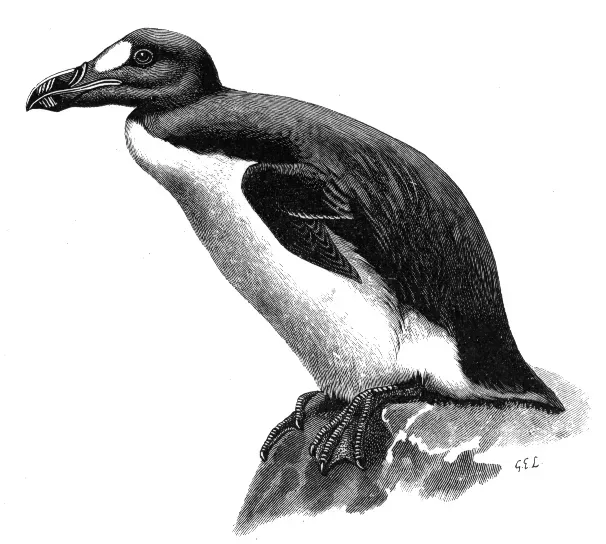
People used to joke that you could walk across certain North Atlantic islands without ever touching bare rock – just the backs of great auks. That wasn’t an exaggeration. It was a description.
The great auk (Pinguinus impennis) was a large, flightless seabird that bred in dense colonies from Canada and Greenland across to Iceland and the British Isles. Early sailors described thousands of birds packed so tightly on breeding rocks that the ground itself seemed to disappear underneath them. They were slow on land, endlessly curious, and utterly unafraid of humans – a combination that is basically an extinction death sentence.
Fast Facts
- Scientific name: Pinguinus impennis
- Range: North Atlantic islands from Canada and Greenland to Iceland and the British Isles
- Last confirmed killing: 1844, Eldey Island, Iceland
- Primary cause: Industrial hunting for feathers, oil, and meat
For centuries, great auks were slaughtered for meat, oil, and especially down. Their feathers stuffed pillows and coats long before factory farms existed. By the 18th and 19th centuries, fashion and commercial hunting had turned into an industrial operation, with ships landing on breeding islands and clubbing hundreds of birds in a single night, smashing eggs underfoot to save time. Once the population collapsed, museums and private collectors piled on, paying premium prices for skins and eggs of a species everyone could see was circling the drain.
The last confirmed great auks were killed in 1844 on Eldey Island, Iceland – strangled for a collector while they incubated a single egg that got crushed in the struggle. The species was gone before anyone seriously considered protecting it. But the #11 spot proves this wasn’t a one-time mistake.
#11 – The Quagga: A “Half-Zebra” Erased for Livestock
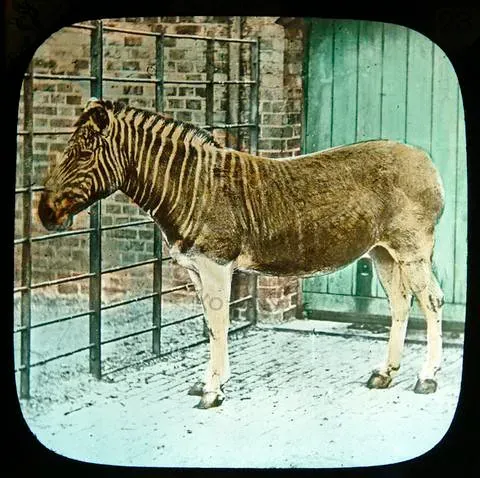
Most people scrolling past old photos of the quagga assume it’s just a weirdly filtered zebra. That’s exactly how 19th-century farmers treated it too: as another striped nuisance in the way of profit.
The quagga (Equus quagga quagga) was a subspecies of plains zebra native to South Africa’s grasslands. From the front, it looked like an ordinary zebra; toward the rear, the stripes faded into solid brown. Early travelers described quagga herds mingling with true zebras, wildebeest, and antelope in numbers so vast the plains seemed to move and breathe on their own.
To European settlers, that living landscape looked like competition. Quaggas ate the same grasses as imported cattle and sheep, and were hunted for meat and hides on top of that. Farmers and colonial governments treated mass shooting campaigns as simple “stock management.” There was no concept of subspecies or genetic uniqueness back then – a striped horse was a striped horse, and there seemed to be plenty of those to spare.
By the mid-1800s, wild quaggas were vanishing from their range, but nobody was counting. A few were shipped to European zoos as curiosities rather than protected as an endangered animal. The last known wild quagga likely died in the 1870s; the last captive individual, a mare in the Amsterdam Zoo, died in 1883. Only afterward did scientists realize this “variety of zebra” had actually been a distinct animal that vanished while everyone was looking the other way. A selective breeding project in South Africa is now trying to recreate a quagga-like coat pattern from plains zebras – but the original bloodline is gone for good.
#10 – The Heath Hen: America’s Forgotten “Practice Turkey”
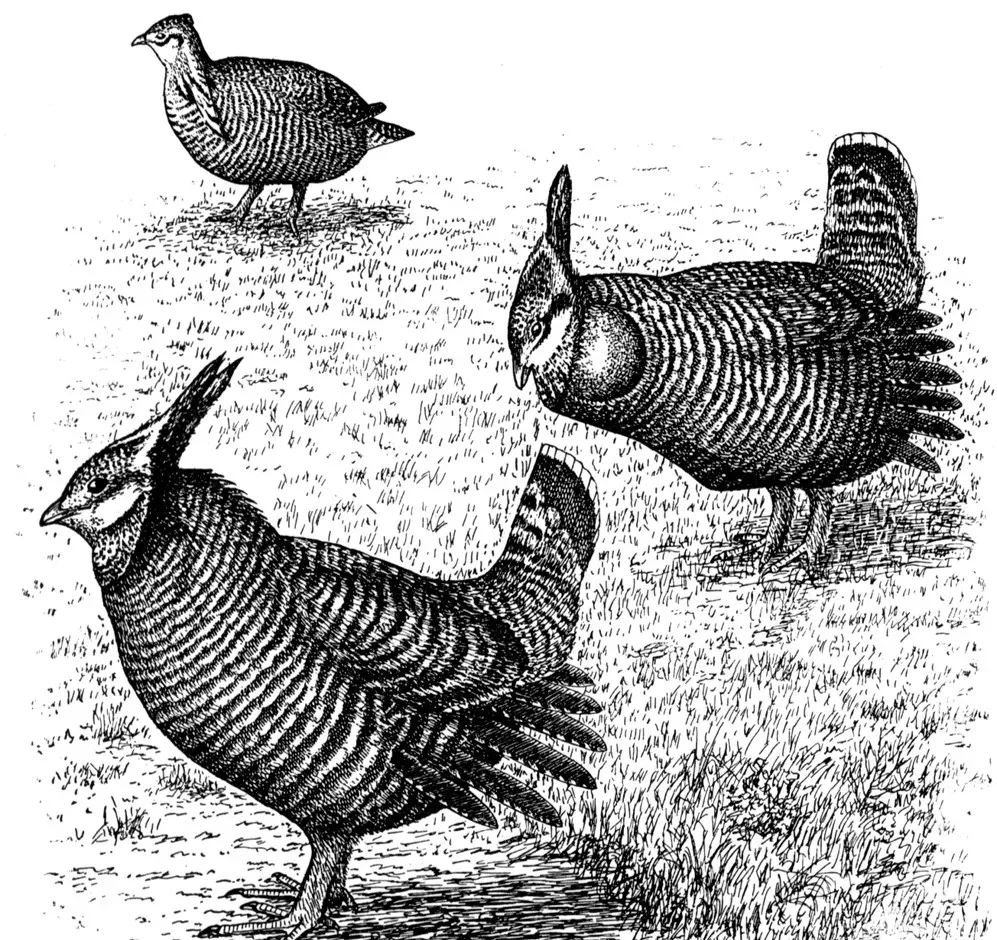
Before the passenger pigeon became the poster child for extinction, New Englanders had already wiped out another bird so common it was considered poor-man’s food – the kind of meal servants complained about eating too often.
The heath hen (Tympanuchus cupido cupido) was a subspecies of the greater prairie chicken that lived on the sandy barrens and coastal plains of the northeastern United States. Colonial records mention heath hens being so abundant around Boston that they were treated as a default protein, shot, trapped, and clubbed with almost no restriction at all.
Hunting wasn’t even the main problem. Heath hens needed open, scrubby habitat maintained by periodic fires. As New England’s farms and towns expanded, that habitat shrank, and well-meaning fire suppression policies actually locked the remaining birds into smaller, poorer patches of land. Free-roaming livestock trampled nests, and predators like feral cats thrived near new settlements, quietly grinding the population down.
By the late 1800s, heath hens were gone from the mainland, surviving only on Martha’s Vineyard. A sanctuary created in 1908 briefly let the population climb back to several hundred birds – a real conservation win, for a moment. Then came a brutal combination of disease, savage winters, and a fire that tore through key breeding grounds. Despite genuine local concern, the last male – nicknamed “Booming Ben” for his lonely mating calls echoing across empty fields – was seen in 1932, and then never again.
#9 – The American Chestnut’s World: A Vanished Ecosystem, Not Just a Tree
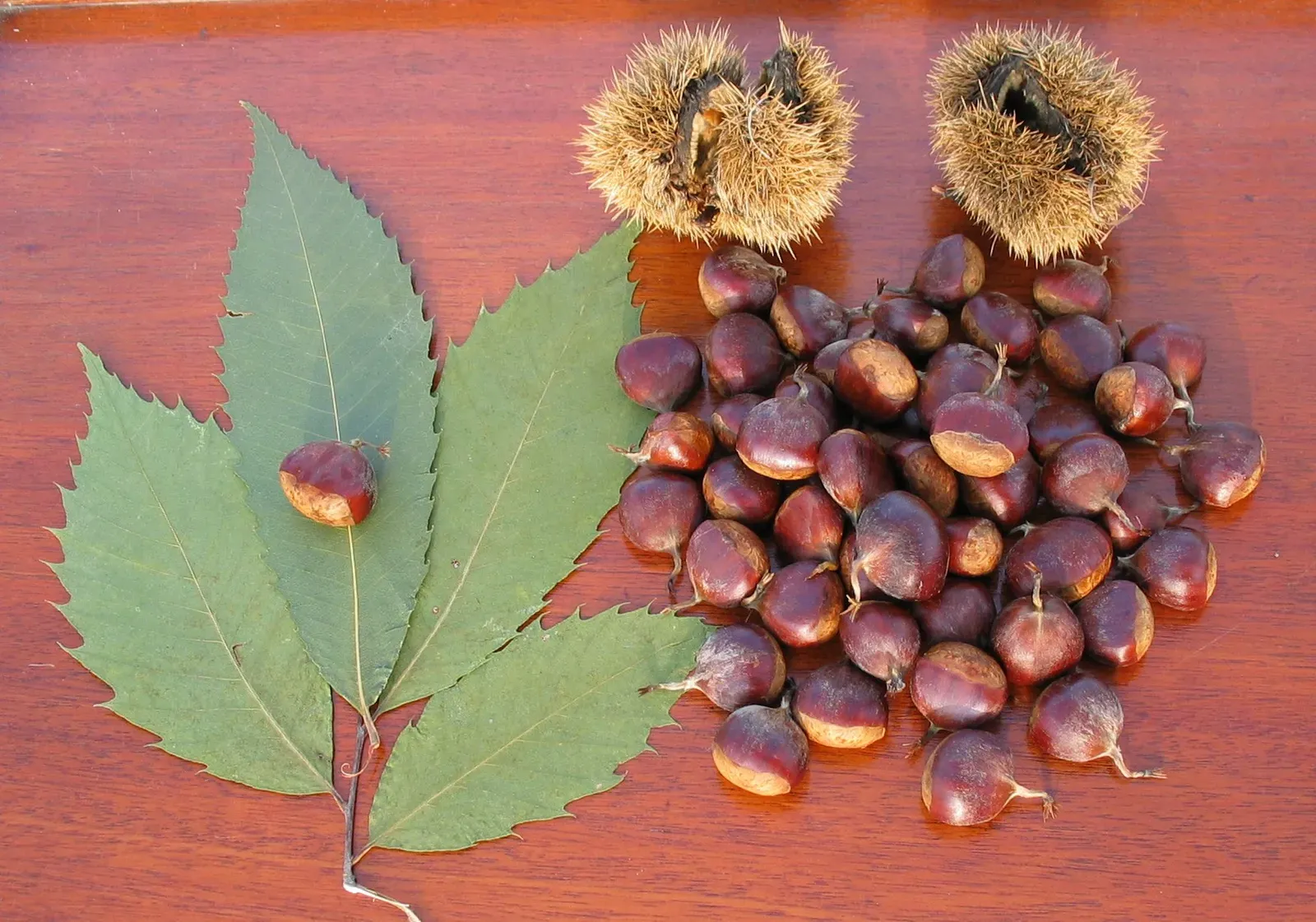
Most people don’t realize an entire forest type in the eastern United States collapsed within a few decades, dragging countless animals down with it – and the culprit wasn’t even a hunter.
The American chestnut (Castanea dentata) wasn’t an animal, but it built a world where certain animals were astonishingly common. Before the early 1900s, chestnuts made up as much as one in every four hardwood trees across parts of Appalachia and the eastern U.S. They produced massive annual crops of nuts that fed black bears, white-tailed deer, wild turkeys, squirrels, passenger pigeons, and free-ranging hogs. Rural communities planned holidays around the fall nut drop.
Then, around 1904, an imported fungal pathogen called chestnut blight arrived hidden in nursery stock. Within decades it swept through the tree’s entire range. By the mid-20th century, an estimated 3 to 5 billion American chestnut trees had been effectively wiped out above ground, leaving only stump sprouts and skeletal dead giants standing in the forest.
Animals that had once gorged on chestnuts were forced to switch to acorns and other less reliable food sources, triggering cascading population crashes and booms across the food web. Wild turkeys and black bears survived, but losing that calorie-dense, dependable nut crop made once-massive populations far more fragile than anyone expected. In some mountain communities, older residents still describe forests that “glowed” with chestnut blooms and swarming wildlife each autumn – a living memory of abundance most Americans today can’t even picture.
#8 – The Thylacine: “Pest” Campaigns Against the Tasmanian Tiger
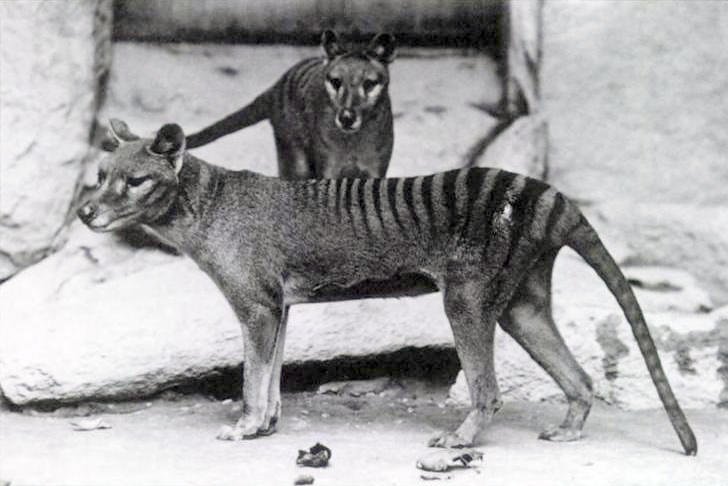
![#8 - The Thylacine: "Pest" Campaigns Against the Tasmanian Tiger (Report of the Smithsonian Institution. 1904from the Smithsonian Institution archives. Published example
other information: [1]
Additional information: Female thylacine (front) with juvenile male offspring (rear).(30 September 2020). "A Catalogue of the Thylacine captured on film". Australian Zoologist 41 (2): 143–178. DOI:10.7882/AZ.2020.032., Public domain)](https://nvmwebsites-budwg5g9avh3epea.z03.azurefd.net/dinoworld/ee0e6a188bcecee0808c5e490c79bdee.webp)
Scroll far enough on social media and you’ll still find people insisting the thylacine is out there somewhere. Those myths exist for one ugly reason: we killed the species off so fast that closure never really arrived.
The thylacine (Thylacinus cynocephalus), or Tasmanian tiger, was a large carnivorous marsupial that once roamed mainland Australia, Tasmania, and New Guinea. By the time Europeans arrived, it survived only in Tasmania, where farmers quickly blamed it for every sheep loss on the island. Never mind that later analysis suggests feral dogs were likely responsible for a large share of those kills – the thylacine made a convenient scapegoat, and convenient scapegoats rarely survive.
The Tasmanian government responded with bounties. From the late 1800s into the early 1900s, people were paid cash for every thylacine they shot or trapped, and trappers began targeting dens, wiping out entire family groups in one strike. Habitat loss and competition with dogs and humans squeezed the survivors even tighter. There was no formal census, but the historical record shows the animal sliding from relatively common to rare in only a few decades.
Why It Stands Out
- Only known marsupial apex predator to go extinct in modern history
- Government bounty programs paid hunters per animal, speeding up the collapse
- Last wild shooting: 1930; last captive death: 1936, Hobart Zoo
- Legal protection arrived only after the species was already gone
By 1930, the last known wild thylacine had been shot. The last captive individual, nicknamed Benjamin, died in Hobart Zoo in 1936 – reportedly left out in the cold after being locked out of his shelter overnight. Only after legal protection was finally granted did it become clear the law had come to protect an animal that no longer existed. Today’s grainy “sighting” videos say less about mystery and more about how hard it is to accept what we did.
#7 – The Caribbean Monk Seal: “Sea Wolves” Shot on Sight
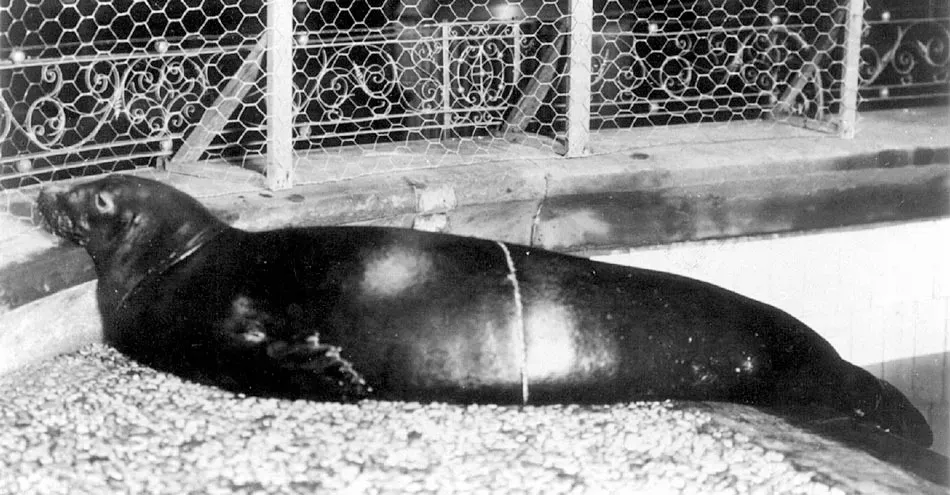
Most people think seal hunting is an Arctic story. In reality, the Caribbean had its own seal, and it was once so common that sailors treated it like floating livestock they could harvest at will.
The Caribbean monk seal (Neomonachus tropicalis) ranged throughout the Caribbean Sea and Gulf of Mexico, hauling out on remote islands and sandbars. Early explorers and later American sailors described beaches so packed with seals that landing a boat meant literally walking over their bodies. The animals were curious and slow on land, with zero evolutionary experience of a predator that could kill from a distance.
They provided oil, meat, and leather, so sealing camps set up on rookeries and clubbed hundreds of animals – pups included – in a single season. The nickname “sea wolves” wasn’t affectionate; fishermen saw them as competitors for fish and shot them on sight, no permit required. As settlement expanded across the Caribbean, rookeries were abandoned to disturbance and direct killing until there was nowhere left for the seals to go.
By the early 20th century, sightings had become rare. Mid-century surveys struggled to find a single remaining breeding colony. The last confirmed sighting came in the 1950s, and the species was officially declared extinct in 2008. The most unsettling part is how little we actually know: because the Caribbean monk seal was wiped out before modern field biology existed, almost nothing about its natural behavior or social structure was ever documented.
#6 – The Moa: Giant Birds Erased in a Human Blink
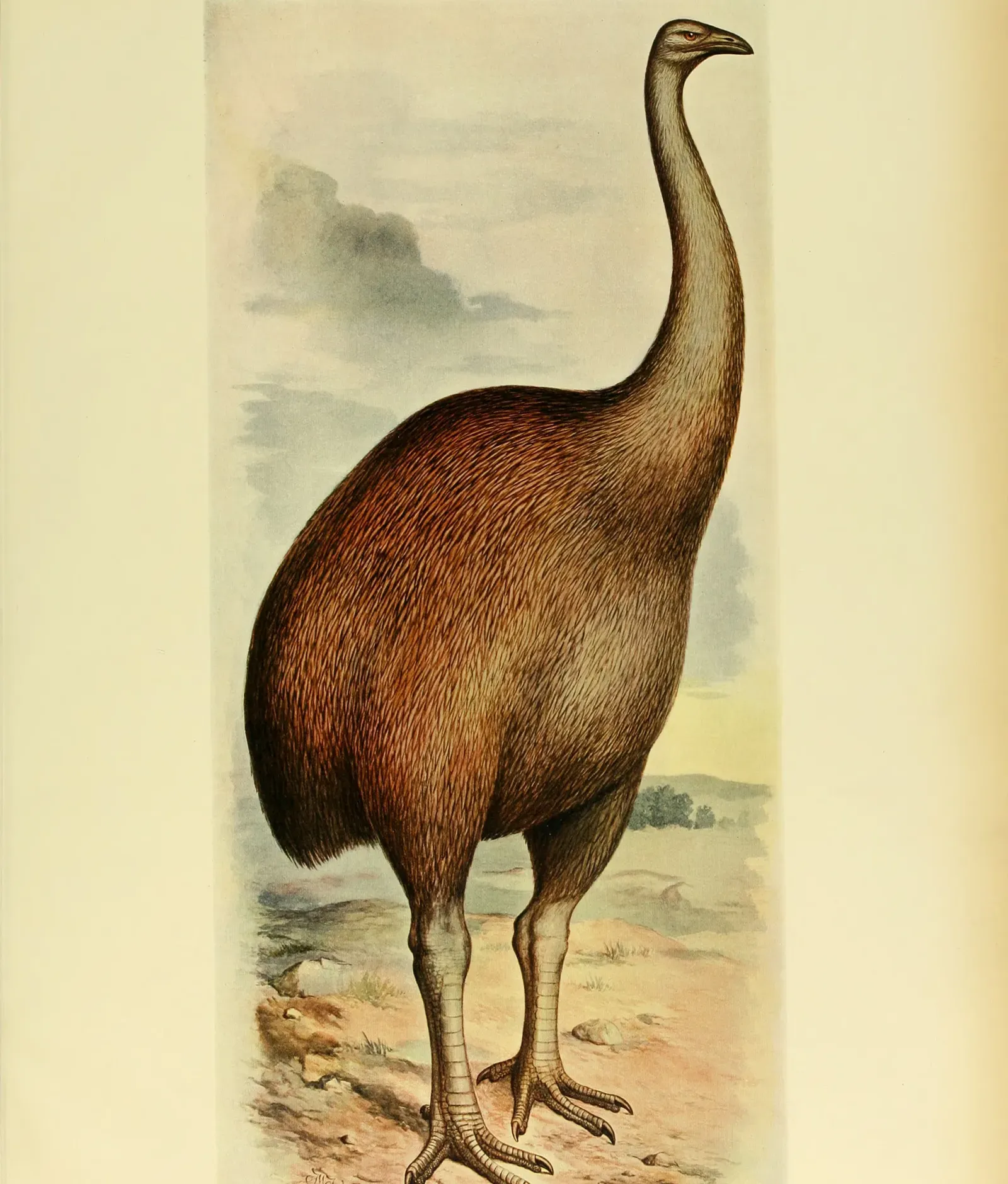
When people imagine human-caused extinctions, they picture 19th-century rifles and industrial hunting operations. The moa prove we’ve been shockingly efficient at this for a lot longer than that.
Moas were a group of large, flightless birds native to New Zealand, ranging from turkey-sized species to the colossal South Island giant moa, which could stretch over 3.5 meters – more than 11 feet – tall with its neck extended. Before humans arrived around the 13th century, moas had no mammalian predators at all. They browsed forests and shrublands in huge numbers, and their bones and eggshells turn up in staggering quantities in ancient deposits, evidence that they dominated New Zealand’s big-herbivore niche completely.
At a Glance
- South Island giant moa could stand over 11 feet tall with its neck extended
- No mammalian predators existed before humans reached New Zealand
- Every moa species vanished within roughly 150 years of human settlement
- Their extinction also doomed the Haast’s eagle, their only natural predator
Polynesian settlers, ancestors of today’s Māori, reached Aotearoa roughly 700 to 800 years ago. Within a few hundred years – possibly as little as 150 – every moa species was gone. Archaeological sites reveal mass butchering, with heaps of bones and eggshells left behind. Moa meat became a crucial early food source, and large, fearless birds with no memory of predators made easy targets. Fires and land clearing sped up the collapse of their habitat at the same time.
This wasn’t malice; it was a small human population simply surviving with stone tools. But the scale still stops you cold: an entire family of giant birds wiped out within a few human lifetimes, taking their only natural predator, the enormous Haast’s eagle, down with them. Modern New Zealand’s quiet forests are, in ecological terms, missing their elephants.
#5 – The Steller’s Sea Cow: A Living “Island” Butchered in 27 Years
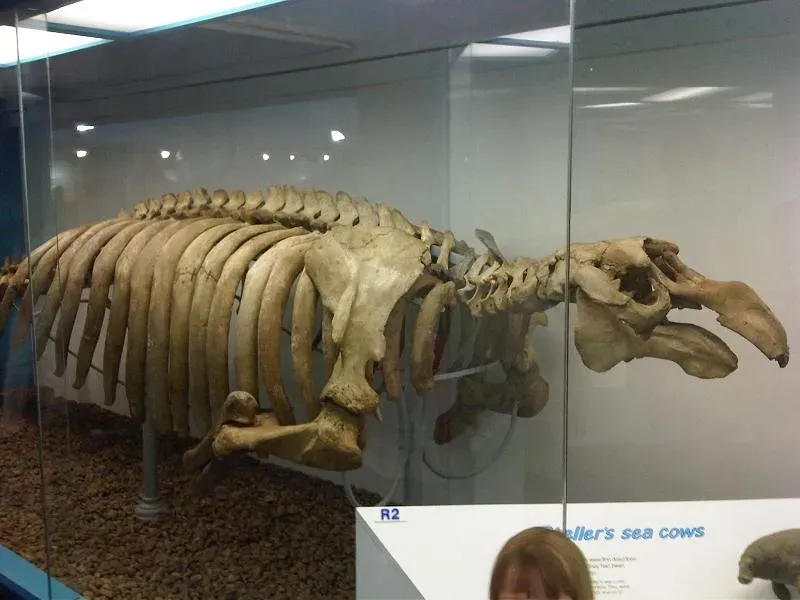
If you’ve never heard of Steller’s sea cow, that’s because humans erased it almost the instant we discovered it existed.
Steller’s sea cow (Hydrodamalis gigas) was a massive relative of the dugong, reaching an estimated 8 to 10 meters – 26 to 33 feet – in length and weighing up to 10 tons. It lived in the cold North Pacific waters around the Commander Islands near Russia. When German naturalist Georg Wilhelm Steller first described it in 1741, he reported herds of huge, placid animals grazing on kelp in shallow water, sometimes close enough to shore that you could nearly reach out and touch them.
They floated when killed and yielded enormous quantities of meat and fat, making them the perfect emergency food source for ship crews and seal hunters stranded overwintering on the islands. Hunting was brutal and indiscriminate – animals were harpooned and dragged ashore, calves included – and because sea cows were slow breeders with a tiny, localized range, that pressure was catastrophic almost immediately.
In one of the most infamous timelines in extinction history, Steller’s sea cow was discovered by Europeans and driven to extinction in just 27 years. By about 1768, they were gone. No detailed study of their behavior, migration, or population structure was ever completed. We simply turned a gentle, kelp-grazing giant into salted meat and lamp oil before science even had a chance to ask questions.
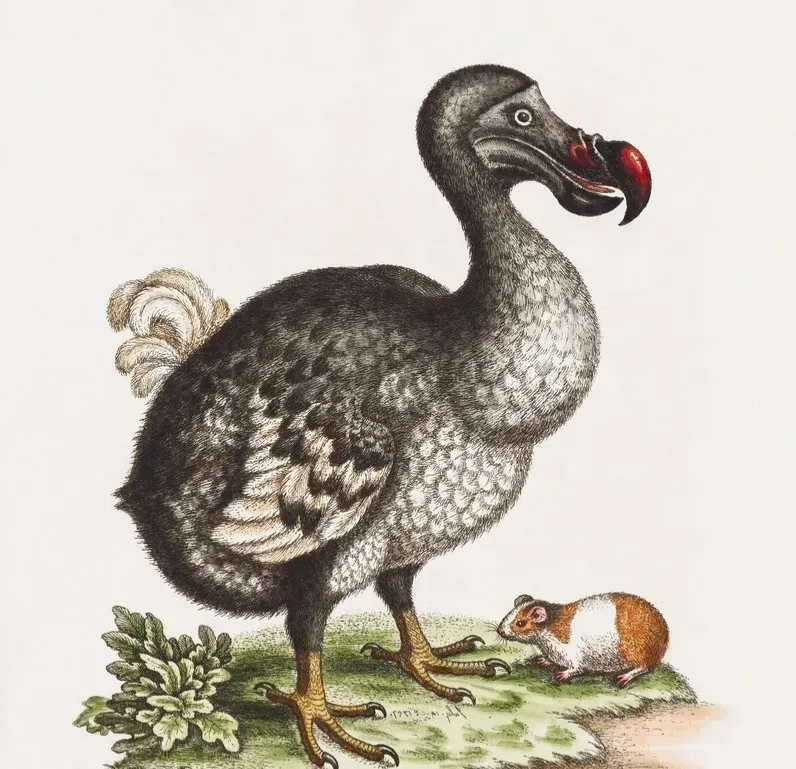
#4 – The Dodo: More Than a Meme, Less Than a Mystery
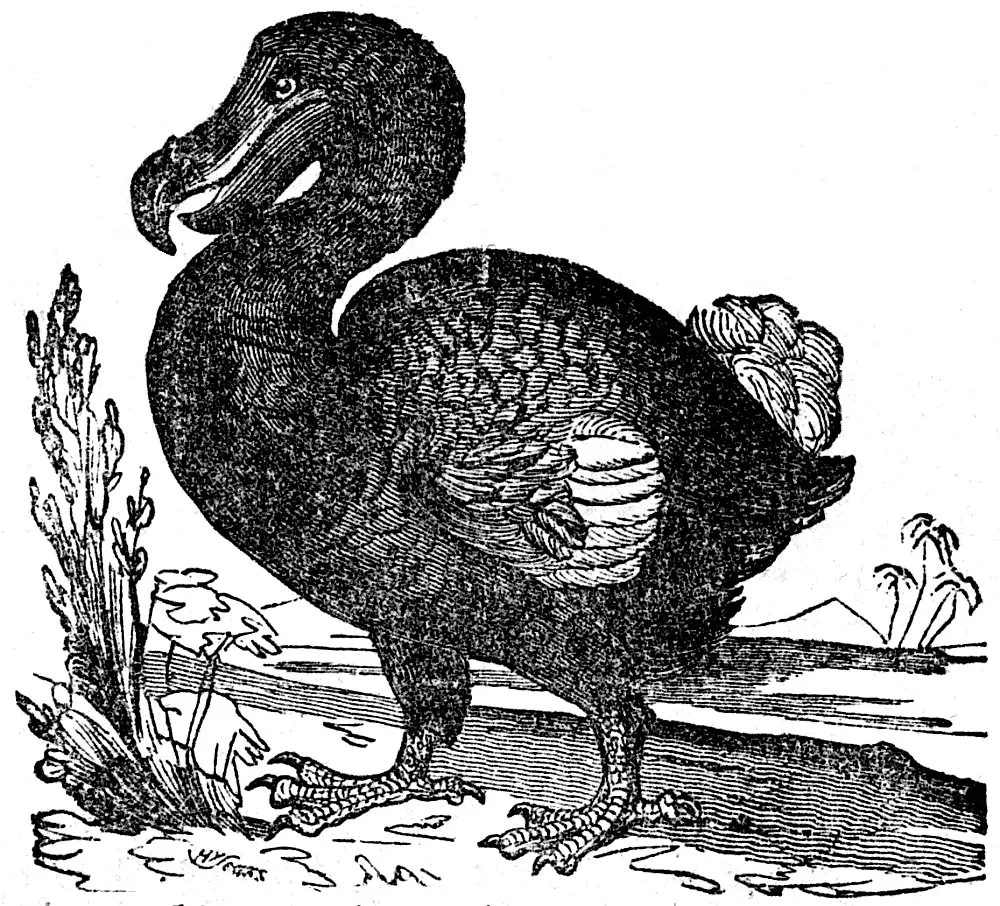
The dodo gets treated like a punchline – shorthand for “stupid and extinct.” The real story is more complicated, and honestly, worse.
The dodo (Raphus cucullatus) was a large, flightless pigeon native to Mauritius in the Indian Ocean. When Portuguese and later Dutch sailors arrived in the 1500s and 1600s, they found a bird that had evolved with zero mammalian predators. Early sketches and written accounts suggest dodos weren’t especially clumsy at all – they were simply fearless around a threat they had never once encountered in their evolutionary history.
Sailors and settlers hunted them for meat, though opinions on the taste varied wildly. The real damage came from rats, pigs, and monkeys introduced to the island, which raided nests and devoured eggs while forests were cleared for timber and plantations, steadily shrinking the dodo’s world down to nothing.
The bird likely went from abundant to gone in under a century, with the last credible sightings in the late 1600s. There’s a strange modern twist: we have very few complete dodo skeletons and only one specimen with any preserved soft tissue, yet its image is stamped on cartoons, logos, and memes everywhere. Most of what people “know” about dodo behavior is guesswork smeared through centuries of ridicule. Instead of being a symbol of stupidity, the dodo should be a symbol of how defenseless island species are against sudden human invasion.
#3 – The Labrador Duck: The Vanished Bird Nobody Bothered to Save
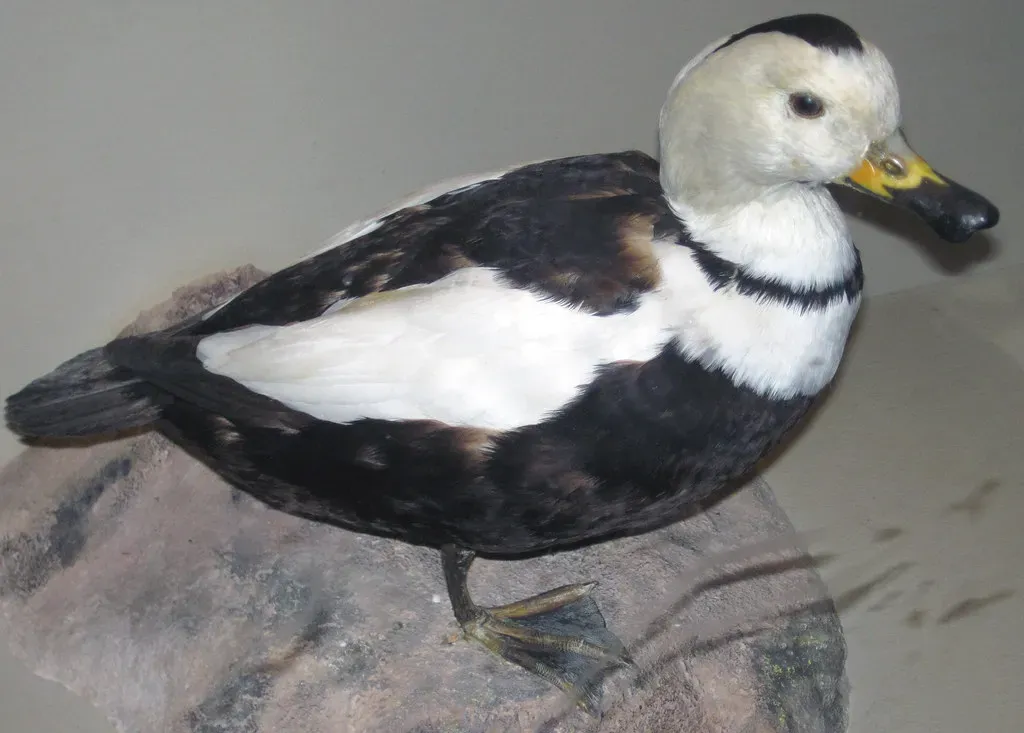
Among extinct birds, the Labrador duck is uniquely frustrating, because we still don’t fully understand why it disappeared.
The Labrador duck (Camptorhynchus labradorius) bred somewhere in northeastern North America and wintered along the Atlantic coast of the United States. Historical accounts from the 18th and early 19th centuries describe it as regularly seen and not particularly rare along migration and wintering routes, especially around New York and New England. Yet it wasn’t considered good eating – hunters often called the meat “fishy” and skipped it in favor of tastier ducks.
So what happened? There’s no record of massive targeted hunting like with the passenger pigeon or the heath hen. One leading theory is that the Labrador duck was a specialist feeder, relying heavily on shellfish and small mollusks in shallow coastal waters. As human coastal populations grew, pollution, habitat disturbance, and commercial shellfish harvesting may have quietly gutted its food supply. When your entire survival strategy depends on one narrow food source, even a small disruption can turn fatal.
By the mid-1800s, collectors and ornithologists realized the bird was getting scarce. The last confirmed specimen was shot in 1878, and today only about 50 stuffed specimens exist in museums worldwide. The most uncomfortable possibility is this: the Labrador duck may have slipped away not because anyone targeted it, but because we quietly re-engineered its entire food web without ever noticing what we’d done.
#2 – The Passenger Pigeon: Billions to Zero in a Century
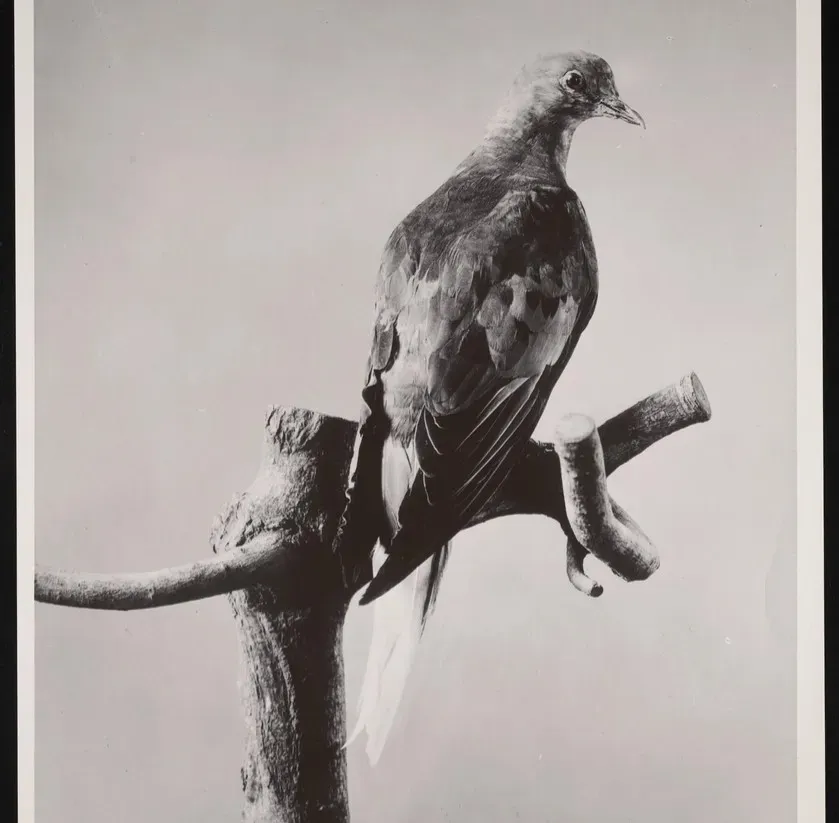
If there’s one extinction story that should genuinely keep you up at night, it’s this one. The passenger pigeon wasn’t just common – it was arguably the most abundant bird on Earth.
Passenger pigeons (Ectopistes migratorius) once formed flocks so dense they darkened the sky for hours at a time. Nineteenth-century witnesses reported single flocks estimated in the billions, stretching for miles across the sky and roosting in forests so heavily that entire tree branches snapped under their combined weight. They were a keystone species in eastern North American forests, consuming and spreading vast quantities of acorns and beechnuts, physically shaping the structure of woodlands through sheer numbers alone.
So how do you erase billions of birds? Industrial-scale hunting plus habitat loss, moving at the same time. As railroads and telegraphs expanded, professional “market hunters” used shotguns and nets to harvest pigeons by the tens of thousands directly from known nesting sites, packing the birds into barrels shipped off to feed growing cities as cheap protein. Meanwhile, the same eastern forests that fed those flocks were being cleared for farms and timber. Passenger pigeons needed huge colonies to breed successfully at all – once numbers dropped below a critical mass, reproduction simply collapsed.
There will always be pigeons in books and in museums, but these are effigies and images, dead to all hardships and to all delights.
Aldo Leopold
By the late 1800s, wild flocks had fragmented into scattered groups that were easy to overhunt. The last known wild bird was shot in 1901. The final individual, Martha, died alone in the Cincinnati Zoo in 1914. Sit with that contrast for a second: from skies that thundered with wings to one lonely bird in a cage, inside roughly one human lifespan.
#1 – The Rocky Mountain Locust: Trillions of Insects Gone Without a Trace
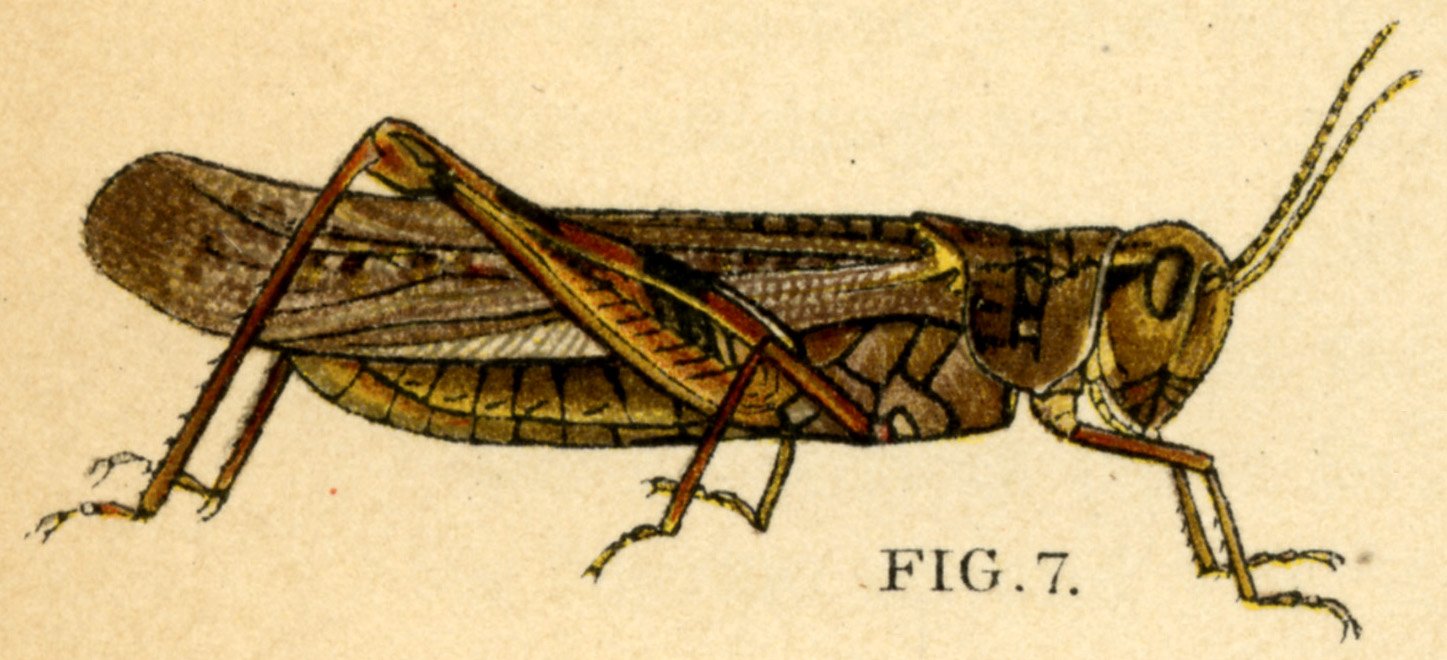
You probably expect the #1 spot to belong to a big, charismatic animal. Instead, it goes to a bug that once carried more biomass than any bison herd or pigeon flock on the continent – and then simply vanished into thin air.
The Rocky Mountain locust (Melanoplus spretus) was a grasshopper species native to North America. In the 19th century, it formed swarms on a scale that sounds fabricated. The 1875 “Albert’s Swarm” was estimated at 198,000 square miles and potentially trillions of insects, making it one of the largest animal aggregations ever recorded on the planet. These clouds devoured crops, clothes hung out on lines, even the wooden handles of farm tools, leaving American settlers in genuine fear of starvation.
And then, almost overnight, nothing. After the 1880s, swarms declined sharply, and by the early 1900s the Rocky Mountain locust was gone. No protective laws, no big public outcry – just absence. Modern researchers digging in glacial deposits have found old locust remains preserved in ice, confirming the species’ former range and staggering numbers.
Worth Knowing
- The 1875 “Albert’s Swarm” covered an estimated 198,000 square miles
- Possibly the largest animal aggregation ever documented on the planet
- Population collapsed within a few decades, with no formal protection effort
- Leading theory: farming and irrigation destroyed key river-valley breeding grounds
The leading hypothesis is almost too quiet to believe: the locust’s key breeding grounds sat in river valleys and alpine meadows that settlers plowed, grazed, and irrigated for agriculture. By unknowingly destroying the precise habitats where eggs were laid, we may have crushed the entire species at its source without ever aiming a single weapon at it. Unlike the passenger pigeon, there are no stuffed locusts in zoos and no famous “last individual” story. For an insect that once literally blotted out the sun, its exit was eerily, almost insultingly quiet – and that should terrify us more than it does.
The Bottom Line
Line these stories up – the great auk and the thylacine, the passenger pigeon and the Rocky Mountain locust – and a brutal pattern emerges. The species we think of as “secure” are usually the ones being exploited the hardest, right up until the moment they aren’t there anymore. Great abundance was never a shield. It was often the red flag that a species was being treated as an endless resource, right up until it wasn’t one.
Almost every animal on this list went from “too many to count” to “gone” in less than a century, sometimes in just a few decades. What’s most unsettling is how ordinary the causes were: overhunting, habitat destruction, introduced predators, and careless economic decisions. No sci-fi disasters here, just boring policy failures and everyday consumption, repeated often enough to erase a species entirely.
That should make you look twice at today’s “common” species – anchovies, squid, suburban songbirds, even insects most people swat without thinking. If history is any guide, the things we assume will always be everywhere are exactly the ones most likely to disappear first. We’ve done this before, more than once, and we barely noticed until it was over. Don’t expect the next one to look any different.