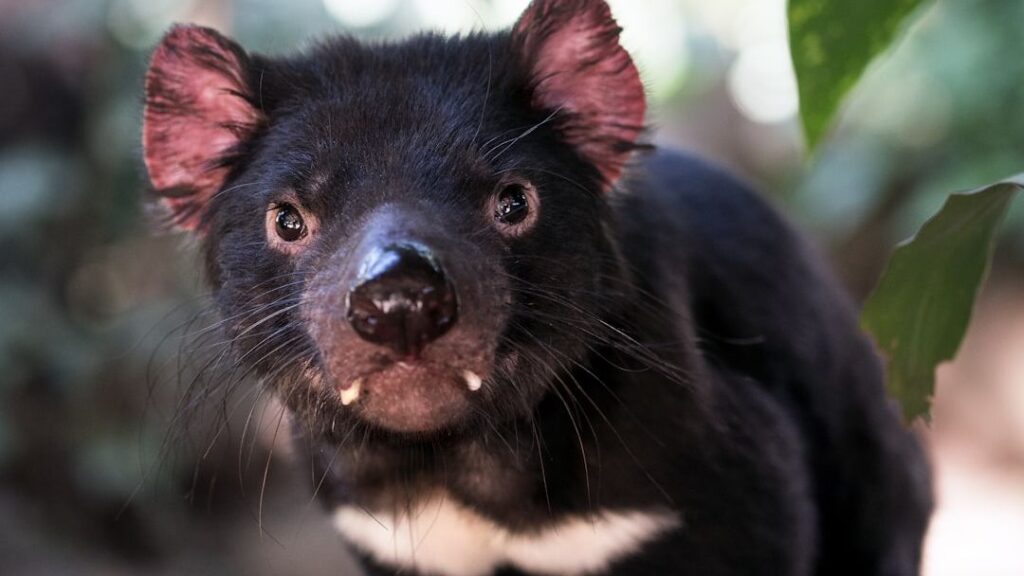
Have you ever wondered what makes one of the world’s most misunderstood creatures so captivating? Picture a stocky marsupial with a bite that rivals animals many times its size, living on a remote island where it battles a deadly disease yet somehow survives. The Tasmanian devil isn’t just the feisty cartoon character you might remember from Saturday mornings. It’s a remarkable survivor with secrets that might surprise you.
From bone-crushing jaws to bizarre reproductive strategies, these island dwellers possess traits that seem almost impossible. They’re fighting extinction while teaching scientists about evolution, immunity, and resilience. Ready to discover what makes these creatures so extraordinary? Let’s dive into twelve facts that reveal why the Tasmanian devil deserves your attention and respect.
They Possess the Strongest Bite Force Relative to Body Size
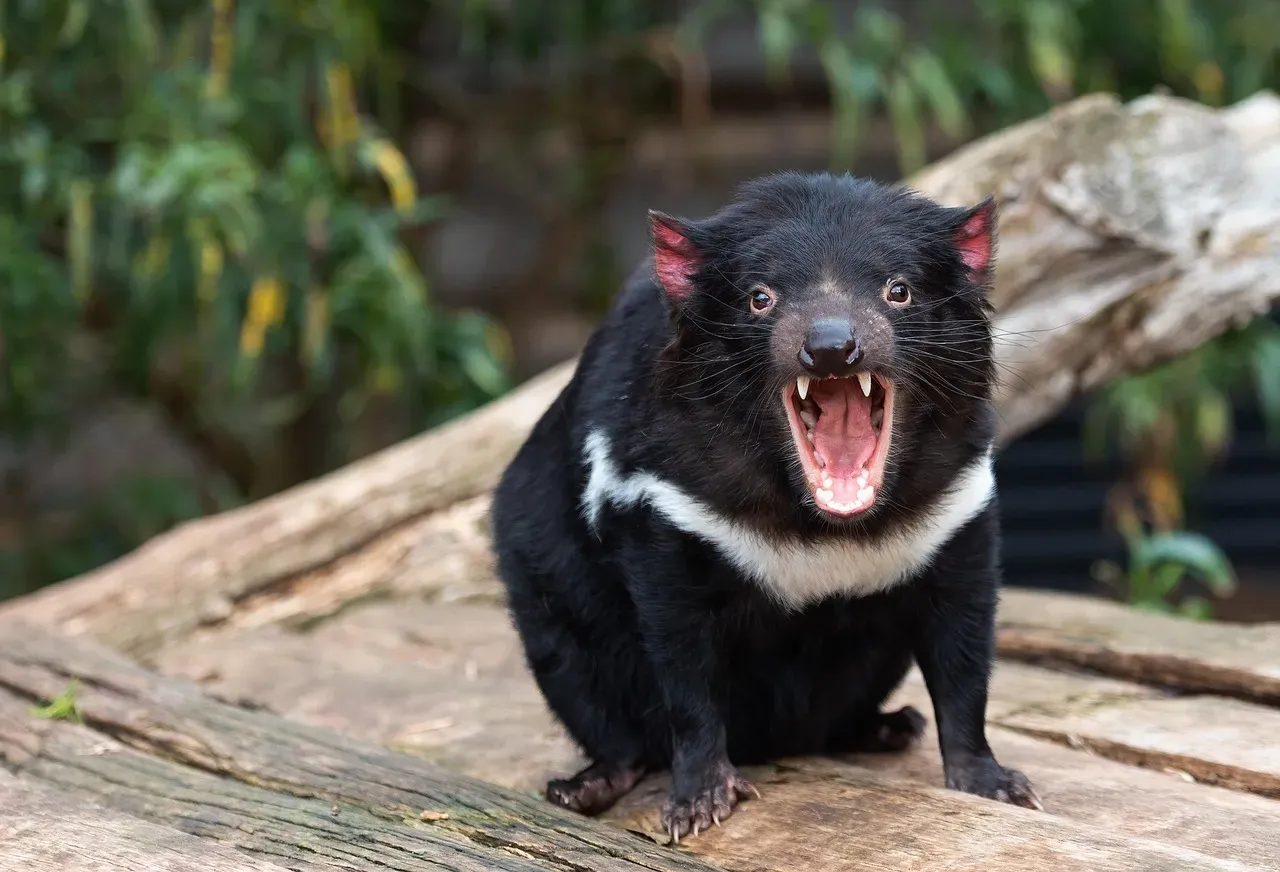
In tests, this large Australian marsupial has been shown to produce a bite force quotient of 181, putting it ahead of tigers and lions. The Tasmanian devil has a bite force of approximately 553 Newtons (N), which might not sound impressive until you consider that they’re only about the size of a small dog. The jaw can open to 75–80 degrees, allowing the devil to generate the large amount of power to tear meat and crush bones – sufficient force to allow it to bite through thick metal wire.
This incredible strength comes from their unique skull structure. Unlike the long, slender skulls of many carnivores, the devil’s cranium is short and deep, allowing its jaw muscles to attach at the perfect angle for maximum leverage. Think about it this way: their bite isn’t about brute strength alone, but about engineering perfection that evolution spent thousands of years refining. When they clamp down on a carcass, nothing goes to waste.
The Name Devil Comes From Their Blood-Curdling Screams
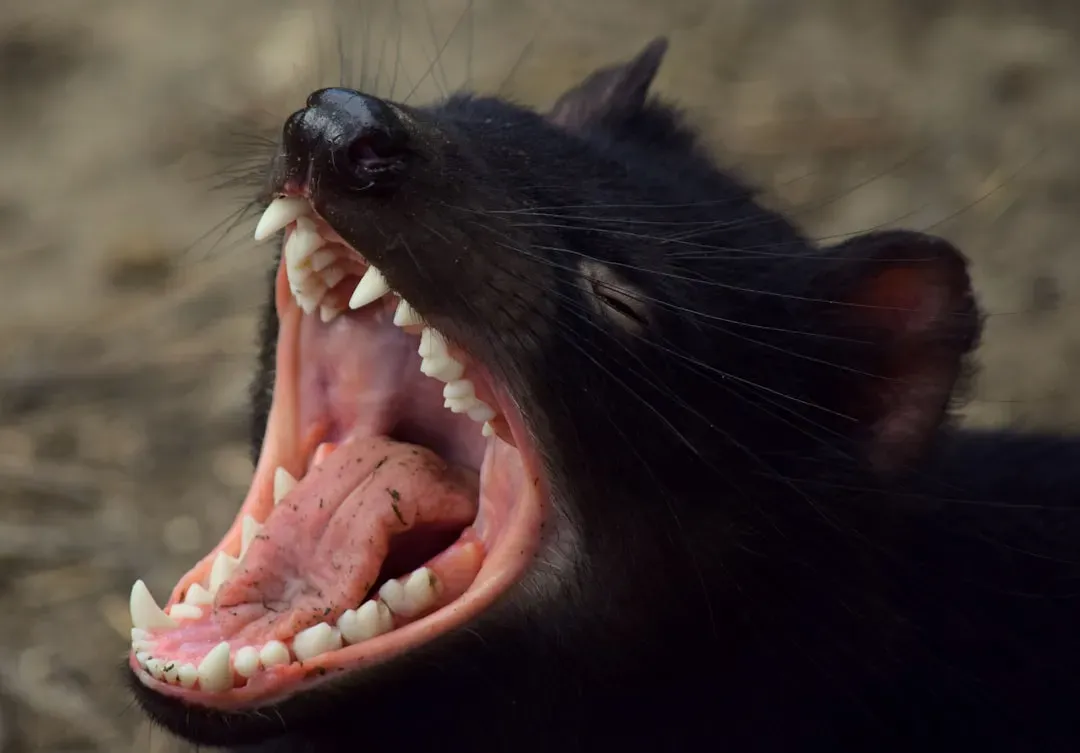
If a wolf howling at the moon sends shivers up your spine, wait until you hear a Tasmanian devil. In fact, the first Europeans to enter Tasmania imagined demons lurking in the bush when they heard the blood-curdling shrieks and growls. Hence being dubbed ‘devils’. Early settlers camping near the Tasmanian wilderness at night would hear these terrifying vocalizations echoing through the darkness.
It’s now known that their various vocalisations (coughs, growls, snorts, sniffs, screeches and even sneezes) are designed to scare off other animals. Honestly, if you heard these sounds without knowing their source, you might run too. A study of feeding devils identified twenty physical postures, including their characteristic vicious yawn, and eleven different vocal sounds, including clicks, shrieks and various types of growls, that devils use to communicate as they feed. These aren’t just random noises but a complex language of dominance and territory.
They’re Now the World’s Largest Carnivorous Marsupial
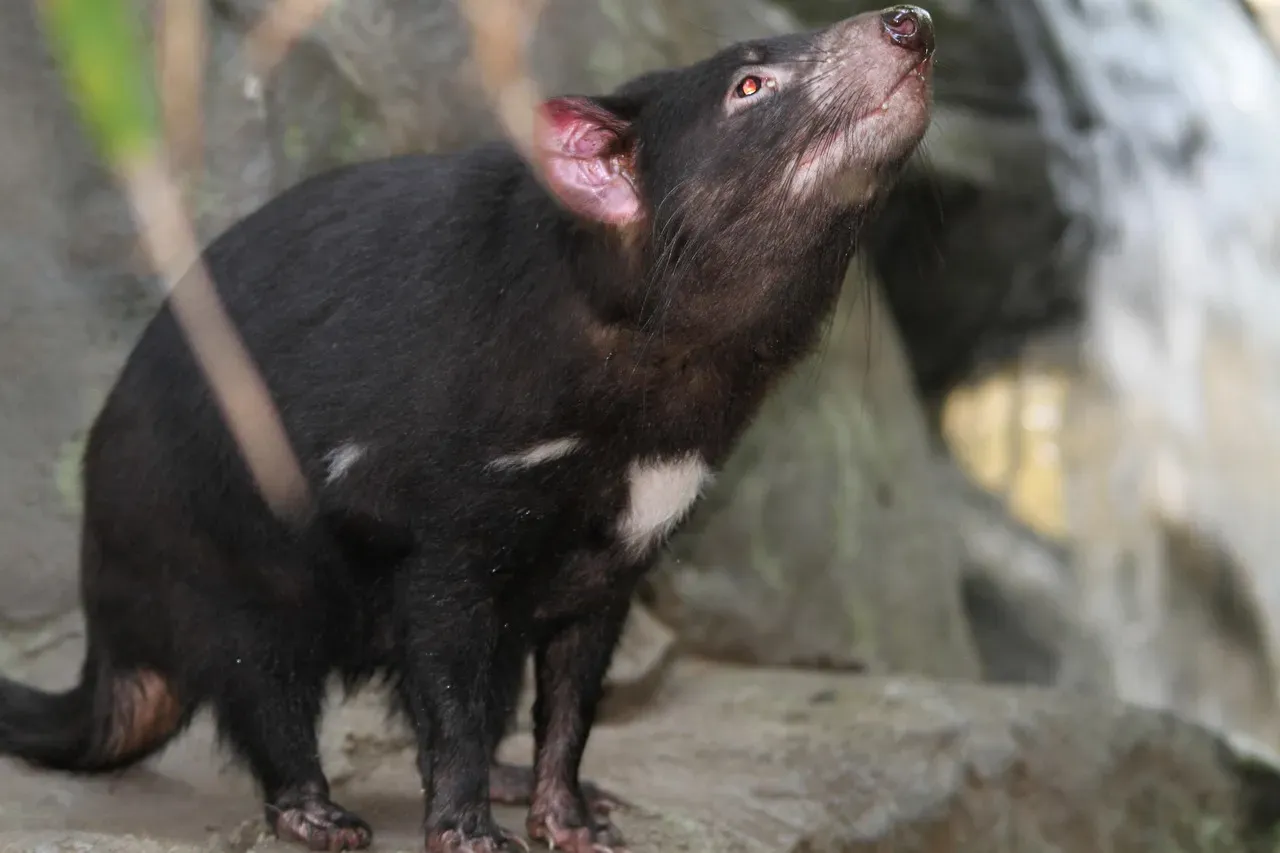
Tasmanian devils are the largest carnivorous (meat-eating) marsupials in the world. This distinction came after a tragedy. The size of a small dog, the Tasmanian devil became the largest carnivorous marsupial in the world following the extinction of the thylacine in 1936. The thylacine, also known as the Tasmanian tiger, once held this title until humans hunted it to extinction.
Devils are surprisingly compact but powerful. The Tasmanian devil is the world’s largest carnivorous marsupial, reaching 30 inches in length and weighing up to 26 pounds, although its size will vary widely depending on where it lives and the availability of food. Their stocky build and muscular frame make them formidable predators and scavengers, perfectly adapted to their ecological role as nature’s cleanup crew.
Their Reproduction Strategy Is Brutally Competitive
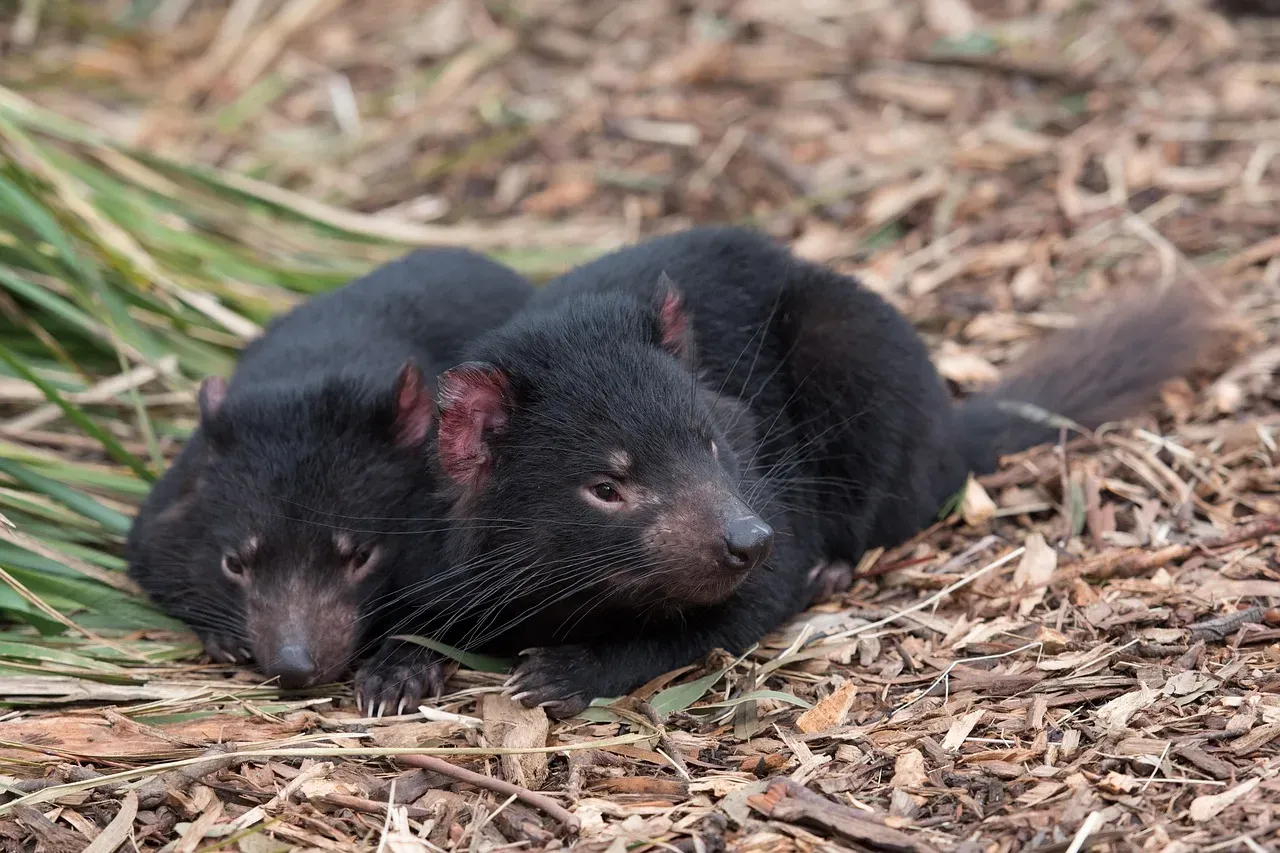
Here’s where things get intense. A mother Tassie devil gives birth to around 20-40 joeys at once. However, these joeys have to race to her pouch, which only has four teats. Gestation lasts 21 days, and devils give birth to 20–30 young standing up, each weighing approximately 0.18–0.24 g (0.0063–0.0085 oz). These tiny, hairless joeys must make a desperate climb immediately after birth.
The competition is fierce from the very beginning. Only the first four joeys to successfully latch onto a teat will survive. The rest simply don’t make it. It sounds harsh, but this brutal selection process ensures that only the strongest offspring receive the nourishment they need to develop. After roughly four months in the pouch, the surviving joeys emerge and continue growing, eventually becoming independent around nine months of age.
They Eat Every Part of Their Prey, Including Bones
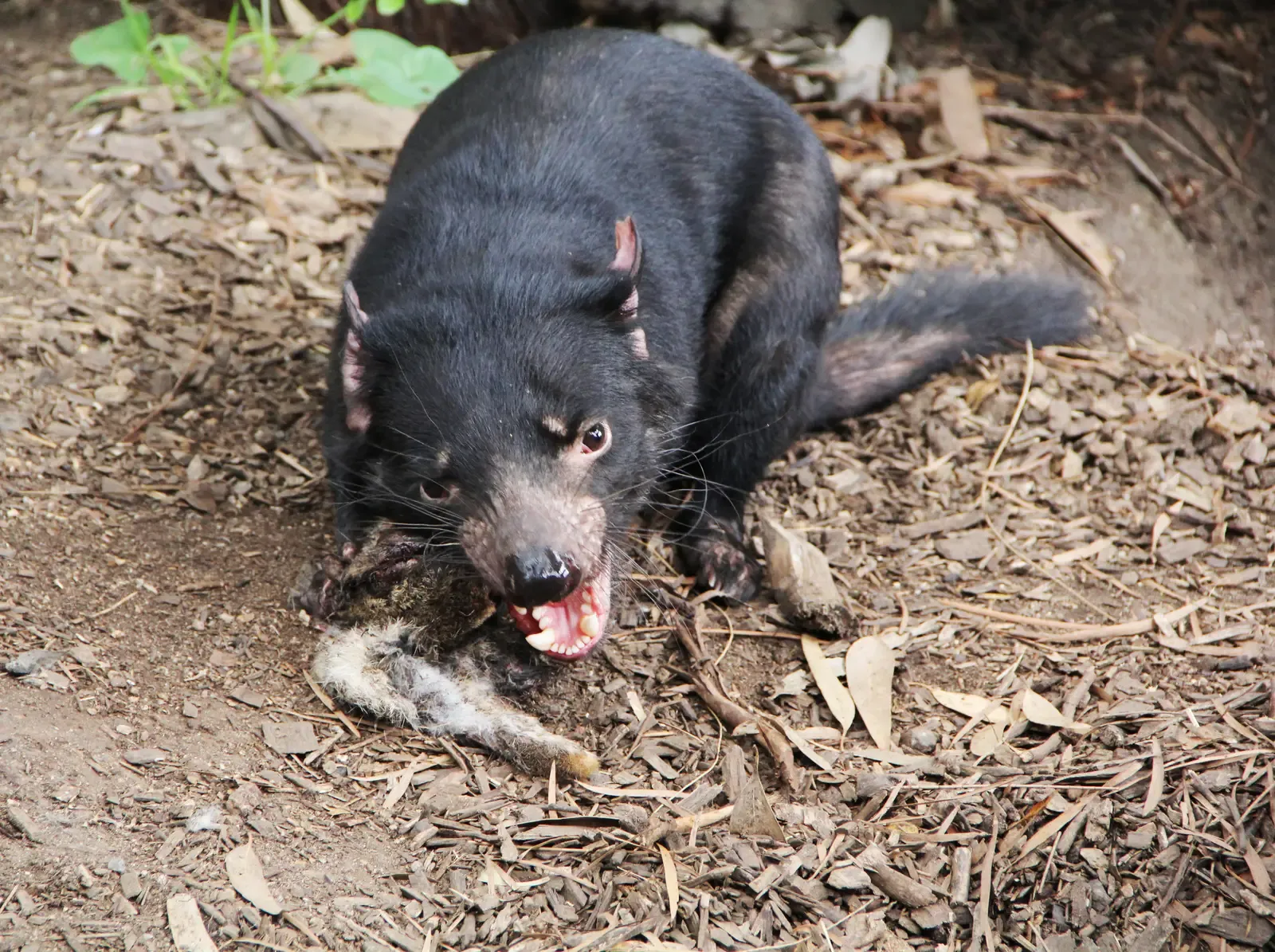
They’ll eat pretty much anything they can get their teeth on, and when they do find food, they are voracious, consuming everything – including hair, organs, and bones. This isn’t an exaggeration. These animals can eat everything, including bones and fur, thanks to their strong jaws and teeth. Their digestive system is remarkably efficient at processing this material.
Devils can eat up to 40% of their body weight in a single meal. Imagine eating nearly half your weight in one sitting. The Tasmanian devil can truly be called the ‘vacuum cleaner’ of its habitat, since the animal generally prefers feeding upon carrion, thus maintaining the health of the local ecosystem. By consuming entire carcasses, they prevent the spread of disease and reduce populations of flies and other scavengers.
Young Devils Can Climb Trees to Escape Cannibalistic Adults
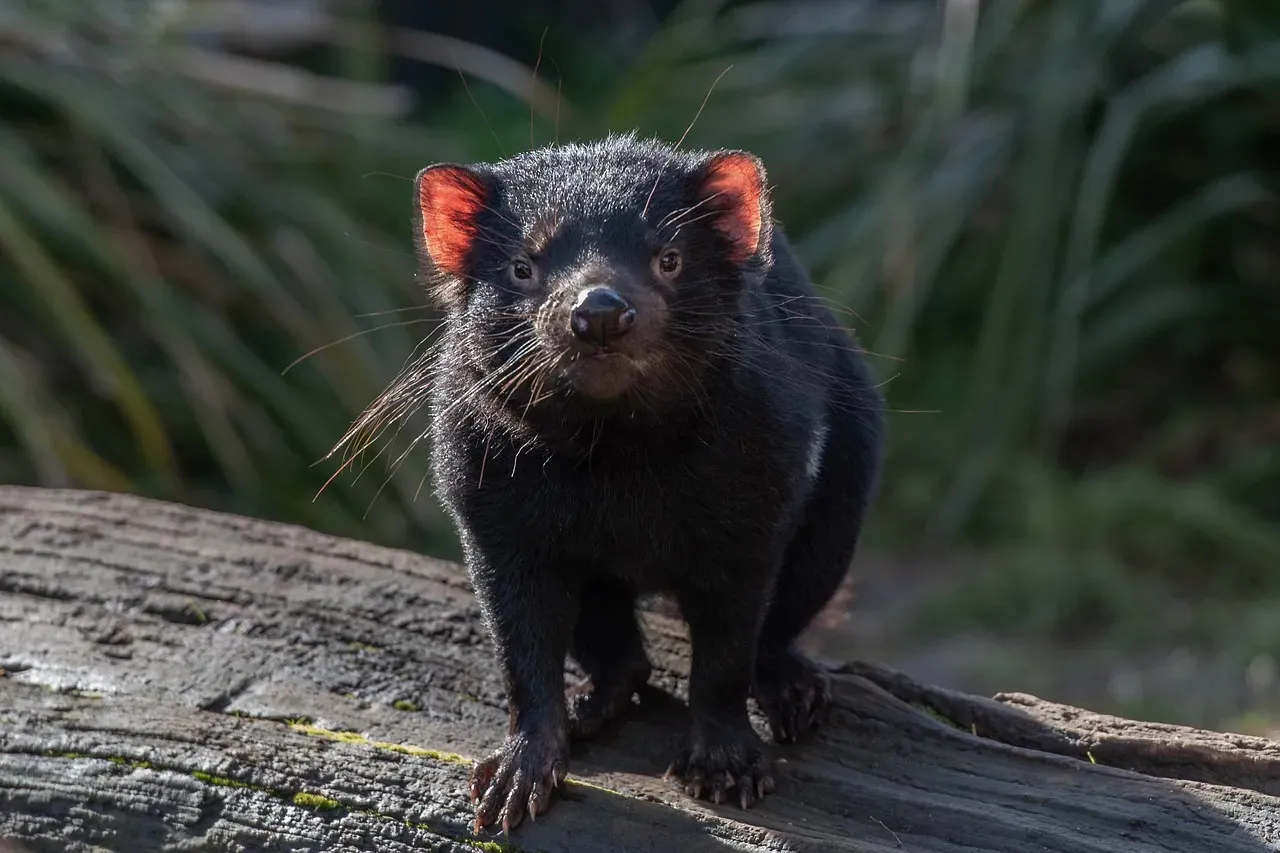
Younger Tasmanian devils are more agile than older ones, even to the point of being able to climb trees. This adaptation is useful as adult devils have been known to eat younger ones if they are very hungry, and climbing allows them to escape. Yes, you read that correctly. Adult Tasmanian devils will eat their own young if food becomes scarce enough.
This disturbing behavior has driven an evolutionary adaptation in young devils. Young devils can climb trees, but this becomes more difficult as they grow larger. Adult devils may eat young devils if they are very hungry, so this climbing behaviour may be an adaptation to allow young devils to escape. It’s hard to say for sure, but nature rarely wastes a good survival strategy. As juveniles mature and become too heavy to climb effectively, they must rely on other strategies to avoid becoming someone else’s meal.
Devil Facial Tumor Disease Is Decimating Their Population
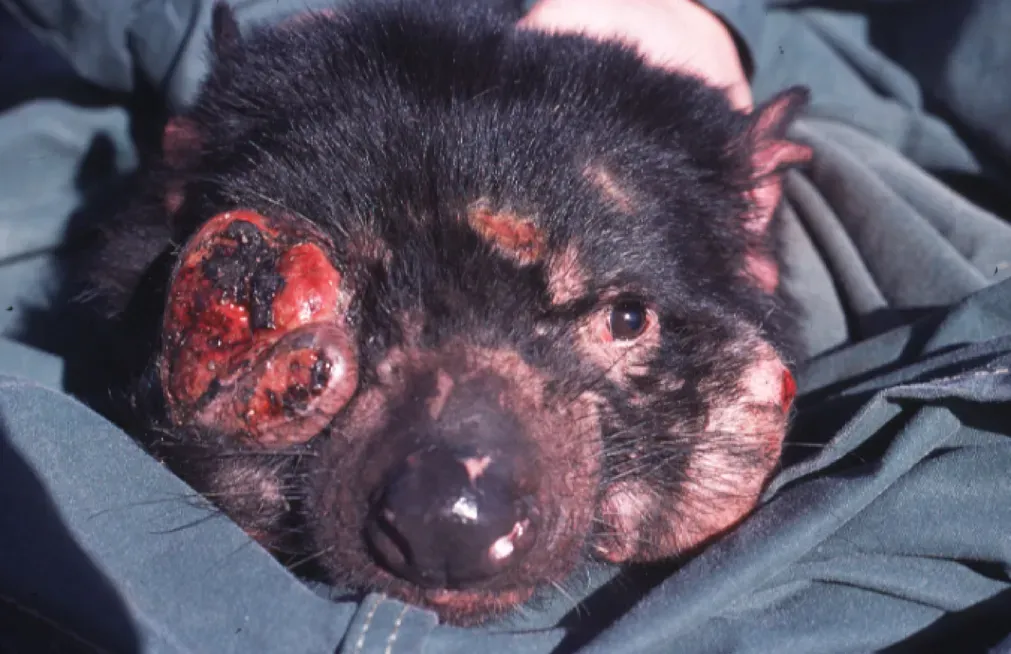
DFT1 is the main and older strain that infects most of the devil population. It was first described in 1996 in an animal from Mount William National Park in northeastern Tasmania. The disease poses a direct threat to the survival of Tasmanian devils as a species as the disease is almost universally fatal. This contagious cancer spreads through biting, which is common during feeding and mating.
Once infected, devils usually die within a few months of the cancer becoming visible. As a result, Tasmania’s devil population has plummeted from 140,000 to as few as 20,000, and the species is now classified as endangered by the International Union for the Conservation of Nature. Scientists discovered a second, and independent, transmissible cancer was detected in south-east Tasmania. Consequently, DFTD comprises two independent transmissible cancers, DFT1 (first identified in 1996) and DFT2 (first identified in 2014). The emergence of two separate transmissible cancers in one species is extraordinarily rare.
They Store Fat in Their Tails Like a Biological Pantry
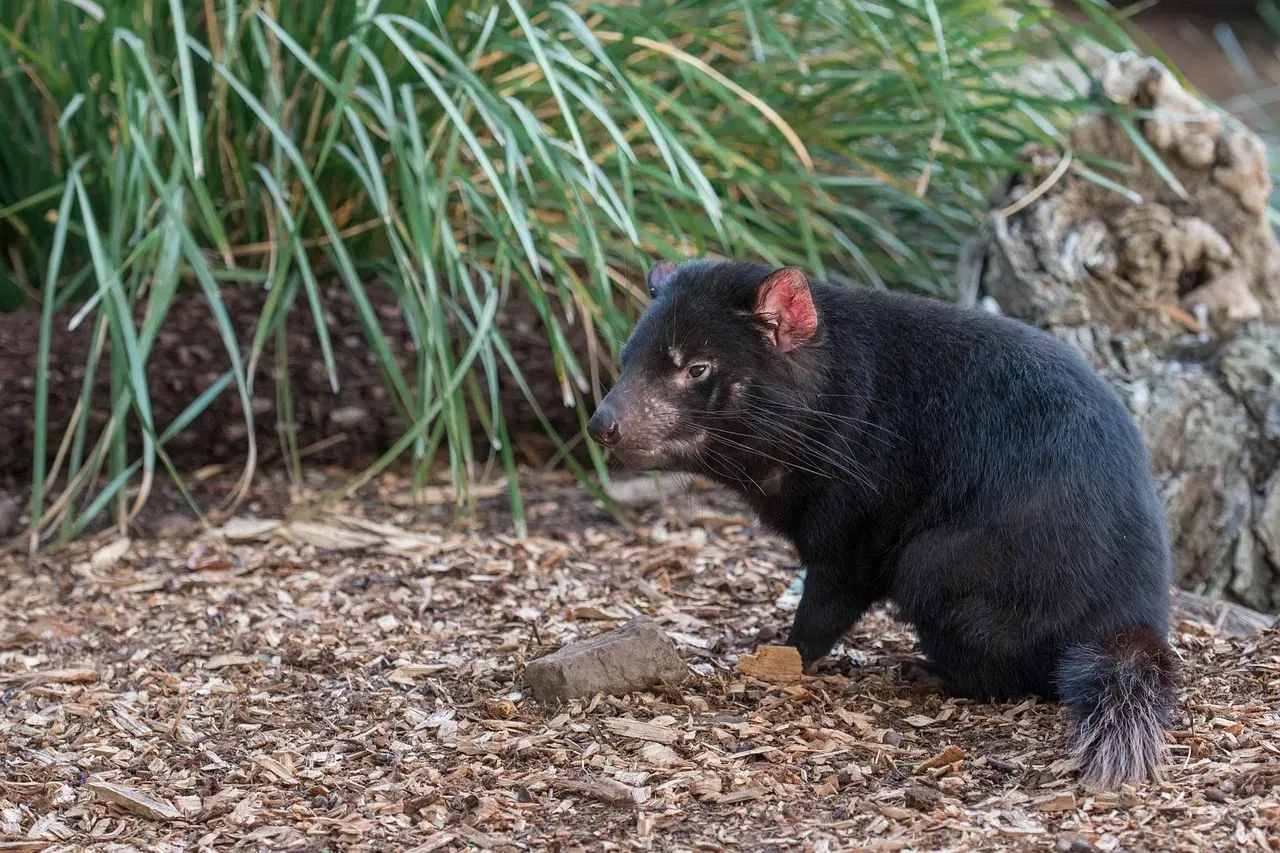
Like all marsupials, Tasmanian devils store fat in their tails, which thicken up like a human’s waistline. A particularly plump tail is a sign of a healthy devil and, considering they can eat up to 40% of their bodyweight in one day, their tails can get mighty plump! This adaptation allows them to survive during lean times when food is scarce.
The tail of this animal is used as storage of extra fat. Think of it as their personal emergency reserve. When a devil has been eating well, its tail visibly swells with stored energy. During harsh winters or when prey becomes difficult to find, they can draw on these reserves to maintain their strength and body temperature. It’s nature’s version of meal prep taken to an extreme.
Devils Were Once Common on Mainland Australia
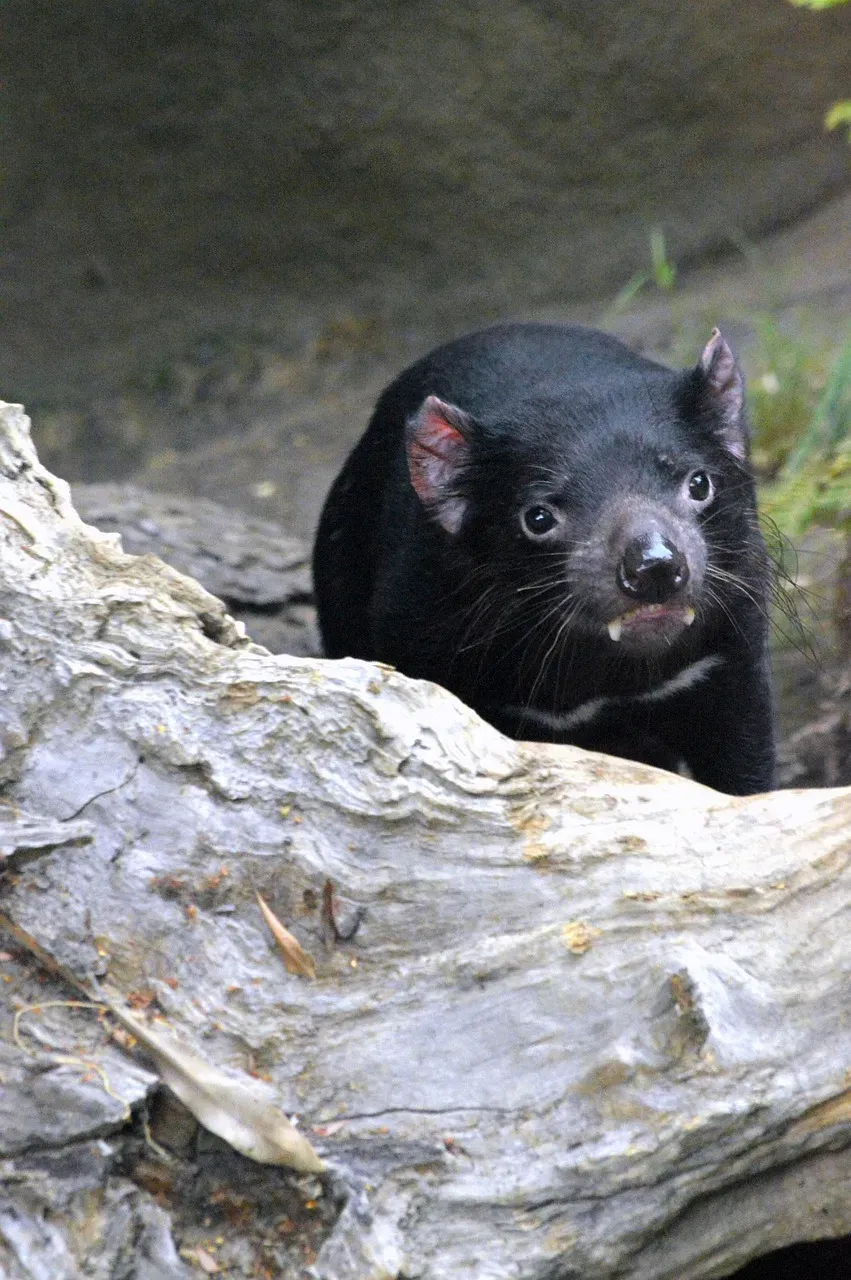
The Tasmanian devil was formerly present across mainland Australia, but became extinct there 3,500 years ago, co-incident with the extinction of the Thylacine from the region. A number of causal factors for the extinction have been proposed, including the introduction of the dingo, intensification of human activity, as well as climatic change. Fossil evidence shows they once roamed widely across the continent.
In late 2020, Tasmanian devils were reintroduced to mainland Australia in a sanctuary run by Aussie Ark in the Barrington Tops area of New South Wales. This was the first time devils had lived on the Australian mainland in over 3,000 years. 26 adult devils were released into the 400 ha (990 acres) protected area, and by late April 2021, seven joeys had been born, marking a historic conservation milestone. Their return to the mainland could help restore ecological balance by controlling invasive species.
They Sometimes Nap Inside Rotting Carcasses
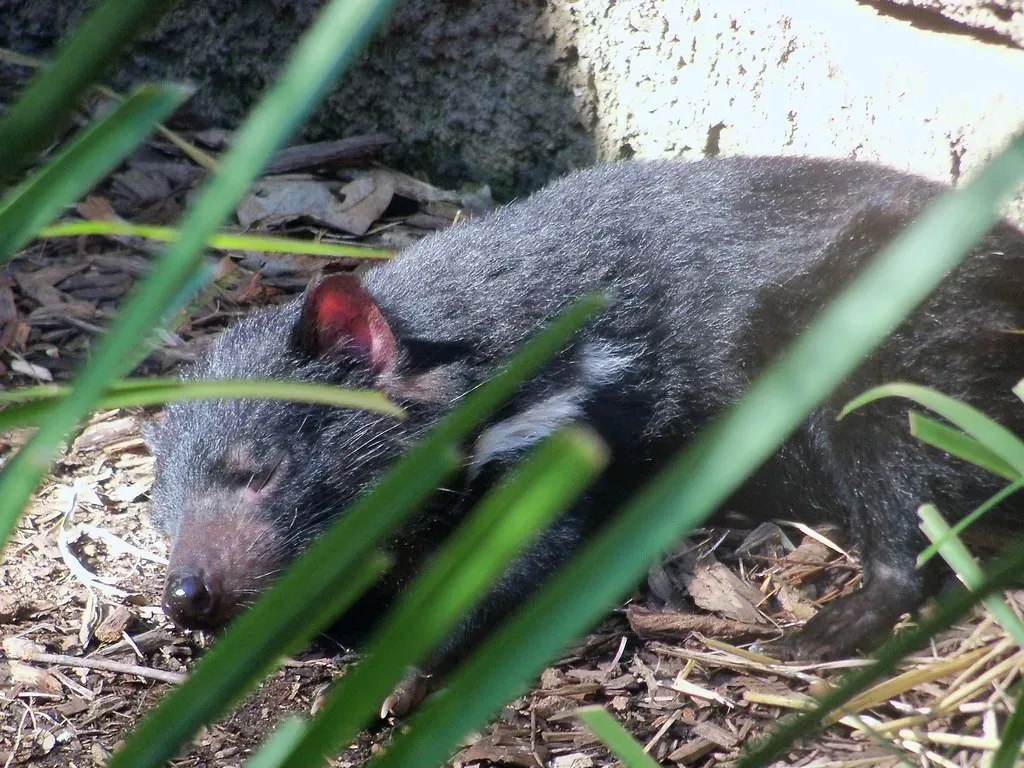
Tasmanian devils have a habit that takes eating in bed to a whole new level. They tend to nap inside a rotting carcass (called ‘carrion’) so they can wake up and continue eating. Let’s be real, this behavior sounds absolutely disgusting to us, but for a devil, it’s practical and efficient.
Though it may sound gruesome, by eating animal carcasses, Tassie devils actually help keep their ecosystem hygienic and free from maggots. By sleeping inside their food source, they protect it from other scavengers while taking convenient meal breaks. This behavior also provides warmth and shelter. Devils aren’t concerned with hygiene the way we are, and their strong immune systems can handle the bacteria that would make most mammals seriously ill.
Their Ferocious Reputation Is Mostly Exaggerated
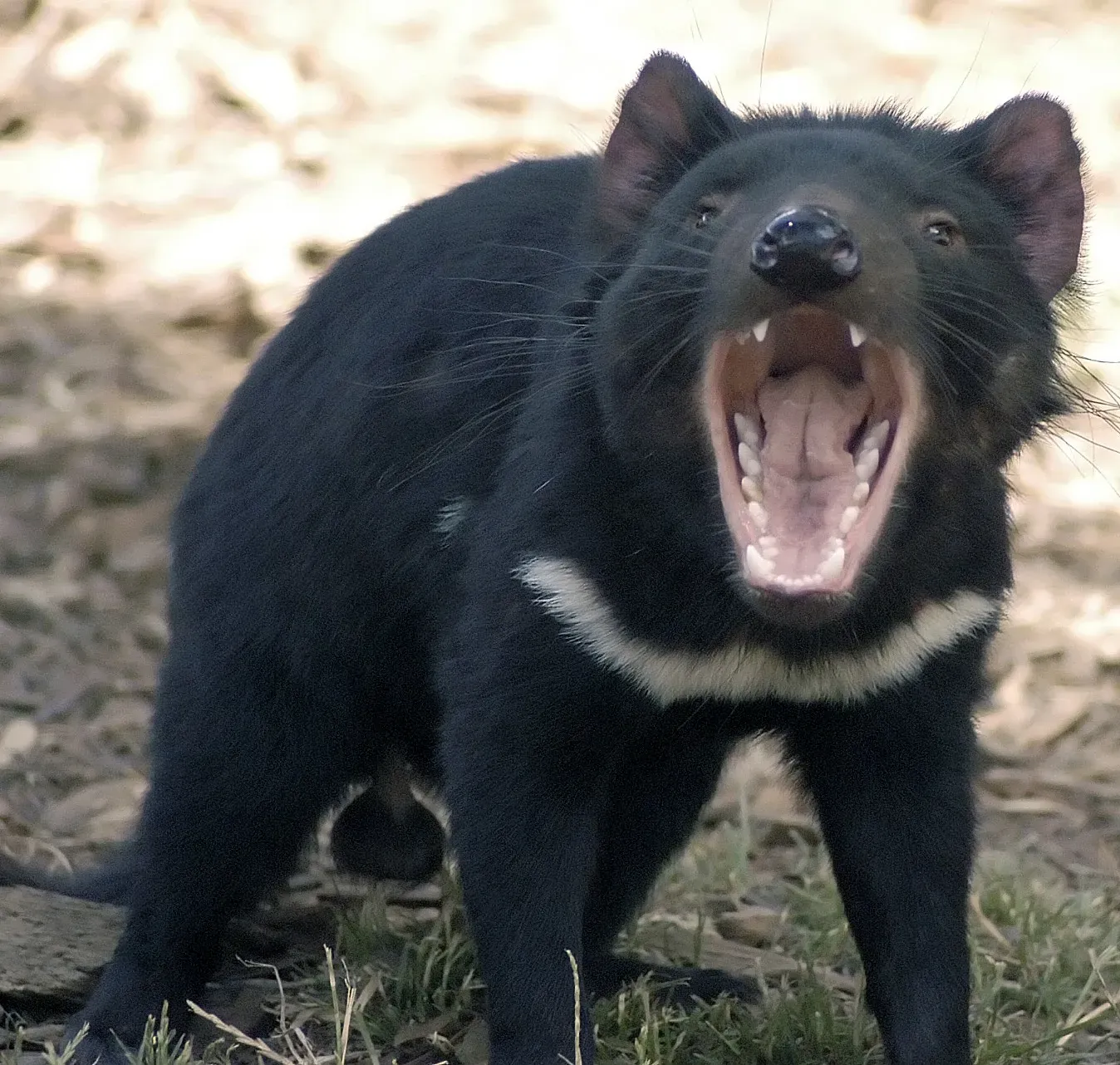
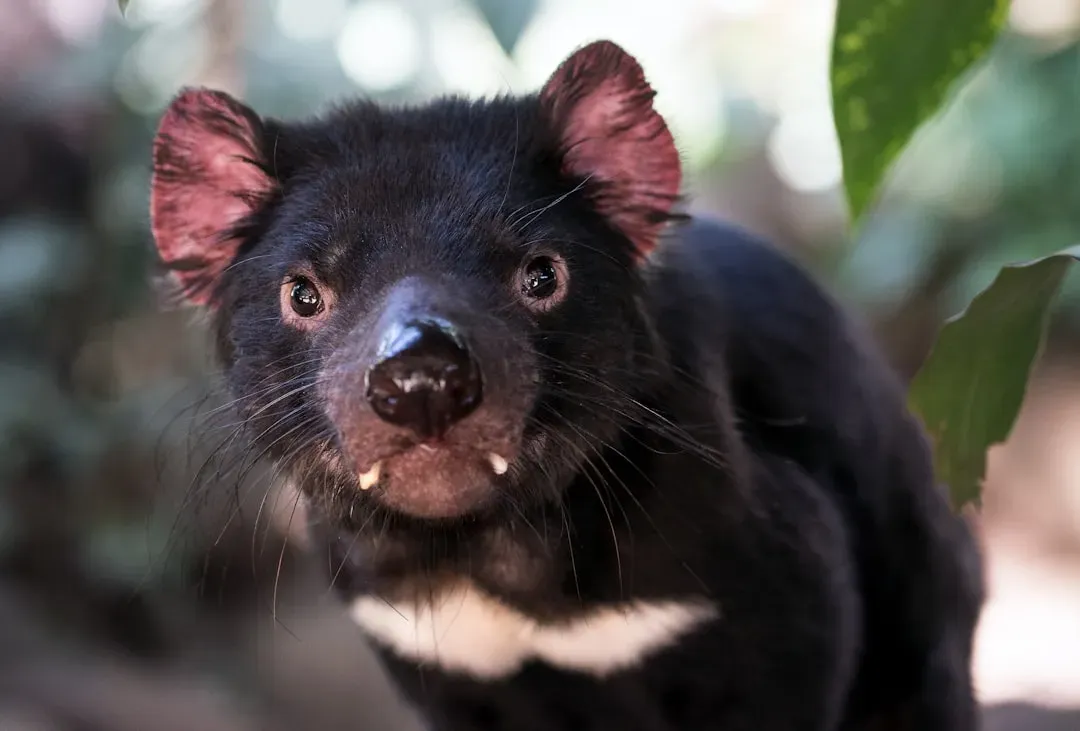
Tasmanian devils are very timid and don’t normally pose a danger to people unless they are attacked or trapped. However, when they do feel threatened, they do strange ‘yawns’, showcasing their sharp teeth. While this looks quite fierce, it is actually more a display of fear and anxiety than aggression.
Even though Tasmanian devils are known for being fierce, they are actually quite shy and cautious. They only show aggressive behavior when they feel threatened or when they are competing with other devils for food, and this usually means growling, snarling, and screeching instead of fighting. Most of their aggressive displays are theatrical performances meant to avoid actual combat. When you see a devil with its mouth wide open showing all its teeth, it’s basically saying “please leave me alone” rather than “I’m going to attack you.”
They’re Nocturnal Travelers Covering Massive Distances
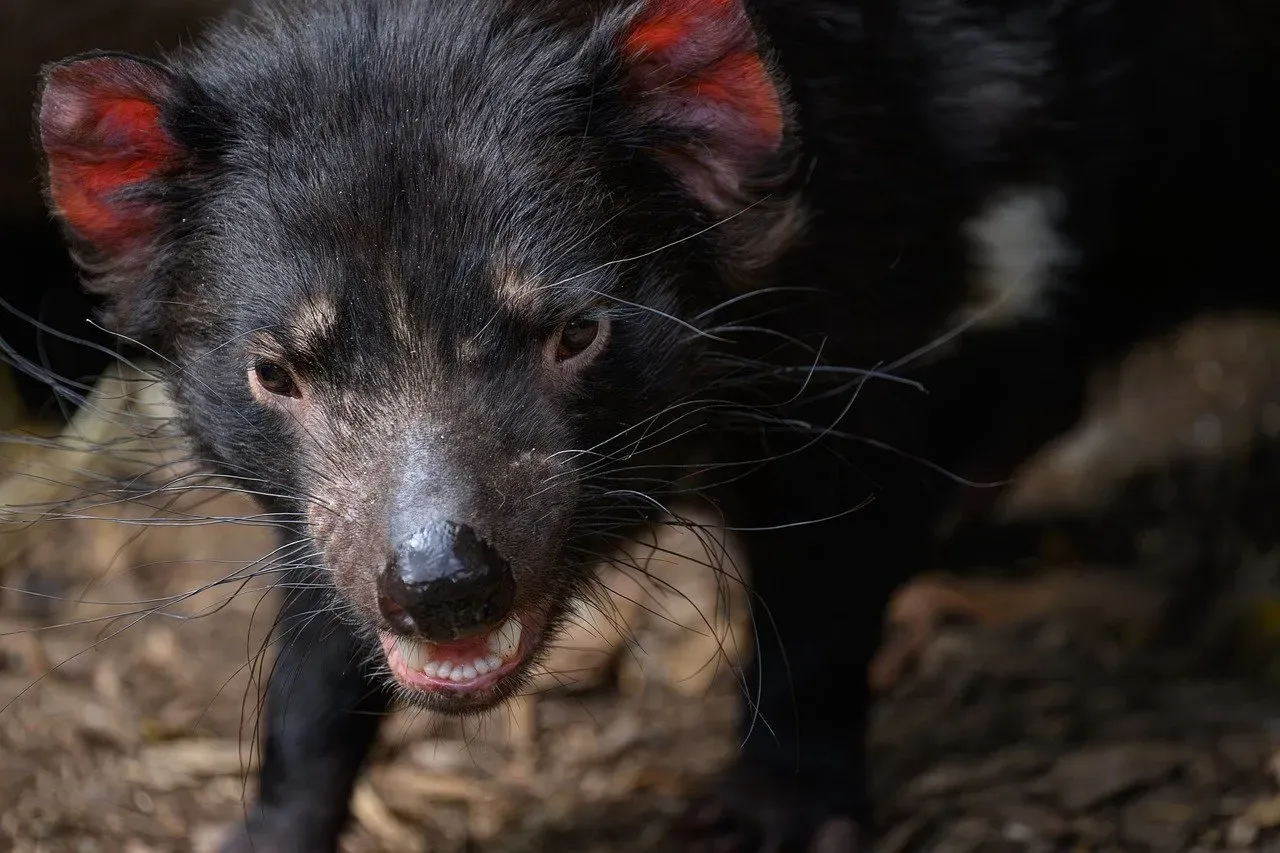
Curious and energetic, Tasmanian devils travel long distances each night in their pursuit of food, sometimes covering as much as 10 miles (16 kilometers). Tasmanian devils are nocturnal animals that roam up to 10 miles at night in search of food. During the day, they usually stay hidden in their dens or in thick bushes.
Their nightly journeys are impressive considering their size. They use their keen senses of smell and hearing to find prey or carrion. Hearing is its dominant sense, and it also has an excellent sense of smell, which has a range of 1 km (0.62 mi). These senses allow them to locate food sources from remarkable distances, making them extraordinarily efficient scavengers. Devils follow well-worn paths through their territories, checking favorite spots and investigating new scents with methodical determination.
Conclusion: Nature’s Resilient Survivors Face an Uncertain Future
The Tasmanian devil stands as one of nature’s most remarkable survivors. From their bone-crushing bite to their unique reproductive strategies, these marsupials have adapted to thrive in one of the world’s most isolated ecosystems. They’ve survived persecution by humans, competition with introduced species, and now face their greatest challenge yet in the form of a contagious cancer that spreads through their own social behaviors.
Yet despite facing extinction, devils continue to surprise us. Some individuals show genetic resistance to the facial tumor disease. Conservation programs have successfully reintroduced them to mainland Australia after three thousand years of absence. Scientists worldwide study them to understand transmissible cancers and immune system evolution. These fierce little survivors remind us that even in our darkest moments, nature finds a way forward. What surprised you most about these extraordinary creatures? Share your thoughts in the comments below.