
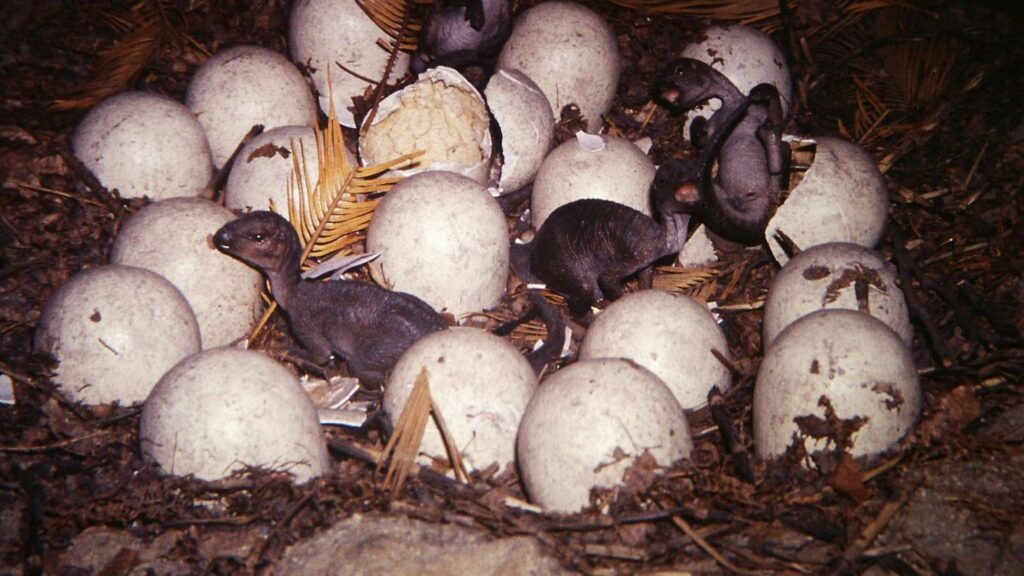
If you could walk through a dinosaur nesting ground today, you probably would not see what you expect from movies. Real dinosaur eggs were not giant Hollywood ovals scattered at random, and many dinosaurs were far more careful parents than people once thought. When you look closely at their fossilized nests, you get a surprisingly intimate snapshot of their lives: where they walked, how they protected their young, even how they sat on the eggs.
In this article, you are going to step into that ancient nursery world. You will see how scientists read subtle clues in eggshells, sediments, and nest layouts the way a detective reads fingerprints. Along the way, you will discover that dinosaur reproduction has as much to do with modern birds as with scaly movie monsters. By the end, you may never look at a bird’s nest in your backyard the same way again.
1. Dinosaur Eggs Were Smaller And More Fragile Than You Probably Imagine
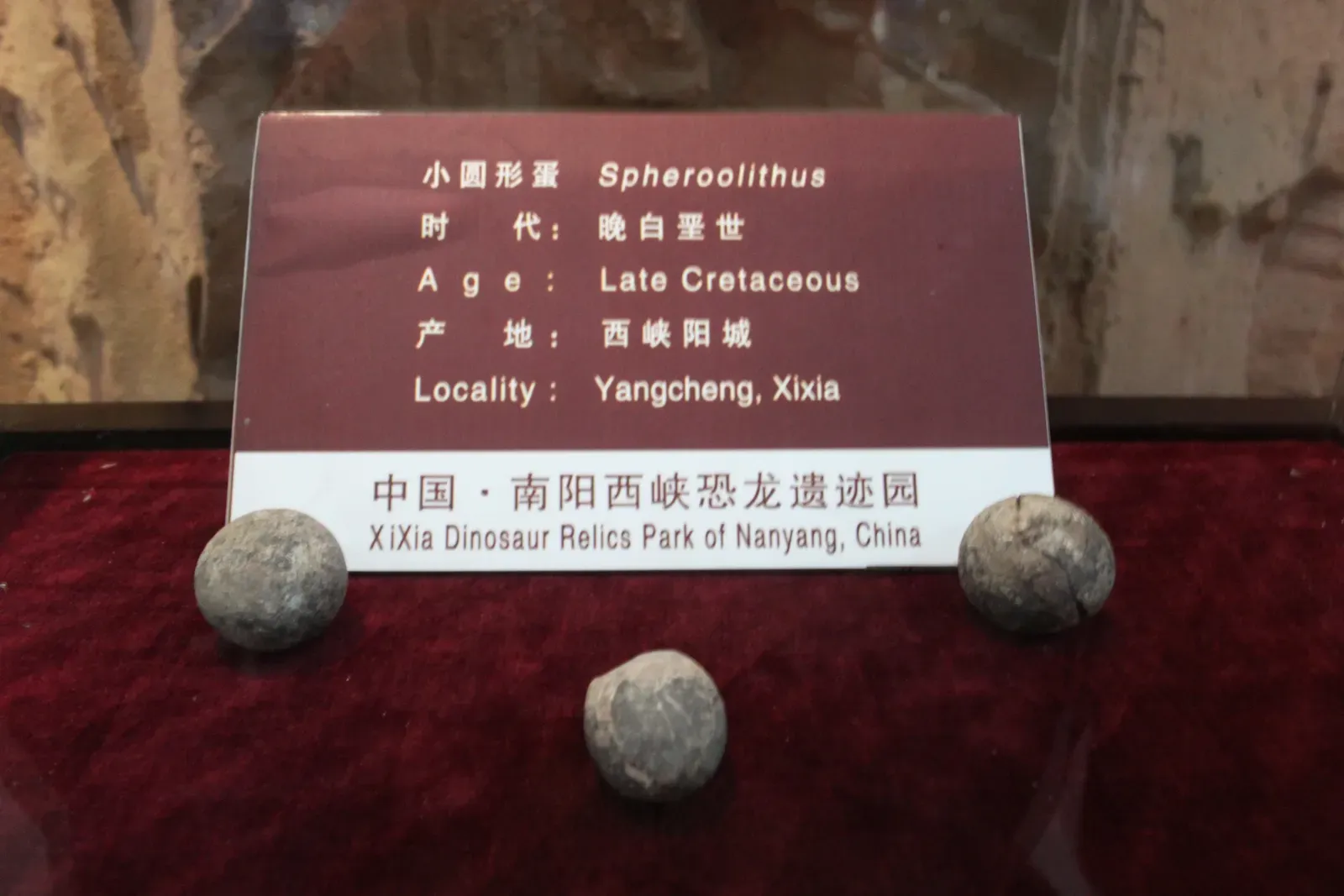
When you picture dinosaur eggs, you might picture something the size of a small car, but that image leads you astray. Even the largest known dinosaur eggs are closer to a big watermelon than a compact car, and many are much smaller, closer to a goose or ostrich egg in size. The reason is practical: an egg has to let enough oxygen in through the shell, and beyond a certain size, the shell cannot be both thick enough to protect the embryo and porous enough to let it breathe. So instead of laying a few massive eggs, many dinosaurs laid more modest eggs in larger numbers.
If you held a real dinosaur egg, you would probably be surprised by the shell. It would feel hard and stony now, but originally it was a delicate balance of strength and thinness, more like a sturdy bird egg than a rock. Some eggs were elongated instead of round, and many had intricate surface textures that helped with gas exchange or camouflage. Rather than imagining indestructible stone orbs, it helps if you think of them as finely tuned life-support capsules, optimized for a developing baby, not your movie-inspired expectations.
2. You Can Read An Eggshell Like A Tiny Life-Support Blueprint
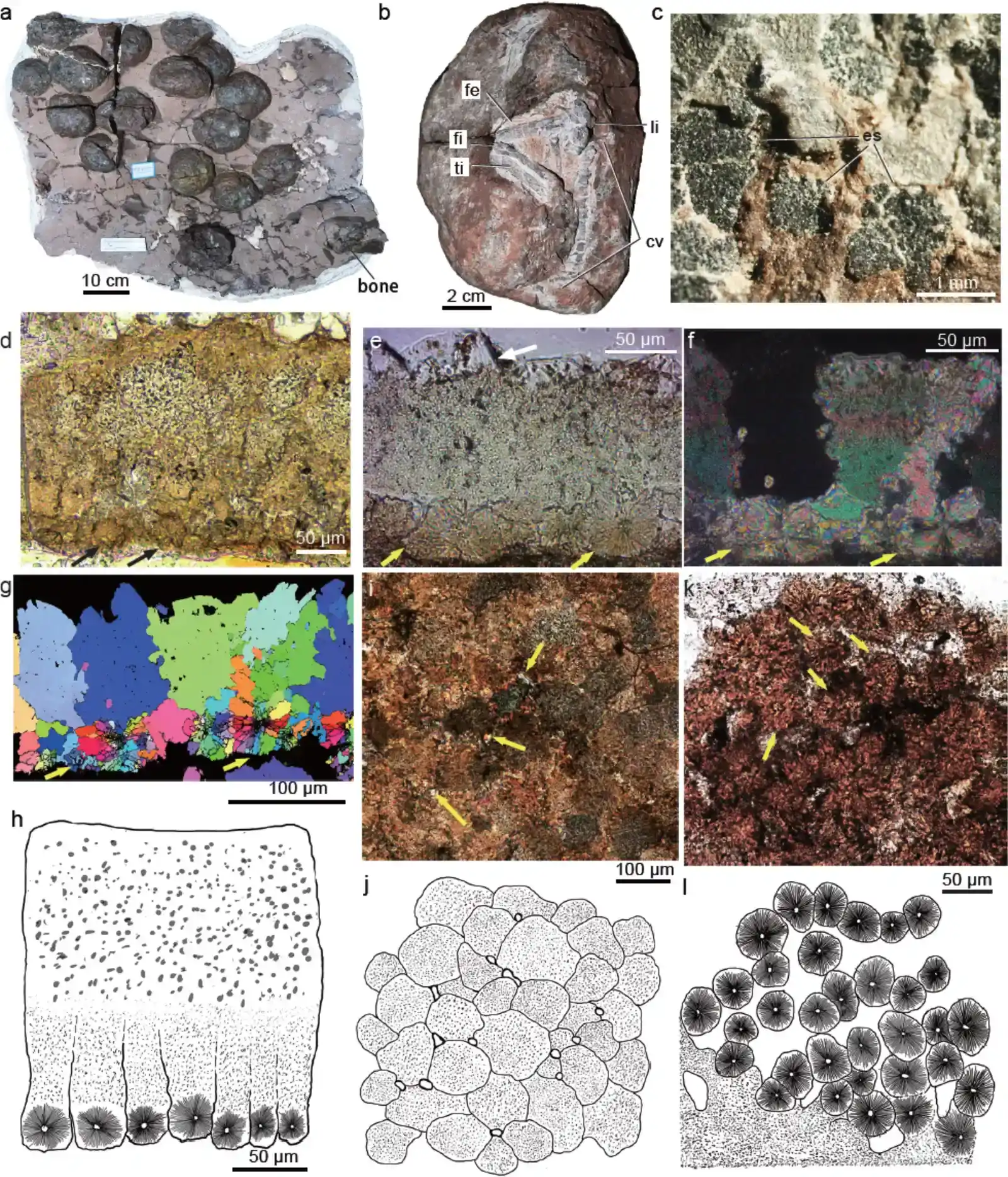
When you look closely at a dinosaur eggshell under a microscope, you are not just seeing a random pattern. You are looking at a record of how that egg was built and how the embryo inside was supposed to breathe and grow. The shell’s thickness, the layout of its crystal structure, and the pattern of tiny pores all tell you about the gas exchange system that kept the embryo alive. Some shells have straight, vertical pore canals; others branch like little trees, which changes how easily gases and water move through the shell.
By comparing dinosaur eggshells with those of modern reptiles and birds, you can infer whether an egg developed buried in soil, half-buried, or exposed in open air. High pore density usually points to a buried nest where oxygen is harder to get, while fewer pores suggest a more open, air-bathed nest. In that sense, an eggshell is less like a simple shell and more like a blueprint for a miniature incubator. When you see it that way, every little bump or groove has a job, and none of it is random decoration.
3. Some Dinosaur Parents Sat On Their Nests Like Giant, Feathered Birds
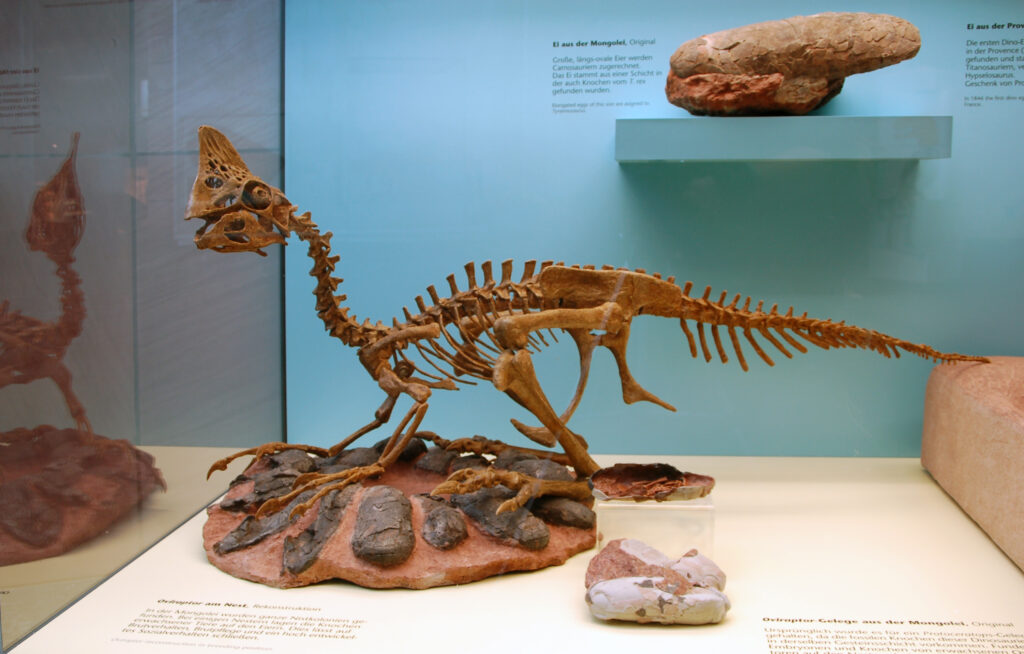
If you have ever watched a bird sitting patiently on its eggs, you already have a window into how some dinosaurs behaved. Fossils have captured certain theropod dinosaurs preserved in a sitting position right on top of circular egg clutches, their limbs and body arranged like a brooding bird. You can picture these animals carefully positioning themselves so they did not crush the eggs, often leaving a central space or using their limbs and feathers to spread their weight. This kind of fossil is not just a curiosity; it is a frozen moment of parenting behavior from tens of millions of years ago.
From these finds, you can reasonably conclude that at least some dinosaurs provided active incubation instead of simply burying eggs and walking away. The posture, the arrangement of eggs in rings, and even the presence of feather impressions in some fossils draw a clear line from these dinosaurs to modern birds. When you look at a brooding chicken or goose, you are essentially seeing a small, living echo of how certain non-avian dinosaurs cared for their young. That continuity turns the idea of dinosaurs from distant monsters into something surprisingly familiar.
4. Other Dinosaurs Buried Their Eggs Like Giant Reptilian Gardeners
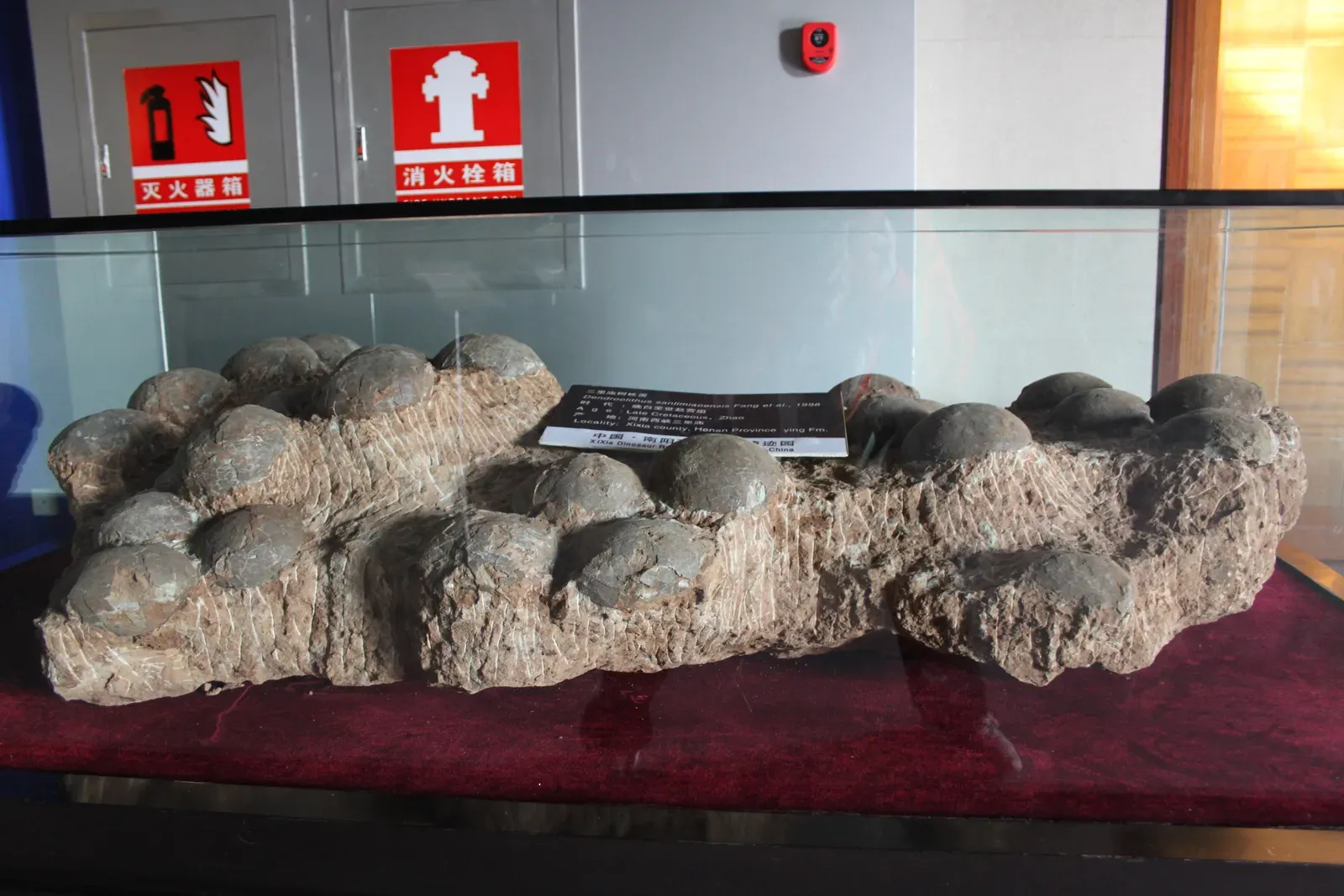
Not all dinosaurs hovered over their nests; many relied on the Earth itself to do the incubating. By looking at eggs found deeply buried in sediment layers, along with their high pore densities, you can infer that these parents laid their clutches in pits and covered them with soil, sand, or rotting vegetation, a lot like modern crocodiles or some turtles. In those cases, the heat came from the sun warming the ground or from decomposing plant material, rather than from a parent’s body temperature. Once the eggs were tucked in, the adults may have left them largely unattended.
When you think of this strategy, it helps to imagine a dinosaur as a gardener rather than a babysitter. The animal prepares the nest site, plants a whole batch of eggs, and then lets environmental conditions handle the rest. That approach is risky for each individual egg, but if you lay many eggs at once, you can still pass on your genes even if most of the clutch is lost. This buried-nest style shows you that dinosaur reproduction included both high-investment parenting and more hands-off strategies, echoing the variety you see among reptiles and birds today.
5. Nesting Colonies Could Be As Crowded As A Seabird Cliff
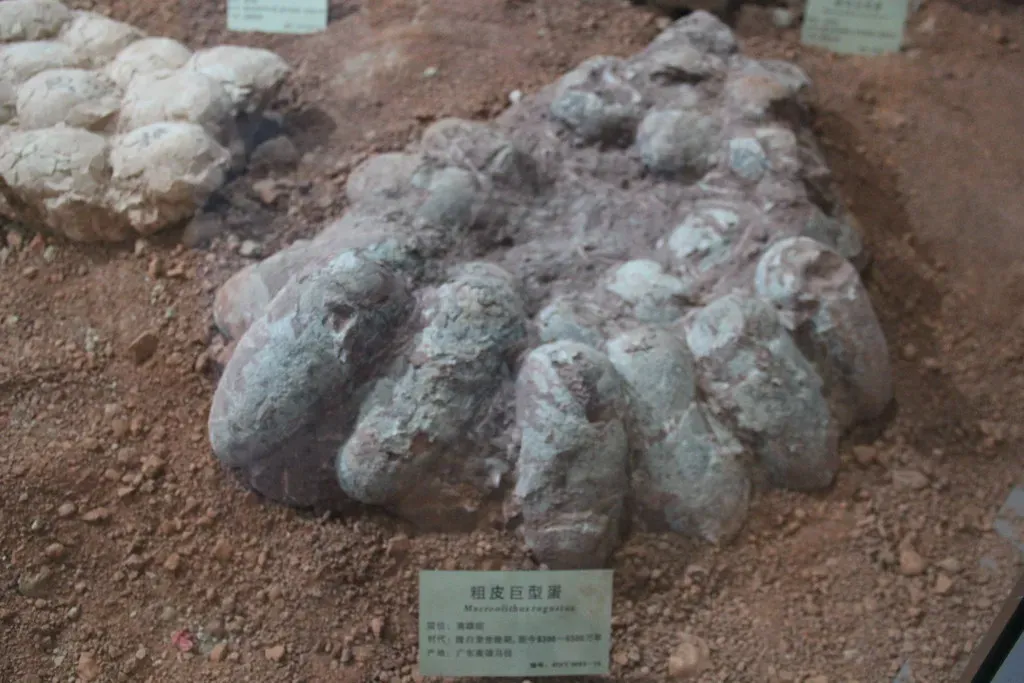
In some fossil sites, you can walk across layer after layer of preserved dinosaur nests packed closely together, almost like apartments in an ancient nursery complex. When you see dozens or even hundreds of nests grouped in the same layer, it strongly suggests that these dinosaurs nested in colonies, returning to the same area season after season. This kind of behavior is similar to modern seabirds that swarm onto rocky islands or beaches in vast noisy gatherings during breeding season. For dinosaurs, colonially nesting might have offered safety in numbers or a good way to exploit limited, ideal nesting ground.
Imagine standing in the middle of such a colony in the past: eggs and hatchlings scattered over a broad plain, adults moving through the crowd, calls echoing, and predators lurking at the edges. Even if you never hear those sounds, the fossil record lets you infer the basic scene from the pattern of nests. The clustering, the repeated use of the same layers over time, and the similar egg types all point you toward social, seasonal behavior instead of solitary, random nesting. When you recognize that, you start to see some dinosaurs not as loners, but as part of organized, bustling communities.
6. Egg Shape And Arrangement Reveal How Embryos Were Positioned
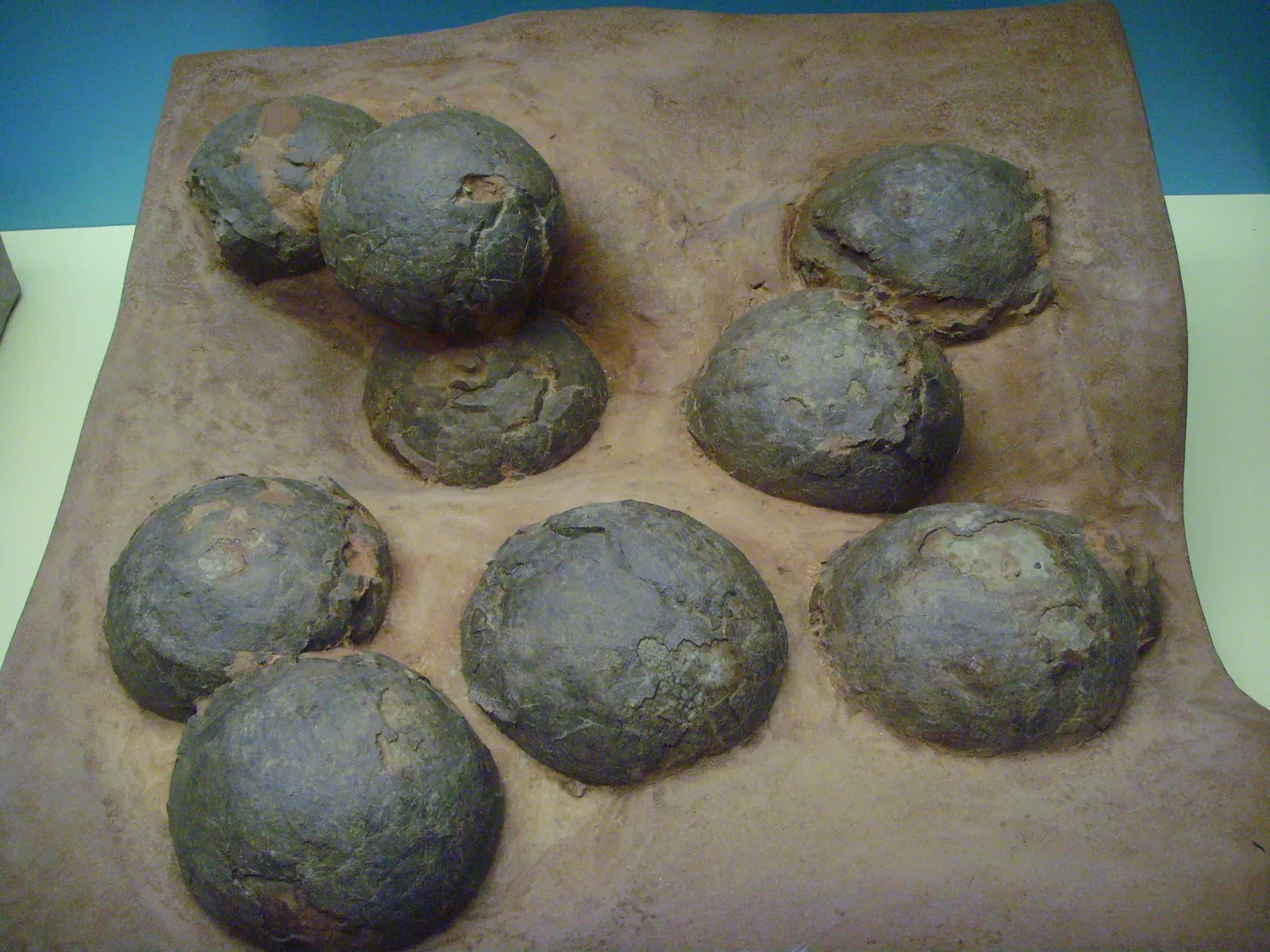
When you look at how dinosaur eggs are arranged in a clutch, you can often tell how the embryos inside were oriented and even how the parent laid them. Many clutches show eggs arranged in neat circles or semi-circles, stacked in two or more layers with the pointed end angled inward. This kind of geometry is not accidental; it suggests that the parent placed each egg deliberately, perhaps rotating its body as it laid the clutch. In some theropod nests, you see pairs of eggs laid side by side, which matches the idea that these animals had two functioning oviducts releasing eggs in pairs.
Egg shape itself gives you more clues. Elongated eggs tend to indicate a particular style of embryo positioning, often with the head at the blunt end where gas exchange is easier. When you mix those details with the circular nest layouts, you get a surprisingly precise picture of what the inside of the nest looked like when it was still warm and alive. You are not just looking at a pile of rocks; you are reconstructing the careful choreography of laying, turning, and arranging eggs that a parent dinosaur performed millions of years ago.
7. Some Dinosaur Eggs Probably Had Colors And Patterns, Not Just Plain Shells
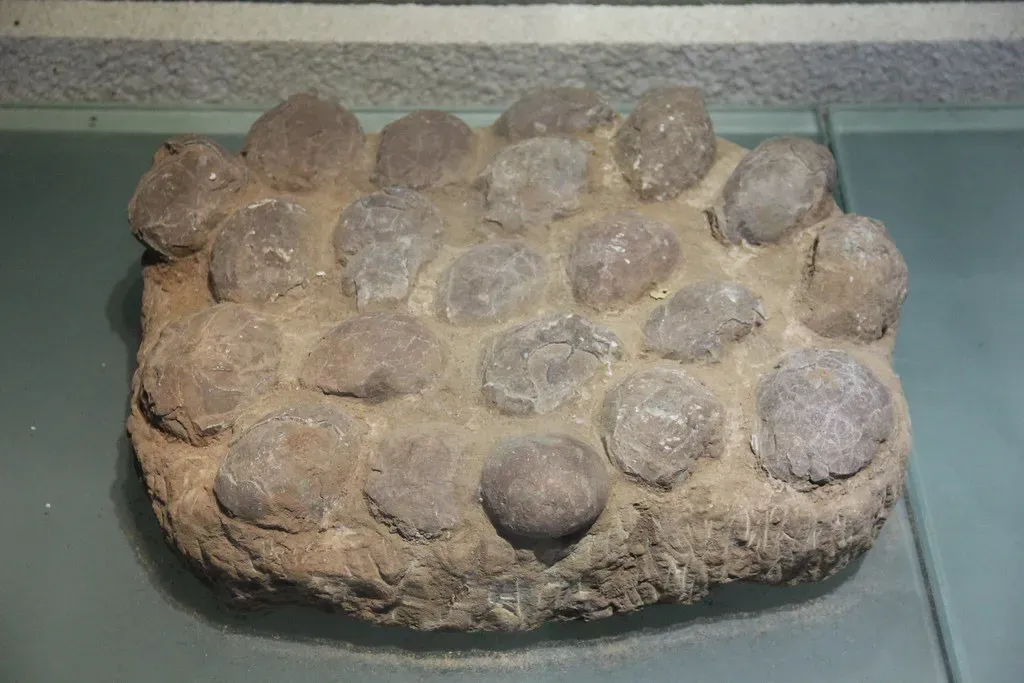
For a long time, people assumed dinosaur eggs were simple, chalky white or beige, but chemical analyses suggest a more colorful story. In some fossil eggs, you can detect traces of pigments similar to those used by modern birds, which means at least some dinosaur eggs originally had colors or speckled patterns. If you picture a ground nest in a forest or on an open plain, you can see how mottled or camouflaged eggs would help hide them from sharp-eyed predators. Color could also have played a role in signaling between parents and eggs, or in controlling how much sunlight an egg absorbed.
When you realize that, the mental image of a dinosaur nest becomes much richer. Instead of uniform stone-colored eggs lined up in a drab circle, you might picture soft browns with darker speckles, bluish or greenish tones, or subtle variations that matched local soil and vegetation. You do not have complete color charts for every species, so you have to stay cautious, but the basic message is clear: some dinosaur eggs were likely more visually complex than the plain stone eggs of popular art. That hint of color helps bridge the gap between dinosaur nests and the colorful clutches you see in birds today.
8. Tiny Bones Inside Eggs Let You See Dinosaurs Before They Hatched
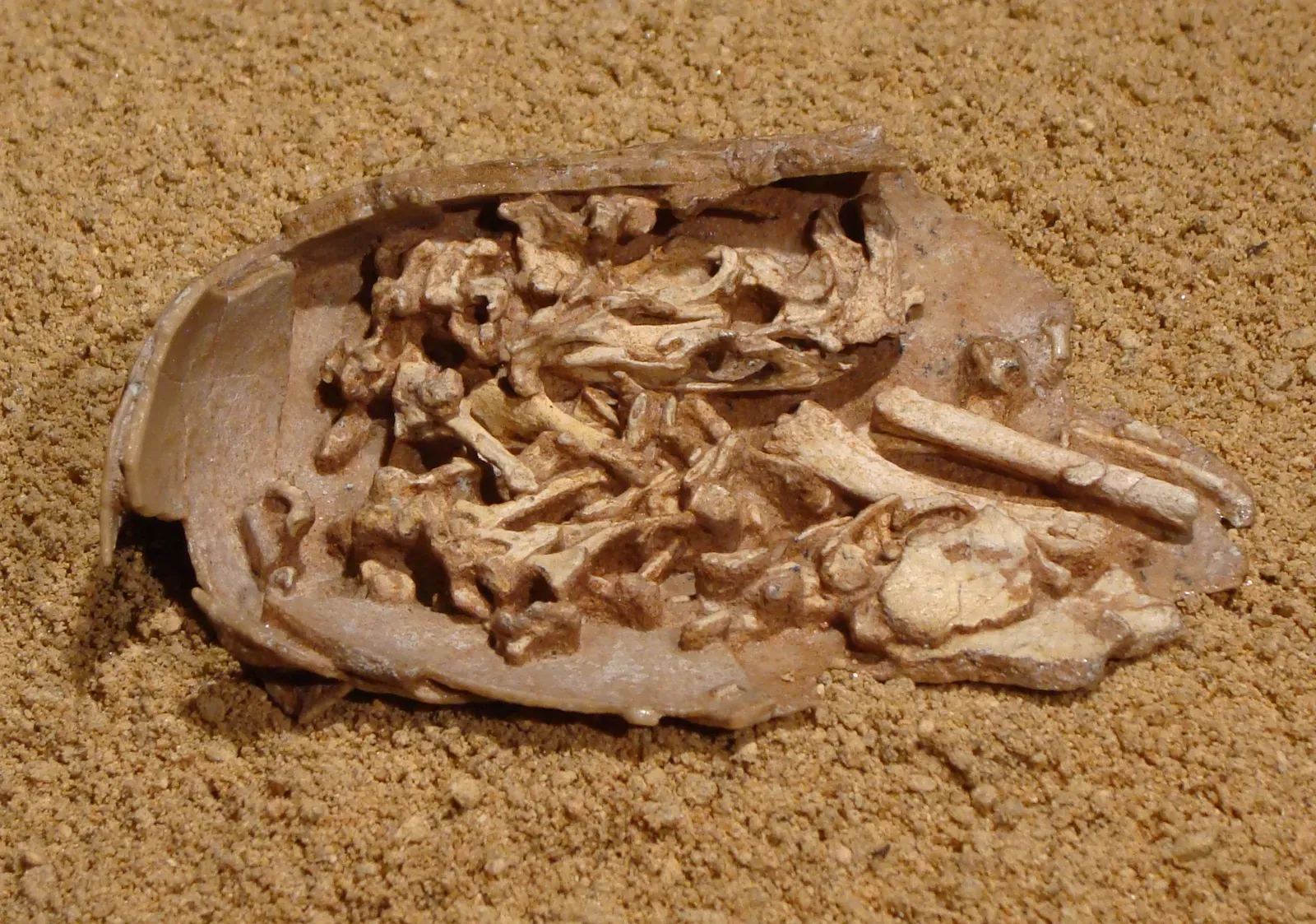
Every now and then, you get an extraordinary fossil where the inside of an egg is preserved well enough to show fine skeletal details. When you scan these eggs with modern imaging techniques, you can see curled-up embryos with tiny limb bones, vertebrae, and even traces of developing skulls. These fossils let you measure how far along the embryo was when it died, which in turn tells you about the length of incubation and how quickly it grew. You can sometimes tell if an embryo was close to hatching by looking at bone ossification and the position of the body inside the egg.
By comparing these embryos to hatchlings and adults, you can figure out whether a species was born relatively helpless or more independent. For example, if limb bones look sturdy and well-developed, you can infer that the young may have been able to walk shortly after hatching, similar to many ground-nesting birds. If the skeleton looks less developed, you might be looking at a more dependent, nest-bound youngster. You are essentially reading a dinosaur’s early life story from a single, tiny skeleton that never got to hatch, turning tragedy into scientific insight.
9. Some Dinosaur Young Stayed In Or Near The Nest After Hatching
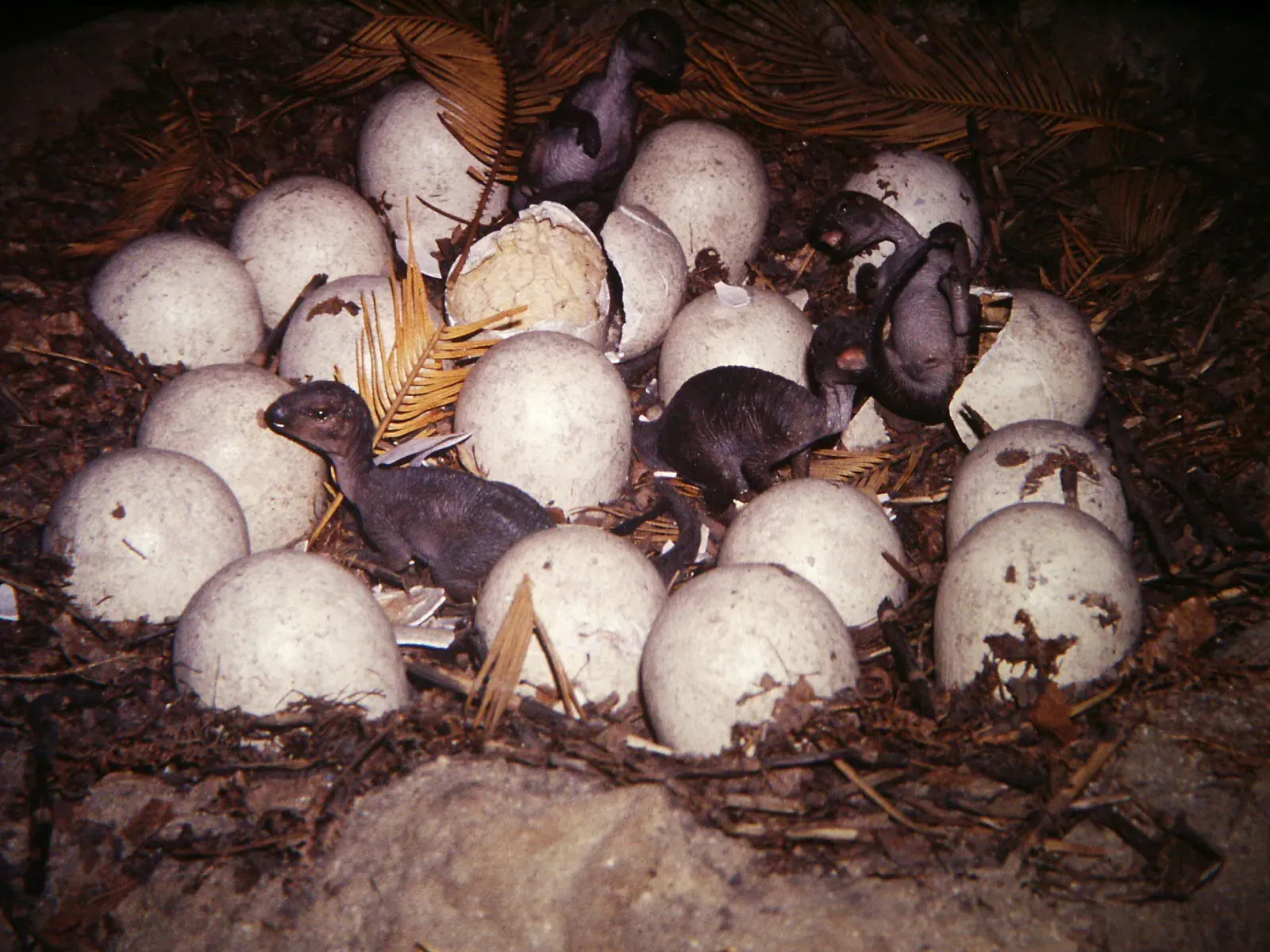
In a few fossil sites, you find clusters of very young dinosaur bones mixed with eggshell fragments and traces of nest structure, all in the same spot. When you see that pattern, it suggests that hatchlings did not always sprint away immediately after breaking out of the shell. Instead, they may have stayed in or near the nest for a while, possibly under some level of parental care or at least using the nest as a temporary safe zone. Bone growth rings and size variation among the young can help you estimate how long they stayed before dispersing.
When you think about these nest-bound youngsters, you might compare them to modern bird chicks that remain in the nest until they grow feathers and strength. This kind of extended nesting would have shaped the behavior of the parents too, pushing them to protect, feed, or at least guard a vulnerable cluster of young for some period of time. It adds emotional weight to the idea of a dinosaur nest: you are not just looking at a pile of eggs, but at the remains of a busy family home where young grew, begged, and eventually took their first steps into a dangerous world.
10. Climate And Environment Left Clear Fingerprints In Nesting Strategies
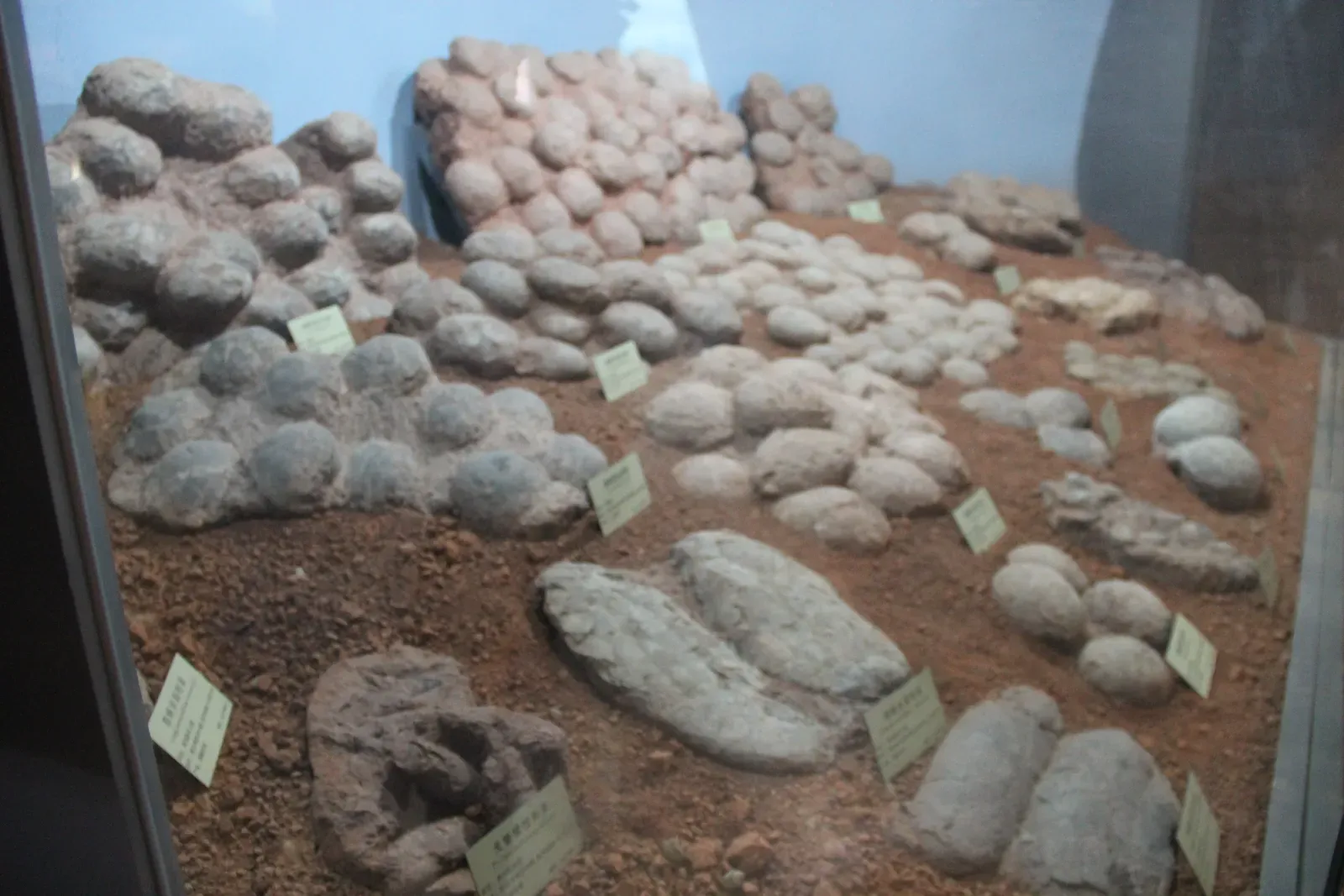
Dinosaur nests did not float in a vacuum; they were deeply shaped by the climate and landscape of their time. In warm, humid regions with lots of vegetation, burying eggs in plant-rich mounds would have taken advantage of the heat from decomposition, much like some modern megapode birds. In cooler or more seasonal environments, sitting on the eggs or choosing sun‑drenched, south-facing slopes might have been better strategies. When you map where certain types of nests and eggs are found, you can often see patterns that line up with ancient climate zones and ecosystems.
By paying attention to sediment types, you can also tell if a nest was laid on a floodplain, a dune field, a lakeshore, or another specific setting. Each of those environments comes with different risks from flooding, predators, or temperature swings. The way eggs are arranged, whether they were buried, and how many eggs were laid all feed into a larger picture of how a species carved out a reproductive niche in its world. When you piece that picture together, you are really learning how dinosaurs balanced risk and reward to give the next generation the best fighting chance they could manage.
11. Eggshell Fragments Become Clues To Dinosaur Extinction And Survival
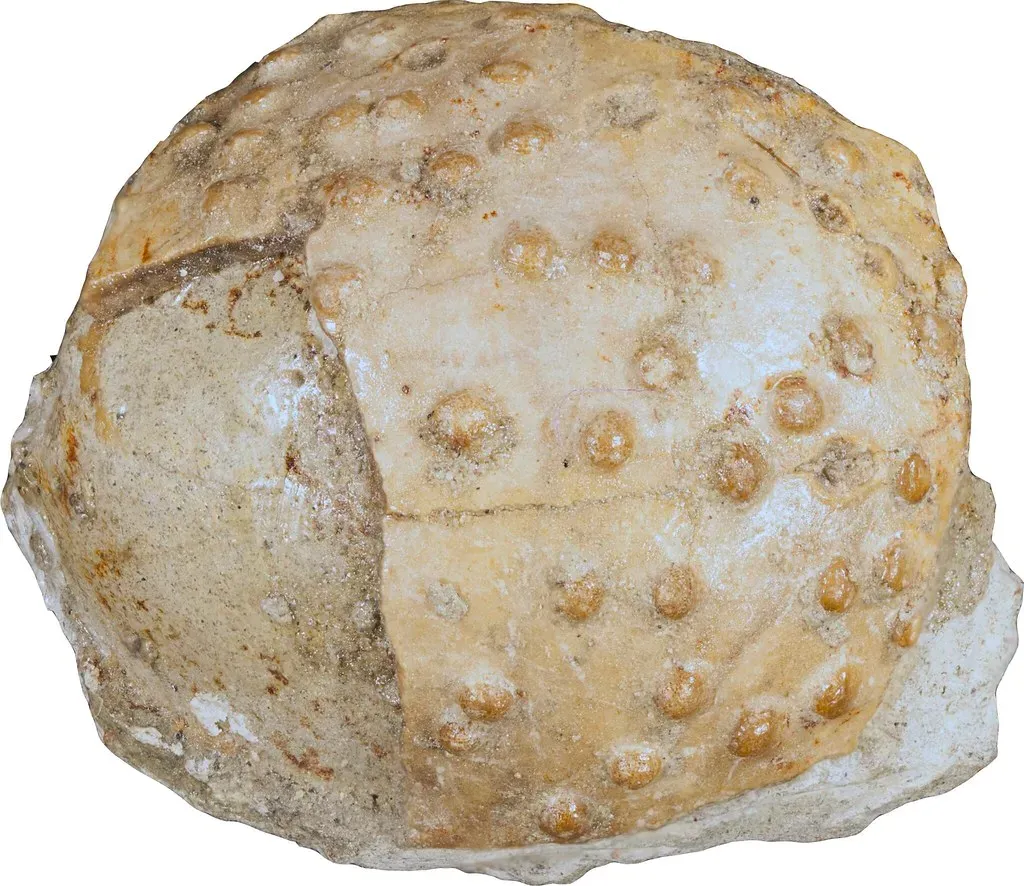
When you trace dinosaur eggshells through time, you can do more than just admire their structure; you can use them to track bigger patterns in Earth’s history. In some regions, you see diversity in egg types and nest styles rising and falling along with broader environmental changes. Near the end of the Cretaceous, you can find shifts in which egg types are common, which might reflect changing climates, habitats, or stress on certain dinosaur groups. While you have to be careful not to over-interpret limited data, these patterns can hint at which reproductive strategies were most vulnerable during times of crisis.
After the mass extinction that wiped out non-avian dinosaurs, you still find eggshells in the record, but they belong to birds and a smaller set of surviving reptiles. When you compare their eggs and nesting styles with those of their lost relatives, you can look for traits that may have helped them endure. Smaller body size, faster reproductive cycles, and flexible nesting behavior may have been part of that survival package. In that way, an eggshell fragment is not just a relic; it is a tiny data point in a much larger story about survival, adaptation, and collapse.
12. Modern Bird Nests Are Your Best Everyday Window Into Dinosaur Parenting
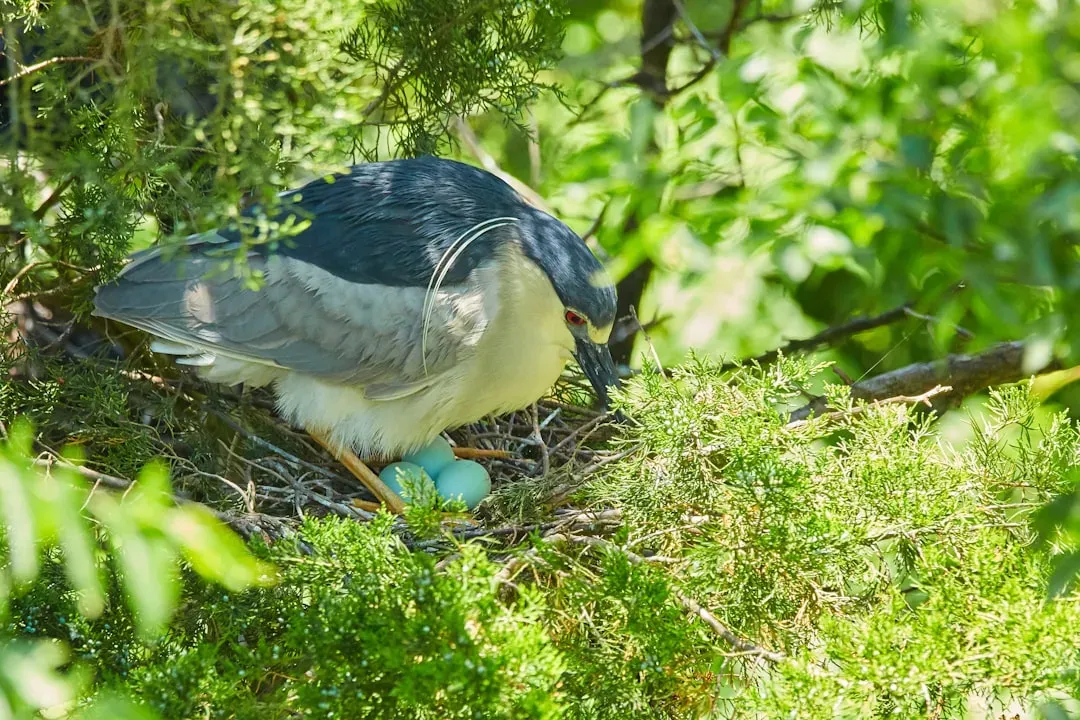
When you want to imagine how a dinosaur nest looked, you do not have to rely only on fossils and diagrams. You can step outside and watch how birds handle eggs, build nests, and care for their young, because birds are living dinosaurs in a very literal evolutionary sense. The way a robin arranges twigs, the way an ostrich guards its communal nest, or the way a penguin balances an egg on its feet can all give you analogies for behaviors that no fossil can show directly. While you should never assume they are perfect copies, these living examples help you fill gaps left by stone and sediment.
By comparing the full package – egg structure, nest layout, incubation style, and parental care – you can better appreciate just how birdlike many dinosaurs may have been. The nests you see today echo, in scaled‑down form, ancient strategies that were already in play long before humans appeared. When you watch a bird fuss over its nest, you are, in a way, watching a surviving branch of dinosaur parenting culture play out in real time. That connection makes the fossil nests you read about feel less abstract and much more like part of a continuous, still‑unfolding story.
When you piece together all these clues – from shell microstructure to colony layouts – you get more than a dusty catalogue of fossils. You get a surprisingly intimate portrait of dinosaurs not only as predators or giants, but as parents, builders, and problem‑solvers trying to raise families in a dangerous world. The next time you see a simple bird’s nest, will you be able to stop yourself from wondering what its dinosaur ancestors were doing with their eggs on that same Earth long ago?