You’ve probably noticed them. Those quietly powerful people who seem to navigate life with a certain calm intensity. They’re not loud about it. They don’t broadcast their wins on social media every five minutes. Yet somehow, they accomplish more, stay focused longer, and rarely seem rattled by the chaos around them.
Here’s the thing though. Their secret isn’t genetic luck or some mystical talent. It’s mental discipline, and honestly, that’s incredible news for you. Because mental discipline is something you can build, habit by habit, choice by choice. For introverted individuals especially, mental discipline becomes a genuine superpower. Your natural tendencies toward reflection, deep focus, and careful consideration aren’t weaknesses to overcome. They’re strengths to harness. Let’s dive in.
You Practice Mindful Stillness Daily
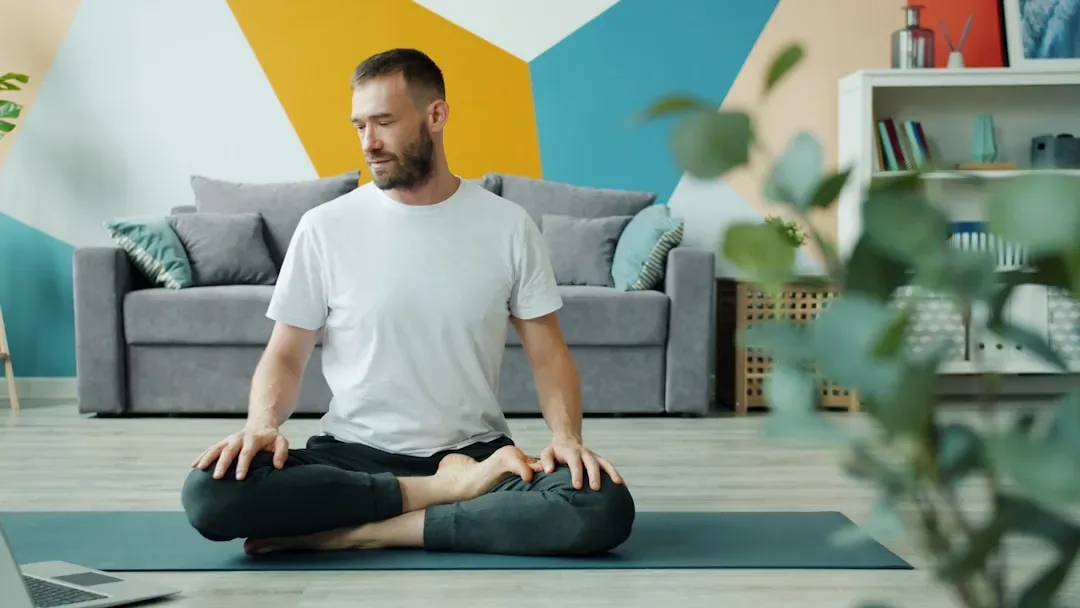
Mental discipline often starts with quiet moments where you anchor your awareness and reset your nervous system. Whether it’s meditation, breathwork, or simply sitting with your coffee in silence, you make space for stillness. This isn’t about escaping your life. It’s about sharpening your perception of it.
Mental discipline means making a daily, committed decision about what you’ll pay attention to and how you’ll think. You don’t wait for motivation to strike. You create the conditions for clarity to emerge. That daily practice might only take five minutes, yet it sets the tone for everything else.
You Reconnect With Your Purpose Every Morning

Most people stumble through their mornings on autopilot, reacting to whatever grabs their attention first. You don’t. Each morning, you reconnect to your why through affirmations, reading, prayer, or quiet reflection, giving your day emotional direction. This isn’t some fluffy exercise. It’s strategic.
When you remind yourself what truly matters before the world makes its demands, you create a filter for decision making. You prevent yourself from getting lost in busywork. This keeps your focus on what moves the needle long term. As an introvert, this reflective practice comes naturally to you. Use it.
You Move Your Body Even When You Don’t Feel Like It

Physical movement is the anchor of mental discipline, and exercise isn’t just about fitness but about mastery. When you do something uncomfortable every morning, run or stretch or walk, you reinforce a critical idea. You can do hard things on command.
This builds self trust, which is the foundation of all discipline. On the mornings you move your body, even for just ten minutes, you think more clearly, handle stress more calmly, and follow through on goals more easily. You understand that physical stability supports mental stability, so you prioritize both.
You Embrace Boredom and Repetition

Let’s be real. Success is boring. Real growth happens in repetition: the same workouts, the same writing sessions, the same business routines. While others chase novelty and get distracted by shiny objects, you find mastery in the mundane.
You’ve mastered one superpower that successful people share: the ability to do boring things for an unreasonably long time. You refine. You iterate. You repeat tasks thousands of times. You’re not addicted to excitement but to progress. That’s what sets you apart.
You Honor Your Commitments to Yourself

One of the clearest habits in people who win long term is their refusal to argue with their own commitments. When your inner voice tries to negotiate, “I’ll run tomorrow” or “I’ll start next week,” you answer firmly: “No, we said today.” This isn’t harsh. It’s respectful.
This creates self integrity, the alignment between what you say and what you do, which is the foundation of confidence and mental strength. Every time you keep a promise to yourself, you prove you’re someone worth trusting. When you trust yourself, discipline becomes natural, not forced.
You Replace Reactions With Deep Breaths

Most regrets come from reacting too fast: snapping, overthinking, people pleasing, agreeing to things you don’t want, or escalating conflicts. You’ve learned something powerful. A single deep breath gives you space.
A deep breath activates your prefrontal cortex, the part of your brain responsible for logic, restraint, and decision making, giving you space to respond instead of react. This micro habit takes seconds. You become less impulsive, less triggered, and more emotionally grounded. As an introvert, you naturally process before speaking anyway. This amplifies that strength.
You Create Order in Your Environment

Clutter creates mental noise, and discipline begins with small acts of order. You put things back immediately after using them. Not later. Not when you feel like cleaning. Right now.
Environmental discipline shapes internal discipline, a clean space reinforces a clear mind, and a clear mind makes better choices. This habit takes less than a minute each time. Yet its impact compounds throughout your day. You’re not obsessive about perfection. You’re intentional about removing unnecessary friction.
You Visualize Your Best Self Daily
Discipline becomes easier when you have a clear picture of who you want to become, and visualization primes your brain to behave in alignment with that identity. You close your eyes for sixty seconds and imagine the version of yourself who has already achieved what you’re working toward.
Most people struggle with discipline because they’re operating from who they used to be, and visualization reprograms that. This isn’t wishful thinking. It’s mental rehearsal. Athletes do it. Performers do it. You do it too because you understand that your brain doesn’t always distinguish between vivid imagination and reality.
You Seek Voluntary Discomfort

Most people seek comfort, but disciplined people seek challenge because they understand that comfort dulls growth while challenge sharpens it. You regularly do things that stretch your limits: waking early, training when tired, tackling difficult conversations.
You choose to embrace discomfort and resist the urge to take the path of least resistance, planning to step outside your comfort zone so the feeling becomes familiar, and the more you confront fears and discomfort, the more quickly you realize there’s no reason to be afraid. This doesn’t mean you’re reckless. You’re strategic about building resilience.
You Think Long Term, Not Just Next Week

Entrepreneurship especially rewards the decade thinker, and when you’re building something that needs time to stabilize and compound, the long view protects your sanity. You don’t get swept away by short term setbacks or temporary wins.
One good day doesn’t make you successful, one bad day doesn’t make you a failure, and disciplined people stay steady. You play the infinite game. This perspective keeps you from quitting right before the compounding kicks in. As an introvert, you’re naturally inclined toward deep, sustained focus rather than quick hits of external validation. Lean into that.
You Listen More Than You Speak

Because you’re quiet by nature, you’re a natural born listener who tends to carefully take in all information and opinions, and only after digesting it, offers a thoughtful answer. This isn’t passivity. It’s strategic intelligence.
When you listen more than you speak, you take in more data about other people, information that gets drowned out when constantly figuring out what to say next, and you pick up subtle hints others give about who they are and what they care about. Research from Harvard Business School found that introverts can be better leaders than extroverts, especially when their team members are naturally proactive, because an introverted leader is more likely to listen to and process the ideas of an eager team.
You Prepare Thoroughly Because Your Mind Demands It

Your penchant for exhaustive preparation, especially at work, might originate from your tendency to take longer than extroverts to think through and respond to questions, and there’s a neurological reason for this: information actually takes a longer path through the brain of an introvert than through the brain of an extrovert. This isn’t a limitation. It’s an advantage.
You’re great at preparation because you don’t like having to act spontaneously, so you over prepare and use mental tools that help you stay calm and in control, and you often imagine yourself as someone wildly successful before entering a stressful situation, which gives you a boost of confidence. Never mistake your calmness for weakness. You’re the boulder that diverts the river.
Conclusion: Your Discipline Is Your Quiet Power

Mental discipline isn’t about perfection or becoming someone you’re not. It’s about consistently showing up for yourself in small, meaningful ways. For you as an introvert, these habits aren’t forced adaptations. They’re natural extensions of your strengths: reflection, preparation, deep focus, and intentional living.
Individuals with high levels of self discipline are better equipped to manage stress, overcome obstacles, regulate emotions, and maintain a positive outlook, leading to lower levels of anxiety and depression, and this ability to regulate emotions and behavior is closely linked to emotional intelligence. You’re not trying to become more extroverted. You’re harnessing the power that already exists within your personality type.
The world needs your kind of discipline. The quiet, steady, relentless kind that compounds over years while others burn out chasing intensity. What would happen if you gave yourself permission to see your introversion not as something to overcome, but as the very foundation of your mental strength? What do you think about it? Tell us in the comments.