
You might not realize it, yet the way you examine a rock formation or the manner in which you catalog a tiny trilobite fragment says volumes about who you are at your core. These everyday behaviors seem small, almost trivial. Still, they reveal the deepest truths about your character, especially if you share a passion for paleontology and the ancient world.
Think about it for a moment. Your approach to fossil hunting, your patience in the lab, even how you react to a crumbling cliff face… these aren’t just random actions. They’re windows into . Let’s explore the subtle behaviors that expose what truly drives you.
You Can’t Walk Past a Rock Without Examining It

You’re that person who stops mid-conversation to pick up a stone, turning it over in your hands like it holds the secrets of the universe. This habit reveals an insatiable curiosity that defines your character. The closer you are to the ground, the more natural your scientific tendency becomes, like children who instinctively explore their surroundings.
This behavior shows you possess an observational mindset that refuses to accept things at face value. While others walk past a thousand stones, you’re the one who spots the fossilized shell fragment among the gravel. Your brain constantly scans for patterns, textures, anomalies. It’s exhausting sometimes, honestly, yet you can’t turn it off even if you tried.
The compulsion to examine every rock signals something deeper than mere interest. It demonstrates a fundamental belief that answers lie hidden in plain sight, waiting for someone patient enough to look. You understand that spotting recognizable shapes and textures in the wild is akin to meditating over a broken puzzle scattered in the sediment.
You Find Calm in Repetitive, Detail-Oriented Tasks
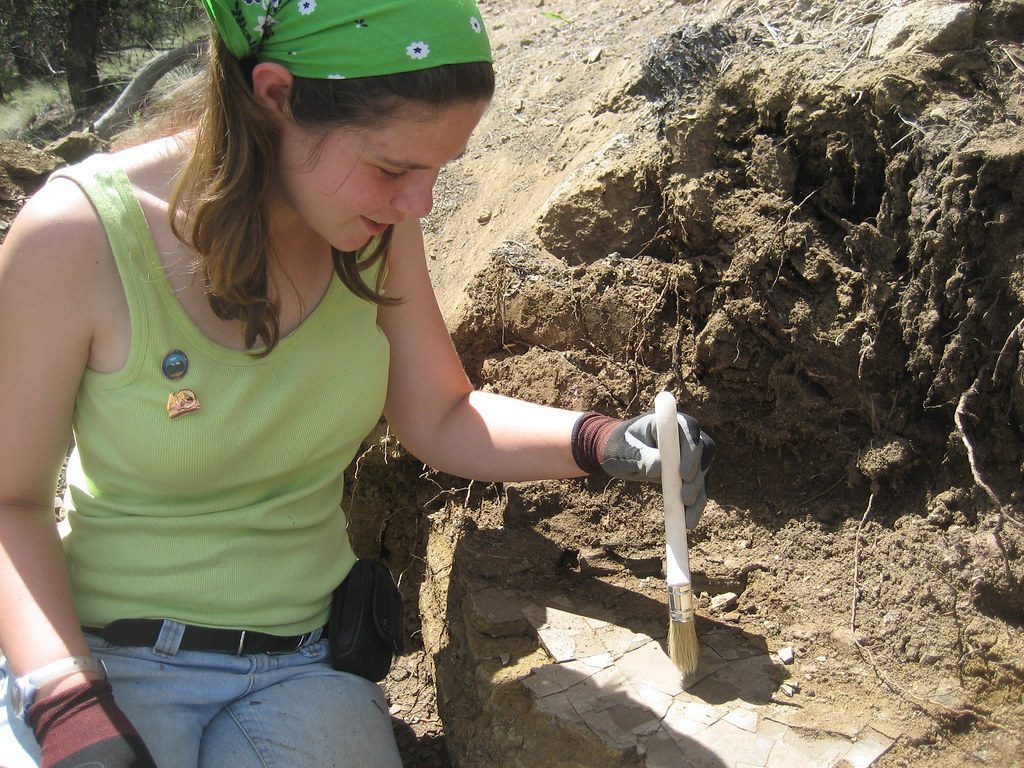
Spending hours cleaning a fossil with dental picks and brushes doesn’t bore you. It centers you. This activity seems to have a positive effect on mental well-being, creating a meditative state that others find baffling. Your friends might think you’re crazy for enjoying such painstaking work, yet you know the truth.
This preference reveals your capacity for sustained focus and your appreciation for gradual progress. You don’t need instant gratification or flashy results. The slow revelation of a bone’s true structure, millimeter by millimeter, satisfies something fundamental in your nature. It shows you value process as much as outcome.
Let’s be real – most people lack this kind of patience. The fact that you possess it indicates an internal fortitude that serves you well beyond fossil preparation. You approach life’s challenges with the same methodical persistence, understanding that worthwhile things rarely happen quickly.
You’re Drawn to Places Where Time Feels Different
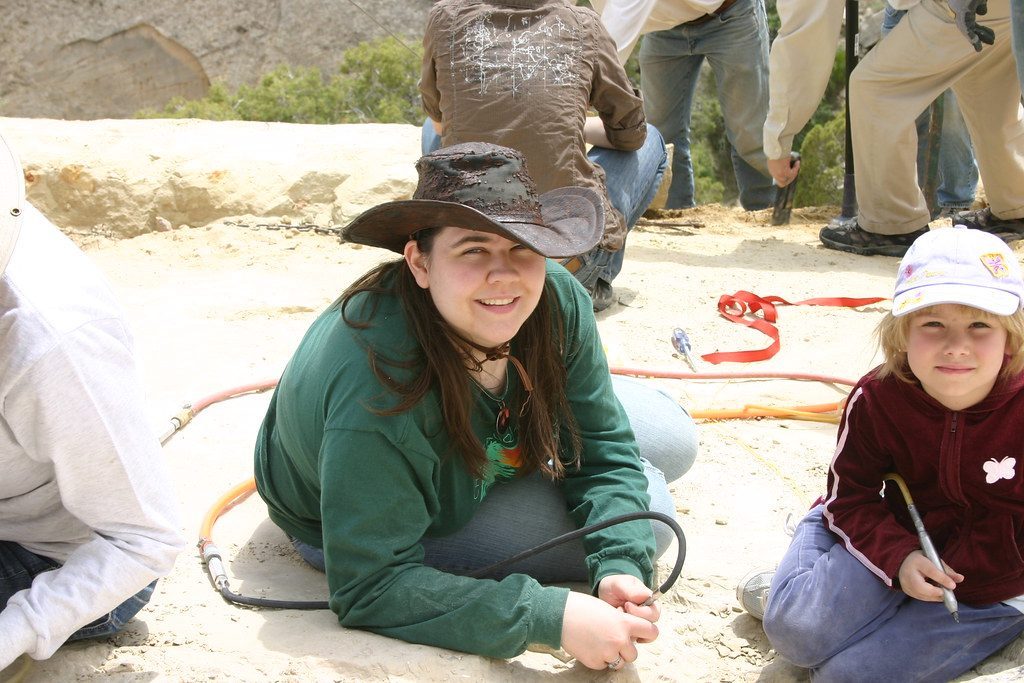
Fossil hunting physically removes you from daily chaos, and by the time you reach a site, you’ve found the space to breathe again. This attraction to temporal spaces reveals your desire to connect with something larger than your immediate existence. You need these moments when the boundary between past and present blurs.
craves perspective that only deep time can provide. Standing in a desert where fossils that are 50 million years old regularly peek out of the layered landscape reminds you that your daily worries are fleeting specks. This doesn’t make you escapist, though. It makes you grounded in a way that transcends ordinary concerns.
The fact that you seek these environments shows remarkable self-awareness. You recognize when you need to step outside modern life’s relentless pace. These places don’t just restore you, they reveal what you truly value: continuity, history, and the long view.
You Document Everything Obsessively

You take photos, sketch maps, write detailed notes about location, depth, and surrounding matrix. Recording findings in detailed reports often includes descriptions, interpretations of biological and ecological significance, and photographs or drawings. This compulsion isn’t pedantic; it’s how you make sense of the world.
This habit reveals your understanding that context matters as much as discovery itself. A fossil without provenance loses much of its scientific value, and you respect that relationship. demands order and thoroughness. You can’t simply collect; you must understand and preserve the story.
People might call this behavior obsessive, yet you know it’s actually reverent. Every notation honors the specimen and the millions of years it took to reach you. This attention to detail extends beyond paleontology into how you approach relationships, work, and personal growth.
You Prefer Asking Questions to Claiming Answers

Here’s the thing: you’re more excited by mysteries than solutions. The unanswered questions interest you more than the subjects themselves, which reveals intellectual humility that’s increasingly rare. You recognize the vastness of what you don’t know, and that awareness drives you forward.
This disposition makes you an excellent collaborator. You don’t need to be the smartest person in the room or claim expertise you haven’t earned. Instead, you contribute thoughtful inquiries that open new avenues of investigation. values collective knowledge over personal glory.
It’s hard to say for sure, yet this questioning mindset probably makes you more adaptable than most. When new evidence challenges existing theories, you adjust rather than defend outdated positions. You understand that in paleontology, as in life, certainty is often an illusion.
You Have Infinite Patience for Uncertainty
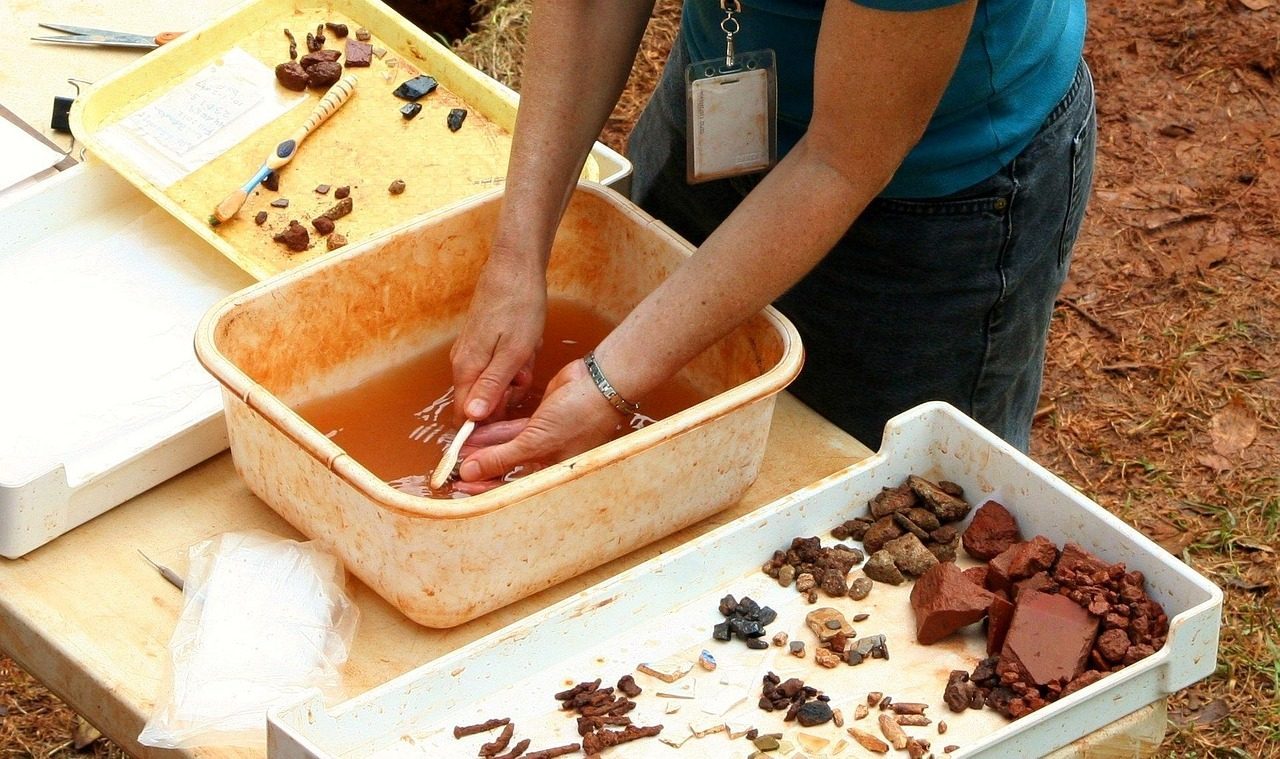
Fossil hunting takes patience and perseverance, sometimes requiring multiple field seasons to uncover a significant find. The fact that you can tolerate this uncertainty reveals emotional resilience that serves you everywhere. You don’t need immediate results or guaranteed outcomes to keep investing effort.
This patience extends to life’s bigger questions. You’re comfortable with ambiguity in ways that make others squirm. You understand that current understanding relies on speculation and will likely remain controversial in many areas, yet this doesn’t discourage you. It energizes you.
Your ability to sit with unknowns without anxiety shows a mature perspective on knowledge itself. You recognize that understanding grows gradually through accumulated evidence, not sudden epiphanies. This makes you both scientifically rigorous and philosophically wise.
You Value Process Over Glamour

The fieldwork is only a small part – you only spend a few weeks a year on expeditions, and the rest of the year you are in labs doing the unglamorous work. This preference reveals that your satisfaction comes from substance, not spectacle. You don’t need adventure to feel fulfilled.
While others fantasize about dramatic discoveries in exotic locations, you know the real work happens at computers and microscopes. Spending more time on computers than in the field doesn’t diminish your passion; it focuses it. This shows you’re motivated by genuine understanding rather than status or excitement.
finds meaning in incremental progress and careful analysis. You don’t need your work to look impressive to outsiders. You need it to be thorough and accurate. That distinction separates authentic passion from performative interest.
You See Connections Others Miss

You constantly compare fossils with living relatives, looking for evolutionary relationships and ecological parallels. This habit reveals a synthesizing mind that refuses to accept information in isolation. Collaborating with scientists in related fields helps provide a more complete picture of ancient environments and evolutionary relationships.
This connective thinking extends beyond paleontology. You probably notice patterns in art, literature, social dynamics, and personal relationships that others overlook. Your brain naturally constructs webs of meaning, always asking how this relates to that. It’s simultaneously exhausting and exhilarating.
The ability to draw these connections reveals both creativity and analytical rigor. You don’t just see individual pieces; you envision the entire puzzle. This makes you invaluable in collaborative settings where disparate information needs integration into coherent understanding.
You Approach Failure as Information

Sometimes you don’t spot anything, other days you can’t stop seeing them and fall into a steady flow state. This acceptance of variability shows you don’t catastrophize setbacks. Empty-handed days don’t crush your spirit because you understand they’re part of the process.
views failure through a scientific lens: every negative result narrows the field of possibilities. You don’t waste energy on disappointment when an expedition yields nothing, because you know where not to look next. This resilience is learned, hard-won, and deeply valuable.
This mindset makes you someone others want on their team. You maintain perspective when projects stall or hypotheses fail. You extract lessons from disappointment rather than dwelling on loss. This emotional intelligence separates those who burn out from those who endure.
You’re Comfortable Being Alone With Your Thoughts

The day is filled with blessed solitude in remote locations where the loudest sounds are your footsteps crunching over hot, pebbly hills. This comfort with extended isolation reveals self-sufficiency and internal contentment. You don’t need constant stimulation or social validation to feel whole.
Many people fear silence because it forces confrontation with internal dialogue. You welcome it. Those long hours searching rocky outcrops give you space to process complex ideas and emotions. This capacity for solitude indicates a rich inner life that sustains you when external circumstances fail.
Your comfort with being alone also suggests you’ve done the work of knowing yourself. You don’t run from introspection or numb yourself with distraction. Instead, you use solitary time for genuine reflection and creative problem-solving.
You Respect Boundaries and Protocols

You research regulations before collecting, obtain necessary permits, and never trespass on private land. You carefully research fossil-hunting regulations in your chosen area because respecting rules demonstrates respect for the science itself. This adherence to protocol reveals integrity that extends beyond fossil collecting.
This behavior shows you understand individual desires don’t supersede collective needs. You recognize that preservation depends on restraint, that future generations deserve access to fossil sites. prioritizes long-term sustainability over immediate gratification.
People who cut corners justify it as harmless, yet you know better. Every violation erodes public trust and scientific access. Your commitment to doing things correctly, even when inconvenient, reveals character that remains consistent whether anyone’s watching or not.
You Find Wonder in the Ordinary

While others seek complete skeletons of dramatic species, you’re equally excited by a brachiopod shell or trace fossil. This democratic sense of wonder reveals your genuine appreciation for life’s diversity and history. You don’t need spectacular finds to fuel your passion.
All fossils build an important bridge from past to present, and any fossil found helps remind us that we’re a piece of that narrative. This perspective shows you value connection over collection, understanding over possession. seeks meaning rather than trophies.
This ability to find significance in modest discoveries makes you richer than those who chase only major finds. You experience more frequent joy because your threshold for amazement remains accessible. Every fragment tells a story if you’re willing to listen.
Conclusion: The Deeper Pattern

These twelve habits weave together to reveal someone who values patience over speed, depth over breadth, questions over certainty. Your attraction to paleontology isn’t accidental. It reflects core aspects of your personality: your comfort with deep time, your respect for evidence, your capacity for sustained focus, and your humility before vast mysteries.
The behaviors that seem small – examining rocks, documenting finds, tolerating uncertainty – actually form the foundation of how you move through the world. They demonstrate intellectual curiosity tempered by methodological rigor, and passion balanced with respect. These qualities make you not just a fossil enthusiast, but someone who approaches all of life with thoughtfulness and wonder.
Next time you find yourself stopping to examine a rock or losing hours to fossil preparation, recognize these aren’t quirks. They’re expressions of your truest self. What does your fossil hunting style reveal about you? Have you noticed other habits that connect to your paleontological passion?