Everyone knows the Tyrannosaurus rex. The thundering footsteps, the tiny arms, the earth-shaking roar Hollywood burned into our collective memory. For decades, T. rex has been sold as the undisputed king of all prehistoric life – the final word in predatory evolution. But here’s what the documentaries quietly skip: the fossil record is absolutely full of hunters that were bigger, faster, more specialized, or flat-out more dangerous than the so-called king. Scientists working through bite mechanics, bone density, and ecosystem data have quietly been rewriting this story for years.
What makes this list genuinely unsettling isn’t that one or two rivals come close to matching T. rex – it’s that at least a dozen predators held clear physical or strategic advantages over it in ways that biomechanical models keep confirming. Some were longer. Some hunted in coordinated groups. Some operated in environments where T. rex bulk would have been a fatal liability. The further down this list you go, the harder it becomes to defend the crown. Buckle up, because number one will force you to rethink everything.
#12 – Acrocanthosaurus: The Sail-Backed Bruiser That Came First
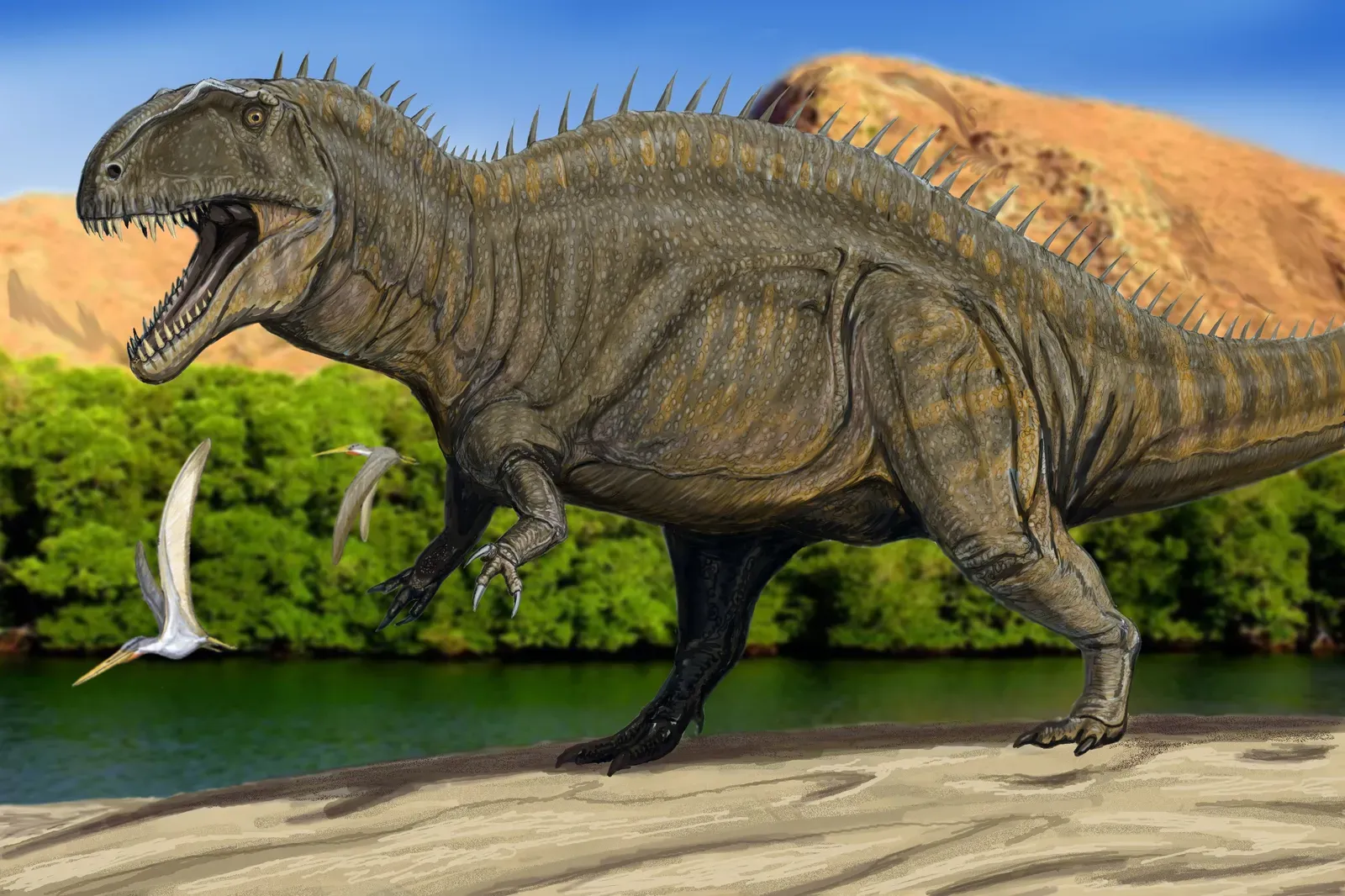
Acrocanthosaurus stalked North America roughly 40 million years before T. rex even existed, and it arrived already carrying comparable firepower. With lengths approaching 12 meters and a robust, heavily muscled frame, this carcharodontosaurid wasn’t a primitive warm-up act – it was a fully realized killing machine. The low neural spine sail running along its back may have served display or thermoregulation purposes, but what really commands attention is the skull: wide, powerful, and built to apply sustained pressure on titanosaurs and hadrosaurs that could weigh several times more than the predator itself.
What surprises paleontologists most is that its bite force estimates rival those of later tyrannosaurs, despite predating them by tens of millions of years. This wasn’t a creature that T. rex could have casually bullied – it was essentially solving the same large-prey problem with a completely different and equally effective toolkit. Acrocanthosaurus reminds us that T. rex didn’t invent apex predation. It inherited a legacy that had already been perfected long before its lineage showed up.
Fast Facts
- Length: Up to 11–12.2 meters (36–40 ft) — one of the largest theropods ever found in North America
- Weight: Estimated 5–9 metric tons depending on reconstruction method
- Skull: Approximately 1.3 meters (4.3 ft) long, with a deep, powerful structure built for sustained prey pressure
- Time period: Early Cretaceous, roughly 115–105 million years ago — predating T. rex by ~40 million years
- Back ridge: Neural spines over 2.5x the height of their centra; likely a thick muscular hump, not a thin sail
#11 – Allosaurus: The Jurassic Slasher That Rewrote the Rules
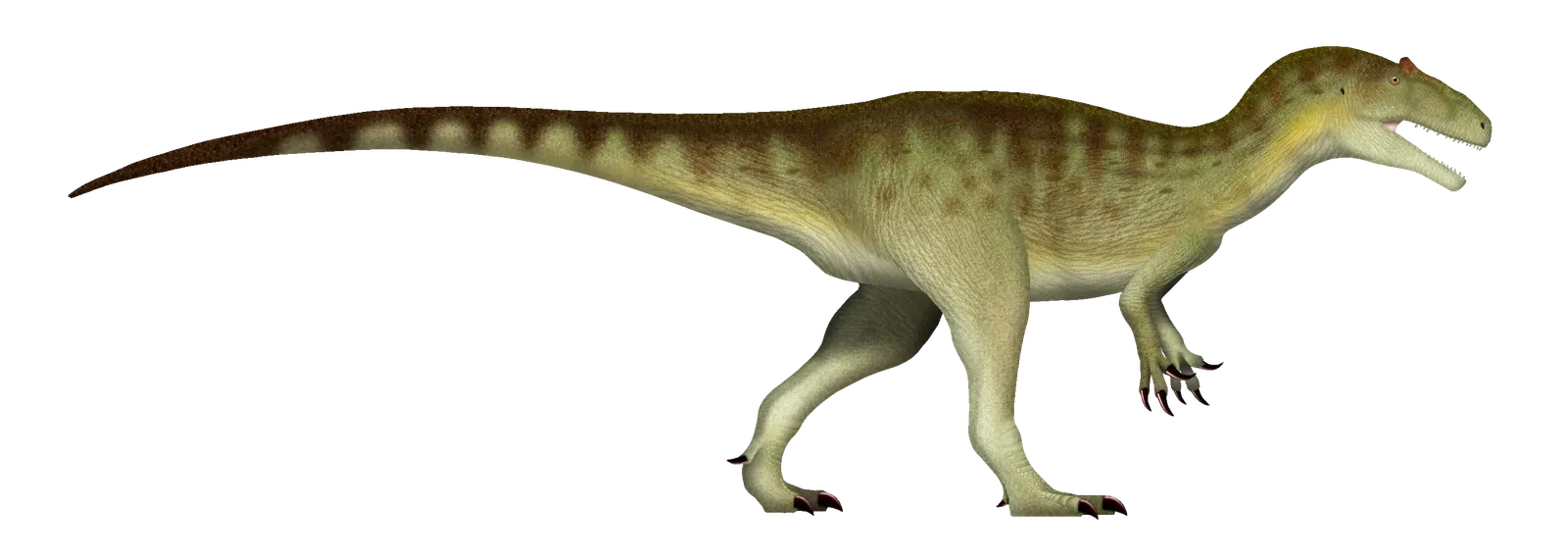
Allosaurus doesn’t get nearly enough credit for how terrifying its hunting strategy actually was. Rather than relying on bone-crushing force the way T. rex did, Allosaurus weaponized speed and blade-like serrated teeth to inflict massive, bleeding wounds – essentially opening up arteries and stepping back while prey weakened. Its lighter build gave it agility that a multi-ton T. rex could never match in dense Jurassic forests, and multiple fossil sites show consistent evidence of opportunistic group behavior targeting sauropods that dwarfed any prey T. rex ever tackled.
The neck musculature of Allosaurus is where the real story hides. Researchers have documented how those muscles enabled rapid, hatchet-like downward slashing motions that could deliver fatal damage in a single strike without requiring the jaw-locking bite grip that T. rex depended on. In a head-to-head encounter, T. rex’s strategy of grab-and-crush meets a predator specifically built to avoid being grabbed. That’s not a fight T. rex wins cleanly, and the fossil record – littered with Allosaurus bite marks on massive prey – makes the case without needing any speculation.
#10 – Carcharodontosaurus: Africa’s Walking Chainsaw
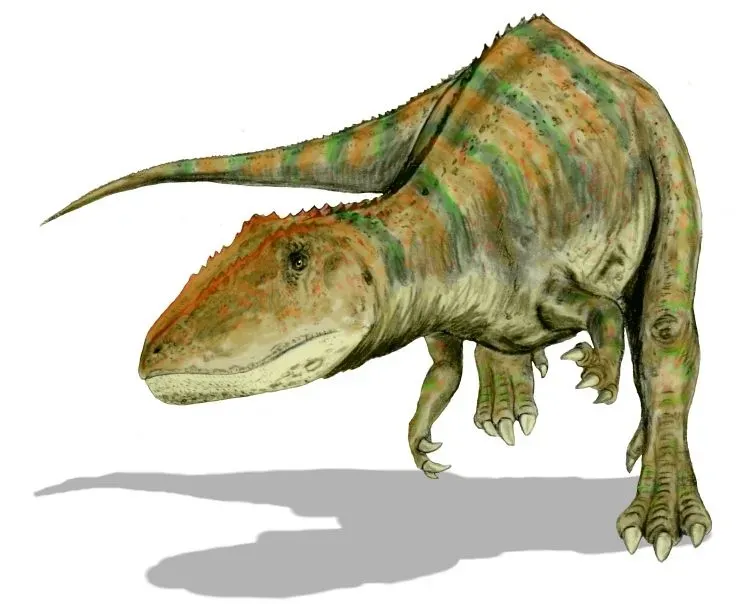
The name literally translates to “shark-toothed lizard,” and that’s not marketing – those teeth were genuinely engineered for slicing through flesh the way a serrated blade moves through rope. African fossils place Carcharodontosaurus squarely in T. rex’s size category, but with a longer skull, wider gape, and teeth optimized for rapid, repeated slashing cuts rather than the sustained crushing bite that defined tyrannosaur predation. In the Cretaceous ecosystem it dominated, efficiency wasn’t optional – it was survival.
What the wear patterns on its teeth reveal is arguably the most compelling part of this animal’s story. The microscopic damage etched into those teeth is consistent with repeated takedowns of prey far larger than the predator itself, meaning Carcharodontosaurus wasn’t picking off the weak and the small – it was going after the biggest targets available and winning regularly enough to leave a clear fossil signature. T. rex operated in a completely different hemisphere, but the data suggest that if these two apex predators had ever shared territory, the competitive dynamic would have been genuinely unpredictable.
Quick Compare: Carcharodontosaurus vs. T. Rex
- Skull shape: Carcharodontosaurus — long, narrow, wider gape | T. rex — deep, thick, bone-crushing
- Tooth design: Blade-like, serrated for slashing | Conical, robust for gripping and crushing
- Primary prey: Massive African sauropods | Hadrosaurs, ceratopsians in North America
- Hunting style: High-speed slash-and-bleed | Ambush bite-and-hold
- Geographic range: North Africa (Cenomanian) | North America (late Maastrichtian)
#9 – Mapusaurus: The Pack Hunter That Killed Titans
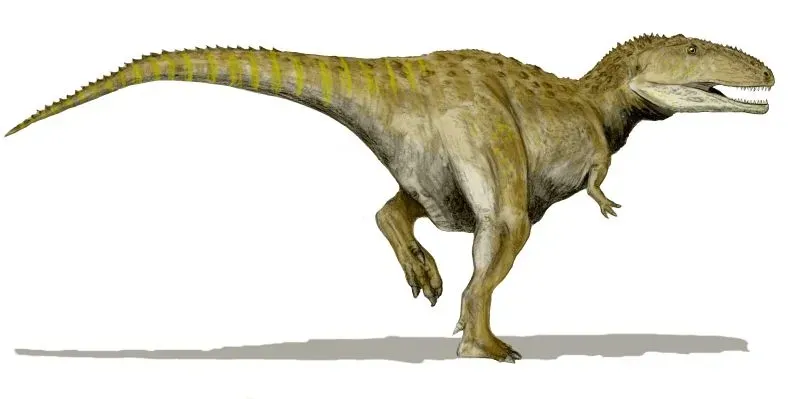
Most predators on this list are frightening as individuals. Mapusaurus is frightening as a concept. Fossil bone beds in Argentina’s Neuquén Province preserve the remains of multiple Mapusaurus adults clustered together in ways that strongly suggest coordinated group hunting – a social predatory strategy that multiplies threat level far beyond what any single animal’s size can convey. Each individual was already a large, powerful carcharodontosaurid with slicing teeth and a muscular build. In groups, they could pursue and overwhelm Argentinosaurus-class titanosaurs that were literally among the largest animals to ever walk the Earth.
T. rex was a solitary hunter. Its entire predatory strategy – ambush, bite, wait – depended on solo execution. Against a coordinated group of Mapusaurus individuals working in tandem, that strategy collapses. There’s no defensive posture, no retreat option, no counter-move for an animal that evolved to fight one battle at a time. The bone beds tell a story of systematic, repeated takedowns of prey so massive that only group effort made success possible, and that social dynamic alone earns Mapusaurus a place on any honest list of T. rex’s most dangerous prehistoric contemporaries – or superiors.
At a Glance: The Mapusaurus Bone Bed
- At least 7–9 individual Mapusaurus of varying ages recovered from a single bone bed in Neuquén Province, Argentina
- Bones excavated by the Argentinian-Canadian Dinosaur Project between 1997 and 2001
- Largest known individual exceeded 12.5 meters (41 ft) in length
- Target prey Argentinosaurus was an estimated 40 meters long and ~100 tons — roughly 10 times Mapusaurus’s own weight
- Formally described by paleontologists Rodolfo Coria and Philip Currie in 2006
#8 – Torvosaurus: The Jurassic Ambush Artist With Arms That Actually Worked
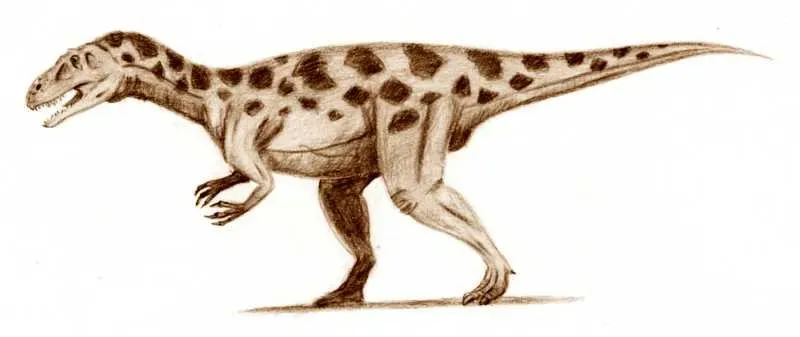
T. rex is famous, partly, for its comically undersized forelimbs. Torvosaurus had no such limitation. This massive Jurassic predator carried powerful, functional forelimbs alongside a robust skull and an estimated length that rivals or potentially exceeds T. rex in some reconstructions – making it one of the largest predators of its era on either side of the Atlantic. European and North American fossil sites both document its presence, suggesting an animal adaptable enough to dominate varied habitats across what were then very different continental environments.
The bite marks Torvosaurus left on large prey are consistent with solo takedowns of dangerous, struggling herbivores – not scavenging, not cooperative feeding, but single-predator kills of animals that outweighed it significantly. What this tells researchers is that Torvosaurus possessed both the physical tools and the behavioral confidence to go after the biggest available prey without backup. It was, in a very real sense, a preview of the ecological role T. rex would eventually fill, except it got there first, with better arms, and made it look routine.
#7 – Saurophaganax: Oklahoma’s Forgotten Colossus
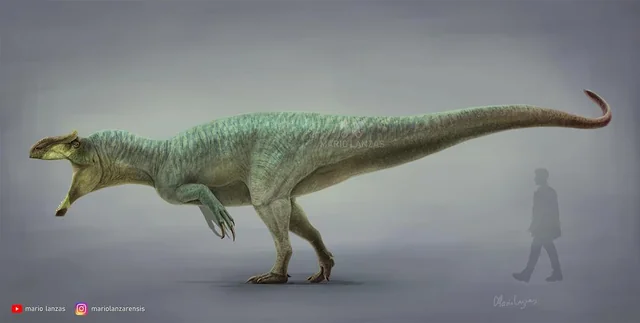
Most people have never heard of Saurophaganax, and that’s a genuine injustice to one of the most imposing predators the Jurassic ever produced. Fragmentary remains from Oklahoma suggest an animal pushing 12 meters in length with jaw strength that places it among the heaviest theropods of its entire era. It combined classic allosaurid agility with a scale of destruction that later tyrannosaurs are usually given sole credit for achieving – but Saurophaganax got there tens of millions of years earlier, in a world full of gigantic sauropods that required exactly that kind of predatory output.
Its classification has fueled legitimate scientific debate for decades – some researchers treat it as its own genus, others fold it into Allosaurus – but what’s never seriously disputed is the size. The fragmentary bones that survive are proportionally enormous, and conservative estimates still place it in territory that challenges T. rex’s assumed dominance. An animal this large, this early in theropod history, running on allosaurid biomechanics rather than tyrannosaur bone-crushing, is exactly the kind of predator that rewrites the “T. rex was the peak” narrative the moment you actually look at the data.
#6 – Epanterias: The Size Outlier That Almost Got Erased
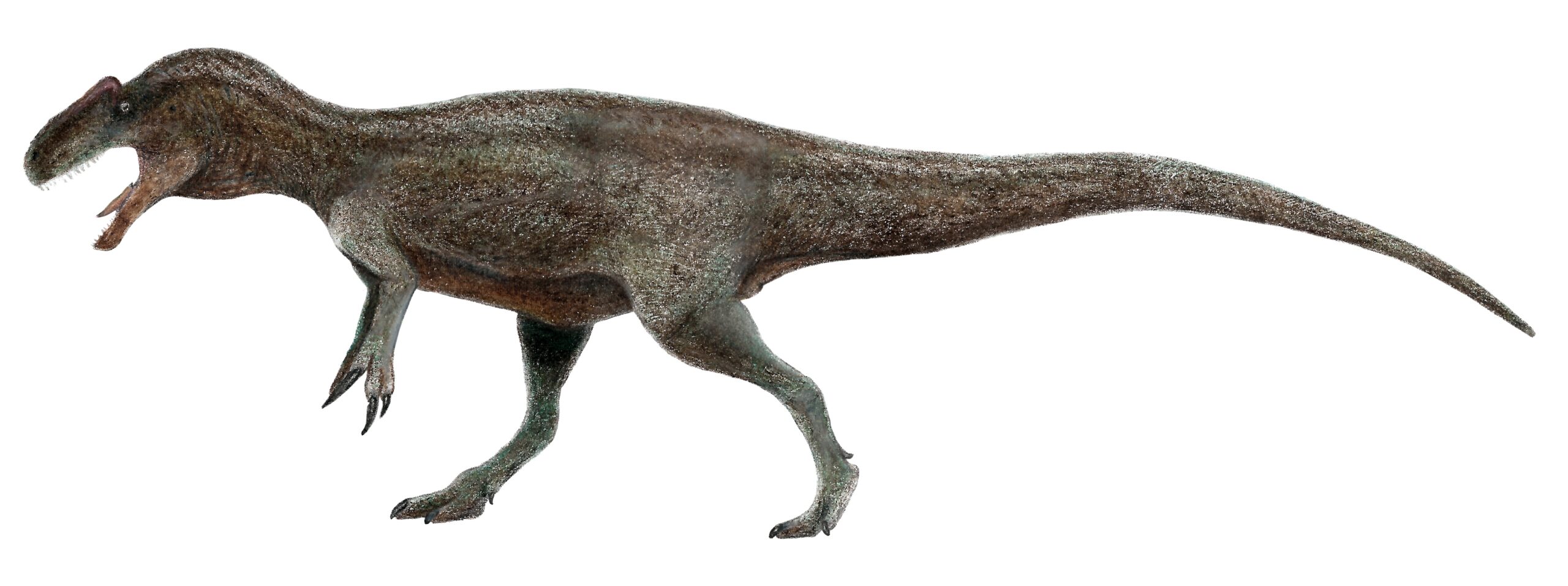
Epanterias occupies a strange and fascinating corner of paleontology – an animal known from infuriatingly limited fossil material that nonetheless keeps producing size estimates far beyond what the mainstream narrative about Jurassic predators is comfortable acknowledging. What survives suggests an extreme allosaurid outlier, proportionally built to dominate the floodplain ecosystems of the Morrison Formation in ways that even its large relatives couldn’t match. The bones that exist are simply big – unusually, persistently, stubbornly big in ways that resist easy dismissal.
Researchers who have examined the available material note that even conservative interpretations place Epanterias in the upper tier of known theropod sizes, with length and mass estimates that legitimately challenge the T. rex dominance story. The frustrating reality of fragmentary fossils is that they invite skepticism – but they also invite humility about what we don’t yet know. Every new dig site in the Morrison Formation is a potential game-changer, and Epanterias represents exactly the kind of ghost predator that reminds scientists how incomplete our picture of Jurassic apex ecology actually remains.
Worth Knowing
- The Morrison Formation (where Epanterias fossils were found) spans parts of nine U.S. states and remains one of the world’s richest Jurassic fossil beds
- Classification is still contested — some researchers consider it a large Allosaurus specimen rather than a separate genus
- Its fossil material includes vertebrae and other postcranial elements suggesting an animal at or above the size range of standard Allosaurus
- Saurophaganax faces similar classification debates — the Morrison Formation may have housed more extreme predatory outliers than currently recognized
#5 – Sinraptor and Yangchuanosaurus: Asia’s Apex Predators Nobody Talks About
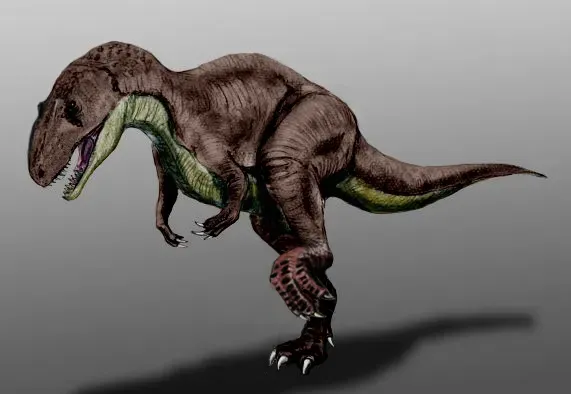
While Western paleontology spent decades fixating on North American and South American giants, Asia was quietly producing its own formidable apex predators. Sinraptor and its close relative Yangchuanosaurus dominated Chinese Jurassic ecosystems with robust builds, powerful jaws, and a versatility that pure size alone can’t explain. Some specimens push into size ranges that approach T. rex metrics, and they did it in environments with prey communities that demanded a very different – and arguably more adaptable – predatory toolkit than the bone-crushing specialization tyrannosaurs eventually leaned into.
The jaw mechanics of these animals are what draw the most attention from biomechanists. Rather than committing purely to slashing or purely to gripping, their skull architecture appears optimized for both – a combination that would make any direct confrontation genuinely complicated for a predator whose entire offensive strategy depended on landing a single devastating bite. Asia’s Jurassic ecosystems remain underexplored compared to their North American counterparts, and every new Chinese fossil site suggests that the continent was producing apex predators of comparable quality to anything evolving elsewhere on the planet at the same time.
#4 – Maip: The Southern Super-Predator Science Just Discovered
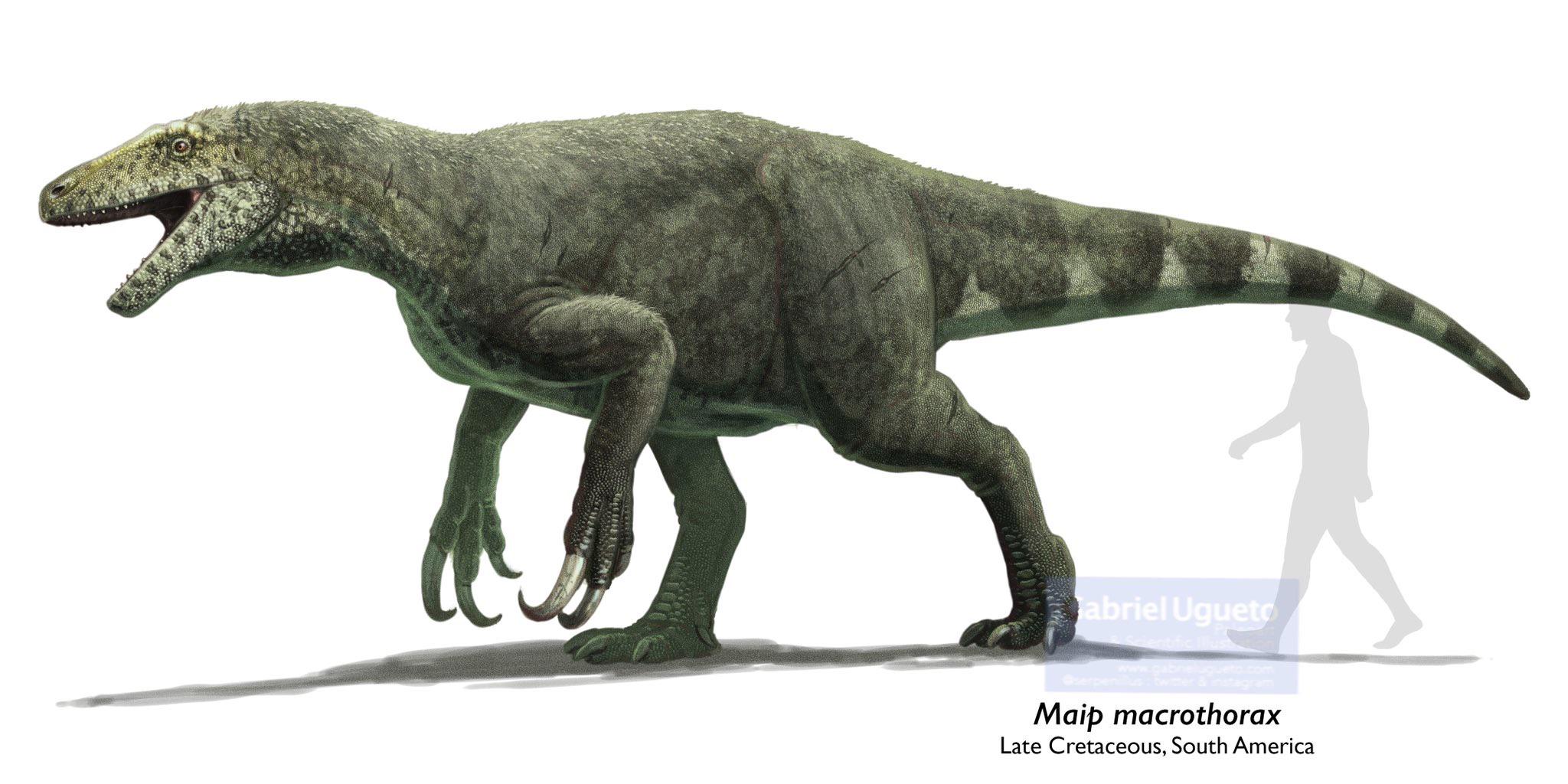
Maip macrothorax was only formally described in 2022, and it immediately reframed what paleontologists thought they understood about South American megaraptorans. This wasn’t a mid-sized predator filling a secondary niche – this was a large, specialized hunter with enormous arm claws, a lightweight but powerful frame, and a body plan built for speed and precision rather than the raw crushing force that defined T. rex’s hunting approach. In the ecosystems Maip inhabited, T. rex-style bulk would have been a genuine liability, and Maip’s anatomy reflects millions of years of selection pressure pushing in exactly the opposite direction.
What makes Maip particularly significant for this conversation is what it represents about the diversity of paths that led to large predatory theropods. Scientists had long assumed that truly dangerous large predators converged on similar body plans, but Maip proves otherwise – a different continent, a different strategy, a different set of weapons, and an animal that could rival northern giants in threat level while remaining fundamentally unlike them in every meaningful way. The fact that it was hiding in the fossil record until 2022 is a reminder that the list of predators T. rex would have avoided is almost certainly longer than we currently know.
Why It Stands Out: Maip macrothorax
- Formally described in 2022 — one of the most recently named large theropods in the fossil record
- Classified as a megaraptoran — a group defined by massive forelimb claws rather than jaw-first predatory strategy
- Body plan optimized for speed and precision over raw mass — the opposite evolutionary bet from T. rex
- Discovered in Patagonia, Argentina — a region already proven to produce some of Earth’s largest predatory dinosaurs
- Its existence confirms that multiple independent lineages reached apex predator status through completely different anatomical solutions
#3 – Giganotosaurus: The Argentine Giant That Refuses to Lose the Debate
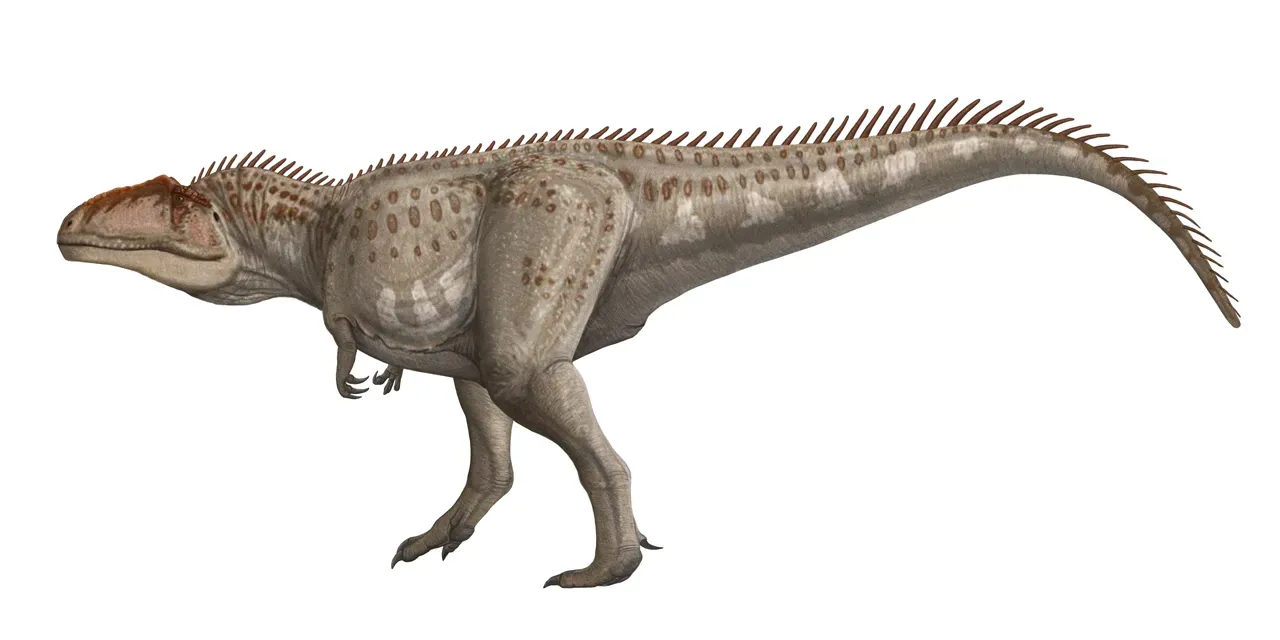
Few dinosaurs have generated more heated scientific argument than Giganotosaurus carolinii, and the reason is simple: the numbers keep coming out close enough to T. rex that neither side can claim a clean victory. Multiple reconstructions place certain Giganotosaurus specimens at lengths equal to or exceeding the largest known T. rex individuals, and its carcharodontosaurid skull – longer, narrower, and equipped with blade-like teeth rather than the thick bone-crushing teeth of tyrannosaurs – tells the story of a predator that reached comparable size through an entirely different evolutionary path, hunting Argentinosaurus-class titanosaurs that no North American prey animal could match in scale.
The debate that refuses to die is the mass question. Length comparisons are compelling, but paleontologists know that body mass is where actual predatory capability lives, and the argument over whether certain Giganotosaurus individuals outweighed the heaviest T. rex specimens is genuinely unresolved. What we can say with confidence is that Giganotosaurus was operating at the absolute ceiling of what terrestrial predators can achieve, doing it in South America roughly 30 million years before T. rex existed, and doing it successfully enough to leave one of the most contentious and scientifically productive fossil records in the entire theropod family tree. That’s not a runner-up story. That’s a co-champion at minimum.
Quick Compare: Giganotosaurus vs. T. Rex by the Numbers
- Length: Giganotosaurus up to ~13 m (43 ft) | T. rex up to ~12.2 m (40 ft)
- Weight: Giganotosaurus ~6,000–8,000 kg | T. rex ~8,000–14,000 kg (bulkier build)
- Skull: Giganotosaurus — long, flat, blade teeth | T. rex — deep, thick, bone-crushing teeth
- Prey: Argentinosaurus-class titanosaurs (up to ~100 tons) | Hadrosaurs and ceratopsians
- Separation in time: ~30 million years apart — they never shared the same world
#2 – Spinosaurus: The River Monster That Played by Completely Different Rules
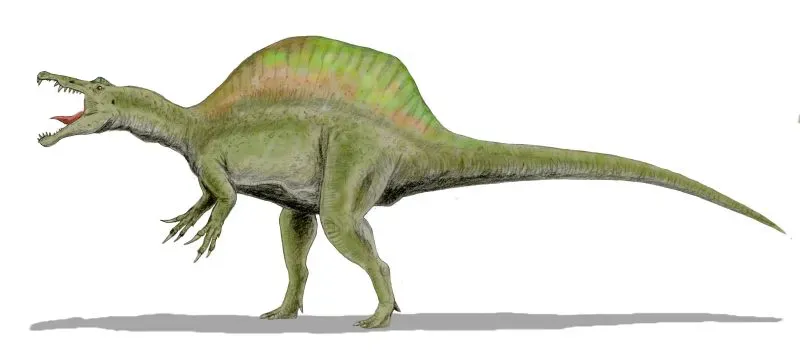
Spinosaurus aegyptiacus is the longest carnivorous dinosaur ever discovered – full stop, no serious debate. Estimates reliably reach 14 to 15 meters, with some pushing higher, and recent studies have confirmed what earlier researchers suspected: this animal was a semi-aquatic specialist, with dense bones for buoyancy control, paddle-like feet, and a crocodilian skull perfectly engineered for snatching large fish from North African rivers. The iconic neural spine sail stretching nearly two meters above its back made it visually unmistakable, but it was the lifestyle that truly set Spinosaurus apart – it had colonized an ecological niche that no terrestrial predator could follow it into.
The reason T. rex would have avoided Spinosaurus isn’t just size – it’s irrelevance. T. rex was a land animal optimized for dry, open environments and large terrestrial prey. Spinosaurus was a river predator that could move between water and land, outmassed T. rex significantly at full size, and possessed forelimbs bearing large, functional claws that T. rex simply didn’t have. Any encounter on land would have pitted T. rex’s bite against an animal with a longer reach, greater mass, and the option to simply wade into water and disappear. Avoidance wouldn’t have been cowardice – it would have been the only rational response available.
Fast Facts: Spinosaurus aegyptiacus
- Length: ~14–15 meters (46–49 ft) by modern estimates — the longest known carnivorous dinosaur
- Weight: ~7,400 kg (8.1 tons) per recent biomechanical studies; older estimates ran far higher
- Neural spines: Up to 1.65–1.75 m (over 5.5 ft) tall — forming a distinctive sail or fin structure
- Semi-aquatic adaptations: Dense osteosclerotic bones for buoyancy control, paddle-like feet, crocodile-like skull
- Original fossils destroyed in a 1944 Allied bombing raid on Munich — known for decades only from Stromer’s notes and photographs
- Time period: Cenomanian, Late Cretaceous (~100–94 million years ago), North Africa
#1 – Argentinosaurus’s Apex Guardian: Why Giganotosaurus and Its Kin Collectively Claim the Crown
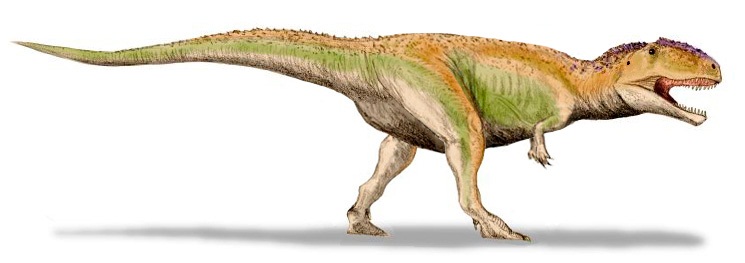
Here’s the conclusion that the full weight of fossil evidence actually supports: T. rex wasn’t dethroned by a single predator – it was surrounded, chronologically and geographically, by an entire ecosystem of hunters that matched or exceeded it in the metrics that actually matter. The carcharodontosaurids collectively – Giganotosaurus, Carcharodontosaurus, Mapusaurus, Acrocanthosaurus – represent a family of predators that repeatedly produced animals at T. rex’s size ceiling, with comparable or greater length, comparable bite force, and in Mapusaurus’s case, the added multiplier of cooperative hunting. T. rex was a regional champion operating in a narrow time window. The carcharodontosaurids were a dynasty.
What makes this the most important takeaway from everything science has assembled on this topic is not that T. rex was weak – it wasn’t, and its bone-crushing bite remains one of the most powerful ever measured in a terrestrial animal. The point is that “most powerful ever” was never true, and the fossil record has been making that argument patiently for decades while popular culture kept crowning the same king. The predators on this list didn’t just challenge T. rex in hypothetical matchups – they each solved the apex predator problem in ways T. rex never could, across different continents, different time periods, and different ecological contexts. The real story of prehistoric predation is far stranger, more diverse, and more humbling than any single tyrannosaur could ever contain.
Tyrannosaurus rex was an incredible animal, but the history of life on Earth is not a story with one hero.
Paul Sereno, Paleontologist, University of Chicago