Have you ever wondered if your fascination with prehistoric creatures goes beyond casual interest? Maybe you’ve found yourself defending the scientific accuracy of a dinosaur movie to anyone who will listen, or perhaps your shelves are lined with model tyrannosaurs and fossilized replicas. There’s something truly magical about dinosaurs that captures our imagination, pulling us back millions of years to when these magnificent beasts ruled the planet. Let’s be honest, some of us never really outgrew that childhood wonder.
Whether you’re quietly passionate about paleontology or openly obsessed with every new discovery, there are telltale signs that mark you as . So let’s explore what sets you apart from the casual fan. You might recognize yourself in more ways than you expect.
Your Bookshelf Doubles as a Paleontology Library
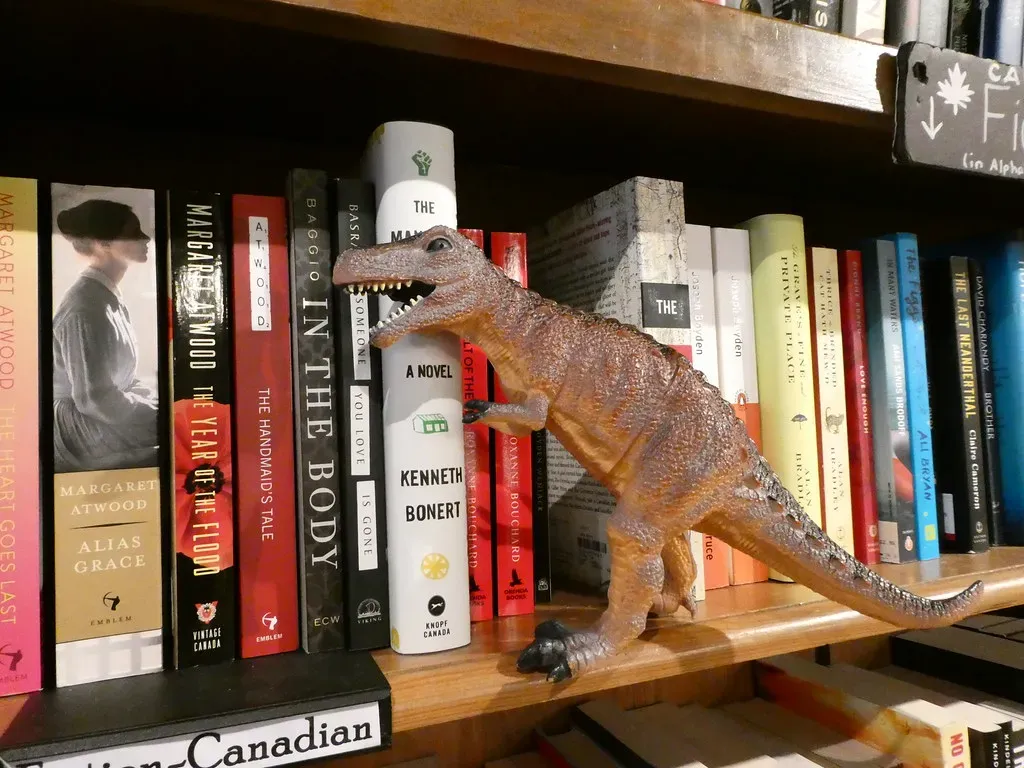
If your living space features an impressive collection of dinosaur books ranging from children’s picture guides to dense academic texts, you’re definitely showing enthusiast credentials. You probably own multiple copies of different dinosaur encyclopedias, each offering slightly varied perspectives on species classification or behavioral theories. There’s likely a well-worn copy of Steve Brusatte’s work sitting somewhere within arm’s reach, pages dog-eared at your favorite sections about theropod evolution or extinction theories.
Your collection doesn’t stop at nonfiction either. You’ve probably dabbled in dinosaur-themed fiction, perhaps even tracking down manga series or fantasy novels that blend scientific accuracy with storytelling. The thing is, you’re not just reading for entertainment. You’re constantly updating your knowledge base, cross-referencing new findings against older assumptions, and honestly, you get a little thrill every time a new paleontology publication hits the shelves.
You Correct Dinosaur Inaccuracies in Movies Without Being Asked
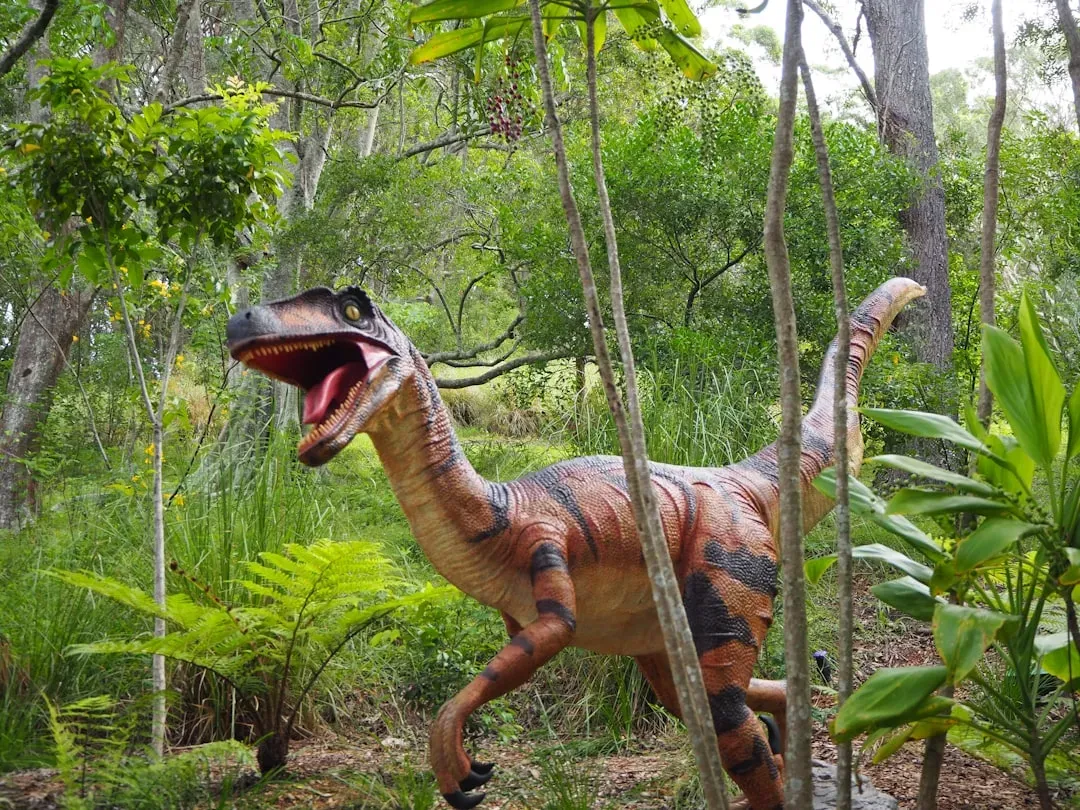
Here’s the thing about being a true enthusiast: you can’t help yourself when Jurassic Park comes on. Sure, you love the franchise, but you’re also that person muttering about how the Velociraptors are way too large and should definitely have feathers. You might relate to those who have been learning about and drawing dinosaurs since childhood, even winning dinosaur art contests at local libraries. Your friends have learned to expect a running commentary during any prehistoric-themed film.
You know exactly which movie got Spinosaurus wrong, and you’re more than ready to explain why that fight scene in Jurassic Park III makes absolutely no scientific sense. It’s not that you’re trying to ruin anyone’s enjoyment. You just care deeply about accuracy, and it physically pains you to see Carnotaurus portrayed at twice its actual size. Your passion for getting the details right is what separates casual viewers from true devotees.
You Can Pronounce Micropachycephalosaurus Correctly
Let’s be real, most people struggle with basic dinosaur names like Pteranodon or Archaeopteryx. The dinosaur with the longest name is Micropachycephalosaurus, meaning “tiny thick-headed lizard,” and its fossils have been found in China. You can rattle off this twenty-three letter monstrosity without breaking a sweat, probably because you’ve spent hours memorizing scientific nomenclature.
Your linguistic prowess extends well beyond the famous species. You casually drop terms like “ornithischian” and “saurischian” into conversation, understanding the hip structure differences that define these classifications. Friends might think you’re showing off, but really, you just find the etymology fascinating. How could anyone not want to know that “dinosaur” literally translates to “terrible lizard” from ancient Greek?
Museum Fossil Exhibits Make You Unreasonably Emotional
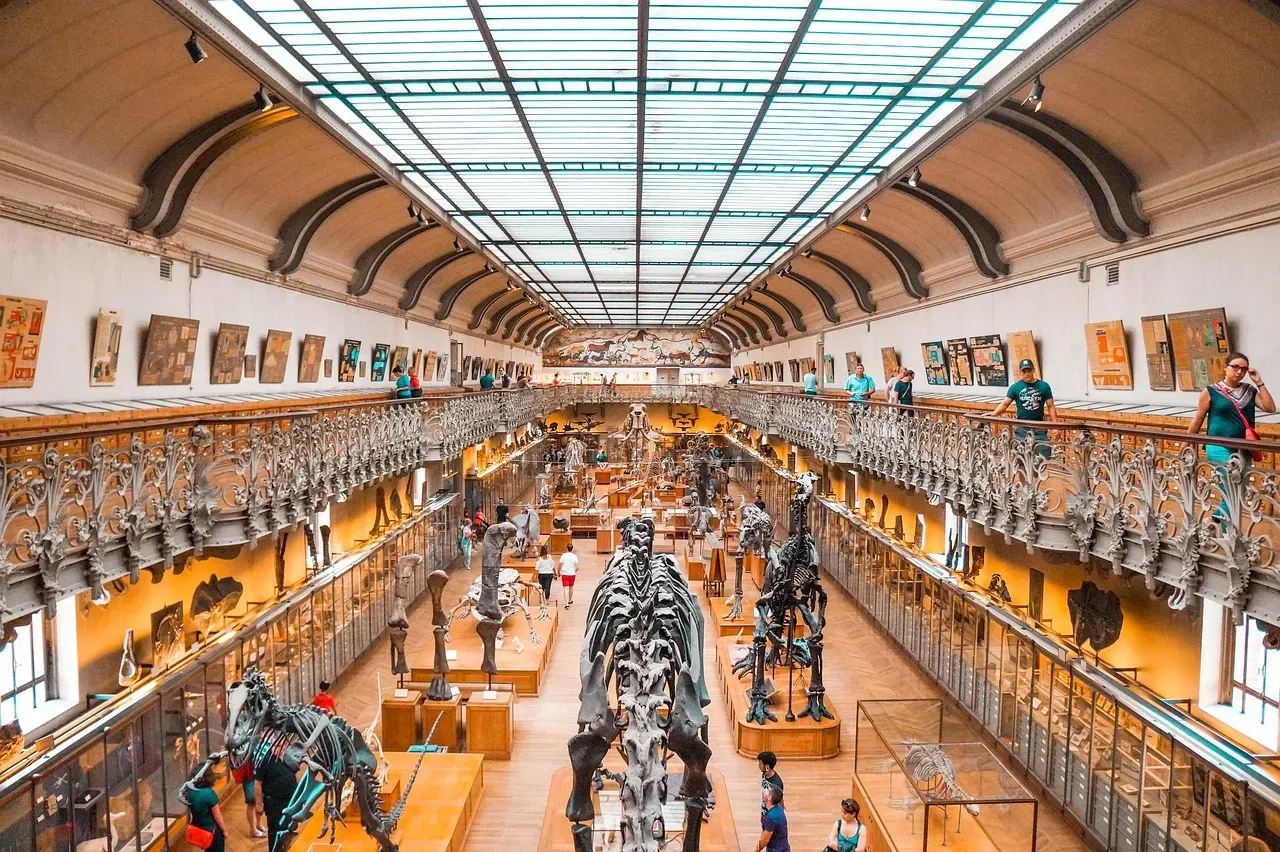
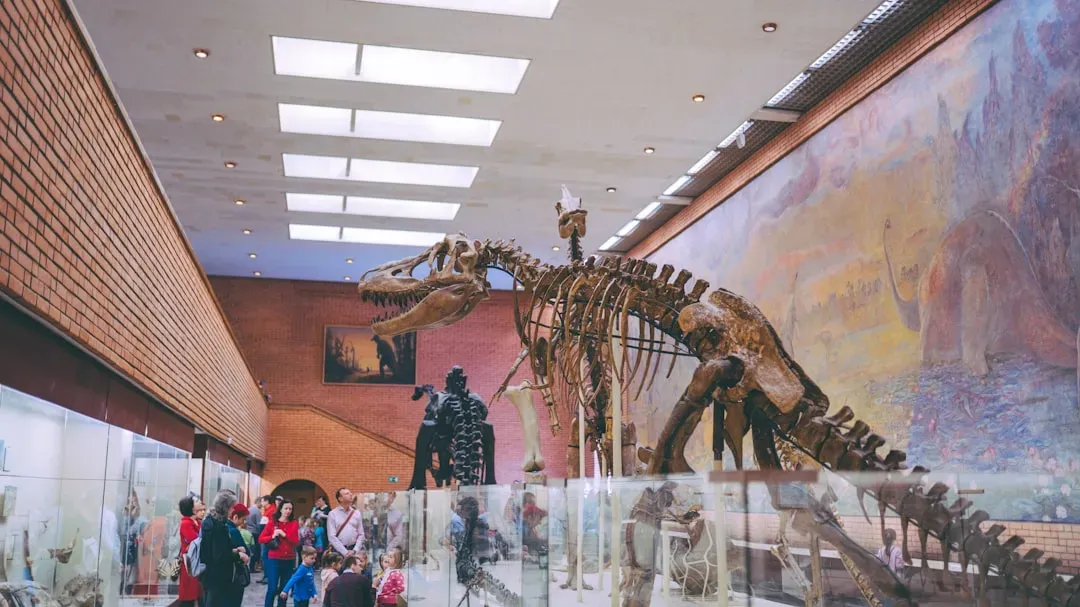
Walking into a natural history museum feels like coming home for you. The moment you spot a mounted skeleton, particularly something impressive like an Argentinosaurus or a T. rex, you get this overwhelming sense of wonder that never quite fades. Whether it’s visiting a museum to learn more about fossils or heading to the movie theater for a Jurassic-themed blockbuster, enthusiasts of all ages can’t get enough. You probably spend an embarrassing amount of time standing in front of each display, reading every placard twice.
Some people might shed tears at weddings or sad movies. You get choked up staring at fossilized footprints, thinking about the living, breathing creature that made those impressions millions of years ago. There’s something profoundly moving about standing face-to-face with remnants of ancient life, and you’re not ashamed to admit it affects you deeply.
Your Collection Rivals a Small Museum Gift Shop
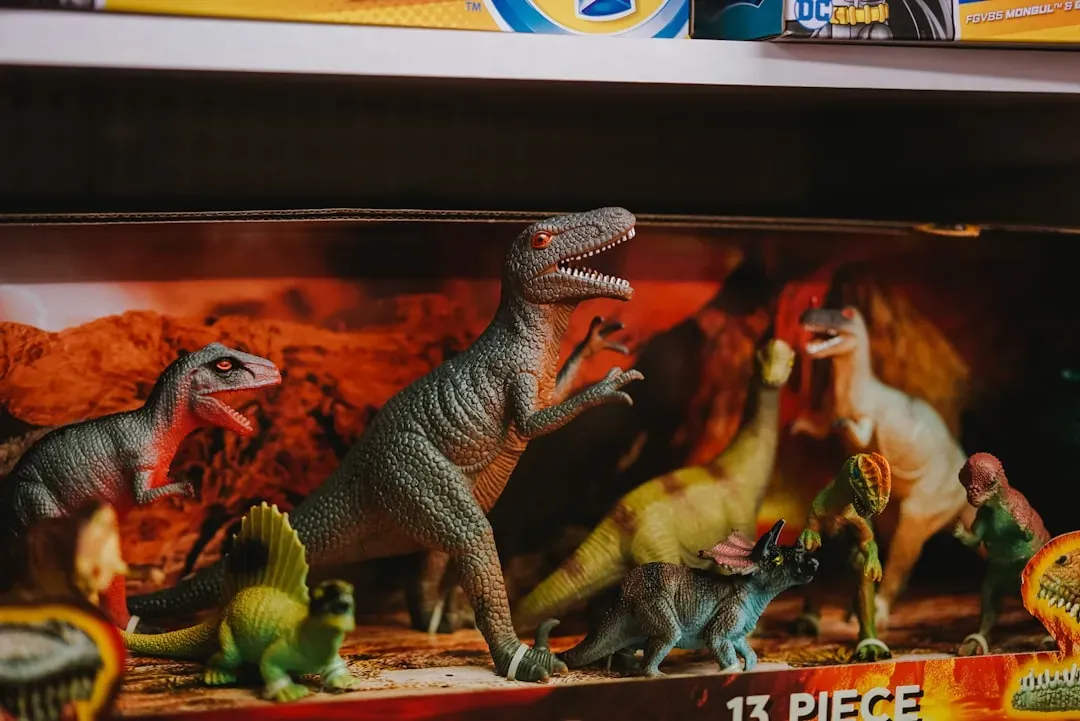
The overlap between s and collectors is nearly complete, with fossils and models being among the most common items in this community. Your shelves probably feature an impressive array of scale models, ranging from budget-friendly plastic figures to high-end collectibles from brands known for scientific accuracy. Maybe you’ve even invested in fossil replicas because genuine specimens are either prohibitively expensive or ethically questionable to purchase.
Each piece in your collection tells a story. You remember exactly where and when you acquired that particular Triceratops model, or which online retailer shipped that beautifully detailed Pteranodon. Friends might call it clutter, but you see it as a curated exhibition of prehistoric life. Every figurine represents hours of research into anatomical accuracy and species-appropriate coloring.
You Follow Paleontology News Like Sports Fans Follow Scores

While other people check social media for celebrity gossip or trending topics, you’re scanning for the latest fossil discoveries. When news breaks about a new species identification or a breakthrough in understanding dinosaur behavior, you’re among the first to know. Events like DinoFest bridge the gap between the fun-filled fantasy side of dinosaurs and the amazing scientific research and paleontological discoveries taking place right now. You’ve probably subscribed to multiple paleontology journals, YouTube channels, and Twitter accounts dedicated to prehistoric research.
The excitement you feel when a new paper publishes about feathered theropods or social behavior patterns is genuine and intense. You dissect new findings with the same fervor sports analysts bring to game statistics. Some discoveries challenge long-held assumptions, and you find that intellectual disruption absolutely thrilling.
You’ve Planned Vacations Around Fossil Sites
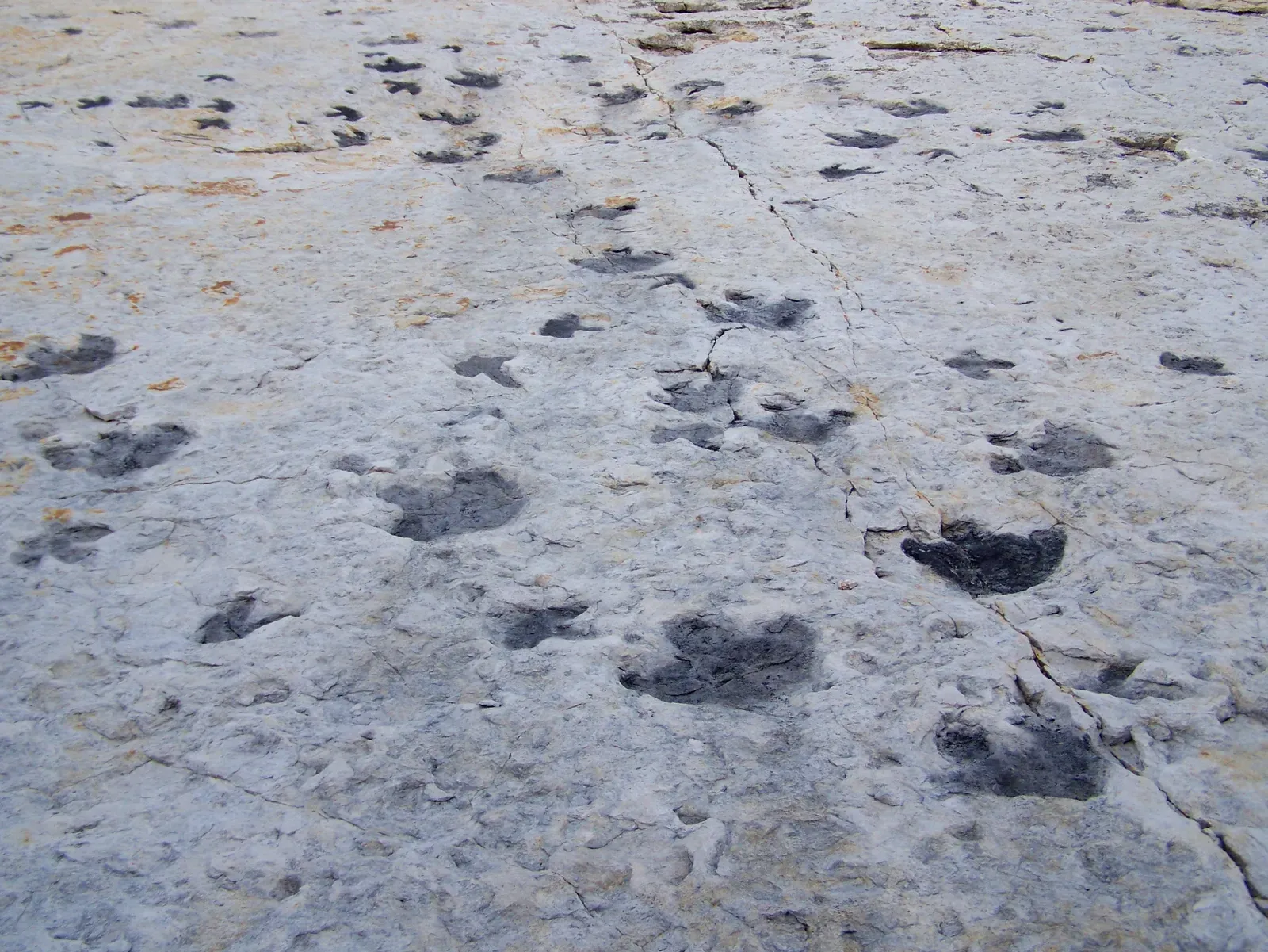
Forget tropical beaches or European tours. Your ideal vacation involves visiting quarry sites, trackway locations, or regions known for significant paleontological discoveries. You’ve probably researched road trips that take you through Dinosaur Ridge in Colorado or the Morrison Formation sites, places where actual groundbreaking fossils were unearthed. The thought of standing where Megalosaurus was first discovered gives you goosebumps.
America is a fantastic place for dinosaur fans, home to many fascinating paleontological sites where you can see prehistoric animals discovered in the ground beneath your feet. You’re the type who takes guided geological tours seriously, asking detailed questions that sometimes stump even the experts. While others photograph scenic landscapes, you’re documenting rock layers and fossil impressions.
You Engage in Heated Debates About Dinosaur Behavior
Dinosaur behavior is difficult for paleontologists to study, though trace fossils and paleopathology can provide insight, with interpretations generally based on body fossils, habitat, computer simulations, and comparisons with modern animals. This uncertainty doesn’t stop you from having strong opinions about whether certain species were social hunters or solitary predators. You’ve definitely engaged in passionate discussions about Deinonychus pack behavior or Tyrannosaurus scavenging habits.
These aren’t casual conversations for you. You cite evidence from trackway studies and mass mortality sites to support your positions. You understand that much of this field involves educated speculation, which makes the debates even more interesting. The fact that we’re still discovering new evidence that reshapes our understanding makes every discussion feel relevant and urgent.
You Know Birds Are Living Dinosaurs
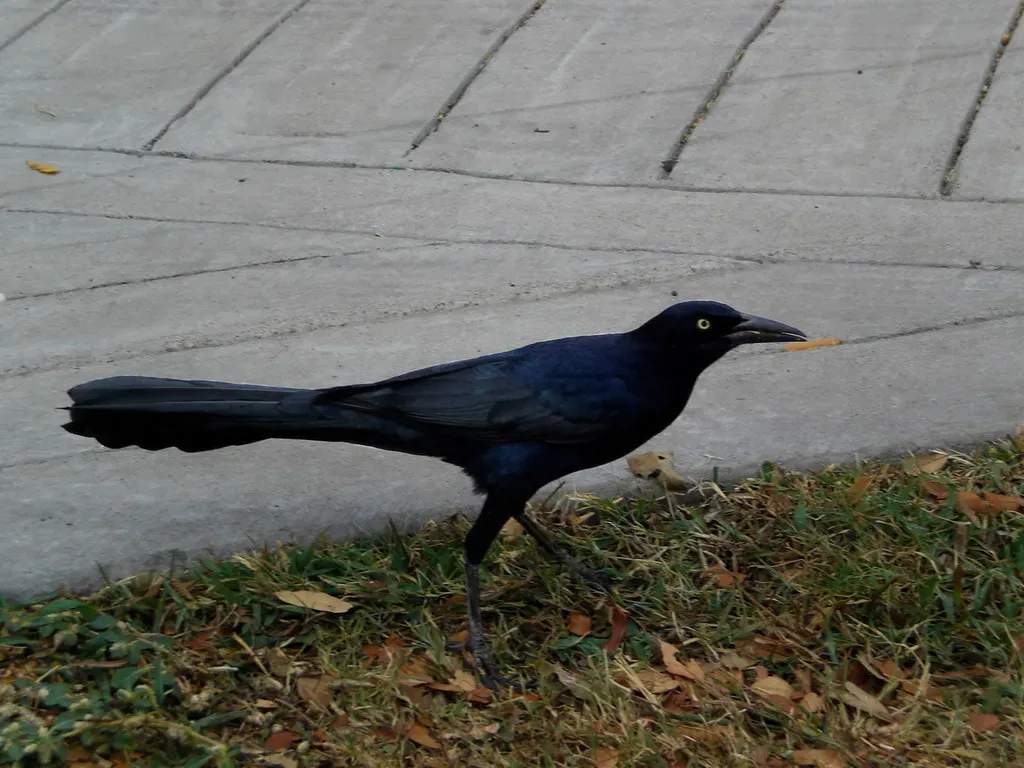
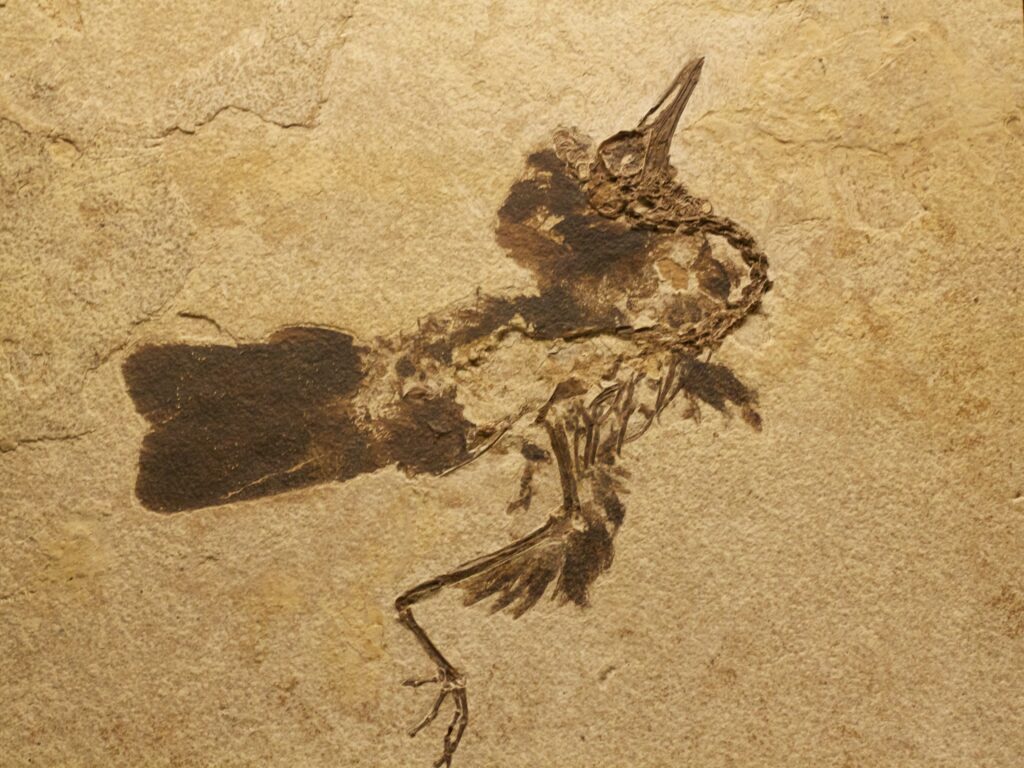
Birds are living dinosaurs, having evolved from a group of two-legged meat-eating dinosaurs called theropods, the same family as T. rex, meaning pigeons and chickens are technically modern dinosaurs. This isn’t just a fun fact you bring up at parties. It fundamentally changed how you view avian species, creating a direct connection between the ancient past and the present moment.
You probably find yourself watching birds with a paleontologist’s eye, noticing the theropod characteristics in their movement patterns and skeletal structure. That chicken scratching in someone’s backyard? You see its terrible lizard ancestry. This perspective makes the everyday extraordinary, transforming mundane bird-watching into a living connection with prehistoric life.
You Own Dinosaur-Themed Items You’re Too Old For
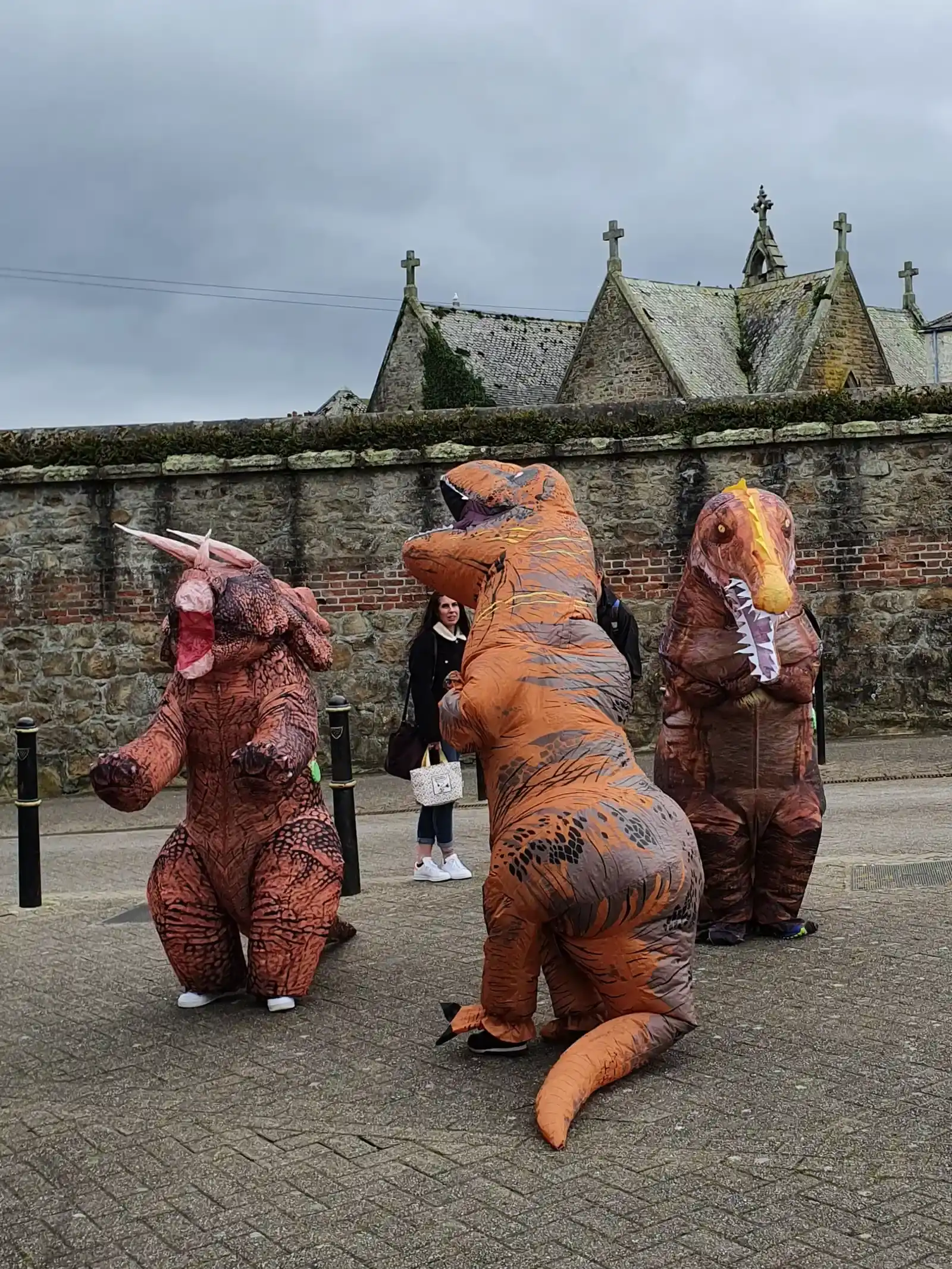
Society says adults shouldn’t wear dinosaur pajamas or collect figurines meant for children. You politely disagree. Your wardrobe probably includes at least a few shirts featuring anatomically accurate dinosaur illustrations, and maybe you’ve invested in some subtle dinosaur jewelry or accessories. Let’s be honest, we never grew out of our dinosaur-loving phase, and there’s absolutely nothing wrong with that.
Perhaps you’ve gone even further, incorporating dinosaur themes into your home decor or office space. Those planters shaped like Stegosaurus? Perfect for your desk. The scientifically accurate posters of Mesozoic ecosystems? They’re not childish; they’re educational art. You’ve long since stopped apologizing for your interests, recognizing that passion doesn’t have an age limit.
You Understand Geological Time Periods Better Than Recent History
Ask you what happened in 1876, and you might draw a blank. Ask you about the differences between the Triassic, Jurassic, and Cretaceous periods, and you’ll deliver a comprehensive lecture. Dinosaurs roamed the Earth for about 162 million years, millions of years before human beings arrived. You grasp these immense timescales in ways that make recent centuries feel like mere moments.
Your understanding of deep time shapes how you view Earth’s history and even current environmental concerns. You know which species lived when, understanding that T. rex and Stegosaurus were separated by more time than T. rex and modern humans. This perspective gives you a unique appreciation for the vastness of prehistoric life and how relatively recent our own species truly is.
You’ve Considered Becoming a Paleontologist Multiple Times
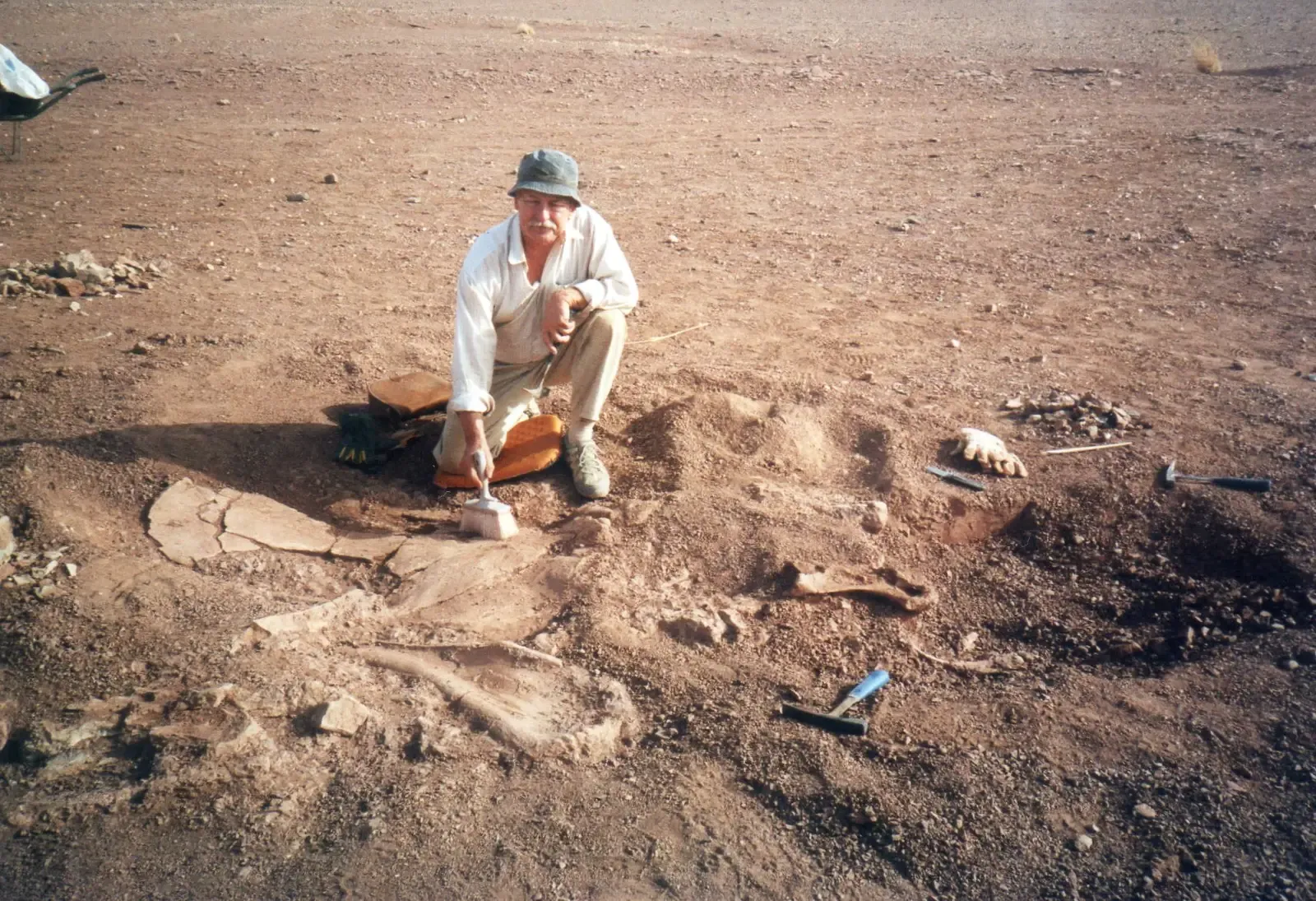
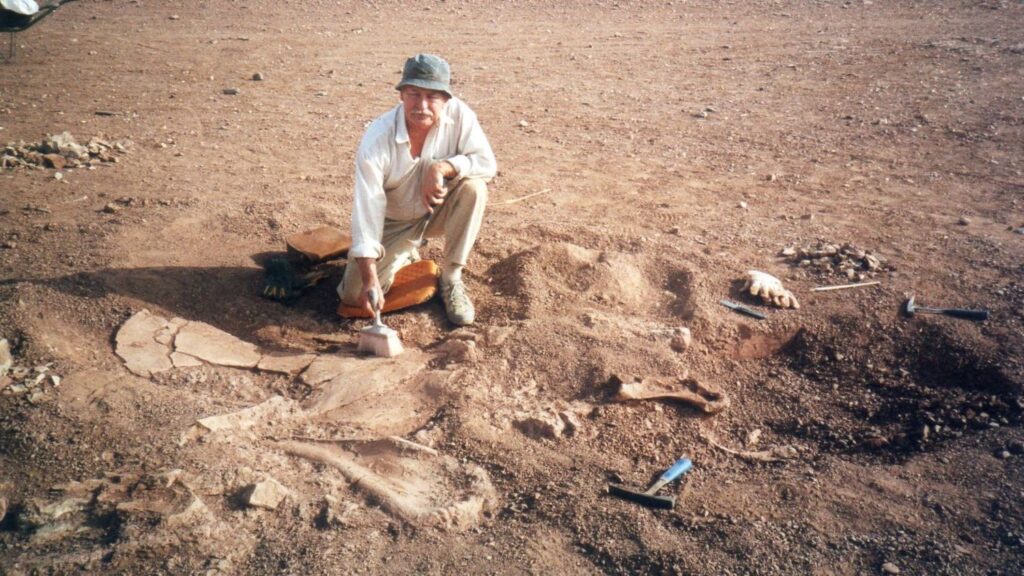
Paleontologists are typically driven by a deep-seated curiosity about life’s history, with intrinsic motivation being crucial for sustained engagement in complex, long-term scientific pursuits. Even if you chose a different career path, the thought of dedicating your life to fossil research has crossed your mind more than once. You’ve researched graduate programs, watched documentaries about fieldwork, and imagined yourself carefully excavating ancient bones from sedimentary rock.
Maybe practical considerations steered you elsewhere, but that doesn’t diminish your passion. You still consume paleontology content voraciously, perhaps secretly hoping you’ll stumble across an important fossil during a hike or vacation. The dream of contributing to our understanding of prehistoric life remains alive, even if you’re pursuing it from outside academia. Your enthusiasm and knowledge rival that of many professionals, proving that true dinosaur devotion transcends formal credentials.
Conclusion

If you recognized yourself in most of these signs, congratulations on being a genuine . Your passion connects you to millions of years of Earth’s history and a global community of people who share your fascination with these magnificent creatures. There’s something beautifully human about our desire to understand and connect with life forms so radically different from our own, separated by such vast expanses of time.
Whether you’re correcting movie inaccuracies, planning museum visits, or simply daydreaming about what it would have been like to witness a living Brachiosaurus, your enthusiasm keeps the wonder of paleontology alive. So how many of these signs did you identify with? Share your dinosaur passion in the comments below.