
Have you ever walked into a room and immediately felt the weight of tension hanging in the air, even though nobody said a word? Or found yourself completely drained after spending just an hour with a friend who was going through a tough time? Maybe you’ve wondered why you seem to pick up on things that others completely miss, sensing emotions that nobody else around you appears to notice.
If any of this sounds familiar, you might be . Let’s be real, being isn’t just about being a caring person or having strong feelings. It goes much deeper than that. You’re probably processing the world in a fundamentally different way than most people around you, and honestly, that can feel isolating when you don’t fully understand what’s happening inside you. So let’s dive into the subtle signs that reveal whether you’re truly .
You Absorb Other People’s Emotions Like a Sponge

Here’s the classic trait that sets empaths apart: you don’t just recognize what someone else is feeling, you actually feel the emotion as if it were your own, essentially absorbing it. You’re highly attuned to other people’s moods, whether good or bad, and you feel everything, sometimes to an extreme, taking on negativity such as anger or anxiety which can be exhausting.
Think about the last time you were around someone who was anxious or upset. Did you leave that interaction feeling completely wiped out, even though nothing particularly stressful happened to you directly? You might turn the channel on TV to avoid seeing a character get embarrassed, or if you have a friend who’s sick, you may start to feel some of their symptoms like a headache or cough. It’s hard to say for sure, but this goes way beyond simple sympathy.
Crowds and Large Groups Drain Your Energy Fast

Being around people can be draining, so you periodically need time alone to recharge, and even a brief escape prevents emotional overload. You might feel perfectly fine going into a party or social gathering, only to find yourself completely exhausted within an hour or two.
Even if you’re an extroverted empath, you will reach a point where being around groups of people deplete you, and you may feel physically drained, suddenly have physical pains you don’t normally have, get a headache, brain fog, go blank or become overwhelmed. This isn’t about being introverted or shy. Your nervous system is literally picking up on all the emotional information swirling around you, and it becomes too much to process. Empaths like to take their own cars when they go places so they can leave when they please.
You Have an Uncanny Intuition About People

You tend to be able to pick up on subtle cues that provide insight on the thoughts of others, and your intuition often tells you whether someone is being truthful or not. It’s like having an internal radar system that most people don’t possess. You just know things about people without them having to spell it out.
You’re able to pick up subtle verbal and nonverbal cues that help you understand what people are thinking and feeling, and you have little patience for those who are dishonest, finding it easy to tell when someone isn’t telling the truth. As , you might put a lot of faith in your instincts when making decisions, and although others might consider you impulsive, you’re actually trusting your intuition to guide you to the choice that feels right for you. When you’ve ignored that gut feeling in the past, you probably regretted it later.
Nature Feels Like Home to You
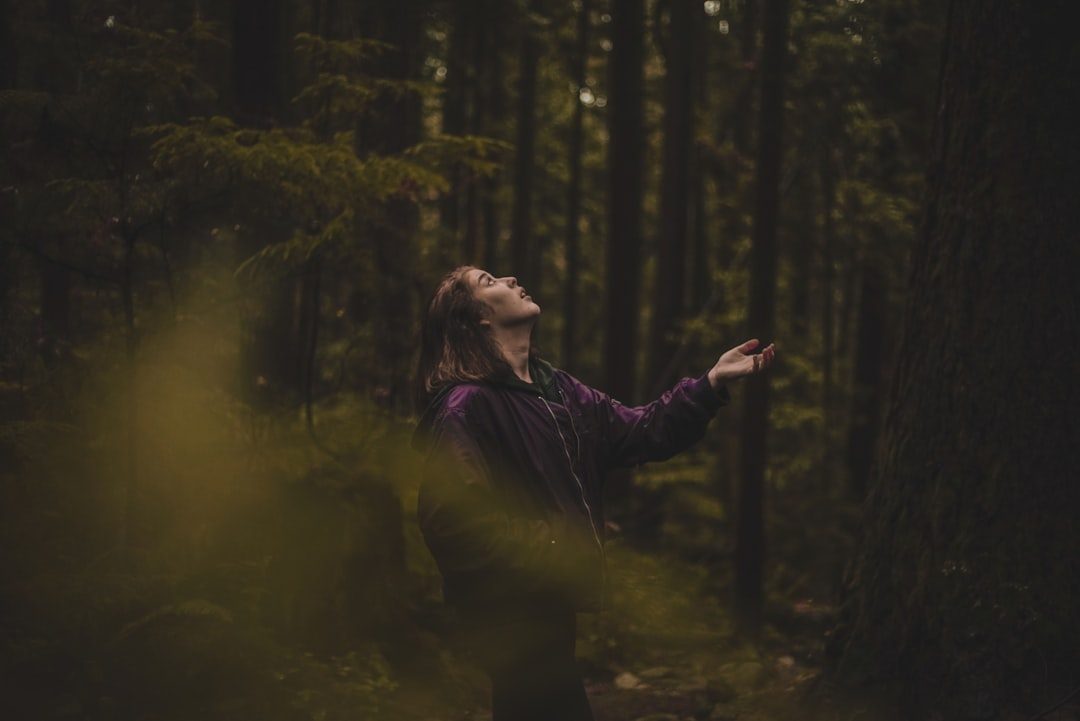
Anyone can benefit from spending time in natural settings, but empaths may feel even more drawn to nature and remote areas, since natural environments provide a calming space to rest from overwhelming sensations, sounds, and emotions, and you might feel completely at peace when hiking alone in a sunlit forest or watching waves crash against the shore.
There’s something about being outdoors that instantly soothes your overstimulated nervous system. The trees don’t have emotions for you to absorb. The ocean doesn’t carry anxiety that seeps into your body. Nature offers you a refuge where you can finally just be yourself without the constant bombardment of other people’s energy washing over you. Honestly, some empaths find themselves craving these natural spaces like others crave coffee in the morning.
People Constantly Seek You Out for Advice and Support
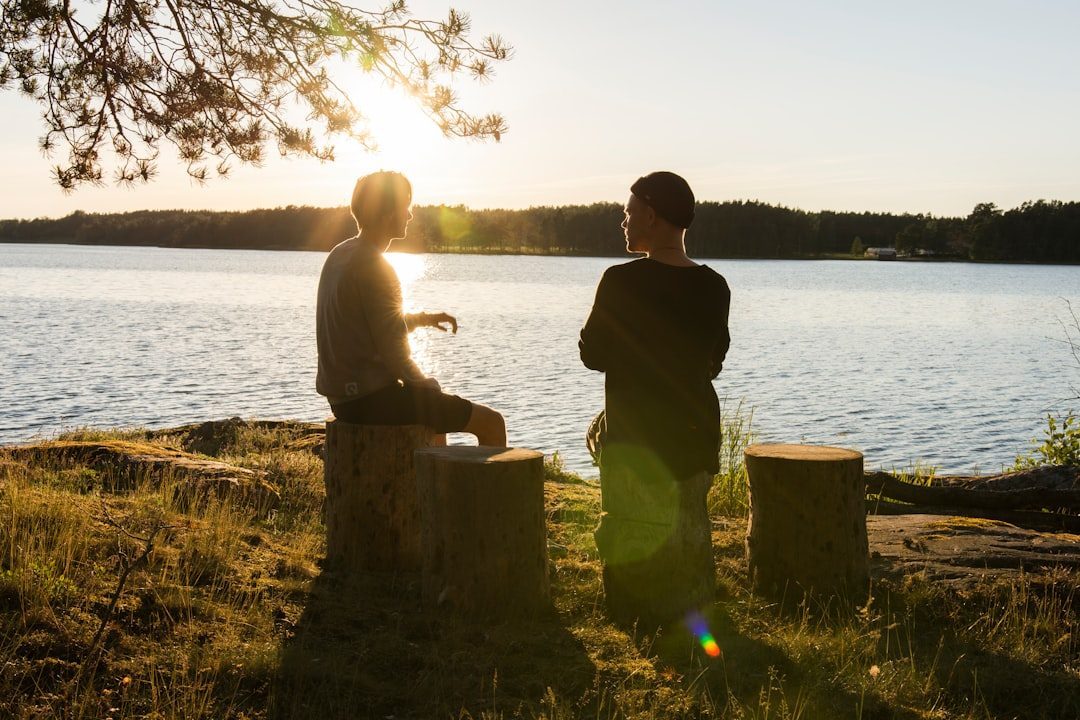
With such insight, empaths are frequently sought out by their friends for advice, support, and encouragement, and it helps that empaths also tend to be good listeners who will often patiently wait for someone to say what they need to say and then respond from the heart. You may notice that people tend to share their problems and concerns with you.
Even strangers might open up to you in situations where they wouldn’t normally share personal information. There’s something about your energy that makes people feel safe and heard. You’re a big-hearted person who tries to relieve the pain of others, but you don’t stop there – suddenly you’re the one feeling drained or upset when you felt fine before. The challenge is that not everyone realizes how much of your energy it takes to be that emotional support system for others.
You Struggle to Set Boundaries

Your awareness of the struggles of others makes you feel compelled to help them, but it can be hard not to take on some of those same negative feelings yourself, which can leave you feeling upset or emotionally drained. You can end up feeling guilty saying no to a request, even if that’s what you need, instead of prioritizing their feelings, and this trait can lead to a struggle to feel comfortable setting healthy reasonable boundaries.
Let’s be honest, saying no feels almost impossible when you can literally feel another person’s disappointment or hurt. You know exactly how they’ll feel if you decline, and that knowledge weighs on you. Empaths may also be more vulnerable to manipulation or toxic behaviors, as your earnest desire to help people in distress can leave you unaware of signs of toxicity. This makes you a magnet for energy vampires who recognize your giving nature and exploit it.
You’re Highly Sensitive to Your Physical Environment

‘s increased sensitivity doesn’t just relate to emotions, and there’s a lot of overlap between empaths and people who are highly sensitive – fragrances and odors affect you more strongly, jarring sounds and physical sensations may affect you more strongly. To , a slight touch might feel like an abrasive nudge, a dim light might seem like a bright beam, a quiet hum might sound like a fire alarm, and as a result, empaths can be upset by noises, lights, or scents that others are not.
You might prefer watching movies at home rather than in theaters because the volume feels overwhelming. Certain fabrics might drive you absolutely crazy against your skin. Strong perfumes can give you instant headaches. You prefer to listen to media at low volumes or get information by reading, and certain sounds may trigger an emotional response. People might think you’re being picky, but your nervous system genuinely processes these stimuli more intensely than theirs do.
Intimate Relationships Feel Overwhelming

Too much togetherness can be difficult for so they may avoid intimate relationships, as deep down they are afraid of being engulfed and losing their identity. Because you become so emotionally engaged with others, too much togetherness might make you feel like you’re at risk of losing your own identity.
This doesn’t mean you don’t crave connection or love. Actually, it’s quite the opposite. You want deep, meaningful relationships, but the intensity of merging with another person’s emotions and energy can feel suffocating. You need more alone time than your partners might understand, and this can create tension. Empaths, who are often introverted, often need alone time and can have difficulty with intimate relationships. Finding someone who respects your need for space while still maintaining closeness becomes a delicate balancing act.
You Can Sense What Someone is Trying to Express Before They Say It

This is the core trait of – even more so than absorbing the emotions of others – as all empaths are able to intuitively sense what someone is trying to express, even when they’re having a hard time getting it out. It’s like you can read between the lines of what people are saying and hear what they’re really trying to communicate underneath their words.
You have a deep sense of understanding emotional significance that’s unwavering and unquestionable, with pinpoint accuracy in reading a person or situation, capable of reading others without obvious cues and describing what’s really going on beneath the surface, knowing if someone is being dishonest or not speaking their truths. This can be both a gift and a burden. People might get uncomfortable when you see through their carefully constructed facades, even when you’re not trying to be intrusive.
You’ve Been Told You’re “Too Sensitive” Your Whole Life

Empaths are often told that they are too sensitive and need to toughen up. Maybe your whole life you’ve been told you’re too sensitive like there’s something wrong with you, and these are classic discouraging lines many empaths hear – you’re not too sensitive, you’re just more sensitive than most but you’re not alone.
Growing up, you probably felt different from other kids. You cried more easily. You took things to heart that others brushed off. Teachers or parents might have tried to help you develop a thicker skin, not realizing that your sensitivity isn’t a weakness to overcome but rather a fundamental part of how you’re wired. Because people with high empathy levels tend to be unguarded with their emotions, it’s easy for them to get their feelings hurt. You’re not being dramatic – you’re genuinely experiencing emotions at a different intensity level than most people around you.
You Feel Confused About Whose Emotions Are Whose

Some empaths become confused about what belongs to who in their relationships with others, asking themselves if they’re feeling upset or if the other person is, wondering whose emotion this is, and as a result, it’s incredibly hard to set boundaries and very easy to take responsibility for others’ problems. You have a hard time intellectualizing your feelings.
This gets particularly tricky in close relationships. You might wake up feeling anxious and spend half the day trying to figure out why, only to realize later that your partner or roommate was stressed about something and you absorbed their anxiety without even realizing it. This capacity allows you to experience the energy around you, including emotions and physical sensations, in extremely deep ways, and so you energetically internalize the feelings and pain of others and often have trouble distinguishing someone else’s discomfort from your own. Learning to separate your emotions from those of the people around you becomes essential survival work.
You Experience Physical Symptoms from Emotional Overload

When overwhelmed with the impact of stressful emotions, empaths may experience panic attacks, depression, chronic fatigue, food, sex, and drug binges, or exhibit many other physical symptoms that defy traditional diagnosis. Empaths absorb both positive and negative emotions, which can lead to emotional overload, especially in crowded or intense social settings, and they might feel inexplicably anxious or sad after being with a distraught friend or stranger, with negative emotions depleting them and causing physical symptoms like exhaustion.
Your body doesn’t just process emotions mentally. It holds them physically. After a particularly emotionally intense day, you might feel like you’ve run a marathon even though you barely moved. Your muscles ache. Your head pounds. Your stomach churns. Doctors might run tests and find nothing physically wrong, because the root cause is emotional and energetic rather than biological. I know it sounds crazy, but your physical body is literally manifesting the emotional overload you’ve absorbed from your environment and the people in it.
Wrapping It All Together

Being means you experience the world through a lens that most people will never fully understand. If you can establish boundaries in your relationships and take time for self-care, you’ll be able to use your empathic traits in a positive way to help others work through their problems, and you’ll be seen as a trusted, caring person.
The feeling of connectedness, shared experience and being in tune with another person can be a beautiful thing in moderation, and being is good if you can establish boundaries on the amount of energy you give to others, making sure to reserve energy for yourself and taking the time you need for self-care to replenish your energy. Your sensitivity isn’t a flaw that needs fixing. It’s a profound gift that allows you to connect with others in ways that make the world a more compassionate place.
So, did you recognize yourself in these signs? What do you think about being ? Tell us in the comments.