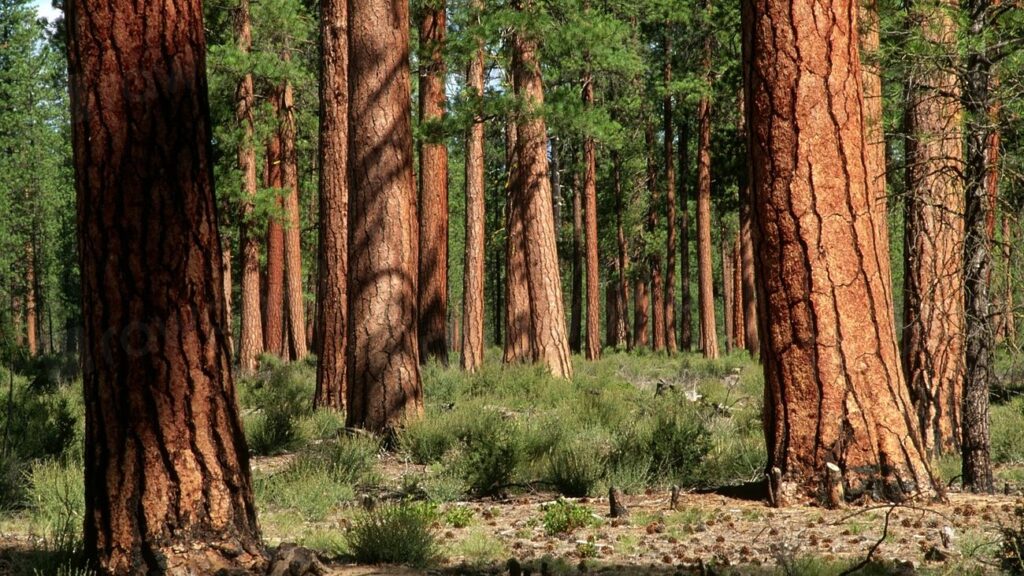
When you think of ancient forests, your mind might wander to fairytale landscapes in distant lands. Here’s the thing, though: America harbors some of the oldest living forests on Earth, containing secrets that even scientists are still uncovering today. These woodlands aren’t just collections of big, old trees standing silently in the soil. They’re dynamic ecosystems brimming with hidden communication networks, rare wildlife, and histories that stretch back millions of years.
Let’s be real, these forests are more surprising than you’d expect. From underground highways made of fungus to trees that remember their kin, the ancient woodlands of America are far stranger and more fascinating than most people realize.
Less Than One Percent of Original Ancient Forests Still Stand
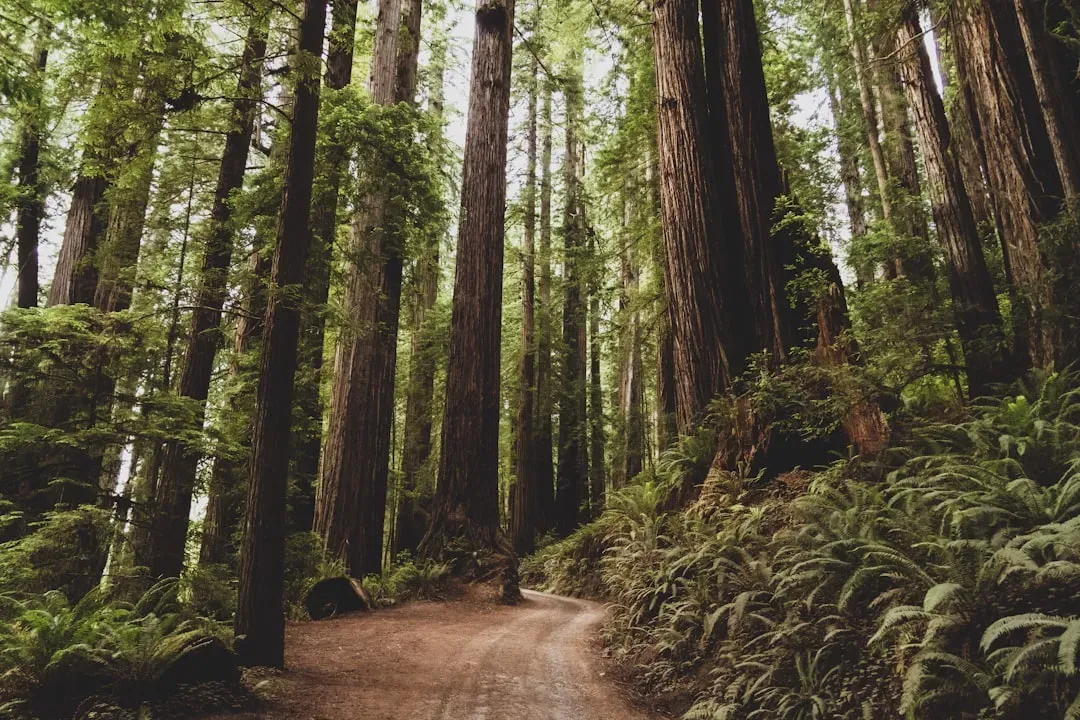
Across the United States, roughly six percent of precolonial forests remain; in New England, the figure varies but is generally considered to be less than one percent. Think about that for a moment. Nearly all the forests that covered this land before European arrival have been cut down, leaving only tiny fragments scattered across the landscape.
Just 500,000 acres of old-growth forest remain in all of New England and New York. In fact, more than 99 percent of eastern old-growth forests, and more than 90 percent on the West Coast, have been heavily logged. These surviving patches are rarer than you might imagine. Walking into one is like stepping into a time capsule, a glimpse of what America looked like centuries ago.
Ancient Trees Can Live Over 800 Years in Alaska’s Tongass
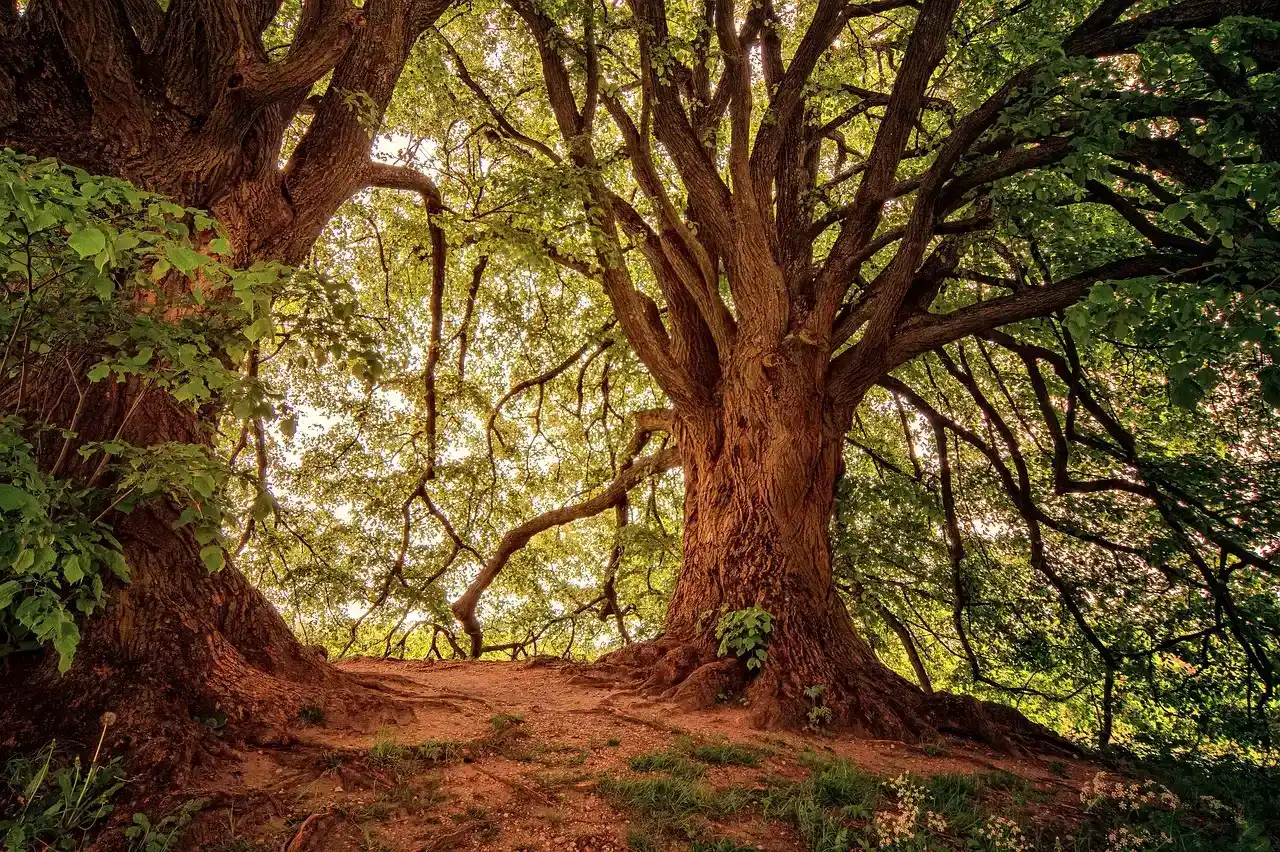
Tongass National Forest is home to some of the oldest trees on earth – many of them dating back more than 800 years. Spruce, cedar and western hemlock trees stretch more than 200 feet into the sky and reach nearly 12 feet in diameter at chest level. Standing beneath one of these giants, you’d feel impossibly small. These trees were alive during medieval times.
These impressive trees mark the section of southeast Alaska that makes up 30 percent of the temperate rainforests on earth and one of the last great marvels of biodiversity and natural abundance. The Tongass isn’t just old; it’s ecologically irreplaceable. It’s hard to say for sure, but losing these forests would fundamentally alter the planet’s biodiversity.
America Has Its Own Temperate Rainforests
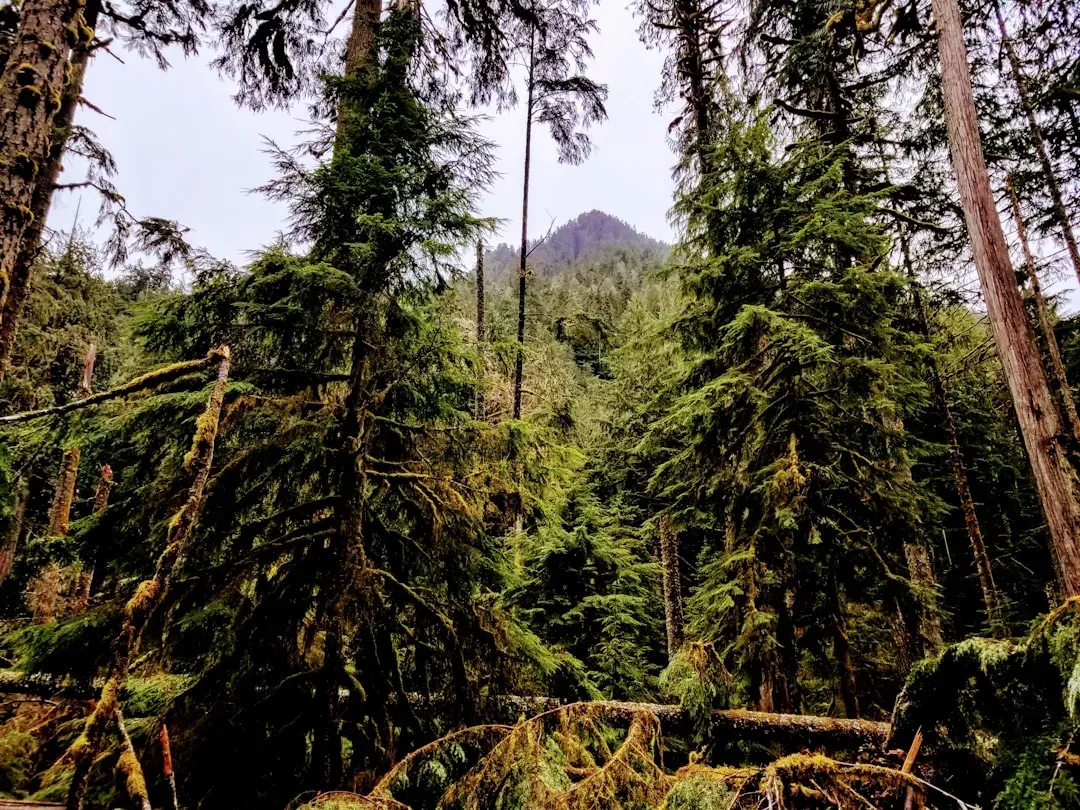
Most people associate rainforests with tropical jungles, steamy and crawling with exotic life. Honestly, you’d be surprised to learn that rain forests also thrive outside the tropics – even in North America. The Pacific Northwest rain forest ecoregion stretches from northern California to Alaska, largely located between the Pacific Ocean and the Cascade Range.
Temperate rainforests still receive high amounts of annual rainfall (at least 55 inches of rain per year) – and as a result, the understory is characterized by moisture-loving species such as mosses and ferns. Temperate rainforest trees are slow-growing and long-lived, and are typically aged between 500-1,000 years old. These forests are cooler, darker, and greener than you’d ever expect a North American forest to be.
The Alexander Archipelago Wolf Exists Nowhere Else on Earth
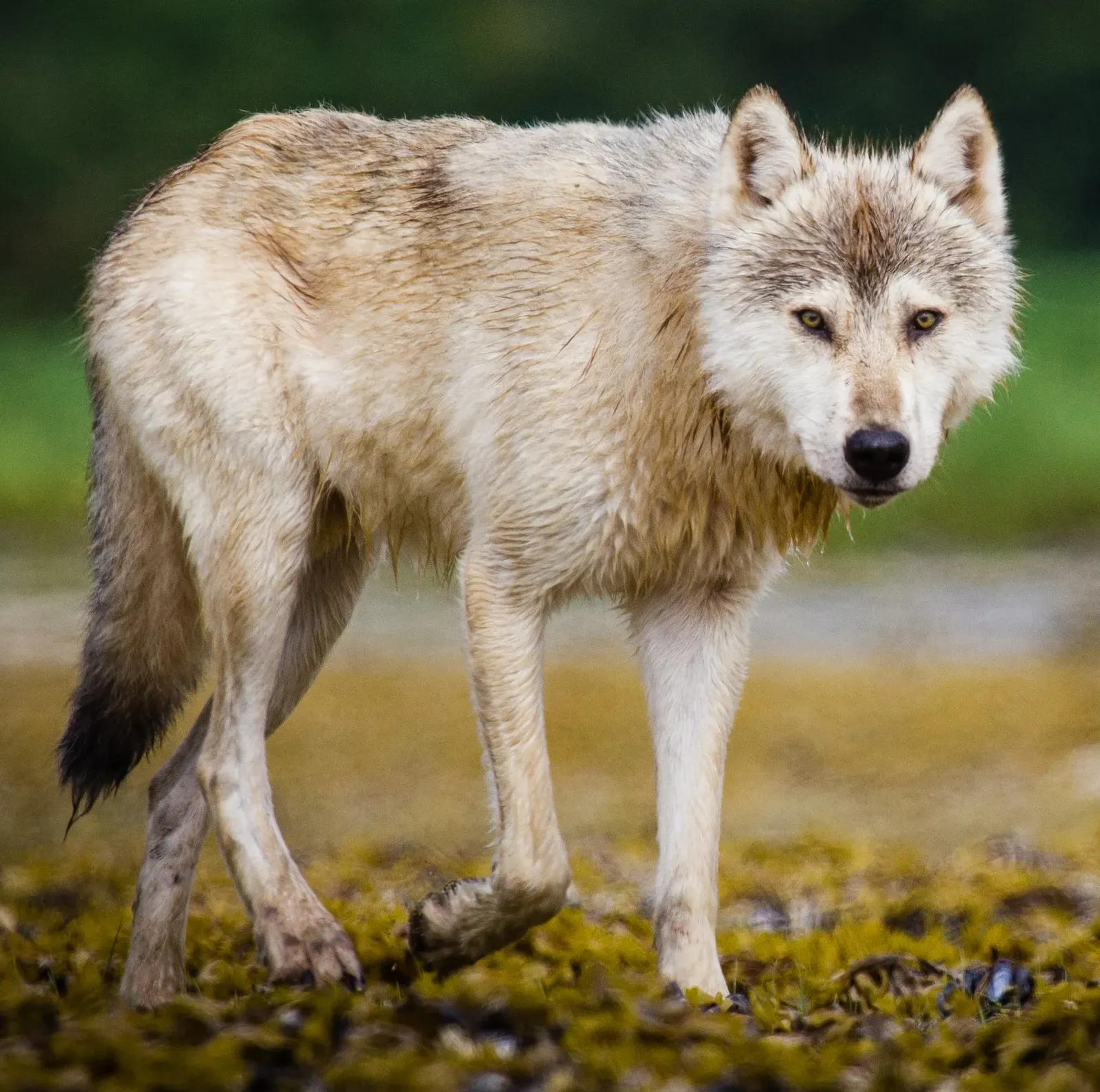
Here, some of the rarest wildlife on earth abounds – bald eagles, grizzly bears, Alexander Archipelago wolves, the Goshawk and the Marbled Murrelet. The Alexander Archipelago wolf is a subspecies found only in Alaska’s ancient temperate rainforests. These wolves are smaller and darker than their mainland cousins, adapted perfectly to island life.
Their survival depends entirely on these old forests. They hunt deer along misty forest trails and salmon-rich streams. Lose the forest, lose the wolf. It’s that simple, and it’s one of nature’s clearest reminders that ancient ecosystems support creatures found nowhere else on the planet.
Tongass Rivers Deliver More Carbon Than the Amazon
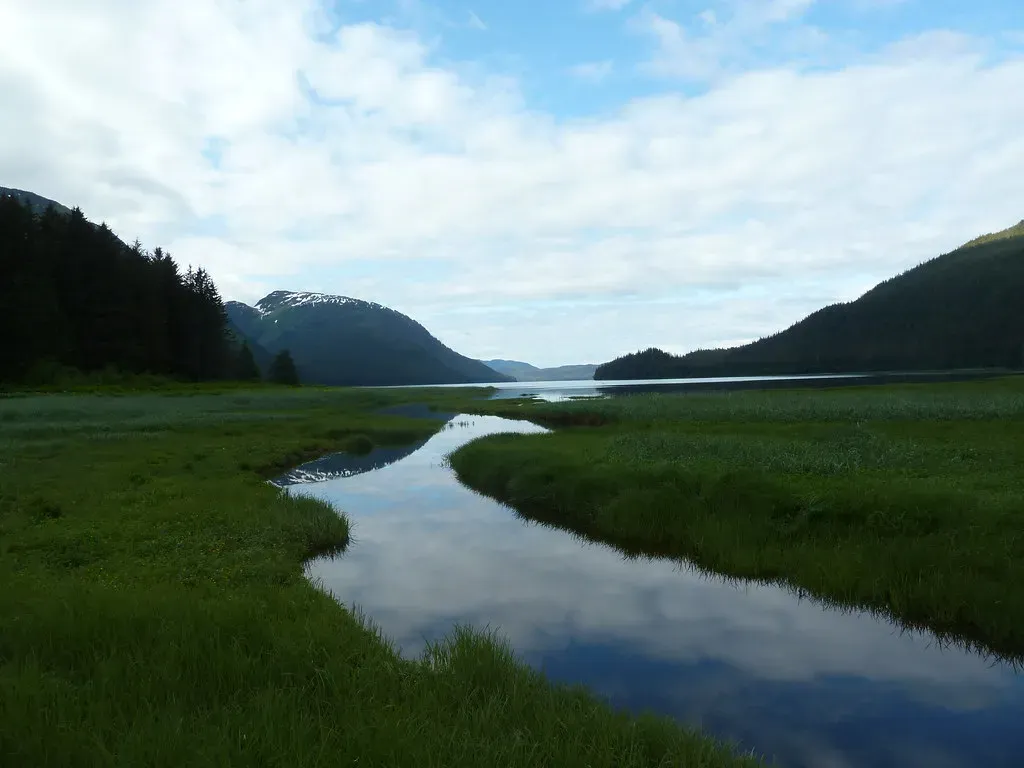
You’d think the Amazon would dominate every ecological comparison, right? Yet here’s something unexpected. Ancient glaciers feed the Icy Straight, a winding river that delivers three times as much essential organic carbon to the ocean than the Amazon River does, supporting lush marine life from krill to sea lions, whales and a range of salmon species.
This carbon feeds the entire marine food web of the North Pacific. When glaciers melt and mix with decaying forest matter, they create a nutrient-rich cocktail that fuels ocean life thousands of miles away. The ancient forests aren’t just important on land; their influence radiates outward into the sea itself.
Trees Communicate Through Underground Fungal Networks
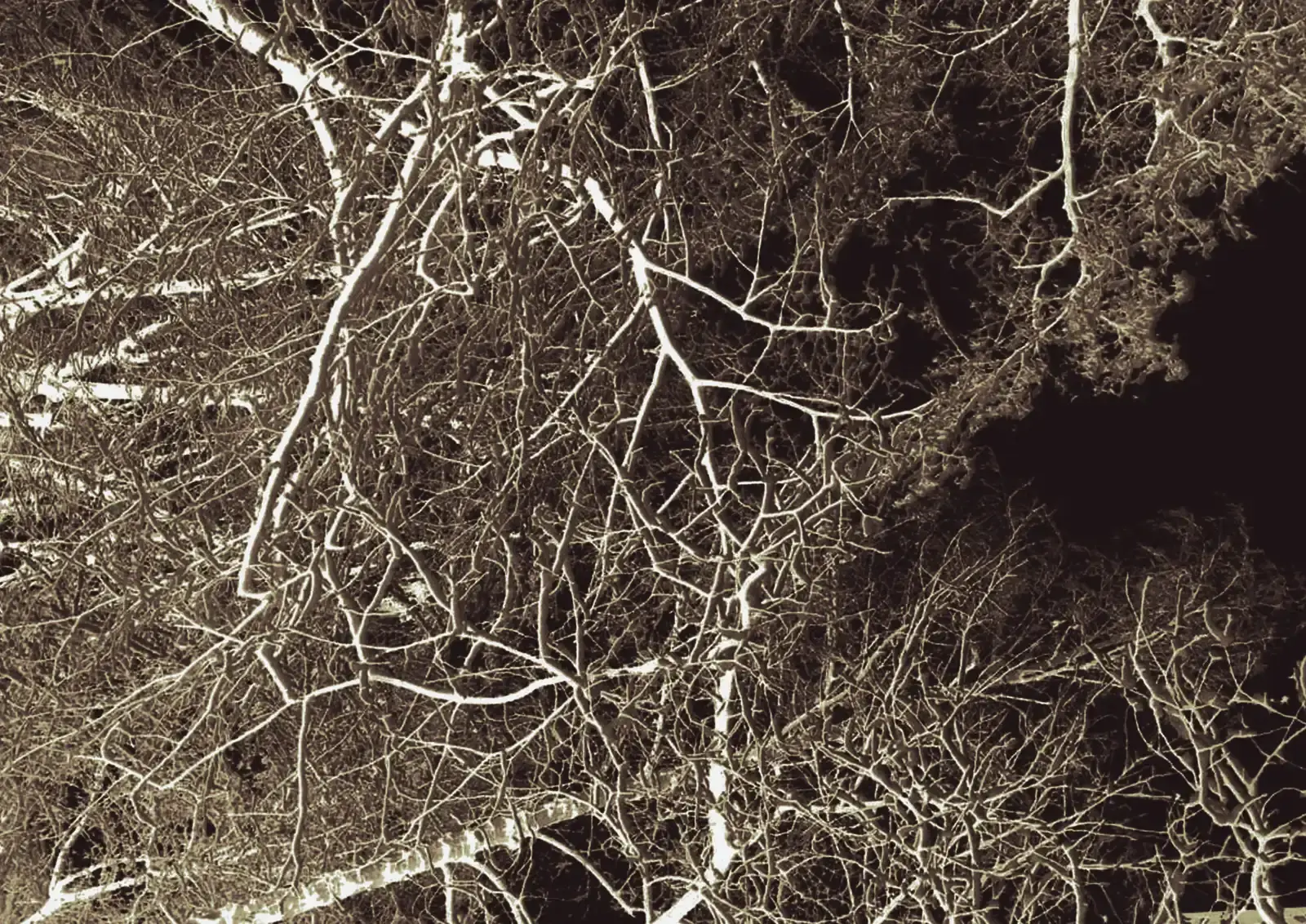
This sounds like science fiction, I know, but it’s true. A mycorrhizal network (also known as a common mycorrhizal network or CMN) is an underground network found in forests and other plant communities, created by the hyphae of mycorrhizal fungi joining with plant roots. This network connects individual plants together. Scientists call it the “Wood Wide Web.”
Trees can communicate with each other through networks in soil. Much like social networks or neural networks, the fungal mycelia of mycorrhizas allow signals to be sent between trees in a forest. These mycorrhizal networks are effectively an information highway, with recent studies demonstrating the exchange of nutritional resources, defence signals and allelochemicals. Trees can warn each other about insect attacks, share nutrients with struggling neighbors, and even recognize their own offspring through these connections.
Mother Trees Prefer to Feed Their Own Offspring
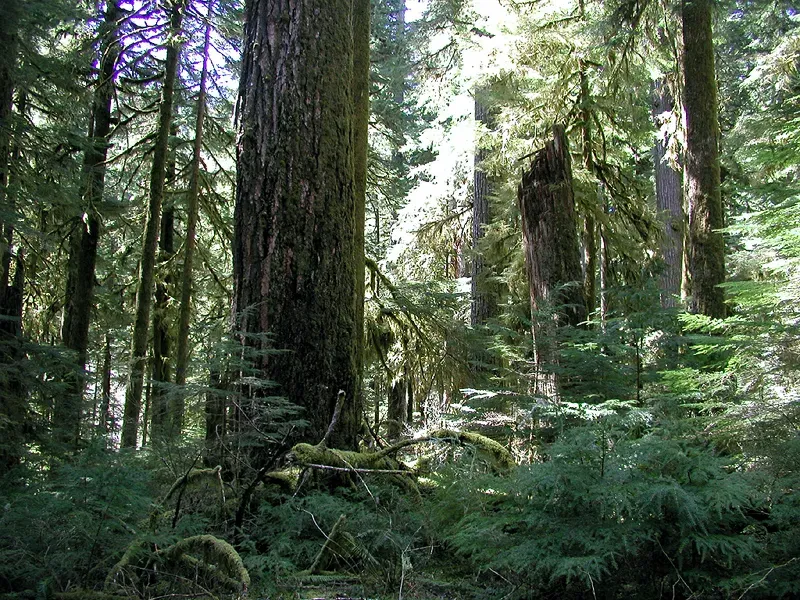
A linchpin in the tree-fungi networks are hub trees. Also referred to as “mother trees,” these are the older, more seasoned trees in a forest. Typically, they have the most fungal connections. These matriarchs of the forest aren’t just standing there looking majestic; they’re actively nurturing younger generations.
Research shows that mother trees can actually recognize their own seedlings and prioritize sending them resources. It’s like a forest version of family preference. They distribute more carbon and nutrients to their genetic offspring than to unrelated saplings nearby, giving their own descendants a better shot at survival in the competitive understory.
The Mohawk Forest Has Thirty Tons of Dead Wood Per Acre
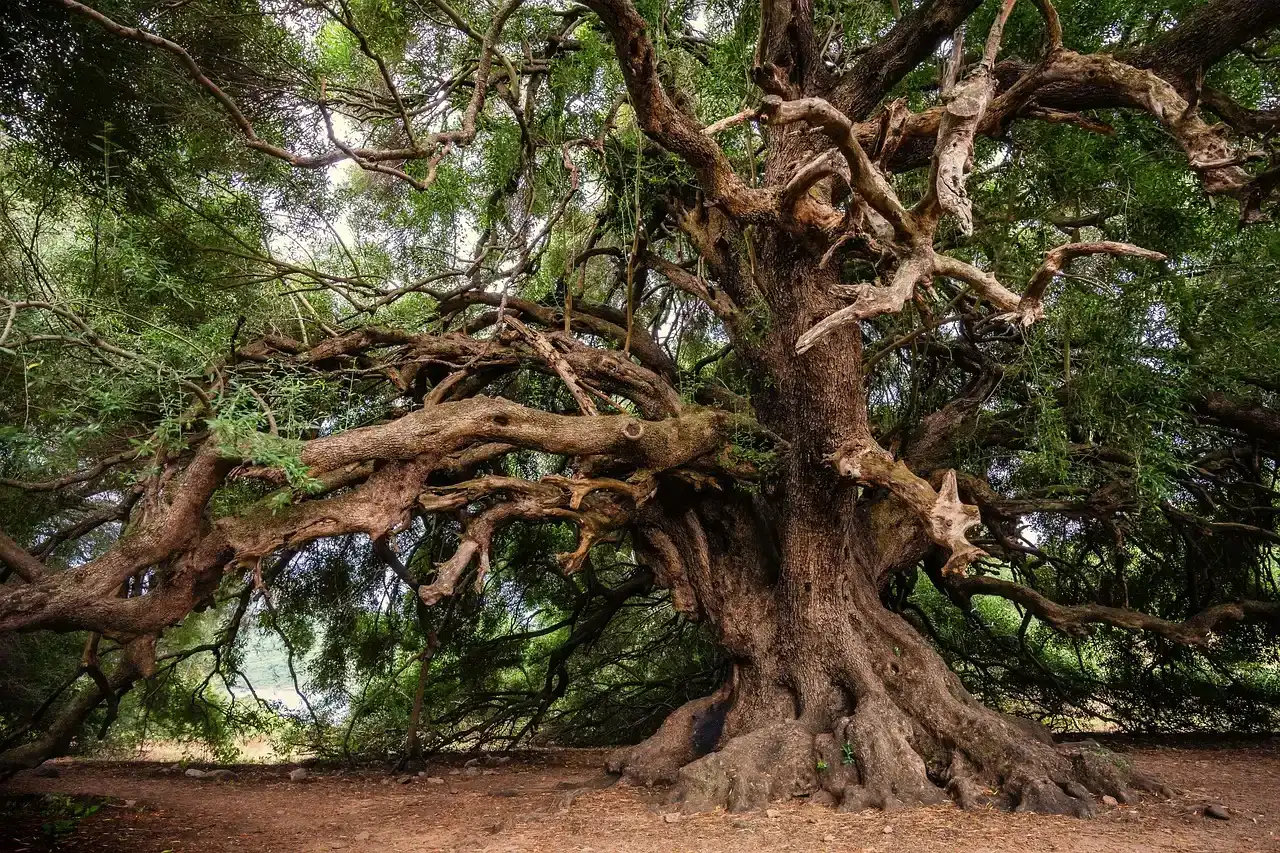
Another telltale sign of ancient woods is a preponderance of coarse woody debris, the dead limbs, large stems, and other material that provide rich habitat for wildlife. One study found that part of the Mohawk Forest showed accumulations of 30 tons per acre of such material, compared to 9 tons per acre in a nearby second-growth stand.
That debris isn’t trash; it’s treasure. Fallen logs shelter salamanders, grow mushrooms, nurse tree seedlings, and slowly decompose to enrich the soil. The 6,450-acre forest’s five stands of old growth are excellent places to see large mammals: Once rare, an estimated 1,000 black bears now roam the woods of western Massachusetts. The presence of dead wood is actually a sign of forest health.
Old Growth Forests Store More Carbon Than Tropical Rainforests
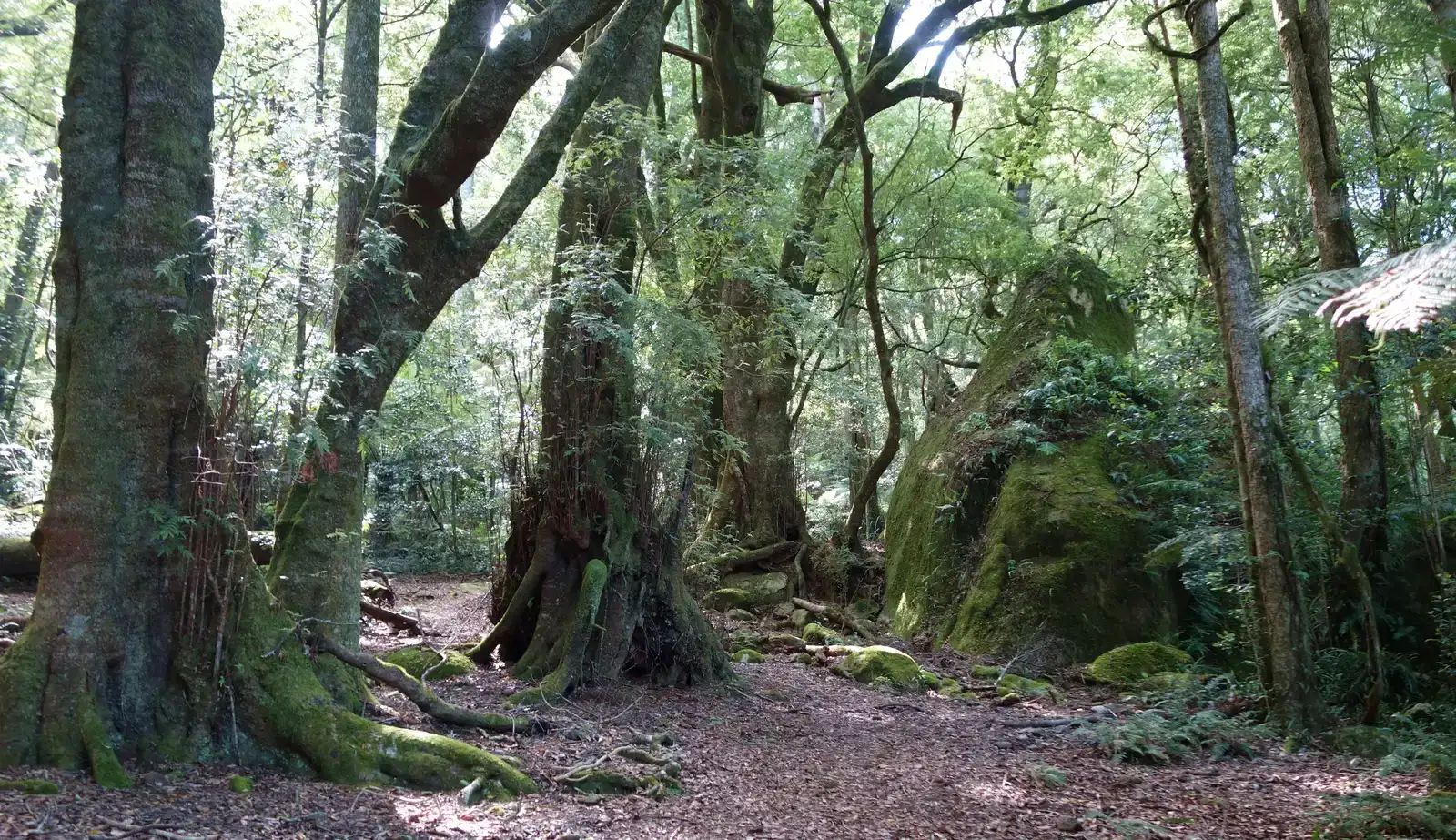
You might assume tropical rainforests are the planet’s best carbon storage systems. Actually, the reality is more nuanced. Cooler temperatures and a more stable climate slow down decomposition, allowing more material to accumulate. The old-growth forests of the Pacific Northwest, for example, store more biomass than tropical rainforests.
Cold slows decay, meaning dead wood, fallen leaves, and organic matter stay locked in place for decades or even centuries. Every massive tree trunk lying on the forest floor is a carbon vault. Ancient forests don’t just capture carbon while alive; they hold onto it long after death, making them critical allies in fighting climate change.
Redwood Trees Pull Water Directly From Fog
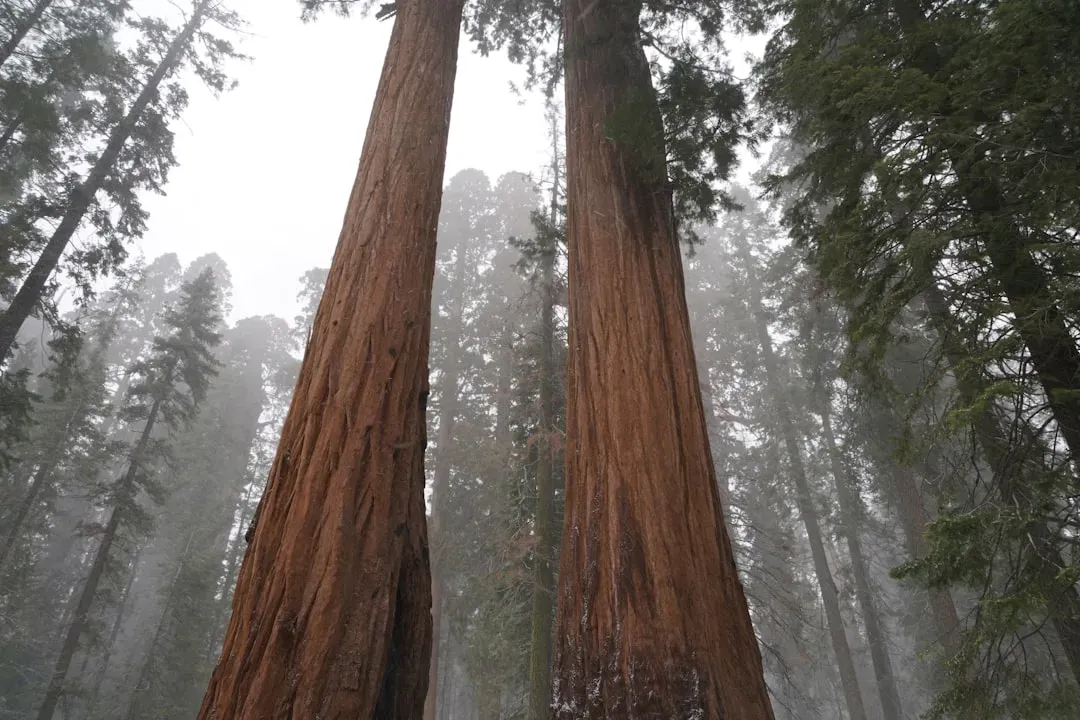
Redwood trees include three species – dawn redwoods, giant sequoias and coast redwoods – and can grow over 300 feet tall and live for a couple thousand years. Redwoods “drink” hundreds of gallons of water daily and can even pull water from fog in the dryer summer months. Redwoods actually get 40% of their water from fog every year with the help of specialized needles.
Think about that: nearly half their water doesn’t come from the ground at all. The redwoods have evolved needles that capture moisture from the misty coastal air, letting droplets condense and drip down to their roots. This adaptation allows them to thrive in environments that might otherwise be too dry during summer months.
Old Growth Is Critical for Rare Bird and Amphibian Species
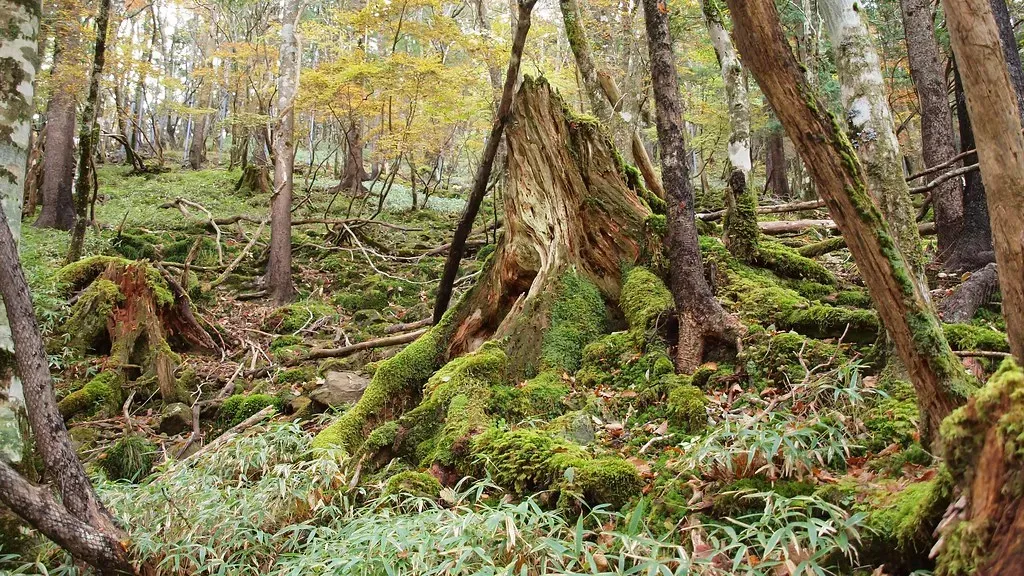
Much more than curiosities, ancient forests are nurseries of biodiversity. Abounding with live and dead trees, decaying logs, and thick layers of moss and leaves, they provide flourishing wildlife habitat. Birds thrive in their high canopies and trunk crevices, while fish benefit from the nutrients their woody debris provides to sheltered streams. An exhaustive University of Wisconsin study of northern forests found that old-growth areas had the “highest bird densities and species richness.”
Creatures like the Marbled Murrelet, a seabird that nests only in ancient coastal forests, depend entirely on these habitats. Spotted owls need large, old trees with cavities for nesting. Salamanders require the moist microclimates found under centuries-old logs. You can’t just replant these ecosystems; it takes hundreds of years to develop the structural complexity that rare species require.
Undiscovered Species Likely Hide in Old Growth Forests
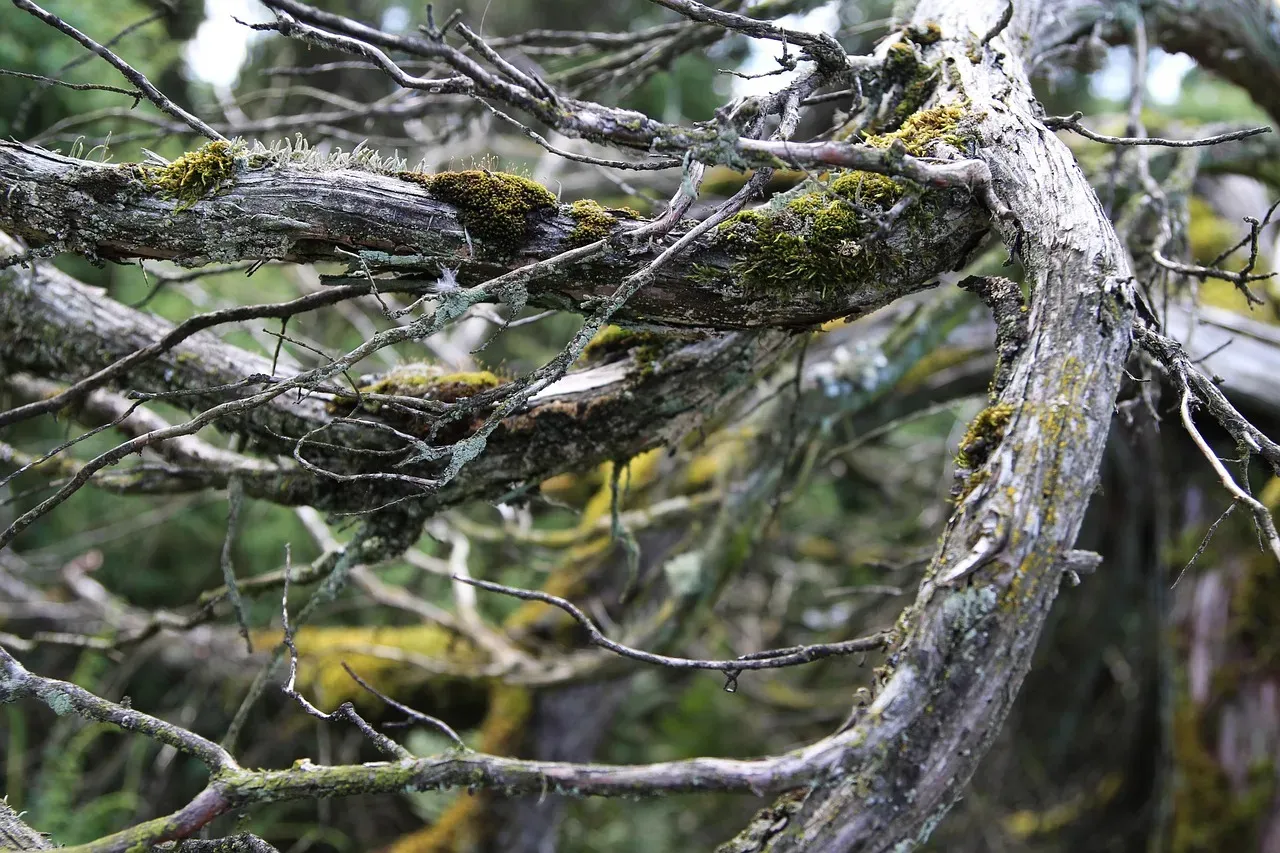
There may be undiscovered species lurking in old-growth that we just don’t know about. Many people believe that these forests are reservoirs for biological diversity. Our next cure for cancer could be in some moss, bacteria, or fungi only found in old-growth forests. Honestly, this is one of the most compelling reasons to protect these places.
The mild and wet environment supports the high diversity of fungi. Over 2,000 species live in this area and scientists estimate many unidentified fungi may be there. Every species we lose before discovering it is a potential medical breakthrough, an ecological puzzle piece, or a marvel of evolution we’ll never understand. The ancient forests hold secrets we haven’t even begun to uncover.
Conclusion: The Silent Guardians of Time
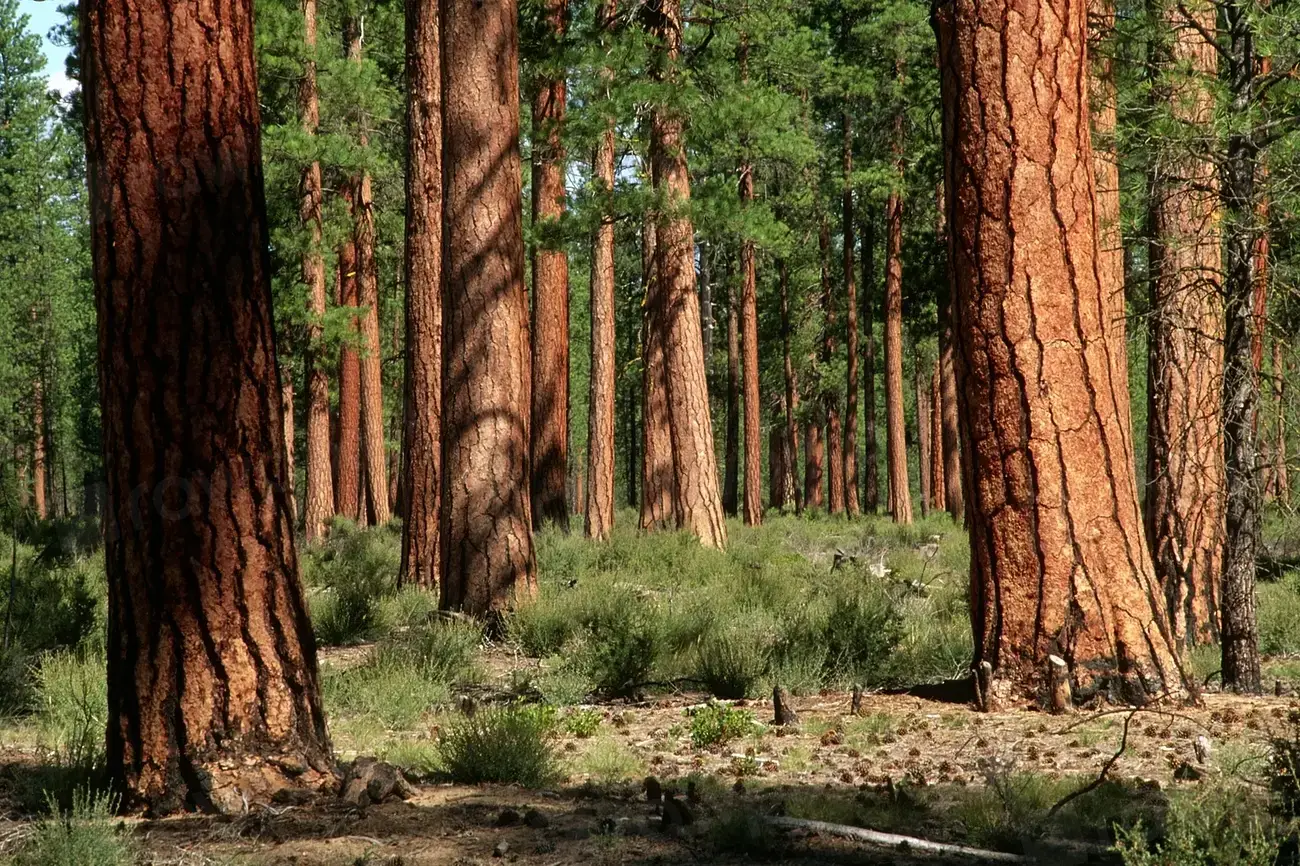
America’s ancient forests aren’t relics of the past; they’re living, breathing ecosystems actively shaping our planet’s future. From the underground fungal networks connecting trees in silent conversation to the rare wolves prowling Alaska’s mist-shrouded islands, these forests remind us that nature is far more complex and interconnected than we often realize.
We’ve already lost the vast majority of these irreplaceable ecosystems. The fragments that remain deserve more than our admiration; they demand our protection. Whether it’s the carbon they lock away, the species they shelter, or the mysteries they still conceal, ancient forests are worth far more standing than they ever could be cut down.
What surprised you most about these hidden wonders? Did any of these facts change how you think about America’s wildest places?