
You’ve probably heard the tidy version. An asteroid killed the dinosaurs. The ice age froze the mammoths. Giant sloths just ran out of food. Case closed, right?
Not even close. The deeper paleontologists dig, the messier it gets – fossils with injuries that should have been fatal, ecosystems that shouldn’t have had enough calories to go around, and extinction timelines that refuse to line up no matter how you slice them. Even the scientists who study this stuff will admit that some of the biggest animals to ever walk, swim, or fly on this planet still leave enormous question marks hanging over how they lived and why they vanished. Here are has ever fully explained.
#12 – The Astonishing Speed of Some Giant Dinosaurs
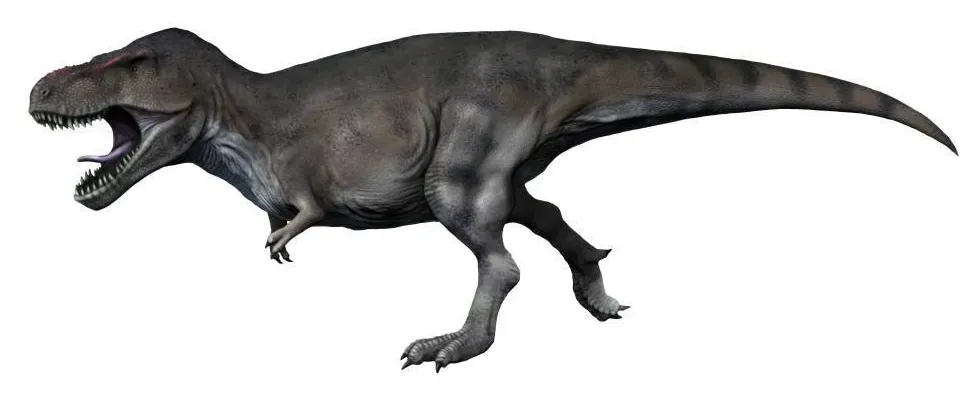
Most people picture massive dinosaurs as slow, lumbering tanks. The physics doesn’t cooperate with that stereotype.
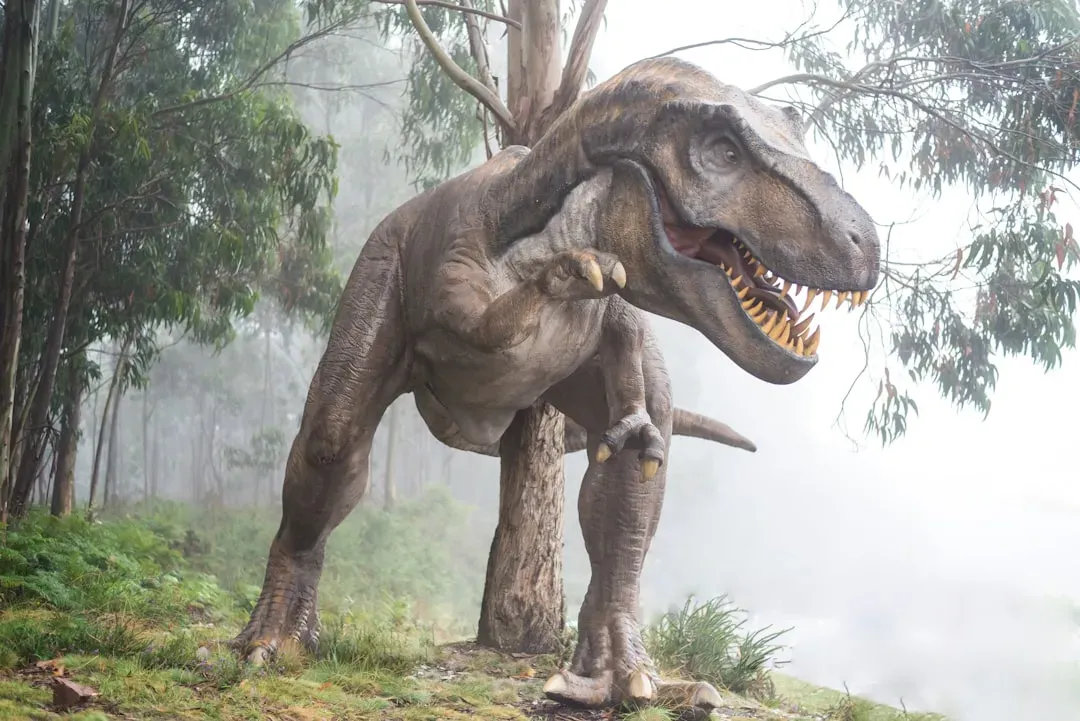
Biomechanical modeling suggests some big theropods, like tyrannosaurs, could move far faster than a 7-to-10-ton animal has any business moving. One study on T. rex leg proportions argues it may have been built more for energy-efficient long-distance walking than raw speed, yet trackway data and stress models still hint at surprising bursts of pace when it mattered.
Then there are the fossil trackways from large ornithopods that imply actual running gaits, not lazy shuffles. The spacing between footprints suggests speeds that could conservatively match a modern horse over short distances – not exactly what you’d expect from something people casually describe as “bus-sized.” Unlike modern elephants, many of these dinosaurs carried longer, more gracile limbs relative to their body size.
Here’s the part nobody’s solved: there’s still no agreed-upon mechanical ceiling for how fast something that heavy can move without snapping tendons or shattering bone. Computer models keep spitting out contradictory answers depending on assumptions about soft tissue and cartilage thickness. No one has reconciled the fossil evidence into one consistent speed profile – and the titanosaurs coming up next make this problem look simple by comparison.
#11 – Titanosaurs With Necks That Shouldn’t Work
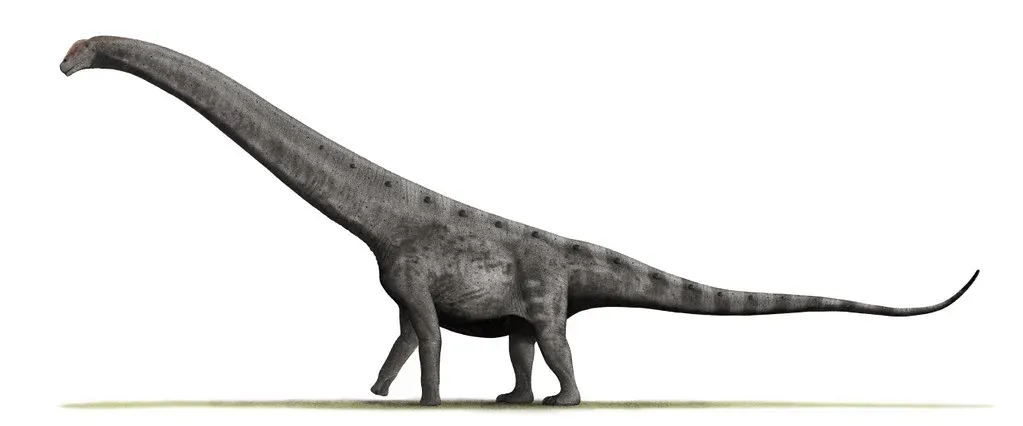
Sauropods already look impossible on paper. Titanosaurs like Argentinosaurus and Patagotitan crank the absurdity up to eleven.
We’re talking about animals over 70 tons with necks stretching as long as a city bus, held up by vertebrae honeycombed with air sacs. Classic textbooks wave this away with “pneumatic bones made them lighter.” Sure – but light doesn’t mean structurally simple, and nobody has fully explained how a neck that long stayed stable and maneuverable without wrecking the joints, muscles, and blood vessels holding it together.
Fast Facts
- Argentinosaurus: roughly 30-35 meters long, with weight estimates ranging as high as 90-100 tons
- Patagotitan mayorum: about 37 meters long and an estimated 69 tons
- Some titanosaur necks stretched well past a bus length, filled with lightweight air-sac pockets
- Pumping blood 8-9 meters up to the brain would demand pressures far beyond any living land animal
The blood pressure problem alone is brutal. Pumping blood to a brain sitting 8-9 meters above the heart would require a cardiovascular system running at pressures that would blow out the vessels of almost any modern animal. Some researchers think these giants held their necks closer to horizontal to shorten that vertical climb. Others point to bird-style hearts and air-sac systems as a partial fix. None of it fully explains how they balanced flexibility, stability, and circulation in a body plan this extreme.
We don’t even agree on what their day-to-day neck posture looked like. Some reconstructions show graceful swan-style S-curves; others show straight, outstretched cranes. The bones set the outer limits – but soft tissue and behavior probably told a very different story, and we’ll never see it move.
#10 – The Missing “Half-Giants” in the Fossil Record
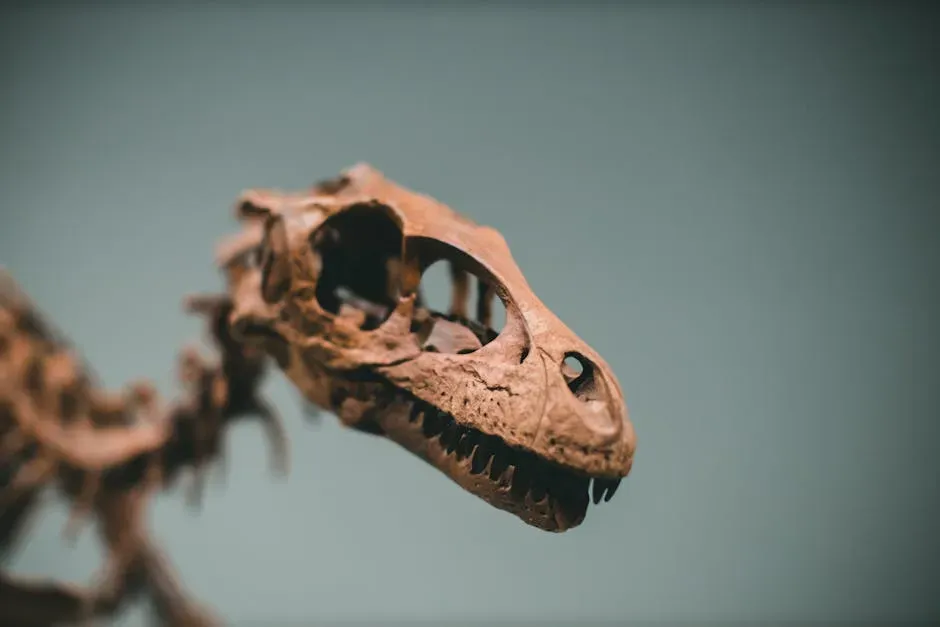
Here’s a quiet mystery most documentaries skip entirely: where are all the medium-large “pre-giants”?
We know sauropods, proboscideans, and giant ground sloths all ended up at ridiculous sizes eventually. But the fossil record often jumps from relatively modest ancestors straight to full-on behemoths in a window that looks, geologically speaking, fast and disjointed. There are a handful of transitional forms, sure, but the size curve isn’t nearly as smooth and continuous as evolutionary theory would predict.
In some cases we see outright “size spikes” – species that suddenly appear far larger than their closest known relatives, with no gradual buildup in between. That doesn’t mean evolution literally jumped overnight. It does mean we’re missing critical steps, whether because the environment favored rapid giantism in ways we haven’t modeled properly, or because whole branches of “half-giants” simply never fossilized or haven’t been dug up yet.
There’s an even more awkward wrinkle: in multiple groups, maximum body size shows up relatively early in their history, not at the very end. That contradicts the neat storybook version of “gradual size increase over millions of years until extinction.” Some paleontologists blame sampling bias and erosion. Others suspect something far stranger was happening in ancient ecosystems – and the food chain problem gets worse from here.
#9 – How Megalodon Stayed Fed in an Ocean That Should Have Starved It
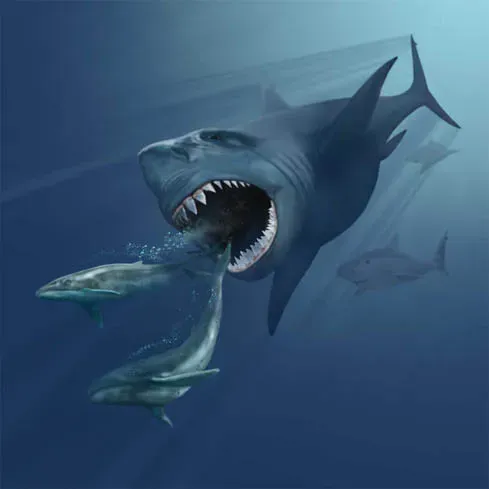
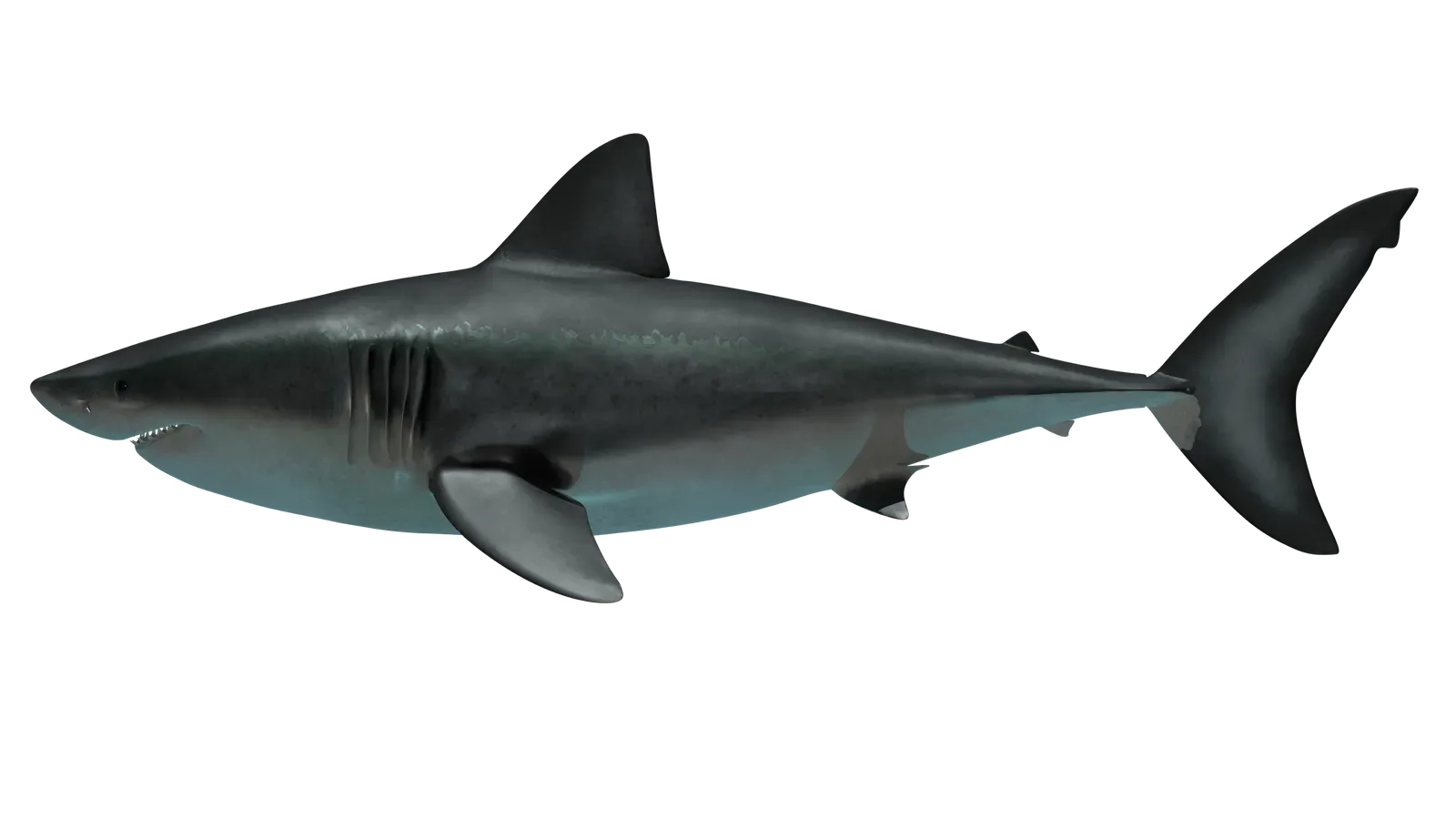
Otodus megalodon wasn’t just big. It was an apex predator up to three times the length of a great white, possibly tipping the scales at 50-60 tons or more. That kind of scale creates a brutal arithmetic problem: how do you find enough calories in the open ocean to keep that many mega-sharks fed worldwide?
To sustain that size and metabolism, megalodons needed a steady diet of calorie-dense prey – whales, large seals, other big marine mammals. Isotope analyses and tooth wear confirm they went after exactly that. But line up the timing of megalodon’s peak with the actual diversity and distribution of marine mammals back then, and the ecosystem looks almost impossibly top-heavy, stacked with too many giant predators for the available biomass.
Some researchers argue ancient oceans were simply more productive than today’s, driven by different nutrient cycles or climate regimes. Others think megalodon was more regionally limited than its global-super-predator reputation suggests, camped out in rich coastal upwelling zones instead of roaming everywhere at once. There’s also open debate about its metabolism – warm-bodied like a great white, or something slower and cooler.
Even under generous assumptions, the energy budget stays tight. Megalodon disappears right as baleen whale diversity shifts and orca-like competitors rise, which hints at a precarious balance that existed from the very beginning. Nobody has produced a clean model of how a predator this enormous stayed fueled for millions of years.
#8 – The Abrupt Disappearance of Giant Ground Sloths
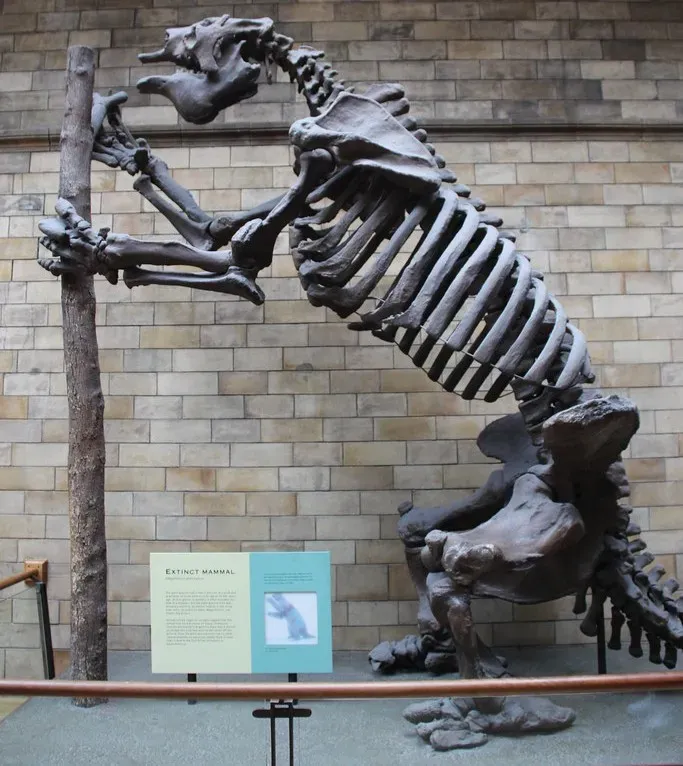
Dinosaurs get the headlines, but the late Pleistocene megafauna crash is arguably the stranger mystery – and giant ground sloths are Exhibit A.
Creatures like Megatherium and Eremotherium were bear-sized to elephant-sized sloths roaming the Americas as recently as 10,000 to 12,000 years ago. They survived multiple glacial cycles and dramatic climate swings without blinking. Then, in a relatively short window, they simply vanish.
The coincidence with the spread of modern humans is obvious, and it’s controversial. Some scientists argue that even modest, sustained hunting pressure could have nudged already slow-breeding giants into a decline they couldn’t recover from. Others counter that rapidly shifting Ice Age vegetation and habitat loss did the real damage to these highly specialized herbivores.
Here’s the uncomfortable part: even detailed models combining hunting, climate, and habitat loss still can’t perfectly match the speed and pattern of the sloths’ disappearance region by region. Cave and midden evidence even hints that some populations may have hung on in isolated refuges longer than the mainstream timeline gives them credit for. If that’s true, why did some pockets survive while others collapsed almost overnight? Nobody has an answer that covers every region.
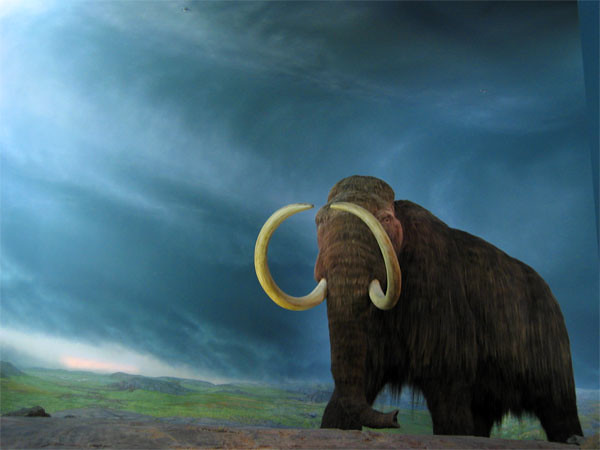
#7 – The Killer Combination That Took Down the Woolly Mammoth
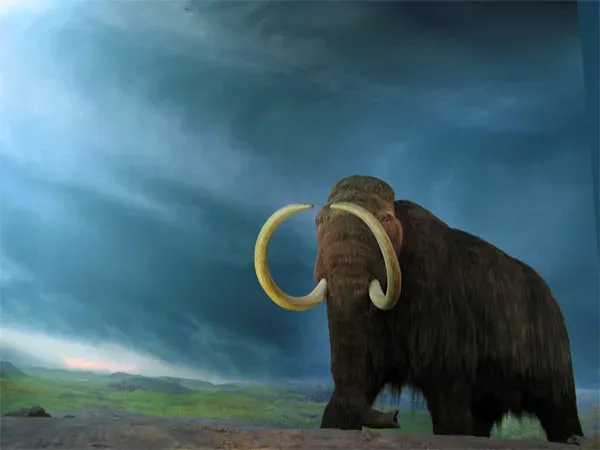
Everyone “knows” why mammoths died. Humans speared them into oblivion, or the ice melted and their tundra disappeared. Reality refuses to pick a clean answer.
On one hand, we have clear archaeological sites full of butchered mammoth bones, stone tools, and evidence of organized hunting. Genetic studies also show population crashes and inbreeding inside mammoth herds well before their final disappearance, pointing to long-term stress building for generations. On the other hand, climate records show radical shifts in temperature and vegetation at the end of the Pleistocene, fragmenting the once-vast “mammoth steppe” into forests, wetlands, and patchy grassland.
To make it stranger, some isolated mammoth populations survived far longer than textbook dates admit. Dwarf mammoths on Wrangel Island persisted until roughly 4,000 years ago – when humans were already building pyramids in Egypt. These island survivors carry odd genetic signatures, including mutations consistent with inbreeding depression and shrinking fitness.
The extinction of the mammoths was not a single event, but a very long, drawn-out process that unfolded differently in different parts of the world.
Love Dalén, paleogeneticist
So why did mainland populations collapse early while island groups limped along in what look like ecological traps? Most experts now lean toward a “synergy kill” – human hunting piling onto populations already staggering under climate-driven habitat loss. Still, no single model cleanly explains the regional timing gaps or the weird outliers, and the mammoth story keeps refusing to hand us a simple villain.
#6 – Dinosaurs That Survived Wounds They Shouldn’t Have
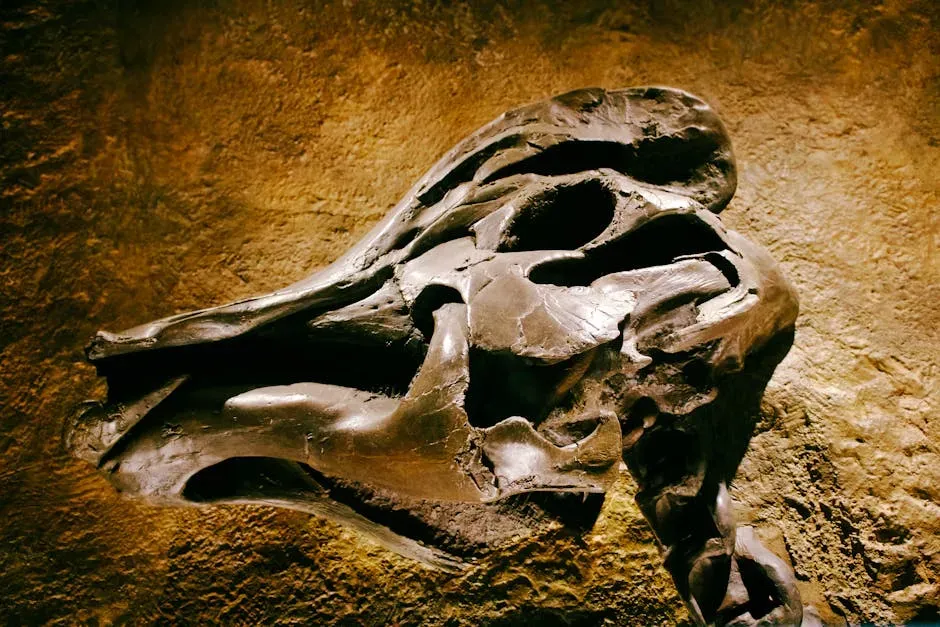
Fossils don’t just show us bones. Sometimes they show us lives that were nearly lost – and somehow weren’t.
Many giant dinosaurs, predators and herbivores alike, display healed injuries that would kill most large mammals today: massive bite marks, shattered ribs, fused vertebrae, limbs with badly-set fractures. The surrounding bone shows remodeling and recovery, meaning these animals didn’t just survive the initial trauma – they lived long enough afterward for extensive healing to happen.
Some specimens show signs of severe infection or bone deformity, yet the animal’s overall growth proves it kept living for years. That implies immune systems and pain tolerances we can only guess at. There are tails with chunks missing and partially regrown, and skulls with puncture wounds matching the teeth of other members of the same species – evidence of brutal fights between animals that were supposed to be on the same team.
Worth Knowing
- Healed puncture wounds on some large theropod skulls match the bite pattern of their own species
- Fused vertebrae and remodeled bone point to injuries that took months, not days, to heal
- A few tail specimens show sections bitten off and later regrown over time
- No living land predator of comparable size is known to survive damage this severe and keep functioning
The open question is how they coped. Did reptile-like, lower-energy metabolism let them function on less fuel while healing? Or did bird-like air sacs and high blood flow speed up tissue repair? Nothing in modern ecosystems mirrors a 30-ton animal limping around on a wrecked limb for months without becoming instant prey – and it’s making some paleontologists question the whole “life is brutal, everyone dies fast” assumption about dinosaur ecosystems.
#5 – The Impossible-Looking Horns and Armor of Giant Herbivores
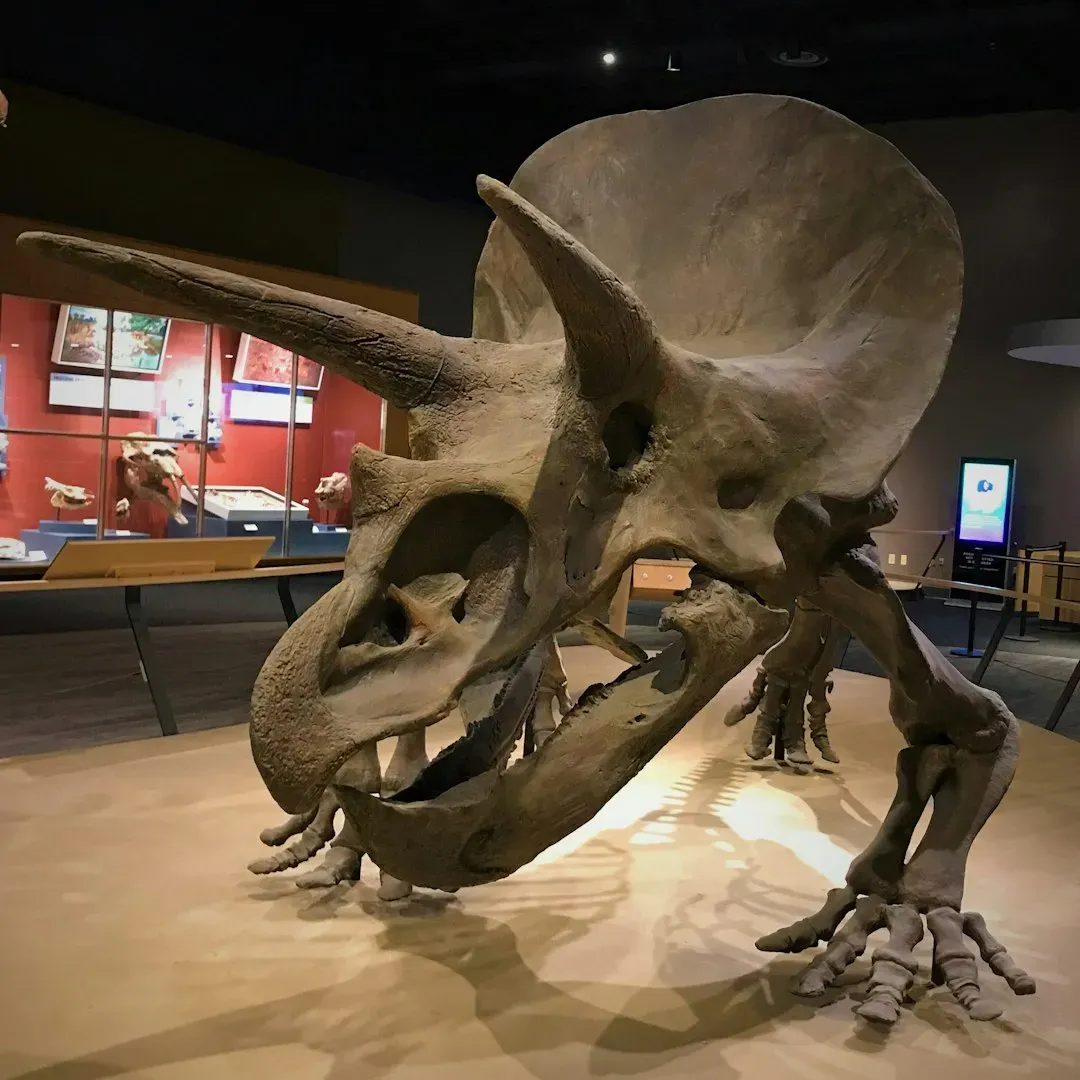
From Triceratops skulls to ankylosaur tail clubs to glyptodont shells, some extinct giants carried hardware that looks massively overbuilt for anything practical.
Take ceratopsians like Triceratops and Torosaurus. Their frills and horns were historically framed as pure defense against tyrannosaurs. But a closer look at vascular impressions, bone texture, and variation patterns tells a stranger story – these structures look like a mix of display gear and combat weapon, not simple shields. Some horns show wear consistent with horn-to-horn clashing rather than predator bites, yet the frills are often thinner and more fragile than real armor should be.
Then there are ankylosaurs and their infamous tail clubs – bony masses at the end of heavily muscled, stiffened tails. Biomechanical estimates suggest these clubs could deliver crushing blows, potentially breaking a predator’s bones. But did they swing them in fast arcs like a medieval mace, or were they slower, close-range weapons? Nobody knows, because the muscle and tendon arrangement needed for repeated high-force strikes is still hotly debated.
Glyptodonts – Ice Age armadillo relatives roughly the size of a small car – evolved domed shells and, in some species, spiked tail clubs eerily similar to the ankylosaurs, despite being separated by millions of years and continents. Why did evolution keep reinventing these expensive, seemingly impractical structures in giant after giant? Display, defense, sexual selection, species recognition – they’re all on the table, and the real trade-offs remain unsolved.
#4 – Giant Flyers That Push the Limits of Aerodynamics
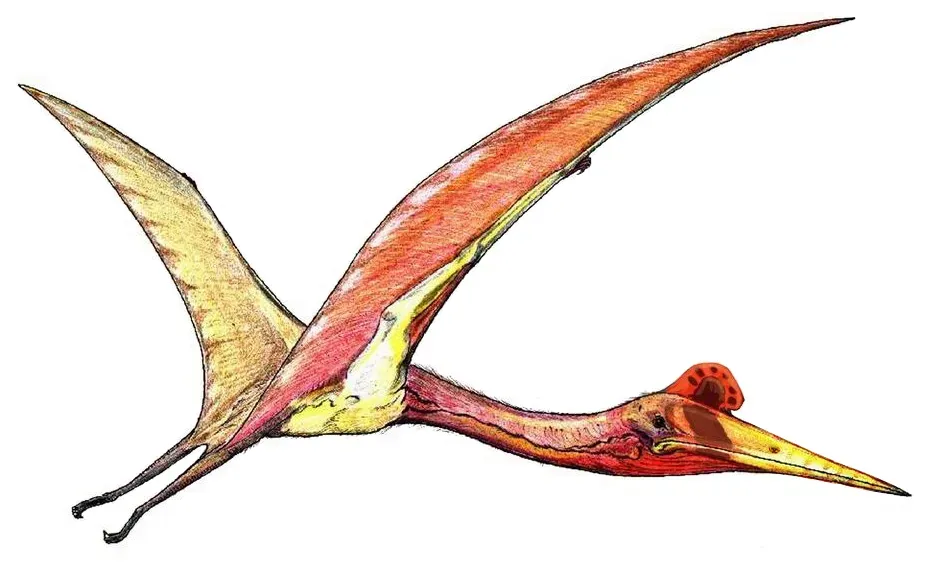
It’s one thing to imagine a 10-ton animal walking. It’s another thing entirely to imagine a giraffe-sized creature actually flying.
Quetzalcoatlus and other giant azhdarchid pterosaurs are estimated to have had wingspans over 10 meters – rivaling a small airplane. Even with hollow bones and lightweight construction, getting that much mass off the ground is not trivial. Early reconstructions made them look almost like flying cranes; newer biomechanical work suggests they launched using powerful quadrupedal vaults, catapulting themselves off the ground with both arms and legs at once.
Why It Stands Out
- Quetzalcoatlus wingspan is estimated at over 10 meters, on par with a small private plane
- Standing height at the shoulder may have reached roughly as tall as a giraffe
- Likely launch method: a four-limbed vault rather than a running takeoff
- No living flying animal comes anywhere close to this size for direct comparison
Nobody has settled on their actual lifestyle. Were they soaring scavengers riding thermals over vast landscapes like condors? Or ground stalkers, moving on stilt-like legs and snapping up small prey like oversized herons? Each theory demands very different muscle structure, wing loading, and launch frequency – and the fossil record doesn’t clearly pick a side.
Modern birds barely help. The largest living fliers, albatrosses and bustards, fall far short of azhdarchid size, and there are no living four-limbed launchers to study for comparison. Some aerodynamic models paint them as barely-capable fliers; others show them as efficient long-distance soarers. Nobody has pinned down how often, how far, or how gracefully these giants actually flew.
#3 – The Over-Crowded Apex Predator Problem
Nature documentaries make it look simple: one ecosystem, one big boss predator at the top. The fossil record tells a weirder story.
In several Mesozoic ecosystems, we find multiple giant theropods overlapping – tyrannosaurs and large dromaeosaurs, or several different giant carcharodontosaurids living in apparently identical environments at the same time. Cenozoic oceans show the same crowding: large predatory whales, megalodon, giant toothed birds, and big predatory fish all sharing the same general food web. On paper, there are simply too many apex-sized carnivores competing for the same limited prey base.
Some researchers solve this with extreme niche partitioning – different hunting styles, prey age classes, or habitat zones like coastal versus inland waters. That’s plausible, but there’s frustratingly little direct evidence about soft-tissue adaptations or exact diets to back up such a finely sliced arrangement. Stable isotope analyses hint at real differences, but not always enough to justify three or four “top predators” peacefully coexisting.
The other option is that these ecosystems were simply far more productive than we imagine, supporting more big predators per square kilometer than modern comparisons would suggest. But that just drags us back to the megalodon problem: why doesn’t every line of evidence scream “hyper-productive biosphere”? Right now we’re juggling patchy data and competing models, with zero consensus on how so many big mouths stayed fed for so long.
#2 – The Strange Timing of Giant Extinctions Across the Globe
If one single global cause wiped out most giant animals, you’d expect a tight, synchronized extinction window. The data flatly refuse to cooperate.
The classic example is the end-Cretaceous asteroid impact 66 million years ago. It wiped out non-avian dinosaurs, most marine reptiles, and plenty of other large creatures. Yet some lineages of giant crocodyliforms, turtles, and birds staggered through relatively intact – surviving the exact event that supposedly ended everything their size.
Quick Compare
- North America: mammoths, giant sloths, and saber-tooth cats vanish within a fairly narrow late Pleistocene window
- Africa: elephants, rhinos, and hippos survive largely intact through the same period
- Australia: Diprotodon and other giants disappear far earlier than Northern Hemisphere megafauna
- End-Cretaceous impact: wipes out non-avian dinosaurs, yet large crocodyliforms and turtles survive
Fast forward to the late Pleistocene: North America lost mammoths, giant ground sloths, and saber-toothed cats in a fairly narrow span, while parts of Africa retained much of their megafauna, including elephants, rhinos, and hippos. Australia’s giants, like the rhino-sized wombat relative Diprotodon, vanished far earlier than their Northern Hemisphere counterparts, despite facing broadly similar climate swings. South America has its own separate timing quirks entirely.
A neat, one-line explanation – “humans did it” or “climate did it” – simply doesn’t survive contact with the full global dataset. The uncomfortable but increasingly accepted idea is that multiple overlapping stressors, arriving in different orders and intensities region by region, produced a patchwork of extinctions rather than one global event. Human hunting may have been decisive in some places and irrelevant in others; climate may have slammed some ecosystems while barely nudging others next door. This mosaicked timing remains one of the biggest unsolved puzzles in the entire field.
#1 – Why Evolution Keeps Building Giants… Then Wiping Them Out
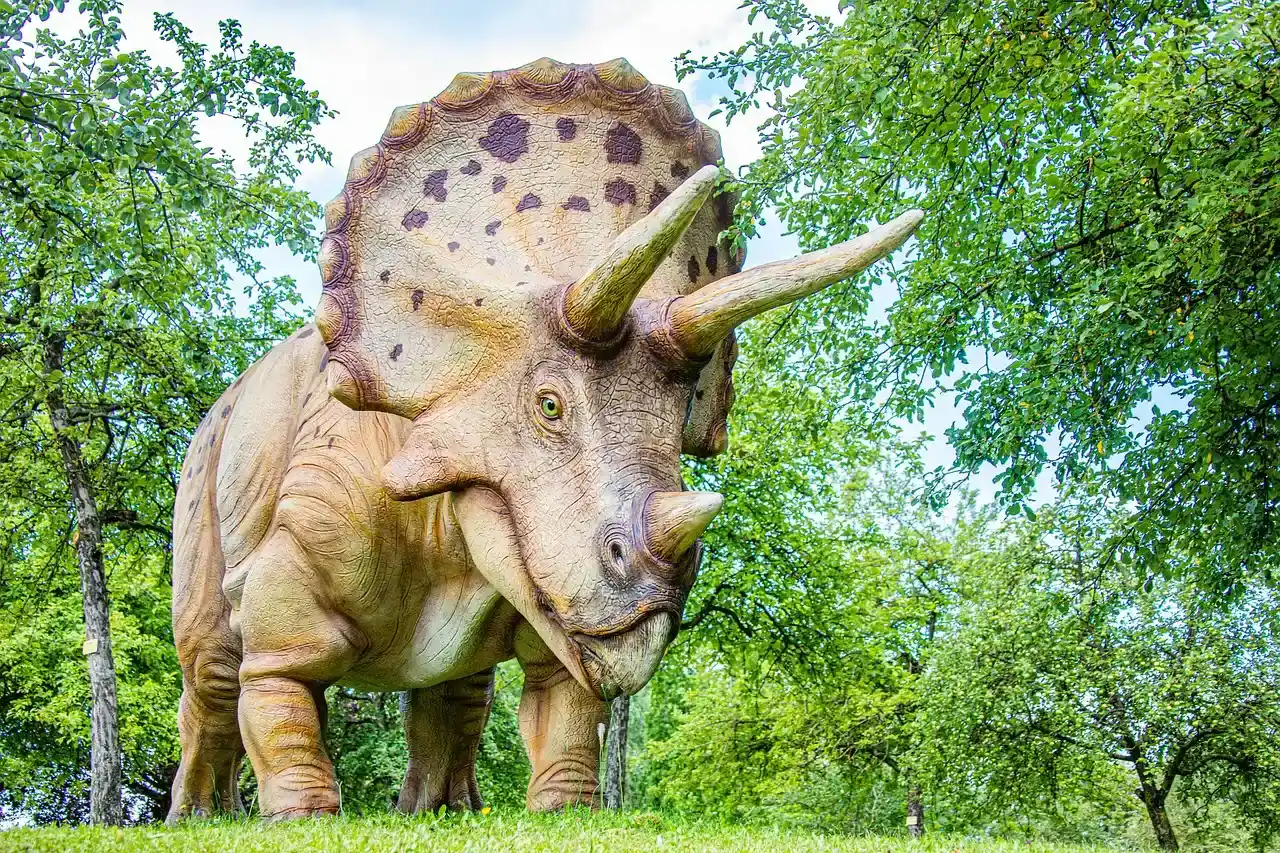
Here’s the weirdest riddle of all: if being giant is this risky, why does evolution keep going back to the same playbook, over and over, for hundreds of millions of years?
Across Earth’s history, we see repeated bursts of giantism – sauropods, massive theropods, huge marine reptiles, giant sharks, titanic whales, mammoths, giant sloths, oversized flightless birds. Lineage after lineage trends bigger, hits extreme size, dominates its ecosystem for millions of years, and then vanishes in a pattern that looks disturbingly consistent. This isn’t random noise. It hints at a deeper rule of life we still don’t fully understand.
The advantages of being huge are obvious enough: protection from most predators, access to food smaller animals can’t reach, efficient long-distance travel, slower relative metabolism. But the costs are brutal – low reproductive rates, total dependence on stable food supplies, and almost no room to maneuver when the environment changes fast. Giants are built for good times that last, not for chaos. When climate whiplash, habitat fragmentation, or a clever new predator shows up, they simply don’t have the flexibility to adapt in time.
What nobody can settle is how predictable this cycle really is. Is this an almost law-like pattern – ecosystems gradually breeding giants until some shock resets the board? Or is it survivorship bias, where the biggest bones simply grab the most attention in the fossil record? The recurrence across wildly different eras and unrelated groups suggests it’s more than an illusion. And the modern implication is uncomfortable: whales, elephants, and the last surviving giants are living through a world we’re rapidly destabilizing, and deep time suggests evolution’s love affair with giants usually ends badly.
The Bottom Line
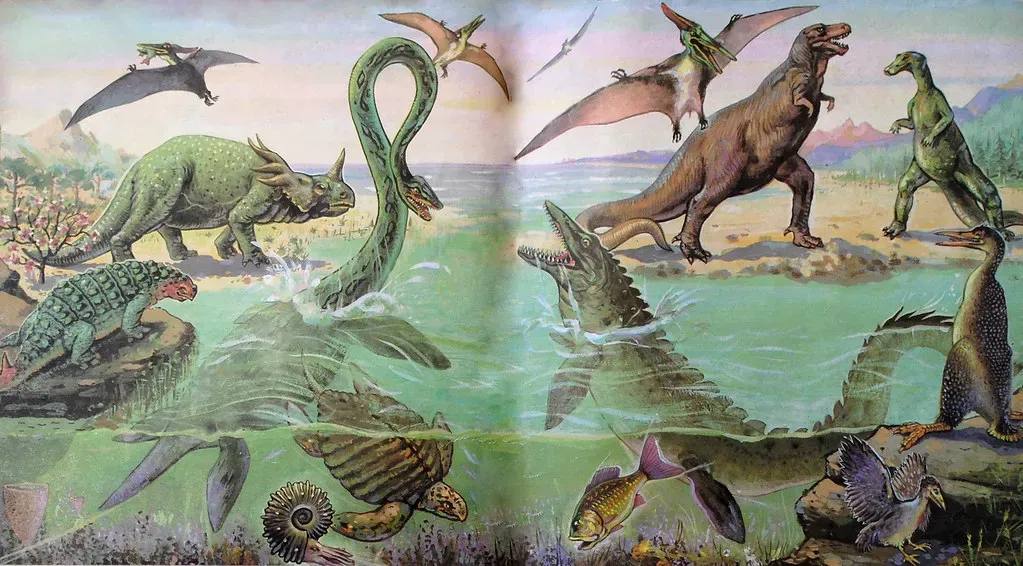
Peel back the movie posters and museum dioramas, and extinct giants stop looking like a solved chapter. They start looking like a stack of open case files. We still can’t fully explain how some dinosaurs moved the way they apparently did, how pterosaurs got airborne, or how megalodons and giant ground sloths kept their energy books balanced for as long as they did. Extinction timelines rarely line up with the tidy single-cause stories we grew up on.
My honest take: the fossil record isn’t hiding one big answer waiting to be found. It’s telling us giantism itself is a gamble evolution keeps taking and mostly losing, and every giant that ever lived was quietly living on borrowed time. That’s a far more unsettling story than “an asteroid did it,” and it’s probably closer to the truth.
Which mystery bothers you the most? Drop your theory in the comments – this is one debate paleontologists themselves haven’t settled either.