
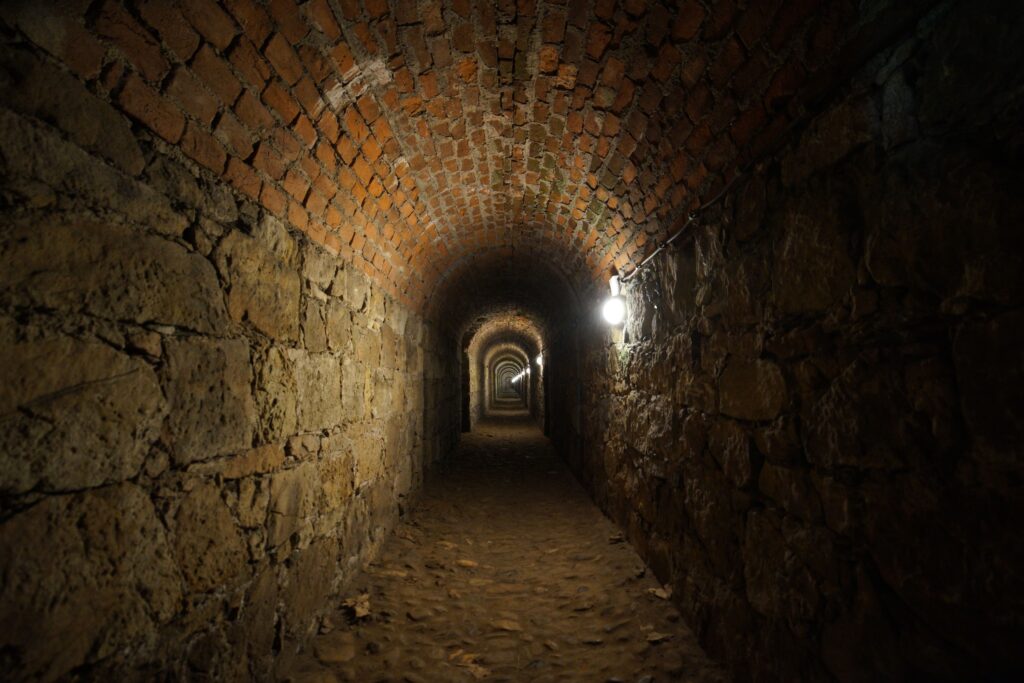
Most people think American cities are built on nothing but dirt, concrete, and history books. They’re wrong. Dozens of U.S. downtowns are sitting directly on top of entire buried worlds – sunken ships, abandoned subways, drowned rivers, and whole streets that were literally sealed underground and forgotten.
City planners rarely advertise this. Developers quietly build around it. Tourists walk over it every single day without a clue – and the deeper you dig into city records, the stranger it gets. Here’s what historians, archaeologists, and city archives actually say is still down there.
#1 – Dozens Of Gold Rush Ships Are Buried Beneath San Francisco’s Financial District
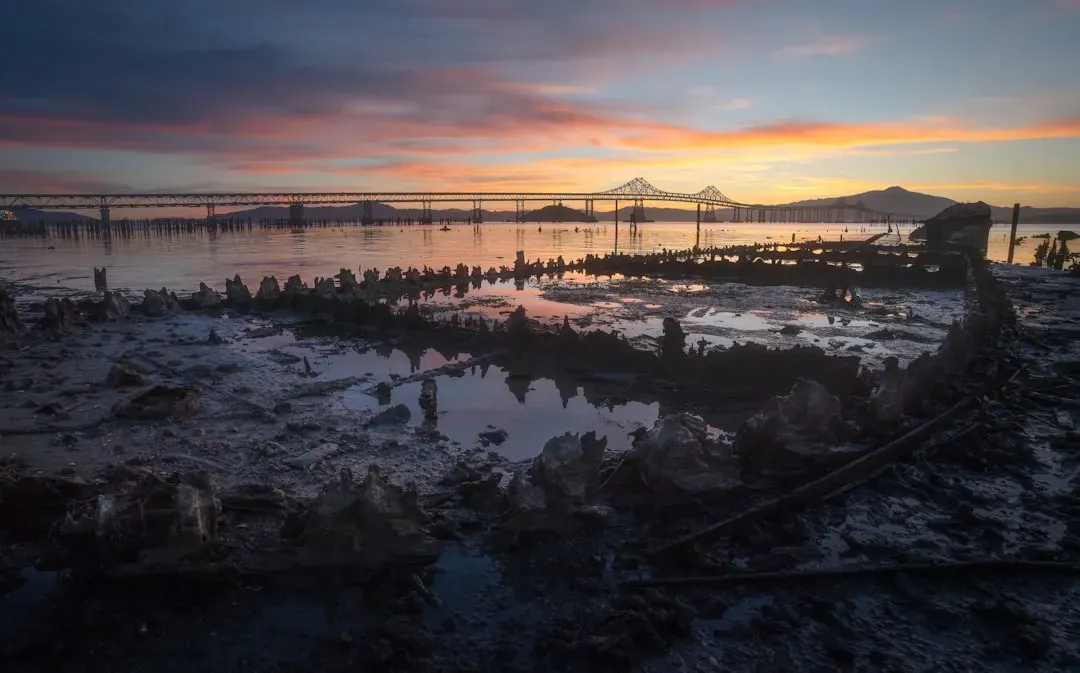
San Francisco’s skyscrapers aren’t just sitting on landfill – they’re sitting on shipwrecks. Beneath the streets of the financial district lie the remains of dozens of sailing ships that once brought people to the city during the gold rush, back when the bay’s waters reached all the way to what is now Montgomery Street.
As the city grew and land became scarce, people started selling off plots of open water. Some drove stakes into the shallow bay and built platforms; others simply towed ships to a spot and sank them on purpose to claim the ground beneath.
Turns out, up to 70 buried ships may still be down there, according to author Ron S. Filion, whose 2023 book mapped their locations – though, in his own words, no one knows for sure. The most famous is the whaling ship Niantic, intentionally run aground in 1849 and turned into a warehouse, saloon, and hotel before it burned down in a massive fire in 1851.
Every day, commuters ride Muni Metro trains that pass directly through a buried hull without ever knowing it. San Francisco isn’t even the strangest case of a city hiding its own past.
#2 – Seattle’s Entire Original Downtown Is Sealed Beneath The Sidewalks
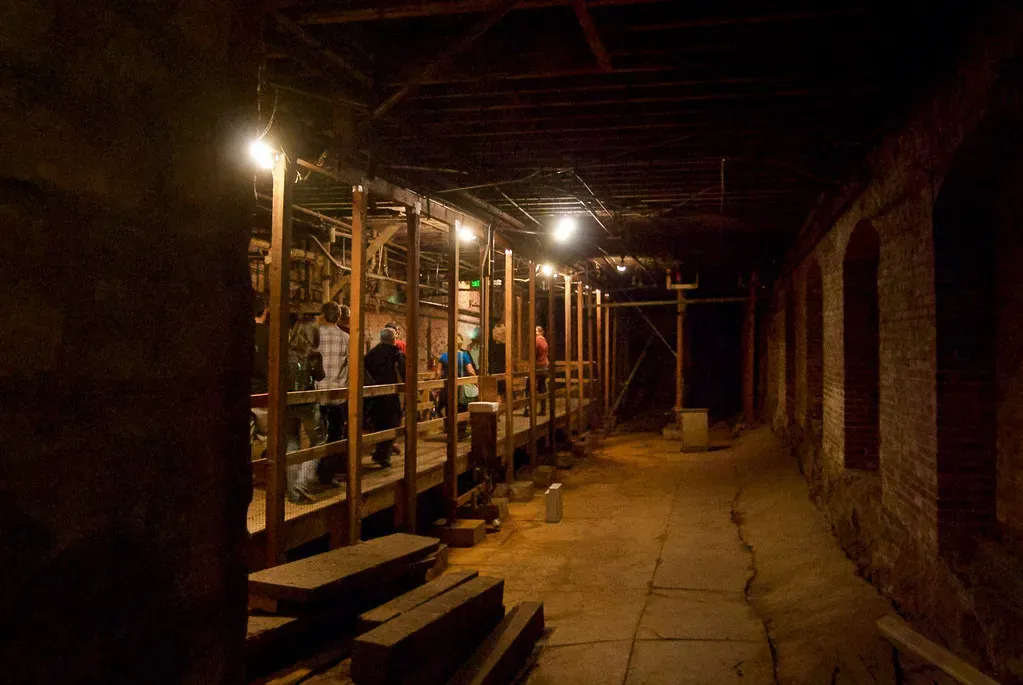
Seattle didn’t rebuild after its worst disaster. It buried itself and built a new city right on top. Before 1889, the original settlement was a mess – rampant flooding, wooden buildings packed together, and constant fire risk.
When the Great Seattle Fire finally hit, city engineers made a wild call. Instead of rebuilding at the old ground level, they raised the streets entirely.
Most people don’t realize the streets were lifted one to two stories – in some places almost 30 feet – over the old city. As buildings went back up, the original ground floor became an underground floor, so merchants simply made the second floor the new ground level, doing business below while pedestrians walked the old sidewalks lit by pavement glass above.
The abandoned floors didn’t stay empty for long. In 1907 the city officially condemned the Underground – oddly, out of fear of the bubonic plague – and it quietly became a hotbed for gambling and speakeasies instead.
Fast Facts
- The Great Seattle Fire broke out in 1889, destroying the wooden downtown core.
- Engineers raised the streets one to two stories – up to 30 feet in some spots.
- Merchants kept working underground for years before the city condemned it in 1907.
- The abandoned levels became known for gambling dens and hidden speakeasies.
#3 – Cincinnati Built A Full Subway System That No Train Has Ever Ridden
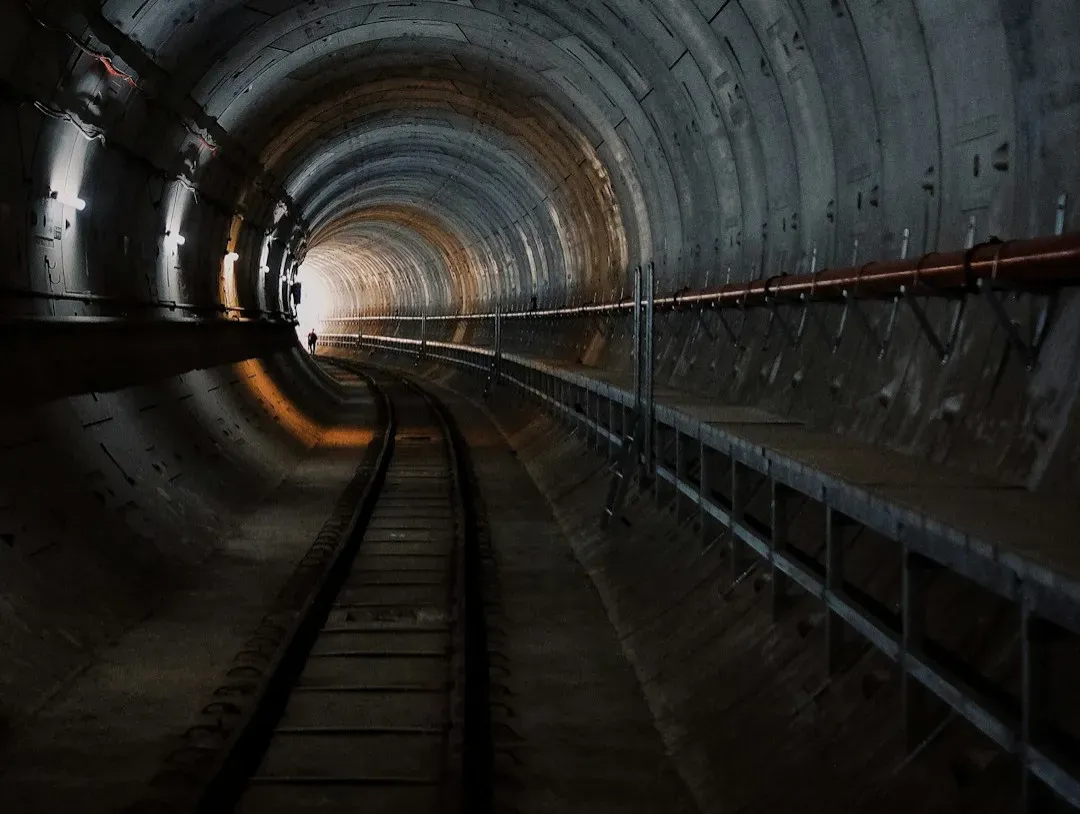
Cincinnati has the largest abandoned subway tunnel network in the entire United States – and it never carried a single paying passenger. Roughly 9.5 miles of track were built as an upgrade to the city’s old streetcar system, of which just over 2 miles still exist today.
Construction collapsed under the weight of rising costs from World War I and the Great Depression, plus political infighting and heavy lobbying from the auto industry against public transit. The tunnels were simply left there, mid-project, and sealed off from the city above.
Experts have floated wild ideas for reuse over the decades – a bomb shelter, a wine cellar, even a full nightlife district. None of it ever stuck, and efforts to repurpose the space have quietly stalled for more than fifty years.
Today the tunnels are considered unsafe and used only by the Cincinnati Waterworks. The city is, once again, asking the public what to do with the empty tunnels sitting under Central Parkway.
#4 – A Full River Still Flows Beneath Greenwich Village In New York City
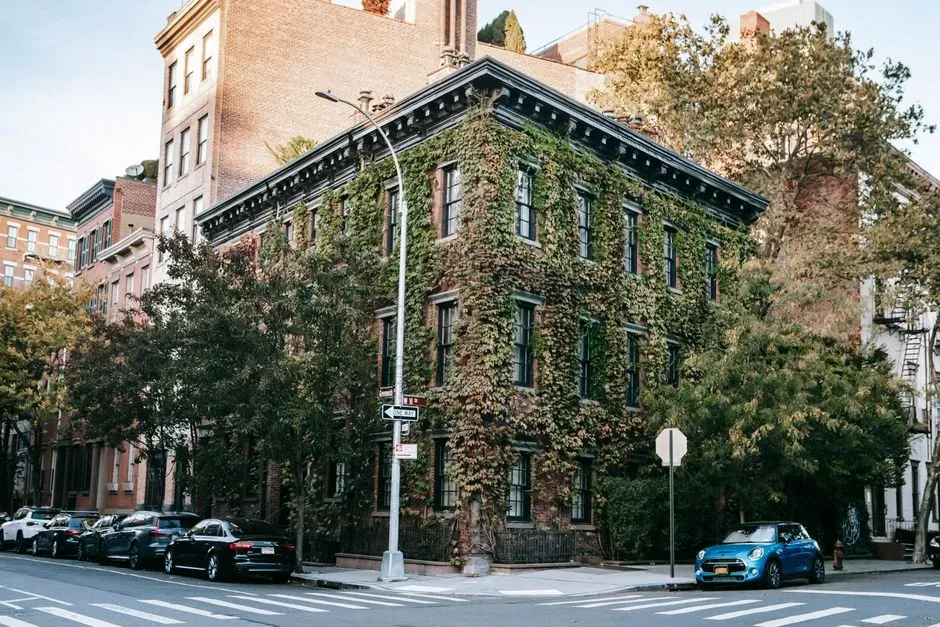
Manhattan didn’t destroy Minetta Creek. It just hid it – and the creek never fully cooperated. The name is thought to come from either a Native American term meaning “Devil’s Water” or a Dutch word meaning “the little one,” and it was once one of the largest natural waterways on the island.
In the early 1820s, the city diverted the creek into a covered sewer, filling it in by the mid-19th century. But an underground stream doesn’t just disappear because a map says so.
Revealed: the creek still floods basements today. Water has surfaced in basements and at construction sites along its old path from the 1800s through the 1900s, forcing engineers to dam it, seal it inside brick culverts, and pour concrete over sections before tenement blocks went up on top.
Urban explorers now run tours popping open manhole covers near Washington Square Park, just to show tourists the rushing water still moving beneath their feet.
#5 – Old Sacramento’s Original Storefronts Are Buried One Full Story Underground
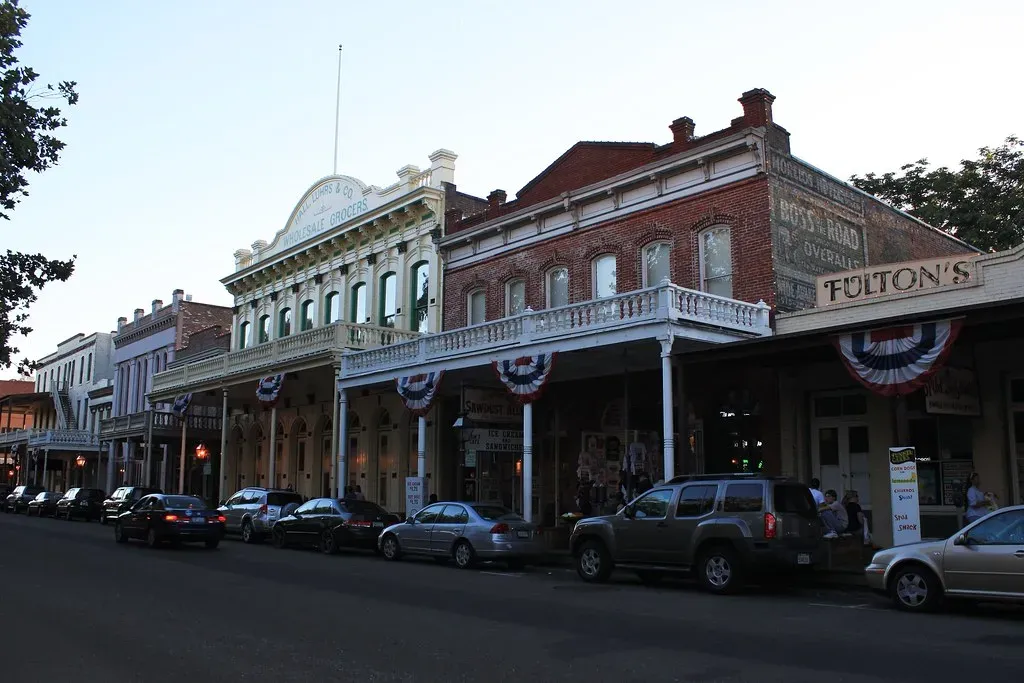
Sacramento didn’t fight the flood. It simply built a second city on top of the first one. In the 1850s and 1860s, the city sat in a floodplain and got hammered repeatedly by the Sacramento and American Rivers overflowing into downtown.
Instead of relocating, city leaders raised the entire street grade by roughly ten feet, filling in the space around existing buildings rather than tearing anything down.
Secretly, many original ground-floor entrances and storefronts are still down there, sealed beneath what is now Old Sacramento’s sidewalks. Property owners literally jacked their buildings up floor by floor, turning the old ground level into a basement while a new one rose above it.
Historians who study the district say some of these lower spaces still connect through narrow passageways once used for deliveries and storage. Most visitors walking the wooden boardwalks today have no idea an entire earlier city is sitting directly beneath their boots.
#6 – Chicago Was Physically Lifted Out Of The Mud, Burying Its Original Ground Level
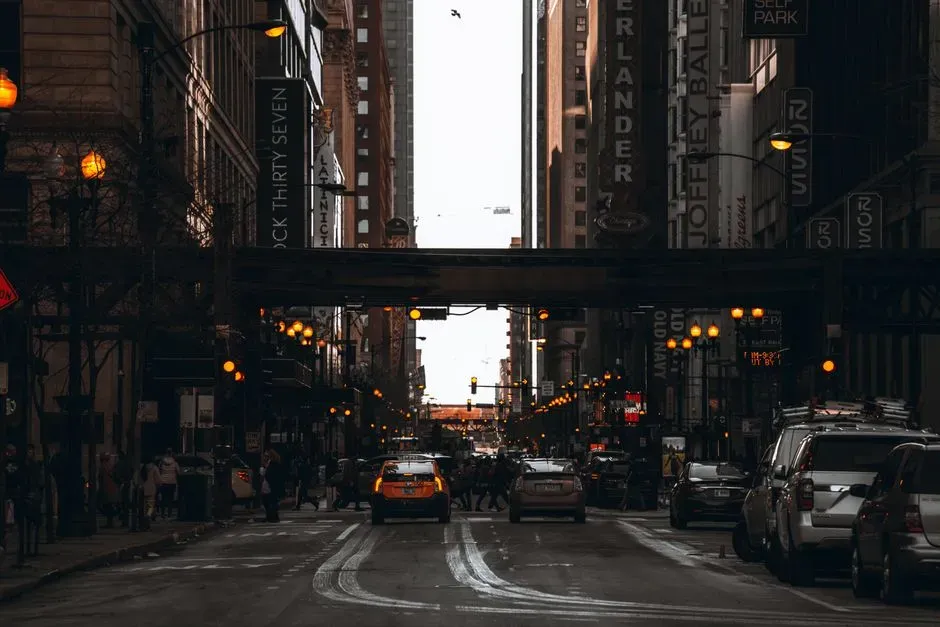
Chicago’s most impressive engineering feat has nothing to do with its skyline – it’s what happened underneath it first. In the 1850s, the city sat on swampy, low-lying ground with no working sewer system and constant flooding.
Engineers came up with an audacious fix: instead of digging sewers into the mud, they raised the entire city several feet using jackscrews, lifting whole buildings – hotels included – while crews built new foundations underneath.
Turns out, that original street level never fully disappeared. It became the basis for basements and, decades later, an extensive network of freight tunnels used to move coal and goods beneath downtown.
Most Chicagoans commuting through the Loop have no idea their basements sit atop that original 19th-century grade. The old freight tunnels below still occasionally flood, most famously in 1992, when a construction breach sent river water pouring into buildings across downtown.
At a Glance
- Chicago raised its street grade using thousands of jackscrews in the 1850s.
- Entire hotels were lifted while crews built fresh foundations underneath.
- The old ground level became the base for basements and later, freight tunnels.
- A 1992 tunnel breach sent river water flooding into downtown buildings.
#7 – Atlanta’s Original 1920s Street Level Is Sealed Beneath A Shopping District
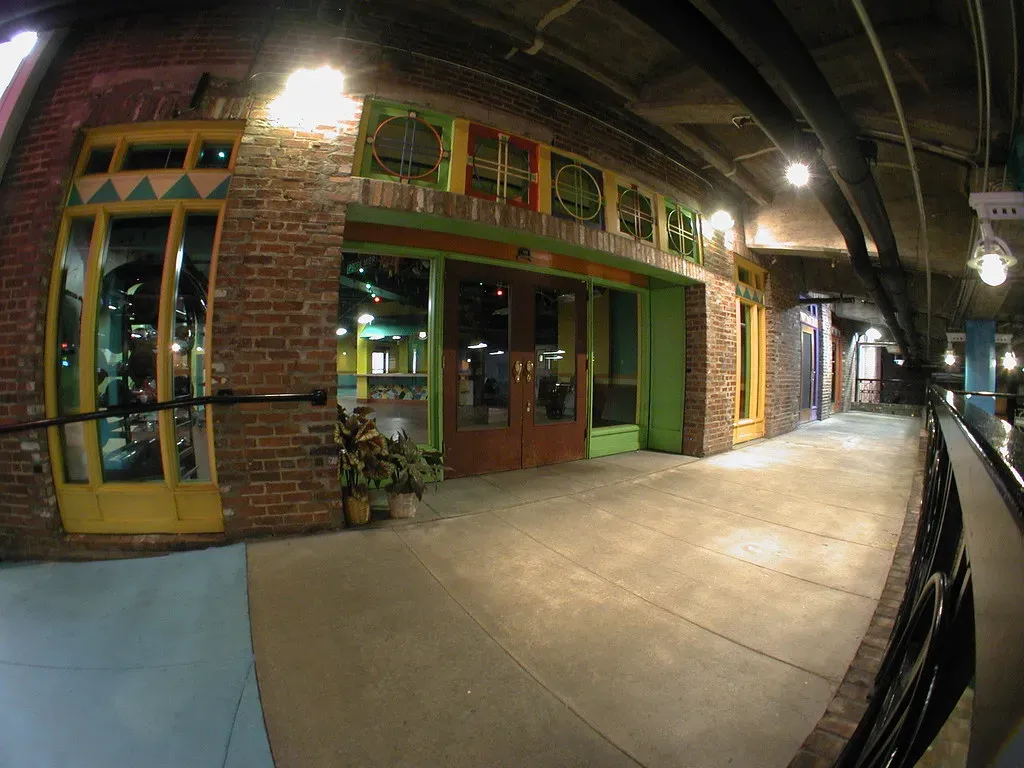
Atlanta’s downtown streets used to sit at ground level. Then the railroads took over, and the old city simply got buried. In the 1920s, Atlanta built a network of elevated viaducts over its dense downtown rail lines to stop cars and pedestrians from constantly colliding with trains.
Rather than remove the original street-level storefronts and cobblestone roads, the city just left them there and built the new elevated roadway directly on top.
Most tourists never realize the “Underground Atlanta” entertainment district isn’t underground by design – it’s the original 1920s city, sealed beneath a bridge deck. For decades those storefronts sat abandoned and forgotten, gathering dust below the new street grid, before entrepreneurs reopened sections of them as a retail and nightlife destination starting in the 1960s.
Many locals still argue the district’s endless reinventions prove Atlanta never quite figured out what to do with its own buried history.
#8 – Portland’s “Shanghai Tunnels” Still Run Beneath Its Downtown Sidewalks
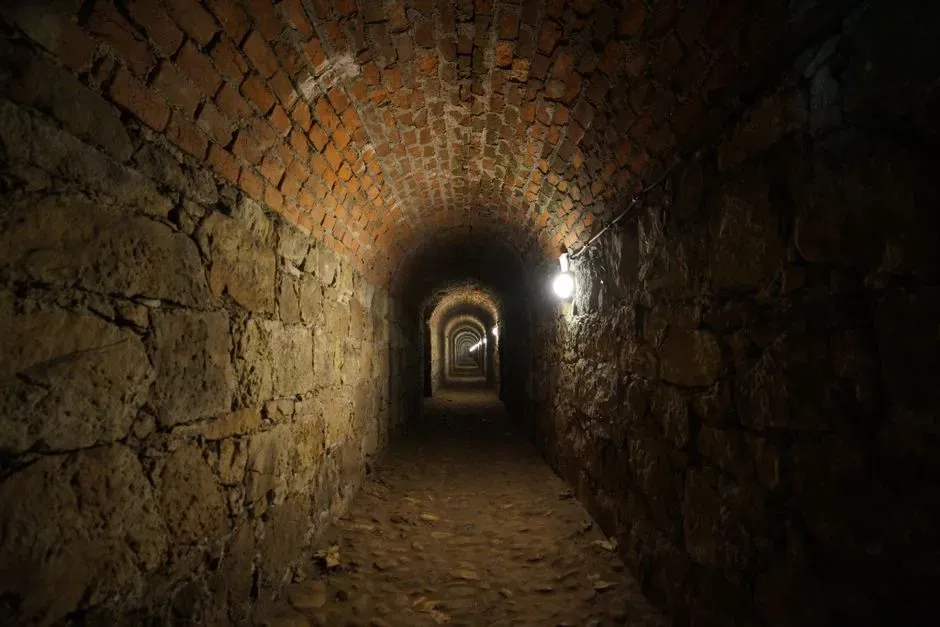
Beneath Portland, Oregon, sits a maze of tunnels with one of the darkest reputations of any buried network in America. The tunnels connect the basements of old downtown buildings to the waterfront and were originally used to move goods like merchandise and ice without clogging the streets above.
According to long-standing local lore, some of these passageways were also used to kidnap sailors and laborers – a practice known as “shanghaiing” – and force them onto outbound ships.
Secretly, many historians now push back hard on that legend, arguing there’s little solid documentary evidence that mass kidnapping actually happened through these specific tunnels, and that the story mostly grew out of decades of ghost-tour retellings.
Either way, the tunnels themselves are real. They run beneath much of Old Town, sections remain accessible on guided tours today, and the friction between the legend and the paperwork is exactly why historians keep arguing about it.
#9 – Prohibition-Era Tunnels Still Run Beneath Downtown Los Angeles
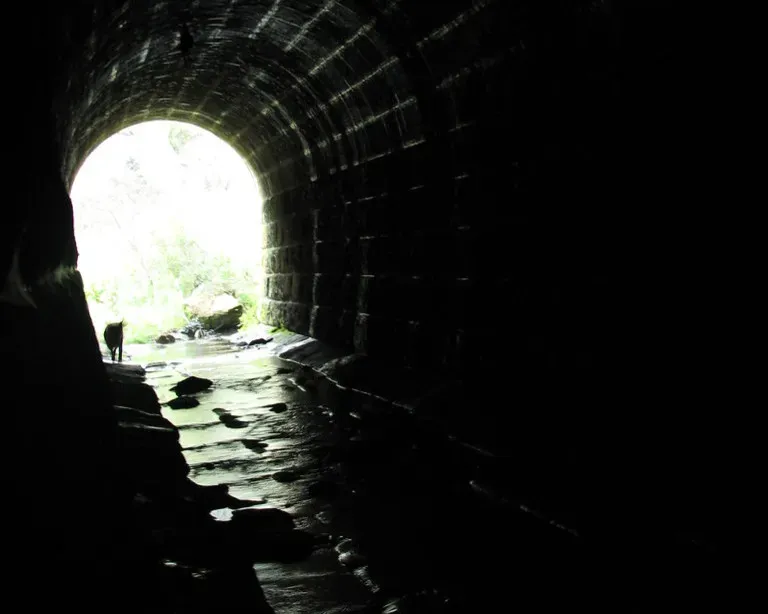
Los Angeles wasn’t just a speakeasy city on the surface – it built an entire hidden network underneath to keep the party running. During Prohibition, business owners and bootleggers connected basements across several blocks of downtown with tunnels, letting liquor – and sometimes people – move discreetly between buildings without ever stepping onto a public sidewalk.
City workers also used sections of the network for utility access, which gave the tunnels a legitimate cover story even as they doubled as smuggling routes.
Most people don’t realize parts of this network still connect old buildings today, including basements near Pershing Square and the historic core, some rediscovered during modern renovations.
Separately, the old Belmont Tunnel once carried Pacific Electric “Red Car” trains and later became an underground canvas for graffiti artists before it was sealed. Los Angeles rarely gets credit for how much of its early nightlife history is still sitting in the dark beneath its office towers.
Quick Compare
- Los Angeles tunnels: built for bootlegging, still link basements near Pershing Square.
- Portland tunnels: built for freight, wrapped in disputed “shanghaiing” legend.
- Both networks started out as legitimate delivery or utility routes.
- Both now survive mostly as guided-tour attractions rather than working infrastructure.
#10 – Colonial Wharves And Ship Timbers Are Buried Beneath Boston’s Financial District
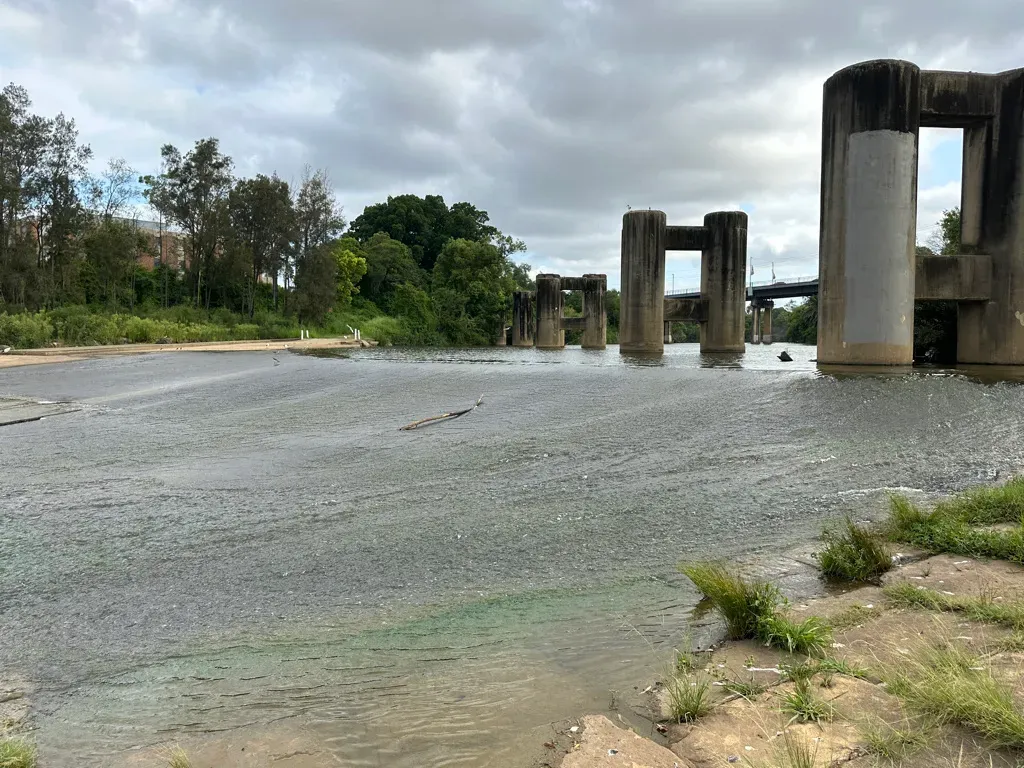
Boston looks nothing like the city the colonists actually built – because most of the original shoreline doesn’t exist anymore. The peninsula that colonial Boston sat on was roughly half the size of the city’s current footprint.
Over more than two centuries, residents filled in coves, marshes, and bays with dirt, gravel, and debris to create new land. That means huge sections of the Financial District, Back Bay, and the North End are sitting on landfill rather than natural ground.
Turns out, construction crews have repeatedly hit buried wharf timbers and ship remains while digging foundations downtown – echoes of the same landfill process that swallowed early wooden piers and abandoned vessels along the old waterfront. Some of these discoveries surfaced during major infrastructure projects like the Big Dig, when crews tunneling through historic fill uncovered centuries-old maritime debris.
Bostonians walking through the Financial District today are essentially strolling over a drowned 17th-century harbor.
#11 – St. Louis Has A Hidden Network Of Beer Caves Beneath Its Streets
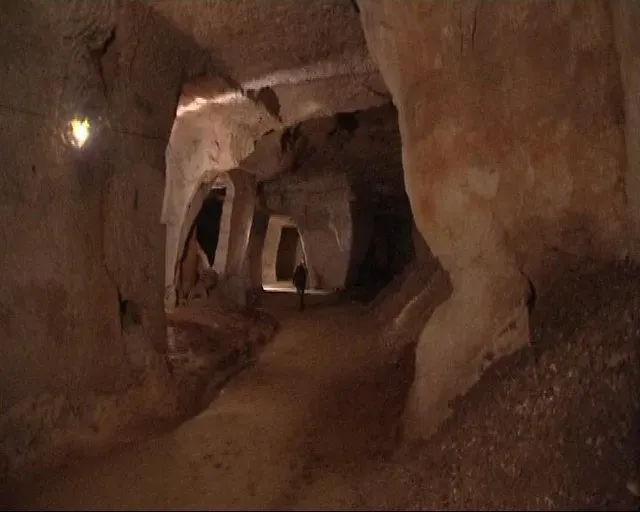
St. Louis sits on top of one of the largest concentrations of natural caves under any major American city – and brewers put them to very deliberate use. Long before mechanical refrigeration existed, brewers discovered that the limestone caves running beneath the city held a steady, cool temperature year-round, ideal for lagering and storing beer.
Companies like the Lemp Brewery expanded and connected these natural caverns with man-made tunnels, creating an underground storage and transport system that ran for miles beneath south St. Louis.
Secretly, some of these tunnels reportedly connected directly to brewery buildings and even a private theater, allowing barrels and workers to move underground, away from the summer heat above.
Many of these passageways were sealed, flooded, or forgotten after Prohibition crushed the brewing industry that once relied on them. Today, only a handful of preserved sections are open for tours, while the rest sit quietly in the dark beneath unsuspecting neighborhoods.
#12 – Washington, D.C. Buried An Entire Creek To Build Its Most Iconic Street
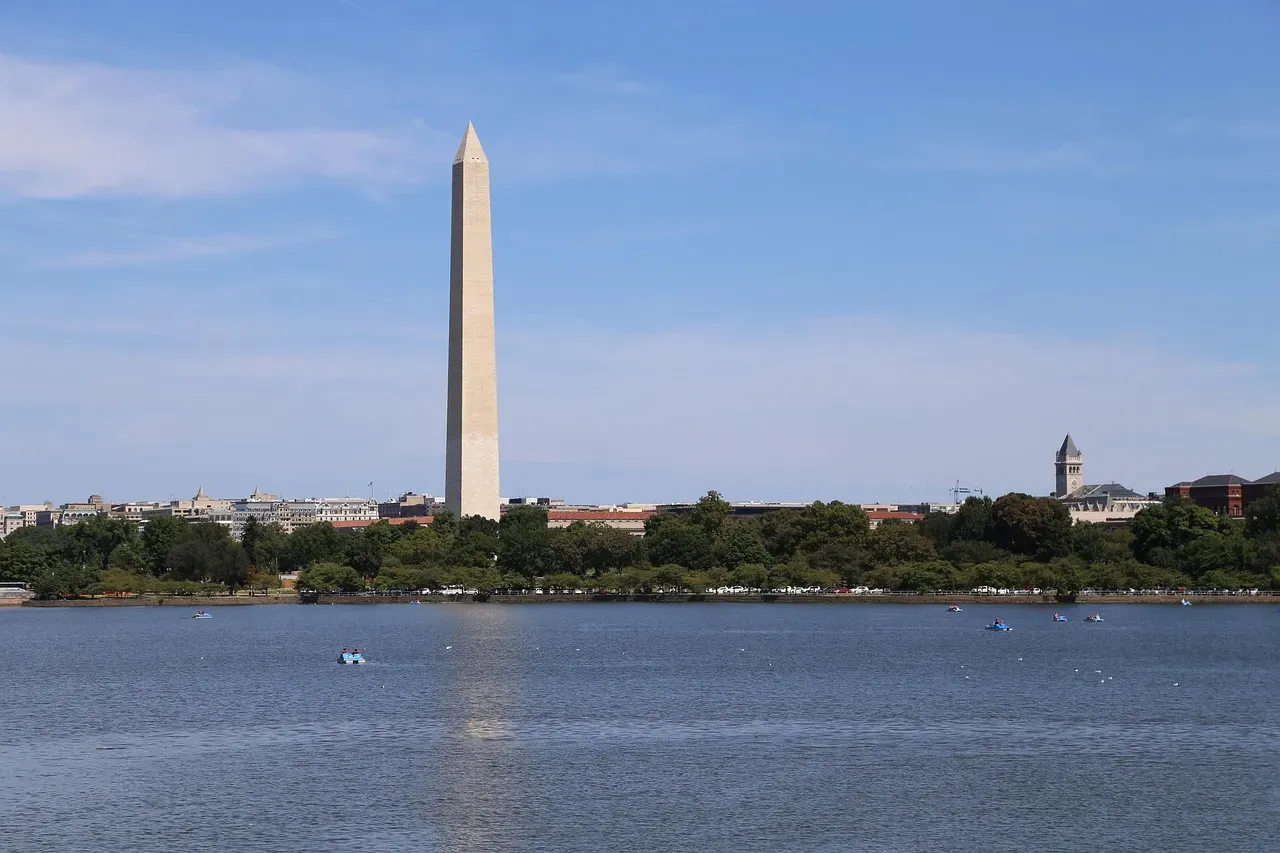
The most symbolic buried structure in America isn’t hidden in a random alley – it’s sitting directly beneath one of the most photographed streets in the country. Tiber Creek once ran near the U.S. Capitol and was, in the early 1800s, deliberately converted into the City Canal to help move goods through the young capital.
Within a few decades, the canal had become a foul, disease-ridden ditch. City planners decided the best solution wasn’t to fix it, but to fill it in completely and pave over it for good.
Most tourists have no idea Constitution Avenue sits directly on top of a buried creek turned sewer canal. Portions of the old waterway still exist as underground drainage infrastructure today, quietly carrying stormwater beneath the monuments and government buildings above.
It’s a fitting bit of irony: the city built to represent permanence and order is, underneath, literally built on top of a swallowed river.
Worth Knowing
- Tiber Creek was converted into the City Canal in the early 1800s.
- Within decades the canal turned into an open, disease-ridden sewer.
- City planners filled it in rather than trying to clean it up.
- Portions still function as underground stormwater drainage today.
The Bottom Line
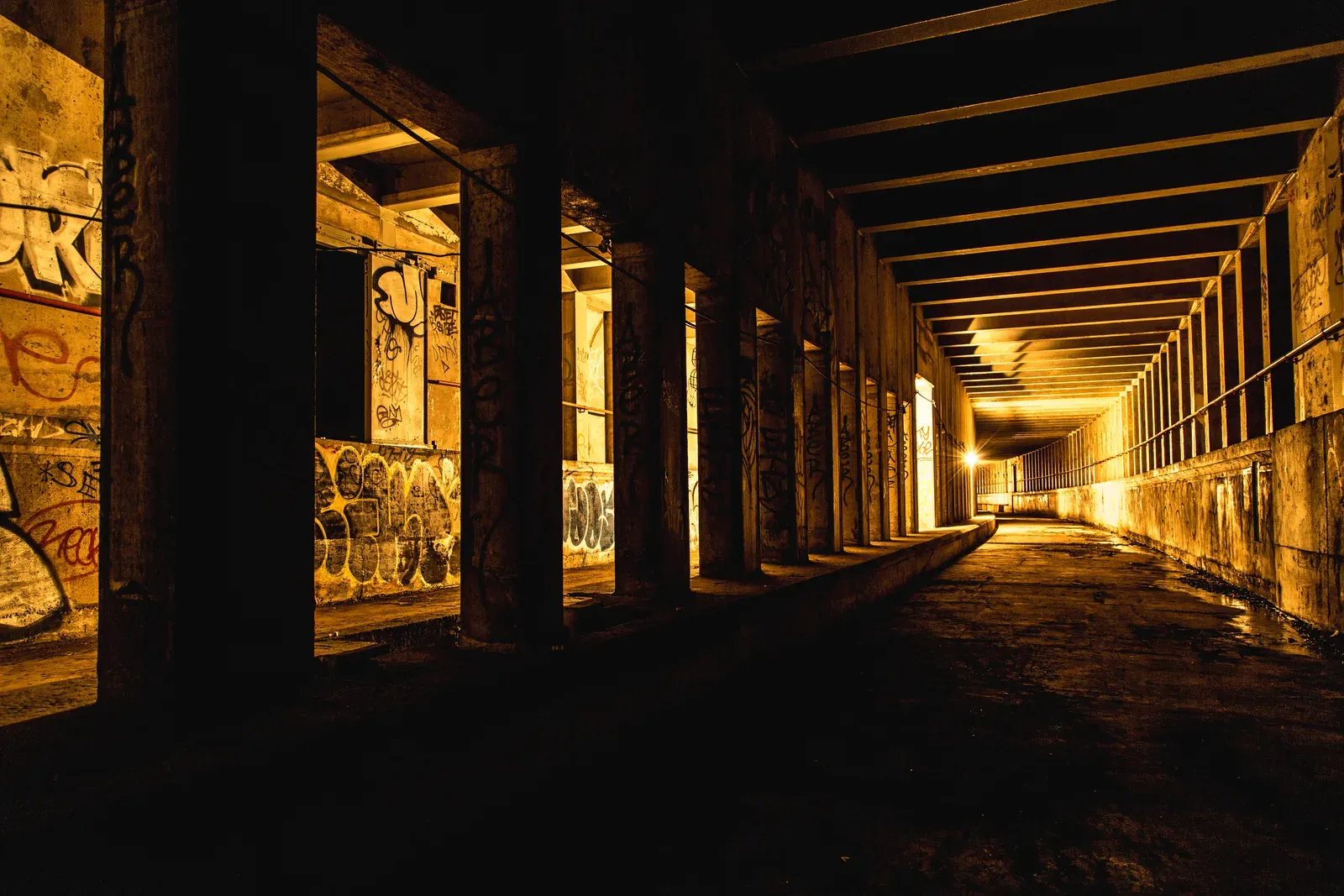
The honest truth is that American cities never really “started over” – they just built upward and called the old version gone. Ships, rivers, subways, and entire street grids are still down there, quietly ignored because excavating them properly would cost more than most cities are willing to spend.
Frankly, that’s the real scandal. Cities know exactly what’s buried beneath them and choose to leave it sealed rather than study or restore it, treating their own history as a plumbing problem instead of a discovery.
Which one of these buried secrets did you already know about – and which city do you think is hiding something even bigger? Drop it in the comments.