
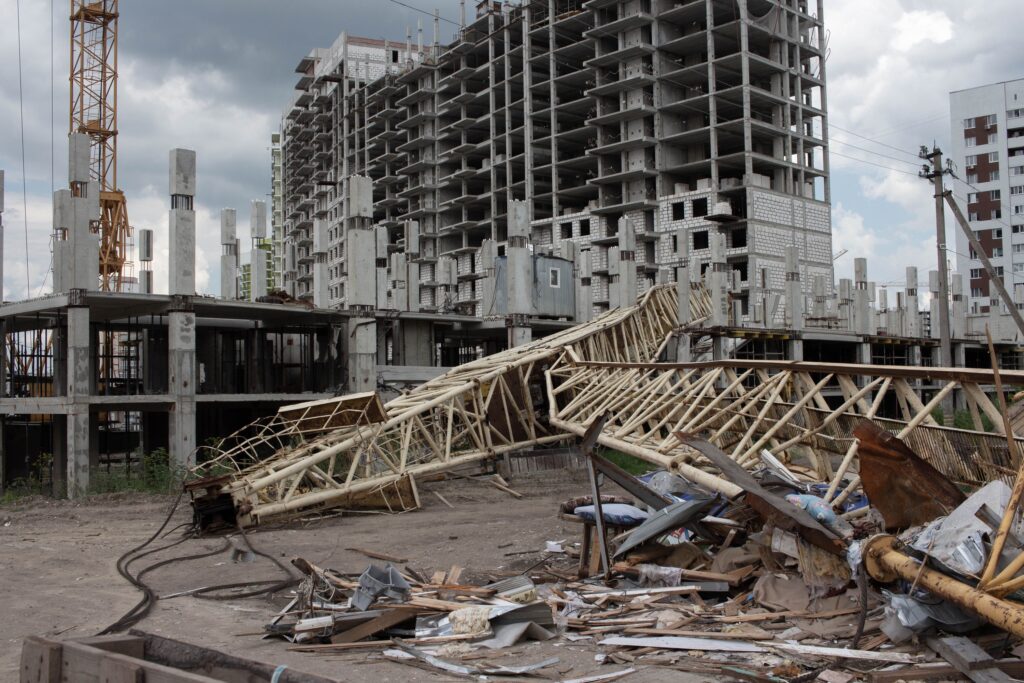
Most people picture hydrogen embrittlement – if they picture it at all – as some obscure phrase buried in a materials science textbook, filed somewhere between “boring” and “never relevant to my life.” Real talk: it has quietly cracked open a $6.5 billion bridge, grounded helicopters mid-career, and cost taxpayers tens of millions of dollars – all while looking, on the surface, like ordinary bad luck.
Here’s the part that should actually worry you: the parts pass every visual inspection first. They install fine. They hold for days, sometimes weeks, sometimes years. Then, without warning, they let go. We went through what metallurgists and failure investigators actually found when they cut open the wreckage – and the 12 things on this list range from a bridge you’ve probably driven across to a construction worker who never came home.
#1 – The San Francisco-Oakland Bay Bridge’s $6.5 Billion Promise

In March 2013, engineers watched a brand-new, multibillion-dollar bridge fail before it even fully opened. A number of critical anchor rods in California’s $6.5 billion replacement San Francisco–Oakland Bay Bridge – built to last 150 years – snapped just weeks before the structure was set to carry traffic. This wasn’t old, corroded infrastructure. This was supposed to be state-of-the-art steel, fresh off the line.
Investigators confirmed the rods failed because of hydrogen embrittlement. Caltrans had actually anticipated the risk and specifically required the rods to be abrasively blasted rather than chemically pickled to avoid it. It didn’t matter. Zinc-coated hardware can generate hydrogen during service simply from exposure to a corrosive environment, and that’s exactly what happened here. The fix wasn’t cheap: a steel saddle retrofit to restore the required strength ran $25 million, and once you tally investigations, retesting, and the bad press, the total climbed past $86 million. But that’s nothing compared to what we found about #2…
#2 – Aerospace Landing Gear That Passed Every Inspection
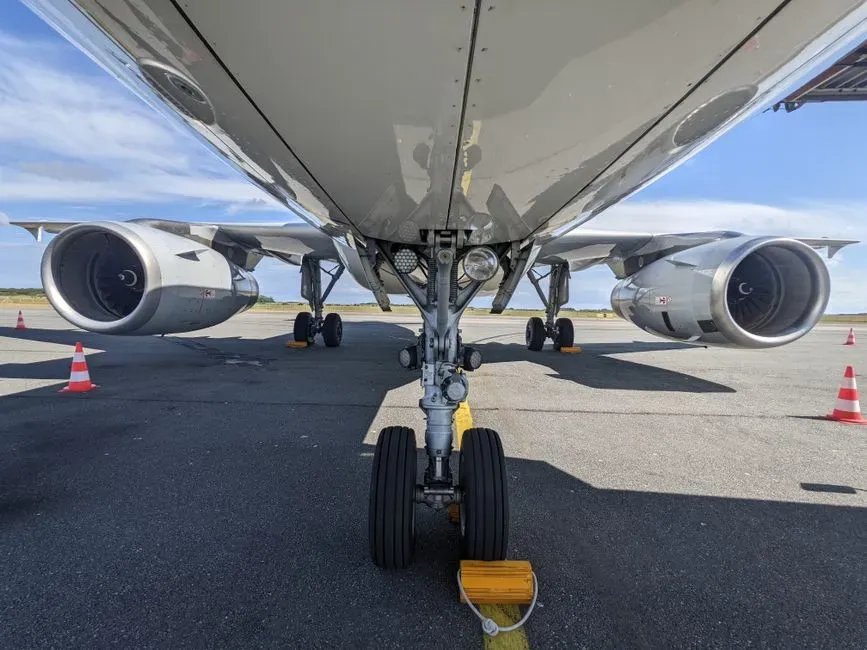
Here’s the part that should terrify anyone who’s ever boarded a plane: a fastener can look perfect and still be a ticking time bomb. A high-strength steel fastener can sail through every visual inspection and still fail catastrophically in service – not from corrosion, not from wear, but from hydrogen absorbed quietly during the plating process months earlier.
This isn’t hypothetical. High-strength aerospace components can fail without warning when hydrogen atoms compromise the metal’s ductility during plating, and hydrogen embrittlement is considered one of aerospace manufacturing’s most serious and least visible risks. The industry’s answer is a post-plate “bake-out”: a thermal treatment that drives absorbed hydrogen out of the substrate before it can settle into stress points and start a crack. Skip that bake cycle, even by a few hours, and a landing gear pin or structural bolt can silently turn brittle while it’s sitting harmlessly on a shelf. Fasteners and landing gear parts sit at the top of the aerospace risk list, not because engineers are careless, but because hydrogen doesn’t leave fingerprints. But #3 involves a machine that actually fell out of the sky.
Fast Facts
- Hydrogen absorbed during plating can sit dormant for months before triggering failure
- Post-plate “bake-out” is the industry-standard fix, but it only works if it’s actually done
- Fasteners and landing gear rank among aerospace’s top hydrogen-risk components
- Failures show no visual warning signs before they happen
#3 – A Helicopter That Never Should Have Left the Ground

Somewhere in a hangar, metallurgists pulled apart the wreckage of a Bell 222U helicopter to figure out why it had failed. What they found lines up with a pattern investigators keep seeing: a part quietly compromised long before the aircraft ever left the ground, waiting for the right combination of stress and time.
What makes helicopter failures uniquely alarming is the load profile. Rotorcraft components live under constant, cyclic tension – exactly the condition hydrogen exploits best. A part that’s been secretly weakened doesn’t need a dramatic event to fail; it just needs time and stress, and a helicopter provides both in abundance. The most unsettling detail investigators keep repeating: the damage was already there before the aircraft ever took off. It was introduced during manufacturing or plating, then left dormant. This is exactly why the aviation industry treats hydrogen embrittlement testing as non-negotiable for flight-critical hardware. One overlooked bake cycle, one rushed plating batch, and a helicopter becomes a statistic. But #4 is where the everyday hardware store becomes surprisingly dangerous.
#4 – The Bolts Holding Up Half of Modern Construction

Grade 12.9 bolts are everywhere – in machinery, structural steel, heavy equipment – prized because they’re stronger than almost anything a hardware store sells. That strength is exactly the problem. As hardness climbs, a material gets more sensitive to failures involving internal stress and microcracks, and hydrogen embrittlement sits at the very top of that list. Lower-grade fasteners like 8.8 or 10.9 barely notice the risk. At 12.9, it jumps sharply.
The mechanism is almost sinister in its patience. The bolt installs fine. It holds for hours, days, sometimes weeks. Then, without warning, it lets go. Engineers even have a name for it – delayed fracture. From the outside, it looks like an unexplained break; inside, the damage has been building since the day it was installed. The usual culprit is a coating process: zinc electroplating is widely used for corrosion protection, but the plating bath introduces hydrogen, and if the bolts don’t get baked afterward, that hydrogen stays trapped inside, waiting. But #5 shows this same trap door exists underwater and underground too.
#5 – Bridge Cables Snapping From the Inside Out

Suspension bridges rely on thousands of individually stressed steel wires, and a disturbing number of them have failed from a mechanism nobody can see coming. Two mechanisms typically get blamed for stress corrosion cracking in bridge cable wires – anodic dissolution and hydrogen embrittlement – and researchers have spent years trying to figure out which one actually dominates in real-world failures.
The chemistry is almost elegant in how destructive it is. Studies of high-strength prestressing wires under cathodic polarization found microcracks nucleating and growing specifically in the zones charged with hydrogen. Ironically, the very systems designed to protect these wires from corrosion can make things worse – crack nucleation speeds up under high current density and lower pH, conditions that show up when cathodic protection is applied too aggressively. In other words, the anti-corrosion system meant to save the bridge can be the thing quietly poisoning it. Most engineers assume more corrosion protection is always safer – that assumption has been proven wrong more than once. But #6 takes this problem straight into your driveway.
#6 – The Springs Under Every Modern Car
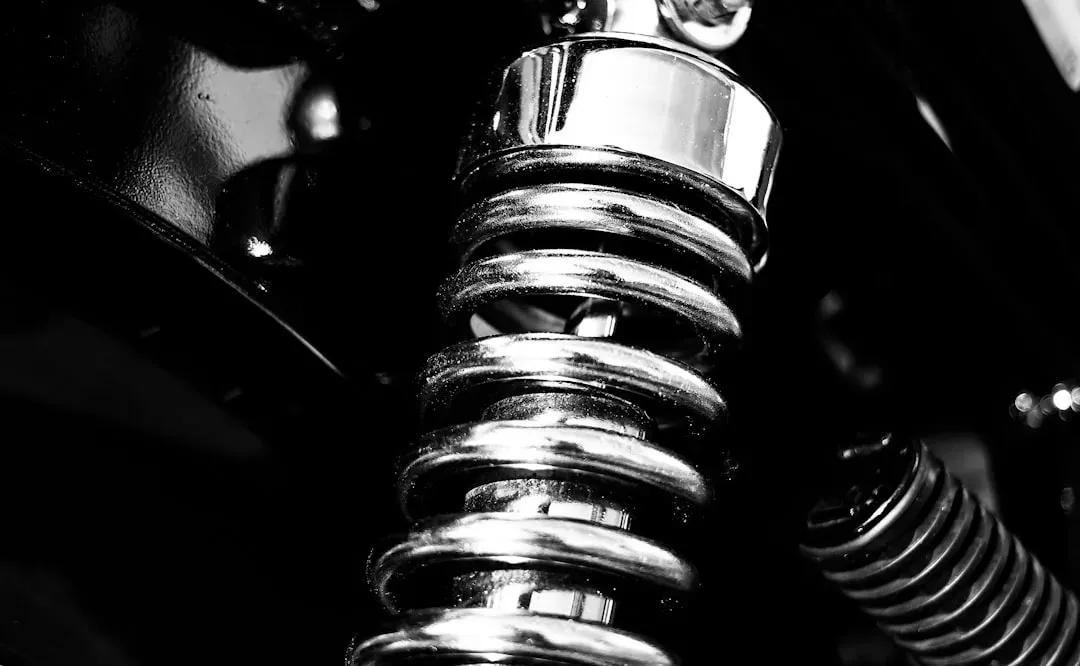
Automakers have spent two decades chasing lighter, stronger suspension and valve springs to hit fuel-economy targets, and that chase created a brand-new failure mode. As cars get lighter, springs have pushed past tensile strengths of 1,800 MPa – but the stronger those springs get, the more engineers worry about “delayed fracture,” where a spring suddenly cracks after a long, uneventful period of use.
This isn’t a rare defect; it’s a known trade-off across the entire industry. Spring steel rated above 1,900 MPa needs excellent hydrogen embrittlement resistance built in, precisely because a higher-strength spring is more likely to develop it in the first place. Manufacturers have poured resources into fighting it – controlling chemical composition and microstructure helps, but doing that properly requires expensive alloy elements that manufacturers would rather not pay for. Separately, automotive researchers warn that hydrogen embrittlement can easily show up in high-strength martensitic steel, manifesting as a sudden fracture with zero warning and a very real safety threat. Translation: the lighter and stronger your car’s springs are, the more secretly fragile they might be. But #7 moves from cars to something far more industrial.
Quick Compare
- Standard suspension springs: moderate strength, lower embrittlement concern
- High-strength springs (over 1,800 MPa): built for lighter, fuel-efficient cars, rising delayed-fracture risk
- Ultra-high-strength springs (over 1,900 MPa): require built-in hydrogen resistance just to be considered safe
#7 – Refinery Reactors Living on Borrowed Time
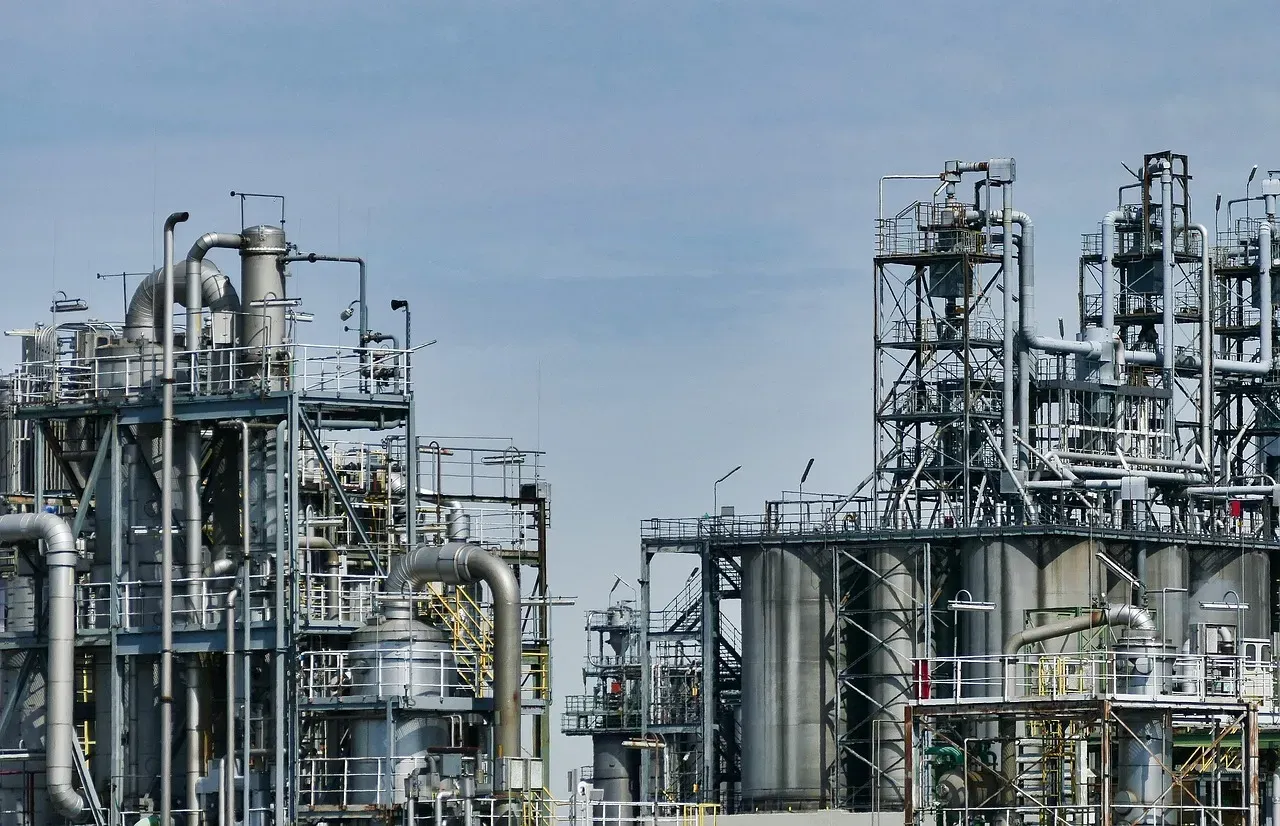
Oil and gas refineries run massive pressure vessels stuffed with hydrogen at extreme temperatures, and the industry has quietly accepted that this is a permanent risk they manage rather than eliminate. Despite being a long-known phenomenon, hydrogen embrittlement is still responsible for unpredictable failures across storage tanks, fasteners, process reactors, pipelines, fuel cell vehicles, and aircraft components.
What’s genuinely unsettling is how the damage accumulates invisibly inside metal that looks completely fine from the outside. In equipment exposed to hydrogen-rich environments, hydrogen dissociates, gets absorbed into the metal, and then diffuses through the material toward regions of high internal stress – quietly undermining the metal’s ability to hold a load exactly where it matters most. This is why refinery inspection schedules exist at all, not because operators expect visible wear, but because they know the real damage is happening at a scale no eye can catch. Most people assume refinery safety is about fire and explosion risk from the fuel itself. Few realize the steel holding it all together is fighting its own slow-motion collapse. But #8 shows this same threat is now being built directly into the “clean energy” future.
#8 – The Hydrogen Pipelines Meant to Save the Planet
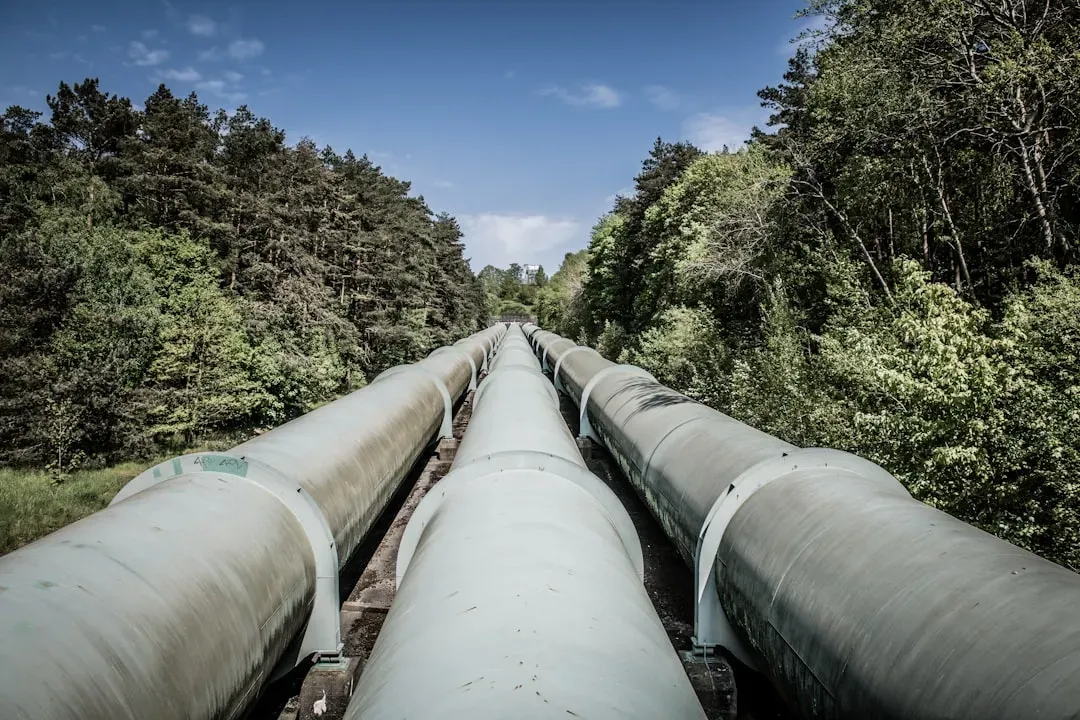
Here’s the uncomfortable irony nobody wants to talk about at climate conferences: the infrastructure built to deliver clean hydrogen fuel is itself vulnerable to hydrogen destroying it from within. Hydrogen embrittlement is a major concern for the engineers designing hydrogen pipeline networks, since even a small leak in a pipe wall, a welded seam, a flange, or a single fastener could turn into a dangerous situation fast.
The failures don’t announce themselves either. Hydrogen exposure can create fatigue defects that stay completely undetected right up until a catastrophic failure occurs without warning. Researchers have specifically flagged X52 and X65 – two of the most common pipeline steel grades in the industry – as showing the same embrittlement vulnerabilities. As nations race to build out hydrogen transport networks, standards bodies are scrambling to catch up, with codes like ASME B31.12 developing material performance factors that account for pressure-dependent embrittlement risk. The hydrogen economy is being built on the same material weakness that’s plagued engineers since 1875 – just at a scale we’ve never attempted before. But #9 shows the problem gets even worse under real-world pressure.
#9 – Hydrogen Fuel Tanks Under Impossible Pressure
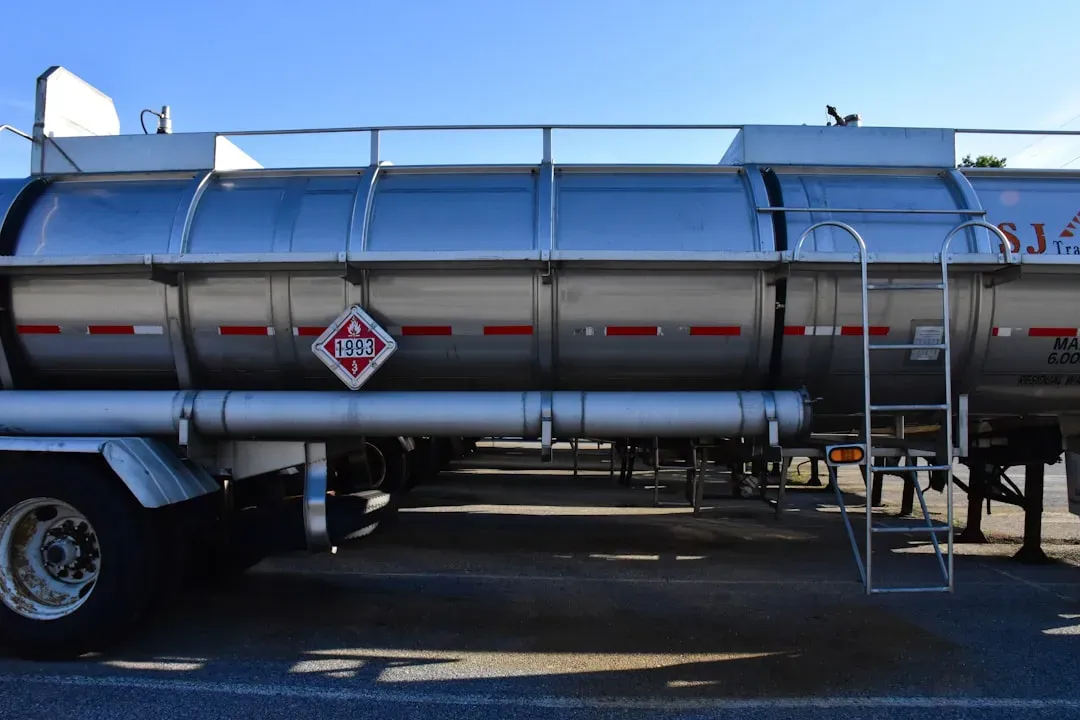
Hydrogen-powered vehicles are marketed as the clean future of transportation, but the tanks storing that fuel operate under conditions that make embrittlement dramatically worse. At 70 MPa – roughly the working pressure of a hydrogen fuel cell vehicle’s storage tank – the effective driving force pushing hydrogen into the metal runs 40 to 70 percent higher than the tank pressure alone would suggest.
That’s not a small technicality; it means materials once considered perfectly safe suddenly aren’t. Above roughly 70 MPa, even stable stainless grades show measurable ductility loss, and NASA testing on 17-4 PH precipitation-hardened stainless steel found its elongation collapsing from 17 percent down to just 1.7 percent in high-pressure hydrogen. Read that again: a material losing nearly 90 percent of its ability to stretch before breaking, purely from hydrogen exposure, with nothing else changed. Every bolted flange on a refueling station or storage vessel becomes a potential weak point, because those flanges sit right where the hydrogen pressure hits the metal hardest. Most drivers assume a hydrogen tank is either fine or leaking – nobody tells them the metal itself can quietly forget how to bend. But #10 proves this danger has already reached a construction site with fatal consequences.
At a Glance
- Working pressure of a typical hydrogen fuel cell tank: about 70 MPa
- Effective hydrogen driving force: 40-70% higher than raw pressure suggests
- NASA test result on 17-4 PH steel: elongation dropped from 17% to 1.7%
- Highest-risk point: bolted flanges on tanks and refueling stations
#10 – A Construction Site Collapse That Killed a Worker
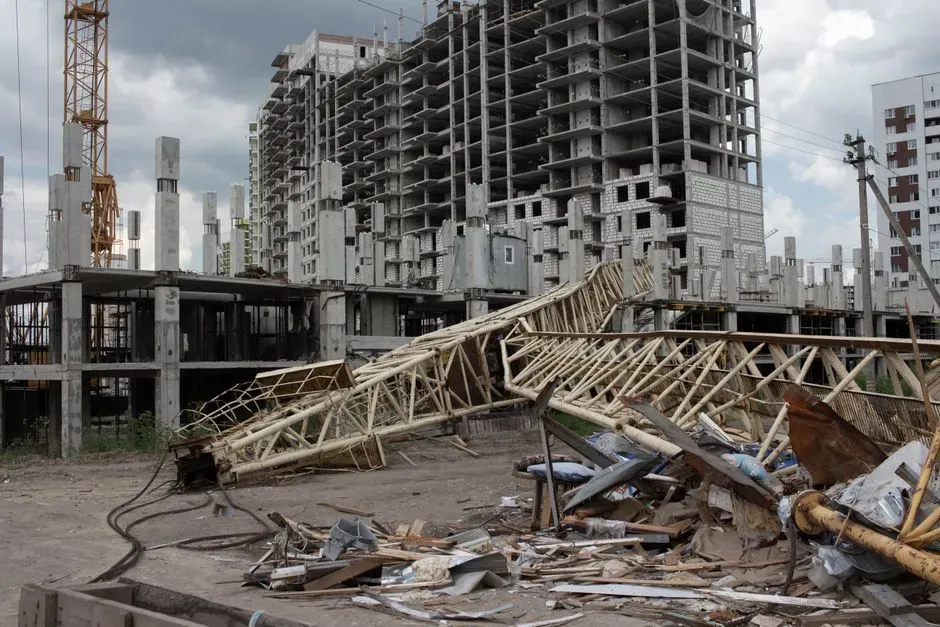
In 2019, a routine construction job in Melbourne turned deadly, and the cause traced back to a single degraded fastener. A steel beam collapsed at the site, killing one worker and injuring several others, and the investigation determined the cause was a fastener that failed because of hydrogen embrittlement.
What makes this case a warning shot for the entire trade is how preventable it was. The fastener had been recently installed and had never gone through proper heat treatment, which left it wide open to the exact failure that killed someone. Not a rare alloy, not an extreme environment – just a skipped step on a checklist somewhere. This is the uncomfortable truth the fastener industry doesn’t advertise: a missing bake-out cycle, a corner cut on a heat-treatment schedule, can end a life. Construction sites are full of galvanized and plated high-strength bolts holding up scaffolding, beams, and load-bearing connections, and every single one carries this same silent risk if quality control slips even once. But #11 shows the exact same trap hiding in a completely different part of a building.
#11 – The Tunnels and Roofs Held Together by Corroding Bolts
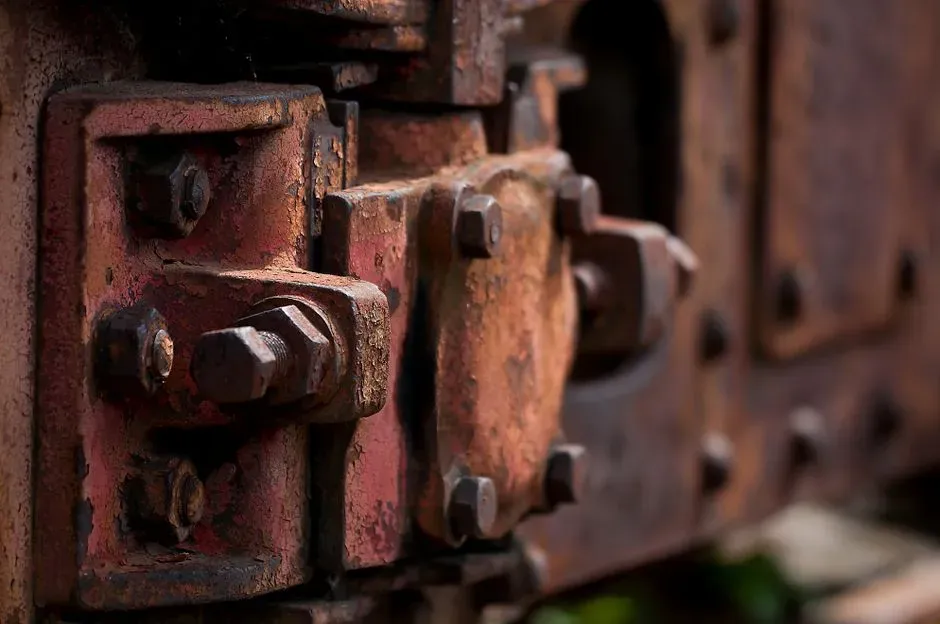
Tunnel and roofing systems near saltwater environments face a double threat that most maintenance crews don’t fully appreciate: corrosion and hydrogen embrittlement working together, feeding off each other. One investigation traced a roof panel failure directly to fasteners that had been sitting in high levels of saltwater exposure, slowly generating the exact hydrogen gas that later destroyed them from the inside.
This combination is particularly nasty because each factor accelerates the other. Saltwater corrodes the zinc coating on a bolt, and that corrosion process itself releases hydrogen, which then diffuses straight into the already-stressed fastener underneath. The result is bolts that look merely rusty on the outside but are chemically compromised on the inside – a distinction that visual inspections routinely miss completely. Engineers now specify barrier coatings, cathodic protection, and stainless alternatives specifically to break this corrosion-hydrogen feedback loop near coastlines. The fastener holding up a tunnel roof and the bolt on a bridge anchor rod are failing from the exact same chemistry – just in slower motion. But #12 brings this story full circle to where it all started.
Worth Knowing
- Saltwater corrosion of zinc coatings directly releases hydrogen as a byproduct
- Corrosion and hydrogen embrittlement form a feedback loop, each speeding up the other
- Bolts can appear merely rusty while being chemically compromised inside
- Barrier coatings, cathodic protection, and stainless alternatives are the standard coastal defenses
#12 – The 150-Year-Old Mystery That Still Isn’t Fully Solved
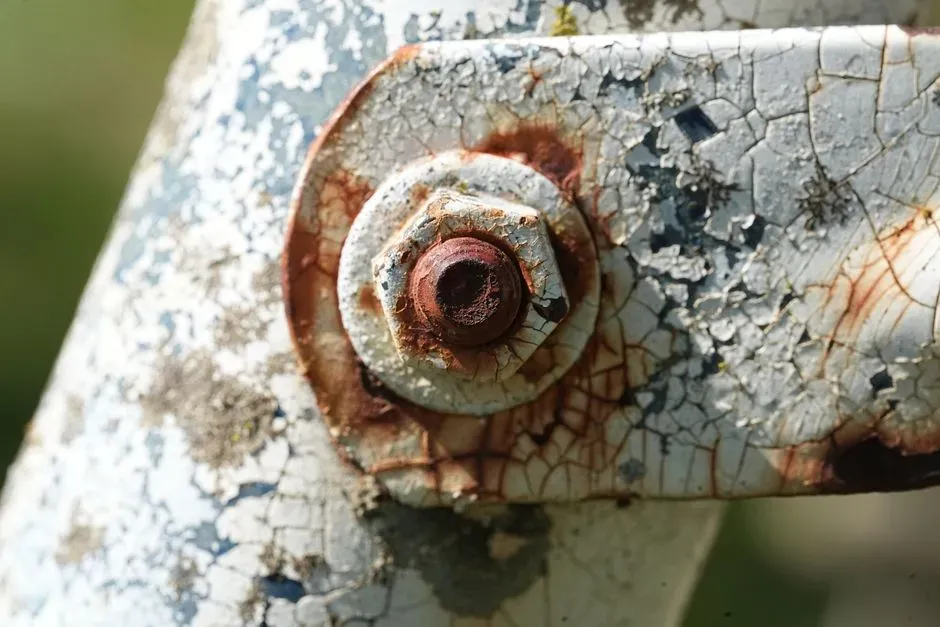
Here’s the detail that should really unsettle you: engineers have known about this exact failure mode for over a century, and it’s still catching them off guard. First identified back in 1875 by W. H. Johnson, hydrogen embrittlement remains one of the most misunderstood and underestimated threats in modern engineering, despite a century and a half of research aimed at killing it off for good.
The reason it keeps winning is structural, not accidental. Hydrogen-induced cracking only needs three things lined up at once – a susceptible material, enough hydrogen present, and residual stress that crosses the failure threshold for that steel. Modern engineering keeps pushing two of those three conditions harder every single year: stronger alloys mean more susceptible material, and higher performance targets mean more stress and more exotic coatings pumping more hydrogen into the mix. Investigators studying the Bay Bridge failure eventually traced it back to poor material condition in just one lot of anchor rods, proving that even a world-class engineering team, on a multibillion-dollar project, with every resource available, can still miss it. A century and a half later, we still haven’t beaten hydrogen embrittlement. We’ve just gotten better at guessing where it’ll strike next.
The Bottom Line
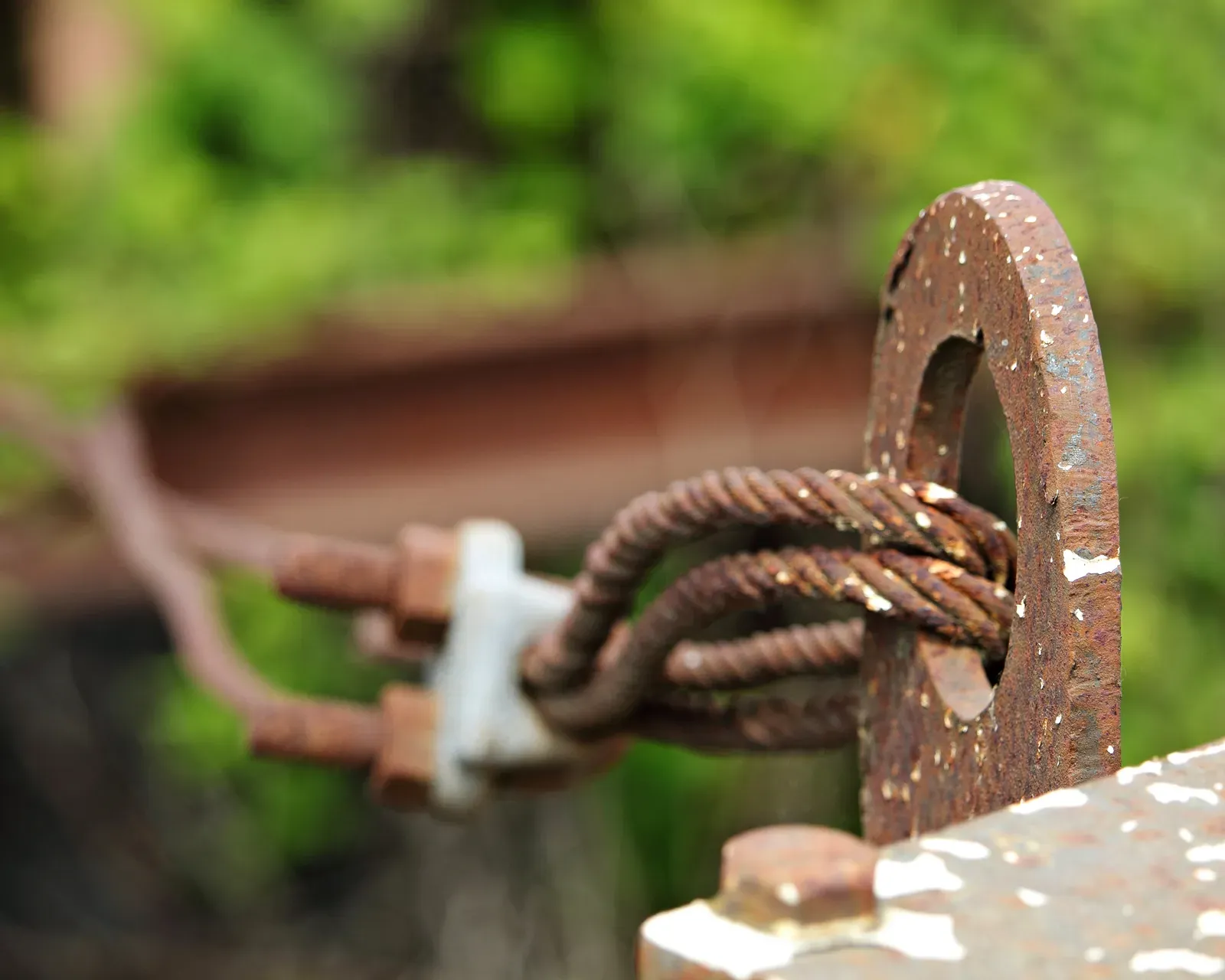
Hydrogen embrittlement isn’t a rare industrial footnote. It’s a 150-year-old failure mode still actively wrecking bridges, aircraft, cars, and pipelines today, hiding behind parts that look completely fine right up until they aren’t. The scariest pattern across every case here is identical: the part passes inspection, holds for a while, and fails anyway, often with a fatal delay stretched out between installation and collapse.
From a $6.5 billion bridge to a helicopter, a construction worker’s life, and the very pipelines meant to power a “clean” hydrogen future, this invisible chemistry doesn’t care about your industry or your budget. Frankly, the fact that engineers are still relearning this lesson in 2026 is inexcusable – the science has been sitting there, fully documented, since 1875. What’s your take: is the industry actually moving fast enough to engineer this threat out for good, or are we all just waiting for the next headline?