
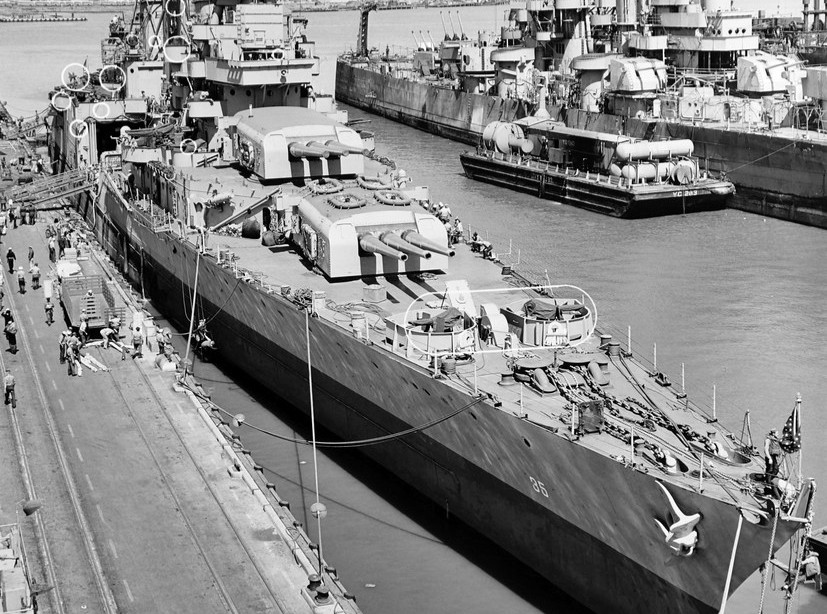
Ask anyone what a Liberty ship was, and you’ll get the same tired answer: a slow, ugly, mass-produced hunk of wartime steel that hauled supplies across the Atlantic and nothing else. That’s the postcard version of history. It’s also almost completely wrong.
These “throwaway” ships were built in days by welders and shipyard rookies who’d never touched a hull before, and they went on to do things no admiral, engineer, or factory boss ever planned for. Some fought pitched gun battles. Some split themselves in half. One turned an American city into rubble, and a few are somehow still sailing today. Here are the twelve moments that caught even the experts off guard.
#1 – They Were Built Faster Than It Takes to Rent an Apartment
A Liberty ship named after an Arctic explorer became a wartime legend for one reason: raw, ridiculous speed. SS Robert E. Peary was built during a shipyard competition designed purely as propaganda, and the numbers still sound fake. Her keel went down, welders worked around the clock in shifts, and she was launched on November 12, 1942 — just 4 days, 15 hours, and 29 minutes after construction began.
To put that in perspective, Liberty ships at the start of the program averaged 1.4 million man-hours and 355 days to build. By 1943, shipyards had that number under 500,000 man-hours. The Peary was a stunt, not a sustainable model — there wasn’t nearly enough steel or manpower to build every ship that fast — but it proved something the Germans never wanted to hear: American industry could out-produce anything their U-boats could sink. That record-breaking build was just a warm-up compared to what one unarmed-looking cargo ship did next.
Fast Facts
- SS Robert E. Peary launched Nov. 12, 1942, in just 4 days, 15 hours, 29 minutes
- Early-war average build time: 355 days per ship
- By 1943, shipyards cut that to under 500,000 man-hours per hull
- Standard Liberty ship: about 441 feet long, top speed of roughly 11 knots
#2 – One Fought Back and Actually Won
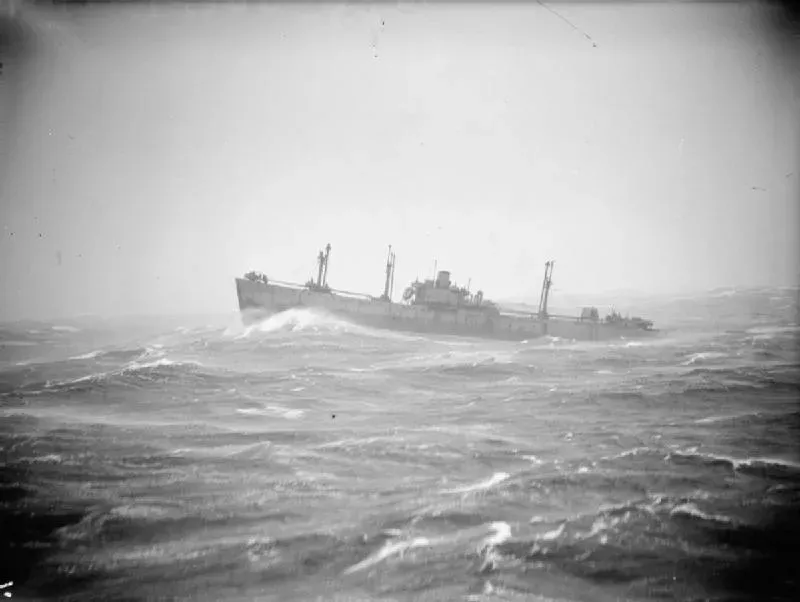
Nobody expected a slow, lightly armed cargo hauler to sink a heavily armed German warship. It happened anyway. On September 27, 1942, the SS Stephen Hopkins was steaming from Cape Town to Suriname when fog lifted to reveal the German raider Stier and its tender Tannenfels just two miles away. Ordered to surrender, her crew refused.
What followed was one of the strangest firefights of the naval war. The Hopkins’ single deck gun kept firing even as crewmen fell around it, and cadet Edwin Joseph O’Hara fired the last shots himself after the gun crew was wiped out, becoming the second cadet ever awarded the Distinguished Service Medal and the first to receive it posthumously. The Hopkins sank first, but Stier went down less than two hours later, too damaged to survive. Only 15 crewmen made it out, drifting in a lifeboat for a month before reaching Brazil, in what remains the only U.S. merchant ship victory over a German surface combatant in the entire war. That was one ship, one battle — next, a whole fleet of them got sacrificed on purpose, and it worked.
#3 – They Became the Bricks of an Invasion Harbor
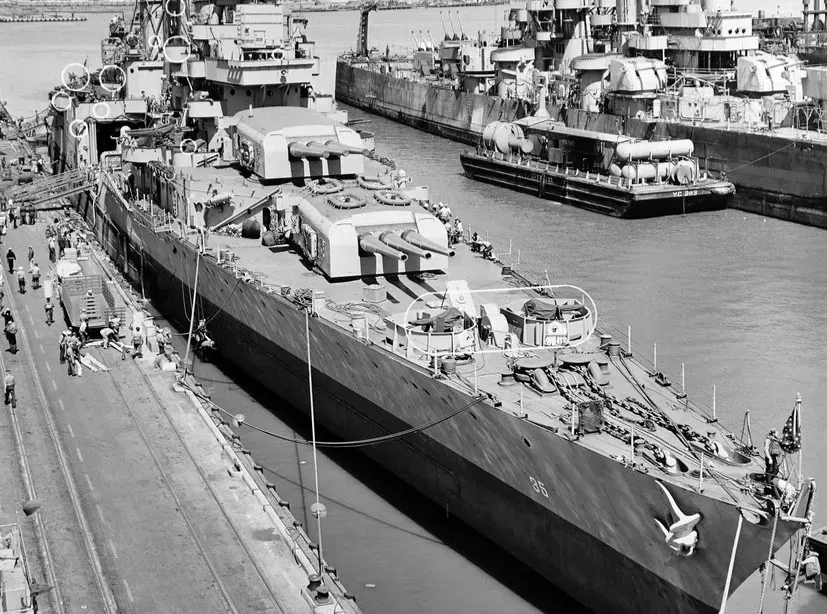
Nobody built Liberty ships to be sunk on purpose. But on D-Day, that’s the exact job some of them got. The Allies needed instant harbors at Normandy, and their solution sounds almost made up: sail two dozen retired merchant ships, Liberty ships among them, straight across the Channel and scuttle them deliberately to form a breakwater.
These sunken hulls, nicknamed “Gooseberries,” anchored the massive Mulberry harbors — floating ports nearly a mile long, big enough for seven Liberty ships to dock at once. A brutal storm from June 19–22 destroyed one of the two Mulberry harbors outright, but the other survived and stayed operational for almost ten months. Ships that were deliberately sunk ended up saving the entire invasion’s supply chain. Sinking ships on purpose is one thing — what happened next, some ships did to themselves, with nobody touching them at all.
#4 – Some of Them Cracked Themselves in Half
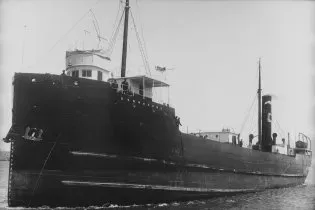
Here’s what shipbuilders never saw coming: the same welding that made Liberty ships fast to build also made some of them dangerously brittle. Unlike older riveted ships, Liberty ships were welded into single continuous hulls. In cold water, that steel could turn brittle and fracture without warning, sometimes splitting a hull nearly in two while it sat quietly at the dock.
After the brutal winter of 1943–44 exposed the problem, engineers redesigned the hulls with smoother edges and added riveted seams running the length of the ship to act as crack-arresters. The casualty rate eventually dropped to just 0.5 per 100 ship-years, but only after cracks had already sunk or disabled ships in calm harbors, no enemy involved. A vessel built to help win a war nearly lost itself to its own steel. A cracked hull is bad. What happened in Texas City was worse, much worse.
#5 – One Turned an Entire City Into a Blast Zone
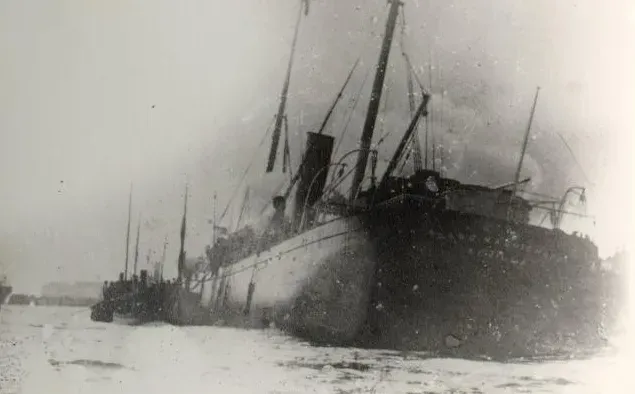
Nobody in Texas City expected a docked cargo ship to become one of the deadliest industrial disasters in American history. The SS Grandcamp sat just 70 meters from a Monsanto chemical plant, loaded with 2,300 tons of fertilizer-grade ammonium nitrate. Almost nobody treated that cargo as a serious threat that morning.
Around 8 a.m., smoke was spotted several feet below the surface of the bags. Crews tried drinking water and hand extinguishers first, then the fire grew so fast the fire brigade had to retreat entirely. The explosion that followed leveled docks, ignited nearby refineries, and killed hundreds of people in one of the worst non-nuclear disasters in U.S. history. A single cargo ship built for war ended up rewriting American chemical-safety law forever. That disaster started next to a shipyard’s neighbor; the next surprise started in the shipyards themselves, before a single ship even existed.
#6 – Their Shipyards Were Built Faster Than the Ships Themselves
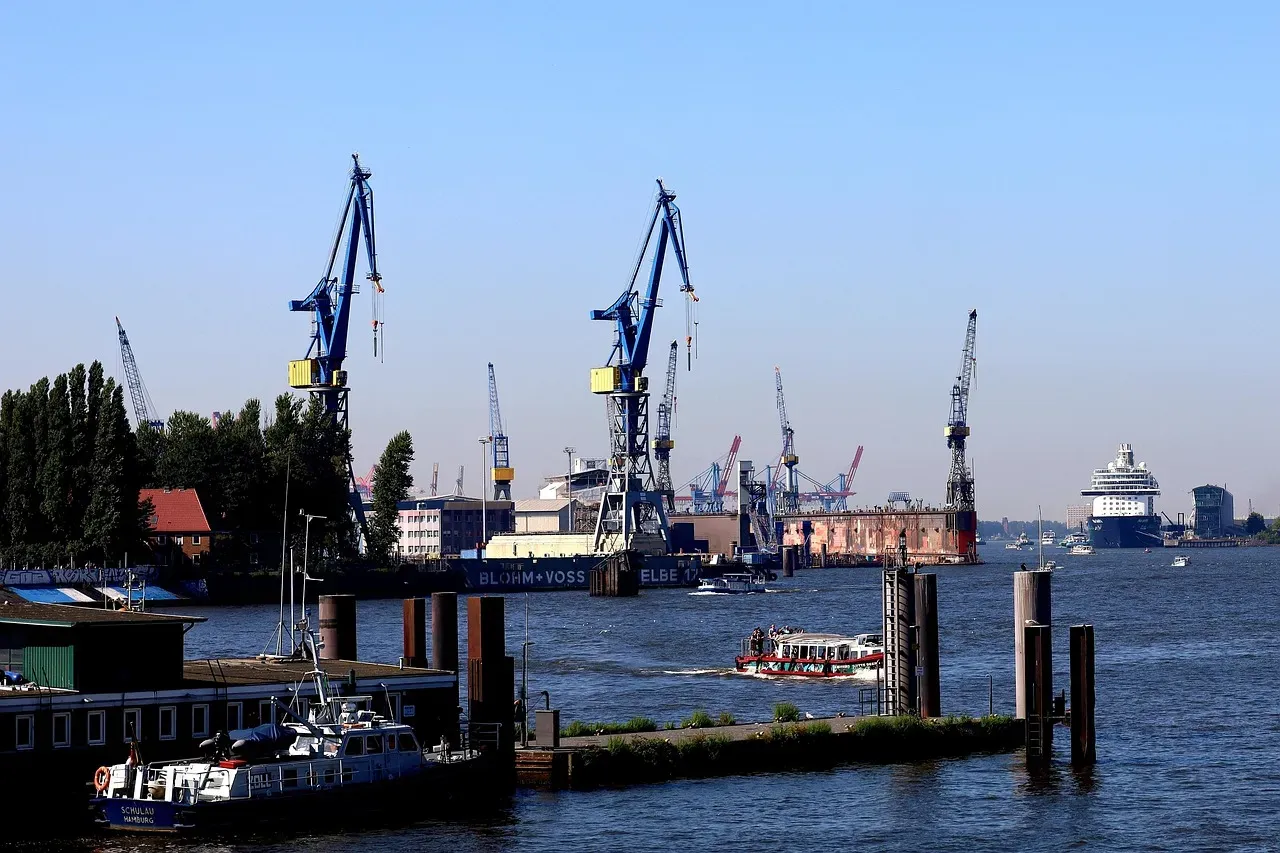
Most people assume shipyards existed first and the ships came later. For Liberty ships, that timeline got flipped. The first ship, SS Patrick Henry, launched in September 1941 after just 150 days — and the shipyard around her was being built at the exact same time as the ship itself.
This wasn’t a one-time stunt. Liberty ships were eventually built in 13 states, by 15 companies, across 18 shipyards, many in towns with zero prior shipbuilding history. Cranes, drydocks, and entire worker-housing developments sprang up out of empty coastline almost overnight, and workers who’d never seen a ship in their lives were welding hulls within weeks. It’s one of the fastest industrial mobilizations in American history, and it happened almost entirely off the public’s radar. Those new shipyards needed workers fast, and who filled that gap changed the country long after the war ended.
At a Glance
- 2,710 Liberty ships built between 1941 and 1945
- Constructed across 18 shipyards in 13 states
- Monthly output rose from just 2 ships in December 1941 to a wartime peak of 128 ships in November 1943
- Average cost: roughly $2 million per ship
#7 – They Turned Ordinary Women Into Industrial Icons
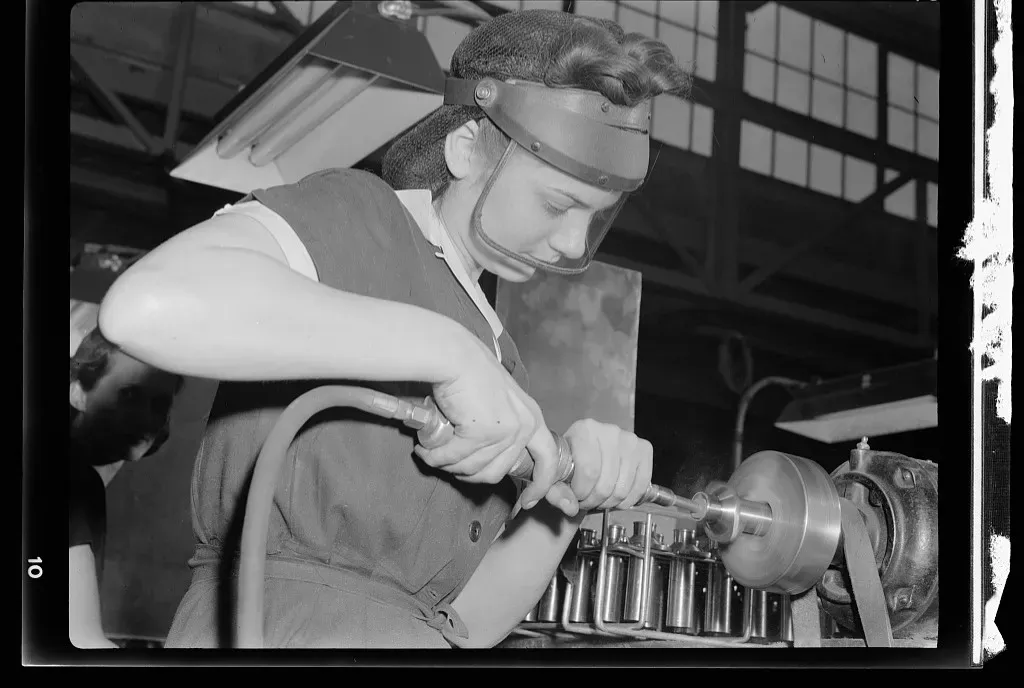
Nobody expected a wartime cargo ship program to permanently reshape the American workforce. But that’s exactly what happened at yards like Richmond, California, which is why the Rosie the Riveter Memorial stands there today.
Tens of thousands of women stepped into welding hoods and rivet guns for the first time, doing jobs previously considered exclusively male, just to keep Liberty ship production running around the clock. This wasn’t symbolic labor — these women physically assembled ships that carried troops and supplies across two oceans. The image of “Rosie the Riveter” became a national icon almost entirely because of programs like this one, and it changed expectations for American women in industrial jobs for decades after the war ended. Women weren’t the only barrier this program quietly broke, though.
#8 – They Made History Before They Even Left the Dock
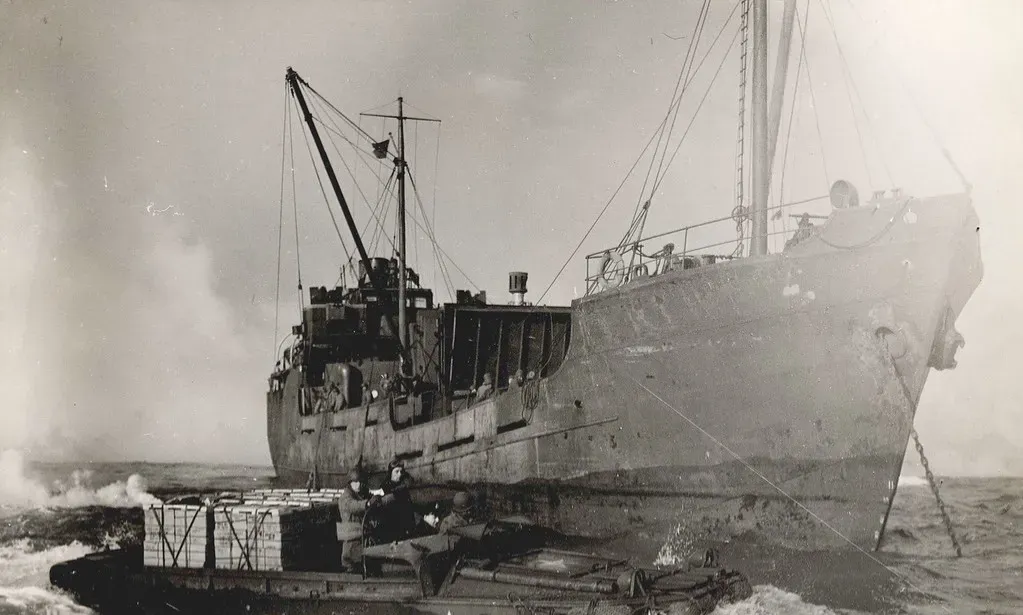
Some Liberty ships made headlines not for what they did at sea, but for who was allowed to name and command them, something genuinely unheard of at the time. Many ships were named for cities and counties that ran war bond drives, a policy far broader and more inclusive than typical naval tradition. Among more than 2,700 ships launched, several carried names that broke long-standing racial and social barriers in the Merchant Marine.
Command assignments followed a similarly unconventional path. Segregation was still the norm across most of the military and civilian workforce, yet the sheer scale of the Liberty program forced exceptions that never would have happened in peacetime. A slow, unglamorous cargo ship ended up quietly advancing civil rights milestones years before formal desegregation arrived. Once the war ended, the surprises didn’t stop; they just moved from the battlefield to the balance sheet.
#9 – Surplus Ships Quietly Built Foreign Shipping Empires
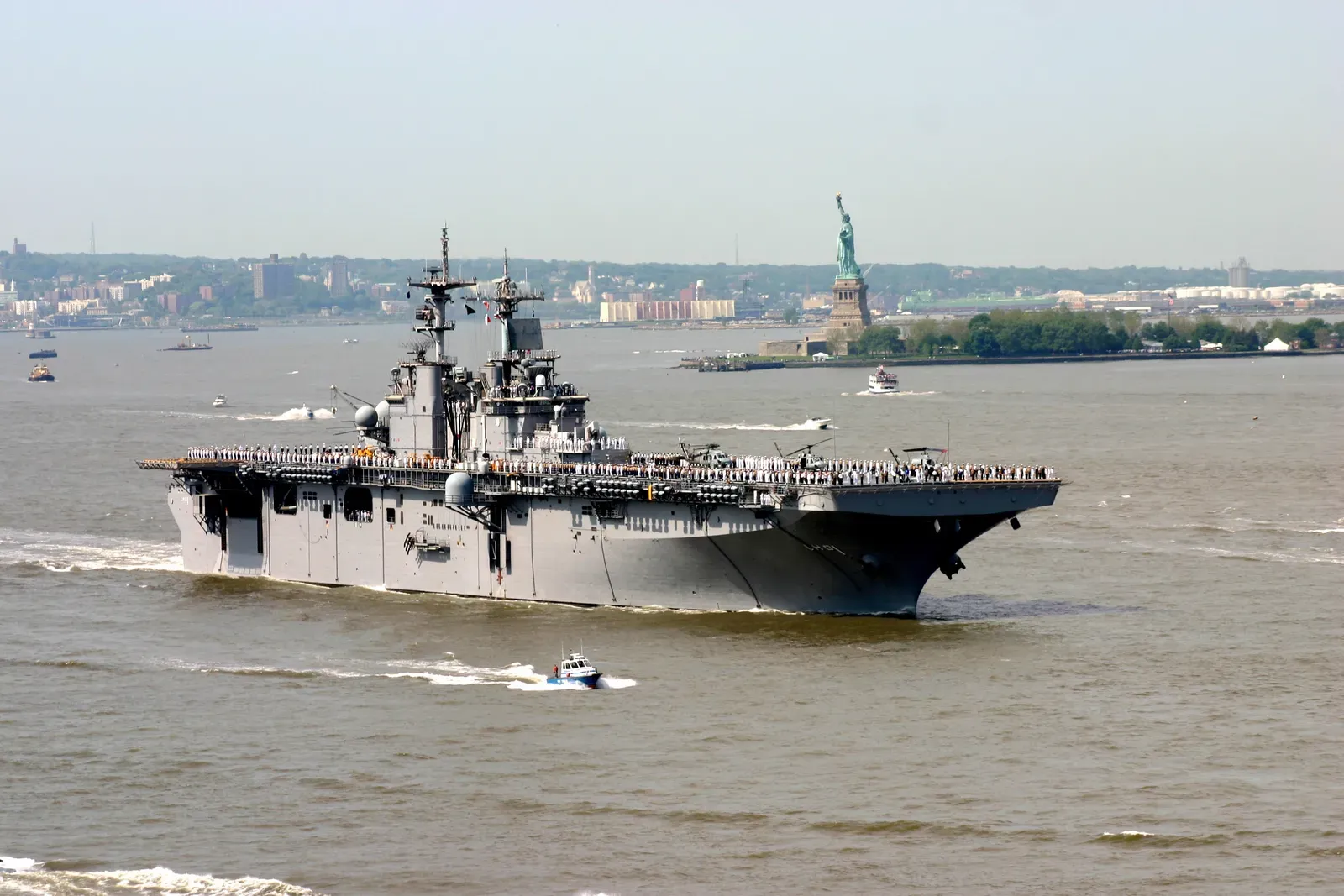
After the war, the U.S. had far more Liberty ships than it needed, and what happened to the leftovers reshaped global trade for decades. Hundreds of surplus vessels were sold off cheaply to foreign buyers desperate to rebuild devastated merchant fleets.
Entrepreneurs and shipowners in Greece, in particular, snapped up this war-surplus tonnage at bargain prices and used these unglamorous American-built freighters as the founding fleets of shipping companies that would eventually dominate global maritime trade. Nobody in Washington predicted that emergency wartime cargo ships would become the seed capital of entire national shipping industries. What started as a stopgap wartime measure ended up jump-starting postwar economic recovery across multiple countries, simply because the ships were cheap, plentiful, and tough enough to keep working long after the guns fell silent. Not every surplus ship ended up building an empire, though; some just ended up full of wheat.
Worth Knowing
- Hundreds of surplus Liberty ships were sold to foreign buyers after 1945
- Greek shipowners were among the most aggressive buyers of this war-surplus tonnage
- These cheap, sturdy freighters became founding fleets for major shipping houses
- Some of the resulting shipping companies still operate in global trade today
#10 – Some Became Floating Grain Silos in a “Ghost Fleet”
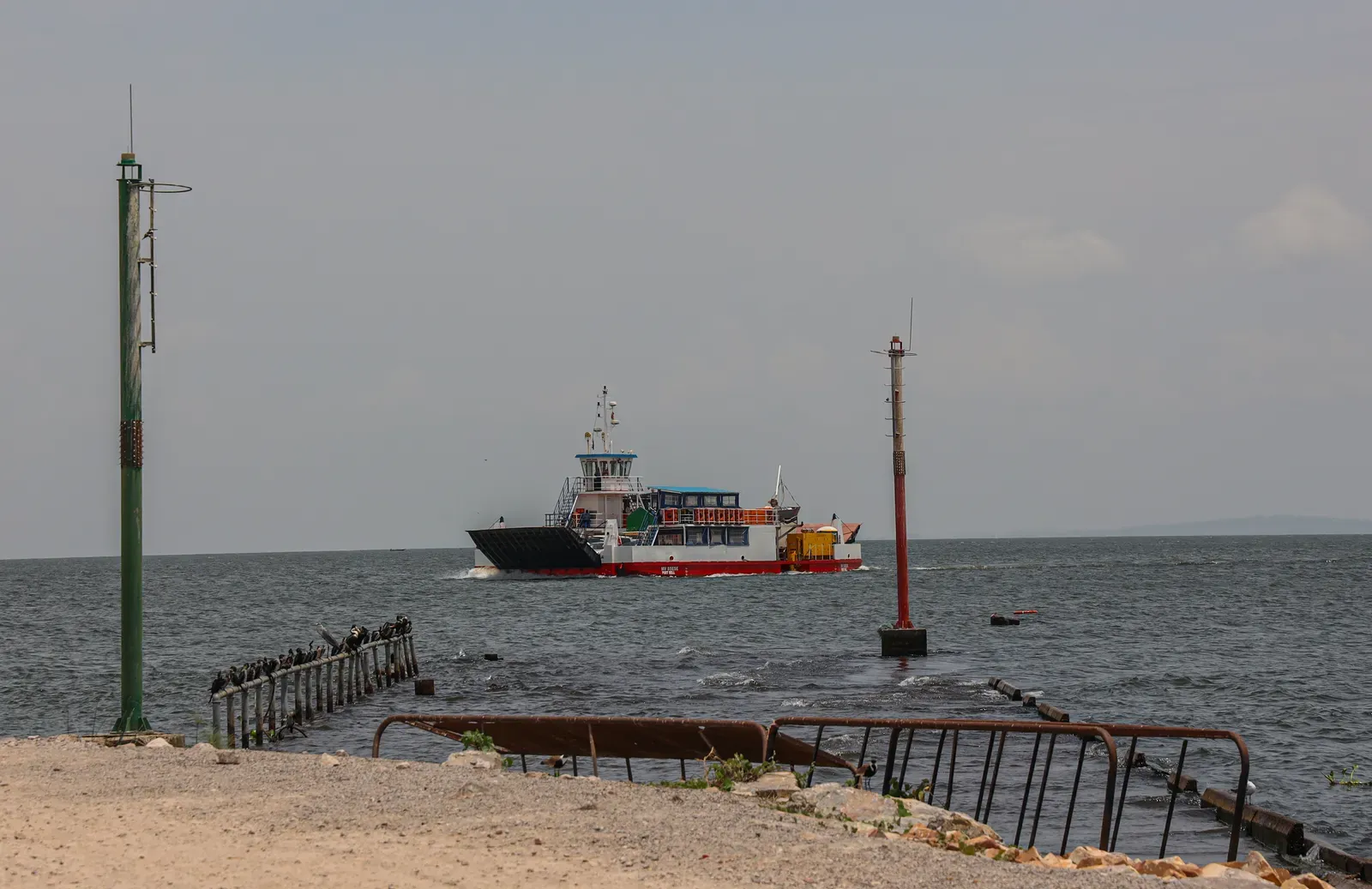
Once their military usefulness ended, plenty of Liberty ships didn’t get scrapped right away, they got mothballed instead. Reserve fleets, nicknamed “ghost fleets,” anchored rows of unused Liberty and Victory ships in rivers and estuaries across the country, preserved in case of future emergencies.
During periods of agricultural surplus, some of these idle hulls were repurposed as makeshift floating storage for surplus grain, since land-based silo capacity couldn’t keep up with production. A ship engineered to survive U-boat attacks ended up holding wheat instead of ammunition. Many sat rusting in these reserve fleets for decades, waiting for a war that never came, before eventually being scrapped for their steel. Other retired Liberty ships skipped the scrapyard entirely and went somewhere much stranger: underwater.
#11 – They Became Underwater Attractions for Scuba Divers
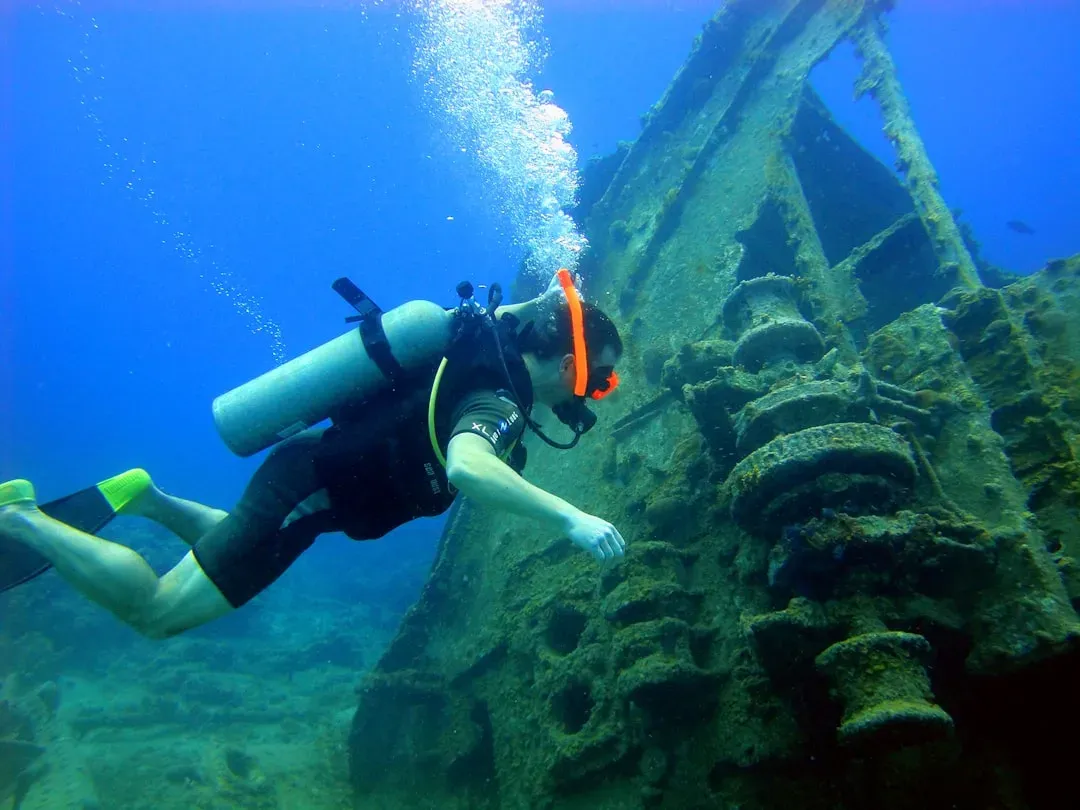
Instead of vanishing into scrapyards, some retired Liberty ships got a second life nobody would have guessed: tourist destinations, just underwater. The USS Theodore Parker was sunk in 50 feet of water off Fort Macon near Morehead City as part of North Carolina’s artificial reef program, deliberately placed on the seafloor instead of melted down.
Fish colonized the rusting steel, coral and sponges grew across old deck plates, and recreational divers began treating these sunken relics as bucket-list destinations. A vessel built purely for wartime logistics became, decades later, a slow-motion coral nursery. It’s an outcome nobody in a 1940s shipyard could have possibly imagined for their “expendable” cargo haulers. And then there’s the tiny handful of Liberty ships that skipped both the scrapyard and the seafloor completely.
#12 – A Handful Are Still Sailing as Living Museums
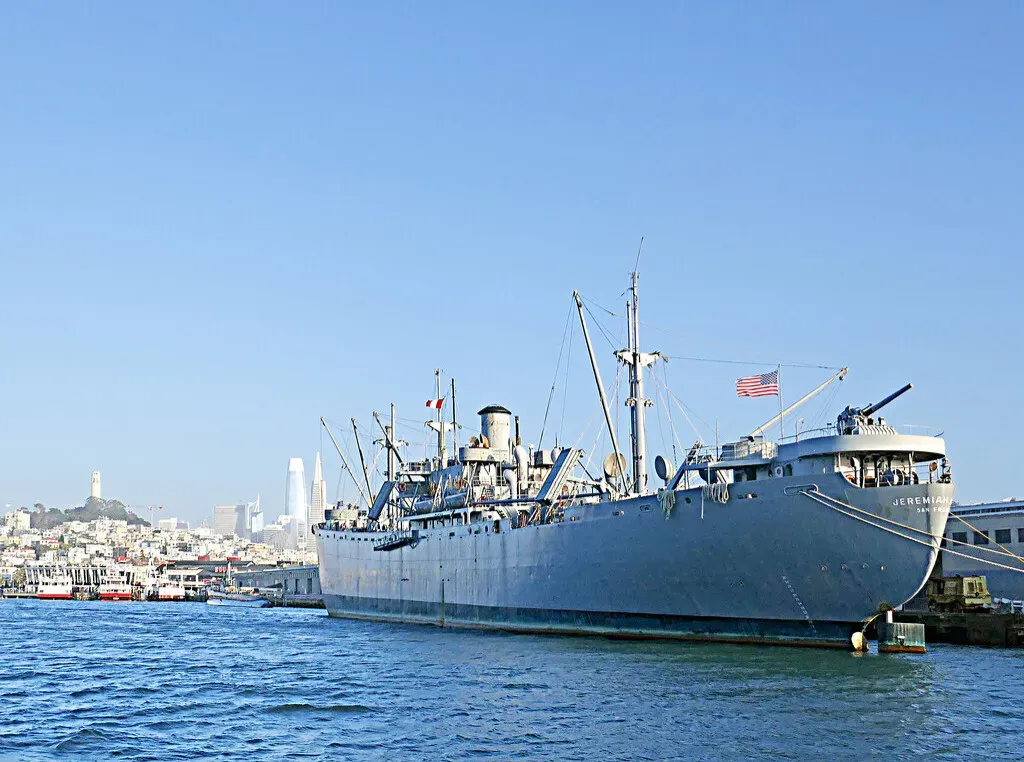
Of the more than 2,700 Liberty ships ever built, almost none survive intact today, which makes the handful that do genuinely remarkable. By the early 2000s, only two restored and functioning Liberty ships remained: the SS Jeremiah O’Brien on the West Coast, and the SS John W. Brown, moored in Baltimore.
In the late 1980s, a group of preservationists rescued the John W. Brown from the scrapyard and brought her back to her birthplace in Baltimore, where a volunteer organization now runs her as a museum ship and living memorial, complete with public tours and occasional “Living History Cruises.” Out of thousands of ships built to be scrapped after one voyage, a tiny handful are still cruising nearly a century later. Nobody welding these “throwaway” ships in 1942 expected any of them to still have working engines generations after the war ended.
Quick Compare
- SS Jeremiah O’Brien – homeported in San Francisco, one of the last unmodified survivors of the D-Day fleet
- SS John W. Brown – homeported in Baltimore, rescued from the scrapyard and restored by volunteers as a floating classroom
- Out of roughly 2,710 Liberty ships built, only a small handful remain preserved anywhere today
Liberty ships were never supposed to be remarkable. They were built cheap, fast, and expendable, machines meant to survive one voyage and disappear. Instead, they sank enemy warships, cracked in half from their own welded steel, leveled a Texas city, built an invasion harbor overnight, and quietly launched shipping empires that still dominate global trade today.
A handful even survived long enough to become floating museums, decades past their expiration date. The real lesson here isn’t really about ship design at all — it’s how badly everyone, from admirals to engineers to the workers welding these hulls, underestimated what mass production under wartime pressure could actually accomplish. Nobody planned for any of this. That’s exactly what makes it worth remembering.