
Most people assume a scientific label is permanent – carved into a textbook once, then never touched again. That’s not how it actually works.
Behind the scenes, researchers have quietly ripped apart entire chapters of biology, chemistry, and even astronomy after realizing something everyone missed for decades, sometimes centuries. A beloved dinosaur legally stopped existing for over a hundred years. A planet got voted out of the solar system in a single afternoon. One of the internet’s favorite snack foods has been mislabeled since before the Civil War. Here’s what taxonomists, biologists, and astronomers actually found when they went back and checked their own work.
#1 – The Guinea Pig Rodent Panic That Fooled Scientists for Years
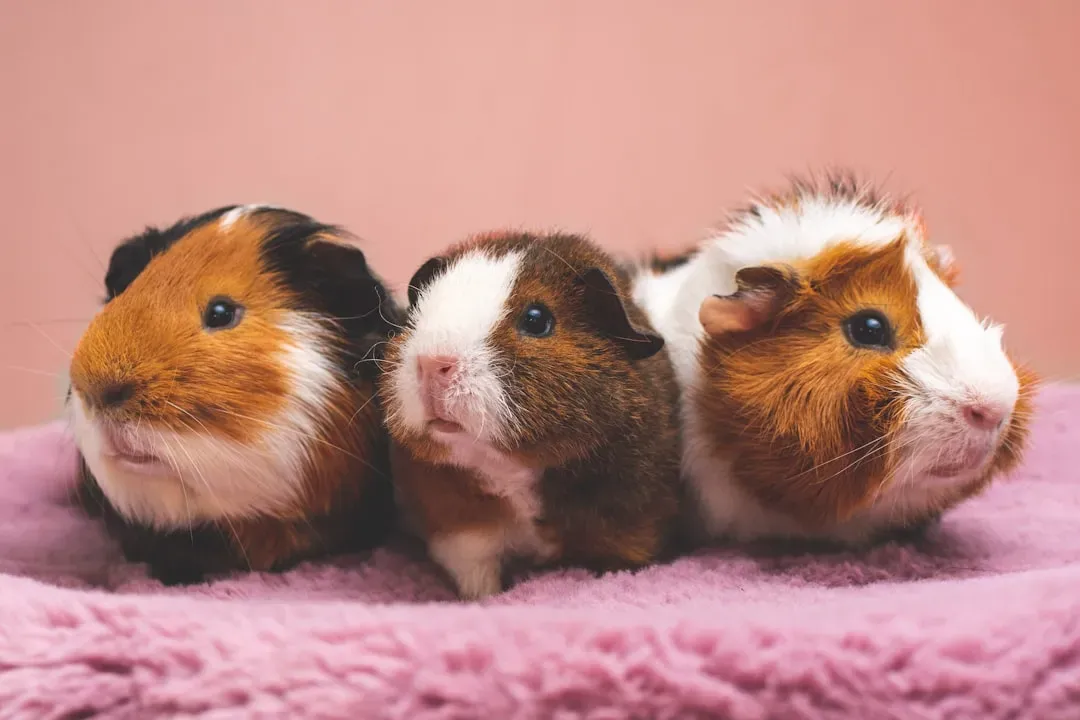
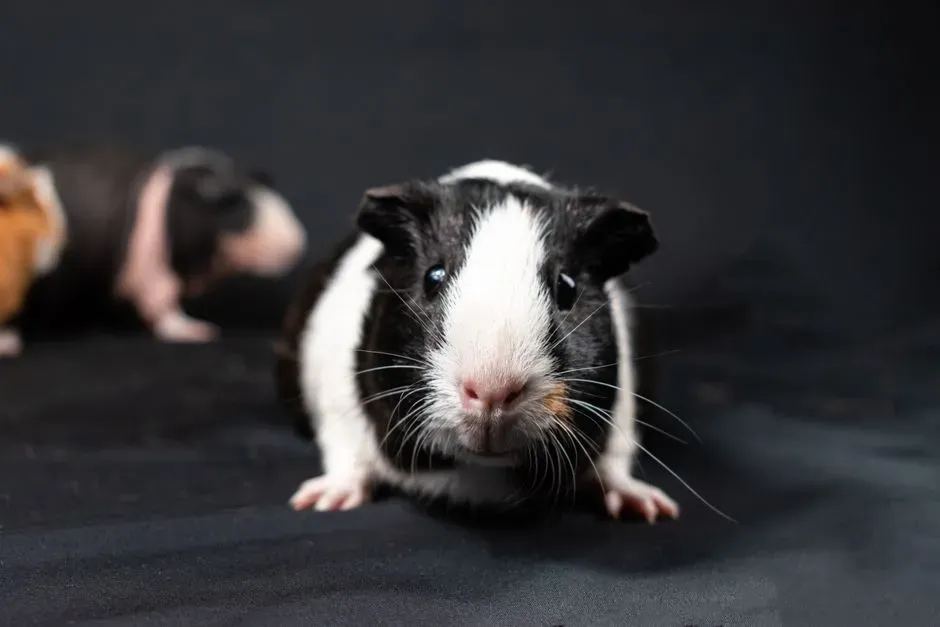
Guinea pigs have sat comfortably in the rodent order for most of modern zoological history, but that comfort was briefly shattered in the 1990s.
A genetic study published in 1996 sent shockwaves through the biology community by suggesting guinea pigs and their relatives didn’t actually belong with rats, mice, and squirrels at all. The molecular data looked convincing enough that some scientists argued for pulling guinea pigs out of Rodentia entirely and creating a separate order for them. For a brief window, textbooks and biology courses had to hedge their language, unsure whether “rodent” even applied to the animal most associated with the word in pop culture.
The controversy triggered a wave of follow-up research using broader genetic sampling and more sophisticated statistical models. Later studies with larger datasets found the original analysis had been skewed by an evolutionary phenomenon called long-branch attraction, which can make unrelated species look deceptively similar in DNA comparisons.
Guinea pigs were formally restored to their rightful spot inside Rodentia, but the episode remains a favorite cautionary tale in evolutionary biology classes about trusting a single study too quickly.
#2 – Why “Koala Bear” Has Been Wrong Since the 1800s
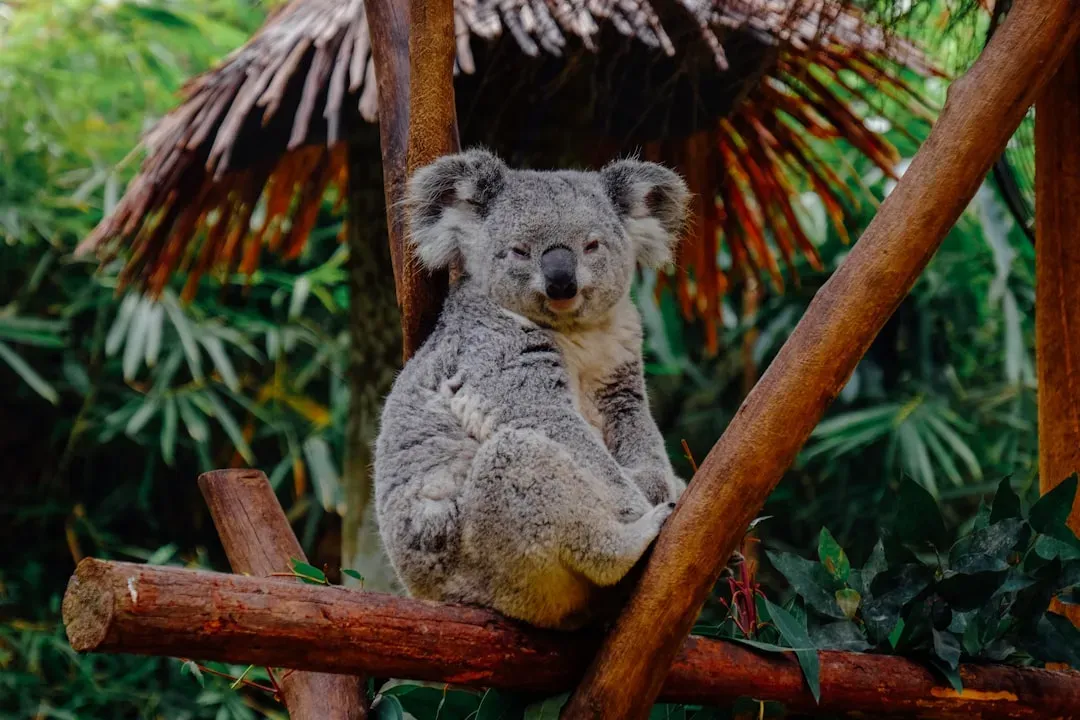
Koalas have never been bears, yet the myth is so deeply embedded that dictionaries still have to correct it.
European settlers in Australia in the early 1800s saw a fuzzy, round-eared, tree-climbing animal and did what humans always do with unfamiliar wildlife: they reached for the nearest familiar label. The koala was never scientifically classified as a bear – not for one single day – but the nickname “koala bear” stuck so hard that generations of children’s books, cartoons, and zoo signage perpetuated the error anyway.
Koalas are marsupials, a completely different mammalian branch defined by pouches used to carry underdeveloped young. Their closest living relatives aren’t bears at all – they’re wombats, another Australian marsupial with a very different lifestyle.
Fast Facts
- Koalas are marsupials, not bears – no scientific classification has ever placed them in the bear family.
- Their closest living relatives are wombats, another marsupial found only in Australia.
- Female koalas carry their joeys in a backward-facing pouch for several months after birth.
- A eucalyptus-heavy diet leaves koalas so low on energy that they sleep for the majority of the day.
The confusion says less about scientific reclassification and more about how powerfully a wrong nickname can outlive the facts, surviving in casual speech long after zoologists corrected the record. Even now, wildlife organizations run public awareness campaigns specifically to stop people from calling them bears.
#3 – The Red Panda’s Identity Crisis Finally Solved
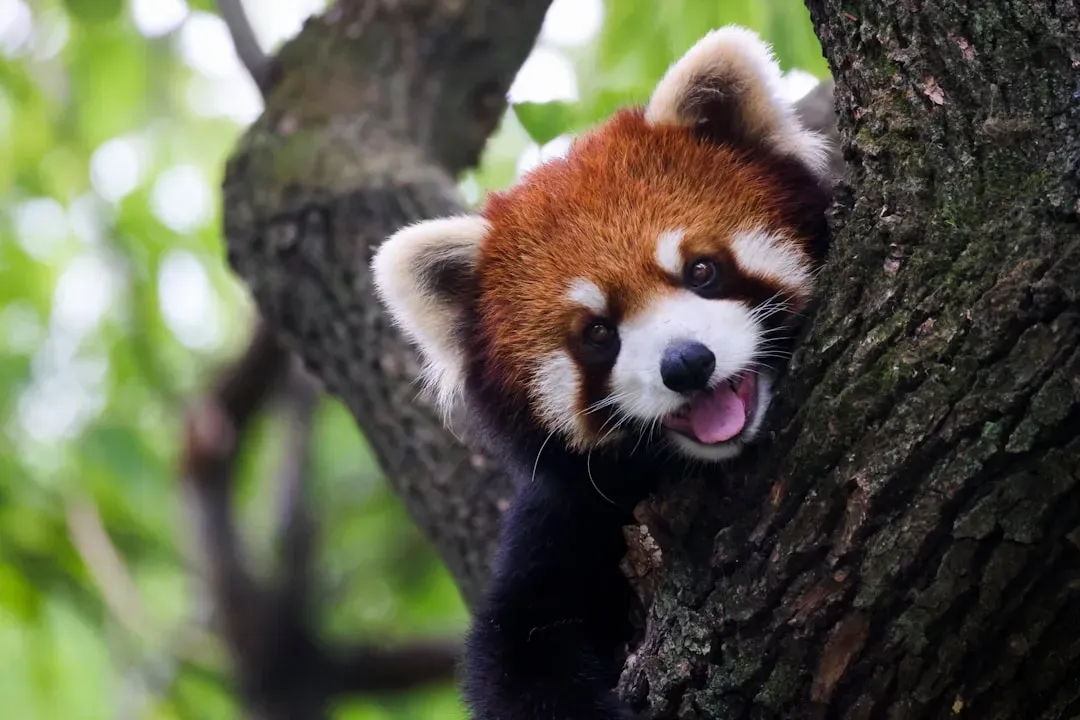
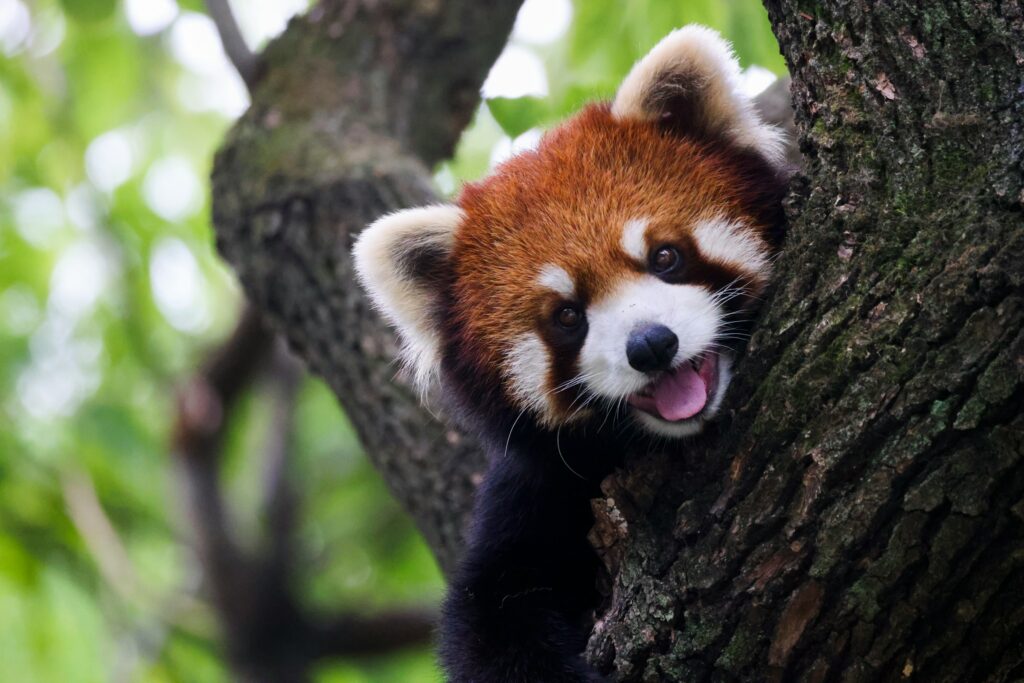
For over a century, scientists genuinely couldn’t agree on what family the red panda belonged to – and the debate got surprisingly heated.
Early naturalists lumped the red panda in with raccoons because of shared physical traits: ringed tails, dexterous front paws, and a similar body plan. Others insisted it belonged with the giant panda, since both animals share the unusual habit of eating bamboo and both possess a modified wrist bone that functions like a thumb. For decades, the red panda bounced between the raccoon family and the bear family depending on which scientist you asked.
Modern genetic sequencing settled the argument decisively – and surprised everyone. Red pandas aren’t raccoons, and they aren’t related to giant pandas either, despite the bamboo-eating coincidence. They’re now classified in their own unique family, Ailuridae, making the red panda essentially a taxonomic island with no close living relatives at all.
Researchers now describe the animal’s resemblance to raccoons and pandas as a striking case of convergent evolution, where unrelated species independently evolve similar traits to solve similar ecological problems. It’s one of the clearest examples in modern biology of how appearance can completely mislead classification.
#4 – The Nut That Was Never a Nut
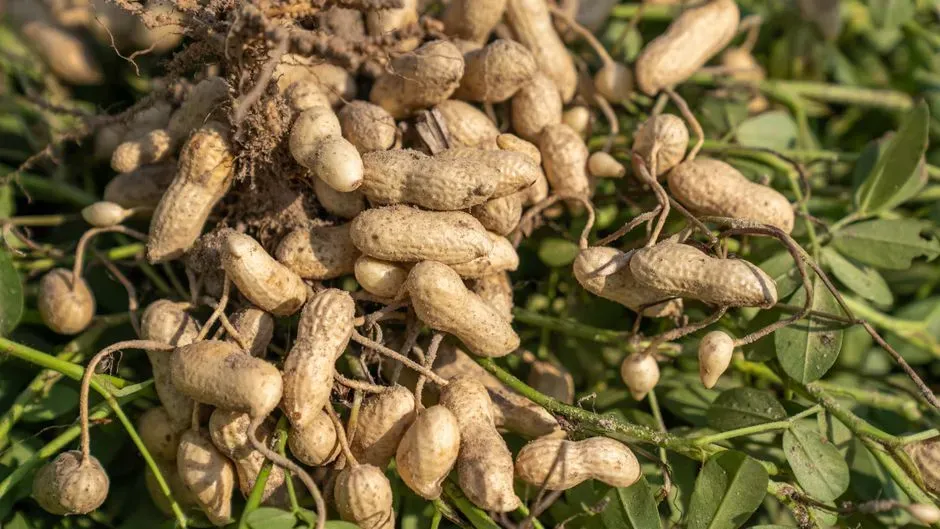
Ask most people what a peanut is, and they’ll say “nut” without hesitation. Botanists have been quietly correcting that assumption for years.
From a botanical perspective, the peanut is not a nut at all – its true identity is a legume, a category of plants that includes beans and lentils. By definition, nuts are dry fruits with a hard shell that encloses a single seed. Peanuts don’t fit that mold whatsoever. They grow underground in soft pods, not on trees, which is the single biggest giveaway that something is botanically off with the “nut” label.
Peanuts do something unusual: the plant flowers above ground, but after pollination, a small stem called a “peg” grows downward and pushes into the soil. That underground development is a hallmark of legumes, not nuts. Like many other members of the Fabaceae family, the peanut plant harbors symbiotic nitrogen-fixing bacteria in nodules on its roots, a process that enriches the soil and aligns the peanut squarely with beans and peas.
The reclassification isn’t new science – botanists have known this for a long time – but the culinary world never got the memo, and neither did the allergy-labeling industry, which still groups peanuts alongside tree nuts on warning labels despite the biological mismatch.
#5 – The Fruit That a Supreme Court Turned Into a Vegetable
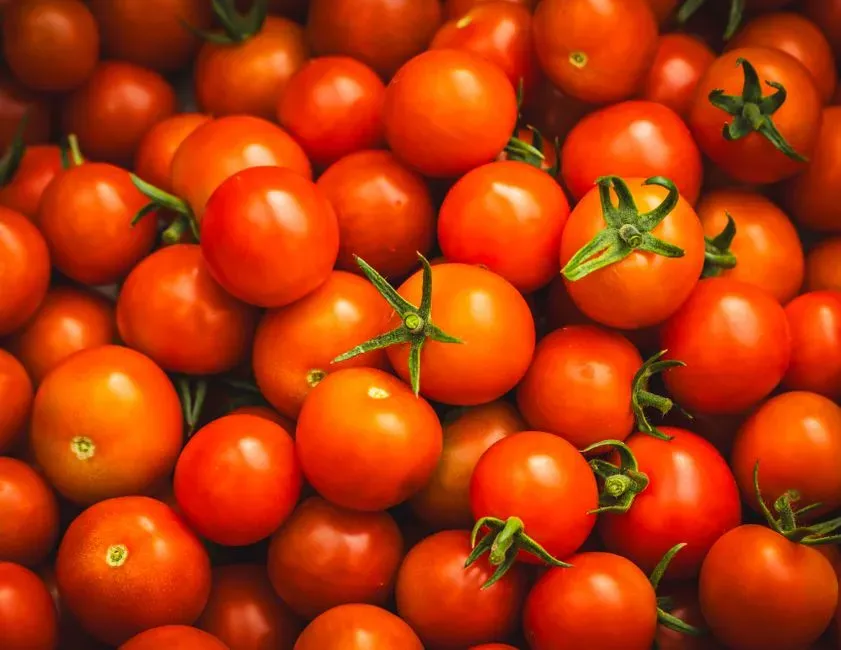
Nowhere is the fruit-versus-vegetable debate more absurd – or more legally binding – than with the tomato.
Technically, a tomato is a fruit. It develops from the ovary of the flower and contains seeds – textbook fruit biology. That should have settled things. Instead, in 1893, a tariff dispute forced the U.S. Supreme Court to weigh in, and the Court ruled that tomatoes are “vegetables” and not “fruit” within the meaning of the Tariff Act of 1883, based on the common, everyday meaning of those words.
The case, Nix v. Hedden, remains one of the strangest reclassifications in American legal history – a botanical fact overturned not by scientists, but by judges interpreting grocery-store language. Import duties applied to vegetables, while the plaintiffs argued tomatoes belonged in the tariff act’s tax-free list for fruits. The court sided with everyday usage over botanical accuracy, and the ruling still gets cited today.
Quick Compare
- Botanical fruit: Develops from a flower’s ovary and contains seeds – tomatoes technically qualify.
- Legal “vegetable”: Nix v. Hedden (1893) classified tomatoes as vegetables for tariff purposes.
- State fruit: Tennessee and Ohio both claim the tomato.
- State vegetable: New Jersey chose the opposite label, citing the Supreme Court case directly.
The fallout continues decades later: Tennessee and Ohio decided the tomato was their state fruit, while New Jersey made the tomato their state vegetable, specifically citing the Supreme Court case. Few reclassifications reveal the gap between science and law quite like this one.
#6 – The Microbes That Weren’t Bacteria After All
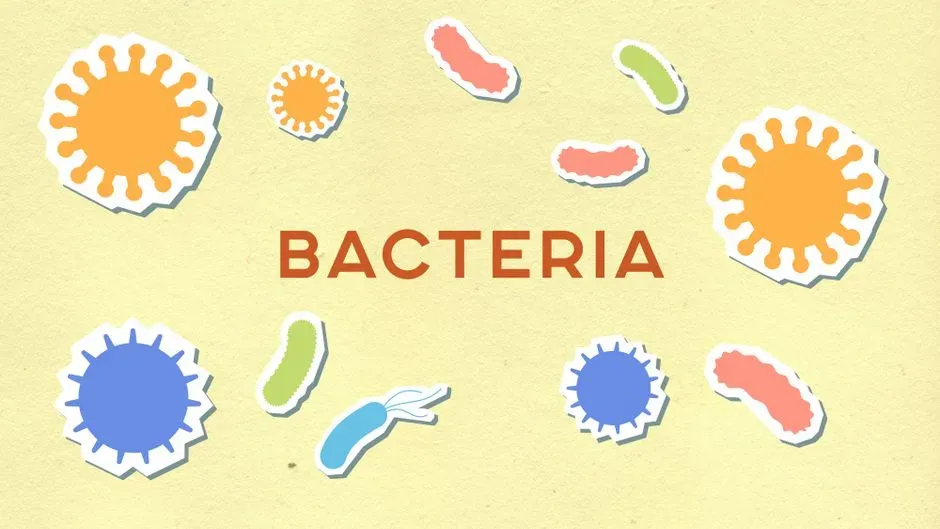
For most of modern biology, there were only two kinds of life on Earth: things with complex cells, and bacteria. That assumption collapsed in the late 1970s.
Microbiologist Carl Woese was studying genetic sequences from microorganisms living in extreme environments – boiling hot springs, salt lakes, oxygen-free swamps – when he noticed something odd. These microbes looked like bacteria under a microscope, behaved like bacteria, and had been classified as bacteria for as long as anyone could remember. But their genetic machinery was so fundamentally different that Woese proposed something radical: they weren’t bacteria at all.
In 1977, Woese introduced the idea of a completely separate domain of life, eventually named Archaea, sitting apart from both bacteria and the complex-celled organisms that include plants, animals, and fungi. The scientific community initially resisted the idea, since it meant rewriting the entire tree of life that biologists had relied on for generations.
Decades of additional genetic evidence eventually vindicated Woese’s proposal, and the three-domain system – Bacteria, Archaea, and Eukarya – is now the standard framework taught in biology classrooms worldwide. It remains one of the most dramatic reclassifications in the history of science, quietly rewriting the categories of life itself.
#7 – Mushrooms Spent Centuries Filed Under “Plants” by Mistake
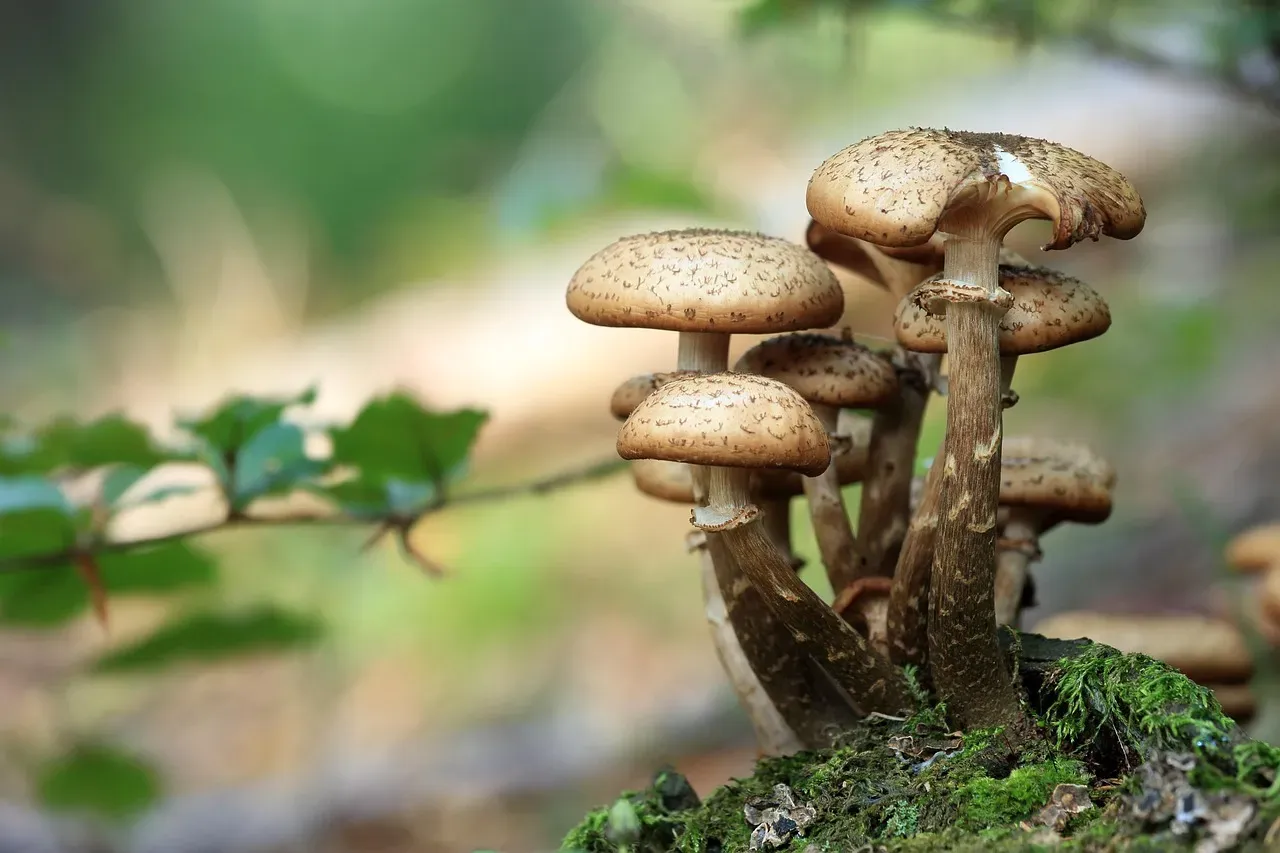
If you’d asked a botanist in the 1950s what a mushroom was, they would have confidently told you it’s a plant. They would have been wrong.
Fungi were classified alongside plants for centuries simply because both are stationary, grow from the ground, and don’t visibly move. But fungi don’t photosynthesize, they don’t have cellulose-based cell walls in the same way plants do, and their method of getting nutrients is closer to how animals absorb food than how plants generate it. The similarities were superficial, and it took until 1969 for a scientist to finally say so out loud.
That year, ecologist Robert Whittaker proposed a five-kingdom system of classification that pulled fungi out of the plant kingdom entirely and gave them their own category. The decision reflected growing evidence that fungi share more biochemical similarities with animals than with plants, including how their cells build proteins and process waste.
At a Glance
- Fungi don’t photosynthesize; they absorb nutrients through digestion, much like animals do.
- Fungal cell walls are built from chitin, the same material found in insect exoskeletons, not plant cellulose.
- Robert Whittaker’s 1969 five-kingdom system finally gave fungi their own kingdom, separate from plants.
- Yeasts, molds, and mushrooms all fall under Kingdom Fungi today.
Mushrooms, molds, and yeasts were reclassified into Kingdom Fungi, a shift that reshaped how biology students learn the fundamental branches of life. It’s a reclassification most people have never heard of, despite eating the results of it in every pizza topping and fermented loaf of bread.
#8 – Falcons Got Kicked Out of the Hawk Family Entirely
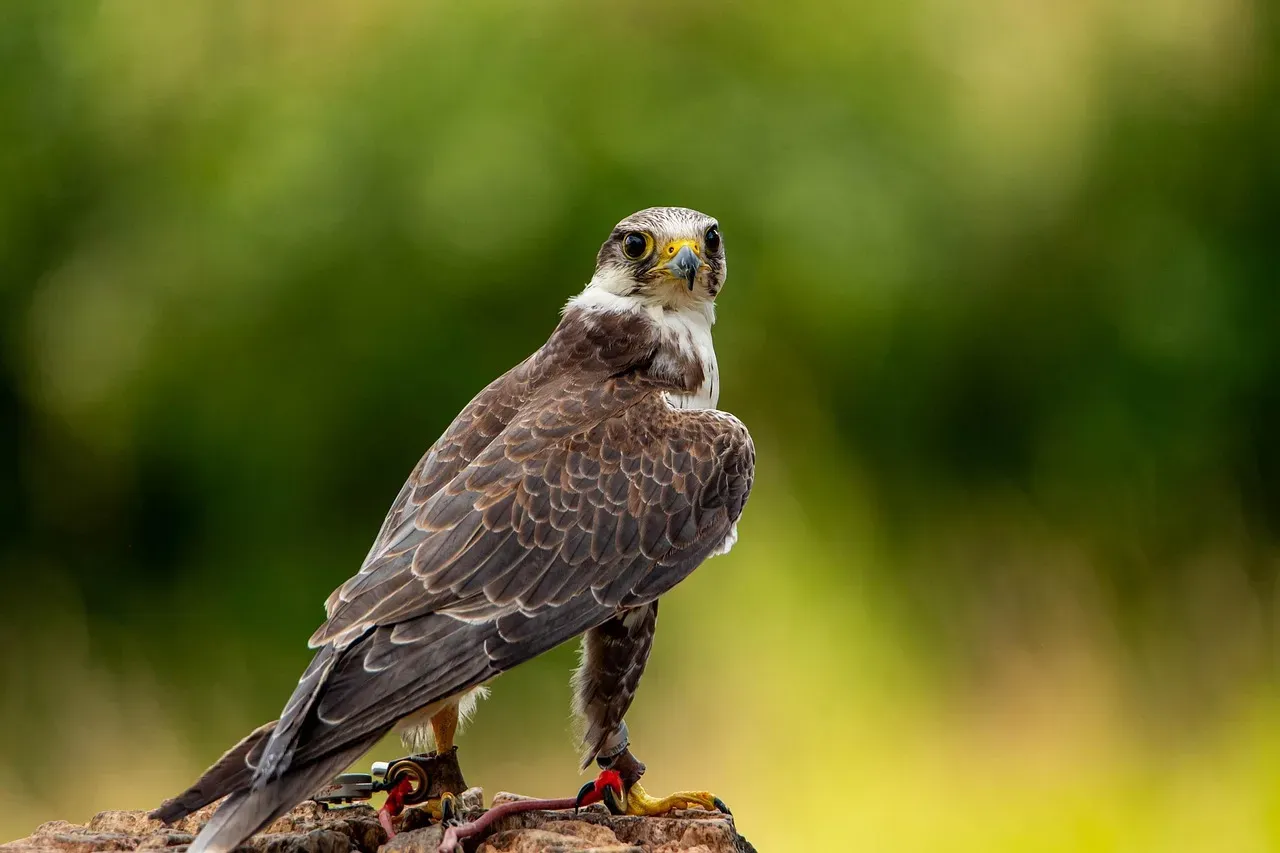
For decades, falcons sat comfortably next to hawks and eagles in bird classification charts, grouped together because they all hunt, all have hooked beaks, and all soar with predatory grace. Genetics blew that assumption apart.
A landmark genomic study published in 2008 compared DNA across major bird groups and found something researchers hadn’t expected: falcons are not closely related to hawks and eagles at all. Despite sharing similar hunting behaviors and physical adaptations, falcons evolved those traits independently – another textbook case of convergent evolution fooling classifiers for generations. The genetic data instead placed falcons in a surprising family tree branch alongside parrots and songbirds, two groups most people would never associate with a diving predator capable of high-speed aerial hunting.
The reclassification forced ornithologists to split falcons into their own distinct order, separate from the hawks, eagles, and vultures they’d been filed alongside for most of recorded ornithological history. It’s a reminder that shared hunting style and appearance can completely mask true evolutionary relationships.
Bird enthusiasts still debate the change today, since visually, falcons look far closer to hawks than to parrots – but genetics doesn’t lie, and DNA settled an argument that appearance alone never could.
#9 – Flamingos Are Closer to Pigeons Than to Storks
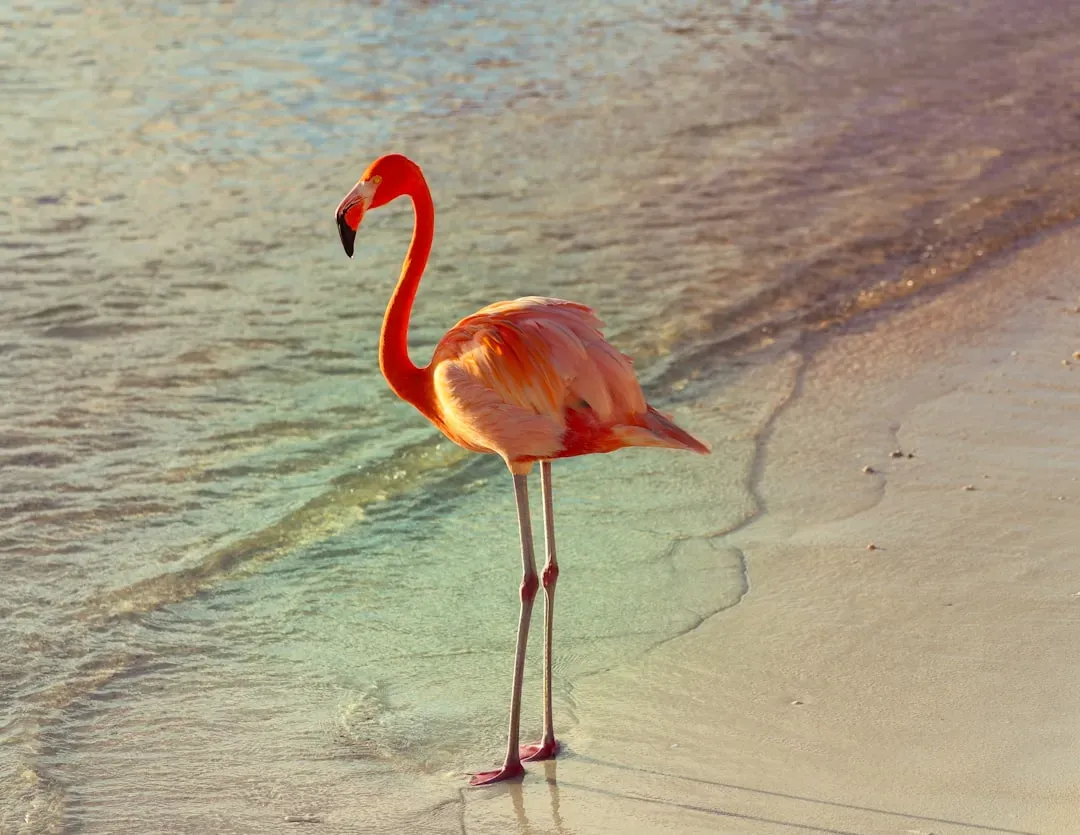
The pink, long-legged flamingo spent a long stretch of ornithological history grouped with storks, herons, and other wading birds simply because they all stand in shallow water and share similarly long legs and necks.
Genetic studies conducted from the 1990s through the 2000s dismantled that grouping almost entirely. It turns out flamingos share a surprisingly close evolutionary relationship with grebes, a group of diving waterbirds that look nothing like flamingos at first glance. The two groups don’t share the same habitat, feeding style, or general appearance, yet DNA evidence repeatedly confirms they’re each other’s closest relatives among modern birds.
Even more surprising to casual bird watchers: some genetic analyses have linked the flamingo-grebe lineage more closely to pigeons and doves than to herons or storks, upending the intuitive “looks like a wading bird, must be a wading bird” logic that guided classification for so long. The flamingo’s iconic pink color, caused by pigments in the shrimp and algae it eats rather than genetics, only added to the visual confusion that misled classifiers for generations.
Modern taxonomy has since placed flamingos in their own distinct order, Phoenicopteriformes, finally divorcing them from the wading-bird family they never truly belonged to.
#10 – Whales Got Moved Into the Same Group as Hippos
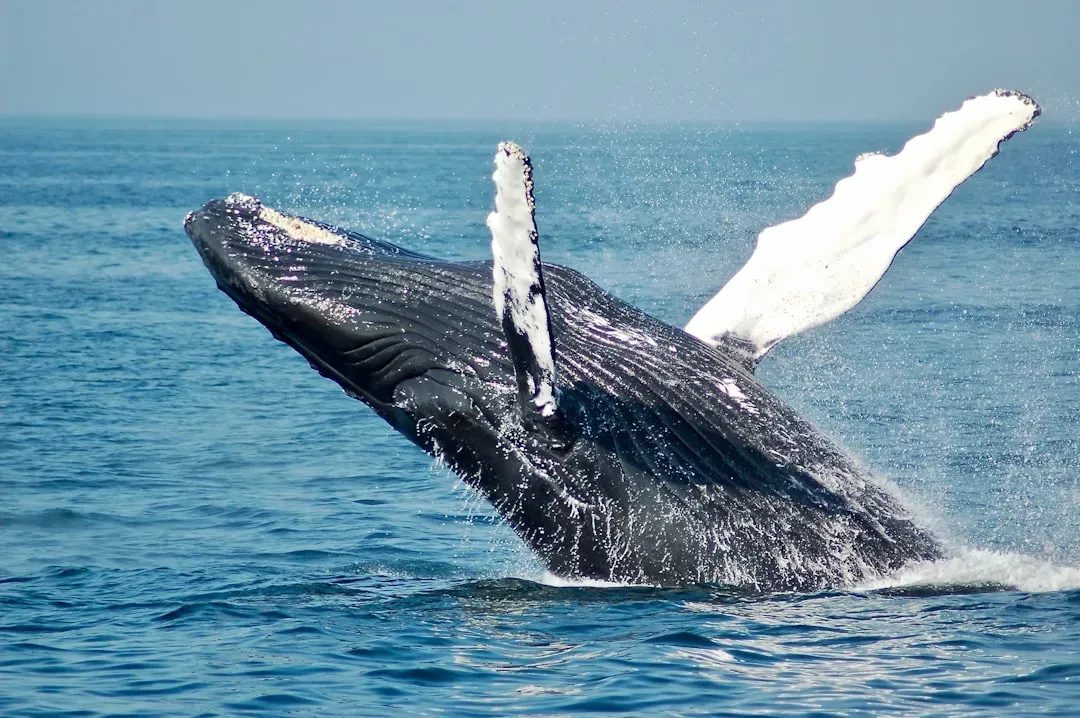
Whales spent most of scientific history in their own tidy order, Cetacea, separated cleanly from land mammals because, well, they live in the ocean and don’t have legs.
Fossil discoveries and genetic sequencing in the 1990s and 2000s completely upended that separation. Researchers found that whales share a remarkably close evolutionary relationship with even-toed hoofed mammals, the group that includes cows, pigs, camels, and, most surprisingly, hippopotamuses. The genetic evidence was so strong that scientists merged the two groups into a single order called Cetartiodactyla, effectively declaring that whales are, evolutionarily speaking, deeply modified hoofed mammals that returned to the ocean tens of millions of years ago.
Worth Knowing
- The combined order Cetartiodactyla now includes whales, hippos, cows, pigs, camels, and deer.
- Ancient whale ancestors had small legs and hoof-like toes, evidence of their land-dwelling origins.
- Hippos and whales share unique physical traits found in no other mammal group.
- DNA comparisons, not just fossils, were the deciding evidence behind the reclassification.
Fossil evidence backed up the genetic findings, revealing ancient whale ancestors with small hind legs and hoof-like toes – physical proof of their land-dwelling, even-toed origins. The hippo connection in particular stunned casual observers, since a hippo and a blue whale look like they couldn’t be more different.
Yet skeletal features, blood proteins, and DNA sequencing all point to the same conclusion: modern whales and hippos share a common ancestor that no other living animal group can claim. It’s considered one of the most significant mammalian reclassifications of the last thirty years.
#11 – The Dinosaur That Went Extinct Twice
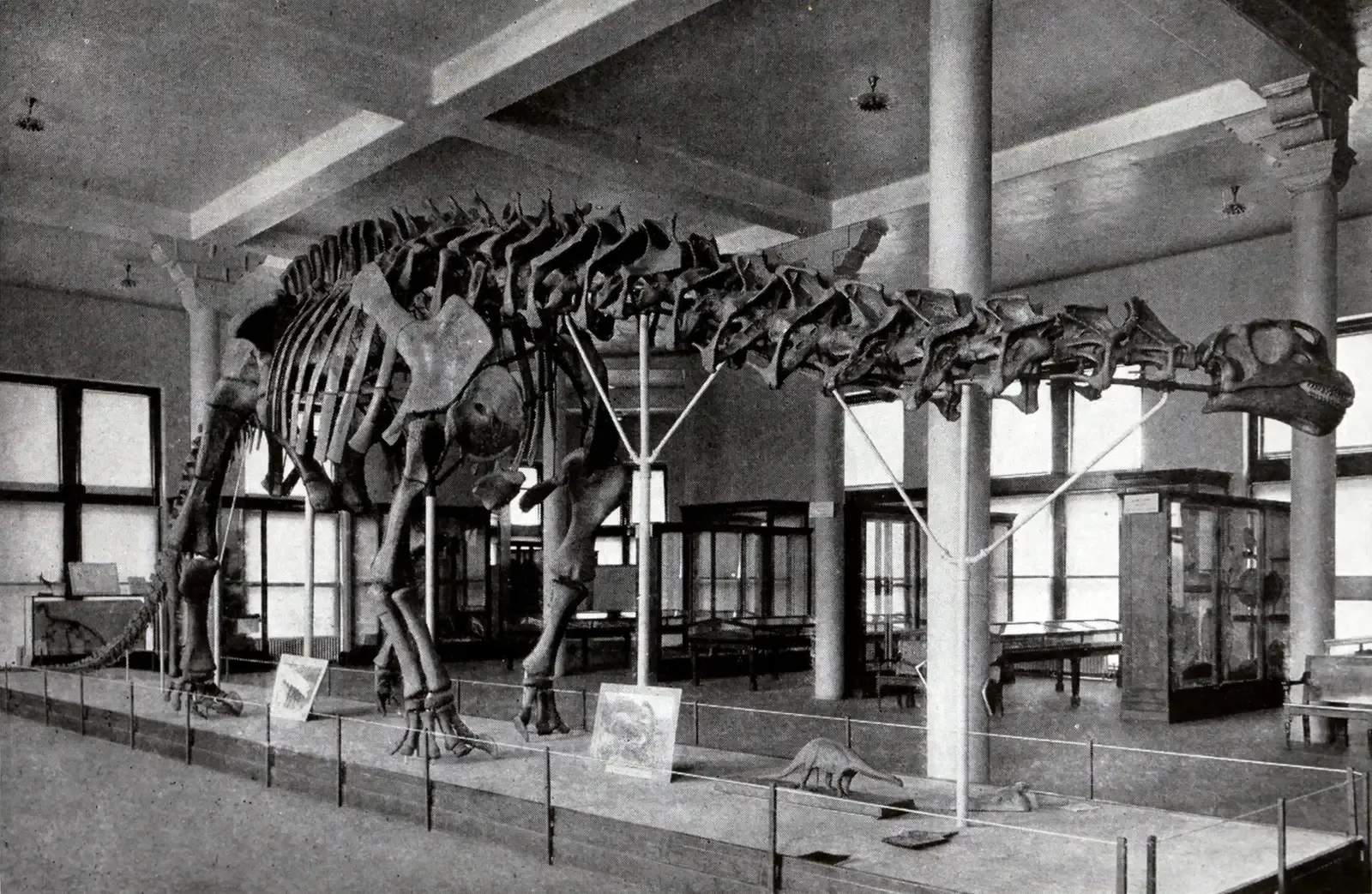
Few reclassifications carry the emotional weight of Brontosaurus, a dinosaur so iconic it appeared on stamps, cereal boxes, and one of the most recognizable oil company logos in American history – despite not officially existing for over a hundred years.
Its fossil was first discovered in western North America in 1874 and described in 1879 by American paleontologist Othniel Charles Marsh. But in 1903, the genus Brontosaurus was subsumed by the earlier-described genus Apatosaurus. Scientists had determined the two skeletons were similar enough to represent the same genus, meaning technically, “Brontosaurus” was just an immature or slightly different Apatosaurus specimen. The name should have disappeared from scientific use entirely – but pop culture refused to let go of it.
Despite the change in classification, the public still embraced the dinosaur as Brontosaurus, owing to the widespread use of its likeness during much of the 20th century in advertising, motion pictures, and television. Then, in 2015, an exhaustive study changed everything.
Palaeontologists from Portugal and the UK examined 477 individual physical features spanning 81 different sauropods recovered from sites across the globe and concluded that the differences between Apatosaurus and Brontosaurus were numerous enough to reinstate the latter as a valid genus. After more than a century of scientific limbo, the dinosaur beloved by generations of children was finally, officially, real again.
#12 – The Planet That Got Voted Out of the Solar System
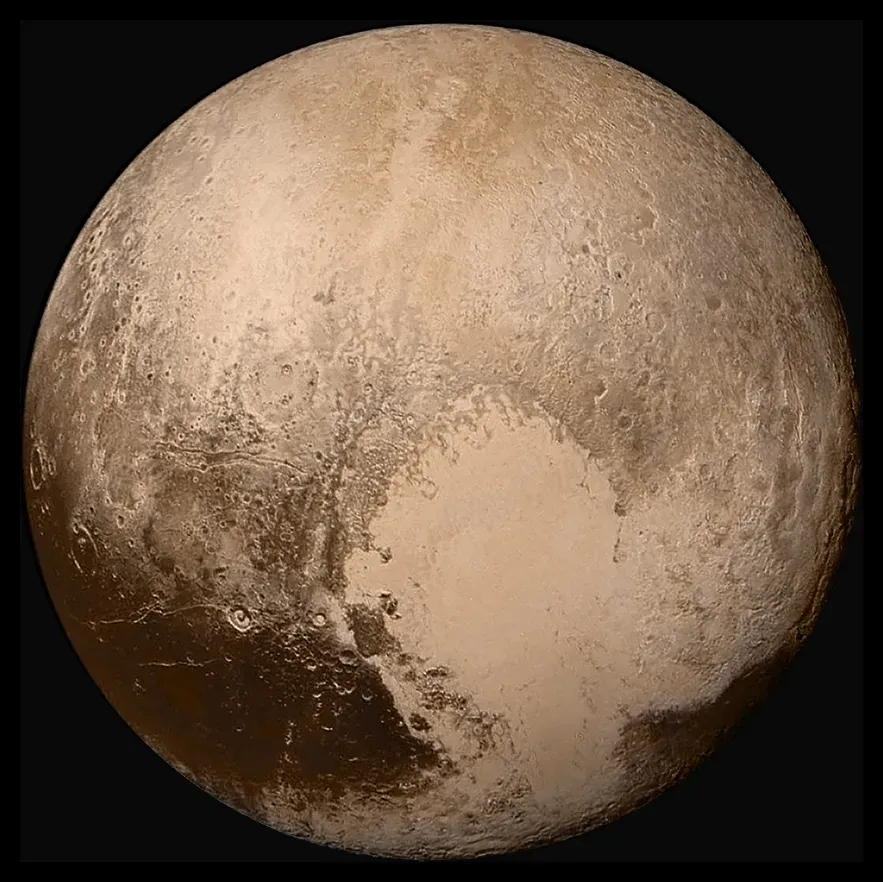
No reclassification in modern history sparked more public outrage than what happened to Pluto in the summer of 2006.
Discovered in 1930, Pluto was long considered our solar system’s ninth planet, but after the discovery of similar worlds deeper in the Kuiper Belt, Pluto was reclassified as a dwarf planet in 2006 by the International Astronomical Union. The decision wasn’t arbitrary. The IAU’s three criteria for a full-sized planet require that it orbit the Sun, have sufficient mass to assume hydrostatic equilibrium, and have “cleared the neighborhood” around its orbit. Pluto satisfied only two of the three, failing the final and most decisive test.
Pluto meets the first two criteria but fails the third, since numerous other objects in its Kuiper Belt neighborhood, such as Eris, are of comparable size and orbit nearby. The vote itself became almost as controversial as the decision.
Some influential astronomers were caught off guard by the procedure, questioning the final proposal’s logic and pointing to the low turnout of voters – 424 astronomers out of roughly 10,000 professional astronomers worldwide – at the IAU conference. Despite the backlash, the reclassification stuck, permanently shrinking the solar system’s official planet count to eight and turning Pluto into the most famous demotion in scientific history.
The Bottom Line
Science doesn’t get things wrong out of carelessness. It gets things wrong because classification is always a work in progress, built on the best available evidence at the time. Whales, fungi, falcons, and even a dead planet all prove that “settled science” is often anything but.
What’s fascinating is how differently these corrections landed. Pluto’s demotion triggered global outrage that still hasn’t fully cooled off, while the peanut’s true identity barely registers outside a biology classroom. If you ask us, the guinea pig rodent scare and the Brontosaurus resurrection are the two most underrated reclassification stories in modern science – genuinely dramatic, yet almost nobody talks about them.
Which one on this list surprised you the most? Did we miss a reclassification that deserves a spot? Drop it in the comments.