
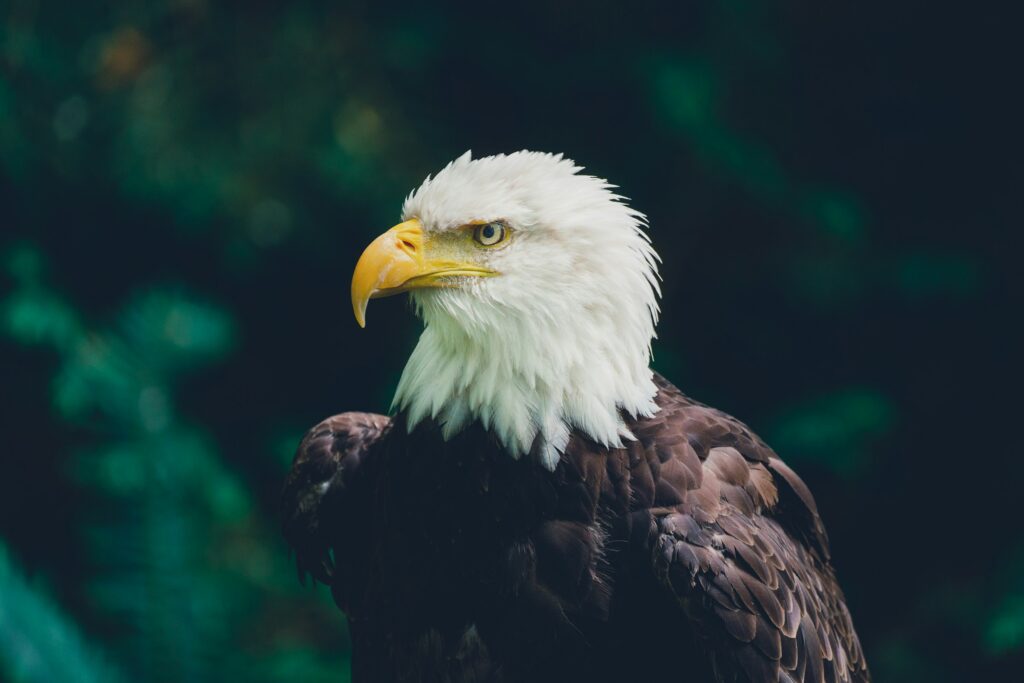
Most people assume a 200-megapixel smartphone or a $40,000 cinema rig sits at the top of the visual food chain. Then they learn an eagle can spot a rabbit twitching in tall grass from two miles up – using an eye barely bigger than a ping-pong ball – and that whole hierarchy quietly falls apart.
This isn’t a cute “birds have good eyesight” trivia fact. Vision researchers who’ve spent entire careers dissecting raptor optics say an eagle’s eye doesn’t just outperform a camera – it runs on completely different rules, using tricks no lens, sensor, or algorithm has ever managed to copy. Here are the thirteen ways it proves it.
#1 – Two Foveae Per Eye, Not Just One
Every camera has exactly one point of focus per lens element. Human eyes follow the same one-fovea rule. Eagles simply ignored it.
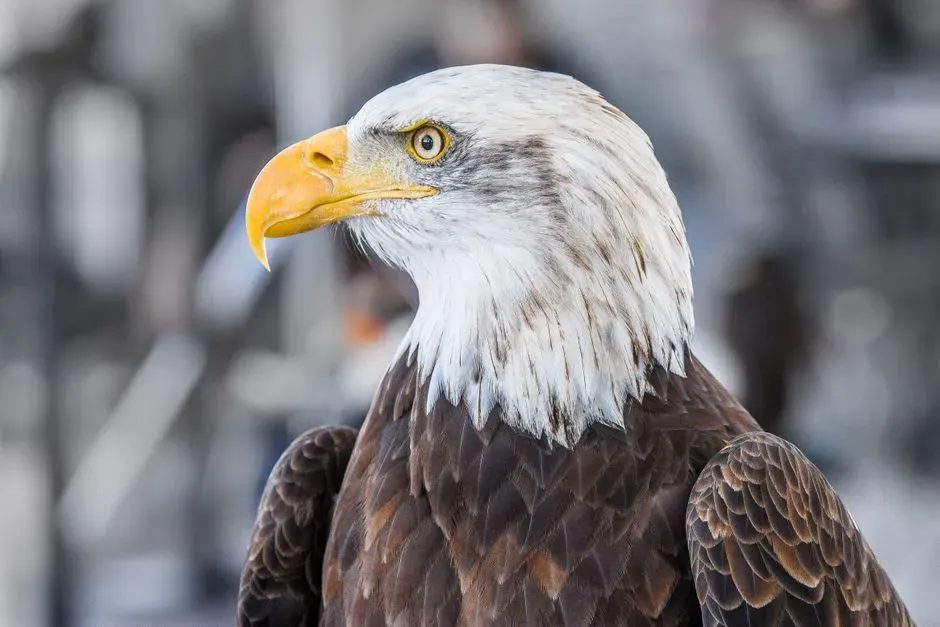
Each eagle eye holds two separate foveae – a central one aimed straight ahead for pinpoint focus, and a temporal one angled sideways for scanning motion at the edges. It’s the biological equivalent of wiring two independent high-definition sensors into a single lens barrel, each doing a completely different job at the same time.
No commercial camera runs two full focal systems through one lens housing simultaneously – it would need an entirely separate optical path built from scratch. An eagle can lock a distant target with surgical sharpness while still catching a flicker of movement in its peripheral vision, something dual-camera smartphones only fake by stitching two photos together after the fact, not by actually seeing both at once.
#2 – Cone Density That Makes Megapixels Look Primitive
Camera marketing loves to brag about megapixel counts. Eagles solved that arms race millions of years before a single camera company existed, by packing their fovea with raw receptor density instead of chasing a bigger number.
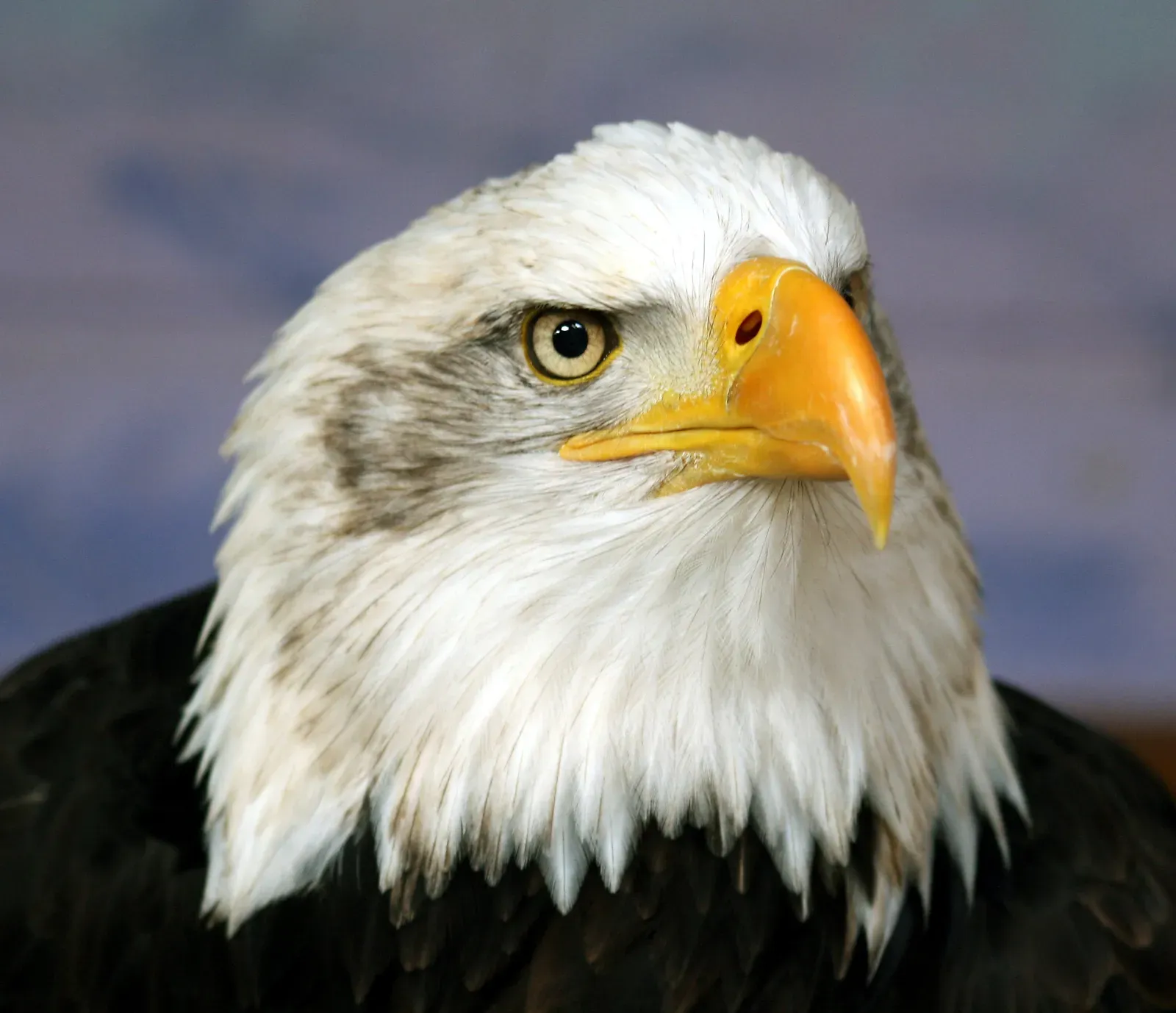
An eagle’s fovea holds roughly ten times as many cones as ours, crammed into a deep, concave crater that sharpens focus the way a satellite dish sharpens a signal. The eagle retina runs about one million receptor cells per square millimeter, compared to roughly 200,000 in a human eye – a five-fold density advantage stuffed into an eyeball smaller than a golf ball.
Fast Facts
- Eagle fovea cone density: roughly 10x higher than a human fovea
- Receptor packing: about 1,000,000 cells per square millimeter vs. ~200,000 in humans
- All of that crammed into an eyeball smaller than a golf ball
- No commercial camera sensor matches that density-to-size ratio
Translate that into camera terms and you’re describing a sensor that doesn’t exist on any store shelf, built entirely without silicon, batteries, or a firmware update. The “more megapixels equals a better photo” pitch we’ve been sold for two decades doesn’t hold up next to what a raptor retina does for free.
#3 – 20/5 Vision That Spots a Rabbit From Two Miles Up
Most people treat 20/20 vision as the ceiling of human sharpness. Eagles treat it as a starting line they blew past long ago.
Eagles and other birds of prey see roughly four to five times farther than the average human, which works out to 20/5 or even 20/4 vision under good conditions. That number sounds abstract until you picture what it actually means in the field.
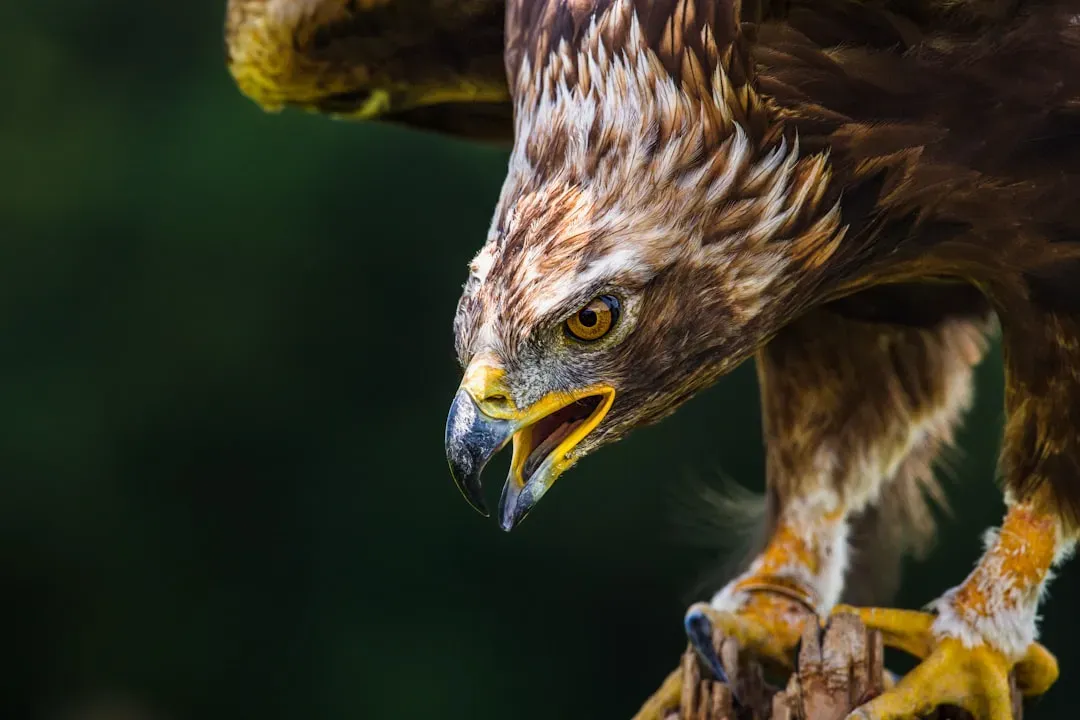
Soaring at 10,000 feet – nearly two miles up – a golden eagle can pick out a rabbit nibbling grass in the valley floor below, resolving detail that would be invisible to a human standing at the same altitude. No telephoto lens on the market pulls off that shot on a moving, camouflaged animal without a tripod, a stabilizer rig, and a very patient photographer holding still for several minutes.
#4 – A Retina With Eight Times the Sensors of the Human Eye
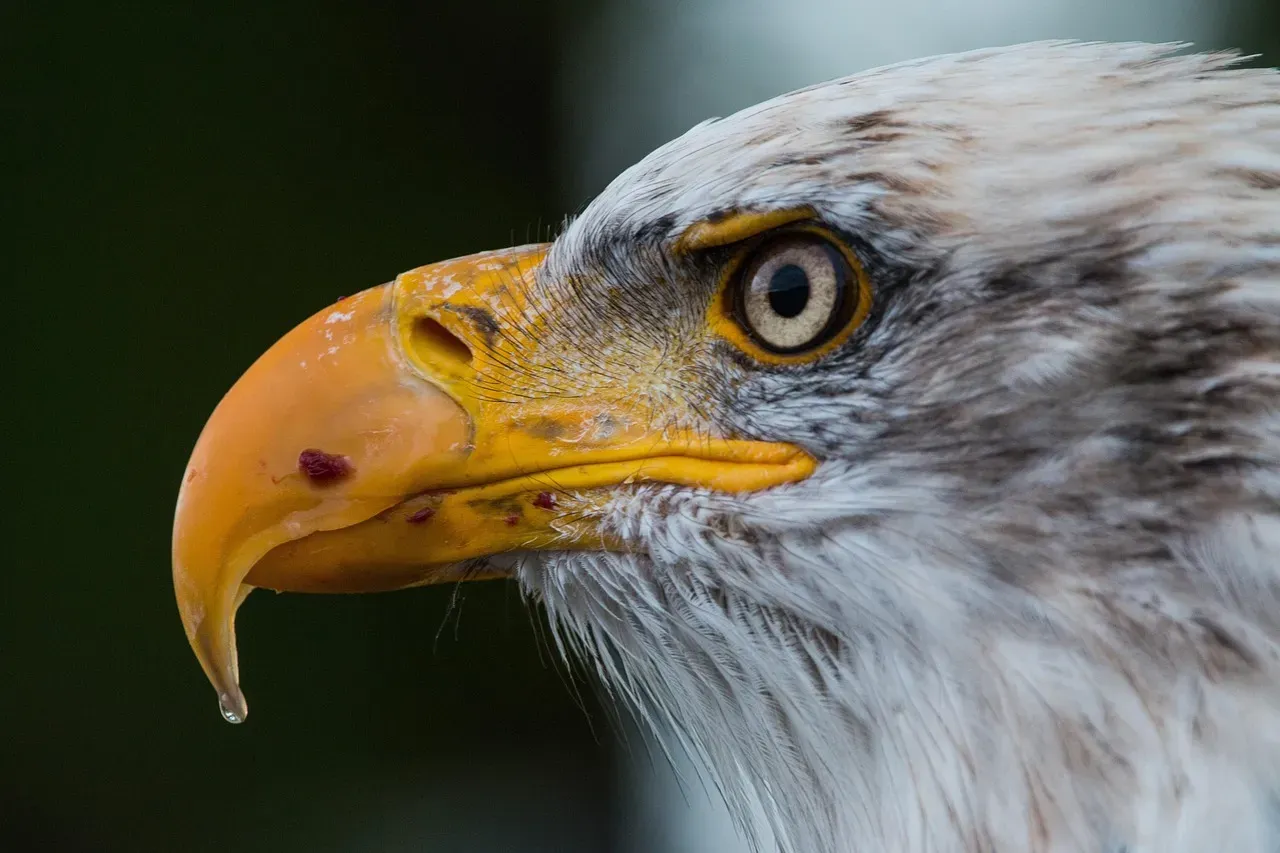
Forget comparing eagles to humans for a moment. Compare them directly to cameras, spec sheet to spec sheet, and the gap gets embarrassing fast.
A human retina carries roughly twenty-five million rods and six million cones. An eagle’s retina packs about eight times that total receptor count into an eye a fraction of the size. No camera currently sold to consumers reaches even a quarter of that number in total pixel count – and that comparison isn’t coming from a bird documentary, it shows up in patent filings written by camera engineers themselves.
That’s not a rounding error. That’s an entire industry falling short by a factor of four against a single bird’s eyeball, using equipment worth thousands of dollars.
#5 – A Curved Retina That Eliminates the Need for Complex Lenses
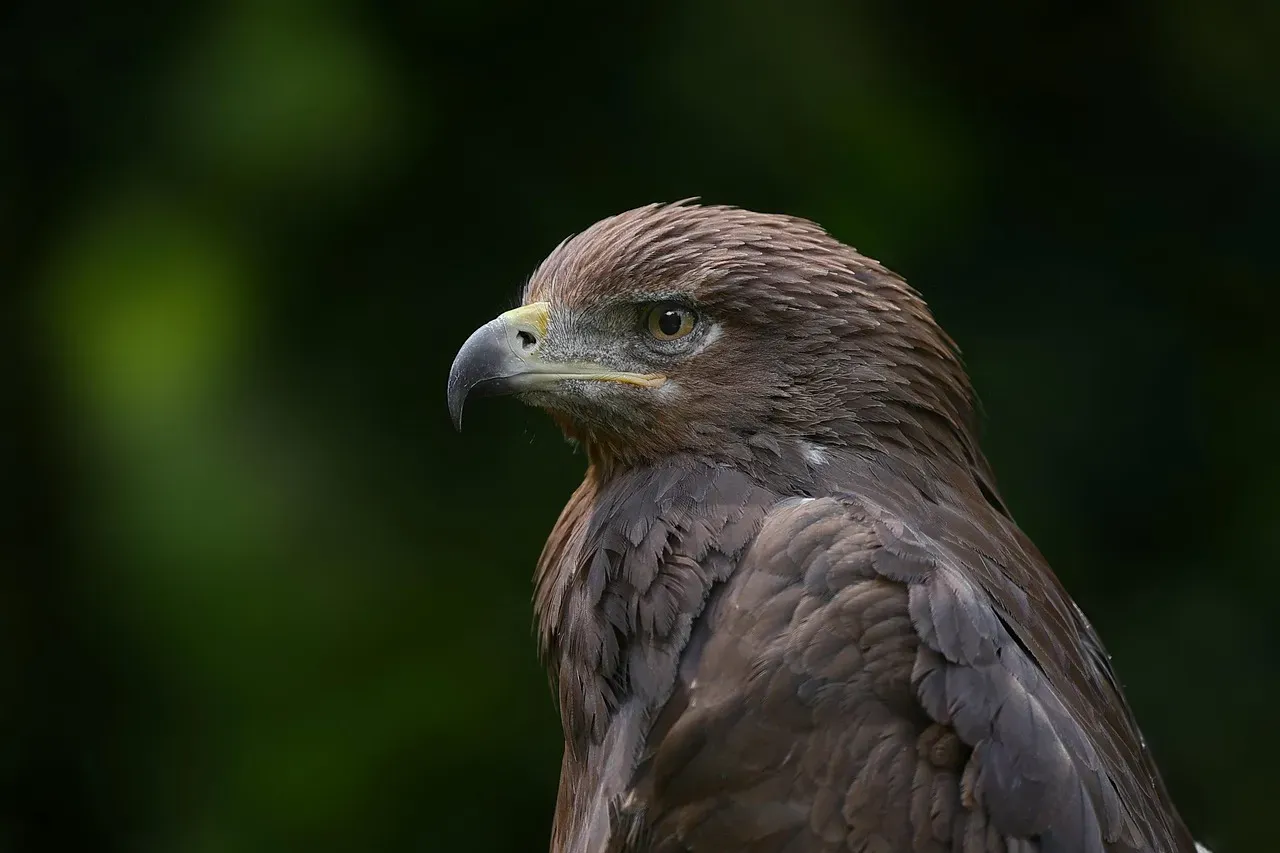
Every camera lens you’ve ever bought is a compromise. Multiple glass elements, exotic coatings, and complicated formulas exist purely to correct a flaw eagles never had to deal with in the first place.
Camera sensors are flat, so light bends unevenly as it reaches the edges, creating a smeared, rainbow-tinted distortion called chromatic aberration. Manufacturers fight this by stacking expensive lens elements on top of each other. Eagles solved the same problem by curving the sensor itself instead of fighting the light with extra glass.
The result is an eye that stays sharp at noon, at dusk, and in shifting light, using simpler, lighter optics than anything in a camera bag. Optical engineers have pointed to this exact design gap as inspiration for next-generation sensors – sensors that, notably, still don’t exist commercially.
#6 – A Built-In Magnifying Lens Hidden Inside the Retina Itself
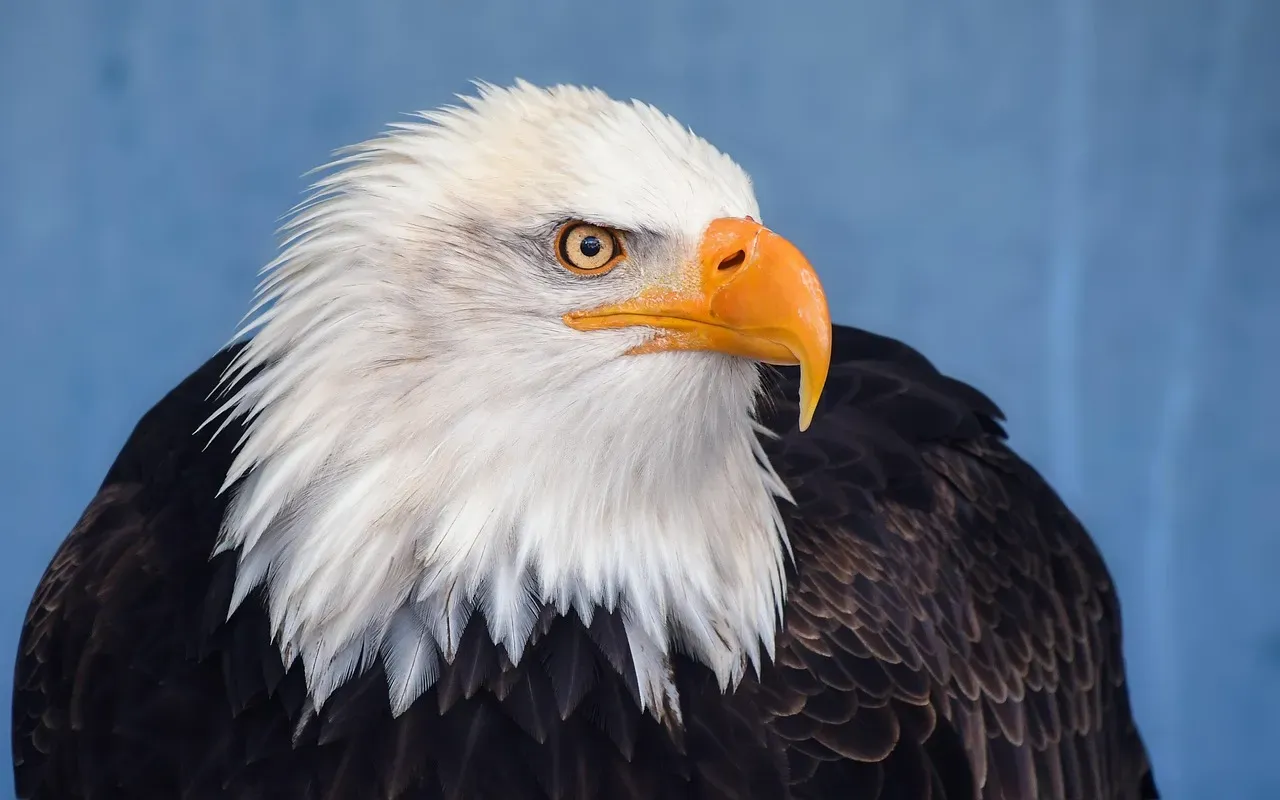
Zoom lenses need moving glass, motors, and mechanical rails to change magnification. An eagle produces a similar effect using nothing but the shape of its own retina.
The deep central fovea curves inward like a tiny concave mirror, functioning as a natural negative lens that subtly magnifies whatever sits dead center in the eagle’s sightline. It isn’t the same trick as twisting a zoom ring – it’s closer to boosting the resolution of an image rather than simply cropping and enlarging it, sharpening detail at the cellular level instead of just making it bigger.
Optical engineers have spent years trying to replicate this exact structure in bio-inspired camera prototypes, with limited commercial success. A camera zoom magnifies. An eagle’s fovea magnifies and clarifies at the same instant, which is a much harder problem to solve with glass.
#7 – Four Types of Color Receptors Instead of Three
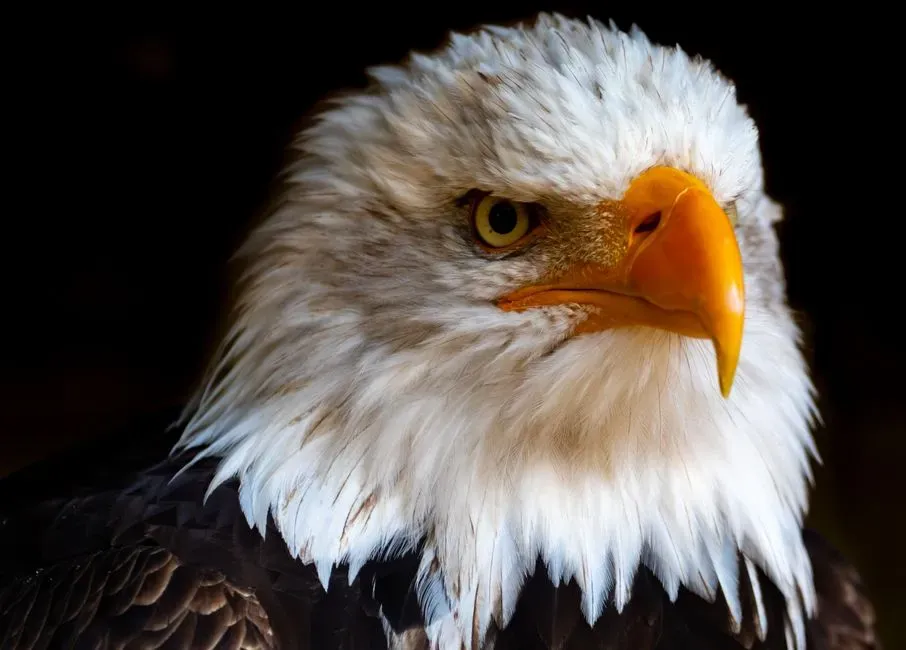
Your camera’s sensor reads red, green, and blue, exactly like your eyes do. An eagle’s eye reads a fourth channel entirely, one your camera was never built to capture.
Eagles carry four types of cone cells instead of the three humans have, and that extra cone opens the door to ultraviolet light – a color range completely invisible to us. Practically speaking, eagles distinguish shades and hues that don’t have names in any human language, because we’ve never needed words for colors we can’t see.
Worth Knowing
- Humans see using three cone types: red, green, and blue
- Eagles carry a fourth cone type tuned to ultraviolet light
- The extra channel reveals colors with no equivalent name in human language
- Even high-end color-grading monitors only simulate a fraction of that range, and only for human eyes
Even the most expensive color-grading monitors used in Hollywood post-production only simulate a fraction of that range, and only for human eyes. Most nature documentaries showing “what an eagle sees” are technically impossible footage – no consumer or cinema camera has a fourth color channel to display it accurately, so what you’re watching is a human approximation, not the real thing.
#8 – Possible Ultraviolet Detection for Tracking Prey Trails
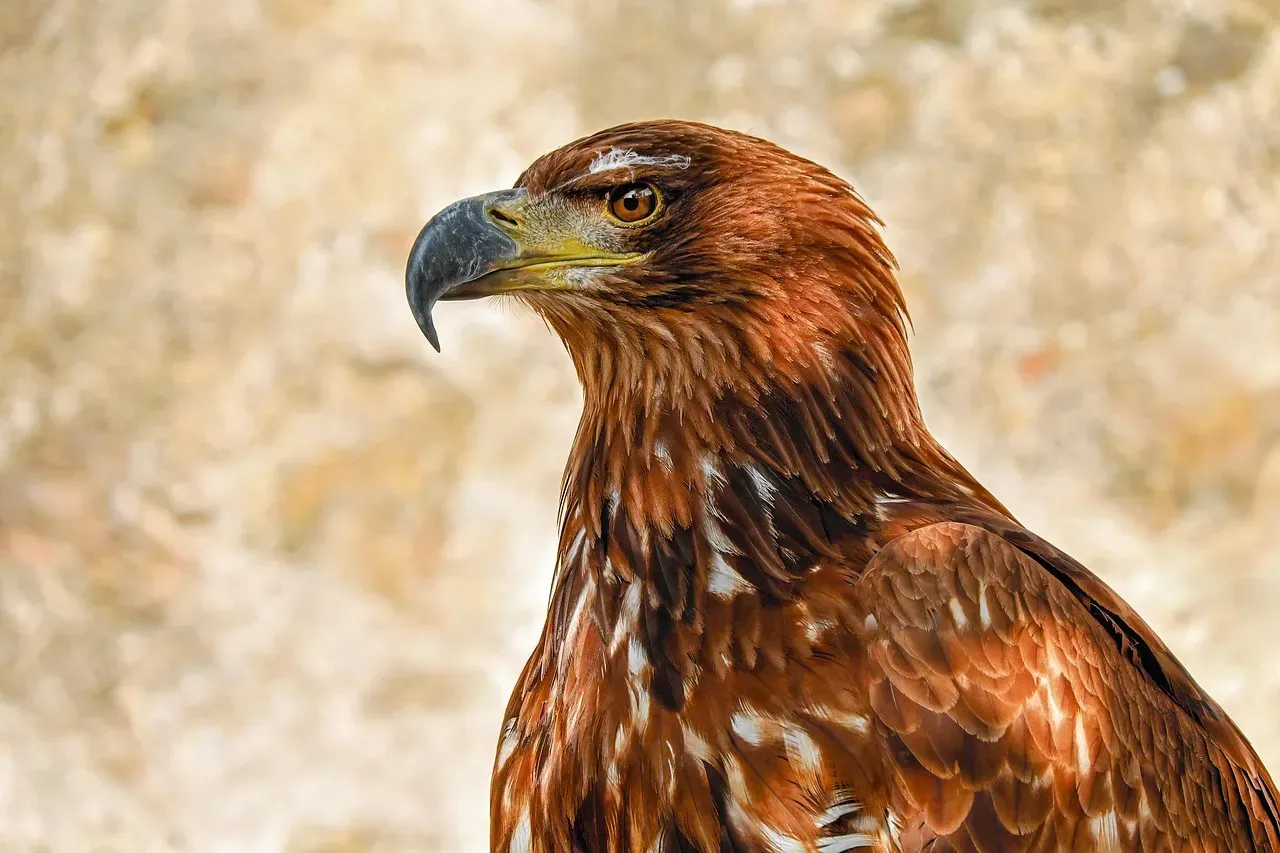
This one comes with a scientific asterisk, but it’s too strange to leave out. Several raptor species appear to use UV sensitivity as an actual hunting tool, not just a sensory curiosity.
Rodent urine reflects ultraviolet light, leaving glowing trails invisible to us but potentially visible to a raptor circling several hundred feet overhead. Falcons and kestrels have the strongest documented evidence for following these UV pathways straight to a hidden meal, essentially reading a map painted in a color humans can’t perceive.
Researchers are still mapping out exactly how far this ability extends across eagle species specifically. What’s certain is that no camera sold to consumers turns UV light into a visible hunting overlay on a live scene – that kind of sensor exists only in specialized scientific equipment, never in a $2,000 mirrorless body.
#9 – A 340-Degree Field of View Without Moving the Head
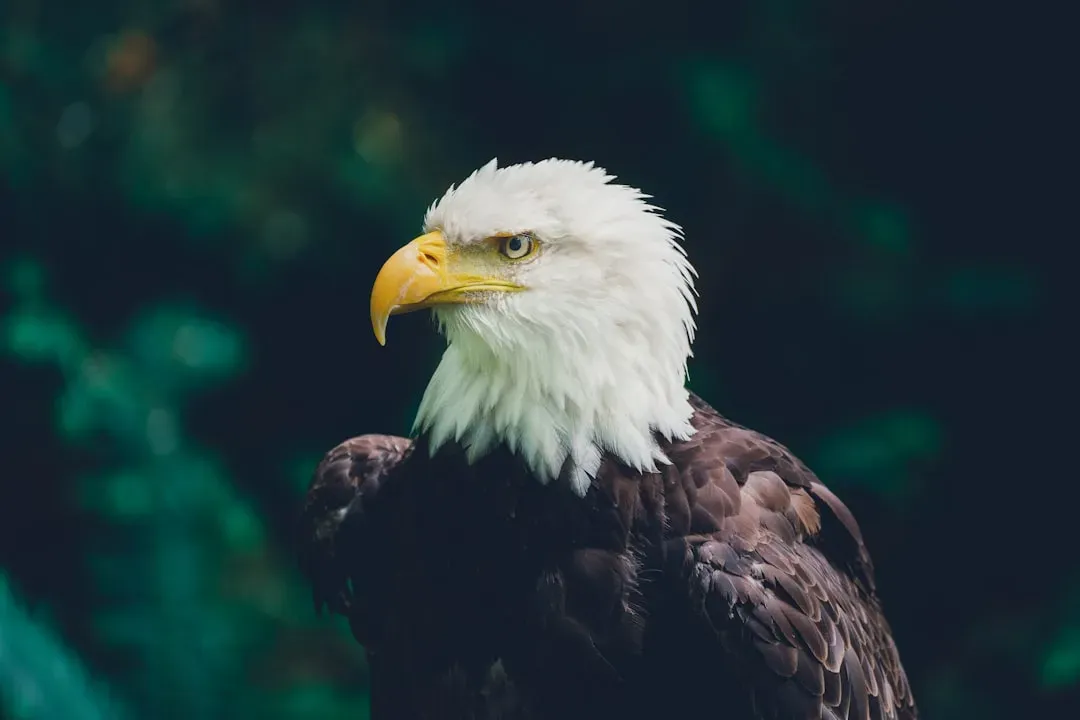
Wide-angle lenses distort everything near the edges of the frame. An eagle’s eye placement solves the same field-of-view problem in a completely different way.
An eagle’s eyes sit angled about 30 degrees from the midline of its face, fixed permanently in their sockets. That positioning alone gives it a roughly 340-degree field of view, compared to the 180 degrees humans get – nearly double the coverage, without a single moving part.
Quick Compare
- Eagle field of view: roughly 340 degrees, fixed in place
- Human field of view: roughly 180 degrees
- Ultra-wide camera lenses: wider coverage, but more edge distortion the wider they stretch
- Eagle advantage: near-double coverage with zero moving parts
Camera reviewers still treat ultra-wide lenses as the gold standard for landscape and action shots, but many optical engineers admit those lenses actually introduce more distortion the wider they stretch. Eagles never had to make that tradeoff.
#10 – Fixed Eyeballs That Never Need Autofocus Motors
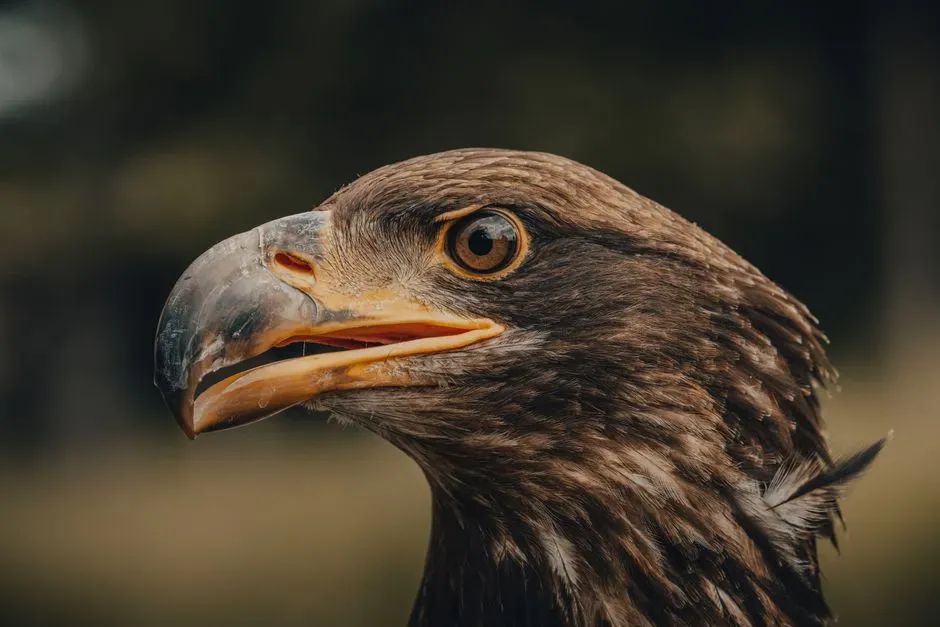
Here’s the counterintuitive part: an eagle’s eyeballs barely move inside their sockets. And yet nothing about its vision suffers for it.
Instead of swiveling the eye like a camera gimbal, an eagle repositions its entire head to redirect its gaze, using powerful neck muscles as the motor. That single design choice eliminates an entire category of mechanical failure that plagues cameras – no autofocus motor to jam, no stabilization gyroscope to wear down, no gimbal bearing to fail mid-flight.
The tracking system is entirely biological, instant, and needs zero recalibration between shots. The very thing that sounds like a limitation – eyes that can’t move – turns out to be a stability advantage no handheld camera rig has ever fully matched without strapping on heavy mechanical stabilization gear.
#11 – A Flicker-Fusion Rate That Turns the World Into Slow Motion
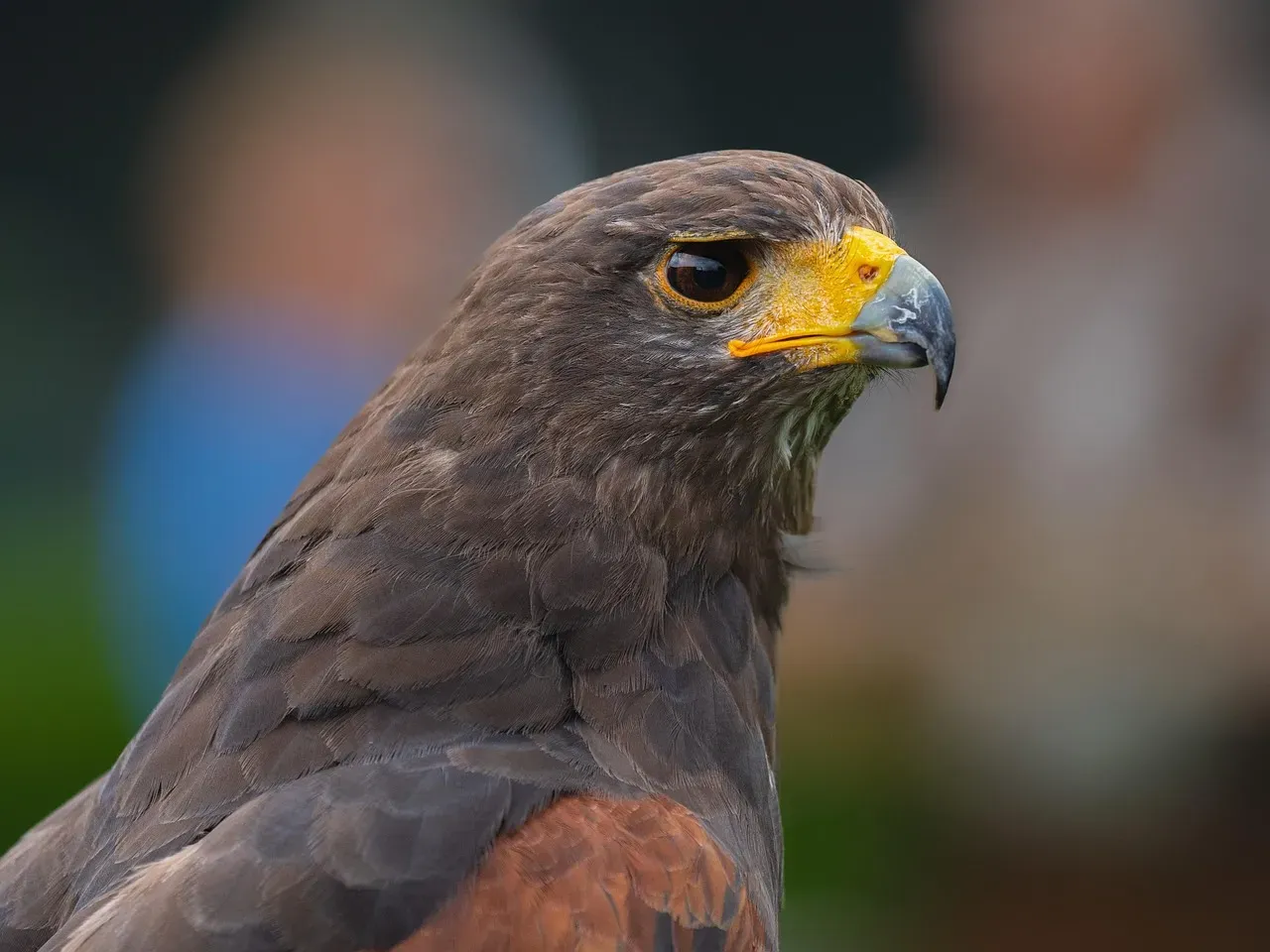
Cameras record at fixed frame rates – 24, 30, maybe 60 frames per second if the gear is expensive. Raptor eyes process reality on a completely different clock.
Flicker-fusion frequency measures how fast a series of flashes has to blend into what looks like steady motion. Humans sit around 50 to 60 Hz. Peregrine falcons have tested above 129 Hz, saker falcons around 102 Hz, and Harris’s hawks around 81 Hz, with golden eagles estimated to sit in a similarly elevated range near 100 Hz.
At a Glance
- Humans: roughly 50-60 Hz flicker-fusion rate
- Harris’s hawk: roughly 81 Hz
- Saker falcon: roughly 102 Hz
- Peregrine falcon: above 129 Hz
- Golden eagle: estimated near 100 Hz
In practical terms, a sparrow darting through the air at full speed looks like a clean, trackable object to an eagle, while the same motion might already blur at the edges of human perception. No consumer camera captures native 100-plus fps footage at full resolution without specialized, expensive equipment – and even then, it gets slowed down for playback rather than processed live by a brain in real time.
#12 – A Self-Cleaning, Self-Protecting Third Eyelid
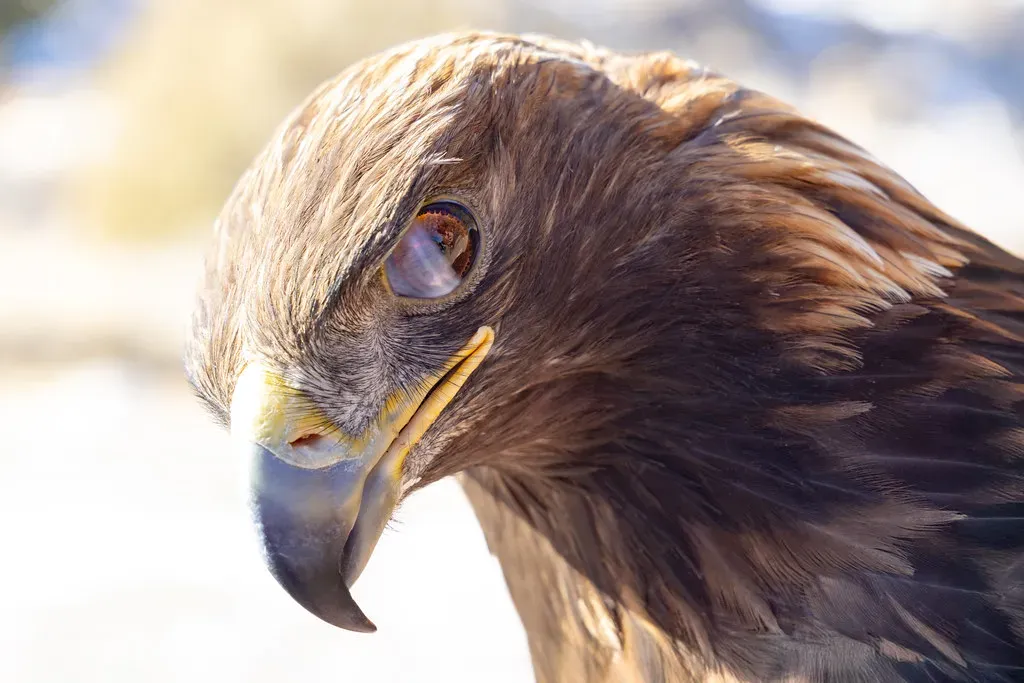
Camera lenses get smudged, dusty, and scratched constantly, which is why photographers carry microfiber cloths and lens hoods everywhere. Eagles built that entire problem out of existence.
Raptor eyes carry three eyelids – two that blink up and down like ours, plus a semi-transparent third lid called a nictitating membrane that sweeps side to side. It moistens and cleans the eye while still allowing partial vision, and during a high-speed dive it protects the eye from wind and debris without ever blocking the view, like a windshield wiper that never smears and never needs replacing.
Camera manufacturers keep bragging about weather-sealed bodies and scratch-resistant coatings, but none of them have solved real-time, transparent, self-cleaning protection during active use. The nictitating membrane did that job millions of years before “weatherproofing” became a marketing word.
#13 – Real-Time, Blur-Free Tracking During a 150-MPH Dive
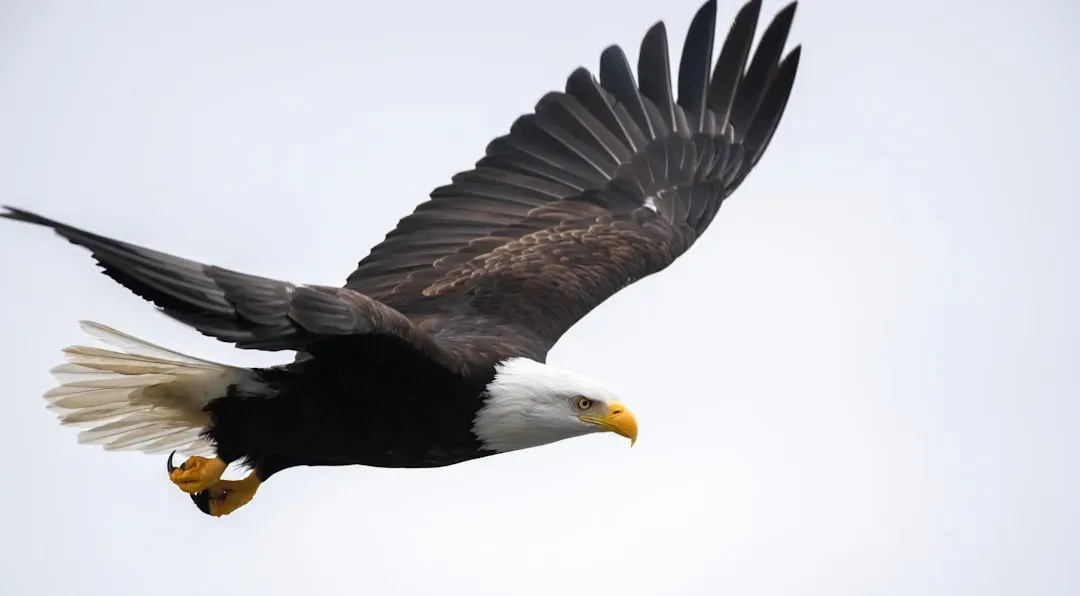
This is the ability that ties every other item on this list together, and it’s the one no camera system – not even the best cinema drone rig – has ever fully matched.
During a hunting stoop, an eagle can exceed 150 miles per hour, with golden eagles recorded diving at speeds over 240 kilometers per hour when striking prey. At those speeds, motion blur should be a fatal problem. It isn’t, because the eagle’s brain and eyes are wired for high-speed neural processing that refreshes far faster than ours ever could.
Locking onto a moving target during that descent isn’t simple physics either – the bird has to follow a curving logarithmic spiral path rather than a straight line, constantly adjusting the angle of attack. That means the eye, brain, and flight muscles are solving a live geometry problem in real time, something no autofocus-tracking algorithm handles without noticeable lag or hunting for focus.
Every one of these systems – the dual foveae, the ultra-dense cones, the flicker-fusion rate, the curved retina, the protective membrane – works together mid-dive, not in isolation.
Summary of findings from raptor vision research
The Bottom Line
Cameras were built to imitate the eye, and they still haven’t caught up. An eagle’s eye packs roughly eight times more sensors than a human retina, resolves detail from two miles away, reads a color spectrum we don’t even have names for, and tracks a diving target past 150 mph without a single frame of blur – all without batteries, firmware, or one single moving lens element.
Every “breakthrough” camera feature marketed in the last decade – high megapixels, wide dynamic range, blazing autofocus, image stabilization – is humanity’s clumsy attempt to reverse-engineer something evolution finished millions of years ago. No matter how much glass and silicon we throw at the problem, we’re still chasing a bird that never once needed a firmware update. Which of these thirteen abilities surprised you the most? Drop your pick in the comments.