
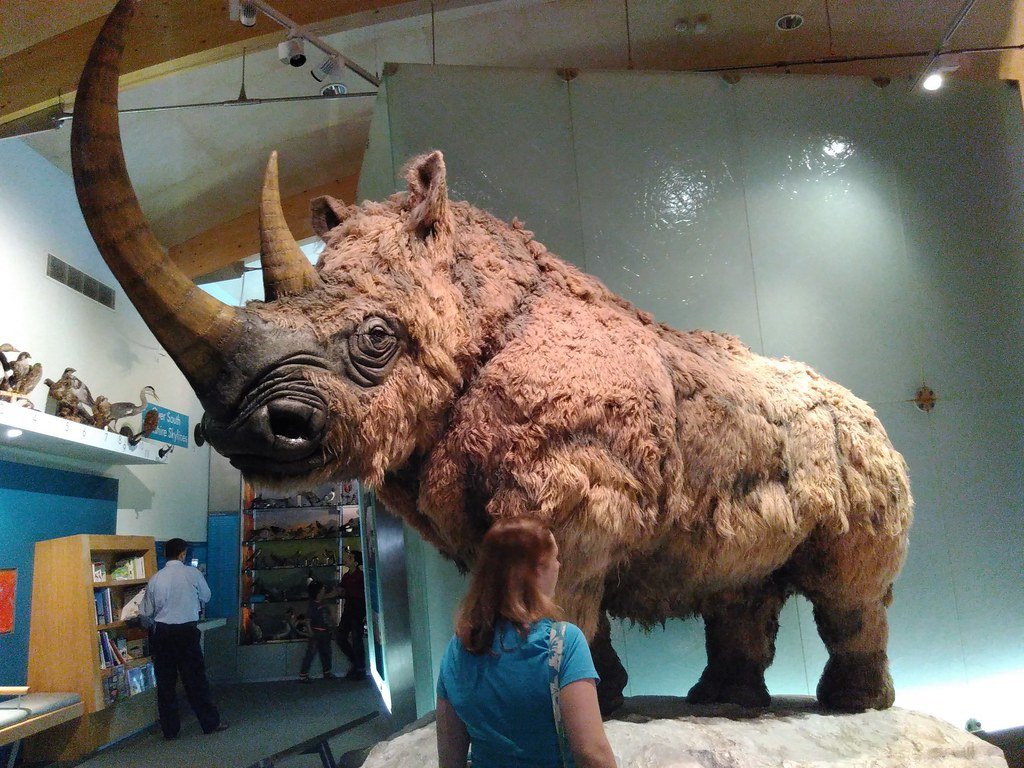
Most people assume the woolly rhinoceros is a settled case: a shaggy Ice Age relic that vanished the moment the world got too hot. That version of the story is comfortable, tidy, and mostly wrong.
Genetic detective work over the past few years, including one of the strangest fossil discoveries in paleontology, has quietly rewritten almost everything textbooks used to say about this animal. Scientists have pulled its DNA out of a frozen wolf pup’s stomach, found a fat hump nobody expected, and traced its origins to a mountain range most people would never guess. By the time you reach the last entry on this list, the old picture of a doomed, inbred giant crushed by climate change alone will barely resemble what the evidence actually shows.
#1 – They Evolved on the Roof of the World, Not in the Arctic
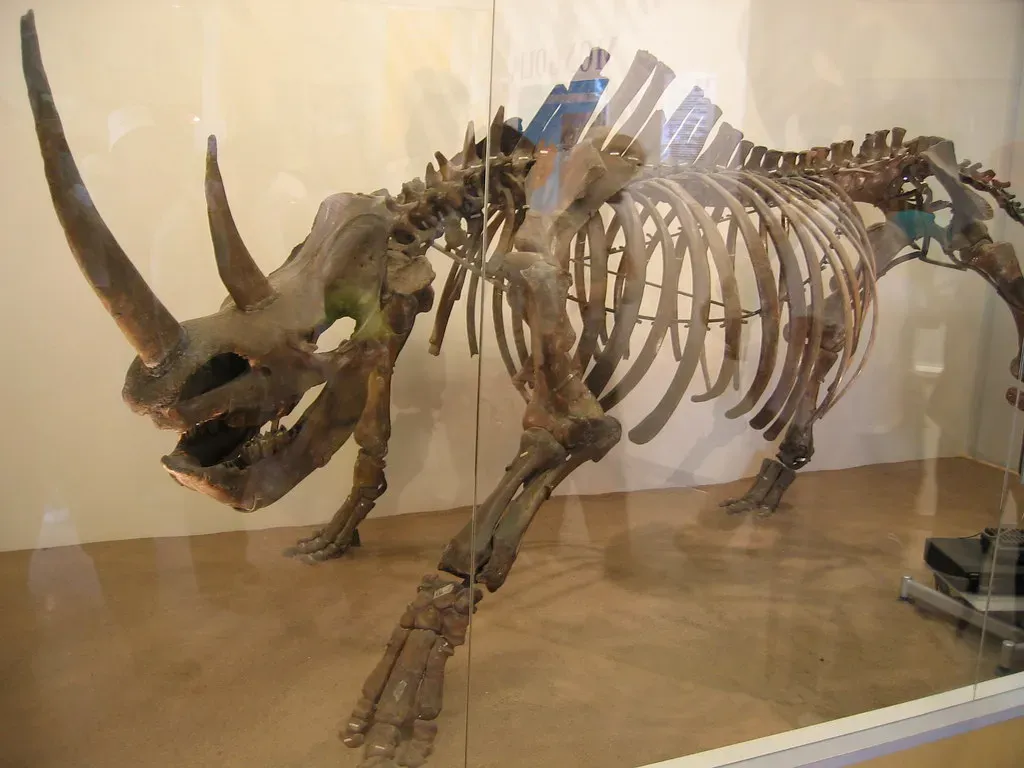
Everyone pictures the woolly rhino thundering across frozen Siberian tundra, but its evolutionary origin story starts somewhere far stranger: the Tibetan Plateau.
Newly described fossils suggest that woolly rhinos evolved on the Tibetan Plateau about 3.7 million years ago, and these iconic beasts may have had a surprising ancestral home. That’s over a million years before the deep freeze of the Ice Age ever gripped the rest of Eurasia. The discovery indicates these creatures may have evolved in the frigid environment of the Tibetan Plateau more than 1 million years before global cooling allowed their descendants to spread throughout much of northern Eurasia.
This single fossil find flipped a long-held assumption on its head. The findings upend the notion that many if not all of the cold-adapted creatures roaming Ice Age landscapes evolved in the high Arctic. In other words, the rhino wasn’t shaped by the Ice Age – it was already built for extreme cold long before the Ice Age arrived, then simply rode the wave of expanding cold climates down into the lowlands. The animal was essentially pre-adapted for a world that hadn’t happened yet.
That’s just the origin story. Wait until you see what its horn was actually for.
#2 – Their Horn Was a Built-In Snow Shovel
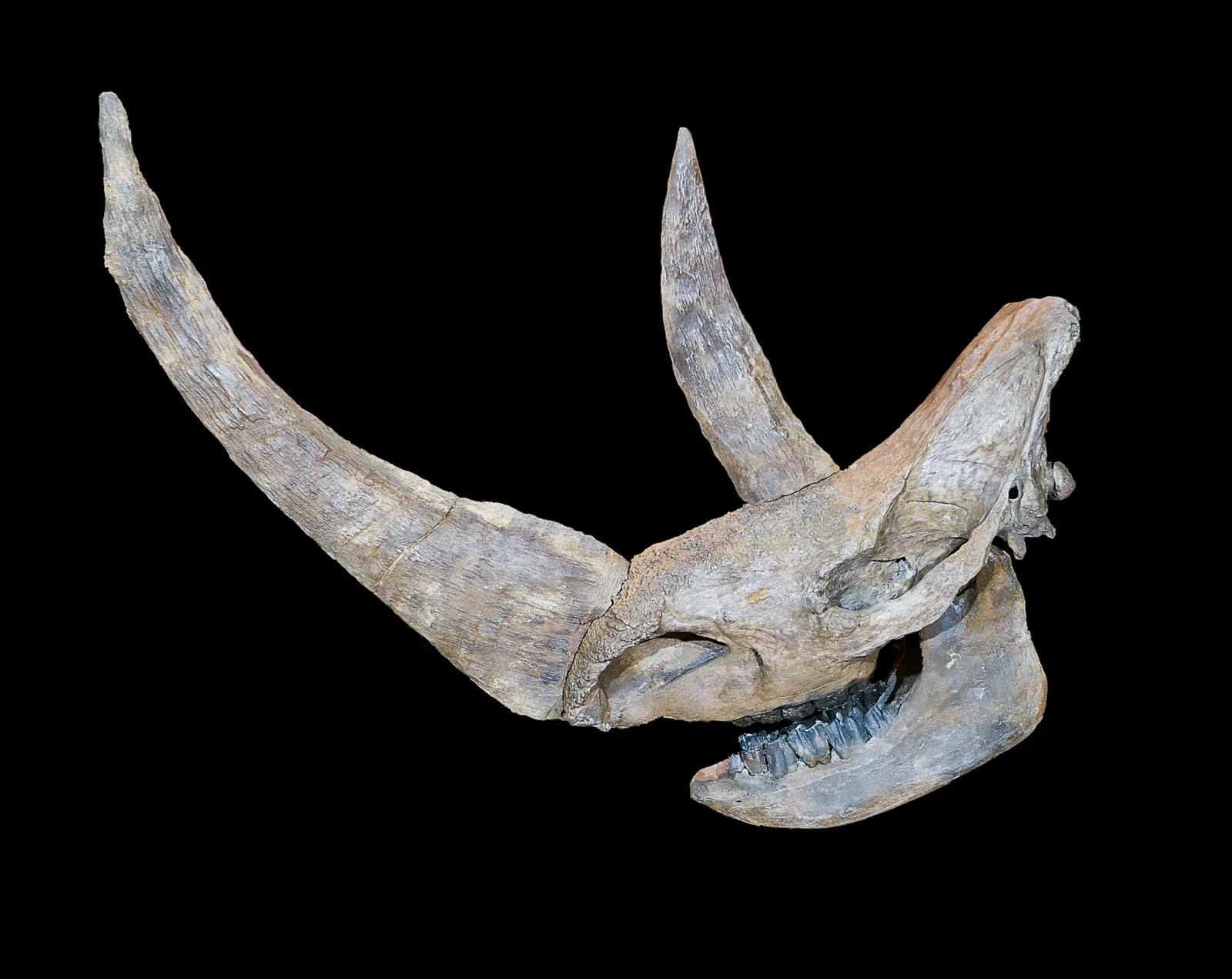
Modern rhinos have round, conical horns. Woolly rhinos did not, and the difference wasn’t cosmetic.
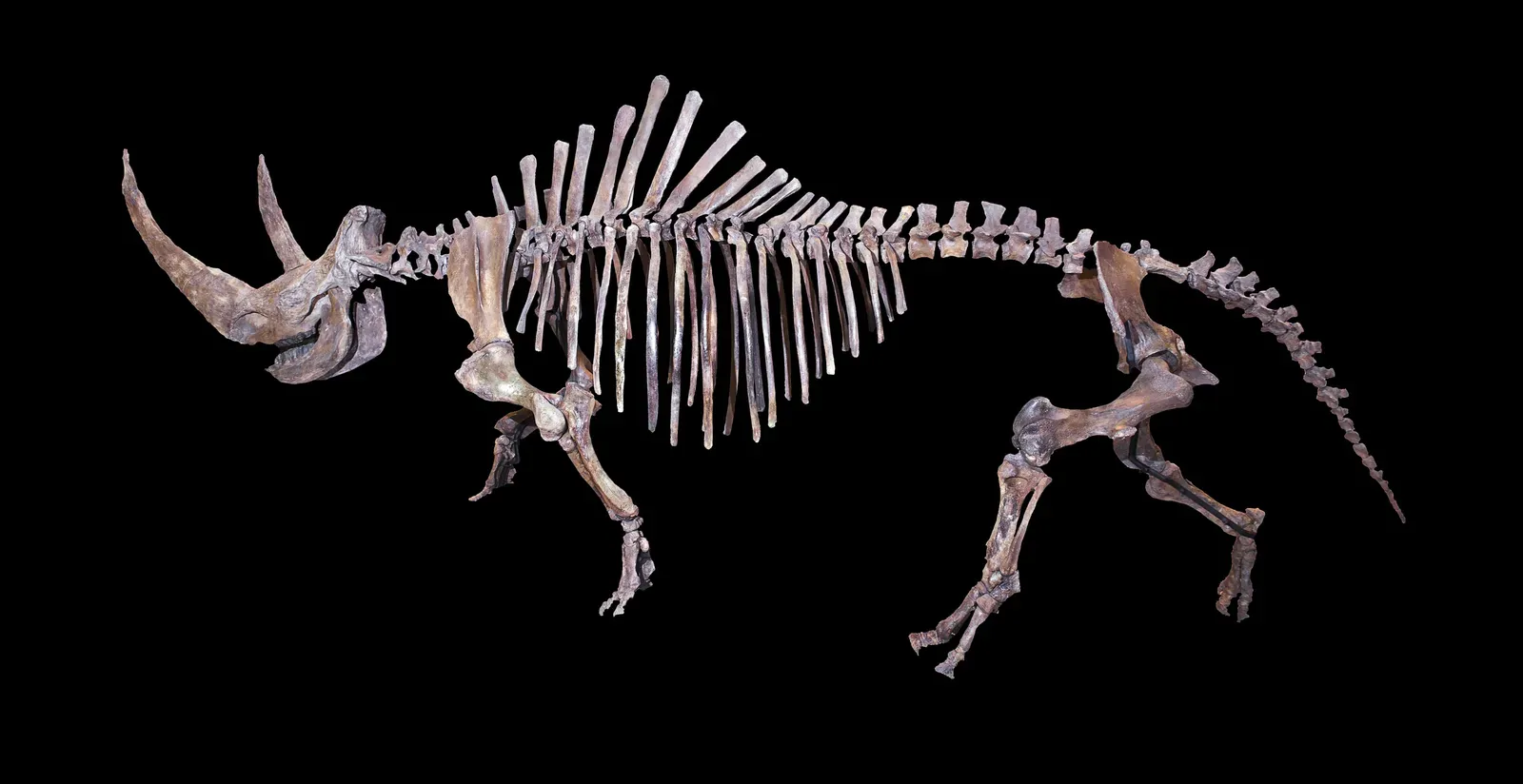
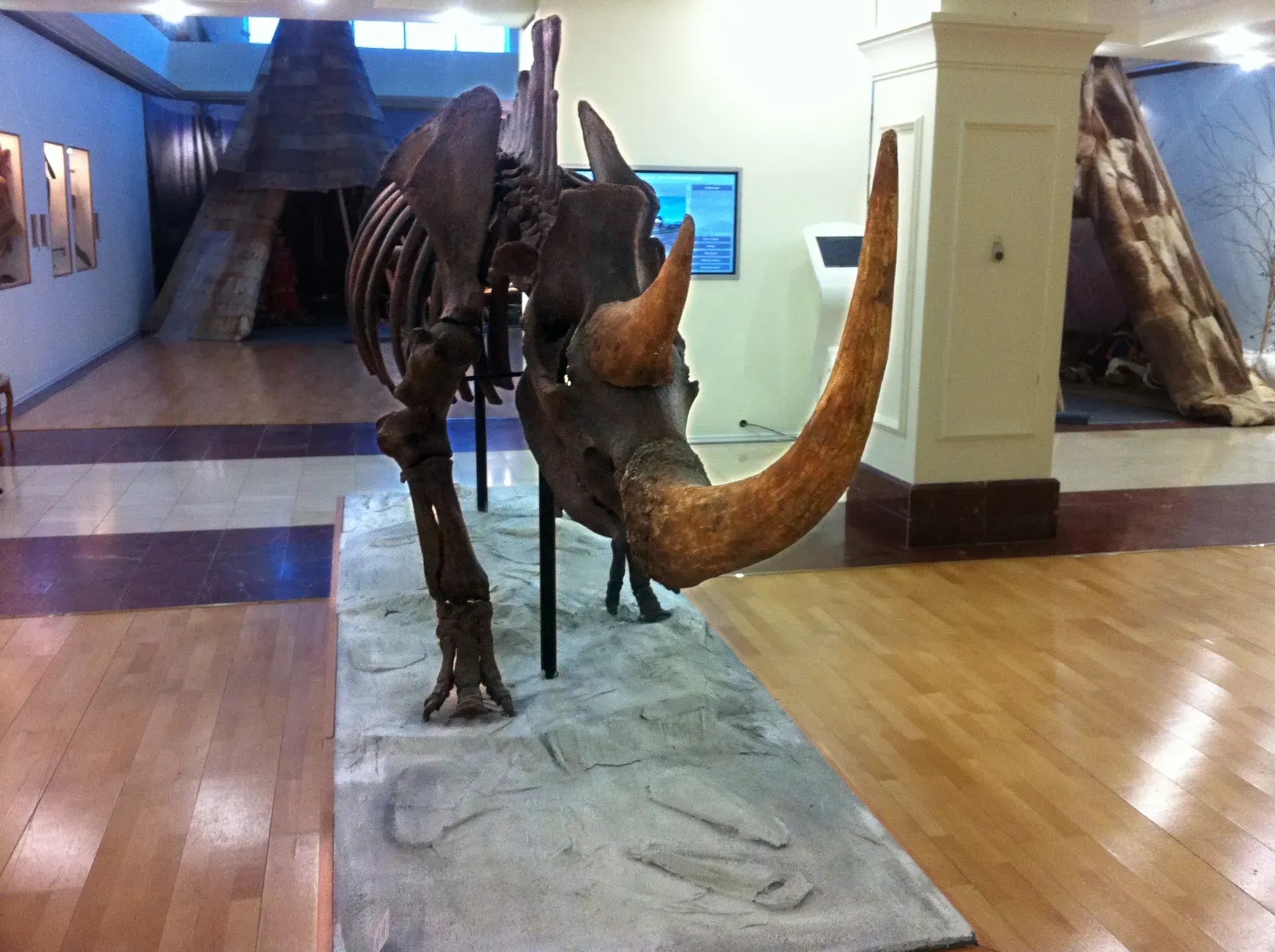
The size and shape of the bony bump where the rhino’s horn attached to its snout suggests that the horn had a flattened cross section, not a conical one like modern rhinos. Researchers believe this wasn’t a random quirk of anatomy – it was a survival tool. That flattened profile, a shape also seen in later species of woolly rhinos, allowed the horn to be used to sweep snow from the ground and uncover low-growing vegetation.
Why It Stands Out
- Flattened cross-section instead of the round, conical horn seen on modern rhinos
- Functioned like a built-in plow to clear snow and reach buried grasses
- Same silhouette shows up in Ice Age cave paintings tens of thousands of years later
- The shape persisted, largely unchanged, across multiple woolly rhino species
Think about that for a second: the animal’s most iconic feature was essentially a plow. Every winter, when grasses vanished under snow, a woolly rhino could lower its head and sweep the ground clear to reach the frozen vegetation underneath. This single adaptation, first identified through the Tibetan Plateau fossils, also explains why the trait stuck around for millions of years across multiple rhino species – it worked. Cave paintings from tens of thousands of years later still show that same distinctive silhouette, hinting that the flattened horn shape lasted essentially unchanged until the species disappeared.
Even that discovery pales next to what turned up frozen in Siberian permafrost.
#3 – They Had a Secret Fat Hump Scientists Never Knew About
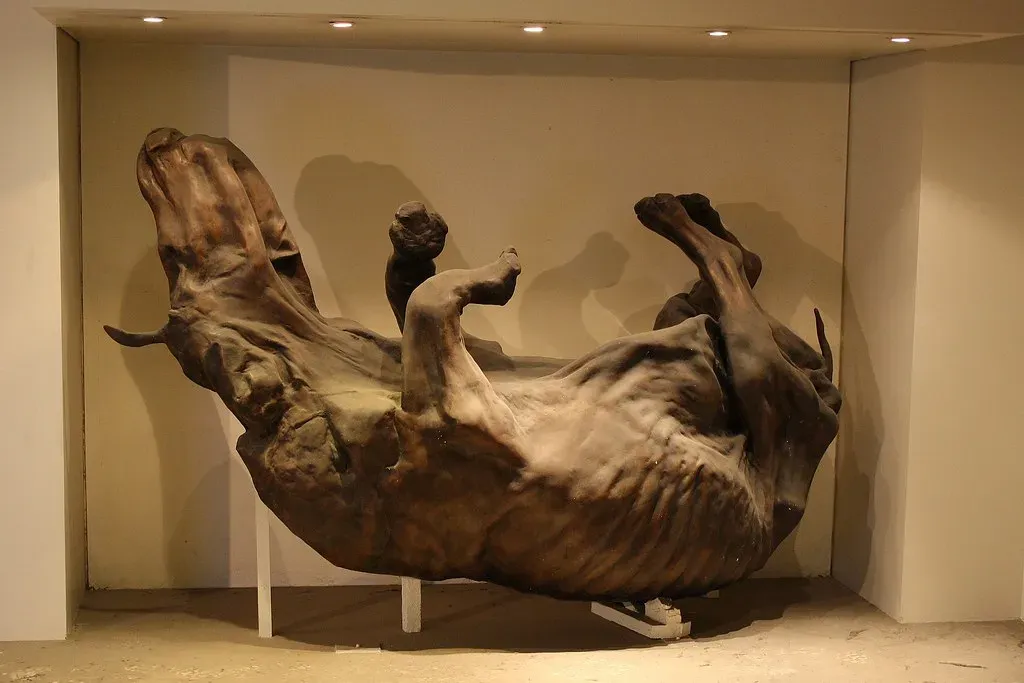
For over a century, scientists studied woolly rhino skeletons, teeth, and even frozen skin. None of it prepared them for what turned up in 2020.
Researchers found the carcass in August 2020 in Russia’s Sakha Republic, and the discovery has revealed a never-before-seen characteristic of woolly rhinos: a fatty hump on the animal’s back. This wasn’t a small detail – it was an entirely new anatomical feature that no fossil, footprint, or frozen skin fragment had ever revealed before. Radiocarbon dating suggests the young woolly rhino died and froze more than 32,000 years ago, and researchers temporarily defrosted the carcass, examined its teeth, measured horn length, and noted the size of a large hump on its back, which appeared to be filled with fat.
The implications go beyond anatomy. A fat hump this large suggests the woolly rhino stored energy reserves the way modern camels or bison do, likely to survive brutal winters when food was scarce. It also wasn’t a peaceful death – the carcass had clearly been feasted on by predators tens of thousands of years ago after it died, and remains of tiny crustaceans embedded in the fur indicate the woolly rhino died in a shallow pool of water. A single frozen carcass rewrote the animal’s body plan overnight.
As strange as a frozen fat hump sounds, the next find is even harder to believe.
#4 – Their Last Genome Came From a Wolf’s Stomach

If you had to guess where scientists would find one of the most important woolly rhino specimens ever recovered, “inside a wolf” probably wouldn’t make the list.
Still covered in fur, the mummified wolf pup was found entombed in permafrost near the village of Tumat in 2011, and an autopsy later uncovered a small fragment of preserved tissue in its stomach. Scientists retrieved DNA from that tissue, which was 14,000 years old, and sequencing revealed it belonged to a woolly rhinoceros. Even stranger, the hair on the woolly rhino tissue was still intact, suggesting the pup had barely begun digesting its meal before it died.
This wasn’t just a novelty find. Scientists used the devoured morsel to reconstruct the woolly rhino’s entire genome – the first time researchers have sequenced an Ice Age animal’s complete genome from the contents of another animal’s stomach. A predator’s unfinished lunch became one of the most valuable genetic records in Ice Age paleontology. Because a healthy adult rhino would have been far too large for wolves to bring down, it seems probable that the remains were either scavenged, or from a baby.
That genome didn’t just exist – it upended a theory scientists had trusted for decades.
#5 – They Weren’t Inbred When They Died Out
For years, the assumption was simple: small, isolated populations equal inbreeding, and inbreeding equals doom. The wolf-stomach genome blew that theory apart.
The results showed few long homozygous segments, typically indicative of recent inbreeding, leading the authors to infer a stable population size only a few centuries before extinction. This matters enormously for how scientists think about extinction in general. A new study shows the woolly rhino was not the inbred, genetically doomed species scientists had thought, and analysis of the genome revealed that the woolly rhino was not inbred.
Researchers went further and checked the population’s genetic health directly. Their analysis showed that although the population of woolly rhinos had declined since its peak, it was still sufficiently large to maintain genetic diversity. This flips the standard extinction narrative on its head – the species wasn’t a genetically crippled relic limping toward oblivion. It was, by genetic standards, still relatively healthy right up until the very end.
If inbreeding wasn’t the killer, something else clearly was – and it moved fast.
#6 – The Population Crash Was Sudden, Not Slow
If the woolly rhino wasn’t inbred and wasn’t genetically declining, how did it vanish so completely? The answer researchers are now leaning toward is unsettling: it happened fast.
Findings from the wolf-stomach genome provide strong evidence that these large animals suffered an abrupt extinction all those millennia ago, rather than a gradual decline in their numbers. The Swedish-led research team compared three separate genomes spanning different time periods to track this. The study found no signs of genetic deterioration as the species approached extinction.
At a Glance
- Three ancient genomes from different eras compared side by side
- Population still genetically stable only a few centuries before dying out
- No gradual genetic deterioration detected leading up to extinction
- Collapse pinned to roughly 14,000 years ago, as the climate shifted
National Geographic’s coverage of the same research underscored just how tight that timeline appears to be. The findings suggest Siberia’s woolly rhino population was still stable a few hundred years before the shaggy species went extinct, adding further evidence to the theory that woolly rhinos experienced a rapid population collapse around 14,000 years ago as the climate changed. A “few hundred years” is essentially the blink of an eye in evolutionary terms. This isn’t a story of slow fade-out – it’s a story of a stable, thriving population that hit a wall almost overnight.
So what actually caused that overnight collapse? For years, one answer dominated the conversation.
#7 – Climate Change, Not Hunting, Was Long Considered the Main Culprit
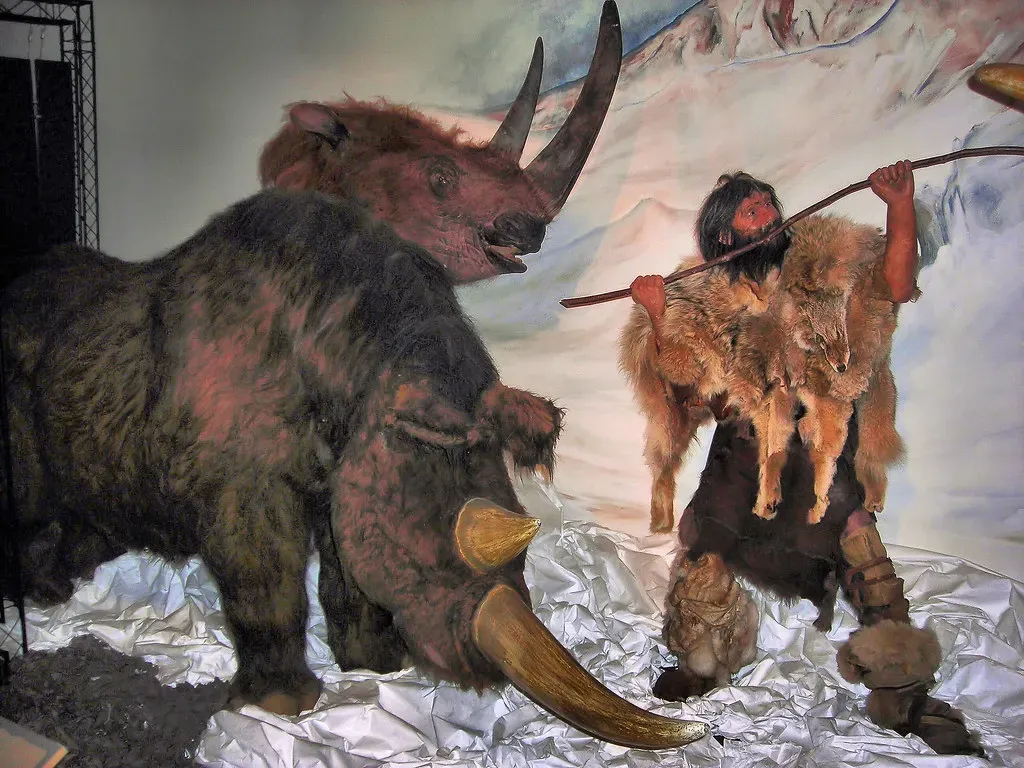
For decades, the popular narrative blamed early human hunters for wiping out Ice Age giants like mammoths, cave lions, and woolly rhinos. Genetic data eventually complicated that story for at least one of them.
A study appearing in the journal Current Biology found that the extinction of the woolly rhinoceros may have been caused by climate change, after researchers sequenced ancient DNA from 14 woolly rhinos and found that their population remained stable and diverse until only a few thousand years before it disappeared from Siberia, when temperatures likely rose too high. Lead researchers were candid about how surprising this was. The researchers said this stability lasted until well after humans began living in Siberia, contrasting the declines that would be expected if the woolly rhinos went extinct due to hunting.
Co-first author Edana Lord summed up the shift in thinking bluntly.
We’re coming away from the idea of humans taking over everything as soon as they come into an environment, and instead elucidating the role of climate in megafaunal extinctions.
Edana Lord
This was a genuinely controversial position at the time it was published, and it forced paleontologists to reconsider assumptions about virtually every Ice Age extinction.
That theory held for years, until a newer, sharper study forced everyone to reconsider.
#8 – New Research Says Humans Weren’t Innocent Either
Just when the climate-only theory seemed settled, a newer, more detailed study came along and complicated the picture all over again.
Climate change had previously been pointed out as the sole reason for the extinction of woolly rhinoceros, but researchers are now able to determine that human activity contributed to the iconic species’ demise. This wasn’t a minor tweak – it directly contradicted the earlier genetic studies. This discovery, published in PNAS, contradicts previous research that found humans had no role in the extinction of the woolly rhinoceros, despite the animal co-occurring with humans for tens of thousands of years prior to its extinction.
The key difference was resolution. “The demographic responses revealed by our analysis were at a much higher resolution to those captured in previous genetic studies,” said Professor Eline Lorenzen. Older genetic studies simply couldn’t see fine-grained regional population crashes that this new modeling approach could detect. So which theory is right? Increasingly, the honest scientific answer is “both, working together” – a conclusion that doesn’t make for a tidy headline but fits the evidence far better.
Neither theory alone told the whole story. Here’s the mechanism that ties them together.
#9 – They Got Trapped in Shrinking Habitat Pockets
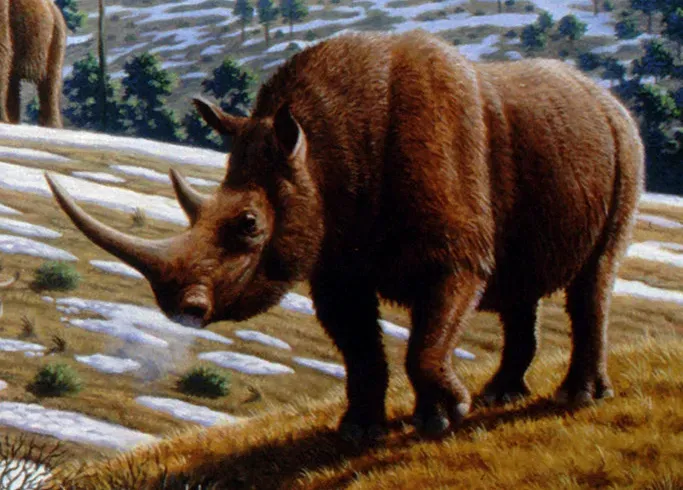
The newest research doesn’t just say humans played a role – it explains the actual mechanism, and it’s more nuanced than simple overhunting.
“This showed that from 30,000 years ago, a combination of cooling temperatures and low but sustained hunting by humans caused the woolly rhinoceros to contract its distribution southward, trapping it in a scattering of isolated and rapidly deteriorating habitats at the end of the Last Ice Age.” Notice the phrase “low but sustained” – this wasn’t mass slaughter. It was steady, background pressure that, combined with a shifting climate, slowly boxed the species into worse and worse terrain.
Worth Knowing
- Cooling temperatures plus steady, low-level hunting began squeezing the species around 30,000 years ago
- Range contracted steadily southward into isolated, deteriorating pockets
- Warming climate later opened new habitat in northern Eurasia that rhinos never reached
- Isolation and habitat loss, not mass slaughter, appear to have sealed the extinction
The real killing blow came when the climate flipped from cold to warm. “As Earth thawed and temperatures rose, populations of woolly rhinoceros were unable to colonise important new habitats opening up in the north of Eurasia, causing them to destabilise and crash, bringing about their extinction.” The rhinos weren’t just dying – they were locked out of the exact habitats that could have saved them, because human hunting pressure was concentrated along the very corridors they’d have needed to migrate through. It’s a far more mechanistic and, frankly, more tragic story than either climate-only or human-only extinction theories.
That’s the extinction side of things. But their day-to-day survival strategy is just as revealing.
#10 – Their Diet Was More Varied Than Textbooks Claimed
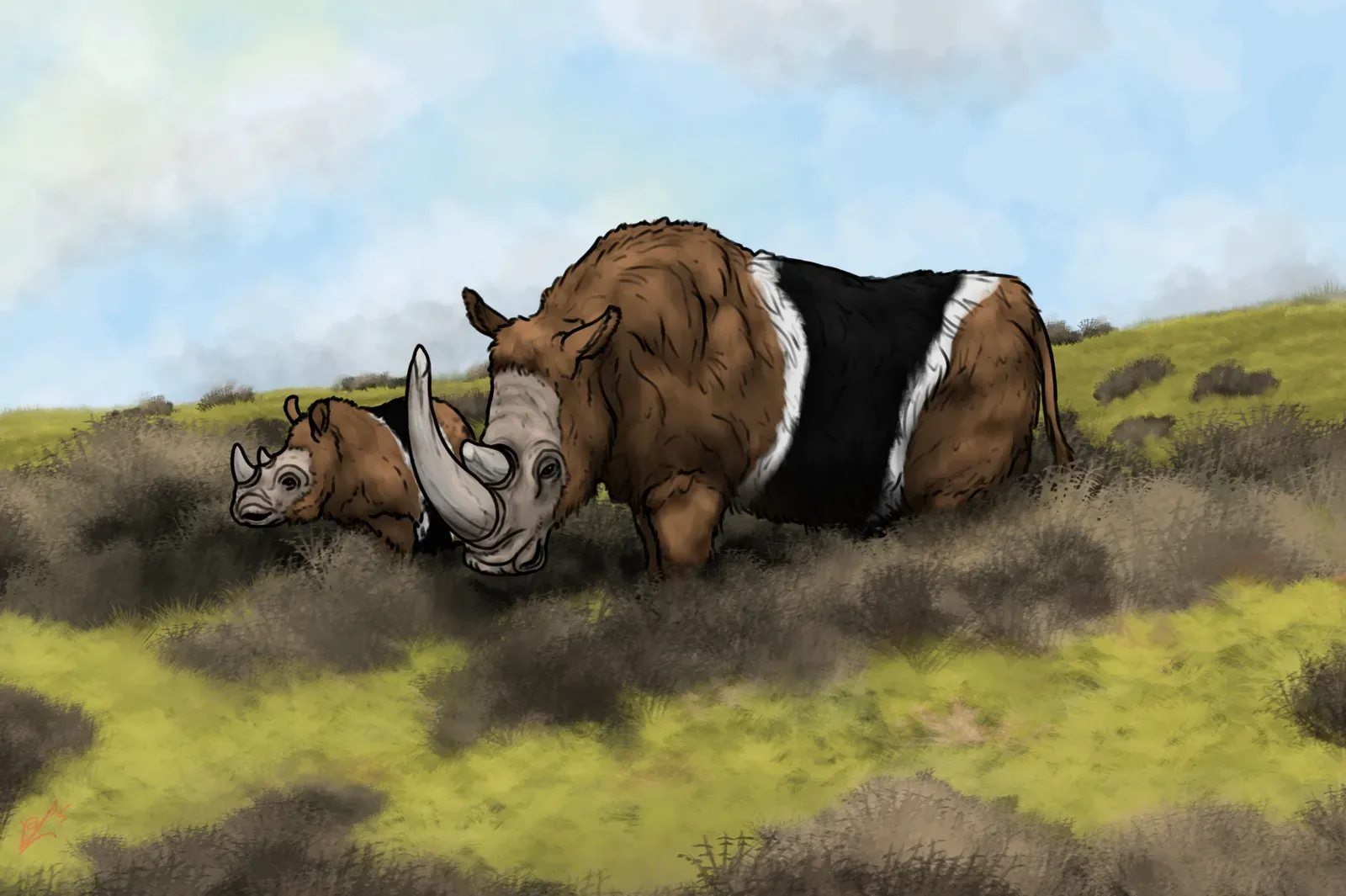
The woolly rhino is usually described as a simple grass-eater, but the fossil and pollen record tells a richer story.
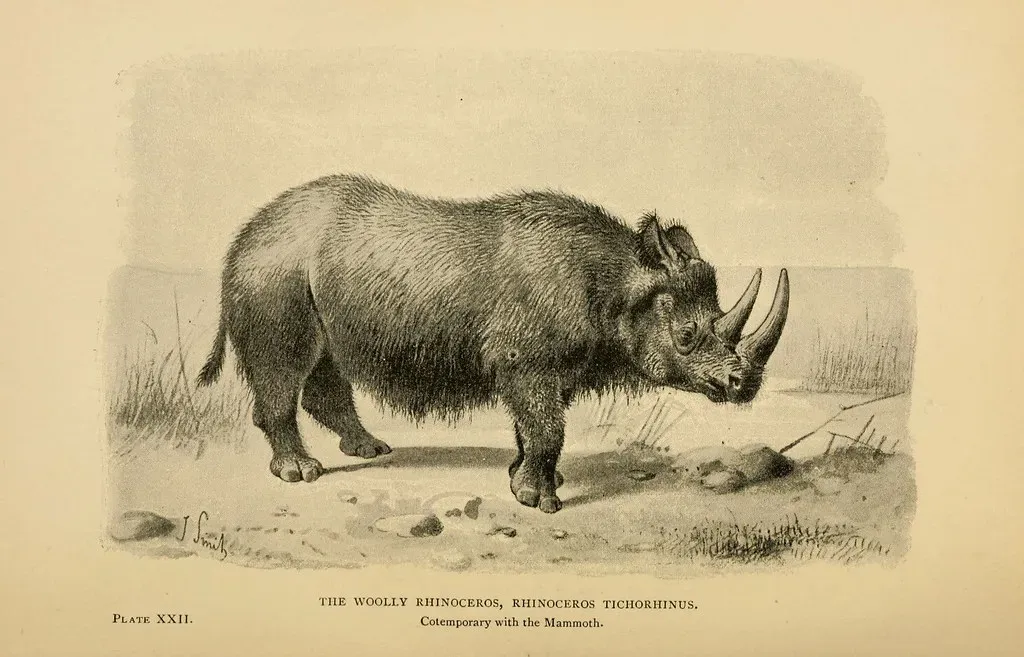
Woolly rhinos fed mostly on diverse sedges and grasses abundant in the mammoth steppe, and the shape of their head, downward-facing posture, and teeth all helped them graze, while a wide upper lip allowed them to pluck vegetation directly from the ground. But grass wasn’t the whole menu. Palynology pollen studies show that woolly rhinoceros also ate wood-based plants, which can include willows, conifers and alders and flowering plants and mosses.
This seasonal flexibility appears to be tracked directly in their own anatomy. Different areas of horn growth suggest they mainly grazed in summer, and browsed on shrubs and branches in the winter. Their horns essentially functioned like tree rings, recording a seasonal diet switch baked right into the keratin. This matters because it means the woolly rhino wasn’t a one-trick grazer helplessly dependent on a single food source – it was a flexible mixed feeder, which makes the speed of its extinction even more puzzling to researchers.
Long before any of this was measured in a lab, humans were already recording these animals a completely different way.
#11 – Ancient Humans Painted Them on Cave Walls
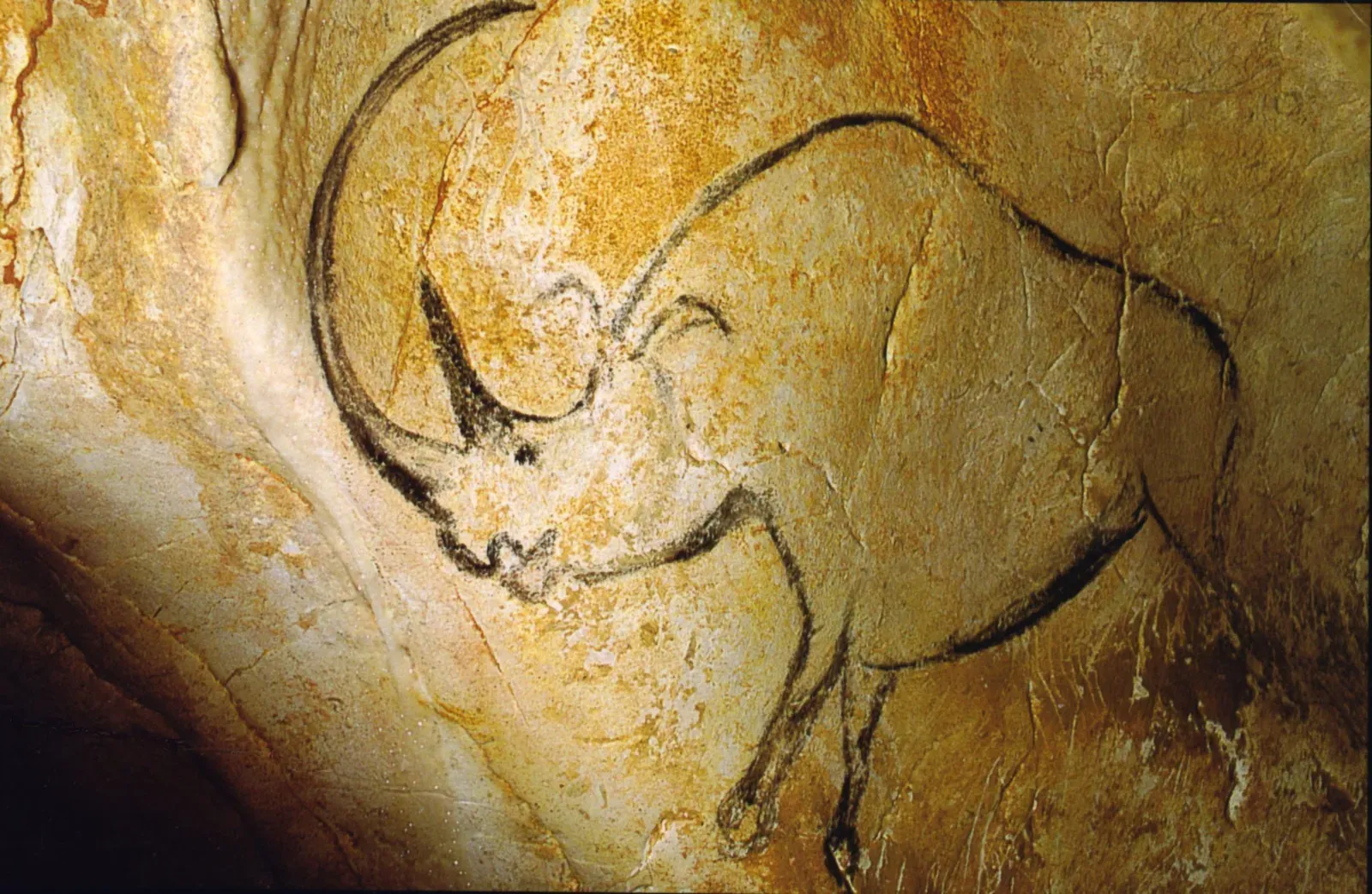
Long before radiocarbon dating or ancient DNA, humans were already documenting the woolly rhino – in charcoal and ochre.
The woolly rhino, Coelodonta antiquitatis, would have been an impressive sight to the ancient people who painted images of them on cave walls and carved figurines of them out of bone, antler, ivory and wood. This wasn’t a fleeting encounter between two species passing in the night. The rhino lived on the steppes and tundra of Europe and Asia, living alongside people for thousands of years.
That coexistence is actually the crux of the entire extinction debate. If humans and woolly rhinos shared the same landscape for millennia without triggering a collapse, what changed at the very end? Some researchers argue the cave art itself hints at a complicated relationship – respect, mythologizing, and hunting could easily have coexisted, the way many cultures have hunted animals they also revered. The art proves proximity, but proximity alone doesn’t prove blame – which is exactly why the genetic and modeling studies described above had to step in to settle (or complicate) the argument.
That coexistence raises one more question nobody expects: is any part of the woolly rhino still alive today?
#12 – Their Closest Living Cousin Might Surprise You
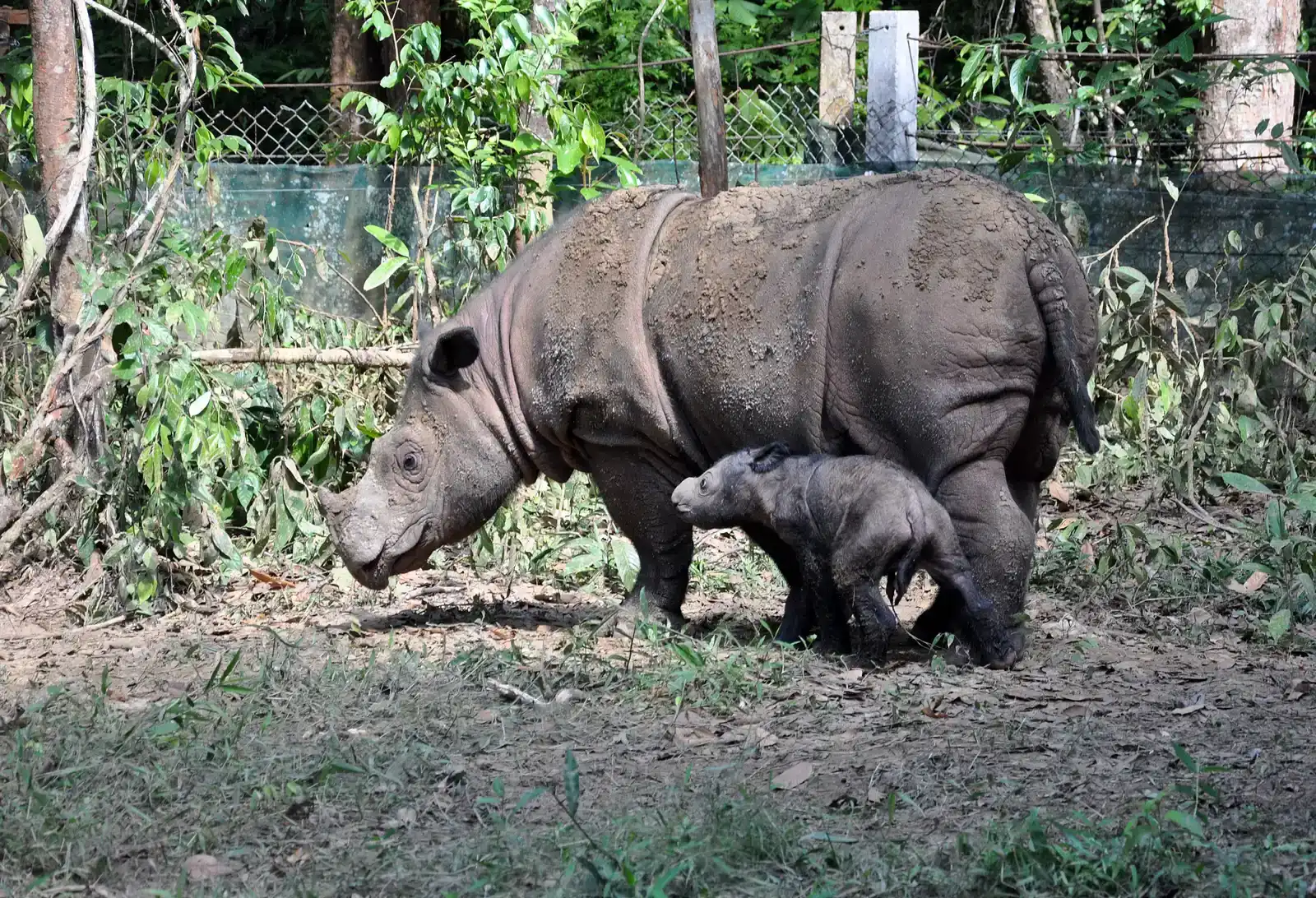
After eleven points about extinction mechanics and frozen carcasses, here’s the fact that tends to surprise people the most: the woolly rhino isn’t fully gone in a genetic sense.
Researchers reconstructing the woolly rhino’s genome needed a living relative to compare it against, and the animal they chose wasn’t one of the familiar African rhinos most people picture. The researchers compared genetic sequences in the tissue to the genome of a Sumatran rhino, the woolly rhino’s closest living relative.
Fast Facts
- Sumatran rhino confirmed as the woolly rhino’s closest living genetic relative
- Only a few dozen individuals remain in the wild today
- Smaller and hairier than other living rhino species
- Extinction research on woolly rhinos now informs conservation planning for living rhino species
That’s a genuinely underappreciated fact. The Sumatran rhino – small, hairy by rhino standards, and critically endangered with only a few dozen individuals left in the wild – carries the closest living genetic echo of an animal that once dominated the mammoth steppe. This isn’t a minor academic footnote either. As one co-author on the extinction modeling research put it, “Our findings reveal how climate change and human activities can lead to megafauna extinctions,” which is directly “crucial for developing conservation strategies to protect currently threatened species, like vulnerable rhinos in Africa and Asia.” The woolly rhino’s downfall isn’t just ancient history – it’s actively being used as a warning label for its last surviving cousins.
The Bottom Line
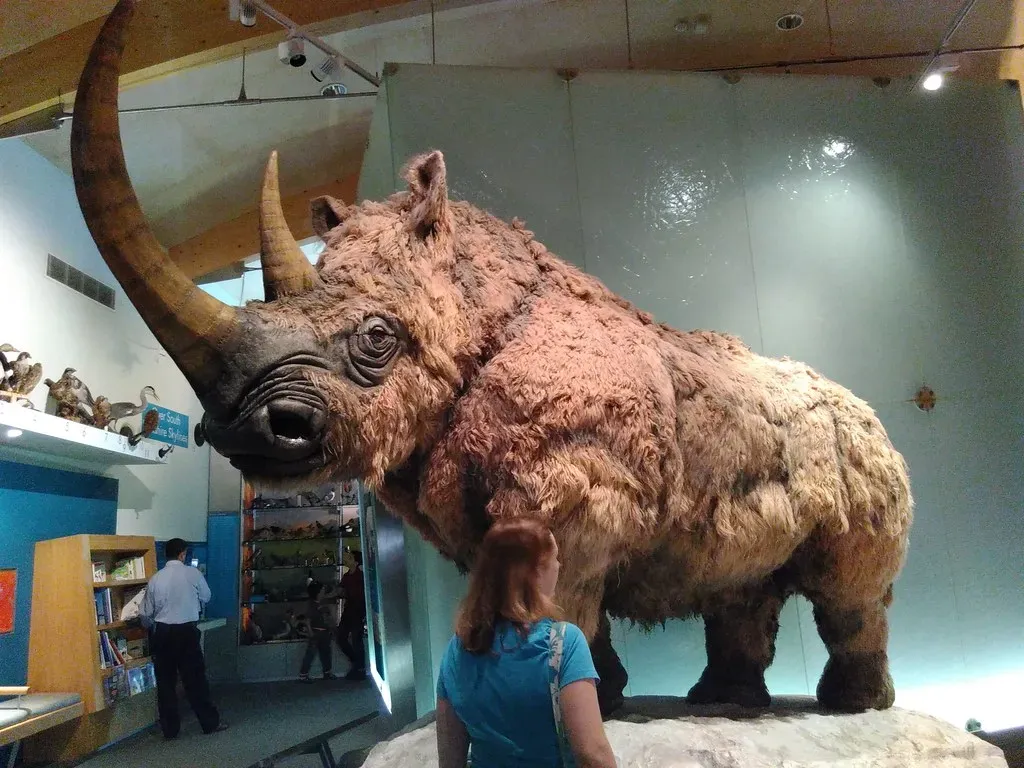
The woolly rhinoceros story has quietly gone from a tidy textbook tale to one of the messiest, most contested extinction debates in paleontology. It wasn’t inbred, it wasn’t genetically doomed, and its population crashed shockingly fast – likely within a few centuries – after tens of thousands of years of stability.
Climate change set the trap, but low-level human hunting pressure over millennia appears to have sealed it shut by blocking the migration routes that could have saved the species. Add in a previously unknown fat hump, a snow-shoveling horn, and a genome recovered from a wolf’s stomach, and it’s clear this animal still has secrets left to give up.
If there’s one honest takeaway here, it’s that extinction is rarely one villain – it’s usually a slow-closing trap built from several smaller pressures stacking on top of each other. Which fact on this list surprised you the most? Say so in the comments.