
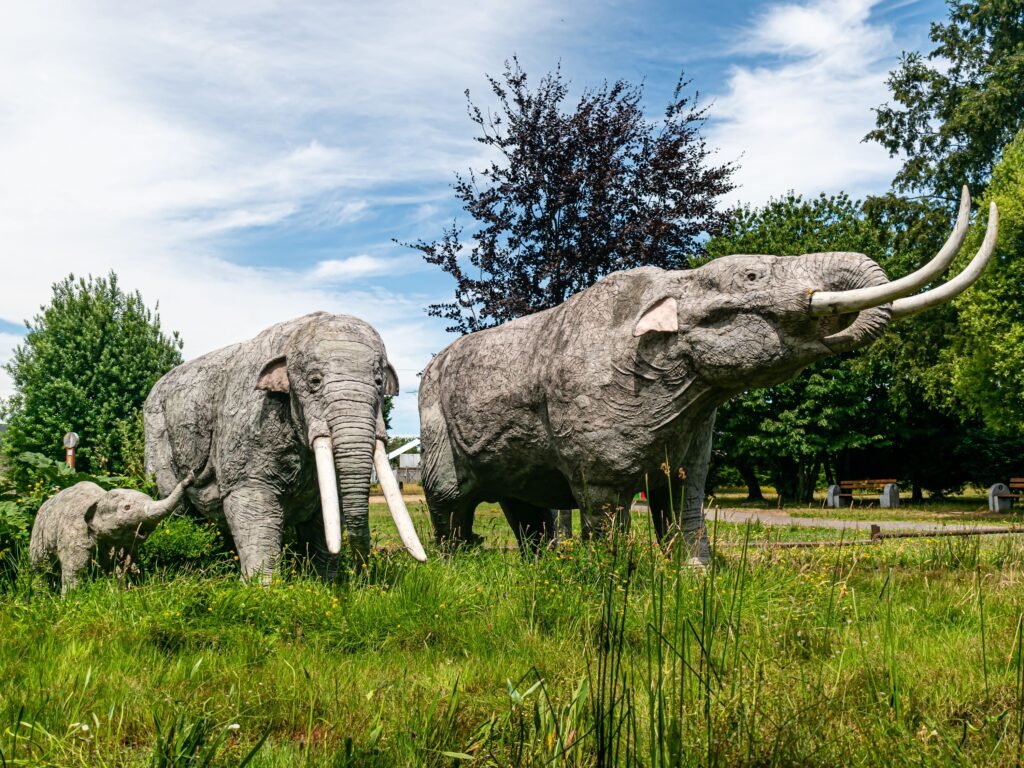
Most people picture a mastodon as a shaggier, dumber cousin of the woolly mammoth – same tusks, same fur, same Ice Age silhouette, just a different name tag. That mental image is almost entirely wrong, and paleontologists have spent the last few years quietly correcting the record in journals most of us never read.
New DNA studies, tusk analyses, and fresh fossil digs from New York to Iowa have rewritten what we thought we knew about how these Ice Age giants lived, mated, migrated, and died. Some of the “facts” in your old textbook are now considered outdated – even a little embarrassing – by the researchers who study them. Here’s what the data actually say, starting with the mix-up scientists are most tired of hearing.
#1 – They’re Not “Primitive Mammoths.” They’re a Completely Different Branch of the Family Tree
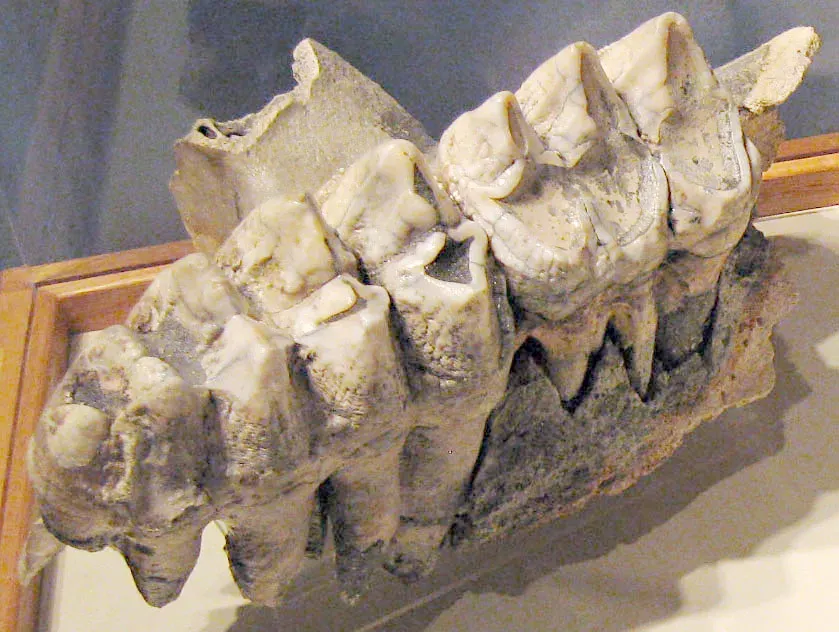
Scientists have gotten tired of correcting this one. Mastodons and mammoths get lumped together constantly in pop culture, but geneticists insist they’re only distant cousins – not two versions of the same animal.
Mammoths and mastodons were distantly related kinds of elephants that both roamed during the Pleistocene. That’s the polite version. The blunt version: these two animals evolved down separate paths millions of years apart, converging only on a broadly similar elephant-like silhouette.
Their teeth were very different, and that’s the single best feature for telling them apart. The shape of the molars is the fastest way any paleontologist identifies a fossil in the field. Everything else – body shape, habitat preference, diet – flows from that one dental difference. Most amateur fossil hunters still get this wrong on the first try.
That naming confusion is only the surface. Wait until you hear what the word “mastodon” actually means.
#2 – Their Name Literally Translates to “Nipple Tooth”
This is the fact museum tour guides love dropping because it always gets a laugh – but it’s also a genuinely important piece of scientific history.
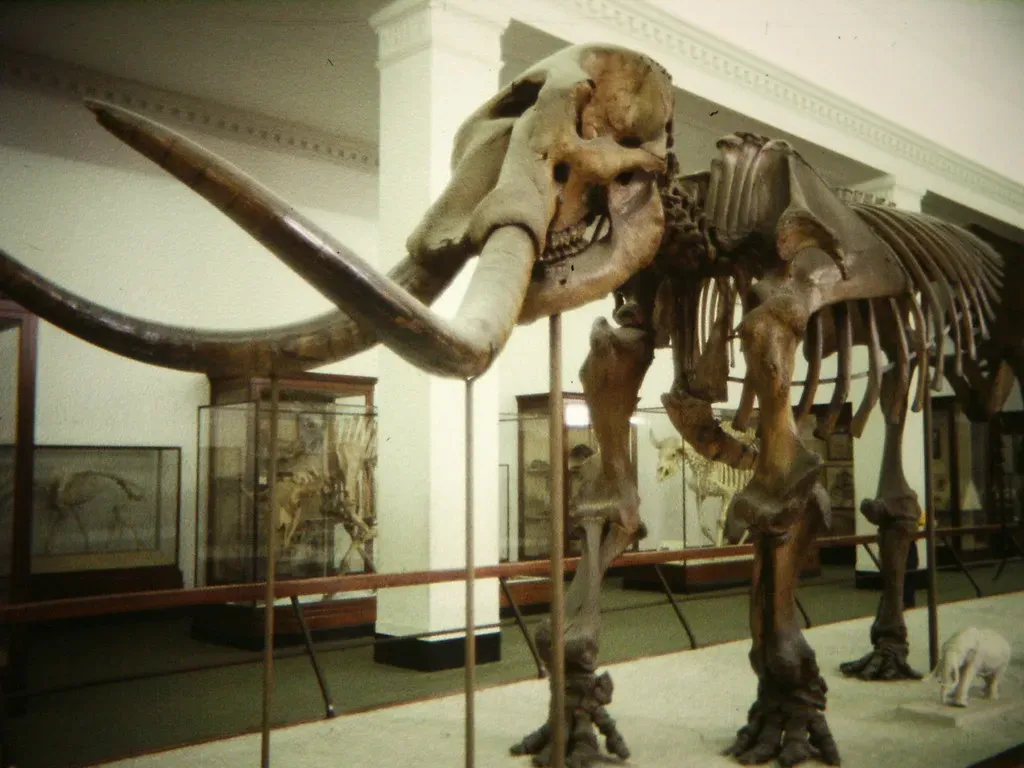
The name “mastodon” comes from naturalist Georges Cuvier, who chose it because of the shape of the animal’s teeth, which he thought resembled breasts or nipples. Cuvier wasn’t being crude. He was doing serious 19th-century comparative anatomy, and the name stuck because it was accurate.
Mastodon literally means “breast tooth,” referring to the nipple-shaped bumps along the top edges of these animals’ molars. Scientists still use those exact bumps today to sort mastodon fossils from mammoth fossils in seconds. A word coined over 200 years ago is still the official scientific term used in peer-reviewed papers right now.
And the surprises don’t stop at etymology – their diet breaks the mammoth comparison completely.
#3 – They Weren’t Grass-Eaters at All – They Were Forest Browsers
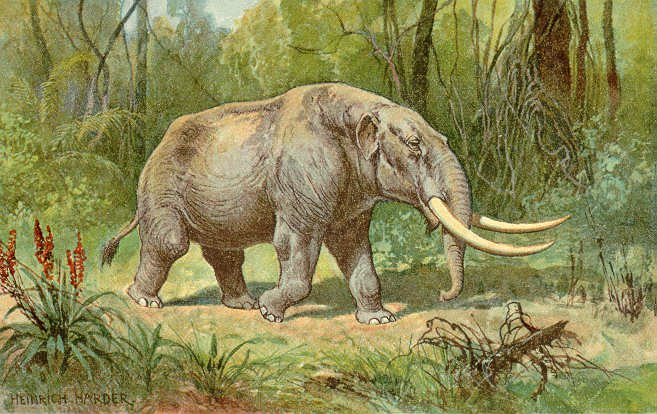
Here’s where the mammoth comparisons really break down. Mammoths grazed on open grassland the way modern elephants do. Mastodons did something completely different, and their teeth prove it.
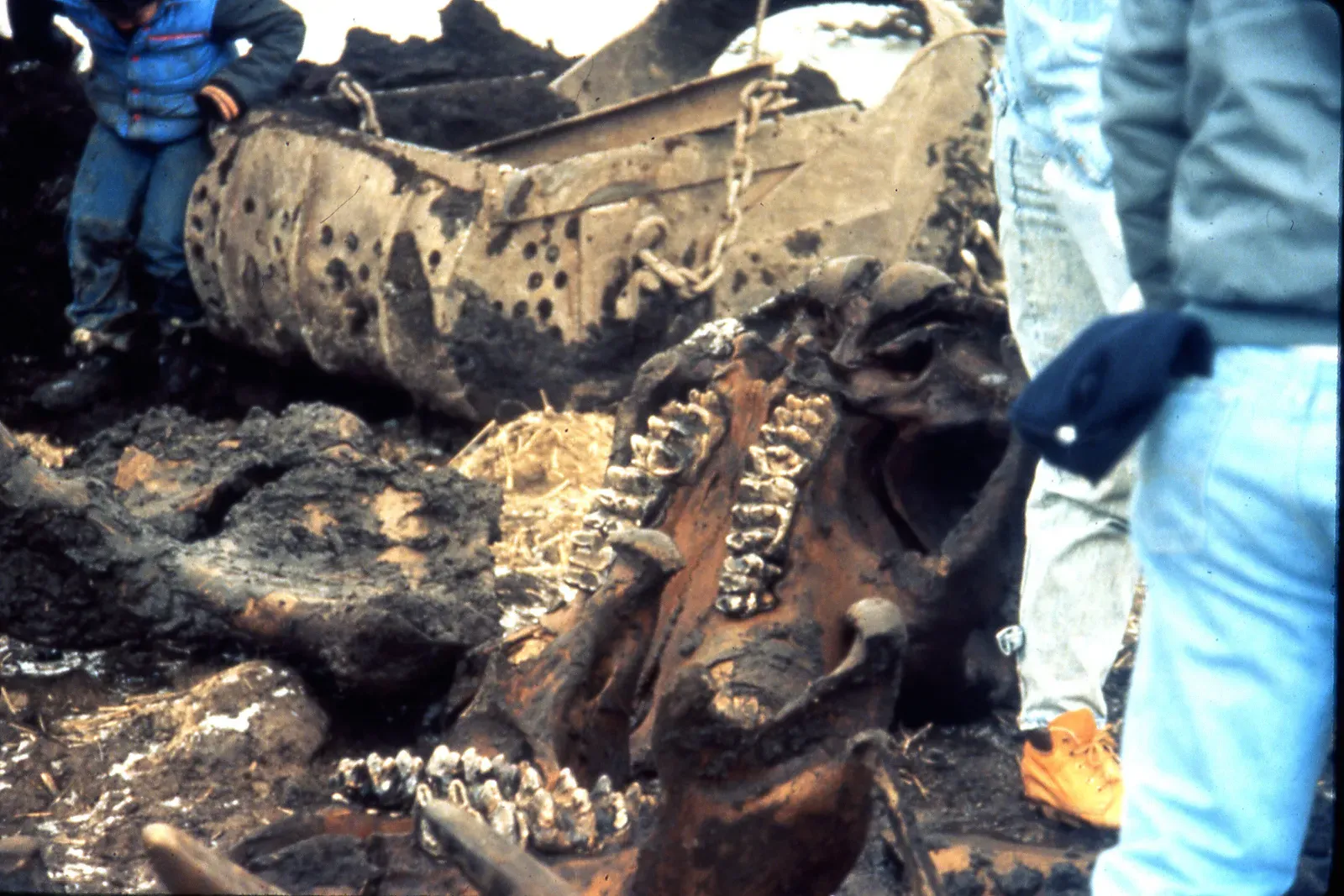
Mammoths were grazers that likely ate tough grasses, so the tops of their teeth were flatter with lots of grooves, letting them grind plant material almost like modern elephants. Mastodons, meanwhile, were browsers with a crunchier diet of shrubs, trees, and leaves. The tops of their teeth had cone-shaped cusps built for chewing through tougher material.
That diet dictated where they lived. Mastodons’ habitat is thought to have been pine forests, or even large boggy areas thick with larch and spruce, with their toes splayed to help them walk on soft, uneven ground. They were basically swamp animals, not tundra wanderers – a detail most cartoon depictions completely ignore.
Diet wasn’t the only mismatch. Size tells an even bigger story.
#4 – Mastodons Were Actually Shorter and Stockier, Not the Bigger Beast
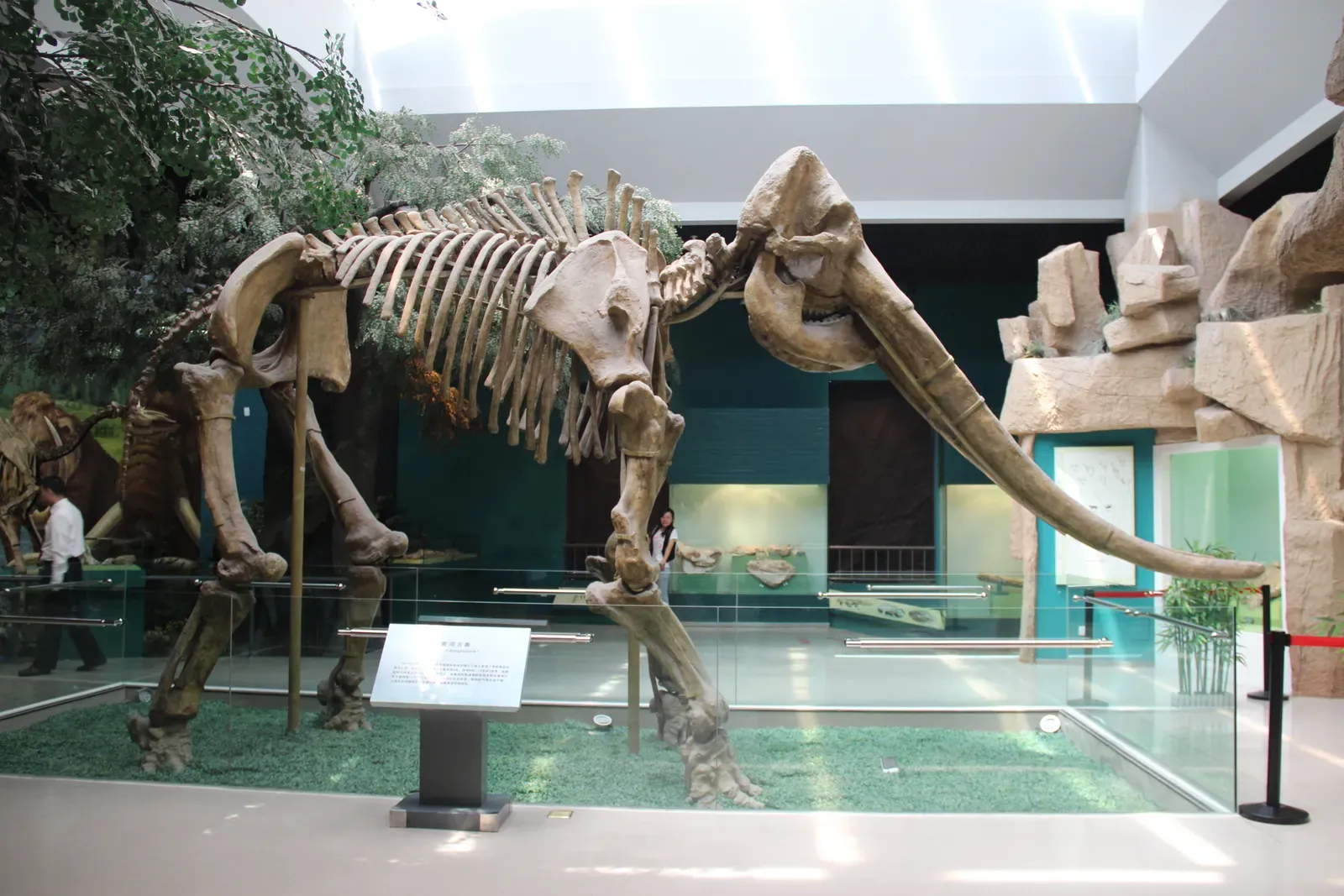
Movies and museum dioramas love making these animals look interchangeable in size. Researchers who’ve actually measured the bones say that’s misleading.
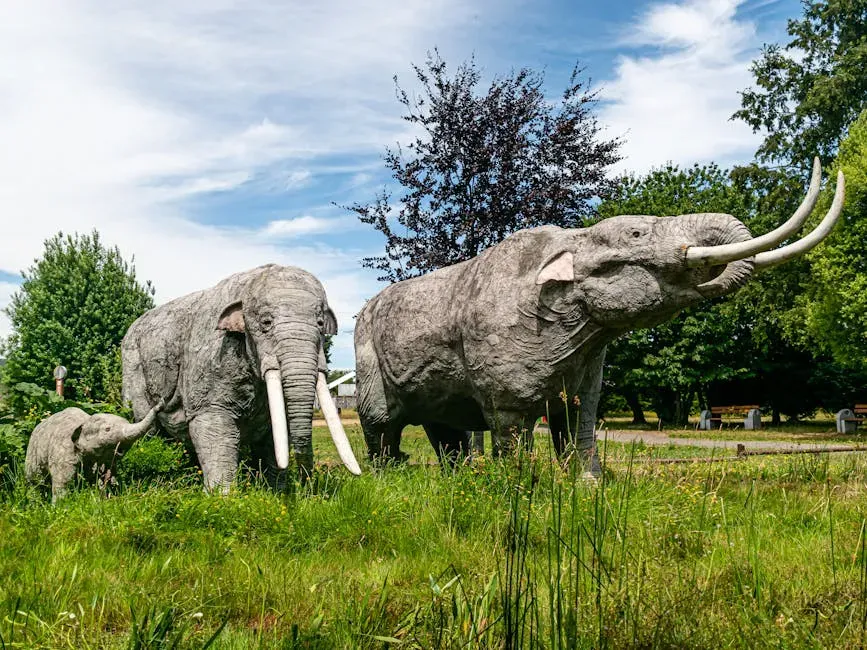
In general, mastodons appeared shorter and stockier than mammoths, typically standing between 7 feet 7 inches and 9 feet 4 inches tall at the shoulder. Compare that to their mammoth cousins, and the size gap becomes obvious fast.
Quick Compare
- Height: Mastodon ~7’7″-10′ vs. Columbian mammoth ~13′
- Weight: Mastodon ~6 tons vs. Columbian mammoth ~10 tons
- Diet: Mastodon browsed shrubs and leaves; mammoth grazed grasses
- Teeth: Cone-shaped cusps vs. flat, grooved grinding ridges
The Columbian mammoth was also much larger – fully grown males weighed nearly 10 tons and stood about 13 feet tall – while male American mastodons reached heights of roughly 10 feet and weighed in around 6 tons. A weight difference of nearly four tons isn’t a rounding error. It changes everything about how each animal moved, ate, and survived.
Size aside, there’s an even stranger asymmetry hiding in the fossil record.
#5 – Only the Males Had Tusks
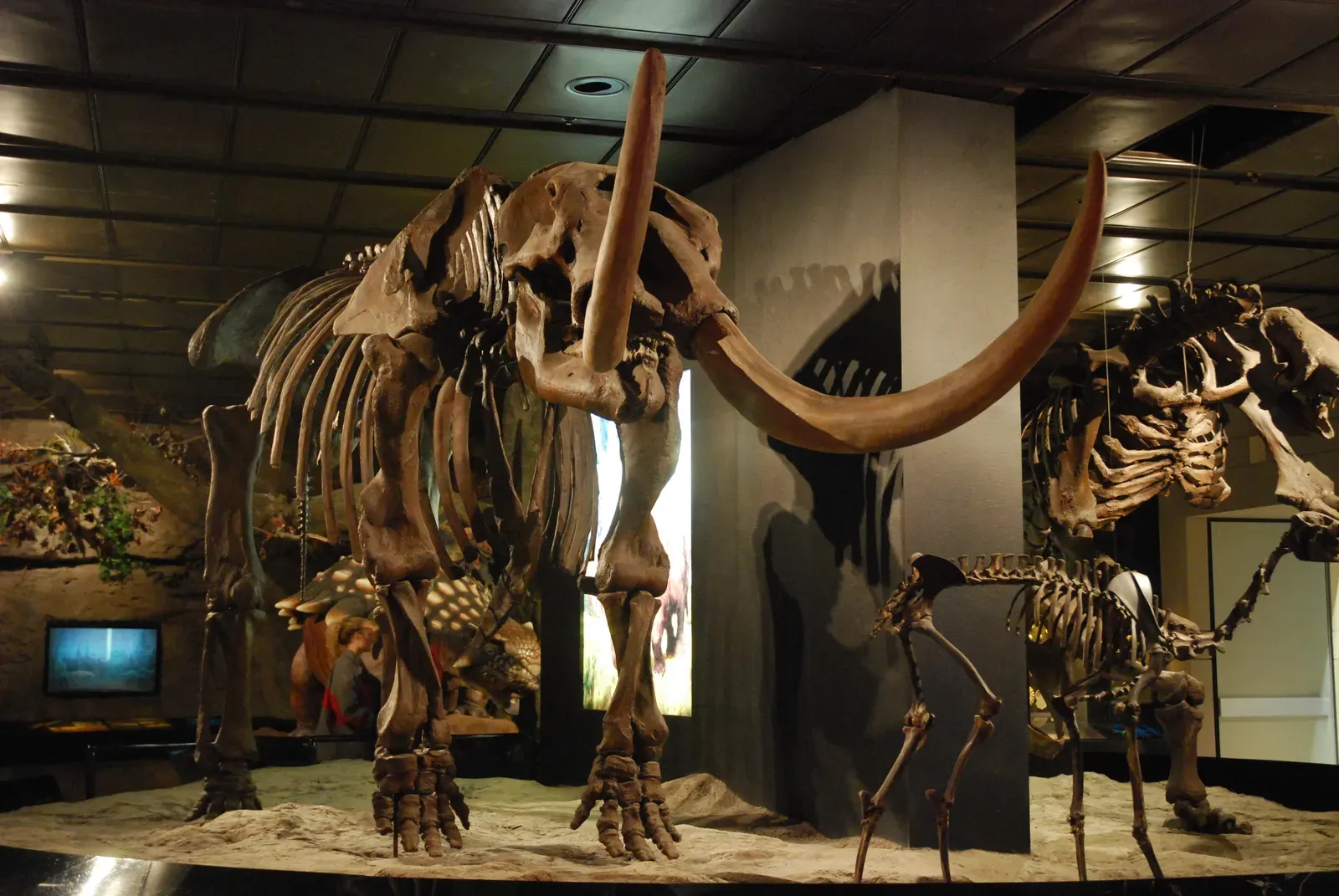
This is one of those facts that quietly upends every generic Ice Age illustration you’ve ever seen. It turns out roughly half of all mastodons walking the earth had no tusks whatsoever.
Both male and female mammoths had tusks – unlike mastodons, in which only the males carried them. That’s a striking evolutionary contrast between two animals people assume were nearly identical.
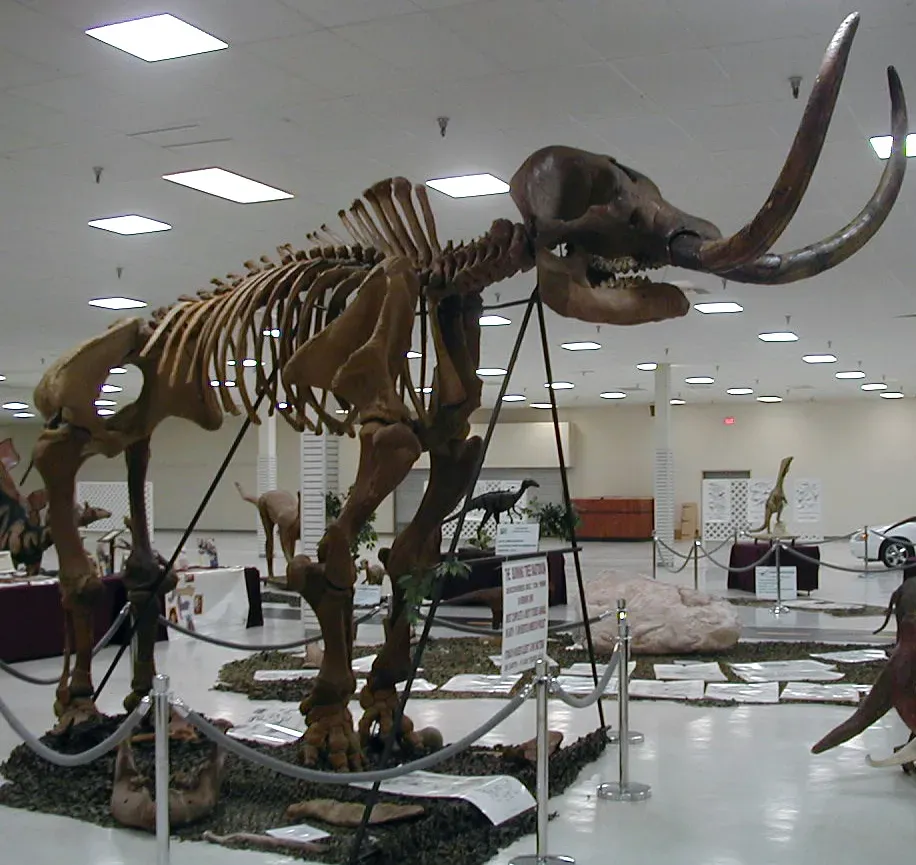
Researchers studying skeletal remains confirm it plainly: female mastodons had no tusks, while males had straight tusks that kept growing throughout their lives. This single trait means an entire sex of the species left behind zero tusk fossils for scientists to study. That absence has shaped, and limited, decades of research.
Tusks don’t just separate the sexes – they hide something far more remarkable.
#6 – Tusks Work Like Tree Rings, and Scientists Can Read an Animal’s Entire Life Story From Them
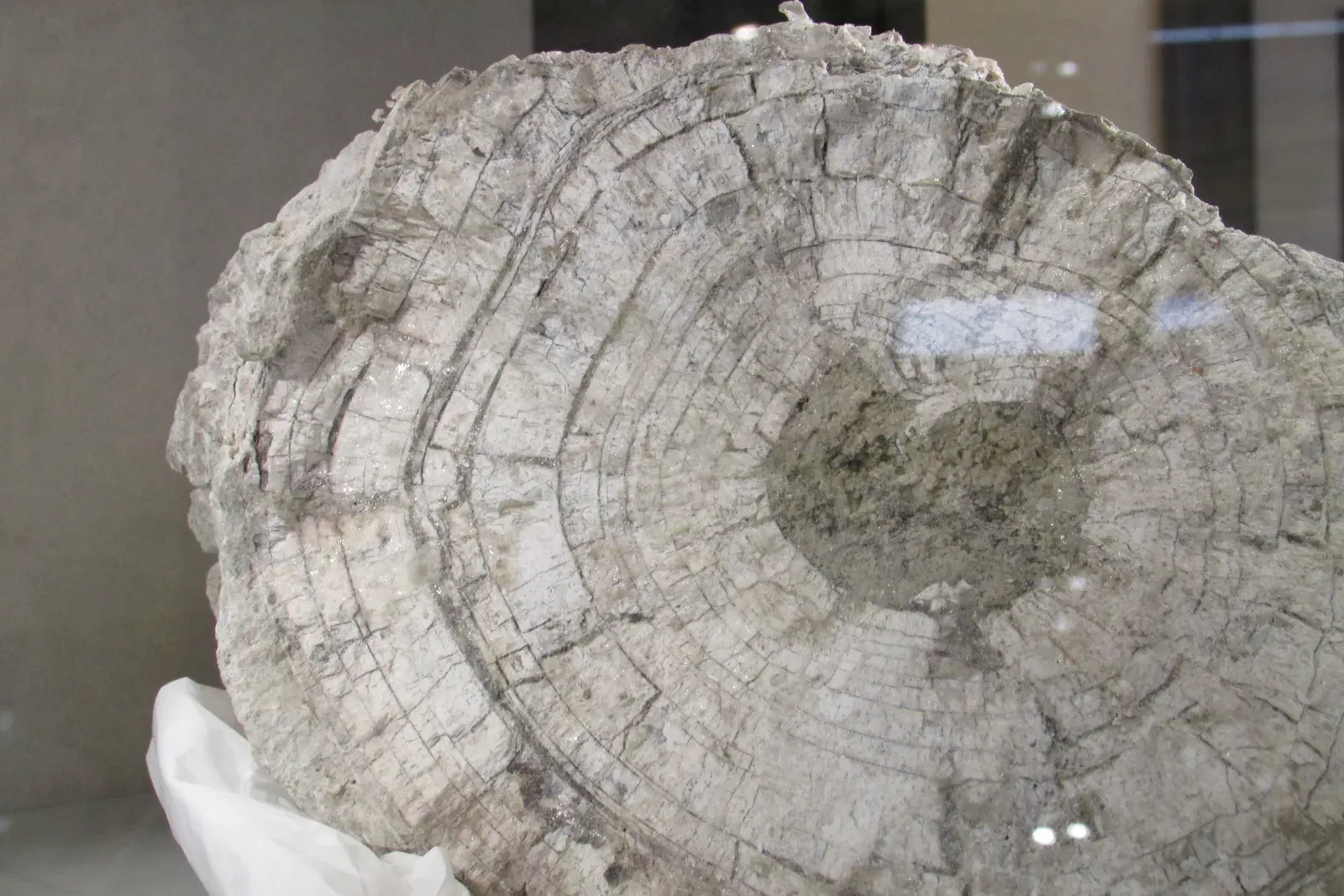
This is where mastodon science gets genuinely wild. A single tusk can function like a biological diary, recording years of an animal’s life in growth layers.
Scientists can count the rings on a tusk to determine an animal’s age, the same way you’d count rings in a tree trunk. But age is just the beginning of what’s hiding in there.
Researchers have discovered that signs of pregnancy in female mastodons can actually be detected by studying the dentin that makes up the bulk of the tusk. A tusk can reveal whether a female mastodon carried offspring thousands of years before written history existed. No other bone on the skeleton holds that kind of information.
And tusks don’t just record pregnancy – they record violence.
#7 – Male Mastodons Experienced “Musth” – the Same Hormonal Rage Cycle Seen in Elephants Today
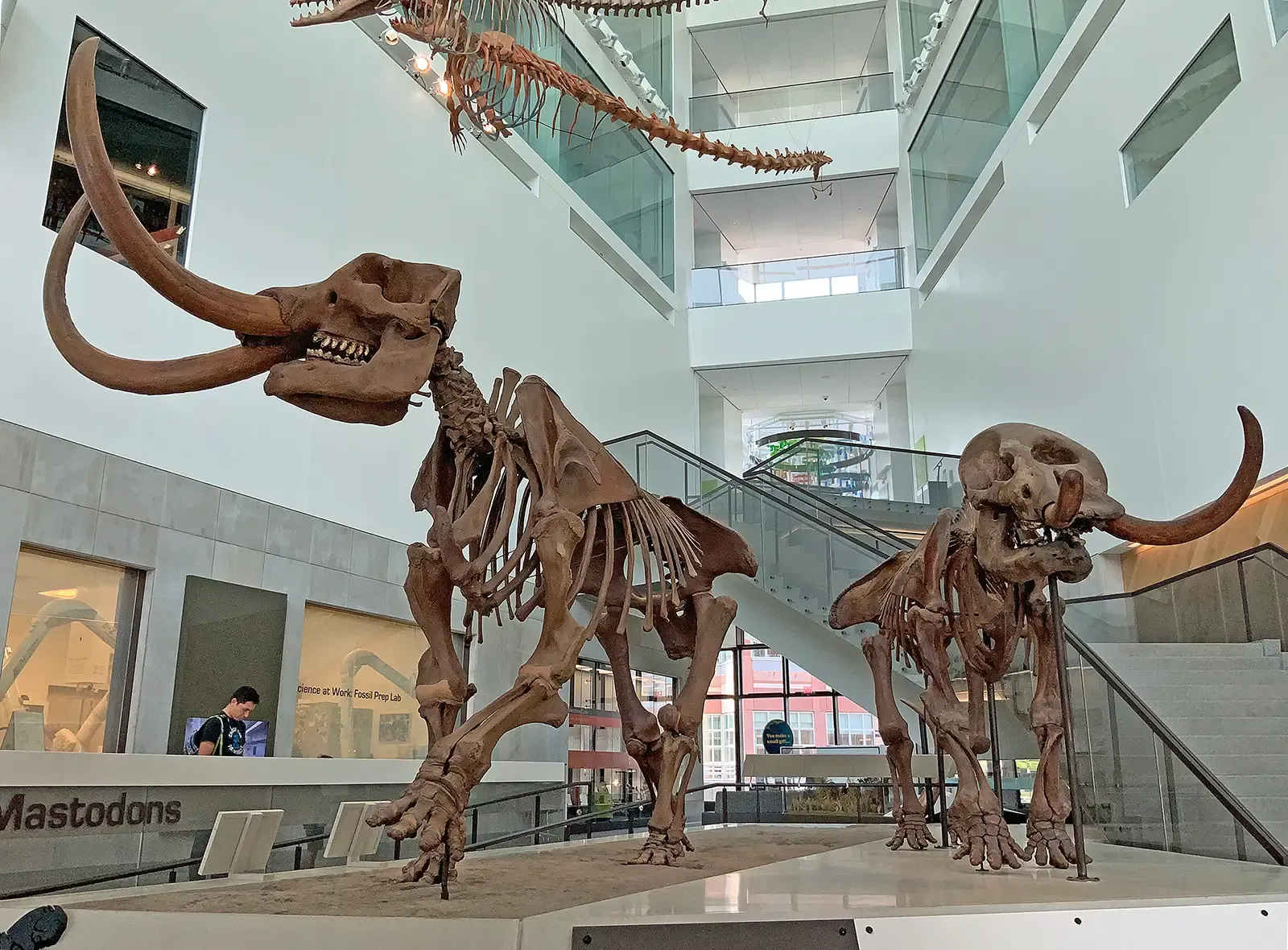
Scientists quietly confirmed something unsettling: these animals had violent, hormone-driven mating seasons, and the fossil evidence proves it.
One famous specimen, nicknamed the “Buesching mastodon” after the Indiana peat farm where his skeleton was recovered, shows highly seasonal landscape use as an adult – almost certainly tied to seasonal mating. Cementum defects on his tusk line up with musth-driven battles during periods of early warm-season growth.
The story gets darker. Around 13,200 years ago, this roving male died in a bloody mating-season fight with a rival in what is now northeast Indiana, nearly 100 miles from his home territory. A single tusk let researchers reconstruct the exact final journey of an animal that died over 13,000 years ago. That’s not speculation – that’s chemistry and isotope tracking doing detective work.
The violence wasn’t the strangest discovery buried in mastodon biology. Their genes were even stranger.
#8 – Mastodon DNA Reveals They Interbred Across Populations Far More Than Anyone Assumed
For decades, mastodons were treated as a fairly uniform species scattered across North America. A 2025 genetic study blew that assumption apart.
New studies of genomes pulled from mastodon fossils suggest these Ice Age beasts were a far more diverse group than previously thought. Researchers from McMaster University and Harvard reached that conclusion after reconstructing genetic material spanning hundreds of thousands of years.
Fast Facts
- Genetic material reconstructed spans hundreds of thousands of years
- Research led by teams from McMaster University and Harvard
- Populations once thought isolated show signs of interbreeding
- Shifting climate is the likely driver behind cross-population mixing
The findings point to broad migratory ranges and possible interbreeding between populations, likely driven by shifting climate. Populations scientists once assumed were isolated were actually mixing genes across huge distances, probably because changing climates kept pushing herds into new territory and into contact with each other.
That genetic mixing gets even more dramatic once you follow where these herds actually went.
#9 – Warming Climates Pushed Mastodons Thousands of Miles North – Right Before They Went Extinct
This finding is almost eerie given today’s climate headlines. Ancient mastodons responded to warming periods by chasing new territory north, again and again.
A team from McMaster University and elsewhere carried out a phylogeographic study of the extinct American mastodon based on 35 newly sequenced mitochondrial genomes. Their findings suggest American mastodons repeatedly expanded into northern latitudes in response to interglacial warming.
The analysis shows mastodons moving vast distances as ice sheets melted, pushing from warmer environments all the way to the northernmost reaches of Alaska and the Yukon. Here’s the twist that should worry anyone drawing modern parallels: despite these massive territory gains, northern populations were far less genetically diverse, which made them more vulnerable to extinction. Expansion didn’t save them – it may have quietly set up their downfall.
That migration pattern raises an even bigger question – one scientists still argue about openly.
#10 – Scientists Still Can’t Agree on What Actually Killed Them Off
This is the fact that should embarrass anyone who confidently claims to know why mastodons vanished. The truth is the debate is nowhere near settled, no matter how confident a documentary narrator sounds.
The evidence, taken as a whole, points to a combined effect of both humans and climate – a far messier answer than the tidy “humans hunted them to extinction” story most people were taught in school.
Worth Knowing
- Only five genera – mammoth, mastodon, gomphothere, horse, and camel – appear at confirmed kill-or-scavenging sites
- No archaeological evidence links Clovis hunters to 33 other extinct genera
- Most researchers now favor a combined climate-plus-human explanation over a single cause
- The debate has stayed active in academic journals for decades without resolution
Digging into the archaeological record only muddies the picture further. Human hunting evidence exists for barely a handful of species, yet dozens went extinct at roughly the same time – a mismatch that keeps this argument alive in academic journals decades after it started.
While that debate rages on, something else keeps happening that nobody predicted.
#11 – Brand-New Mastodon Fossils Are Still Turning Up in Random Backyards
You’d think every major mastodon skeleton had already been dug up by now. Scientists were just as surprised as everyone else when a homeowner’s yard produced a museum-worthy find.
A remarkable discovery in Orange County, New York, unearthed a complete mastodon jaw – the first such find in the state in over 11 years. Researchers from the New York State Museum and SUNY Orange excavated the jaw, along with additional bone fragments, from a residential backyard near Scotchtown, NY.
It’s not an isolated case, either. Archaeologists at the University of Iowa recently announced a first-ever find for that state: the region’s first scientifically recovered mastodon skull. A creature extinct for over 10,000 years is still being pulled out of ordinary American backyards and creek beds in the 2020s. That alone should tell you how much is still buried, literally, waiting to be studied.
Those backyard discoveries only make sense once you understand how far back the mastodon lineage actually goes.
#12 – Mastodons Split From the Elephant Family Tree Millions of Years Before Mammoths Did
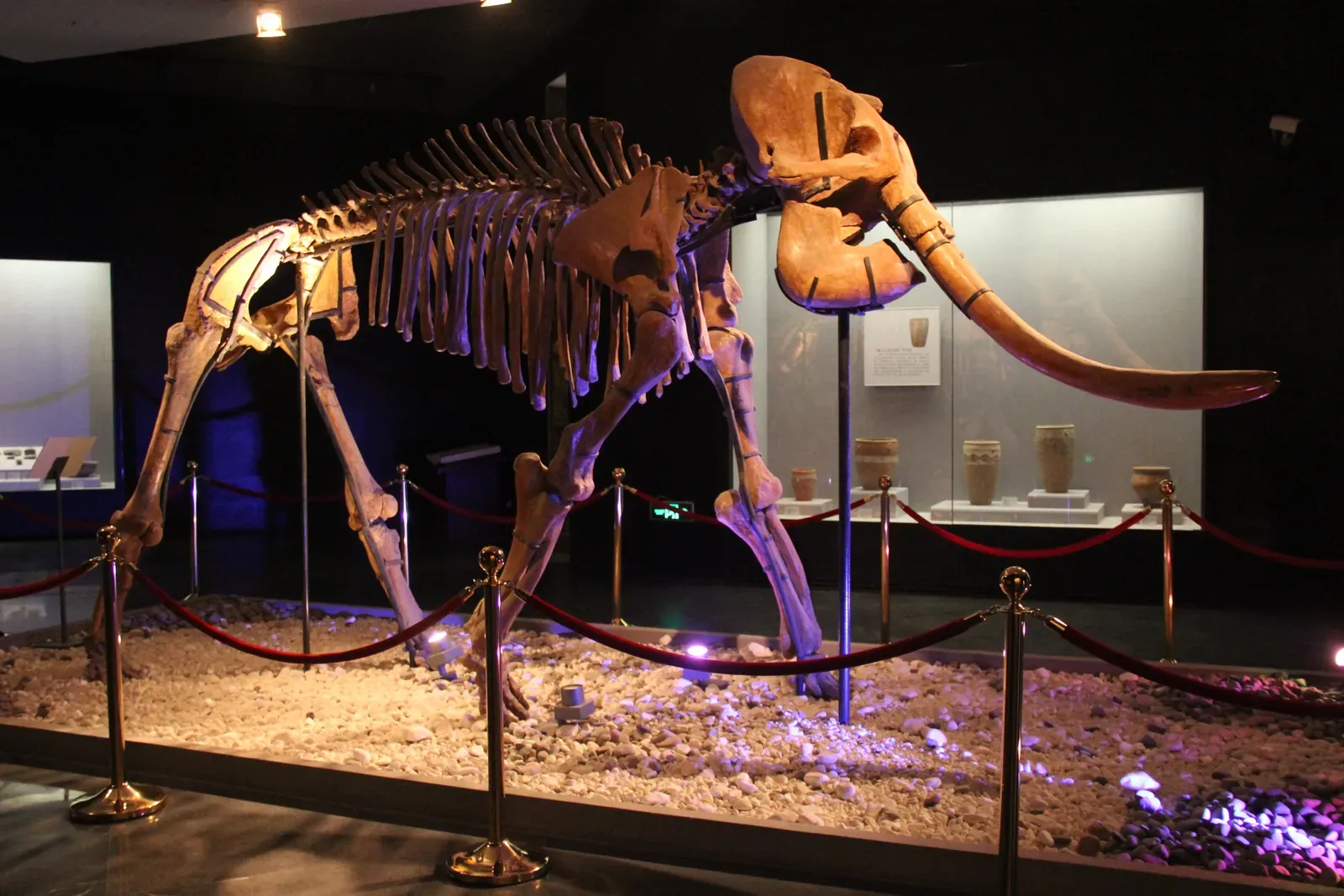
This is the deep-history fact that explains everything else on this list. Mastodons aren’t a “variant” of the elephant lineage – they’re an entirely separate evolutionary experiment that happened to end up looking similar.
Mastodons are distant relatives of modern elephants and mammoths, forming a separate branch of proboscideans that split from the main elephant line during the Miocene epoch. The Miocene stretches back roughly five to twenty-three million years – long before mammoths even existed as a distinct group.
That means mastodons spent millions of years evolving completely independently: their own tooth structure, their own body proportions, their own behaviors, separate from the mammoth lineage most people mentally merge them with. Two “elephant-looking” animals can share a resemblance while being separated by an evolutionary gap wider than the one between humans and gorillas. That’s the kind of detail that rarely makes it onto a museum placard.
That deep split in the family tree might not even be the full story.
#13 – There May Have Been an Entirely Separate “Pacific Mastodon” Species
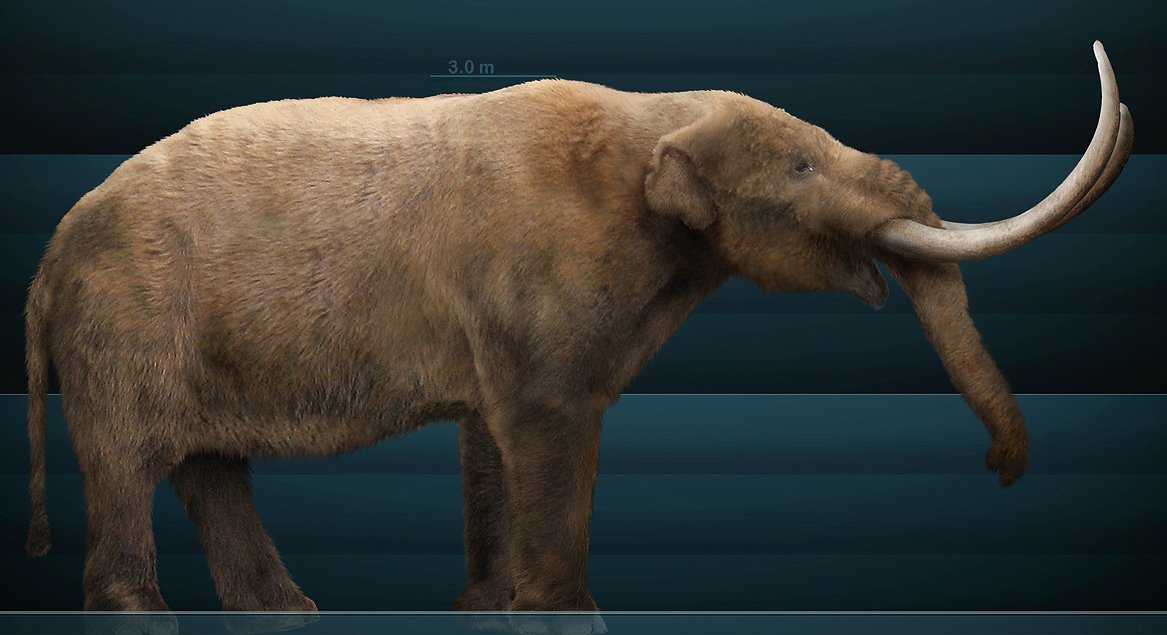
Just when researchers thought they had the mastodon family tree sorted, fossils from the American West suggested there might be a whole extra branch hiding in plain sight.
Researchers point to anatomical differences like a sixth sacral vertebra (compared to the five found in American mastodons), thicker femurs, and narrower teeth. The proposed Pacific mastodon also lacks the small mandibular tusks that jut out of male American mastodons’ chins.
At a Glance
- Sixth sacral vertebra, versus five in the American mastodon
- Thicker femurs and noticeably narrower teeth
- No small mandibular tusks, unlike male American mastodons
- Tualatin specimen shows deep genetic divergence and a range reaching into Alberta, Canada
Follow-up genetic work only deepened the mystery. A specimen known as the Tualatin mastodon showed evidence of deep divergence from other mastodon lineages, along with proof that this Pacific population’s range extended far beyond where anyone expected – reaching all the way into Alberta, Canada. A species scientists thought was fully cataloged decades ago might actually be two, or more, distinct populations that never fully mixed. This is still an active, unresolved argument in paleontology circles.
The mystery isn’t only about species lines. It’s about what individual animals were doing while they were alive.
#14 – Individual Mastodons Changed Their Diets Mid-Life – and Scientists Can Prove It
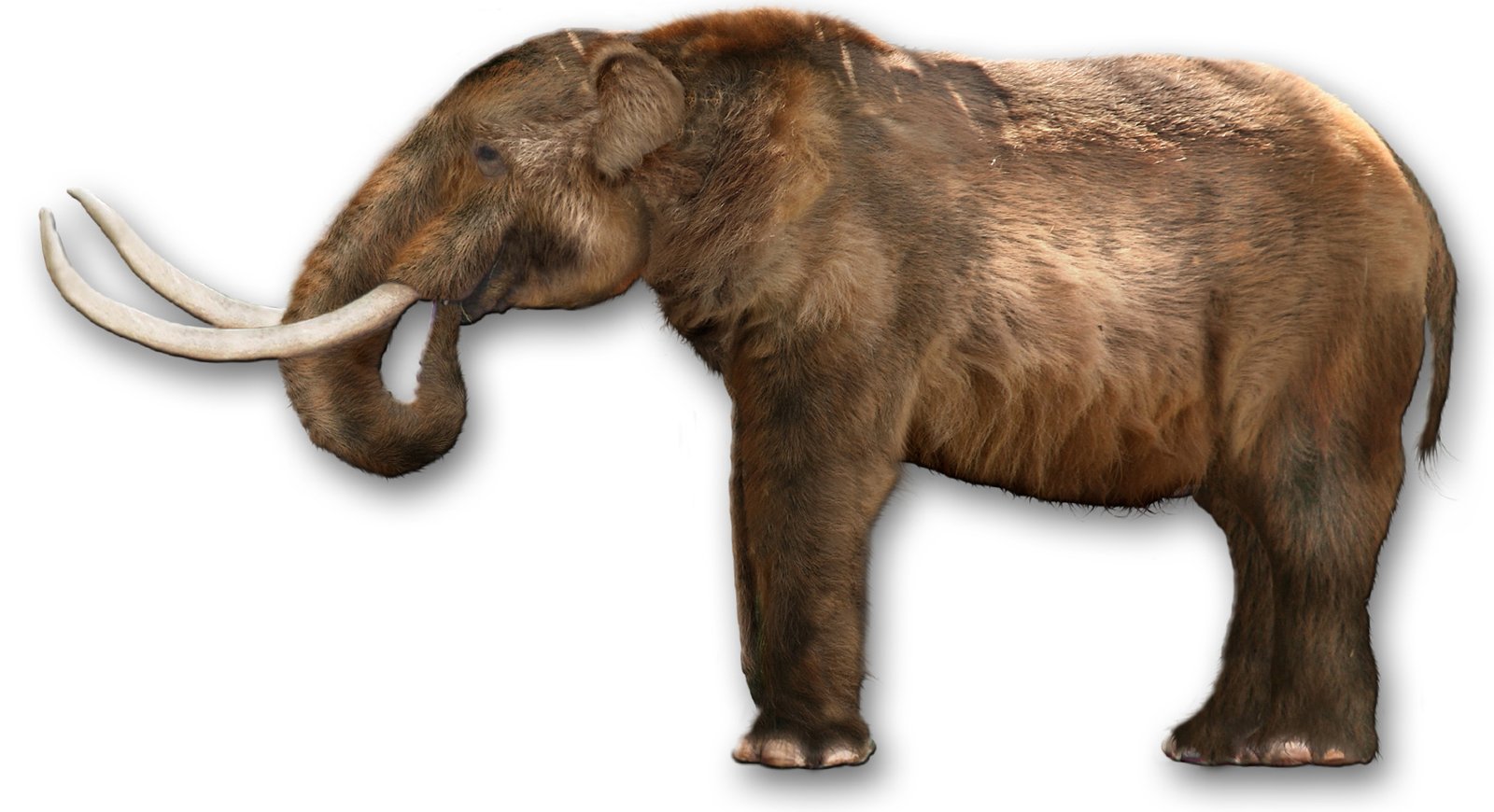
Forget the idea that a mastodon ate the same thing its entire life. Isotope chemistry has revealed something far more dynamic happening inside individual animals.
A 2022 study by Lopes and colleagues examined carbon and oxygen isotope ratios in the teeth of a sub-adult mastodon found in southern Brazil. The researchers interpreted their findings as clear evidence of a diet shift during the animal’s lifetime – proof that mastodons could change what they ate on shorter timescales than scientists previously assumed possible from isolated tooth samples.
That’s a big deal for how scientists reconstruct ancient ecosystems. A single tooth sample used to be treated as a permanent snapshot of an animal’s diet – now researchers know that snapshot can be flat-out wrong if it only captures one narrow window of that individual’s life. This finding has forced paleontologists to rethink how they interpret isotope data from other extinct megafauna too, not just mastodons.
And the deepest, most unsettled mystery of all is still being written right now.
#15 – Even the Basic Mastodon Family Tree Is Still Being Rewritten Right Now
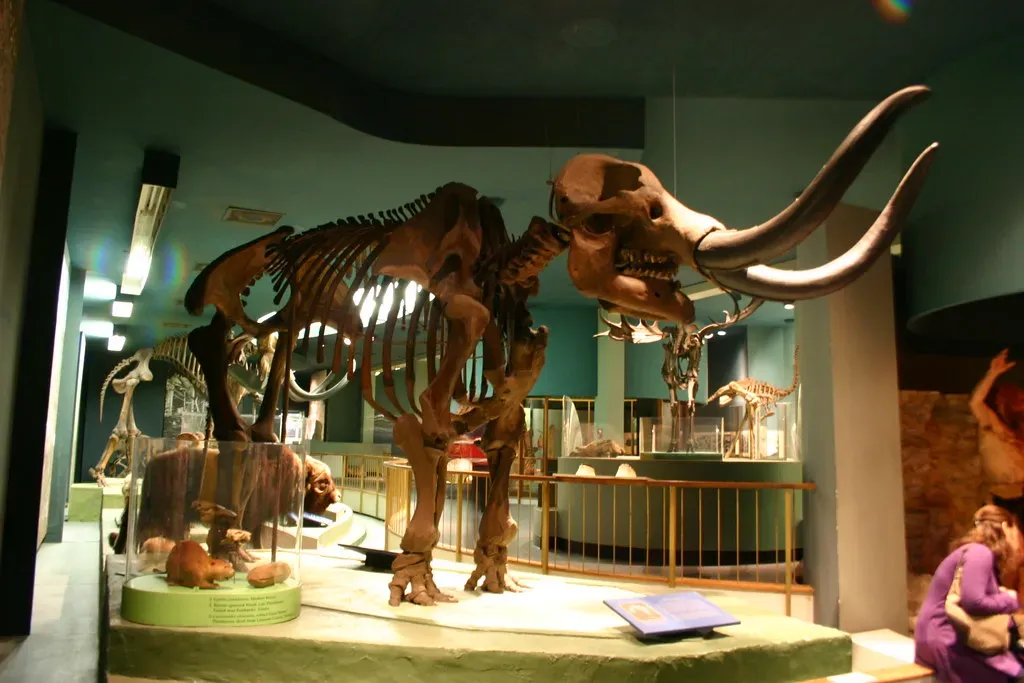
This is the admission that should humble anyone who thinks mastodon science is a solved subject. Fossils dug up in Turkey and Pakistan within the last two years have forced researchers to reconsider how mastodon relatives fit together across three continents.
A 2025 study by Saarinen and colleagues identified proboscidean fossil material from Miocene strata at the Hayranlı-Haliminhanı locality in Turkey as remains of a mastodon belonging or related to the species “Mammut” obliquelophus – supporting a link between late Miocene Eurasian mammutids and the genus Mammut.
More fossils kept complicating the picture throughout 2025. The first fossil material of “Mammut” borsoni from Turkey was reported from the Pliocene Ahmetçik Formation, found alongside remains of the rhinocerotid Pliorhinus megarhinus. Researchers are actively reclassifying which ancient species even belong in the mastodon genus – and they’re doing it in papers published within the last year, not decades-old textbooks. The mastodon story is nowhere near finished being written.
The Bottom Line
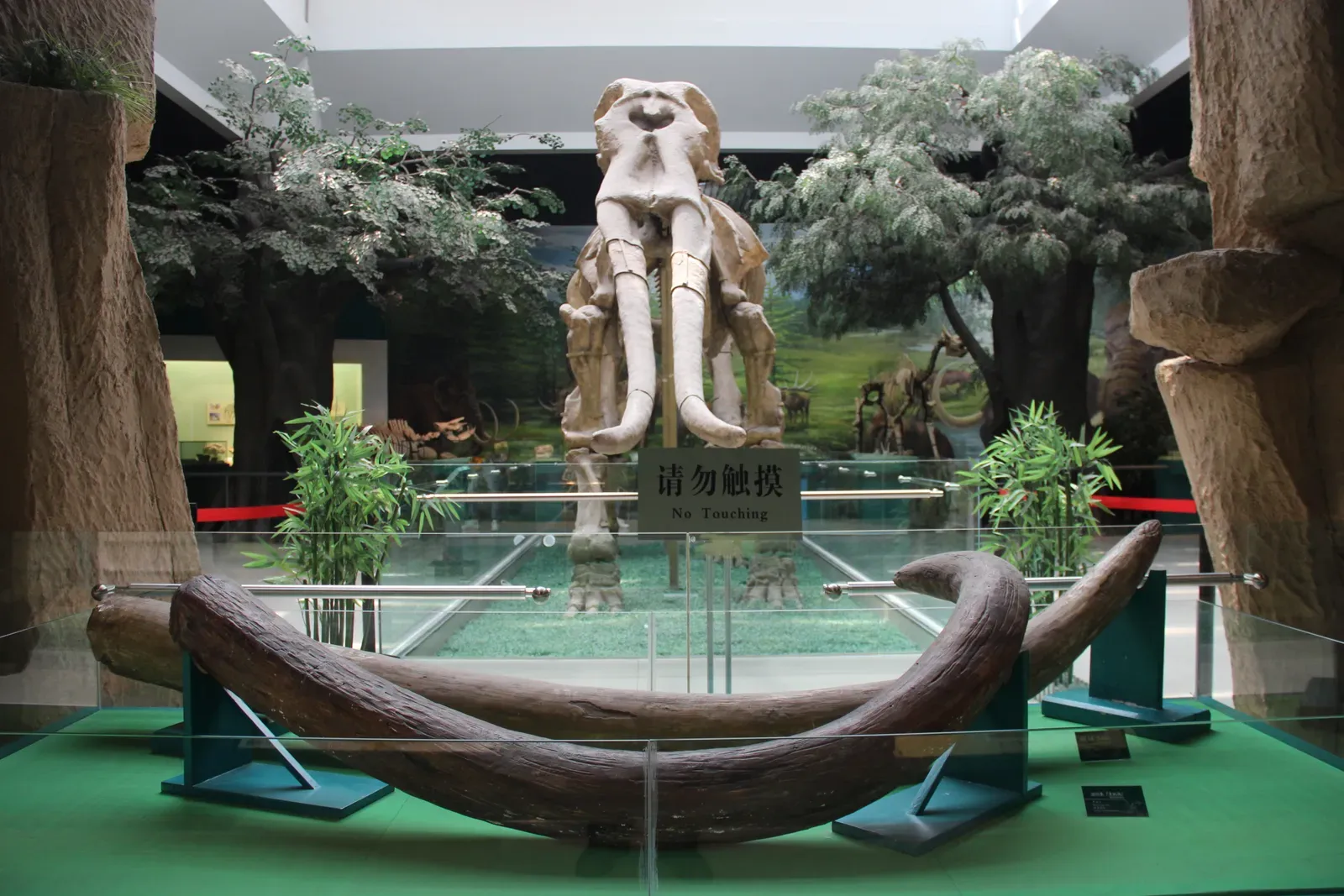
The real mastodon story is stranger, messier, and far more scientifically active than the average museum plaque lets on. These animals weren’t shaggy mammoth knockoffs – they were forest-dwelling browsers from a completely separate branch of the elephant family, with tusk-only males, hormone-fueled mating battles, and DNA that reveals surprising cross-population breeding.
Even their extinction remains a genuinely unresolved scientific argument, and new fossils keep forcing researchers to redraw the family tree. If you ask me, the overkill-versus-climate debate says less s and more about how uncomfortable scientists still are admitting a mystery this old isn’t fully solved.
What do you think finished off the mastodons – climate, humans, or a mix nobody’s willing to fully commit to? Drop your theory in the comments.