
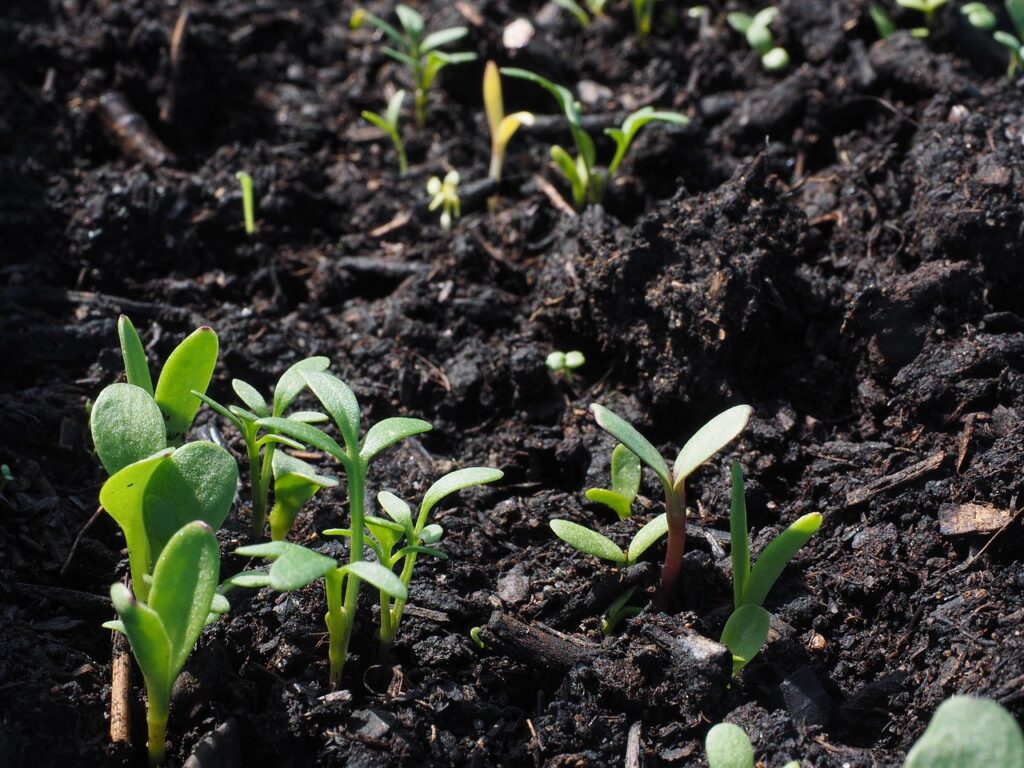
Every gardener has that moment of quiet outrage: two beds, same seeds, same day, same care… and one explodes with lush growth while the other sulks. You start blaming the weather, the seed company, maybe even your watering can. But the real plot twist is usually hiding under your feet.
Soil is not just “dirt.” It’s more like a crowded city, a pantry, a water tank, a pharmacy, and a gossip network all packed into a few inches. One bed can be holding everything your plants secretly want, while the other is basically an empty apartment with peeling paint and no Wi‑Fi.
Once you understand what soil actually holds, those mysterious differences between beds start to make sense. You can stop guessing, start tweaking, and watch your “bad” bed suddenly become the overachiever. Let’s dig into the 12 hidden things in soil that quietly decide which bed wins the growth race.
#1 – Nutrients: The Plant Pantry Hiding in Plain Sight
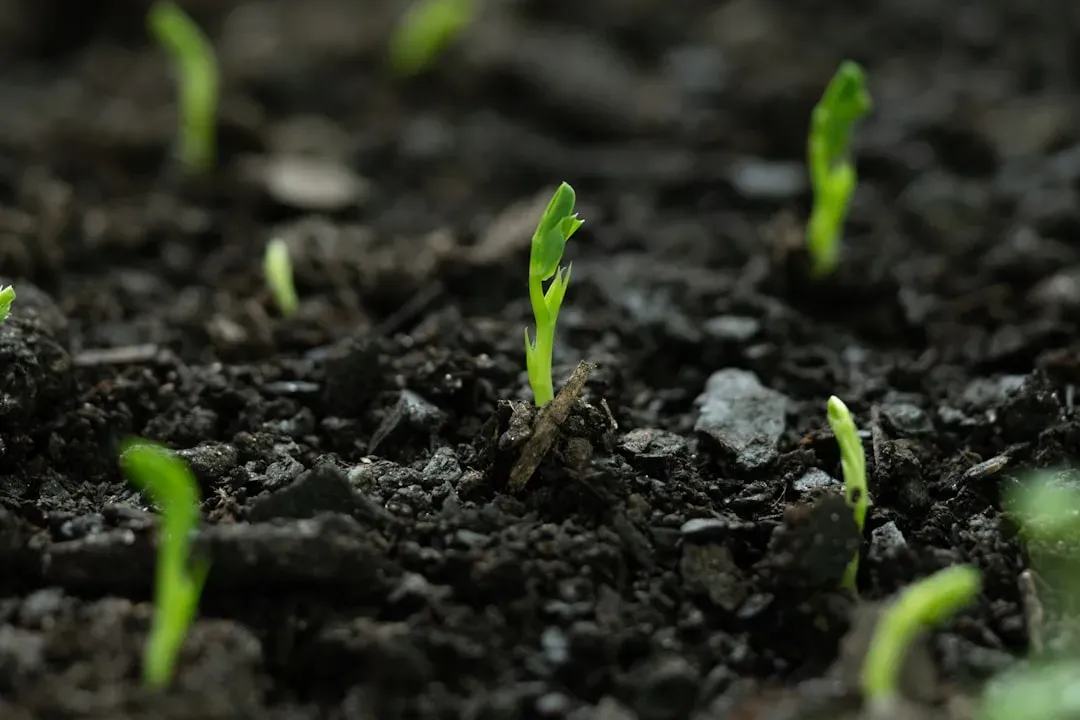
If one bed is booming and another is barely hanging on, nutrients are the first suspect. Plants need a whole menu of elements: the big three (nitrogen, phosphorus, potassium) plus supporting players like calcium, magnesium, sulfur, and trace minerals such as iron, zinc, and boron. One bed may have been fed with compost, manure, or balanced fertilizer, while the other has been quietly stripped by harvest after harvest.
Nitrogen fuels leafy growth, phosphorus supports roots and flowers, and potassium helps with overall health and disease resistance. If your lush bed is leafy and deep green, it’s probably sitting on a decent nitrogen bank. The weaker bed might be nutrient depleted, locked up by pH issues, or simply never properly amended. Two beds can look identical on the surface, yet the “pantry shelves” underneath can be wildly different.
Over time, rain, watering, and plant uptake all pull nutrients out of the soil. If you always plant heavy feeders like tomatoes or corn in the same spot without replacing what they take, that bed slowly becomes a nutritional desert. Meanwhile, a bed that gets regular compost, fall leaves, or a slow-release organic fertilizer will quietly stockpile food and outgrow its neighbor year after year.
#2 – Organic Matter: The Secret Engine of Healthy Beds
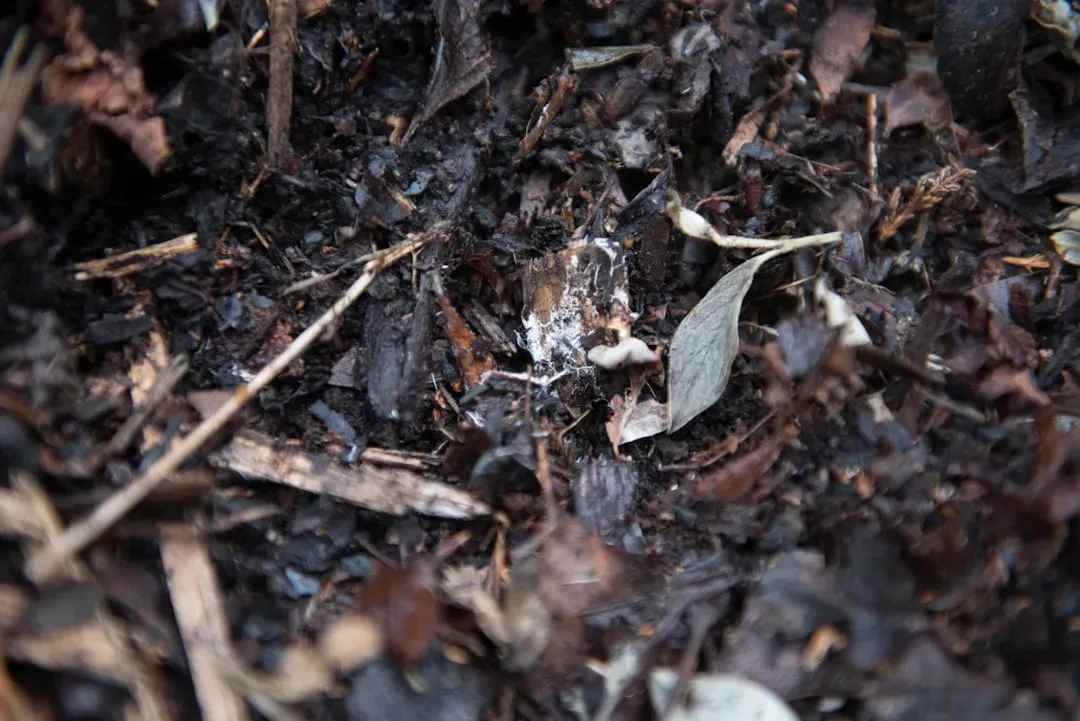
Organic matter is the broken-down remains of once-living stuff: compost, old roots, manures, shredded leaves, dead microbes. It’s the difference between lifeless dust and a rich, crumbly soil that smells like a forest floor. One bed might be layered with years of compost and plant residue, while the other was double-dug, left bare, and tilled to death.
High organic matter works like a sponge and a slow-release fertilizer in one. It soaks up water, holds onto nutrients, and feeds soil organisms that, in turn, support your plants. A bed with good organic matter stays moist longer, warms more evenly, and recovers from stress faster. A low-organic-matter bed dries out quickly, compacts easily, and leaves roots struggling.
- Organic matter improves structure, making soil crumbly instead of cloddy.
- It boosts nutrient holding capacity, so fertilizer actually stays put.
- It feeds beneficial microbes that help roots access what they need.
If you’ve ever mulched one bed thickly with composted leaves and ignored the one beside it, you’ve probably seen the difference the next season. The mulched bed becomes darker, more friable, and suddenly everything planted there just “takes off.” That is organic matter doing the heavy lifting behind the scenes.
#3 – Water and the Way Soil Holds Onto It
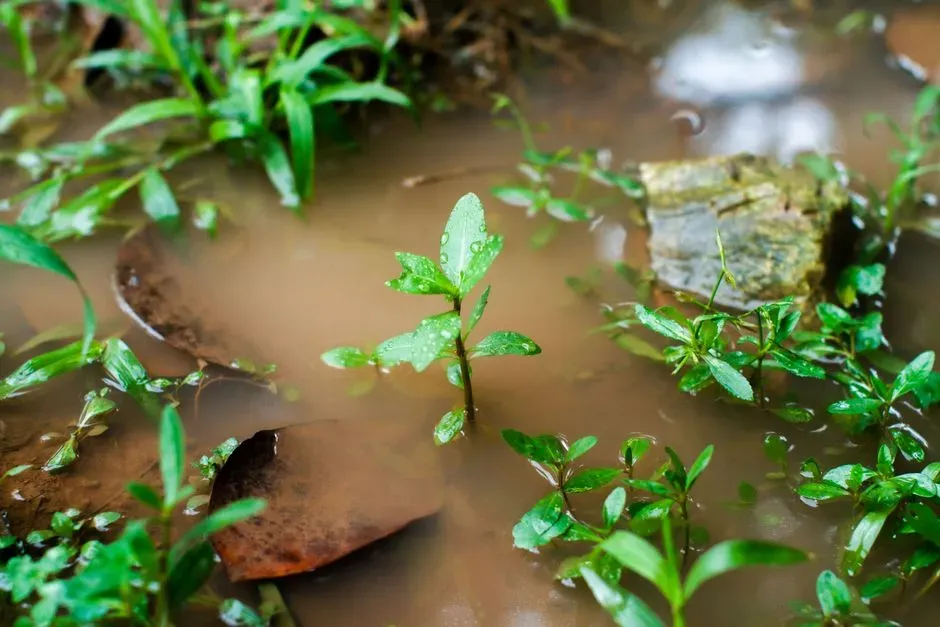
Water is the most obvious difference between beds, but it’s not just about how often you water. It’s about how well the soil holds and releases that water to plant roots. Sandy soil drains fast and can leave plants thirsty hours after watering. Clay soil holds water like a bowl, but can drown roots if it stays soggy. A bed with more organic matter and better structure strikes the sweet spot: moist, but not waterlogged.
Two raised beds filled with “garden soil” from different sources can act completely differently. One may stay perfectly moist for days, while the other swings wildly from bone dry to swampy. That swing stresses plants, slows growth, and can stunt root development. Consistent moisture, on the other hand, gives plants the confidence to stretch deeper and grow faster.
- Well-structured soil holds water in tiny pores, available to roots.
- Compacted or crusted soil sheds water, leaving the root zone dry.
- Soils high in organic matter buffer against drought and overwatering.
If one bed is in full sun and another catches some afternoon shade, the sunnier one can dry out faster too. But often, the real story is in the soil: a bed rich in organic matter and with good tilth will simply handle water better and reward you with more vigorous plants.
#4 – Air Pockets: Oxygen, Roots, and the Problem with Compaction
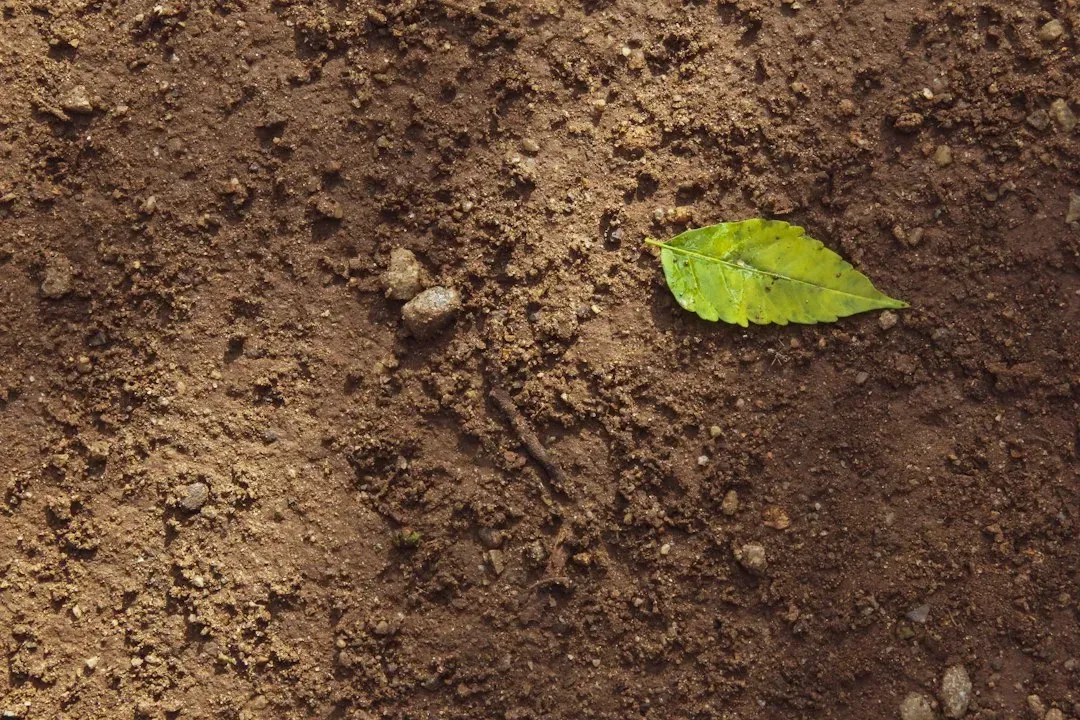
Roots need air as much as they need water. That sounds strange until you remember they are living tissues that respire, just like we do. Soil that holds enough tiny air pockets allows roots and microbes to breathe. Soil that is compacted, crusted, or constantly waterlogged starves roots of oxygen and slows everything down, even if nutrients are present.
Think about the difference between walking on a forest path versus a hard-packed parking lot. One is springy and alive, the other is just… solid. Plants feel that difference too. A bed you’ve walked on, tilled when wet, or used as a shortcut in the garden can become dense and impenetrable. Roots in that bed twist, turn shallow, and give up early. Next door, a no-till or raised bed that’s been gently forked and protected from heavy traffic has open pathways for roots to dive deep.
Good soil structure creates aggregates – crumbs of soil stuck together with organic matter and fungal glues. These aggregates leave spaces between them, where air and water move. When you protect those structures with gentle cultivation, mulch, and avoiding compaction, your plants reward you with larger, more robust root systems. Bigger roots, in turn, support bigger plants. That is how one bed quietly pulls ahead of another, purely because it is easier to breathe in.
#5 – Microbial Life: Bacteria, Fungi, and the Soil Food Web
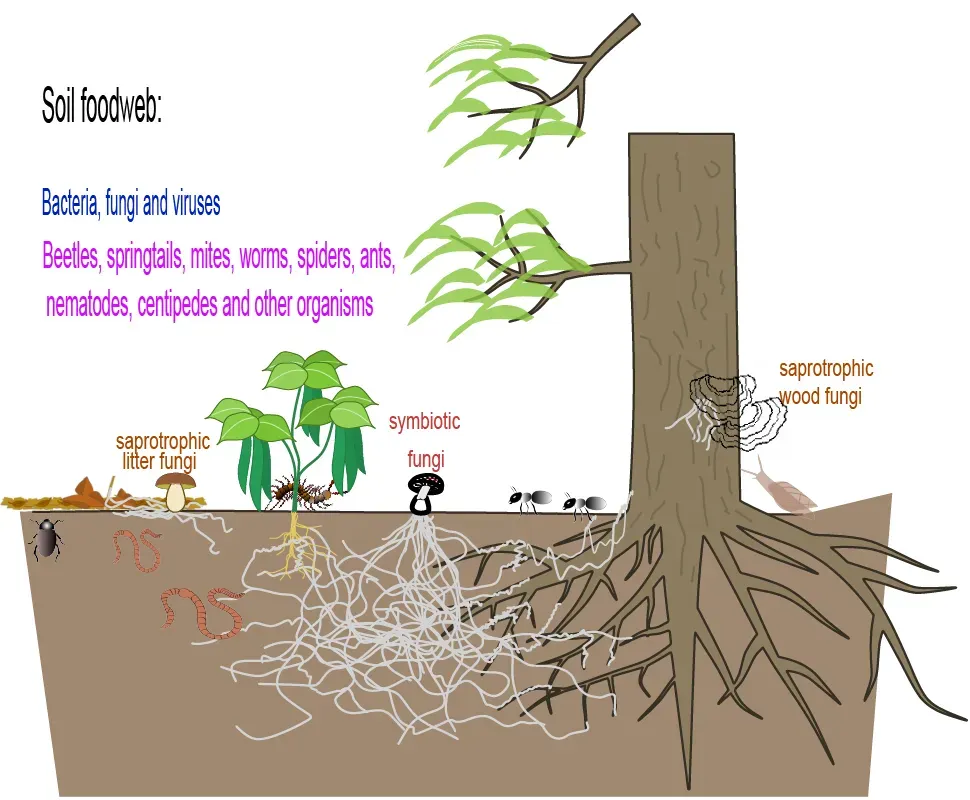
One of the biggest invisible differences between beds is their microbial population. A “living” soil is teeming with bacteria, fungi, protozoa, nematodes, and tiny arthropods. They break down organic matter, cycle nutrients, and even form alliances with plant roots. A dead, sterile, or heavily disturbed soil has far fewer of these helpers, so plants are left to fend for themselves.
Mycorrhizal fungi, for example, form partnerships with roots and extend their reach through the soil, acting like an extended root system. In a bed where these fungi are thriving, plants access water and nutrients far beyond what their own roots could reach. In a bed that has been repeatedly tilled, drenched in synthetic high-salt fertilizers, or left bare and baked in the sun, that fungal network can be shredded or absent.
- Microbes release nutrients in plant-available forms as they eat and die.
- Fungi help move nutrients and water between different plants.
- A diverse soil community can suppress some diseases simply by competition.
Sometimes, gardeners notice that the bed where they mulched heavily, avoided digging, and applied compost teas seems to “wake up” in a way that’s hard to explain. Seedlings take hold faster, transplants sulk less, and pest damage appears lower. That is the power of a busy underground community doing quiet, constant work.
#6 – Soil pH: The Gatekeeper of Nutrient Availability
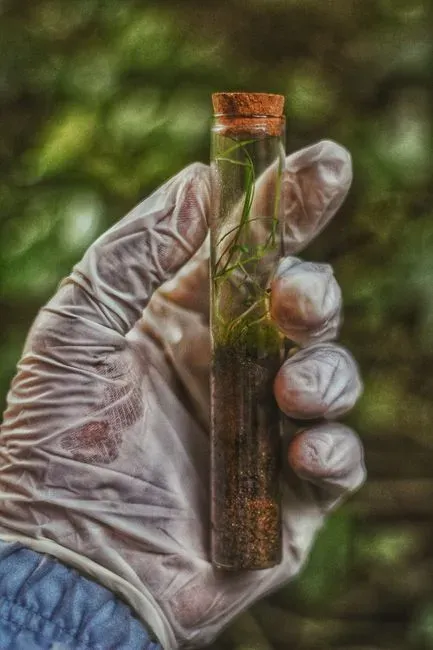
Soil pH sounds technical, but it’s basically just how acidic or alkaline your soil is. It matters because pH controls how available nutrients are to plants. Two beds can contain the same amount of nutrients, yet in one they are easy to access, and in the other they are locked away like money in a bank vault nobody can open.
Most vegetables prefer a slightly acidic to neutral pH. When soils drift too acidic or too alkaline, certain nutrients become chemically tied up. Iron chlorosis, for example, often shows as yellow leaves with green veins, even when iron is technically present in the soil. That often happens in soils that are too alkaline. The same goes for phosphorus in very acidic soils – it can get bound up and unavailable.
If one bed historically got a lot of wood ash, lime, or has more concrete rubble nearby, it might slowly become more alkaline. Another bed, heavily amended with peat-based mixes, pine needles, or lots of acidic organic material, might creep downward in pH. Without a basic soil test, it can be hard to see. But on the ground, you just notice that tomatoes love one bed and constantly struggle in the other, even with the same feeding routine.
#7 – Salts, Toxins, and Residues You Didn’t Know Were There
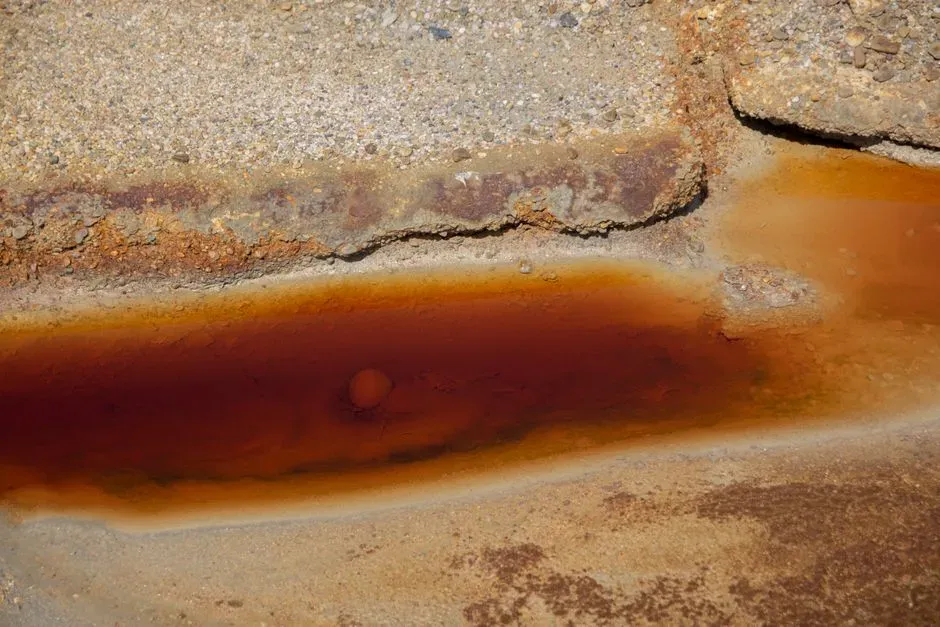
Not all soil differences are positive. Some beds quietly accumulate things you do not want: excess salts from fertilizers, herbicide residues, heavy metals, or contamination from nearby treated wood or runoff. These unseen hitchhikers can stunt growth, damage roots, and explain why one bed feels cursed while another, just a few steps away, is thriving.
High levels of soluble salts – often from overusing synthetic fertilizers or irrigating with salty water – can burn roots and make it harder for plants to take up water, even when the soil is damp. Herbicide carryover from straw, hay, manure, or compost made from treated materials can linger for years and twist, curl, or stunt sensitive crops like tomatoes, beans, and peppers.
- Excess salts can cause leaf tip burn, wilting, and slow growth.
- Certain herbicides persist in soil and affect broadleaf crops.
- Runoff from roads or treated structures can bring unwanted contaminants.
If you’ve ever had one bed where beans refuse to grow properly, leaves contort, and plants stay tiny despite good watering and feeding, contamination is worth considering. Meanwhile, another bed that only ever received homemade compost and gentle organic fertilizers may be a clean slate, allowing plants to flourish without hidden stress.
#8 – Soil Structure and Texture: Sand, Silt, Clay, and Everything in Between
The basic feel of your soil – whether it’s gritty, silky, or sticky – has a huge impact on plant growth. That “feel” is determined by texture: the relative amounts of sand, silt, and clay. Structure, on the other hand, refers to how those particles clump together into aggregates. Two beds filled at different times, from different suppliers, or sitting on different subsoils can have very different textures and structures, even if they look similar on top.
Sandy soils warm up quickly and drain fast, but struggle to hold nutrients. Clay soils are nutrient-rich but can be dense, cold in spring, and slow to drain. Loamy soils, the gardener’s dream, sit in the sweet spot between. When you add organic matter and avoid heavy disturbance, structure improves, creating that friable, crumbly feel that plant roots love.
One of my own beds is a perfect example: it was dug slightly deeper into a naturally clay-heavy area. Even though I added the same compost as in my other bed, that extra clay layer changed how it behaves. It holds water longer, stays colder in spring, and is slower to start. Once summer hits, the plants catch up, but in early growth, the bed on lighter soil always wins. That small textural difference plays out across the whole season.
#9 – Seed Bank, Roots, and the Ghosts of Plants Past
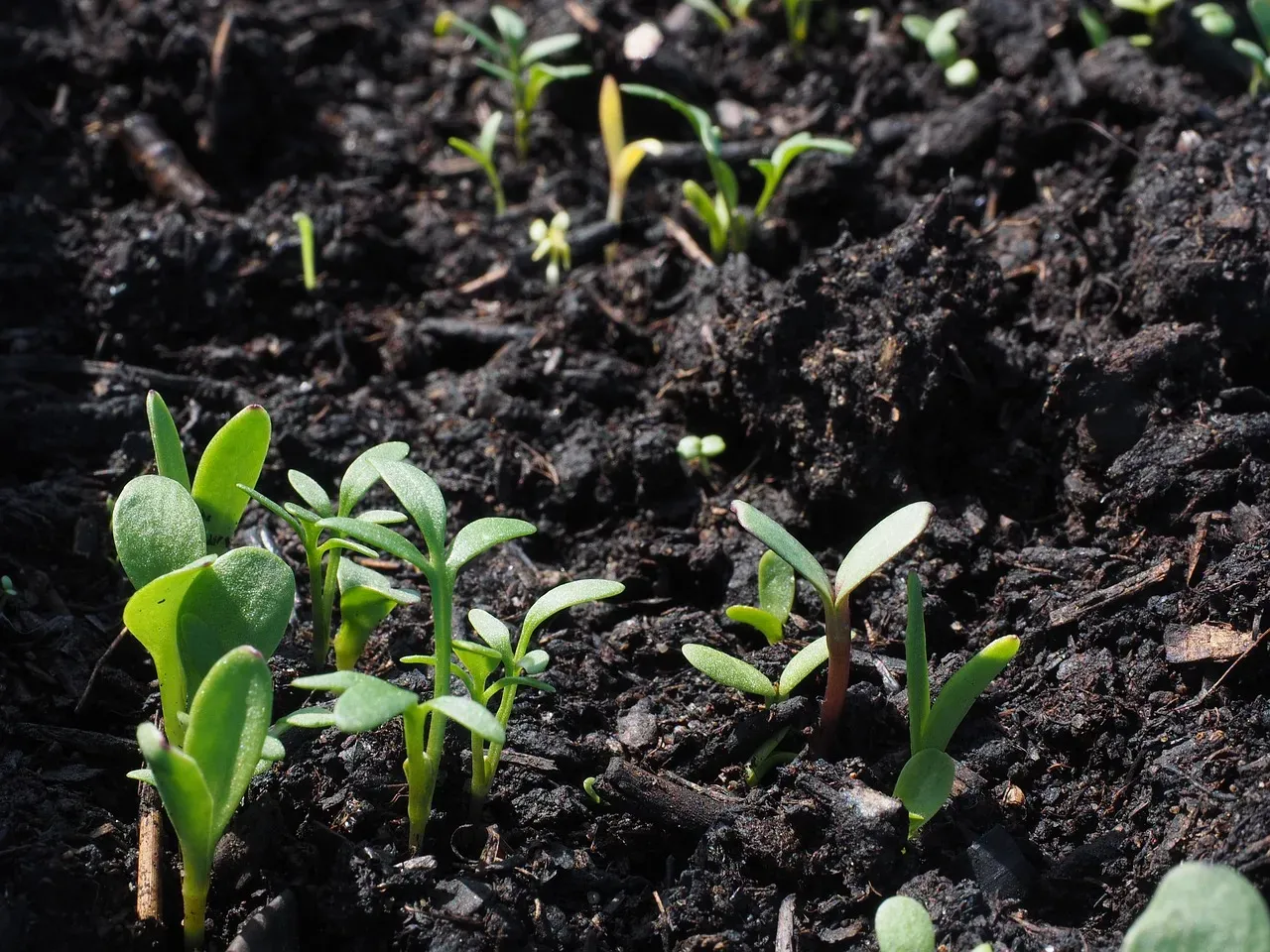
Soil does not start fresh every season. It carries a “memory” of everything that has grown there before, in the form of old roots, weed seeds, and leftover plant residues. One bed might be loaded with deep, decaying roots from last year’s cover crops or perennials, while another was kept bare or weeded aggressively. Those differences matter more than most gardeners think.
Decaying roots create channels that new roots can follow, like pre-dug tunnels. They also feed microbes and leave behind organic matter right in the root zone. A bed that hosted a deep-rooted cover crop like daikon radish or rye can be looser and richer below the surface than a bed that spent winter as bare, eroded ground. That legacy gives new seedlings in that bed a head start.
- Old roots become food and structure for new ones.
- Weed seed banks can compete for water and nutrients if not managed.
- Past crops can leave behind disease or support beneficial organisms.
On the flip side, a bed with a heavy weed seed bank will constantly be under siege, with volunteer plants stealing light, water, and nutrients. You might be watering and feeding both beds equally, but the weedy bed is quietly sharing every resource with uninvited guests, and your crops will often show it.
#10 – Heat, Microclimate, and How Soil Stores Temperature
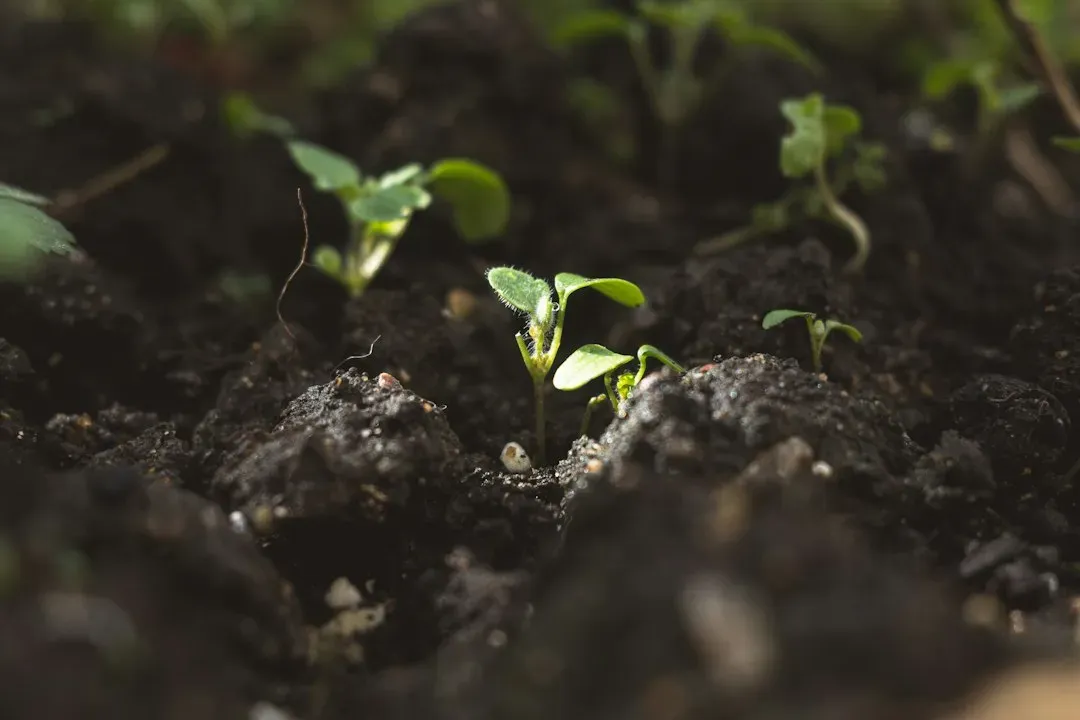
Soil does not just hold water and nutrients; it also holds heat. Dark, moist, organic-rich soil absorbs and stores warmth differently than pale, dry, compacted soil. Two beds in the same yard can have surprisingly different temperature profiles because of their composition, mulching, and position relative to wind, walls, and sun.
Warmer soil in spring wakes seeds up faster and kicks root growth into gear earlier. A raised bed with dark compost, good drainage, and a south-facing aspect can hit that ideal temperature weeks before a low-lying, poorly drained bed in a shady corner. The “lucky” bed seems to get a head start, but what it really has is a thermal advantage built into the soil itself.
Mulch also changes the game: a heavily mulched bed may stay cooler and more stable in summer, preventing heat stress, whereas an unmulched bed can swing between hot and dry during the day and cool at night. Those swings stress roots and slow growth. So while we usually think of sunlight first, the way each bed’s soil stores and releases heat is often what actually dictates who takes off and who lags behind in the same garden.
#11 – Biology Above the Microbes: Worms, Insects, and Tiny Engineers
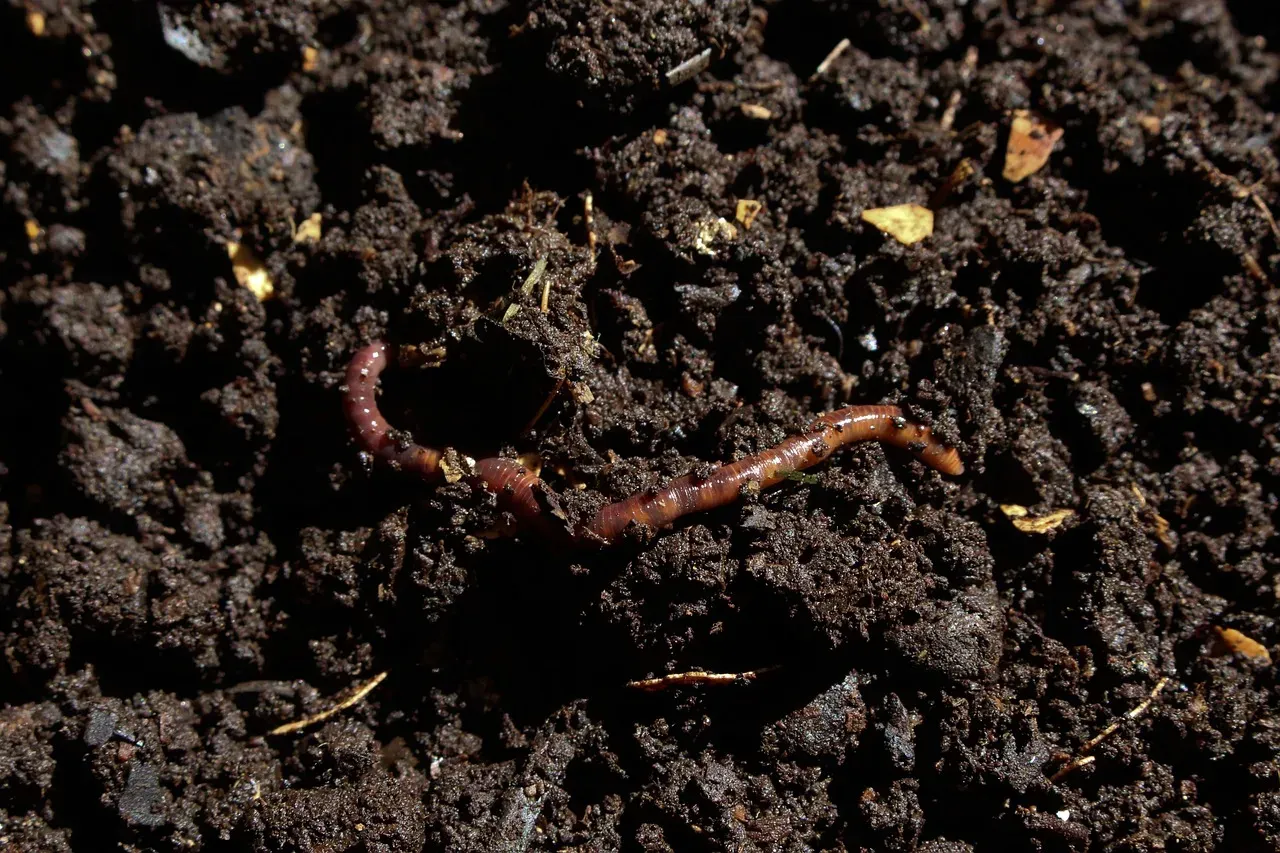
Beyond microbes, there are larger soil dwellers that change everything: earthworms, beetles, springtails, and countless other tiny engineers. In a vibrant bed, you can turn over a trowel of soil and see worm channels, castings, and small insects scurrying away. In a tired, lifeless bed, the soil can look flat, dense, and eerily still.
Earthworms in particular are major players. As they move, they drag organic matter into the soil, create stable channels for air and water, and leave behind castings rich in plant-available nutrients. If one bed consistently gets thick organic mulch, kitchen scraps, and gentle watering, worms will flock there. A neighboring bed that’s left bare, dries out often, or is treated with harsh chemicals can slowly become a worm desert.
- Worm channels improve infiltration and reduce surface runoff.
- Castings supply concentrated, slow-release nutrients.
- Soil fauna shred organic matter into smaller, microbe-ready pieces.
Over time, this difference compounds. The “wormy” bed literally rebuilds itself from the inside out, getting fluffier, more fertile, and easier for plants to colonize. The “quiet” bed remains static or degrades, which shows up as weaker plants, poorer root systems, and a need for more human intervention just to keep up.
#12 – Time, Care History, and the Invisible Story of Each Bed
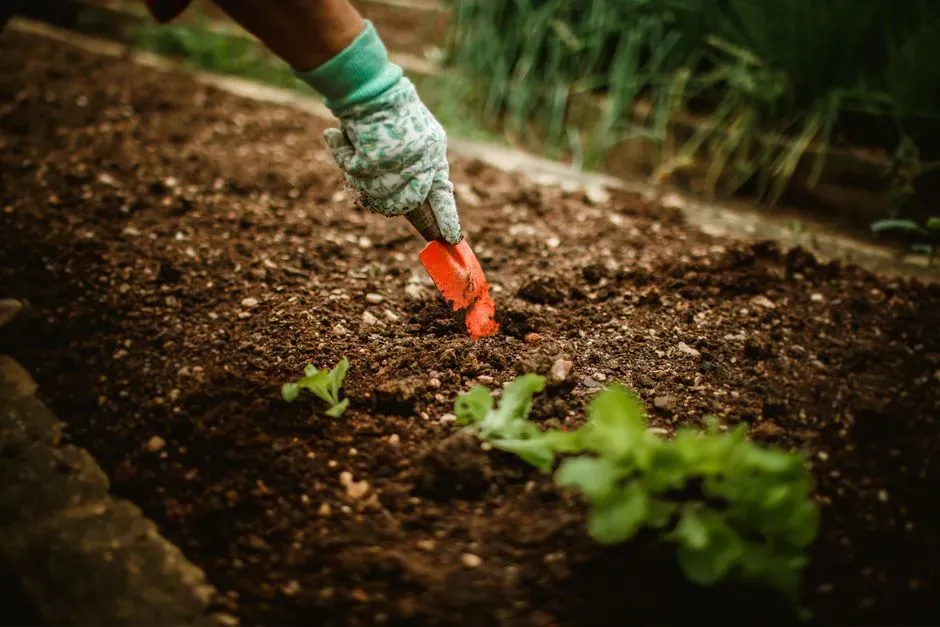
Finally, soil holds something less tangible but just as real: its history. Every decision you’ve made – what you planted, what you added, what you removed, how you watered, whether you mulched – accumulates in that bed. Two beds, created on the same day, can diverge wildly over just a few seasons because their stories are different.
Maybe one bed became the “favorite,” always getting the best compost, the first experiments with cover crops, the nicer seedlings. The other ended up as the overflow bed, the place for leftovers and quick, late plantings. One got mulched regularly and hardly ever left bare; the other went through cycles of drying, cracking, and hard rain compaction. Soil remembers that treatment in its structure, organic matter levels, microbial life, and even pH.
- Repeated additions of compost or manure steadily enrich a bed.
- Frequent tilling and bare soil steadily deplete and erode another.
- Crop rotations, or the lack of them, affect pests, diseases, and nutrient balance.
When you look at two beds side by side and see one thriving, one struggling, you are really seeing the sum of several years of tiny differences. That can feel intimidating, but it is actually empowering. It means every small, better choice you make this season – one more layer of mulch, one less unnecessary till, one batch of compost added – can shift the trajectory of a struggling bed toward that lush, overachieving status.
Opinionated Conclusion: Stop Blaming the Seed Packet, Start Reading the Soil
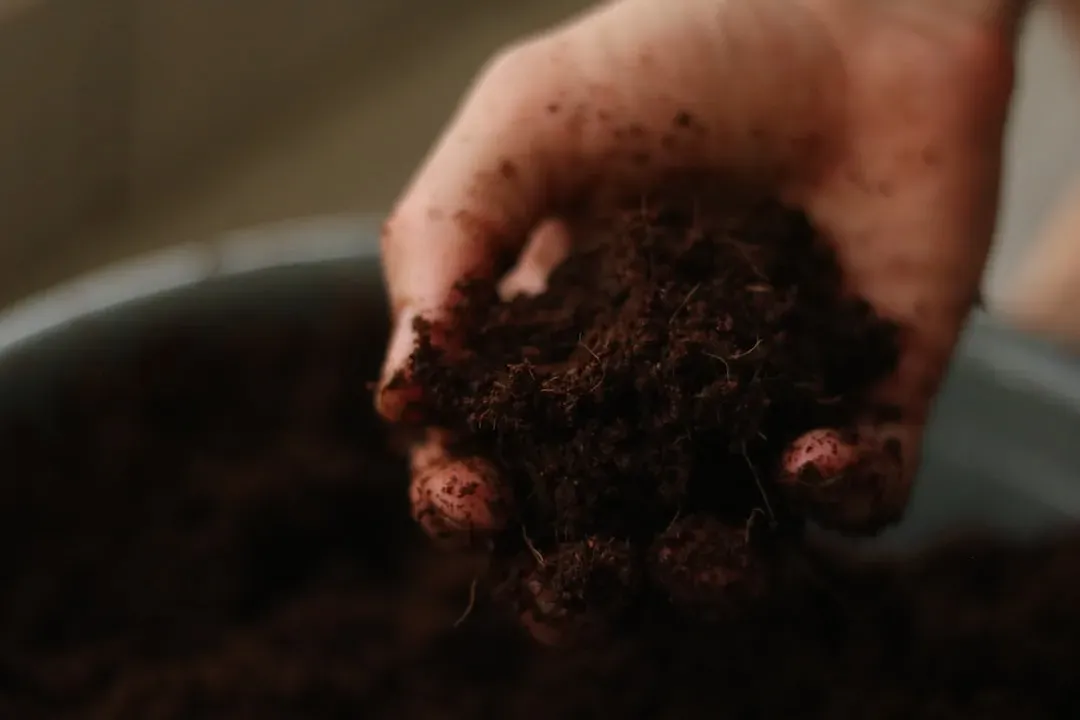
When one bed outgrows another, it is tempting to reach for simple, often unfair explanations: bad seeds, cursed corners of the yard, some mysterious gardening luck that other people have and you do not. But soil is almost always the real storyteller. It holds the nutrients, the life, the water, the air, the history, and even the mistakes that separate a mediocre bed from a spectacular one.
In my view, gardeners obsess far too much over fancy fertilizers and miracle tonics, and not nearly enough over the quiet fundamentals under their boots. If you build organic matter, protect structure, feed the microbes, watch the pH, and stop abusing the soil with constant disturbance and chemical quick fixes, most beds will surprise you with how quickly they turn around. The beds that look like magic are usually just the ones whose soil has been quietly respected for a few seasons.
The good news is that any bed can change. Soil is not a fixed verdict; it is a living system that responds to how you treat it. So next time one bed takes off and another drags behind, treat it less like a mystery and more like a clue. Ask what that soil is holding – or missing – and start there. In a year or two, when your “problem” bed becomes your pride and joy, you might even catch yourself wondering: if my soil can change this much, what else in my garden have I been underestimating?