
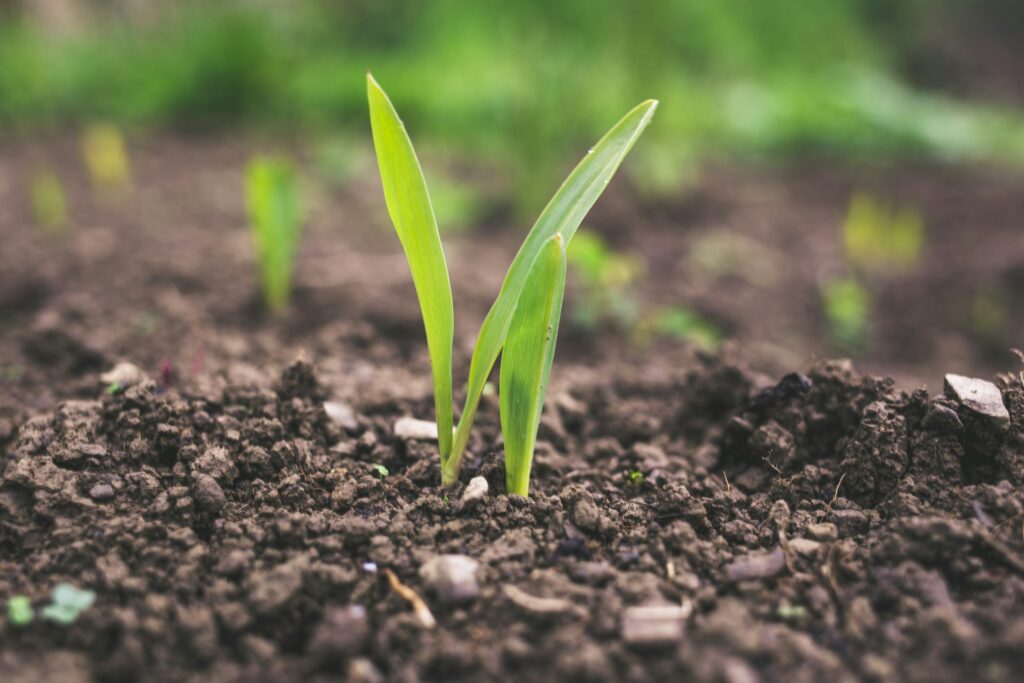
Look down at the ground beneath your feet. That tiny patch of soil you barely notice is busier than most cities. Crammed into a single square foot of earth, there are wars and alliances, skyscrapers and tunnels, carbon banks and water pipelines, all quietly humming away while you walk past with your coffee.
Once you start to see that, it’s hard to ever call dirt “just dirt” again. That one-foot-by-one-foot square supports whole food webs, microlandscapes, and invisible economies that keep you alive, even if you never think about them. It is small enough to stand on, but complex enough to keep scientists arguing for a lifetime.
I still remember the first time I stuck a spade into a garden bed and realized the soil moved. It wasn’t just loose; it was alive. Things wriggled, scurried, curled, and vanished, like I’d opened a door on a secret neighborhood. What follows is a tour of that neighborhood – twelve astonishing quietly supports every day.
#1 – Billions of Microbes in a Living “Invisible City”
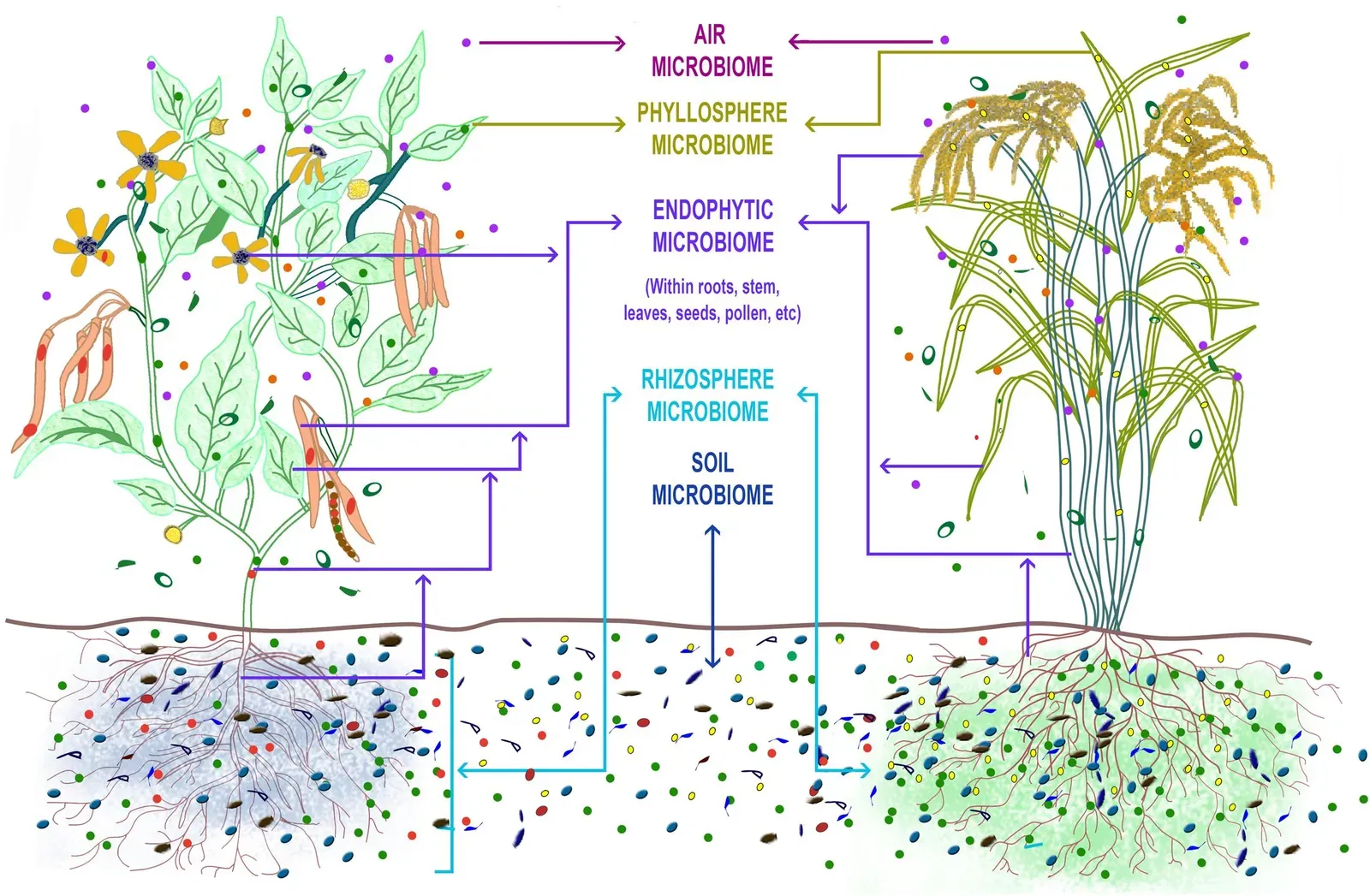
Here’s the wildest part: the most crowded life in that square foot is what you cannot see. A single teaspoon of healthy soil can contain billions of bacteria, plus a whole zoo of archaea, protozoa, and microscopic fungi. Scale that up to a whole square foot going several inches deep, and you’re looking at unfathomable numbers of organisms packed into a volume smaller than a shoebox.
These microbes form something like an invisible city. Different “neighborhoods” develop around tiny bits of organic matter, plant roots, air pockets, or mineral grains. Some species break down dead leaves, others fix nitrogen from the air, others specialize in digesting complex molecules like lignin. They trade nutrients, send chemical signals, and even build biofilms – slimy, protective layers that act like tiny apartment blocks.
- Billions of microbes can occupy just a teaspoon of healthy soil.
- They form complex networks, sharing nutrients and signals.
- Many are still unknown and have never been grown in a lab.
Most of these organisms do not have names; many have never been cultured or directly observed. Soil microbiology is still closer to deep-sea exploration than to a finished map. But what we do know is that without this invisible community relentlessly chewing, transforming, and recycling, plants would starve, dead material would pile up, and the planet’s chemistry would drift toward something pretty hostile for us.
#2 – A Hidden Forest of Fungal Threads
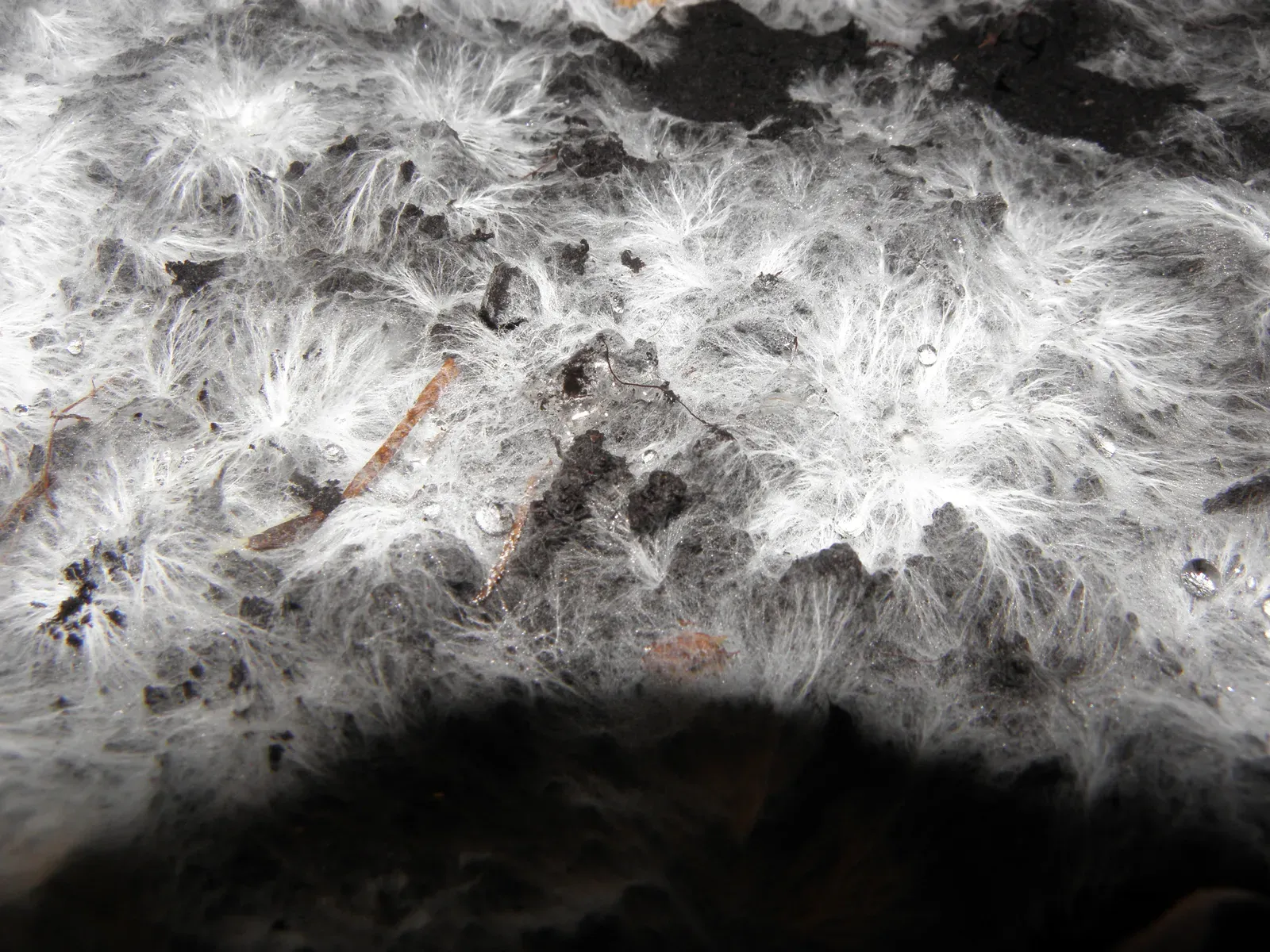
Threaded through that same square foot is another vast world: fungi. Not the mushrooms you see above ground, but the mycelium – the web of microscopic filaments, called hyphae, that do most of the work. If you could gather all the fungal threads from a single square foot of healthy forest soil and lay them end to end, they would stretch for miles.
These fungal filaments act like both stomach and highway system. They excrete enzymes that break down tough materials like wood, dead roots, and leaf litter, then pull the released nutrients back through their network. Many of those nutrients are traded directly with plant roots in a tight partnership called mycorrhiza: fungi get sugars from plants; plants get phosphorus, nitrogen, and water from fungi.
- Fungal mycelium can form networks that span huge distances underground.
- Mycorrhizal fungi directly support plant health, growth, and resilience.
- Some fungi connect multiple plants, creating “shared” underground networks.
There is an almost science-fiction quality to these networks. In some ecosystems, mycorrhizal fungi can link many plants together, allowing resources to move from one root system to another. That single square foot of earth might hold connections between a sapling and its parent tree, or between competing plants that nonetheless share a fungal “internet” beneath their feet.
#3 – A Population of Insects and Tiny Arthropods
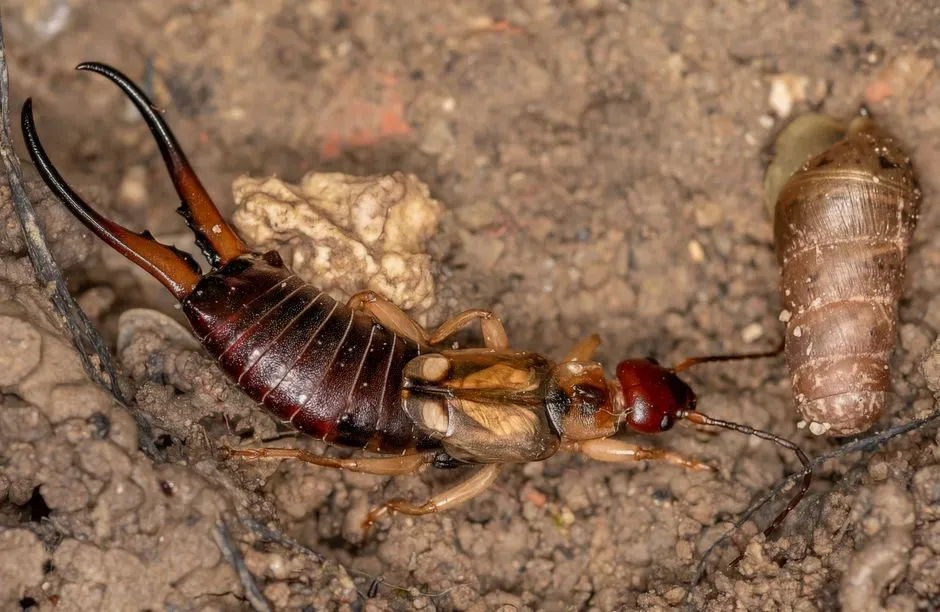
Beneath the surface of a square foot of ground, there are more tiny legs than you want to think about. Soil insects and arthropods – springtails, mites, beetle larvae, tiny spiders, millipedes, and more – use the soil like an apartment complex. They occupy cracks, tunnels, and leaf fragments, feeding on fungi, dead plant matter, and even each other.
These creatures are the shredders, grazers, and hunters of the soil. As they chew up leaves and wood into smaller particles, they increase the surface area for microbes to work on, speeding decomposition. Predatory mites keep populations of other soil organisms in check, while springtails and similar creatures graze on fungi and bacteria, shaping how the microbial community develops.
- Soil arthropods help break down organic matter into smaller, more digestible pieces.
- Predatory species regulate the numbers of other soil life.
- Many are extremely small, living out entire lifecycles between soil grains.
Most of these animals are so small you could hold dozens on a fingertip. Yet collectively they create the texture and structure of the soil, like slow-motion sculptors. That single square foot might support multiple generations of these invertebrates every year, in a constant churn of birth, feeding, and decay that never pauses.
#4 – Earthworms: The Soil’s Civil Engineers
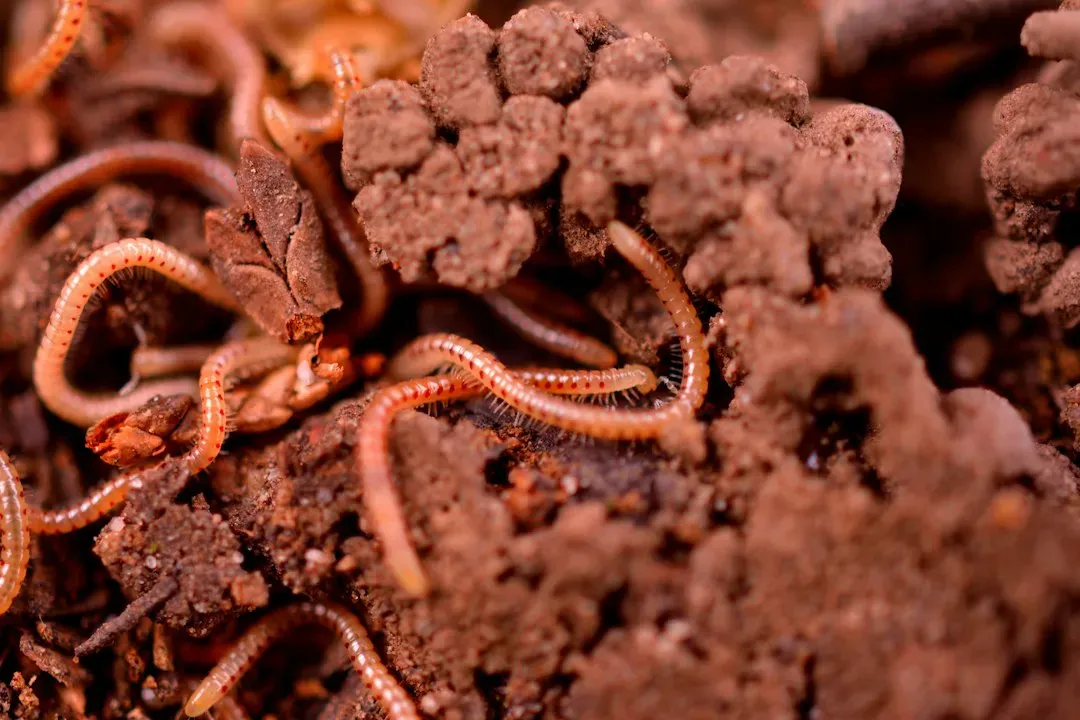
Not every square foot contains an earthworm, but in many gardens, fields, and forests, it will. When they are present, worms are like the civil engineers of that tiny plot of soil. Their burrowing creates channels that let air and water move more easily, helping roots breathe and rain soak in rather than run off.
Every time an earthworm eats soil and organic matter, it mixes mineral particles with digested plant debris. The casts (their droppings) are enriched with nutrients in forms that plants can absorb more readily. One earthworm might travel through your square foot many times in a season, slowly leaving behind a matrix of richer, better-structured soil.
- Earthworm burrows improve soil aeration and drainage.
- Worm casts concentrate plant-available nutrients.
- Worm activity helps mix organic matter deeper into the soil profile.
In some agricultural systems, healthy worm populations are considered a sign that the soil is doing well. That single square foot of earth may host worm tunnels that go much deeper than you expect, connecting your patch to a much larger underground infrastructure. Even if you never see the worm itself, its engineering reshapes everything else that lives there.
#5 – Root Systems That Reach Farther Than You Think
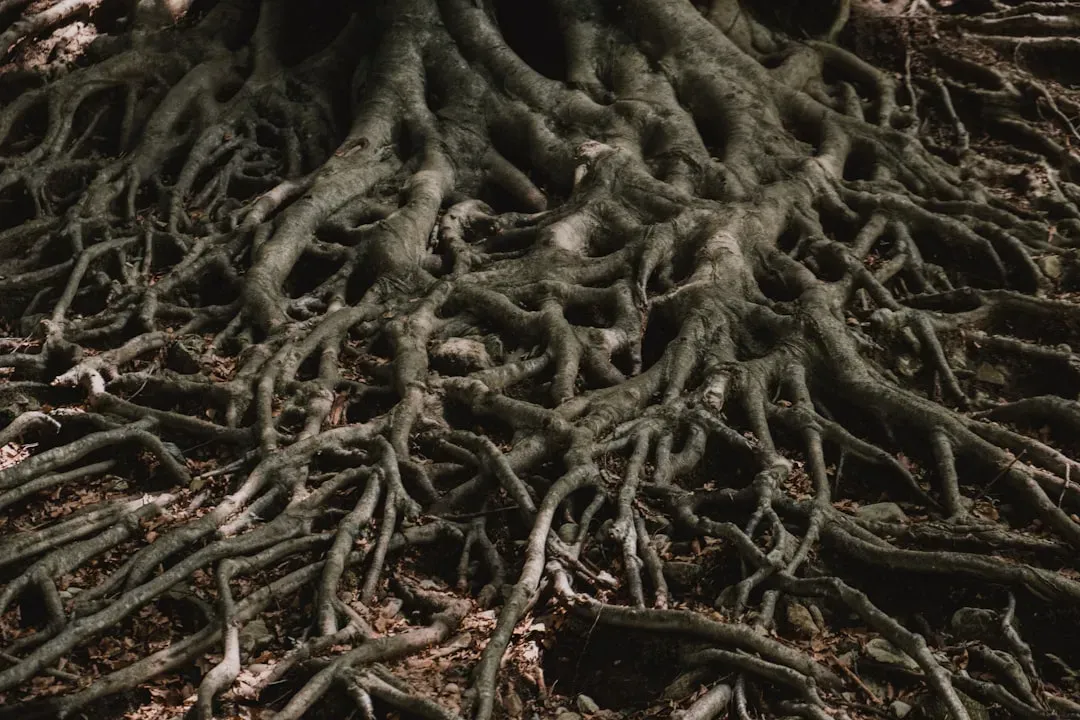
Plant roots do a lot more than hold plants upright. In one square foot of vegetated soil, you can find a dense, tangled mat of roots woven through the top few inches, sometimes extending much deeper. There may be fine root hairs too thin to see easily, each dramatically increasing the surface area that can absorb water and nutrients.
Roots leak sugars, amino acids, and other compounds into the soil, a process called root exudation. Far from being wasteful, this is strategic: those exudates feed specific microbes that, in turn, help plants access nutrients or defend against pathogens. Your square foot of soil isn’t just passively holding roots; it is a negotiation table where plants and microbes continually trade.
- Fine roots and root hairs massively expand a plant’s absorptive surface.
- Roots chemically “shape” their surrounding soil community through exudates.
- Root systems can overlap, with multiple plants sharing the same square foot.
In many places, the root mass in a given volume of soil can rival or exceed the plant mass above ground. That means your square foot supports not just a plant, but an anchor, a plumbing system, a chemical factory, and a social hub for microbial partners – all packed into a space you could cover with a baking tray.
#6 – A Carbon Bank and Climate Regulator
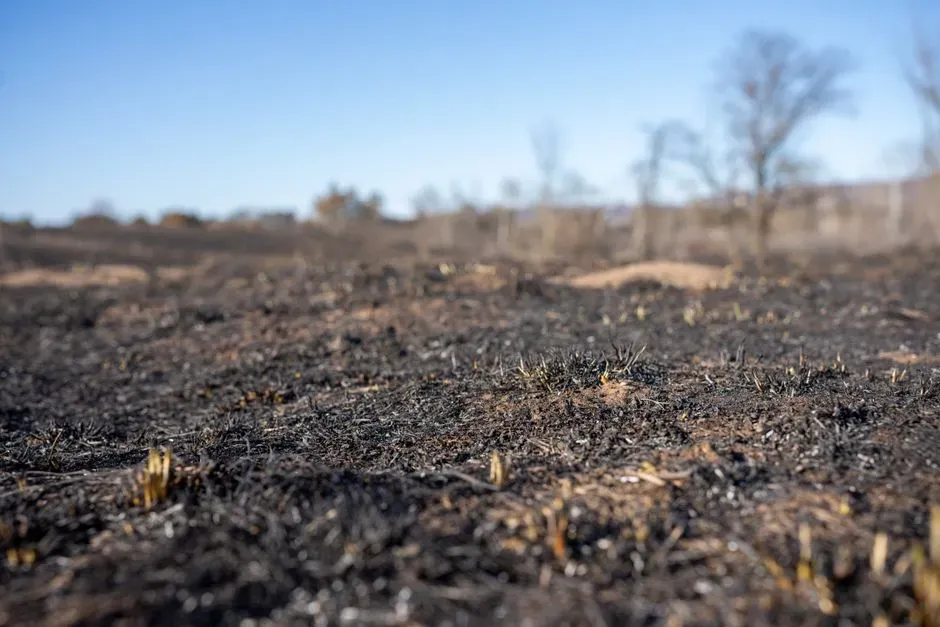
Soil is one of the planet’s largest carbon stores, and even a single square foot contributes to that quiet accounting. Bits of dead leaves, roots, microorganisms, and organic compounds gradually become stabilized in the soil matrix, binding to minerals or becoming part of aggregates. Some of that carbon cycles quickly; some stays trapped for years, decades, or even centuries.
Within your square foot, microbes constantly respire carbon dioxide as they break down organic material, while plants feed carbon into the soil through their roots. How much carbon that patch stores versus releases depends on moisture, temperature, disturbance, and the balance between growth and decay. A trampled, eroding square foot behaves very differently from one in a thriving meadow or forest.
- Soil organic matter is a major global carbon reservoir.
- Living roots and dead organic inputs continuously feed carbon into the soil.
- Disturbance, like intensive tillage, can rapidly release stored soil carbon.
It’s easy to think climate change is about distant glaciers and industrial smokestacks, but it also lives in the thin layer under your shoes. Multiply that single square foot’s carbon story by all the land on Earth, and you get one of the biggest levers we have for buffering the climate – managed, or mismanaged, one patch of soil at a time.
#7 – A Water Filter and Underground Sponge
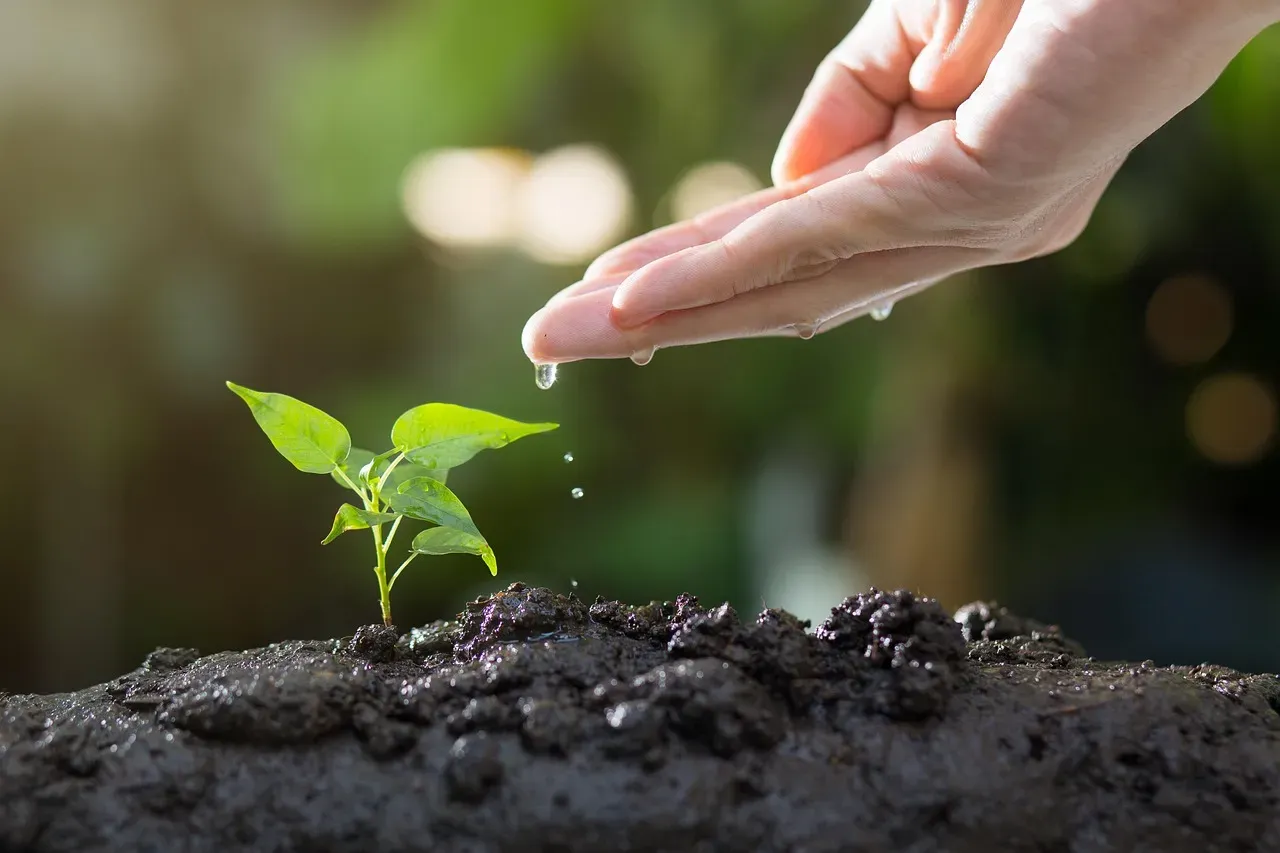
Every raindrop that lands on your square foot starts a journey. If the soil is healthy, water seeps in rather than racing away. Pores created by roots, fungi, and soil particles hold water like a sponge, storing it for plants and later release. In that small area, water can be temporarily held, slowly percolated downwards, or drawn back up by roots and evaporation.
As water moves through soil’s labyrinth, the soil acts as a filter. Particles, pollutants, and excess nutrients can be trapped, transformed, or broken down by microbes. This is why wetlands and well-structured soils upstream are so important: they quietly clean water before it reaches rivers and aquifers, often starting from spaces no larger than your doormat.
- Soil pores store water and regulate how fast it drains or runs off.
- Microbes and minerals help break down or immobilize some contaminants.
- Compacted, degraded soil loses its sponge and filter functions.
If you have ever noticed how some ground stays muddy for days while other ground dries quickly but still feels moist when you dig, you’ve felt soil’s water-handling skills in action. That single square foot might be holding onto life-saving moisture for plants during a hot week, or quietly cleaning the next trickle that refills a distant stream.
#8 – A Refuge and Nursery for Seeds
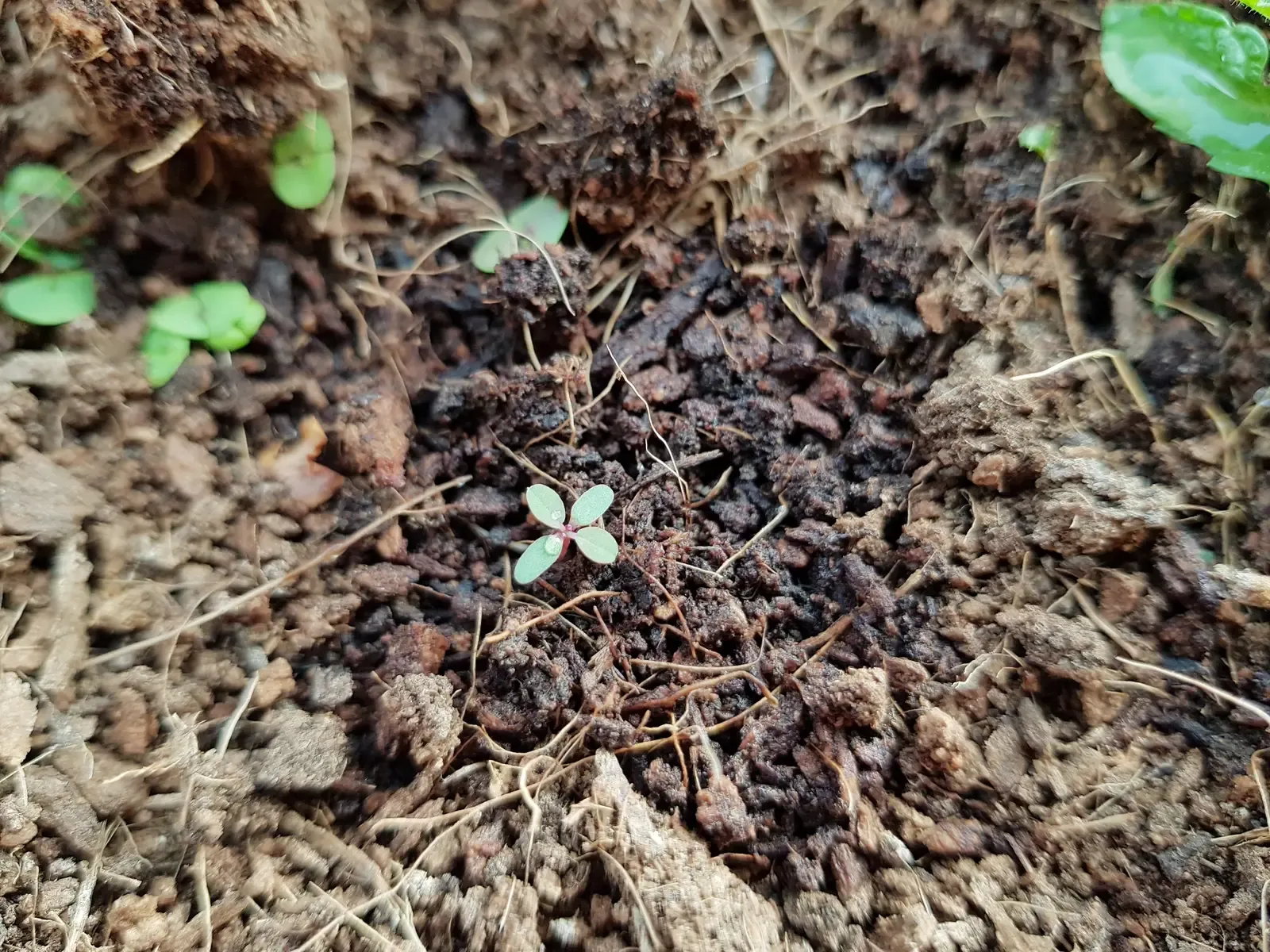
Your square foot of earth is probably home to more seeds than you realize. Some are freshly dropped, others have been lying dormant for years, waiting for the right combination of moisture, temperature, and light to wake up. This seed bank is like a time capsule of past seasons and a lottery ticket for the future.
Seeds use the soil as both shelter and launchpad. The soil buffers temperature extremes, hides them from hungry animals, and provides the nutrients and moisture they will need once they germinate. When conditions shift – say a tree falls and more light hits the ground – suddenly that quiet seed bank becomes active, and your unremarkable square foot may erupt in green.
- Many plant species maintain long-lived seed banks in the soil.
- Dormant seeds can respond rapidly to changes in light, disturbance, or moisture.
- Seed banks support ecosystem recovery after fires, floods, or human activity.
This is one of the reasons bare soil can suddenly explode with plants after you turn it or disturb it. That single square foot has been stockpiling possibilities: grasses, wildflowers, weeds, trees. Some will win, others will fail, but the soil quietly holds their chances until the right moment comes along.
#9 – Chemical Factories and Nutrient Recycling Centers
Soil is not chemically passive. In your square foot of earth, a constant stream of chemical reactions is turning raw elements into plant-ready nutrients and then locking some of those elements back into stable forms. Microbes convert nitrogen from one form to another; minerals capture or release phosphorus; organic molecules are broken down into simpler pieces.
This recycling center is what keeps ecosystems from choking on their own waste. Dead insects, fallen leaves, animal droppings, and microbial corpses all enter the mix, and the soil machinery strips them down to basics: nitrogen, phosphorus, sulfur, and other elements plants need. Those nutrients might be taken up immediately, or held onto by soil particles until roots or water come calling.
- Microbes drive key nutrient cycles like nitrogen, sulfur, and phosphorus.
- Soil minerals and organic matter can temporarily store nutrients.
- Without soil recycling, essential elements would soon become locked away or unavailable.
Think of your square foot as both a compost facility and a chemistry lab. It takes in an unpredictable stream of biological trash and outputs the building blocks for new life, with almost nothing truly wasted. If this background recycling slowed down, the impact would ripple all the way up the food chain to your dinner plate.
#10 – A Battleground Between Pathogens and Defenders

That quiet soil is also a battlefield. Plant pathogens – harmful fungi, bacteria, nematodes, and other organisms – live in many soils, waiting for a susceptible host. But they are not alone. The same square foot supports armies of competitors and defenders that suppress disease simply by outcompeting or attacking pathogens.
Many beneficial microbes occupy root surfaces or the soil around them, forming a protective microbiome. They may produce antibiotics, trigger plant immune responses, or physically block pathogens from reaching roots. Predatory organisms, such as certain protozoa and nematodes, feed on bacteria and fungi, further shaping which species dominate.
- Soil hosts both plant pathogens and beneficial protective organisms.
- Healthy, diverse microbial communities can suppress many diseases naturally.
- Disturbed or simplified soils often see more problems with pests and pathogens.
Whether a plant in that square foot stays healthy can depend more on the balance of this underground conflict than on what you can see above ground. When gardeners talk about “living soil” being more resilient, they’re really talking about tipping the odds in this invisible struggle so that the defenders usually win.
#11 – A Microhabitat for Larger Wildlife
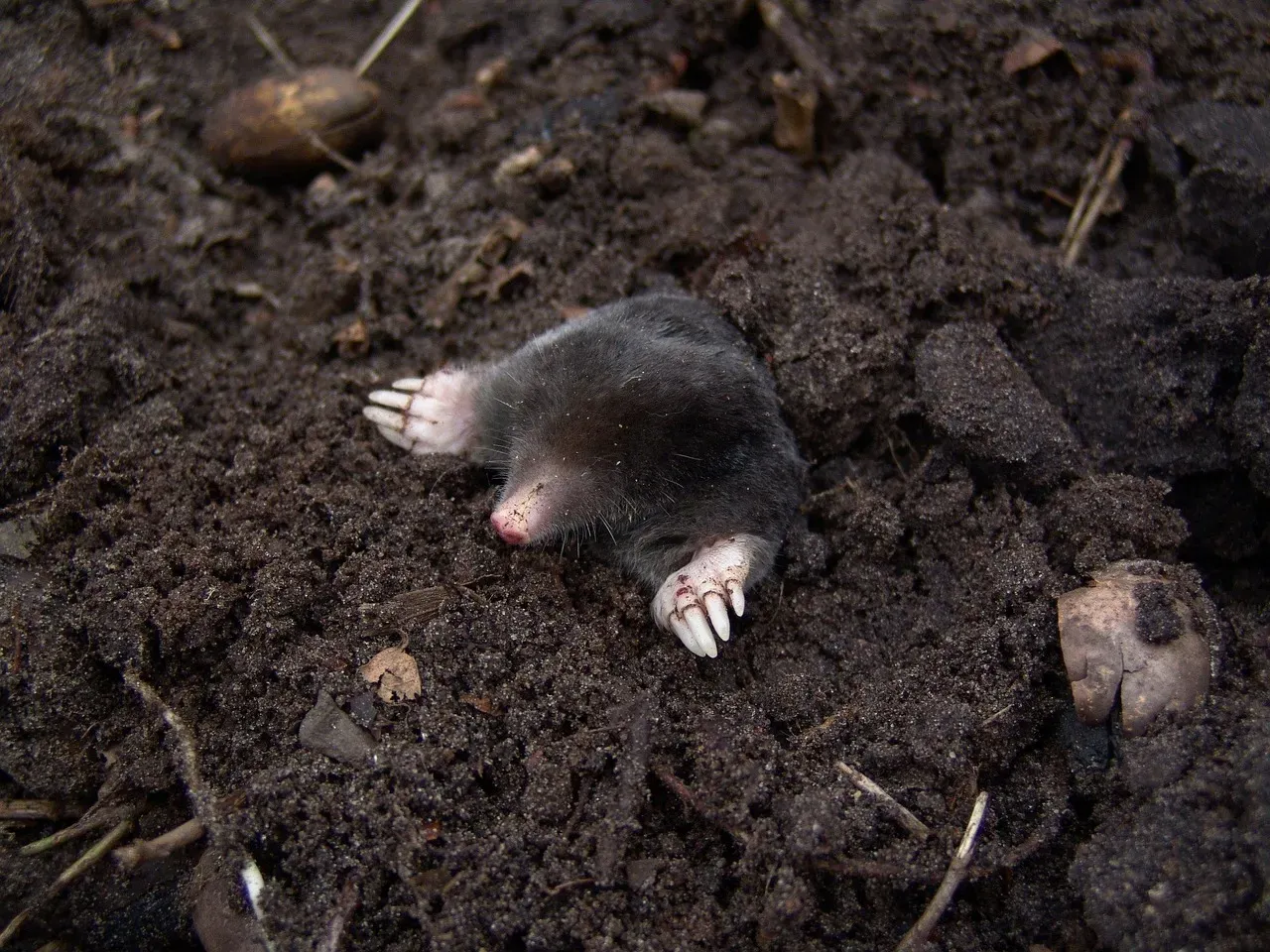
Zooming out slightly, that square foot also plays a role in the lives of animals you can easily see. Birds poke their beaks into it to forage for insects and worms. Small mammals might dig through it looking for roots, bulbs, or grubs. Reptiles and amphibians often use loose soil for burrowing, hiding, or laying their eggs.
Even if no animal permanently lives in that exact patch, it may be part of a territory or feeding route. A single square foot of rich soil in an otherwise barren area can act like a tiny oasis, offering moisture, food, or a cooler microclimate. For some creatures, especially in dry or heavily managed landscapes, those micro-oases can spell the difference between surviving and moving on.
- Birds, mammals, reptiles, and amphibians regularly interact with soil surfaces.
- Soil-rich patches can provide critical food or shelter resources.
- Small-scale soil differences add up to big patterns in wildlife behavior.
When you see an animal scratching, digging, or probing at the ground, you’re watching it tap into this tiny underground world. Your square foot is part of a larger mosaic, and for wildlife, that mosaic needs enough healthy tiles to keep their lives stitched together.
#12 – A Record of the Past and a Template for the Future
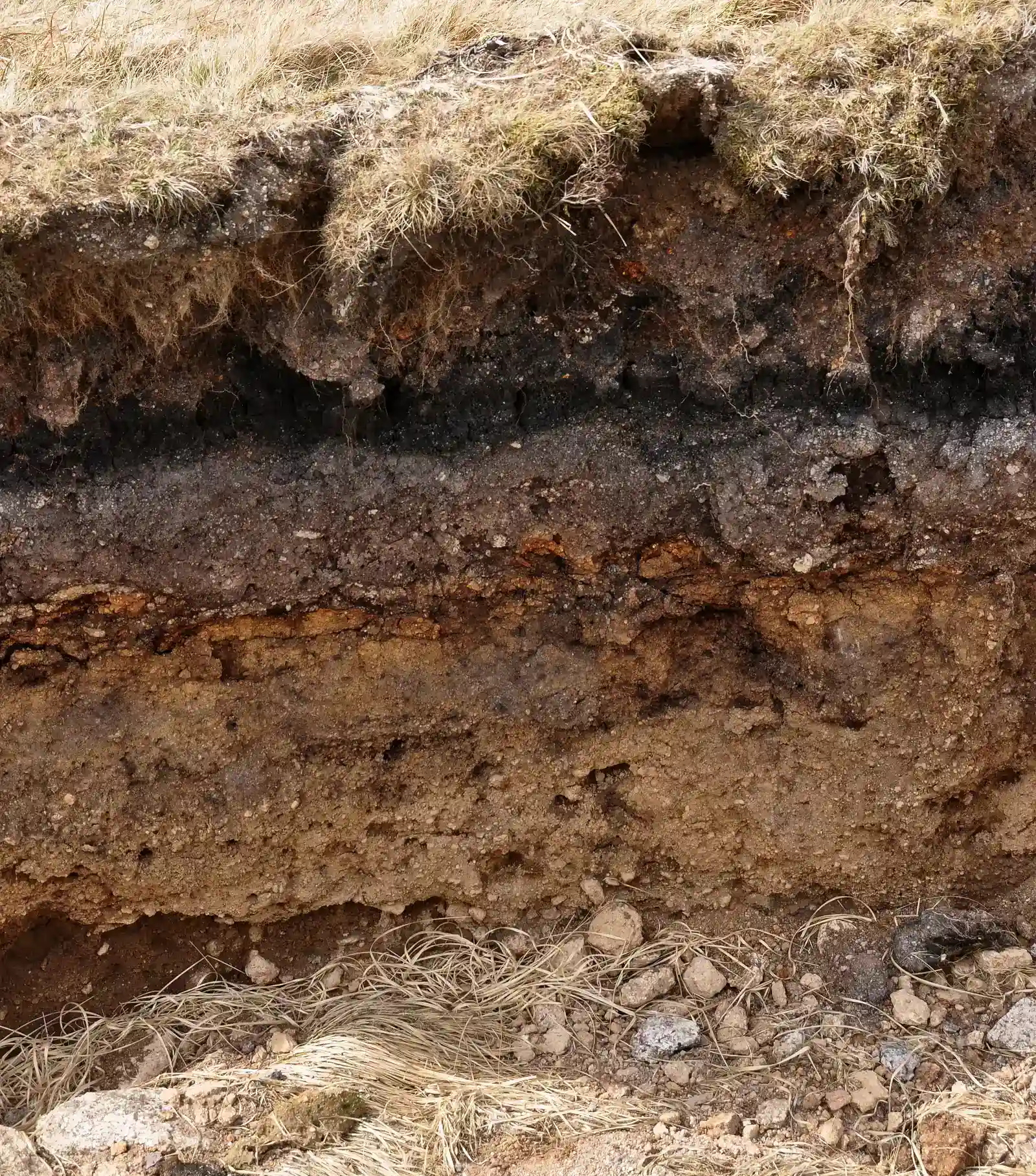
Finally, your square foot of earth quietly stores history. Layers of organic matter, changes in color, pieces of charcoal, pollen grains, and even microscopic fossils can all record what has happened there over years or decades. Soil scientists can read these hints the way a historian reads old letters, piecing together fire events, past vegetation, floods, farming, or pollution.
At the same time, the condition of that soil shapes what can happen next. Compaction, erosion, organic matter levels, and microbial diversity all set limits on what plants will thrive, what animals will visit, and how well the soil will handle heat, drought, or heavy rain. In other words, your square foot is both archive and blueprint: it remembers, and it dictates.
- Soil layers can preserve traces of past climates, vegetation, and disturbances.
- Current soil structure and chemistry determine future ecosystem potential.
- Human actions can quickly alter both the record and the possibilities.
Every footprint, plowed furrow, mulched bed, or paved surface changes this balance in some way. That might sound heavy for such a small bit of ground, but when you multiply it across a neighborhood or a farm or a continent, the cumulative decisions about each square foot add up to the planet we all have to live on.
Conclusion – Why That One Square Foot Deserves Your Attention
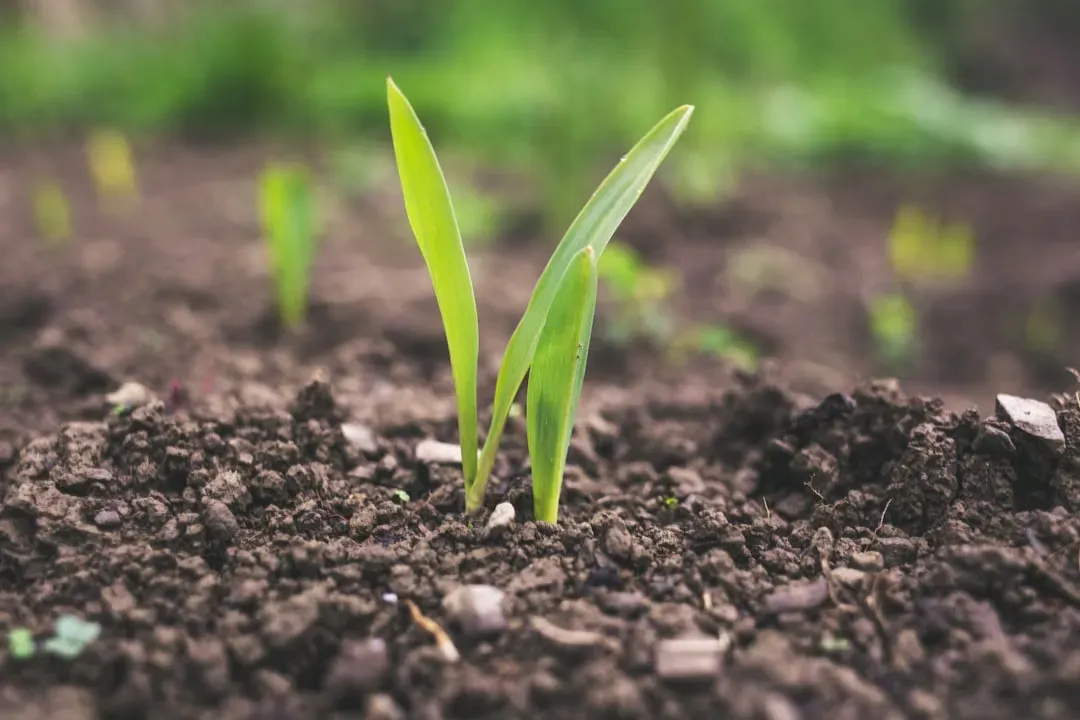
It’s strangely humbling to realize that one square foot of earth is more complex than most of the technology we obsess over. We talk a lot about innovation above ground, yet the soil beneath us is running a sprawling, decentralized operating system that feeds us, moderates our climate, purifies our water, and supports more life forms than we have names for. And we usually treat it like background scenery – or worse, like disposable packaging.
My opinion is simple: we seriously underestimate soil, and that blind spot is costing us. When we compact it, strip it, or leave it bare, we are not just moving dirt around; we are gutting entire living systems that took decades to build. On the flip side, when we protect and rebuild it – by minimizing disturbance, keeping it covered, adding organic matter, and letting roots and microbes do their work – we unlock ridiculous returns for food, biodiversity, and climate resilience from spaces as small as a garden bed.
The next time you stand on a patch of ground, it might be worth asking yourself what kind of square foot you want to be responsible for: a tired slab of lifeless dust, or a humming, layered universe of roots, worms, threads, and microscopic cities. After all, if this much is happening in just one square foot, what could change if we started caring about every single one of them a bit more?