
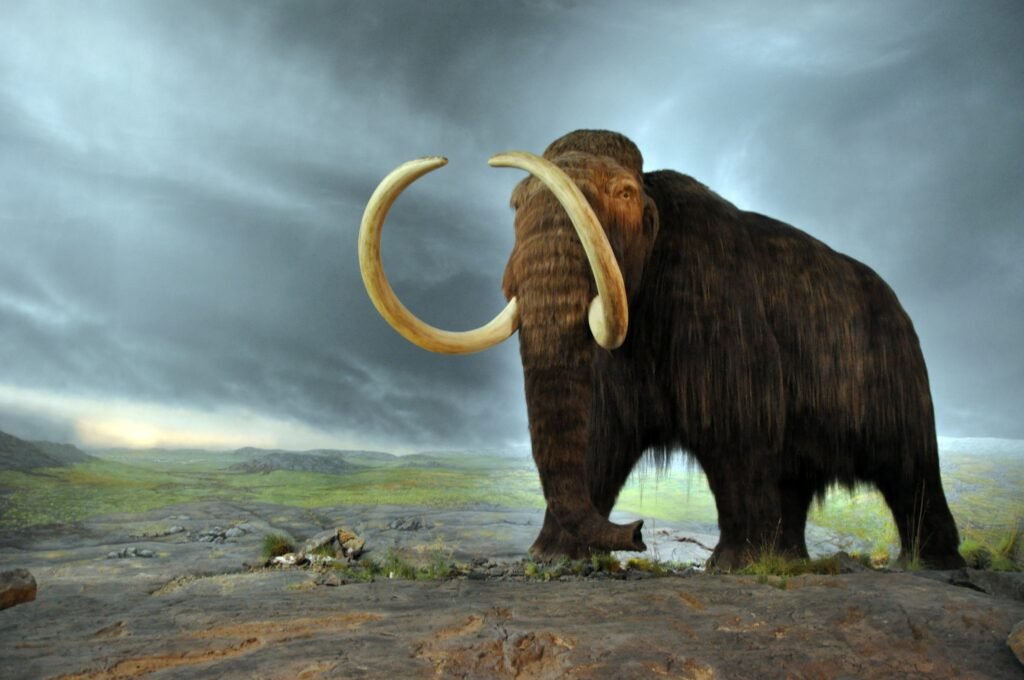
Most people picture a woolly mammoth as a museum diorama or a CGI cartoon from an ice age movie – harmless, extinct, and safely locked in the past. But scientists at a Dallas biotech lab say a living, breathing mammoth-like calf could be born within the next few years, and the science behind reviving one has moved faster than almost anyone predicted.
So what would actually happen if a six-ton, shaggy Ice Age giant wandered into a modern field, say, next to a highway or a suburban farm? The answer involves police scanners, drone footage, panicked livestock, and a scientific reckoning nobody’s fully prepared for. Here’s what the data, biology, and current de-extinction research actually say.
#1 – 911 Lines Would Light Up Instantly
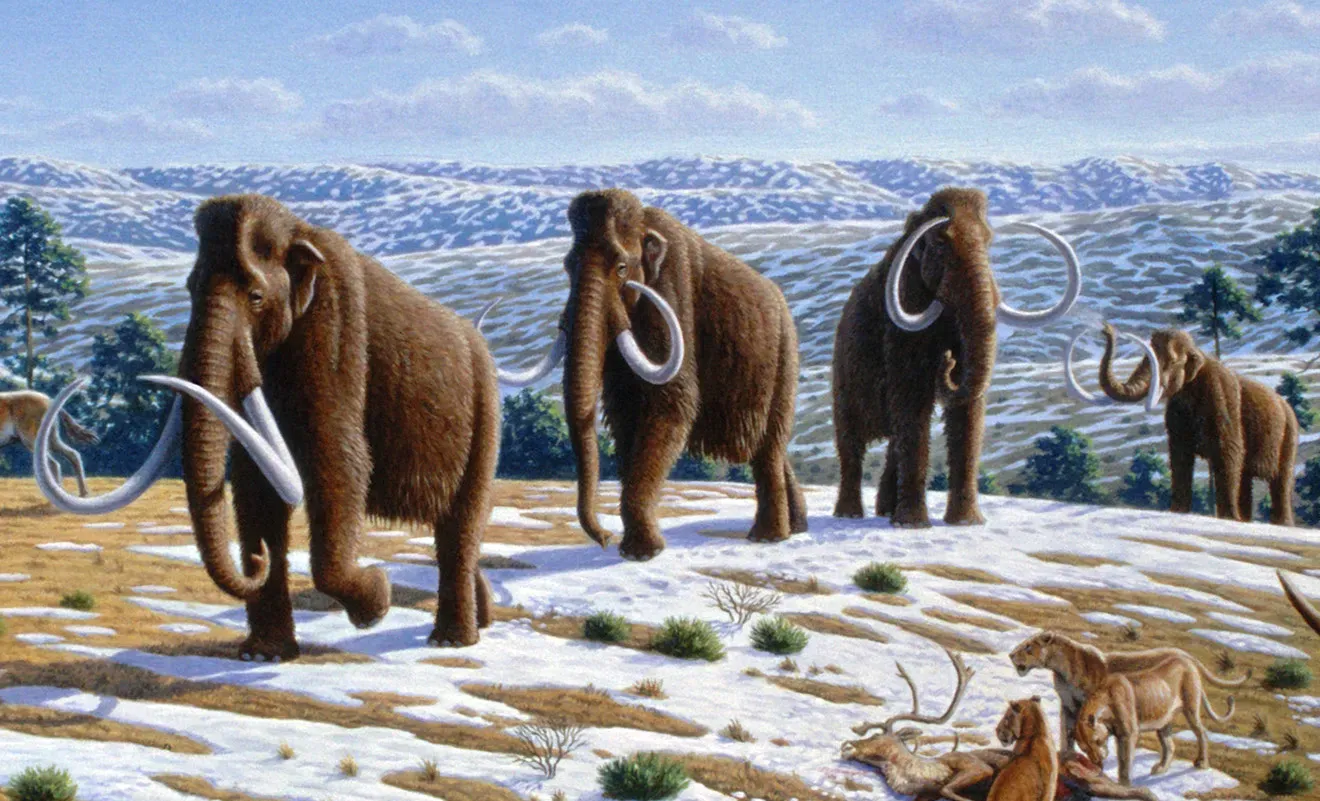
The first thing that would happen has nothing to do with biology and everything to do with human panic. A ten-foot-tall, tusked animal standing in a field would trigger an avalanche of emergency calls within minutes, most describing it as a “giant elephant” or, more likely, something people can’t even name.
Dispatchers would have zero protocol for this. Police departments train for bears, escaped exotic pets, even loose cattle, but nothing in any handbook covers a Pleistocene megafauna sighting. Animal control would show up first, realize instantly they’re outmatched, and call state wildlife officials. Within an hour, the field would likely be cordoned off, not because anyone knows what they’re dealing with, but because nobody wants to find out the hard way what an animal this size does when it feels cornered.
#2 – Every Phone in the Field Would Be Recording Within Seconds
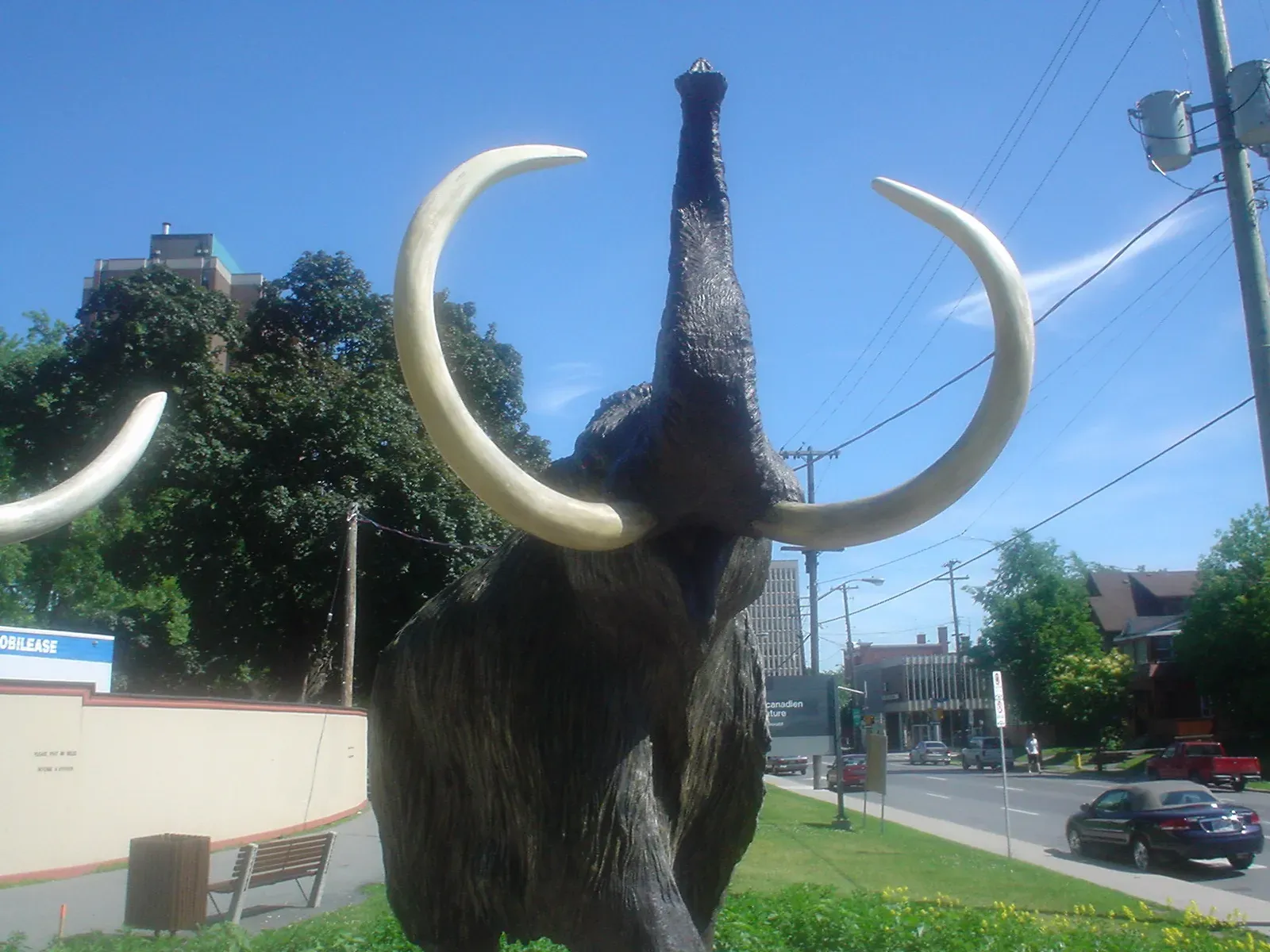
Long before any official response arrives, the real first responders would be smartphones. In an era where a raccoon in a parking lot gets 40,000 views, a living mammoth would break the internet in real time.
Drone footage would follow within the hour, then local news helicopters, then national outlets. The footage would likely become one of the most-viewed videos in internet history within 24 hours, surpassing even viral animal encounters from zoos and safari parks. Truthfully, most of the early “engagement” wouldn’t be about science at all. It would be memes, jokes about the DMV finally needing a mammoth-sized parking spot, and endless comment arguments about whether it’s a hoax, a costume, or an escaped movie prop. That noise would actually slow down the real investigation.
#3 – Local Livestock Would Bolt Before You Even See the Mammoth
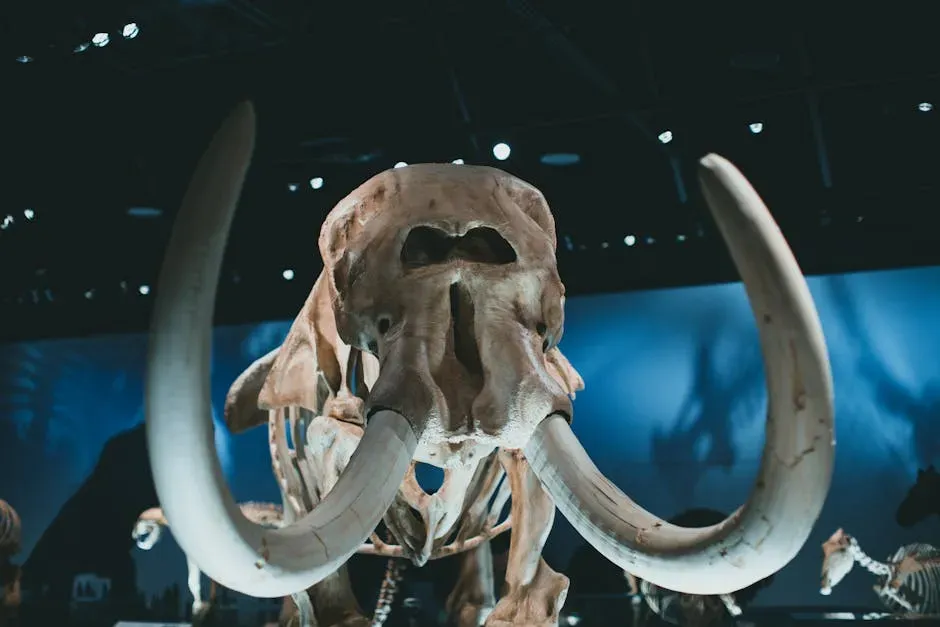
Here’s something most people don’t consider: animals would react to a mammoth long before humans fully process what’s happening. Horses, cattle, and even dogs have deeply wired predator-and-unknown-threat instincts, and a massive, unfamiliar herbivore with a booming trumpet-like call would set off immediate alarm behavior.
Cattle would likely stampede toward fence lines. Horses could injure themselves trying to flee an enclosed pasture. This isn’t speculation dressed up as fact, it’s basic large-animal behavior science; unfamiliar megafauna scent and sound patterns are known to trigger flight responses in domesticated herd animals. Farmers might lose more animals to fence injuries and stress than to any actual mammoth contact. The irony is that the mammoth itself, a herbivore, would likely be far less dangerous to nearby livestock than the panic it causes just by existing.
#4 – The Sheer Size Would Make Elephants Look Small
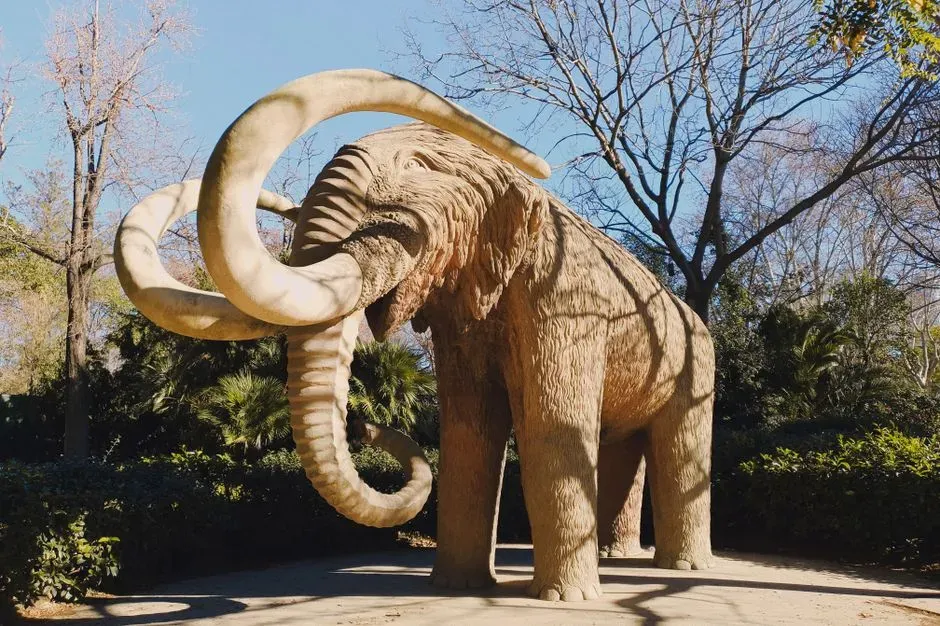
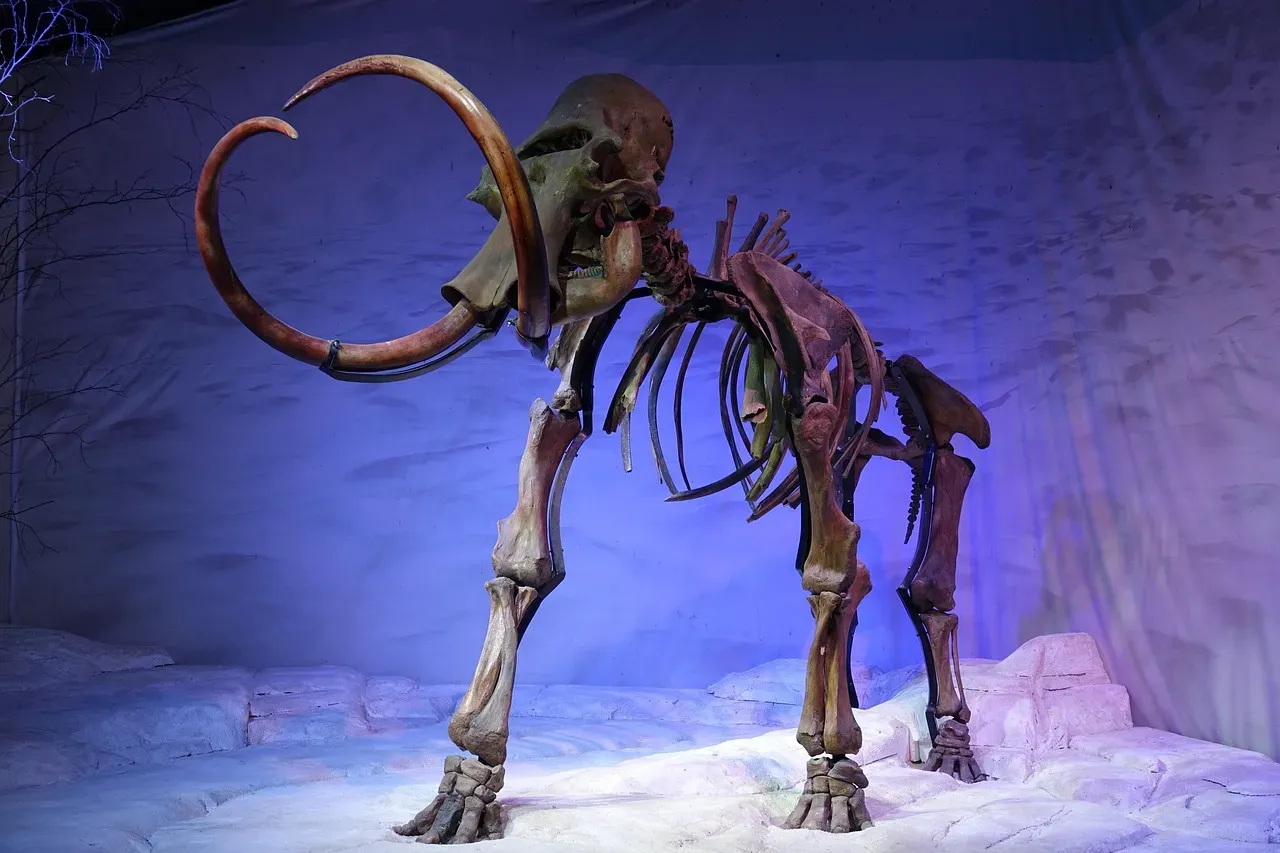
Once people got close enough to actually study the animal, the scale would be genuinely disorienting. Adult woolly mammoths stood about 3 to 3.7 meters, roughly 10 to 12 feet tall, and weighed between 5,500 and 7,300 kilograms, approximately 6 to 8 tons. Some of the largest individuals on record reportedly pushed even higher, with certain specimens estimated at over 8 tons.
That puts a mammoth roughly in the same weight class as, or heavier than, the largest modern African elephants, which already dwarf anything else walking around a typical farm field. Bystanders expecting “big elephant” would instead be confronted with something that makes elephants look almost modestly sized by comparison. A creature that tall could see over most single-story buildings, and its footprint alone would be large enough to trip up anyone not paying attention. But that’s nothing compared to what people would notice next.
Quick Compare
- Woolly mammoth: 10-12 ft tall, 6-8 tons, with record individuals topping 8 tons
- Modern African elephant: up to roughly 13 ft tall, generally 5-7 tons at the largest
- The difference: mammoths carried more dense body mass in a shorter frame, thanks to extra fat and bone built for arctic survival
- The takeaway: a mammoth wouldn’t just look big, it would look disproportionately heavy and compact compared to an elephant of similar height
#5 – That Shaggy Coat Would Be the First Clue Something’s Wrong
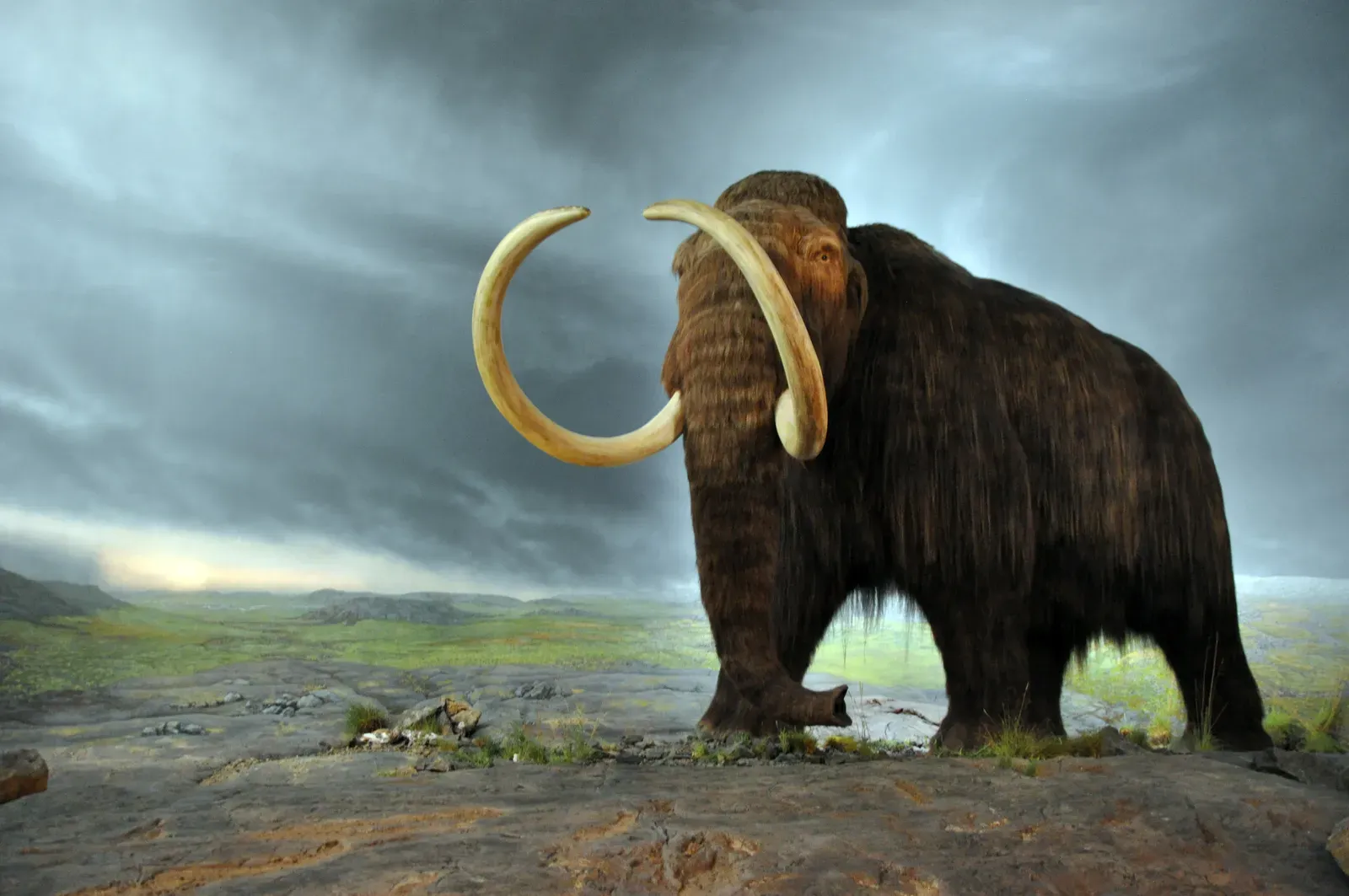
Within seconds, most onlookers would realize this isn’t simply an escaped circus elephant. Woolly mammoths were covered in a dense double coat built for arctic survival. They had a yellowish-brown undercoat about 2.5 cm thick beneath a coarser outer covering of dark brown hair that grew more than 70 cm long in some individuals.
That’s nearly 28 inches of guard hair in places, an amount of fur no modern elephant has ever needed or grown. In a summer field, that coat would look bizarre, almost costume-like, dragging in places and clumping with sweat and debris. It’s also a massive liability. A coat engineered for subzero tundra survival becomes a serious problem the moment it’s dropped into a 75-degree pasture, something we’ll come back to, because it may end up being the animal’s biggest enemy in the modern world.
#6 – Those Curved Tusks Would Instantly Attract the Wrong Kind of Attention
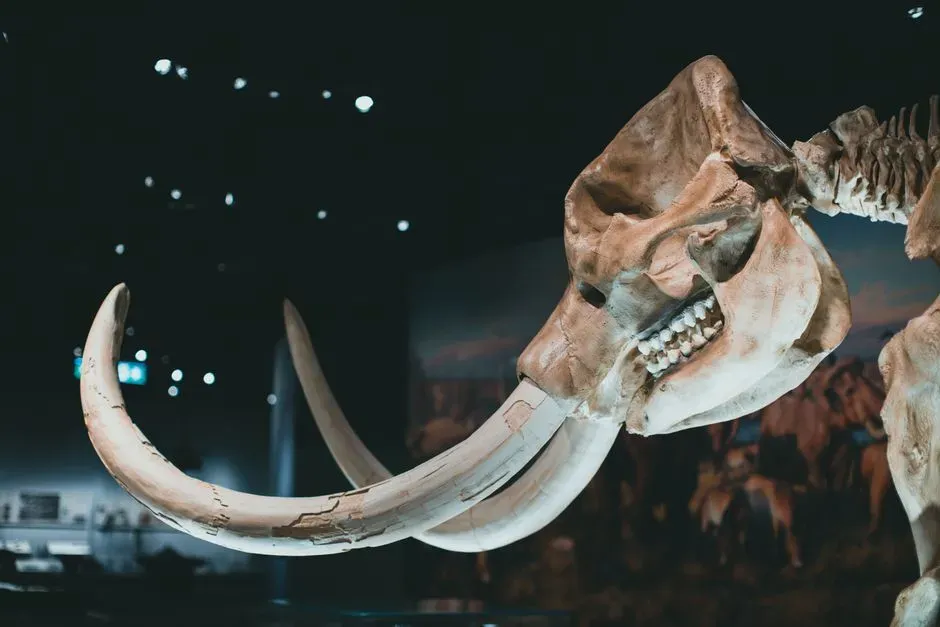
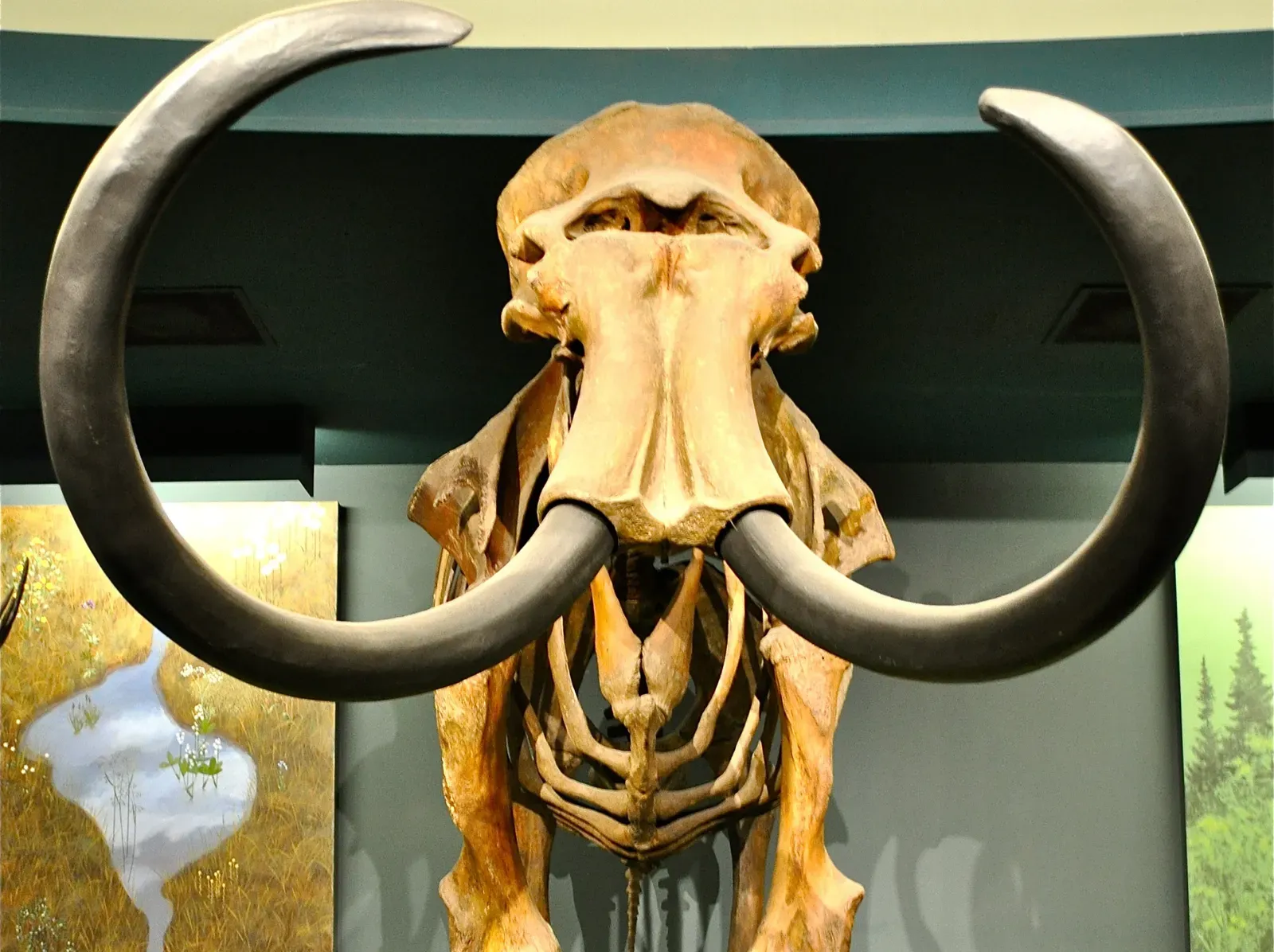
Mammoth tusks weren’t just decorative, they were functional tools, and they were enormous. Males carried tusks averaging about 2.4 to 2.7 meters in length and weighing up to 45 kilograms, with the largest specimens on record reaching over 13 feet long.
That amount of curved ivory sitting in an open field wouldn’t just draw scientists and reporters. It would draw poachers, collectors, and black-market ivory buyers almost instantly. Illegal ivory already fuels a global underground economy tied to elephant poaching; a genuine mammoth, the rarest ivory source imaginable, would become an overnight target. Within days, wildlife crime units would likely be assigned to guard duty, not because the mammoth is dangerous to people, but because people would be dangerous to it.
#7 – Wildlife Officials Would Have No Idea Which Law Applies
Here’s a genuinely awkward problem nobody talks about: there is no legal framework for an extinct Ice Age species suddenly existing again. The Endangered Species Act protects living, currently threatened species. Import and exotic animal laws cover known, catalogued creatures. A mammoth fits none of these categories cleanly.
Would it fall under state wildlife jurisdiction, federal agricultural law, or something entirely improvised? Agencies would likely spend the first 48 hours arguing over paperwork while the actual animal just stands in a field eating grass. This isn’t a minor technicality either; ownership, liability, and even the legal right to relocate the animal would all be genuinely unresolved. Government lawyers, not biologists, might end up making the very first major decisions about the mammoth’s fate.
#8 – Scientists Would Race to Confirm It’s Real DNA, Not a Hoax
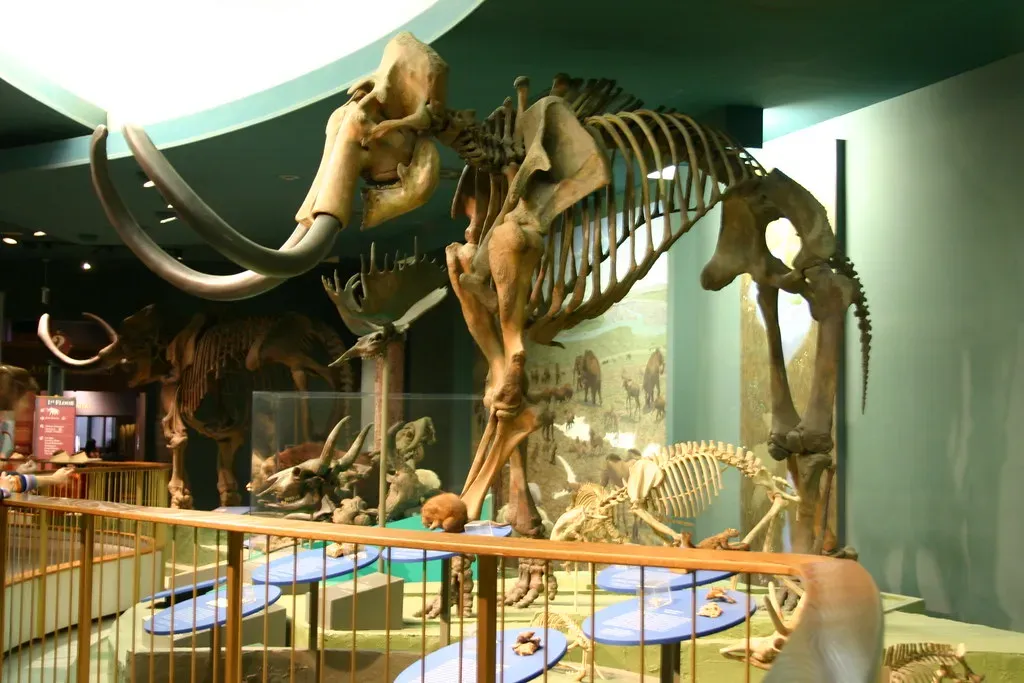
Before any rescue or relocation happens, researchers would demand proof. Blood samples, tissue biopsies, and rapid genetic sequencing would be the first real scientific response, because nobody at a reputable institution would risk their credibility on an unverified viral video.
This step matters because genuine mammoth genetics are now a documented, ongoing area of research. Teams working on de-extinction have already assembled over 50 woolly mammoth genomes spanning 1.2 million years of evolutionary history. That existing genetic library means a real mammoth’s DNA could actually be cross-referenced almost immediately against known ancient genomes, potentially confirming authenticity within days rather than months. If the samples matched, it would trigger an entirely different kind of chaos: a legitimate scientific gold rush.
Fast Facts
- More than 50 woolly mammoth genomes have already been sequenced by researchers, spanning roughly 1.2 million years of evolution
- Asian elephant DNA is about 99.6 percent identical to mammoth DNA, making it the closest living genetic reference
- That genetic overlap is exactly why current de-extinction work edits elephant cells rather than starting from scratch
- A real specimen could theoretically be authenticated in days by comparing it against this existing genome library
#9 – The Mammoth Would Need to Eat an Absurd Amount of Food Fast
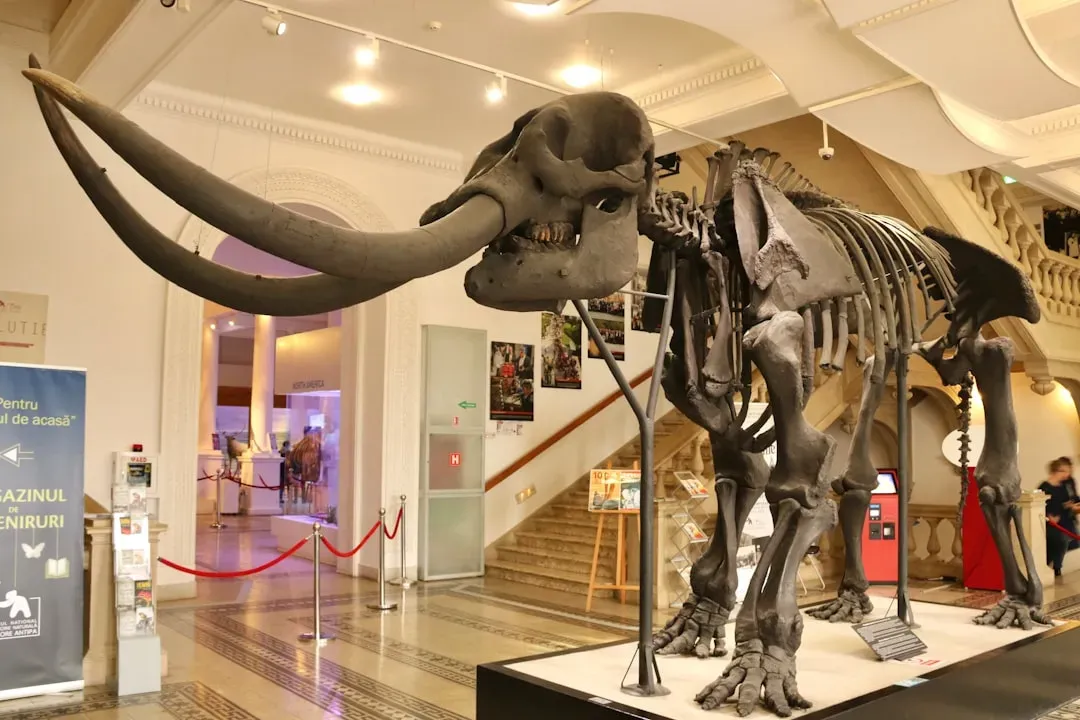
Size that massive comes with a metabolic price tag. Modern elephants of comparable weight consume hundreds of pounds of vegetation daily, and there’s no reason to think a mammoth’s needs would be dramatically lower given similar body mass and herbivorous digestion.
A single field, no matter how lush, would likely be stripped of usable grazing within days. Farmers would face real financial losses fast, and wildlife agencies would need an emergency feeding plan almost immediately, likely trucking in hay and produce by the ton. A field that looked green and healthy on day one could look like scorched earth by day four. This single logistical problem, feeding an Ice Age giant in a world of finite modern farmland, would become one of the most underappreciated crises of the entire event.
#10 – Modern Heat Would Become a Silent Killer
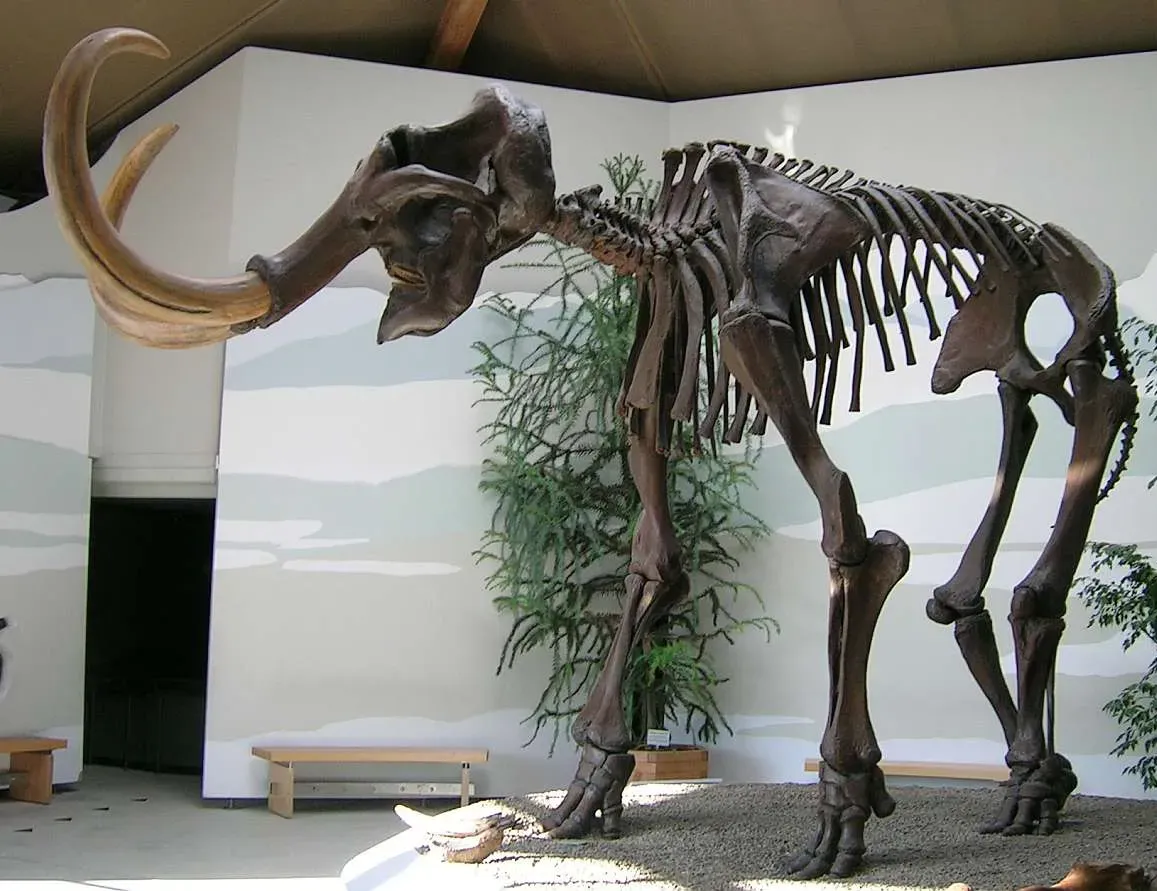
This is the detail almost nobody considers, and it’s arguably the most scientifically important one. That thick double coat, built for subzero Siberian winters, would trap heat brutally in a modern summer field. Overheating, not predators or bullets, would be the mammoth’s single greatest threat to survival.
Large mammals regulate body heat partly through ear size and skin exposure, and mammoths simply weren’t built to dump heat in temperate or warm climates. Within hours of sustained sun exposure, a real mammoth could show signs of heat stress, labored breathing, or worse. Veterinary teams would likely need to set up shade structures and cooling stations almost immediately. It’s a strange, almost tragic irony: an animal built to survive the harshest cold on Earth could be killed by an ordinary Tuesday afternoon in July.
Worth Knowing
- Ice Age winters regularly dropped well below 0 degrees Fahrenheit, the exact conditions the mammoth’s coat evolved for
- A typical U.S. summer afternoon routinely hits 80 to 95 degrees across most farming regions
- Mammoths had notably small ears compared to African elephants, which limits a key natural cooling mechanism
- Emergency shade and hydration support would likely matter more than any tranquilizer or containment plan
#11 – The Global De-Extinction Industry Would Suddenly Have Proof of Concept
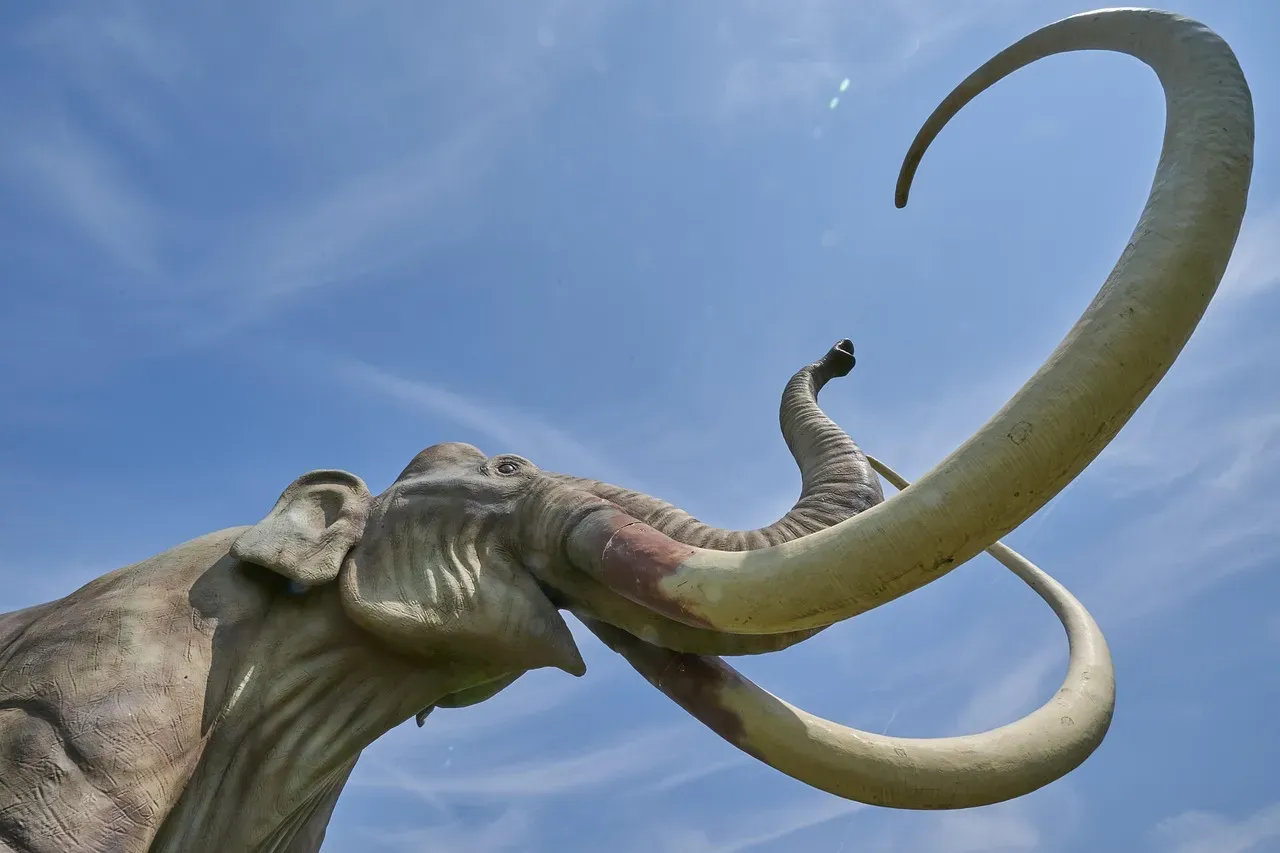
If this mammoth turned out to be genuine, it would instantly validate years of controversial, expensive genetic research. Current de-extinction efforts have been working toward exactly this outcome, with one leading company stating publicly that its highest-profile effort is its woolly mammoth project, which remains on track to deliver its first birth in 2028.
A confirmed living mammoth in a field would either accelerate that timeline dramatically or completely upend it, depending on how the animal came to exist. Either way, it would silence years of skepticism about whether de-extinction science actually works outside a lab. Investors, ethicists, and conservationists would suddenly be forced to treat what was theoretical as urgently real. The debate over whether humans should be doing this at all would stop being hypothetical overnight.
#12 – Colossal Biosciences Would Become the Most Famous Company on Earth Overnight
If any single organization would be thrust into the spotlight, it’s the Dallas-based biotech company already leading mammoth research. The company has openly stated it is “thinking it will be in the early 2030s,” with no hard date, “not 2036, but not 2030 either,” for a full de-extinction, and has acknowledged the genetic work is harder than expected, now requiring about 150 gene edits, and rising.
A real mammoth sighting would either be their unannounced triumph or a wake-up call that someone else got there first. Either scenario turns the company into a global headline overnight, with reporters, regulators, and investors demanding answers within hours. Given the company was reportedly in talks to raise new money at a valuation of at least $20 billion, up from $10.2 billion in early 2025, a confirmed mammoth would send that number soaring even higher, practically overnight.
We were making pyramids while mammoths were still here.
Ben Lamm, CEO and co-founder of Colossal Biosciences
The Bottom Line
If a woolly mammoth actually walked into a field today, the real story wouldn’t be some cinematic rampage. It would be bureaucratic confusion, overheating fur, panicked livestock, viral phone footage, and a scramble by scientists and lawyers who have zero precedent to work from.
The most dangerous thing in that field wouldn’t be the mammoth, it would be the human chaos surrounding it: poachers, gridlocked jurisdiction, and a heat wave the animal was never built to survive. Frankly, the science suggests we’re closer to this scenario becoming real than most people realize, and that should make everyone a little more curious, and a little more nervous. Do you think humanity is actually ready for de-extinction, or are we sprinting toward a problem we can’t legally or ethically handle yet? Drop your take in the comments.