
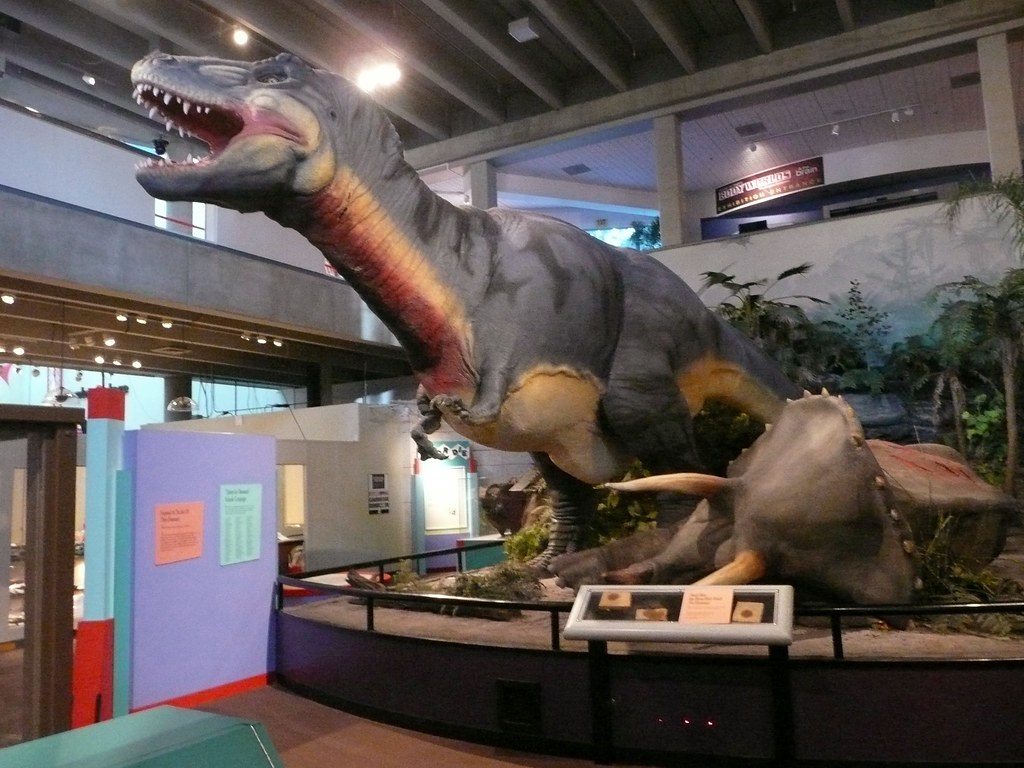
Most people assume a T. rex textbook illustration from 1985 still holds up today. It doesn’t – and neither do at least a dozen other “settled” prehistoric icons that shaped museum halls, cereal boxes, and blockbuster movies for generations.
For decades, paleontologists built reconstructions on incomplete skeletons, borrowed bones, and outright guesswork that nobody bothered to correct until new fossils forced a reckoning. Some of these mistakes lasted over a century before anyone noticed the skull was upside down, backwards, or borrowed from a completely different animal. Here’s what actually happened once the old models got quietly retired.
#13 – Megalodon’s Jaw Was Built Way Too Big On Purpose
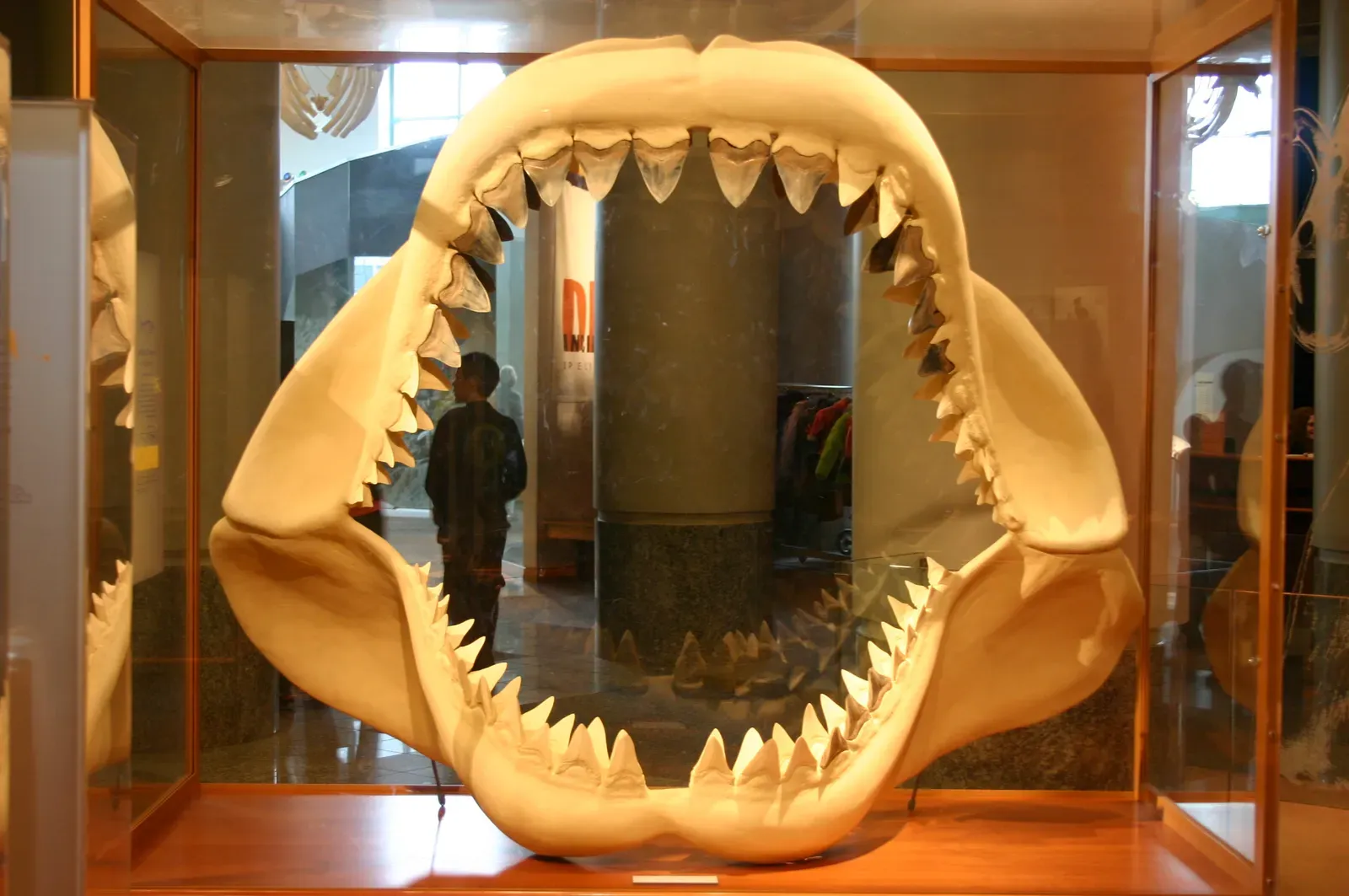
The giant shark everyone pictures today owes its terrifying size partly to a museum mistake nobody corrected for decades.
In the early 1900s, the American Museum of Natural History commissioned a life-size jaw reconstruction of Megalodon using modern great white shark teeth arranged as a template. The problem: the model packed in far more tooth rows than the shark actually had in a functional bite, inflating its estimated size to absurd proportions. Some early estimates ballooned the shark’s length well beyond what the actual vertebrae and tooth-to-body ratios support.
Fast Facts
- The oversized jaw model became a permanent exhibit that shaped public imagination for most of the 20th century.
- Early tooth-row miscounts pushed some length guesses toward absurdly oversized figures.
- Modern methods rely on tooth root width and vertebral centra, not stacked teeth, for accurate sizing.
- Even the corrected estimates still describe one of the largest predatory sharks to ever exist.
That oversized jaw became a museum centerpiece, shaping public imagination for generations before shark biologists finally went back and recalculated Megalodon’s true size using tooth root width and vertebral centra instead. Modern estimates still describe a genuinely massive predator – just nowhere near the cartoonish scale that first jaw suggested.
#12 – Dimetrodon Wasn’t Even a Dinosaur, and Its Posture Was Backwards
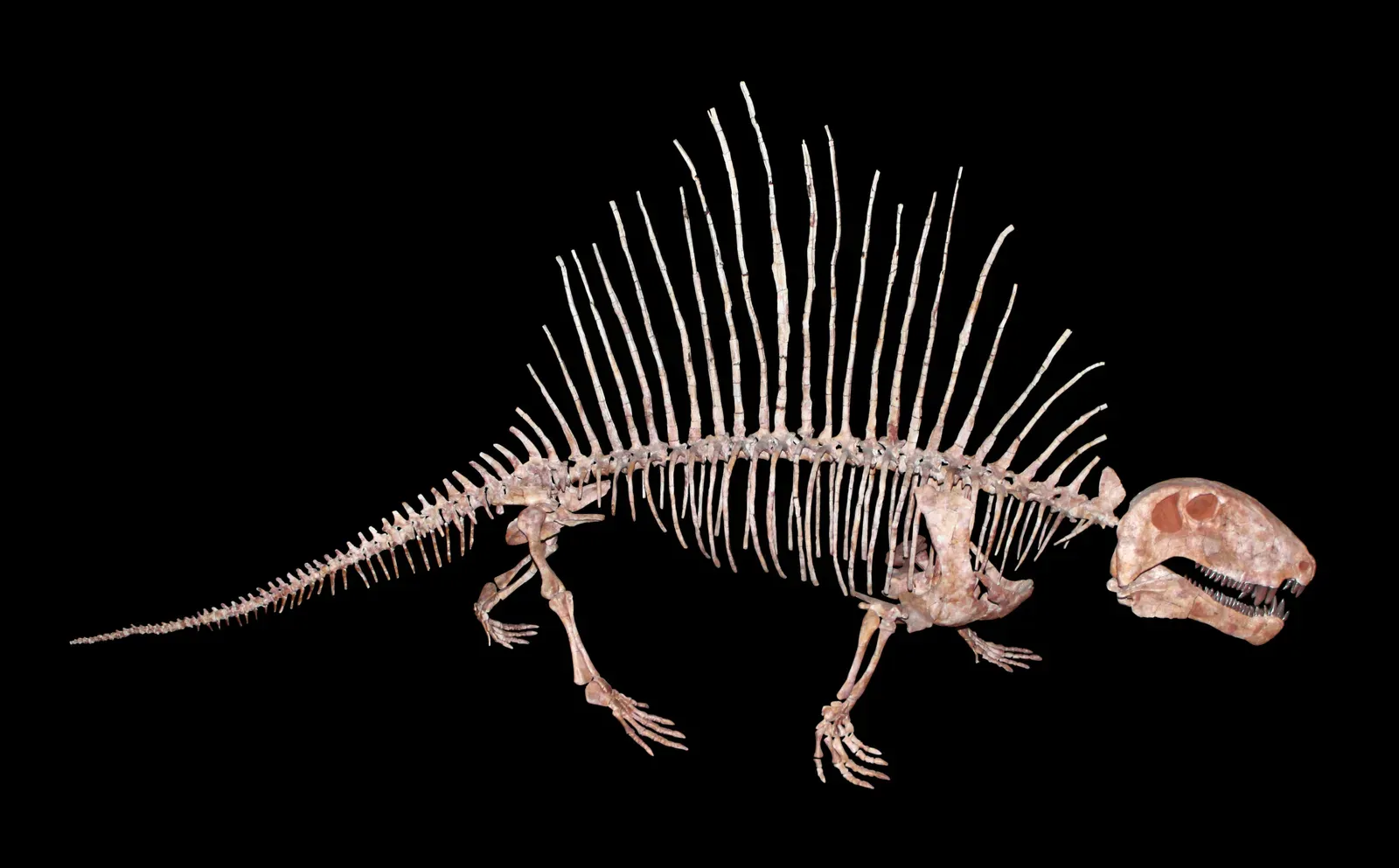
Dimetrodon shows up in almost every “dinosaur toy set” ever sold, despite predating actual dinosaurs by tens of millions of years.
Early reconstructions dragged its belly across the ground like a sluggish lizard, sprawling its legs out sideways in a strict reptilian gait. Newer skeletal analysis shows Dimetrodon likely carried itself with a more upright, mammal-like limb posture, since it belongs to a lineage more closely related to mammals than to reptiles or dinosaurs at all.
The sail on its back tells its own story of assumption stacked on assumption. Scientists first treated it as a pure thermoregulation device – basically a biological solar panel – until later biomechanical work suggested the sail may have doubled as a display feature for attracting mates or recognizing its own species, complicating the tidy “cold-blooded heater” story textbooks repeated for generations.
#11 – Pteranodon’s Famous Crest Kept Changing Shape and Size
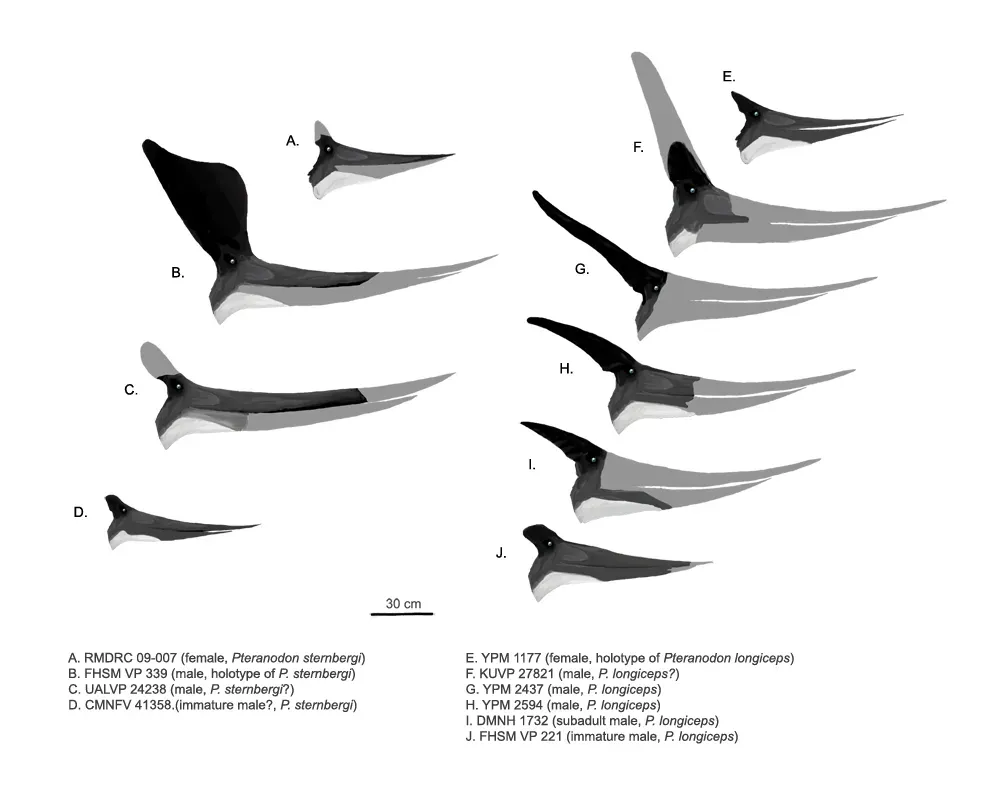
Pteranodon might be the most redrawn flying reptile in the history of paleo-art.
Early skeletal mounts gave it a small, modest head crest based on limited specimens. As more skulls turned up, researchers realized the crest size and shape varied dramatically between individuals – likely reflecting sex differences rather than one fixed “correct” crest. Museums spent decades displaying a crest shape that may have only applied to one gender of the species.
The wing membrane attachment point caused just as much confusion. Older illustrations attached the wing skin high on the hip, giving Pteranodon a bat-like, floppy silhouette in flight, but revised anatomical studies moved that attachment point down toward the ankle, producing a leaner, more aerodynamically efficient wing shape closer to what flight-capable animals actually need.
#10 – Hallucigenia Was Displayed Completely Upside Down and Backwards
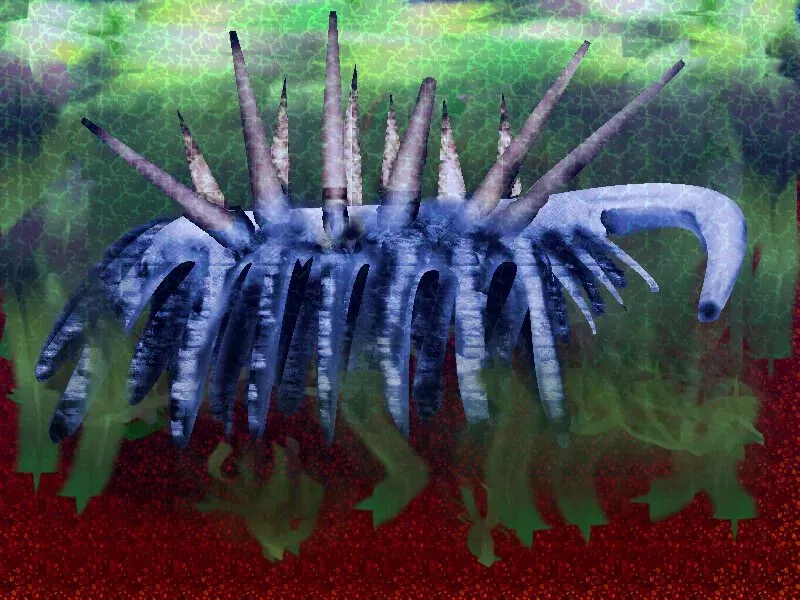
This tiny Cambrian creature earned its name honestly – the original reconstruction looked like a fever dream.
Paleontologists initially mounted Hallucigenia walking on rigid spines they assumed were legs, with soft tentacle-like structures on top that they guessed might function as a strange feeding mouth. The entire animal was essentially flipped upside down and backwards from its real orientation. Researchers eventually realized the “legs” were actually defensive spines running along the back, and the supposed tentacles were the real walking legs underneath.
Even the head got misidentified for years. What scientists once labeled as one end turned out to be a blob of preserved gut contents, not a head at all, and it took new fossil specimens with sharper preserved detail before the correct orientation finally clicked into place.
#9 – Anomalocaris Was Originally Mistaken for Three Different Animals
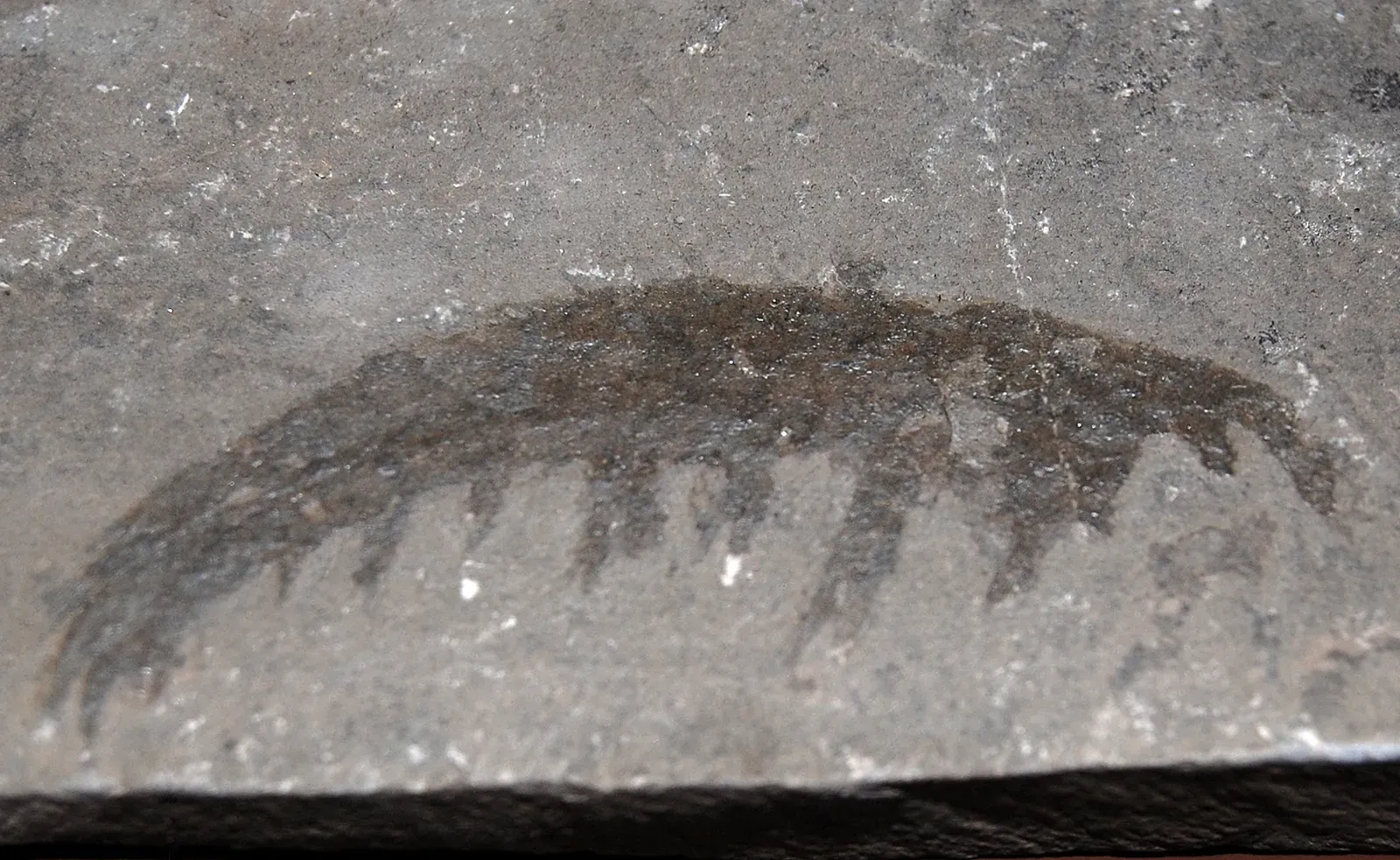
Before anyone realized what they were looking at, Anomalocaris fossils got split into three completely separate imaginary creatures.
One fossil fragment was classified as a jellyfish. Another piece – the actual body – got filed away as a totally different organism entirely. The mouthparts were mistaken for a shrimp-like crustacean unrelated to the rest of the animal.
Worth Knowing
- Three separate fossil fragments were each given their own species classification before anyone connected the dots.
- The mix-up persisted for decades because the fragments were found at different times and studied in isolation.
- Once merged, Anomalocaris turned out to be one of the largest predators of the entire Cambrian period.
- Correcting the record meant retiring multiple previously “valid” species names entirely.
It took decades of careful fossil-matching before researchers connected all three “species” back into one apex predator of the Cambrian seas, a foot-long killer that was massive by the standards of its time. This wasn’t a small correction – it meant erasing multiple named species from the record entirely and rebuilding one of the earliest known big predators from scratch.
#8 – Megalosaurus Debuted as a Bulky, Lizard-Bodied Quadruped
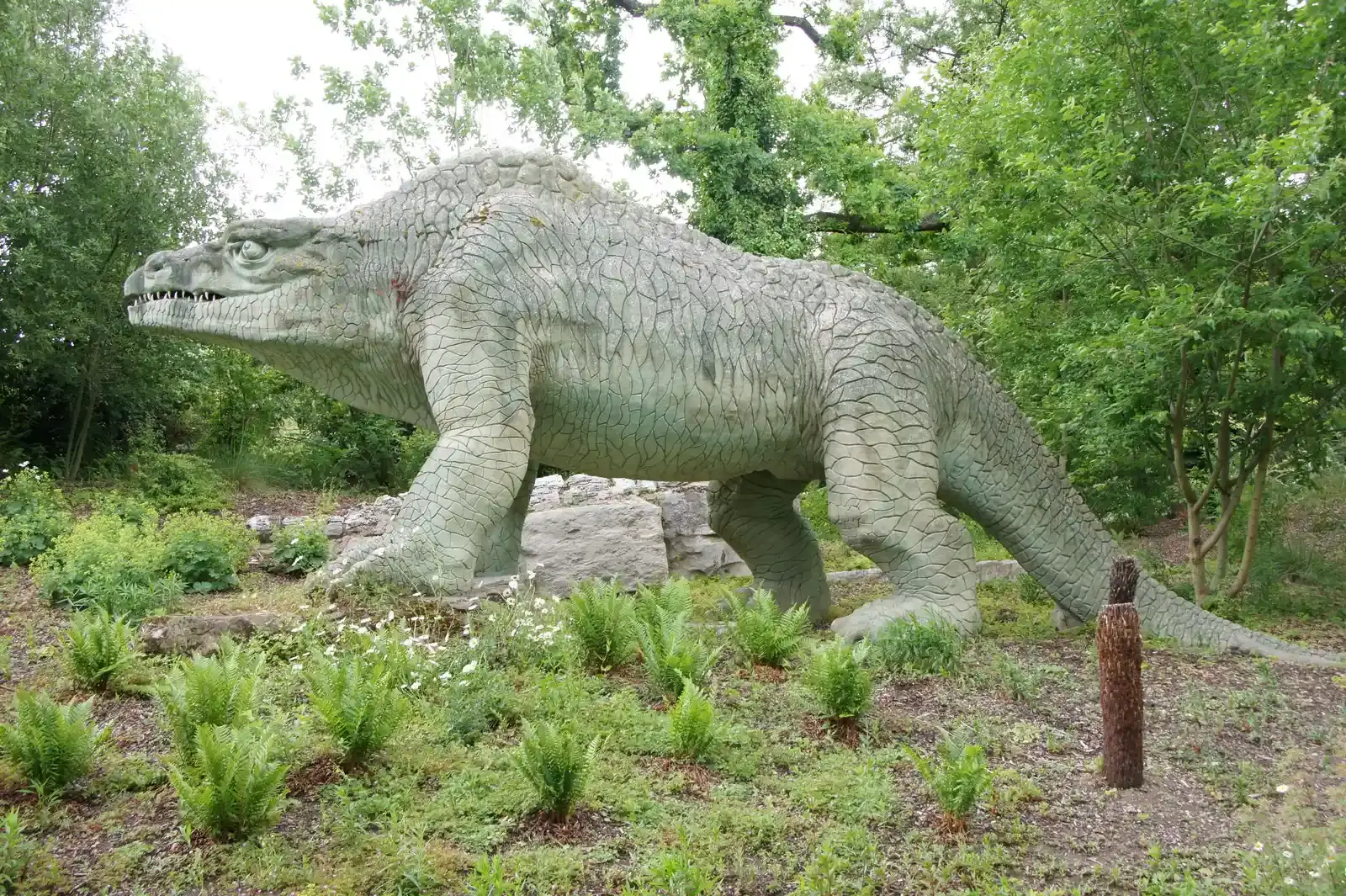
Megalosaurus holds the honor of being the very first dinosaur ever scientifically named, and its original look proves just how little anyone understood dinosaurs at the time.
The famous 1850s Crystal Palace statues portrayed it as a heavyset, four-legged beast with a massive head, probably built from an older estimate that dramatically overstated its true proportions. Sculptors modeled the body on generic reptiles because almost no complete skeleton existed to work from – the statue’s builders were essentially guessing at an entire animal from a jaw fragment and a handful of scattered bones.
Later discoveries revealed Megalosaurus actually walked primarily on two legs like other large theropods, with a far leaner, more balanced frame than the lumbering quadruped Victorian audiences marveled at in the park.
#7 – Stegosaurus’s Plates Went Through Multiple Total Redesigns
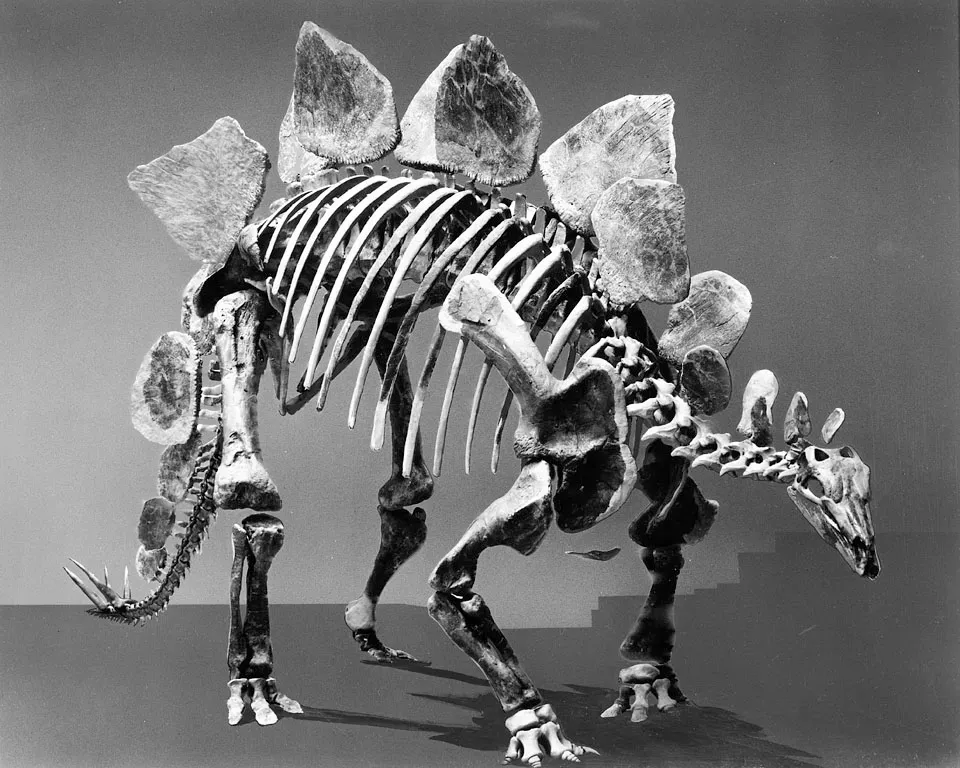
Few dinosaurs have had their signature feature rearranged as many times as Stegosaurus.
Early reconstructions placed the iconic back plates flat against the body like a suit of overlapping armor, assuming they served purely defensive purposes. Later versions stood the plates upright but arranged them in a single centered row down the spine. Eventually researchers settled on a staggered, alternating double-row arrangement, based on how the plates were actually found positioned in articulated skeletons.
The tail spikes caused their own confusion, with some early illustrators placing spikes along the back near the plates rather than concentrated at the tail’s tip, where they actually functioned as a devastating defensive weapon. The plates themselves went through their own identity crisis too, shifting from “purely armor” to “possibly for temperature regulation” to today’s leading theory involving species recognition and display.
#6 – Velociraptor and Deinonychus Went From Sluggish Lizards to Feathered Hunters
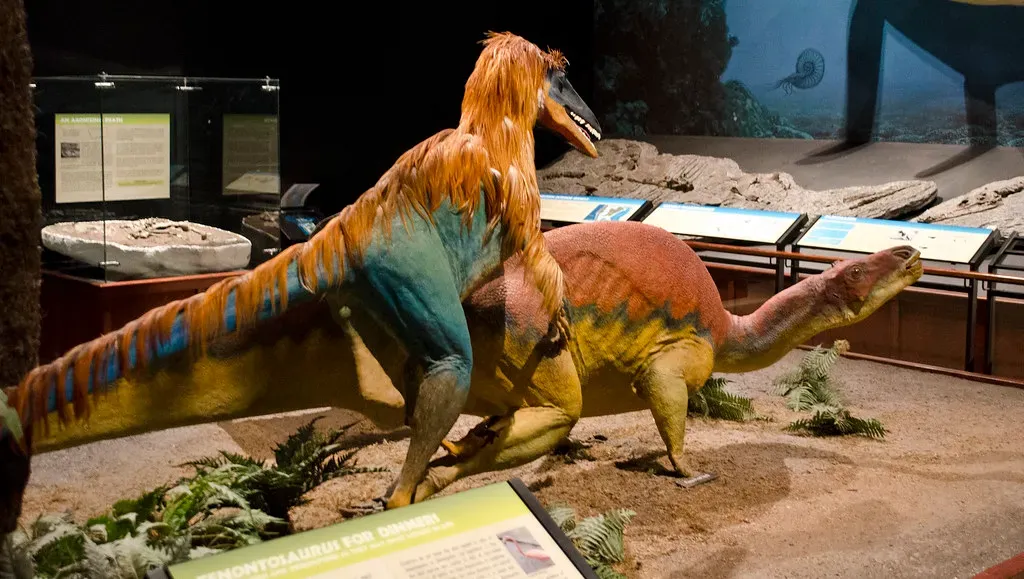
The sleek, deadly Velociraptor everyone knows from movies is actually a size-inflated stand-in for its larger cousin, and even that cousin’s original reconstruction looked nothing like the modern version.
Before the late 1960s, small predatory dinosaurs like Deinonychus were illustrated as slow, cold-blooded, tail-dragging reptiles with limited agility. Everything changed when researchers studying Deinonychus anatomy realized its build matched an active, fast-moving predator far more than a sluggish lizard. This single discovery triggered what paleontologists now call the “Dinosaur Renaissance,” completely rewriting how every predatory dinosaur was drawn from that point forward.
Quick Compare
- Movie Velociraptor: roughly six feet tall, scaly skin, no feathers shown.
- Real Velociraptor: about turkey-sized, feathered, and far smaller than its on-screen counterpart.
- Where the size came from: filmmakers borrowed the larger proportions of Deinonychus, a close relative.
- Why it stuck: the bigger, scarier hybrid became the version most audiences still picture today.
The real Velociraptor itself was roughly turkey-sized, covered in feathers, and nowhere near the six-foot movie monster popularized on screen. Filmmakers borrowed Deinonychus’s larger proportions and applied them to the smaller, feathered Velociraptor because the bigger version looked scarier – a creative choice that cemented a scientifically inaccurate hybrid in public memory for decades.
#5 – Brontosaurus Wore the Wrong Head for Nearly 100 Years
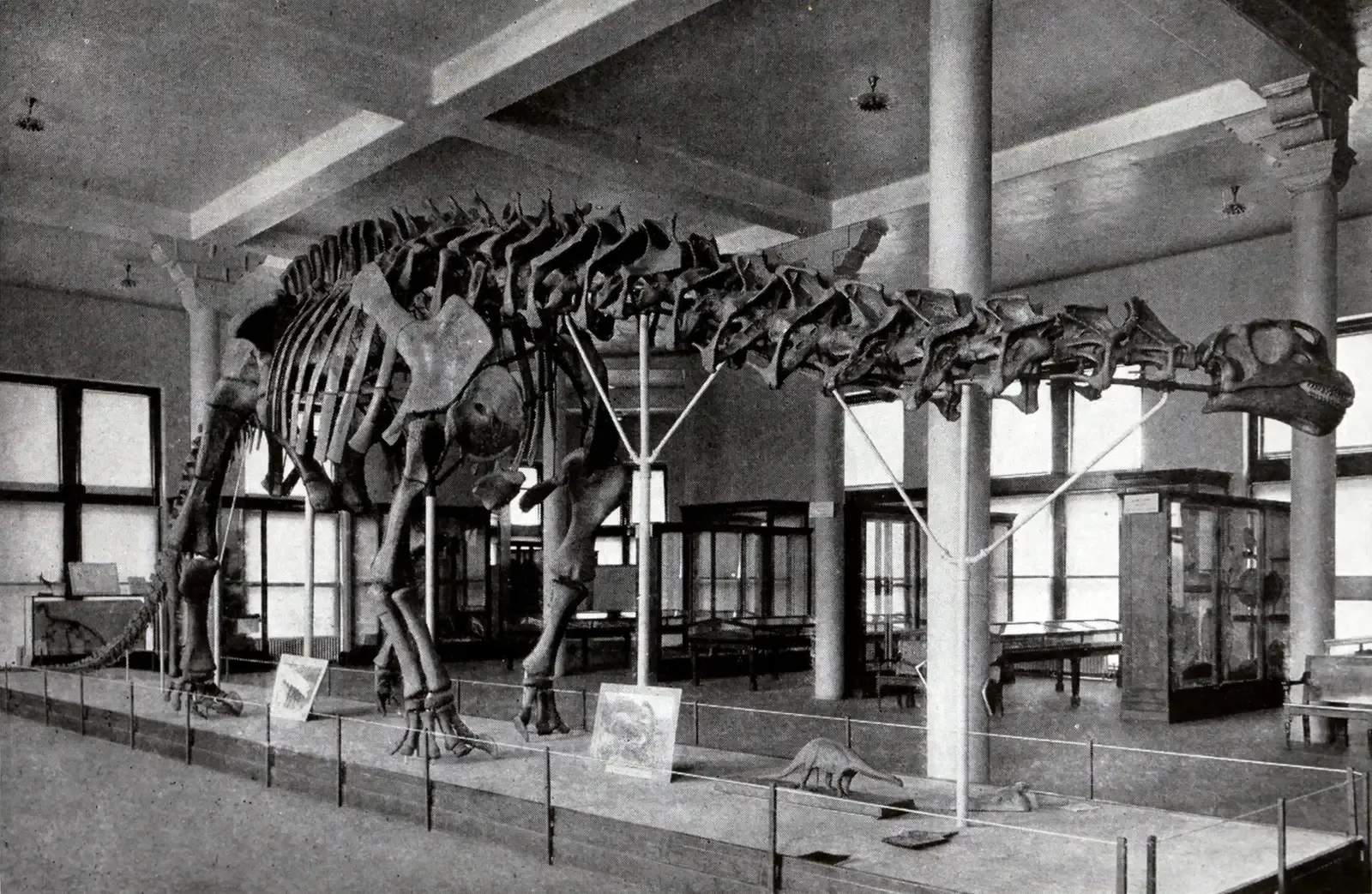
One of the most famous dinosaurs in history spent almost a full century wearing a head that never belonged to it.
Even after a full skeletal restoration had been published, no actual skull had ever been found. Museum preparators filled the gap with borrowed cranial material from a completely different animal, basing the shape on a fragment of lower jaw that appeared to confirm a Camarasaurus-like head. The result was a squared-off skull with protruding jaws and a raised nasal opening, giving the giant sauropod an oddly snooty expression it never actually had.
That mismatched skull became so iconic it shaped the famous “Age of Reptiles” museum mural still displayed today, cementing the wrong head in the public imagination for generations. It wasn’t switched out for the correct one until the late 1970s, decades after paleontologists first suspected something was off, and even the name itself flip-flopped between Brontosaurus and Apatosaurus for over a century before recent anatomical studies restored the original name as scientifically valid.
#4 – T. rex Stood Like a Kangaroo for Most of the Twentieth Century
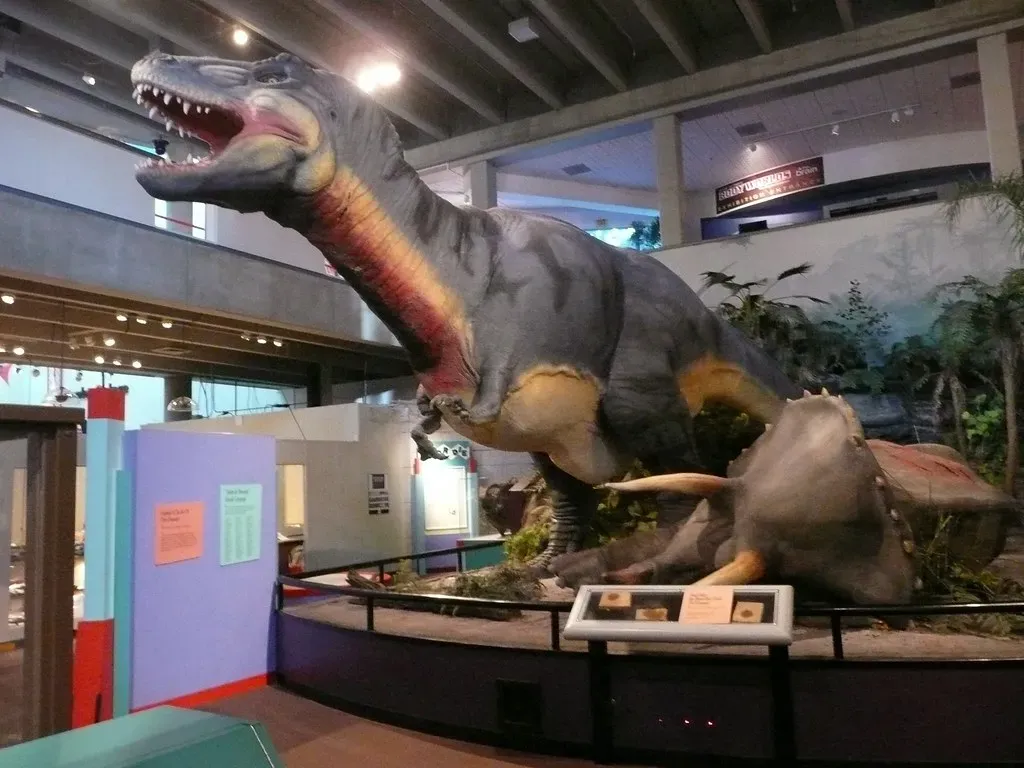
The king of the dinosaurs spent decades standing in a pose that would have shattered its own hips.
Classic mounts and textbook illustrations showed Tyrannosaurus rex standing upright on two legs with its tail dragging along the ground, using it like a third leg for balance in a tripod stance. By the 1970s, biomechanical analysis demonstrated that a living animal could never have actually held that pose – it would have dislocated its own hips under the strain.
At a Glance
- Old pose: upright spine, tail dragging on the ground, tripod-style balance.
- New pose: horizontal spine, tail raised for counterbalance, built for active movement.
- When it changed: biomechanical studies in the 1970s forced the redesign.
- Why it mattered: the shift reshaped theories on speed, hunting style, and tail use.
The correction required rebuilding the animal’s entire silhouette from the ground up. Modern reconstructions show T. rex holding its spine roughly horizontal, tail raised off the ground for counterbalance, moving more like a massive, fast-moving predator than a shuffling upright monster. Many experts now argue this pose change is more significant than any skin or color debate, since it fundamentally altered how scientists calculated the animal’s speed, hunting strategy, and even how it may have used its tail as an active weapon.
#3 – Iguanodon Wore a Horn on Its Nose That Was Actually a Thumb Spike
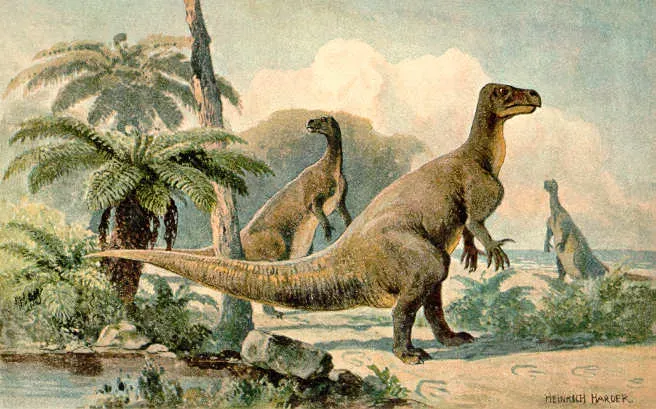
Iguanodon’s reconstruction history reads like a comedy of errors spanning three completely different body designs.
The original Crystal Palace statues showed it as an elephant-like quadruped with a horn perched on its nose. New skeleton finds later revealed those “horn” bones actually belonged on the hand – they were thumb spikes, likely used for defense against predators, stuck on the wrong end of the animal by an entire generation of museum-goers.
The corrections didn’t stop there. Iguanodon went through three distinct eras: the elephantine, quadrupedal, horn-snouted reptile of the Victorians; a bipedal but still fundamentally reptilian animal using its tail to prop itself up like a tripod; and finally today’s leaner, more agile representation, able to shift between two legs and four. That middle “tripod” phase dominated museums and textbooks for most of the twentieth century before finally giving way to a more horizontal posture matching modern biomechanics.
#2 – Elasmosaurus Had Its Head Mounted on the Wrong End Entirely
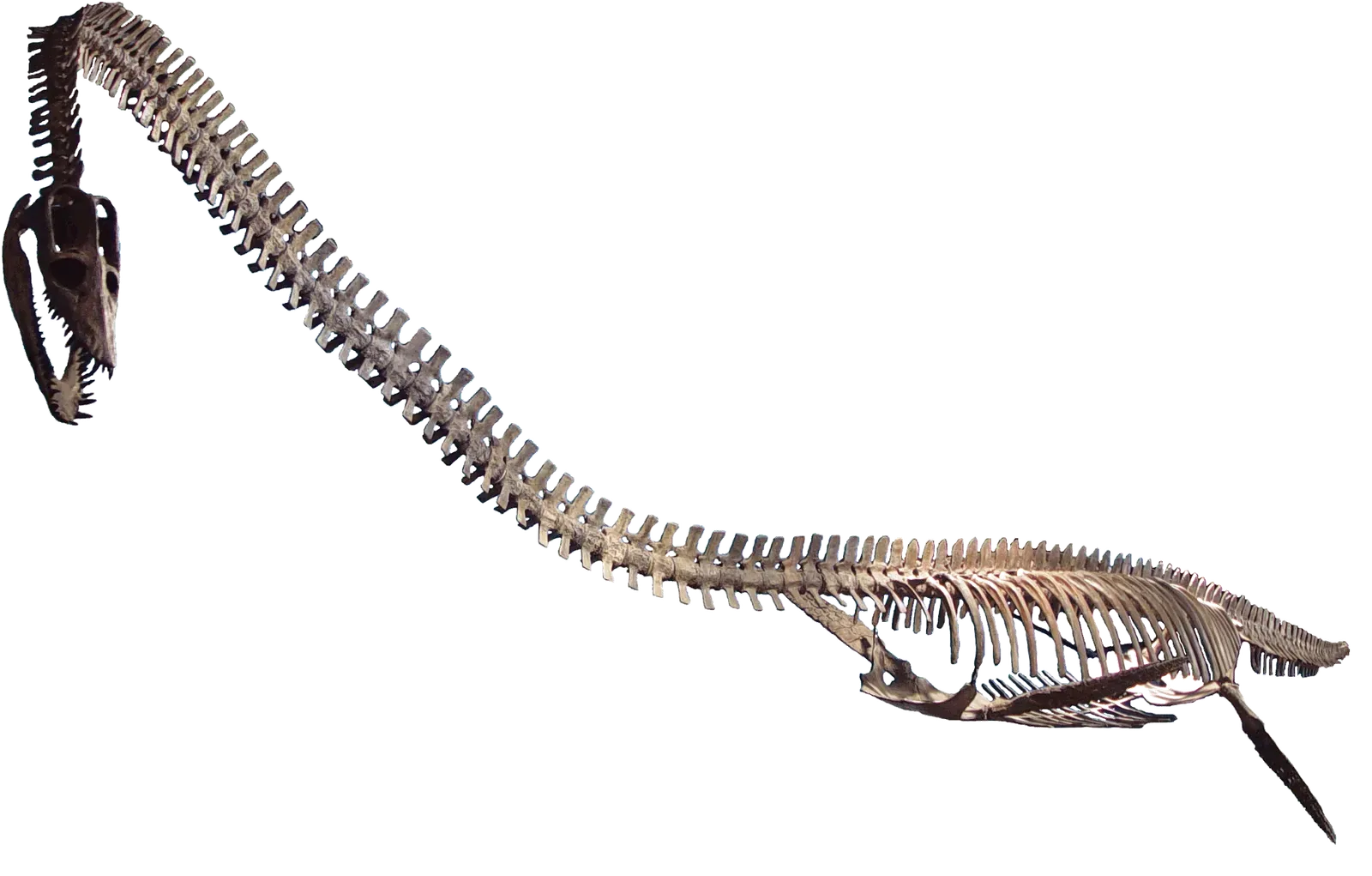
This is arguably the single most embarrassing reconstruction blunder in paleontology history, and it happened in full public view.
In his 1869 preprint, paleontologist Edward Drinker Cope placed Elasmosaurus’s skull at the end of its tail instead of its neck, simply because jaw fragments had turned up at that end of the skeleton – even though the opposite end ended in bones that were unmistakably neck vertebrae. The animal’s famously long neck was mistaken for its tail, and vice versa, in the very paper meant to introduce it to the scientific world.
At an academy meeting in March 1870, rival paleontologist Joseph Leidy publicly pointed out the error, forcing Cope to scramble and issue a corrected version while trying to recall the copies already mailed out. One had already escaped his control and landed in the hands of Othniel Charles Marsh, who exploited the mistake for decades as ammunition in their rivalry, fueling one of the most notorious feuds in scientific history.
#1 – Spinosaurus Went From Bipedal Hunter to Quadruped to Tail-Swimming Diver in Just a Decade
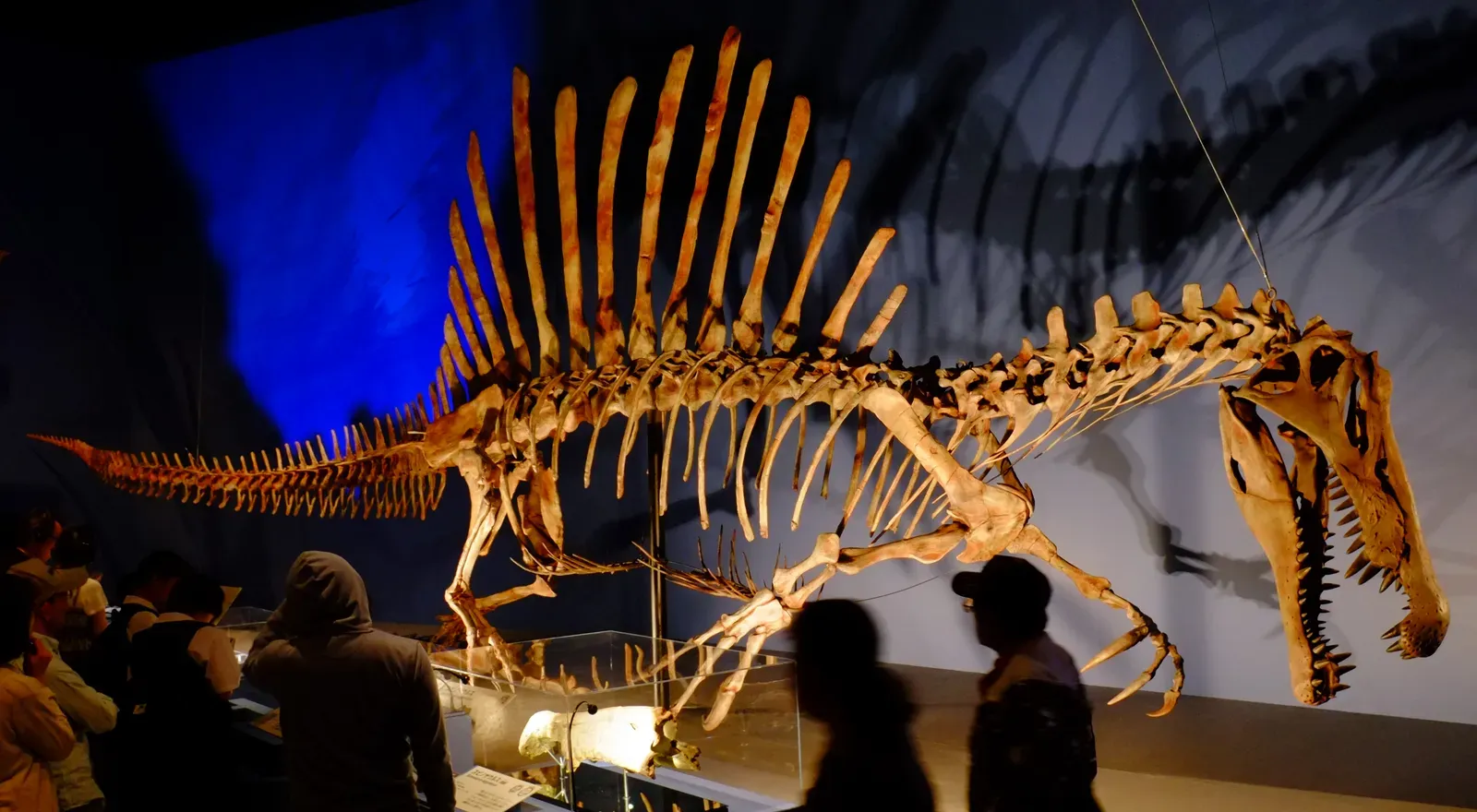
No dinosaur has been rebuilt from scratch as many times, as dramatically, or as recently as Spinosaurus – and the story still isn’t fully settled.
Its reconstructed appearance and ecological role went through multiple total overhauls: a bipedal hunting stance borrowed from its relative Baryonyx in the early 2000s, then a quadrupedal, “crocodile-mimic” redesign during the 2010s, then a tail-propelled diver once a vertically expanded tail turned up in the fossil record in 2020. Each version was treated as settled science in its moment, only to be dramatically overturned within a few years by fresh evidence.
Why It Stands Out
- Early 2000s: bipedal hunter modeled on its close relative Baryonyx.
- 2010s: redesigned as a quadrupedal, crocodile-mimicking wader.
- 2020: reimagined again as a tail-propelled swimmer after a new tail fossil surfaced.
- 2022: muscle-and-flesh modeling challenged the diving version, suggesting instability in water.
- The catch: the original bones behind the whole saga were destroyed decades ago.
The most recent twist adds even more controversy. A 2022 study using flesh-and-muscle modeling found that on land Spinosaurus aegyptiacus walked on two legs, and in water it was actually an unstable, slow surface swimmer too buoyant to dive – directly undercutting the viral “swimming predator” version that had barely finished settling into the public imagination. To make matters messier, the original bones behind this entire saga were destroyed decades ago, meaning every reconstruction since has been built on secondhand fragments and educated guesswork rather than the animal that started it all.
The Bottom Line
The pattern across all thirteen animals is impossible to ignore: confident, museum-approved reconstructions are far more fragile than the public assumes. Skulls got swapped, animals got flipped upside down, three separate “species” turned out to be one creature, and a dinosaur’s entire posture went from tripod to horizontal because nobody checked the hip mechanics for a century.
Elasmosaurus’s head-on-tail blunder and Spinosaurus’s three-times-rebuilt body prove that even textbook-certified science is really just the best guess available at the time – nothing more, nothing sacred about it.
Honestly, the most surprising takeaway isn’t that scientists got things wrong. It’s how long some of these errors survived unchallenged simply because nobody had a reason to question them – and it’s worth remembering that the “final” reconstructions hanging in museums today are probably just next decade’s punchline. Which of these reconstruction reversals shocked you the most? Drop your pick in the comments.