
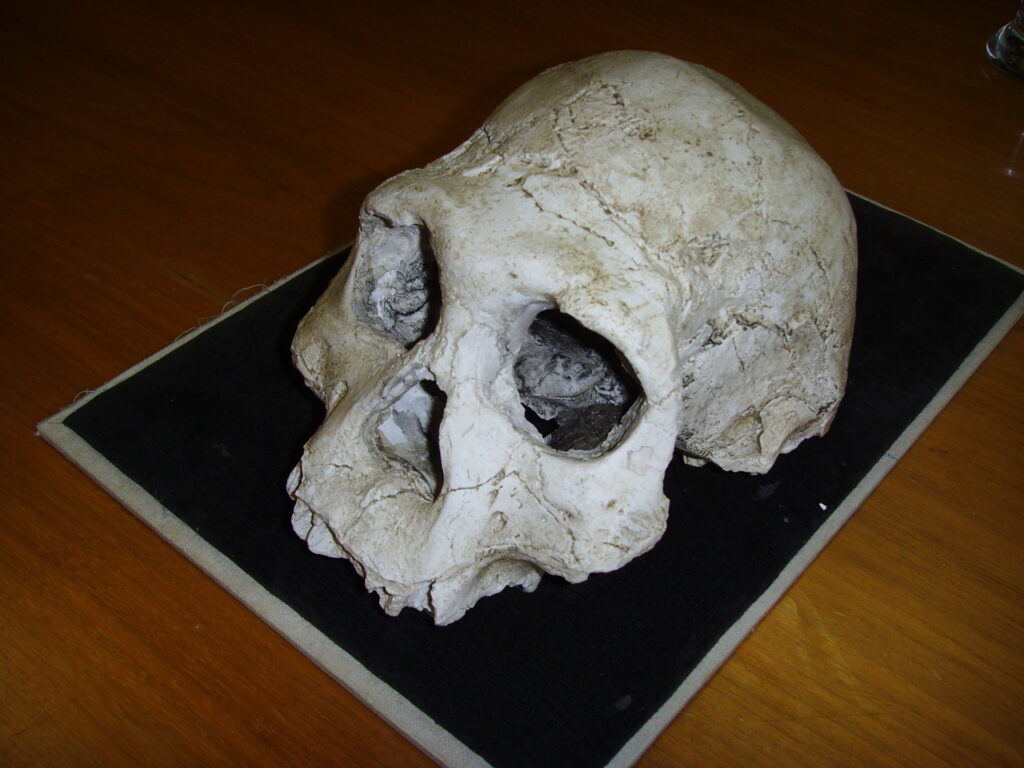
Most people assume every old bone or tooth pulled from the earth gets a tidy label and a slot on humanity’s family tree. It doesn’t. Dozens of ancient remains have sat in museum drawers for decades – sometimes over a century – because they simply refuse to match any known species.
Paleoanthropologists have a nickname for this problem: the “muddle in the middle.” Some of these mystery specimens have completely rewritten theories of human origins, while others remain stubbornly unclassifiable, refusing to fit into Homo sapiens, Neanderthal, or anything else science has a name for. Here are the fourteen fossils still waiting for their place on the tree.
#14 – The Impossibly Old Root Nobody Can Confirm
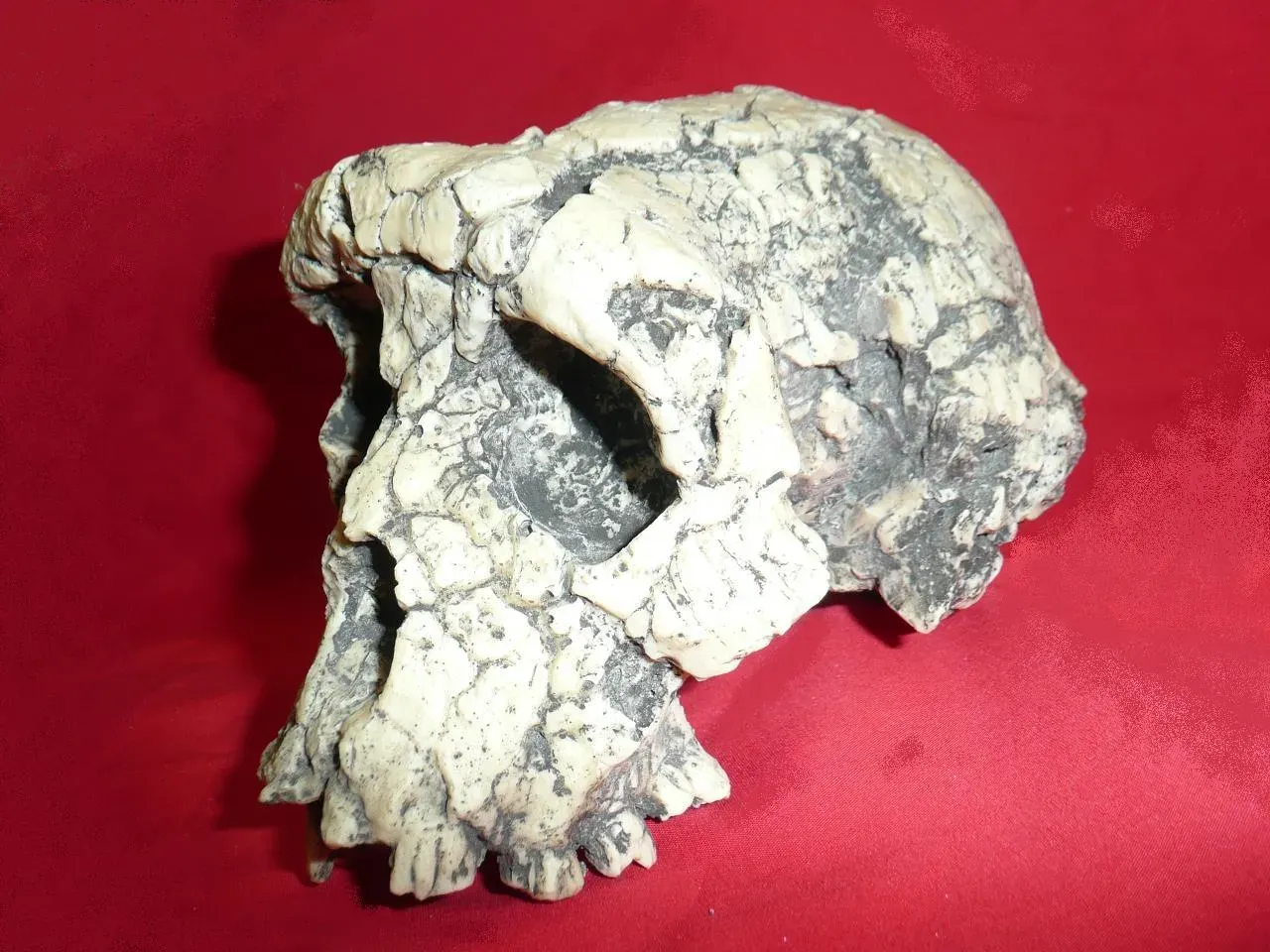
A seven-million-year-old skull from Chad and a six-million-year-old thighbone from Kenya might be the earliest members of the human line ever found – or they might not be human ancestors at all. The search for early hominins is hampered by a sparse fossil record from the era when our lineage probably began, and both Orrorin tugenensis (6 million years old) and Sahelanthropus tchadensis (7 million years old) are known from only a handful of fragments each, with their ties to hominins far from definitive.
That’s the shocking part – the two oldest candidates for “first human ancestor” rest on scraps too fragmentary to prove they even walked upright regularly. There’s also almost no fossil evidence of chimpanzee ancestors to compare them against, so scientists don’t have a solid baseline for what “human-like” should even look like. Until more complete skeletons surface, both specimens stay parked in scientific limbo – cited constantly, confirmed never.
#13 – Ardi, The Skeleton That Broke Every Assumption
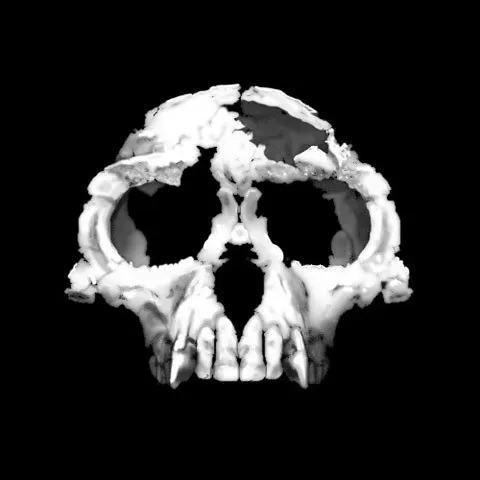
When researchers finally described “Ardi” in 2009, most expected a chimp-like creature. They got something nobody had imagined. Ardipithecus ramidus, including the remarkably complete skeleton of a female nicknamed Ardi, looks unlike any other known hominin ever recovered.
Ardipithecus is so rife with anatomical surprises that no one could have imagined it without direct evidence.
Tim White
The most surprising fact: Ardi doesn’t fit neatly into the “ape ancestor” or “human ancestor” box – she’s a mosaic of features that contradicts assumptions about how upright walking and tree-climbing evolved together. Sixteen years later, paleoanthropologists still argue over what she represents: a direct ancestor, a dead-end cousin, or something else entirely. Many experts now admit Ardi complicated more than she clarified – a controversial take you won’t find on museum placards.
#12 – The Georgian Skulls Nobody Can Agree On
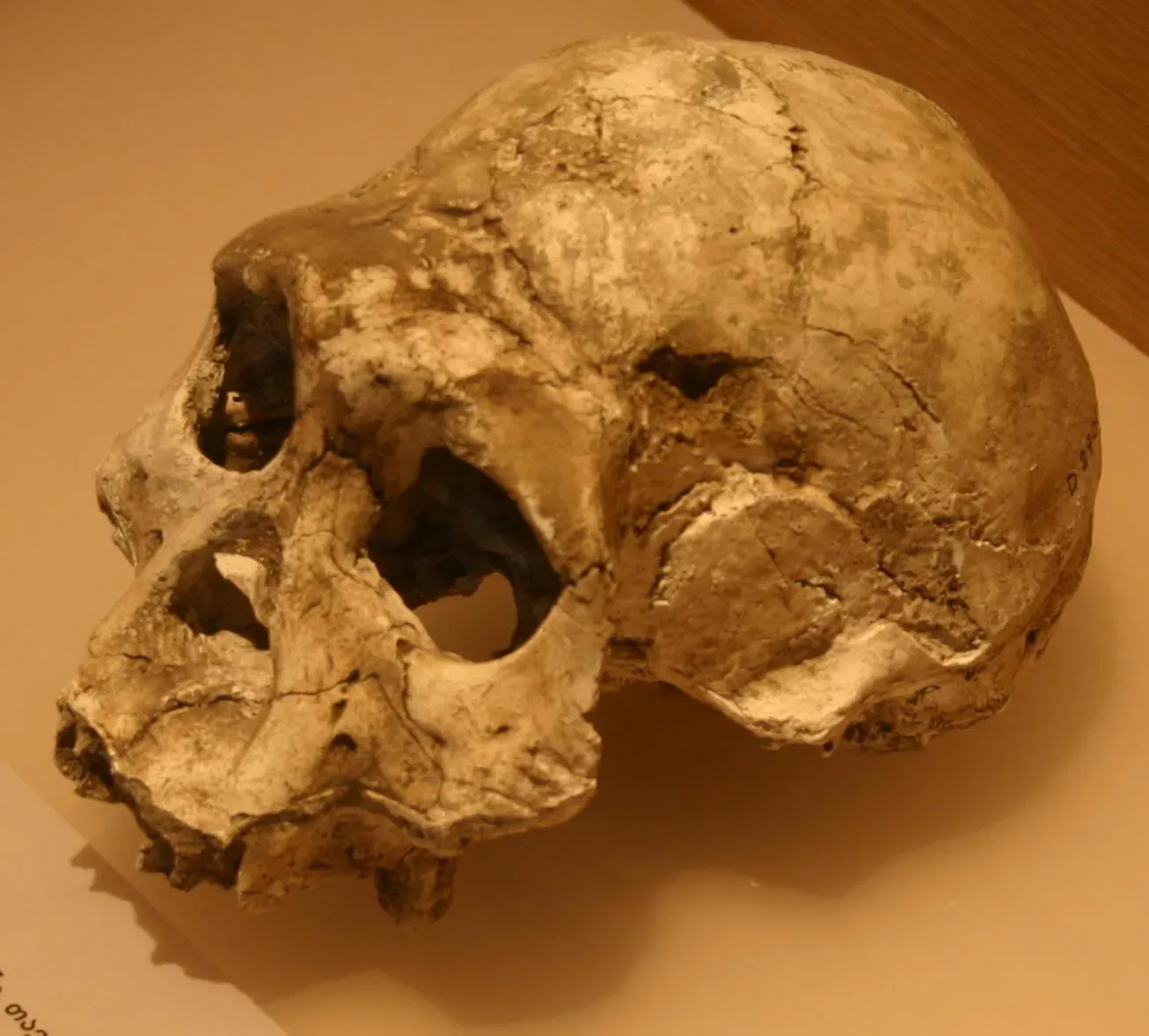
Five skulls pulled from a single site in the Republic of Georgia should have settled a debate. Instead, they started five different arguments. The Dmanisi hominins, dated to roughly 1.8 million years old, comprise five crania, four with associated mandibles, and were originally attributed simply to Homo erectus.
Then a more robust jaw, D2600, turned up, and everything changed – a comparative analysis with Homo habilis and Homo erectus led some researchers to propose an entirely new species, Homo georgicus, with D2600 as the holotype. Here’s the surprising twist: since then, specialists have floated at least five competing labels for the very same population. Five skulls, five names, zero consensus – and if specialists can’t agree on fossils from the same cave and the same layer, it says a lot about how shaky some “settled” classifications really are.
Fast Facts
- Location: Dmanisi, Republic of Georgia
- Age: roughly 1.8 million years old
- Specimens: five skulls, four with matching jaws
- Proposed names: at least five competing classifications for one population
#11 – Little Foot’s Identity Crisis
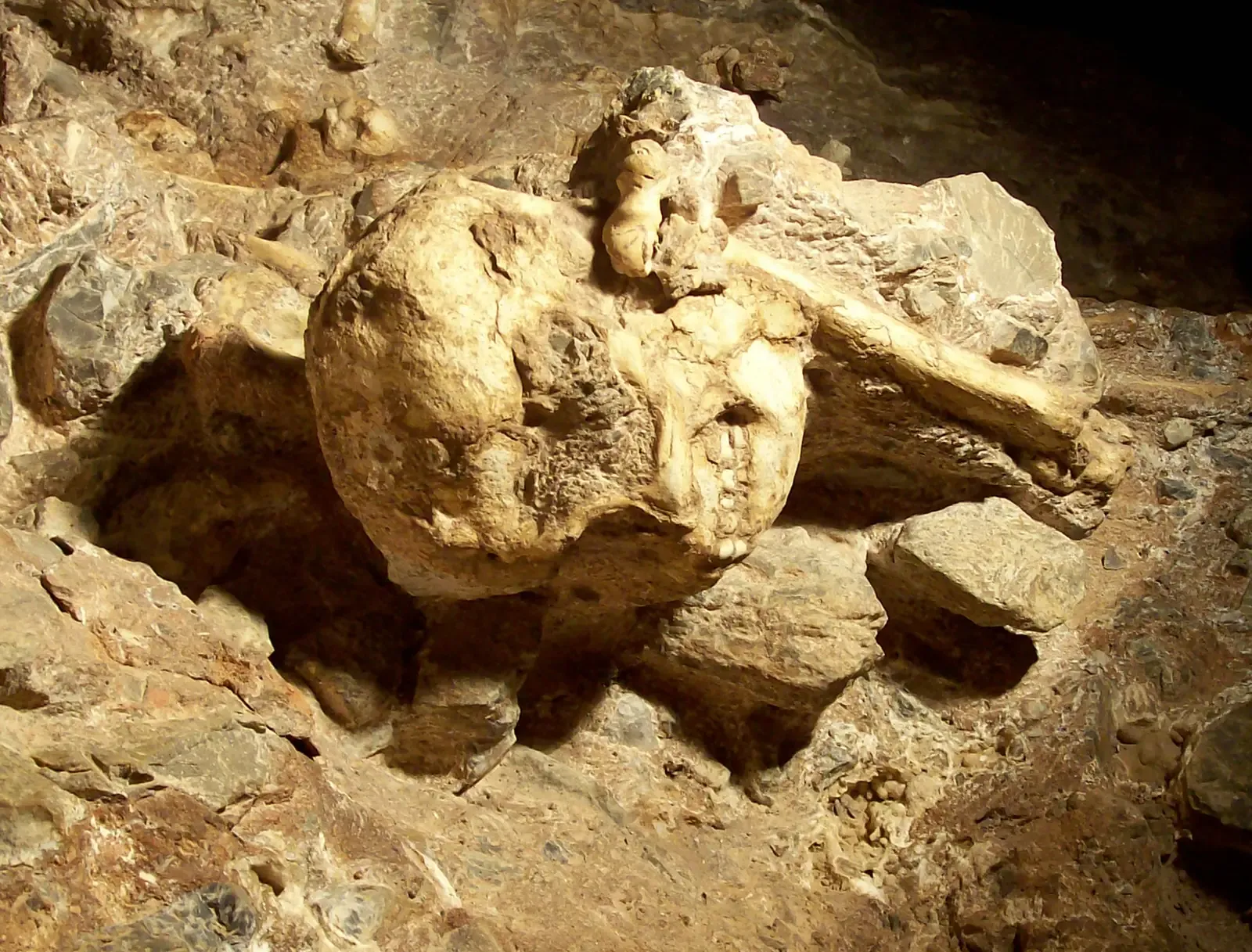
One of the most complete pre-human skeletons on Earth still doesn’t have a confirmed name – and it’s been sitting in a South African cave system for over three million years. Nicknamed “Little Foot,” specimen StW 573 is remarkably intact by fossil standards, yet its classification remains a genuine fight; the team who found it admits they aren’t sure where it fits on the evolutionary tree.
The best-known species from this era in southern Africa is Australopithecus africanus, though whether it’s even ancestral to modern humans is debated. A rival label, Australopithecus prometheus, was floated decades ago and revived in 2019 when researcher Ronald Clarke examined the skeleton and noted similarities to the original Makapansgat fossils. Most museum-goers assume “most complete” means “most understood.” Little Foot proves that’s backwards – sometimes more bones just mean more disagreement.
#10 – The Teeth That Walked Beside Lucy’s Cousins
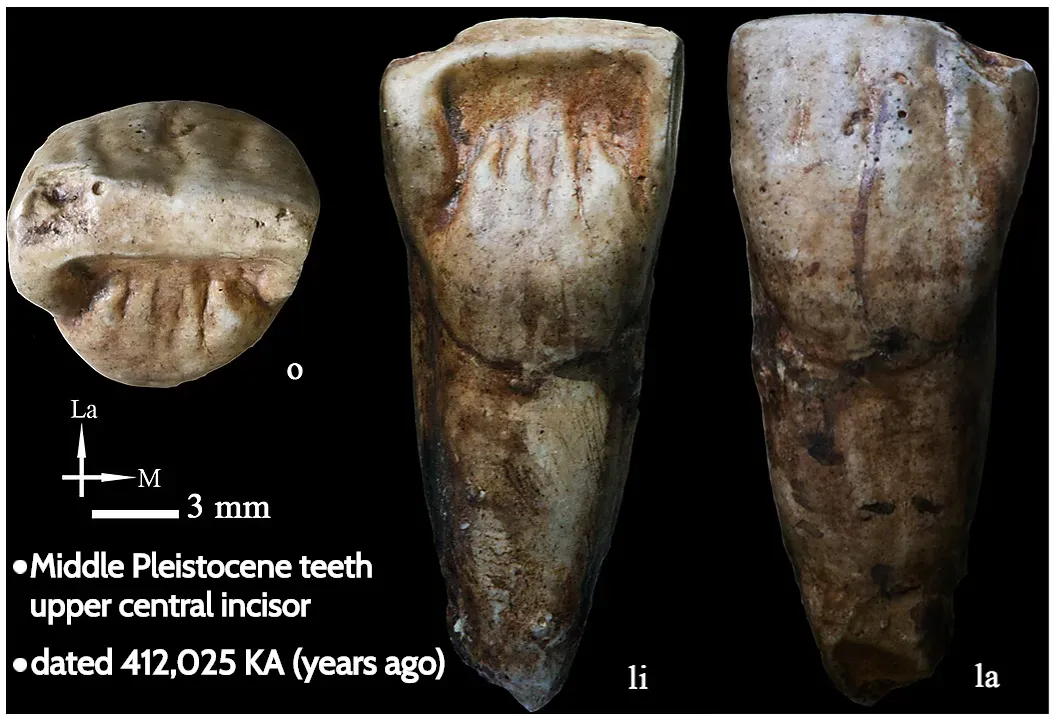
For decades, scientists assumed only one type of early human ancestor roamed a given patch of ancient Africa at a time. A handful of fossilized teeth just destroyed that assumption. Discovered in northeastern Ethiopia, the teeth are between 2.8 and 2.6 million years old and belong to a never-before-seen member of the genus Australopithecus – the same genus as the famous Lucy.
Here’s the catch: nobody can officially name it yet, because researchers need more fossils from other parts of the body before they can. The most surprising fact is what this implies about crowding on the ancient landscape – together with previous finds, the new teeth show that at least four separate hominin lineages shared the same rivers and grasslands of eastern Africa between three million and 2.5 million years ago. Only one of those lineages survived long enough to become us, and that’s not the tidy, single-file “march of progress” most people picture.
At a Glance
- Location: northeastern Ethiopia
- Age: 2.8 to 2.6 million years old
- Genus: Australopithecus – the same genus as Lucy
- Coexisting lineages: at least four separate hominin branches sharing one landscape
#9 – The Moroccan Fossils Rewriting Where We Came From
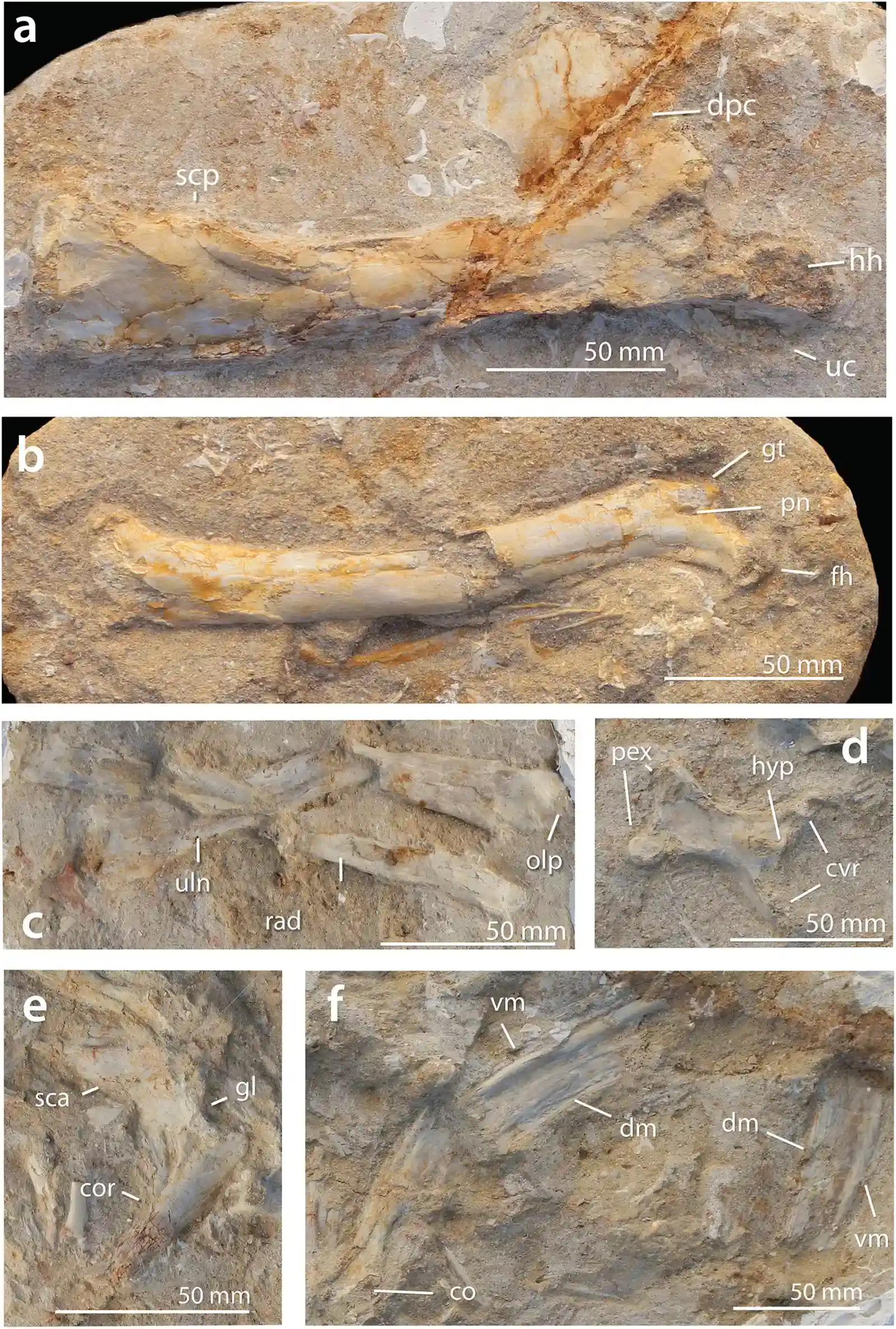
A mandible found by an amateur collector in a Casablanca cave back in 1969 has quietly become one of the most disruptive fossil finds of the decade. The site, Grotte à Hominidés at Thomas Quarry, has produced a small but explosive set of specimens belonging to a previously unknown ancient group of hominins.
Researchers published details in Nature describing remains that date to a critical period of human evolution, right as the ancestor of Homo sapiens was beginning to split into the lineages that would become Neanderthals and Denisovans. The most controversial claim strikes at the heart of a decades-old debate: the fossils point toward northwest Africa, not East Africa, as a contender for our original home. If Morocco really holds a piece of that root system, it could force a rewrite of every human-origins map printed in the last fifty years.
#8 – The Skull That Keeps Changing Species
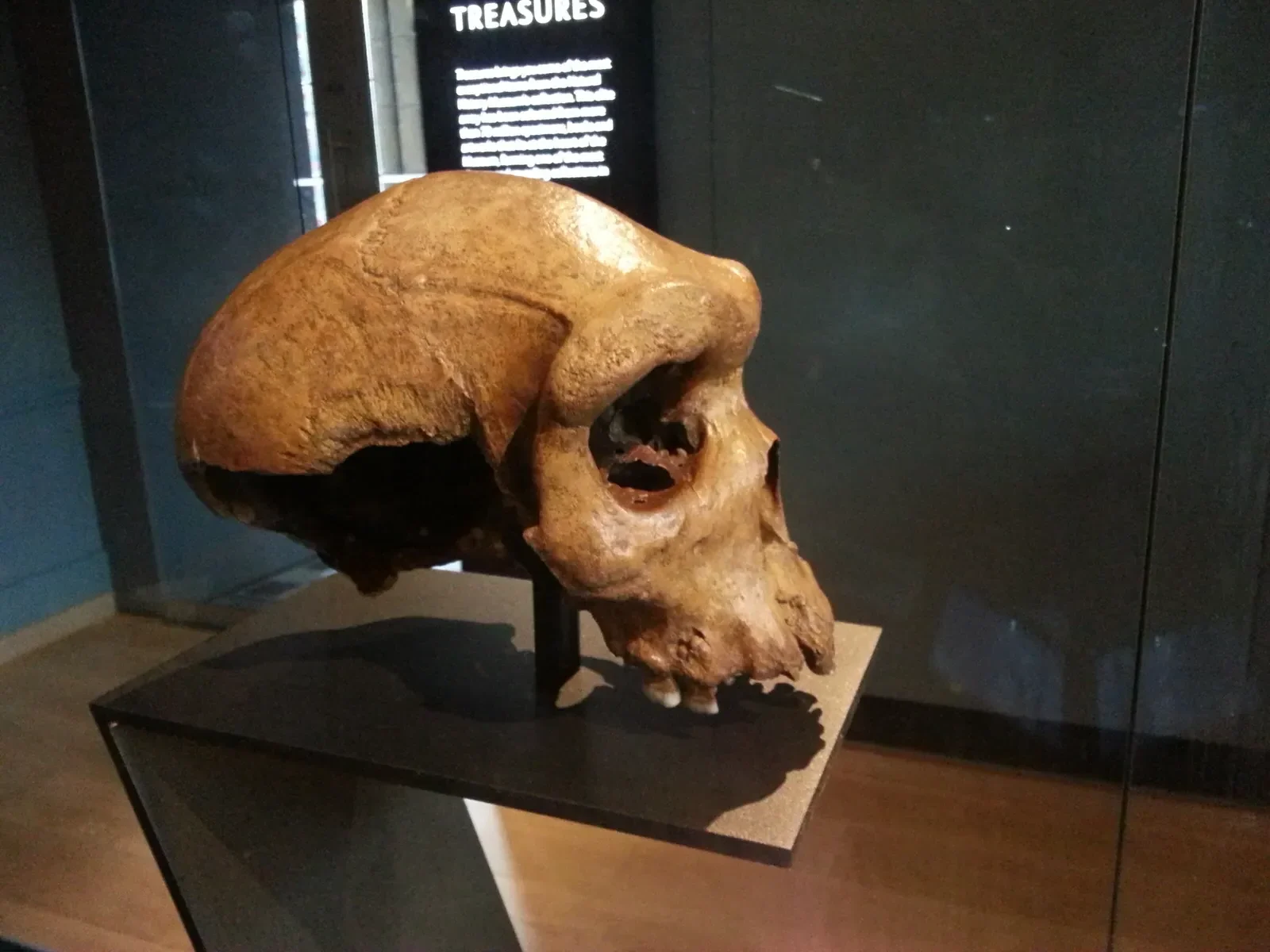
Found by miners in a Zambian lead mine over a century ago, the Broken Hill skull has been renamed, redated, and reclassified more times than almost any fossil in history. Kabwe 1, also known as Broken Hill Man or Rhodesian Man, is a nearly complete archaic human skull discovered in 1921 – the first archaic human fossil ever found in Africa.
It was originally given its own species entirely, described by English palaeontologist Sir Arthur Smith Woodward as Homo rhodesiensis; today it’s generally classified as Homo heidelbergensis, though that’s far from the end of the story. A 2020 redating effort placed the skull at roughly 500,000 years old, meaning Middle Pleistocene Africa likely held multiple overlapping hominin lineages, much like Eurasia did with Neanderthals and Denisovans. The wildest part? Some researchers now suspect Kabwe 1 represents an entire African “ghost population” science hasn’t fully accounted for.
Worth Knowing
- Discovered in 1921 in a Zambian lead mine – the first archaic human fossil found in Africa
- Originally named Homo rhodesiensis by Sir Arthur Smith Woodward
- Now generally classified as Homo heidelbergensis
- A 2020 redating placed the skull at roughly 500,000 years old
#7 – The Cave System That Broke the “One Species at a Time” Rule
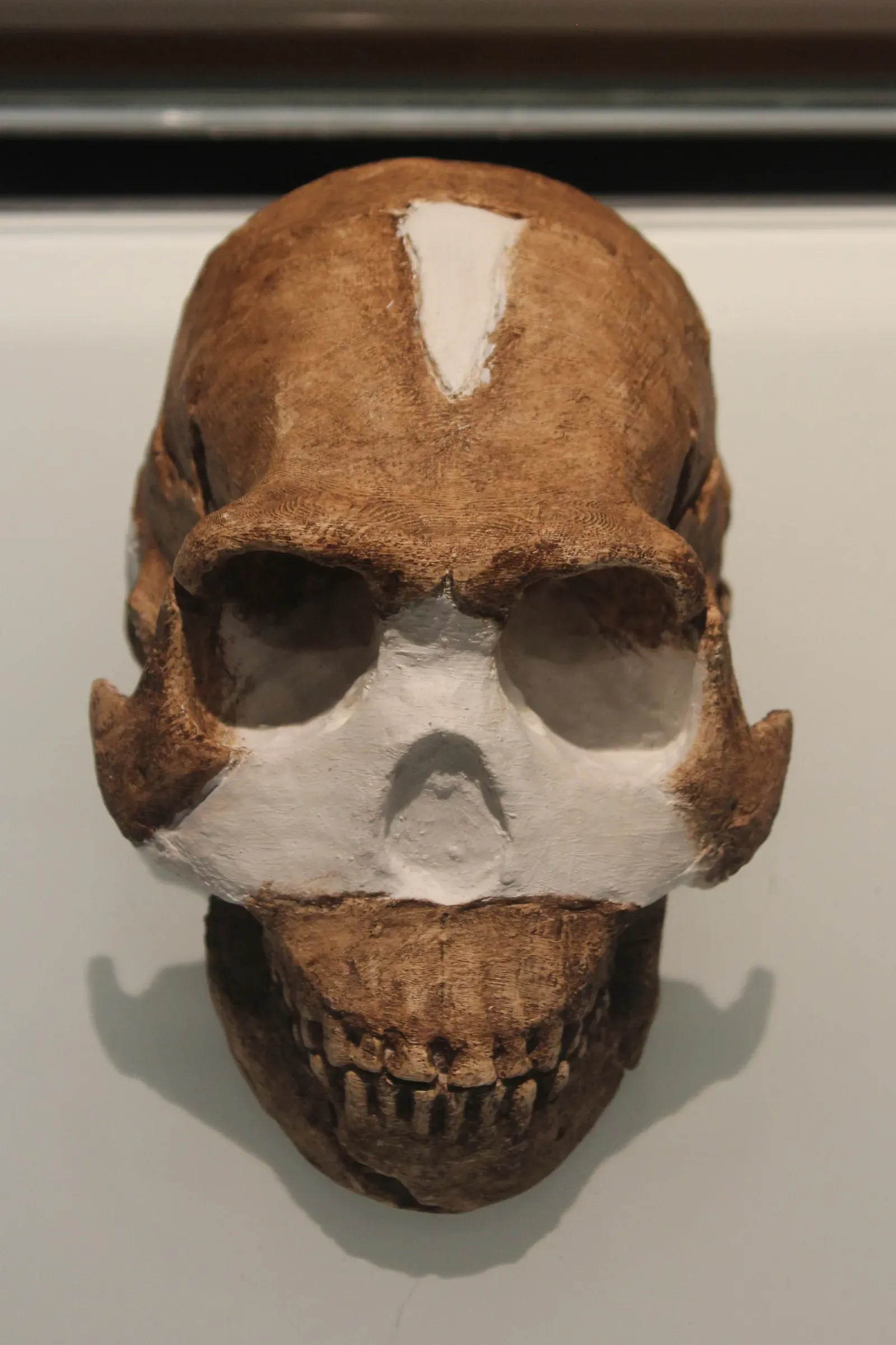
South Africa’s Rising Star cave system delivered one of the strangest combinations paleoanthropology has ever seen: a brain the size of an orange paired with surprisingly modern hands and feet. The remains of at least 15 individuals were found there and announced as a new species, Homo naledi, in 2015 – the largest single-species hominin assemblage ever discovered in Africa.
Despite the sheer volume of bones, naledi refuses to sit comfortably on any branch; it’s clearly part of the Homo family, but its mosaic of primitive and modern traits makes it nearly impossible to position relative to other relatives. Here’s the genuinely unsettling detail: naledi may have overlapped in time and geography with Homo sapiens, who first appeared in southern and eastern Africa roughly 200,000 years ago. A primitive-brained relative crossing paths with early versions of us isn’t science fiction – it’s a possibility researchers can’t rule out.
#6 – The “Hobbit” That Refused to Fit the Timeline
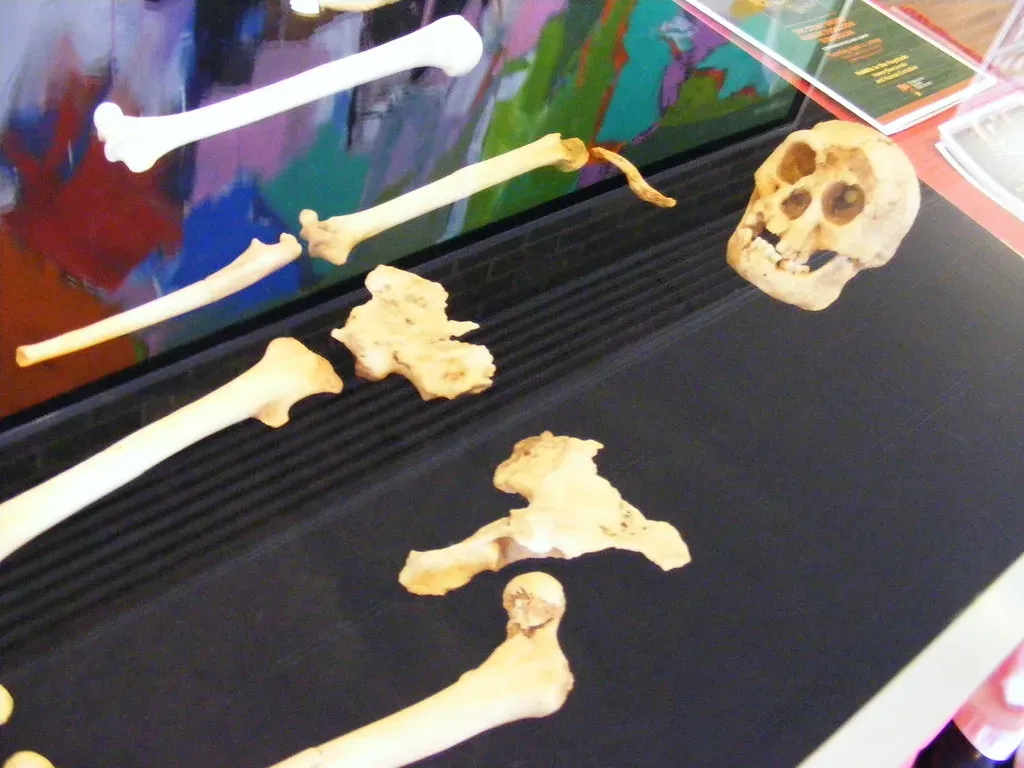
An island in Indonesia produced a three-foot-tall human relative that, by every conventional timeline, shouldn’t have existed as recently as it did. Homo floresiensis – nicknamed the “hobbit” for its diminutive size – inhabited the Indonesian island of Flores until roughly 50,000 years ago, stunning researchers who assumed small-brained relatives had died out almost everywhere else long before.
The most debated theory suggests floresiensis wasn’t a shrunken modern human at all, but a leftover branch from a much older, more primitive migration out of Africa. Some researchers have proposed a similar origin for the Red Deer Cave people and even the Dmanisi hominins – populations that never evolved a fully modern body plan. Island isolation, it seems, let ancient body plans linger far longer than anyone assumed possible.
#5 – The Philippine Cave Find That Added a Third Island Mystery
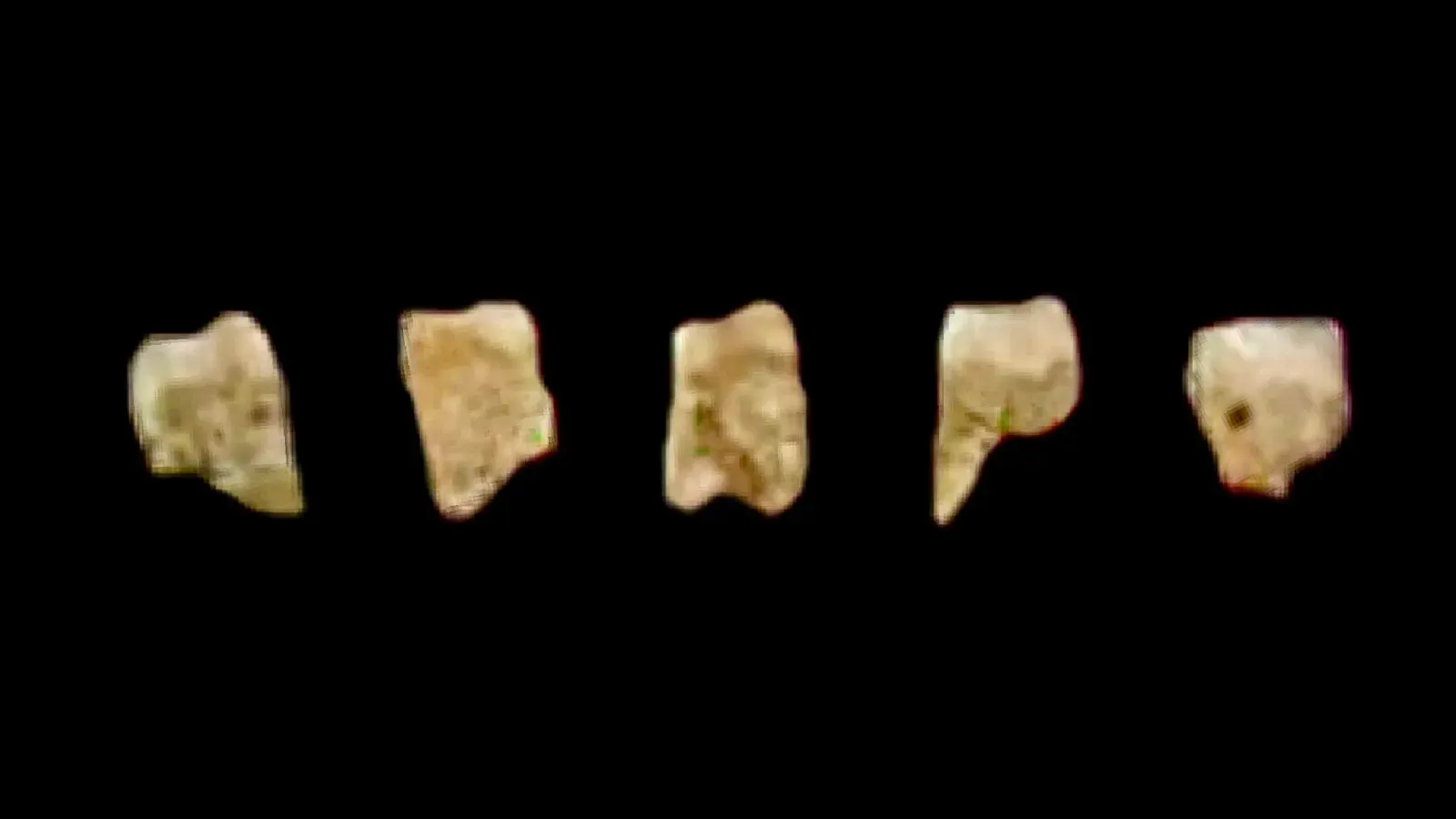
Just when scientists thought Flores was a one-off fluke, a cave in the northern Philippines produced an entirely separate tiny-bodied hominin. Homo luzonensis lived on the island of Luzon at least 50,000 to 67,000 years ago, identified from just seven teeth and six small bones showing a patchwork of ancient and advanced features.
The most surprising fact is how little material it took to define an entire new species – thirteen fragments, no complete skull, no full skeleton. That scarcity is exactly why some specialists remain uneasy calling it a fully separate species rather than a regional variant of something already known. Making things murkier, the same region is suspected of hiding an entire Denisovan population that has never once turned up in fossil form, despite DNA evidence proving they interbred with local ancestors.
#4 – The Cave People Even Their Own Discoverers Couldn’t Label
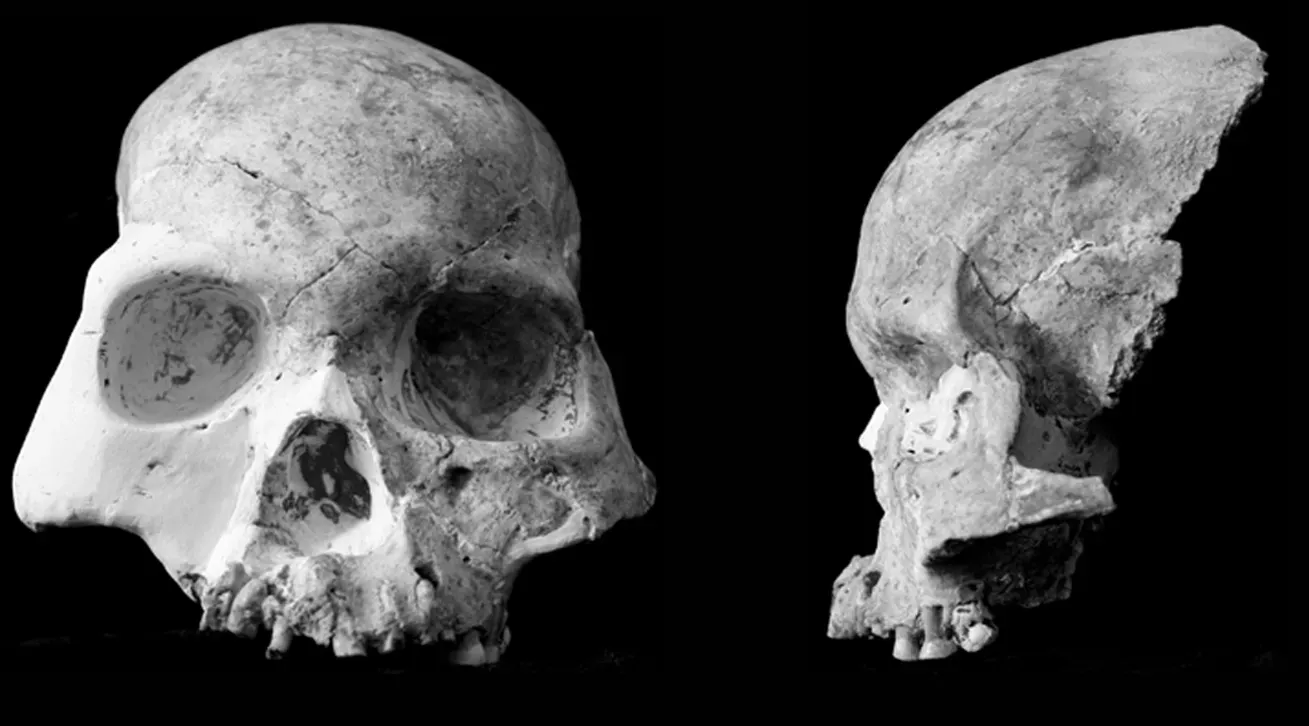
Bones pulled from two caves in southern China looked human enough to walk past unnoticed – until researchers actually examined the skull shape. Skull, rib, and leg fragments dating from 11,500 to 14,500 years ago are remarkably recent for a population researchers still can’t confidently place, and they’re both like and unlike Homo sapiens at once.
The most contested theory floated these “Red Deer Cave people” as surviving Denisovans, though later genetic work pushed back hard. A 2022 partial genome sequence suggested they were, despite their unusual skeletons, modern humans related to populations across East and Southeast Asia and even the Americas. Yet earlier skeletal analysis disagreed entirely, concluding the femur falls far outside the range of modern human variation – genetics and anatomy telling two completely different stories about the exact same bones.
#3 – The Israeli Jaw That Might Be Everyone’s Missing Ancestor
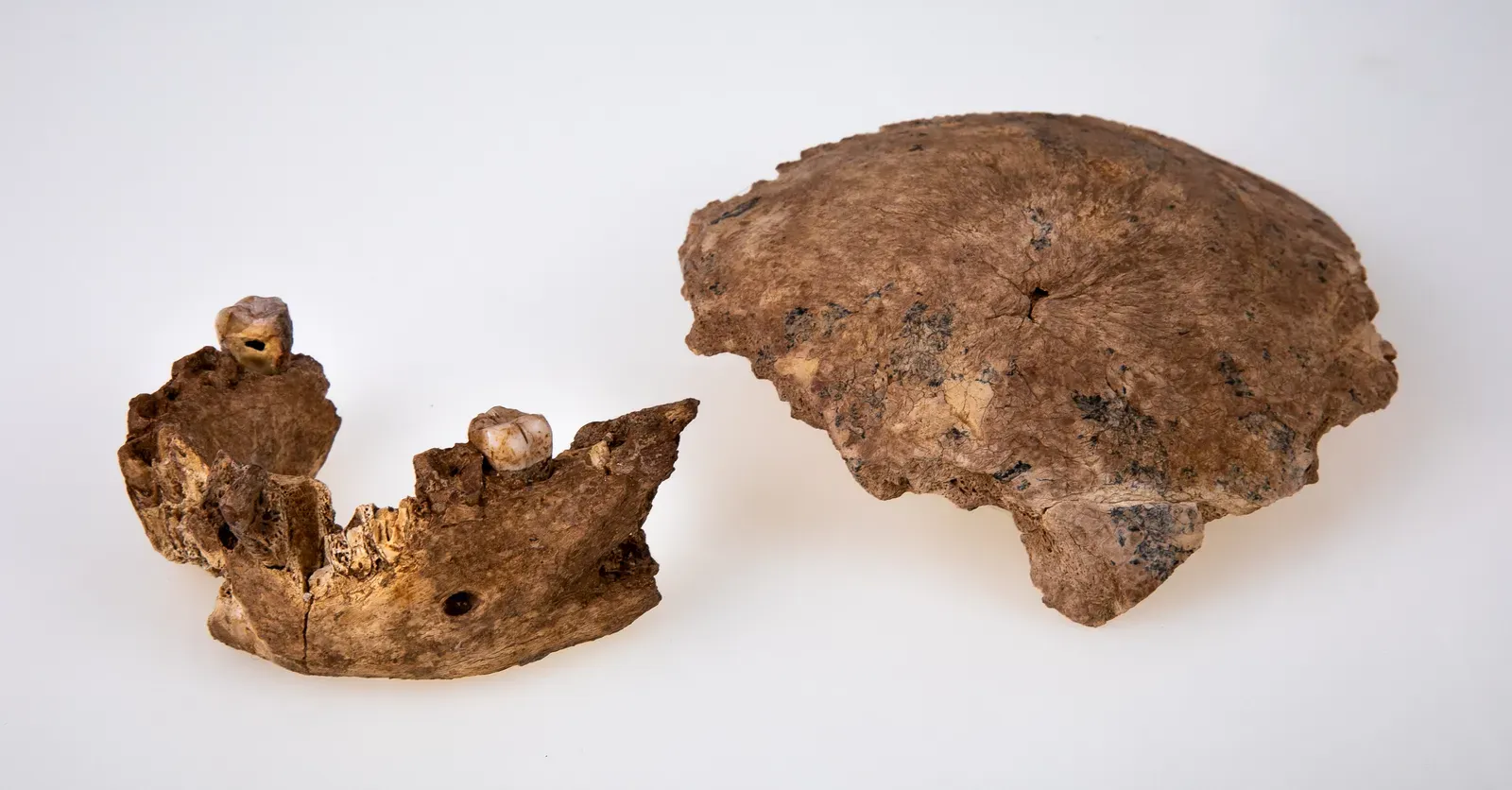
A partial skull and jaw pulled from a sinkhole outside a cement factory in Israel forced researchers to admit they’d found something with no name and no easy home. Excavations at the site uncovered a previously unknown Stone Age hominin group, with inhabitants living there roughly 140,000 to 120,000 years ago.
Researchers deliberately declined to assign a species name to what they call Nesher Ramla Homo, arguing that genetic and cultural mixing among Eurasian Homo groups during the Middle Pleistocene was too constant to produce a distinct species. The most jaw-dropping implication: this population’s morphology shares features with both Neanderthals and archaic Homo while looking very unlike modern humans, leading researchers to suspect it is the “source” population behind much of Middle Pleistocene humanity. A single sinkhole in Israel may hold the ancestor behind Neanderthals in Europe and archaic humans across Asia – and science still refuses to give it a species name.
#2 – The “Huge Head” Fossils China Couldn’t Sort for Fifty Years
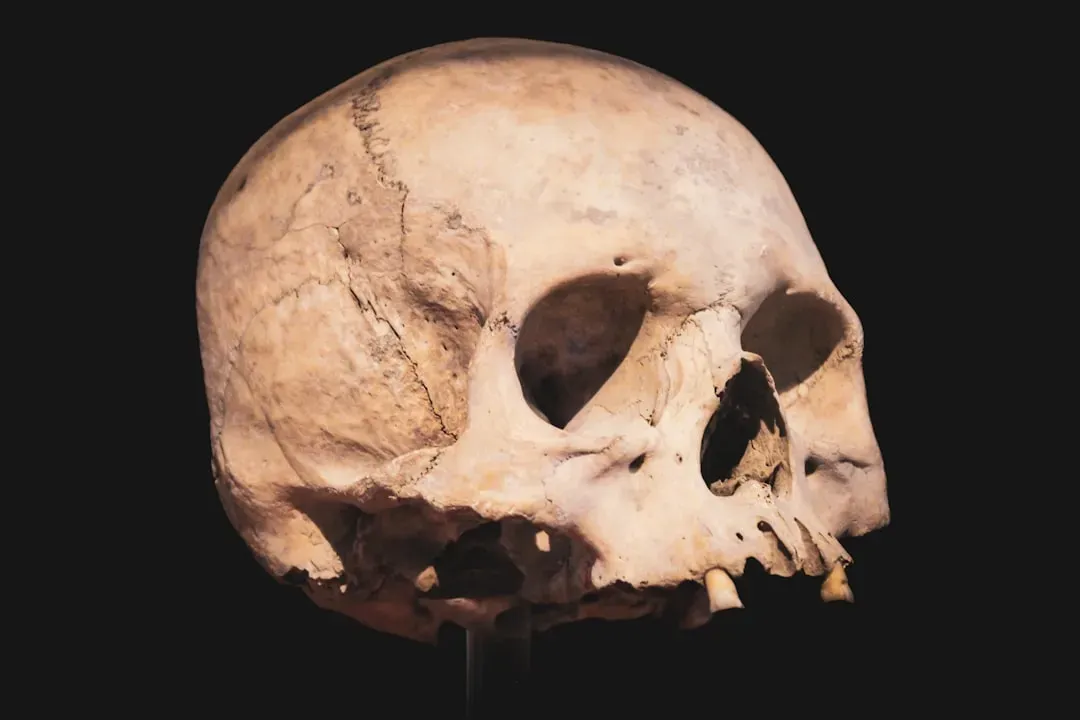
Skull fragments dug up in China during the 1970s sat unclassified for decades because they matched nothing – not erectus, not Neanderthal, not modern human. The remains, unearthed at multiple sites, clearly belonged to archaic hominins living between 300,000 and 100,000 years ago, but nobody could agree on the species or where it belonged on the tree.
Researchers recently proposed solving the mystery with a brand-new name, Homo juluensis – “ju lu” meaning “huge head” in Chinese – a nod to the fossils’ strikingly large brain, bigger even than our own species’. Here’s the controversy most headlines skip: not everyone is convinced, since there are no Denisovan cranial fossils known for direct comparison, and “grouping these fossils together seems premature,” according to one Smithsonian researcher. Fifty years unclassified, one bold new name proposed, and the scientific community still split down the middle.
Why It Stands Out
- Nickname: “ju lu,” meaning “huge head” in Chinese
- Proposed brain size larger than that of modern humans
- Age range: 300,000 to 100,000 years old
- No confirmed Denisovan cranial fossils exist for direct comparison, fueling skepticism
#1 – The Species Known Only By Its DNA, Not Its Face
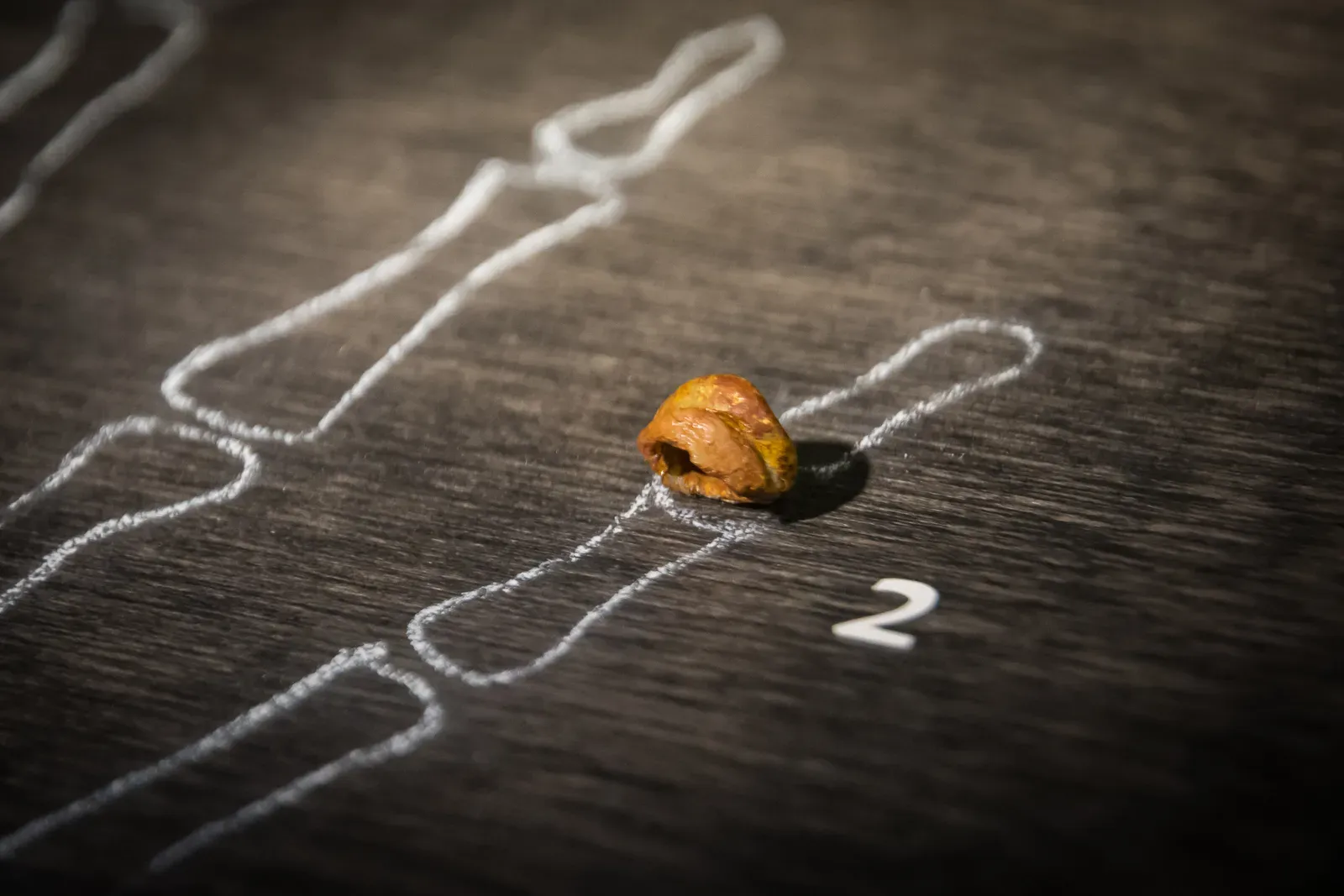
Millions of people alive today carry pieces of this ancient population inside their own genome – yet scientists still can’t tell you what its face looked like. The Denisovans are the first ancient hominin species ever identified by genes alone, not by fossil classification; though placed within the Homo genus, they’ve never received a formal species name because no confirmed physical description exists.
The entire discovery started with almost nothing to go on – a single finger bone fragment and two teeth, dated to roughly 40,000 years ago. The single most surprising fact on this whole list: every specimen ever recognized as Denisovan was identified through protein or DNA analysis alone, never through physical characteristics. Other candidate fossils exist, including the Homo longi remains from northern China and the Dali cranium, but without directly comparable genetics, nobody can confirm whether they belong to the same ghost lineage hiding in our own DNA.
The Bottom Line
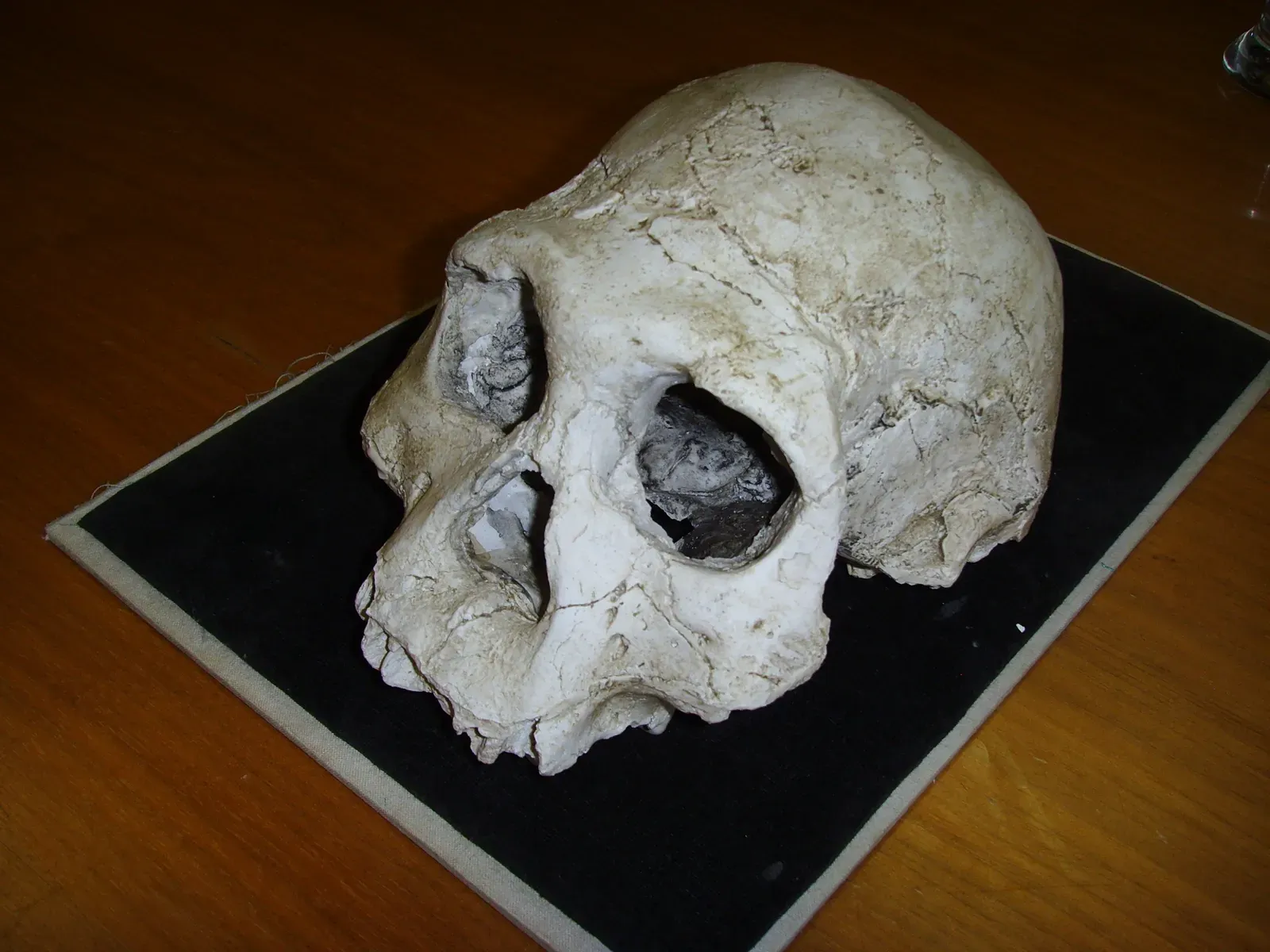
Fourteen sets of remains, and not one of them has a settled, universally agreed-upon place on the human family tree. That’s not a footnote in human evolution – that’s the actual state of the science.
From Denisovans known only through DNA to Chinese skulls still splitting experts down the middle, the pattern is clear: the “tree” is really a tangled, half-mapped thicket, not a straight line. Frankly, the museum diagrams showing a clean, single-file march from ape to human are outdated propaganda dressed up as science – the real record is messier, weirder, and far more interesting. Which of these fourteen mysteries gets solved first? Drop your prediction in the comments.