
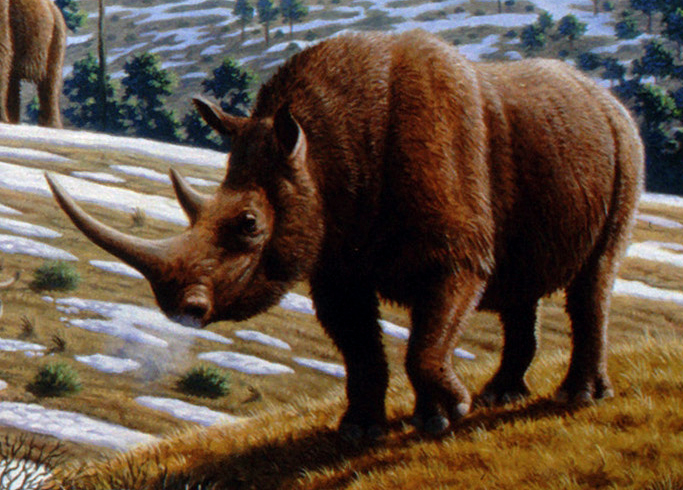
Picture the woolly rhinoceros the way most of us learned it: a shaggy background extra standing behind the mammoth in every Ice Age diorama, doomed the moment the world got warm. That image survived in textbooks, museum placards, and cartoon specials for generations without much pushback.
Then permafrost cores, ancient DNA labs, and freshly re-dated bones started talking – and the woolly rhino’s entire biography got rewritten in real time. What came out wasn’t a footnote to the mammoth story. It was a tougher, weirder, far less doomed animal than anyone assumed, and thirteen of our biggest beliefs about it didn’t just get corrected. They collapsed, one after another, in barely ten years.
#13 – “They Died Out 10,000 Years Ago, End of Story”
For years, school charts confidently placed the woolly rhino’s extinction around 10,000 years ago, right after the last Ice Age peak. That number came from a handful of radiocarbon samples and a lot of assumptions stacked on top of each other.
Over the last decade, better dating methods and far more bones have shredded that neat narrative. Several specimens have now been dated well past that old cutoff, showing the species hanging on thousands of years longer in some regions than we ever thought possible.
Researchers now describe a staggered, region-by-region collapse, not one clean extinction date. That changes everything about the context.
Instead of vanishing the instant the ice melted in some tidy “climate event,” woolly rhinos appear to have ridden out major temperature swings for a long time, only declining when a messier mix of pressures finally lined up. Museums still love that round number. But that’s nothing compared to what we found about #12.
#12 – “Climate Warming Alone Wiped Them Out”
The classic story: Earth warmed, ice retreated, grasslands shrank, and the woolly rhino – so specialized for cold – simply couldn’t keep up. Climate got cast as the lone villain in a very simple morality play.
New studies of ancient DNA, pollen grains, and frozen soils tell a far messier story. We now know woolly rhinos had already survived multiple warm phases before the final one, and their genetic diversity stayed surprisingly stable right up until shortly before extinction.
That’s not what you’d expect if slow, relentless warming were steadily crushing them for millennia. The real danger looks more like rapid, abrupt climate swings layered on top of shifting vegetation and expanding human presence.
In some regions, their preferred dry, grassy habitat actually expanded for a time, flatly contradicting the idea that they simply ran out of space the moment it got warmer. Most people still repeat “global warming killed them,” full stop. But that’s nothing compared to what we found about #11.
#11 – “Humans Barely Interacted With Them”
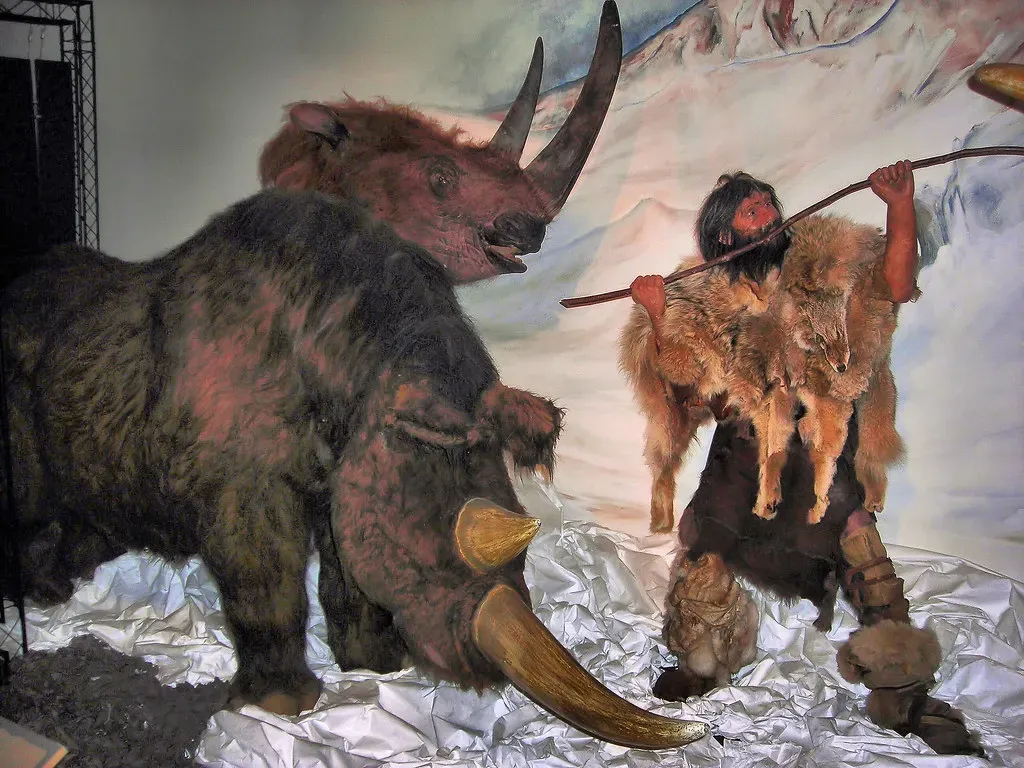
For decades, woolly rhinos were treated as tragic bystanders in the human story – unlike mammoths, whose bones regularly turn up in obvious hunting contexts. The old line was essentially: sure, people were around, but they probably didn’t matter much.
That view has taken serious hits in the last ten years. Archaeologists have found more sites with cut-marked woolly rhino bones, clear butchery patterns, and stone tools sitting exactly where you’d expect if a large animal had been processed on the spot.
Some cave art also appears to show rhinos in active hunting scenes, not just as scenery. There’s no single “smoking gun” mass-kill site the way there is for certain mammoth hunts, but the evidence has shifted from nonexistent to patchy and increasingly convincing.
Humans did hunt them, at least occasionally, especially in bottlenecked environments where escape wasn’t easy. Even light hunting pressure can be catastrophic for a species already stressed by climate volatility. Textbooks still soften this with “limited human impact.” But that’s nothing compared to what we found about #10.
#10 – “They Were Just Hairy Modern Rhinos”
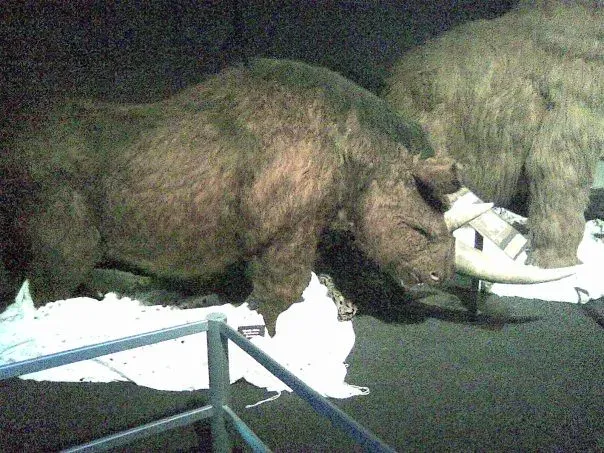
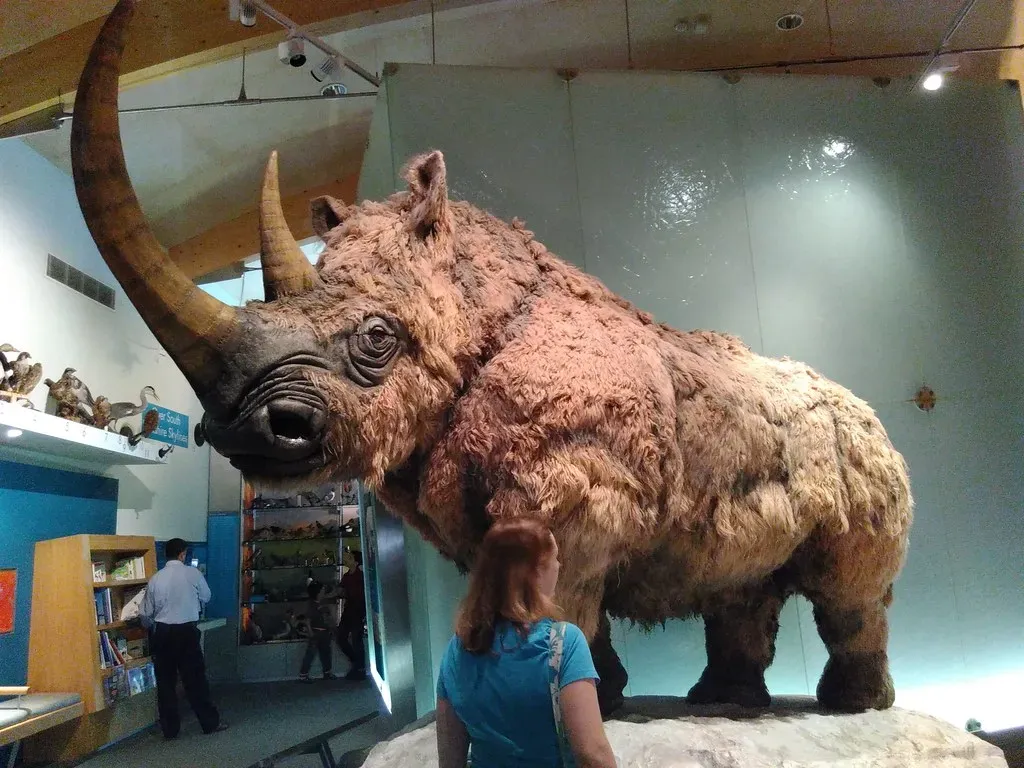
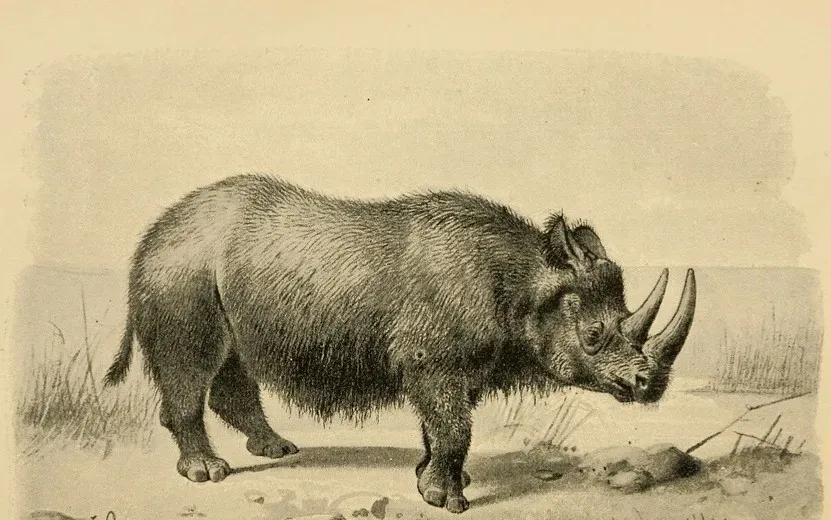
Ask most people what a woolly rhino looked like and they’ll describe a modern rhino wearing a shag rug. For a long time, plenty of official reconstructions weren’t much better – basically a white rhino zipped into a winter coat.
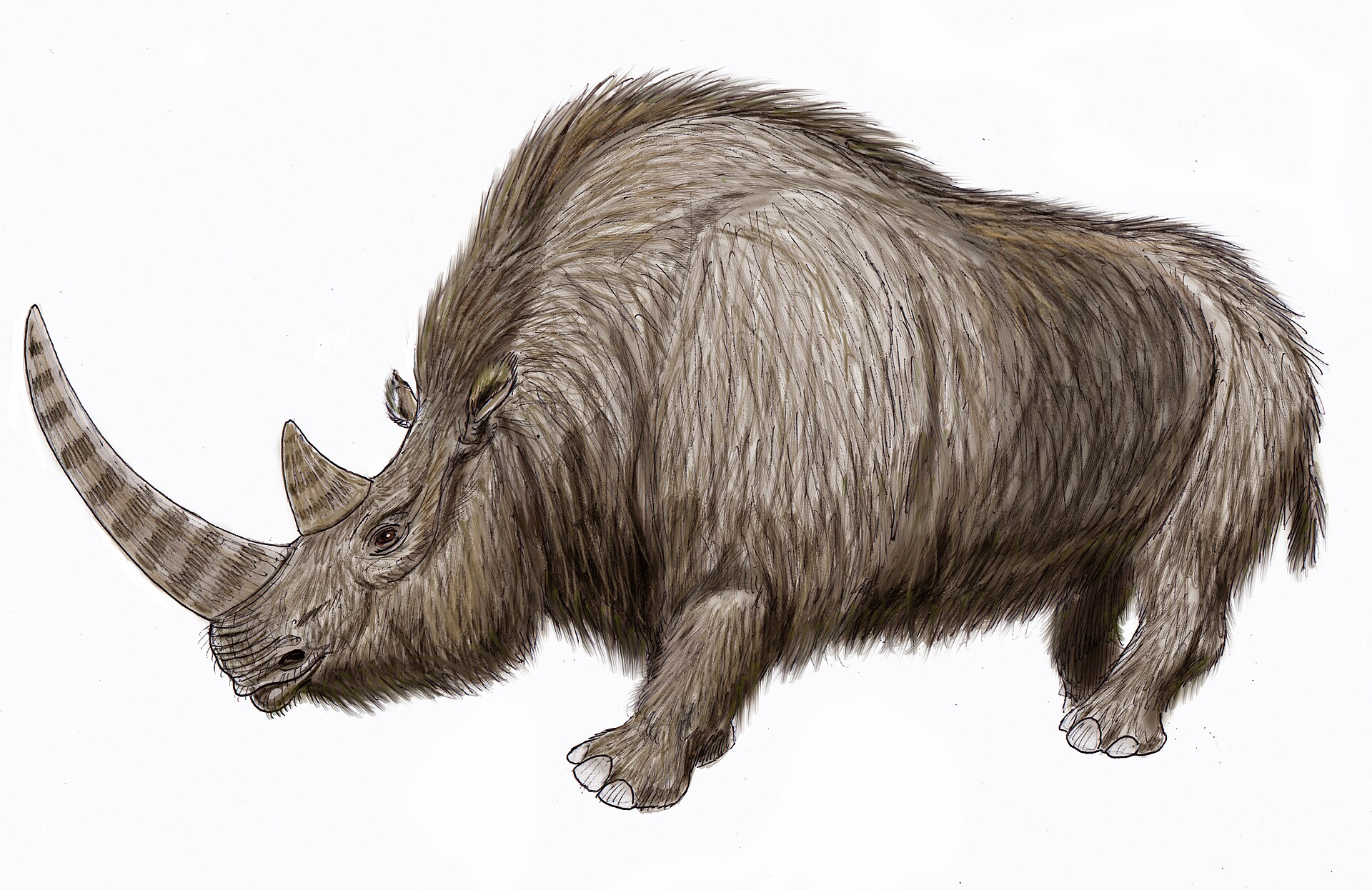
Recent work on exceptionally preserved mummies pulled from Siberian permafrost has changed the picture completely. Muscle attachments on bones, skin thickness, and hair distribution all show different body proportions, including a pronounced shoulder hump built from fat and muscle, more like a bison’s hump than a smooth rhino back.
Their skulls were also longer and lower, with a horn base that projected dramatically forward. That combination points to a posture and grazing style unlike any rhino alive today.
They weren’t “just” modern rhinos in jackets – they were a highly specialized cold-steppe beast with their own unique silhouette. So those generic “rhino with fur” toys and logos? Basically wrong.
Quick Compare
- Modern rhino: smooth back, upright horn, warm-climate build
- Woolly rhino: pronounced shoulder hump for fat and muscle storage
- Woolly rhino: longer, lower skull with a forward-jutting horn base
- Woolly rhino: dense fur and thickened skin suited to extreme cold
But that’s nothing compared to what we found about #9.
#9 – “The Famous Big Horn Was Mostly for Fighting”
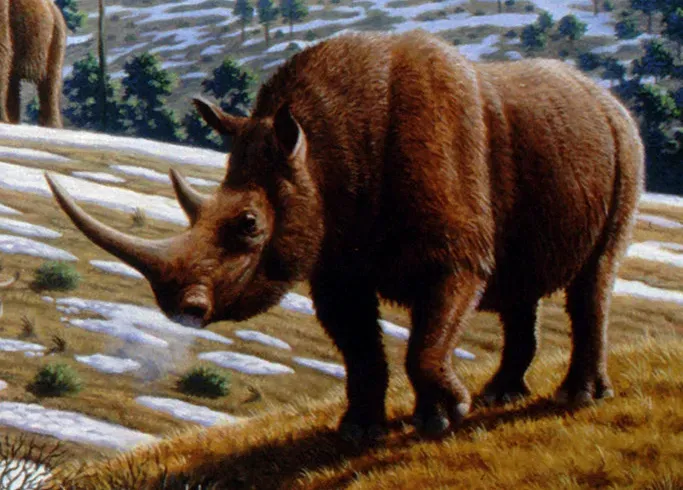
Old museum captions loved to describe woolly rhinos clashing horn-to-horn in epic battles, treating that huge front horn like a prehistoric sword. A lot of that interpretation was built on broken horn cores and scarred skulls, with imagination filling in the rest.
Recent microscopic analysis of horn wear patterns, paired with detailed limb studies, points to a different primary job: snow-clearing and low grazing. The front horn shows wear consistent with regular, forceful contact against ground, ice, and crusted snow.
That fits perfectly with a lifestyle built around digging through winter layers to reach buried grasses and sedges hiding underneath. Yes, they probably did fight sometimes – most large mammals do. But the real “design brief” for that giant horn looks like survival feeding through brutal winters, not permanent combat mode.
The horn was more snowplow than spear. That makes their whole survival strategy look far more clever than the old “big horn means big fights” story ever gave them credit for. But that’s nothing compared to what we found about #8.
#8 – “They Ranged Everywhere Mammoths Did”
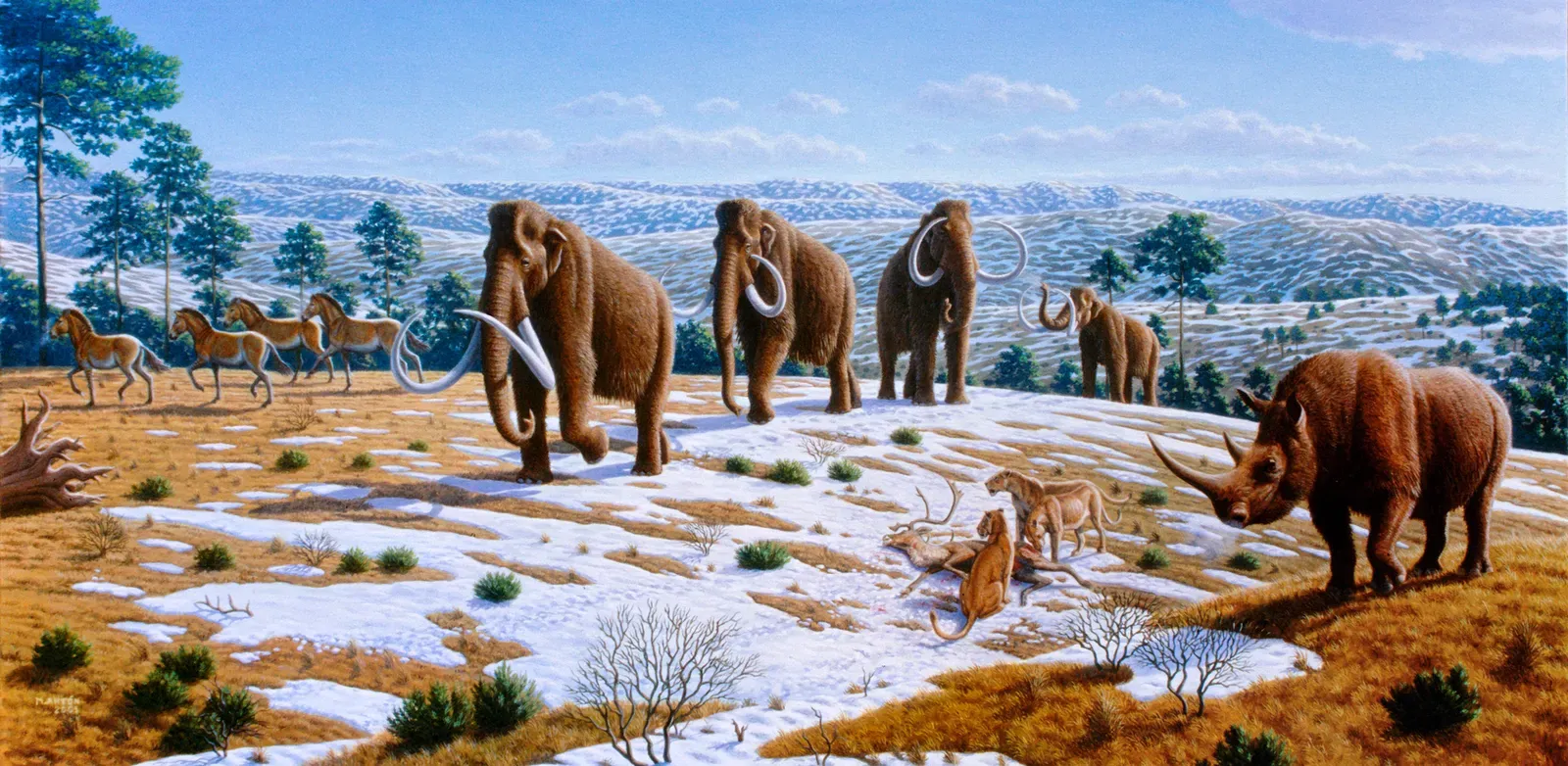
Older range maps painted woolly rhinos and mammoths as near-perfect travel companions across Eurasia, their colored blobs nearly overlapping on every chart. It fit a simple story: Ice Age megafauna, sold as a package deal.
New compilations of dated fossils, combined with environmental reconstructions, show the rhino’s actual range was more patchy and selective than that. They avoided some of the wetter, marshier zones where mammoths thrived just fine, sticking instead to cold, dry steppe with firm ground and open visibility.
In parts of western Europe and eastern Siberia, mammoths lingered on long after woolly rhinos had already disappeared, undercutting the idea that they always traveled together. In other regions, rhinos actually show up surprisingly late, expanding in only once conditions turned exactly right.
So that mental map where you drop a mammoth pin and assume a rhino nearby? More often wrong than right. But that’s nothing compared to what we found about #7.
#7 – “They Were Slow, Tank-Like Plodders”
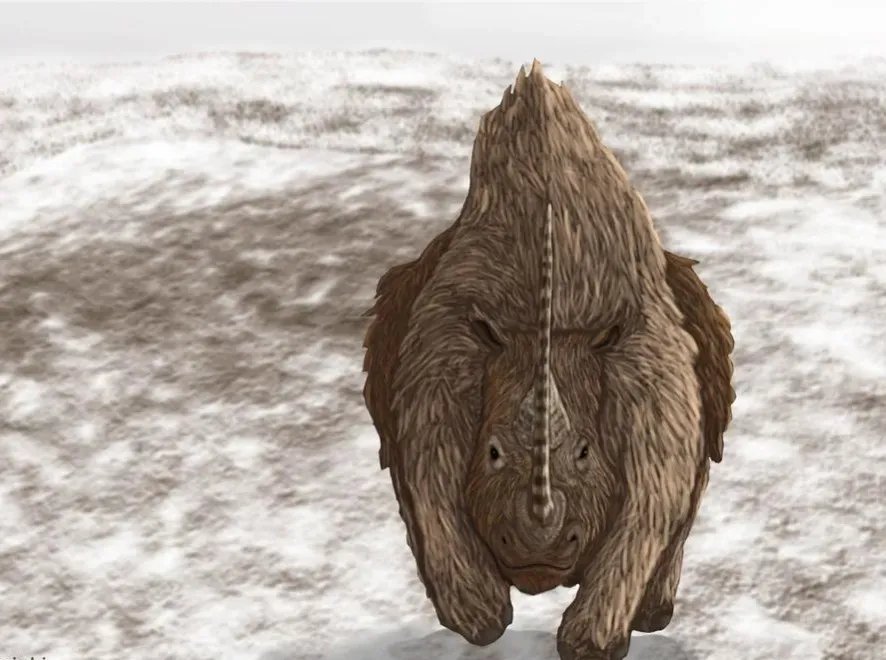
The stereotype: short legs, huge body, slow movement – basically an armored tractor with fur. Illustrations show them lumbering along, heads down, barely capable of more than a trudge.
Biomechanical work over the last decade has re-examined their limb proportions, joint surfaces, and muscle attachment sites. The verdict is surprising: woolly rhinos were heavier than modern rhinos but not clumsier.
Their limb bones are robust yet proportioned for steady, energy-efficient movement over long distances, not just short, heavy bursts. Combined with the need to chase sparse, seasonal forage across vast open steppe, that points to an animal built for covering serious ground – closer to a bison or musk ox in daily movement than a stationary tank.
They weren’t sprinters, but they definitely weren’t statues either. The animal’s real superpower was endurance in harsh terrain, not immobility. But that’s nothing compared to what we found about #6.
#6 – “They Were Genetic Dead-Ends With No Diversity”
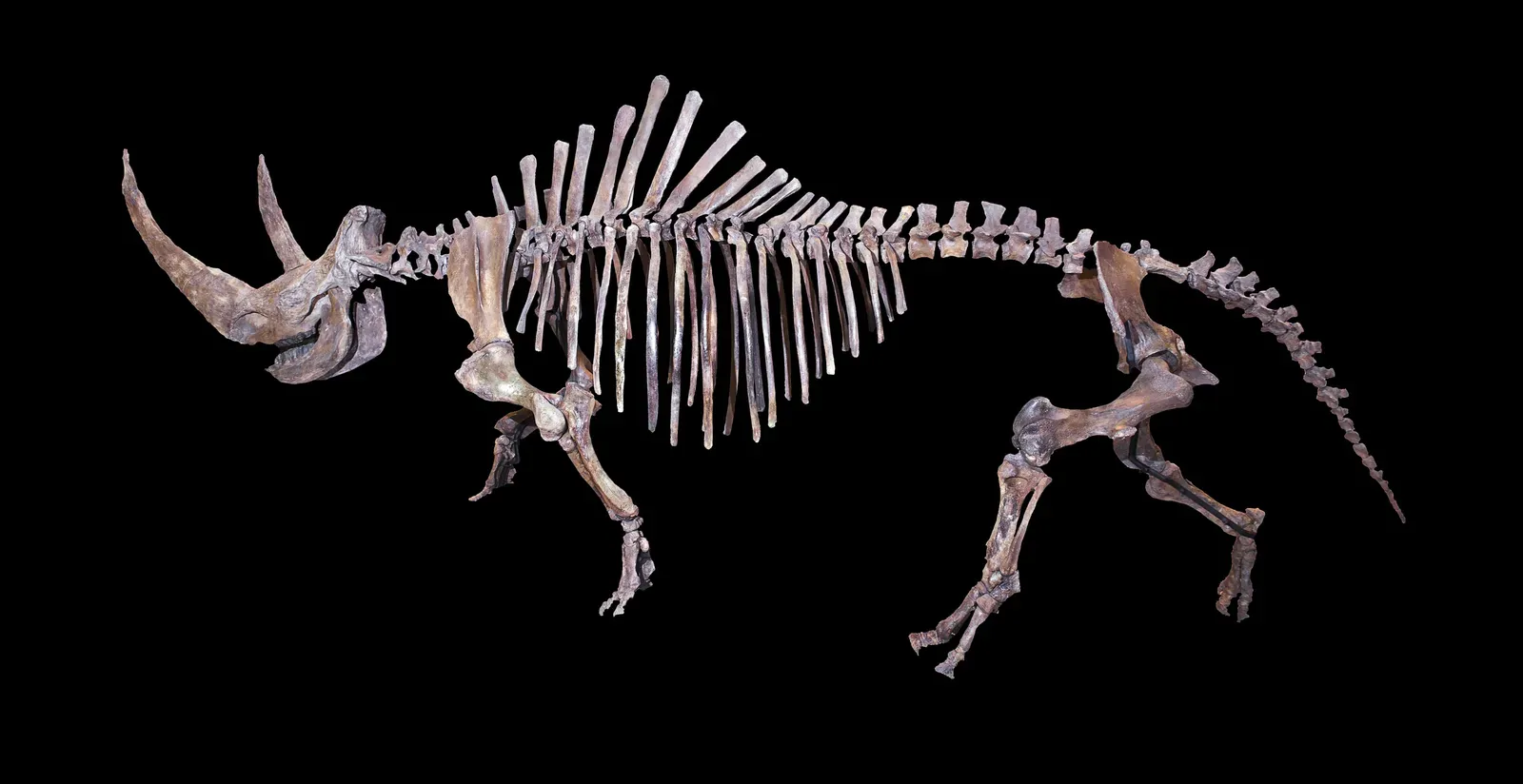
For a long time, the woolly rhino got painted as the classic doomed species: tiny populations, chronic inbreeding, low genetic diversity, just waiting for one bad winter to finish the job. That story was mostly guesswork, built on the assumption that any soon-to-be-extinct species must have been genetically exhausted.
High-quality ancient DNA, sequenced from well-preserved bones and tissues over the past decade, smashed that narrative completely. Genomes from different regions and time periods show relatively healthy genetic diversity right up until close to extinction, not a long, drawn-out genetic collapse.
That matters enormously, because it means woolly rhinos likely still had adaptive options on the table. They weren’t biologically “finished” for thousands of years beforehand – something more sudden and external, whether climate volatility, habitat fragmentation, or human expansion, pushed them over the edge.
Fast Facts
- Ancient DNA now spans multiple regions and time periods
- Genetic diversity held up until shortly before extinction
- No sign of a long, gradual genetic decline in the record
- Points to a sudden external trigger, not slow genetic decay
Blaming inbreeding alone is now basically indefensible. The “genetic dead-end” label still sticks around in popular writing, but it’s simply out of date. But that’s nothing compared to what we found about #5.
#5 – “Their Diet Was Just Grass, Grass, and More Grass”
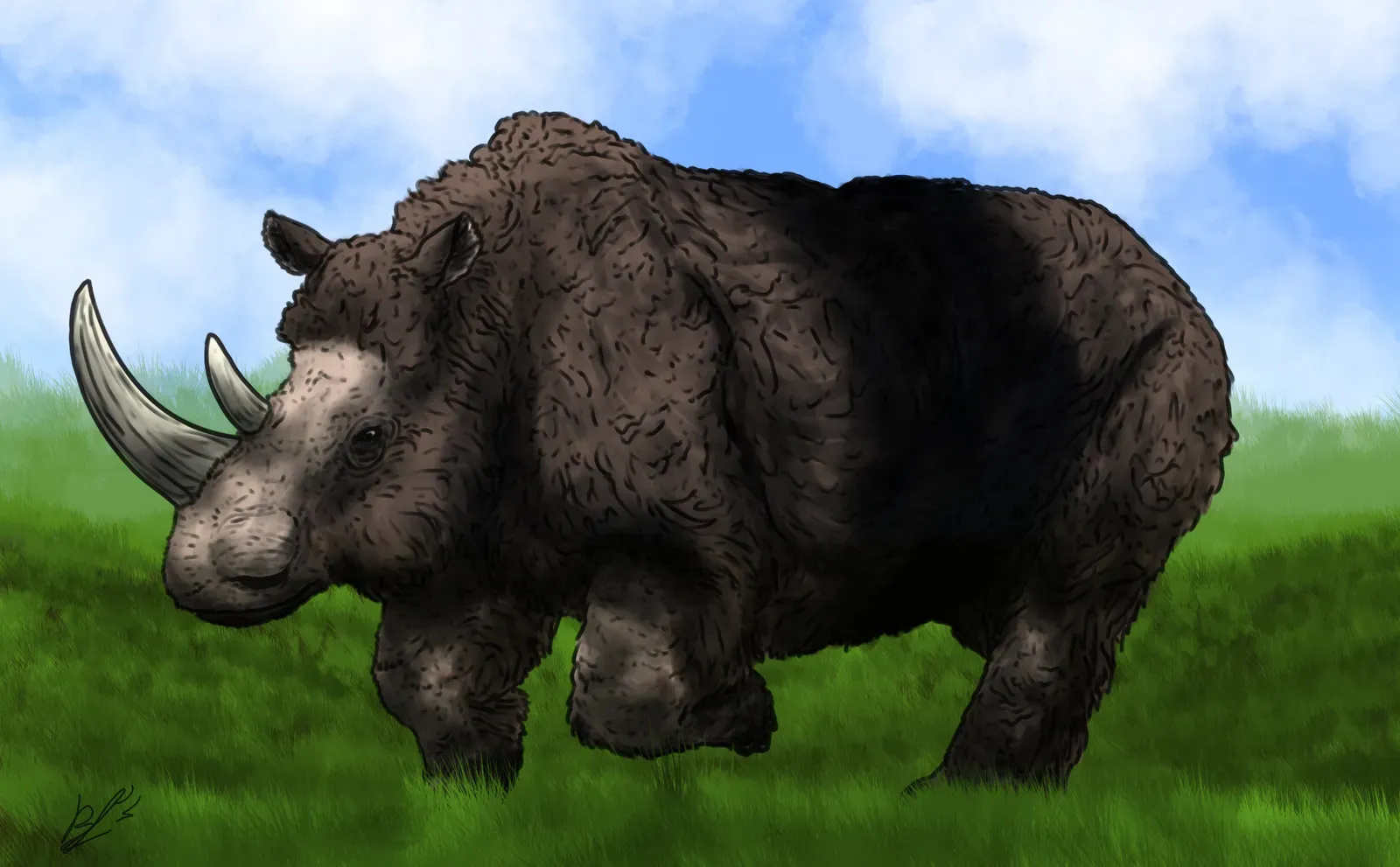
For years, we were told woolly rhinos were strict grazers, mechanically hoovering up whatever grass the Ice Age steppe happened to offer. Simple stomach, simple menu, no surprises.
Microscopic wear on their teeth, chemical signatures locked in their bones, and the occasional frozen gut content have upended that picture entirely. Yes, they ate plenty of grass. But they also worked through herbs, sedges, dwarf shrubs, and even mosses depending on where they lived.
Seasonal variation shows up clearly in the data: in some regions, winter diets shift toward tougher, woodier plants once grass gets buried or scarce. They were flexible foragers, not robotic lawnmowers running the same program year-round.
That flexibility actually deepens the extinction mystery instead of solving it. You don’t lose a species this adaptable without multiple things going wrong at once. The one-note grazer image is still popular, but it’s oversimplified at best. But that’s nothing compared to what we found about #4.
#4 – “They Lived Only in Bleak, Endless Snowfields”
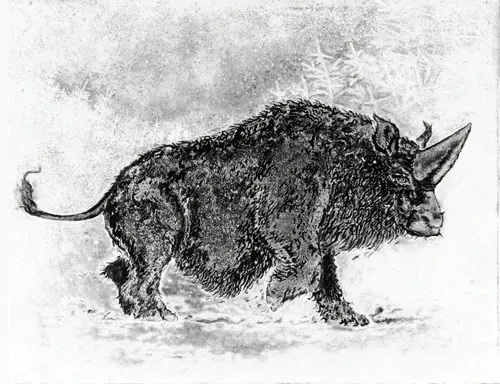
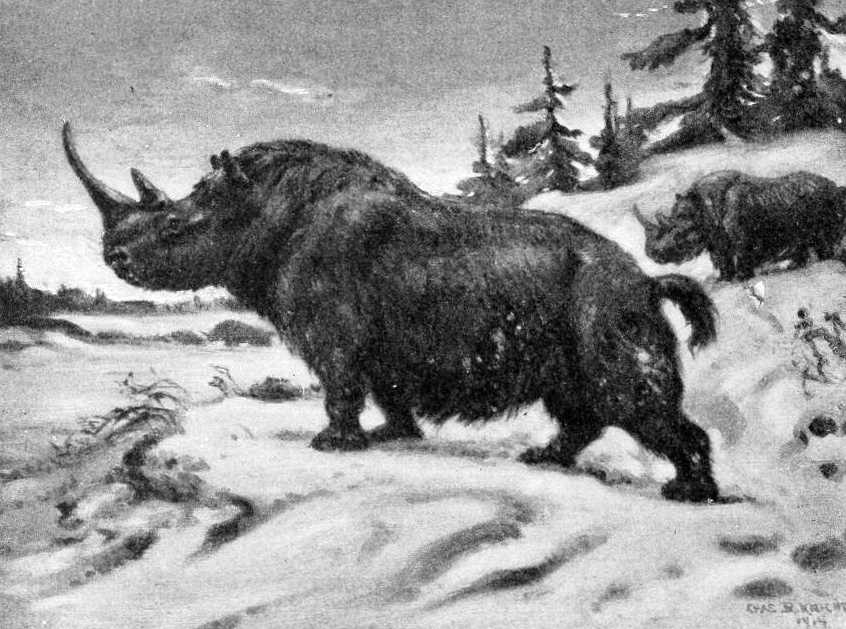
Pop culture locked in a single visual long ago: gray sky, white ground, wind howling, a lonely woolly rhino trudging through waist-deep snow. Supposedly, this was their permanent, monotone reality.
Pollen records, plant macrofossils, and reconstructed soils from their key habitats make that image look almost comical now. The “mammoth steppe” they inhabited was cold, yes, but also dry and seasonally rich – open grasslands dotted with wildflowers in summer, low shrubs, and real bursts of productivity before brutal winters set in.
Some of the areas they favored had only patchy snow cover, not a permanent deep blanket. That fits neatly with everything we now know about their varied diet and long-distance roaming habits.
Worth Knowing
- The mammoth steppe produced summer wildflowers and low shrubs
- Snow cover was often patchy rather than a permanent deep blanket
- Sharp seasonal swings shaped feeding and movement patterns
- The landscape was harsh but far more productive than old depictions suggest
They weren’t surviving in an eternal blizzard; they were exploiting a dynamic, productive, harsh landscape with sharp seasonal swings. Their world was tougher than ours, but far more colorful than we were taught. But that’s nothing compared to what we found about #3.
#3 – “They Were Rare, On the Brink for Millennia”
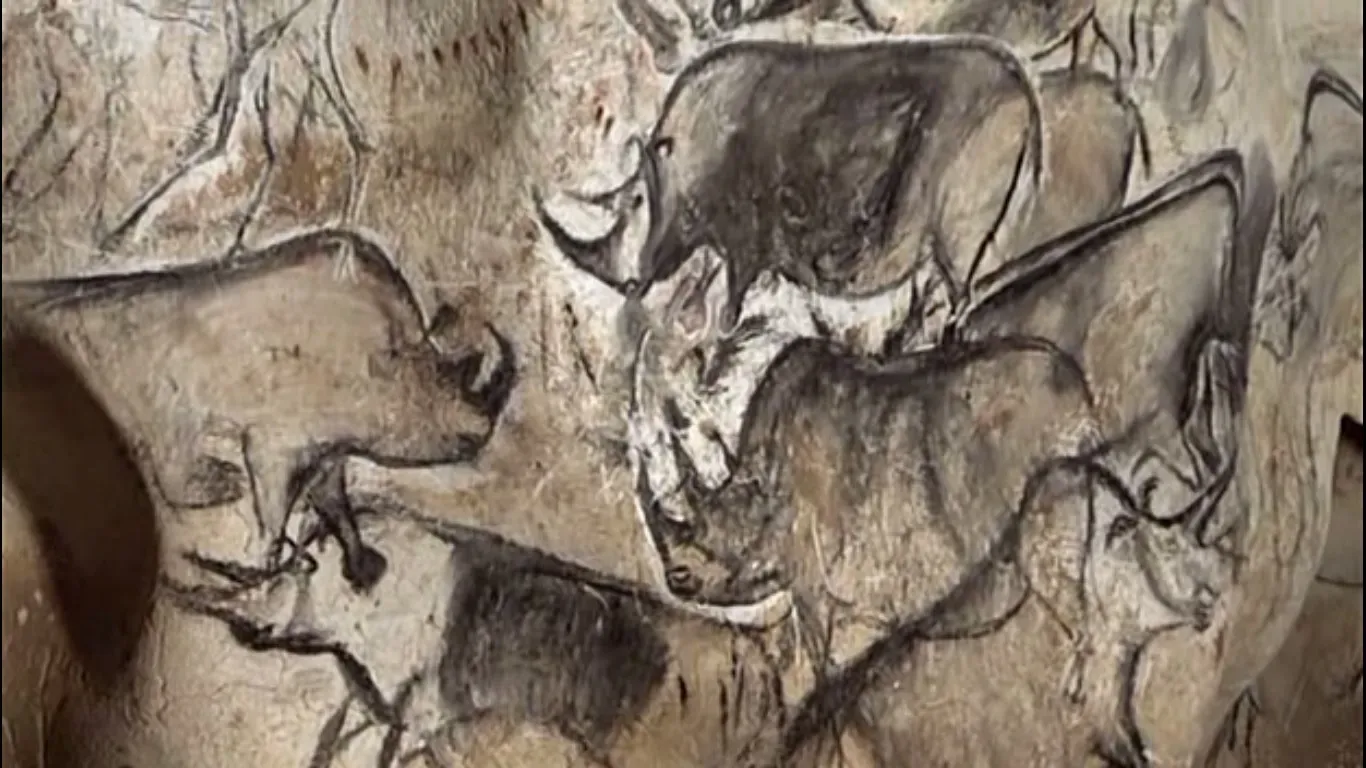
Because they’re extinct now, it’s tempting to assume woolly rhinos were always rare, clinging on in tiny numbers. Earlier narratives leaned hard into that image, describing “small, scattered herds” as if that had been their default state for tens of thousands of years.
The actual fossil record, especially in places where sampling has improved, tells a very different story. In some regions and time windows, woolly rhino remains are relatively abundant, often rivaling or even outnumbering those of other large herbivores.
That kind of density simply doesn’t happen with a handful of animals scraping by. Genetic data backs this up, pointing to periods of demographic stability rather than continuous decline, with regional bottlenecks here and there instead of a permanent knife’s edge.
The collapse looks more like a late, abrupt downturn than a long, slow fade. They were once successful, common animals in their niche – until conditions changed fast. But that’s nothing compared to what we found about #2.
#2 – “They Were Evolutionary One-Offs With No Real Relatives”
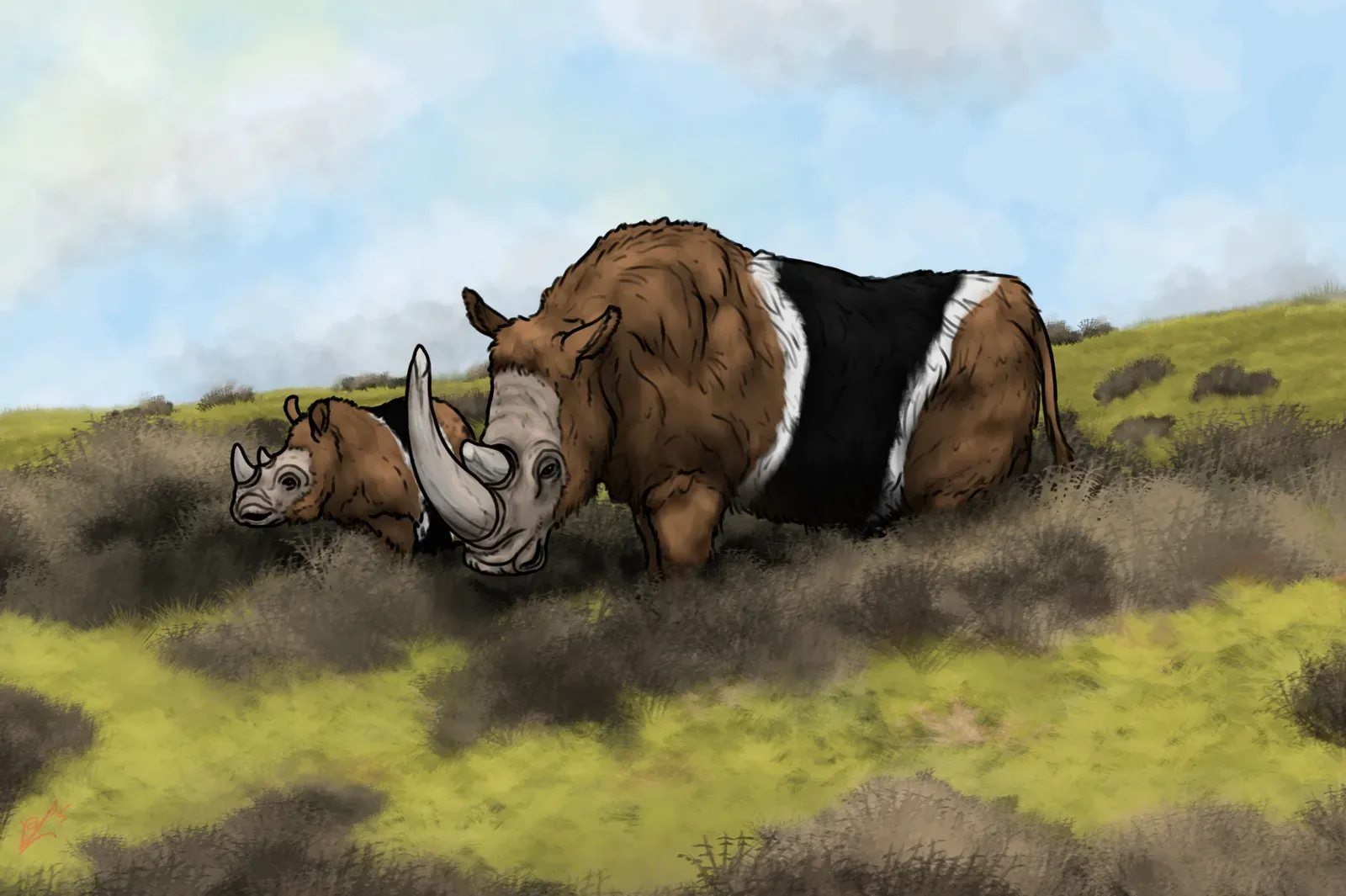
Another old belief: the woolly rhino was a strange, isolated Ice Age oddity, standing more or less alone on its evolutionary branch with no meaningful living analog. That narrative made it easy to treat them as a historical curiosity instead of part of a bigger story.
Genetic and anatomical work over the past decade has woven them back into that bigger picture. We now know they belonged to a successful lineage of cold-adapted rhinos, closely related to extinct species that once ranged across Tibet and western Eurasia.
There’s even evidence that cold-adapted rhinos may have originated in high-altitude environments long before they ever dominated the lowland steppe. That means the woolly rhino wasn’t a fluke – it was the latest in a series of experiments by evolution, tinkering with body size, fur, and skull shape to crack the code of extreme climates.
Traits we once thought unique now look like repeated themes across that lineage. They were one chapter in a much longer rhino story we’re only just piecing together. But that’s nothing compared to what we found about #1.
#1 – “We Basically ‘Knew’ This Animal 20 Years Ago”
Here’s the belief that really collapsed: the idea that, by the early 2000s, the woolly rhino was a “solved” animal. Ask any casual reader back then, and they’d tell you science had it mostly figured out – appearance, range, extinction, behavior, done.
The last decade proved how arrogant that assumption really was. New radiocarbon dates stretched their survival timelines. Ancient DNA overturned the genetic collapse story. Detailed wear on horns and teeth rewrote their feeding habits and daily behavior.
Environmental reconstructions changed their entire backdrop, from sterile ice to dynamic, patchy, seasonally rich steppe. Even their evolutionary context got re-anchored inside a much broader cold-adapted rhino family tree.
At a Glance
- Extinction timeline: pushed far later than the old 10,000-year mark
- Diet: revised from “grass only” to varied, seasonal foraging
- Habitat: reimagined as dynamic steppe, not endless snowfields
- Genetics: healthy diversity found instead of a doomed gene pool
- Family tree: linked to a wider lineage of cold-adapted rhinos
The most important shift isn’t any single detail – it’s the whole shape of the story. We moved from a simple, one-villain plot (climate warmed, rhinos died) to a nuanced, multi-factor collapse where climate volatility, habitat change, and human presence all intersected at exactly the wrong moment. If you still think woolly rhinos were “boring mammoths with one horn,” you’re stuck about a decade behind the science.
The Bottom Line
In less than ten years, the woolly rhinoceros went from a cartoonish side character in the Ice Age story to a complex, well-studied survivor whose extinction is anything but simple. They were neither genetic zombies nor fragile oddities waiting to fail.
They were widespread, adaptable, and remarkably well-tuned to a harsh but productive landscape – right up until rapid climate swings, shifting vegetation, and growing human pressure converged all at once. The real collapse wasn’t just their populations. It was our old, lazy explanations, the tidy one-sentence stories we told because the data hadn’t caught up yet.
If a species this tough, this widespread, and this genetically healthy could still be pushed into extinction by a pileup of bad luck, that should worry us more than comfort us. The woolly rhino wasn’t fragile – it was unlucky in a very specific, very modern way, and that’s a far more unsettling lesson than the one we grew up with.