
Most people assume “extinct” means gone forever – a final, scientific verdict with no appeals process. But biologists have quietly reversed that verdict more often than anyone likes to admit. From fish that supposedly died out with the dinosaurs to birds erased from official records, dozens of species have crawled, swum, or flown back into existence decades – even millions of years – after their official obituaries were written.
Some rediscoveries are backed by DNA and museum specimens. Others are still stuck in a frustrating gray zone of blurry photos and disputed footage. Here’s what wildlife biologists, ornithologists, and conservation researchers actually say about the creatures that refused to stay extinct.
#1 – The Coelacanth: A “Dinosaur-Era” Fish That Was Alive the Whole Time
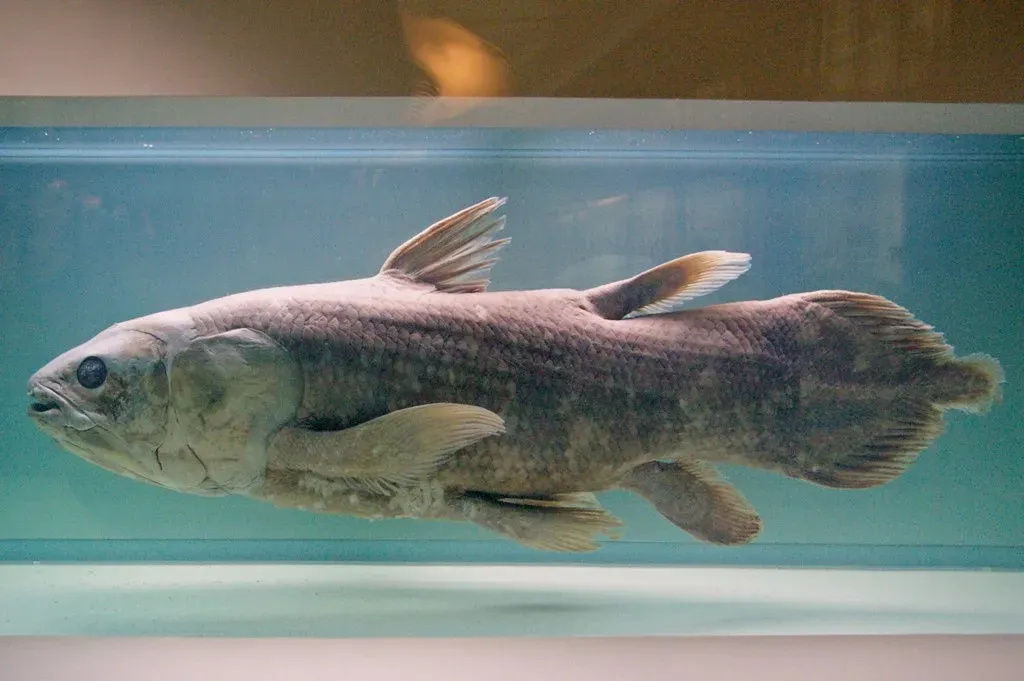
Textbooks called it a fossil. For nearly a century, scientists taught students that the coelacanth had vanished right alongside the dinosaurs, roughly 65 to 70 million years ago. It was the ultimate extinction story – clean, tidy, and completely wrong.
In 1938, everything changed. A museum curator arranged for a professor to examine an unusual catch, and he confirmed the animal was indeed a coelacanth. Scientists had believed the species vanished roughly 65 million years ago, during the same extinction event that wiped out the dinosaurs, until a live one was hauled up in a fishing trawl off South Africa.
What makes this rediscovery wild isn’t just the timeline – it’s the biology. Some estimates place the coelacanth’s last confirmed fossil record even earlier, around 80 million years ago. Researchers later determined that the Tanzanian population likely diverged from other coelacanths roughly 200,000 years ago, isolated and unnoticed the entire time.
Fast Facts
- Presumed extinct for roughly 65 to 70 million years, dating back to the age of dinosaurs
- Some fossil evidence pushes the “last known” record back even further, to around 80 million years ago
- Rediscovered alive in 1938 off the coast of South Africa
- The Tanzanian population is believed to have split off roughly 200,000 years ago
A creature science buried for 65 million years had simply been hiding in deep reef caves off the African coast.
#2 – The Bermuda Petrel: 330 Years “Extinct” Before Anyone Checked
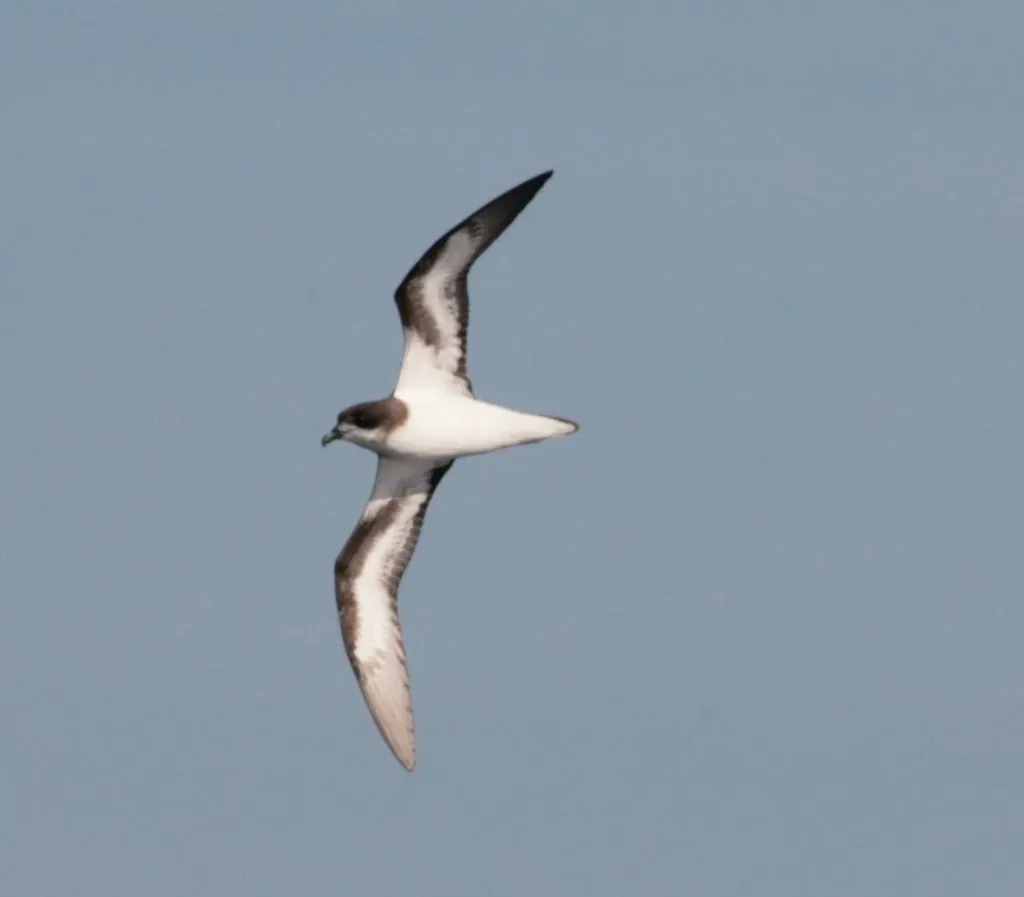
Most extinction declarations happen after decades of searching. The Bermuda petrel, known locally as the cahow, was declared gone for over three centuries before anyone bothered to look twice.
Sailors, rats, and invasive pigs had devastated the ground-nesting seabird’s colonies so thoroughly that naturalists assumed it had vanished entirely by the early 1600s. For over 300 years, nobody documented a single living bird. Then, in 1951, a small isolated colony turned up nesting on rocky islets too small and steep for predators to reach.
The cahow became one of the textbook examples conservationists now call “Lazarus species” – named after the Biblical story of Lazarus rising from the dead, a category that also includes a whale, a buckwheat species, and a stick insect further down this list. Its population has been slowly recovering ever since, though it remains one of the rarest seabirds on Earth.
Three hundred and thirty years of presumed extinction, undone by a handful of birds nesting on cliffs nobody had bothered to check.
#3 – The Thylacine: Tasmania’s Never-Ending Obsession
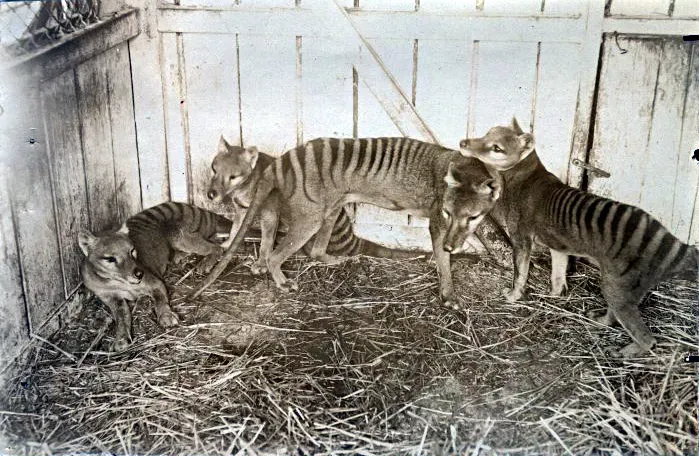
If any “extinct” animal refuses to stay dead in the public imagination, it’s the thylacine – the striped marsupial predator known as the Tasmanian tiger. The official story sounds definitive: with the required 50 years elapsing without a confirmed sighting, it was formally declared extinct in 1986.
But that hasn’t stopped the sightings. Reported encounters come by the thousands as people across Tasmania tramp through the dense outback in search of the lost species, and the sighting logs are more organized than most people realize. Within the official database, there are 32 high-quality sightings recorded for the 1960s, 20 for the 1970s, 12 for the 1980s, 8 for the 1990s, and even 1 for the 2000s.
Quick Compare
- 1960s: 32 high-quality sightings logged
- 1970s: 20 sightings logged
- 1980s: 12 sightings logged
- 1990s: 8 sightings logged
- 2000s: 1 sighting logged
One of the most credible came from a park ranger named Hans Naarding, who reported observing one of the creatures for several minutes while illuminated by torchlight in 1982 – a sighting deemed credible enough to trigger a two-year official search. A 2023 scientific paper went further, suggesting the inferred extinction window is wide and relatively recent, spanning from the 1980s to the present, with extinction most likely occurring in the late 1990s or early 2000s.
That means Tasmania’s most famous “extinct” predator may have survived within living memory of most adults alive today.
#4 – The Ivory-Billed Woodpecker: Declared Extinct, Then Un-Declared
![#4 - The Ivory-Billed Woodpecker: Declared Extinct, Then Un-Declared (By Original photo by Arthur A. Allen, 1935 [1], watercolored by Jerry A. Payne, USDA-ARS, CC BY 3.0 us)](https://nvmwebsites-budwg5g9avh3epea.z03.azurefd.net/dinoworld/974a3d1908f792279b2cb4fcf04a64f6.webp)
Nicknamed the “Lord God Bird” because that’s reportedly what people shouted when they saw one, the ivory-billed woodpecker has been pronounced dead and resurrected more times than any bird in American history.
The last widely accepted sighting in continental North America occurred in 1944. Then, in 2004, everything changed: the bird was reportedly rediscovered in the Big Woods of eastern Arkansas, more than 60 years after it was last confirmed. Over more than 7,000 hours of search time, experienced observers reported at least 15 sightings.
Skeptics pushed back hard. Nobody managed to obtain a clear photo, though video footage from Louisiana and Florida between 2006 and 2008 should have resolved the issue. Despite this, in 2021 the U.S. Fish & Wildlife Service announced a decision to declare the species extinct without fully addressing the strongest evidence for persistence.
Then researchers fired back with a 10-year search period from 2012 to 2022, drawing from visual observations, roughly 70,000 hours of acoustic recordings, and over 472,000 camera-hours from trail cameras. The Fish and Wildlife Service has since postponed the extinction ruling entirely, indefinitely delaying plans to remove the bird from the endangered species list.
#5 – The Night Parrot: The “Holy Grail of Birdwatching”
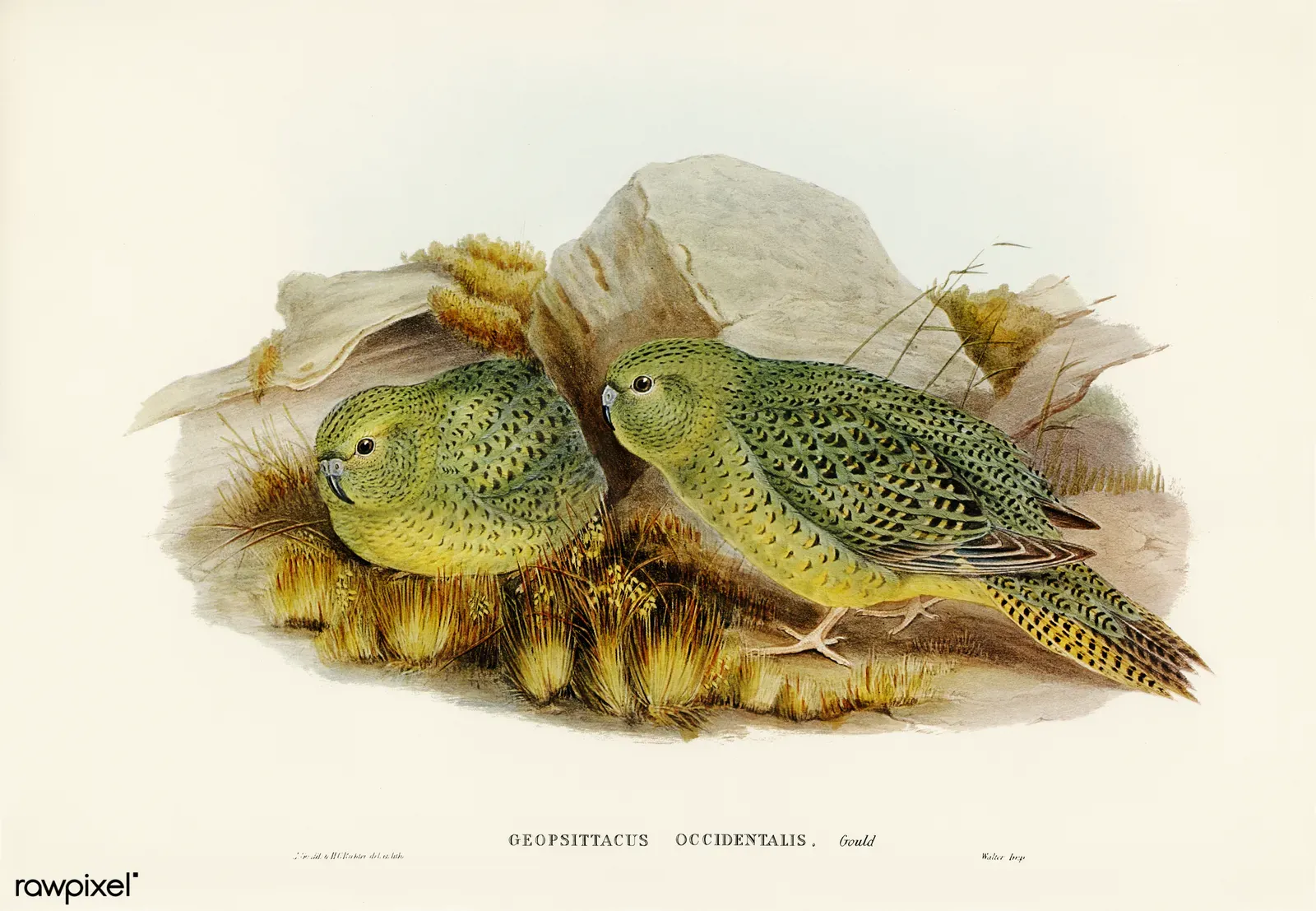
Ask any Australian birder about the night parrot and watch their eyes light up. This chunky, nocturnal, ground-dwelling parrot vanished so completely that finding one became a decades-long obsession, earning it a fitting nickname among conservationists: the “Thylacine of the air.”
A naturalist named John Young made it his life’s mission to find one. After pursuing the ghostly birds for more than 15 years, he finally spotted a night parrot during a nighttime expedition in 2013 and managed to snap a few photographs – a century after the last confirmed sighting of a living individual.
The story didn’t stop with one lucky sighting. A field team later reported seven separate night parrot sightings, including three active nests with eggs, a breeding pair, and recorded calls from three additional birds. Then, remarkably, Indigenous rangers and scientists eventually discovered as many as 50 night parrots on land managed by the Ngururrpa people in Western Australia’s Great Sandy Desert.
A bird missing for a full century turned out to have an entire undiscovered population hiding in plain sight in the desert.
#6 – The Lord Howe Island Stick Insect: Extinct by Rats, Saved by a Bush
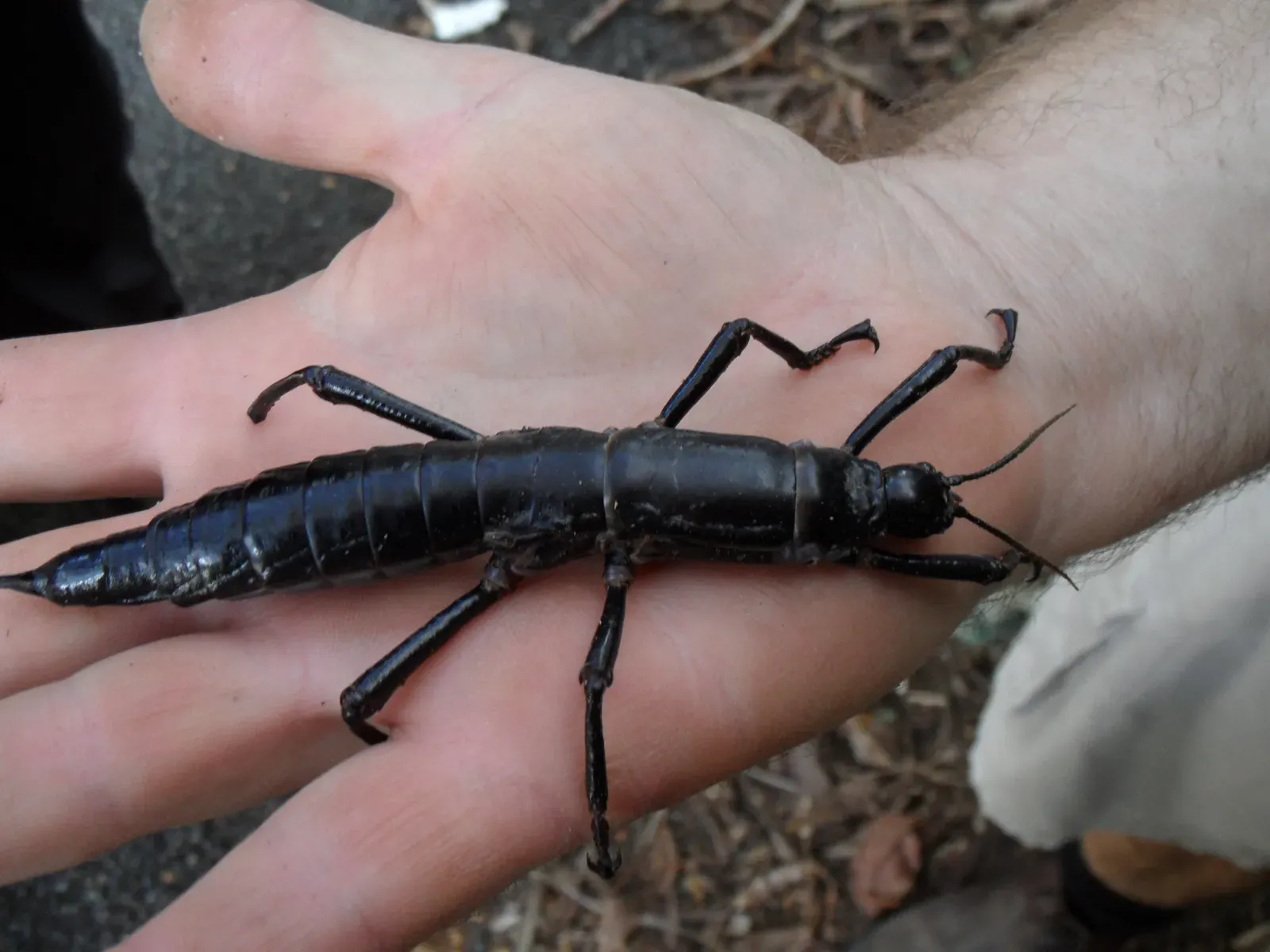
Some extinctions are man-made disasters with tidy villains, and the Lord Howe Island stick insect’s story is exactly that. When a shipwreck accidentally introduced rats to the tiny Pacific island in 1918, the insect – a giant, flightless creature nicknamed the “tree lobster” – was wiped out within a decade.
For over 80 years, it was presumed gone entirely, one of many casualties of invasive species on isolated islands. Then in 2001, climbers scaling Ball’s Pyramid, a jagged volcanic sea stack roughly 12 miles from Lord Howe Island, discovered a small population clinging to survival under a single shrub.
At a Glance
- Wiped out within a decade after rats reached Lord Howe Island in 1918
- Presumed extinct for more than 80 years
- Rediscovered in 2001 on Ball’s Pyramid, a sea stack roughly 12 miles offshore
- Surviving population found clinging to a single shrub
The population was tiny – reportedly fewer than 30 individuals living on one bush on a wind-battered rock spire. Conservationists later removed a breeding pair to start a captive population, and zoos around the world now breed the species for eventual reintroduction.
An insect erased by rats survived for eight decades on one bush, on one rock, in the middle of the ocean. It remains one of the most extreme survival stories in modern conservation.
#7 – The New Zealand Storm Petrel: Gone for 150 Years, Then Not
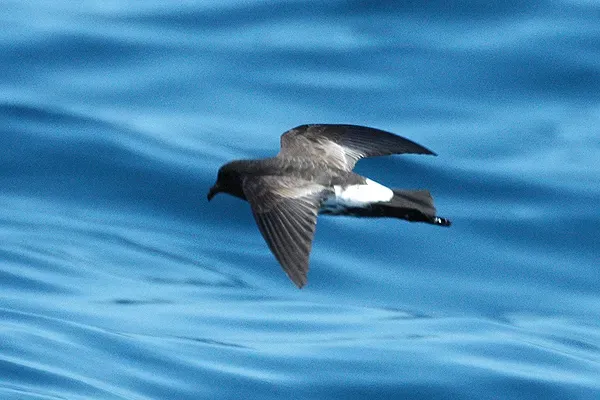
Few extinction reversals are as dramatic as this seabird’s return. The New Zealand storm petrel hadn’t been seen alive since the mid-1800s, and for well over a century it existed only as a handful of preserved museum specimens.
Then, in 2003, birdwatchers spotted small, unfamiliar seabirds skimming the water off the coast near Whitianga. Photographs and subsequent expeditions confirmed what seemed impossible: the species researchers assumed had died out around 150 years earlier was still flying.
Researchers eventually tracked breeding colonies to remote, predator-cleared islands, explaining how such a small, easily overlooked bird could vanish from human awareness for a century and a half while continuing to breed undisturbed. The rediscovery reshuffled how ornithologists think about “extinct” seabird classifications generally – if a species can hide successfully for 150 years, how many other “extinct” birds are simply nesting somewhere nobody has bothered to look?
A century and a half of presumed extinction, undone by a handful of birders with cameras and patience.
#8 – The Fernandina Giant Tortoise: Missing for a Century, Found in the Ashes
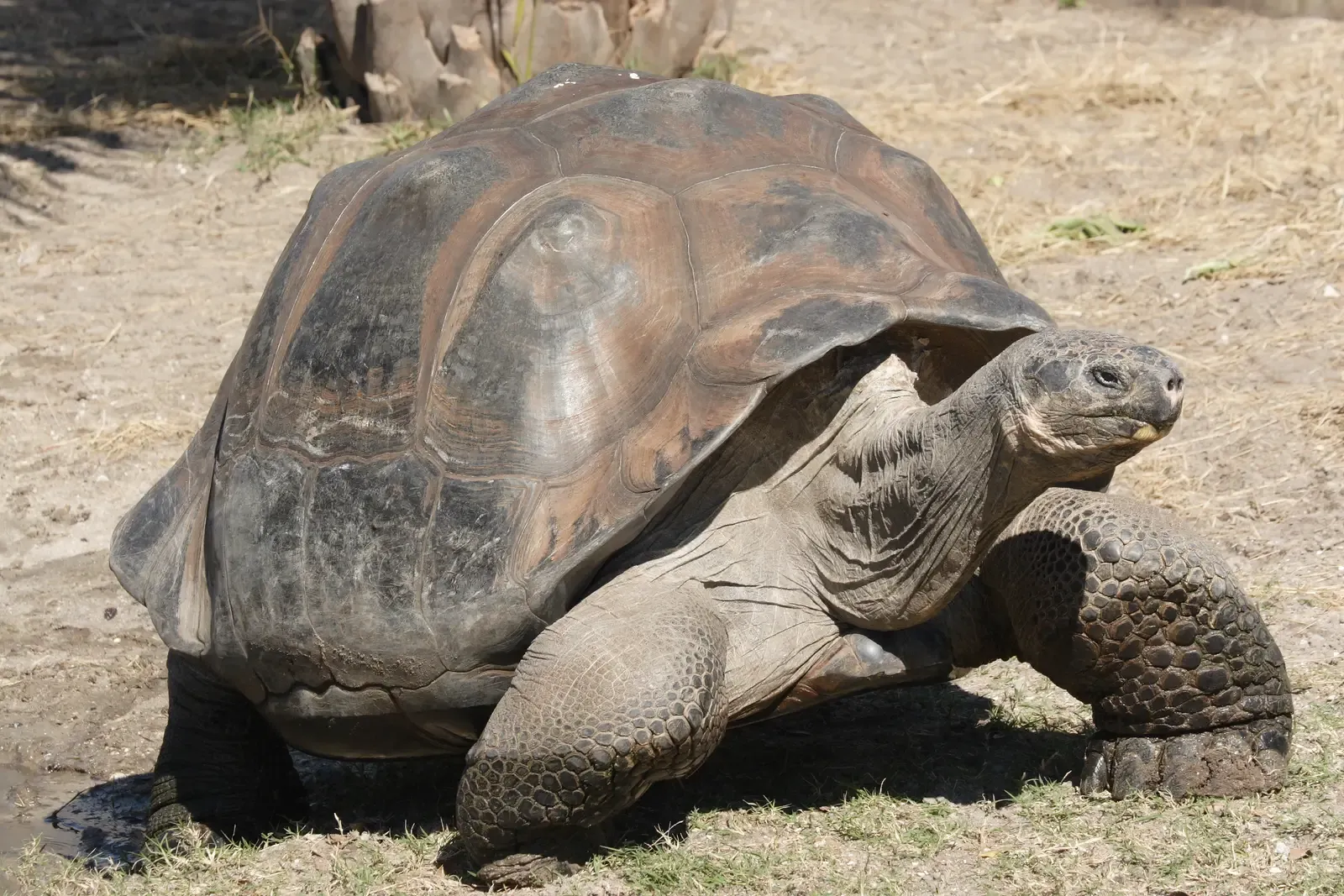
The Galápagos Islands are famous for evolutionary oddities, but the Fernandina Island giant tortoise takes the story to another level of strange. The species was known from a single specimen collected in 1906, and after that, more than a century passed without another confirmed sighting.
Fernandina Island itself is a hostile, actively volcanic landscape covered in jagged lava fields, which made surveys brutally difficult. Researchers had largely written the species off, assuming volcanic activity, isolation, or predation had finished it off decades earlier.
Then, in February 2019, a research expedition found a single adult female tortoise navigating the lava terrain. Genetic testing later confirmed she belonged to the same species collected 113 years prior. Camera traps have since detected tracks and scat suggesting other individuals may exist somewhere on the island, though a living male has yet to be confirmed.
A tortoise missing for 113 years turned up alone, slowly walking across a volcano. Her discovery reignited hope that other Fernandina tortoises are still out there.
#9 – Wallace’s Giant Bee: The World’s Largest Bee, Missing for Decades
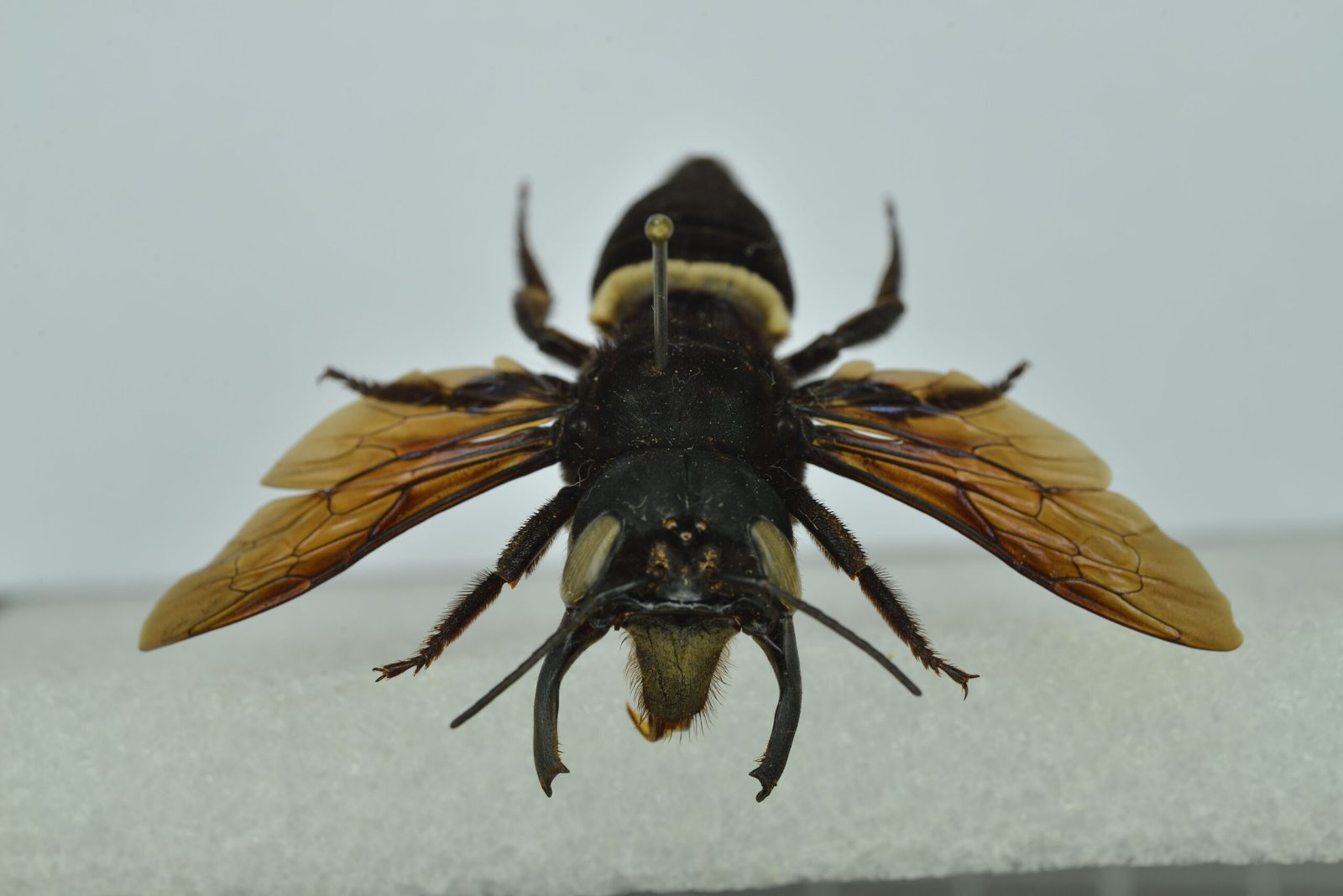
Named after naturalist Alfred Russel Wallace, who first documented it in 1858, this enormous bee – with a wingspan stretching roughly two and a half inches – vanished from the scientific record so thoroughly that many assumed extinction was inevitable.
Why It Stands Out
- First documented in 1858 by naturalist Alfred Russel Wallace
- Wingspan stretches roughly two and a half inches, making it the world’s largest bee
- Roughly four times the size of a common European honeybee
- Nests exclusively inside active termite mounds in tree trunks
It was briefly rediscovered in the 1980s, then disappeared again for over 20 years, reinforcing fears that deforestation across Indonesia’s North Moluccas had finally finished the species off. Giant bees need specific termite mounds to nest in, and habitat clearing for agriculture had steadily destroyed much of its known range.
Then, in early 2019, a research and photography team located a single living female inside a termite nest in a tree, roughly 26 years after the last confirmed sighting. Photographs of the discovery went viral worldwide, largely because the bee is genuinely startling to look at – roughly four times the size of a European honeybee, with massive jaws resembling a stag beetle’s.
The world’s largest bee had been hiding in termite mounds the entire time, waiting for someone to check the right tree. Conservationists now warn that commercial collectors, drawn by the same viral fame that saved the bee’s reputation, pose a fresh threat to its survival.
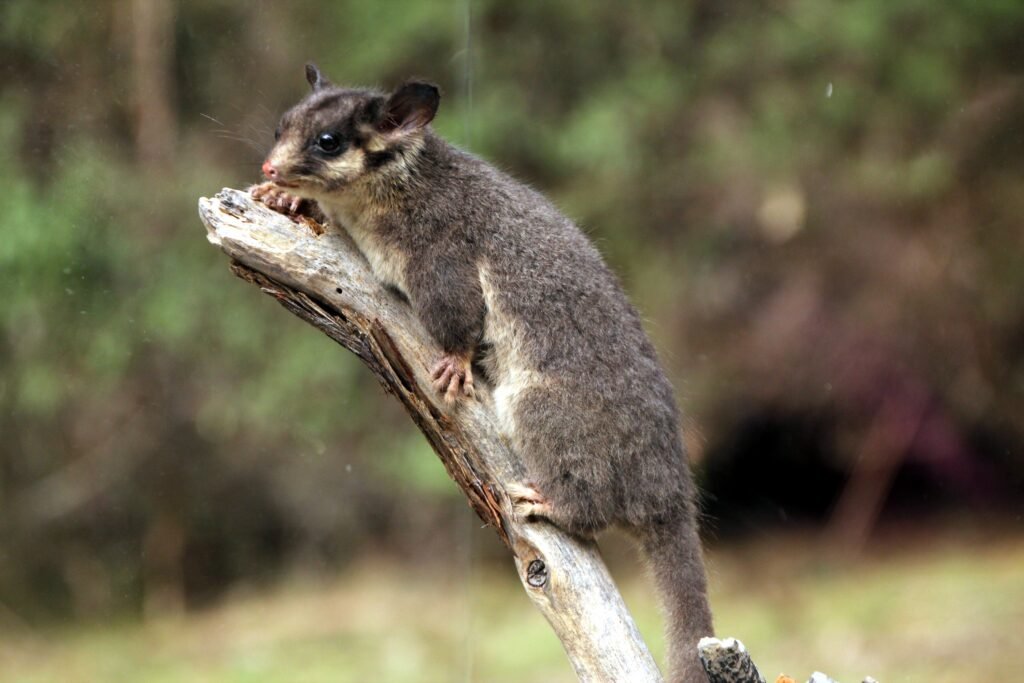
#10 – Leadbeater’s Possum: Australia’s “Extinct” Mascot
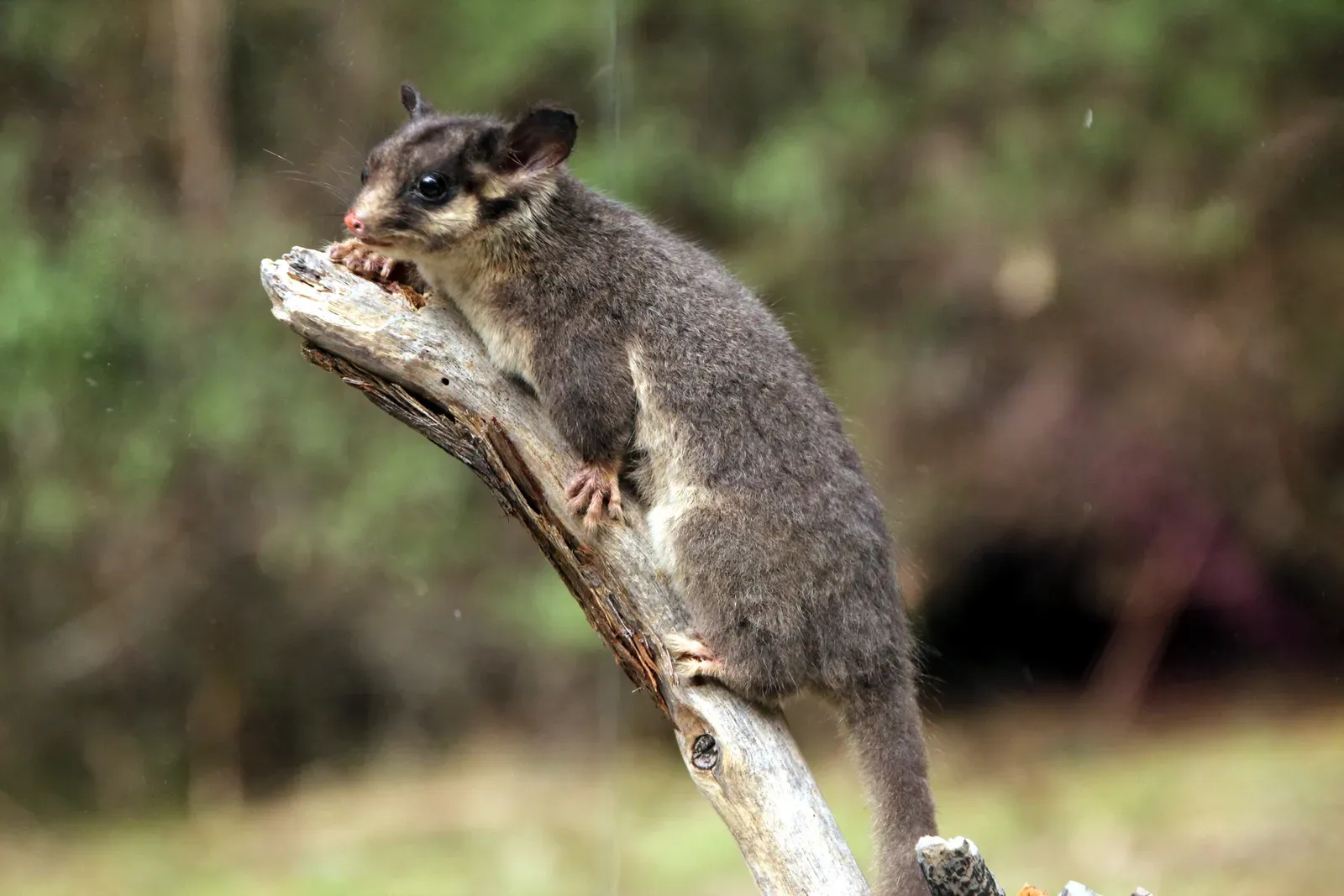
Few animals have a stranger extinction story than Leadbeater’s possum, a tiny, fast-moving marsupial that became so closely associated with disappearance that its rediscovery is still taught as a cautionary conservation tale.
After its last confirmed sighting in the early 1900s, decades passed without another record. By the mid-20th century, most naturalists had accepted it as gone – a casualty of logging and land clearing across Victoria’s mountain forests.
Then, in 1961, a small population was found living in mountain ash forest northeast of Melbourne. The rediscovery was so significant that the possum was later named Victoria’s official state faunal emblem, a strange honor for an animal that had spent decades presumed extinct. Unlike some of the flashier rediscoveries on this list, Leadbeater’s possum has remained under constant threat ever since, with bushfires and continued logging repeatedly pushing its small, fragmented population back toward the edge.
An animal once presumed extinct became a state symbol – and is still fighting for survival today. Many ecologists now argue its “rediscovered” status gives false comfort about how precarious its population actually remains.
#11 – The Zanzibar Leopard: Hunted as “Extinct,” Then Photographed
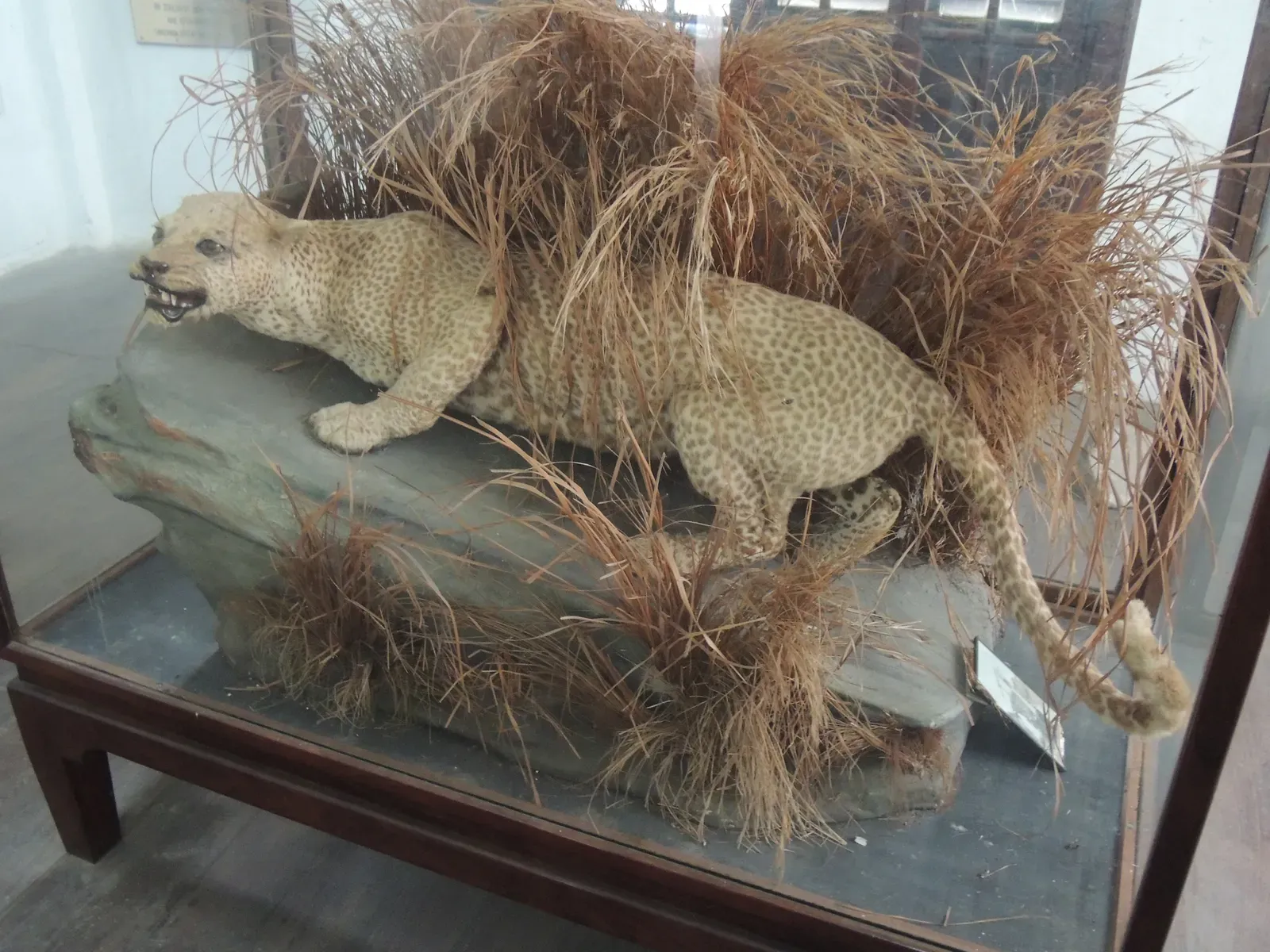
Few animals have a more politically complicated extinction story than the Zanzibar leopard. Local officials in the 1990s launched deliberate eradication campaigns, associating the leopard with witchcraft, and conservation programs largely gave up on it, effectively declaring the subspecies functionally extinct by the early 2000s.
Camera traps set up afterward turned up nothing conclusive for years, reinforcing the extinction narrative and leading most researchers to shift focus elsewhere on the island. Yet locals on Zanzibar have continued reporting sightings for decades, describing tracks, livestock kills, and fleeting glimpses in remote forest patches far from villages.
Some researchers argue these reports are simply feral cats or mainland leopards misidentified by hopeful locals; others insist the terrain still holds unexplored pockets capable of sheltering a small, secretive population. Unlike other entries on this list, the Zanzibar leopard’s status remains genuinely unresolved – no confirmed photograph or genetic sample has settled the debate either way.
This is one of the rare cases where the “extinct” label might be premature rather than proven wrong, and the scientific community remains split on whether hope is realistic or wishful thinking.
#12 – The La Palma Giant Lizard: Fifty Years of Silence, Then a Photograph
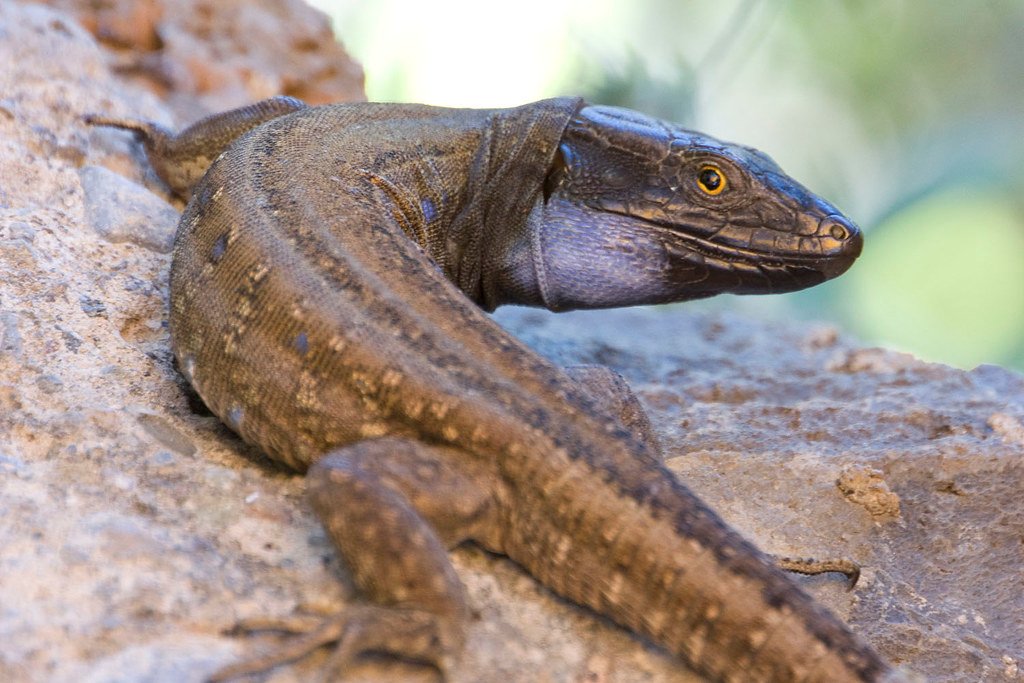
For reptile specialists, few rediscoveries feel as satisfying as this one. The giant lizard native to La Palma in the Canary Islands hadn’t been documented since the 1960s, and after decades of failed surveys, most herpetologists assumed introduced predators – cats and rats – had finished the species off entirely.
Searches throughout the 1980s and 1990s consistently came back empty, and the species was widely treated as a lost cause, remembered mainly through old fossil and subfossil remains found in volcanic caves.
Then, in 2007, a small population was discovered clinging to survival on a steep, largely inaccessible cliff face on the island’s western coast. The habitat that saved them was almost identical to what saved the Lord Howe stick insect: sheer, predator-resistant terrain too dangerous for cats and rats to easily patrol. Conservationists have since set up a dedicated breeding center to stabilize numbers, treating the rediscovery as a second, urgent chance rather than a victory lap.
Worth Knowing
- Last documented sighting: the 1960s
- Primary suspected cause of decline: introduced cats and rats
- Rediscovered in 2007 on a steep cliff face on La Palma’s western coast
- A dedicated breeding center now works to stabilize the surviving population
Fifty years of presumed extinction ended because a handful of lizards found a cliff too steep for their predators to climb.
#13 – The Baiji: China’s “Extinct” River Dolphin That Won’t Fully Disappear
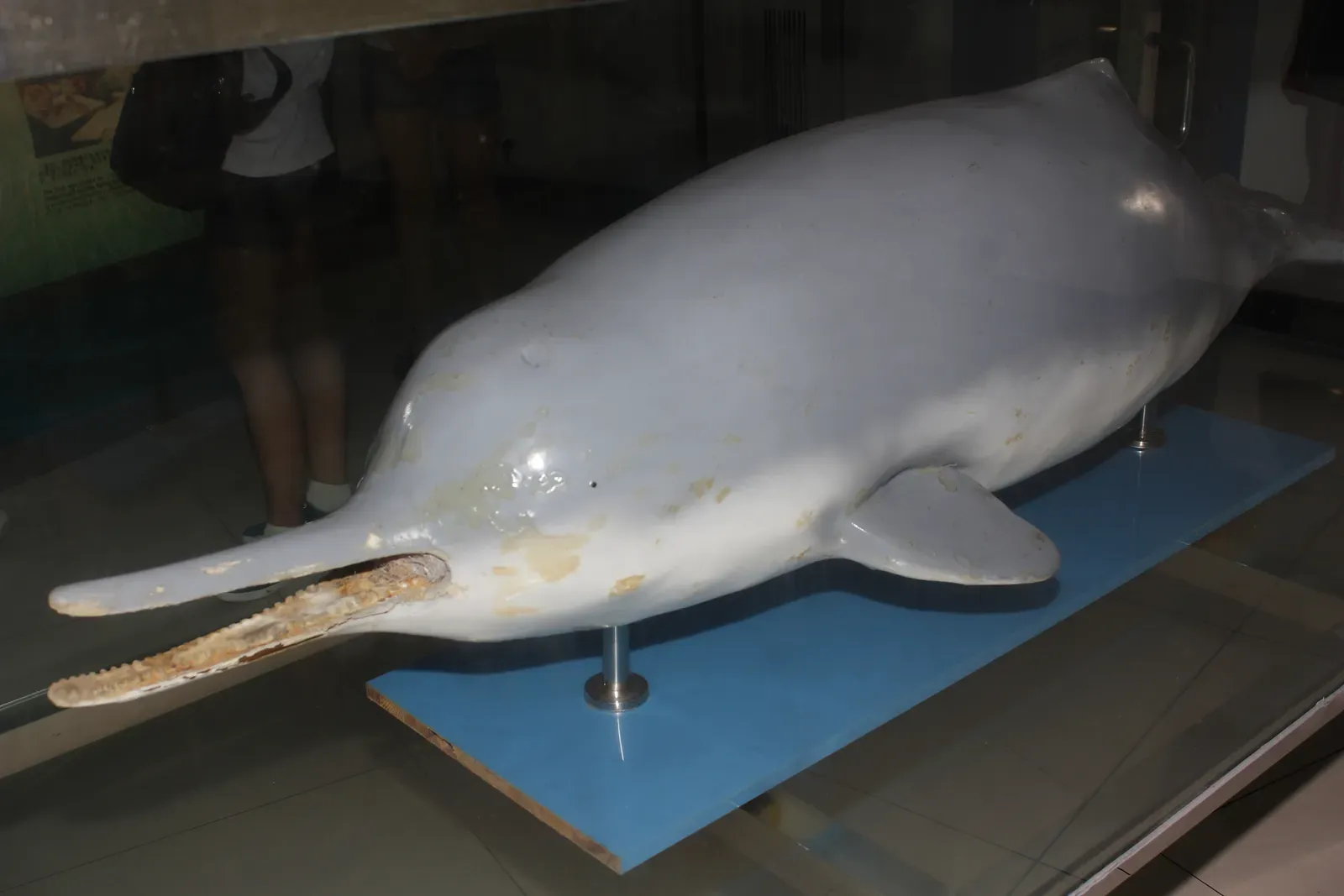
No entry on this list is more scientifically contested than the baiji, the Yangtze River dolphin declared functionally extinct after an exhaustive six-week survey in 2006 turned up zero animals along the entire river system.
The decline was staggering and well-documented: industrial pollution, ship traffic, overfishing, and dam construction collapsed the population from an estimated several thousand in the mid-20th century to functionally none within a few decades. The 2006 survey remains one of the most thorough extinction assessments ever conducted for a large mammal, using both visual observation and acoustic monitoring across the dolphin’s entire known range.
And yet the sightings never fully stopped. In the years since the “functional extinction” declaration, fishermen and local residents along the Yangtze have continued reporting glimpses of pale, dolphin-like animals surfacing near riverbanks – including a widely discussed video captured in 2007, just months after the survey concluded there were none left. No sighting has ever been scientifically verified with photographs, tissue samples, or acoustic recordings meeting rigorous standards. Most cetacean biologists remain deeply skeptical, arguing hope and grief are powerful enough to make people see what they desperately want to see.
This is the most heartbreaking entry on the list – a species that may genuinely be gone, with a river full of witnesses insisting otherwise.
The Bottom Line
The pattern across these 13 cases is impossible to ignore: isolation, not extinction, is usually the real story. Steep cliffs, single bushes, volcanic lava fields, deep reef caves – the animals that “came back” never actually left; scientists simply stopped looking in the right places.
That should worry conservation agencies more than it comforts them, because premature extinction declarations, like the 2021 ivory-billed woodpecker ruling, risk pulling funding and legal protection from species that are still clinging on.
My honest take? The “extinct” label gets handed out too fast and revoked too slowly, and species like the Zanzibar leopard and the baiji deserve the benefit of the doubt for far longer than bureaucracies typically allow. Which of these rediscoveries surprised you the most? Drop your pick in the comments.