
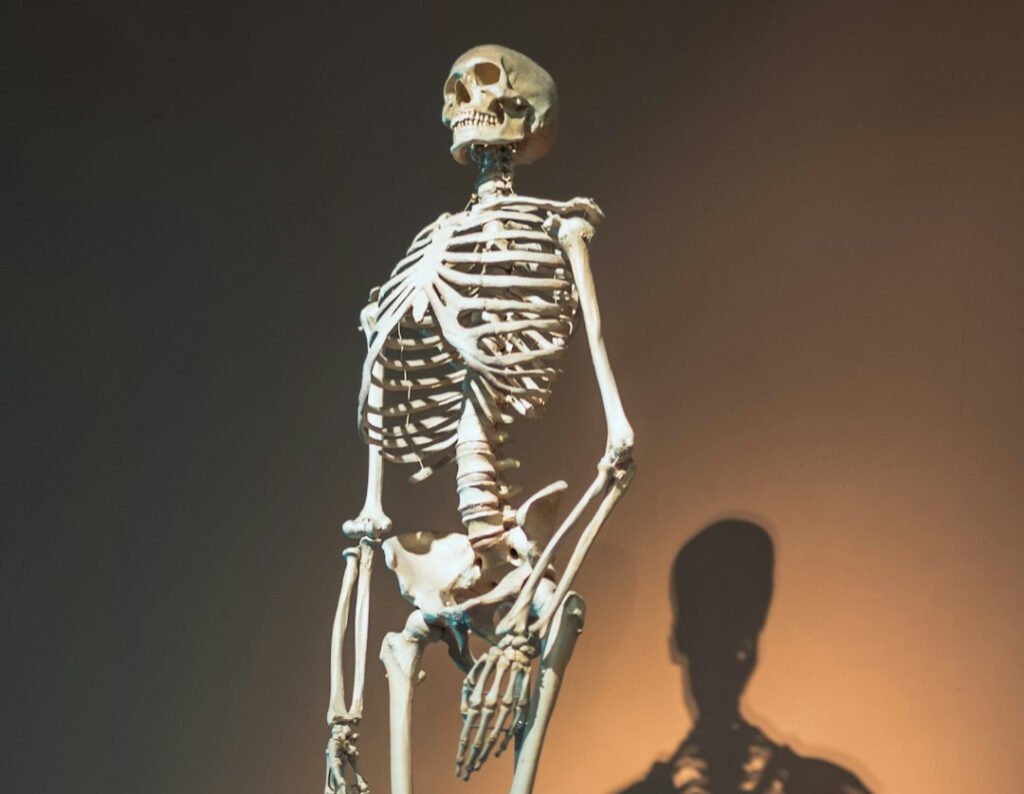
Most people assume natural history museums are frozen in time – the same dusty dinosaur bones, the same glass-eyed lions, the same field-trip exhibits your grandparents shuffled past decades ago. That assumption is dead wrong, and the real story is far stranger than nostalgia lets on.
Behind the scenes, curators have spent the last few years quietly pulling display cases, dismantling century-old dioramas, and rewriting what “natural history” is even allowed to mean. Some of the most iconic exhibits in American and European museums have simply vanished, and almost nobody who saw them growing up knows why. Here’s what actually happened to all 14 – and why the silence around it says more than any placard ever could.
#1 – Human Skeletons And Mummies Are Vanishing From The Cases
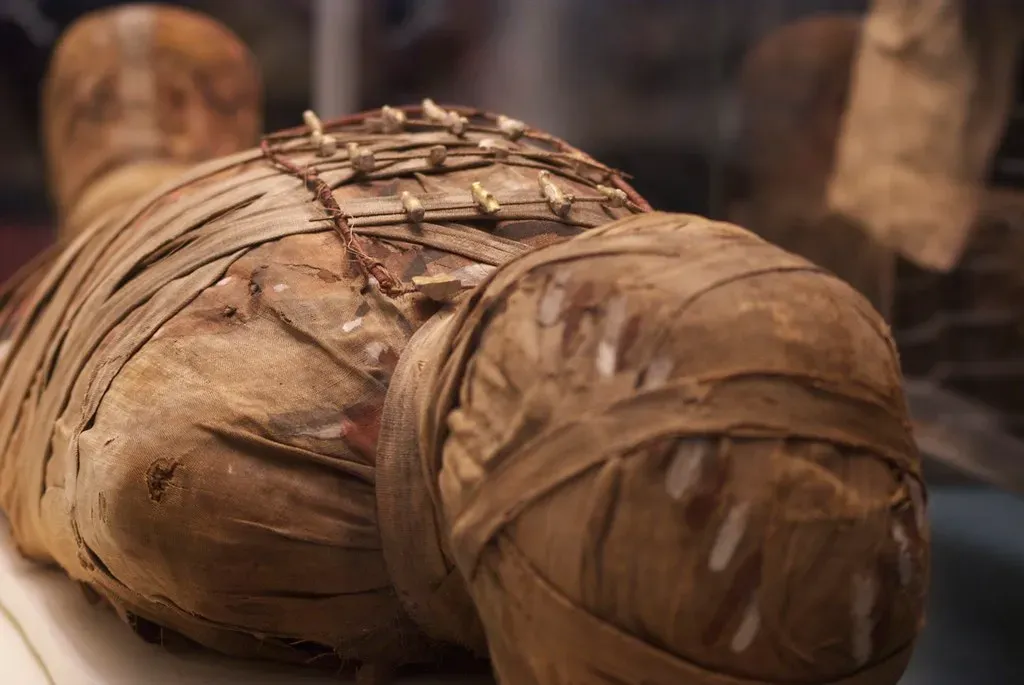
Walk into the American Museum of Natural History today and you’ll notice something missing: the bones.
Skeletons and mummies were pulled from twelve display cases, along with musical instruments and beads made from – or incorporating – human bone. The museum’s own leadership admitted the ethical math had simply stopped adding up.
Museum President Sean Decatur said none of the items on display were “so essential to the goals and narrative of the exhibition” that they justified showing human remains on the same plane as ordinary objects, like props behind glass.
Fast Facts
- Human remains were pulled from 12 display cases at the AMNH
- Removal also included musical instruments and beads made from bone
- The entire process took just eight weeks, start to finish
- New policy prioritizes repatriation over simply relabeling items
This wasn’t a slow phase-out – it happened in eight weeks flat. Policies were rewritten mid-process to prioritize returning remains instead of simply relabeling them. Section #2 is where this story turns from awkward to genuinely dark.
#2 – Genocide Victims Were On Public Display For Decades

This one is disturbing once you know the backstory.
Buried within that same collection of skeletal remains were people who never should have been museum objects at all. Some victims came from Germany’s early 20th-century genocide in what is now Namibia; others were Native American and Indigenous individuals whose deaths were tied directly to colonial violence, later stripped of context and placed behind glass.
The museum’s president didn’t soften the implication when he addressed staff.
Human remains collections were made possible by extreme imbalances of power.
Sean Decatur, President, American Museum of Natural History
That single sentence quietly rewrote how the entire institution talks about its own history. Curators are now racing to identify descendant communities before deciding what happens next.
#3 – Shrunken Heads Disappeared From The Shelf
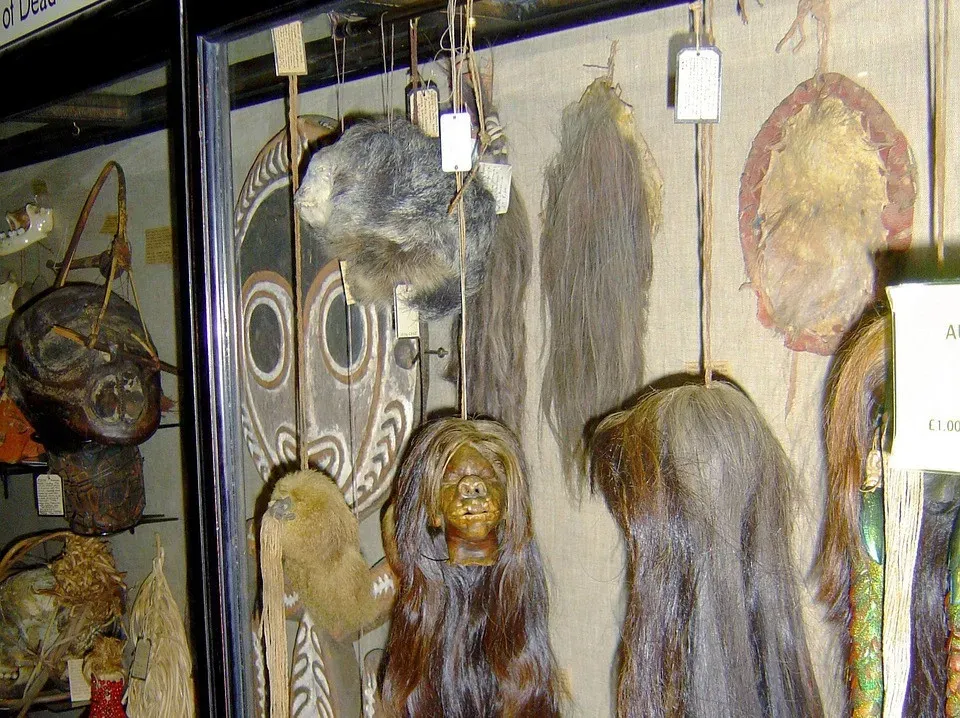
For generations, the shrunken head display was the exhibit kids begged their parents to see.
At Oxford’s Pitt Rivers Museum, that changed almost overnight. In 2020, following an ethical review, the museum removed all human remains from its exhibition floor – including its most-visited draw, the Tsantas, or shrunken heads, collected from the Shuar and Achuar peoples of South America.
The museum didn’t frame this as censorship. It framed it as overdue respect, having already shifted toward an informed-consent approach to display for years before pulling the pieces entirely.
Interestingly, the story doesn’t end with removal. Some remains have since returned to the exhibition floor under new consent protocols – proof that “quietly stopped showing” doesn’t always mean gone forever.
#4 – The Lion-And-Camel Diorama That Wouldn’t Come Back
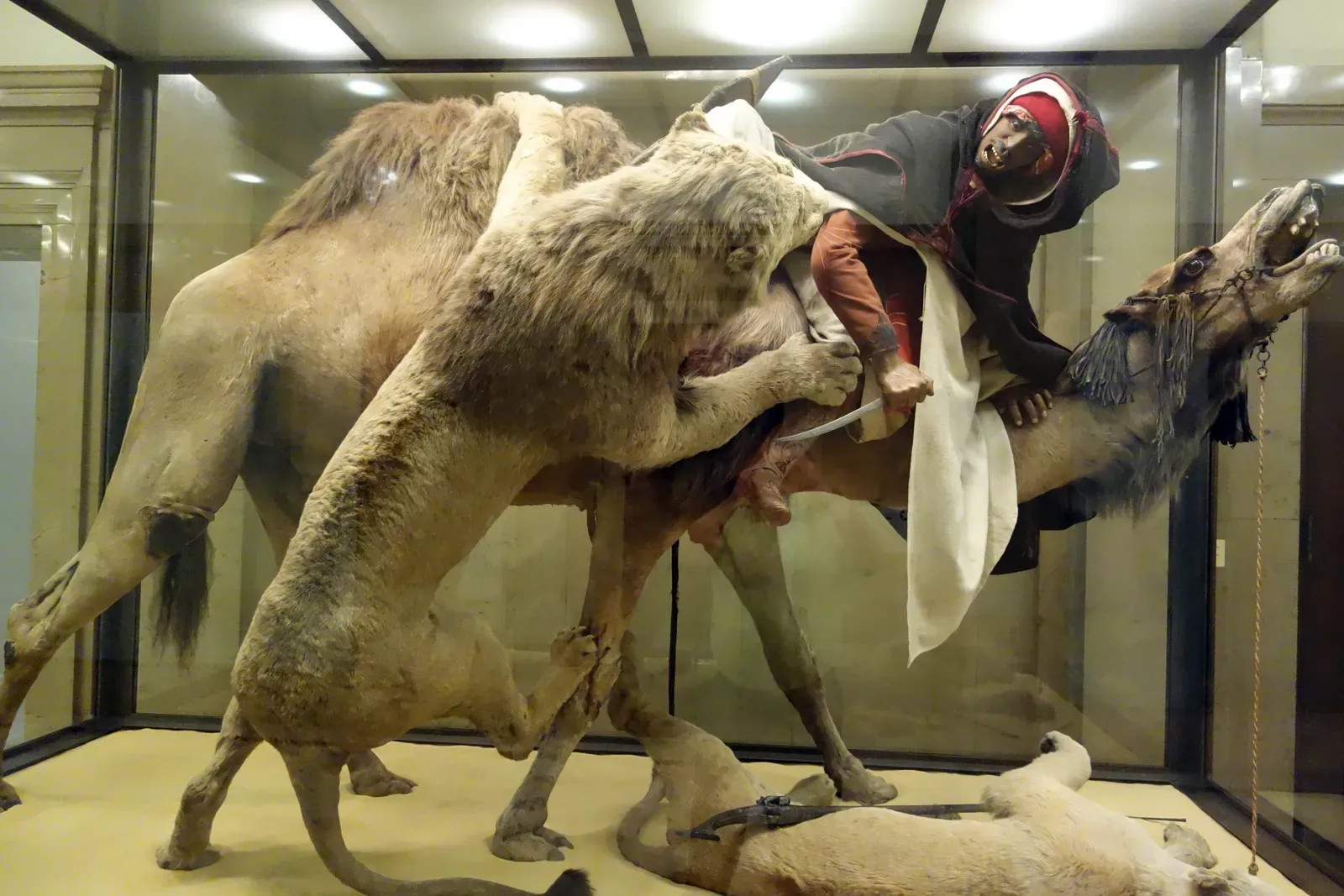
This diorama had a 124-year run, and almost nobody who loved it knew its darkest secret.
Since 1899, the taxidermy scene most recently titled “Lions Attacking a Dromedary” had been a staple at the Carnegie Museum. In 2017, the museum discovered that the human figure mounted on the camel contained a real human skull.
Beyond that shock, the imagery itself had aged badly – staff and visitors raised concerns about the depiction of a dark-skinned man being violently mauled, frozen mid-terror for over a century.
The museum’s director refused to simply patch it up. “I’m not going to recreate that face when it’s something that has caused a lot of individuals harm,” she said. Section #5 shows this wasn’t an isolated fix – it was the start of an industry-wide reckoning.
#5 – Entire Taxidermy Halls Got Scrapped, Not Just Tweaked
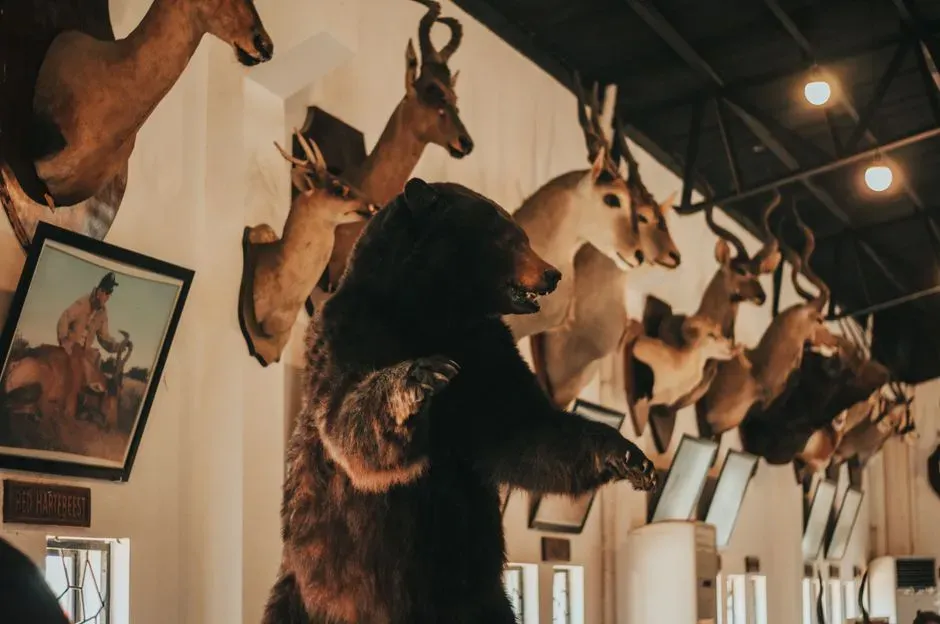
Some museums didn’t remove a few exhibits – they walked away from an entire genre of display.
By the turn of the millennium, dioramas had gone from beloved to embarrassing in the eyes of many curators. Some visitors found them dull or unsettling, while others pointed to an uncomfortable pattern: wealthy, white, male hunters removing fauna from native habitats to stock a wall of glass boxes.
Even museum directors started using blunt language about their own collections.
To some visitors, the diorama hall amounted to an unappealing dead zoo.
Willard Boyd, former director, Field Museum of Chicago
Not “outdated.” Not “in need of refresh.” A dead zoo. That phrase alone explains why so many halls got gutted rather than repainted.
#6 – Dioramas Were Chopped Up For Spare Parts
If you think a retired diorama gets gently boxed up for storage, think again.
The worst offenders pillaged old dioramas for parts, banishing the remains to storage rooms or garbage dumps. At the Grand Rapids Public Museum, this wasn’t a metaphor – when the museum moved to a new building in 1994, it abandoned many of its dioramas inside the old facility like a sealed mausoleum.
They sat untouched for nearly two decades. A similar fate hit the University of Minnesota’s collection, where a consultant learned the Bell Museum of Natural History planned to move locations and chop up century-old dioramas – rearranging some pieces, leaving others behind entirely.
Worth Knowing
- Grand Rapids Public Museum abandoned its dioramas inside the old building in 1994
- Those dioramas sat untouched for nearly two decades afterward
- The Bell Museum planned to chop up century-old dioramas during a relocation
- Some pieces were rearranged elsewhere while others were left behind entirely
These weren’t cheap props. They were irreplaceable, hand-built artifacts, and once they’re cut apart, there’s no putting them back together.
#7 – Toxic Displays Were Quietly Pulled For Safety
Here’s a reason nobody expects: the animals themselves are poisonous.
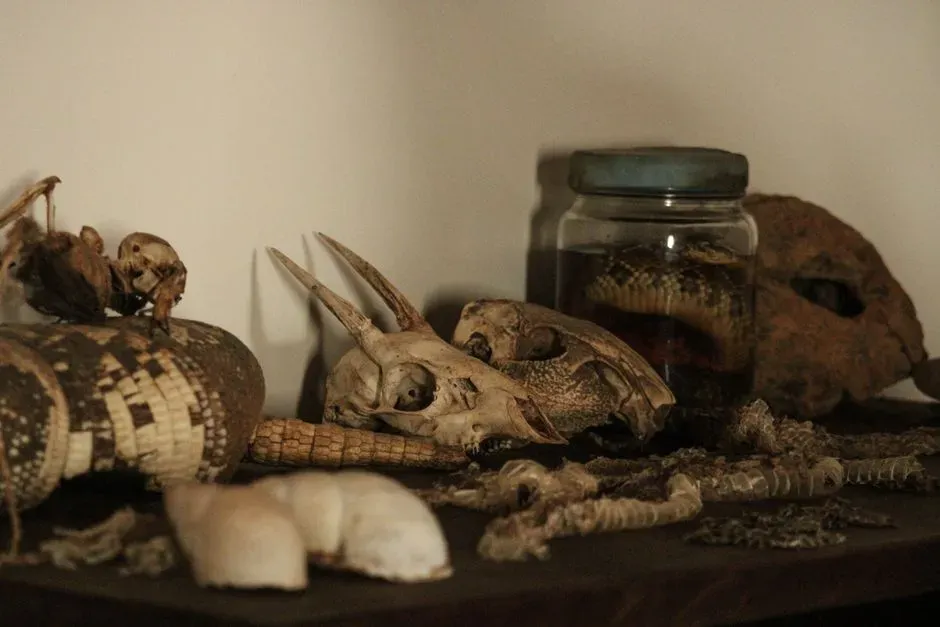
Old-school taxidermists preserved specimens with chemicals that horrify modern conservators. When an artist finally got access to one abandoned diorama collection decades later, staff issued an urgent warning before he touched anything – the animals inside had been preserved with arsenic.
He didn’t take the assignment lightly. “It’s almost like being a grave digger,” he said of handling the old mounts.
Arsenic-based preservation was standard practice well into the 20th century, meaning thousands of specimens sitting in museum basements right now are quietly hazardous. That’s exactly why so many older mounts never make it back onto the floor – it isn’t sentiment holding them back, it’s chemistry.
#8 – Egyptian Mummy Halls Got Covered Over
Egypt exhibits were once the crown jewel of natural history wings. Now some of the most famous mummy cases sit empty.
Last year, the Carnegie Museum of Natural History removed all human remains from view, including those in its Hall of Ancient Egypt. This wasn’t a minor tweak to a side gallery – that hall had been one of the museum’s signature draws for generations.
Staff didn’t make the call lightly. It followed years of internal debate about what “educational value” really means when the exhibit is a person’s actual body, not a replica.
The mummy you remember from a school trip may now be sitting in a climate-controlled vault instead of a glass case – preserved, but no longer on public view.
#9 – A Philadelphia Museum’s Skull Wall Sparked A National Reckoning
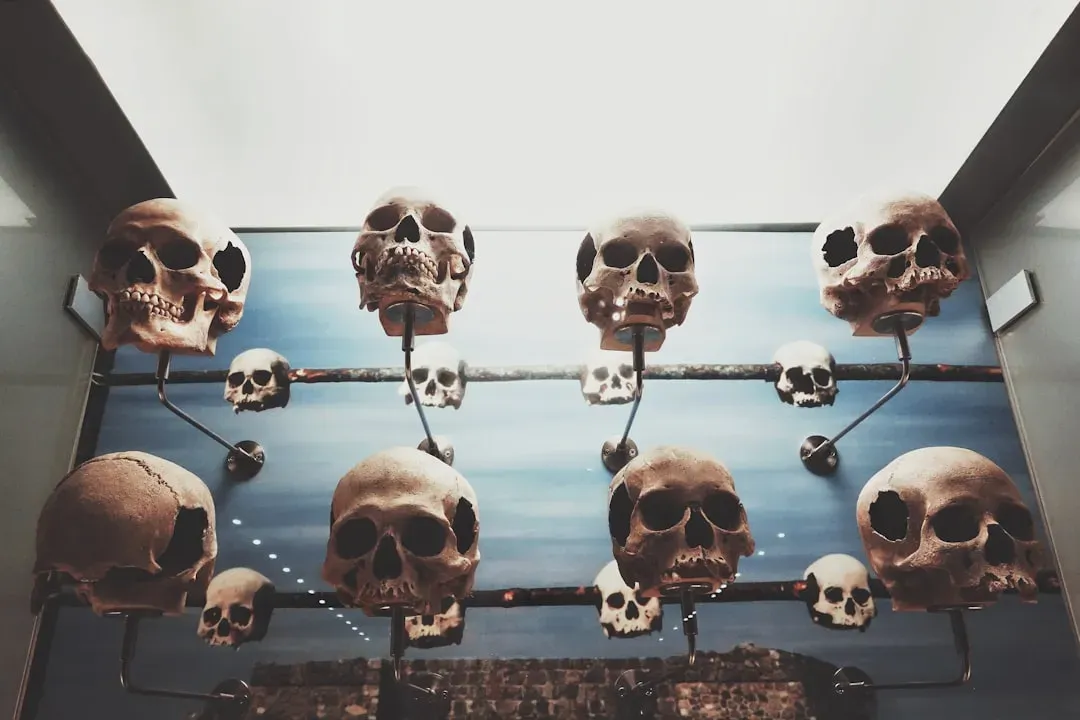
The Mütter Museum’s skull collection was once considered a medical marvel. Today it’s a cautionary tale.
The Philadelphia museum has come under scrutiny for its collecting practices, since almost none of the remains on display belonged to people who ever consented. The collection includes skulls of some of the city’s most vulnerable historical residents, including Black Philadelphians and Indigenous people.
The museum issued a formal apology, stating it rejected “scientific racism that was used to justify slavery and the unethical acquisition of the remains of enslaved people.”
At A Glance
- The skull collection includes Black Philadelphians and Indigenous residents
- Almost none of the remains belonged to people who gave consent
- The museum issued a formal apology citing “scientific racism”
- The fallout sparked a wider national conversation about collecting ethics
A museum literally apologizing for its own permanent collection is almost unheard of. It signals just how fast the ethical ground has shifted underneath institutions that built their reputations on unconsented specimens.
#10 – Eugenics-Era “Science” Exhibits Are Being Erased

This is the part almost no museum brochure will tell you outright: some exhibits weren’t just outdated – they were built to prove racist theories.
Museums like the AMNH collected and used human remains for research rooted in eugenics. As one museum-commissioned researcher put it, “They were looking for physical proof of the superiority of white people and they didn’t find it, but that meant they just kept looking.”
Official museum letters now openly acknowledge this history, admitting that researchers in the 19th and 20th centuries used remains to advance “deeply flawed scientific agendas rooted in white supremacy – namely the identification of physical differences.”
Entire wings that once presented racial hierarchy as settled science have been dismantled, relabeled, or removed outright. This is arguably the single biggest reason museums have gone quiet about their own exhibit history.
#11 – Even Ancient Prehistoric Remains Got Pulled
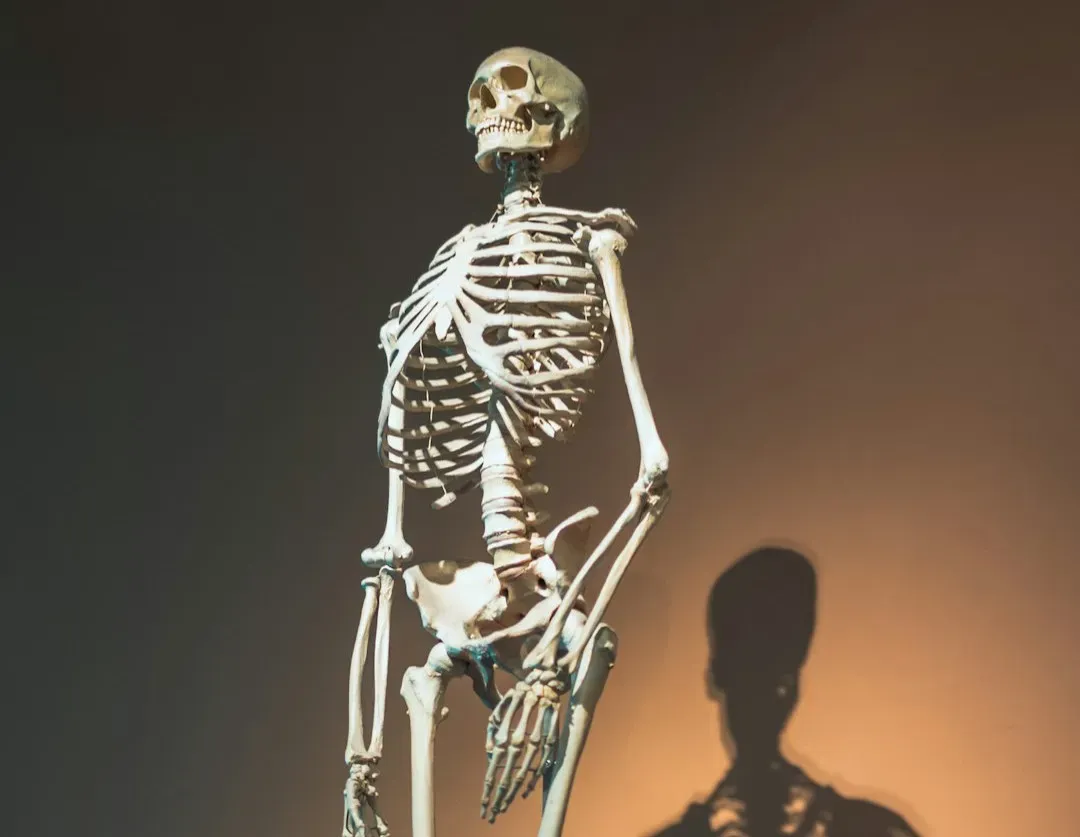
You’d think 10,000-year-old bones would be exempt from these debates. They’re not.
The Smithsonian didn’t stop at recent remains – it went further than almost any peer institution, removing all human remains from display, including prehistoric ones.
This reflects a broader philosophical shift: age doesn’t erase the ethical questions around displaying a body that was once a living, breathing person. The Smithsonian introduced an informed-consent approach to both research and display, meaning it won’t happen again without documented consent from the deceased or their descendants.
Even scientists who spent entire careers studying prehistoric skeletons are now rethinking whether “it’s old enough that no one will mind” was ever a legitimate excuse.
#12 – Colonial Hunting-Trophy Stories Are Being Rewritten
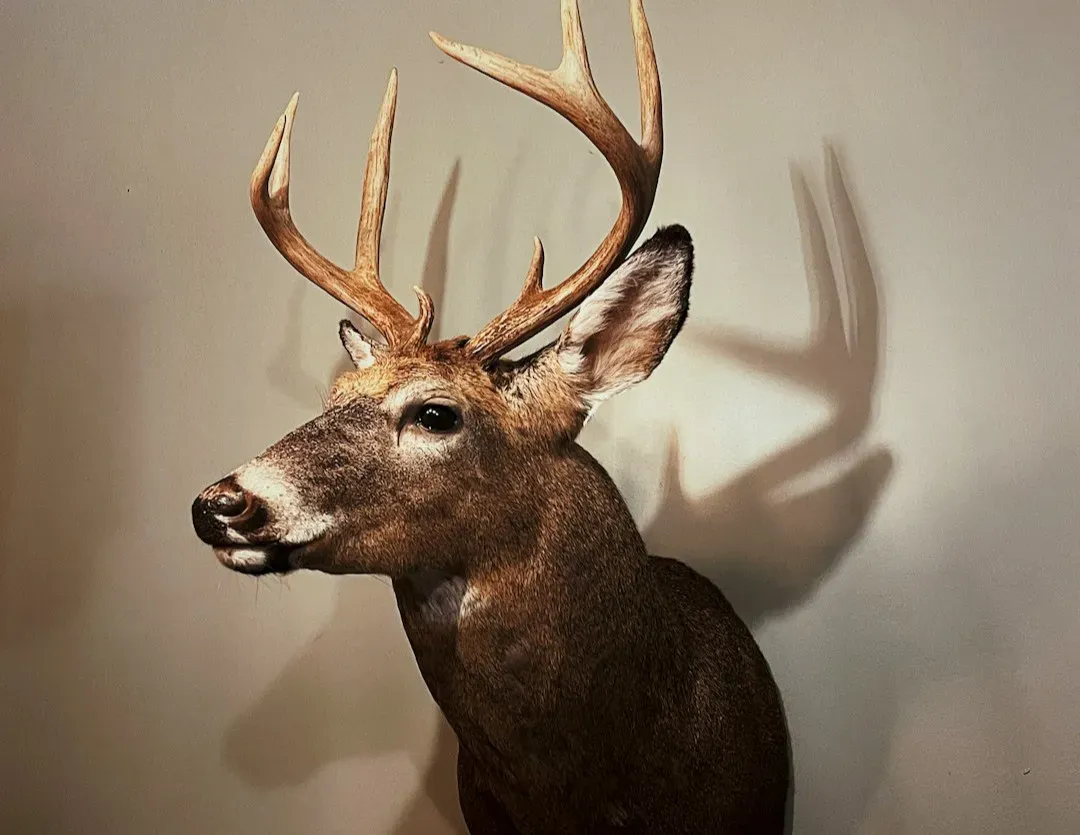
That heroic hunter-explorer plaque next to the taxidermied lion? Quietly disappearing.
Many of the animals filling classic diorama halls didn’t arrive through gentle conservation science. In plenty of cases, the hunting trips were an excuse for rich, white men to grab their guns and kill big game for sport – and museums built entire origin myths around these hunts as acts of adventure and discovery, glossing over the colonial power dynamics involved.
Scholars have been calling this out for decades, not just recently. Feminist scholar Donna Haraway criticized the museum’s fixation on “virile male hunters and spectacular male specimens” as far back as 1989.
The trophy-hunter-as-hero framing that built these exhibits is now considered one of the most dated storytelling choices in museum history.
#13 – Museums Started Sending Remains Back Instead Of Displaying Them
Here’s the plot twist: removal isn’t the end of the story – repatriation is.
Rather than quietly shelving remains forever, some of the largest institutions have committed to actively giving them back. To date, one museum has returned roughly 1,000 remains domestically and another 200 internationally, under a formal policy shift rather than a one-time gesture.
The news release states it plainly: “the museum no longer collects human remains.”
Fast Facts
- Roughly 1,000 remains returned domestically to date
- Another 200 remains returned internationally
- Official policy now states the museum “no longer collects human remains”
- Repatriation research can take years to complete per individual case
That’s a stunning reversal for an institution whose entire founding model relied on aggressively acquiring specimens. Repatriation teams now work directly with descendant communities to trace origins before a single bone leaves storage – a process that can take years per individual.
#14 – Silent Removal Is Being Replaced By Loud Explanation
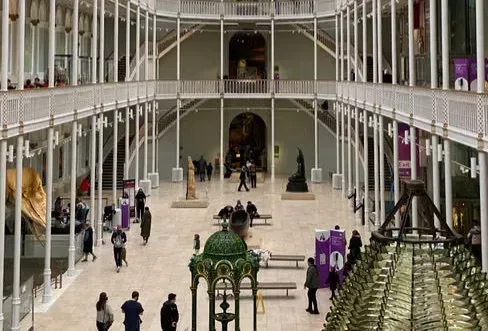
The newest trend isn’t just taking things down – it’s talking about why.
Rather than pretending a controversial exhibit never existed, several museums chose transparency instead. In 2021, the Carnegie unveiled a new version of its infamous camel diorama, complete with signage explaining its history, its scientific inaccuracies, and the 2017 discovery of the human skull inside it.
Other institutions took a similar path years earlier – in 2018, curators added labels directly to the glass to explain the problems with a diorama and to finally name the Lenape leader depicted in it.
This is the opposite of quietly hiding the past – it’s actively narrating the mistake. Expect this “label it, don’t bury it” approach to become the industry standard as more institutions face the same reckoning.
The Bottom Line
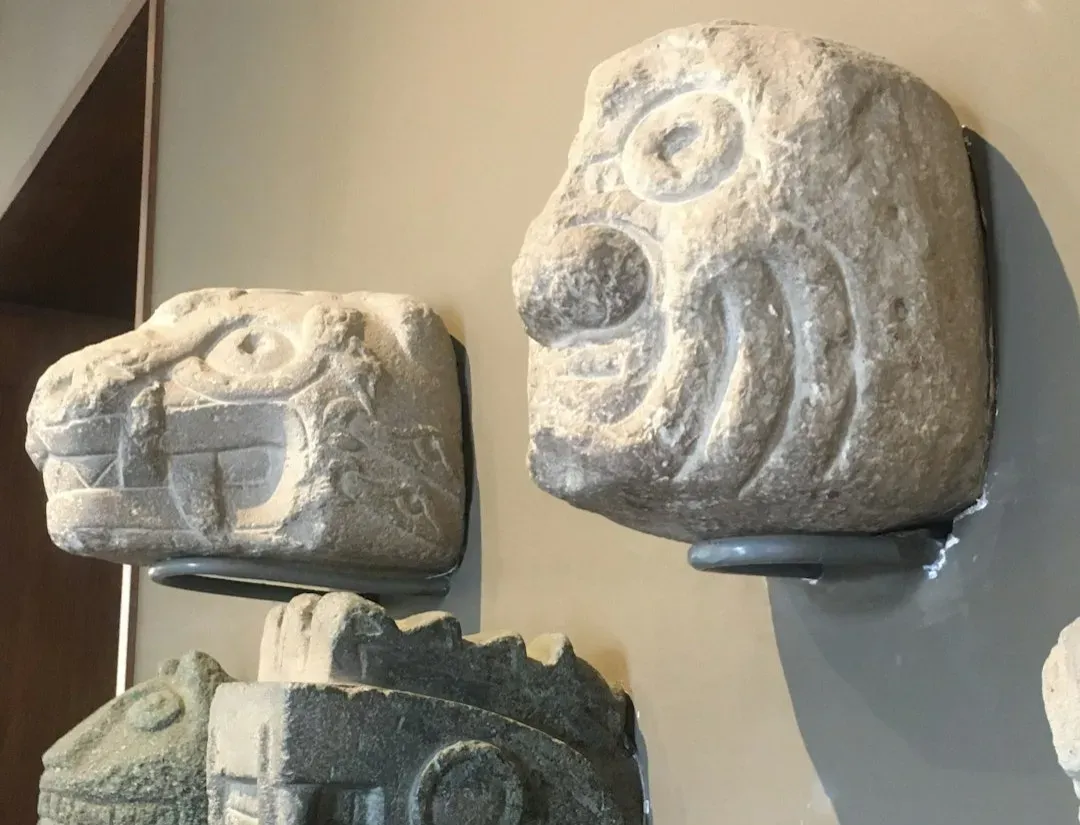
The pattern here is impossible to ignore: nearly every removal traces back to consent, colonialism, or chemistry – bones taken without permission, dioramas built on racist framing, or specimens preserved with arsenic that could genuinely hurt someone.
Museums aren’t hiding this out of shame alone. Many are actively repatriating remains and adding blunt, uncomfortable signage instead of pretending the past didn’t happen – and that’s a genuinely rare move for institutions built on permanence.
Whether you think this is overdue ethical correction or excessive modern revisionism, one thing is certain: the natural history museum you visited as a kid is not the same museum standing there today, and it’s not going back. Which of these missing exhibits surprised you the most? Drop it in the comments.