Most people assume every famous fossil quarry is still buzzing with brush-wielding scientists, carefully mapped and permanently protected. They picture roped-off pits, guided tours, maybe a gift shop.
Actually, dozens of history-making dig sites went quiet decades ago, and the “official” reasons on file are often maddeningly vague – a line about funding, a note about safety, a shrug about access. Some sites drowned. Some were fought over until nothing was left to fight for. Some just got left in a drawer and forgotten by the very institutions that made them famous.
Here’s what the paper trail – and the paleontologists who actually worked these sites – reveal about why the digging stopped, even when the fossils clearly didn’t run out.
#13 – The Piltdown Gravel Pit, England
A fossil site doesn’t have to be scientifically real to be abandoned in mysterious circumstances – it just has to be exposed as fake first. The Piltdown gravel pit was where amateur collector Charles Dawson claimed to unearth the “missing link” between apes and humans in 1912.
The fraudulent “Piltdown Man” materials were planted in a Pleistocene gravel pit on Barkham Manor near the village of Piltdown, East Sussex. The hoax fooled the scientific establishment for over 40 years before it was finally debunked in 1953. Today the locality sits on private land, closed to the public. No museum maintains it, no plaque invites visitors to dig, and the exact spot is deliberately kept obscure. It’s arguably the most infamous “abandoned” fossil site on Earth – not because the fossils ran out, but because they were never real to begin with.
Fast Facts
- Discovered: 1912, near Piltdown, East Sussex, England
- Exposed as fraud: 1953, using fluorine dating tests
- The “skull”: a modern human cranium paired with a filed-down orangutan jaw
- Fooled experts for more than four decades before debunking
#12 – Como Bluff and the Bone Cabin Quarry, Wyoming
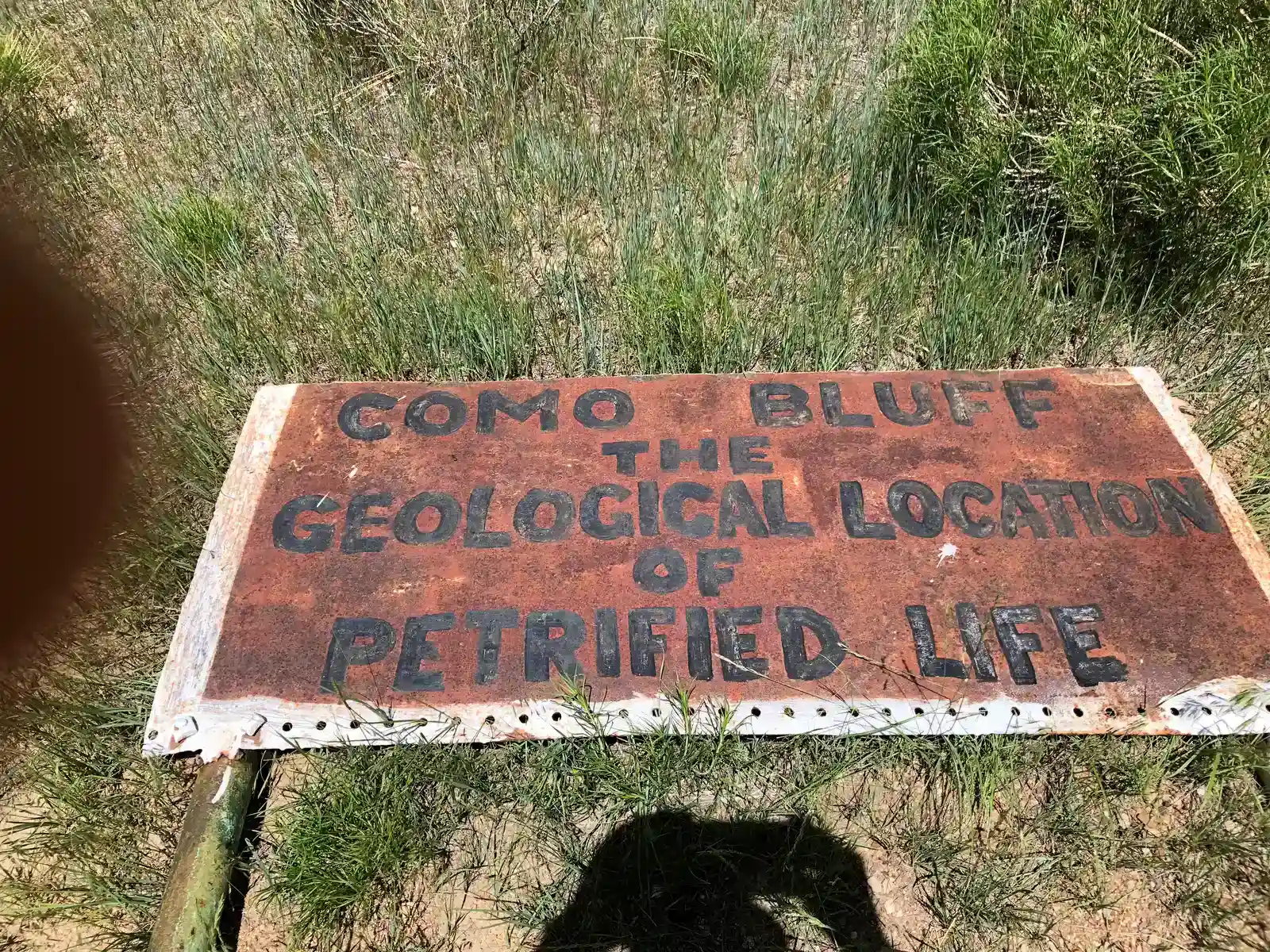
Two rival scientists destroyed one of America’s richest fossil beds out of pure spite – and the site never fully recovered. Como Bluff was the epicenter of the infamous “Bone Wars” between Othniel Marsh and Edward Cope in the late 1800s.
Their rivalry got so vicious that as one quarry dried up, Marsh ordered his crew to clear out remaining bone fragments rather than risk Cope getting them. In the five years following 1898, the nearby Bone Cabin Quarry was worked nearly to exhaustion, yielding parts of many large Jurassic dinosaurs. Entire skeletons were sacrificed just to spite a competitor. Today there are no bone quarries open to the public in this area. Collecting on federal land is prohibited, most of the quarries sit on private land that’s off-limits, and even the visitor center built from actual dinosaur bones has been officially closed since 2011, with little hope of restoration.
#11 – Howe Quarry, Wyoming
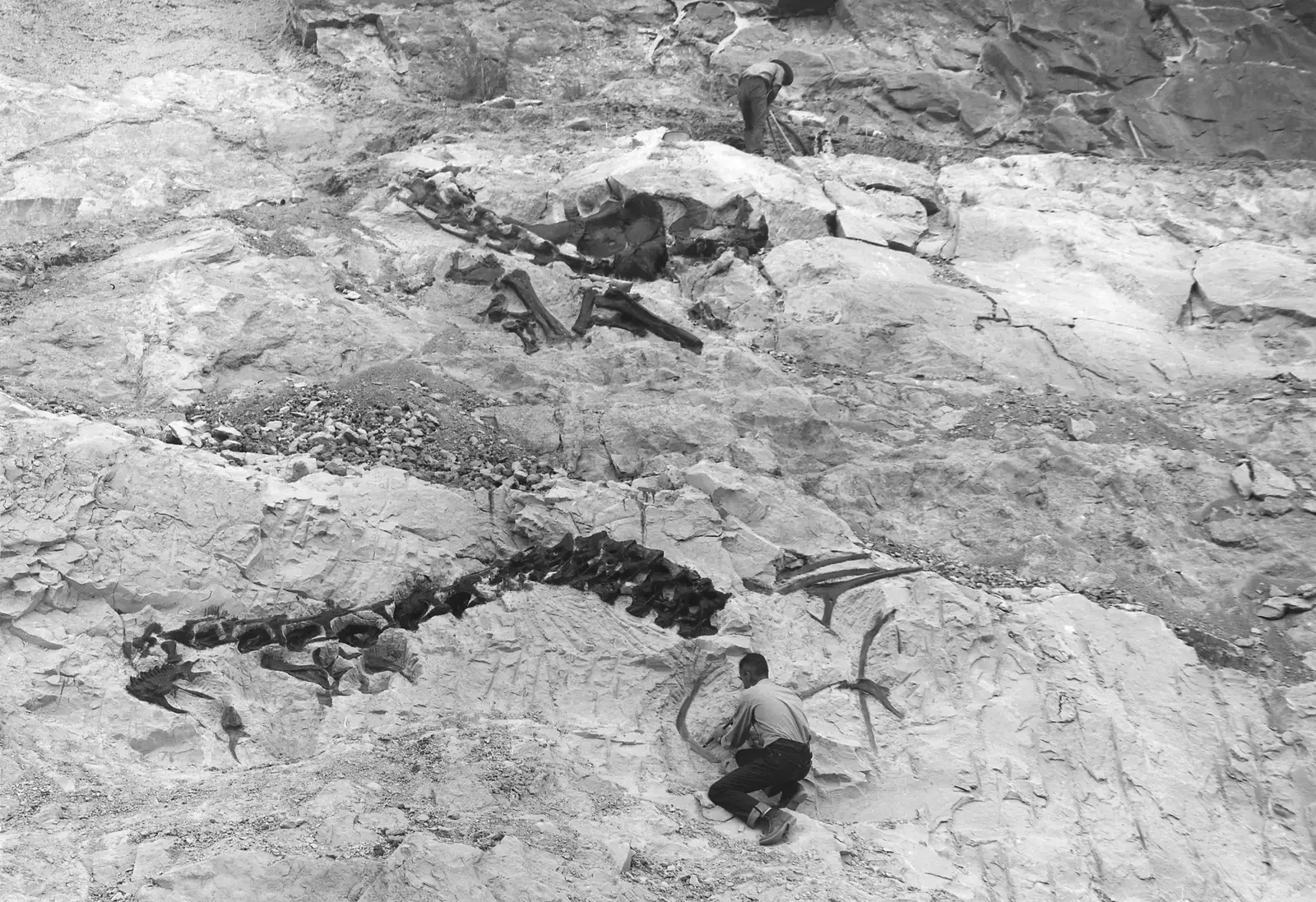
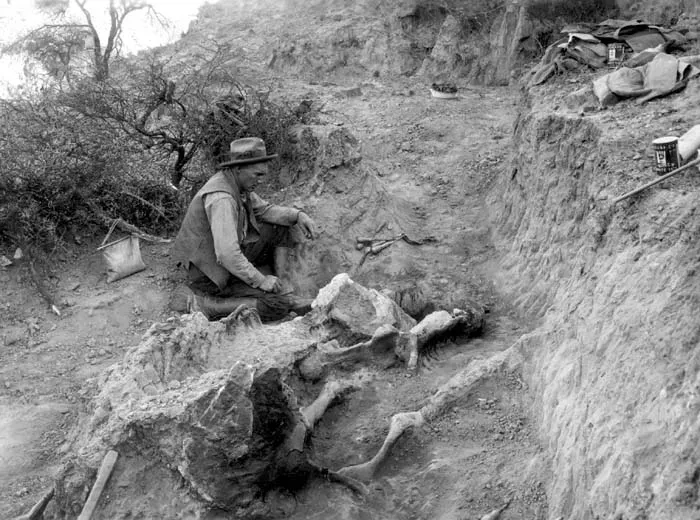
A dinosaur graveyard so massive it made international headlines was abandoned within months – and then basically forgotten for 80 years. In 1934, Barnum Brown’s Sinclair-funded expedition unearthed roughly 3,000 bones in six months, packing about 144 crates and shipping them back to the American Museum of Natural History.
The dig went world famous overnight, covered by media across the country and abroad. Then everything changed almost as fast. The collection’s curatorial focus shifted away, and what followed was decades of neglect: inappropriate storage, water and fire damage, collapsing wooden boxes, and deteriorating plaster jackets. Crates of world-class dinosaur bones sat rotting in storage for decades, largely undescribed and unstudied. It wasn’t until researchers went back in the 2010s that anyone seriously tried to catalog what had been dug up nearly a century earlier.
#10 – The Bernissart Iguanodon Mine, Belgium
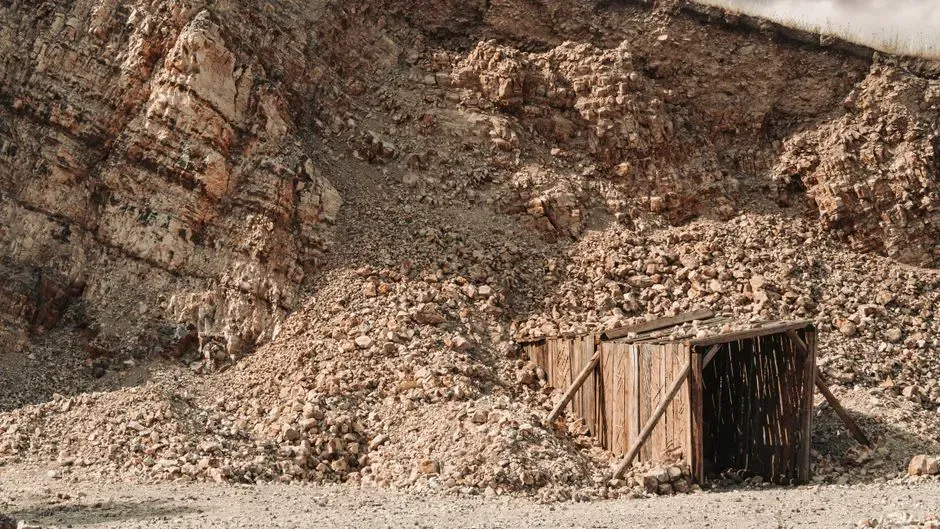
A coal mine that produced one of the greatest dinosaur discoveries in history was deliberately flooded – and it’s still underwater. In 1878, miners at Bernissart stumbled onto dozens of nearly complete Iguanodon skeletons more than 300 meters underground, kicking off one of paleontology’s founding excavations.
The site’s fate turned dark during World War I, when occupying forces tried to reopen it for their own excavation. After two years of drilling, they’d come close to the correct depth, but the war’s end forced them to stop – and out of pure spite, they flooded the shaft on their way out. It has never been reopened. Further attempts were hindered by financial problems and finally abandoned in 1921. The kicker: researchers believe the deepest, unexplored layers are still packed with fossils, sitting untouched under decades of water.
#9 – Cleveland-Lloyd Dinosaur Quarry, Utah
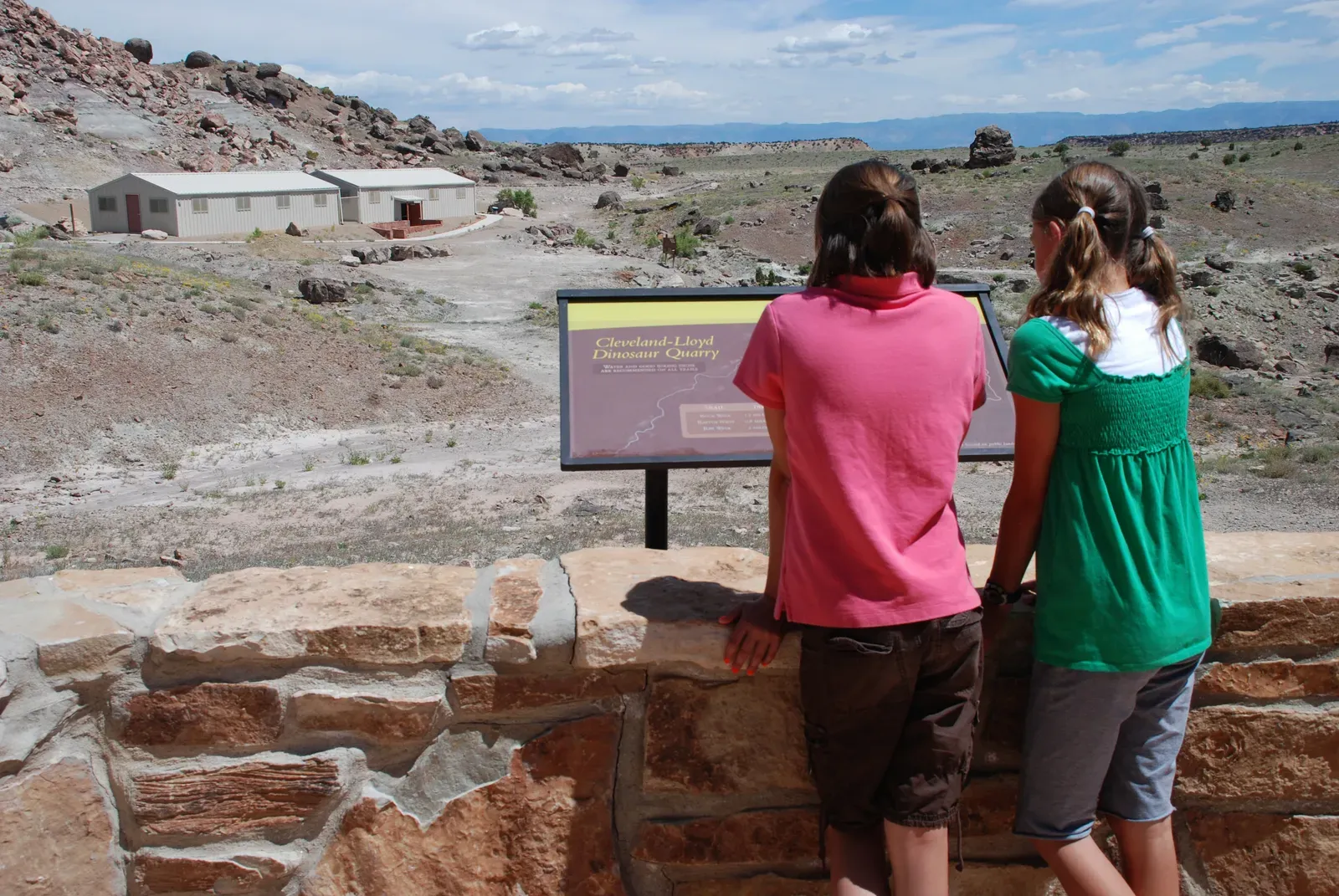
One of the densest concentrations of Allosaurus fossils on the planet simply closed its doors to the public for years – with barely a public explanation. Cleveland-Lloyd sits in the Morrison Formation and has produced thousands of disarticulated bones from a mysterious predator-trap style bonebed, making it one of the most scientifically important Jurassic sites in North America.
Yet despite its fame, the Bureau of Land Management-managed quarry shuttered visitor access for an extended stretch, citing funding shortfalls and staffing gaps rather than any dramatic scientific reason. A site that’s produced more Allosaurus specimens than almost anywhere on Earth was, for years, essentially unreachable to the public. Researchers continued limited work behind the scenes, but the predator-trap mystery that made the quarry famous – why so many carnivorous dinosaurs died in one spot – remains only partially resolved even now.
#8 – Agate Fossil Beds, Nebraska
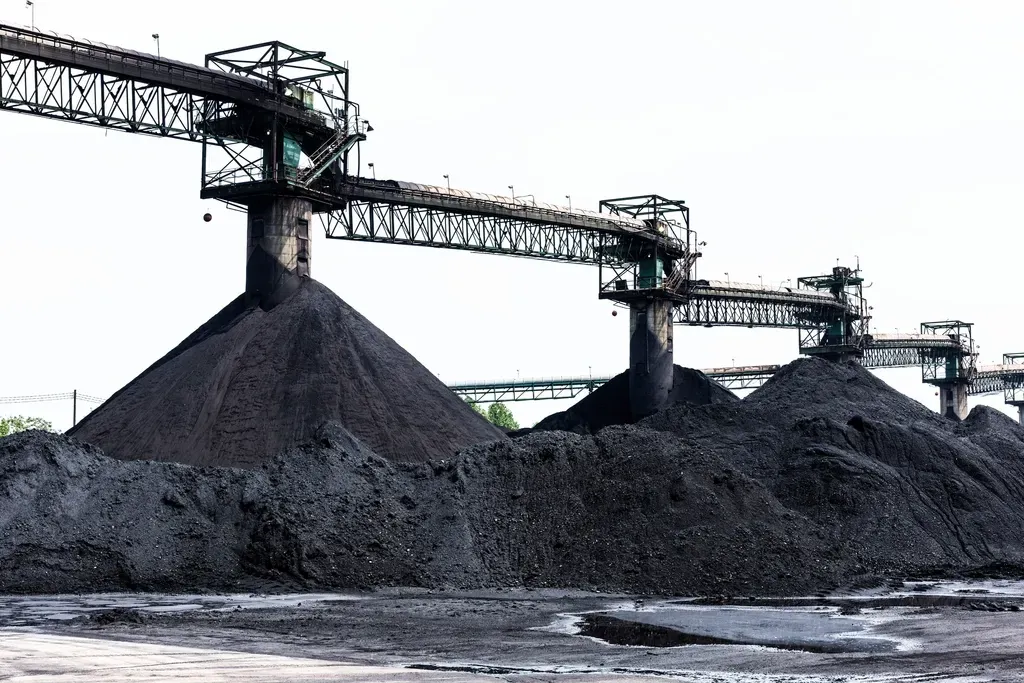
Some of the richest Miocene mammal quarries in North America were intentionally buried again – on purpose, by the very scientists who found them. Early 20th-century teams from the University of Nebraska and the Carnegie Museum tore into University Hill and Carnegie Hill, pulling out astonishing numbers of Miocene mammals like the rhino relative Menoceras.
Rather than mining the hills dry, paleontologists made a controversial call: leave large sections unexcavated and rebury exposed bone beds to protect them for future researchers with better technology. Entire quarries known to be loaded with fossils were deliberately closed and covered over, not because the bones ran out, but because scientists decided the next generation deserved a shot at them too. It’s a decision still debated by collectors who see it as fossils “left on the table.”
#7 – The Whitaker Coelophysis Quarry, Ghost Ranch, New Mexico
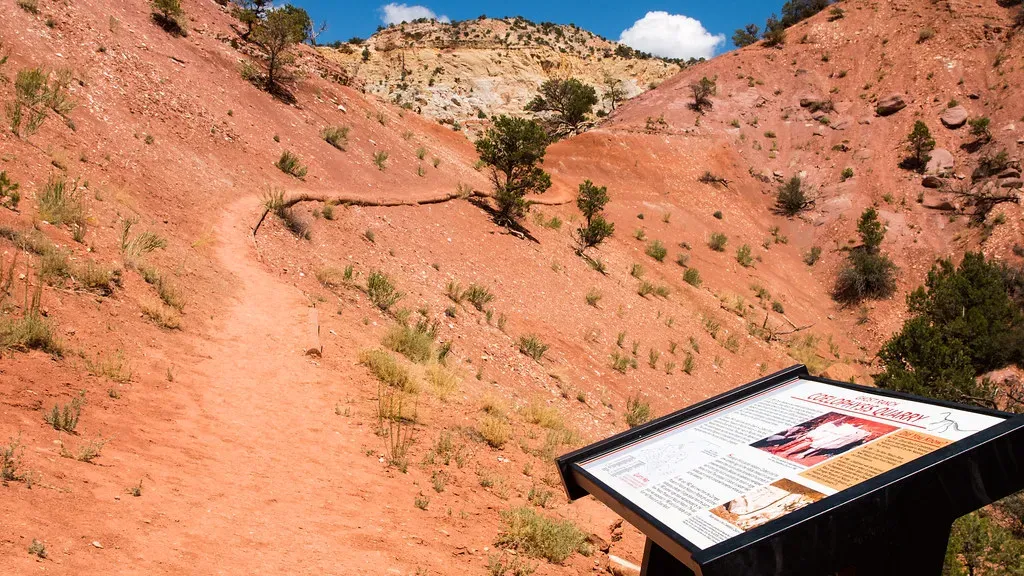
A single quarry produced more complete dinosaur skeletons than almost any other site on the planet – and nobody can fully explain why they all died together. Discovered in 1947, the quarry has yielded the remains of at least 1,000 individuals from roughly 30 cubic meters of excavated material, nearly all belonging to the small theropod Coelophysis bauri.
Crews returned in waves – 1947, then again in 1981 and 1982 when teams collected 15 large blocks, followed by more in 1983 and a final one in 1985 – before work largely paused. The unsettling part: geologists still admit no one knows for sure why so many dinosaurs of one species died at once, since predators usually don’t congregate unless there’s an exceptional food source, and nothing here suggests one. The quarry wasn’t abandoned because it ran dry. It was abandoned with the central mystery unsolved.
At a Glance
- Location: Ghost Ranch, New Mexico
- Initial discovery: 1947
- At least 1,000 individual Coelophysis represented
- Roughly 30 cubic meters of quarry material excavated
- Major collection pushes: 1947, then 1981-1985
#6 – The Lost Karoo Localities, South Africa
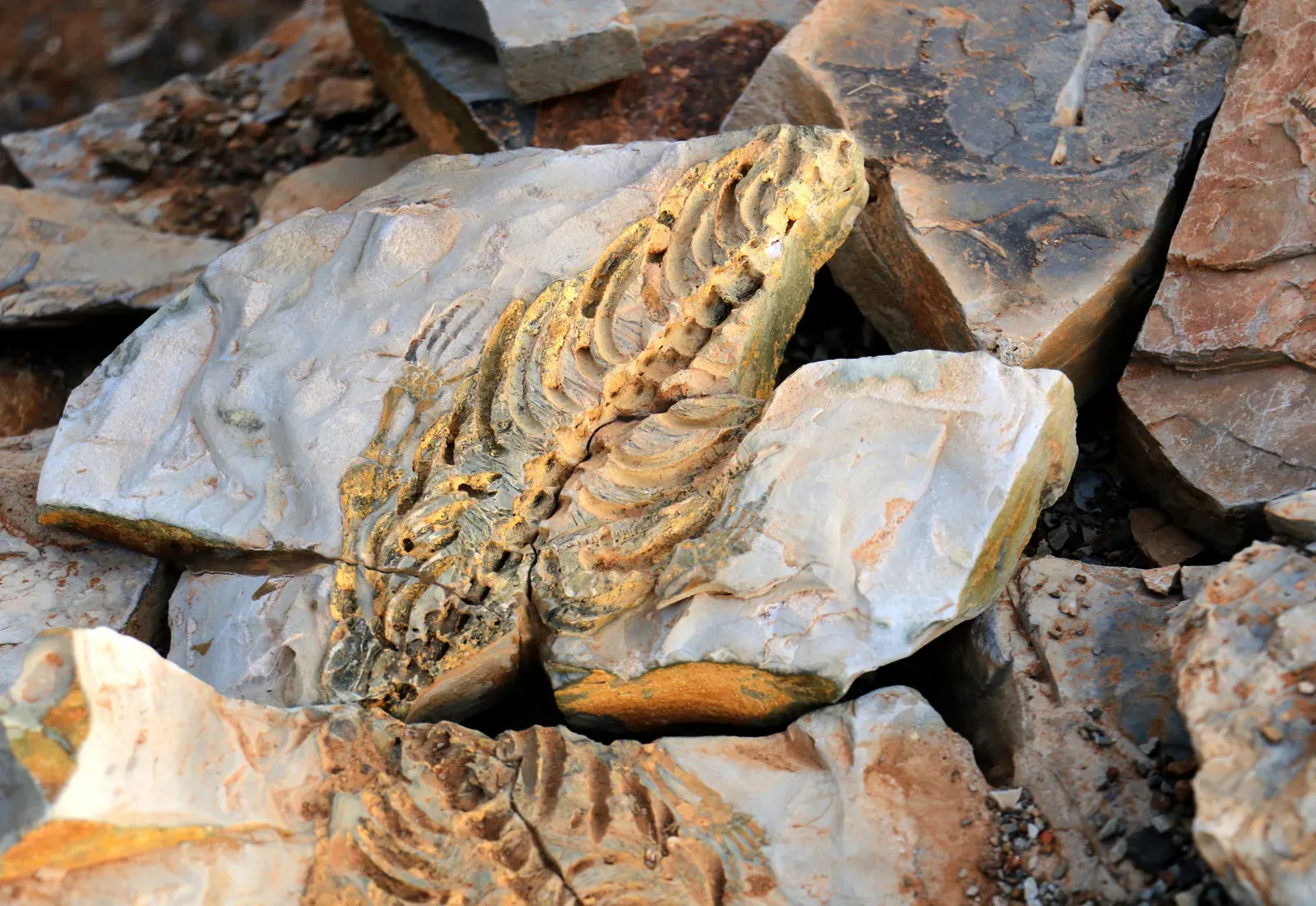
Some of the most important Permian and Triassic fossil beds on the planet are technically “abandoned” simply because nobody can find them anymore. The Karoo Basin holds one of the richest fossil records of pre-dinosaur life anywhere in the world, documenting the transition from mammal-like reptiles to true mammals.
Many 19th- and early 20th-century collectors recorded locality data so casually – a farm name, a vague description of a koppie, sometimes nothing at all – that modern researchers simply cannot relocate the original dig sites. Some of the most scientifically cited fossils in South African paleontology come from quarries that effectively no longer exist on any map. These aren’t sites that closed due to funding or politics; they were erased by their own discoverers’ sloppy notebooks, leaving specimens forever disconnected from their exact geological context.
#5 – The Historic Solnhofen Limestone Quarries, Germany
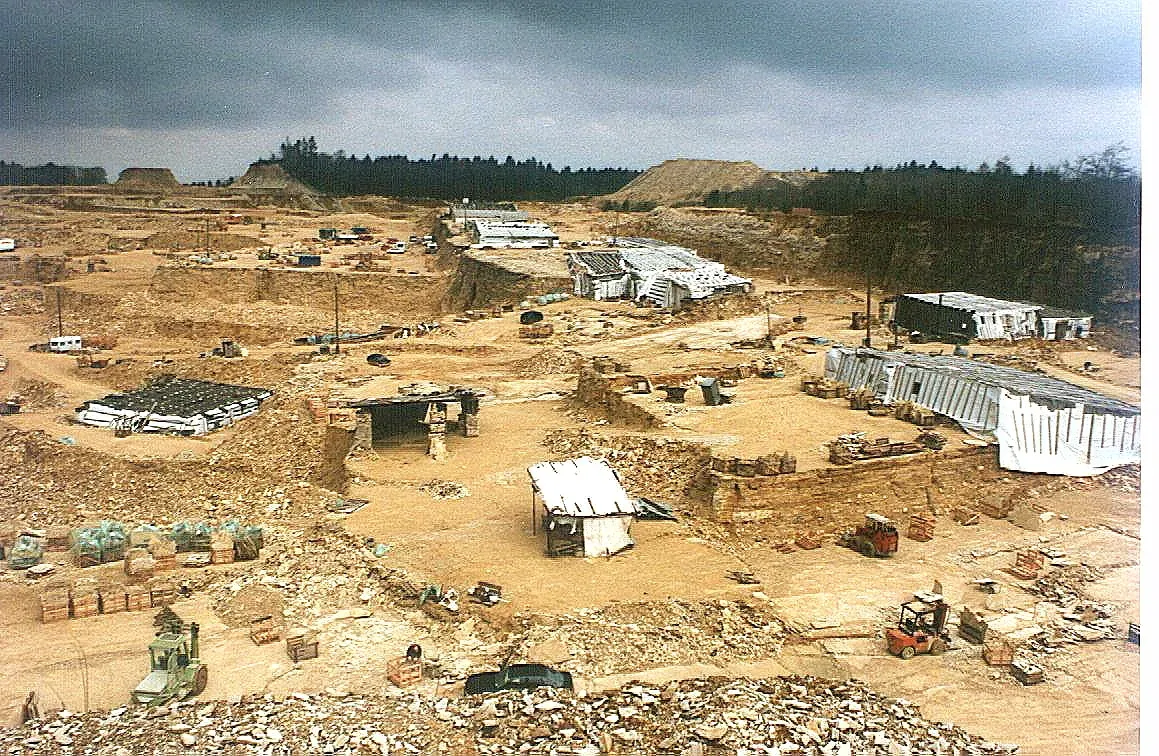
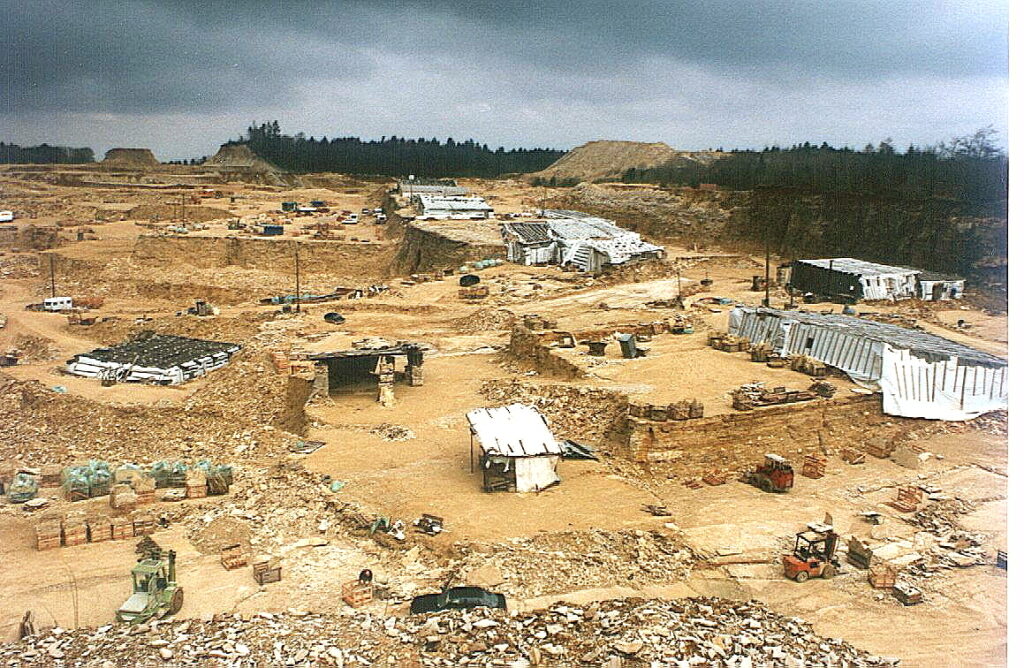
The quarries that gave the world Archaeopteryx, the animal that helped prove birds evolved from dinosaurs, have quietly gone dark one by one. The fine-grained lithographic limestone around Solnhofen and Eichstätt was originally quarried for printing plates, and the extraordinary preservation of that stone happened to capture some of the most famous fossils ever found.
As commercial demand for lithographic stone collapsed in the 20th century, many of the small family-run quarries that produced these specimens simply stopped operating. Some of the most historically significant fossil-bearing quarries in the world were shut down for reasons that had nothing to do with paleontology at all – they were closed because the printing industry moved on. A handful of active quarries still allow supervised fossil hunting today, but many of the original 19th-century pits that yielded early Archaeopteryx specimens are now flooded, overgrown, or built over.
#4 – Riversleigh, Australia
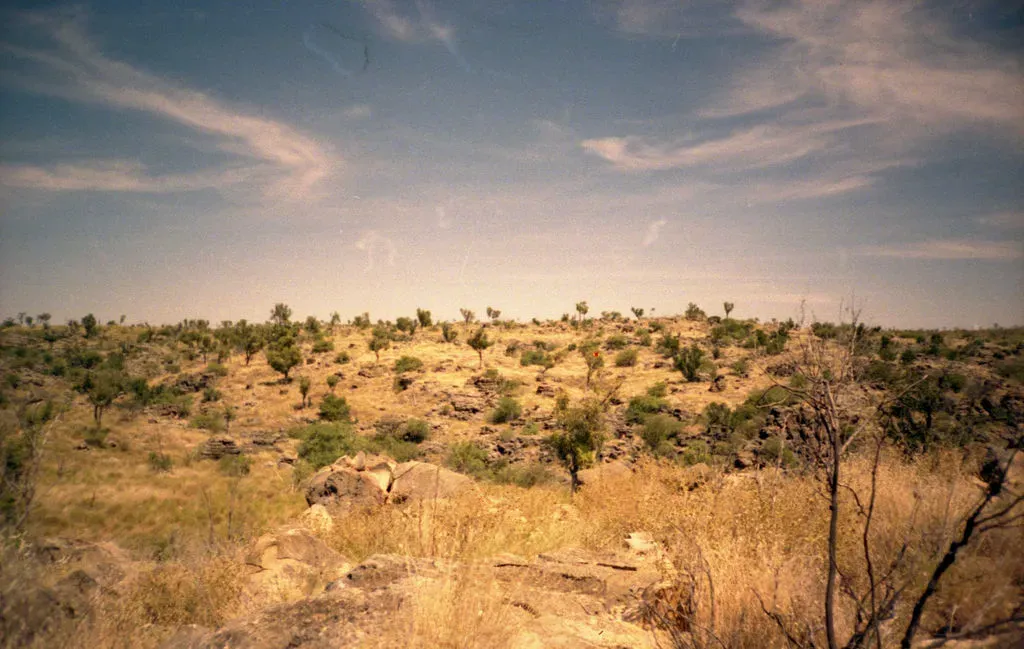
A World Heritage fossil site so remote that entire excavation seasons can pass with almost no fieldwork happening at all. Riversleigh, tucked into the far reaches of northwestern Queensland, has produced an astonishing record of Australia’s ancient mammals, including bizarre marsupial lions and giant flightless birds.
Its location is brutal: seasonal flooding, extreme heat, and near-total isolation mean access is only realistic for a narrow window each year. Many of the hundreds of individual fossil deposits mapped across the site have never been touched since their initial discovery, simply because there aren’t enough field seasons or funding cycles to reach them. Researchers openly acknowledge that Riversleigh contains far more than anyone has had the resources to excavate, leaving countless quarries “abandoned” not through neglect, but through sheer logistics.
Worth Knowing
- Inscribed as a UNESCO World Heritage site in 1994
- Located within Boodjamulla National Park, northwestern Queensland
- Hundreds of individual fossil deposits have been mapped across the property
- Famous for marsupial lions and giant flightless birds among Australia’s ancient mammal fauna
#3 – Dinosaur Cove, Australia
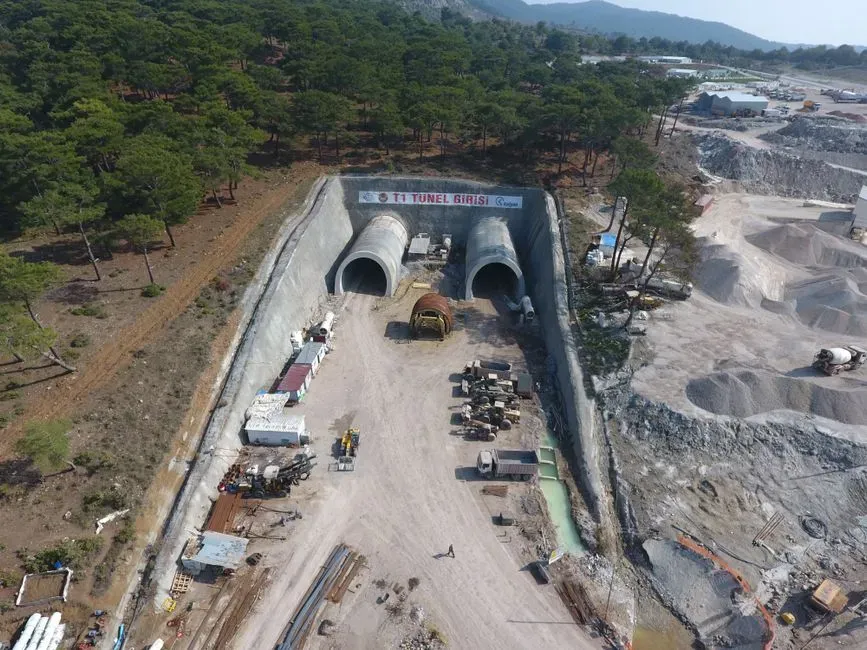
Scientists once tunneled directly into an ocean cliff face with explosives and jackhammers to reach polar dinosaur fossils – then walked away from it entirely. In the 1980s and 90s, paleontologists Tom Rich and Patricia Vickers-Rich pursued fossils of small dinosaurs that once lived near the ancient South Pole, embedded in incredibly hard rock along Victoria’s coastline.
To reach the bone layer, teams had to blast and drill actual tunnels into the cliff, a method almost never used in paleontology because of its cost and danger. The excavation was so labor-intensive that it effectively stopped once the most accessible fossil layers were exhausted, and no comparable tunnel-digging operation has been attempted there since. The site proved dinosaurs could survive near-polar winters, rewriting assumptions about their biology – yet the tunnels themselves were left to the elements once the science team moved on.
#2 – The Walcott Quarry, Burgess Shale, Canada
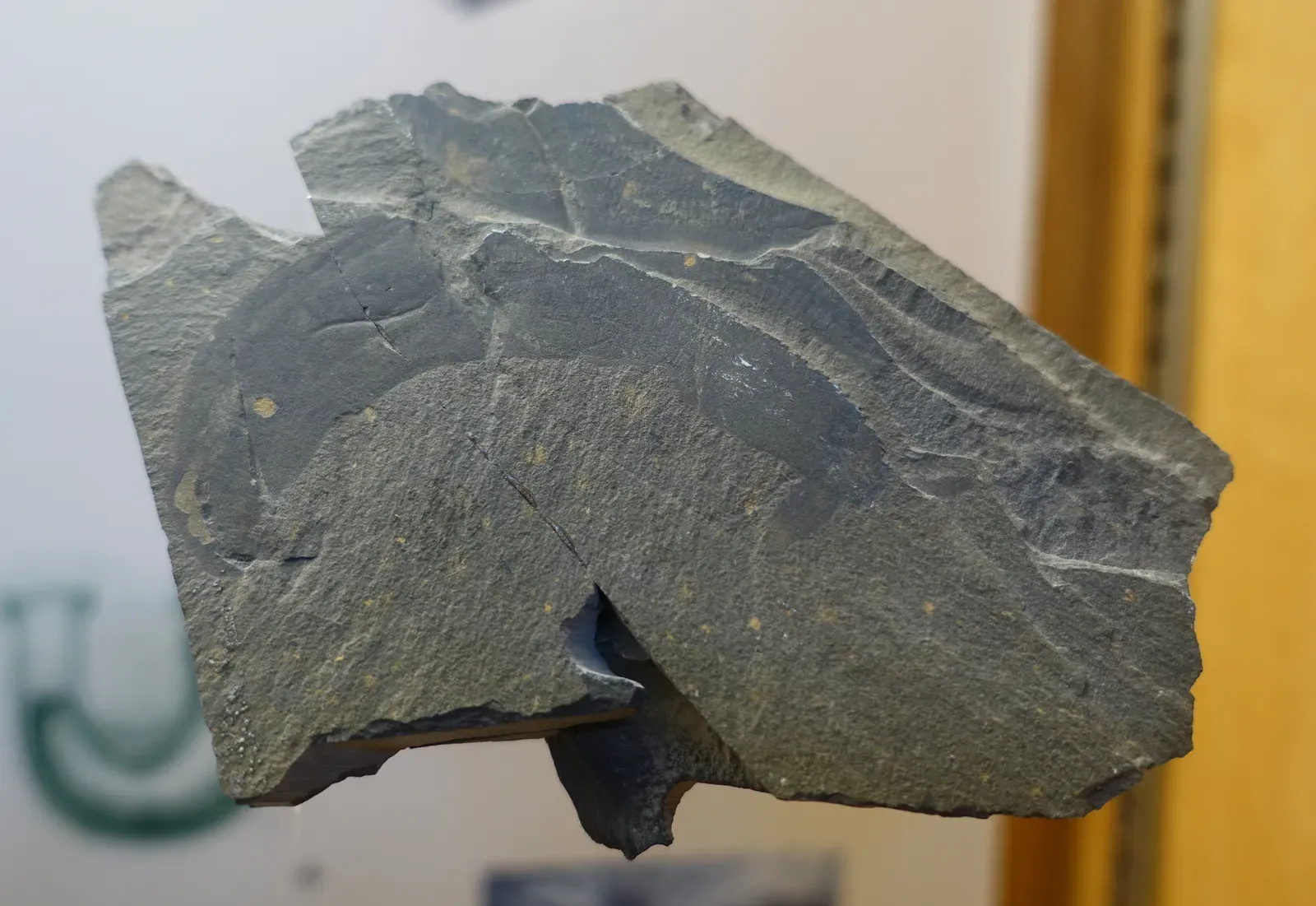
The site that rewrote the story of early animal life was, in essence, locked up by the very government that now protects it. Charles Walcott discovered the Burgess Shale’s soft-bodied Cambrian fossils in 1909, uncovering bizarre creatures that reshaped scientific understanding of the early explosion of animal life.
For decades afterward, independent and institutional collectors could visit and work the exposure with relatively loose oversight. That changed once the site fell within Yoho National Park’s boundaries. Today, casual collecting is banned outright, and access to the original quarry is restricted to permitted researchers or fee-based guided hikes, effectively closing the door on the free-for-all excavation era that once defined it. The fossils are more protected than ever, but the open, exploratory digging that first made the Burgess Shale famous is gone for good.
#1 – Mazon Creek, Illinois
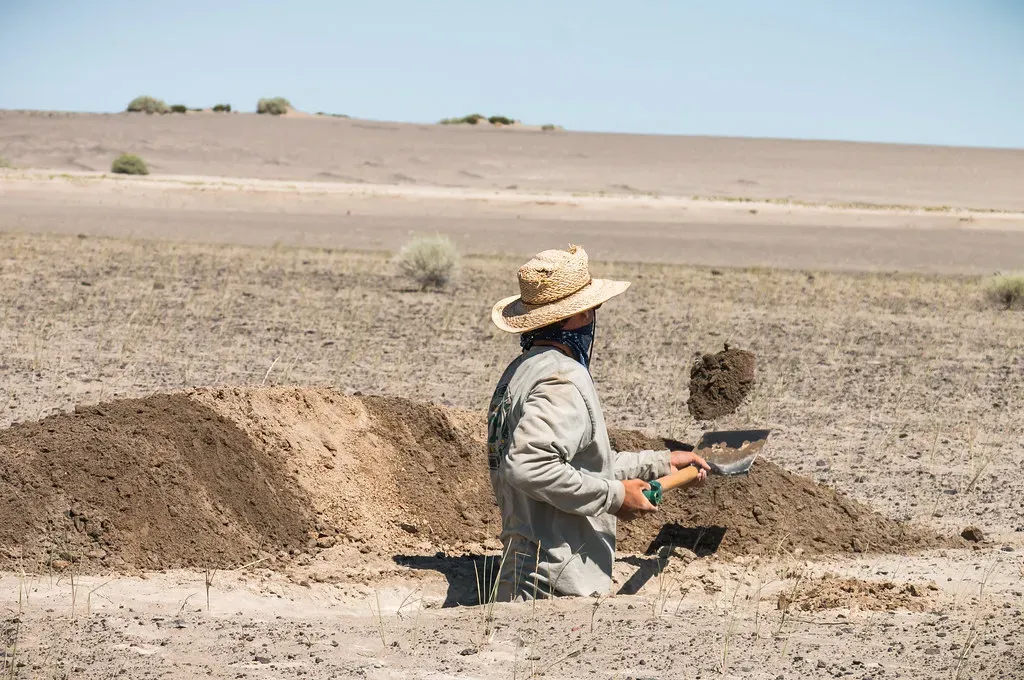
The single richest source of soft-bodied fossils in North American history is now, quite literally, underwater. Mazon Creek’s ironstone concretions preserved an extraordinary range of Pennsylvanian-age life, from jellyfish to the still-mysterious “Tully Monster,” almost entirely because 19th- and 20th-century coal strip-mining exposed the fossil-bearing shale as a byproduct of digging for coal.
Once the mining companies pulled out, the massive open pits that had accidentally become world-class fossil hunting grounds were left behind – and many were allowed to flood. Some of the most productive fossil-collecting spots in American history are now recreational lakes, with the layers that once produced soft-tissue preservation sitting meters below the waterline. No dramatic announcement closed Mazon Creek’s best sites. Water simply rose over them, and it never went back down.
Quick Compare
- Then: active strip mines exposing fossil-bearing ironstone as a coal byproduct
- Now: flooded former pits repurposed as recreational fishing lakes
- Then: peak collecting drew fossil hunters directly into open spoil piles
- Now: original mine-pit layers sit meters below the waterline, out of reach
The Bottom Line
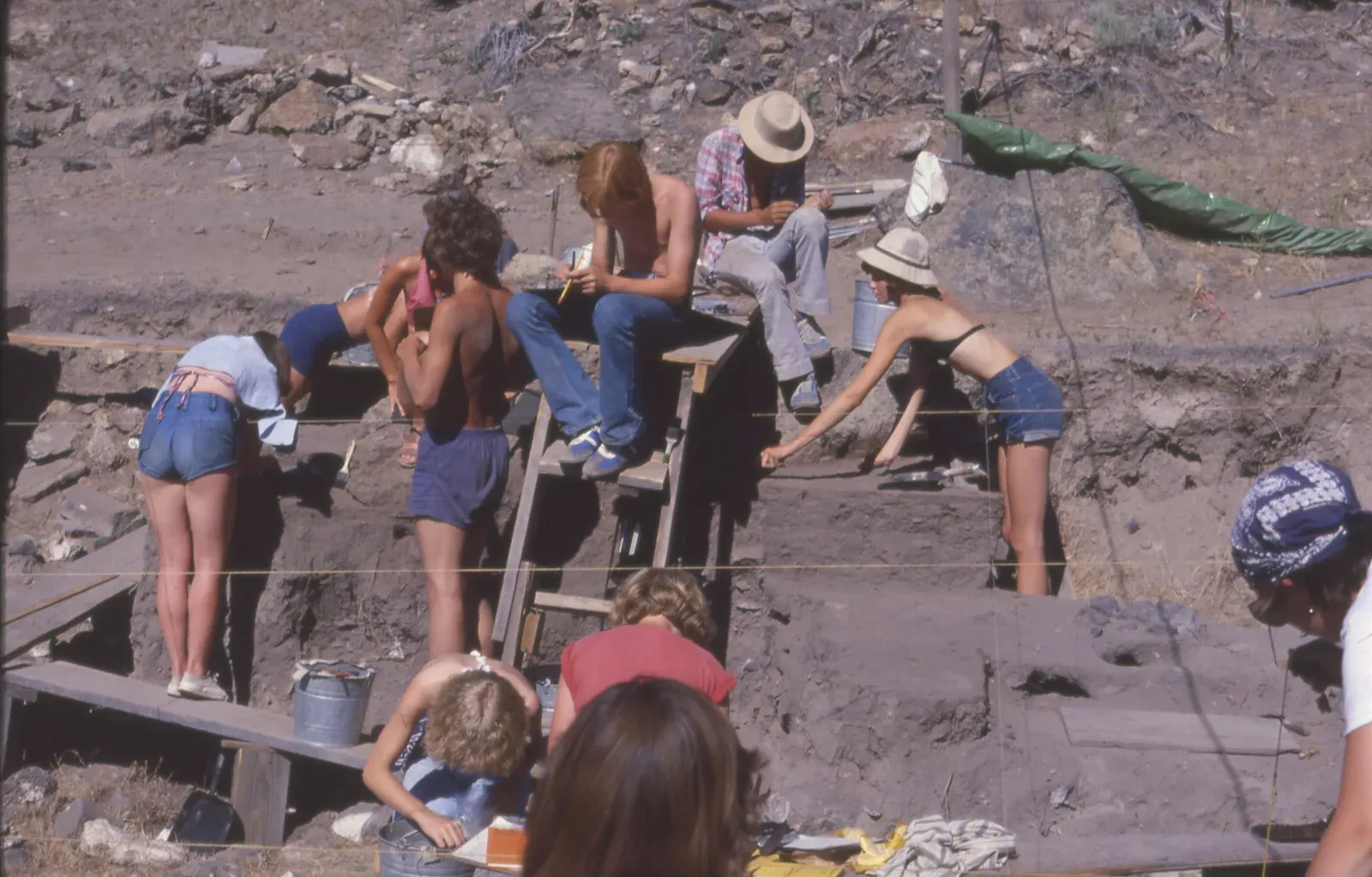
Here’s the uncomfortable truth: most of these sites weren’t abandoned because the fossils ran out. They were abandoned because of flooding, funding cuts, spite, bad records, or logistics nobody wanted to spend money solving.
Bernissart may still be full of Iguanodons. Riversleigh almost certainly holds species no one has seen. Karoo localities are gone simply because someone forgot to write down where they were. That’s the part that should bother us more than it does.
Paleontology loves a tidy narrative – a discovery, a dig, a museum hall. But the real story is messier, pettier, and honestly more interesting than any placard admits: careers ended over spite, priceless bone beds sealed up on purpose, entire quarries lost to bad handwriting. If even a fraction of these sites got the funding their fossils deserve, we might be rewriting textbooks all over again. Which one do you think should be reopened first? Tell us in the comments.