
I still remember sitting in a quiet airplane cabin, turbulence barely more than a gentle wobble, watching one passenger white‑knuckle the armrest – until their partner reached over and held their hand. The shaking stopped almost instantly, even though the plane did not get any smoother. That tiny moment says something big about us: our bodies often relax faster from a familiar touch than from a scientific explanation.
On paper, it makes no sense. The crowd at the concert cannot stop the weather, your friends in the movie theater cannot change the plot, and your family on the couch cannot magically erase a global crisis. Yet being with “our people” feels like armor. To understand why, we have to dig into brain wiring, hormones, evolution, and the weird tricks our minds play when we are scared – even when nothing out there is actually threatening us.
The Ancient Brain That Still Thinks in Tribes

Here is the uncomfortable truth: your brain is several thousand years behind your lifestyle. Deep inside sits an older system that evolved when being alone really did mean danger – predators, enemy tribes, starvation. For that ancient circuitry, being with your group was almost the same as being protected. Safety was not an idea; it was the literal presence of other bodies near you.
That wiring did not simply vanish because you now have locks, lights, and emergency services. When you walk into a crowded room with people you trust, your nervous system reads that like a green light: resources are shared, extra eyes are watching for threats, and if something goes wrong, you will not face it alone. Even if your logical brain knows you are fine either way, the older layers still quietly whisper that together equals safer.
Oxytocin, Touch, and the Chemistry of “I’m Okay”
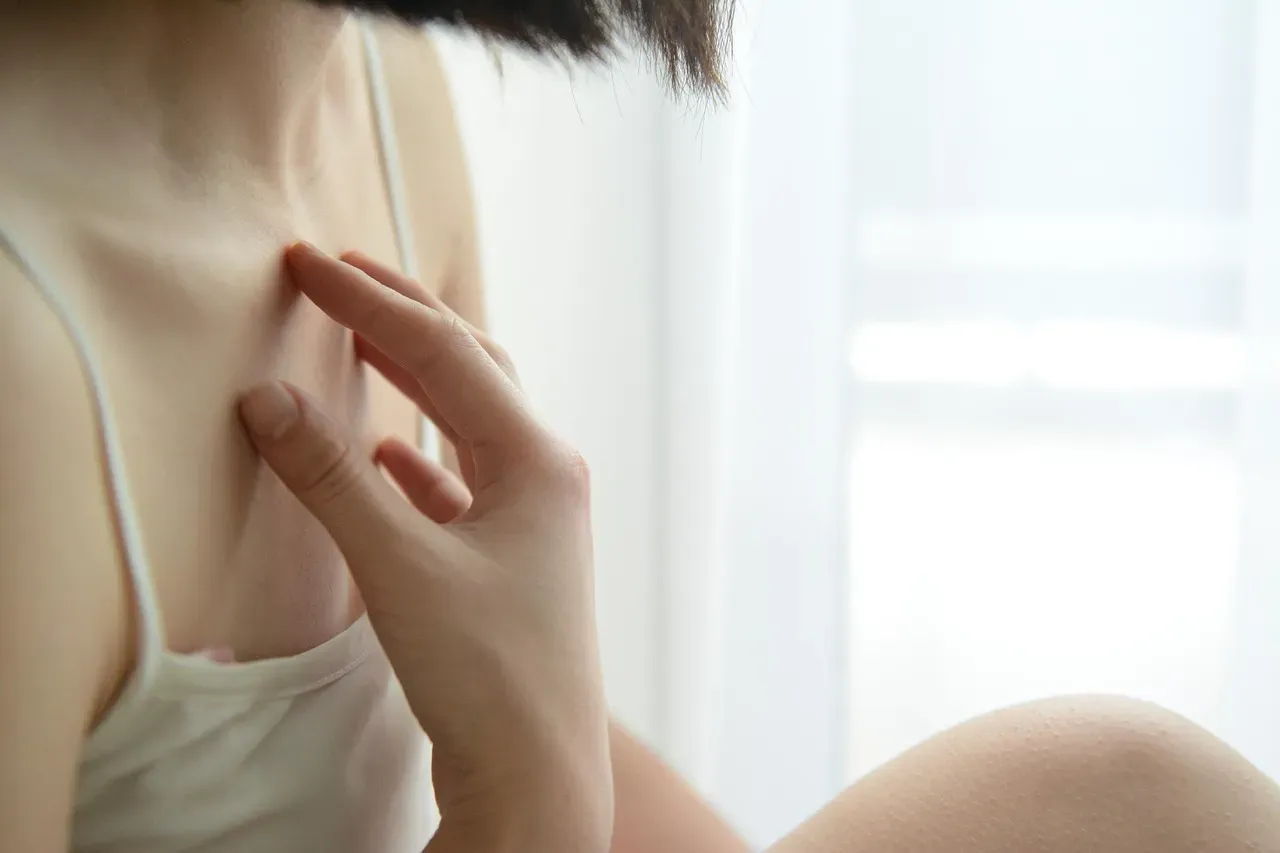
Feeling safer with your people is not only emotional; it is biochemical. Physical closeness, eye contact, and simple gestures like a hug or a hand on the shoulder can trigger the release of hormones associated with bonding and calm. These chemical shifts help buffer your stress response, slowing down the internal alarm system that makes your heart race and your muscles tense.
What is wild is how little it can take. Sitting next to a friend during a scary movie, hearing a loved one in the next room, or exchanging a knowing look across a chaotic party can be enough to soften anxiety. Your body is constantly scanning for signs that you are not alone, and when it finds them, it quietly adjusts the internal settings that tell you whether to stay on edge or finally exhale.
Social Proof: If They’re Calm, I Can Be Calm
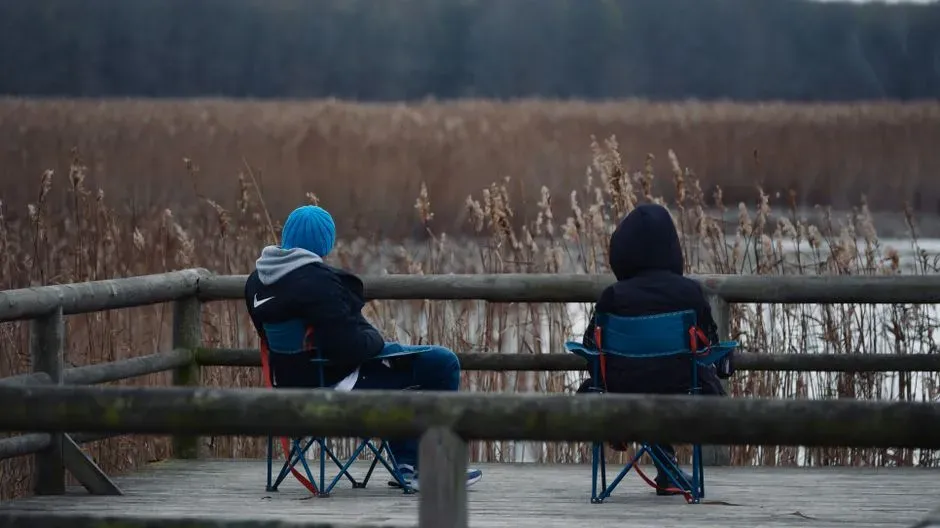
Humans are expert social copycats, especially when we are unsure what to feel. When you walk into a situation you do not quite understand – a sudden loud noise, a strange environment, an unexpected announcement – you instinctively check the faces around you. If the people you trust look relaxed, your brain takes that as evidence that everything is probably fine.
This is called social proof: we use other people’s reactions as a shortcut for judging reality. Around strangers, this can backfire into panic or confusion, but around your own people, it often works in your favor. Their familiar expressions, jokes, or even eye rolls tell you, in a language older than words, that you do not need to brace for impact right now.
Shared Identity and the Power of “We” Over “I”
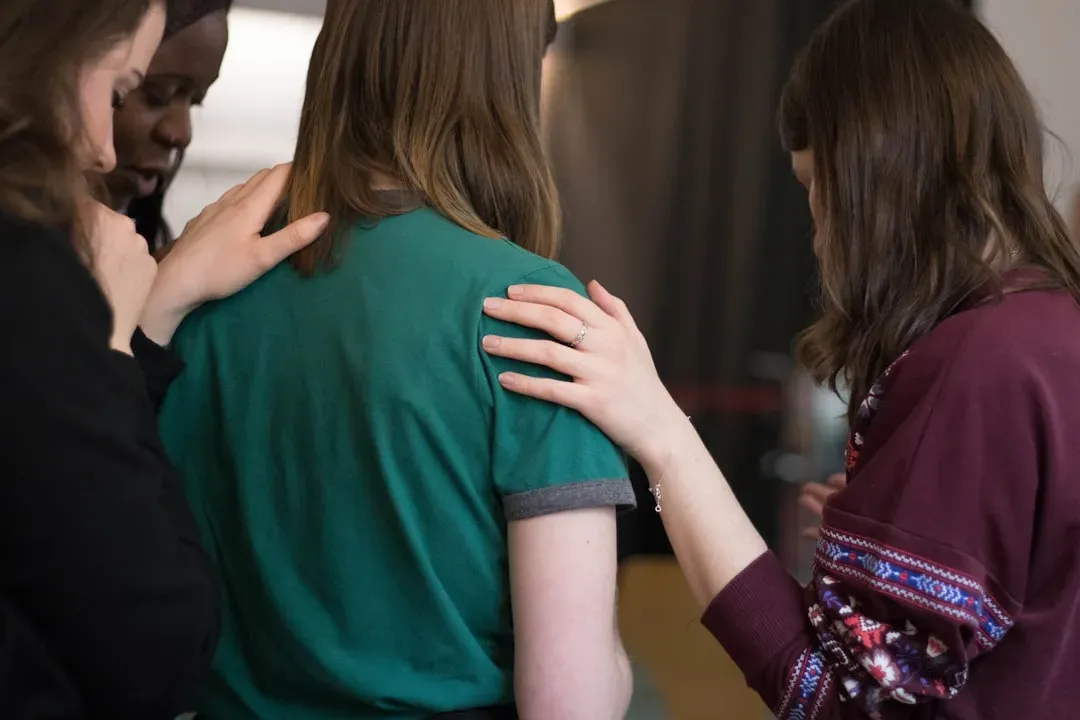
There is also something quietly powerful about shifting from “I” to “we.” When you are alone, every problem feels personal and heavy: my fear, my risk, my responsibility. As soon as you are with your group – family, close friends, even a tight team at work – your mind reframes things as a collective experience. It becomes our situation, our challenge, our weird night.
That psychological shift matters, because burdens feel lighter when they are shared. Even if your people cannot actually fix the thing that is worrying you, knowing that others are emotionally invested spreads out the weight. It is like carrying a heavy couch: the object is still just as heavy, but four people swearing and laughing under it feels a lot less scary than you trying to drag it alone.
Attachment Styles: Why Some People Need “Their” People More

Not everyone feels the same level of comfort from being around others, and psychology has a lot to say about why. From childhood onward, we develop attachment patterns based on how our caregivers responded to our needs. Some of us grow up feeling that others will usually show up and be reliable, while others learn that closeness can be unpredictable or even unsafe.
People with a more secure attachment style often experience the strongest calming effect from being with their trusted circle; their bodies are used to linking closeness with safety. Those with more anxious or avoidant patterns might feel torn – wanting comfort, yet also bracing themselves. Still, for most of us, even a complicated relationship history does not fully erase the underlying truth: the right person, at the right time, can soften the edges of fear simply by being there.
The Illusion of Control: Together We Feel More Powerful

Another sneaky reason we feel safer with our people, even when nothing has really changed, is the illusion of control. When something is uncertain – turbulence on a flight, a loud storm, a big exam result pending – being alone highlights how little you can do. Surrounded by others, you feel like you have more options, more hands on deck, more brains in the room if something goes sideways.
This is not always rational, but it is deeply human. We overestimate our collective power in a way that actually soothes us. Even in situations where no one can truly intervene, like a tense moment during a film or waiting for medical results, we imagine that somehow, by facing it together, we are less vulnerable. The threat has not changed, but our perceived ability to cope with it has, and that is often enough.
Modern Anxiety, Ancient Solutions

What makes all of this even more interesting is that today’s “dangers” are often invisible and long term: climate concerns, job insecurity, digital overwhelm, global news cycles. They are not lions in the bushes, but our bodies still respond with the same basic stress systems. Sitting alone with a scrolling feed of bad news amplifies that, while sitting with people you love can interrupt it.
In some ways, leaning on our people is the most ancient mental health strategy we still have. Talking things out, laughing at shared absurdities, or simply existing in the same space while doing nothing special can act like a reset button. It is not about pretending there is no risk in the world, but about reminding your nervous system that you are not facing it in total isolation.
Why Digital Connection Helps… But Doesn’t Fully Replace Presence

It is tempting to say that in a hyper‑connected world, a quick text or video call should be enough to make us feel safe. And for some situations, it really does help: hearing a familiar voice when you are stressed, seeing a friend’s face when you are homesick, or joining an online group can ease loneliness and worry. Our brains are flexible enough to find comfort in digital closeness.
Still, there is a reason a hug hits differently than a heart emoji. Screens cannot fully reproduce the nonverbal micro‑signals, shared silences, and physical cues that tell your body “you are held, you are seen, you are not on your own.” Technology is a powerful bridge, but most people still feel a deeper, more grounded kind of safety when their people are literally sitting next to them, even if everyone is just quietly scrolling in the same room.
Conclusion: Maybe Our Need for “Our People” Is a Strength, Not a Flaw

It is easy to roll your eyes at how much calmer you feel when your partner is on the couch, your friends are in the group chat, or your family is in the next room, especially when you know perfectly well that nothing out there has actually changed. But maybe that is not weakness or irrationality – maybe it is one of the most grounded, honest parts of being human. Your nervous system is telling you that life is easier to face as a “we” than as a lonely “I,” and on some level, it is right.
In a culture that worships independence and self‑reliance, it is almost a quiet rebellion to admit that you simply feel safer with your people, whether the danger is real, exaggerated, or purely in your head. Yet that need for connection might be one of the most mentally healthy instincts we have left. The world will always have unknowns; the question is whether you choose to shoulder them alone when you do not have to. Who do you want sitting beside you the next time your fear is louder than the facts?