You know the T-Rex from every movie poster: rearing up on two legs, tail dragging, roaring at the sky before chasing down a Jeep at full speed. That image has been burned into our brains since childhood. There’s just one problem – almost none of it is real.
Decades of bone scans, growth-ring studies, and biomechanical modeling have quietly dismantled that Hollywood monster piece by piece. What’s left behind is stranger, weirder, and honestly more unsettling than the movie version ever was. Here’s what the fossils actually reveal.
#13 – It Stood Like a Bird, Not a Kangaroo
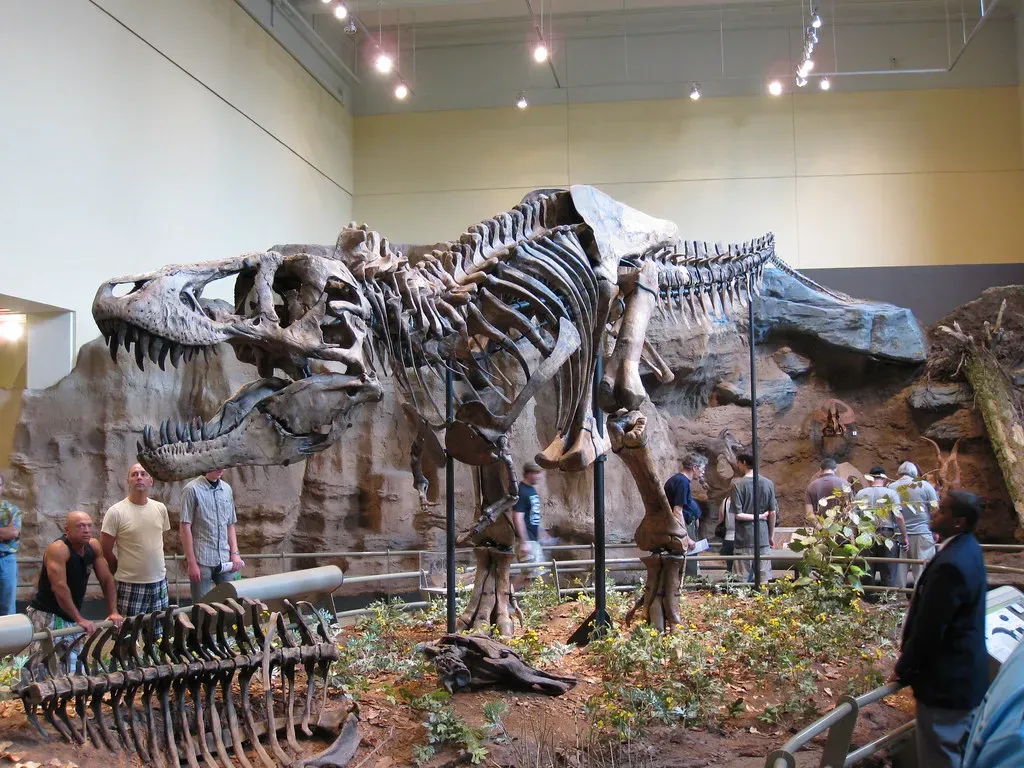
Every old museum diorama got the posture wrong. For decades, T-Rex was drawn rearing upright, tail scraping the dirt like a giant, clumsy lizard-man. Modern skeletal analysis blew that image apart completely.
The spine actually sat nearly horizontal, balanced like a seesaw between the massive skull up front and that thick, muscular tail out back. That tail wasn’t dead weight dragging behind – it was a dynamic counterbalance, swinging and flexing to keep the animal stable through sharp turns and sudden lunges. The old upright pose isn’t just outdated, it’s anatomically impossible for this skeleton to hold.
#12 – It Was No Olympic Sprinter
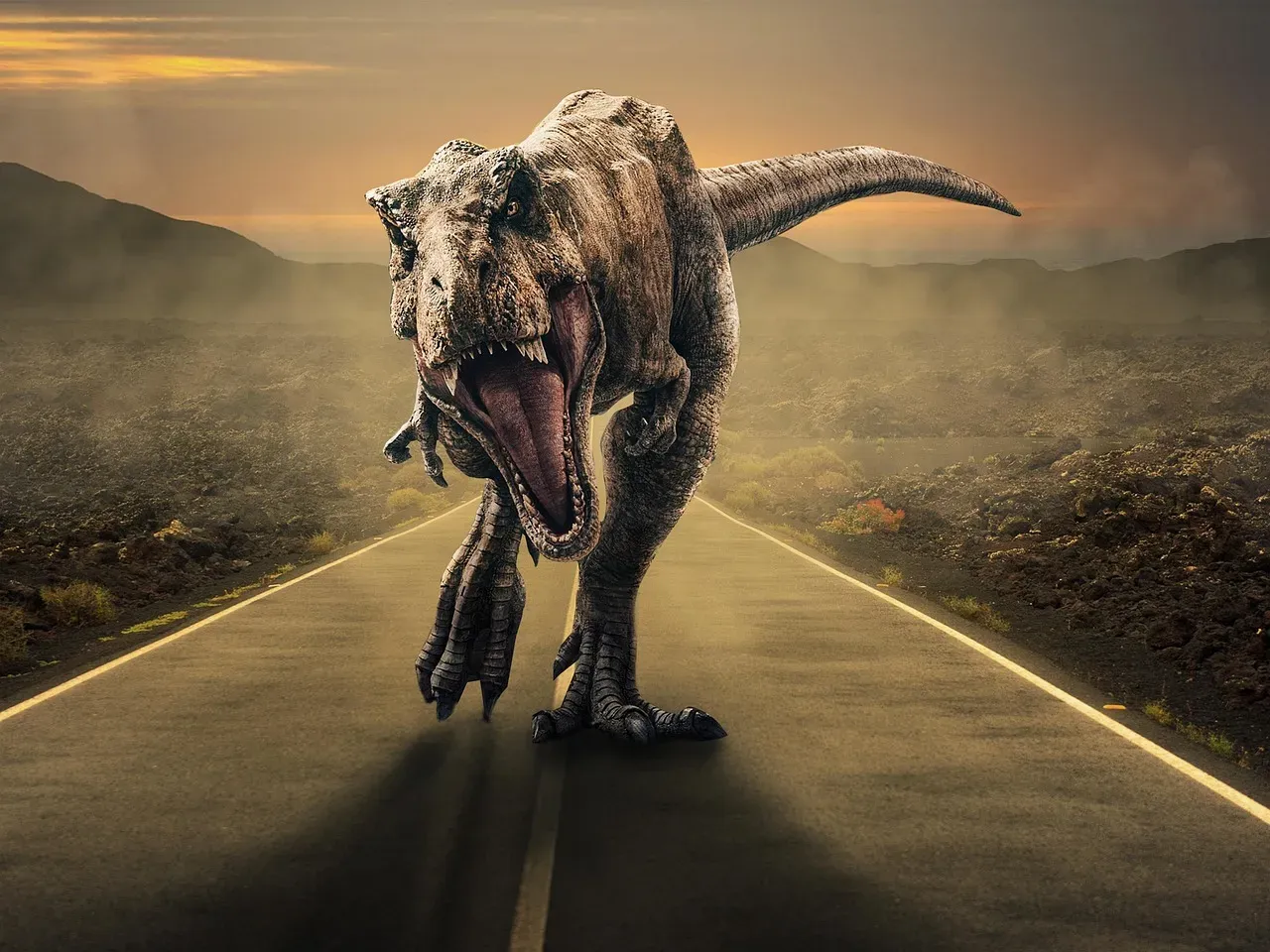
Forget the jeep chase. That scene made for great cinema and terrible science. Biomechanical models that account for leg length, bone strength, and body mass cap T-Rex’s realistic top speed around 18 mph – and even that was likely a brisk, powerful walk rather than a true sprint.
At eight tons, sustained running was a genuine risk. A stumble at speed could have shattered bones that took years to grow. Younger, lighter individuals may have moved quicker, but full-grown adults almost certainly played a different game entirely: patience and explosive short bursts, not marathon chases.
Fast Facts
- Adult top speed: roughly 12-18 mph, closer to a brisk human sprint than a car chase
- Estimated weight: up to 9 tons, heavier than a fully grown African elephant
- Leg bones were built for power and stability, not distance running
- Juveniles, still lean and light, may have moved noticeably faster than full-grown adults
#11 – Those Tiny Arms Were Secretly Brutal
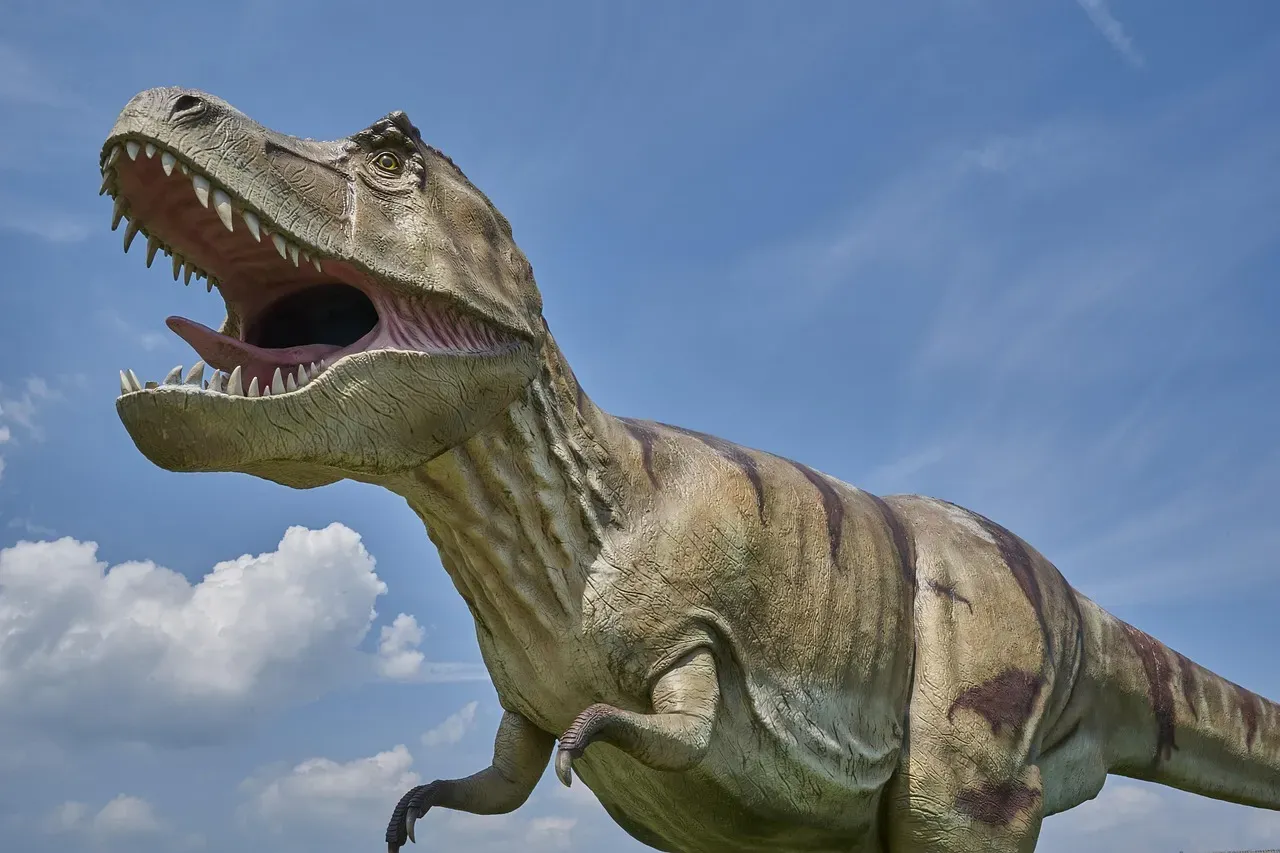
The arms are the internet’s favorite joke, and it’s easy to see why – they look almost comically small next to that skull. But muscle attachment scars on the bones tell a different story. Pound for pound, those stubby limbs were dense with power, capable of curling hundreds of pounds.
Researchers now suspect they served real, practical purposes – pinning down struggling prey at close range, or bracing the body during the awkward process of standing back up after lying down. The arms didn’t vanish because they were useless. They shrank because the head and jaws became so devastatingly effective that the arms simply became a backup weapon.
#10 – Its Eyesight Rivaled a Modern Eagle
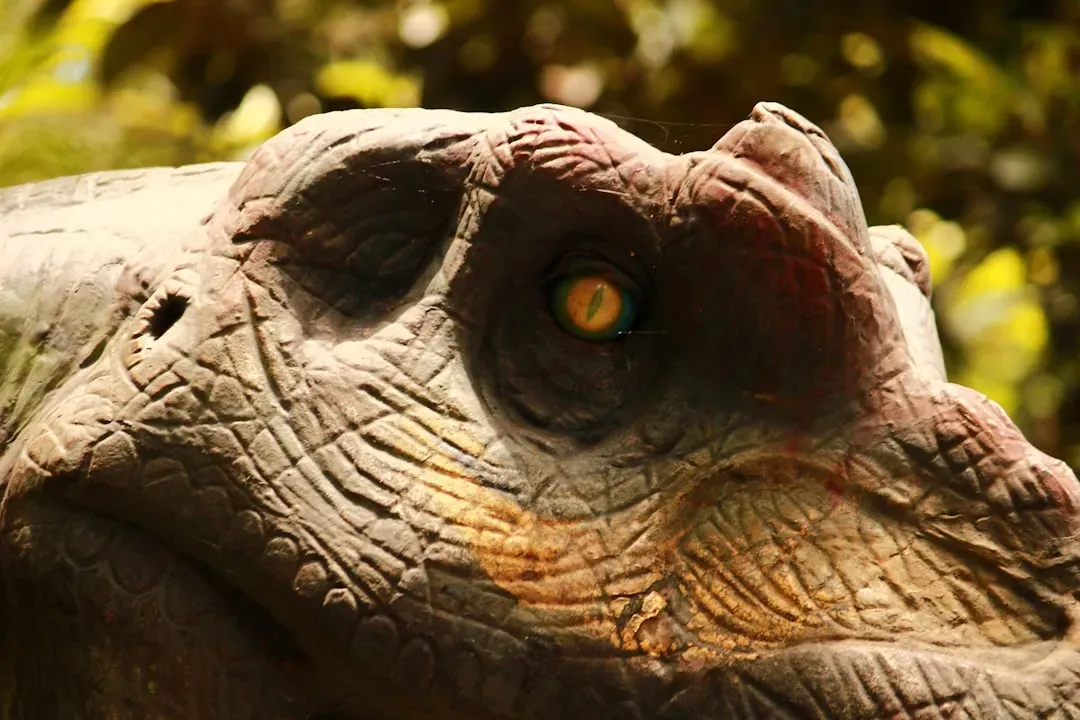
Jurassic Park’s most famous lie is the “it can’t see you if you don’t move” line. In reality, T-Rex had some of the sharpest eyes of any land animal to ever exist. Its eye sockets angled forward, giving it overlapping binocular vision similar to an owl or a hawk.
The eyeballs themselves were enormous, roughly orange-sized, packed with light-gathering surface area. That combination gave it exceptional depth perception, perfect for judging exactly how far away a fleeing hadrosaur was before committing to an attack. Standing still would have done absolutely nothing to save you.
#9 – Its Bite Could Crush Bone Like a Trash Compactor
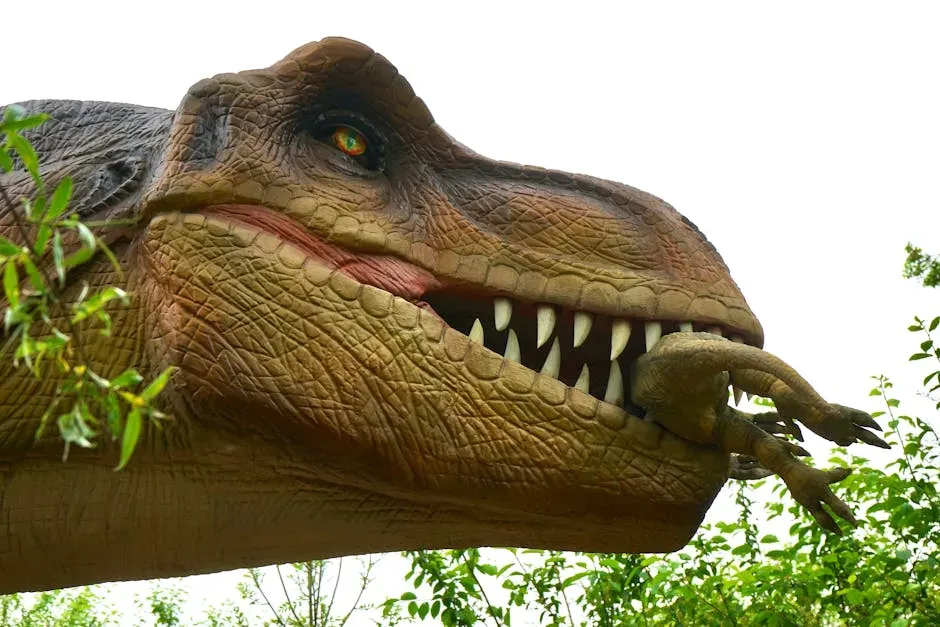
Every new biomechanical model pushes the number higher. Current estimates put an adult T-Rex’s bite force at the back teeth somewhere between 35,000 and 57,000 newtons – enough force to pulverize bone into fragments, not just puncture flesh.
That kind of pressure meant T-Rex could do something almost no other predator could: crack open the marrow-rich bones other carnivores had to leave behind. The skull itself needed reinforced struts just to survive the forces its own jaws generated. It wasn’t biting to kill efficiently. It was biting to destroy completely.
The T-Rex bite was strong enough to break bone, something virtually no other terrestrial predator, living or extinct, has been shown capable of doing with such regularity.
Gregory Erickson, paleontologist, Florida State University
#8 – It Spent Decades Living as a Middleweight Before Becoming a Monster
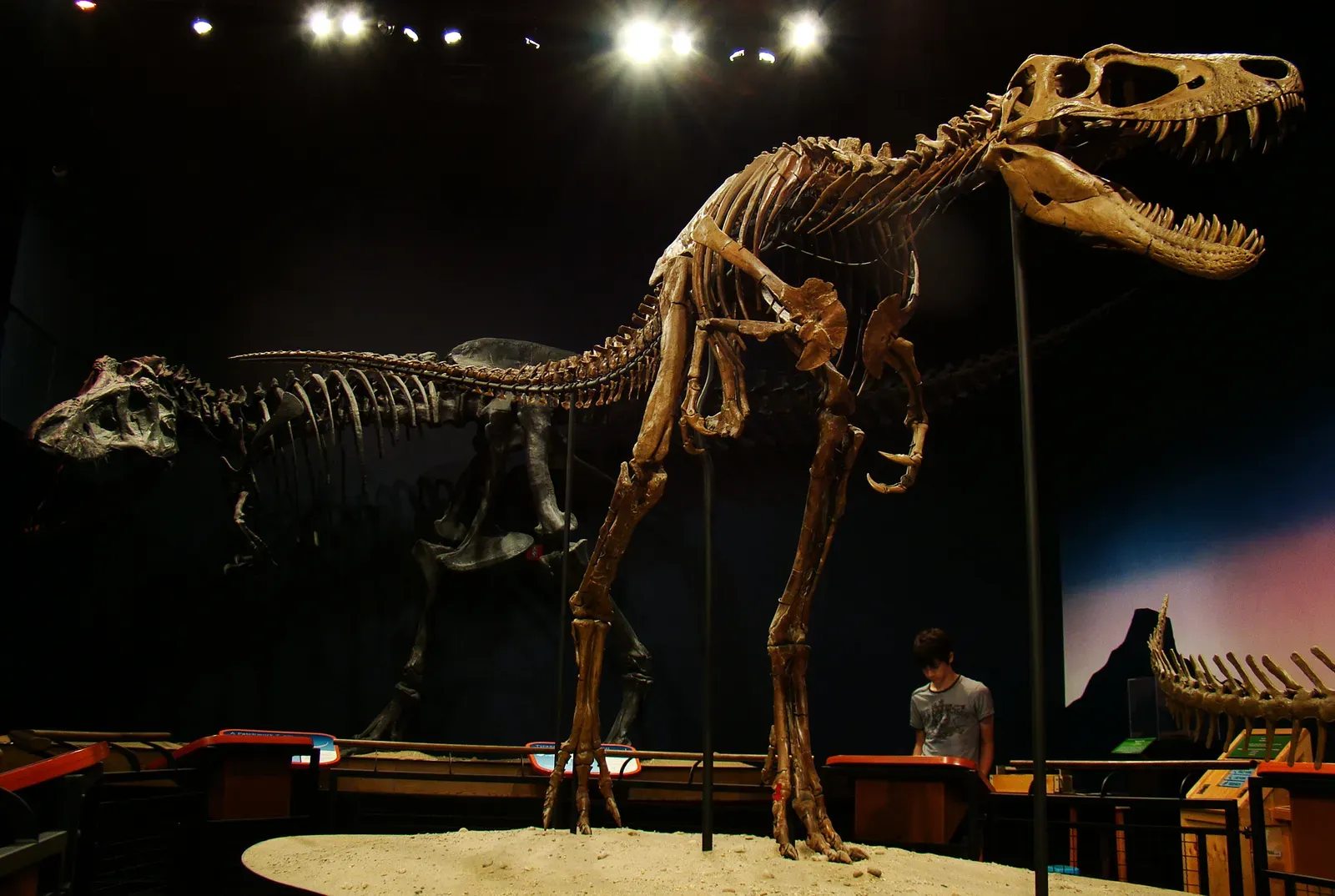
Growth-ring studies of T-Rex bones read almost like tree rings, and they reveal something surprising: this animal didn’t arrive at its terrifying adult size quickly. It spent a huge chunk of its life as a lean, mid-sized predator, then went through an explosive teenage growth spurt, packing on enormous weight in a relatively short window before leveling off into its final massive form.
That means the ecological role of a T-Rex changed dramatically over its lifetime. A ten-year-old individual wasn’t a smaller version of the adult – it was a faster, leaner hunter occupying a completely different niche in its ecosystem. The lumbering giant we picture was really the final chapter of a much longer, stranger story.
At a Glance
- Estimated lifespan: up to 28-30 years, based on annual growth rings in the bones
- Fastest growth phase: the teenage years, when weight gain accelerated dramatically
- Peak growth spurt: nearly 1,500 pounds added in a single year at its fastest
- A ten-year-old T-Rex behaved more like a lean pursuit hunter than the slow-growing giant it would become
#7 – The Babies Were Probably Fuzzy
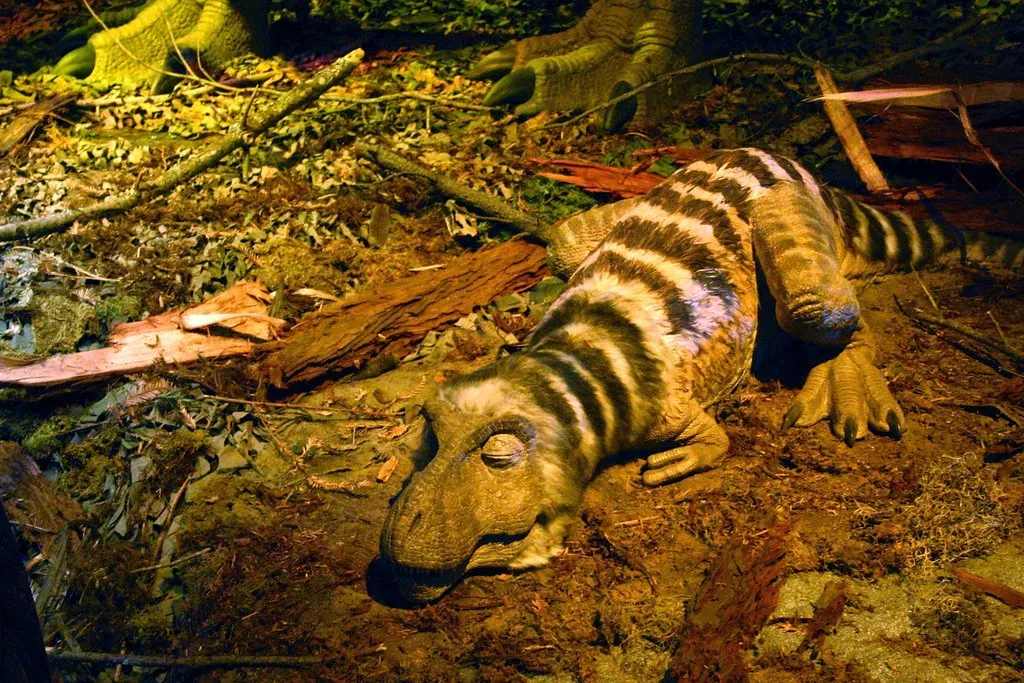
Adult skin impressions show patches of scales, which fits the classic scaly-monster image. But zoom out to the broader tyrannosaur family tree, and the picture gets fuzzier – literally. Many close relatives had feather-like filaments, and it’s widely suspected that young T-Rex hatchlings were covered in a downy coat for warmth.
Whether that fuzz stuck around into adulthood is still hotly debated among paleontologists, and full-body feathers on an eight-ton giant remain unlikely. But the idea of a completely naked, reptilian killing machine from birth to death simply doesn’t match the evidence anymore. The truth is probably a patchwork: scaled in places, feathered in others, and different at every stage of life.
#6 – It Wasn’t Even the Biggest Predator of All Time
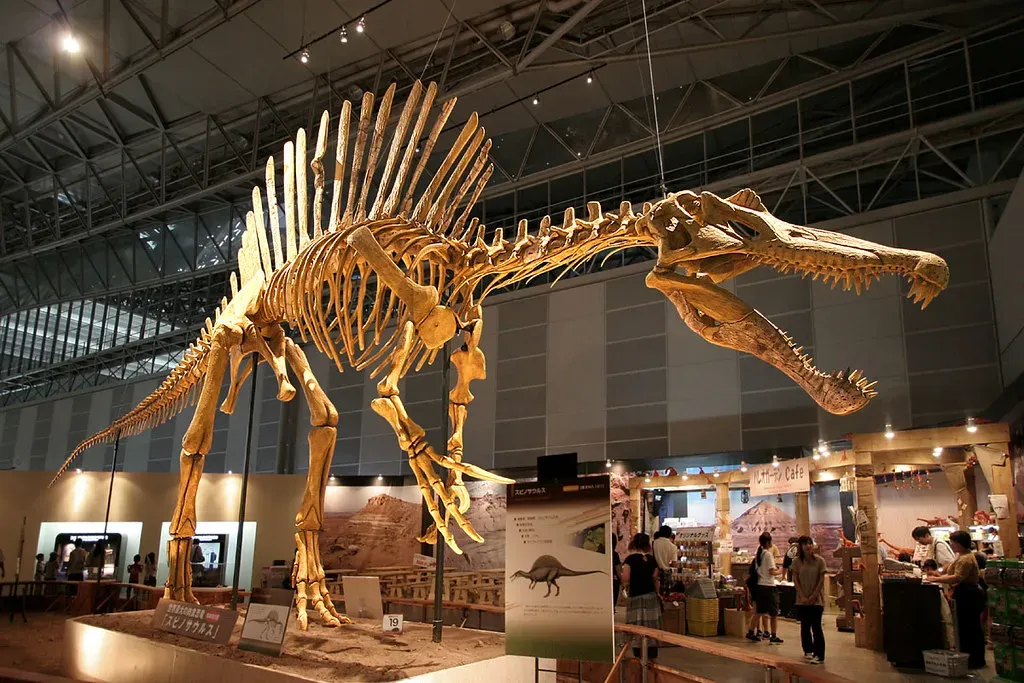
T-Rex owns the cultural throne, but the size crown belongs to other dinosaurs. Spinosaurus, a river-hunting predator built like a crocodile crossed with a sail-backed nightmare, likely grew longer overall. Several carcharodontosaurids came close to matching its mass too.
T-Rex’s fame comes less from raw size and more from that skull-crushing bite, its dramatic fossil discoveries, and a century of pop culture that turned it into a household name. It absolutely dominated its specific corner of the Late Cretaceous. It just wasn’t the undisputed heavyweight champion of every dinosaur that ever lived.
Quick Compare
- T-Rex: roughly 40 feet long, up to 9 tons, apex predator of the Late Cretaceous
- Spinosaurus: potentially longer overall, adapted for hunting in and around rivers
- Carcharodontosaurids: comparable body mass, generally leaner builds than T-Rex
- T-Rex’s legacy rests more on bite force and fossil fame than sheer size records
#5 – It Hunted and Scavenged, and the Debate Was Always Pointless
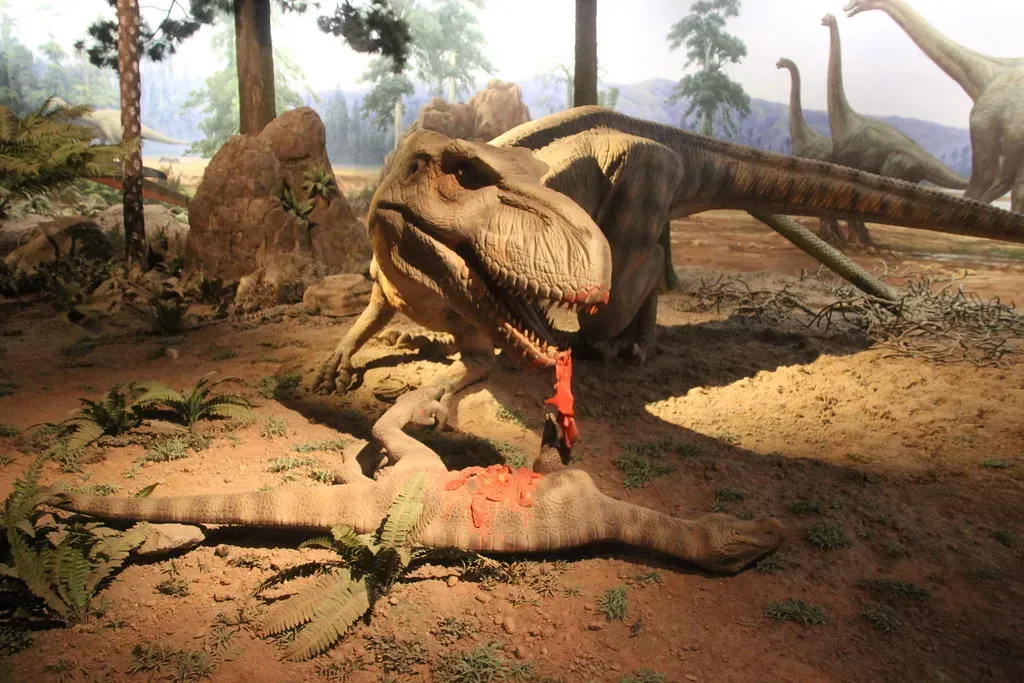
For years, paleontologists argued fiercely over whether T-Rex was a noble hunter or a glorified vulture. Bite marks embedded in healed bone prove it actively attacked living prey and sometimes lost that fight. But its extraordinary sense of smell and bone-crushing jaws also made it perfectly equipped to steal carcasses from other predators or find bodies no one else could.
The truth is almost insultingly simple: it did both, whenever either option was available. Framing it as an either-or question misunderstands how real predators actually survive. Opportunism, not purity, is the rule in nature.
#4 – Its Brain Ran Hotter Than We Assumed
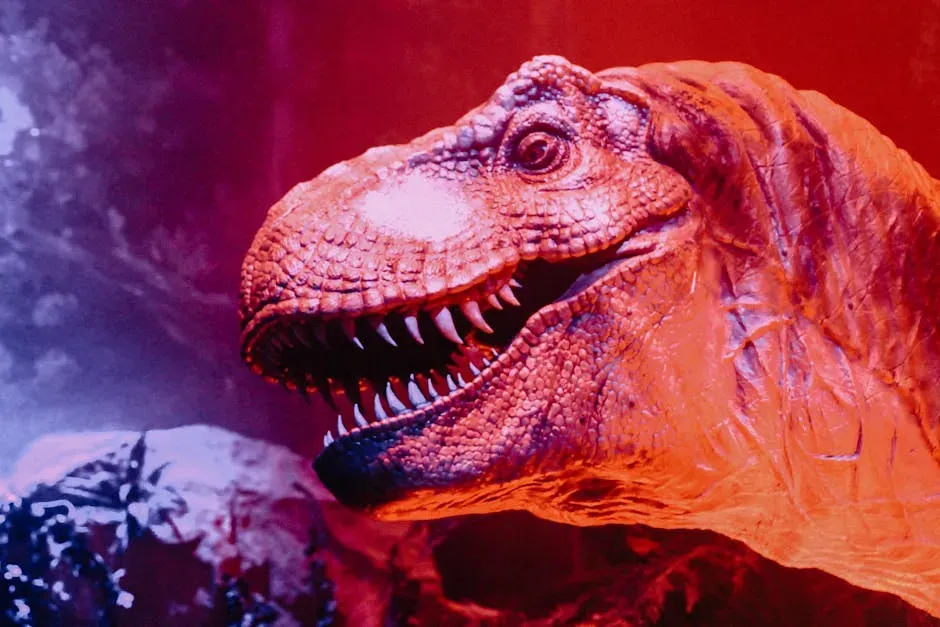
The “dumb lizard brain” stereotype doesn’t hold up. Relative to its body size, T-Rex’s brain was unusually developed, with expanded olfactory bulbs dedicated almost entirely to processing smell. Some researchers compare its estimated problem-solving capacity to modern crocodiles, or even certain birds.
That upgraded sensory processing suggests a predator capable of more nuanced behavior than pure instinct – tracking scent trails over distance, remembering territory, and making quick decisions mid-hunt. It wasn’t calculating like a chess player, but it was far sharper than the mindless brute of the movies.
#3 – The Pack-Hunting Theory Is Mostly Guesswork
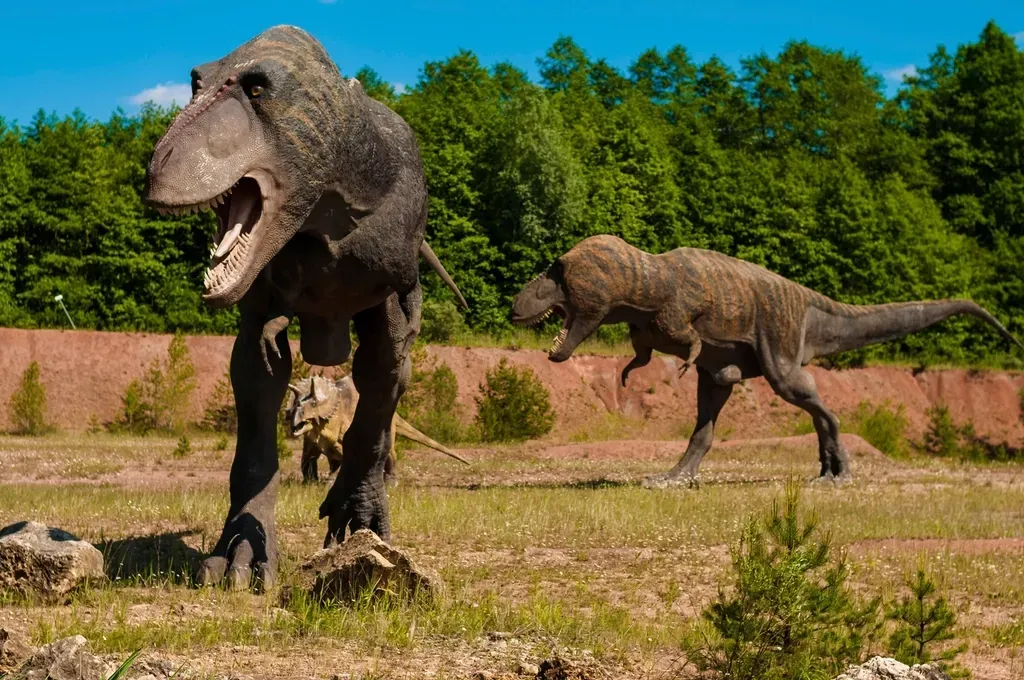
Some bone beds and footprint trackways hint that multiple T-Rex individuals were occasionally in the same place at the same time. Naturally, that’s been stretched into thrilling scenes of coordinated wolf-pack hunting parties bringing down prey together.
Most paleontologists urge caution here. The evidence is thin enough that it could just as easily reflect temporary gatherings around a carcass, or chance encounters, rather than true cooperative pack behavior. It’s one of the biggest gaps between what movies confidently show and what the fossil record can actually prove.
#2 – It Almost Certainly Didn’t Roar
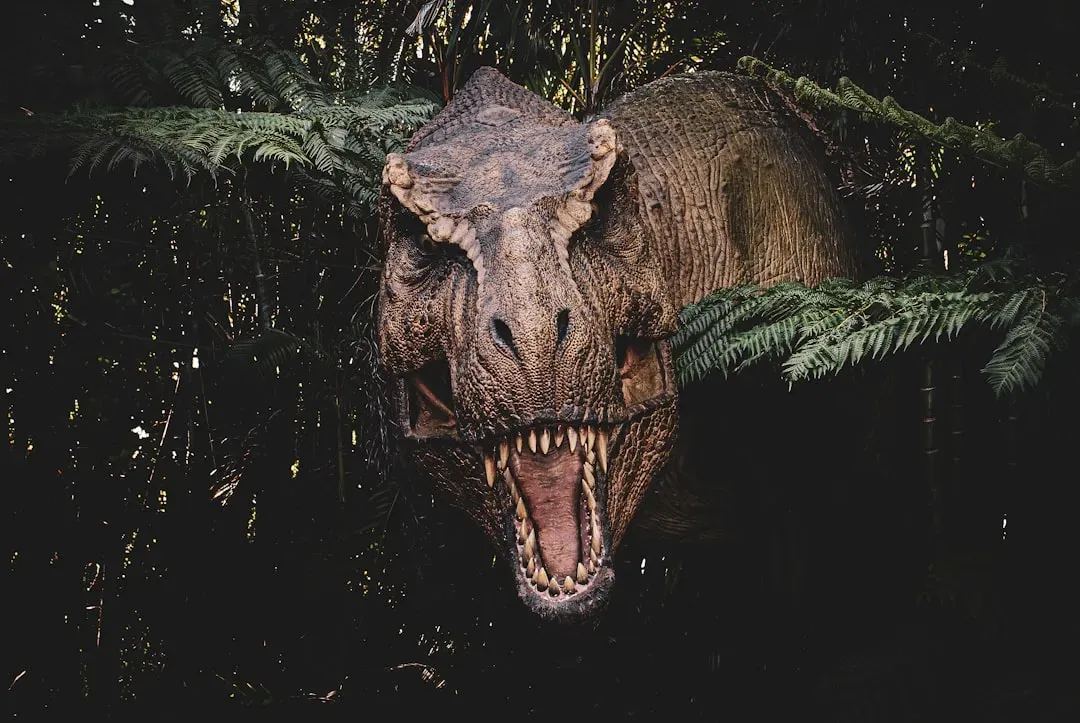
That iconic open-mouthed bellow echoing across the plains? Probably fiction. Studies of tyrannosaur throat anatomy, compared with living relatives like birds and crocodilians, suggest T-Rex lacked the resonating vocal structures needed to produce a loud, open-mouth roar at all.
Closed-mouth vocalizations – low rumbles, booms, and infrasonic pulses similar to what alligators or ostriches produce – are far more likely. The sound wouldn’t have been the deafening scream from the trailers. It would have been something quieter, deeper, and honestly far creepier: a low vibration you’d feel before you ever heard it.
Worth Knowing
- Modern alligators produce deep infrasonic bellows that vibrate the ground and water around them
- Ostriches use closed-mouth booming calls despite having no ability to roar
- T-Rex’s throat anatomy lines up more closely with birds and crocodilians than with lions or bears
- Low-frequency rumbles travel farther through the environment than a sharp, open-mouth roar
#1 – The Real Animal Was Stranger Than Anything Hollywood Invented
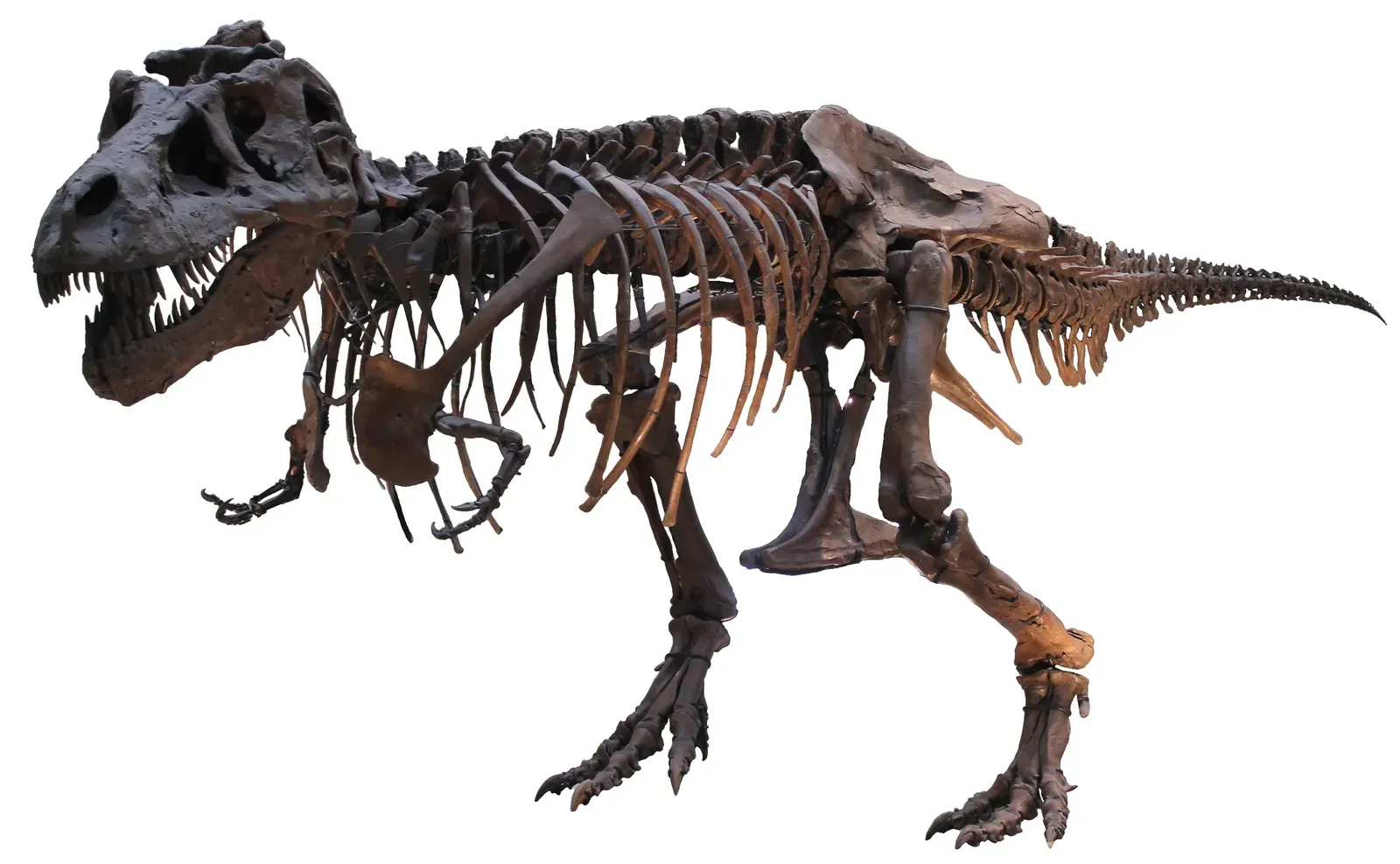
Stack every piece of evidence together – the horizontal spine, the possible juvenile fuzz, the massive forward-facing eyes, the shockingly strong little arms, the four-decade-long journey from lean juvenile to bone-crushing giant – and you get an animal that resembles almost nothing from childhood toy shelves or movie screens.
This was a highly specialized predator shaped by millions of years of extremely specific pressures, not a generic scaly monster built for maximum screen terror. And with every new fossil discovery, the gap between the pop-culture T-Rex and the real one keeps growing wider, not narrower.
The Bottom Line
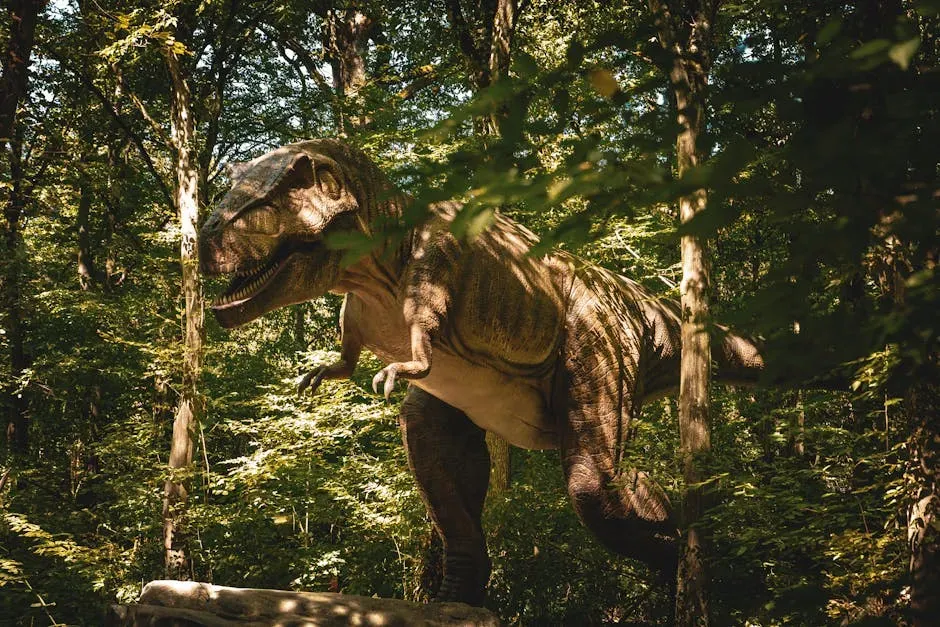
The T-Rex that actually walked the Late Cretaceous was horizontal, sharp-eyed, bone-crushing, slow to mature, and possibly a little fuzzy as a youngster. Hollywood got the posture wrong, the speed wrong, the roar wrong, and the intelligence wrong – basically every headline detail we grew up believing.
If anything, the truth makes it scarier, not tamer. A predator that could see you clearly from hundreds of feet away, track your scent for miles, and crush your bones to get at the marrow doesn’t need a movie roar to be terrifying. The real T-Rex didn’t need Hollywood’s help. Science gave it a resume horror movies never could have written.