
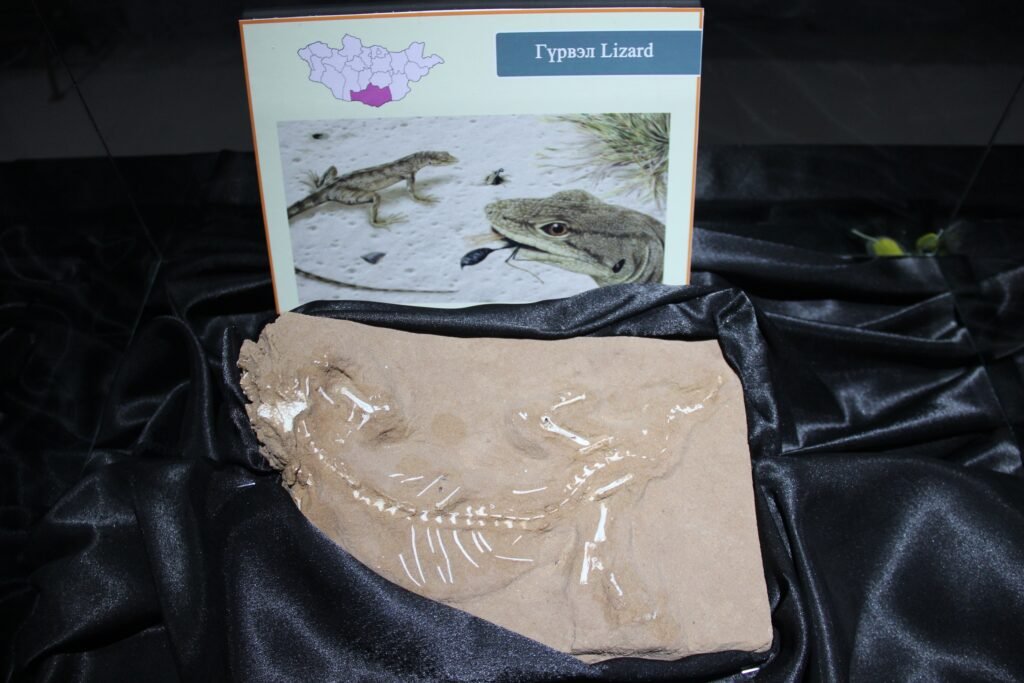
Most people assume every bone in a natural history museum has a name tag, a species label, and a tidy spot in the tree of life. That assumption is wrong. Tucked inside drawers, jars, and storage cabinets from London to Tokyo sit thousands of skeletal fragments that have never been matched to a known animal – some for decades, some for over a century. Museum insiders have a quiet nickname for them: “dark specimens.”
That nickname hints at something bigger than clutter. It means science has physically collected far more of the natural world than it has actually identified – and some of these mystery bones belong to creatures stranger, bigger, or older than anything currently sitting in a textbook. Here are 13 real specimens that curators, paleontologists, and taxonomists still can’t put a name to.
#13 – The Fossils With No Paper Trail
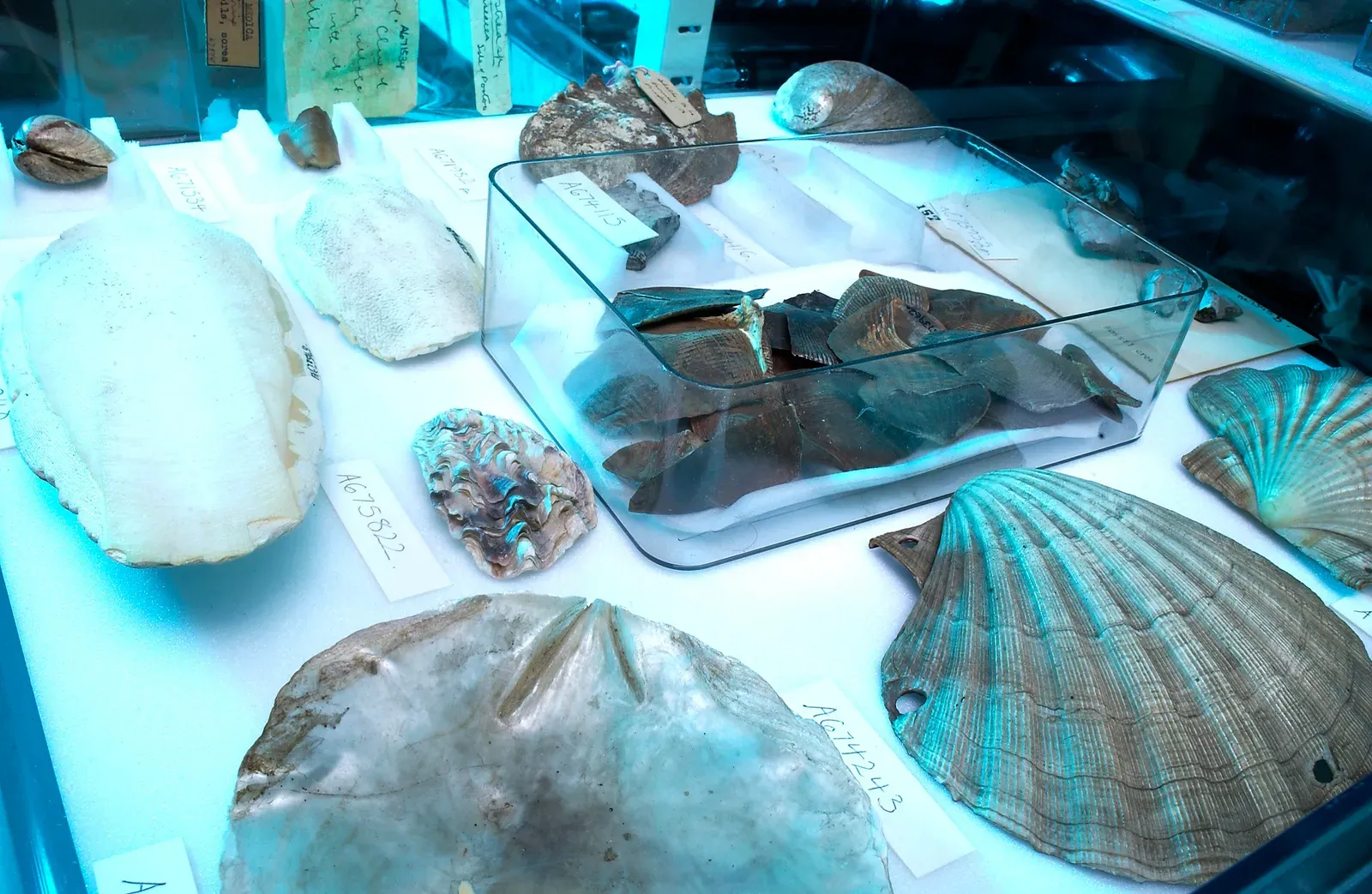
At the University of California Museum of Paleontology, entire cabinets of fossils have sat for decades without a single species name attached to them. The culprit isn’t bad science – it’s bad bookkeeping. Fossil collectors used to grab everything in sight without leaving a clear paper trail of what each specimen actually was, and the result is drawers full of orphaned rock and bone.
Fast Facts
- Collector: paleontologist J.W. Durham
- Site: Poleta Formation, California
- Timeframe: fossils gathered from the 1950s through the 1980s
- Status: many specimens still lack an official species name
The most infamous case involves paleontologist J.W. Durham, who hauled thousands of fossils out of California’s Poleta Formation between the 1950s and 1980s. Many of them still don’t have a species name attached. Durham had so much enthusiasm for collecting that cataloging simply couldn’t keep pace. Graduate students today are still digging through his legacy, hoping some scrap of old paperwork tucked in a drawer will finally reveal what these fossils actually are. Turns out, a paperwork problem is tame compared to what showed up next.
#12 – The Hummingbird-Sized Ant That Hid In Plain Sight
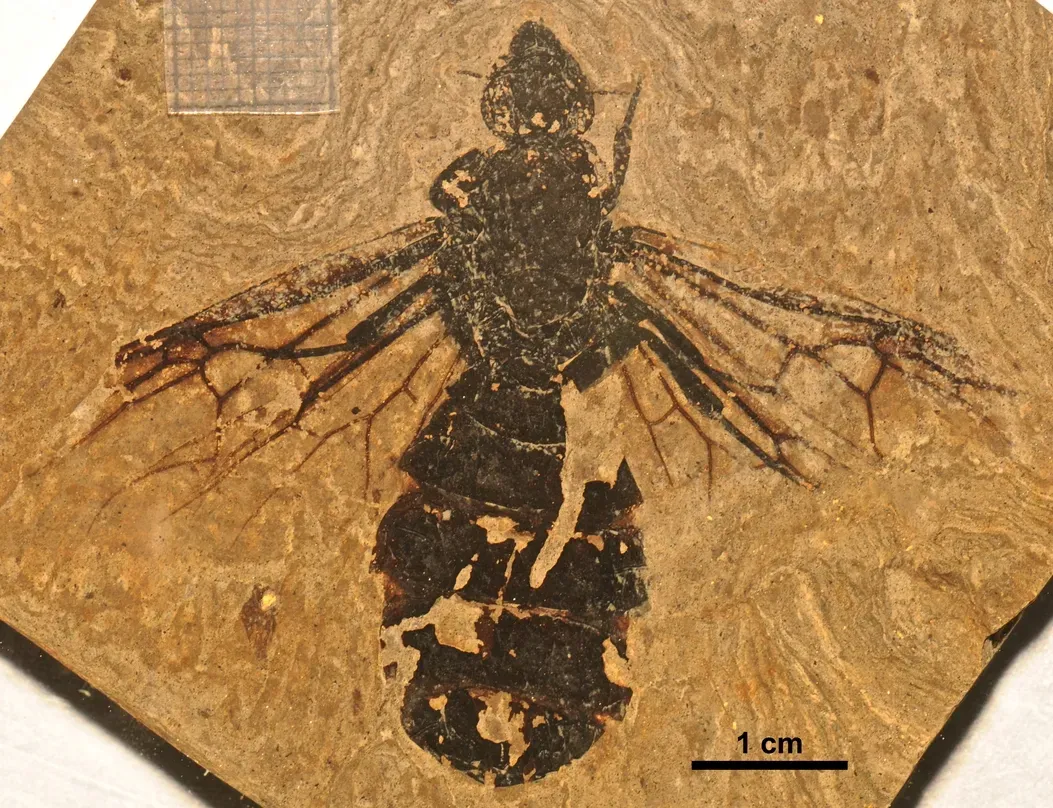
An insect the size of a small bird sat quietly in a drawer for years before anyone realized what it was. A two-inch-long ant that once roamed prehistoric Wyoming rivals today’s hummingbirds in size, and it hid away in fossil form inside the Denver Museum of Nature and Science until 2011.
That’s when researchers finally confirmed the giant insect was a species new to science and named it Titanomyrma lubei. An ant bigger than most modern birds spent years miscategorized in storage – and this wasn’t some obscure specimen from a remote dig, either. It sat in a major American museum’s active collection the entire time. The lesson entomologists took from it: giant prehistoric insects are so far outside our expectations that our brains often skip right past them, even while staring directly at the evidence. That’s an embarrassing miss – but the next case waited even longer to be noticed.
#11 – The Dinosaur That Waited 45 Years For A Name
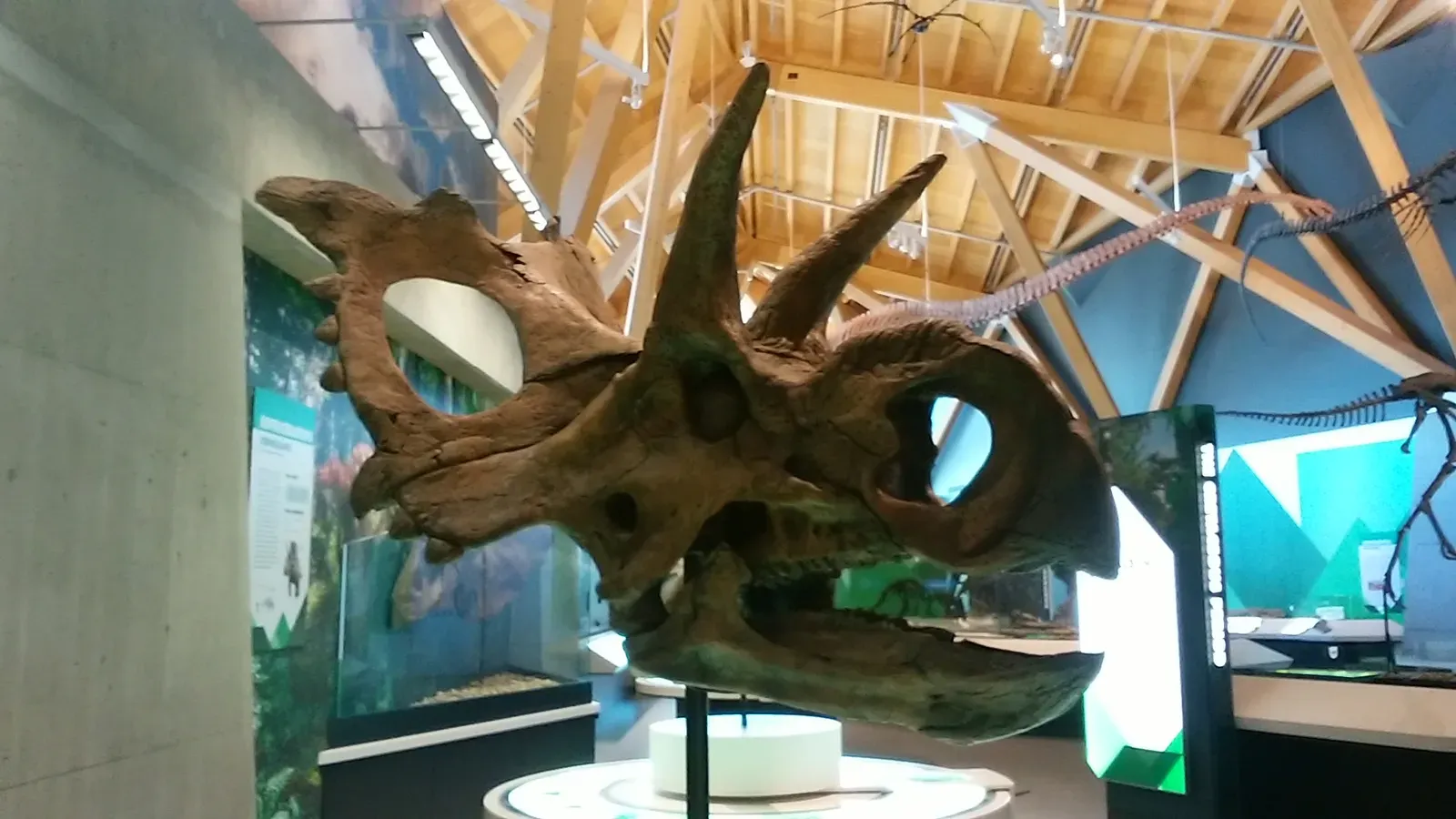
Bone fragments dug up in 1958 sat forgotten for nearly half a century before anyone bothered to look at them twice. Paleontologist Wann Langston Jr. uncovered the intriguing pieces on a field expedition in Alberta, Canada, but he was buried in other work, so the bones got shelved at the Canadian Museum of Nature in Ottawa and quietly forgotten.
It took until 2003, when Royal Ontario Museum paleontologist David Evans and colleagues learned of the fragments and started digging into the mystery. A dinosaur species sat unnamed in storage for 45 years simply because nobody had the bandwidth to study it. The animal – a horned, Cretaceous-era plant grazer named Xenoceratops – turned out to be an entirely new genus. Most people picture fossil discovery happening in the field with a brush and a pickaxe; the truth is messier, since sometimes the discovery happens in a filing cabinet. A filing cabinet mystery is one thing. A fish caught mid-evolution is another.
#10 – The Fish Frozen Mid-Evolution In A Drawer
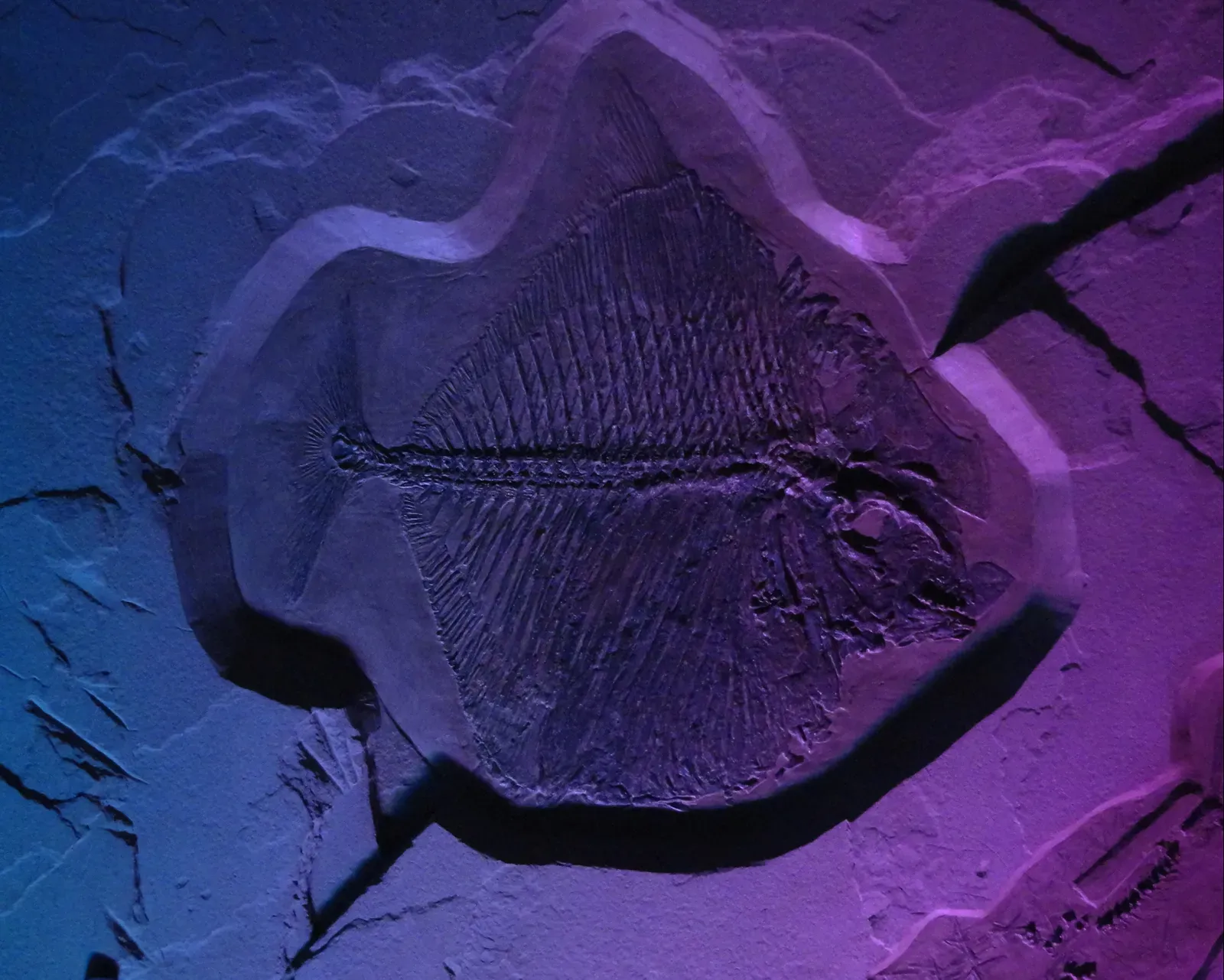
A 50-million-year-old fish sat misfiled among unidentified specimens for years, and it turned out to capture evolution happening in real time. A strange flatfish ancestor that may help explain how these lopsided creatures evolved turned up not in the ocean, but in a drawer of unidentified fossils at the Natural History Museum of Vienna, researchers reported in June 2012.
What made it so hard to classify? The fish, Heteronectes, has an eye that has partially migrated across its head, but hasn’t quite reached the point of sitting on one side like a modern flounder’s. It was too weird to be a normal fish, but not weird enough to obviously be a flatfish – so it just got labeled “unknown” and shelved. This kind of transitional specimen is exactly what evolutionary biologists dream of finding, yet it sat unrecognized because it fell into an anatomical no-man’s-land between two known groups. That’s a fish nobody could place. Next, a fossil that fooled everyone for over a hundred years.
#9 – The “Shark Spine” That Was Actually A Flying Reptile
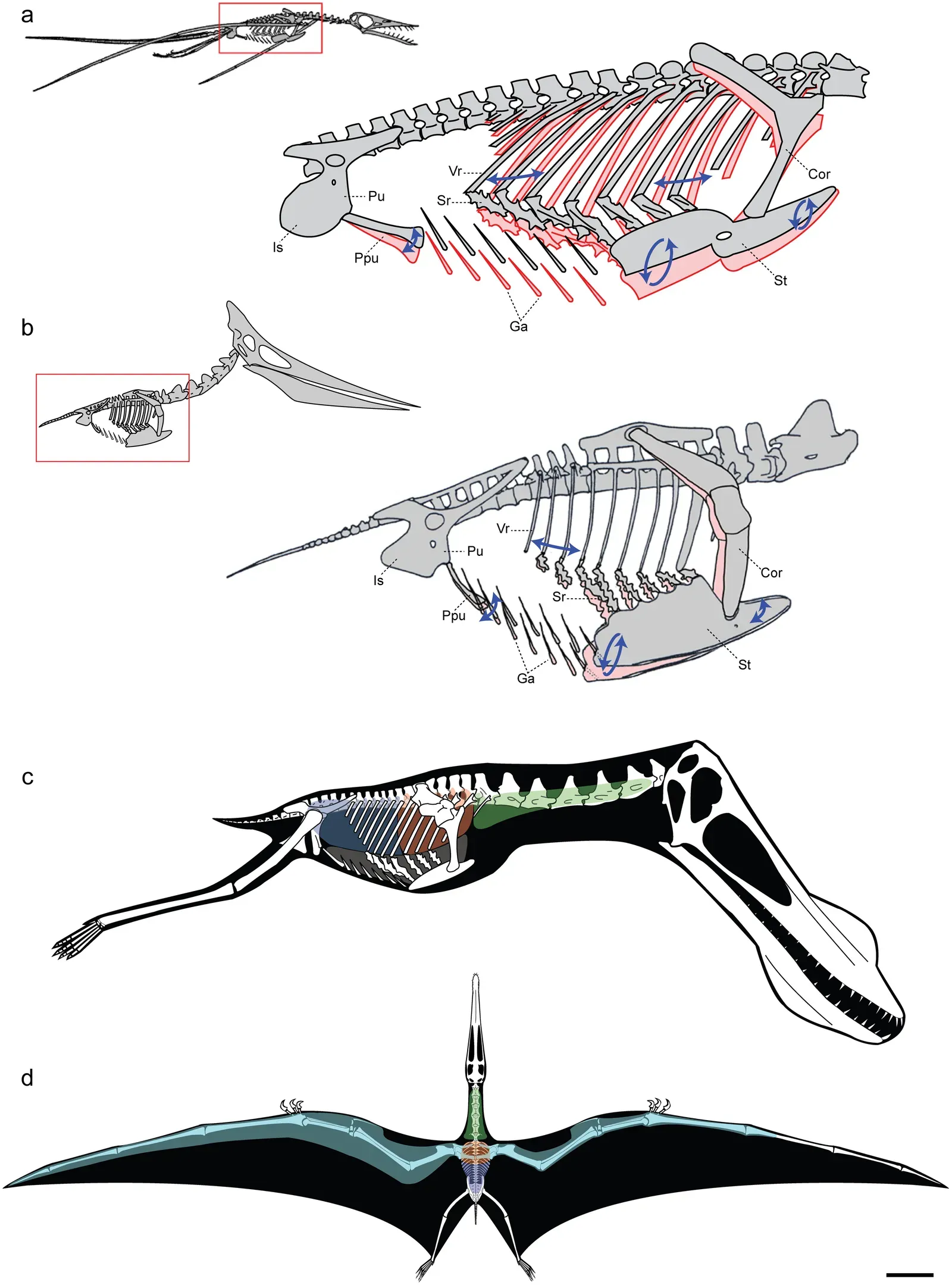
For over a century, researchers looked at these fossils and saw sharks. They were wrong. Paleontologists made the discovery while combing through 100-year-old fossil collections from the UK, housed at the Sedgwick Museum in Cambridge and the Booth Museum in Brighton, and stumbled onto a mystery species of pterosaur unlike anything seen before.
Worth Knowing
- Original sale: phosphate-nodule workmen in the English Fens, 1851-1900
- Museums involved: Sedgwick Museum (Cambridge) and Booth Museum (Brighton)
- Misidentified as: shark fin spines
- Actual identity: jaw fragments from toothless pterosaurs
It was while examining what looked like shark spines that researcher Roy Smith realized the truth: the fossils were actually fragments of jaws from toothless pterosaurs, which resemble shark fin spines but carry subtle differences. A flying reptile had been misidentified as a fish for generations. The specimens were originally sold by workmen digging phosphate nodules in the English Fens between 1851 and 1900, just to earn a little extra money – meaning nobody involved in the original sale had any idea what they were really holding. Museum labels, it turns out, are only as good as the person writing them. A misidentified flying reptile is wild enough. But the next specimen didn’t even get a proper look for years.
#8 – The Armored Crocodile Hiding Under A Different Name
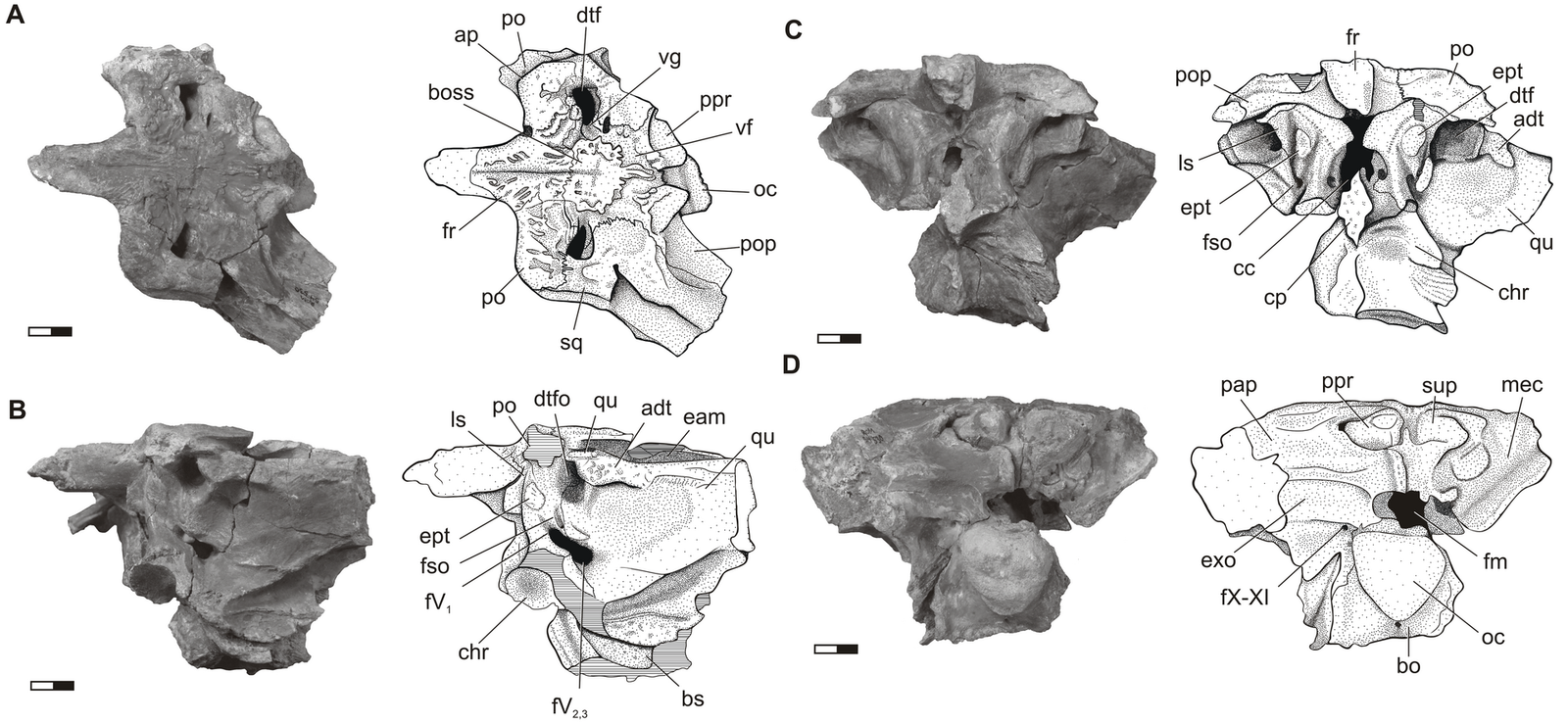
A shield-headed crocodile ancestor spent years in storage before anyone recognized it as a distinct species. Dubbed “Shieldcroc” for its ornamental headgear, Aegisuchus witmeri is the oldest modern crocodile ancestor found in Africa – and the specimen that revealed this giant predator sat at the Royal Ontario Museum for years before scientists turned their attention to it.
Originally collected in Morocco, this creature carried a bony, shield-like crest on its skull, likely used for display or species recognition. The most striking part isn’t the crocodile itself – it’s that a genuinely new genus of ancient predator sat in storage without triggering any alarm bells for years. Museum curators will tell you, off the record, that this happens more than the public assumes: specimens get catalogued generically as “crocodilian, unidentified” and simply wait their turn. Some wait longer than others. A hidden crocodile genus is impressive. What happened with the next dinosaur is almost unbelievable.
#7 – The 80-Foot Dinosaur Nobody Noticed Was Missing
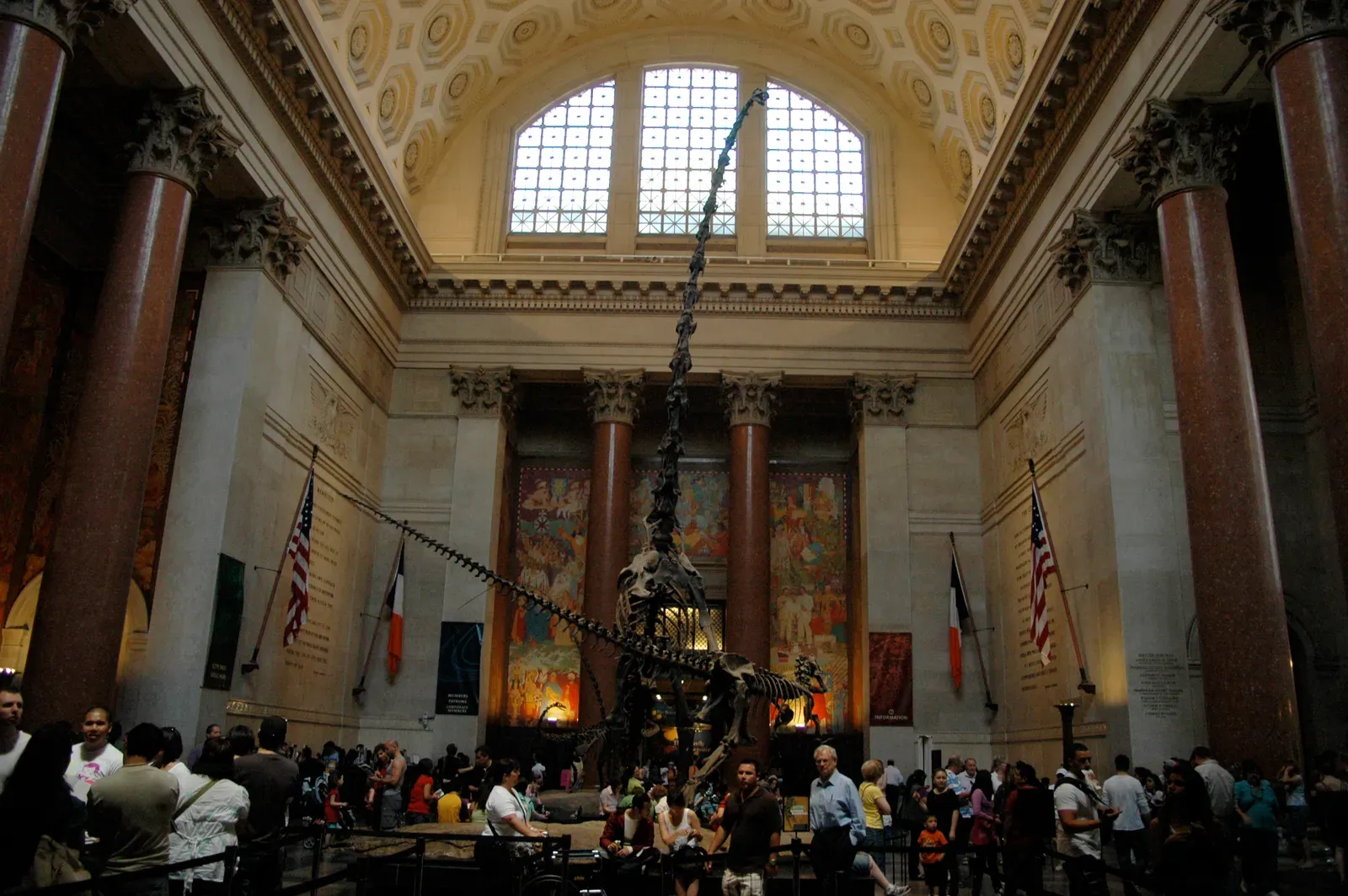
How do you lose track of a dinosaur the length of a basketball court? You put it in storage. In 2007, scientists reported the discovery of a Barosaurus that had been lurking in plain sight at the Royal Ontario Museum in Canada – its bones scattered across the collection under different accession numbers.
An 80-foot animal was hiding in plain sight simply because its bones were catalogued separately instead of together. This is arguably the single best illustration of why “museums hold bones nobody can name” isn’t hyperbole – it’s a documented pattern. Individual vertebrae, limb bones, and ribs sat in different drawers for years until a systematic review finally pieced together the entire skeleton. If a creature this size can go unrecognized, smaller specimens don’t stand a chance. Losing an 80-foot skeleton is one kind of chaos. Losing a fragile butterfly for 37 years is another.
#6 – The Butterfly Fossil That Sat Silent For Decades
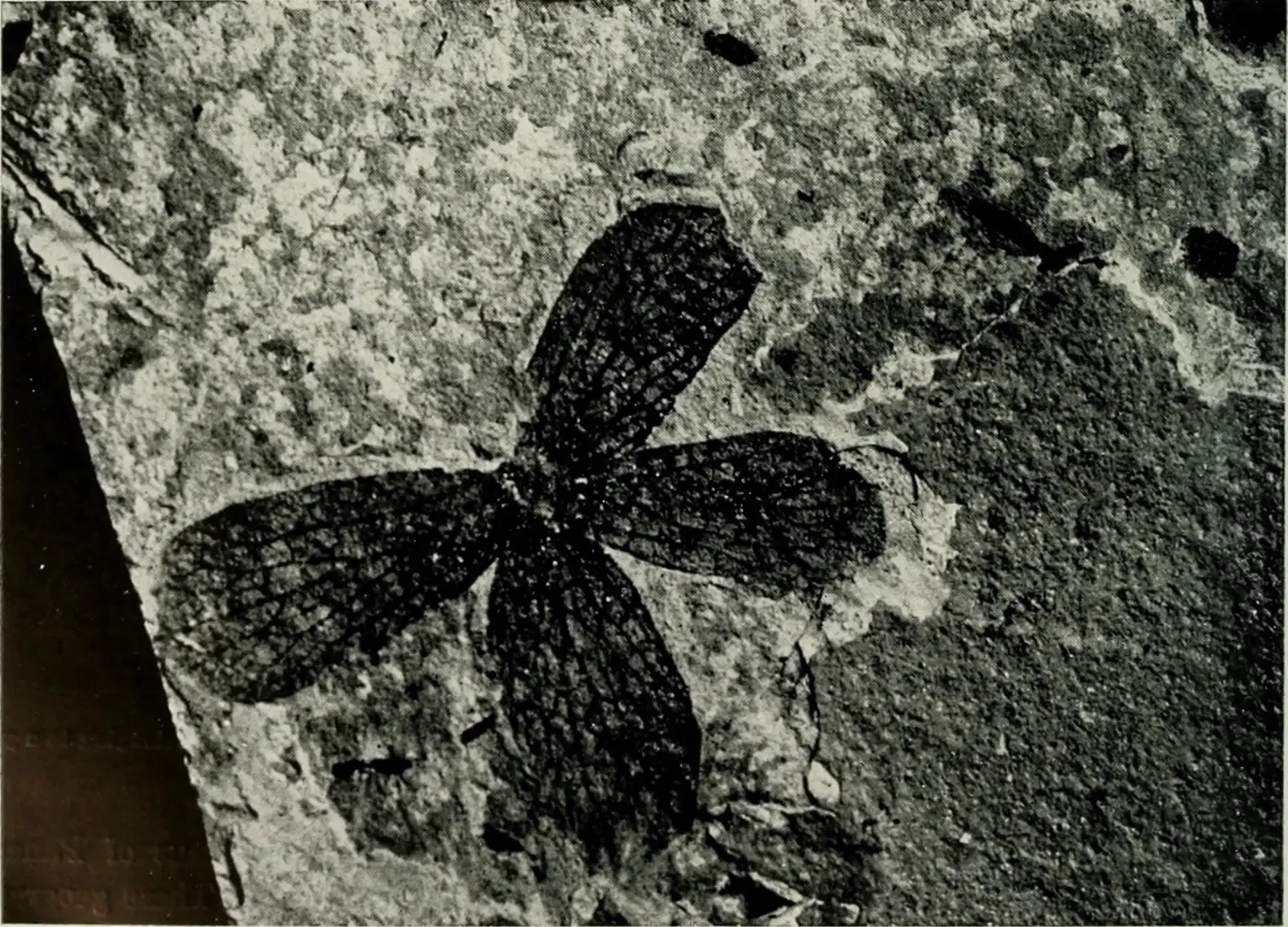
A fossil discovered in 1988 didn’t get identified until 2025 – a 37-year wait. For decades, an “extremely rare” fossil sat unclaimed in Japan’s Museum of Unique Insect Fossils after being unearthed in Hyogo Prefecture, until researchers confirmed the imprint of a large butterfly wing and body belonged to a species entirely new to science, according to a May 2025 study.
The species, Tacola kamitanii, is unique for its remarkably large wingspan of nearly 3.5 inches, and it’s the first butterfly fossil ever found from the Early Pleistocene epoch, meaning it likely lived between 2.6 million and 1.8 million years ago. Butterfly fossils are so fragile that a single specimen can rewrite what scientists know about an entire subfamily – yet this one nearly missed its moment, sitting unclaimed for nearly four decades. Fragile, fleeting creatures like butterflies rarely fossilize well, which is exactly why this specimen was almost overlooked instead of celebrated. One overlooked fossil is a fluke. Nearly two hundred overlooked species at once is a pattern.
#5 – The 1,549 Wasps Hiding 177 Secrets
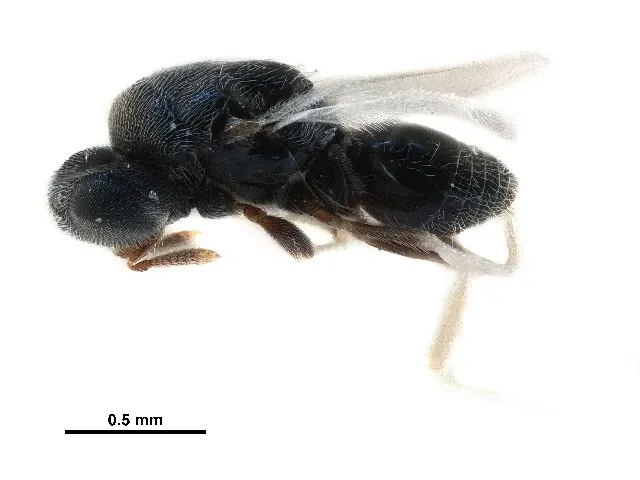
Sometimes the mystery isn’t one specimen – it’s over a thousand of them, stacked in a single drawer. In October 2012, researchers examined 1,549 unidentified parasitic wasps originally collected across Guatemala, Honduras, Ecuador, and Nicaragua, expecting to find a handful of overlooked species.
Quick Compare
- Specimens examined: 1,549 unidentified parasitic wasps
- Expected outcome: a handful of overlooked species
- Actual outcome: 177 distinct new species confirmed
- Countries of origin: Guatemala, Honduras, Ecuador, and Nicaragua
Instead, they uncovered a staggering 177 distinct species hiding inside the batch. Nearly two hundred entirely new species were hiding inside a single batch of unsorted insects. This is what entomologists call “dark taxa” – groups so understudied that a single research push can multiply known diversity overnight. Here’s the controversial part: some taxonomists argue museums shouldn’t keep collecting new tropical insects until they’ve finished identifying what’s already sitting in storage, since backlogs like this one can take a decade or more to clear – though critics call that approach shortsighted, given how fast tropical habitats are disappearing. Sometimes mysteries come from too much material. Sometimes they come from not enough of it.
#4 – The Bone Fragments Too Broken To Name
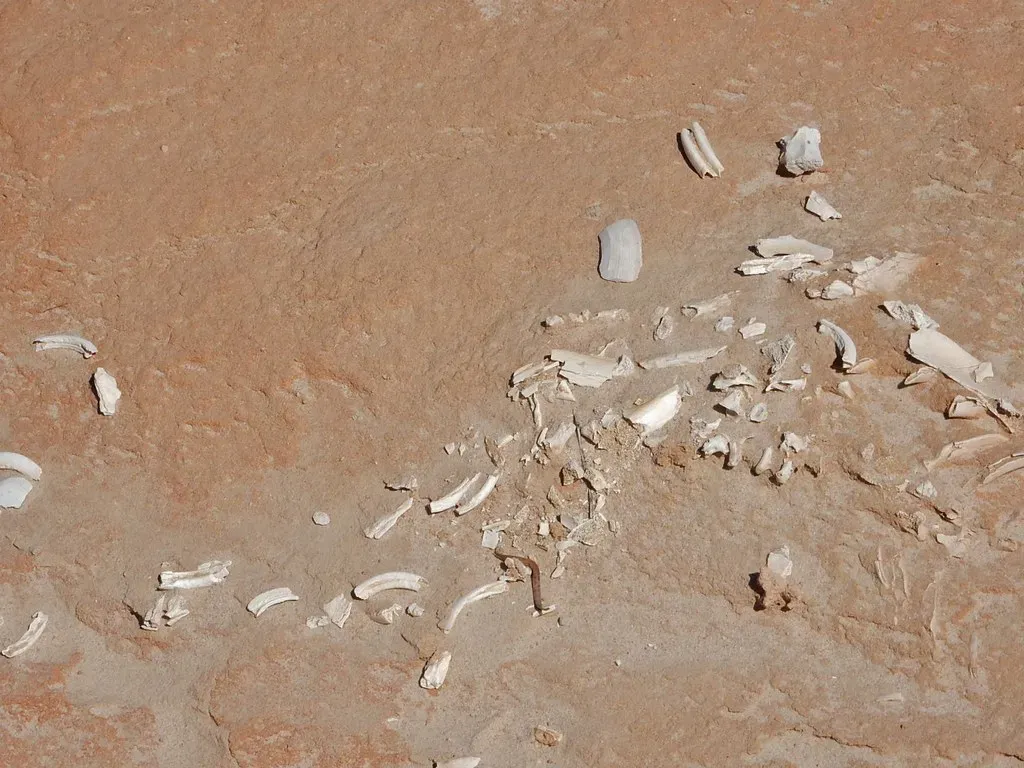
Not every mystery bone is dramatic. Some are just too shattered to say anything at all. Many museum legacy collections contain large quantities of highly fragmented, morphologically indistinct bones that can’t be tied to any specific species – and are therefore nearly useless for paleoenvironmental or archaeological research.
At the Smithsonian’s National Museum of Natural History, researchers are now tackling this with a technique called Zooarchaeology by Mass Spectrometry, or ZooMS, which identifies fossil bone fragments through protein signatures rather than visible shape. Protein chemistry, not eyeballs, is now the only way to name thousands of Ice Age bone scraps sitting in drawers. This quietly overturns decades of paleontology tradition, where a trained eye and a good caliper were considered enough. Turns out, some bones were never going to reveal themselves without a lab coat and a mass spectrometer. Broken bones on land are hard enough to name. Broken bones from the deep sea are worse.
#3 – The Deep-Sea Specimens Too Damaged To Judge
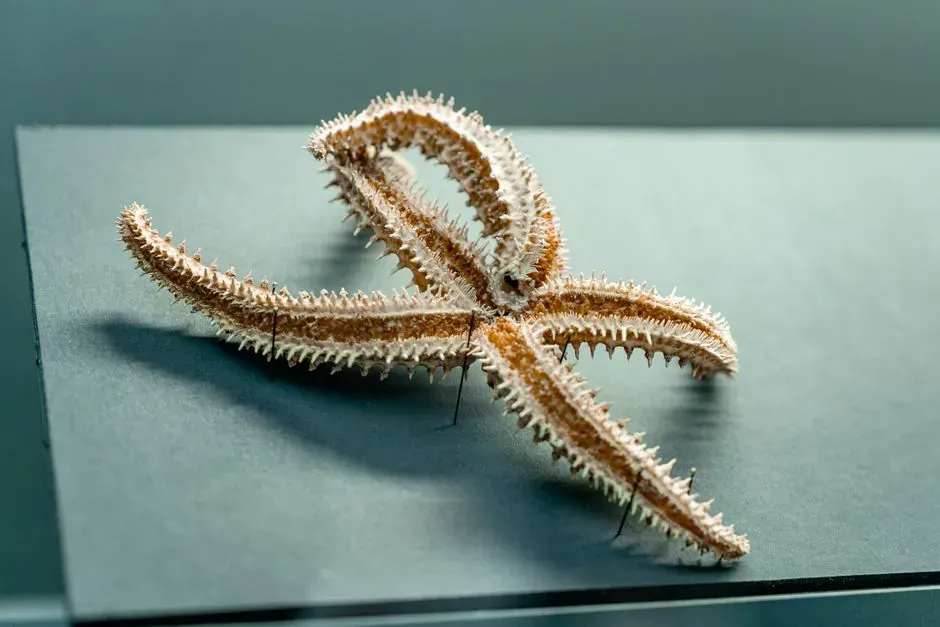
Some bones and body parts arrive at museums already broken beyond recognition, and that damage becomes a permanent scientific headache. Older deep-sea specimens are often mangled because they were collected by rough methods like trawling – brittle stars, for instance, have delicate arms that were frequently snapped off, including specimens gathered on the historic Challenger expedition.
This is a real problem because these damaged individuals are often used as official type specimens – the reference point for an entire species. If key characteristics are missing, scientists can’t tell whether that’s because the features were lost during collection or because they’re looking at a genuinely different animal. The very specimens meant to define a species scientifically are sometimes too broken to prove they’re unique at all. Even DNA doesn’t always save the day, since many older specimens were preserved directly in formalin, which destroys usable genetic material. Some experts now argue that severely damaged historic type specimens should be formally retired and replaced – a suggestion that irritates traditionalists who see it as rewriting scientific history. Damaged specimens are one kind of problem. Triple-cataloged specimens are a different kind entirely.
#2 – The Fish That Was Secretly Three “Species” At Once
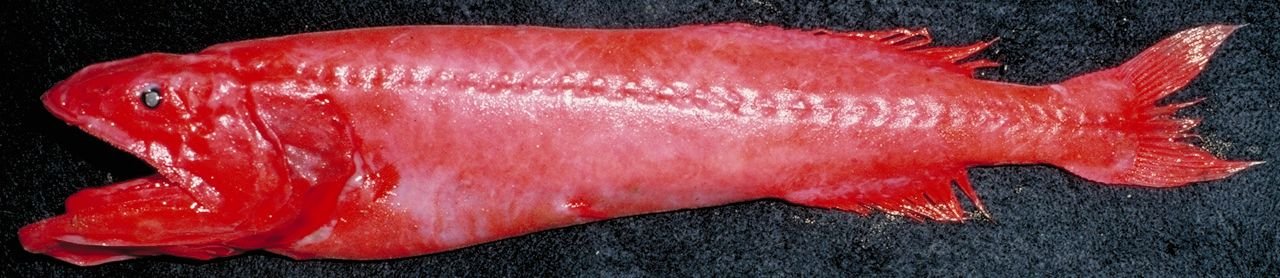
For over a century, three completely different-looking deep-sea fish sat in separate museum jars, each with its own species name. All three were the same animal. More than a century ago, in 1895, two Smithsonian scientists described a strange new deep-sea creature living at least 1,000 meters below the surface, naming their find the whalefish because of its whale-like appearance.
Then in 1956, scientists described what looked like an entirely different fish, naming it the tapetail for its long, streamer-like tail. Scientists had been unknowingly cataloging the juvenile, male, and female stages of a single fish as three separate species for generations, and it took modern DNA sequencing to finally connect the dots hiding in plain sight inside museum jars. This wasn’t a case of missing data – it was a case of the right technology not existing yet. That case took a century to crack. This last one still hasn’t been cracked at all.
#1 – The Bug That Two Museums Still Can’t Name
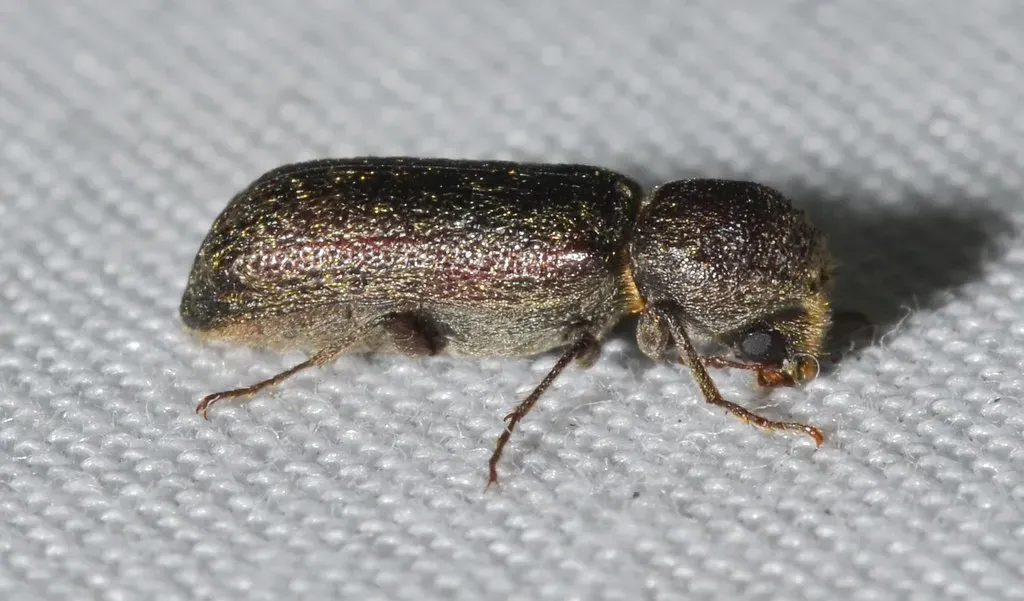
This is the specimen that keeps professional taxonomists up at night, because it isn’t a century-old mystery – it’s happening right now. Museum staff at London’s Natural History Museum tried and failed to identify an insect despite having more than 28 million insect specimens in their collection to compare it against, with BBC News reporting the bug “closely resembles” the rare species Arocatus roeselii from central Europe.
At a Glance
- Collection size at London’s Natural History Museum: more than 28 million insect specimens
- Closest known match: Arocatus roeselii, a rare central European species
- Second museum involved: National Museum in Prague
- Current status: unidentified at both institutions
The problem is that species is brighter red than the unidentified insect and usually lives around alder trees – and in a strange twist, scientists at Prague’s National Museum found an exact match to the mystery bug in their own collection, yet they can’t identify it either. Two of the most respected entomology collections on the planet are staring at the same unidentified species and coming up empty. This is the modern face of “bones nobody can name” – not dusty Victorian drawers, but active, world-class institutions genuinely stumped by an insect that shouldn’t be this hard to place. Some experts suspect it’s a genuinely new species; others think it’s simply too damaged to classify with certainty. Either way, it remains nameless today.
The Bottom Line
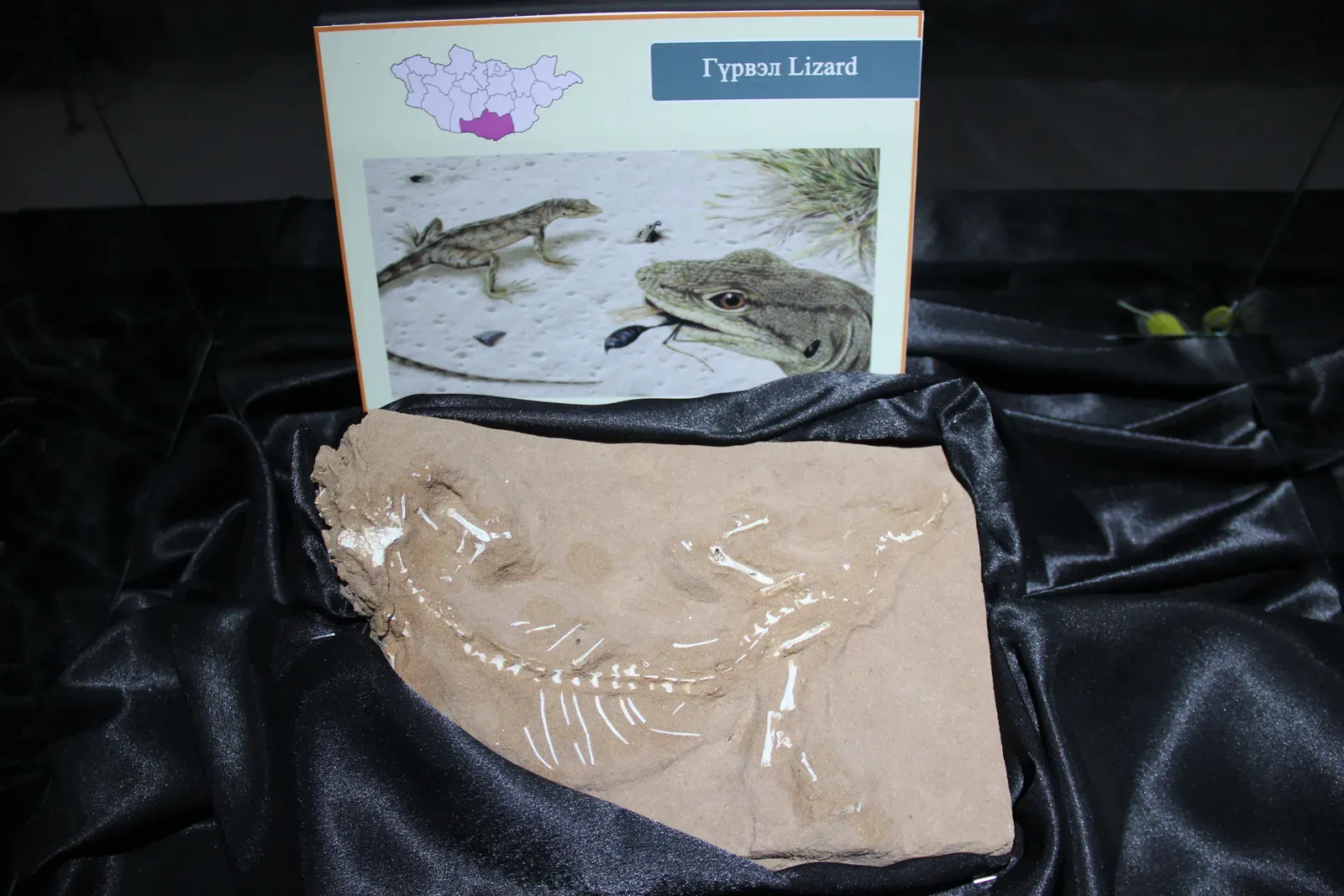
Here’s the uncomfortable truth: museums aren’t just houses of settled knowledge – they’re warehouses of unfinished business. From an 80-foot dinosaur that hid in plain sight to a bug that’s stumped two national museums simultaneously, the pattern is the same. Naming a species isn’t just about finding bones – it’s about someone having the time, tools, and attention to actually look.
Given estimates that up to half of all natural history specimens are mislabeled or incomplete, the mystery drawers likely outnumber the solved ones. We think the London/Prague bug deserves far more attention than it’s gotten. Which unnamed specimen do you think deserves to finally get its name? Drop your theory in the comments.