
Most people assume scientists already have this one figured out: a flash of lightning, a warm pond, a handful of chemicals, and – poof – biology gets rolling. That tidy version has been taught in classrooms for generations, printed in textbooks, and repeated in documentaries as settled fact.
It is also, according to a growing pile of new research, falling apart in labs around the world. Scientists have quietly demolished half of what the textbooks say, discovering that life’s most iconic experiment proved far less than advertised, that the “first spark” may have flickered on twice, and that the molecules we assumed came first might have arrived dead last – or from space entirely. Here’s what the data actually say now.
#1 – The Classic “Primordial Soup” Recipe Wasn’t Cooking with the Right Ingredients
For seventy years, students learned that early Earth’s atmosphere was a “reducing” mix of methane, ammonia, and hydrogen – the exact recipe Stanley Miller and Harold Urey zapped with electricity in 1953. That experiment became the founding myth of origin-of-life science.
The problem is that geologists now doubt early Earth’s atmosphere ever looked like that.
Newer models of the planet’s early chemistry point to a very different sky, one dominated by carbon dioxide and nitrogen rather than the hydrogen-rich gases Miller and Urey used. That distinction matters enormously, because the chemistry only “works” – producing amino acids instead of dead-end molecules – under very specific gas conditions.
Researchers have found that in more realistic early-atmosphere models, carbon dioxide and nitrogen react to form nitrites, which quickly destroy amino acids almost as fast as they form. This doesn’t mean the whole idea is wrong – it means the “where” of the reaction matters far more than anyone gave it credit for. But that’s nothing compared to what we found about #2.
#2 – The Most Famous Experiment in the Field Never Actually Proved Abiogenesis
Ask most people how life began and they’ll mention “the experiment with the sparks.” The Miller-Urey test is treated almost like scripture. But most people don’t realize it never explained how life actually started – it only showed that simple building blocks could form.
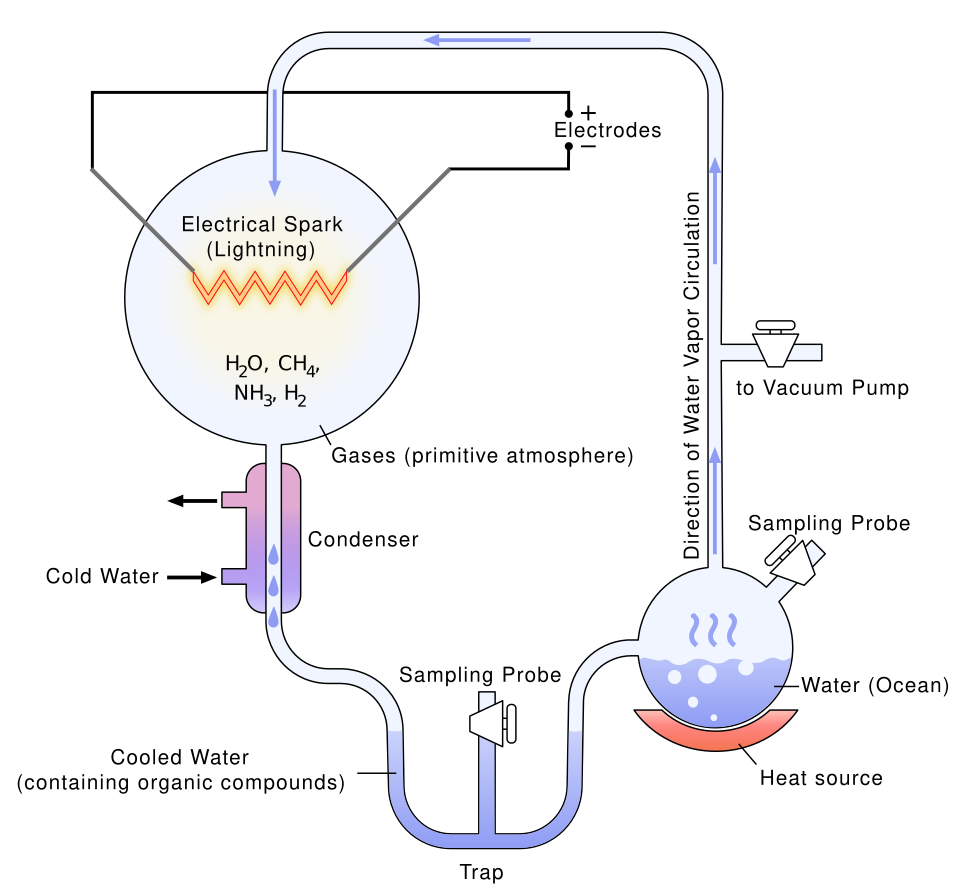
The experiment combined water with gases like water vapor, methane, ammonia, and molecular hydrogen, using electrical discharges to simulate lightning. After a single week, it produced amino acids, a genuinely stunning result for 1953.
But researchers have since acknowledged that although the test proved fundamental building blocks could form from nonliving materials, it did not clarify how those compounds could assemble into living cells. The biggest question was left standing untouched.
Fast Facts
- Published May 15, 1953, in the journal Science under the title “A Production of Amino Acids Under Possible Primitive Earth Conditions.”
- The setup mixed water, methane, ammonia, and hydrogen gas, then hit it with a simulated lightning spark for about a week straight.
- Miller reported five amino acids at the time; decades later, chemists reanalyzed his preserved sample vials and found more than twenty.
- Roughly 10 to 15 percent of the system’s carbon ended up locked inside organic compounds by the end of the run.
In other words, Miller and Urey proved you can make the ingredients of a cake. They never proved anyone could bake it. That gap – from molecules to metabolism to replication – remains one of the largest unsolved mysteries in all of science, and it’s exactly why so many competing theories still exist today.
#3 – The RNA World, Once Treated as Settled Fact, Is Now a Genuine Fight
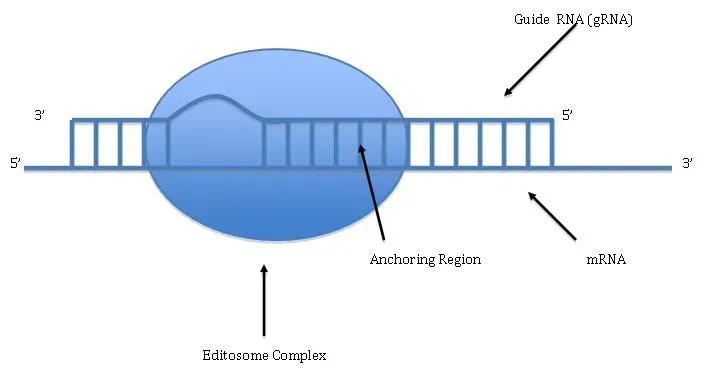
Textbooks present the “RNA World” – an era where RNA molecules both stored genetic information and catalyzed chemical reactions – as the leading explanation for life’s start. Turns out, a growing camp of researchers thinks it’s simply wrong.
In papers that shook the field, biochemists Charles Carter and Peter Wills argued that the RNA world hypothesis is insufficient to explain the origin of life. Instead, they proposed an “RNA-peptide world,” where early life originated from the interplay of RNA and peptide activity rather than RNA acting alone.
Their critique is blunt: explaining the origin of coding through the RNA world alone is a failure, because if proteins existed from the start, they could rapidly improve through computational feedback – something RNA, with its limited catalytic ability compared to peptides, simply can’t match.
This is a genuinely controversial position, and plenty of RNA-world defenders push back hard. But the debate itself proves something important: the “settled science” version taught in most biology classes is anything but settled. That’s nothing compared to what we found about #4.
#4 – The Sugar That RNA Needs Might Not Have Been Makeable at All
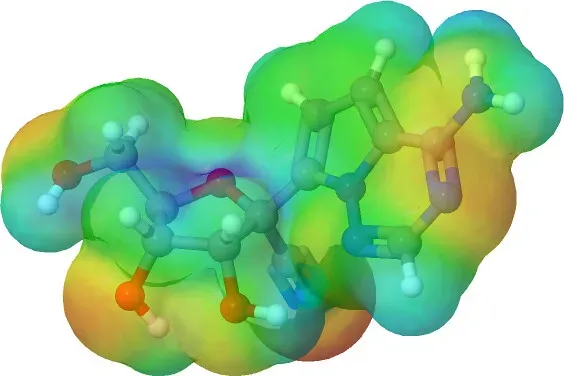
Here’s a wrinkle that undercuts the RNA world from a totally different angle: the sugar backbone of RNA – ribose – might never have formed naturally on early Earth in the first place.
For over 160 years, chemists have leaned on the “formose reaction,” the idea that simple formaldehyde molecules could react under early Earth conditions to build ribose. New research from Scripps Research and Georgia Tech has thrown cold water on that assumption.
Scientists found that the formose reaction does not reliably yield linear sugars like ribose under controlled experimental conditions. Instead, it predominantly produces branched sugar structures that are simply incompatible with building RNA.
If ribose couldn’t reliably form through this pathway, something else – a different chemical route, a mineral catalyst, or an entirely different starting molecule – had to be doing the heavy lifting. Most origin-of-life textbooks never even mention this problem, yet it’s one of the field’s most active research fronts right now.
#5 – Ironically, Brand-New Lab Work Just Handed the RNA World Its Strongest Evidence Yet
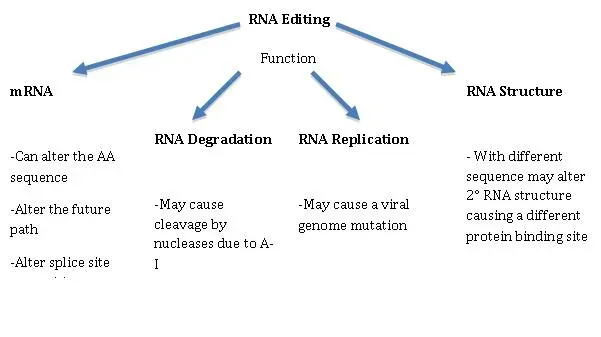
Just when it looked like RNA world skeptics were winning, a 2024 study flipped the script. Researchers at the Salk Institute built something scientists had chased for decades: an RNA enzyme that can copy other RNA strands accurately while still allowing mutations to creep in.
The study presents compelling evidence for the RNA World hypothesis, unveiling an RNA enzyme that can make accurate copies of other functional RNA strands while also allowing new variants to emerge over time. That’s essentially proof-of-concept for Darwinian evolution happening before cells, proteins, or DNA ever existed.
Here’s the twist that keeps researchers arguing at conferences: this discovery and the sugar problem from #4 coexist in the same body of literature. The field hasn’t chosen a winner. It’s simultaneously finding stronger support for RNA’s central role and stronger evidence that RNA’s core ingredients may not have been easy to make. Science rarely moves in a straight line, and this is a textbook case of it.
#6 – A Completely Different Camp Says Proteins, Not RNA, Came First
While RNA gets most of the headlines, a quieter group of researchers has spent years building the case that proteins – not RNA – were life’s true starting point.
The “GADV protein world hypothesis” proposes something radical: life originated from a protein world formed by pseudo-replication of proteins made from four specific amino acids – glycine, alanine, aspartic acid, and valine. The theory’s backers argue this sidesteps the classic “chicken-and-egg” problem of needing genetic information before you can build functional proteins.
Central to the idea is a concept most people have never heard of: a specific amino acid composition will yield water-soluble globular proteins with surprisingly high probability, even when amino acids are randomly joined. That means entirely new proteins could form at high probability with no genetic function at all.
If true, this would mean life’s first functional molecules weren’t genetic code-carriers – they were simple, self-organizing proteins that stumbled into usefulness by chance. That’s nothing compared to what we found about #7.
#7 – Scientists Can’t Even Agree on Where the First Chemistry Happened
![#7 - Scientists Can't Even Agree on Where the First Chemistry Happened ([1], CC BY 4.0)](https://nvmwebsites-budwg5g9avh3epea.z03.azurefd.net/dinoworld/365df585fc059052cbef5d0cfa7d5f48.webp)
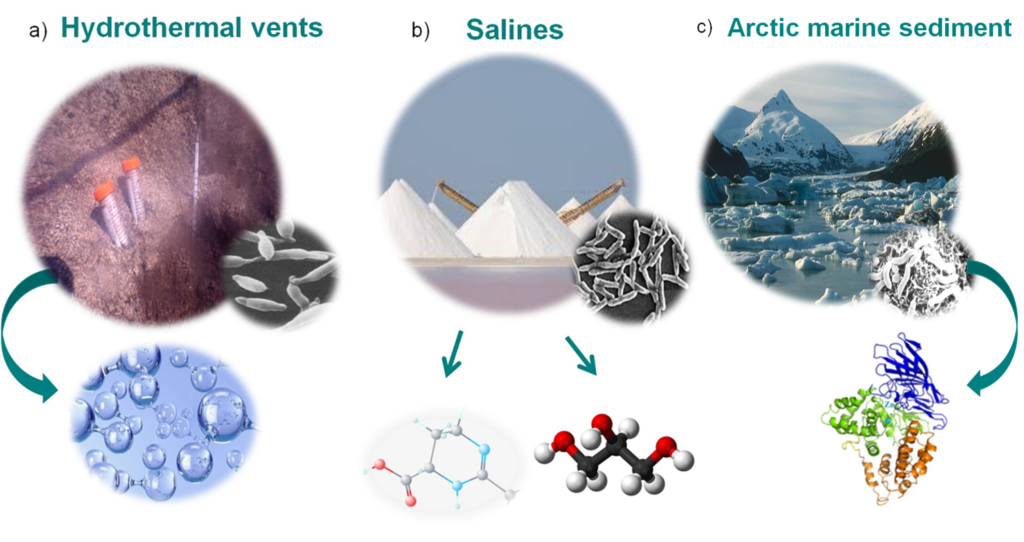
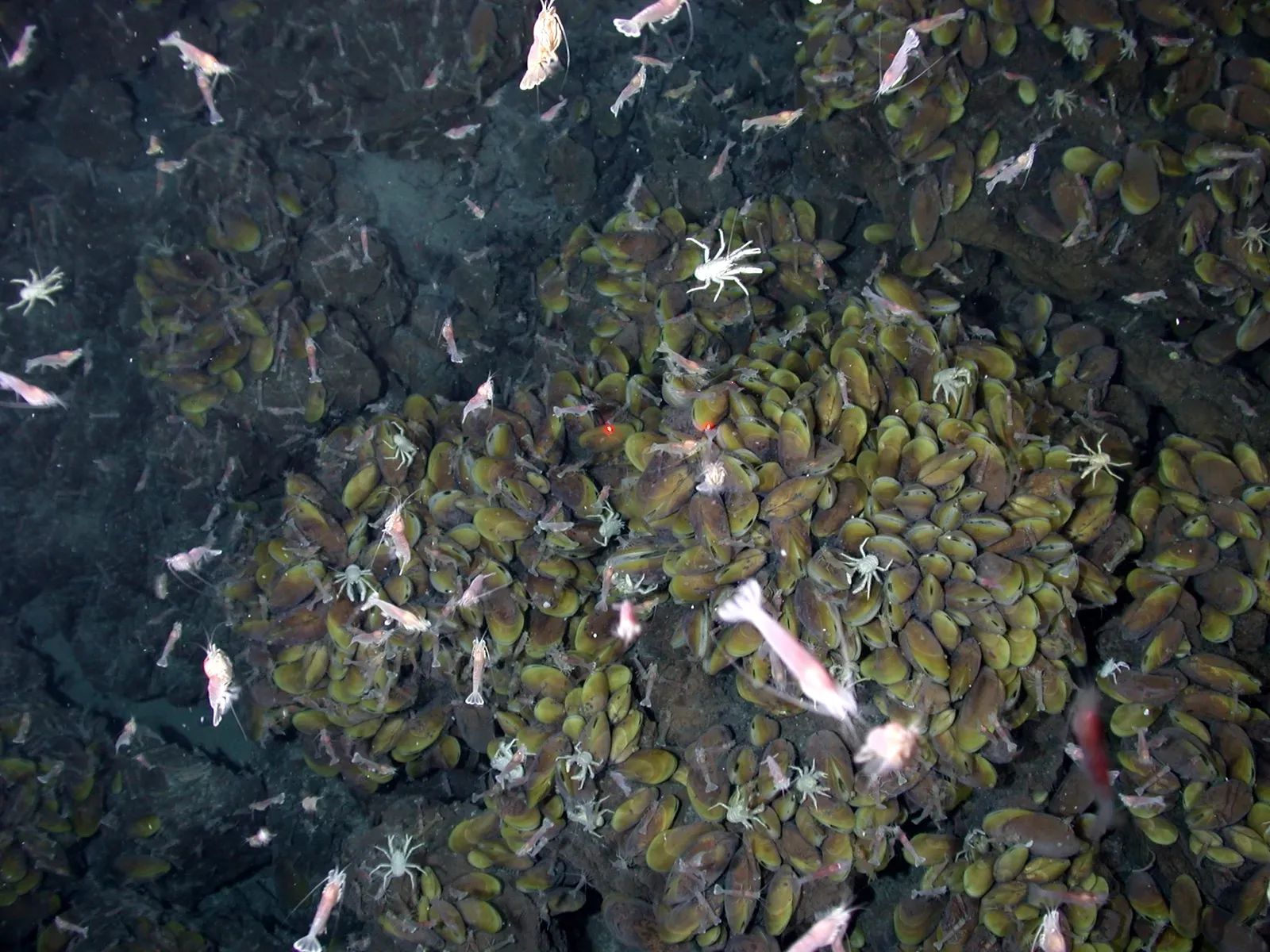
Was life born in the crushing dark of the deep ocean, or in a sunlit puddle on land? This argument has split the field for over a decade, and it’s still not resolved.
The dominant camp points to deep-sea hydrothermal vents – mineral chimneys spewing hot, chemical-rich fluid. But not everyone agrees. Cambridge chemist John Sutherland has publicly argued the opposite.
He contends that life could have developed elsewhere and then been pushed down into places like hydrothermal vents during global disasters such as the Late Heavy Bombardment. His chemistry points instead to shallow pools of water on land – essentially Darwin’s original “warm little pond” idea, updated with modern lab work.
Quick Compare
- Hydrothermal Vents: constant heat, mineral-rich fluid, and steady chemical energy – no sunlight required, works in total darkness.
- Warm Little Ponds: repeated wet-dry cycling concentrates molecules, plus exposure to UV light and atmospheric gases on the surface.
- Vents offer stability and endless raw materials; ponds offer cycles of concentration and evaporation that vents can’t replicate.
This isn’t a minor academic quibble. The location determines what chemical reactions were even possible, which changes which origin-of-life theory can be true. Both have real chemistry going for them, and neither camp has landed a knockout blow.
#8 – Our Shared Ancestor Might Have “Breathed” Volcanic Gas, Not Air
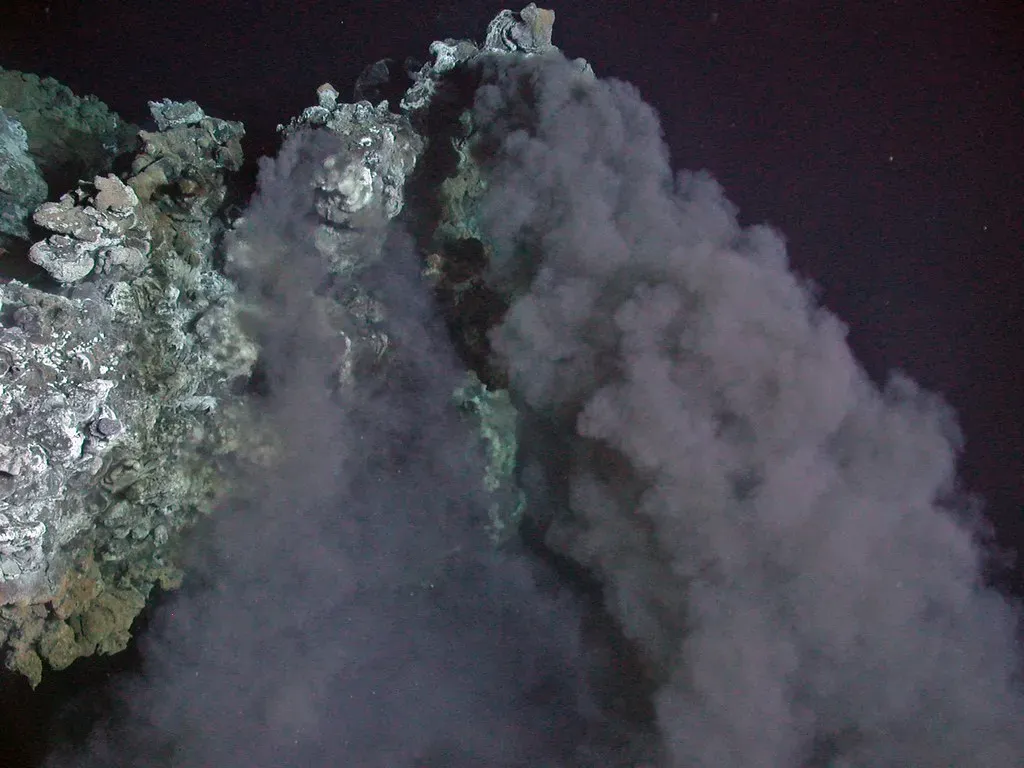
Long before oxygen filled Earth’s skies, something was already alive – and it lived nothing like anything you’d recognize today. Researchers who reconstructed the genome of LUCA, the Last Universal Common Ancestor of all life, found it thrived in conditions that would kill nearly everything alive now.
By combing through the genomes of 2,000 modern microbes and finding 355 gene families widespread among them, researchers identified genes LUCA likely passed down to every descendant alive today. What they found was startling: LUCA inhabited a geochemically active environment rich in hydrogen, carbon dioxide, and iron, supporting the theory of an autotrophic origin of life in a hydrothermal setting.
Even more specifically, the results suggest LUCA was a heat-loving microbe that fed on hydrogen gas and lived in a world completely devoid of oxygen. This wasn’t simple pond scum – it was a metabolically sophisticated organism running on chemistry that modern life mostly abandoned billions of years ago.
#9 – LUCA Might Not Have Been Fully “Alive” at All
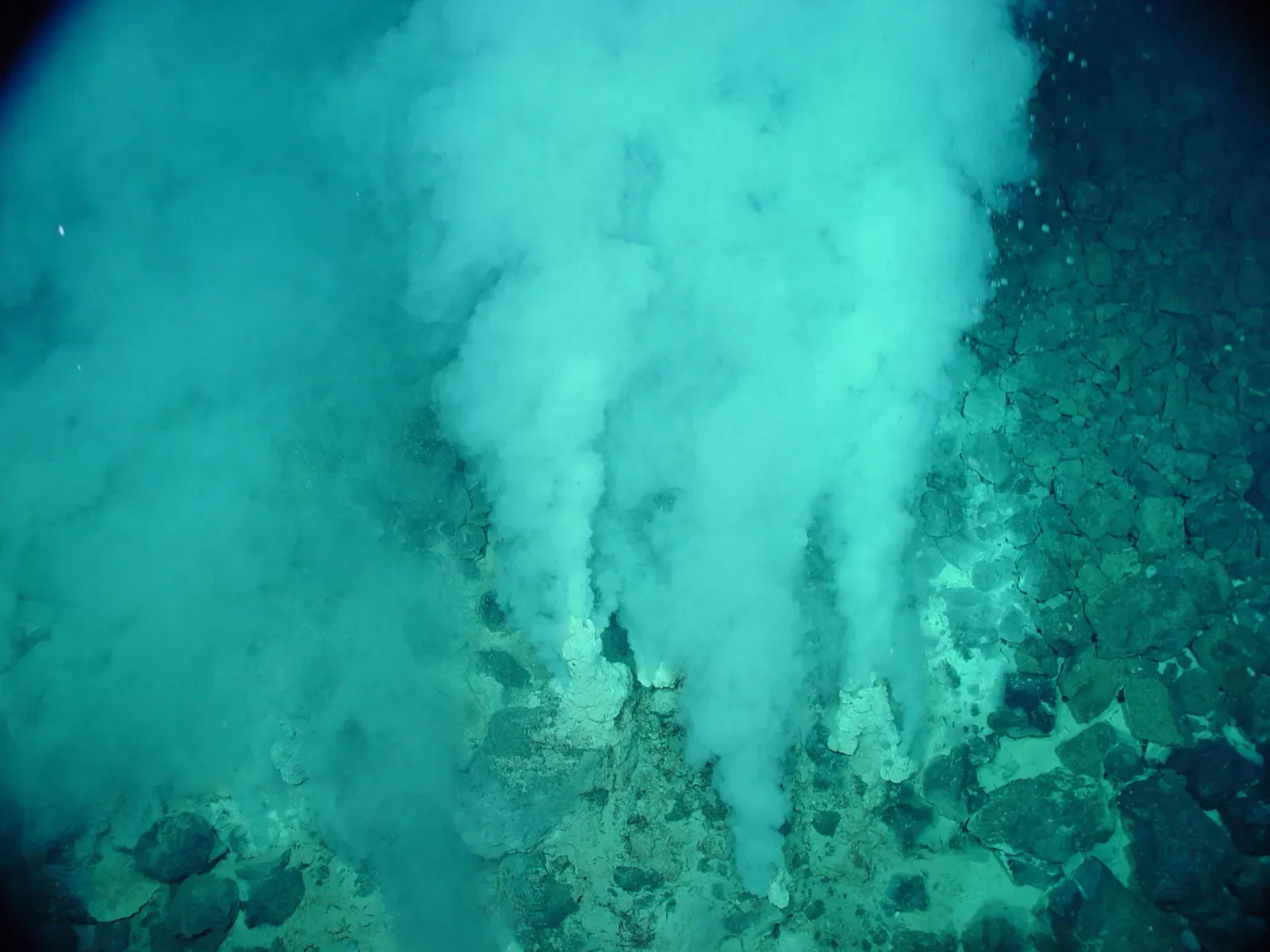
Here’s the finding that’s genuinely rattling the field in 2025: our shared ancestor might have been part organism, part rock – something scientists don’t even have a clean word for.
A groundbreaking new study led by evolutionary biologist Bill Martin proposes that LUCA was not exactly biological, but rather a chemical system formed in the unique environment created by hydrothermal vents, where a rich chemical brew warmed by volcanic activity spills out over the ocean floor.
Instead of relying on protein enzymes like every living thing does today, some of LUCA’s metabolic reactions were catalyzed by simple metallic elements found in vent minerals. LUCA, in this picture, was part organic, part rock.
This blurs the line between “alive” and “not alive” in a way biology has never had to deal with before. If LUCA genuinely depended on mineral catalysts to function, then the transition to true biology happened gradually, in stages, rather than in one dramatic “spark of life” moment. That’s a much messier – and more honest – picture than the one most people were taught.
#10 – Life on Earth May Have Started Not Once, But Twice
![#10 - Life on Earth May Have Started Not Once, But Twice ([1] doi:10.3390/microorganisms5020025, CC BY-SA 4.0)](https://nvmwebsites-budwg5g9avh3epea.z03.azurefd.net/dinoworld/fe8b9ee8c65b6573e2064247bfe43905.webp)
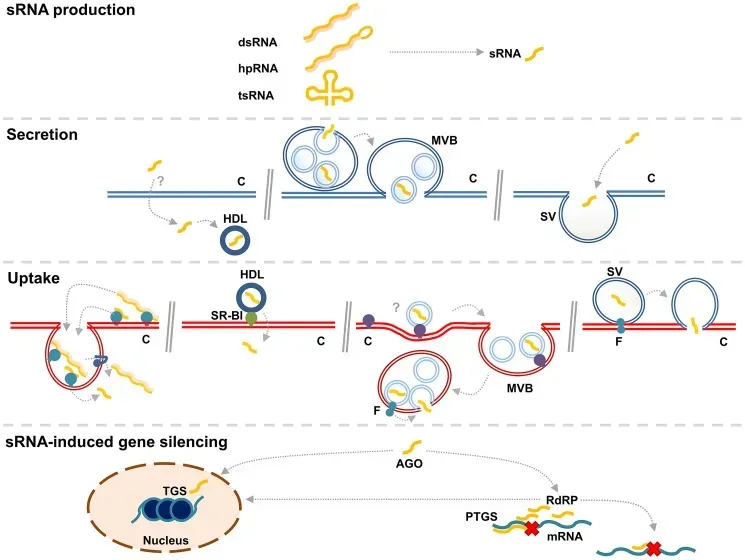
If one bombshell theory wasn’t enough, the same research team dropped an even bigger one: bacteria and archaea, the two most ancient branches of the tree of life, may never have shared a single common ancestor cell at all.
According to the study, bacteria and archaea each sprung up separately, with LUCA itself not fully alive – a system that depended on metals deposited in hydrothermal vents to run its metabolism. Rather than splitting off from one ancestral organism, LUCA would have been a cluster of RNA, DNA, and enzymes stuck inside rock, with genes from various clusters percolating through the stone in a kind of evolutionary experiment.
That experiment, the theory goes, eventually replaced metal-catalyzed processes with the enzymatic ones every living cell uses now. It’s a genuinely controversial claim, and not every scientist is sold – a NASA astrobiology researcher not involved in the study cautioned that modern life’s last common ancestor is not the same thing as the origin of life itself.
Worth Knowing
- LUCA’s chemistry allegedly ran on metal catalysts trapped in rock, not on protein enzymes like every cell uses now.
- Bacteria and archaea, the two oldest branches of life, may have emerged independently rather than from one shared ancestral cell.
- Critics point out that LUCA marks the furthest traceable point in life’s genetic record – not necessarily the true origin of life itself.
Still, the idea that biology’s family tree might have two separate roots instead of one trunk is a serious challenge to a century of assumptions.
#11 – LUCA Is Older, and Weirder, Than Anyone Expected
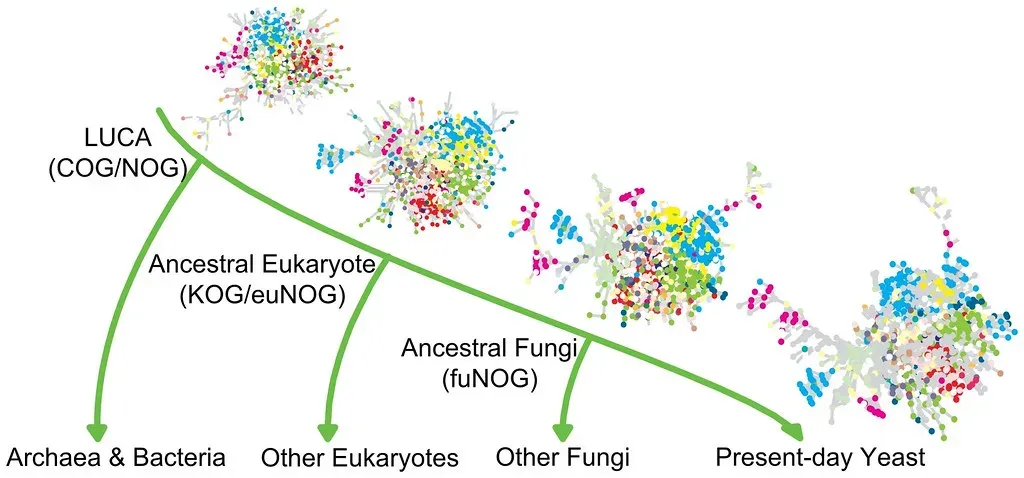
For years, LUCA was treated almost like a placeholder – a simple, half-alive microbe barely worth studying in detail. New genomic reconstructions suggest that’s badly underselling it.
Researchers now estimate LUCA may have already had the core components of modern cells some 4.2 billion years ago – startlingly early, given that Earth itself only formed around 4.5 billion years ago. That leaves a shockingly narrow window for chemistry to become biology.
It’s important to separate two ideas that get conflated constantly: LUCA does not represent the origin of life itself – the moment some chemical alchemy allowed self-replication – but rather the moment when life as we know it took off, the furthest point back scientists can trace using genes still present in living organisms today.
Most people assume LUCA equals “the first living thing.” It doesn’t. It’s the last shared branch before the tree of life split – and everything before it is still hidden in the dark.
#12 – Life’s Molecules May Not Have Been “Handed” From the Start
One of biology’s strangest features is that living things use only one “version” of certain molecules – right-handed sugars, left-handed amino acids – out of two mirror-image possibilities. Scientists have long assumed early biochemistry was somehow rigged toward this “handedness,” called homochirality, from the very beginning.
New research from UCLA and NASA’s Goddard Space Flight Center challenges that assumption directly. The study, focused on structures relevant during the RNA world era, found that RNA did not initially have a predisposed chemical bias for one chiral form of amino acids – contradicting the older assumption.
Previous work built around modern molecular biology structures had suggested life is predisposed toward molecular homochirality from the start. This newer evidence suggests that bias came later, not at the very beginning of the story.
This quietly demolishes a popular textbook talking point. If early chemistry wasn’t naturally biased toward one handedness, then something else – selection pressure, environmental filtering, or pure chance – locked life into using only one form. That’s a fundamentally different, far less “convenient” story than what most people were taught.
#13 – Some of Life’s Ingredients May Have Fallen From the Sky
Perhaps the most reality-bending idea in origin-of-life science isn’t about chemistry on Earth at all – it’s about chemistry that happened somewhere else entirely, then simply arrived here.
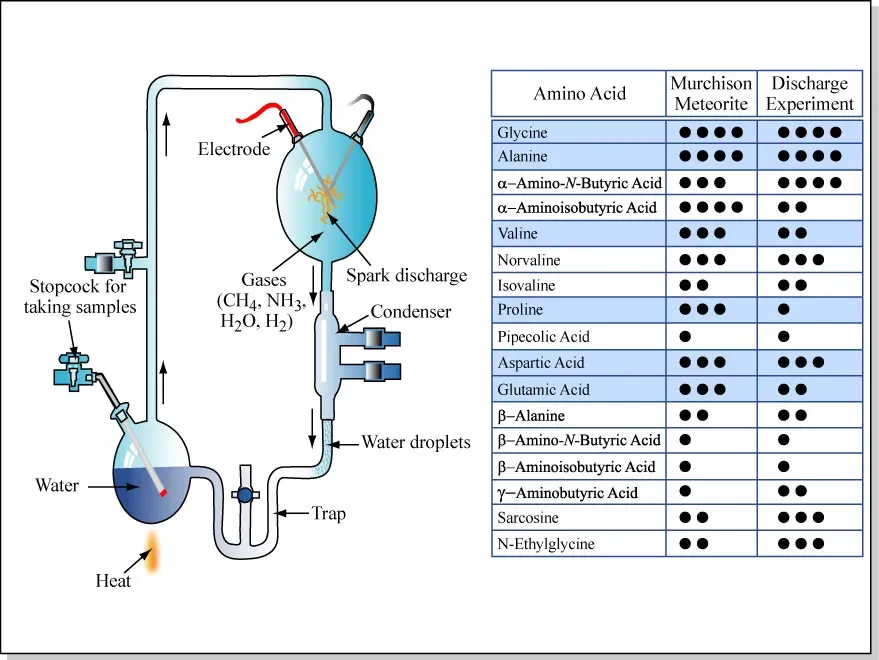
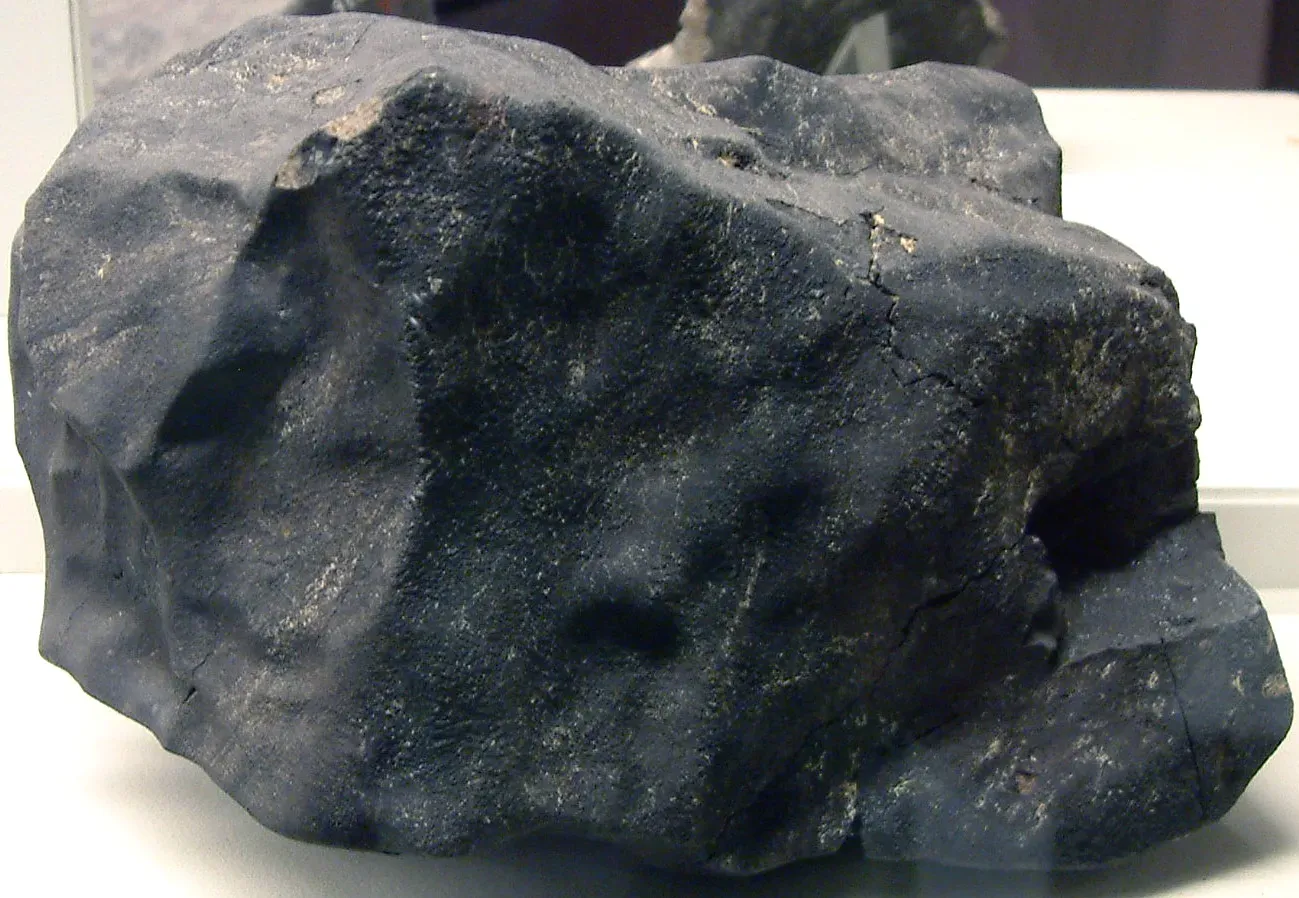
Meteorite science has quietly built a compelling case for this. When researchers compared amino acids produced by lab experiments simulating early Earth to those found in actual space rocks, they discovered the amino acid cocktail in Miller’s original samples closely resembles the mix found on the Murchison meteorite – a rock that fell to Earth in 1969 loaded with organic compounds.
At a Glance
- Fell to Earth on September 28, 1969, near the town of Murchison, Australia.
- Classified as a carbon-rich meteorite loaded with water and complex organic compounds.
- Decades of lab analysis have turned up dozens of distinct amino acids inside it, several of which also appear in living things on Earth.
- Some of its dust grains are older than the solar system itself, forged inside an ancient supernova.
That single meteorite provided evidence for extraterrestrial amino acids and hydrocarbons that closely resemble the biochemistry found in living things today. It’s a striking coincidence, or maybe not a coincidence at all.
This supports what scientists call the panspermia and exogenous-delivery theories – the idea that prebiotic molecules reached Earth’s surface via comets, meteors, and asteroids. Most people picture life’s ingredients being cooked up entirely on Earth. Increasingly, researchers think at least some of the raw materials hitched a ride from deep space, meaning the chemistry of life might not be a uniquely Earthly story at all.
The Bottom Line
The truth researchers are only now piecing together is far messier – and far more interesting – than any single textbook chapter ever suggested. The RNA world isn’t settled, the “primordial soup” wasn’t quite the right recipe, and our shared ancestor might have been part rock. Life may have even started twice, and some of its building blocks may have arrived from space entirely.
If there’s one honest takeaway here, it’s this: anyone who tells you the origin of life is a “solved” problem either hasn’t kept up with the research or is oversimplifying on purpose. The real story is stranger, older, and far less tidy than a single spark in a jar – and that, honestly, is what makes it worth paying attention to.