
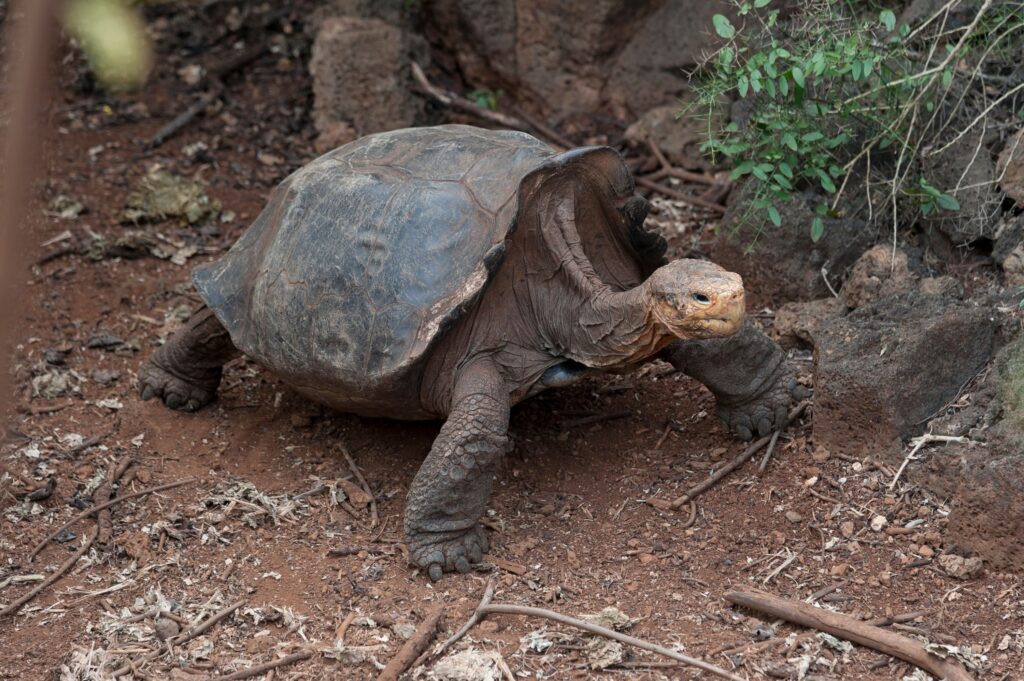
Most people assume the “world’s oldest living creature” title belongs to a whale, a parrot, or maybe a very lucky house cat. It doesn’t.
Right now, on a windswept British island in the middle of the South Atlantic, a reptile is casually outliving history itself. He can’t run, can’t fly, and spends most of his day eating grass – yet he was already a fully grown adult before the telephone, the lightbulb, or even the modern photograph existed.
That’s not internet exaggeration. Here’s what zoologists, historians, and Guinness World Records actually confirm the giant tortoise has quietly outlived – and a few of these will genuinely mess with your sense of time.
#1 – The Invention of Modern Photography
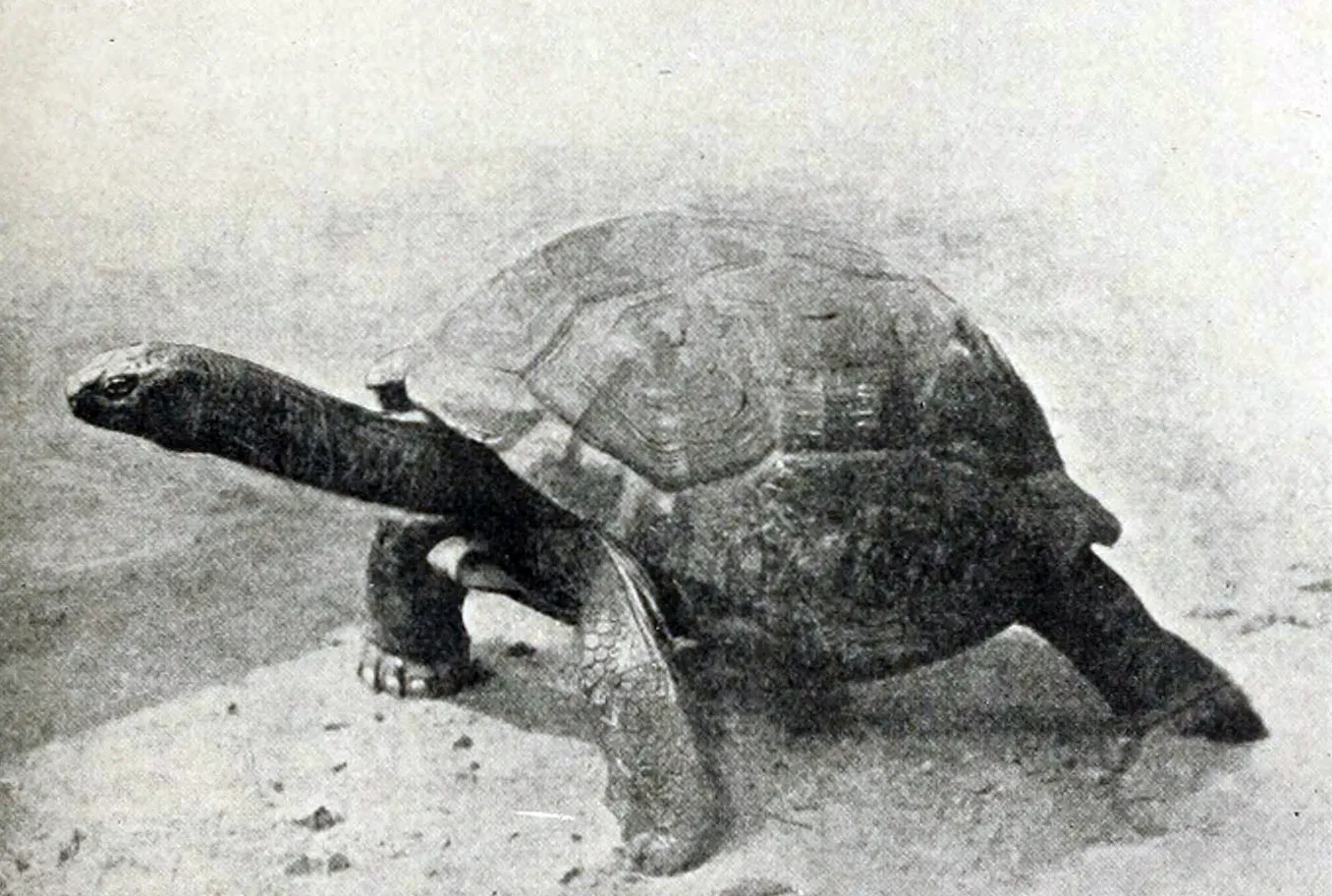
Jonathan, the Seychelles giant tortoise living on St. Helena, is believed to have been born around 1832, making him at least 194 years old in 2026. That single fact is almost impossible to process at first glance.
When Louis Daguerre unveiled the first practical photographic process in 1839, Jonathan was already roughly seven years old and living wild in the Seychelles – decades before anyone thought to point a camera at anything, let alone a tortoise. He predates the very technology now used to document his own existence.
By the time he was transported to St. Helena, he wasn’t a hatchling anyone was tracking for novelty – he was already an adult. Based on known growth patterns for his species, he was likely around 50 years old at the time of his arrival. Cameras, telegraphs, and eventually telephones would all arrive during his lifetime, not before it.
Fast Facts
- Species: Seychelles giant tortoise, a subspecies of the Aldabra giant tortoise
- Estimated hatch year: c. 1832, in the Seychelles
- Arrived on St. Helena in 1882 – already fully grown
- Home: the lawns of Plantation House, official residence of the island’s governor
- Estimated weight: roughly 200 to 350 pounds
Which sounds impressive, until you realize it’s barely the warm-up.
#2 – Forty U.S. Presidents
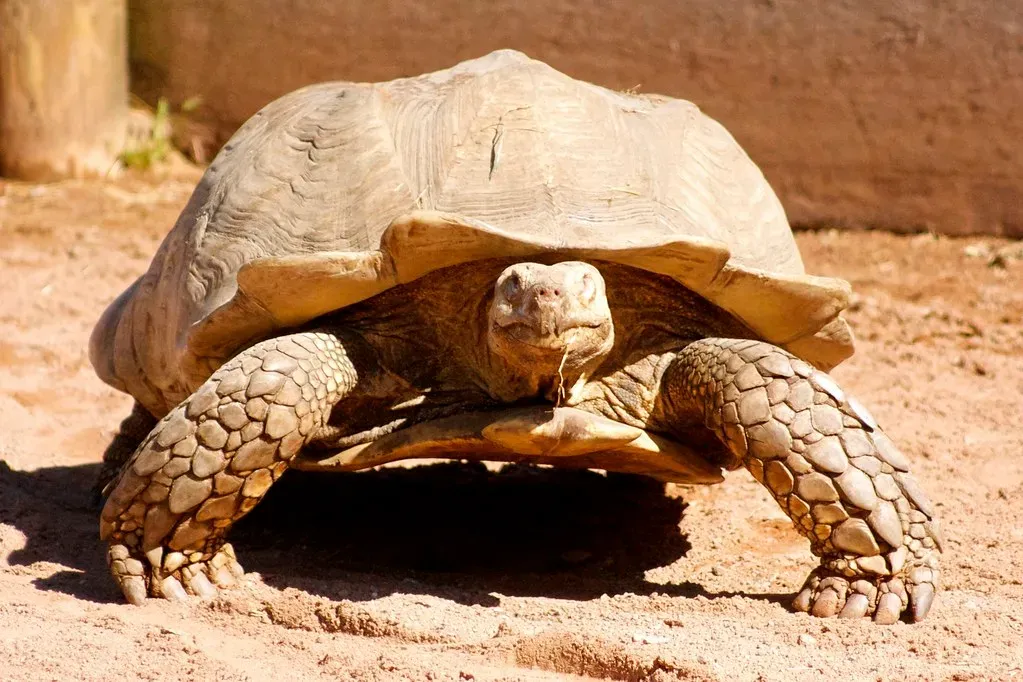
Here’s a number that stops people mid-scroll: Jonathan has lived through 40 U.S. presidents.
Think about what that actually means. From Andrew Jackson’s administration all the way through the modern White House, an entire nation reinvented its leadership dozens of times over – while one tortoise kept eating the same grass on the same lawn, largely unbothered by any of it.
Most people don’t realize a single living animal has personally “outlasted” nearly the entire span of American presidential history – not through some historical record, but through simple, continuous biological survival. Wars were declared, constitutions amended, and administrations toppled. Jonathan just kept grazing.
And somehow, the political turnover gets even more absurd once you zoom in closer to home.
#3 – Thirty-One Governors of His Own Island
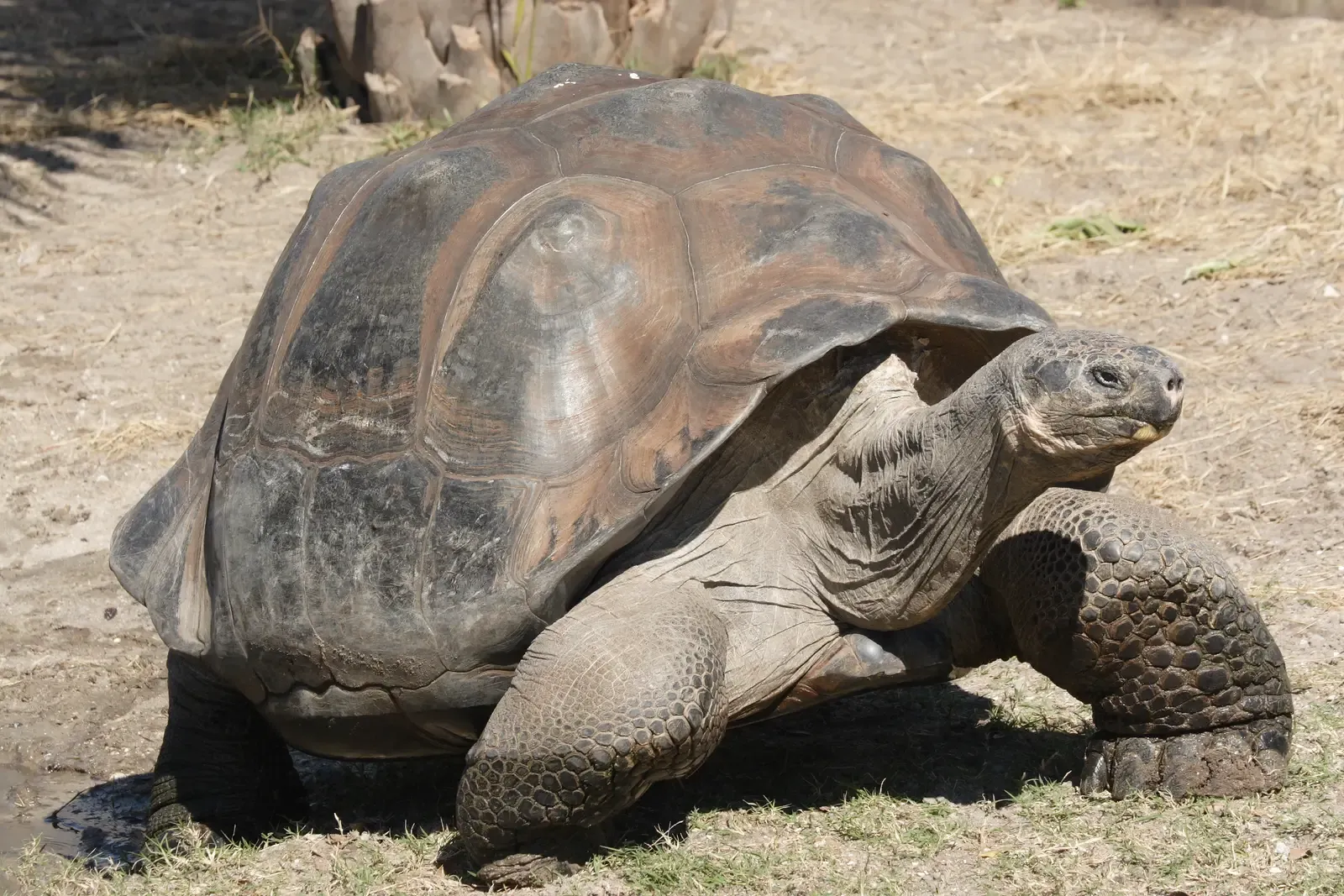
It’s one thing to outlive foreign leaders you’ll never meet. It’s another to outlive the actual chain of command running the island you live on.
Jonathan has lived through 31 separate governors of St. Helena – each one arriving, serving their term, and departing, while Jonathan remained the island’s most permanent resident. That’s 31 individuals who held the highest colonial and administrative office on the island, none of whom stuck around nearly as long as he has.
Turns out, tortoises don’t just survive political turnover – they become the actual institutional memory of a place. Locals reportedly treat him less like a pet and more like a fixture of the government grounds itself, older than the office of governor has ever been continuously staffed by any one person.
But even the island’s own leadership history looks tame next to what’s coming next.
#4 – Queen Victoria’s Entire 63-Year Reign
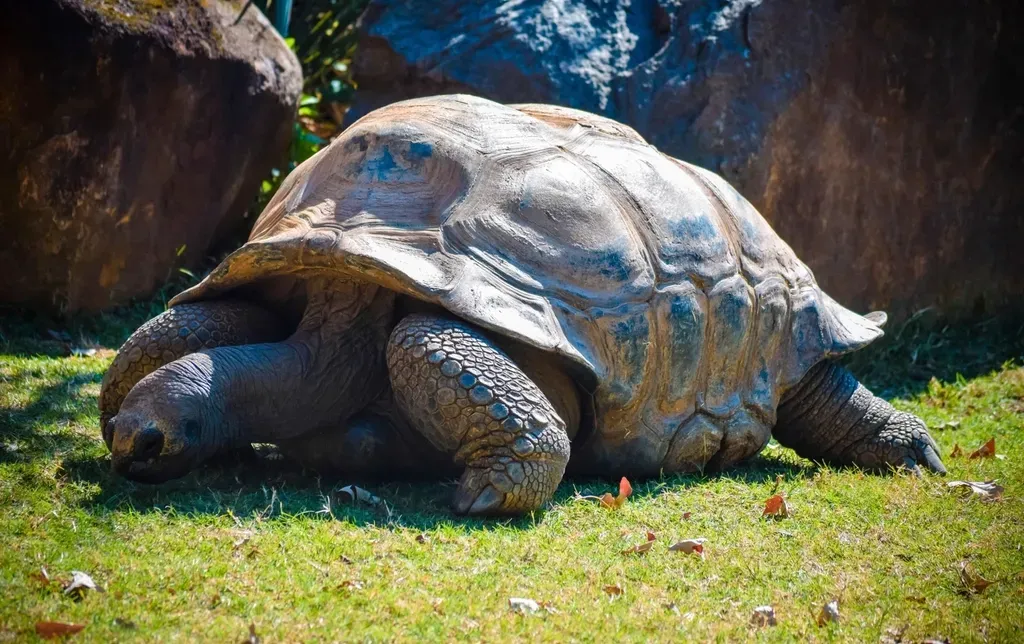
Most schoolchildren learn about Queen Victoria as a distant historical figure. Jonathan was alive before she even took the throne.
Born around 1832, five years before Victoria’s coronation, Jonathan had already survived his entire childhood and early adulthood before her 63-year reign even began in 1837. He then lived through the whole of it – plus every British monarch who followed.
At a Glance
- Queen Victoria – reign began 1837, four years after Jonathan hatched
- Edward VII – reign began 1901
- George V – reign began 1910
- George VI – reign began 1936
- Elizabeth II – reign began 1952, lasted 70 years
- Charles III – the sixth monarch of Jonathan’s lifetime
This might be the most staggering fact on this list: Jonathan has now outlived Victoria, Edward VII, George V, George VI, and Elizabeth II, and remains alive under a sixth monarch. Experts note his age estimate is conservative, meaning the real number could be even higher than currently recorded.
Six monarchs deep, and he still hasn’t hit the strangest chapter of his timeline.
#5 – Two World Wars That Reshaped the Entire Planet
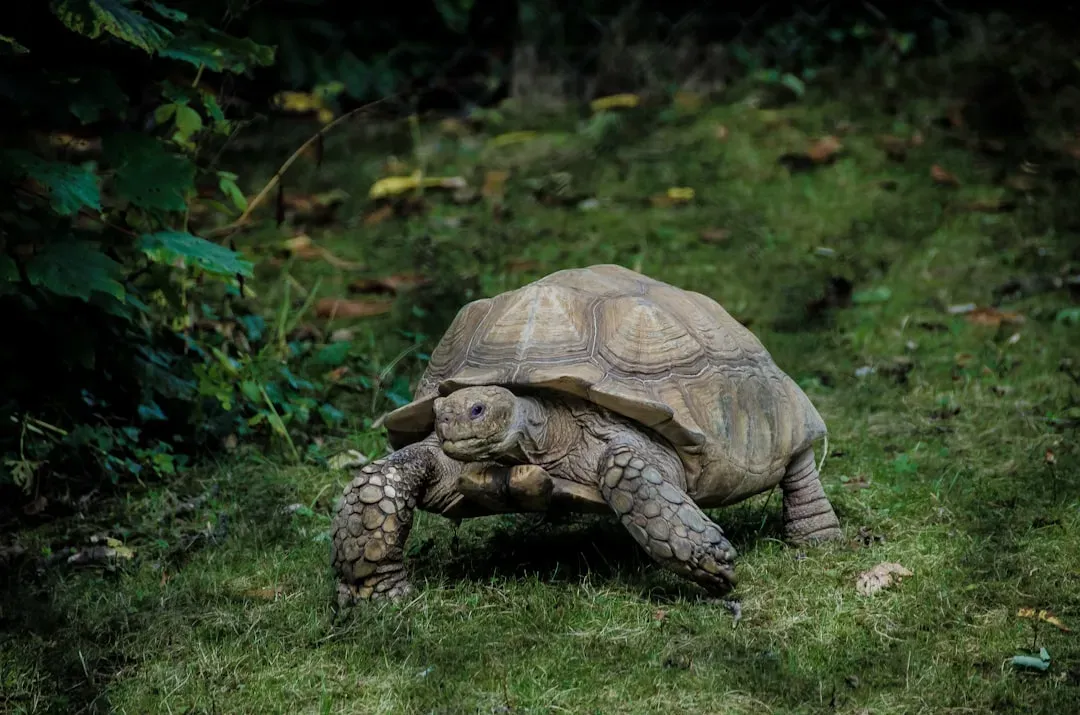
While most historical timelines treat the World Wars as the defining events of the 20th century, Jonathan simply lived through them as background noise.
By the time World War I broke out in 1914, Jonathan was already an elderly tortoise by most species standards – and yet he had roughly a full century of life still ahead of him. World War II came and went two decades later, reshaping borders, governments, and global power structures.
Most people don’t realize an animal on a remote South Atlantic rock experienced zero direct disruption from either conflict, while entire human civilizations were rebuilt from rubble around him. Turns out, being slow and remote has its advantages – no bunkers required.
Here’s where things get genuinely absurd, though.
#6 – The Entire Age of Human Flight
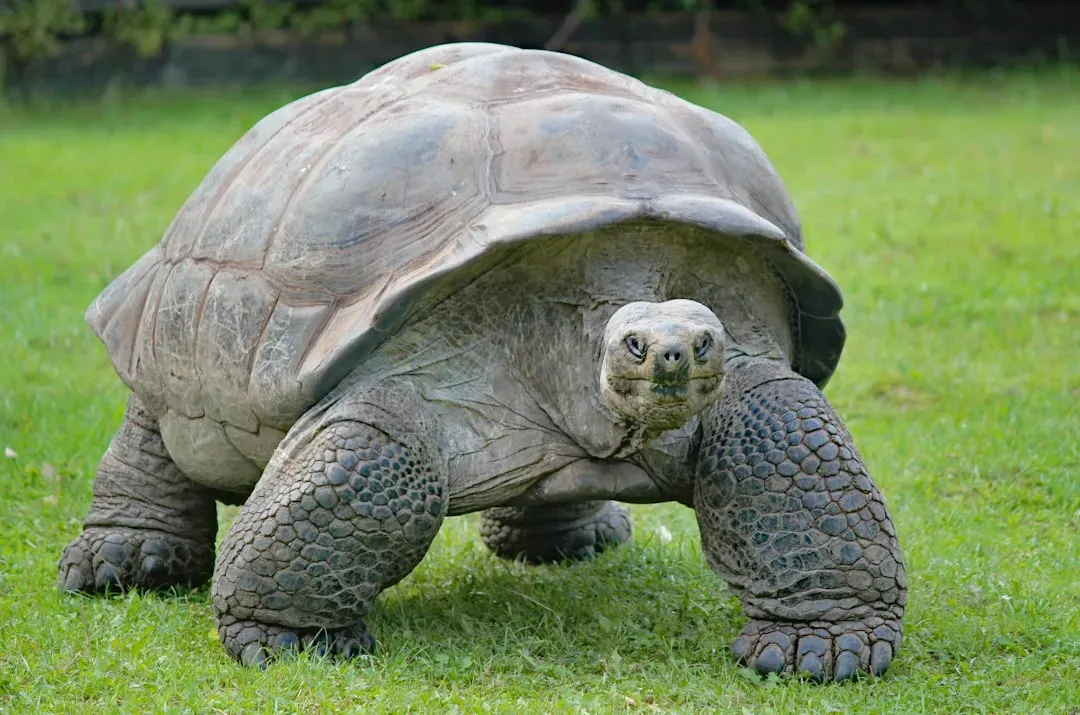
Orville and Wilbur Wright achieved the first powered flight in 1903. Jonathan was already over 70 years old.
He then lived through the era of biplanes, the jet age, supersonic flight, and the moon landing in 1969 – all while never once needing to leave his own patch of lawn. The single most surprising detail here: an animal that predates powered flight by seven decades is technically still alive during the era of commercial space tourism.
Aviation didn’t just change transportation – it compressed the entire globe into a day’s travel. Jonathan, meanwhile, has spent nearly two centuries proving that some creatures don’t need to go anywhere to outlast everything.
Now shift focus to a different tortoise entirely, because this next one is arguably the most poetic story on the list.
#7 – Charles Darwin Himself
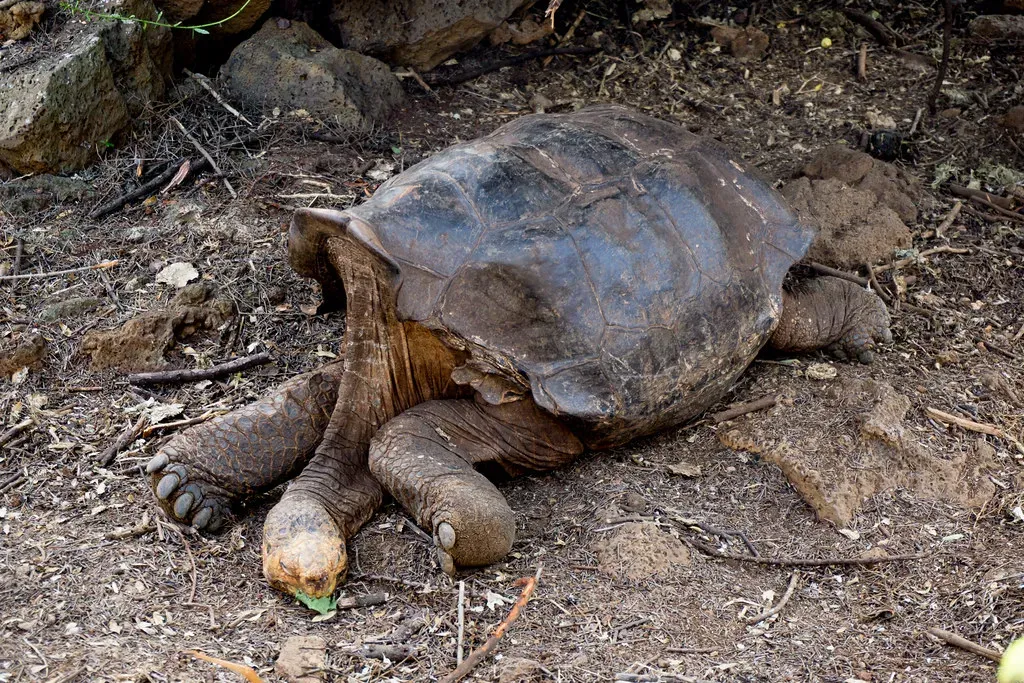
This one belongs to Harriet, a Galápagos tortoise who lived to be around 176 years old and who some believe was one of three tortoises taken from the Galápagos Islands by Charles Darwin.
Darwin died in 1882. Harriet didn’t pass away until 2006 – meaning she outlived the very naturalist allegedly connected to her collection by 124 years. She was present for the entire span of Darwinian theory becoming mainstream science, all without lifting a claw to participate.
Worth Knowing
- Galápagos tortoises are one of the two giant tortoise lineages, alongside the Aldabra species of the Indian Ocean
- Large tortoises in this size class can weigh several hundred pounds and live well past a century even in the wild
- Harriet spent her final 17 years at Australia Zoo before her death in 2006
- Her age estimate places her hatching decades before Darwin’s own voyage on HMS Beagle
Turns out, the man who revolutionized our understanding of life itself was mortal in every sense, while his reptilian souvenir just kept going, decade after decade, long after his books had already reshaped biology.
Her story gets even stranger from here.
#8 – Steve Irwin, the Man Who Called Her Family
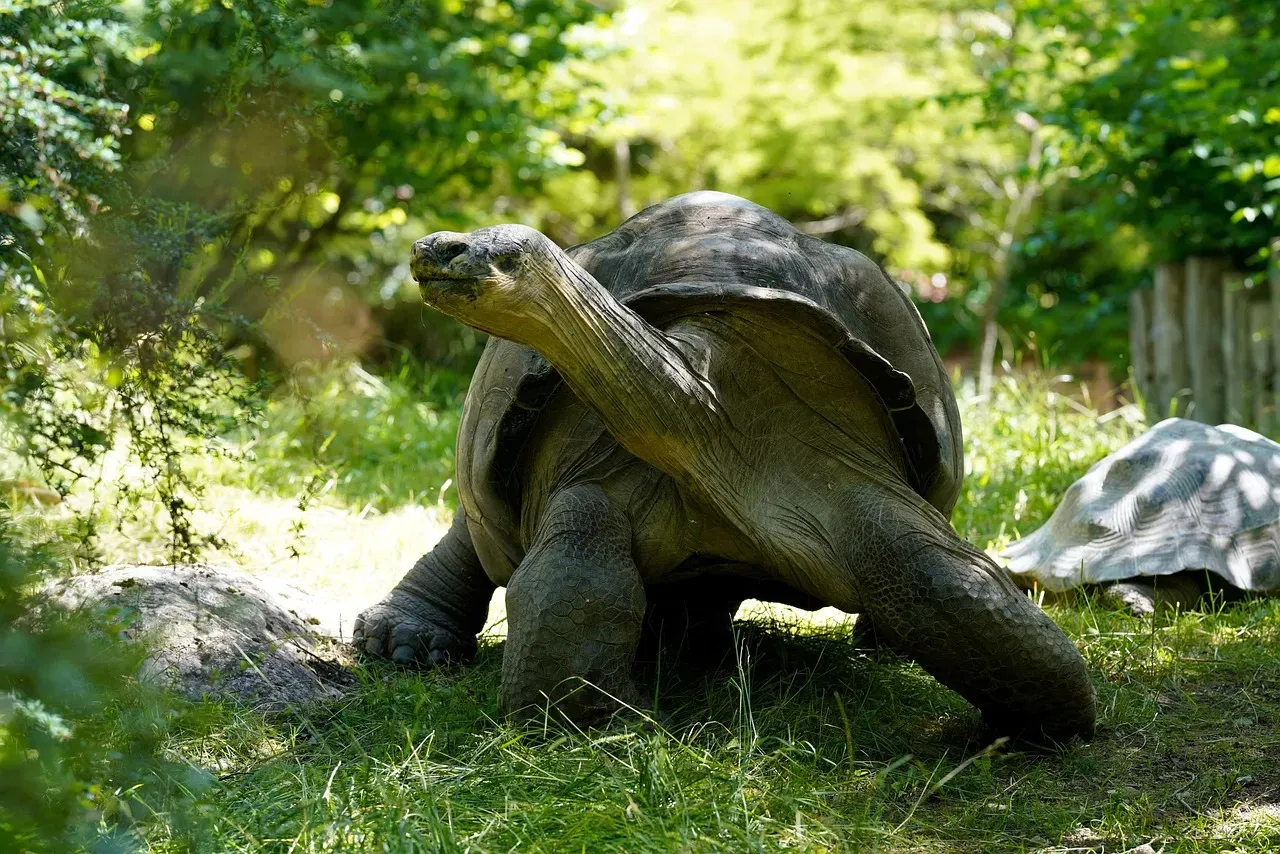
Decades after outliving Darwin, Harriet ended up living at Australia Zoo, owned by “Crocodile Hunter” Steve Irwin and his wife Terri, who considered her a member of the family.
Think about the sheer improbability: one animal personally connected to both a legendary 19th-century scientist and a 21st-century television icon, separated by nearly two centuries of human history. Most people don’t realize Harriet essentially bridged the Victorian era and reality television.
She died in 2006, having spent her final years at Australia Zoo, still going strong well into the age of satellite broadcasting, cable news, and early internet culture – technologies that would have seemed like pure science fiction during her hatchling years.
But not every long-lived tortoise story involves a famous naturalist. This next one involves an empire.
#9 – General Robert Clive and the British East India Company
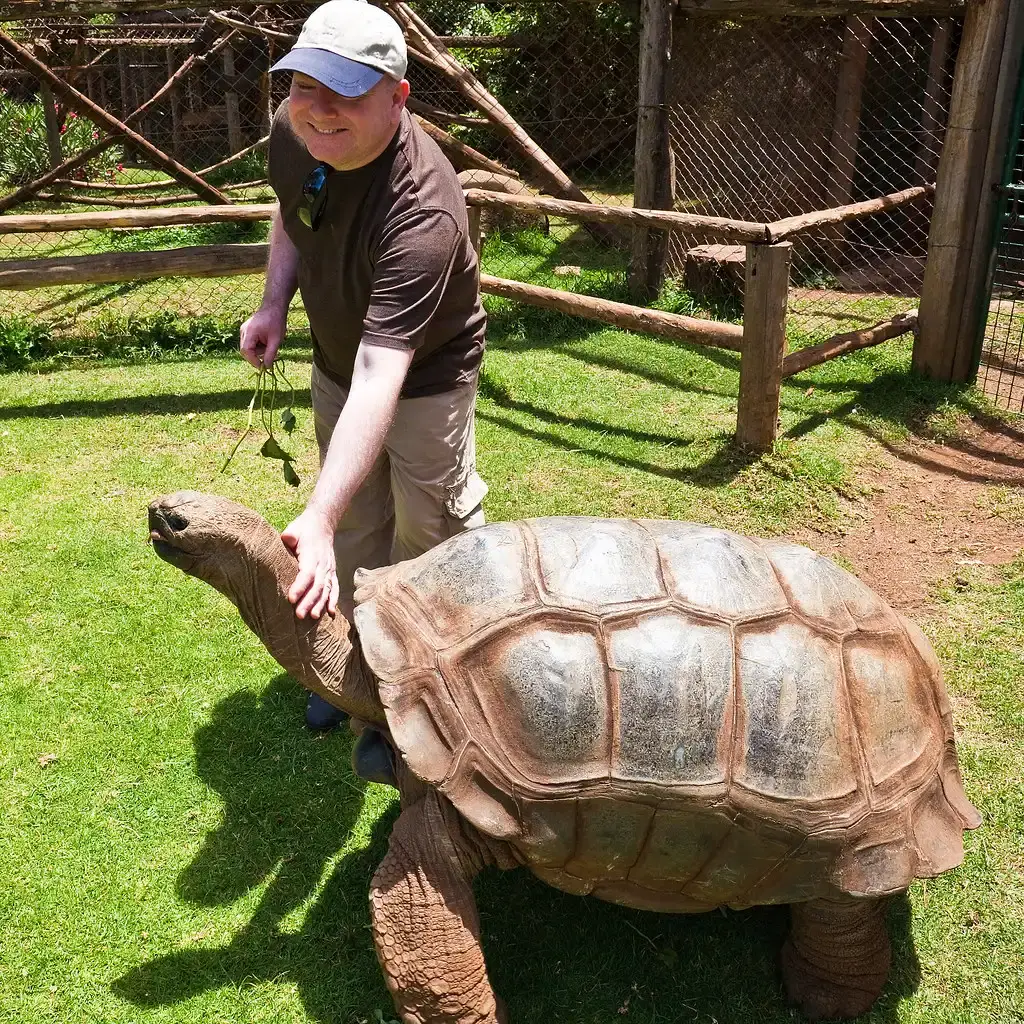
Meet Adwaita, an Aldabra giant tortoise whose story sounds almost invented – except it isn’t. He was kept at Robert Clive’s estate at Barrackpore, reportedly received following Clive’s victory at the Battle of Plassey in 1757.
Clive died in 1774. Adwaita didn’t pass away until 2006, at an estimated age of up to 255. If that estimate holds up, Adwaita outlived the man who once owned him by well over two centuries.
While zoologists rightly flag his exact age as scientifically unverified, even conservative estimates place him well past 150 – meaning he watched the entire rise and fall of the British East India Company, colonial India, and independence, all from the same zoo enclosure in Kolkata.
Not every entry on this list ends in a record. Some end in something far heavier.
#10 – The Extinction of His Own Species
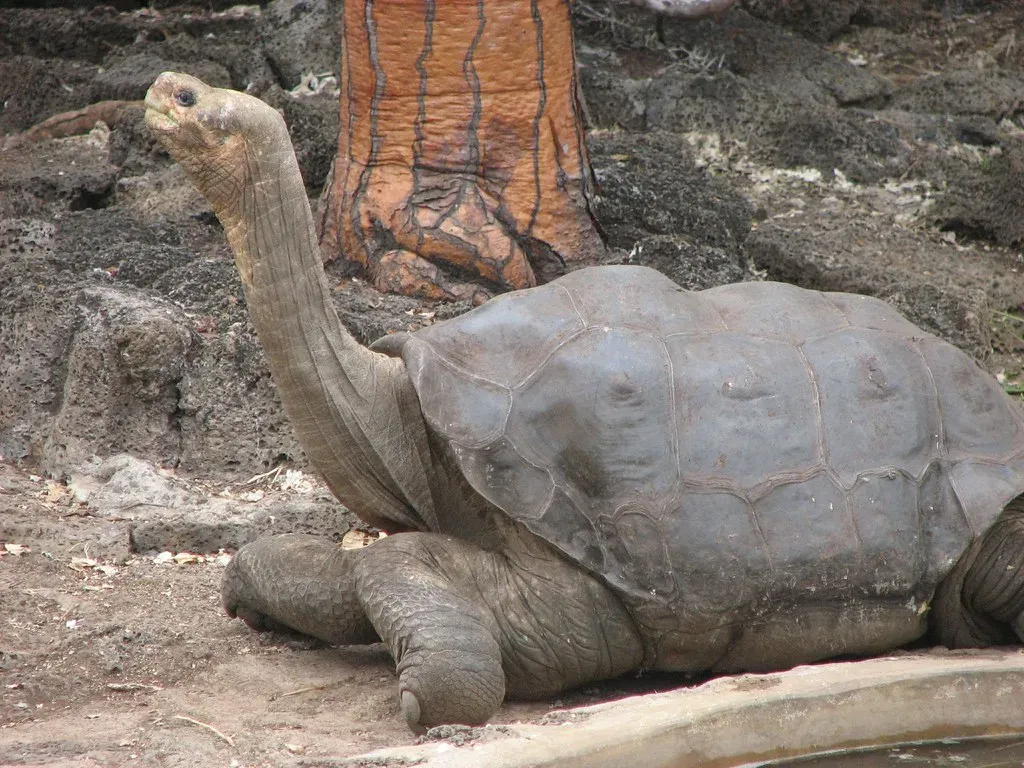
Lonesome George, a Pinta Island tortoise, became famous for the opposite reason every other name on this list is famous. On June 24, 2012, he was found dead – marking the extinction of the Pinta tortoise species.
George didn’t outlive centuries of monarchs or presidents. He outlived every other member of his own subspecies. Decades of searching failed to find him a mate, and Pinta tortoises had already been decimated by whalers and fur sealers in the 1800s, then finished off by introduced goats that destroyed their habitat.
Here’s the uncomfortable truth many conservationists won’t say out loud: George’s death wasn’t just sad, it was a preventable failure decades in the making. His story remains the starkest reminder that “giant tortoise” doesn’t automatically mean “guaranteed survivor.”
“His death is a symbol for us to reflect on our own extinction, on the fact that people are also endangered.”
Fausto Llerena, George’s longtime caretaker
After a story that heavy, it’s almost strange to come back to records and trivia. But that’s exactly what happens next.
#11 – Its Own World Record for Longevity
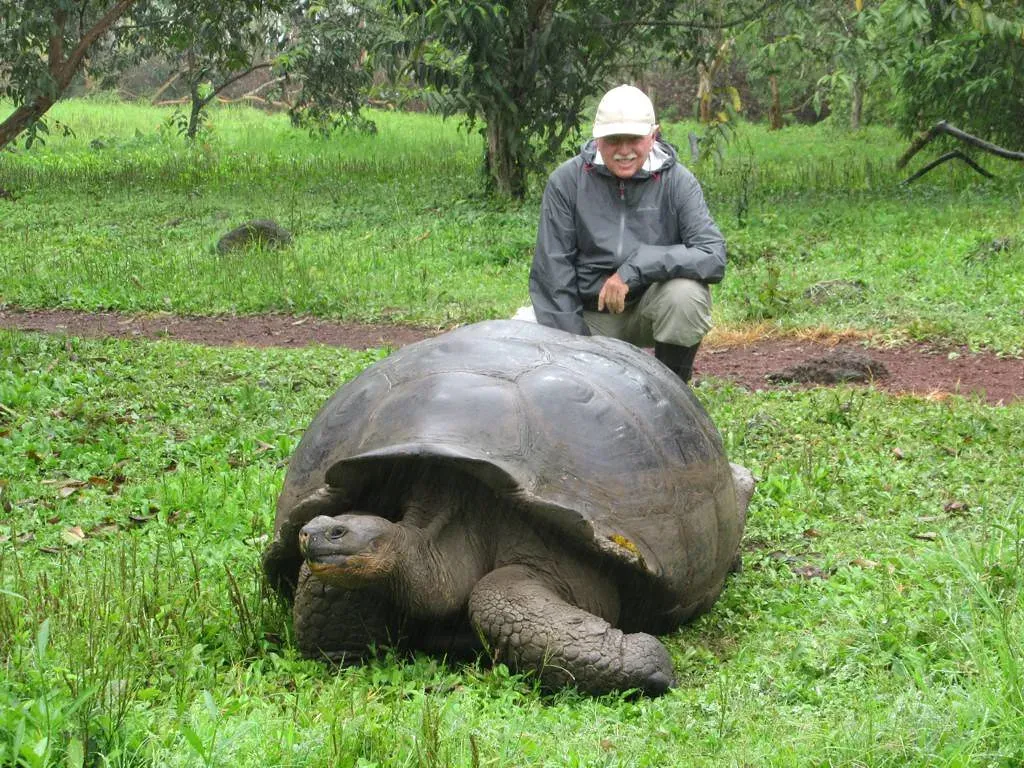
Longevity records in the tortoise world aren’t permanent – they get inherited, contested, and eventually dethroned, just like human sports records.
Tu’i Malila, reportedly a royal gift to Tonga’s royal family, was listed for decades as the oldest known tortoise following her death in 1966. She held that unofficial crown for years.
Then Jonathan surpassed her. He’s now recognized as the oldest tortoise ever recorded and the oldest known land animal alive today. Turns out, even the record for “outliving everything” eventually gets outlived by something else – a strange, recursive kind of longevity where the champion’s own reputation becomes the next thing to be surpassed.
Quick Compare
| Tortoise | Location | Age Record |
|---|---|---|
| Jonathan | St. Helena | ~193-194 years, still living |
| Adwaita | Kolkata, India | Died 2006, estimated up to 255 |
| Tu’i Malila | Tonga | Died 1966 at about 189 |
| Harriet | Australia Zoo | Died 2006 at about 176 |
And if records can fall, so can empires.
#12 – The British Empire That Brought Him There in the First Place
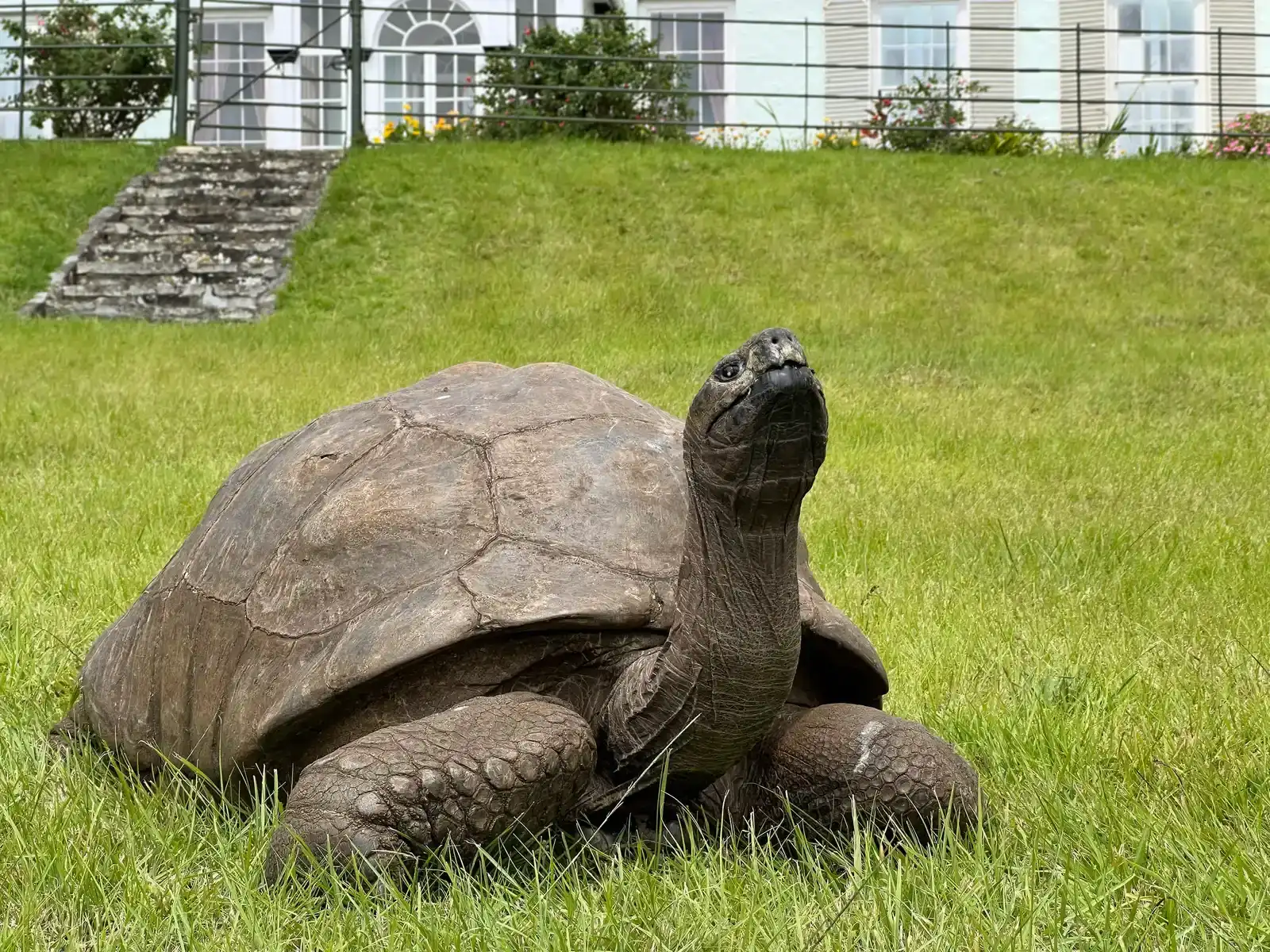
Jonathan didn’t originate on St. Helena. He was brought there as a gift during the height of British colonial administration, a system that once governed roughly a quarter of the globe.
That empire has since dissolved into dozens of independent nations, with St. Helena remaining one of the few small overseas territories still formally connected to Britain. The colonial governors who once oversaw sprawling territories across Africa, Asia, and the Pacific are now historical footnotes.
Most people assume empires are permanent while individual animals are fragile. Jonathan flips that assumption entirely. The institution that transported him across an ocean has been reorganized, renamed, and reduced dramatically, while he remains fundamentally unchanged, still parked on the exact same lawn where he arrived over a century ago.
Save the strangest one for last, because it isn’t a place or a person. It’s an idea.
#13 – The Theory of Evolution Itself
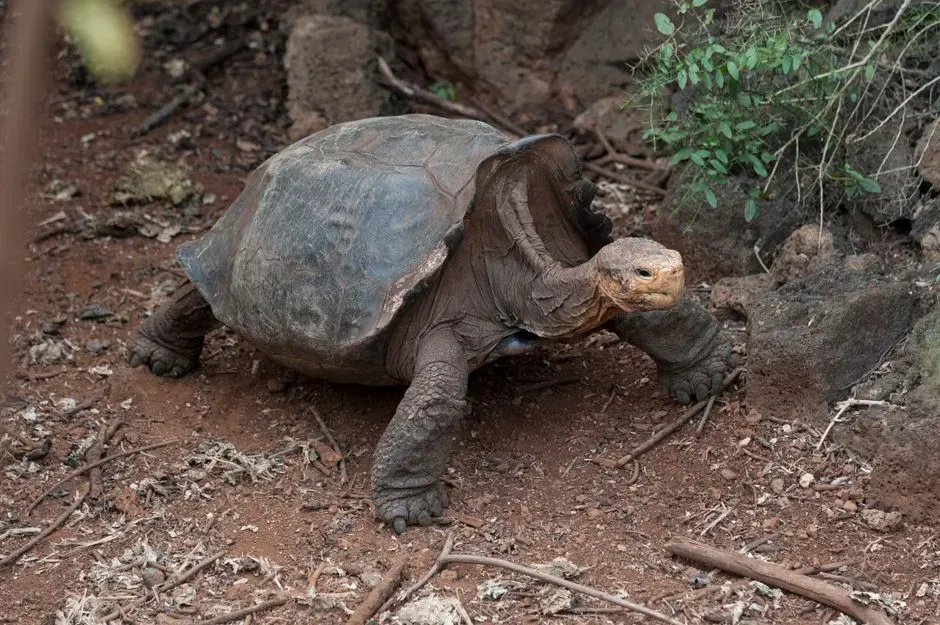
Charles Darwin didn’t publish “On the Origin of Species” until 1859. Jonathan, believed to have been born around 1832, was already 27 years old by the time the theory that made Galápagos tortoises world-famous even existed.
Let that sink in: the scientific framework explaining why island tortoises evolved the way they did was published after one of those very tortoises had already spent nearly three decades alive and grazing, completely unaware he’d eventually become a walking argument for his own field of study.
This is the fact that actually breaks people’s brains when they hear it. An animal older than the theory of evolution isn’t science fiction. It’s a Tuesday on St. Helena, where a reptile born before Darwin’s ideas existed is still, right now, eating breakfast.
The Bottom Line
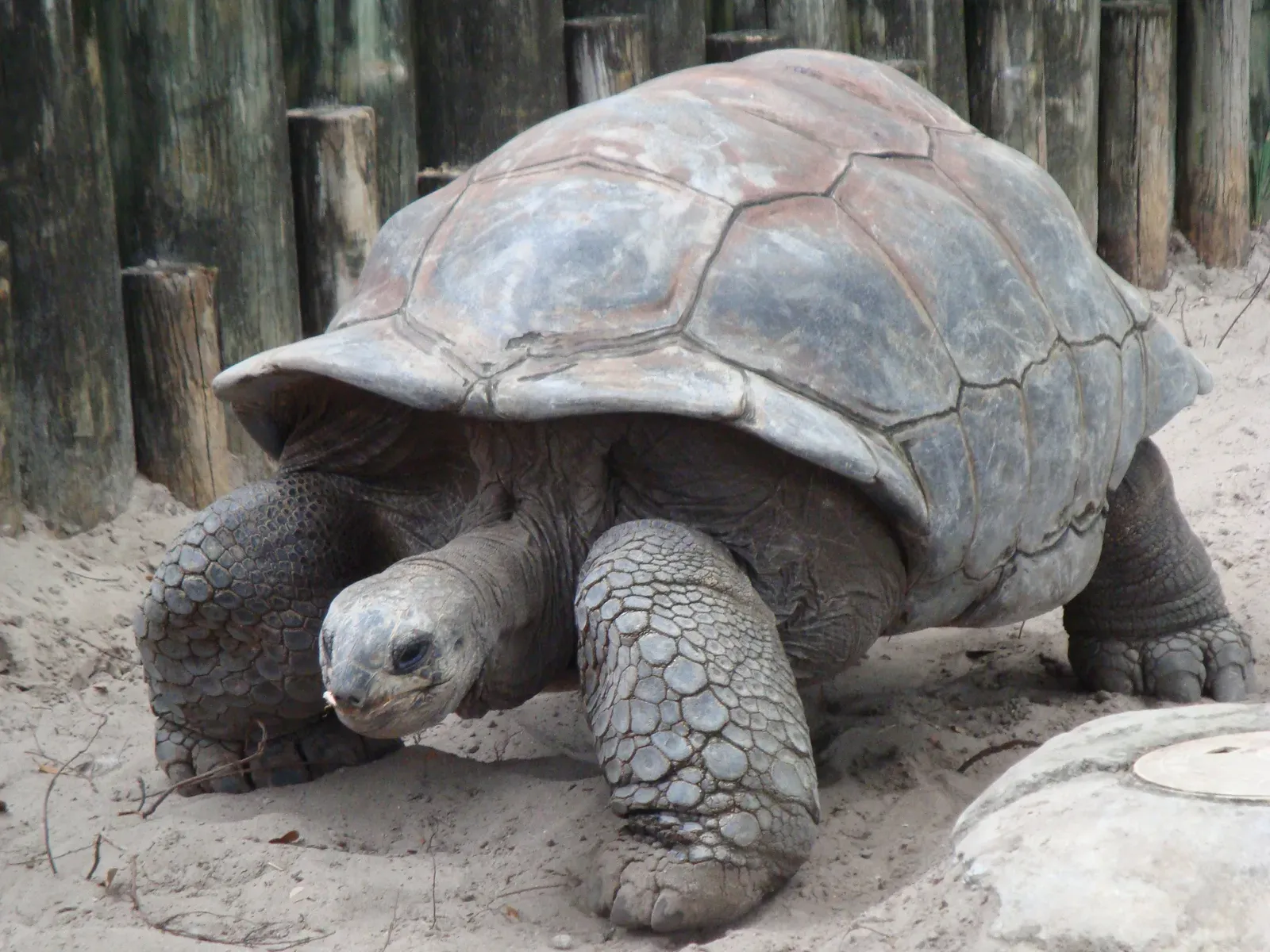
Add it all up, and giant tortoises stop looking like slow, sleepy trivia footnotes and start looking like the most quietly extreme survivors on the planet.
One animal has outlasted 40 U.S. presidents, an entire British monarchy’s worth of coronations, two world wars, and the era before evolutionary theory existed – while other tortoises personally bridged Darwin and Steve Irwin, or outlived the East India Company entirely. Meanwhile, Lonesome George’s story proves size and age guarantee nothing once habitats collapse.
If you ask us, humanity spends too much time chasing speed and not nearly enough time studying whatever biological trick lets a reptile shrug off two centuries without ever raising its heart rate. Which fact on this list actually surprised you the most? Drop it in the comments.