
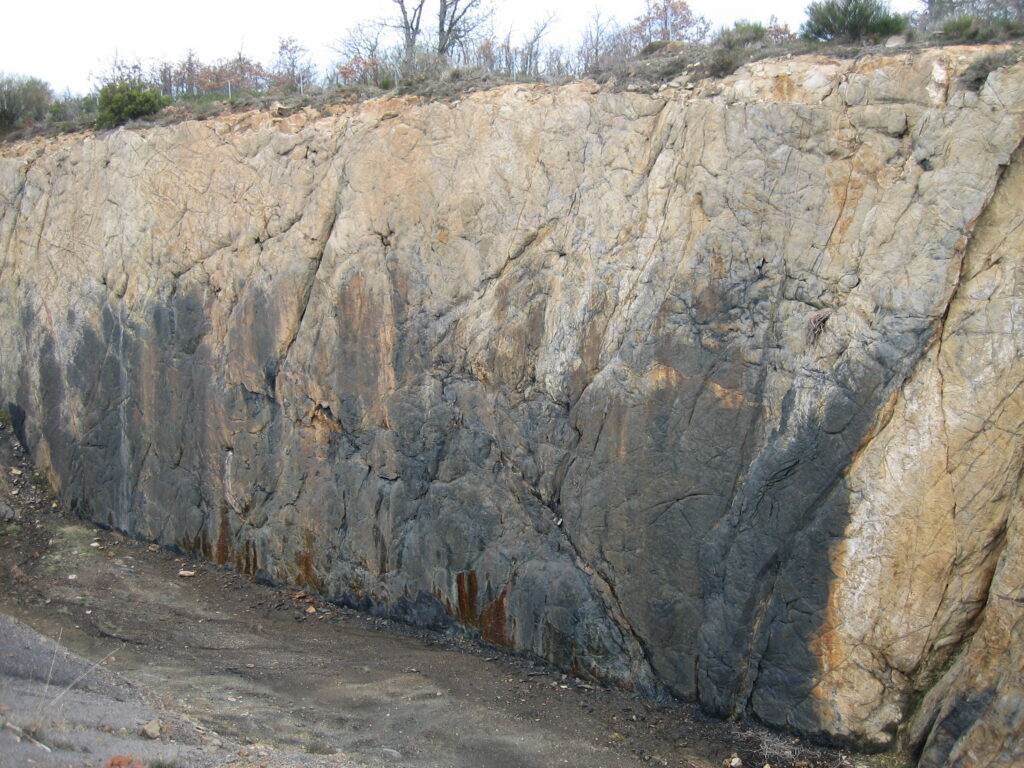
Most people picture ancient forests as sleepy green backdrops to dinosaur documentaries – static, solved, done. They’re wrong. Paleobotanists, geologists, and forest ecologists are still arguing over how prehistoric trees survived polar darkness, why fossilized wood exists on a continent covered in ice, and whether some living forests are secretly single organisms tens of thousands of years old.
Entire kingdoms of trees have vanished underwater, popped back from supposed extinction, and left behind clearings where nothing will grow – and nobody can say why. Here’s what the data actually say.
#1 – Antarctica’s “Impossible” Permian Forests
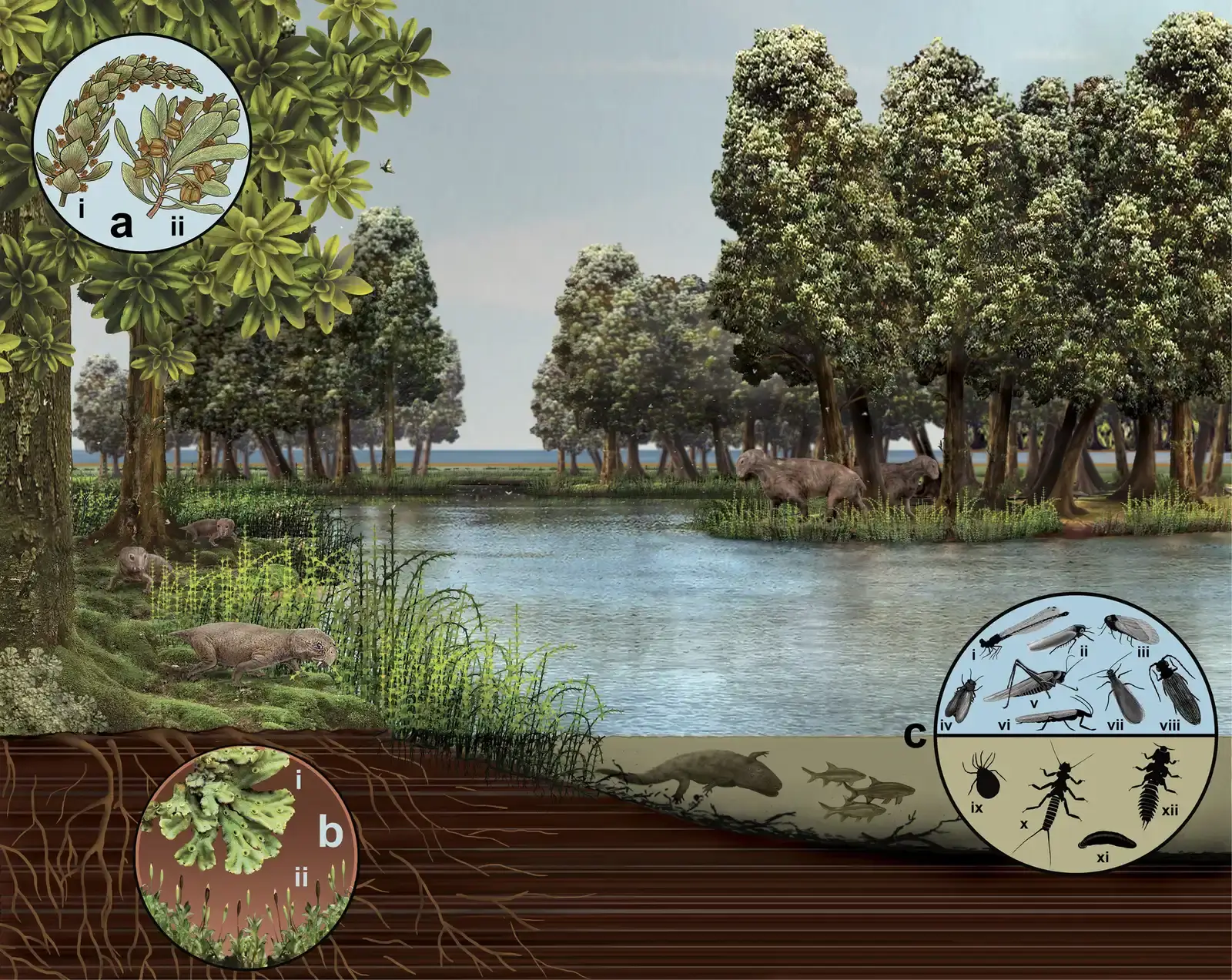
Roughly 252 million years ago, at the end of the Permian Period, Earth’s southern polar forests weren’t tundra scrub – they were dominated by towering Glossopteris trees. These were behemoths that grew from 65 to 131 feet tall, with broad, flat leaves longer than a person’s forearm. That alone should sound impossible for a tree living near the South Pole.
What actually stuns researchers is that these forests were thriving right before the largest extinction event in Earth’s history. The Permian die-off obliterated more than 90 percent of the world’s species, and what caused it is still shrouded in mystery. Scientists studying tree rings pulled from the Transantarctic Mountains are hoping the fossils can help explain what actually happened.
The bigger head-scratcher involves basic tree biology. Researchers still don’t fully understand how these trees hibernated through months of polar darkness and cold, or how they switched between summer and winter growth modes so quickly.
Some evidence even suggests a few Glossopteris populations may have limped across the extinction boundary entirely, based on fossil finds in rock layers researchers believe are Triassic in age. That survival story alone raises a bigger, colder question: how did any wood get preserved on this continent at all?
#2 – The Antarctic Paradox: Wood Fossils on the Coldest Continent
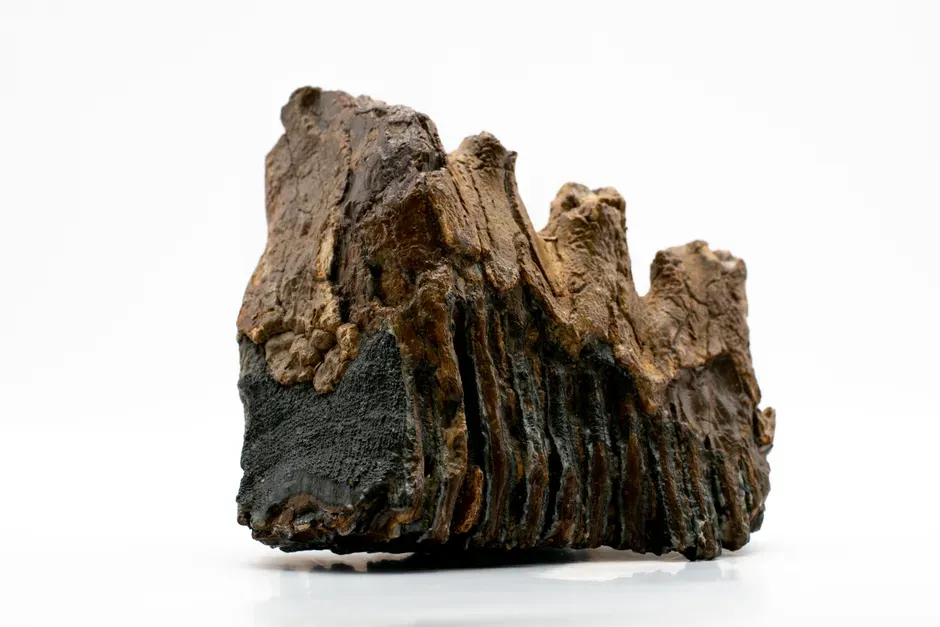
Here’s a sentence that shouldn’t make sense: Antarctica is covered in fossilized wood. Fossils are abundant across the continent, most commonly wood and leaves, and they represent what scientists call the “Antarctic Paradox” – how forests could possibly be preserved on a continent that hits temperatures of -83°C and sits buried under thick ice sheets.
The timeline makes it stranger. Plants actually grew on what is now the iciest continent on Earth from 400 million years ago all the way up to just 14 million years ago – a blink in geological terms. That means forests and glaciers have coexisted on Antarctica for a shockingly small slice of its deep history.
Fast Facts
- Antarctica can plunge to around -83°C, yet still preserves ancient wood and leaf fossils.
- Plants grew there for roughly 386 million years – from about 400 million to just 14 million years ago.
- Wood and leaves are the most commonly recovered fossil types on the continent.
- Rapid volcanic ash burial, not slow mineral seepage, explains some of the best-preserved specimens.
Some of the preservation is almost too good. One fossilized tree stump was discovered still growing in the Transantarctic Mountains some 280 million years ago, before being rapidly covered with volcanic ash and turned to stone. Volcanic burial essentially freeze-framed the forest mid-life.
Researchers are still mapping exactly how many separate eruption events did this, because it directly affects how precisely they can date the trees. That same weirdness, it turns out, isn’t unique to Antarctica. Half a world away, in Poland, an entire grove of pines is bent into a shape nobody can explain.
#3 – Poland’s Crooked Forest: 400 Trees, One Unsolved Bend
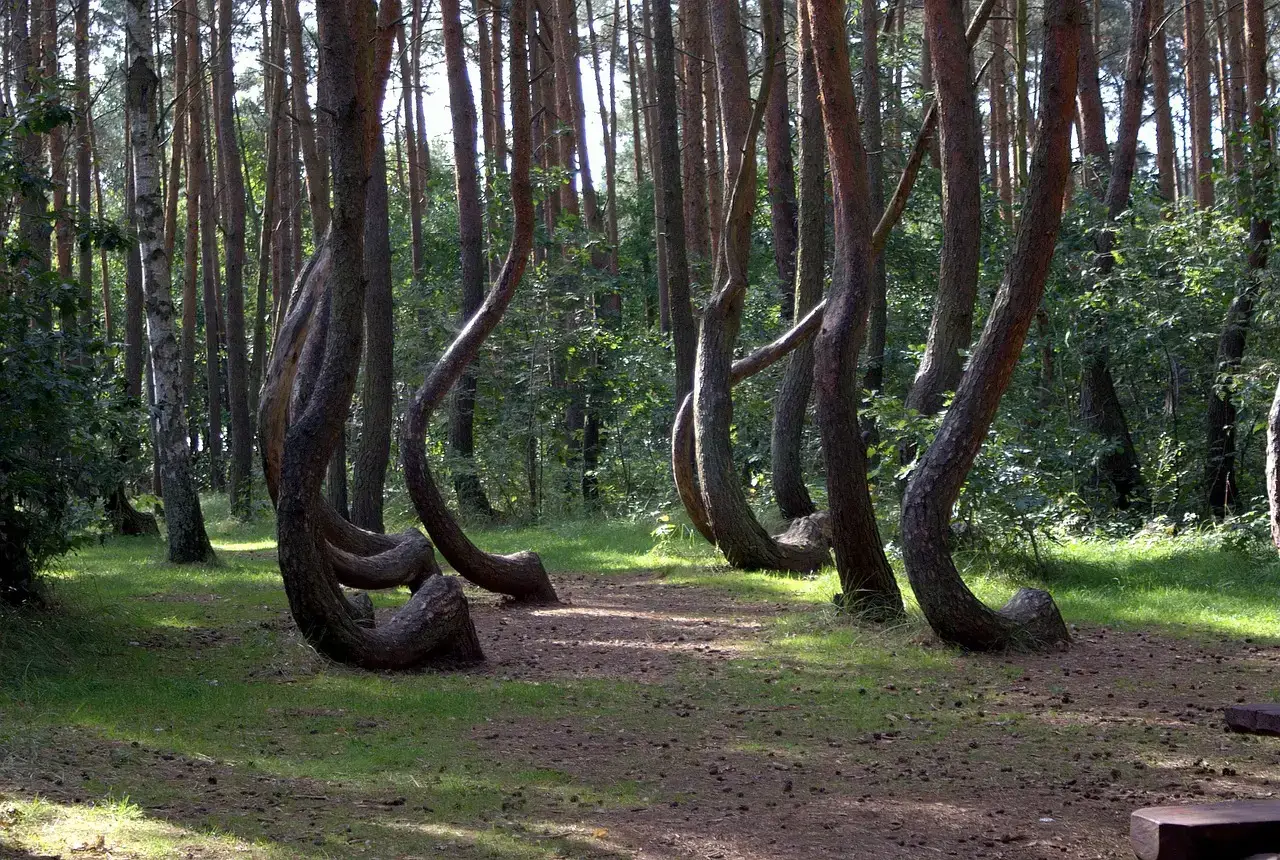
Roughly 400 pine trees near the Polish city of Gryfino all bend the exact same direction – and nobody can prove why. Home to more than 400 pine trees believed to have been planted in the 1930s, each tree displays a curved trunk, and stranger still, the vast majority of them bend in a northward direction.
This isn’t a case of nobody trying to solve it. Arboriculturists – actual tree scientists – have debated how this landscape came to be, but so far no one has been able to explain it. Leading theories range from deliberate human shaping for furniture-grade curved timber to a freak snowstorm that flattened the saplings early in life.
The uniformity is what breaks the simplest explanations. A snowstorm should bend trees in whatever direction the wind was blowing that particular night, not consistently northward across an entire grove. Human tampering would usually leave tool marks or records – and there aren’t any.
Decades of measuring, sampling, and modeling later, the Crooked Forest still keeps its secret. And in Romania, a different forest hides something even stranger: a patch of ground where nothing grows at all.
#4 – Romania’s Hoia-Baciu Forest and Its Empty Circle
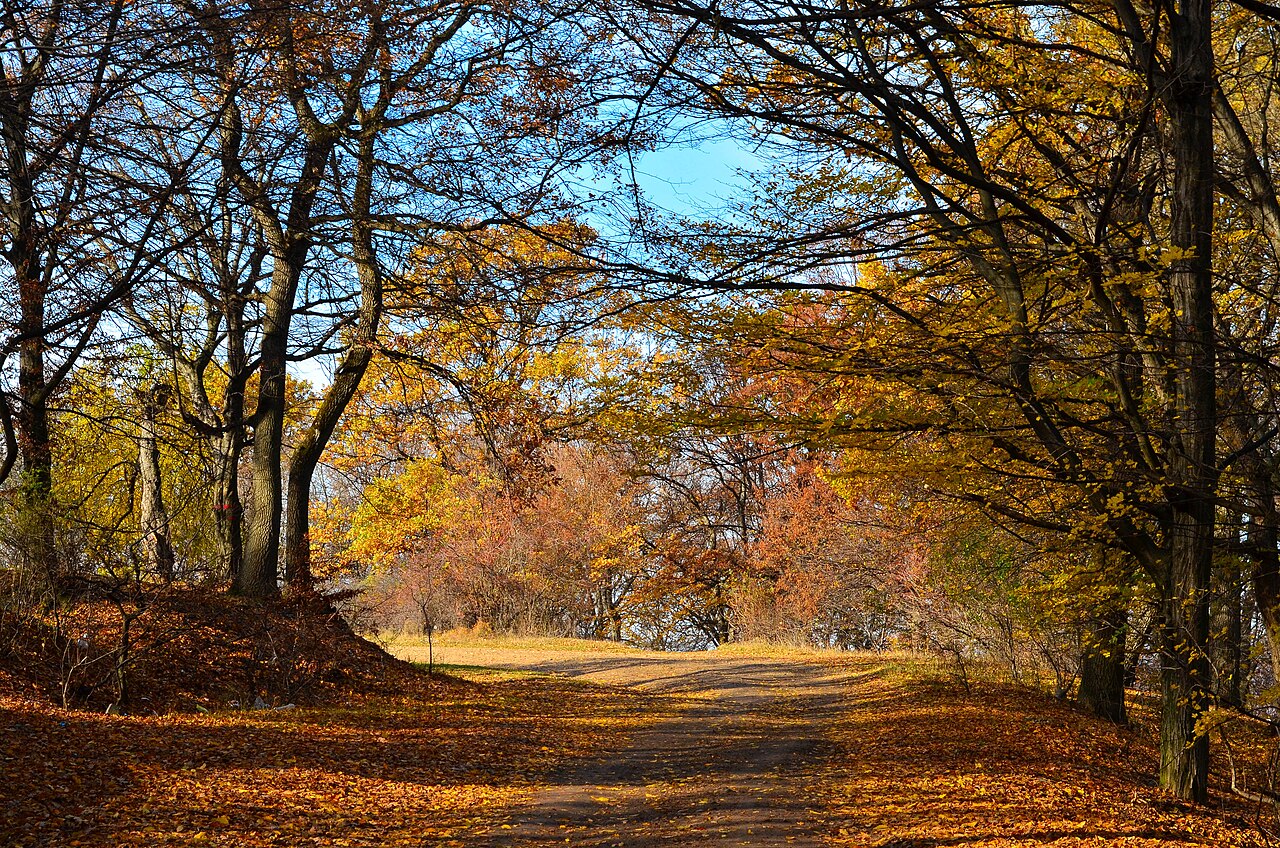
Deep in Transylvania sits a forest with a genuinely unexplained botanical dead zone. Filled with crooked trees and carpeted by an eerie mist, Hoia-Baciu has been dubbed “the Bermuda Triangle of Romania” thanks to tales of people going missing – but horror stories aside, there’s an even bigger puzzle even scientists can’t explain.
At the center of the woodland sits a near-perfect circular patch known as “the Clearing.” Nothing grows there, and no one knows why – while just outside the circle, trees grow in strange, twisted forms.
This isn’t folklore dressed up as science; actual labs have tested it. Various scientists have taken soil samples, studied the plant life, and tested for radiation here, but their results have not yielded an answer as to why this desolate patch exists. Soil chemistry, groundwater, radiation, fungal pathogens – all tested, all inconclusive.
A circular dead zone that resists every standard explanation is exactly the kind of anomaly that keeps forest scientists up at night. Not every ancient forest disappeared into silence like this one, though – some drowned in slow motion instead.
#5 – Doggerland: The Ice Age Forest Buried Under the North Sea
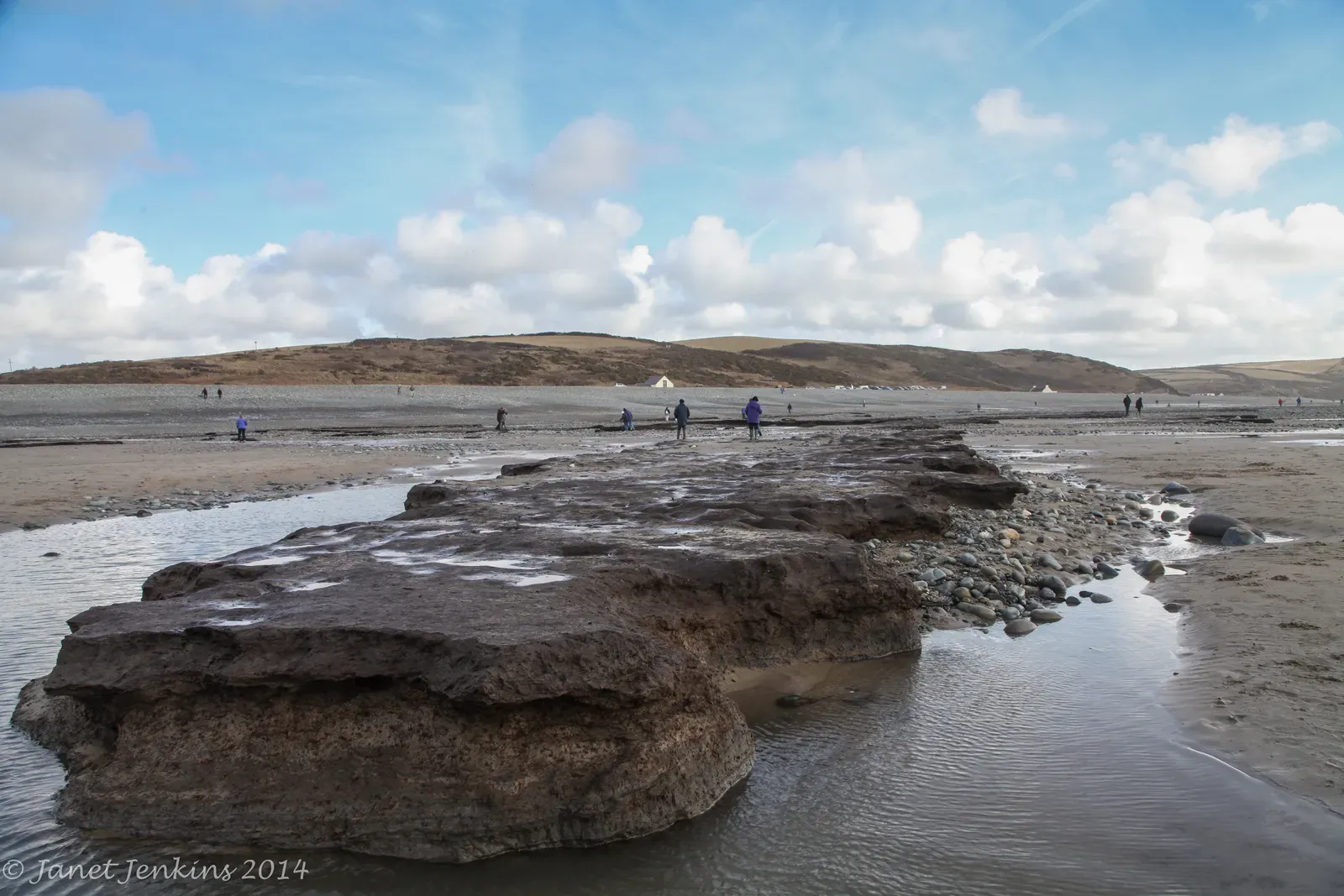
Britain used to be physically connected to mainland Europe by a landmass called Doggerland – and that landmass was forested long before anyone expected. New ancient DNA research from seafloor cores in the southern North Sea found that temperate trees were already growing there more than 16,000 years ago, thousands of years earlier than previous estimates suggested.
The forest’s disappearance wasn’t a single dramatic flood, either. The study indicates that parts of Doggerland withstood major flooding events, including the Storegga tsunami around 8,150 years ago, and that some areas of the landscape remained above sea level until roughly 7,000 years ago.
That means Ice Age forests on Doggerland outlasted a tsunami capable of reshaping entire coastlines. This evidence suggests the area may have served as a surprisingly hospitable refuge for plants, animals, and possibly humans, long before forests became common elsewhere in Britain and northern Europe.
An entire wooded refuge sat quietly beneath what’s now one of the busiest shipping lanes on Earth, and we only just found out it existed thousands of years earlier than assumed. Britain isn’t the only coastline hiding a lost forest underwater – Wales has one too, wrapped in a legend that refuses to die.
#6 – Wales’ Sunken Forest and the Legend of Cantre’r Gwaelod
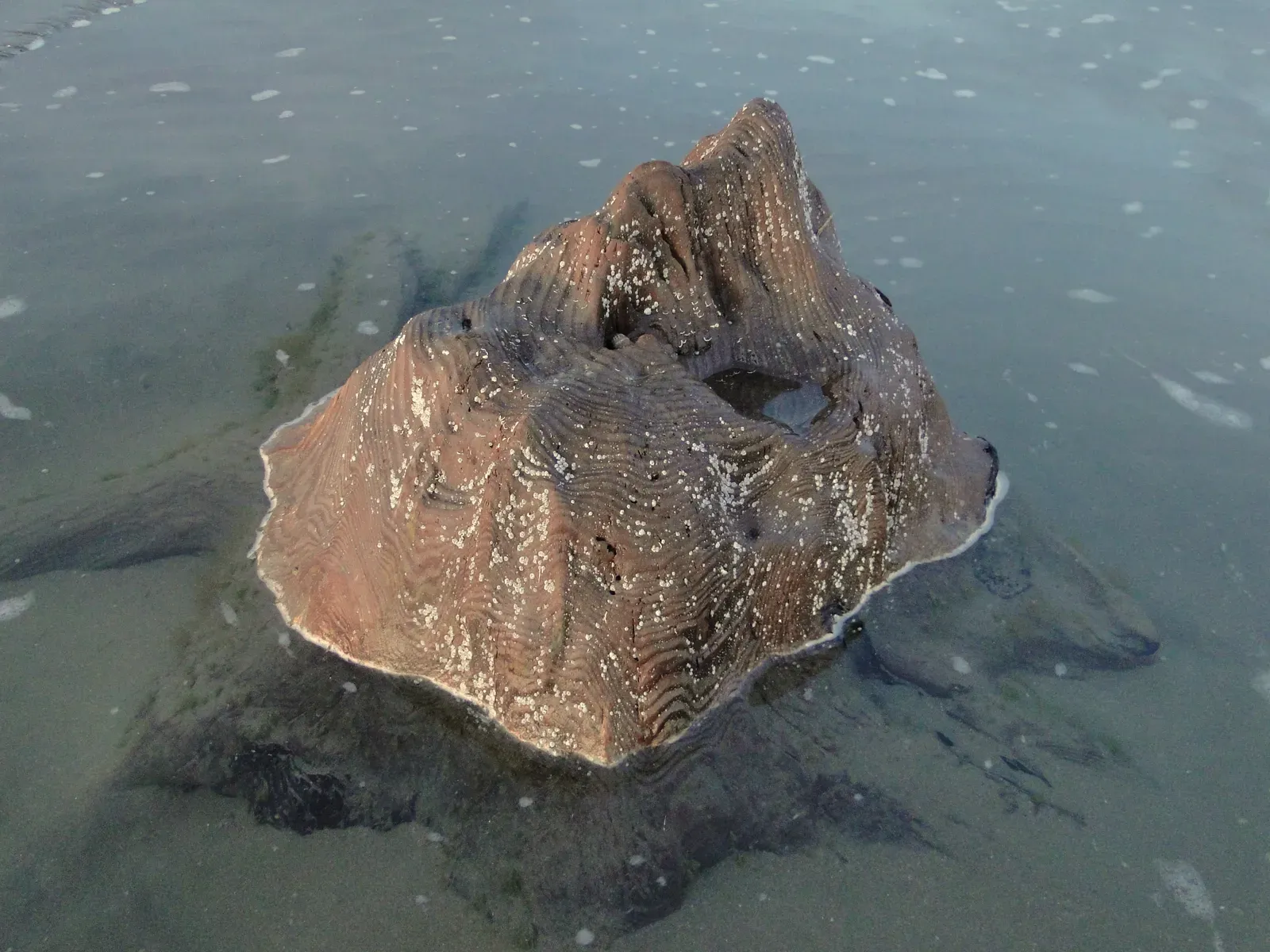
Along Cardigan Bay in Wales, storms periodically strip away sand to reveal tree stumps that have been underwater for thousands of years. The tree stumps are rooted in peat levels below the marine sand, preserved by continuous waterlogged conditions, and the sites don’t represent a single flooding event – radiocarbon dates show trees at Ynyslas died around 5,500 years ago, while trees just over a kilometre south at Borth died some 2,000 years later.
That staggered timeline is the real mystery: the sea didn’t rise in one clean sweep, it crept in unevenly, drowning different patches of the same forest centuries apart. The submerged forest of alder, oak, and birch once stretched for up to three miles along the shore between Ynys-las and Borth before being buried under water and sand more than 4,500 years ago.
Locals have never treated this as a dry geological footnote. The legend of a sunken kingdom has reportedly been kept alive over the centuries by frequent sightings of the submerged forest, which contains tree stumps, branches, roots, and even layers of hazelnuts.
A real, radiocarbon-dated forest hiding beneath a folk legend about a drowned kingdom is about as close as science gets to confirming a myth without actually confirming it. From forests that drowned, the next mystery flips the question entirely: what if an entire forest was never many trees to begin with – just one?
#7 – Pando: Is an 80,000-Year-Old Forest Actually One Tree?
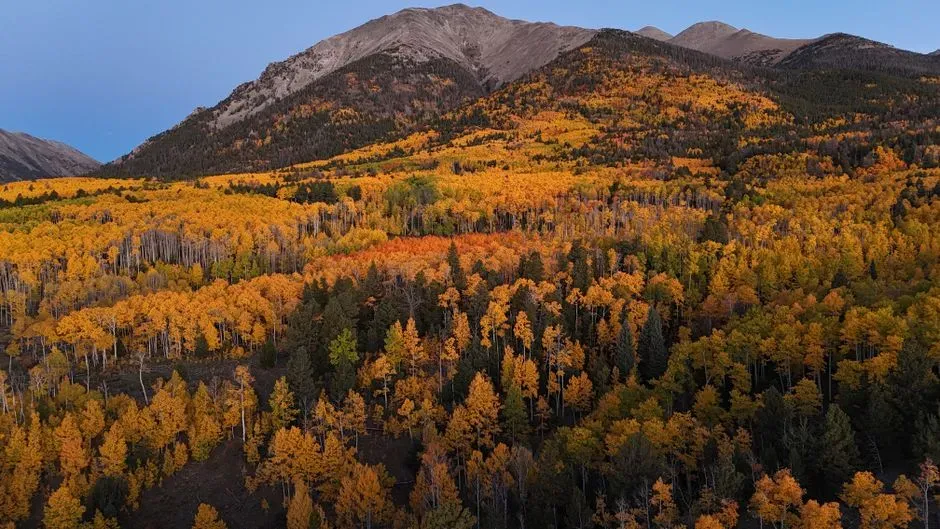
In Utah sits a grove of quaking aspens that might not be a grove at all – it might be a single organism. Maybe even more impressive than its size is its age: though difficult to know exactly, Pando is estimated to be 80,000 years old.
At a Glance
- Location: Fishlake National Forest, Utah.
- Estimated age range: 16,000 to 80,000 years old, depending on the dating method used.
- Made up of roughly 40,000 genetically identical trunks sharing one root system.
- Estimated weight: around 6,000 tons, making it one of the heaviest known organisms on Earth.
Genetic dating hasn’t settled the number, and that’s the actual controversy. Researchers modeling Pando’s genetic lineage put its age somewhere between 16,000 and 80,000 years, a range so wide it spans the entire span of modern human migration out of Africa.
Every visible trunk is deceptively young. The older individual trees within Pando are only around 130 years old – comparable to a normal aspen’s lifespan – while the root system connecting them all could be tens of thousands of years older.
A forest can look like thousands of separate trees while genetically behaving like one continuously renewing body, and scientists still can’t pin an exact birthdate on it. That uncertainty alone has dragged Pando into a much bigger, messier argument: what does “the world’s oldest tree” even mean?
#8 – The Fight Over the World’s Actual Oldest Tree
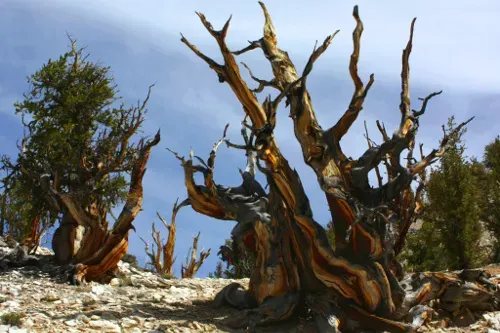
Ask ten scientists which tree is the oldest on Earth and you’ll get several different, defensible answers – because the definition of “oldest” keeps breaking. The Great Basin bristlecone pine is considered the oldest individual, non-clonal organism on the planet, with some trees living more than 5,000 years, a title earned through painstaking tree-ring cross-dating.
Clonal organisms like Pando complicate the contest entirely. Pando, the giant colony of aspen stems sharing a single root system, is estimated to be even older than the bristlecone record-holders. Meanwhile, in Sweden, a Norway spruce nicknamed “Old Tjikko” has been estimated at around 9,500 years old through root dating – a number derived from the root system rather than the visible trunk.
The uncomfortable truth is that clonal ages simply cannot be pinned down with precision. These clonal colonies are impossible to date with exactness, because the oldest original material has long since decomposed.
Every “oldest tree” headline is really a definitional argument in disguise. At least those trees were never in doubt about existing. The next one on this list was declared extinct – and nobody bothered telling it that.
#9 – The Dinosaur-Era Tree That Wasn’t Actually Extinct
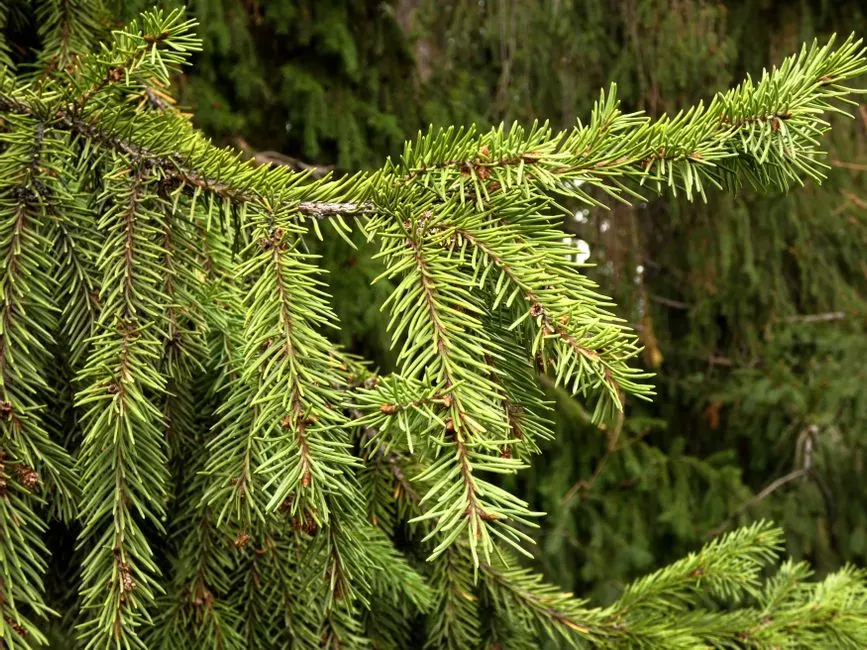
For decades, paleobotanists only knew the Wollemi pine from fossils, and assumed it had died out alongside the dinosaurs. The Wollemi pine was thought to have gone extinct 2 million years ago, until it was rediscovered by a group of hikers in 1994.
The discovery site was almost cartoonishly hidden. Hikers found a group of strange trees growing in a remote canyon in Wollemi National Park, and after a naturalist and botanist examined leaf specimens, it was determined they represented an ancient species essentially frozen in time since dinosaurs roamed Earth.
Its genome only deepens the strangeness. The pine carries 26 chromosomes containing a staggering 12.2 billion base pairs, compared to roughly 3 billion in humans – yet despite that massive genome, Wollemi pines are extremely low in genetic diversity, suggesting a population bottleneck some 10,000 to 26,000 years ago.
A tree with four times the genetic material of a human being nearly vanished entirely, and fewer than 200 now survive in the wild. From a tree nobody expected to find alive, the next mystery flips to something living underneath the trees themselves – entire lost cities.
#10 – Lost Cities Hiding Beneath the Amazon Canopy
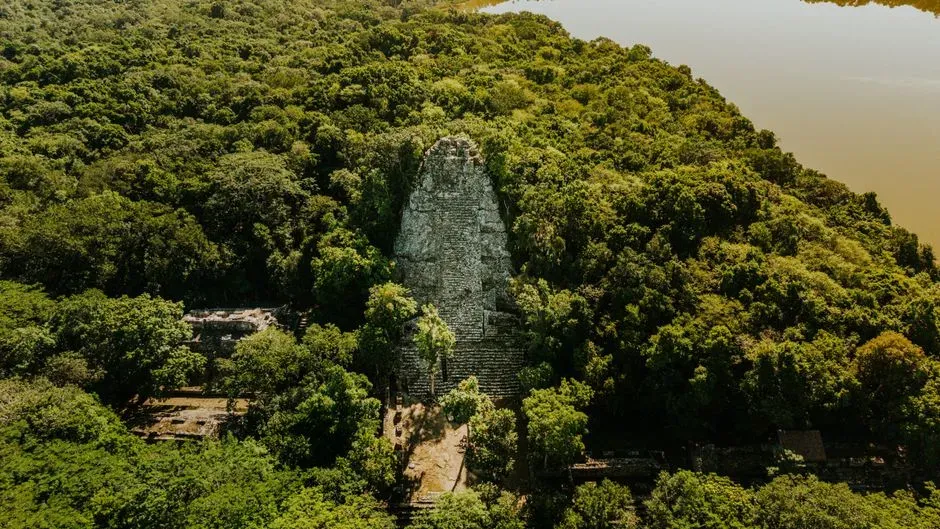
For most of the 20th century, the scientific consensus was that dense rainforest couldn’t support large, complex civilizations. That assumption has collapsed. Scholars long believed the Amazon rainforest could not support large, complex societies, but that assumption has been overturned by lidar surveys and archaeological research revealing extensive networks of roads, plazas, fortified settlements, and managed landscapes hidden beneath the forest canopy.
Worth Knowing
- Lidar scanning can map dense jungle terrain from above, revealing structures invisible from the ground.
- Surveys have uncovered roads, plazas, causeways, and fortified settlements across multiple Amazon basin countries.
- Some ancient settlements were interconnected, suggesting organized regional societies rather than isolated villages.
- Researchers still don’t know the full population size of these societies or why many were later abandoned.
This isn’t a minor revision – it’s a total inversion of what “ancient forest” is even supposed to mean in the Amazon basin. What looked like untouched wilderness for centuries was, in many places, an engineered landscape shaped by dense human populations who then vanished or dispersed, letting the forest reclaim everything.
Lidar essentially x-rayed the jungle and found cities where textbooks insisted there couldn’t be any. The scale of these settlements is still being mapped, and researchers openly admit they don’t yet know how large these ancient societies actually were, or exactly why so many of their settlements were ultimately abandoned.
Those same jungles are hiding something else humans left behind – walls of ancient art depicting animals that shouldn’t be there at all.
#11 – Ancient Cave Art Deep in the Amazon Rainforest
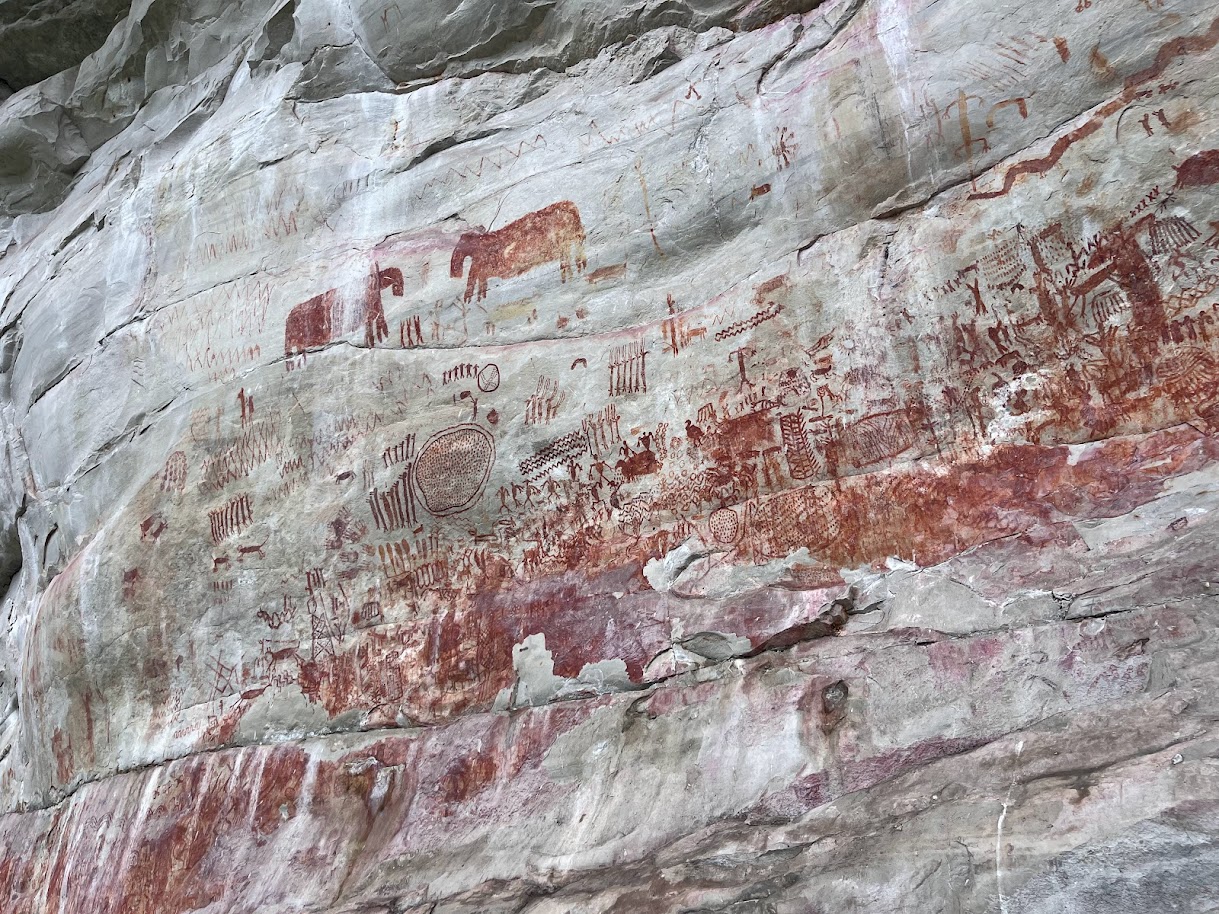
Buried in the Colombian jungle is one of the largest known collections of prehistoric rock art, and it rewired what researchers thought they knew about the Amazon’s earliest human inhabitants. In 2017, archaeologists excavated an 8-mile-long stretch of cave drawings deep in the Colombian jungle, with hand-scrawled images thought to date back to the earliest known times of humans in the rainforest.
The subject matter is what makes this genuinely strange. The drawings depict animals like mastodons and giant sloths – Ice Age megafauna that had no business appearing in rainforest imagery, since scientists long assumed dense jungle wasn’t compatible with these open-plain species.
That single detail forces a rethink of the Amazon’s ecological history: either the region looked dramatically different thousands of years ago, or these artists were recording animals from journeys far beyond the jungle’s current edges.
An 8-mile wall of prehistoric art depicting extinct giants is still being studied for exactly who painted it and why. Go back far enough, though, and the mystery stops being about who lived in ancient forests – it becomes about why those forests refused to rot at all.
#12 – The Coal Forests That Wouldn’t Decompose
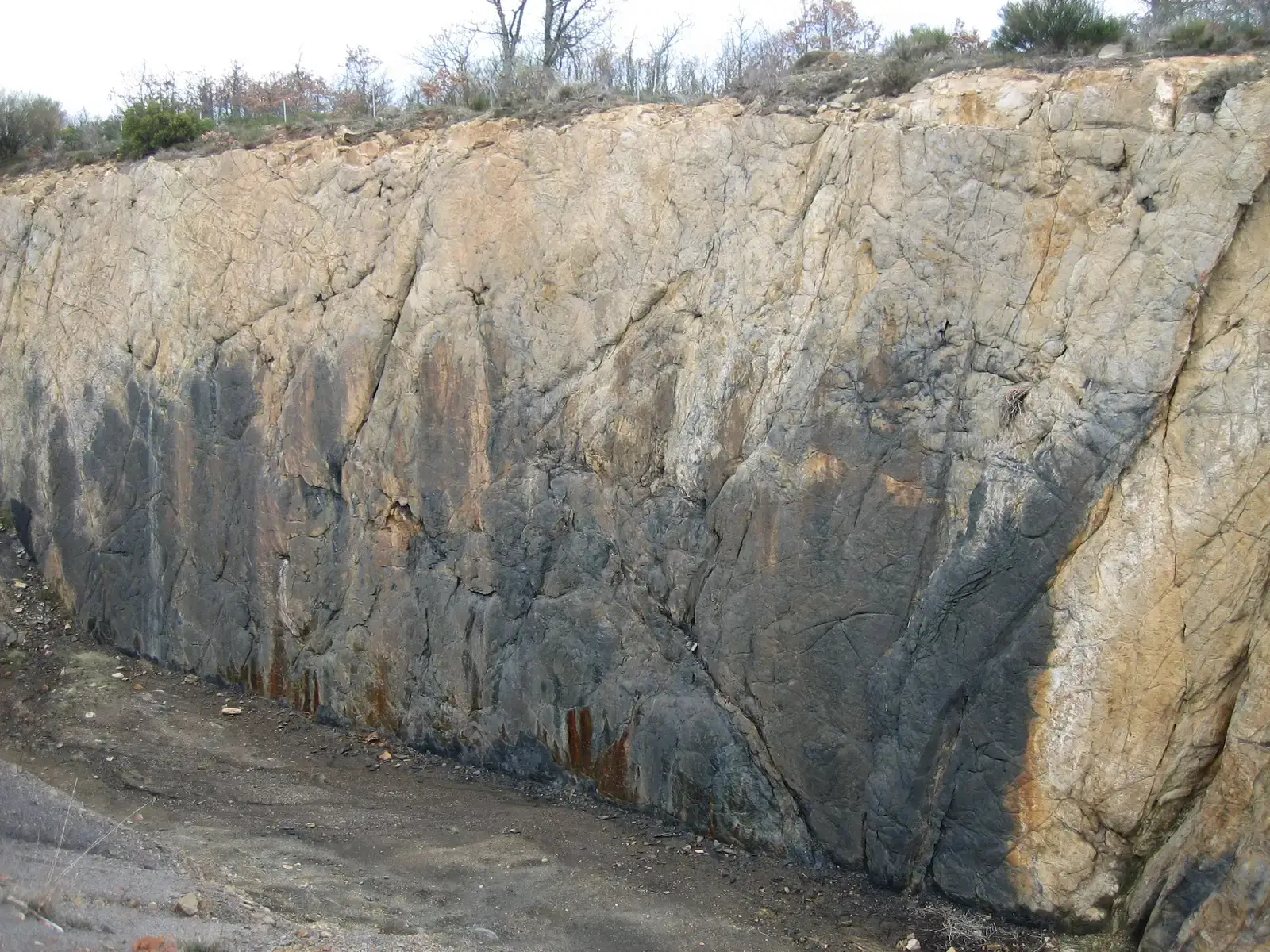
Roughly 300 million years ago, during the Carboniferous Period, Earth’s forests were dominated by giant lycopsids and tree ferns – and when those trees died, something unusual happened: they mostly didn’t rot. Instead, the wood piled up in vast swamps for tens of millions of years, eventually compressing into the coal seams that power much of the modern industrial world.
The leading explanation researchers have debated for decades is that fungi capable of breaking down lignin – the tough compound giving wood its rigidity – simply hadn’t evolved yet, so dead trees accumulated undecomposed instead of rotting away like they do today. It’s a tidy theory, and it’s also been genuinely contested within the field, since some geologists argue swampy, low-oxygen conditions alone could explain the buildup regardless of fungal evolution.
Either way, an entire fossil fuel era exists because ancient forests, for one reason or another, simply refused to decompose properly for millions of years. That single quirk of prehistoric biology is arguably why industrial civilization runs on coal at all. Antarctica, once again, has its own version of a forest frozen mid-story – this one turned to stone almost overnight.
#13 – Antarctica’s Instantly Petrified Forest
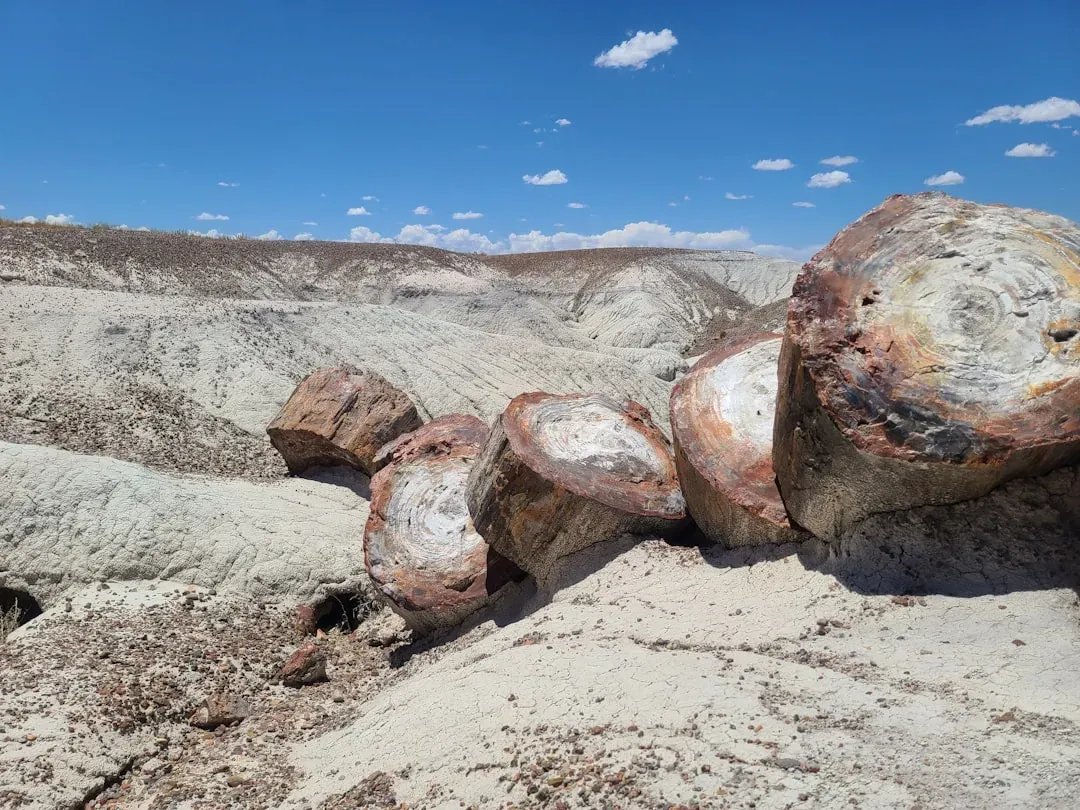
Most petrified wood forms slowly, over thousands of years, as minerals gradually replace organic material cell by cell. Antarctica’s Permian forest broke that timeline entirely. A fossilized Glossopteris tree in the Transantarctic Mountains grew there some 280 million years ago, before being rapidly covered with volcanic ash and turned to stone – essentially a geological flash-freeze rather than a slow mineral seep.
The preservation quality is what shocks researchers most. The forest was probably rapidly buried in volcanic ash, which preserved it down to the cellular level – meaning scientists can examine individual plant cells from 280 million years ago almost as if the tree died last year.
Quick Compare
- Typical petrified wood: forms over thousands of years as minerals slowly replace organic tissue.
- Antarctica’s Permian forest: buried almost instantly under volcanic ash, preserving detail down to individual cells.
- Result: a snapshot of plant biology from 280 million years ago, rather than a slowly mineralized fossil.
That level of detail is rare enough that researchers are still working out exactly how many separate eruptions contributed to the burial, since pinning that number down would help precisely date when these forests actually lived and died.
A forest cell-preserved down to the microscope is a paleobotanist’s dream, and Antarctica appears to be hiding several more of them. Not every mystery on this list is buried in rock, though. One of the strangest arguments in forest science is happening right now, in forests still very much alive.
#14 – The “Wood Wide Web”: Do Forests Actually Talk to Each Other?
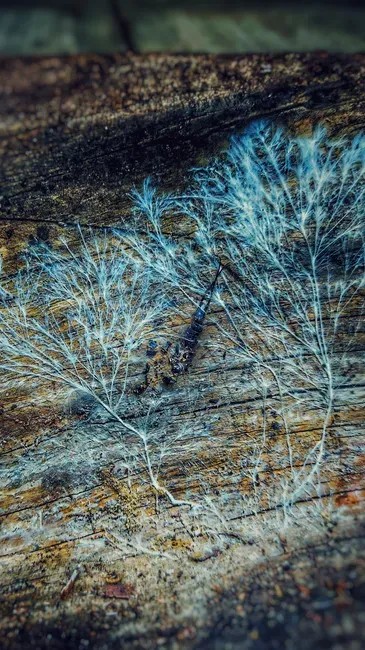
Over the past two decades, a popular idea has taken hold: forests are secretly interconnected through underground fungal networks, allowing trees to share nutrients, send warning signals, and even support their offspring. It’s a compelling, almost poetic vision of ancient woodlands functioning as cooperative superorganisms rather than competing individuals.
The uncomfortable truth is that this idea is far more contested among working scientists than popular articles suggest. Mycorrhizal fungi genuinely do connect tree root systems underground, and some nutrient transfer between connected trees has been documented in controlled studies – but the leap to forests possessing coordinated “communication” or deliberate care for kin has drawn real pushback from researchers who argue the evidence is being stretched well beyond what the data can support.
Many forest ecologists now argue the “trees talk to each other” narrative has outrun the actual science, turning a modest, interesting finding about fungal nutrient exchange into something closer to folklore. The debate hasn’t been settled – and won’t be anytime soon, since testing genuine communication across an entire forest’s root network is staggeringly difficult to prove either way.
The Bottom Line
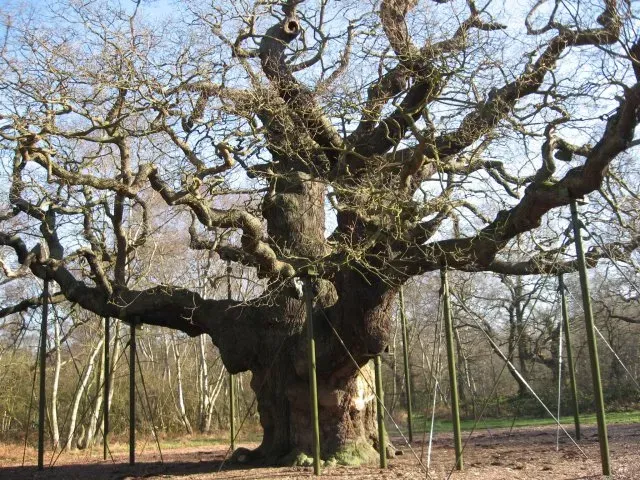
Ancient forests refuse to stay solved. Trees survived a mass extinction that killed 90% of life on Earth, entire woodlands turned to stone in days rather than millennia, and a single root system in Utah may be pushing 80,000 years old. Forests have drowned beneath oceans, hidden entire lost cities under their canopies, and bent in directions science still can’t explain.
Even the question of whether trees “communicate” underground remains a genuine scientific fight, not a settled fact. If there’s one honest takeaway here, it’s that the deeper researchers dig into ancient forests, the more the tidy textbook answers fall apart – and that’s exactly why these mysteries keep pulling scientists back into the woods.
Which one of these caught you off guard? Drop your pick in the comments.